TechShelf Guide

TechShelf Guide

Consumer Electronics Reviews & Buying Guides

Compare consumer electronics by use case, features, trade-offs, price, returns, and seller terms before you buy.

Buying guides

Buying guide image
In-Ear Earphones

In Ear Earbud

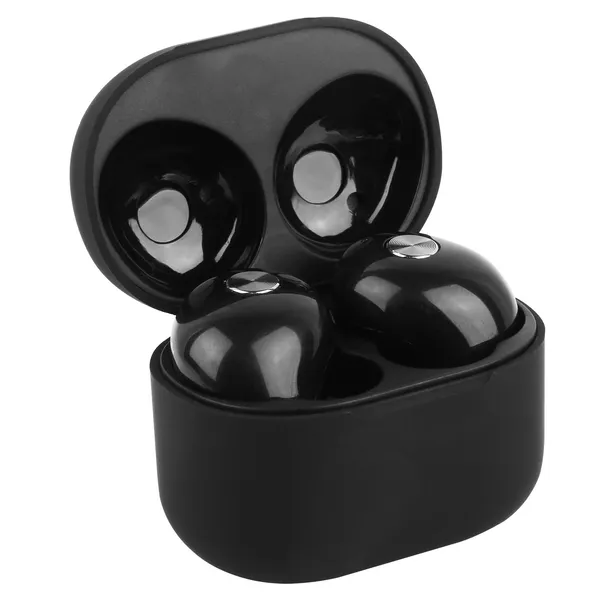
In-ear earbuds split into two irreconcilable architectures: wired IEMs with replaceable cables and balanced-armature/dynamic drivers, and true-wireless earbuds with integrated batteries and Bluetooth radios. The trade-off is acoustic precision and service life versus cable-free convenience and water resistance. Buy wired if you prioritize sound per unit cost, cable replacement, and tip-rolling fit; buy wireless if you need sweatproofing, active noise cancellation, and no snagging.
Buying guide image
Drones & Consumer Robotics

RC Drone

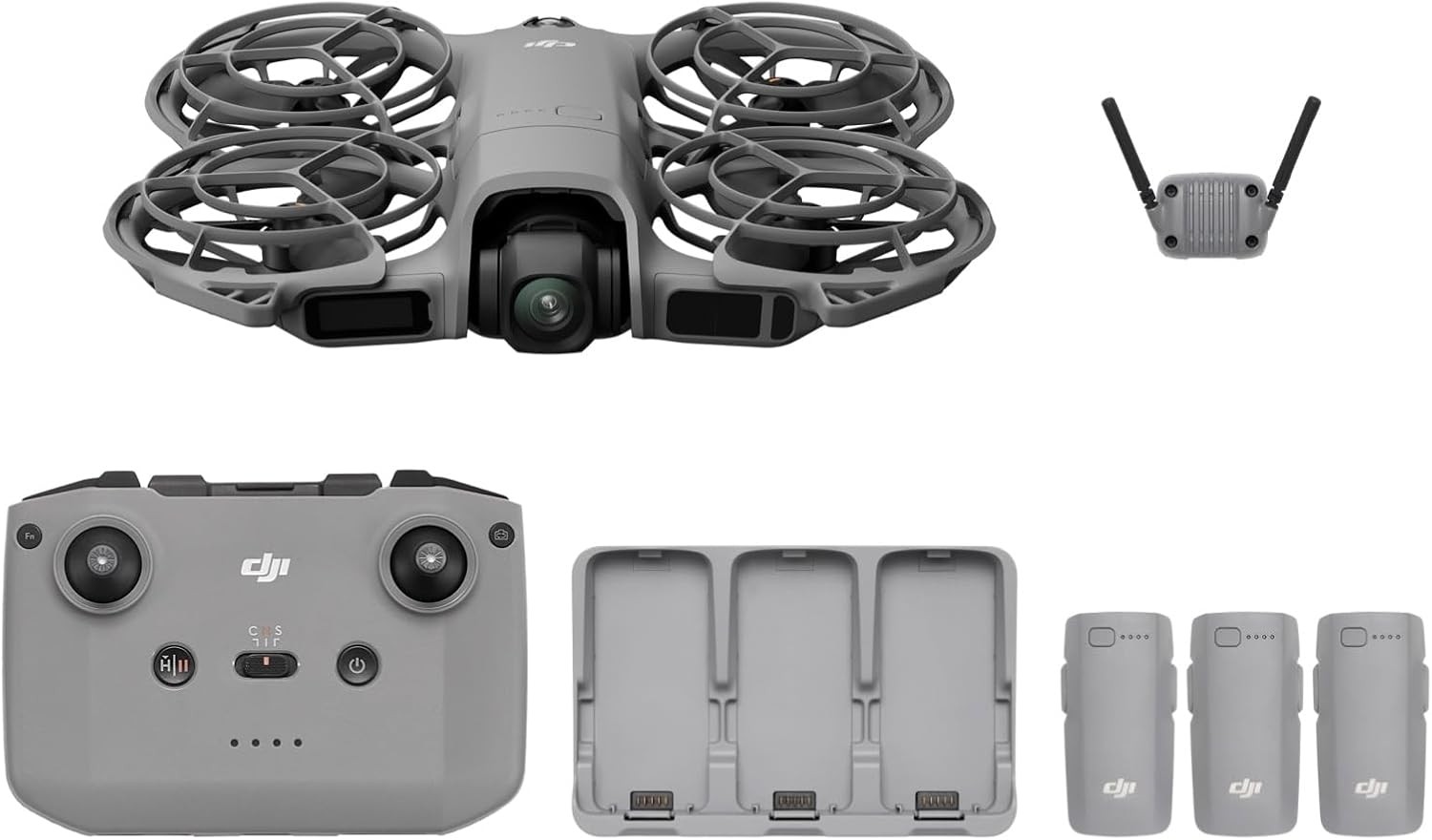
RC drones span toy-grade quadcopters with brushed motors and Wi-Fi video links to GPS-stabilized camera drones with brushless motors and real gimbals, and the core trade-off is control-link and stabilization quality versus claimed camera resolution. The decisive rule: buy a brushless, GPS-equipped drone with a physical gimbal if you want usable footage and wind resistance, and accept a sub-250 g toy quadcopter only if you are flying indoors or in zero-wind conditions for fun.

Buying guide image
Console & Handheld Hardware

Console

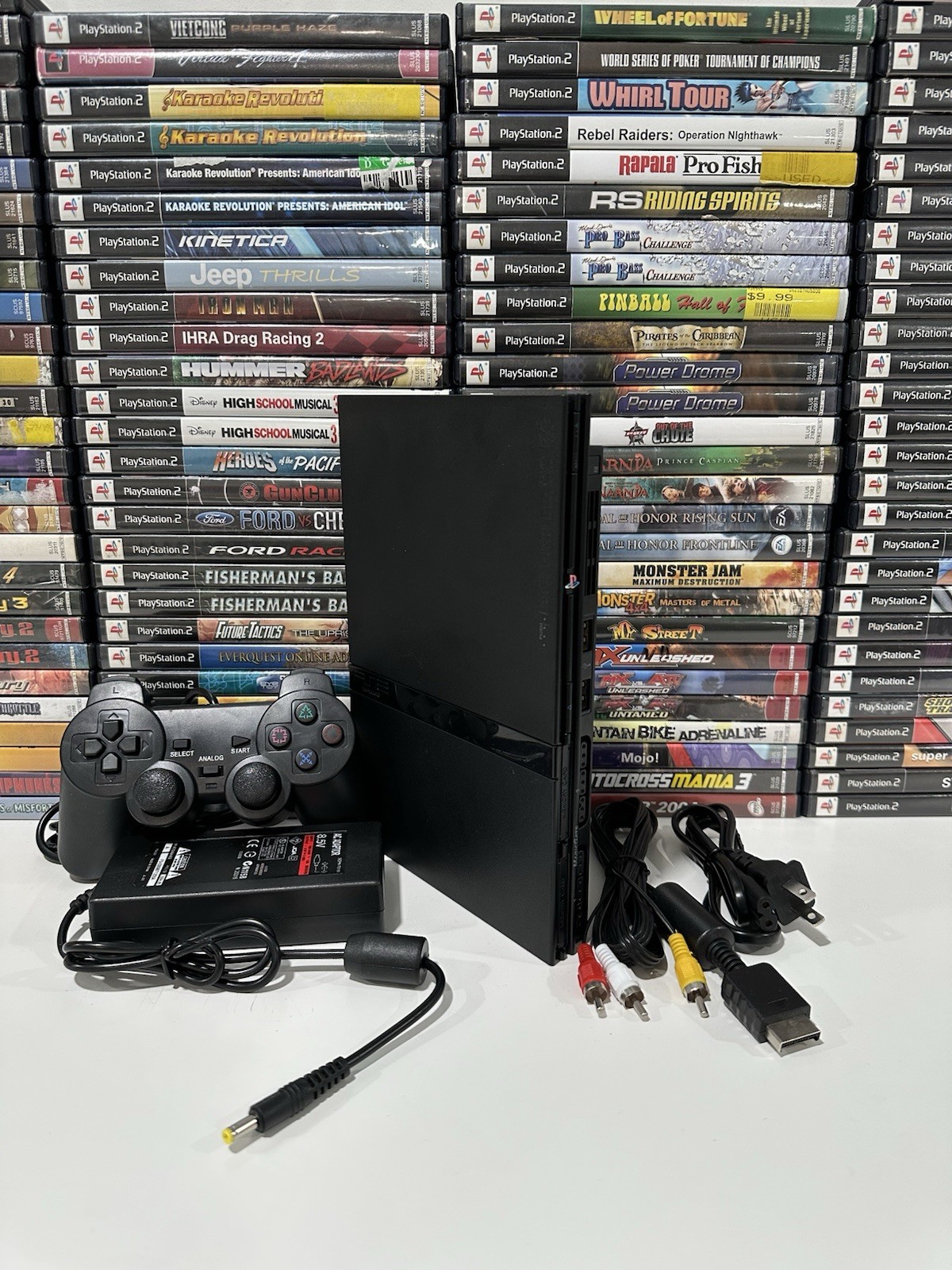
Console covers home and handheld hardware, from modern microconsoles to retro plug-and-play units. The core trade-off is computational architecture versus build quality: multicore ARM/x86 systems with HDMI and rechargeable lithium batteries are durable, while cheap plastic all-in-one handhelds with fixed game lists and AAA primary cells are compromises. The clear decision rule: buy for a known chipset and display specification, not for a game count.

Buying guide image
VR Gaming Hardware & Accessories

VR Headset

A VR headset is a display-and-tracking system whose real value hinges on whether it runs standalone (onboard chip and battery) or tethered to a PC or console, plus the tracking architecture (inside-out cameras vs external base stations) and lens/panel quality. The core trade-off is compute freedom vs fidelity: standalone headsets trade raw rendering power and battery life for cable-free convenience, while tethered units deliver higher resolution and refresh rates but demand a capable GPU or console. The decision rule is simple: buy a current-generation headset with tracked controllers and a proven store ecosystem; skip phone-dock shells and controller-less 'headset only' listings, which are compromised or incomplete.

Buying guide image
VR Gaming Hardware & Accessories

VR Gaming

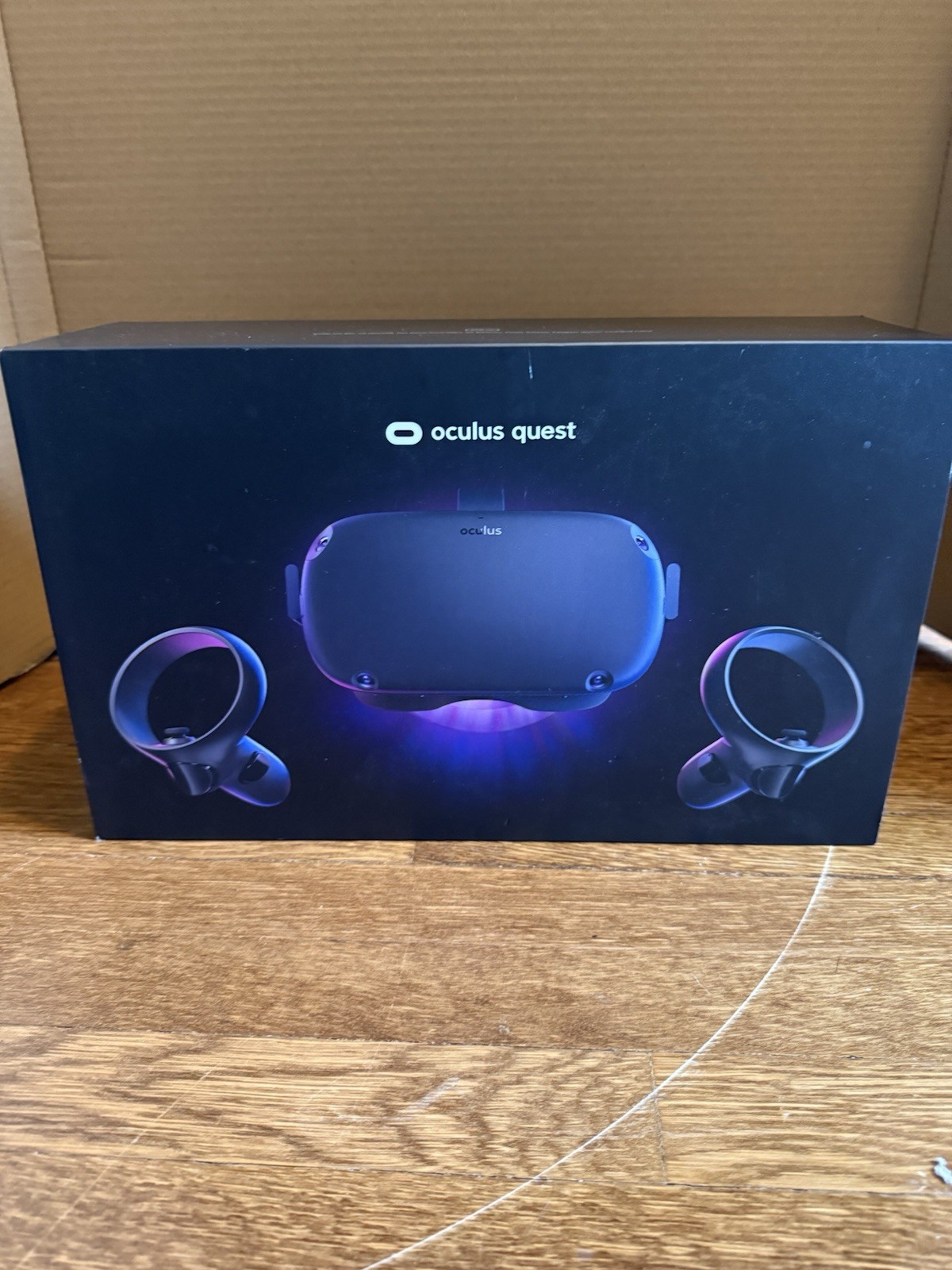
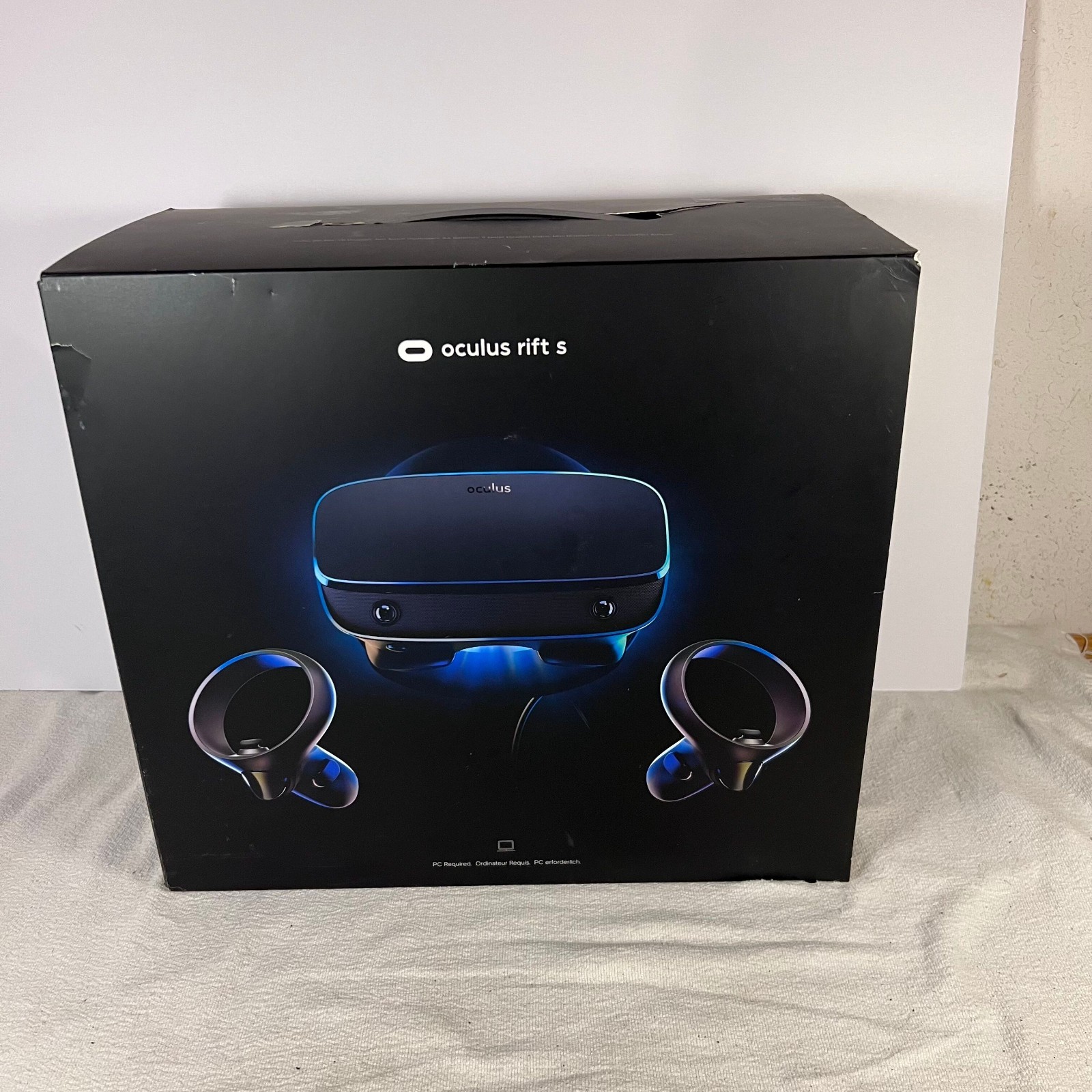
VR gaming hardware spans standalone all-in-one headsets like Meta Quest and PC-tethered systems like Oculus Rift S, each with distinct trade-offs in processing, tracking, and library access. The primary decision is standalone convenience versus PC-powered fidelity, determined by whether you own a VR-ready PC and value a cable-free setup. Durable options use inside-out tracking, fresnel lenses, and 6DoF controllers; avoid outdated 3DoF or external-sensor kits unless on a strict budget.

Buying guide image
VR Gaming Hardware & Accessories

VR Headset PC

A PC VR headset is a tethered or streaming display system that turns your computer into a room-scale or seated VR platform, defined by its tracking architecture, display panel, and connection standard. The core trade-off is between older tethered headsets with direct DisplayPort/HDMI links and modern standalone headsets that stream over Wi-Fi or USB-C, where compression and latency replace cable bandwidth limits. The decision rule: buy a native PC-tethered headset only if you demand uncompressed low-latency tracking and already own a DisplayPort GPU; otherwise choose a standalone headset with verified PC streaming support for lower total cost and cable-free flexibility.

Buying guide image
VR Gaming Hardware & Accessories

VR Headset 2

Shopping for a 'VR Headset 2' usually means one of two things: hunting a used or refurbished Meta Quest 2 to save money, or finding accessories that still fit the Quest 2 platform. The Quest 2 is a discontinued standalone headset, so condition, storage tier, and included controllers matter far more than color or cosmetic wear. Buyers who need current-gen tracking or mixed reality should skip straight to Quest 3 or 3S instead of chasing a Quest 2.

Buying guide image
VR Gaming Hardware & Accessories

Portable VR Headset

Portable VR headsets are standalone, all-in-one systems with integrated compute, battery, and tracking, or lightweight smartphone-tethered viewers; the core trade-off is between optical/display quality and true untethered portability. Durable options use pancake lenses, inside-out 6DoF tracking, and 4000-6000 mAh batteries; compromises rely on Fresnel lenses, 3DoF tracking, and plastic phone cradles.

Buying guide image
VR Gaming Hardware & Accessories

Quality VR Headset

A quality VR headset is defined by its display clarity, tracking fidelity, and comfort-to-weight ratio, not by marketing spec sheets. The primary trade-off is between standalone all-in-one convenience and tethered PC-powered fidelity, with lens type and panel technology separating durable, low-distortion optics from blurry, god-ray-heavy compromises. The clear decision rule: buy for your primary content source (standalone vs. PC), demand pancake optics and a sub-600g balanced weight, and skip any headset that lacks inside-out tracking or uses Fresnel lenses at premium tiers.

Buying guide image
VR Gaming Hardware & Accessories

VR Headset Without Phone

A VR headset without a phone is a self-contained system that either runs standalone (built-in compute and battery) or tethers to a PC or console for rendering. The key trade-off is portability and setup simplicity versus raw performance and library depth: standalone headsets trade GPU horsepower for untethered freedom, while PC/console headsets demand a capable host but deliver higher fidelity. The decision rule is simple: if you lack a VR-ready PC or console, buy a standalone system with inside-out tracking; if you already own capable hardware, a tethered headset gives more performance per dollar.

Buying guide image
VR Gaming Hardware & Accessories

5 VR Headset

A VR headset is a display-plus-tracking system where the optical stack, panel resolution, and tracking architecture determine comfort and longevity far more than cosmetic color. The core trade-off is standalone mobile-class silicon versus tethered PC/console rendering, and buyers should choose by content ecosystem and tracking volume, not by spec-sheet resolution alone. Durable, well-supported headsets use inside-out or base-station tracking with replaceable facial interfaces and standard DisplayPort/USB-C or console-native connectivity.

Buying guide image
VR Gaming Hardware & Accessories

VR Headset Compatible With iPhone

iPhone-compatible VR headsets are smartphone-powered or standalone headsets that either dock an iPhone or stream to it via Wi-Fi/Bluetooth, and the primary trade-off is between the low-cost optical shell (phone as display) and the standalone Android-based headset (no iPhone tether). The decision rule: buy a phone-dock headset only if you accept 60–90 Hz phone refresh and no positional tracking; buy a standalone headset only if you will use iPhone solely for casting/mirroring, not as the display.

Buying guide image
VR Gaming Hardware & Accessories

VR Headset Xbox

VR headsets for Xbox are standalone or wired VR systems that can access Xbox games through cloud streaming, PC link, or native apps, since Xbox consoles do not officially support any VR headset. The core trade-off is between standalone mobile-chip headsets (Quest 3S, Pico) that stream Xbox games via Xbox Cloud Gaming and PC-tethered headsets (Quest Link, PSVR2 on PC) that require a gaming PC; true console-native VR does not exist. The decision rule: buy a standalone Quest-class headset for wireless Xbox cloud gaming, and skip any headset marketed as 'Xbox-native' because no such product exists.

Buying guide image
VR Gaming Hardware & Accessories

VR Headset With Controllers

A VR headset with controllers is a complete tracking system: the headset provides the display and sensors, while the tracked controllers are required for interaction and are not interchangeable across brands or generations. The primary trade-off is between standalone Android-based headsets (Quest 2/3/3S) with inside-out tracking and PC-powered headsets (Rift S, Index) that need a gaming PC and often external base stations. Buy a headset whose controllers are included, matched to the exact headset model, and priced as a complete kit; skip any listing that sells the headset 'only' or mixes controller generations.

Buying guide image
VR Gaming Hardware & Accessories

VR Goggles

Shoppers searching for VR goggles usually fall into two camps: phone-dock viewers for casual 360° video and standalone or PC-tethered headsets for true 6DoF gaming. Get the platform wrong and you'll either pay for tracking you can't use or end up with a headset that has no content library. Match the headset class to your phone, PC, or console first, then size the fit and lenses.

Buying guide image
Controllers & Gaming Accessories

Wireless Controller PC

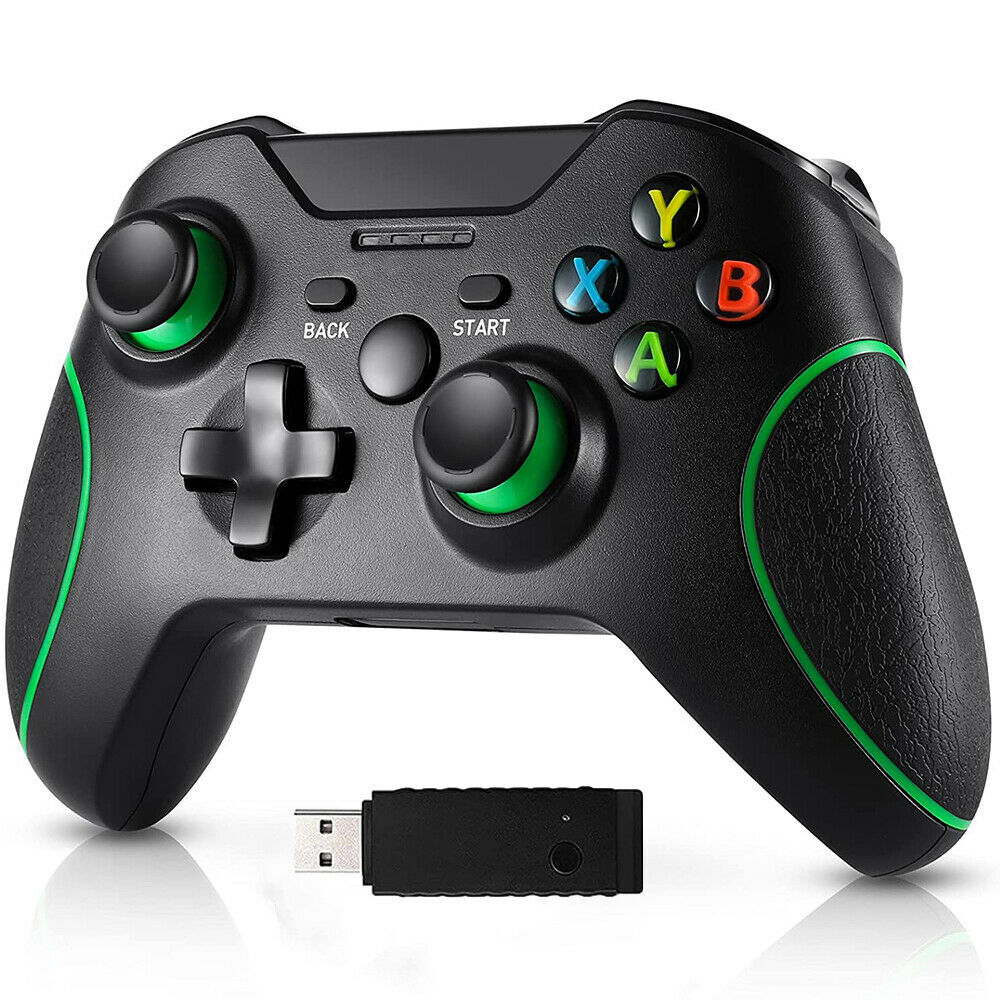
A wireless PC controller is an input device that connects over Bluetooth, a 2.4 GHz USB dongle, or a wired fallback, and its core trade-off is native XInput/Steam compatibility versus cheap multi-protocol firmware that emulates it poorly. Buy a controller whose connection mode matches your platform and whose sticks use Hall-effect sensors; skip generic gamepads that list every console but guarantee none.

Buying guide image
VR Gaming Hardware & Accessories

VR Headset Mobile Phone

Phone-based VR headsets turn a compatible handset into a 3DoF viewing and light-gaming device, but the category splits sharply between cheap passive shells and headset-plus-controller bundles that actually support spatial interaction. The single biggest buying mistake is ignoring the phone's physical size limits and sensor suite: a headset that clamps a 6.7-inch phone may still deliver a blurry, drift-prone experience if the phone lacks gyroscope and proximity sensors. Decide first whether you need media-only viewing or true tracked gaming, then match the headset's lens adjustment and phone cradle to your exact device.

Buying guide image
VR Gaming Hardware & Accessories

VR Headset Phone

A VR headset phone is a smartphone-powered viewer that uses your phone's screen and sensors for virtual reality, ranging from simple cardboard-style shells to adjustable plastic headsets with built-in lenses and straps. The core trade-off is lens and strap quality versus weight and phone compatibility: cheap shells use fixed-focus plastic lenses and elastic straps that cause blur and discomfort, while better models offer adjustable IPD, larger lens apertures, and rigid head straps. The decision rule is simple—buy an adjustable-lens headset with a firm 3-point strap if you plan to use VR for more than a few minutes; skip fixed-lens shells unless you only need novelty viewing.

Buying guide image
VR Gaming Hardware & Accessories

VR Set

A VR set (headset plus tracking and controllers) splits into two architectures: standalone Android-based units like Meta Quest 2/3 with inside-out tracking, and PC-powered tethered headsets like Oculus Rift S that depend on a gaming PC. The core trade-off is onboard compute and battery versus raw PC GPU fidelity; standalone wins for low-friction room-scale play, tethered wins for sim and high-fidelity cockpit use. The durable rule: buy a standalone headset with inside-out tracking and at least 6GB RAM for all-in-one use, or a tethered headset only if you already own a VR-Ready PC with a DisplayPort and a GTX 1060/RX 580-class GPU or better.

Buying guide image
VR Gaming Hardware & Accessories

VR Console

A VR console is either a standalone all-in-one headset with onboard compute or a PC-powered headset that relies on a connected computer. The core trade-off is portability and setup simplicity versus raw rendering power and upgradeability. Buy standalone if you lack a VR-ready PC and want room-scale freedom; buy PC-powered only if you already own a GPU that meets the headset's minimum spec and want higher-fidelity sims or modded titles.

You may also like

Finding more guides for you…