TechShelf Guide

TechShelf Guide

Consumer Electronics Reviews & Buying Guides

Compare consumer electronics by use case, features, trade-offs, price, returns, and seller terms before you buy.

Buying guides

Buying guide image
VR Gaming Hardware & Accessories

Meta Quest

Meta Quest is a family of standalone VR headsets that run Android-based software with inside-out tracking, no PC or console required. The core trade-off is generation: Quest 2 uses Fresnel lenses and a Snapdragon XR2 Gen 1, while Quest 3 and 3S move to pancake optics (Quest 3 only) and XR2 Gen 2 for roughly double the GPU performance. Buy Quest 3 if you want the sharpest pancake-lens clarity and full-color mixed reality; buy Quest 2 only as a budget entry point or for legacy titles.
Buying guide image
VR Gaming Hardware & Accessories

Meta Quest 3

The Meta Quest 3 is a standalone VR headset with inside-out tracking, color passthrough, and Touch Plus controllers, available in 128GB and 512GB tiers; the 512GB tier uses a denser NAND and includes a charging dock. The primary trade-off is storage tier versus accessory ecosystem: the 128GB model suits streaming-focused users, while 512GB suits large local libraries. The key decision is whether you need standalone freedom or will tether to a PC—only the latter justifies skipping the 512GB tier.

Buying guide image
VR Gaming Hardware & Accessories

Meta Quest 2

The Meta Quest 2 is a standalone 6DoF VR headset using inside-out tracking and a Snapdragon XR2 chip, available in 64GB, 128GB, and 256GB storage tiers. The key trade-off is storage capacity and controller condition versus bundle completeness, since the headset is discontinued and only used or refurbished units remain. Buy a tested, complete kit with functional controllers and a known storage size; avoid headset-only or stick-drift listings unless you already own working Quest 2 controllers.

Buying guide image
Drones & Consumer Robotics

DJI Mini 3 Drone

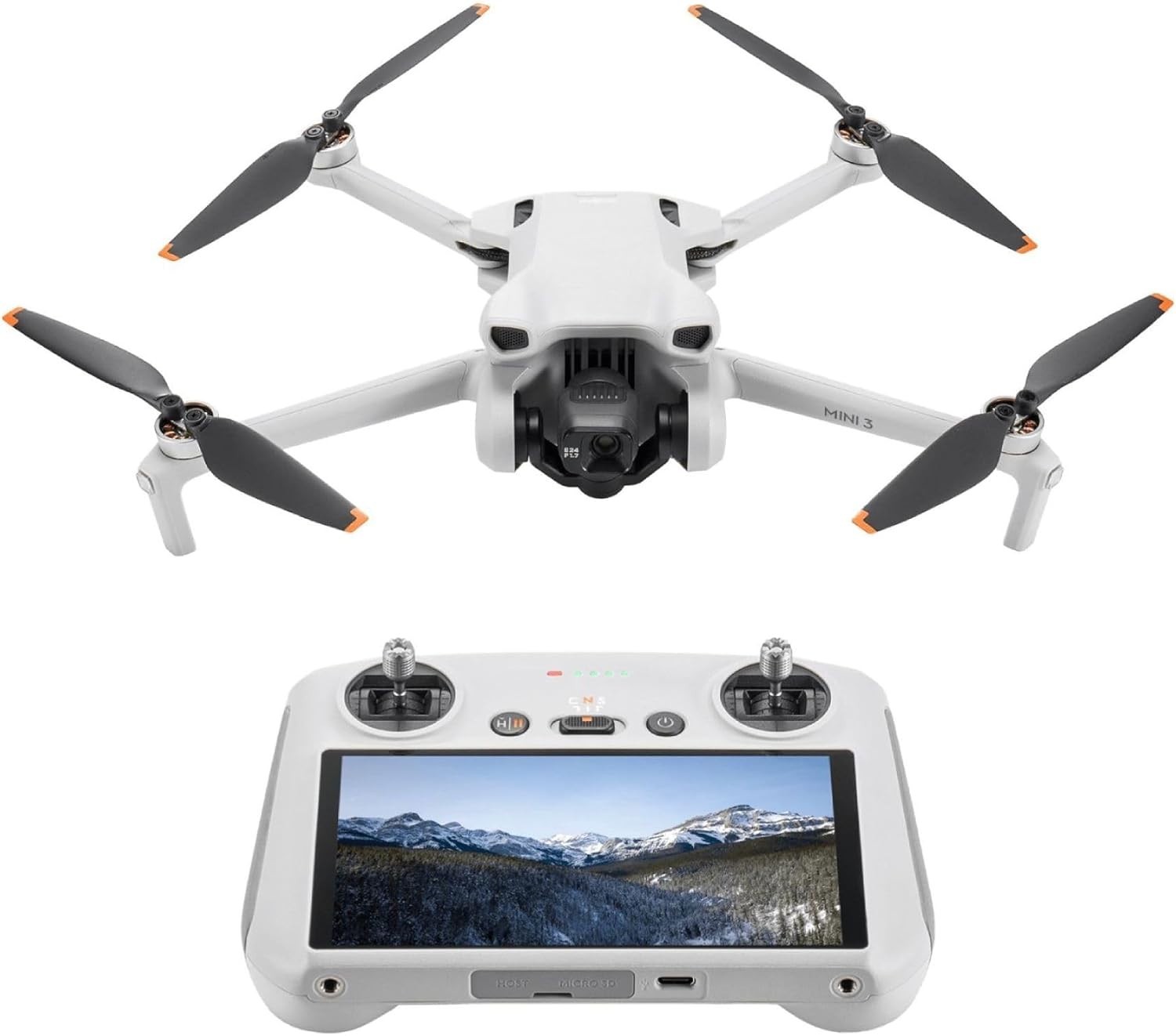
The DJI Mini 3 is a sub-249g folding camera drone with a 1/2.3" CMOS sensor, 4K video, and extended battery options. The key decisions are sensor size (Mini 3 vs Mini 3 Pro's larger 1/1.3" sensor and obstacle avoidance) and battery tier (standard 38-min vs Plus 51-min, which pushes weight above 249g in many regions). Choose the standard battery for global sub-249g compliance; choose the Pro only if you need forward/backward obstacle sensing and a larger sensor.

Buying guide image
FDM 3D Printers

3D Printer

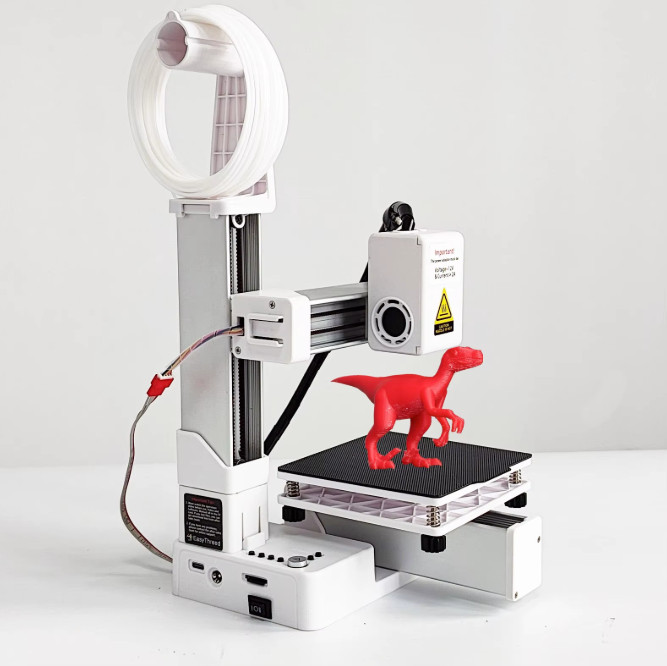
FDM 3D printers are filament-based machines where the core trade-off is between open-frame bedslingers and enclosed CoreXY kinematics that determine speed, material compatibility, and dimensional accuracy. The decisive rule: buy enclosed CoreXY if you need engineering filaments like PEEK or ABS, and open-frame bedslingers only for PLA/PETG hobby work in a well-ventilated room.

Buying guide image
In-Ear Earphones

Earbud Headphone

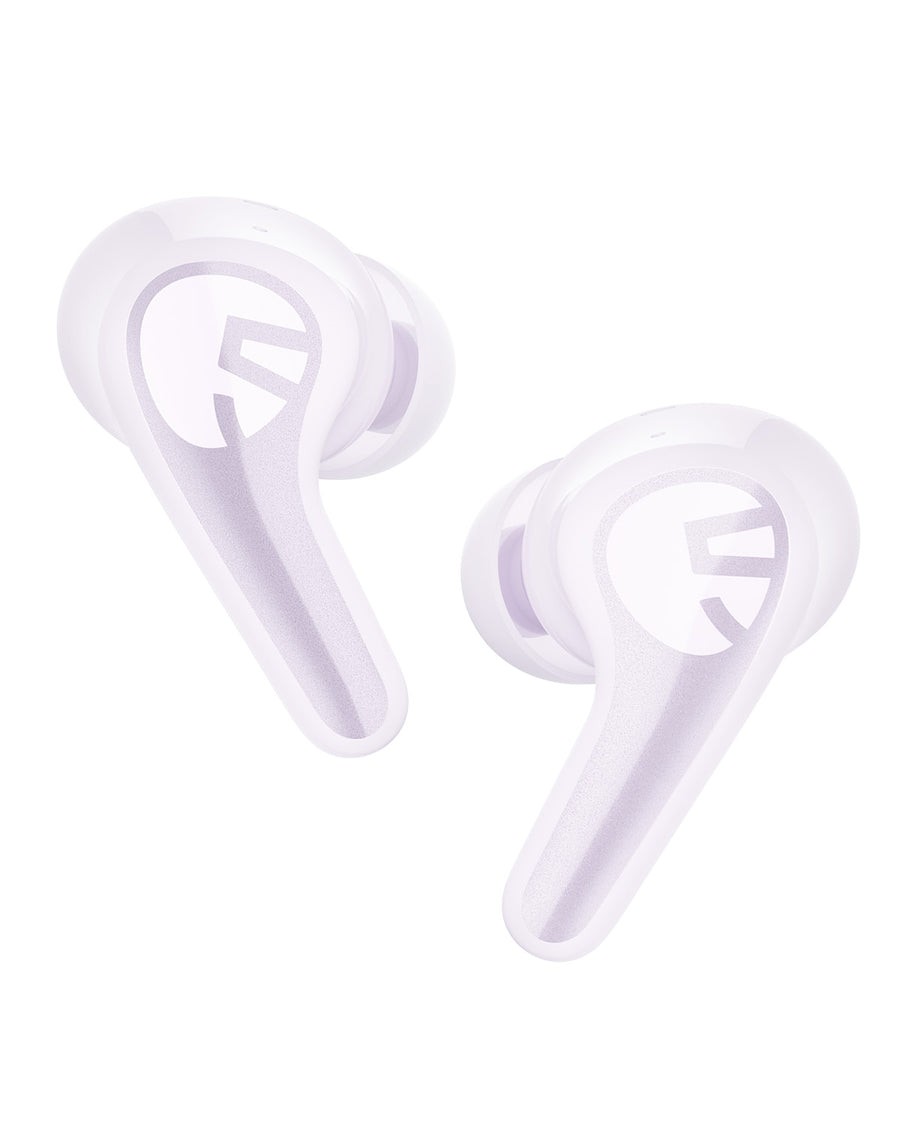
Earbud headphones span wired 3.5mm in-ears, neckband Bluetooth sets, and true-wireless (TWS) models, with the main trade-off being integrated battery/waterproofing versus wired durability and lossless latency. Decide by connection architecture first: wired for zero-latency monitoring and indefinite life, neckband for all-day battery with a secure drape, TWS for cable-free movement. Durable options use Bluetooth 5.x, IPX4+ sealing, and replaceable or metal-shell construction; compromises rely on older Bluetooth 4.x, IP44-minus seals, and non-replaceable cells.

Buying guide image
DACs & Headphone Amplifiers

Headphone Amplifier

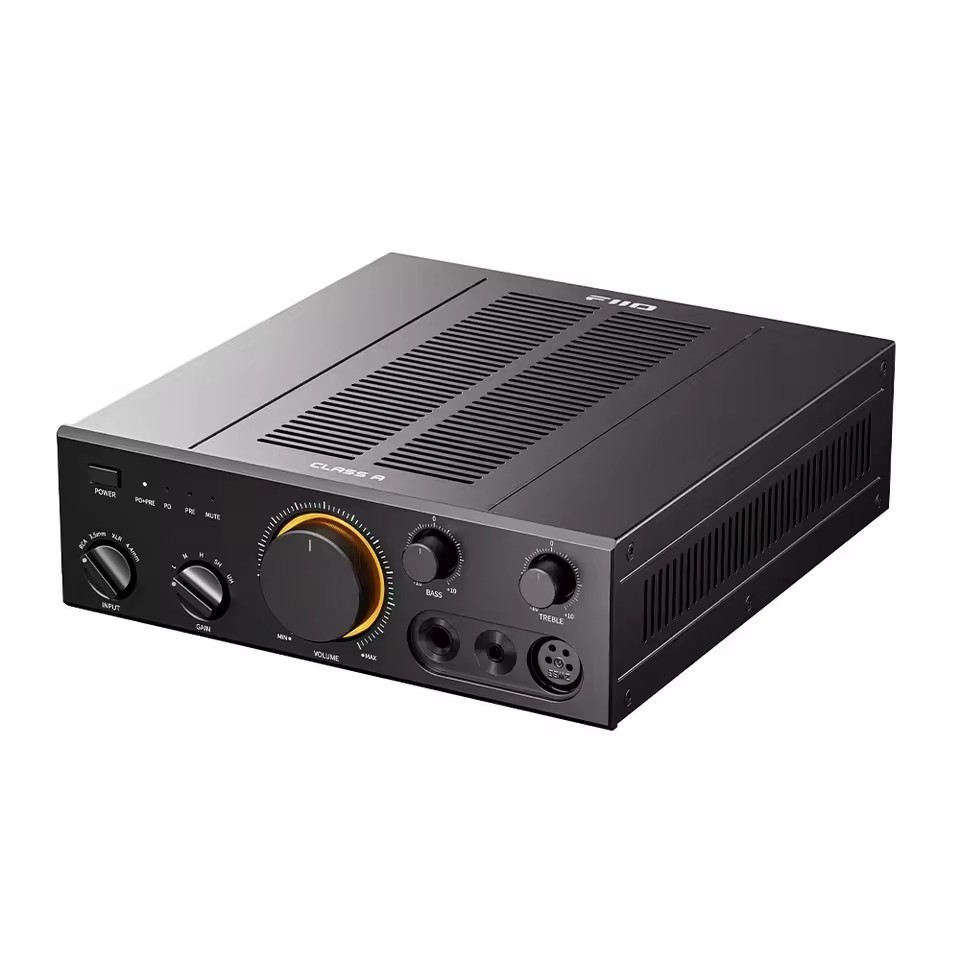
A headphone amplifier boosts voltage and current so headphones reach clean, dynamic volume without distorting or clipping the source. The core trade-off is output power versus noise floor and output impedance, plus whether you need a pure analog amp or a DAC-amp combo for digital sources. Buy a discrete or THX-AAA class amp with output impedance under 1 ohm for low-impedance headphones, and step up to a balanced or high-current design only if you own hard-to-drive planars or high-impedance dynamics.

Buying guide image
Console & Handheld Hardware

Retro Video Game Console

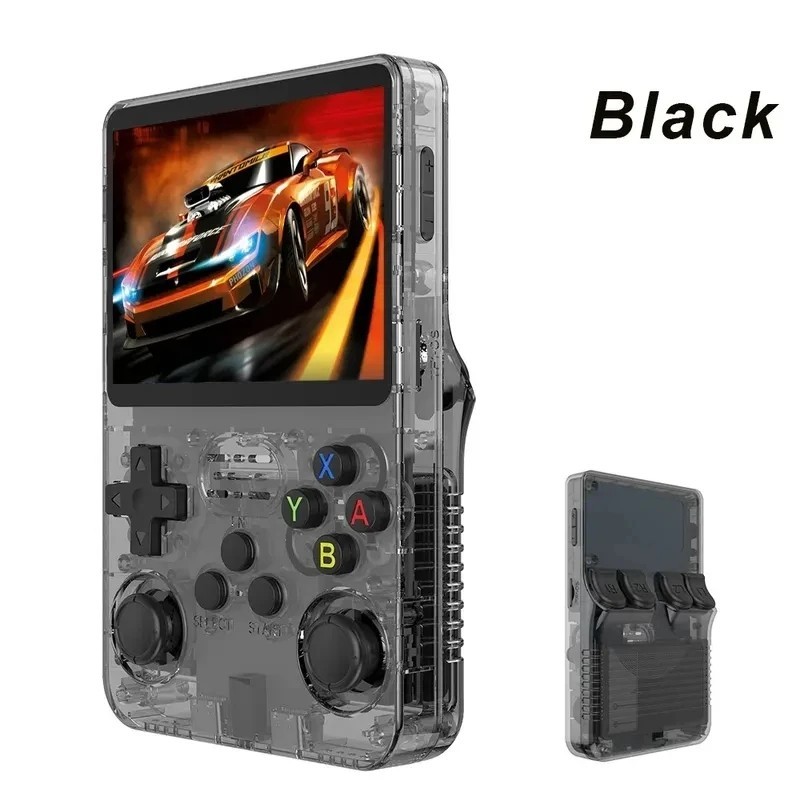
A retro video game console is a device that plays classic games via built-in storage or emulation, available as handhelds, home consoles, or plug-and-play TV sticks. The primary trade-off is between all-in-one convenience (built-in game libraries, often of varying legality and quality) and authentic hardware accuracy (original consoles or FPGA recreations), which dictates game compatibility, input lag, and longevity. The clear decision rule: buy a dedicated emulation device from a reputable brand for curated libraries and modern features; choose original hardware or FPGA only if you demand cycle-accurate performance and physical cartridge support.

Buying guide image
Keycaps & Artisan Keycaps

Keycap

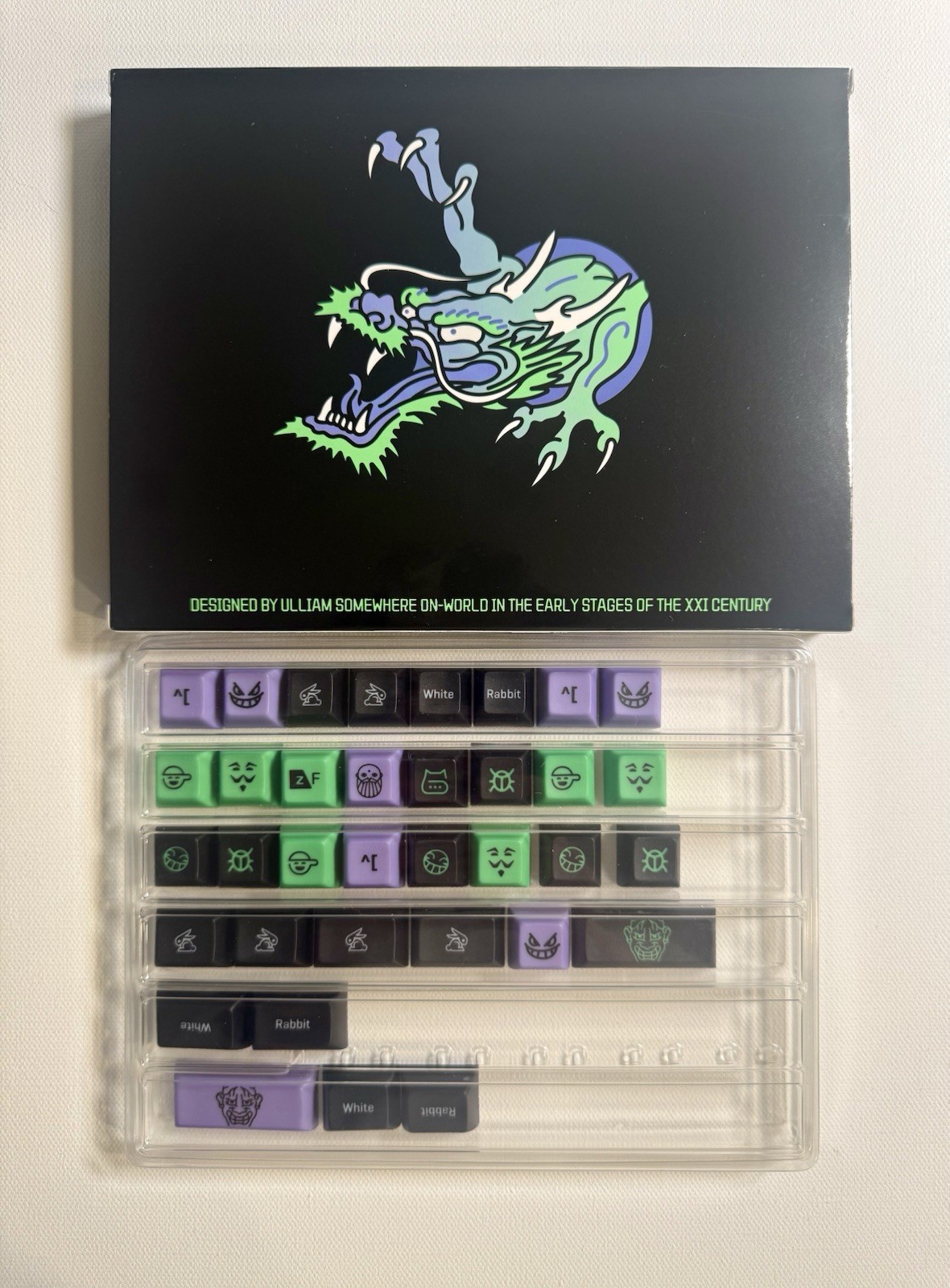
Keycaps are the interface layer that determines typing feel, sound signature, and long-term wear on any MX-stem mechanical keyboard. The primary trade-off is material and legend method: PBT with doubleshot or dye-sublimated legends resists shine and fading, while ABS and pad-printed legends wear faster. The decision rule is simple: if the set does not specify PBT (or another durable plastic) and a doubleshot or dye-sub legend, treat it as a cosmetic short-term purchase rather than a durable one.

Buying guide image
VR Gaming Hardware & Accessories

Oculus

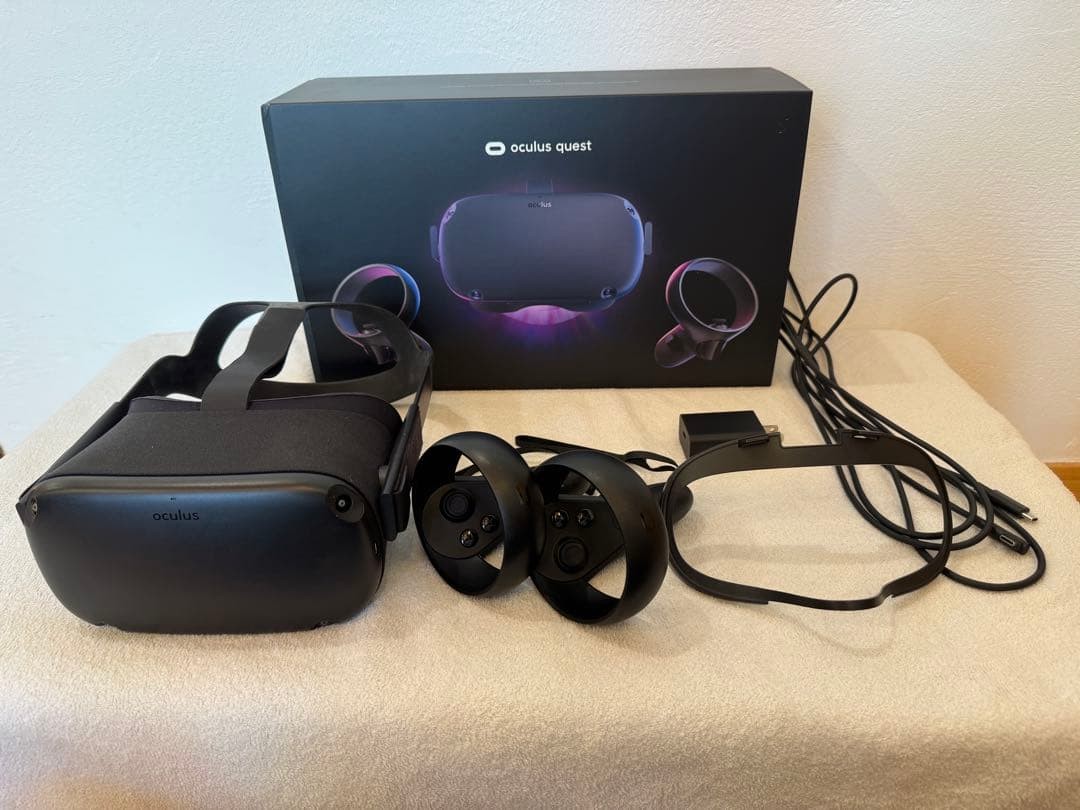
Oculus is Meta's VR hardware line spanning PC-tethered (Rift S), standalone Android-based (Quest 2/3), and legacy mobile (Go) architectures. The core trade-off is between the Rift S's DisplayPort PC tether for low-latency PC VR versus the Quest 2/3's self-contained Snapdragon XR2 compute with optional Link/Air Link. Buy a Quest 3 for mixed-reality passthrough and pancake lenses, a Quest 2 for budget standalone VR, and a Rift S only for dedicated PC rigs with DisplayPort.

Buying guide image
VR Gaming Hardware & Accessories

Oculus Headset

Oculus (now Meta Quest) headsets span two distinct architectures: PC-tethered DisplayPort units (Rift S) and standalone Android-based all-in-ones (Quest 1/2/3). The core trade-off is flexibility versus fidelity: standalone offers untethered freedom at mobile-chip performance, while PC-VR delivers higher frame rates and graphics but locks you to a cable and a VR-ready PC. The decision rule is simple—buy standalone if you lack a VR-ready PC or value room-scale freedom; buy PC-tethered only if you already own a capable gaming rig and want seated/room-scale fidelity without compression artifacts.

Buying guide image
DACs & Headphone Amplifiers

Headphone Amp

A headphone amp is the gain stage that supplies voltage and current to your headphones, and the primary trade-off is clean power versus output impedance and noise floor. Durable, definitive options pair a low-impedance solid-state output with adequate current for your headphone's sensitivity; compromises rely on flea-watt Class A designs or unbuffered USB dongles that clip on dynamic peaks.

Buying guide image
Keycaps & Artisan Keycaps

High Quality Keycap

High-quality keycaps are defined by durable double-shot or dye-sublimated legends on thick PBT or premium ABS, not by flashy renders. The core trade-off is material thickness and legend method versus cost: thin ABS pad-printed caps shine and fade, while 1.5mm+ PBT double-shot or dye-sub caps resist wear for years. The decision rule is simple: demand a stated plastic grade, legend process, and wall thickness—if a listing omits all three, treat it as a compromise tier.

Buying guide image
DACs & Headphone Amplifiers

Headphone Amp With Eq

A headphone amp with EQ combines a dedicated headphone amplifier stage with user-adjustable tone control or parametric equalization, letting you tailor frequency response to your headphones and hearing. The core trade-off is analog EQ simplicity versus digital DSP flexibility: analog bass/treble knobs add minimal circuitry and cost, while digital parametric EQ demands a clean DAC and app or on-device controls. The decision rule is clear: choose a unit with at least one parametric band below 100 Hz and documented output impedance under 1 ohm for low-impedance headphones; skip fixed shelf-only EQ if you need to tame narrow peaks.

Buying guide image
In-Ear Earphones

Earbud In Ear

In-ear earbuds span three real architectures: wired IEMs, neckband Bluetooth, and true-wireless (TWS) — the core trade-off is acoustic seal and driver quality versus wireless convenience and battery life. Durable picks use Bluetooth 5.3+, IPX4+ shells, and replaceable or standard tips; compromises use Bluetooth 4.x, vague IP ratings, and non-standard ear tips.

Buying guide image
Over-Ear Headphones

Wireless Headset

Wireless over-ear headphones split into two clear architectures: Bluetooth for portable music and calls, and RF/UHF for low-latency TV and studio monitoring. The decisive trade-off is codec/latency and battery budget versus ANC quality and build materials. Buy Bluetooth 5.2+ with 30+ hour battery and replaceable pads for daily use; choose RF with a dedicated base for TV; skip plastic-hinge budget models if you need long-term durability.

Buying guide image
Chargers, Power Banks & Adapters

Charger

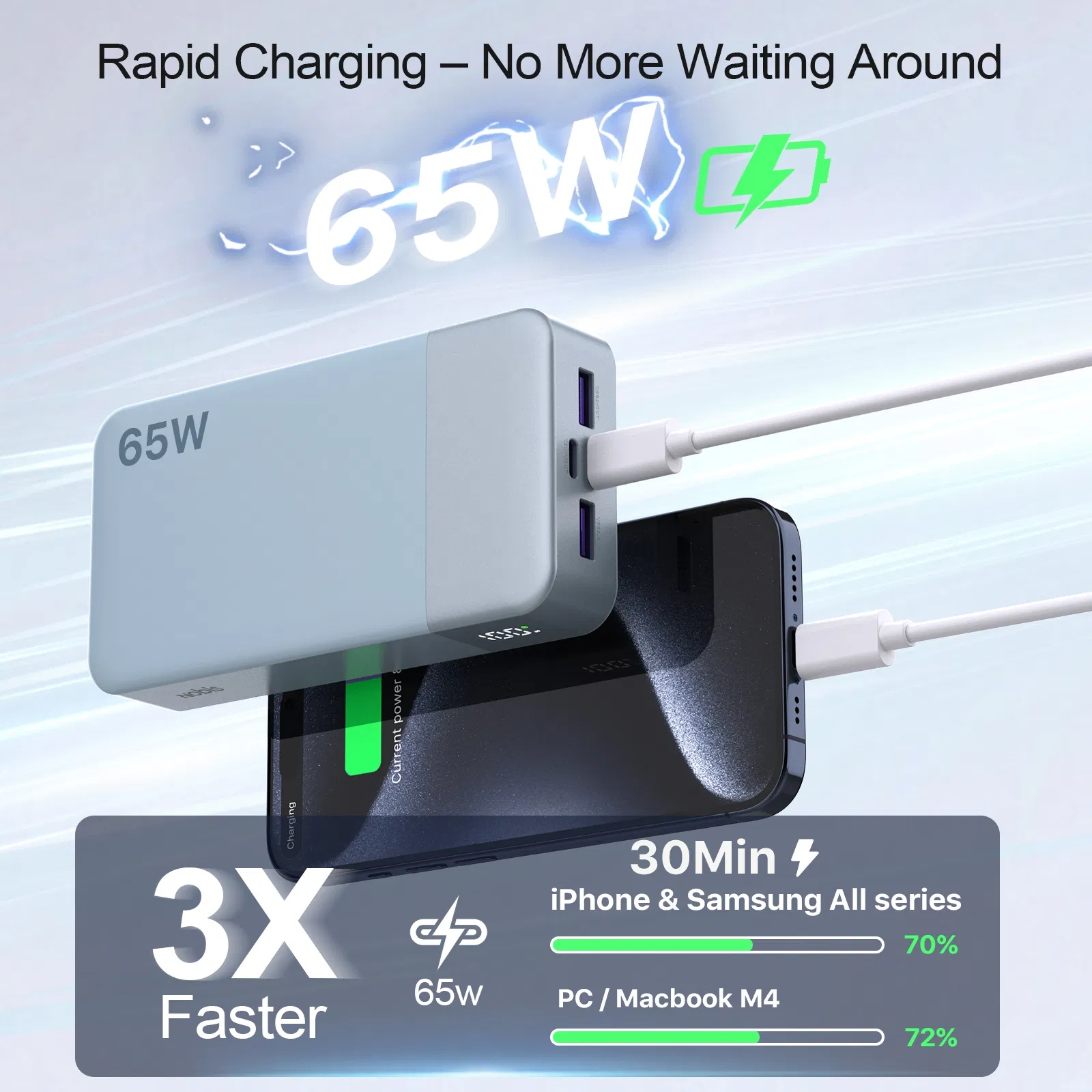
A charger is any external power supply that converts AC wall voltage to the DC voltage your device needs, whether that is a USB-C Power Delivery brick, a Qi wireless pad, or a fixed-voltage barrel adapter for a label maker or game console. The core trade-off is protocol and voltage compatibility versus raw wattage: USB-C PD units negotiate safe voltages automatically, while fixed DC adapters must match voltage, polarity, and barrel size exactly or they will not work or may cause damage. Buy a certified USB-C PD charger for phones and laptops; buy a fixed-voltage adapter only when the device lacks USB-C input and you have matched its label specs.

Buying guide image
VR Gaming Hardware & Accessories

VR Meta Quest

The Meta Quest line is a family of standalone VR headsets (Quest 2, Quest 3, Quest 3S) that run Android-based software without a PC or console, plus the controllers and straps that complete the system. The core trade-off is generation: Quest 2 uses Fresnel lenses, a Snapdragon XR2 Gen 1, and 64/128/256GB tiers, while Quest 3/3S add pancake optics, XR2 Gen 2, and full-color passthrough. Buy Quest 3 or 3S for current-gen performance and mixed reality; buy Quest 2 only as a budget entry or for legacy accessories you already own.

Buying guide image
Computers & Peripherals

Portable Inkjet Printer

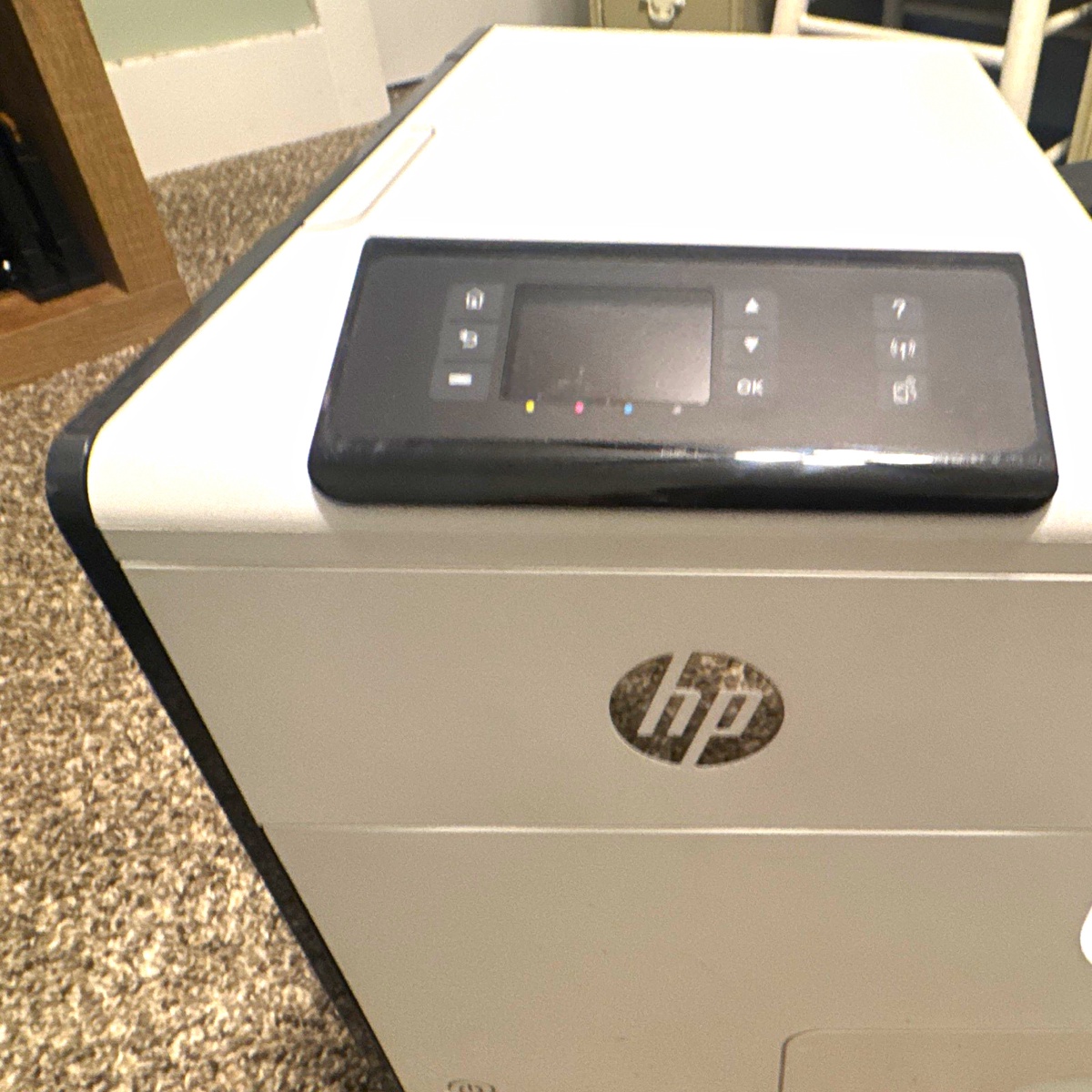
A portable inkjet printer is a compact, battery- or car-powered inkjet designed for on-the-go document and photo printing, trading speed and paper capacity for true mobility. The core trade-off is between full desktop print quality (thermal or piezo printheads, pigment inks) and travel-friendly size, weight, and power flexibility. The decision rule: buy a battery-capable model only if you print under 50 pages per trip and need true untethered operation; otherwise a compact AC-only inkjet delivers better durability and lower ink cost.

Buying guide image
VR Gaming Hardware & Accessories

Meta Quest VR

Meta Quest VR is a family of standalone Android-based headsets (Quest 2, Quest 3, Quest 3S) that run games natively without a PC, using inside-out camera tracking and dual LCD/ pancake optics. The core trade-off is generation: Quest 2 uses Fresnel lenses and 64/128/256GB storage with a dated XR2 Gen 1 chip, while Quest 3/3S add pancake optics, color passthrough, and XR2 Gen 2 for sharper visuals and mixed reality. The decision rule: buy Quest 3 or 3S for current-generation performance and support; buy Quest 2 only as a budget entry if you accept Fresnel glare, lower resolution, and eventual app delisting.

You may also like

Finding more guides for you…