TechShelf Guide

TechShelf Guide

Consumer Electronics Reviews & Buying Guides

Compare consumer electronics by use case, features, trade-offs, price, returns, and seller terms before you buy.

Buying guides

Buying guide image
VR Gaming Hardware & Accessories

VR Headset Xbox Series X

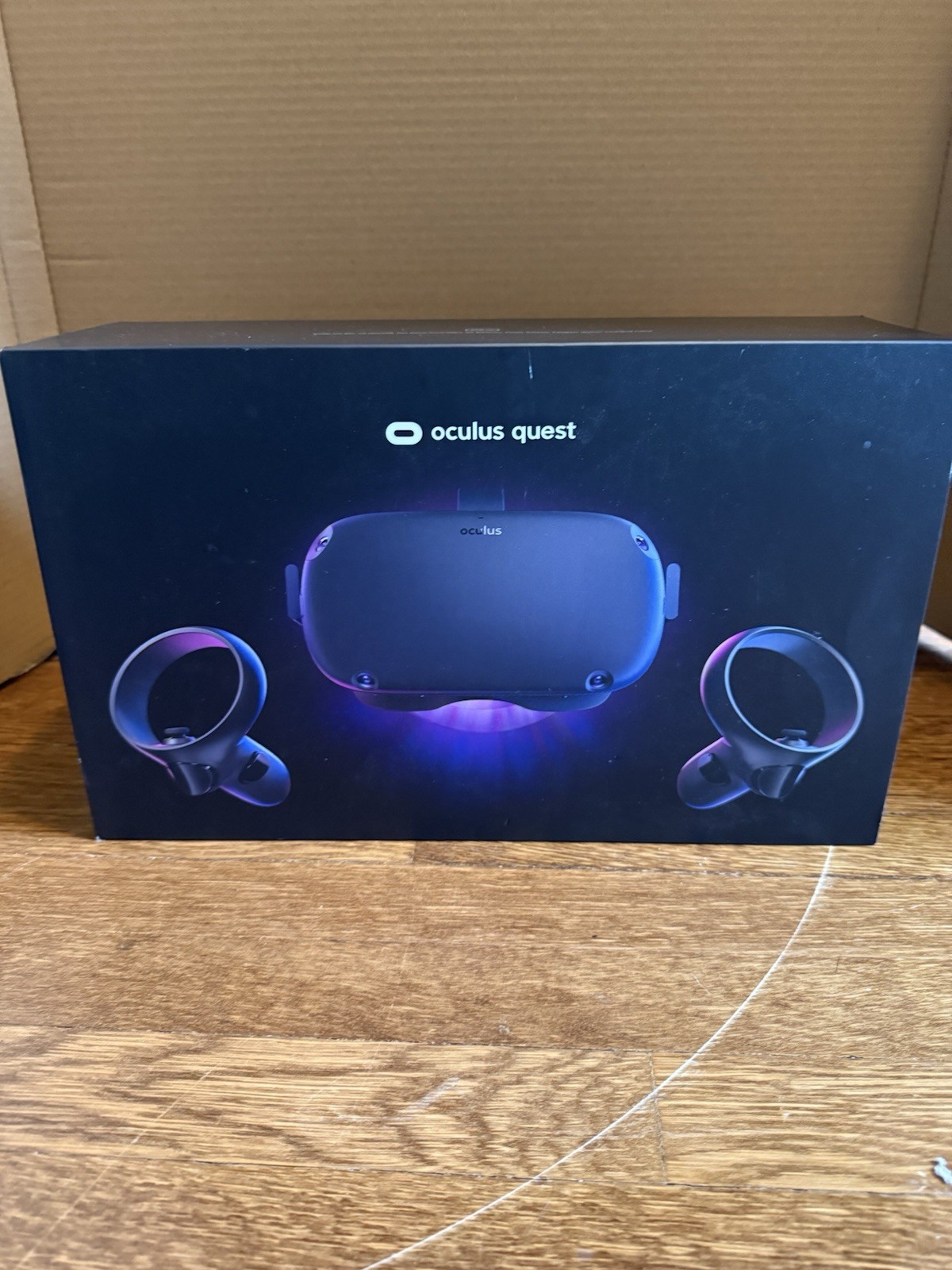
If you want VR on an Xbox Series X, the hard truth is that no native Xbox VR headset exists — Microsoft has never shipped one and the console lacks a VR output pipeline. Your realistic path is a standalone headset that streams Xbox gameplay from the console or the cloud, not a plug-and-play console accessory. This guide sorts the streaming-capable headsets from the dead ends so you buy the right hardware the first time.
Buying guide image
VR Gaming Hardware & Accessories

VR Headset Steam

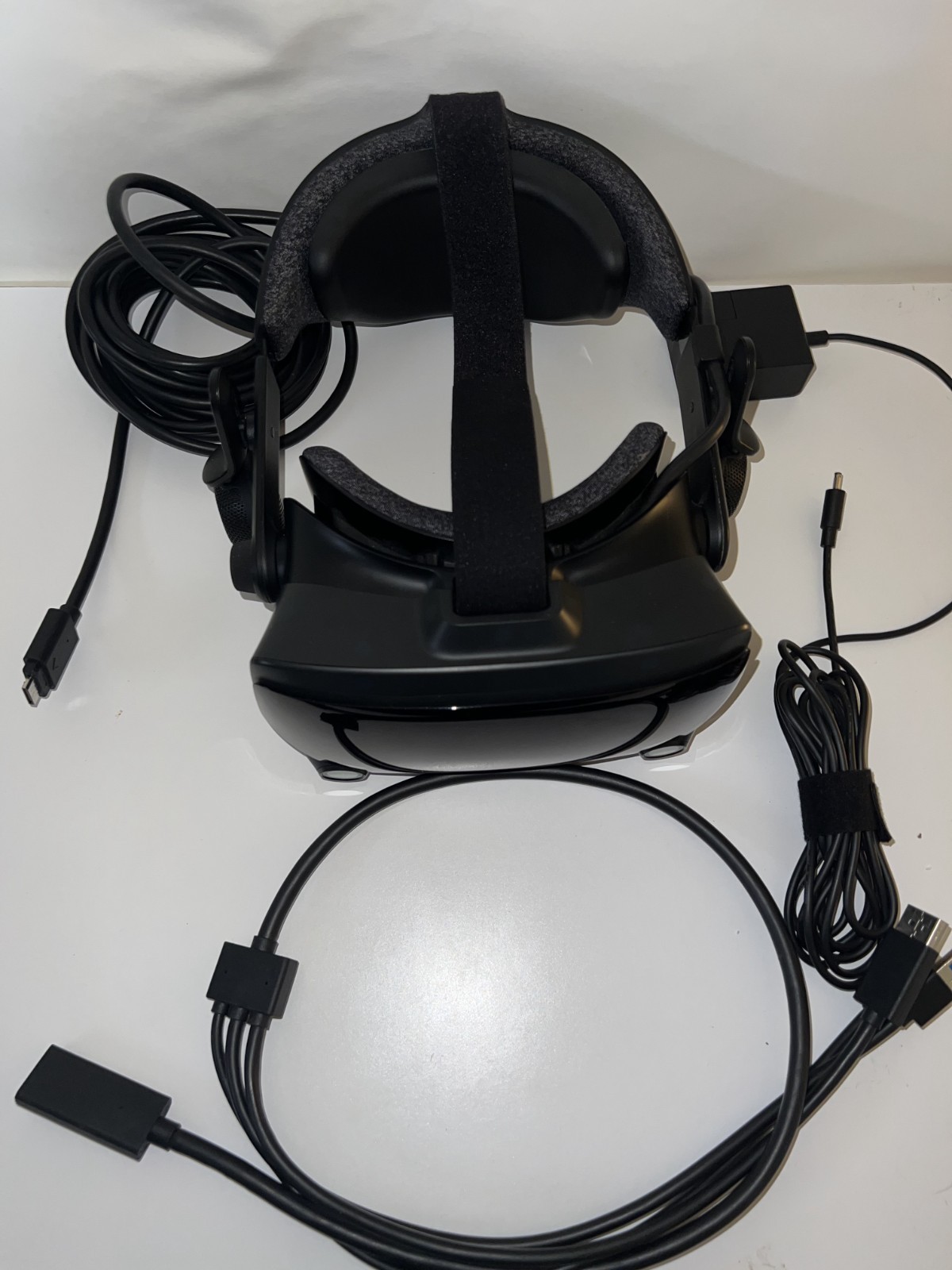
A Steam-compatible VR headset is a display-and-tracking system that connects to a PC running SteamVR, either natively via DisplayPort/USB or wirelessly through Wi-Fi streaming. The core trade-off is between PC-tethered headsets (lower latency, full fidelity, but cabled) and standalone headsets used as PC VR via Link/Air Link (versatile, higher compression latency). Buy a native PC VR headset or a modern standalone with proven PC streaming for a durable Steam experience; skip legacy 3DOF or discontinued tether-only models with no controller/cable bundles.

Buying guide image
VR Gaming Hardware & Accessories

VR Headset With Controllers PC

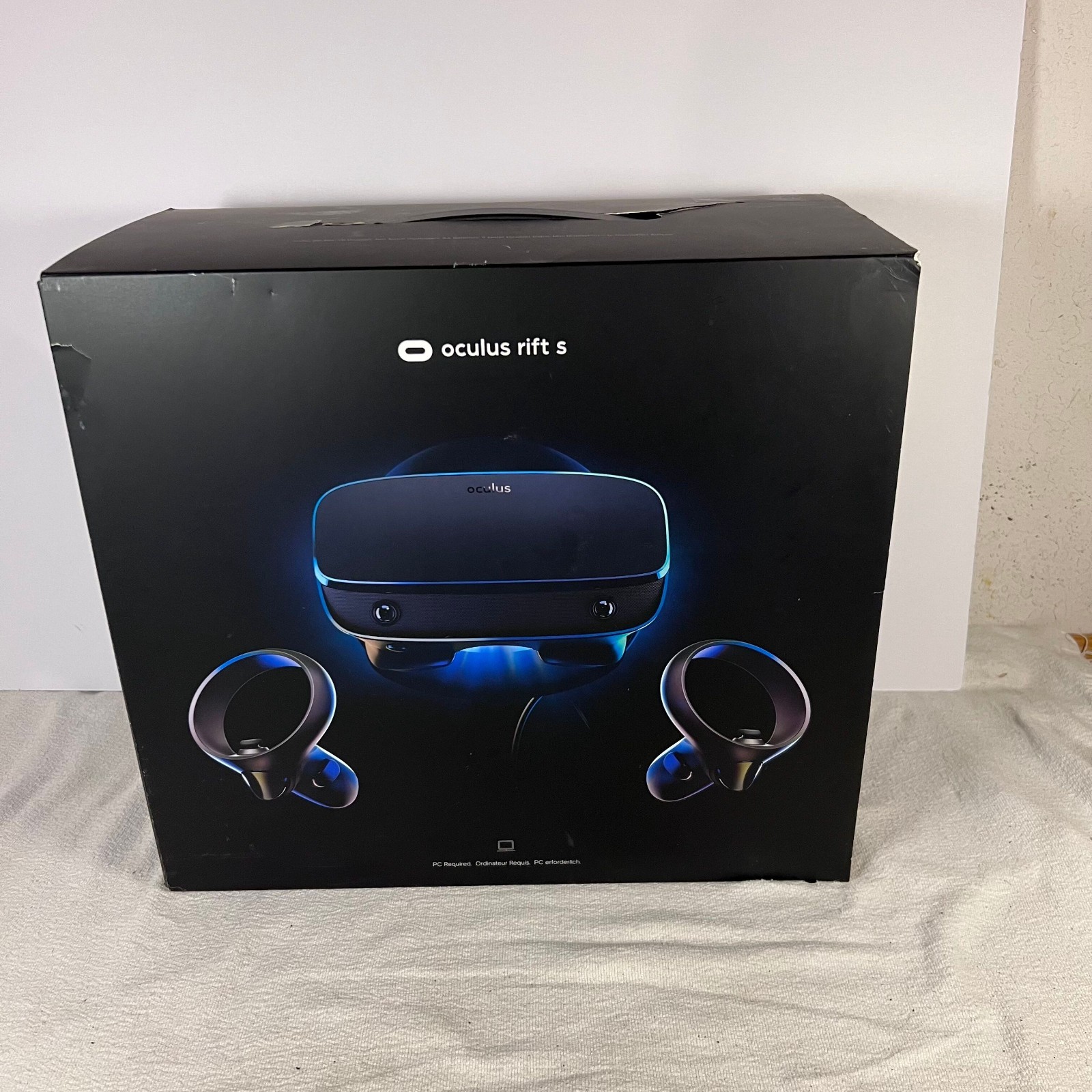
A PC VR headset with controllers is a tethered or standalone-capable display-plus-tracking kit that turns a Windows PC into a room-scale or seated VR system. The core trade-off is tracking architecture and controller inclusion: older outside-in systems (Rift CV1, Rift S) need sensors and specific cables, while inside-out headsets (Quest 2/3, Rift S) track cameras on the headset itself and ship with two 6DoF controllers. The decision rule: buy a complete, matched kit with both controllers and the correct link cable or sensor set; a headset-only listing is a parts donor, not a usable PC VR system.

Buying guide image
In-Ear Earphones

In Ear Earphone

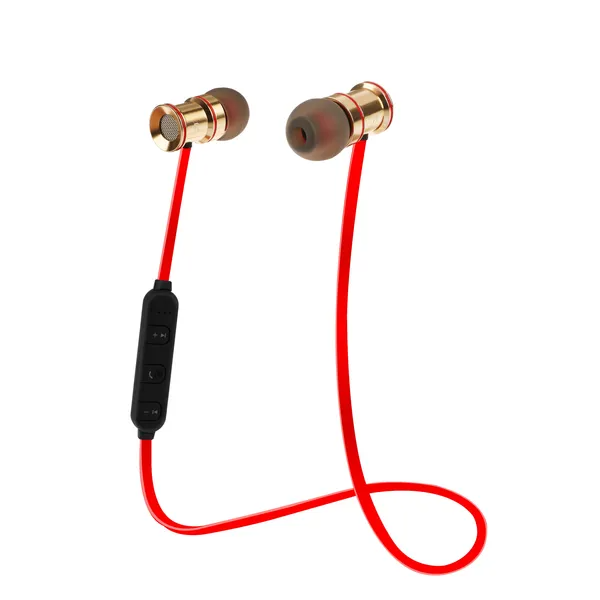
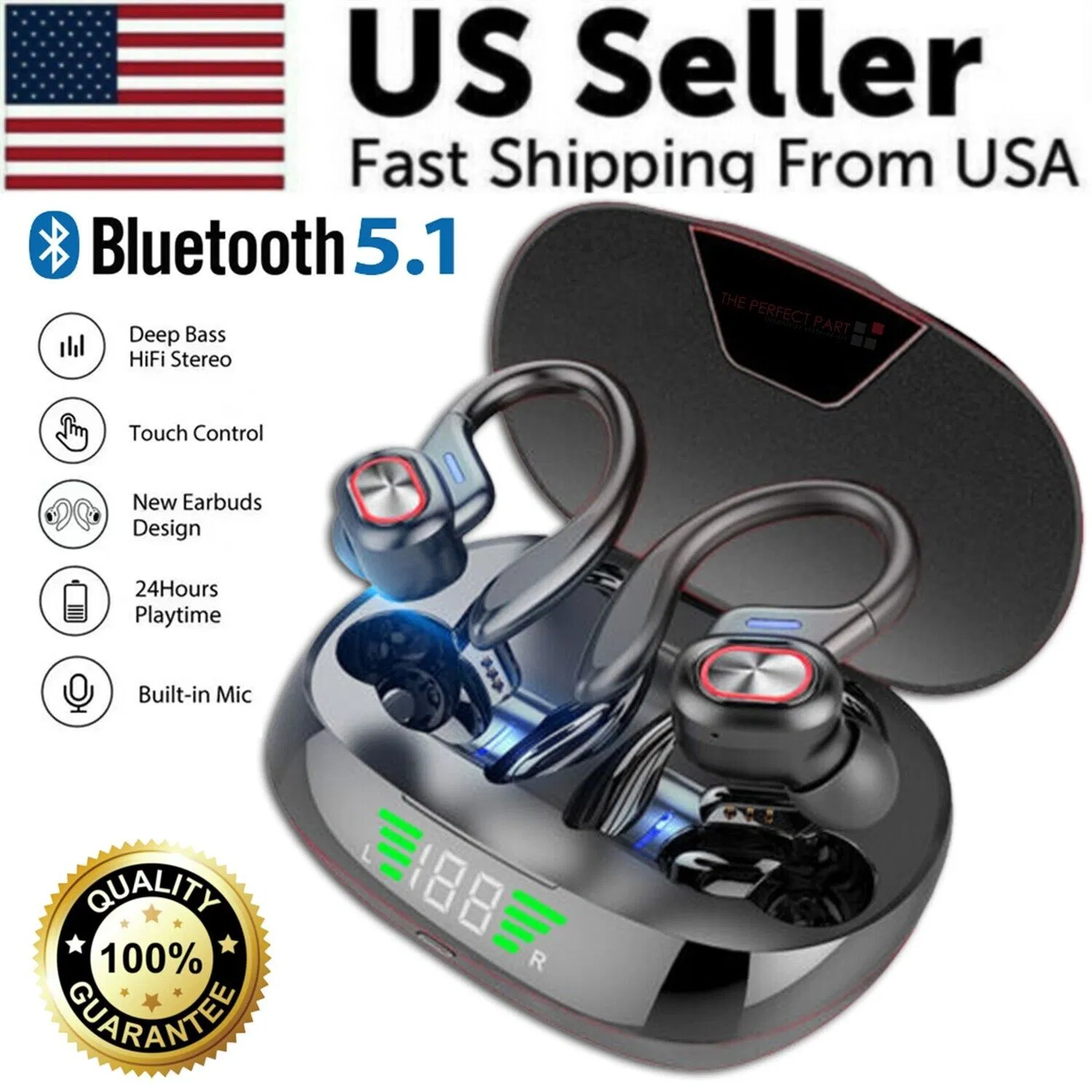
In-ear earphones split into wired in-ear monitors (IEMs) built for isolation and critical listening, and wireless earbuds or neckbands built for movement and convenience. The core trade-off is acoustic isolation and driver/connection quality versus cable-free freedom and codec/battery limits; wired IEMs win on fidelity per unit of cost, while true-wireless wins on portability. Buy wired IEMs when sound quality and noise isolation are primary; buy wireless when sweat, motion, and phone tethering matter more than raw resolution.

Buying guide image
Drones & Consumer Robotics

FPV Drone

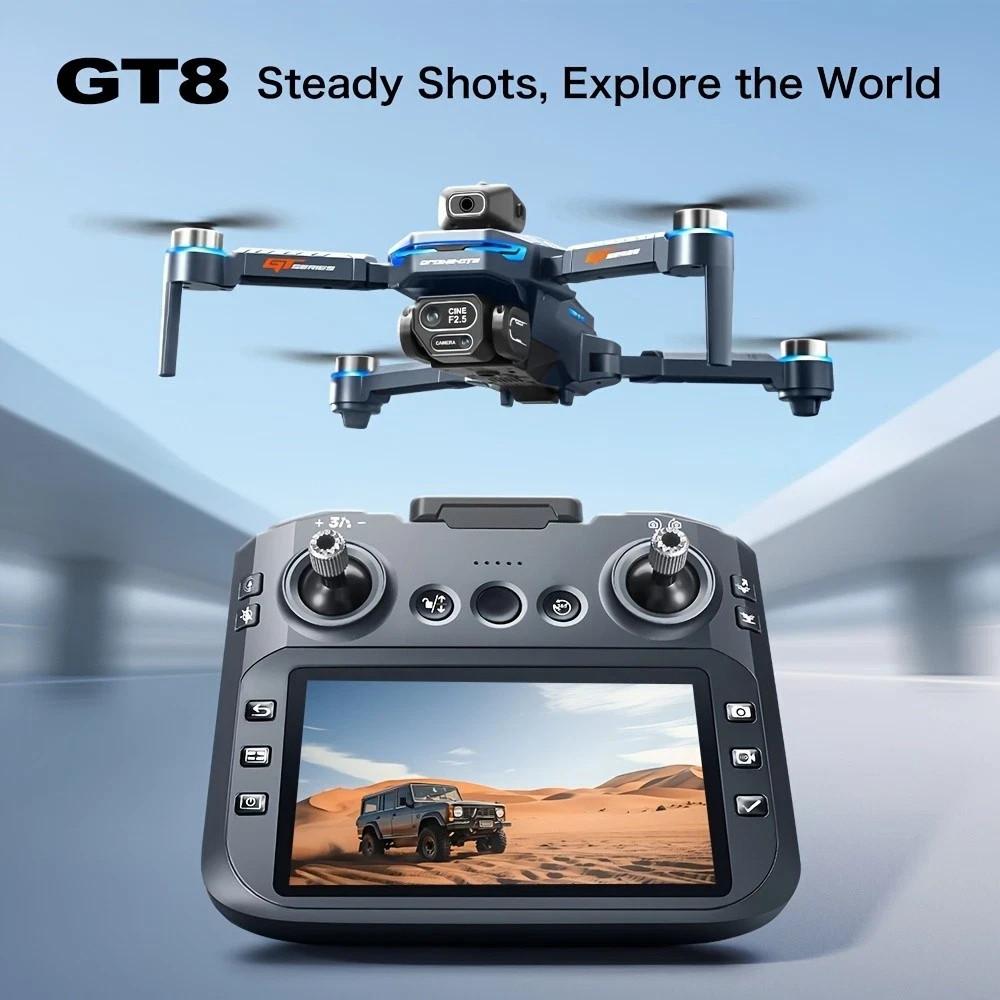
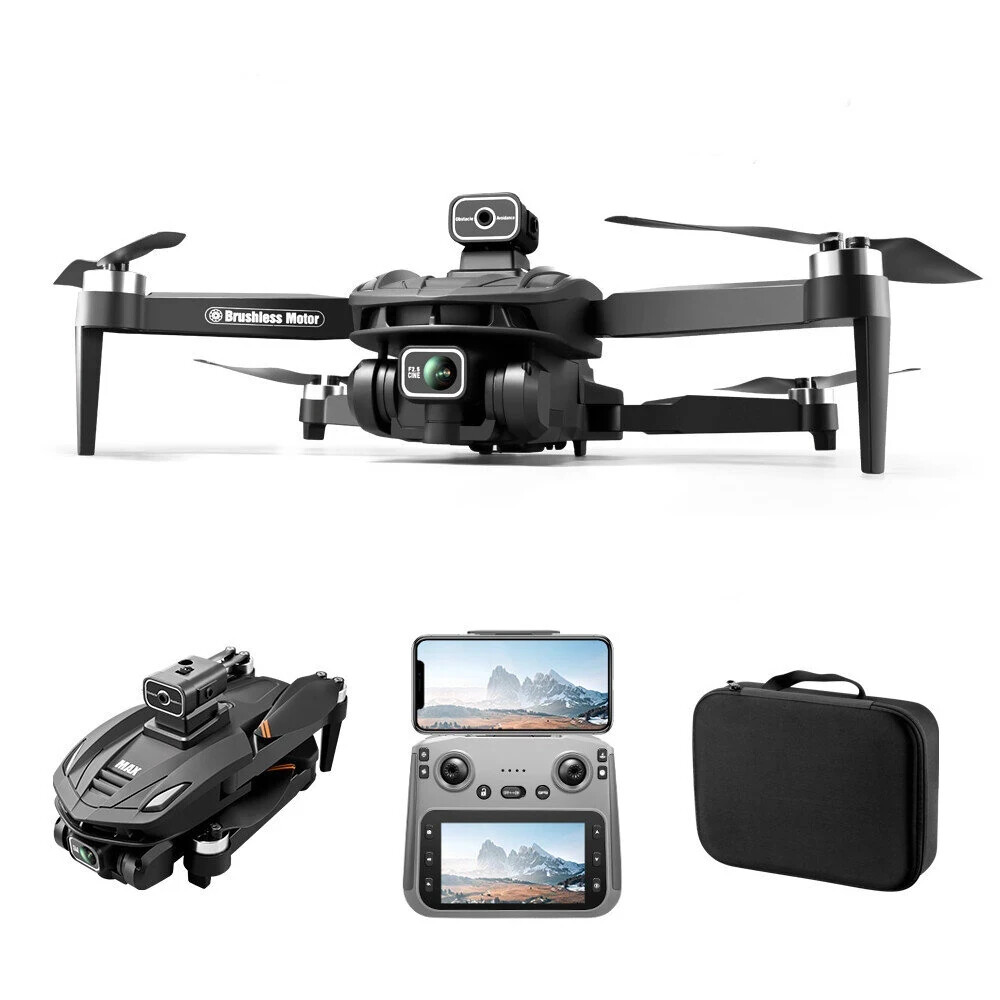
FPV drones split into two distinct architectures: camera-lift GPS drones with stabilized video, and acro-capable racing/freestyle quads with low-latency analog or digital video. The core trade-off is latency and control authority versus video stability and flight-assist safety. Buy a brushless GPS drone if you want cinematic shots and easy flying; buy an acro quad with a proper FPV camera and goggles if you intend to race or freestyle.

Buying guide image
In-Ear Earphones

Earphone

In-ear earphones split into two engineering paths: wired IEMs with detachable cables and balanced-armature/dynamic hybrid drivers for acoustic accuracy, and Bluetooth earbuds prioritizing sweat resistance and cable-free convenience. The decisive trade-off is replaceable-cable longevity plus passive isolation versus battery-dependent wireless freedom. Buy wired if your source has a headphone jack or you accept a dongle; buy wireless only if IPX sweat ratings and charging-case life match your workout and commute routine.

Buying guide image
Drones & Consumer Robotics

FPV Drone With Goggles

Most shoppers searching for an FPV drone with goggles picture immersive head-tracking flight, but many budget camera drones marketed as 'WiFi FPV' only stream to a phone app. True FPV kits bundle an analog or digital video link, goggles, and a compatible radio, and getting those three to work together matters more than camera megapixels. Decide first whether you want cinematic GPS hovering or acro-style manual flight, because the goggle, receiver, and drone must share the same video protocol.

Buying guide image
Drones & Consumer Robotics

DJI Mini Pro

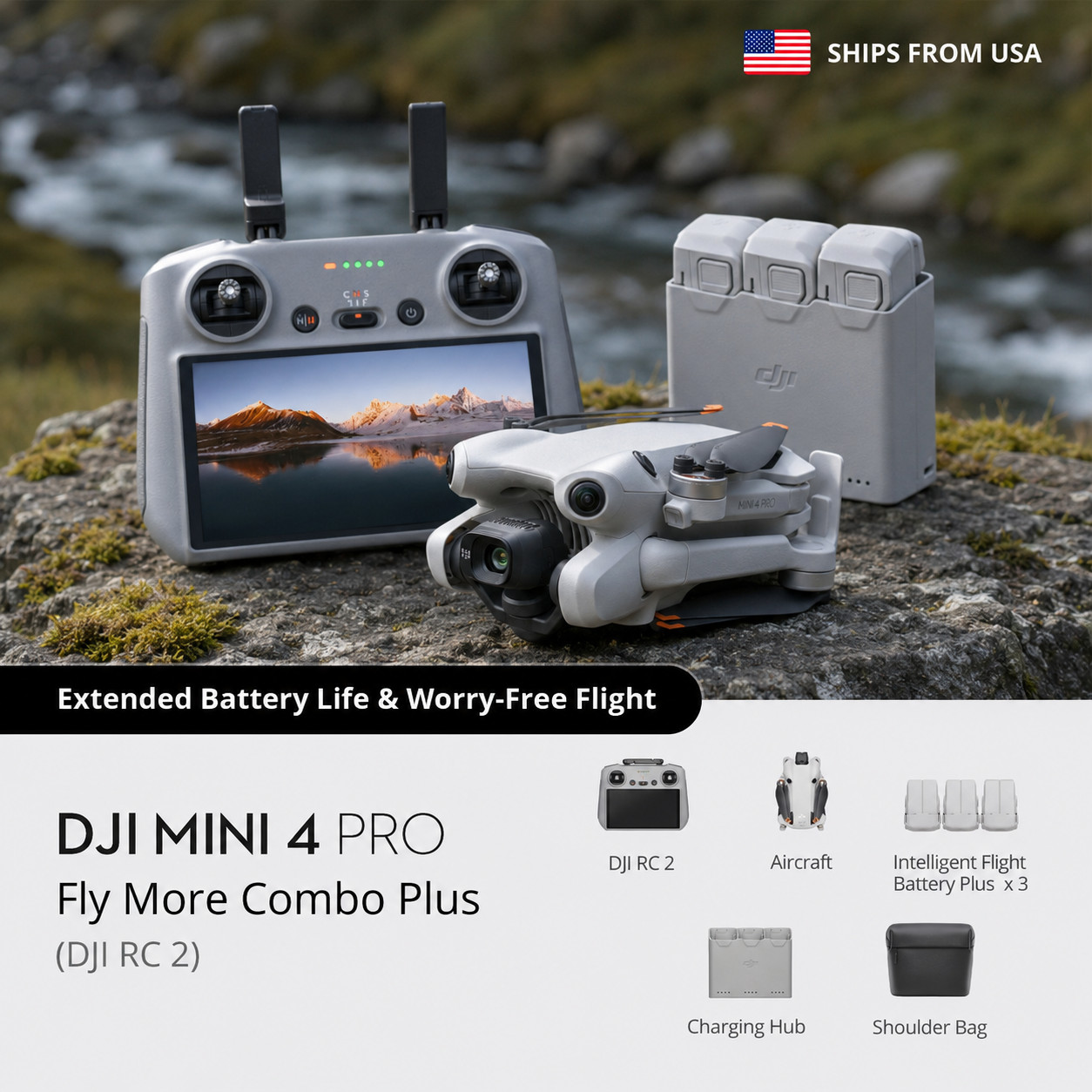
DJI Mini Pro is the sub-249g ready-to-fly camera drone tier that trades motor and battery mass for regulatory-free flight, so the primary trade-off is sensor/transmission generation versus wind resistance. The decisive rule: pick Mini 4 Pro or later for omnidirectional sensing and O4 video link; treat Mini 3 Pro only as a discounted backup; and buy aircraft-only bodies only when you already own DJI RC-N-series controllers and Intelligent Flight Batteries.

Buying guide image
Drones & Consumer Robotics

FPV Mini Drone

An FPV mini drone is a sub-250g-class quadcopter flown through a first-person-view feed, splitting into two architectures: cinematic GPS camera drones (foldable, altitude-hold, HD video) and true acro FPV racers/freestyle quads (analog or digital low-latency link, brushless motors, manual rate mode). The core trade-off is sensor/airframe quality versus control-link latency and motor durability—toy-grade brushed motors and Wi-Fi FPV cap real performance, while brushless motors with dedicated 5.8GHz or digital links deliver actual FPV control. The decision rule: buy brushless + dedicated FPV link for real flight, or accept Wi-Fi/brushed as a sub-250g beginner camera toy and nothing more.

Buying guide image
Drones & Consumer Robotics

GPS Drone With Camera

A GPS drone with camera is a quadcopter that uses satellite positioning for stable hover, return-to-home, and follow-me framing, paired with a stabilized camera for aerial photo and video. The core trade-off is sensor and gimbal quality versus GPS reliability and flight time: budget units often fake GPS lock and use electronic image stabilization, while durable options pair a real GNSS module with a mechanical gimbal and a 1/2.3-inch or larger sensor. The clear rule: buy only when the spec sheet names the GNSS constellation support, the gimbal type, and the sensor size — anything less is a toy-grade compromise.

Buying guide image
Drones & Consumer Robotics

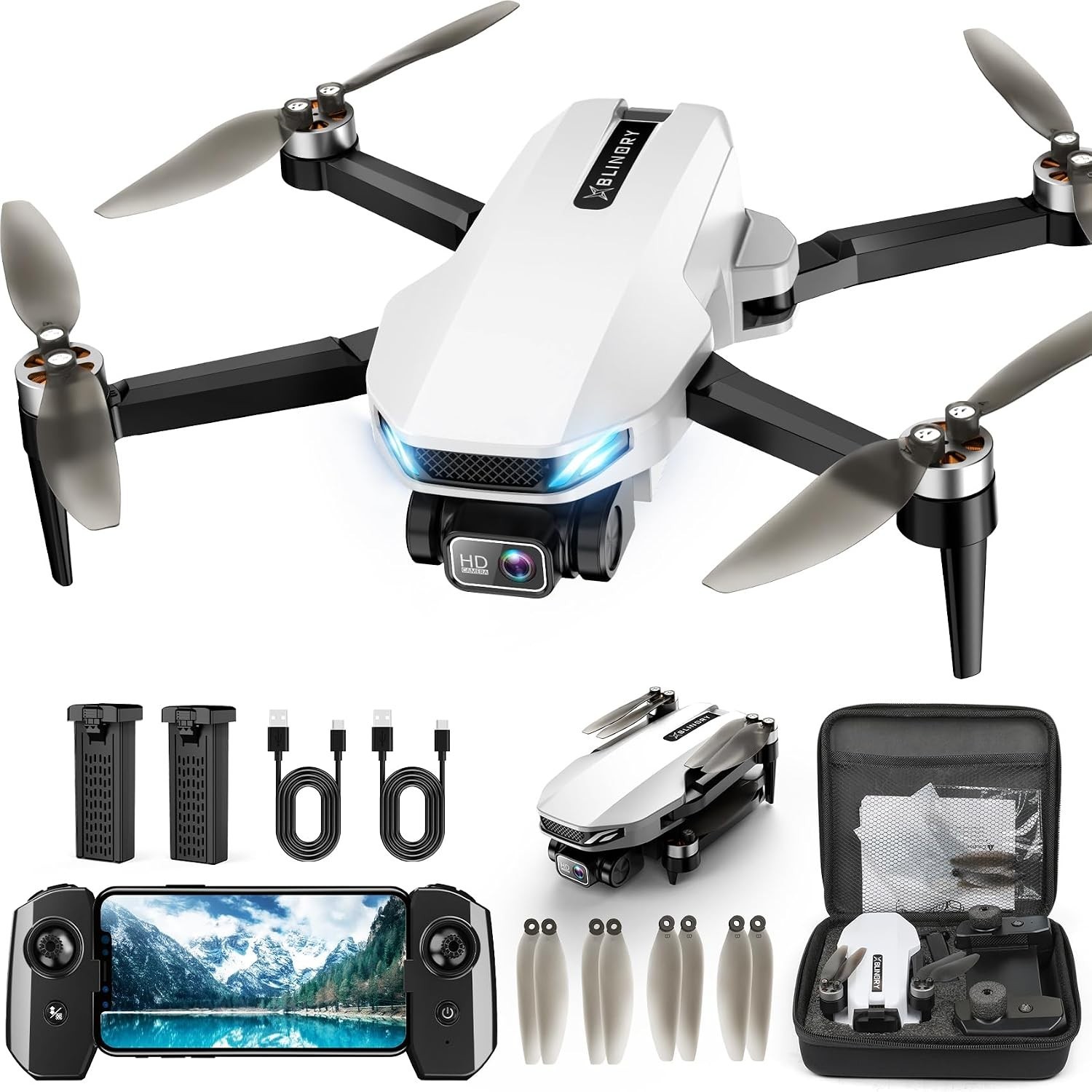
Drone With HD Camera

A drone with HD camera is a ready-to-fly quadcopter whose camera and stabilization determine whether footage is usable or just a novelty. The core trade-off is genuine sensor/bitrate/GPS quality versus inflated marketing resolution and fragile toy-grade plastics. Buy only when the listing states native sensor resolution, mechanical gimbal or EIS, and GPS/GLONASS return-to-home—skip everything that only claims interpolated 6K/8K.

Buying guide image
Vinyl Records

Vinyl

Vinyl records are analog audio discs cut with a spiral groove that a stylus translates into sound, and the core trade-off is pressing quality and mastering versus condition and rarity. Durable, good-sounding copies come from well-regarded pressing plants and are graded accurately, while cheap bulk lots often hide scratches, warps, and reprocessed vinyl. The decision rule: buy by matrix/runout and Goldmine grade first, then by pressing era and weight—never by cover art alone.

Buying guide image
Sim Racing Cockpits & Mounts

Racing Cockpit

A racing cockpit is the rigid chassis that ties wheel, pedals, and seat into one load path so force feedback and brake pressure never flex or tip. The core trade-off is steel tube versus aluminum extrusion: tube frames are cheaper but flex under high-torque direct-drive wheels and load-cell brakes, while profile rigs stay stiff and expandable. Buy aluminum profile with a seat if you run direct-drive or load-cell hardware; buy a steel tube cockpit for belt-driven wheels, and a wheel stand only if space or budget forbids a full frame.

Buying guide image
Sim Racing Cockpits & Mounts

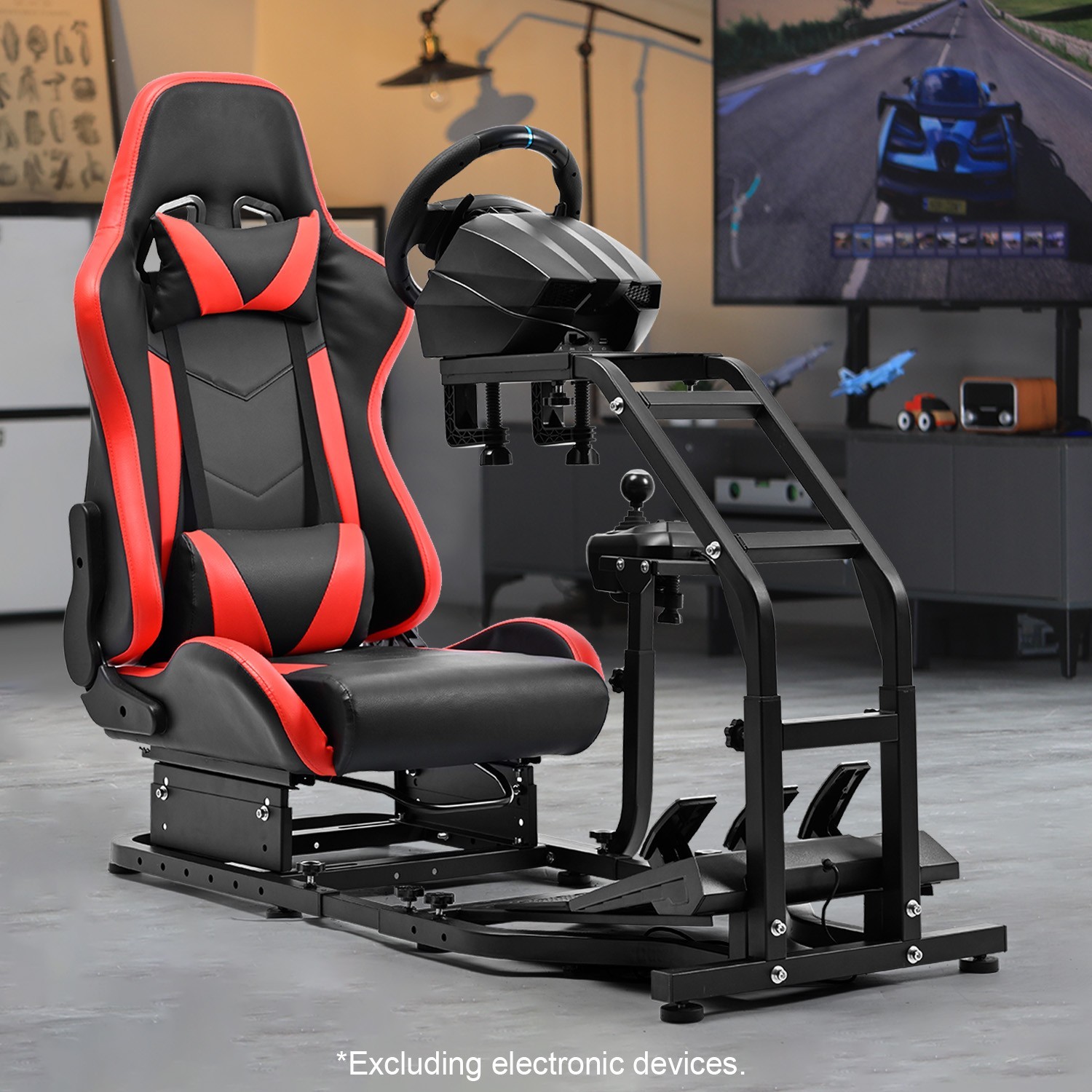
Racing Cockpit With Seat

A racing cockpit with seat is a dedicated frame-and-bucket assembly that rigidly mounts a wheelbase, pedals, and a human at correct driving geometry—not a wheel stand with a chair. The primary trade-off is structural stiffness versus adjustability and floor footprint: thin tubular steel flexes under load and flexes force feedback away, while 8020-style aluminum profile or thick-wall steel with a hard-mounted seat stays planted. The decision rule: buy a cockpit whose frame uses at least 1.5mm-wall steel or 40x40 aluminum profile and whose seat bolts to the frame—not a seat resting on rails independent of the wheel deck.

Buying guide image
In-Ear Earphones

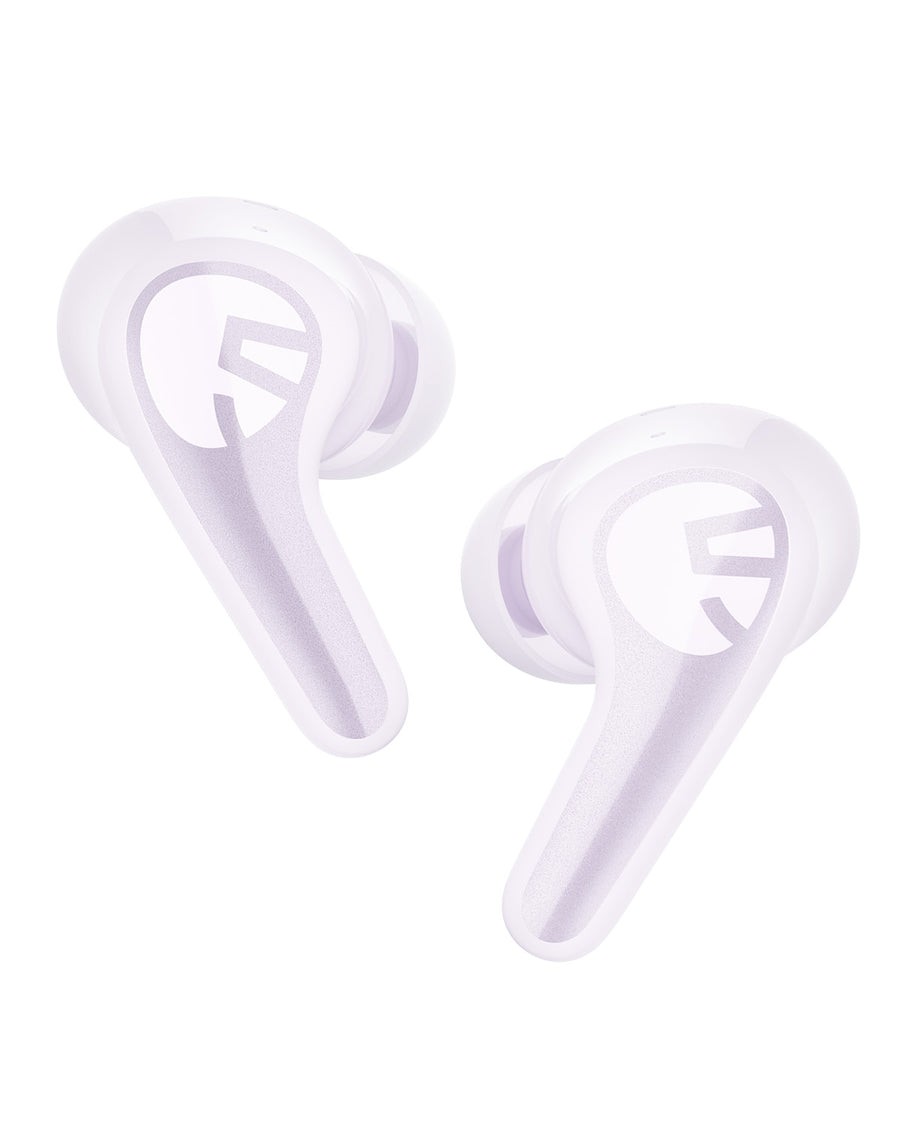
Bluetooth Earbud

Bluetooth earbuds are true-wireless in-ear headphones that trade wired signal integrity for cable-free convenience, with the core decision separating stable, low-latency Bluetooth 5.3+ designs with real ANC and IPX4+ sweat resistance from bargain chipsets that drop connection and leak sound. The engineering divide is the Bluetooth SoC and acoustic driver: premium tiers use hybrid ANC with 40dB+ reduction and multipoint, while budget tiers rely on passive isolation and single-point pairing. Buy the newest Bluetooth generation your phone supports with an IP rating that matches your sweat level, and skip any model without a stated Bluetooth version or IP rating.

Buying guide image
Sim Racing Cockpits & Mounts

Racing Rig

A racing rig is the structural backbone that connects your wheel, pedals, and seat into one rigid, position-adjustable frame—and the primary trade-off is steel-tube bolted construction versus extruded aluminum profile, which dictates flex, expandability, and long-term load capacity. The clear decision rule: buy a profile or heavy-gauge steel cockpit rated for direct-drive torque if you run a DD wheel above 8 Nm; buy a foldable steel stand only for entry belt-driven wheels and tight spaces.

Buying guide image
In-Ear Earphones

Bluetooth Earphone

Bluetooth earphones range from true wireless earbuds to neckband and ear-hook sports models, and the main trade-off is battery/ANC capability versus fit stability and codec latency. Durable options use Bluetooth 5.3+ with USB-C, IPX4+ sweat resistance, and dedicated low-latency modes; compromises rely on Bluetooth 5.0, micro-USB, or vague 'noise cancelling' claims without hybrid ANC.

Buying guide image
In-Ear Earphones

Bluetooth Headphone

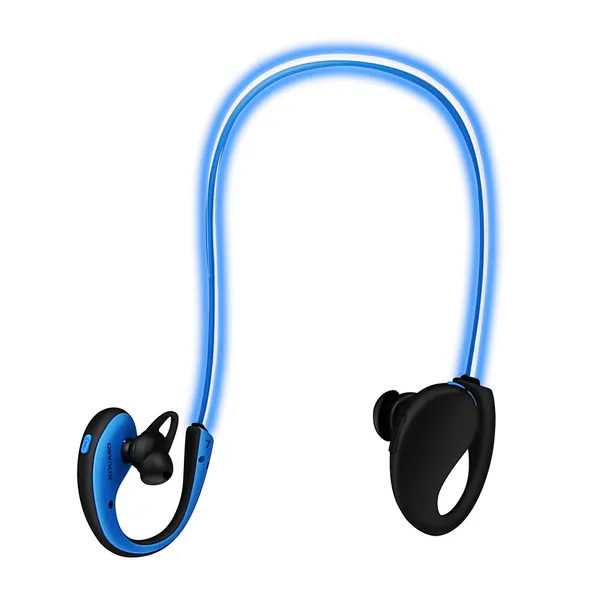
Bluetooth in-ear headphones split into two durability classes: true wireless earbuds with sealed charging cases and neckband/hook designs with larger batteries and mechanical strain relief. The core trade-off is battery life and fit security versus sealed-water resistance and codec support. Buy true wireless only if you accept case-dependent runtime; buy a neckband or hook model for long runs and sweaty training where losing one earbud is unacceptable.

Buying guide image
VR Gaming Hardware & Accessories

Meta Quest 1

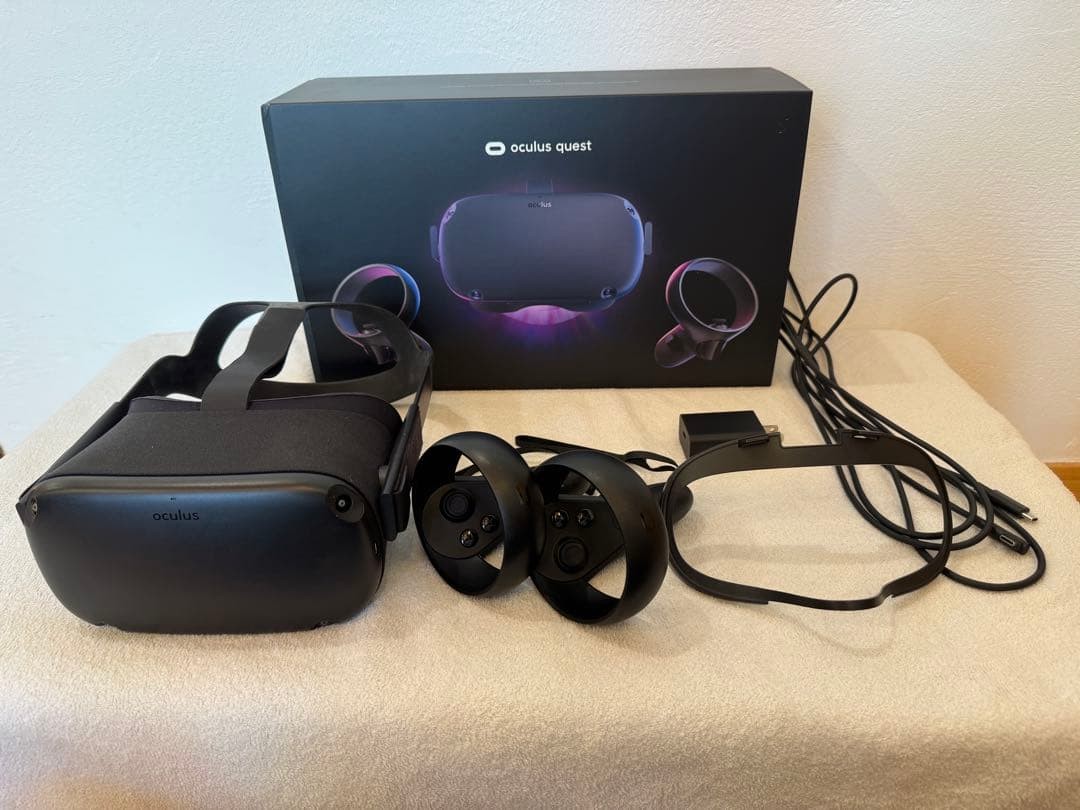
Meta Quest 1 is the original 2019 standalone 6DoF VR headset, now discontinued and sold only secondhand; its value hinges on battery health, controller condition, and whether you accept a fixed 72Hz OLED panel with no official software support. The decisive rule: buy only a tested, complete kit with both Touch controllers and a working link cable if you need PC VR—otherwise skip to Quest 2 or 3.

Buying guide image
VR Gaming Hardware & Accessories

Meta Quest Headset

Meta Quest headsets are standalone 6DoF VR systems with inside-out tracking, built around Qualcomm Snapdragon XR2-class silicon and Fresnel or pancake optics. The core trade-off is generation: Quest 2's Fresnel lenses and fixed IPD deliver entry VR, while Quest 3/3S pancake optics and color passthrough define mixed reality. Buy current-generation hardware with included controllers and a known storage tier; treat headset-only listings and third-party straps as accessory purchases, not headset value.

You may also like

Finding more guides for you…