
Photos from current listings. Actual item, color, and included accessories may vary.
Racing Rig Buying Guide
A racing rig is the structural backbone that connects your wheel, pedals, and seat into one rigid, position-adjustable frame—and the primary trade-off is steel-tube bolted construction versus extruded aluminum profile, which dictates flex, expandability, and long-term load capacity. The clear decision rule: buy a profile or heavy-gauge steel cockpit rated for direct-drive torque if you run a DD wheel above 8 Nm; buy a foldable steel stand only for entry belt-driven wheels and tight spaces.
Median $236.99
Key takeaways
- Extruded aluminum profile (typically 40x40 mm or 40x80 mm T-slot) is the modular standard for direct-drive wheels, allowing bolt-on pedal plates, shifter arms, and monitor mounts without drilling.
- Steel-tube cockpits resist lateral twist but are welded or bolted in fixed geometry; most sub-entry stands flex under 8+ Nm direct-drive torque and load-cell brake pressure above 50 kg.
- Wheelbase compatibility follows bolt patterns: Logitech G29/G920/G923 use clamp or 3-point M6 mounting; Thrustmaster TX/T300 uses 2-point M6; Fanatec and Moza direct-drive bases use 4-point M6 or M8 hard-mount patterns.
At a glance
- Category
- Sim Racing Cockpits & Mounts
- Last updated
- Nov 27, 2026
Current offers
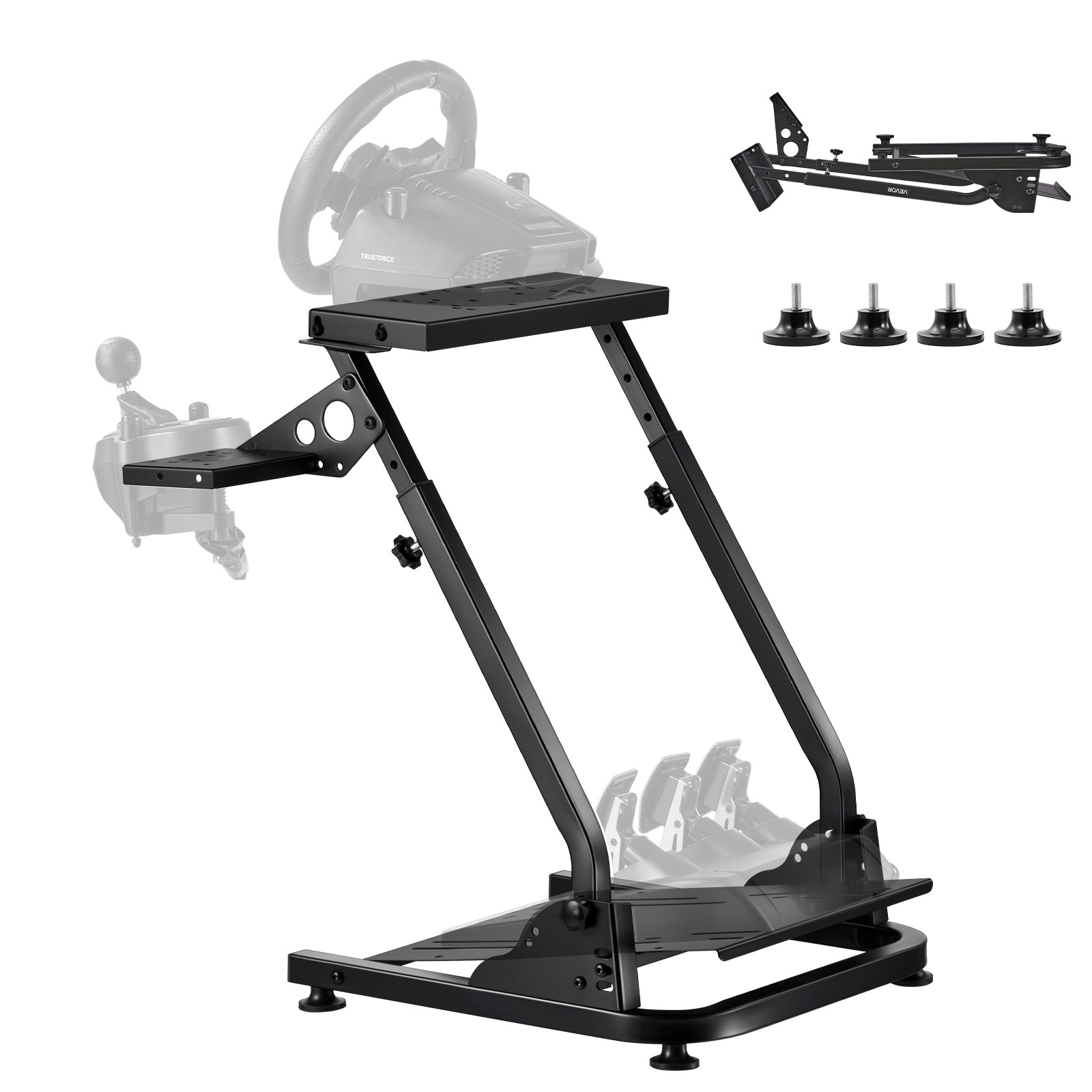 VEVOR Racing Wheel Stand Simulator Cockpit Foldable for Logitech G27 G920 G923$59.90View on eBay
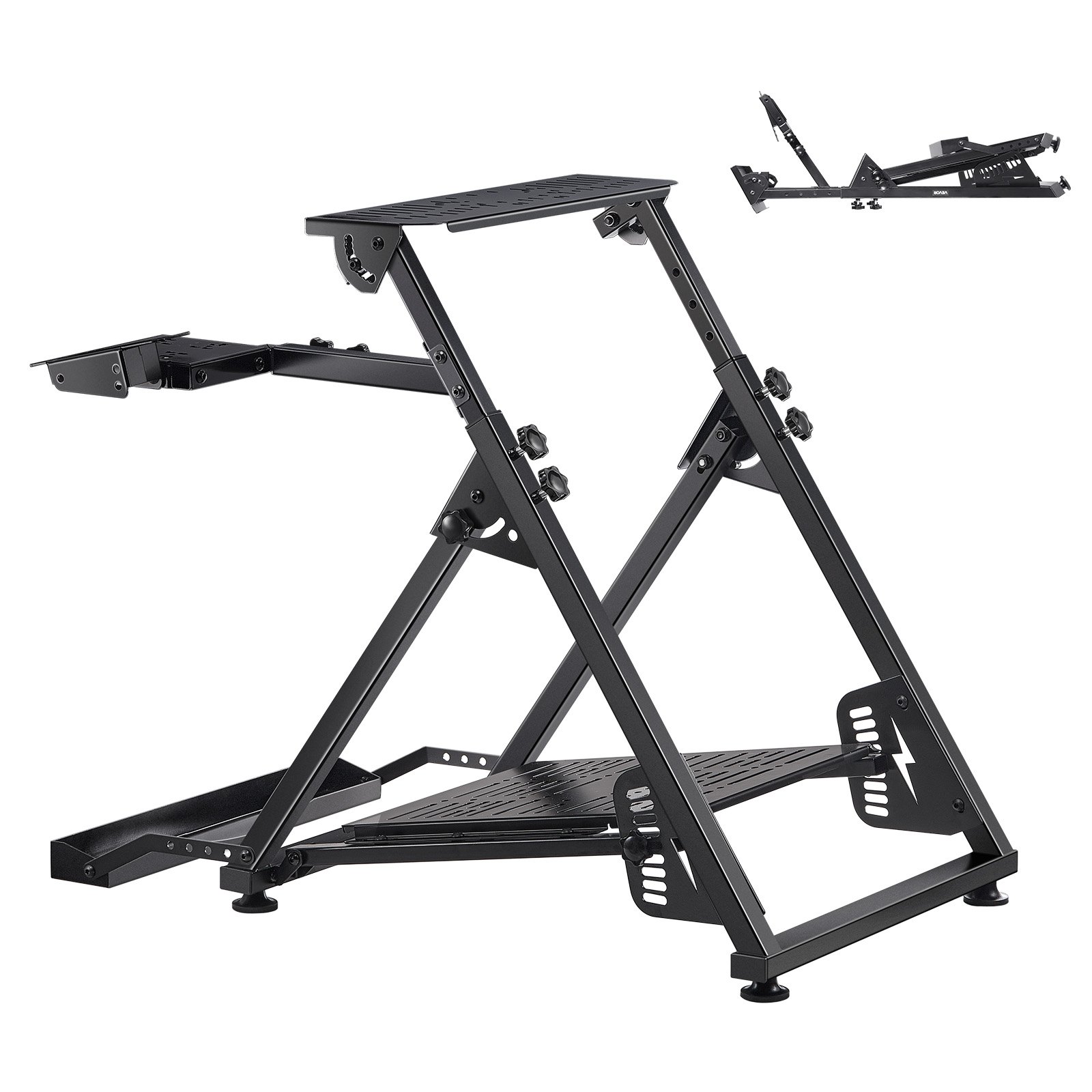 Racing Wheel Stand Simulator Cockpit Foldable For Logitech G923 G920 G29 G27$122.99View on Mallflare
 Foldable Sim Racing Wheel Stand Cockpit for Logitech Fanatec Thrustmaster$75.00View on eBay
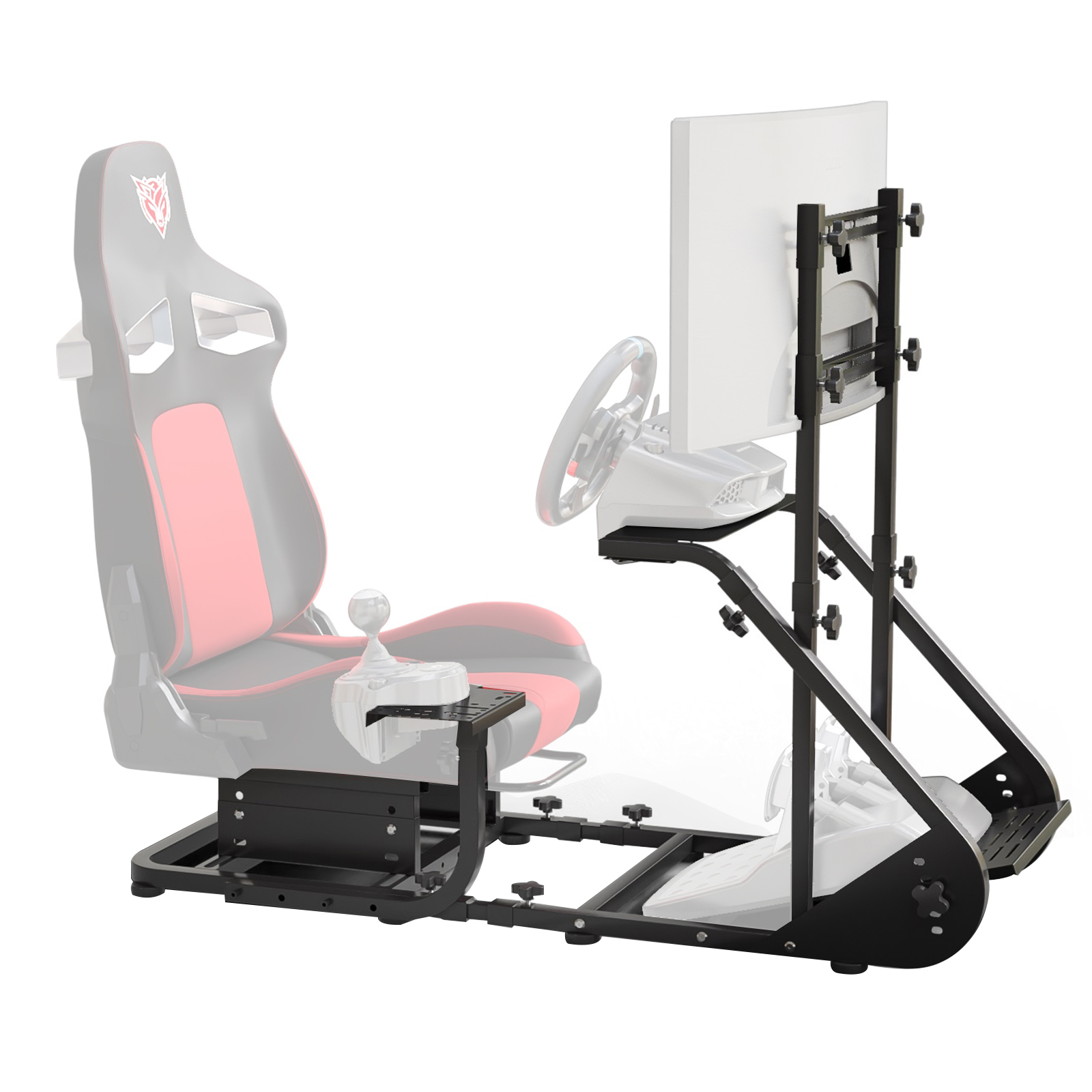 Enhanced and stable racing wheel cockpit, compatible with Fanatec, PXN, Thrustmaster, and Logitech adjustable driving simulators, excluding handbrake, pedals, and monitor -No$244.99View on Mallflare
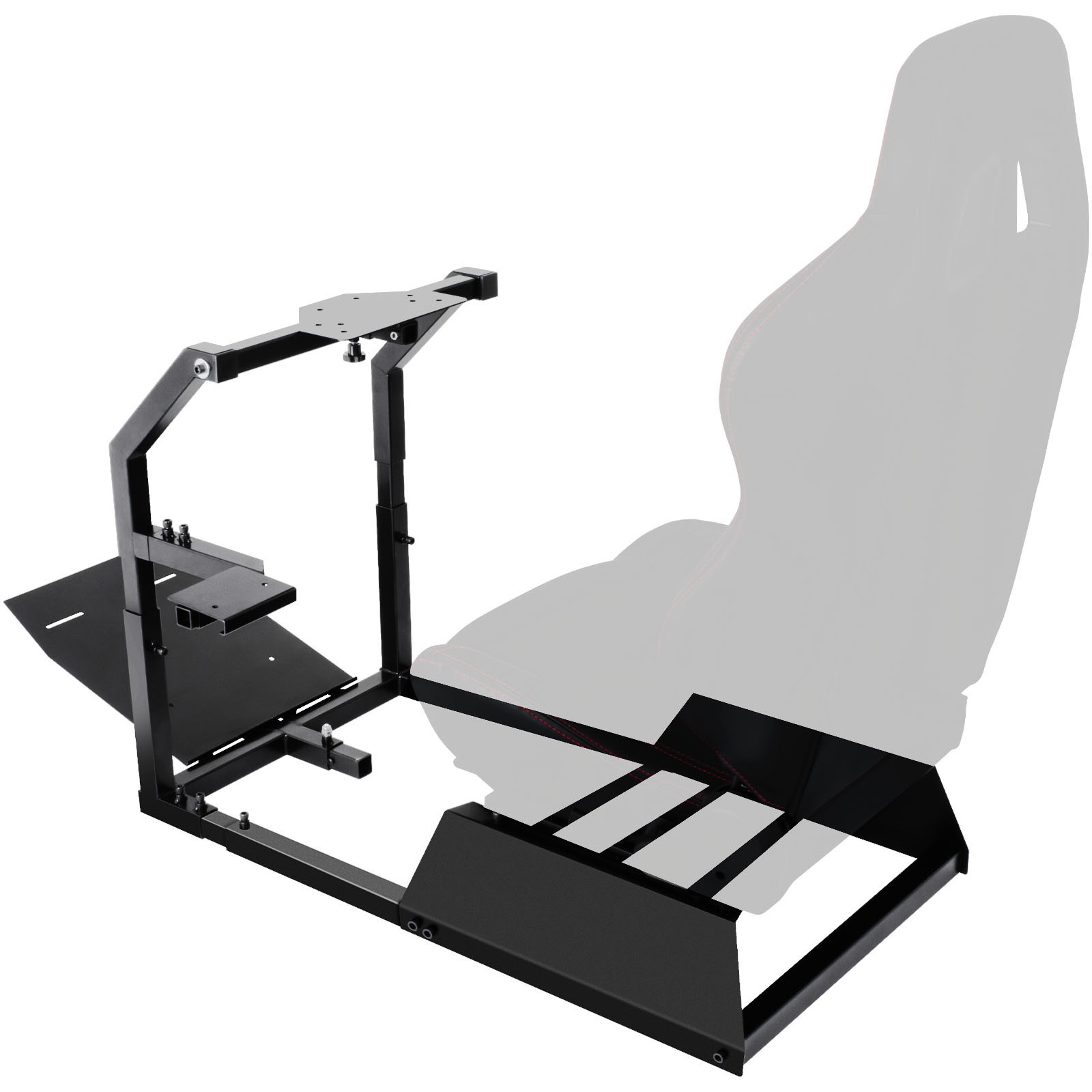 Uimoso Racing Simulator Cockpit Steering Wheel Stand Fit Logitech G29/G923/G920$98.99View on eBay
 Enhanced and stable racing wheel cockpit, compatible with Fanatec, PXN, Thrustmaster, and Logitech adjustable driving simulators, excluding handbrake, pedals, and monitor$560.99View on Mallflare
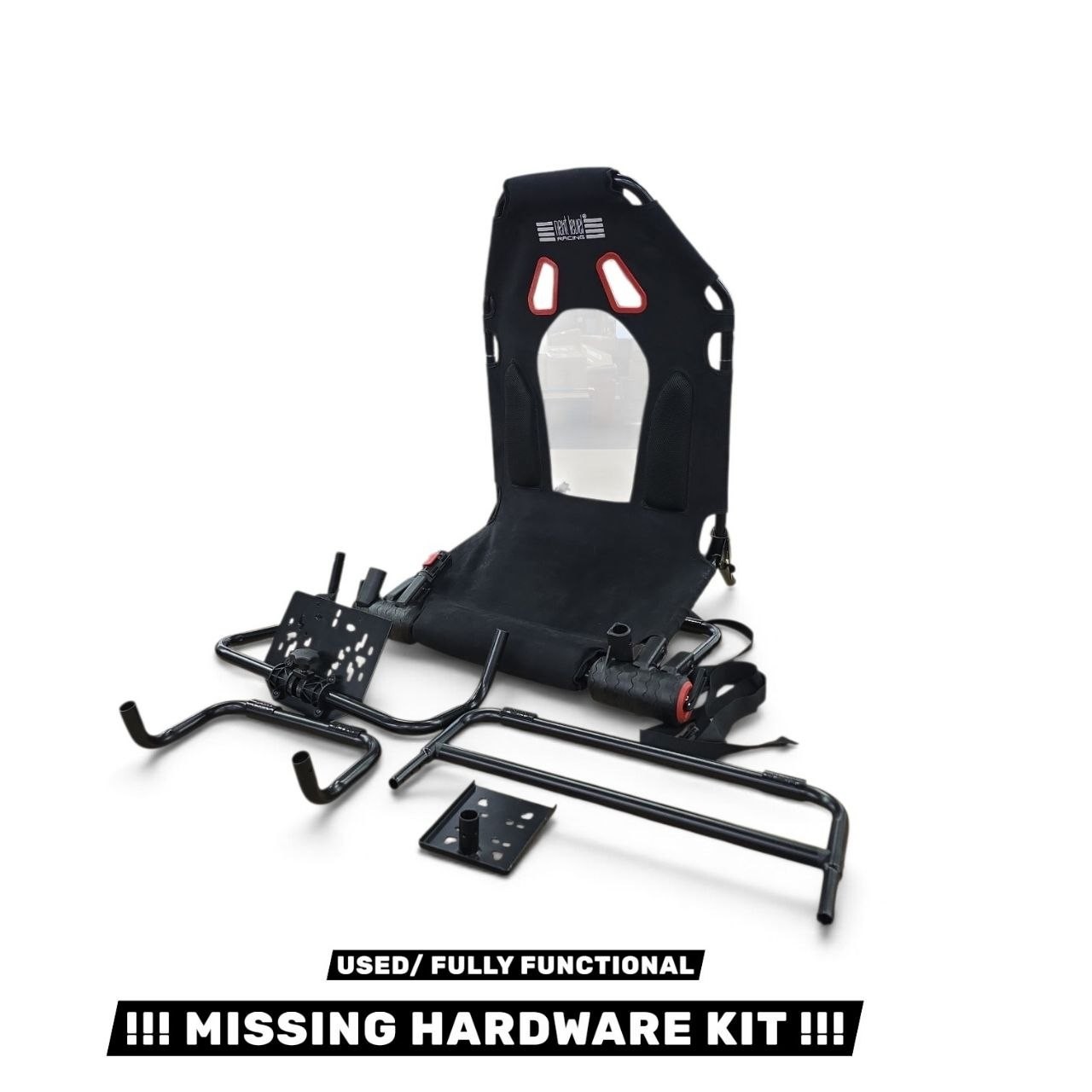 Next Level Racing GT Lite Simulator Cockpit Foldable Wheel Pedals NLR-S021$104.93View on eBay
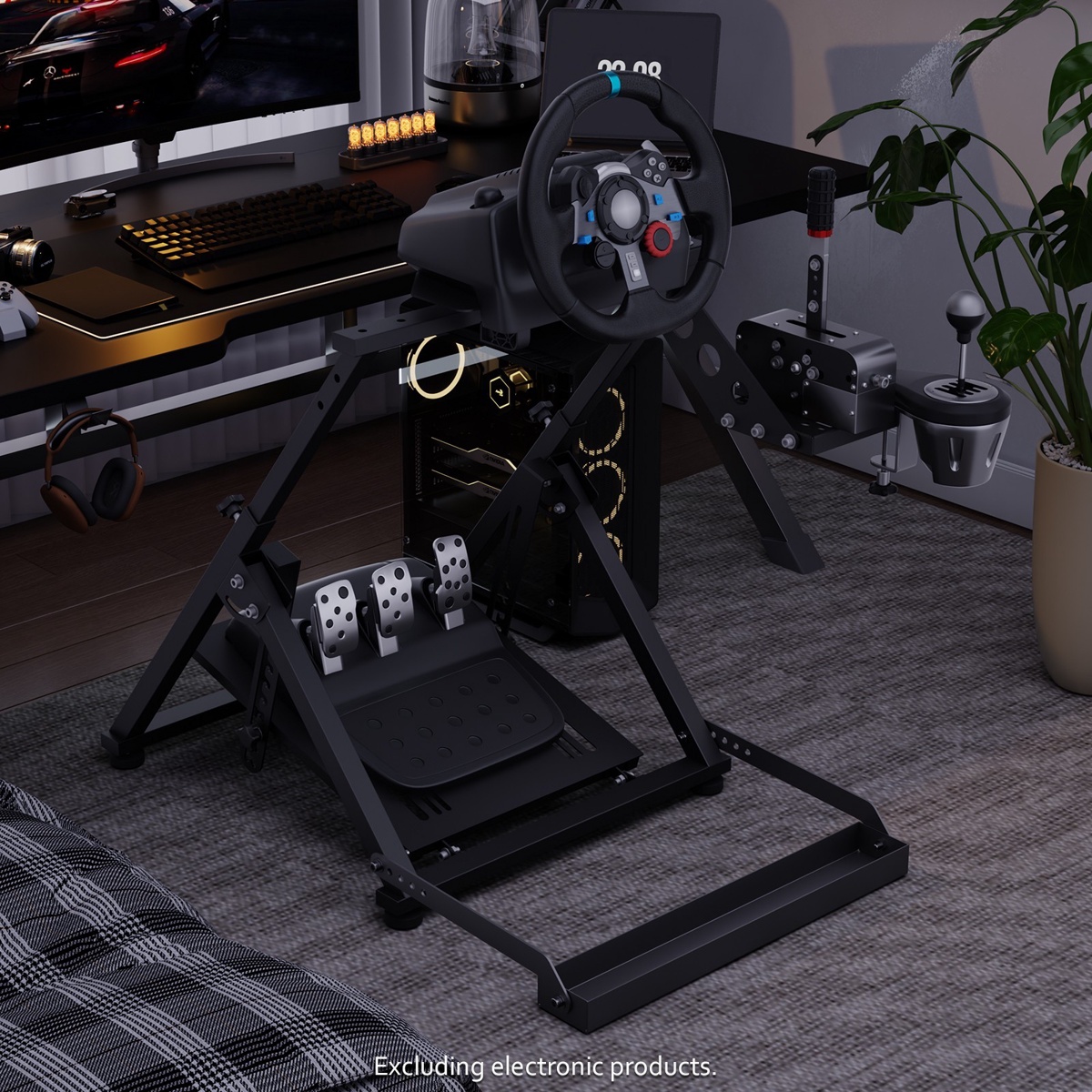 Hottoby Steering Racing Wheel Stand Foldable Sim Cockpit Fits Logitech G920 G923$105.99View on eBay
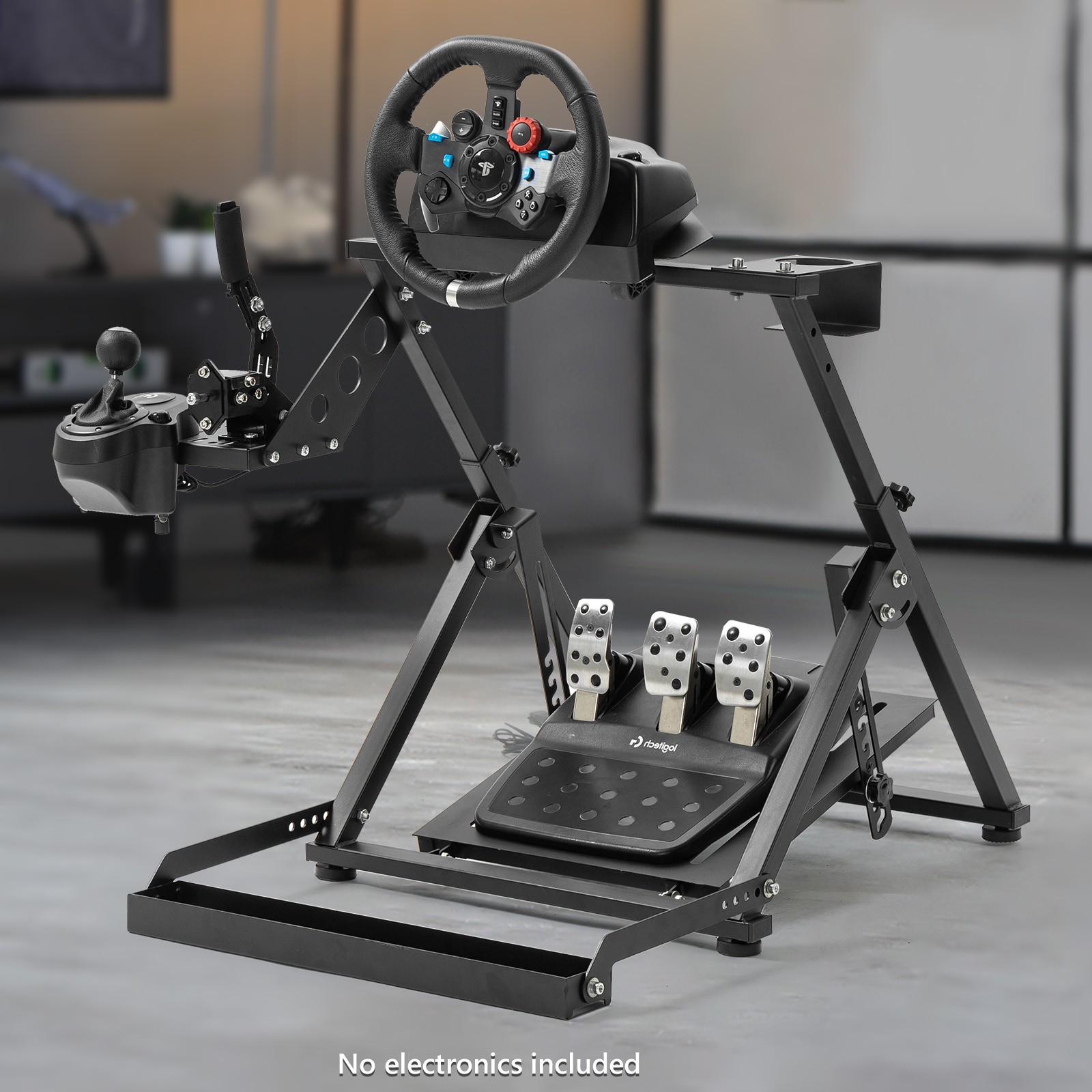 Marada Racing Wheel Stand Sim Adjustable Cockpit Alloy Fits Logitech G920 G923$109.99View on eBay
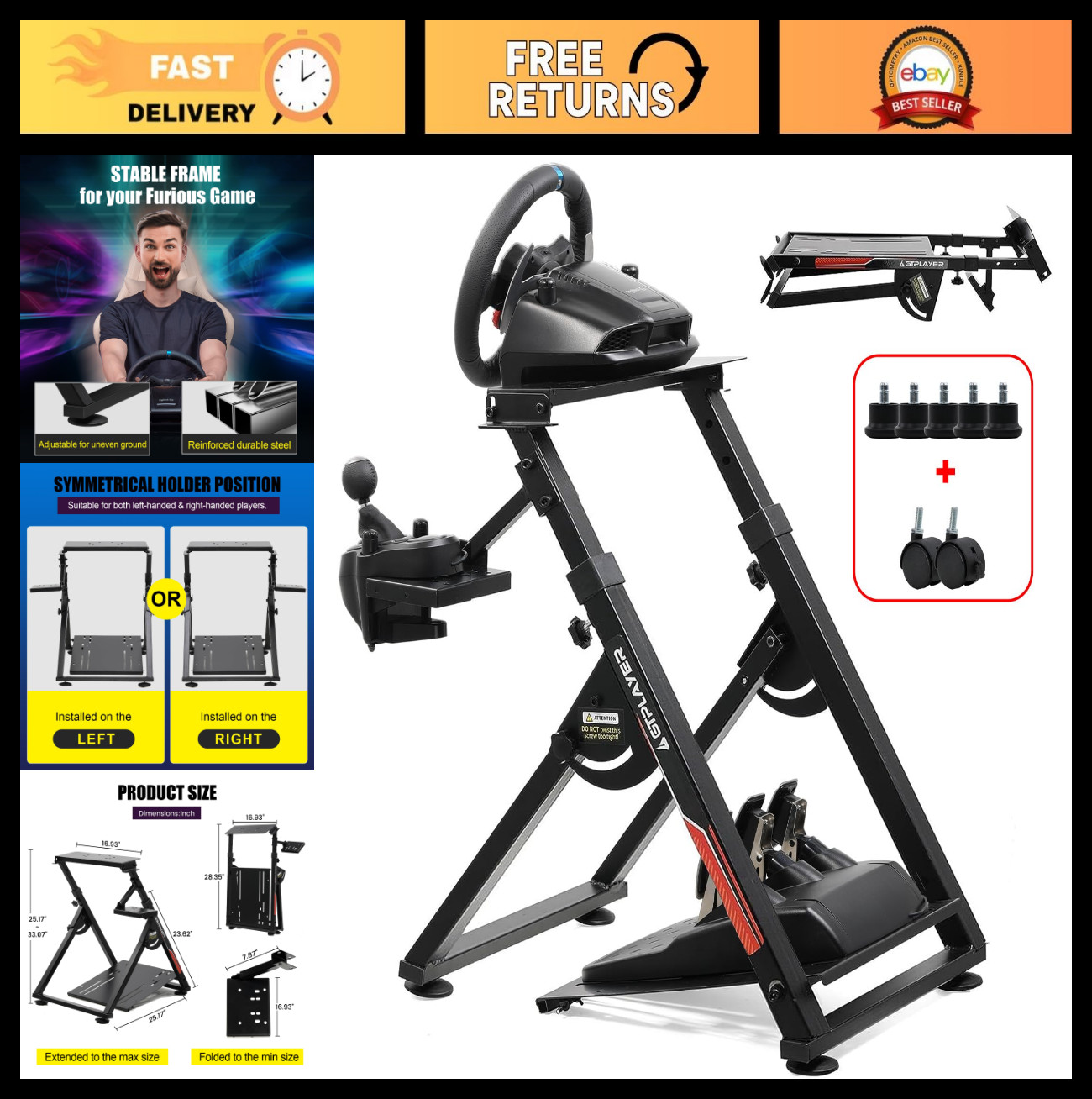 Adjustable Sim Racing Wheel Stand Cockpit for Logitech & Thrustmaster - Black$119.69View on eBay
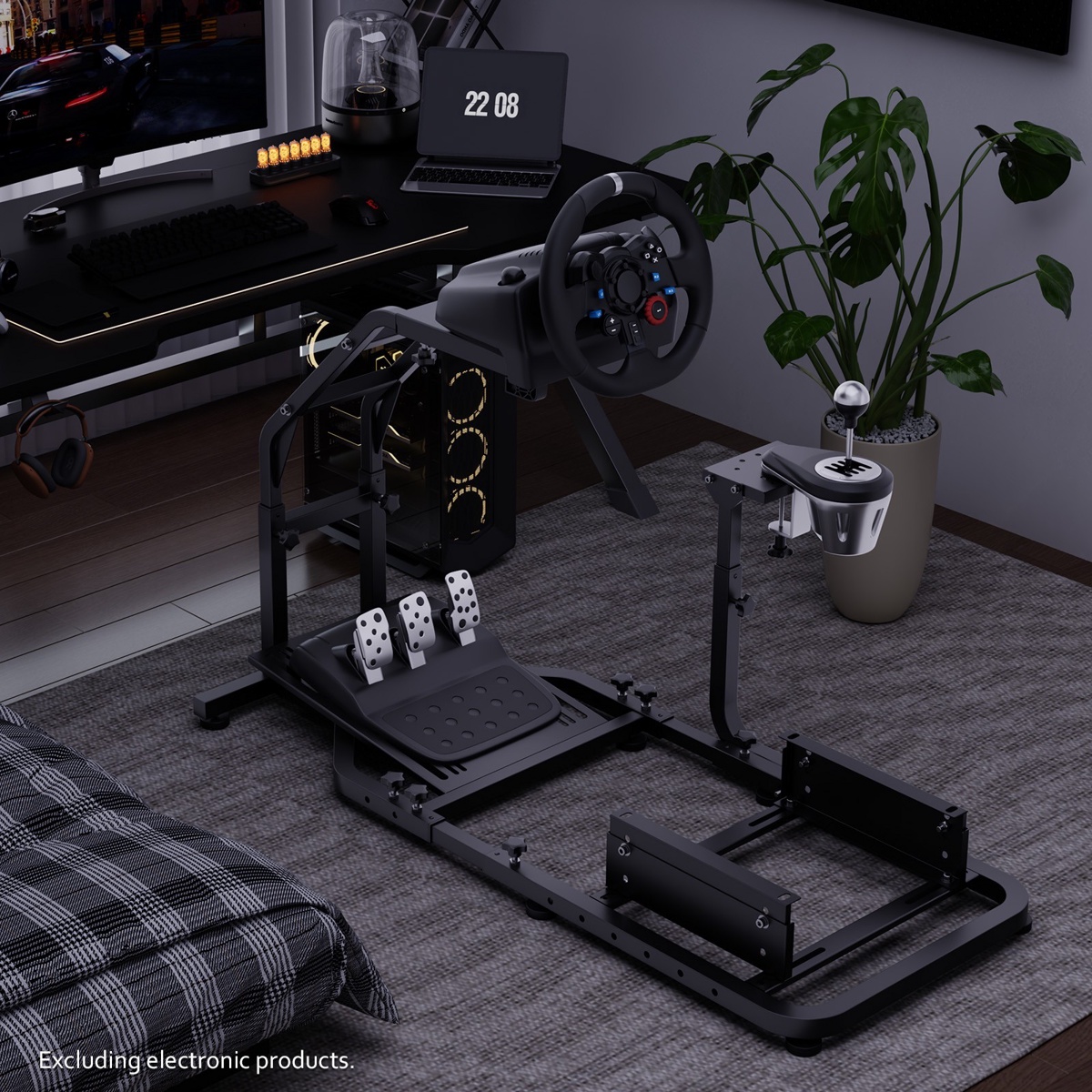 Hottoby Racing Simulator Cockpit Adjustable Fit Logitech G923 G920 Thrustmaster$119.99View on eBay
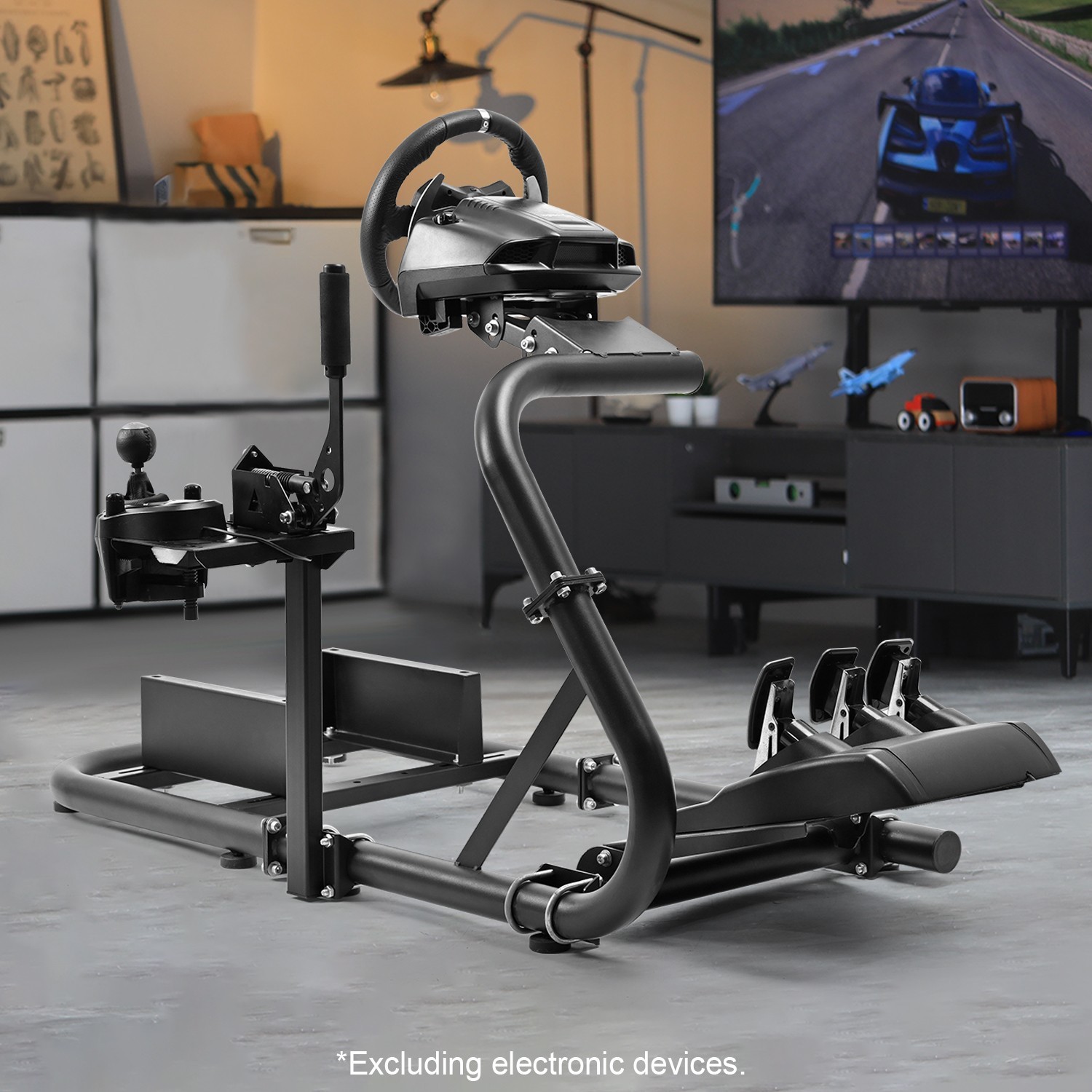 Marada Racing Simulator Cockpit Semi Open Adjustable Fits Logitech Thrustmaster$119.99View on eBay
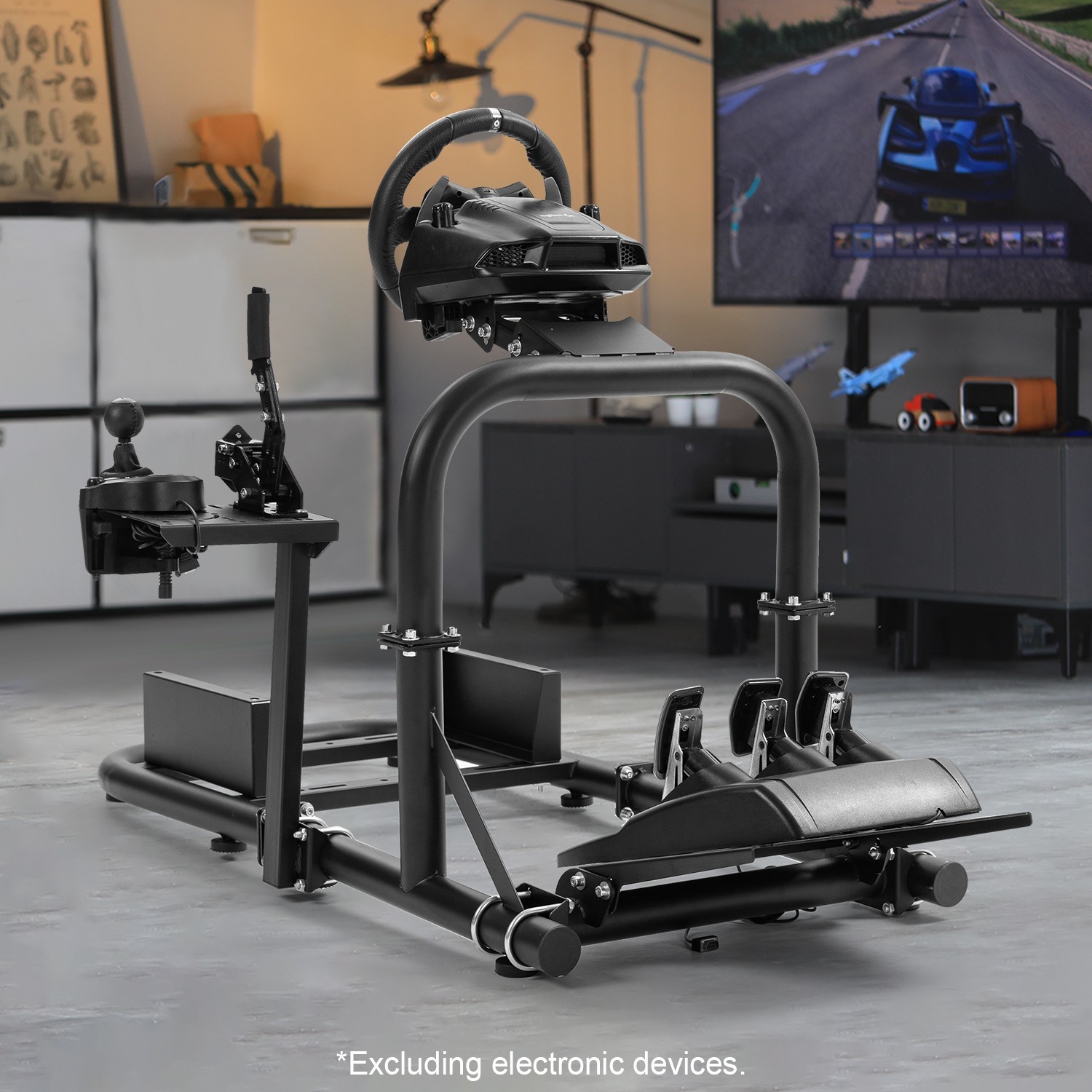 Marada Racing Simulator Cockpit Round Tube Fits Logitech G29 G920 Thrustmaster$124.99View on eBay
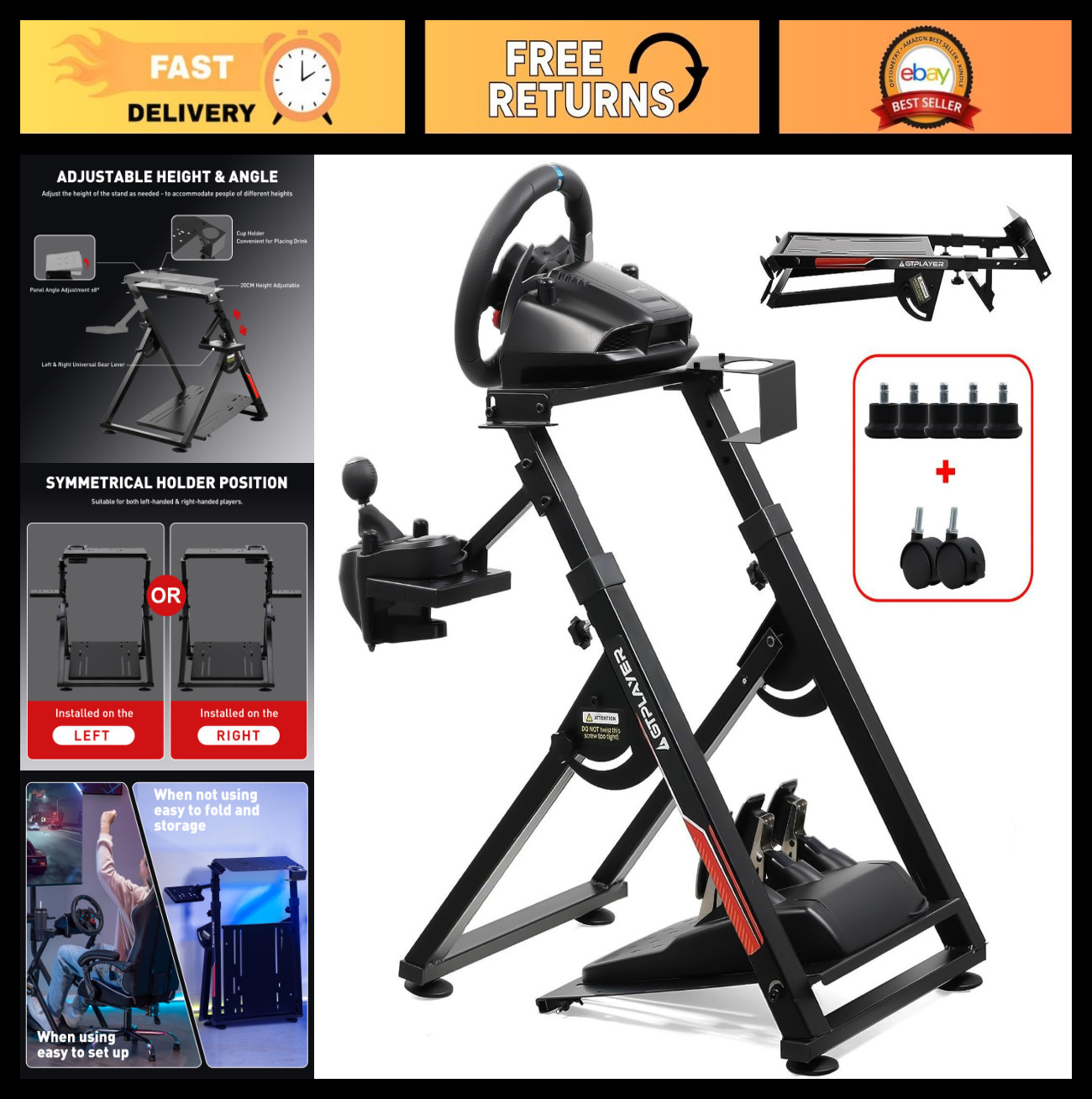 Sim Racing Wheel Stand Cockpit for Logitech & Thrustmaster - Adjustable, Deep Bl$147.24View on eBay
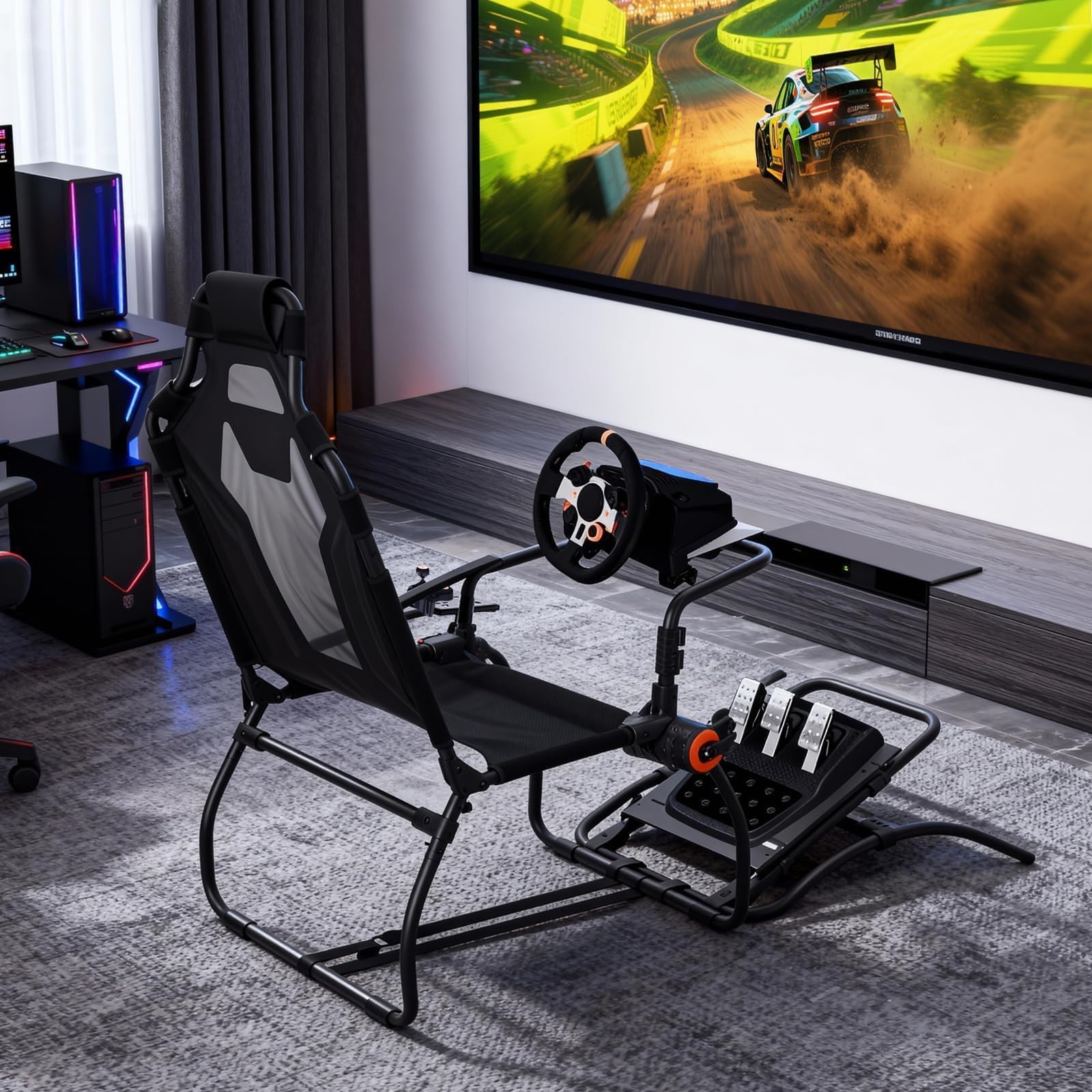 Racing Wheel Stand Sim Racing Simulator Cockpit for G923/G920/G29 & Thrustmaster$149.62View on eBay
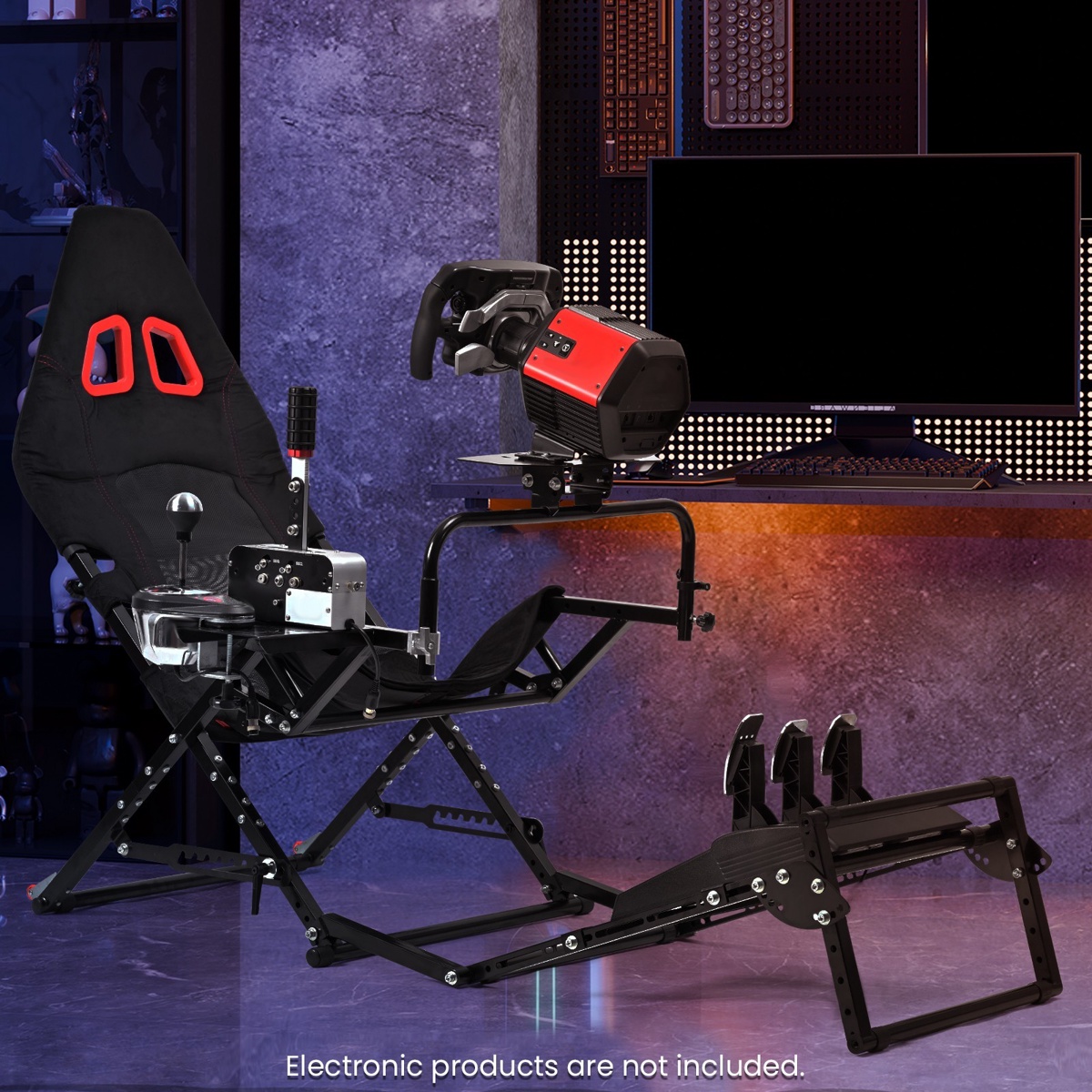 Minneer Foldable Racing Simulator Cockpit Fit Logitech G29 G923 Thrustmaster$174.99View on eBay
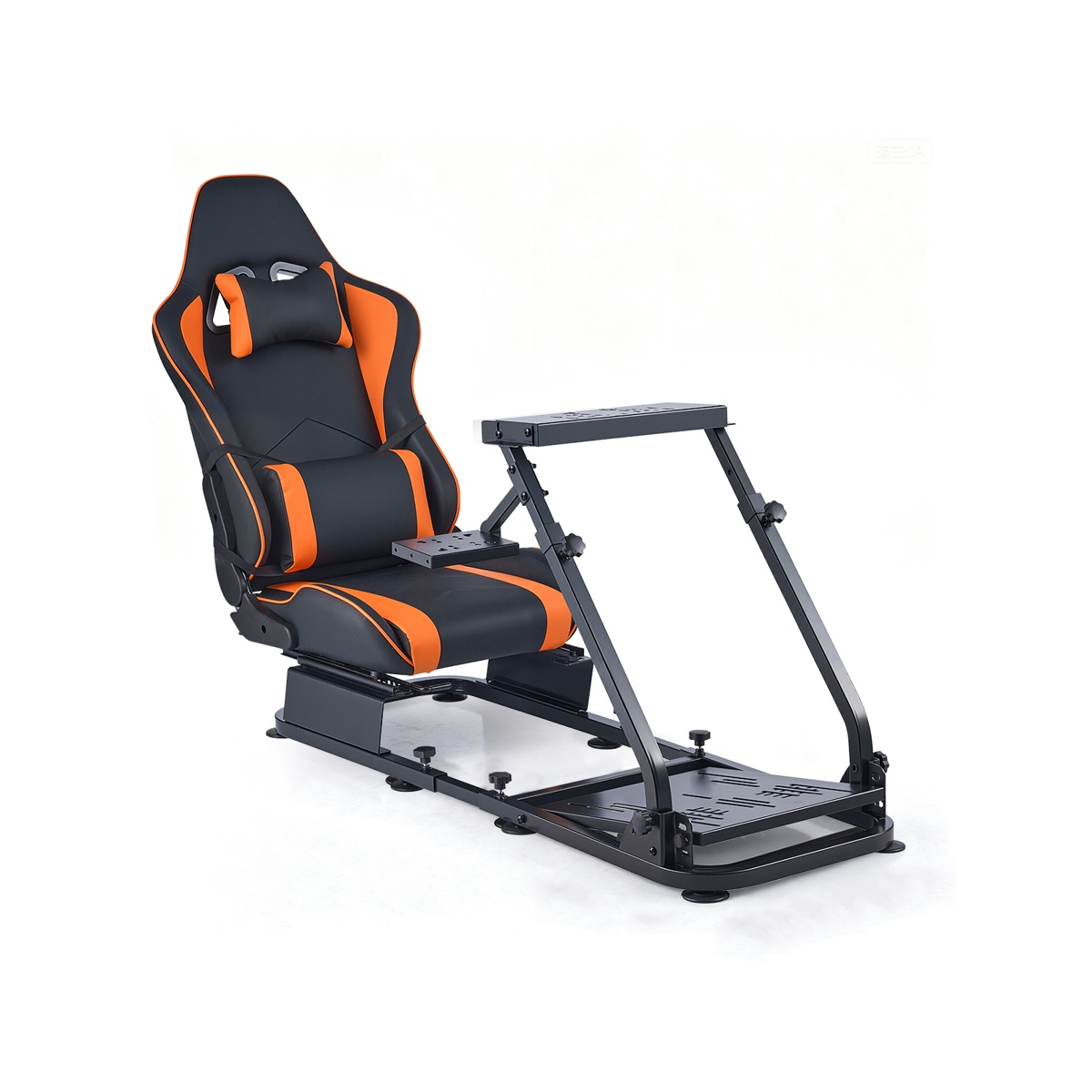 Uimoso Racing Steering Wheel Stand Simulator Cockpit for Logitech G923/G920/G29$183.99View on eBay
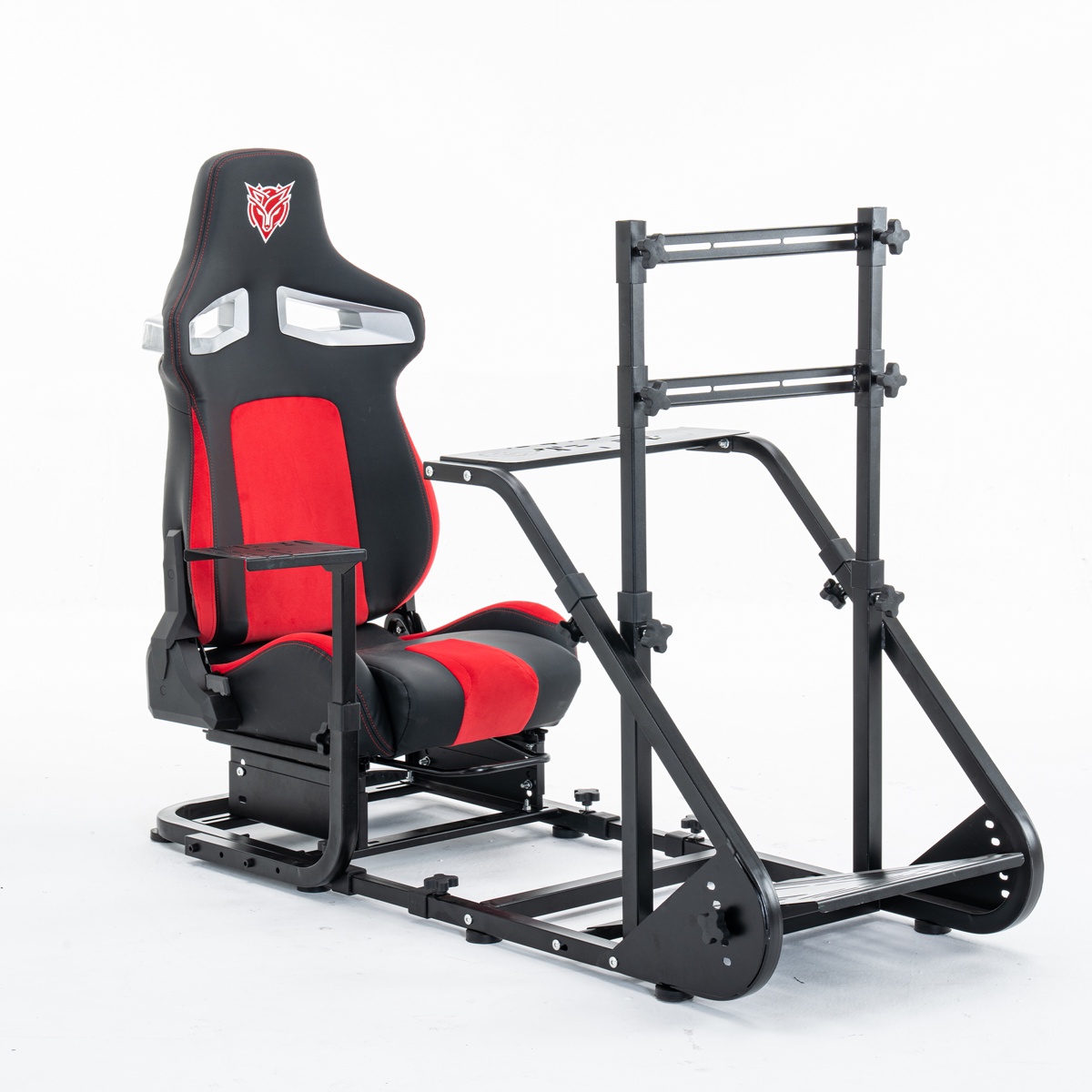
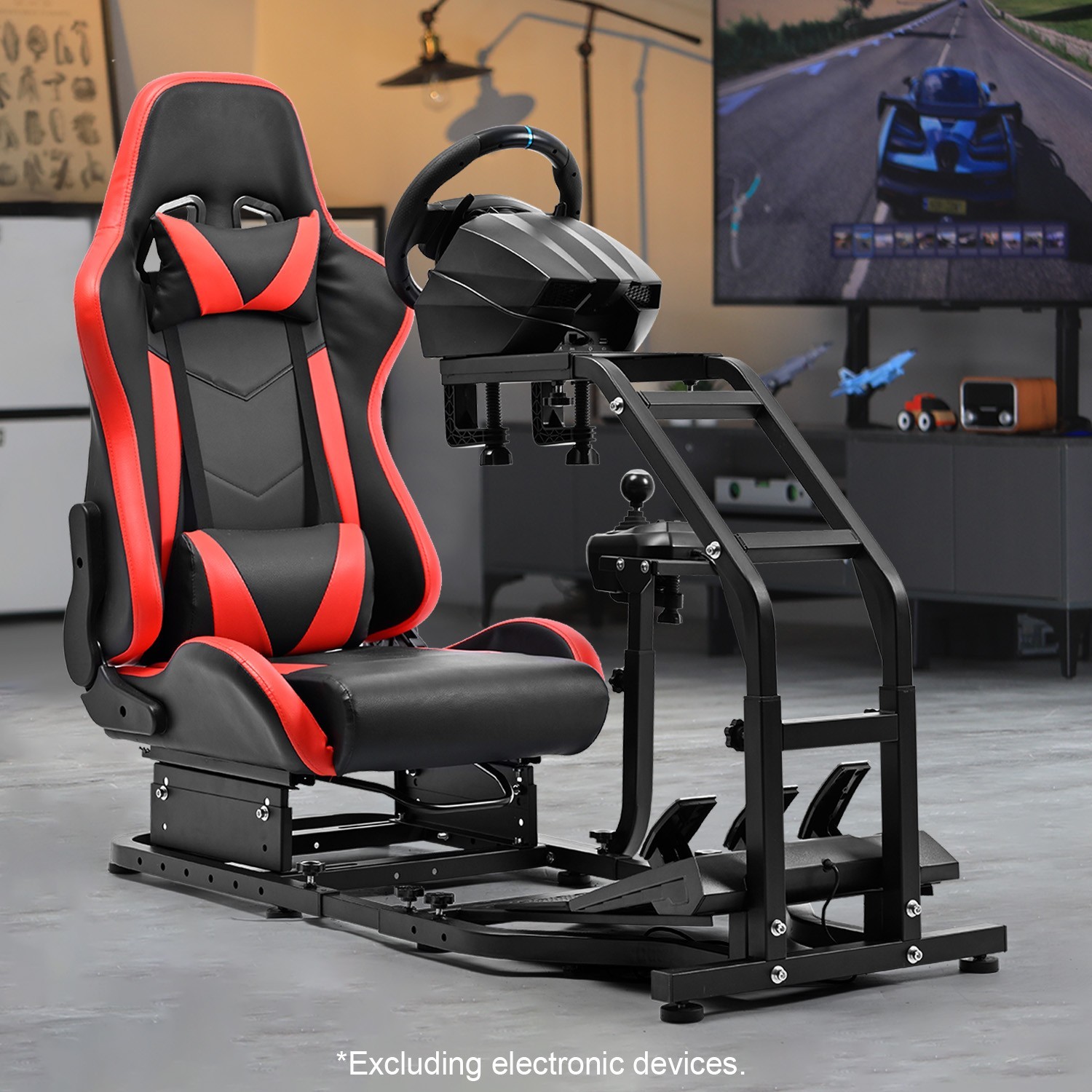 Marada Racing Simulator Cockpit With Red Gaming Seat Fits Logitech Thrustmaster$236.99Last checked Nov 18, 2026View on eBay
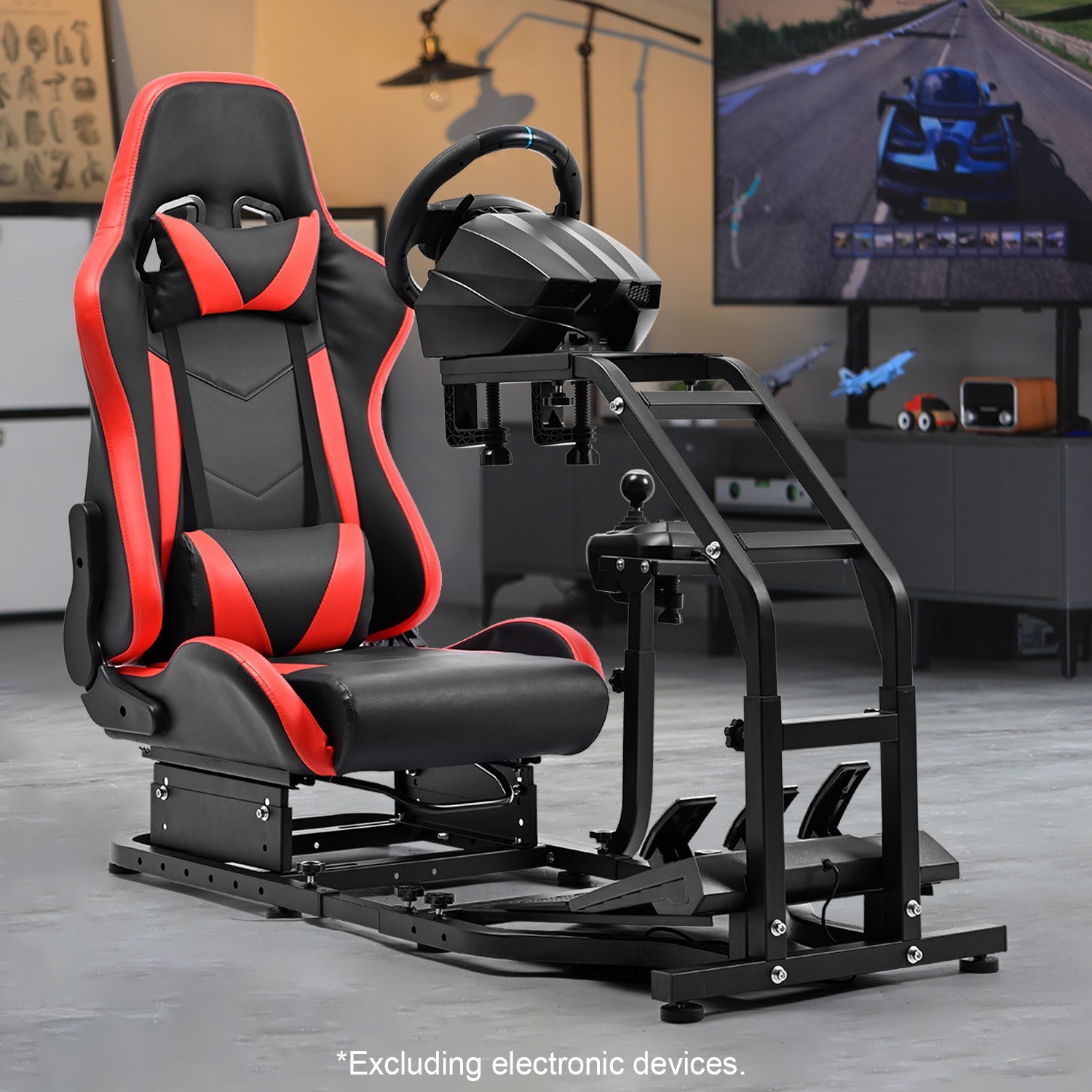 Marada Racing Simulator Cockpit Steering Wheel Stand Fit Logitech G923 G29 G920$241.99Last checked Nov 18, 2026View on eBay
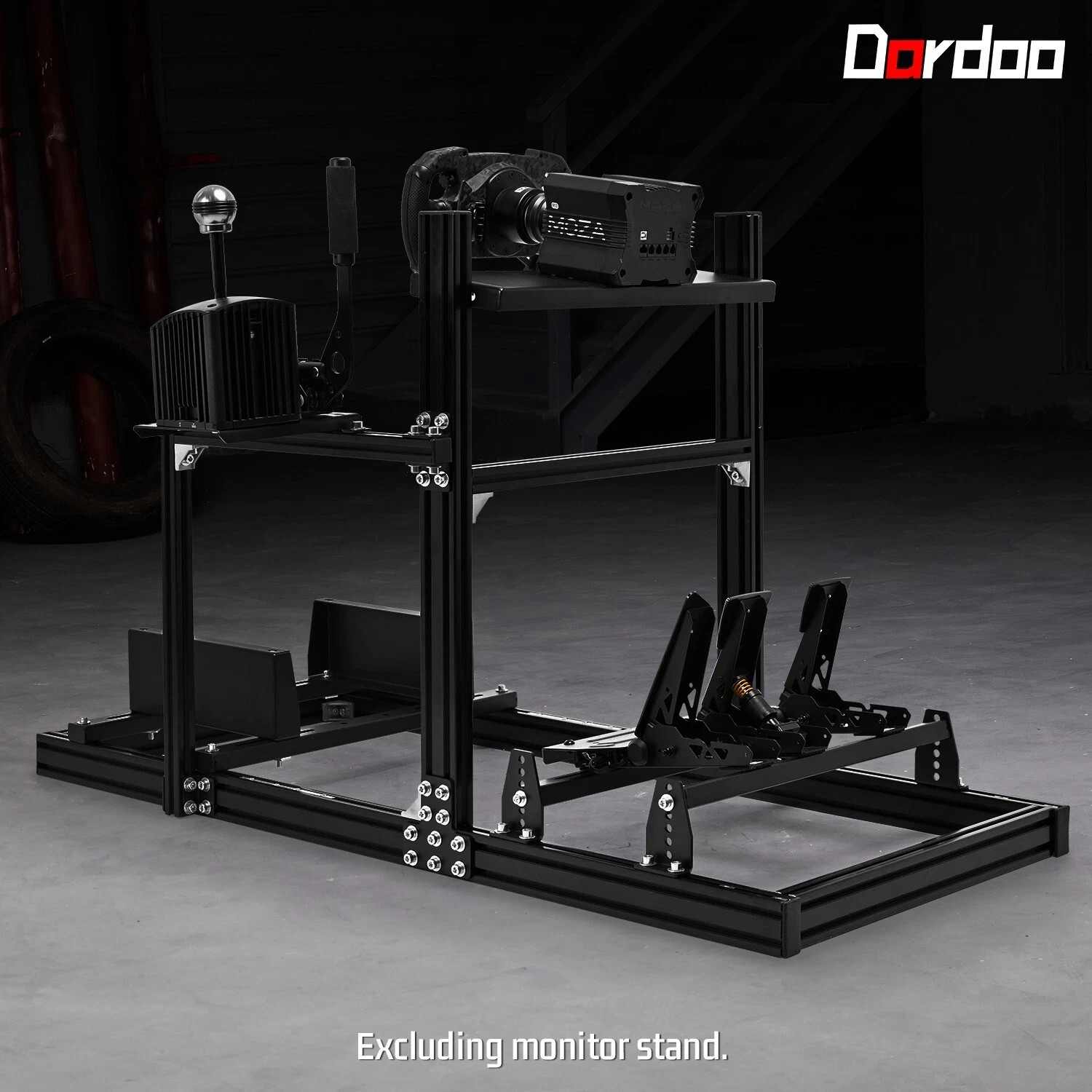 Dardoo 3060 Aluminum Racing Sim Cockpit Fits Logitech G923 Thrustmaster Fanatec$259.99Last checked Nov 18, 2026View on eBay
Highlights
- Extruded aluminum profile (typically 40x40 mm or 40x80 mm T-slot) is the modular standard for direct-drive wheels, allowing bolt-on pedal plates, shifter arms, and monitor mounts without drilling.
- Steel-tube cockpits resist lateral twist but are welded or bolted in fixed geometry; most sub-entry stands flex under 8+ Nm direct-drive torque and load-cell brake pressure above 50 kg.
- Wheelbase compatibility follows bolt patterns: Logitech G29/G920/G923 use clamp or 3-point M6 mounting; Thrustmaster TX/T300 uses 2-point M6; Fanatec and Moza direct-drive bases use 4-point M6 or M8 hard-mount patterns.
- Seat construction separates tiers: cloth over high-density memory foam on a steel frame lasts for years, while molded plastic bucket seats crack at the recliner hinge under heavy pedal force.
Best use cases
- PC sim racer with a direct-drive wheel (Fanatec, Moza, Simagic) and load-cell pedals: pick a 40x80 mm aluminum-profile cockpit with a hard-mounted pedal deck and integrated seat rails; skip foldable steel stands.
- PS5 console racer using a Logitech G29 or Thrustmaster T300: a rigid steel-tube cockpit with a clamp-compatible wheel deck and a seat is sufficient—profile extrusion is optional unless you plan to upgrade to direct drive.
- Apartment or shared-space user who must stow the rig after each session: choose a foldable wheel stand with locking hinges and skip cockpits with fixed seats; accept that foldable stands are not rated for direct-drive torque.
- Buyer wanting an all-in-one cockpit with seat and TV/monitor mount: select a bundled cockpit + seat + monitor-stand package and verify the monitor stand's VESA plate and height range before ordering; separate monitor stands are the more stable path.
Buying tips
- Match the cockpit to your wheelbase torque: belt-driven wheels under 8 Nm work on steel-tube stands; direct-drive wheels above 8 Nm require aluminum profile or heavy-gauge steel with hard-mount bolt patterns.
- Check pedal deck rigidity first: a load-cell brake needs a steel or profile pedal plate that does not flex; thin stamped-metal decks bend under 50+ kg pedal force.
- Measure your seating triangle: distance from wheel face to seat back should be roughly 50-60 cm, and pedal deck height should let your knees stay slightly bent at full brake travel.
- Verify bolt patterns and clamp compatibility before buying: Logitech G29/G920/G923, Thrustmaster, Fanatec, and Moza each use specific M6/M8 hole spacing or clamp widths, and adapter plates are often required.
Specs
| Frame Material | Aluminum profile vs steel tube |
|---|---|
| Wheelbase Support | Belt <8 Nm vs Direct Drive 8+ Nm |
| Seat Type | Cloth memory foam vs plastic bucket |
| Mount Pattern | M6/M8 hard mount or clamp |
Related searches
What to check before buying
- Floor and room footprint: a full cockpit with seat occupies roughly 130-150 cm length and 60-70 cm width; measure your space and doorways before choosing a fixed versus foldable rig.
- Seat and frame interface: confirm the cockpit includes seat rails or a seat bracket matching your chosen seat's bolt spacing (typically 290-300 mm side-mount or bottom-mount).
- Monitor/TV mounting: check the cockpit or bundled stand's VESA pattern (75x75 or 100x100 mm), weight rating, and height adjustment range for your display size.
- Power and cable routing: plan for a wheelbase power brick, USB hub, and pedal cable runs; profile rigs with T-slot channels allow clean cable management that steel tubes do not.
FAQ
Data sources: eBay / Amazon listings and product attribute feeds. Updated Nov 27, 2026.
Some links on this page are affiliate links. If you buy after clicking one, we may earn a commission at no extra cost to you. This does not change which products appear here or their order. Affiliate disclosure.