
Photos from current listings. Actual item, color, and included accessories may vary.
GPS Drone With Camera Buying Guide
A GPS drone with camera is a quadcopter that uses satellite positioning for stable hover, return-to-home, and follow-me framing, paired with a stabilized camera for aerial photo and video. The core trade-off is sensor and gimbal quality versus GPS reliability and flight time: budget units often fake GPS lock and use electronic image stabilization, while durable options pair a real GNSS module with a mechanical gimbal and a 1/2.3-inch or larger sensor. The clear rule: buy only when the spec sheet names the GNSS constellation support, the gimbal type, and the sensor size — anything less is a toy-grade compromise.
Median $144.99 · Pre-owned listings
Key takeaways
- GPS reliability depends on multi-constellation GNSS (GPS + GLONASS + Galileo); single-constellation receivers drift and fail return-to-home in urban canyons.
- Camera quality hinges on sensor size and gimbal type: a 1/2.3-inch CMOS on a 3-axis mechanical gimbal outperforms a 1/1.3-inch sensor with electronic stabilization in wind.
- Flight time scales with battery capacity and cell chemistry: 2,453 mAh standard packs yield roughly 25–38 minutes; plus-battery bundles reach 45–51 minutes at added weight.
At a glance
- Category
- Drones & Consumer Robotics
- Last updated
- Nov 28, 2026
Current offers
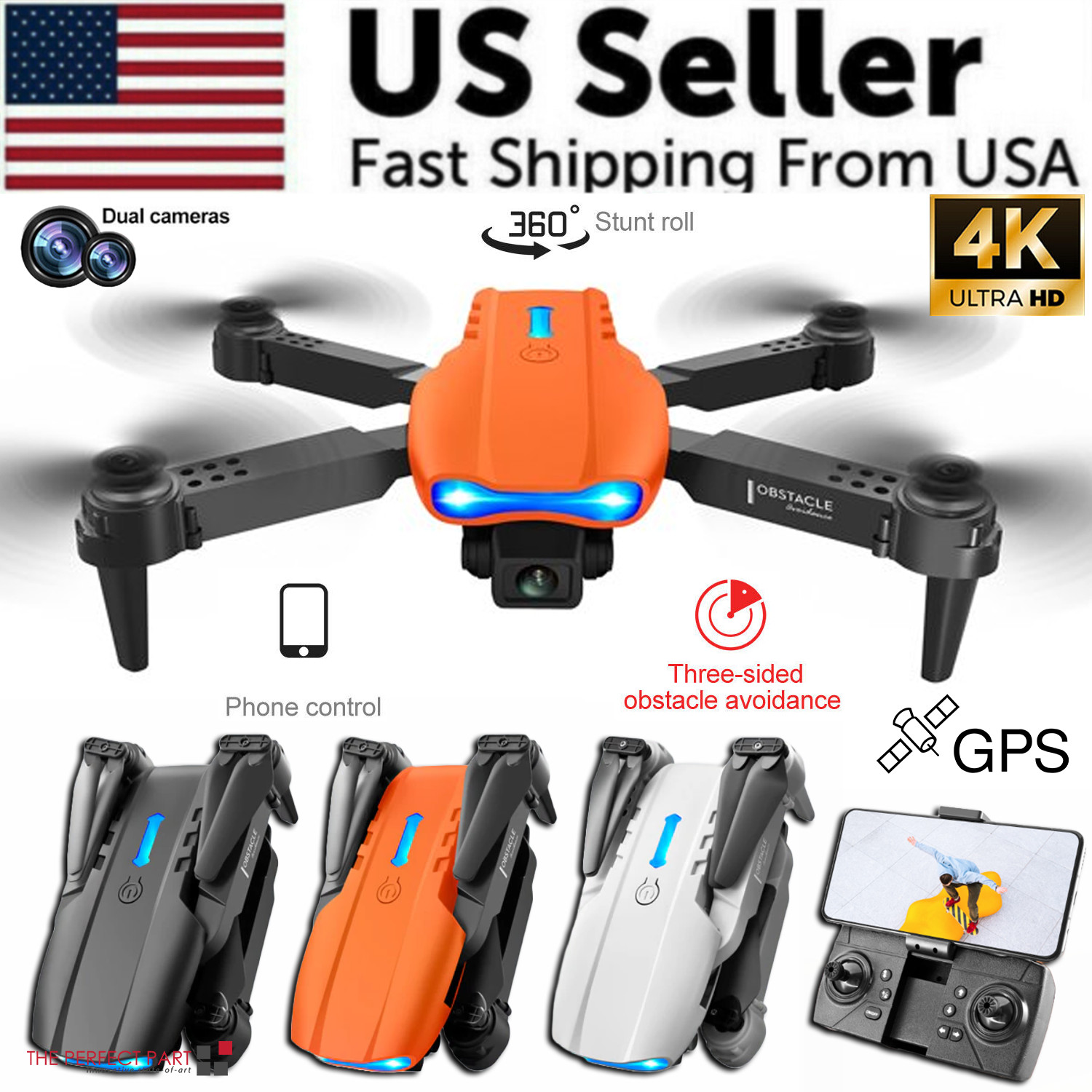 Drone X Pro Quadcopter 2026 5G 4K GPS HD Dual Camera WiFi FPV Foldable RC$22.59View on eBay
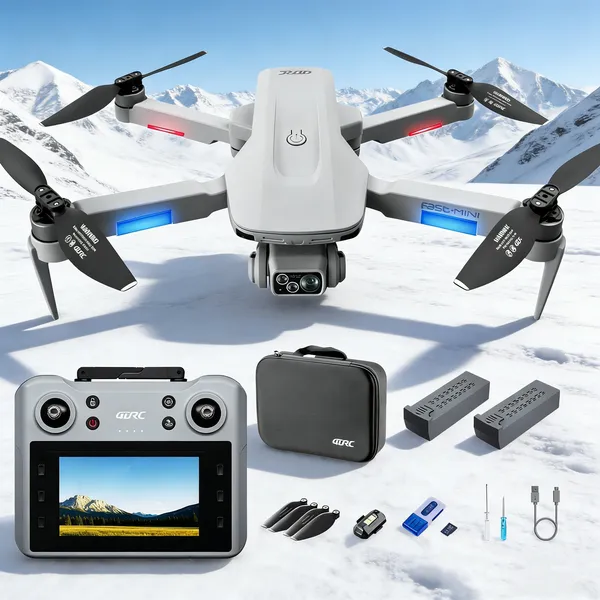 4DF8 4.5" Screen GPS Drone With Camera For Adults, Auto Return/Follow Me 5G FPV,gifts$197.99View on Mallflare
 Drone Quadcopter 5G 4K GPS HD Dual Camera WiFi FPV Foldable Remote Controller$22.90View on eBay
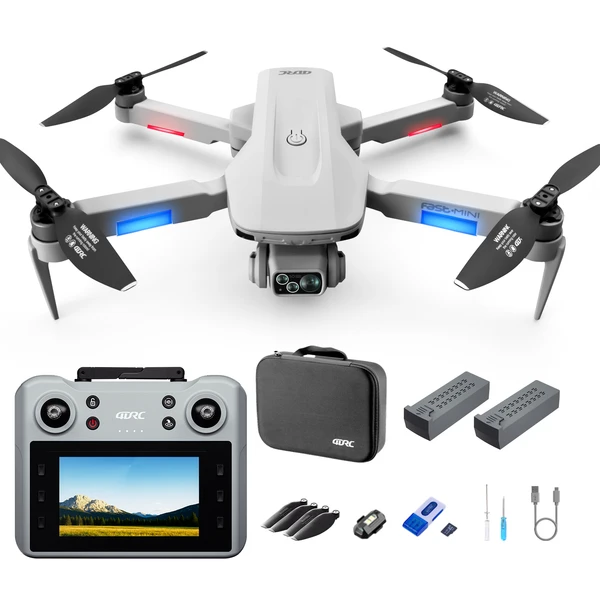 4DF8 4.5" Screen GPS Drone With Camera For Adults, Auto Return/Follow Me 5G FPV$211.99View on Mallflare
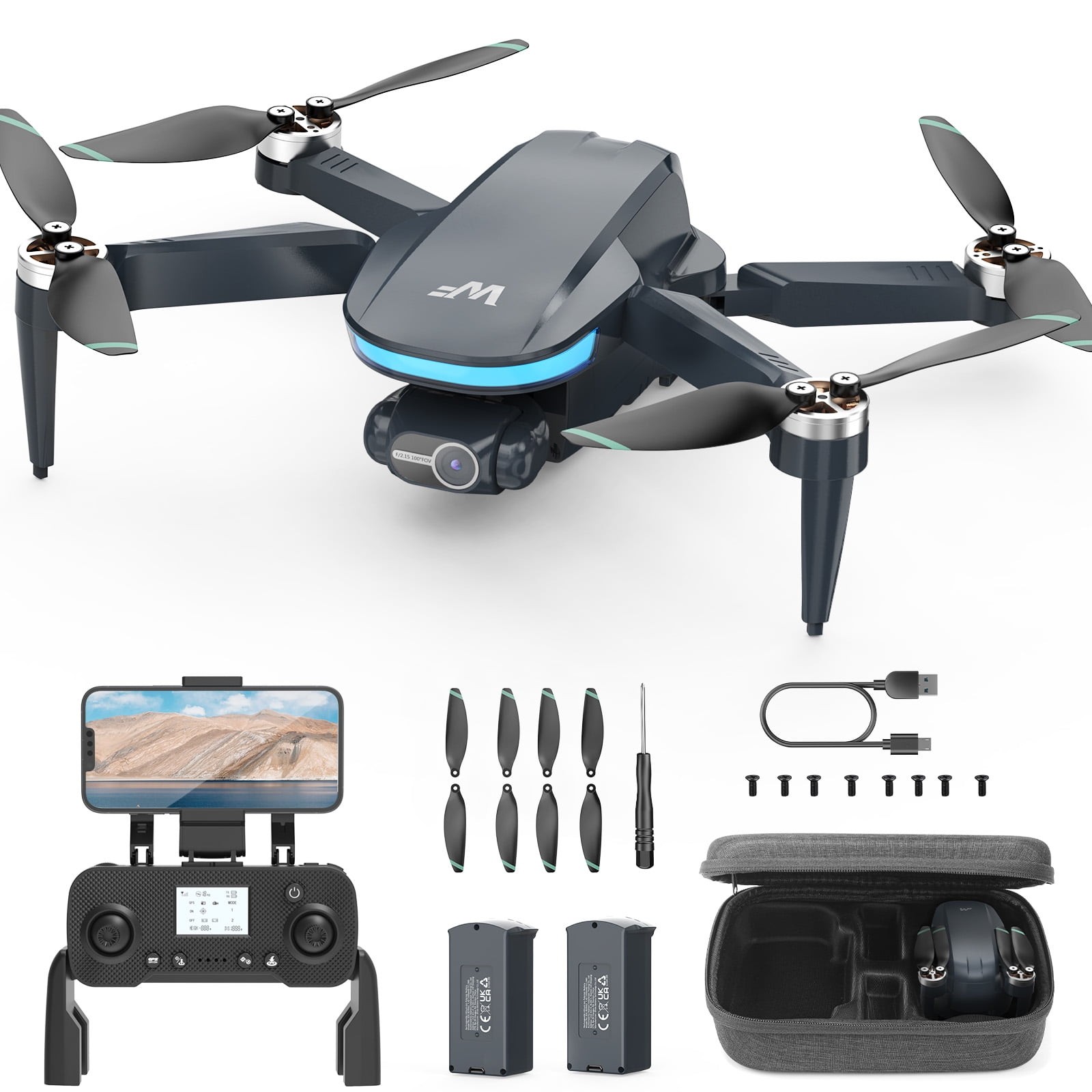 WeFone WF40 GPS Drones with Camera for Adults 4K, Foldable RC Quadcopter with$29.00View on eBay
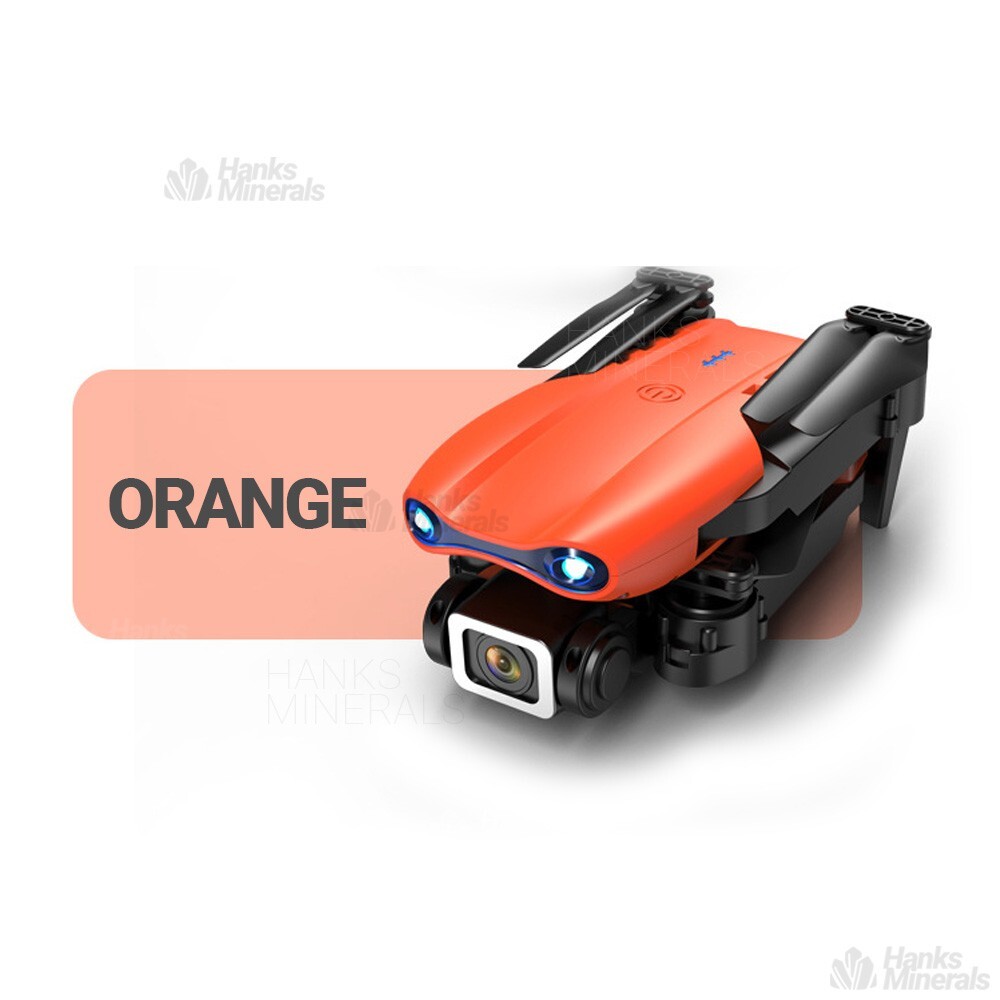 Drone X Pro Quadcopter 2026 5G 4K GPS HD Dual Camera WiFi FPV Foldable RC$34.98Last checked Nov 28, 2026View on eBay
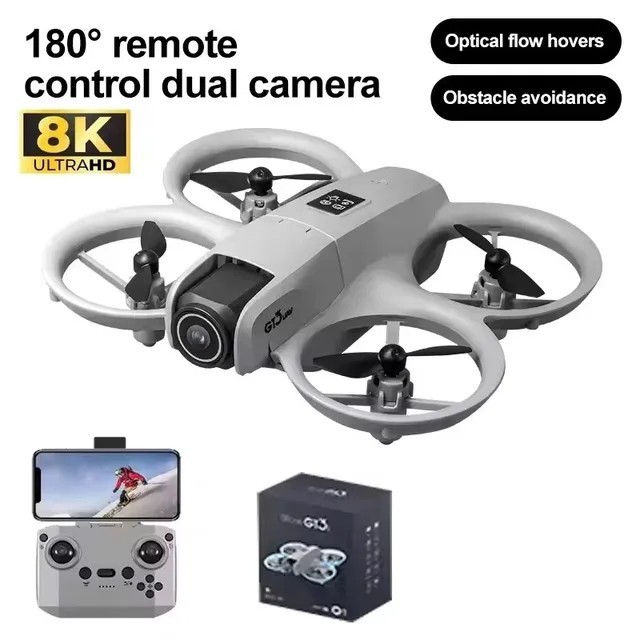 8K GPS drone equipped with a large-screen remote control, 5G FPV HD Dual Camera$49.99View on eBay
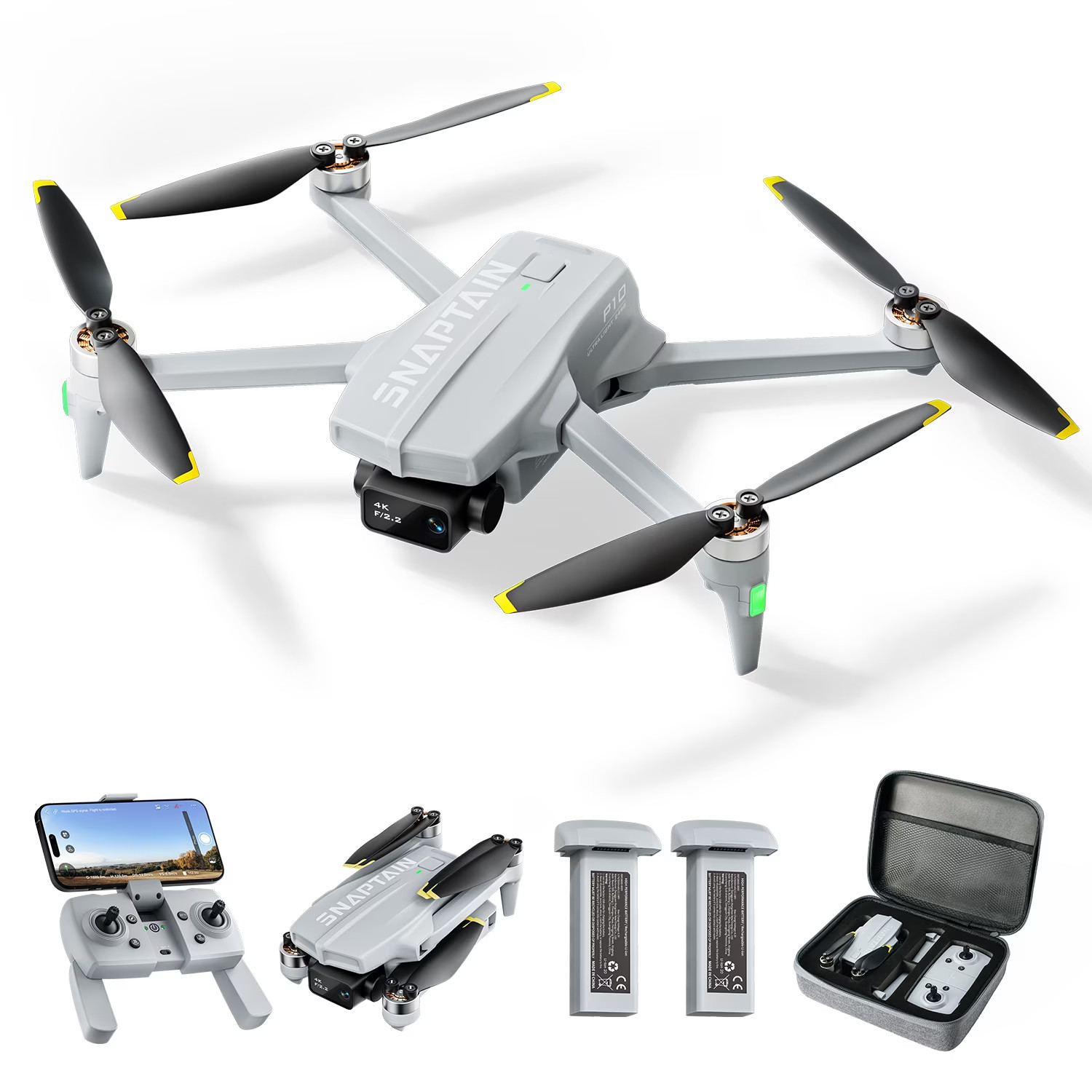 Snaptain P10 GPS Drone with Camera for Adults 4K Video$54.00View on eBay
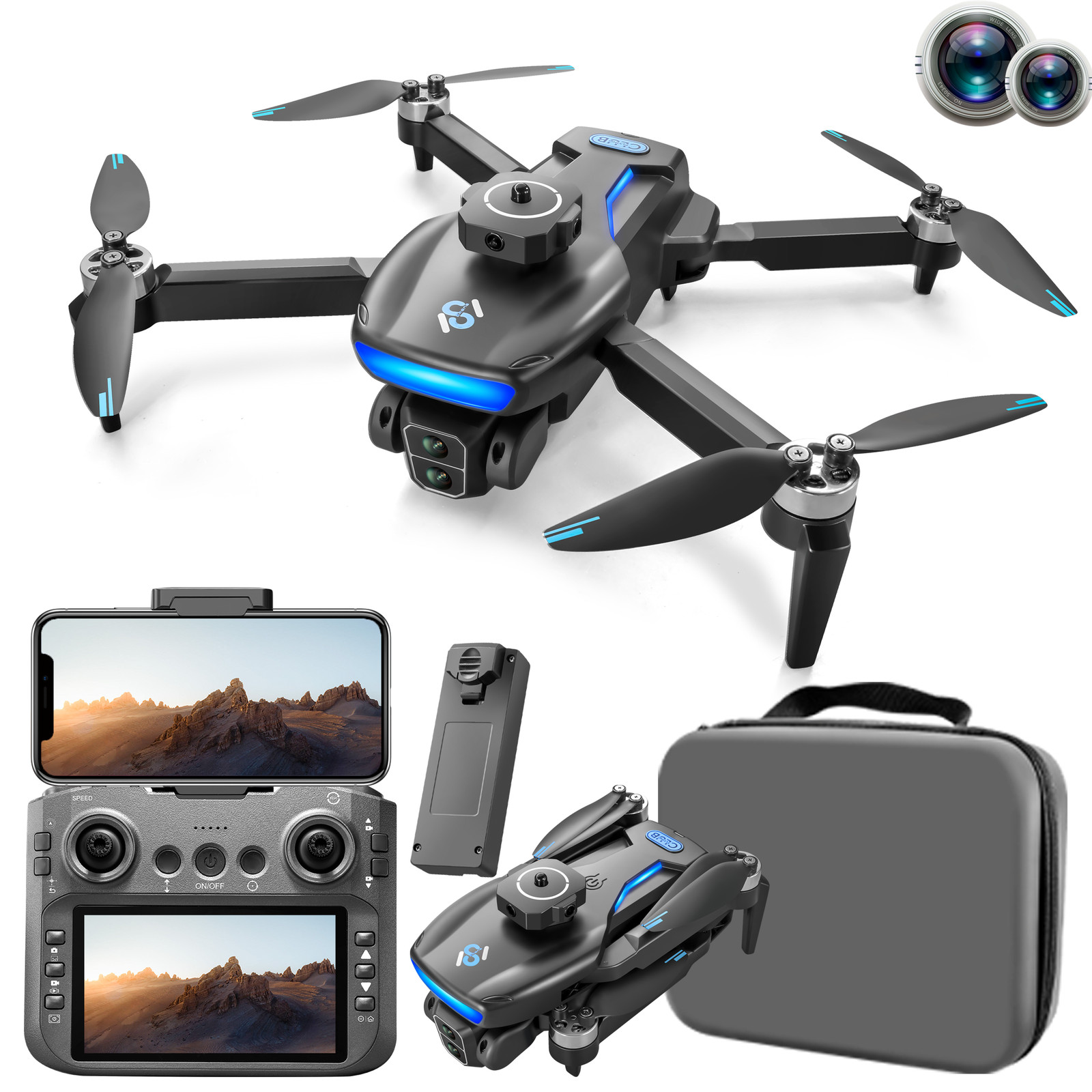 8K GPS FPV Drone with Screen Remote, Dual Camera Foldable Quadcopter + Battery$54.90View on eBay
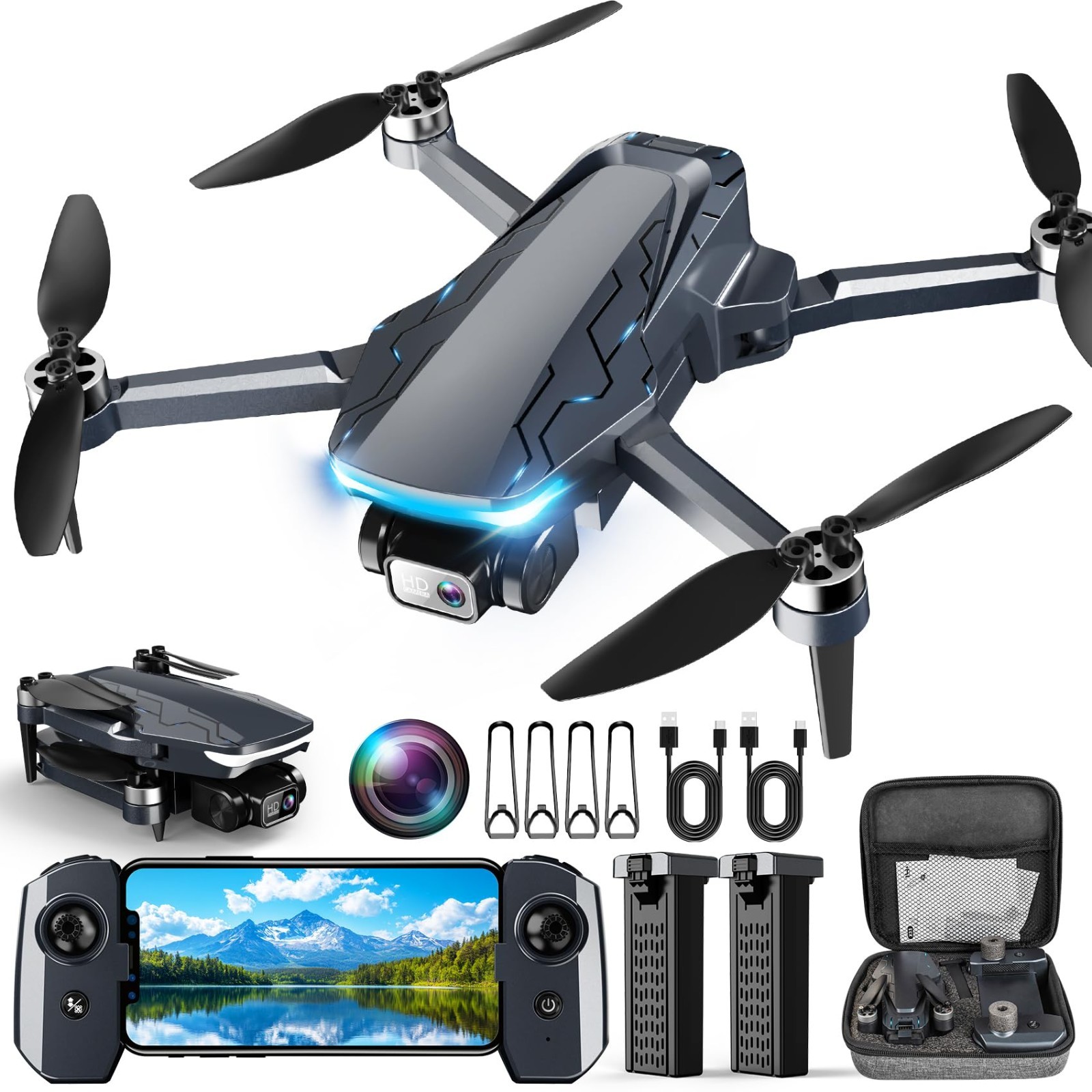 2K HD GPS Drone with Camera, Foldable FPV, Auto Return, Follow Me, 5G, 2 Batteri$57.59View on eBay
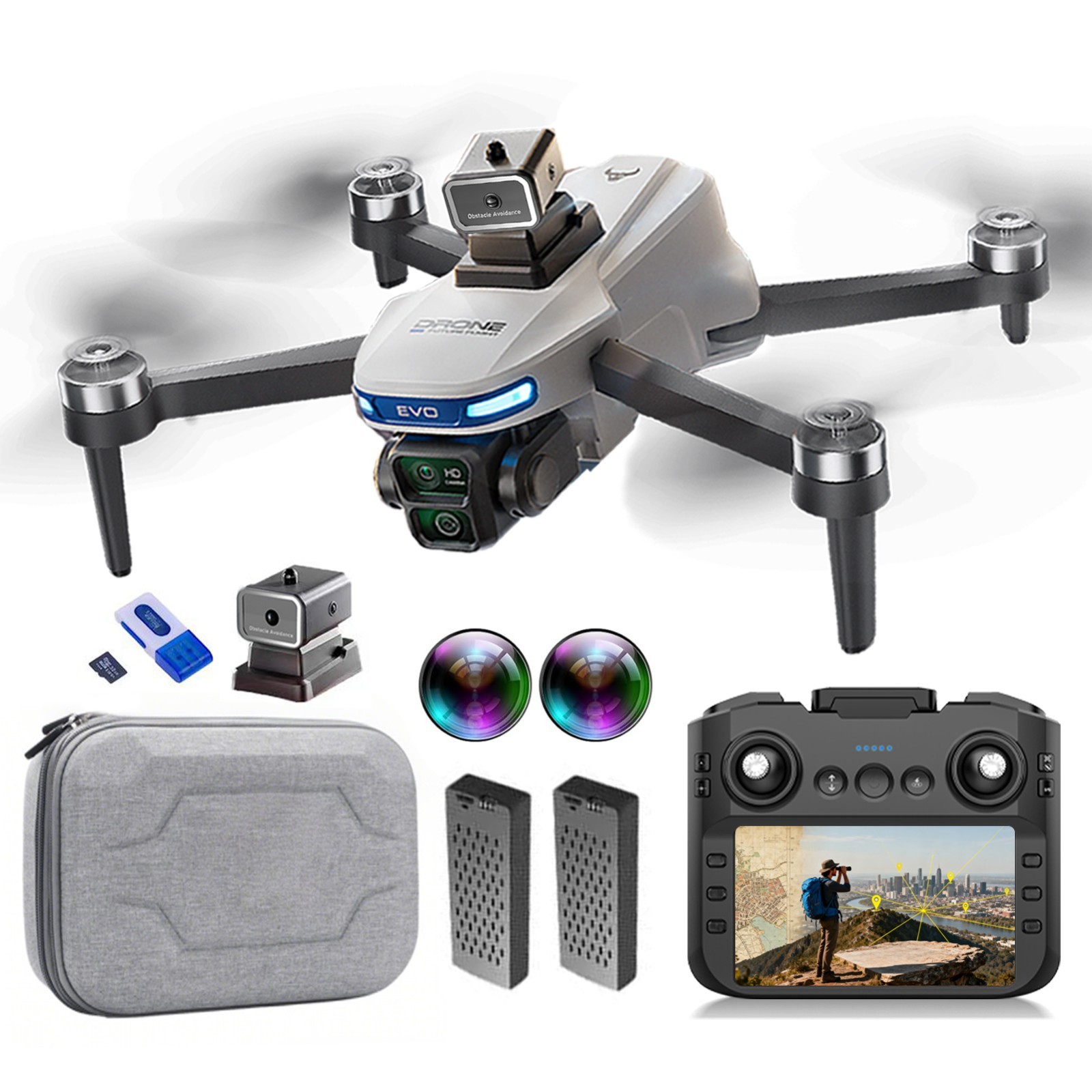 4K Cameras GPS Drone, 4.5'' RC Screen, Brushless Motor, Auto Return, 2 Batteries$67.49Last checked Nov 28, 2026View on eBay
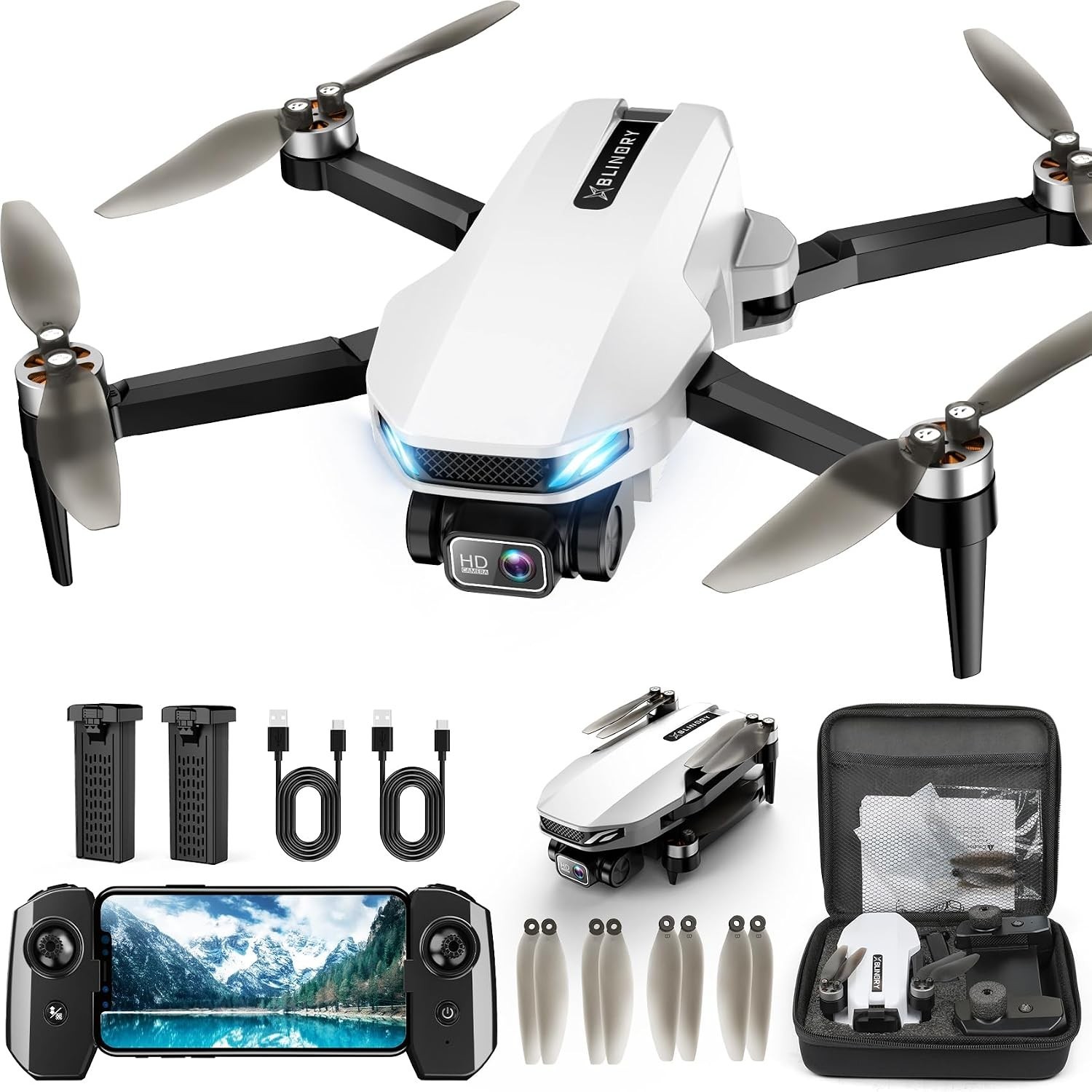 GPS Drone with Camera for Adults, 2K HD GPS Drones with Auto Return, Follow Me,$69.90View on eBay
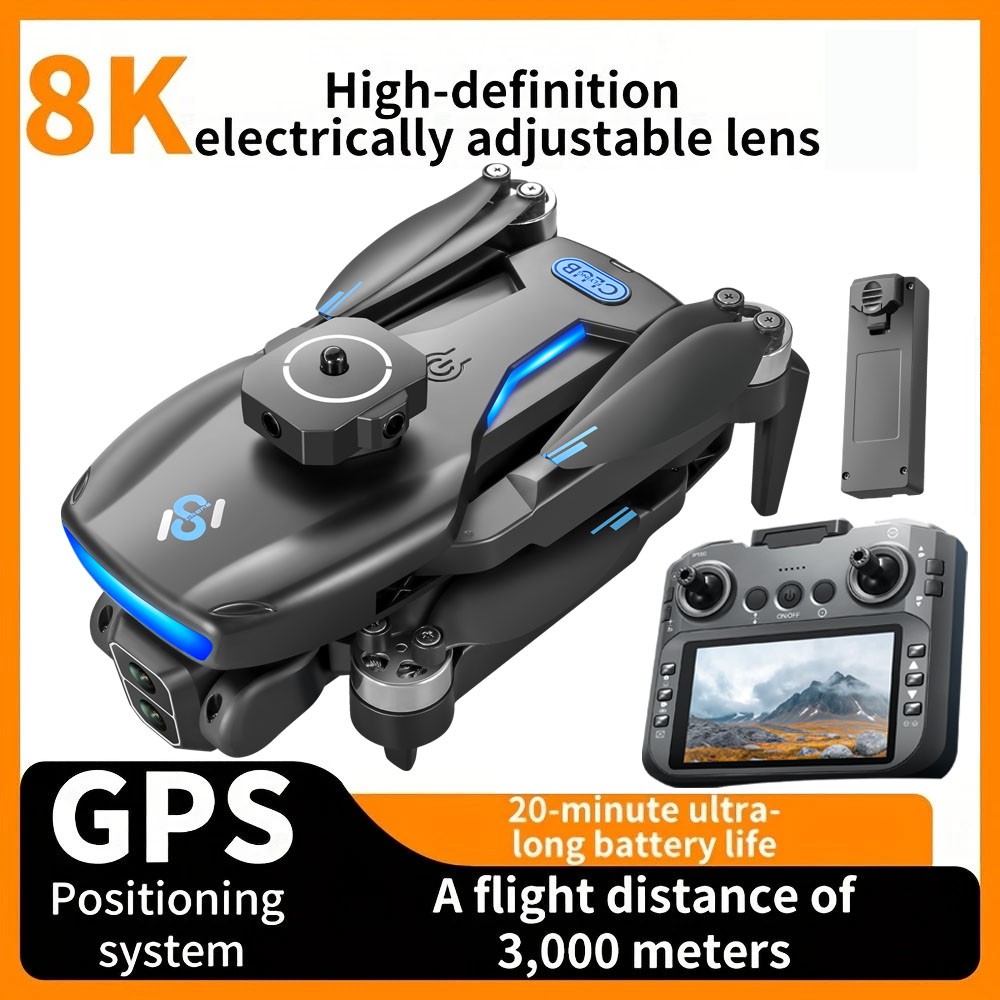 8K GPS FPV Drone with 4.5" Screen Remote, Camera RC Quadcopter Dual Battery$74.27View on eBay
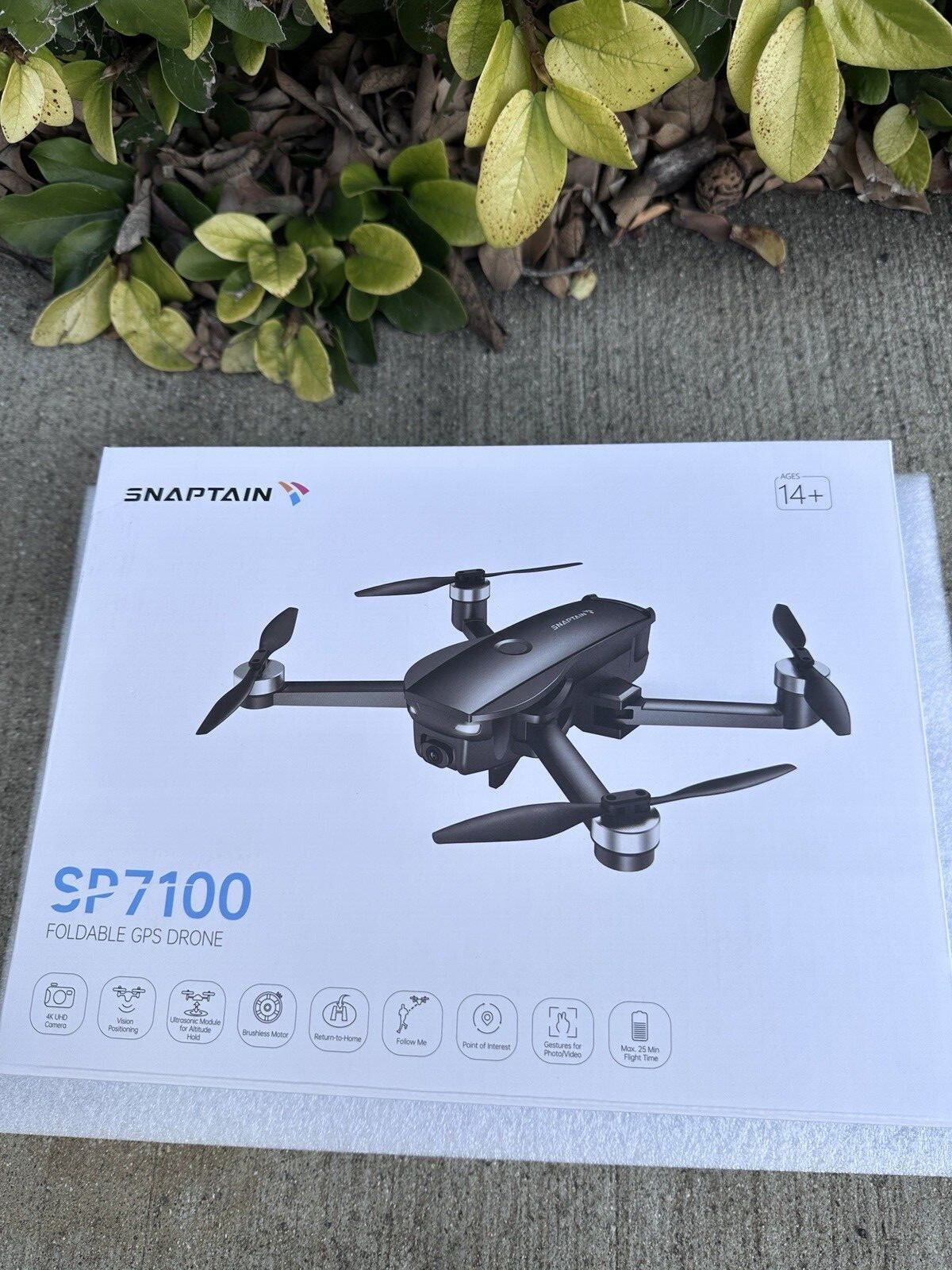 Snaptain SP7100 5G RC Drone GPS 4K HD Dual Camera FPV Quadcopter Brushless Motor$79.00View on eBay
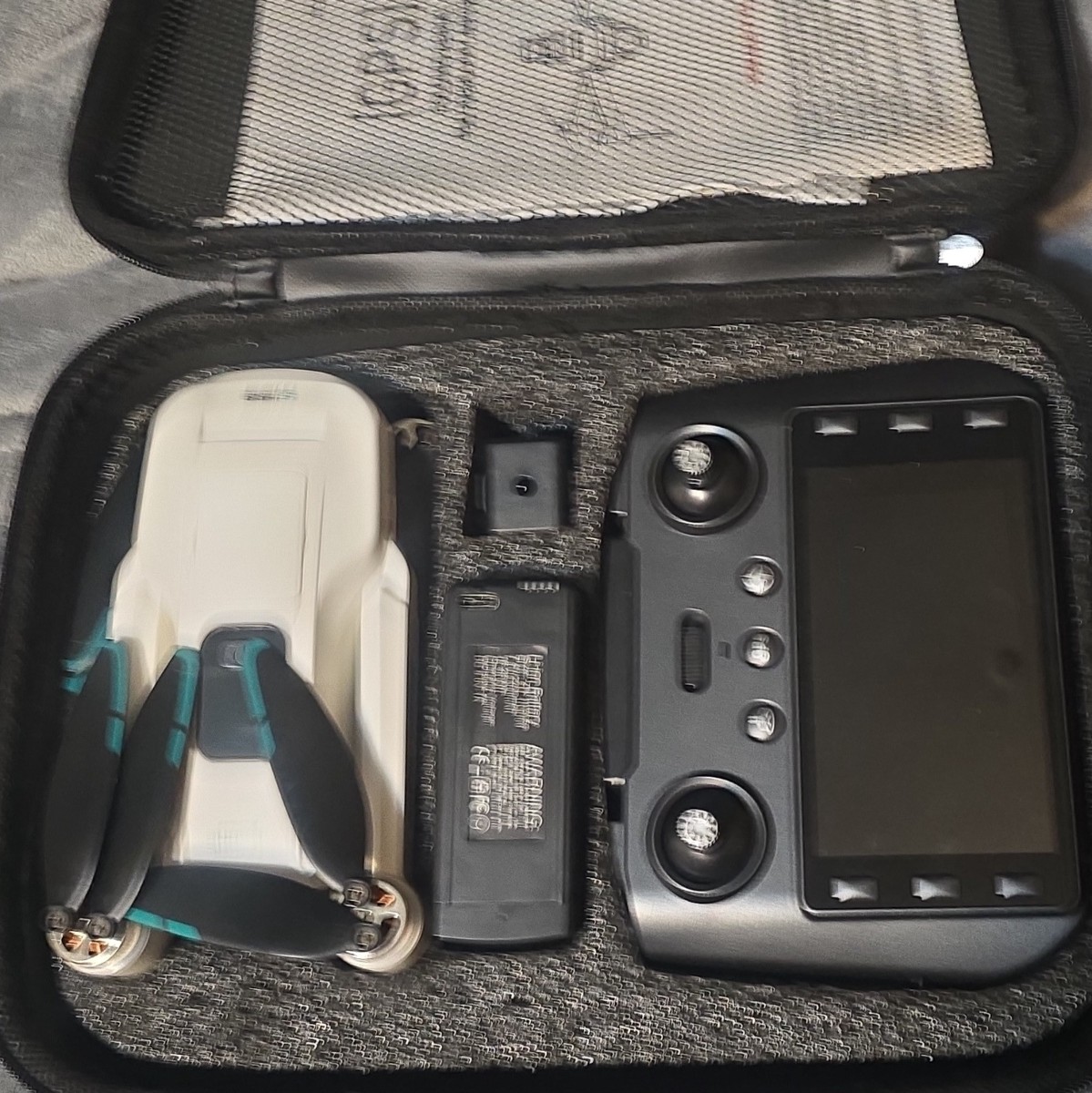 S159 GPS 4K Camera Drone w/ Controller, 2 Batterie Case$80.00View on eBay
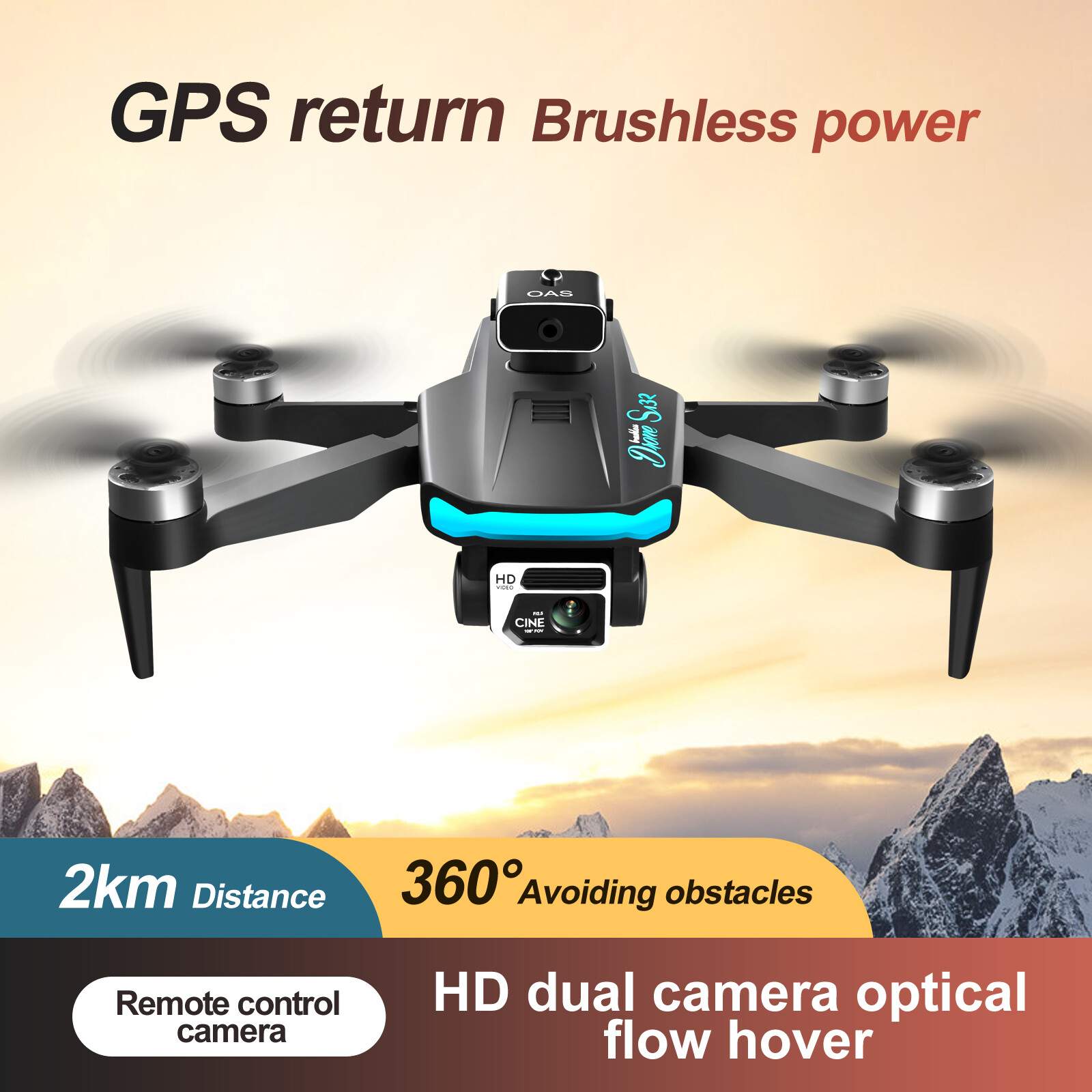 GPS FPV Drone with Dual Camera 8K HD Brushless Foldable Quadcopter 3 batteries$82.16View on eBay
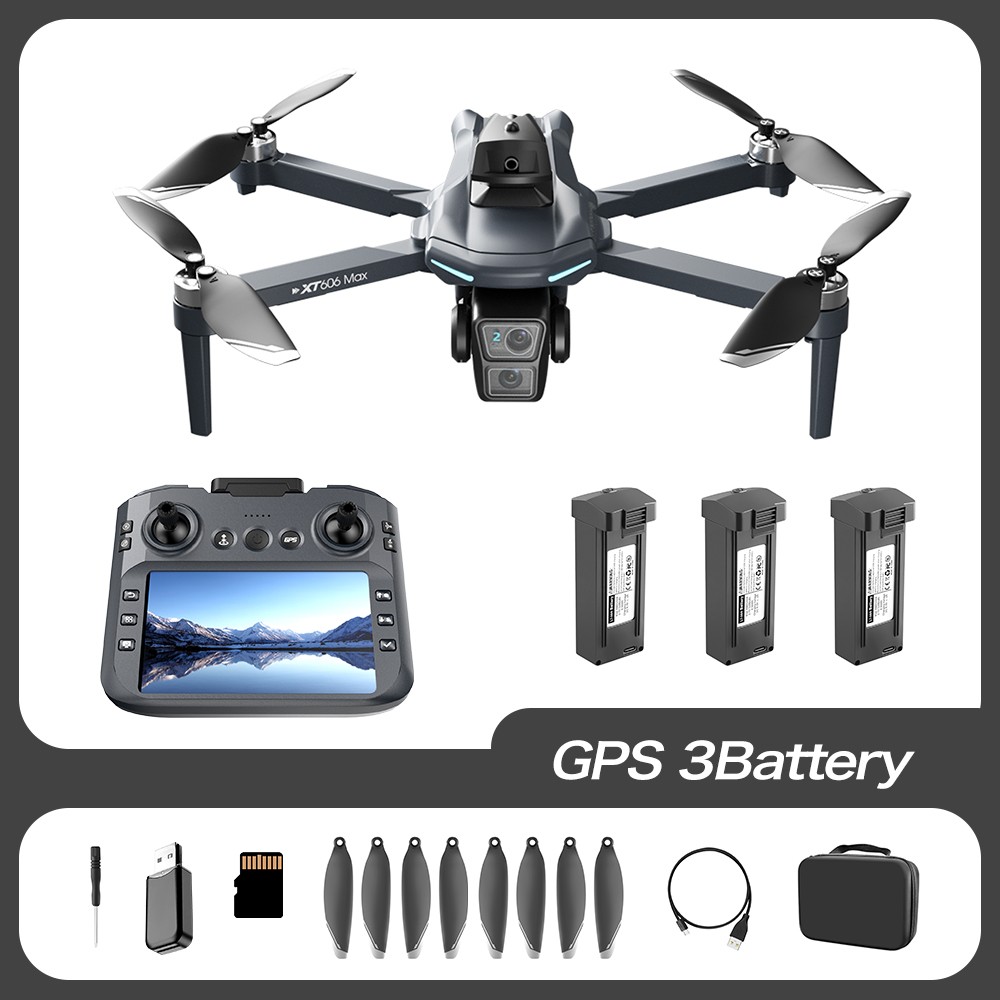 8K FPV GPS Drone with 4.5" Screen Remote, RC Quadcopter Camera Dual Battery$89.99View on eBay
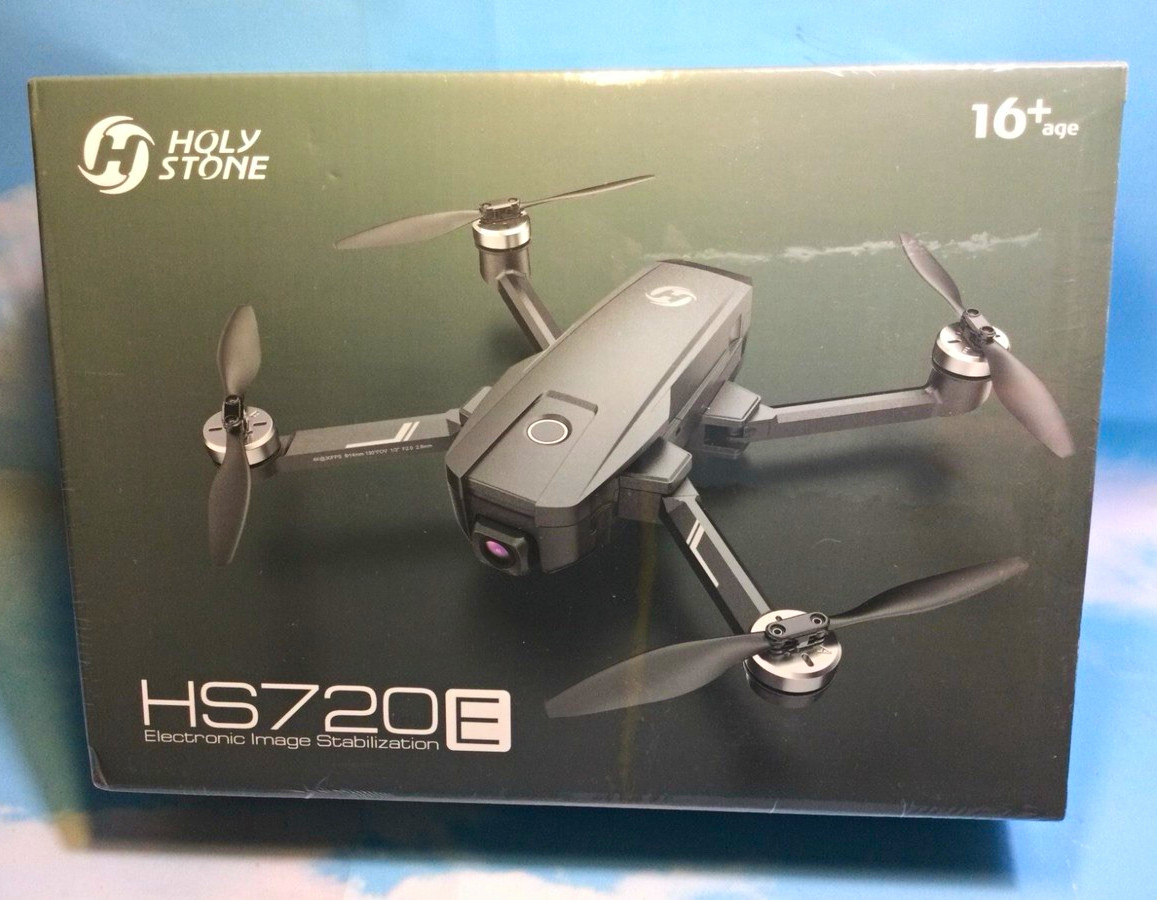 Holy Stone HS720E Foldable GPS Drone 4K EIS 130° FOV Camera 2 Batteries RTH RTF$99.00View on eBay
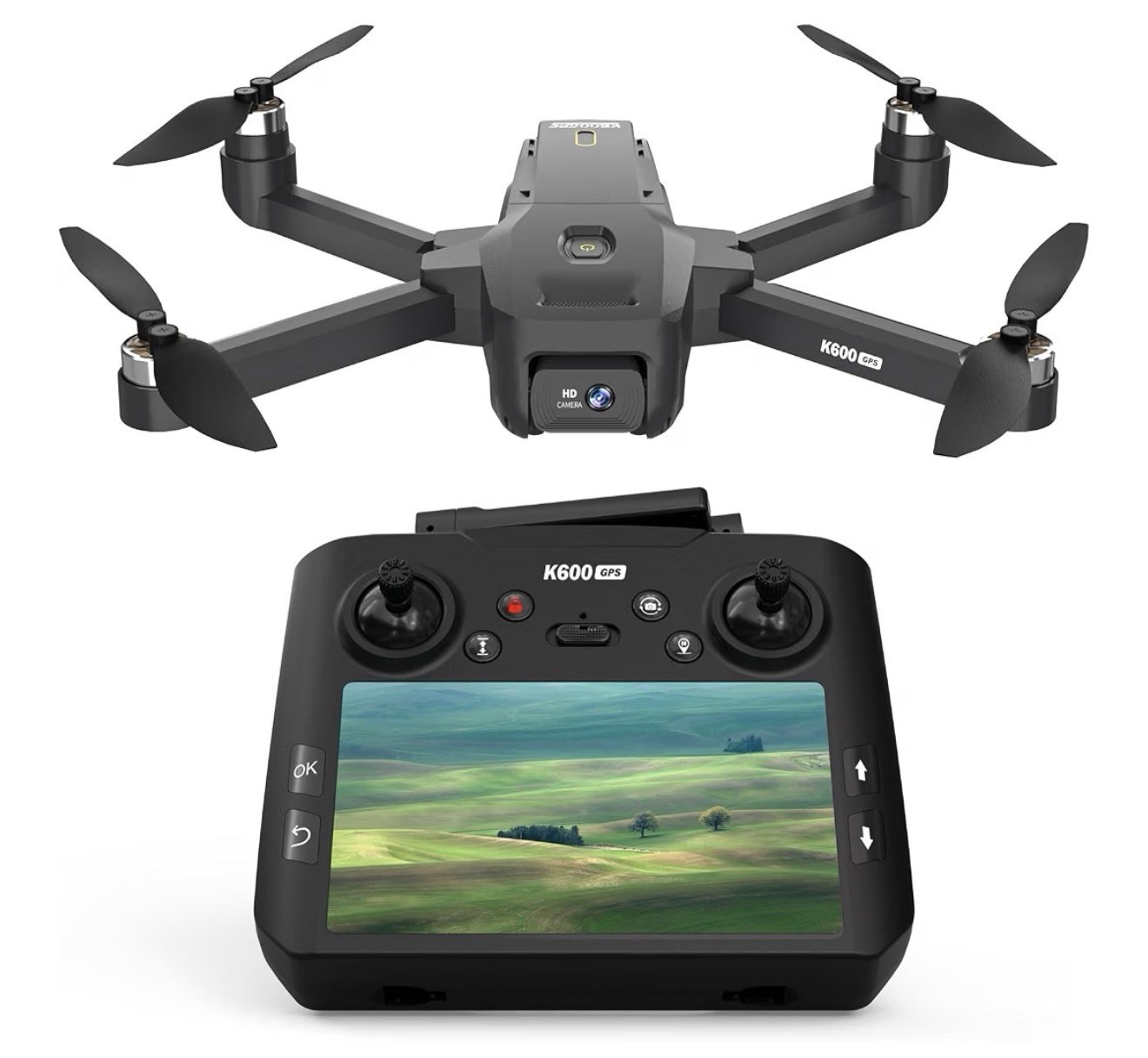 Karuisrc GPS Drone EIS Camera with 4.5”LCD GPS Controller Auto Return Under 249g$129.99View on eBay
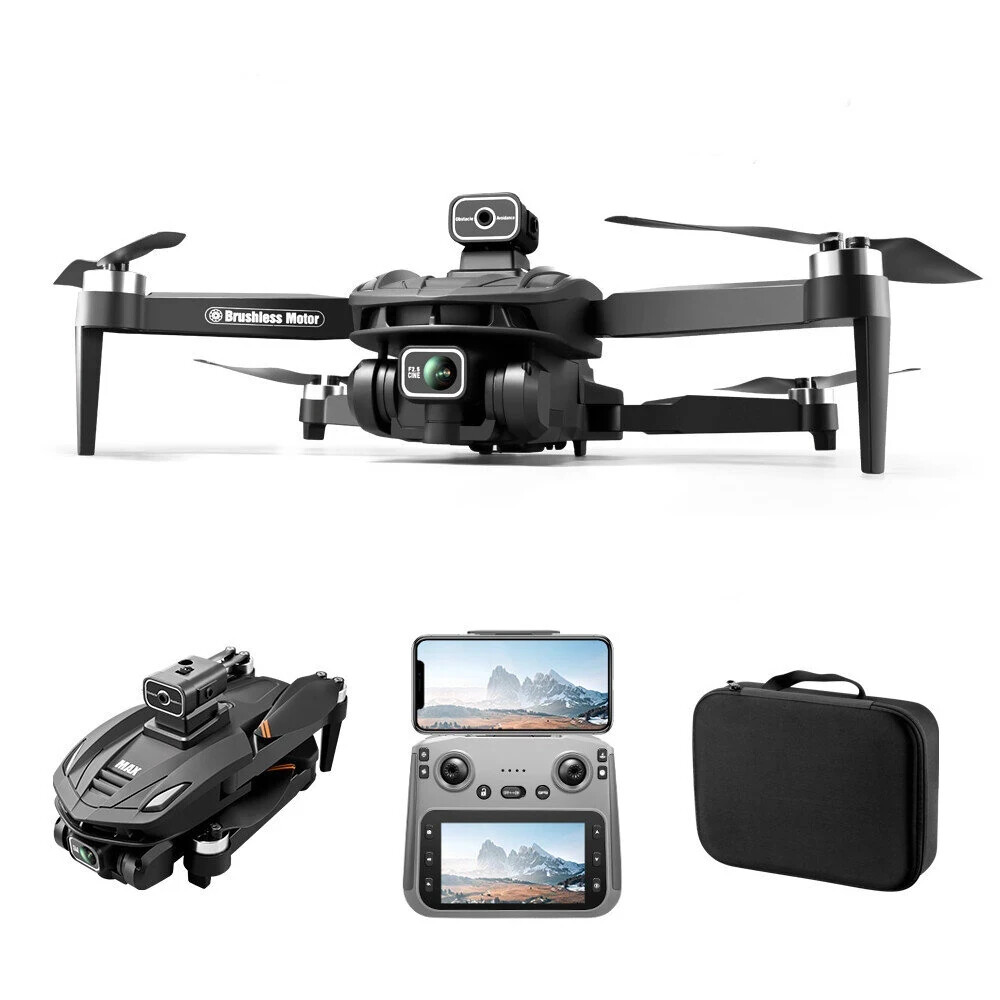 V168 Max Drone 8K 5G GPS Professional HD Aerial Photography Dual Camera Obstacle$139.98View on eBay
Highlights
- GPS reliability depends on multi-constellation GNSS (GPS + GLONASS + Galileo); single-constellation receivers drift and fail return-to-home in urban canyons.
- Camera quality hinges on sensor size and gimbal type: a 1/2.3-inch CMOS on a 3-axis mechanical gimbal outperforms a 1/1.3-inch sensor with electronic stabilization in wind.
- Flight time scales with battery capacity and cell chemistry: 2,453 mAh standard packs yield roughly 25–38 minutes; plus-battery bundles reach 45–51 minutes at added weight.
- Foldable arms and sub-249-gram takeoff weight determine legality and portability; heavier GPS drones need registration and often remote ID compliance.
Best use cases
- Best fit: travelers and hobbyists wanting automated follow-me and return-to-home — pick a sub-249-gram foldable with multi-constellation GPS and a 3-axis gimbal.
- Best fit: aerial photo and video creators — choose a 1/1.3-inch or larger CMOS sensor with dual-native-ISO HDR and a mechanical gimbal, accepting higher weight and registration.
- Wrong fit: indoor or dense-urban flyers — GPS lock is unreliable near buildings and indoors; skip GPS models and choose a visual-optical-flow drone instead.
- Wrong fit: long-endurance mapping or inspection — consumer GPS drones top out near 51 minutes; skip them and step up to commercial platforms with swappable payloads.
Buying tips
- Verify the gimbal: a 3-axis mechanical gimbal is the single biggest image-quality upgrade over electronic stabilization; 2-axis or EIS units show horizon tilt in wind.
- Match battery tier to mission: standard 2,453 mAh packs give roughly 25–38 minutes; plus batteries reach 45–51 minutes but add weight and cost.
- Check GNSS constellation count — GPS + GLONASS + Galileo support is the threshold for dependable return-to-home; single-GPS models are toy-grade.
- Confirm transmission range and FPV latency: 5G Wi-Fi or dedicated radio links with 1080p FPV feed beat basic 2.4 GHz Wi-Fi, which drops at a few hundred meters.
Specs
| GNSS Support | GPS + GLONASS + Galileo (3+ constellations) |
|---|---|
| Gimbal Type | 3-axis mechanical vs 2-axis vs EIS |
| Camera Sensor | 1/2.3-inch to 1/1.3-inch CMOS, HDR |
| Flight Time / Battery | 25-51 min; 2,453 mAh std, plus packs |
Related searches
What to check before buying
- Weigh the drone against your local registration threshold — sub-249-gram models avoid registration in many jurisdictions; heavier GPS drones require it.
- Confirm your phone or controller compatibility: many GPS drones use a 4.5-inch built-in screen remote, others require a phone app and specific OS version.
- Check battery voltage and charger standard — most consumer GPS drones use 7.4V or 11.1V LiPo packs with USB or barrel chargers; confirm plug type before ordering spares.
- Measure your carry case and landing space: foldable GPS drones range from palm-sized to 30 cm across unfolded, and need a clear 3×3 meter launch area for GPS lock.
FAQ
Data sources: eBay / Amazon listings and product attribute feeds. Updated Nov 28, 2026.
Some links on this page are affiliate links. If you buy after clicking one, we may earn a commission at no extra cost to you. This does not change which products appear here or their order. Affiliate disclosure.