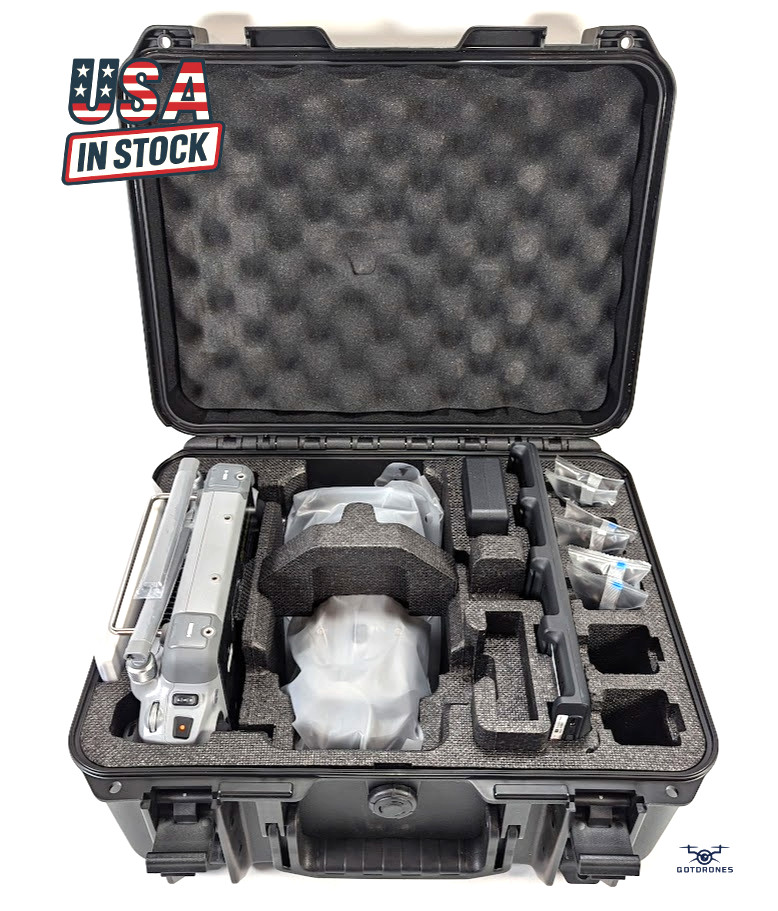

Photos from current listings. Actual item, color, and included accessories may vary.
Drone With Thermal Camera Buying Guide
Drone with thermal cameras combine a visible-light gimbal and a radiometric thermal sensor for inspection, search-and-rescue, and night operations. The core trade-off is sensor resolution and radiometric accuracy versus airframe size, flight time, and cost tier. Buy a radiometric sensor with ≥640×512 resolution and published thermal accuracy on a current-generation airframe; skip 256×192 non-radiometric toys that only output false-color video.
Median $5,999.00 · New listings
Key takeaways
- Thermal sensor resolution is decisive: 640×512 radiometric is the professional inspection floor; 256×192 is entry-level spotting only, and 320×240 sits mid-tier.
- Airframe class dictates payload and wind tolerance: sub-250g models carry small sensors and short flight times; 1–3 kg enterprise airframes carry 640×512+ sensors and fly 40+ minutes.
- Radiometric output (temperature readings per pixel) is a paid feature on many platforms—non-radiometric models display heat maps but cannot measure or report temperatures.
At a glance
- Category
- Drones & Consumer Robotics
- Last updated
- Nov 27, 2026
Current offers
Highlights
- Thermal sensor resolution is decisive: 640×512 radiometric is the professional inspection floor; 256×192 is entry-level spotting only, and 320×240 sits mid-tier.
- Airframe class dictates payload and wind tolerance: sub-250g models carry small sensors and short flight times; 1–3 kg enterprise airframes carry 640×512+ sensors and fly 40+ minutes.
- Radiometric output (temperature readings per pixel) is a paid feature on many platforms—non-radiometric models display heat maps but cannot measure or report temperatures.
- Integrated smart controllers with built-in screens eliminate phone/tablet pairing latency and are standard on current enterprise thermal drones; older micro-USB/Wi-Fi links are a generation behind.
Best use cases
- Best fit: roof, solar-farm, and electrical inspection — choose a 640×512 radiometric sensor on a 40+ min airframe with obstacle avoidance and a smart controller.
- Best fit: search-and-rescue and fire scene assessment — pick a dual visible/thermal gimbal with high-contrast thermal palettes and ≥30 min flight time; skip sub-250g models that lack zoom and payload.
- Wrong fit: cinematic color video first — a standard 4K camera drone without a thermal sensor delivers better image quality for less; thermal is for measurement and night work.
- Wrong fit: casual hobby spotting — 256×192 non-radiometric thermal drones show heat blobs but cannot measure temperatures; step up to 640×512 if temperature data matters.
Buying tips
- Require 640×512 thermal resolution and ±2°C or better accuracy for professional inspection; 256×192 is acceptable only for coarse spotting at close range.
- Match airframe to wind: 1–3 kg enterprise drones tolerate 10–12 m/s winds; sub-250g thermal drones are limited to calm conditions and shorter flights.
- Check radiometric capability explicitly—many thermal cameras are non-radiometric, and radiometry is often a firmware license or higher-tier model.
- Prefer current-generation integrated controllers (built-in 5.5–7-inch screen, USB-C charging) over older tablet-clamp designs to cut setup time and connection failures.
Specs
| Thermal Resolution | 256×192 / 320×240 / 640×512 |
|---|---|
| Radiometric | Yes (temperature per pixel) / No |
| Airframe Class | Sub-250g / 1–3 kg enterprise |
| Flight Time | 20–30 min entry / 40–46 min enterprise |
Related searches
What to check before buying
- Confirm your use case needs temperature measurement, not just heat visualization; if yes, require radiometric output with documented accuracy.
- Verify airframe weight and size against local registration rules—sub-250g avoids many licensing requirements, while 1–3 kg enterprise drones need registration.
- Check controller and battery compatibility: integrated smart controllers with USB-C are current standard; micro-USB and Wi-Fi-only links are older generations.
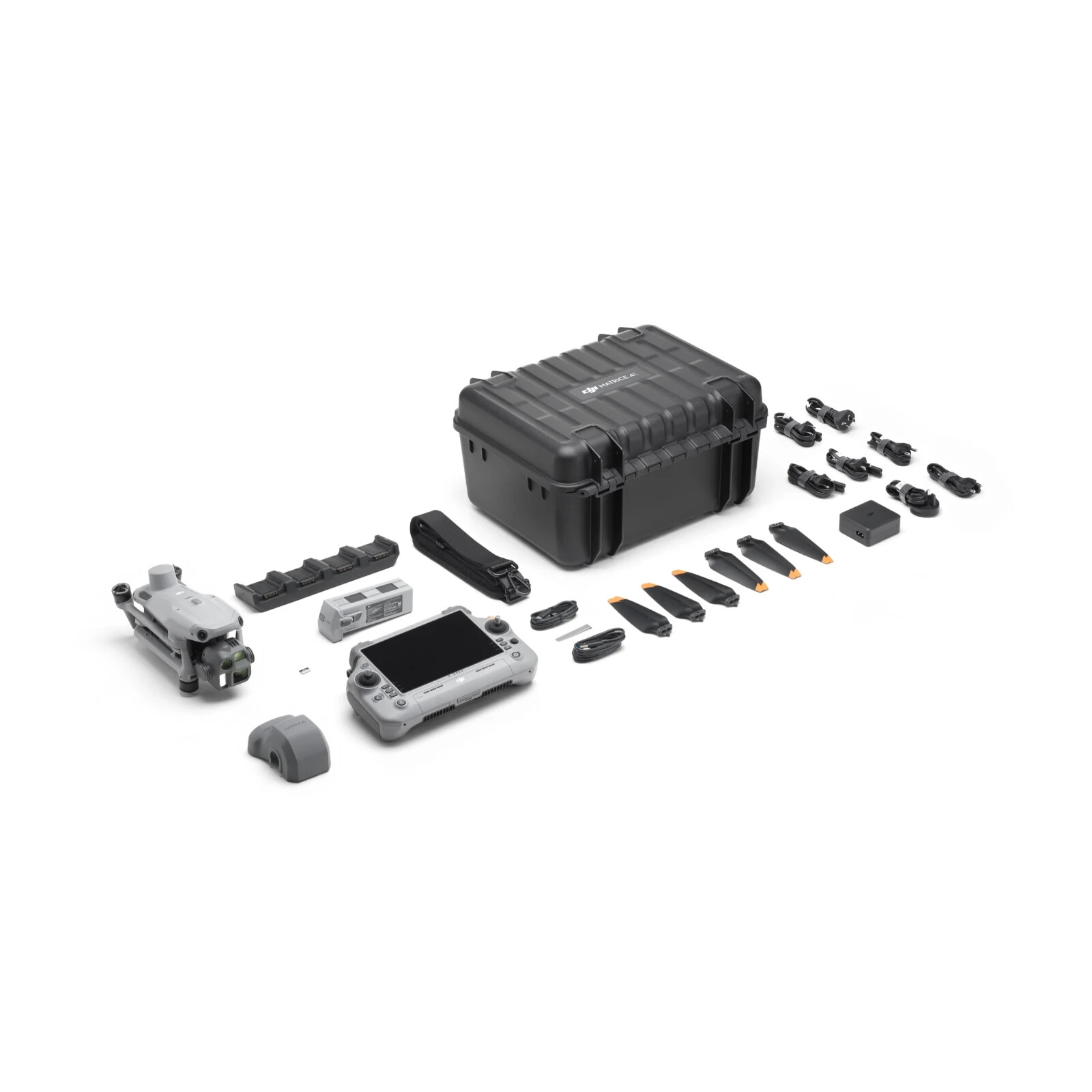
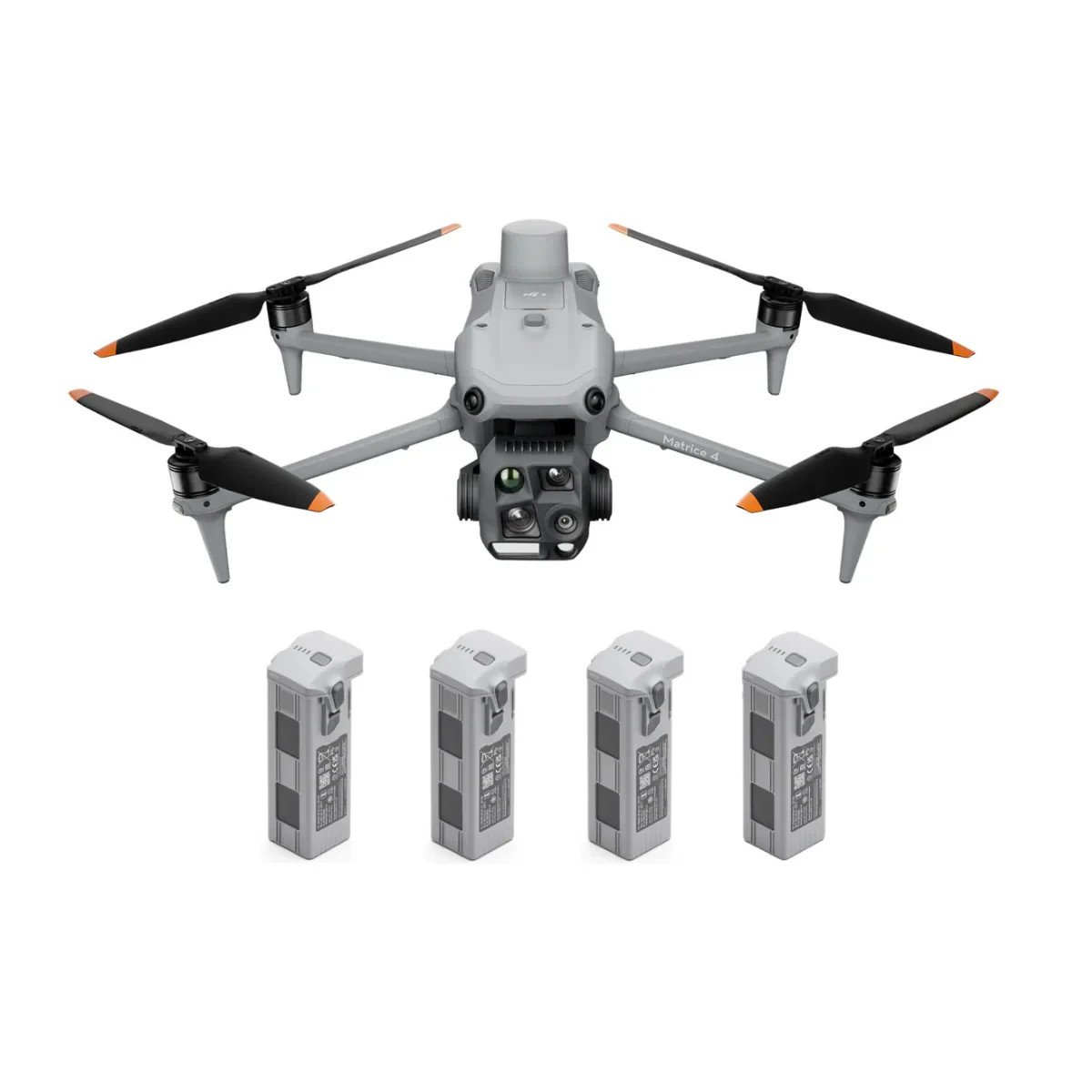
- Plan for payload and accessories: enterprise thermal drones often need extra batteries, a case, and a tablet or smart controller that is included in the kit.
FAQ
Data sources: eBay / Amazon listings and product attribute feeds. Updated Nov 27, 2026.
Some links on this page are affiliate links. If you buy after clicking one, we may earn a commission at no extra cost to you. This does not change which products appear here or their order. Affiliate disclosure.