
Photos from current listings. Actual item, color, and included accessories may vary.
DJI Mini Drone Buying Guide
The DJI Mini line is a family of sub-249g foldable camera drones designed to avoid registration in most regions while delivering stabilized 4K video. The core trade-off is weight and price versus wind resistance, camera sensor size, and obstacle sensing—entry models use a 1/2.3-inch sensor and no obstacle avoidance, while newer tiers add larger sensors, LiDAR, and longer flight times. Buy the newest generation you can afford with the sensor and safety features you need; skip older generations only if you require the lightest possible weight or the lowest entry cost.
Median $259.73 · New & pre-owned listings
Key takeaways
- All Mini models weigh under 249g to stay in the unregistered category for most countries, but actual takeoff weight with a Plus battery can exceed 249g and trigger registration requirements.
- Camera tiers step up from a 1/2.3-inch CMOS (Mini 2, Mini 4K) to 1/1.3-inch CMOS with dual native ISO and HDR (Mini 3, Mini 4 Pro), which roughly doubles low-light performance and dynamic range.
- Obstacle sensing is the biggest safety gap: Mini 2 and Mini 4K have downward and bottom sensors only, while Mini 4 Pro adds omnidirectional sensing and LiDAR for night-time return-to-home.
At a glance
- Category
- Drones & Consumer Robotics
- Last updated
- Nov 28, 2026
Current offers
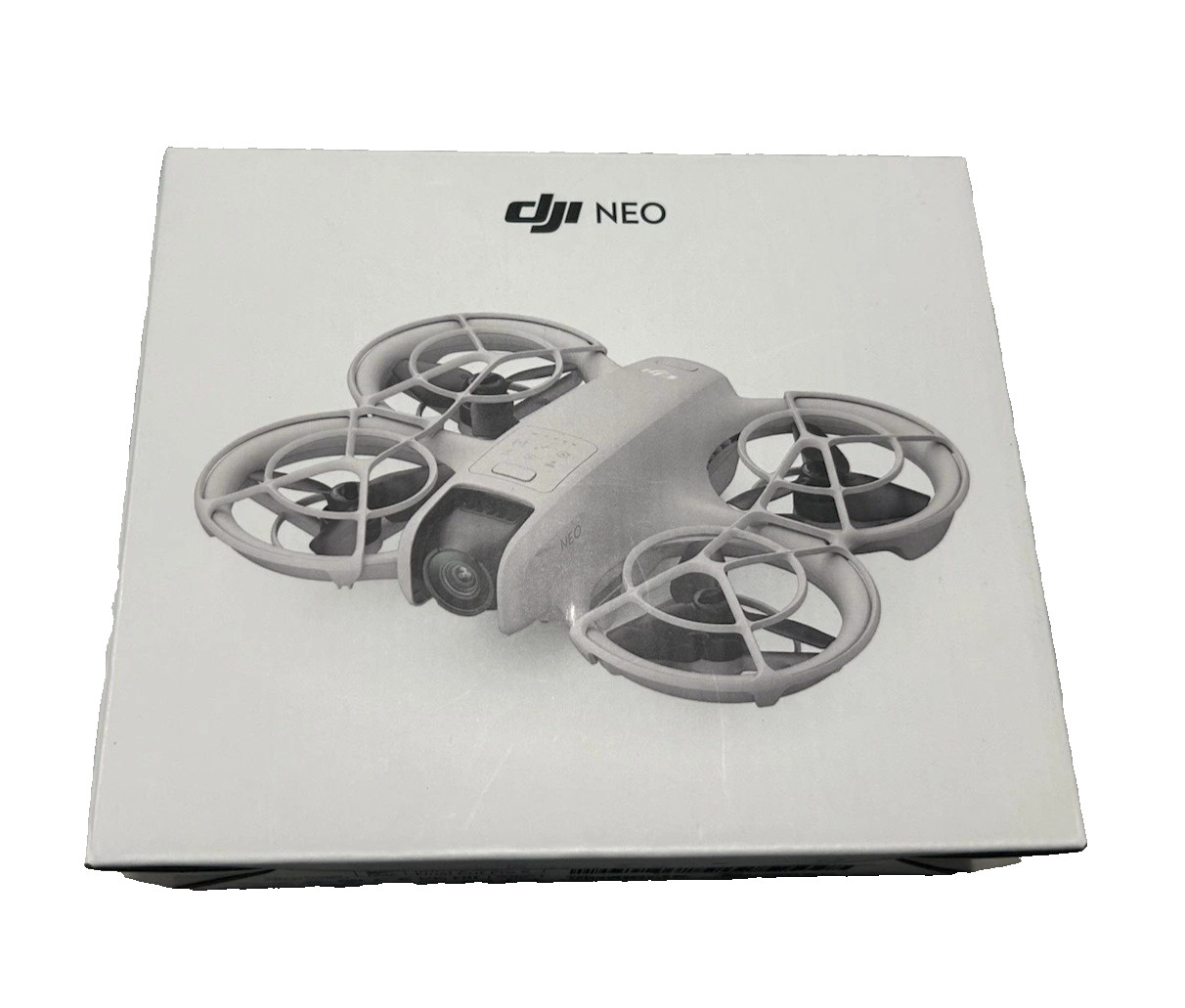 DJI Neo Mini Drone 4K UHD Camera Drone$129.98View on eBay
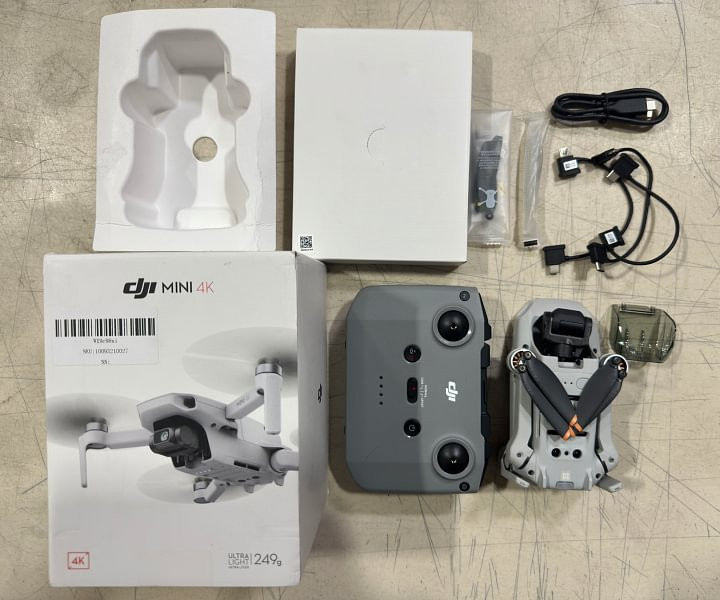 DJI Mini 4K Drone with 4K UHD Camera (31-min) Drone for Adults Under 249g 3-Axis$198.55View on eBay
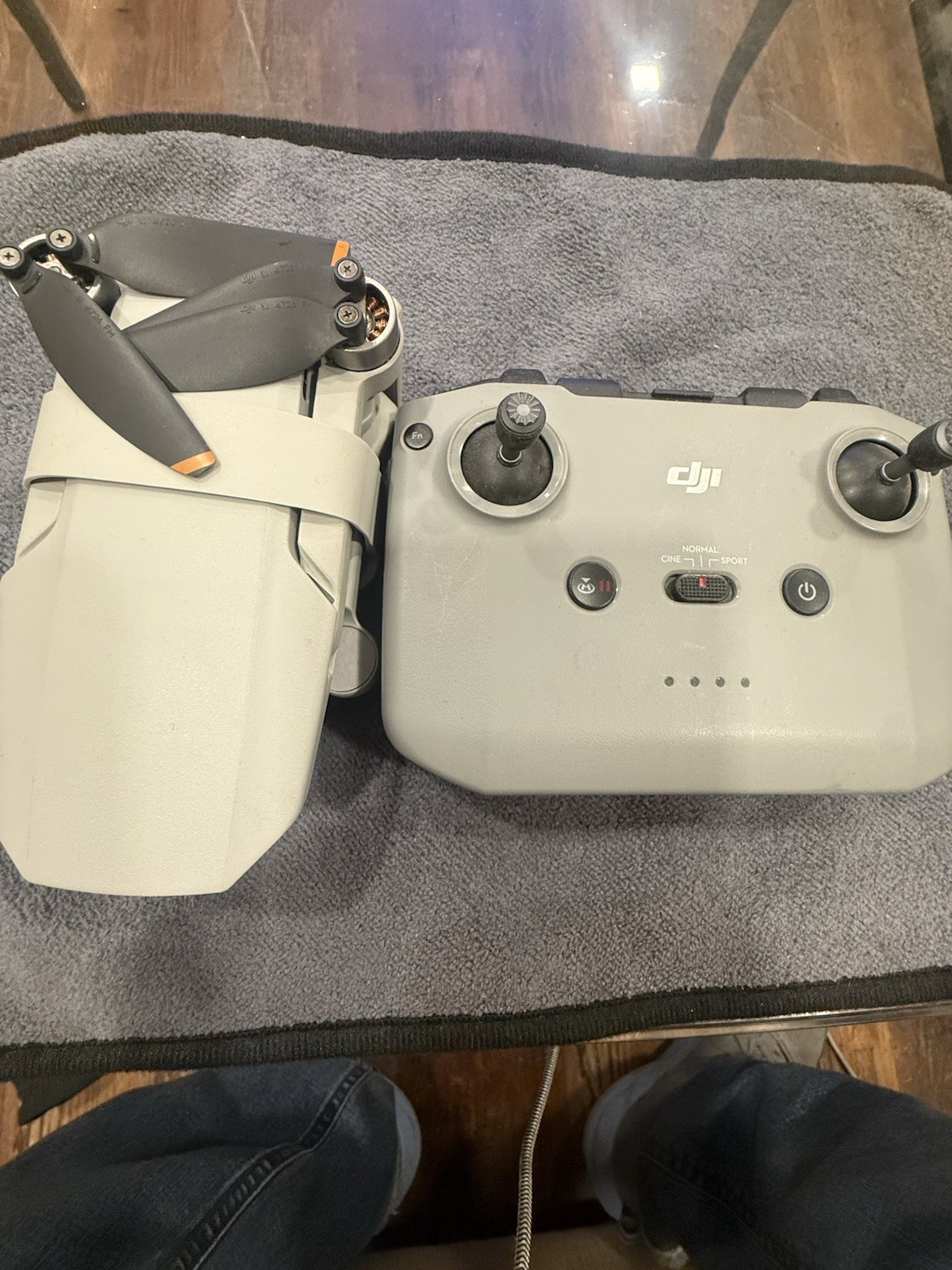 DJI Mini 2 Ultra Light 4K Camera Drone Remote Controller Battery Works$200.00Used · Last checked Nov 15, 2026View on eBay
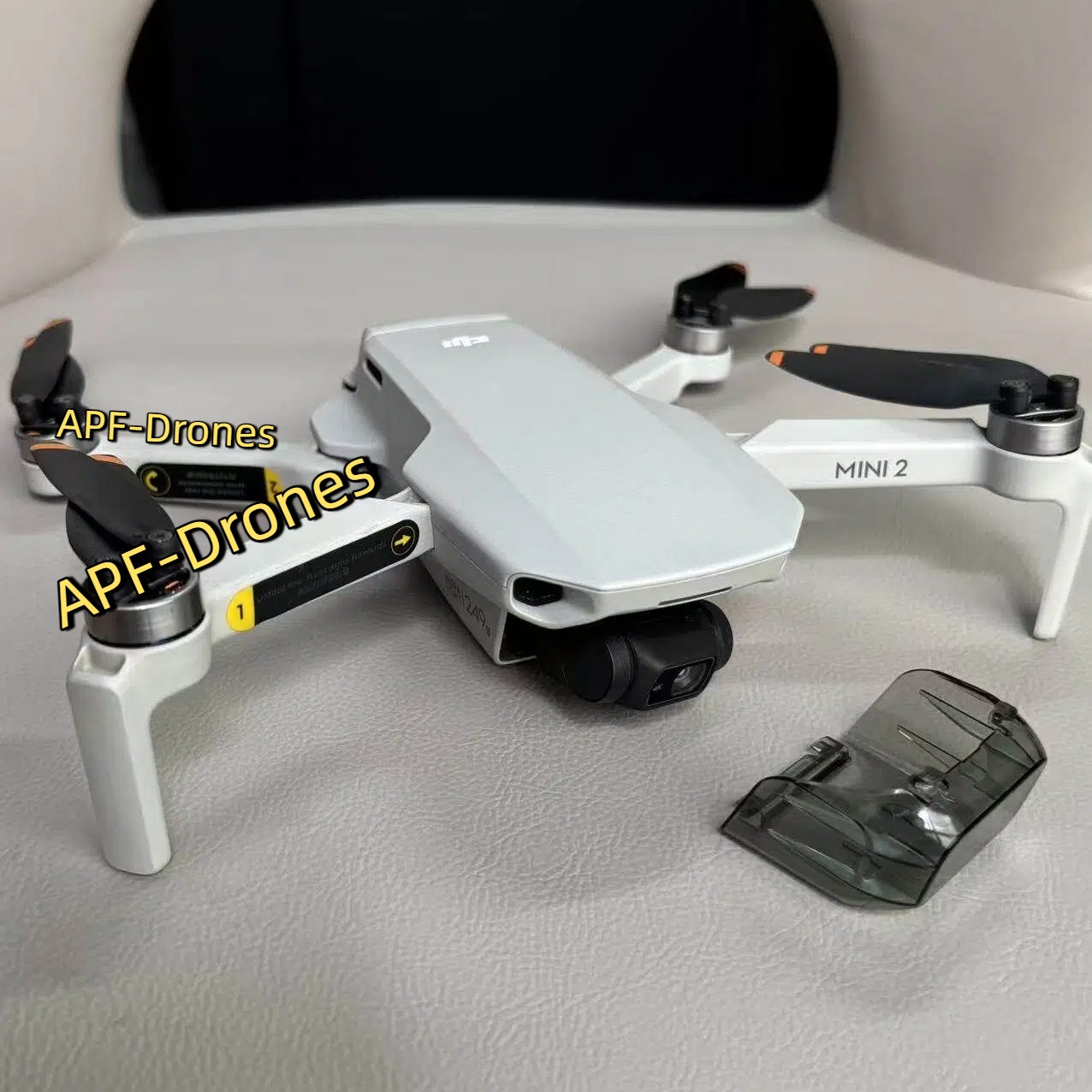 Genuine Original DJI Mini 2 Drone ONLY with Gimbal Camera Protector & Propellers$202.63UsedView on eBay
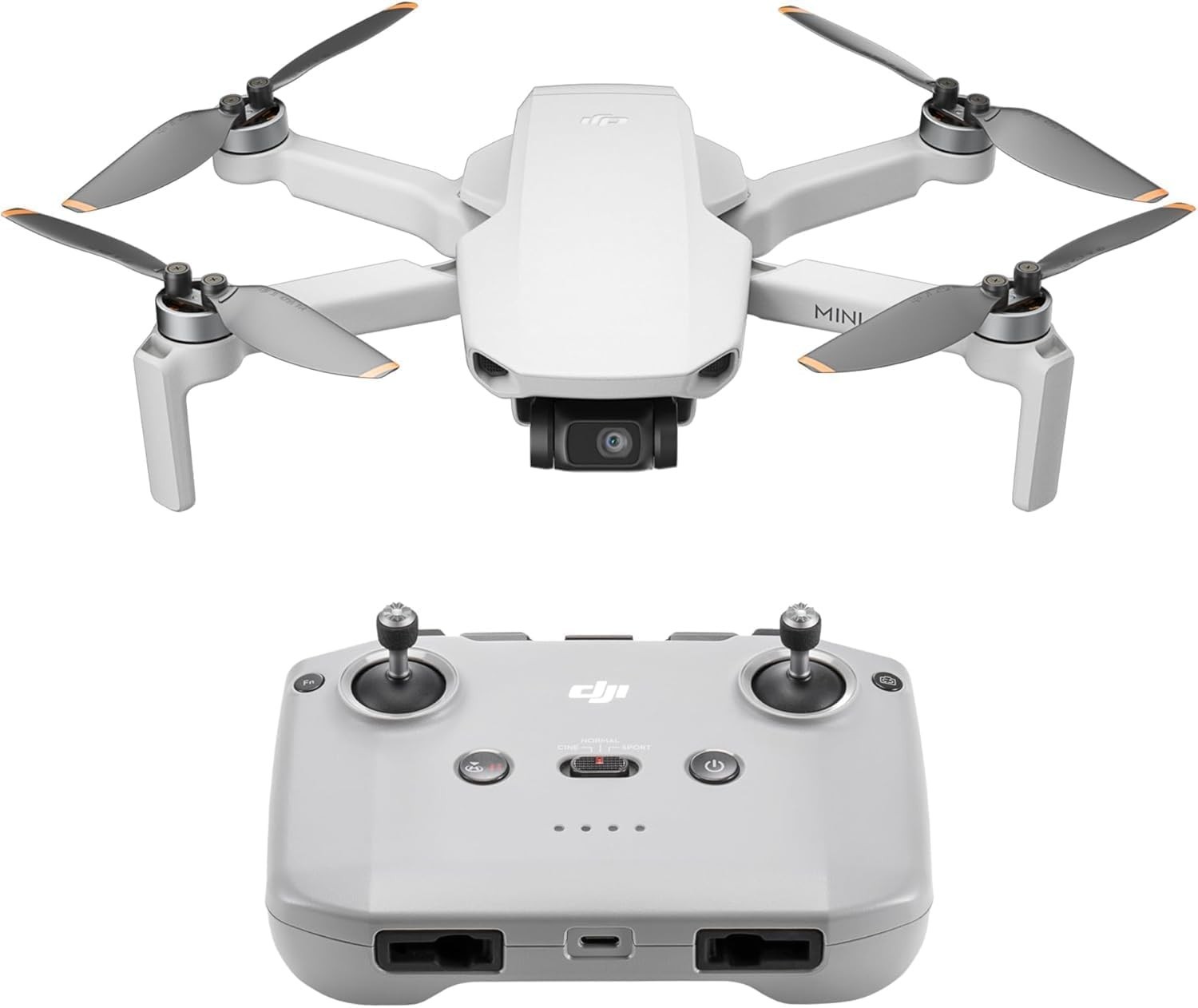 DJI Mini 4K Lightweight&foldable mini camera drone with 4K HDR video(95% new)$205.00Used · Last checked Nov 15, 2026View on eBay
- DJI Mini 4K Lightweight&foldable mini camera drone with 4K HDR video,Under 249g$205.00Used · Last checked Nov 15, 2026View on eBay
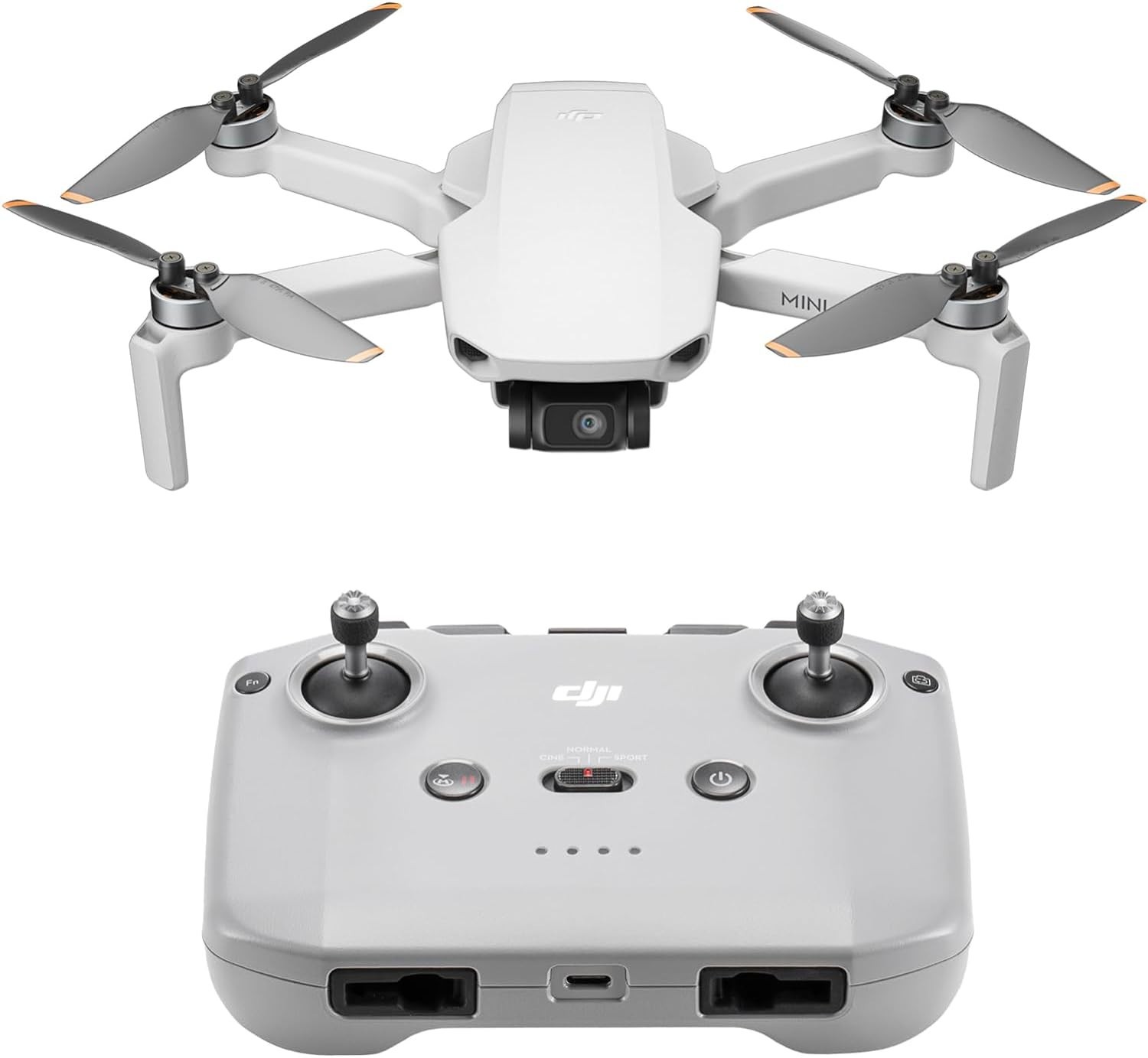 DJI Mini 4K Drone 4K UHD Camera 3-Axis Gimbal Stabilization with Battery US$208.05Excellent - Refurbished · Last checked Nov 15, 2026View on eBay
- DJI Mini 4K Camera Drone (31-min) Drone with 4K UHD Camera$209.00UsedView on eBay
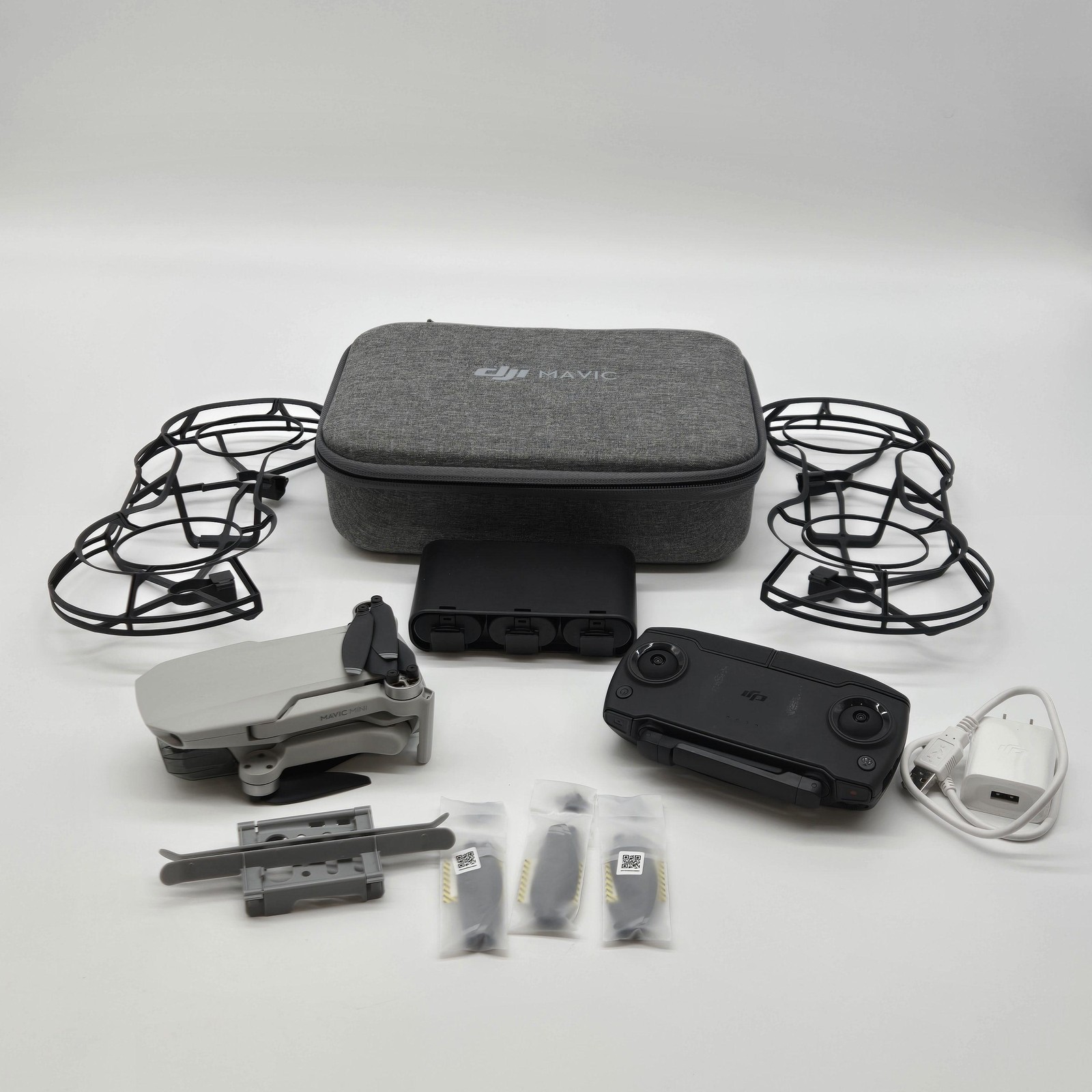 DJI Mavic Mini Drone Quadcopter w/ 3x Battery - Excellent w/ Smoke Odor$209.99UsedView on eBay
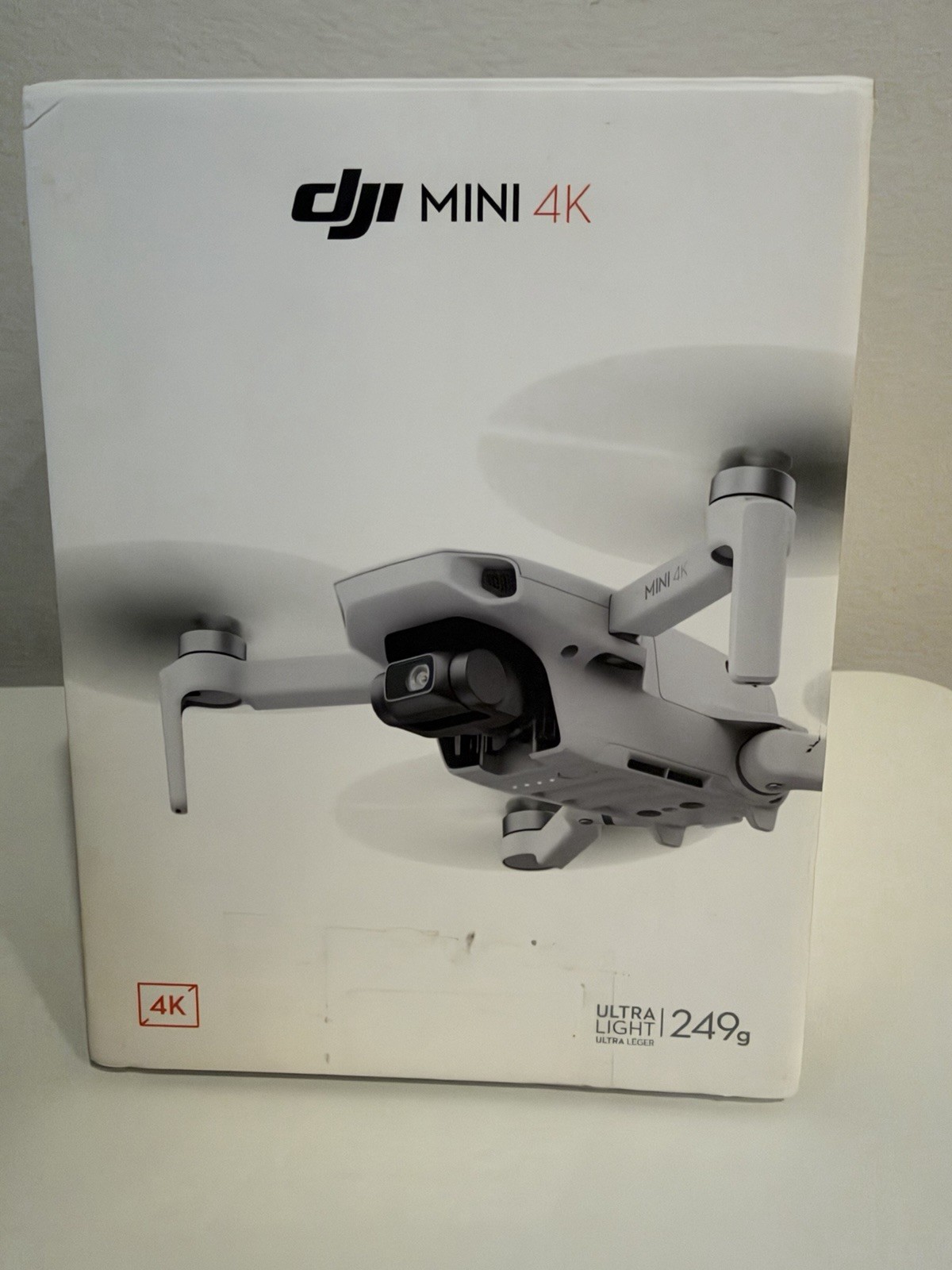 DJI Mini 2 SE Camera Drone 4K UHD 12MP with Controller, Gray, Ages 16+$215.00Open boxView on eBay
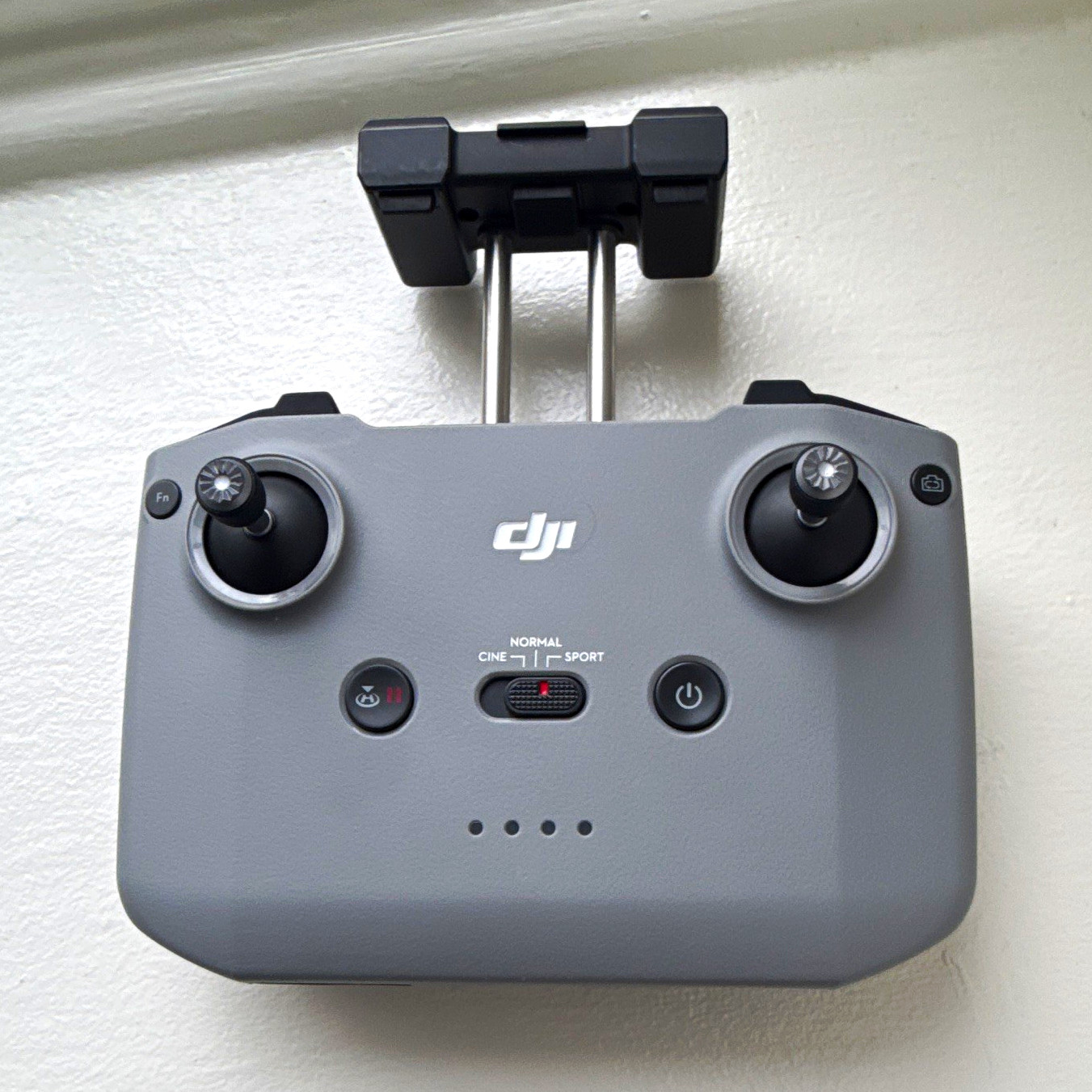 DJI Mini 4k Ready to Fly Drone Kit w/ Remote Controller, 2 Batteries, Case$220.00Used · Last checked Nov 15, 2026View on eBay
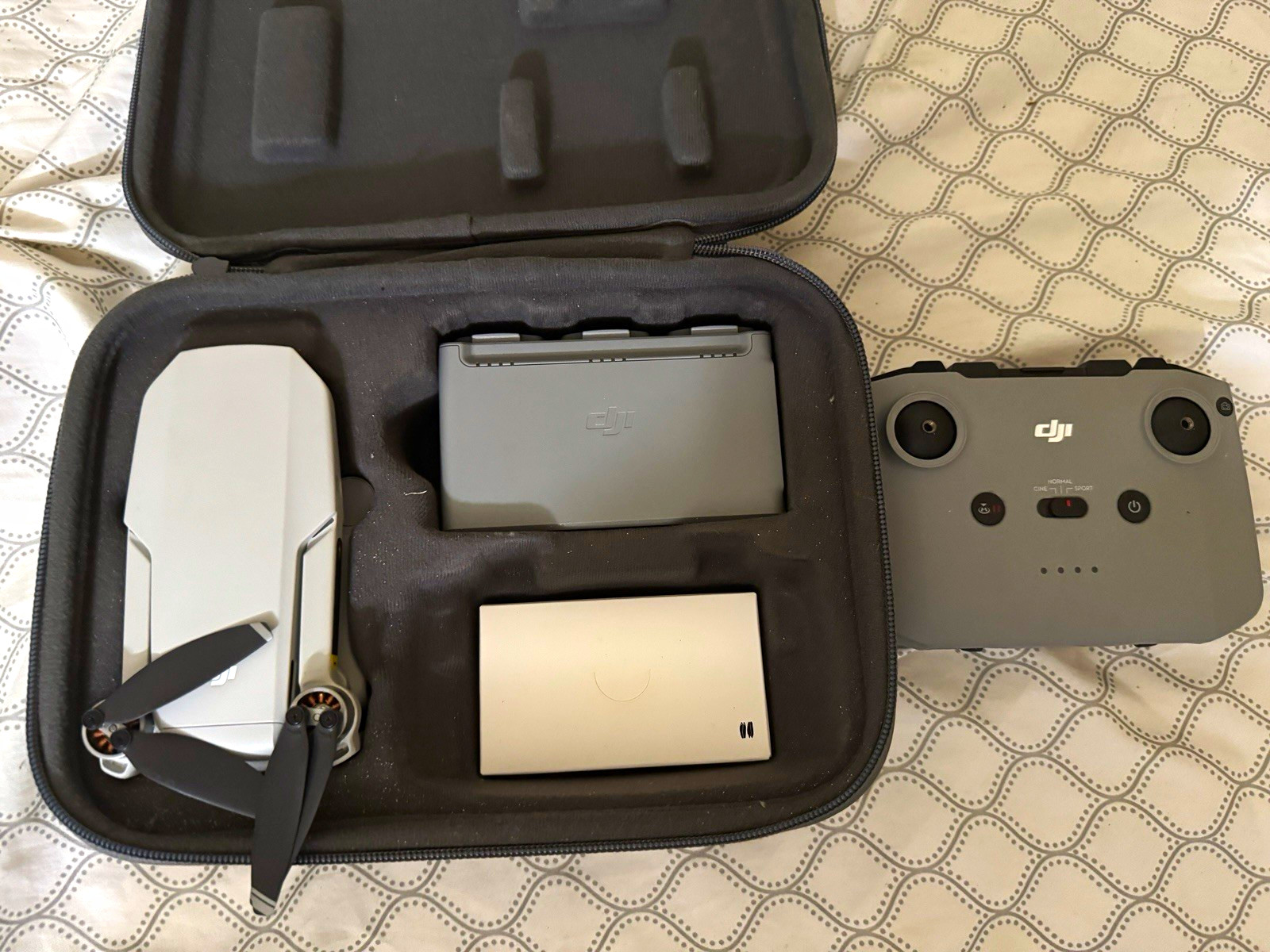 DJI Mini 2 Ready to Fly Drone 4K HD Video, Remote Control & 3 Batteries$220.00UsedView on eBay
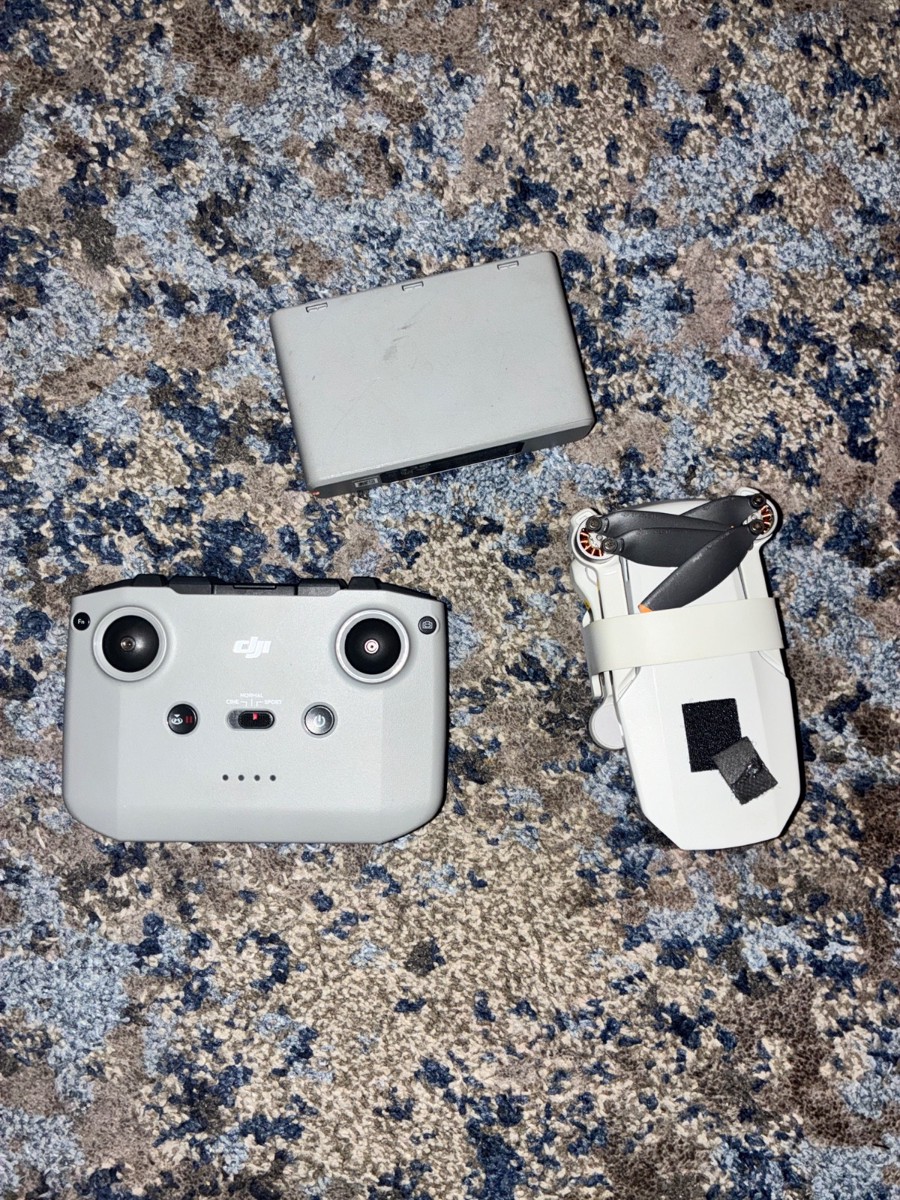 DJI Mini 2 Fly More Combo Camera Drone$225.50UsedView on eBay
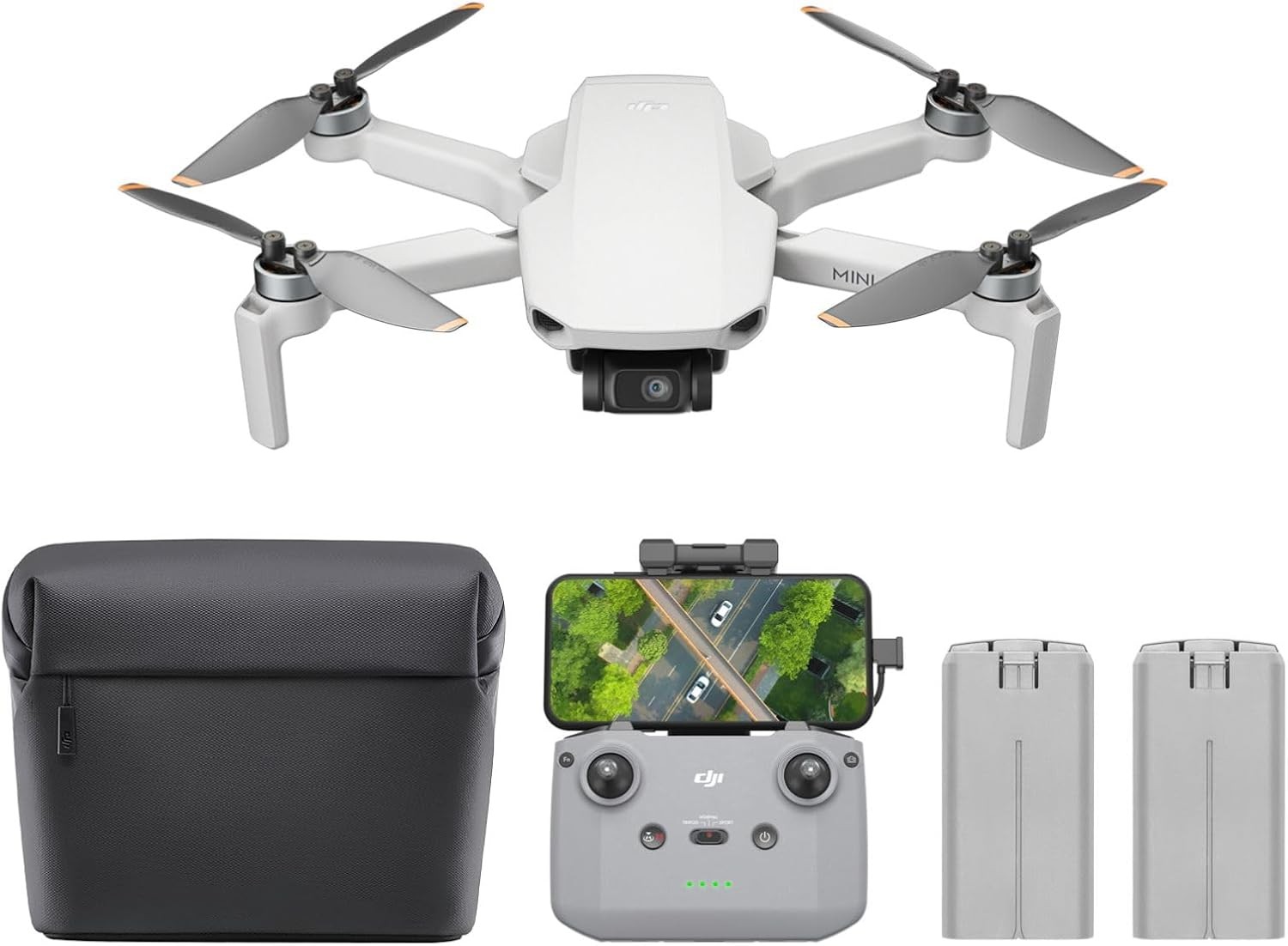 DJI Mini 4K Camera Drone Combo,Drone 4K UHD Camera,3-Axis,Under 249g,2 Battery$234.99Used · Last checked Nov 15, 2026View on eBay
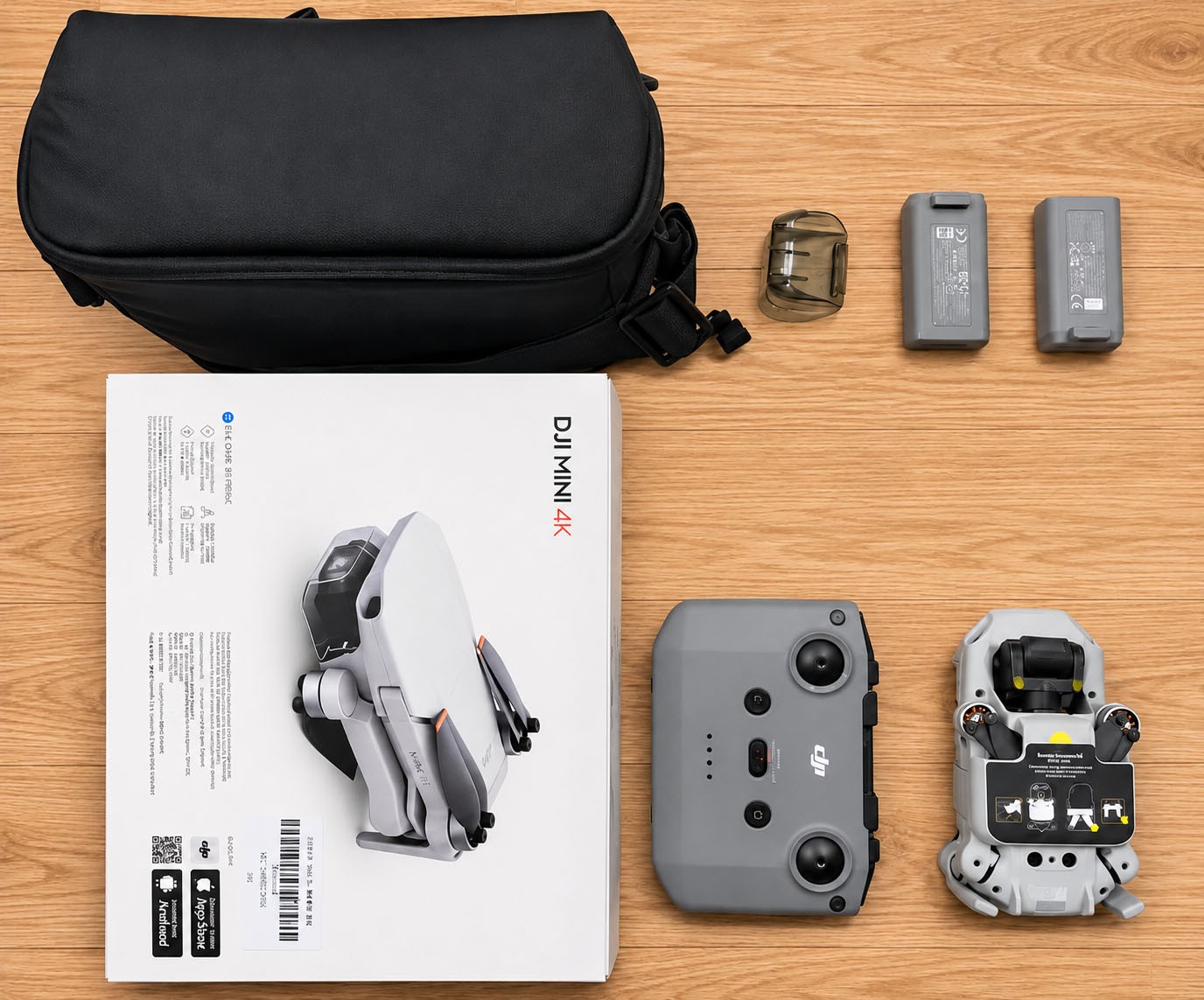 DJI Mini 4K UHD Camera Drone Combo (62-min) 2 Battery 3-Axis Gimbal,Under 249g$234.99Used · Last checked Nov 15, 2026View on eBay
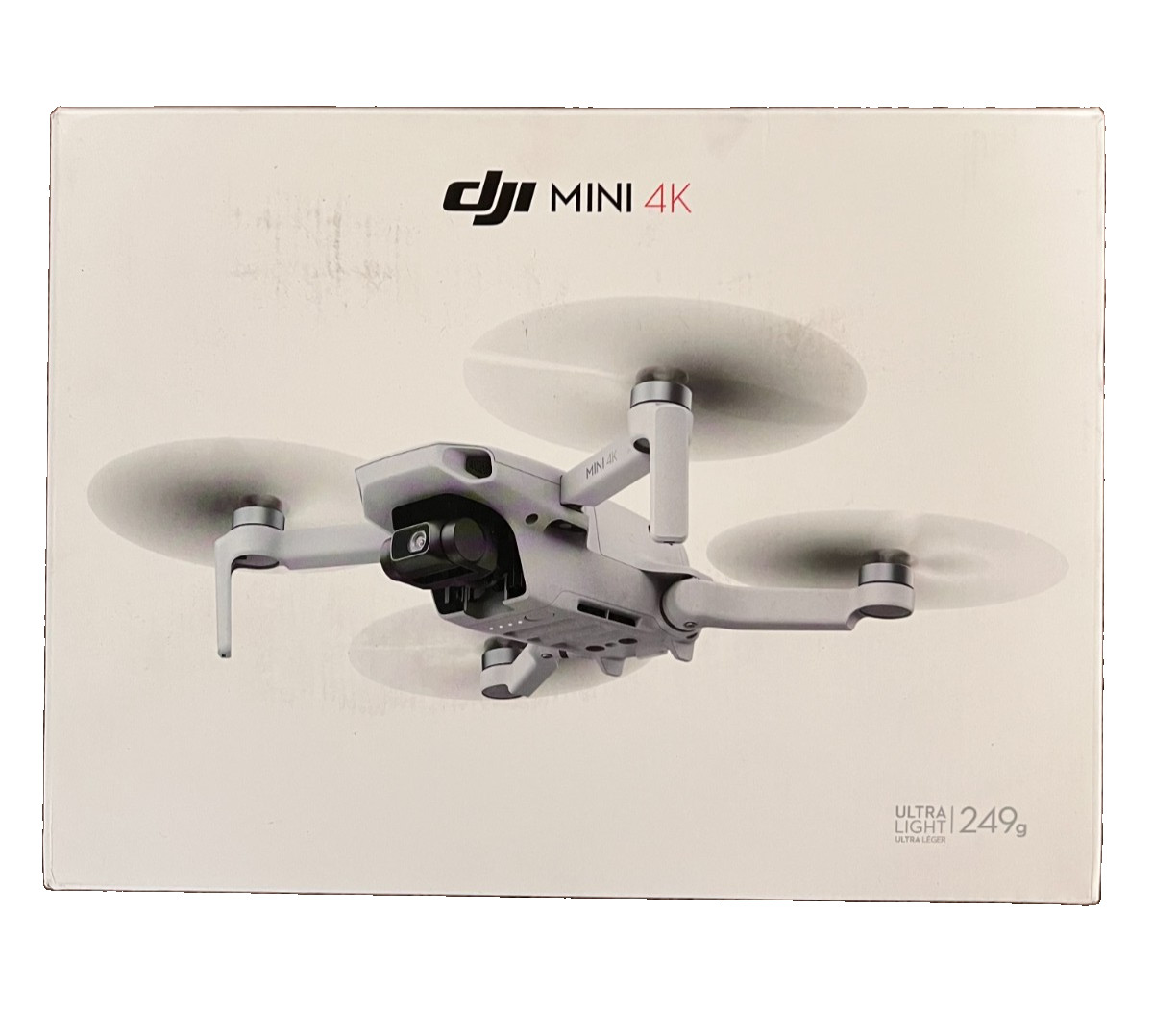 DJI Mini 4K Camera Drone Combo, 4K Camera, 3-Axis, Under 249g, 62Min Flight Time$239.98Open box · Last checked Nov 15, 2026View on eBay
- DJI Mini 4K Camera Drone Combo,4K Camera,3-Axis,Under 249g,62Min Flight Time$239.99Used · Last checked Nov 15, 2026View on eBay
- DJI Mini 4K Camera Drone Combo,Drone 4K Camera,3-Axis,Under 249g,62M Flight Time$239.99Used · Last checked Nov 15, 2026View on eBay
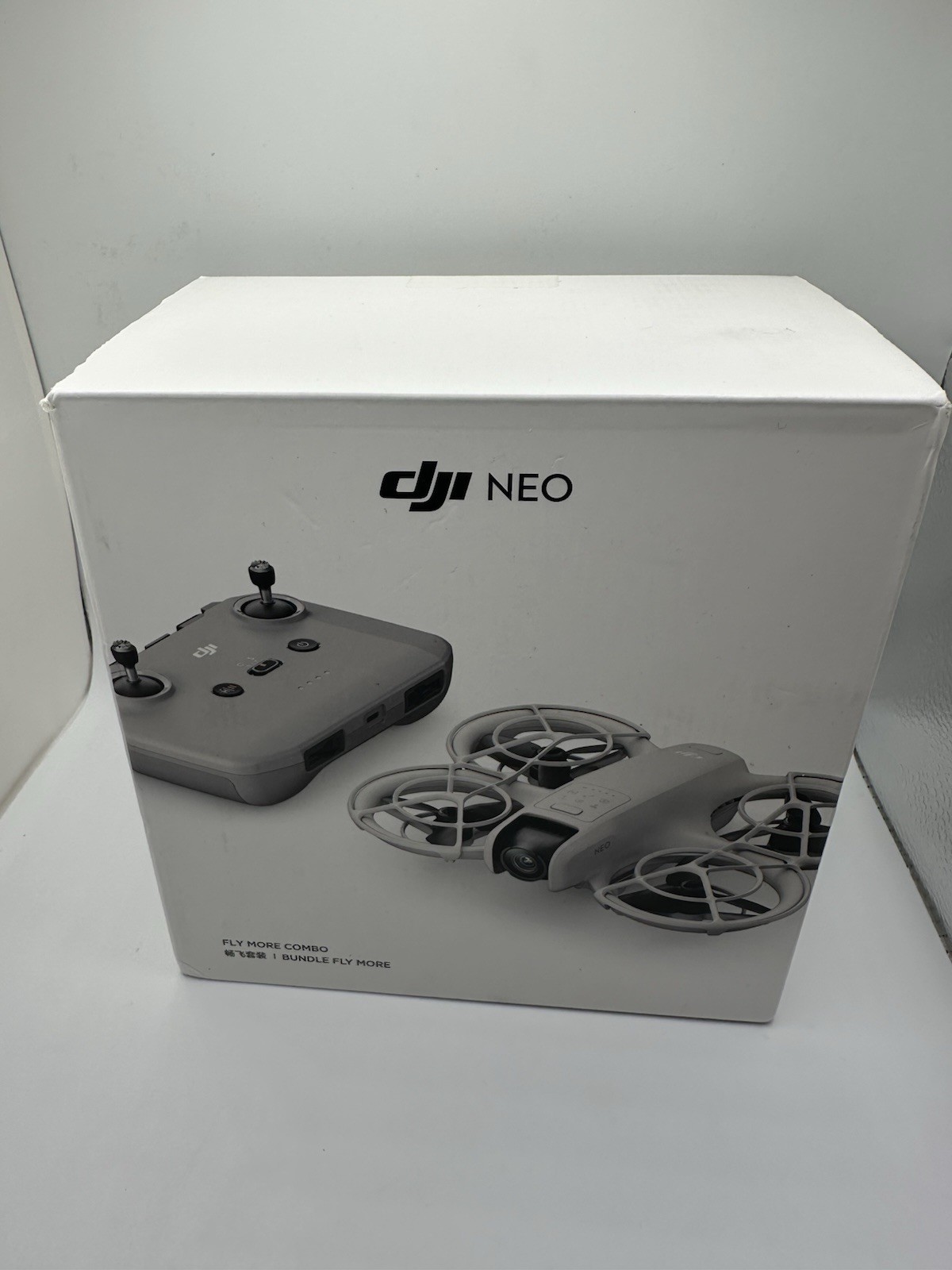 DJI Neo Fly More Combo Mini Drone 4K UHD Video 135g 3-Batteries RC-N3 Controller$249.95NewView on eBay
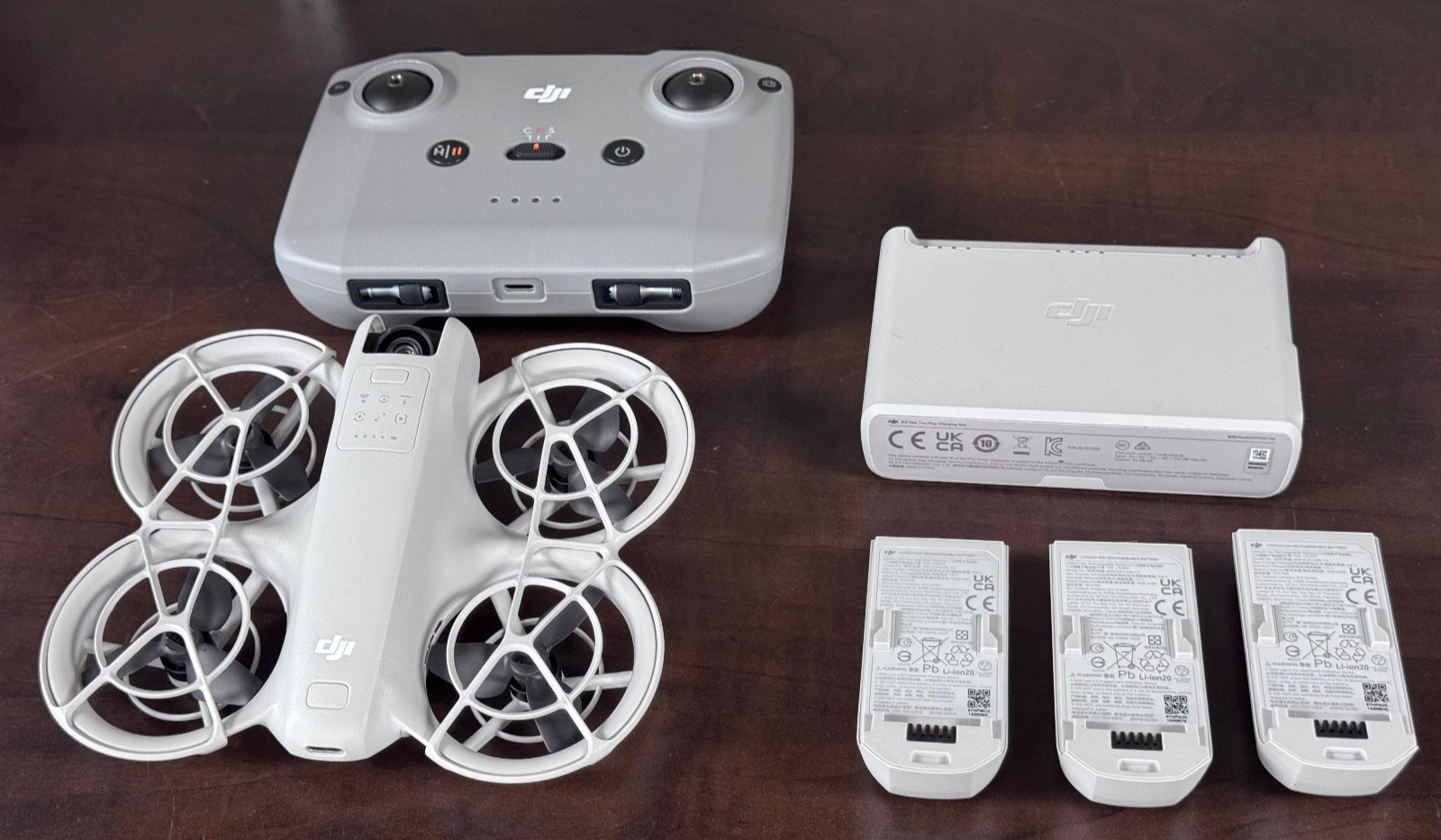 DJI Neo Mini Drone 4K UHD Camera + 3 Batteries & Remote EXCELLENT CONDITION$249.99Used · Last checked Nov 15, 2026View on eBay
Highlights
- All Mini models weigh under 249g to stay in the unregistered category for most countries, but actual takeoff weight with a Plus battery can exceed 249g and trigger registration requirements.
- Camera tiers step up from a 1/2.3-inch CMOS (Mini 2, Mini 4K) to 1/1.3-inch CMOS with dual native ISO and HDR (Mini 3, Mini 4 Pro), which roughly doubles low-light performance and dynamic range.
- Obstacle sensing is the biggest safety gap: Mini 2 and Mini 4K have downward and bottom sensors only, while Mini 4 Pro adds omnidirectional sensing and LiDAR for night-time return-to-home.
- Flight time scales with battery chemistry: standard batteries deliver 31–38 minutes, while Plus batteries push to 45–51 minutes at the cost of added weight and a higher registration threshold.
Best use cases
- Best fit: first-time buyers who want legal, lightweight 4K footage—pick the Mini 4K or Mini 2 for simple manual flying; skip the Mini 4 Pro if you never fly near obstacles.
- Best fit: travel and hiking where every gram counts—choose the Mini 3 or Mini 4 Pro with standard batteries to stay under 249g and use USB-C charging from a power bank.
- Best fit: low-light and dynamic-range work—the 1/1.3-inch sensor on Mini 3 and Mini 4 Pro is mandatory; the Mini 2 and Mini 4K will show noise and clipped highlights at dusk.
- Wrong fit: windy coastal or mountain flying with an entry Mini—its lower wind resistance and lack of obstacle sensing make it prone to drift; step up to Mini 4 Pro or a larger Air-class drone.
Buying tips
- Confirm the takeoff weight with the exact battery you plan to use: standard batteries keep most Minis under 249g, but Plus batteries push some models over the threshold and require registration in the EU, UK, and US.
- Match the sensor to your lighting: a 1/2.3-inch sensor is fine for bright daylight, but a 1/1.3-inch sensor with dual native ISO is the minimum for usable twilight and shadow-recovery footage.
- Check the controller generation: newer models use O4 video transmission and USB-C controllers, while older Mini 2 kits use O2 and micro-USB—ensure the controller and drone firmware are matched to avoid range and latency penalties.
- Factor in propeller and motor wear: buy a model with readily available replacement props and arms; entry Minis share prop mounts across generations, but camera gimbals and batteries are not cross-compatible between Mini 2, Mini 3, and Mini 4 families.
Specs
| Takeoff Weight | Under 249g (std) / over 249g (Plus) |
|---|---|
| Camera Sensor | 1/2.3" CMOS vs 1/1.3" CMOS HDR |
| Obstacle Sensing | Downward only vs omnidirectional + LiDAR |
| Flight Time | 31–38 min std / 45–51 min Plus |
Related searches
What to check before buying
- Weigh your planned takeoff configuration (drone + battery + props + any payload) against your local 249g registration limit before choosing a Plus battery.
- Verify your phone or tablet fits the controller clamp and that the required app (DJI Fly) supports your controller generation and firmware.
- Check your local airspace rules and required remote ID or registration, since sub-249g exemptions vary by country and by whether a camera is attached.
- Confirm you have a compatible USB-C or micro-USB cable and a power source that meets the drone's charging wattage for field top-ups.
FAQ
Data sources: eBay / Amazon listings and product attribute feeds. Updated Nov 28, 2026.
Some links on this page are affiliate links. If you buy after clicking one, we may earn a commission at no extra cost to you. This does not change which products appear here or their order. Affiliate disclosure.