
Photos from current listings. Actual item, color, and included accessories may vary.
In Ear Earphone Buying Guide
In-ear earphones split into wired in-ear monitors (IEMs) built for isolation and critical listening, and wireless earbuds or neckbands built for movement and convenience. The core trade-off is acoustic isolation and driver/connection quality versus cable-free freedom and codec/battery limits; wired IEMs win on fidelity per unit of cost, while true-wireless wins on portability. Buy wired IEMs when sound quality and noise isolation are primary; buy wireless when sweat, motion, and phone tethering matter more than raw resolution.
Median $45.99 · New & pre-owned listings
Key takeaways
- Driver architecture: single dynamic drivers dominate budget IEMs; balanced-armature or hybrid dynamic+BA designs (e.g., Shure SE315 single BA, Audio-Technica CKR100IS dual-phase push-pull) deliver faster transients and detail at higher cost.
- Wired connection tiers: 3.5mm single-ended is universal; USB-C and Lightning dongles add DAC/amp stages, while MMCX or 2-pin detachable cables extend lifespan and allow Bluetooth adapter upgrades.
- Wireless tiers: Bluetooth 5.x with SBC/AAC is baseline; aptX, LDAC, or LHDC are needed for near-lossless streaming, and neckband vs true-wireless changes battery life and fit stability.
At a glance
- Category
- In-Ear Earphones
- Last updated
- Nov 28, 2026
Current offers
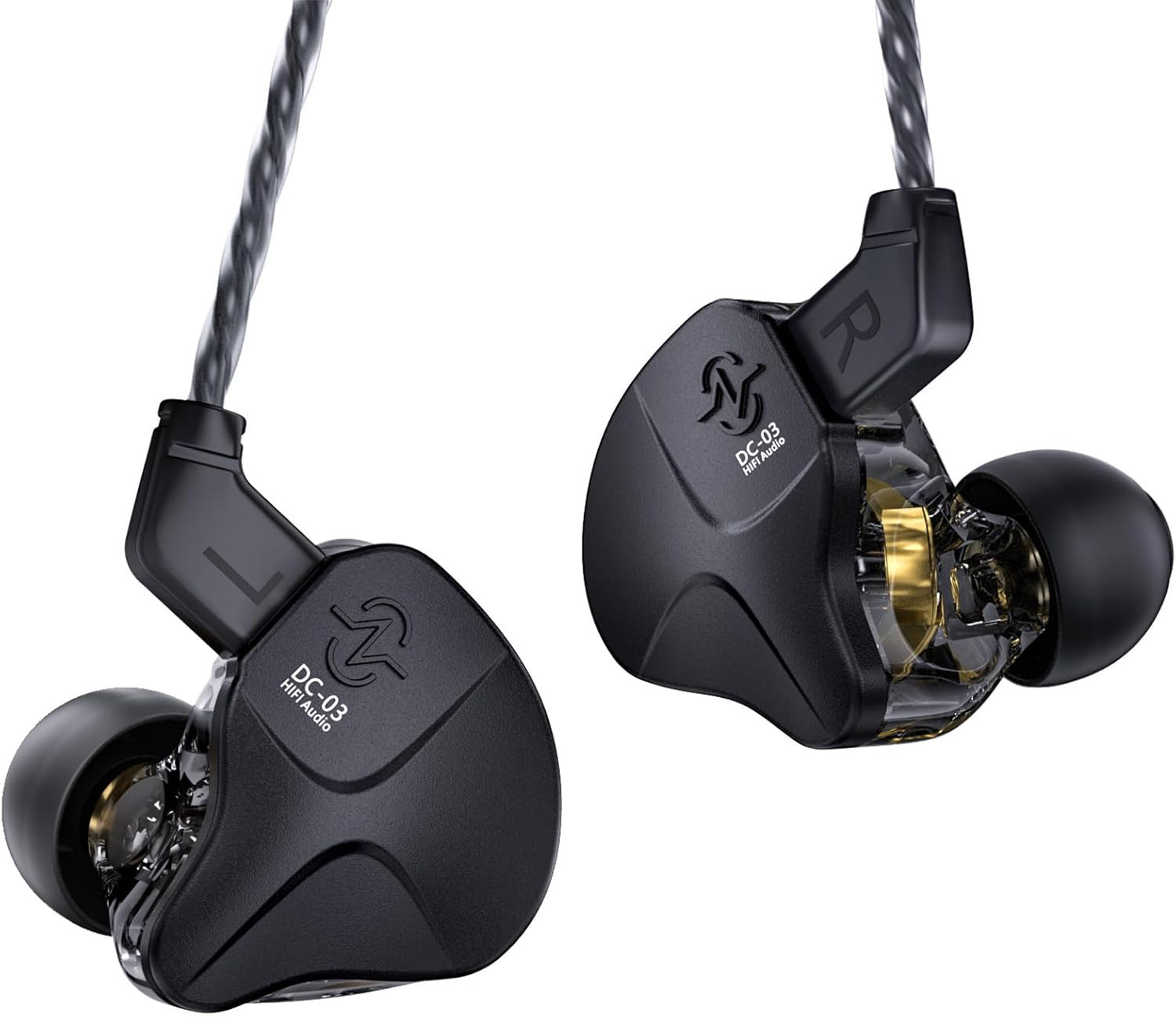 CCZ DC03 in Ear Monitor Headphones, IEMs for Gaming, Deep Bass Sound Wired Earbu$24.79Last checked Nov 19, 2026View on eBay
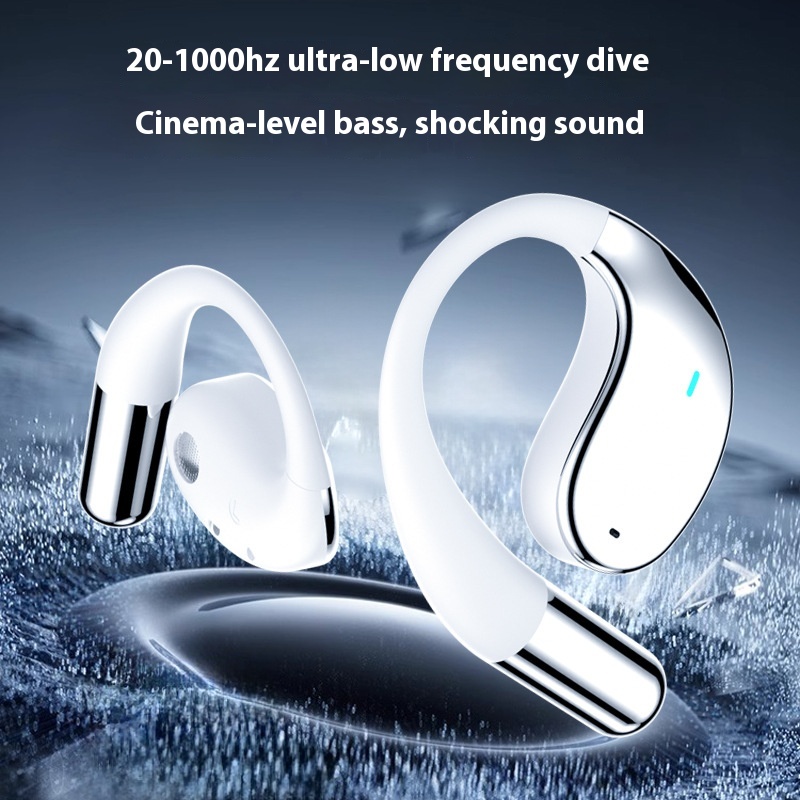 Portable Sports Hanging Ear Bluetooth Earphones$19.99View on Mallflare
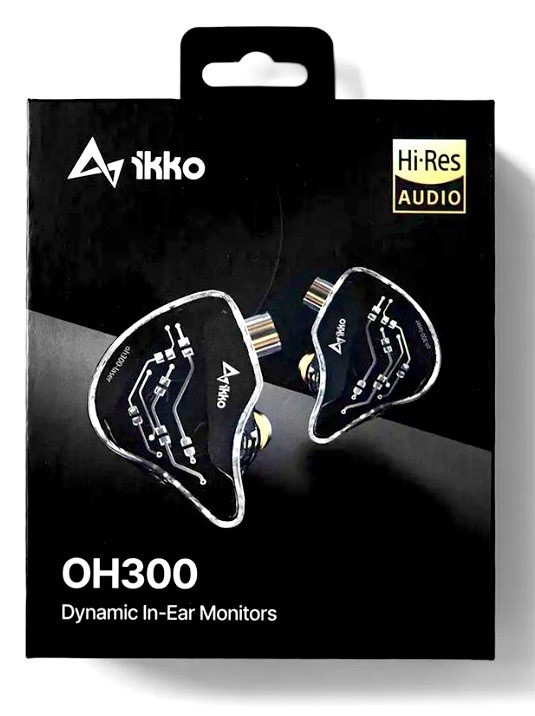 iKKO Lumina OH300 In-Ear Monitors IEM Wired Audiophile Earphones Headphones$39.99View on eBay
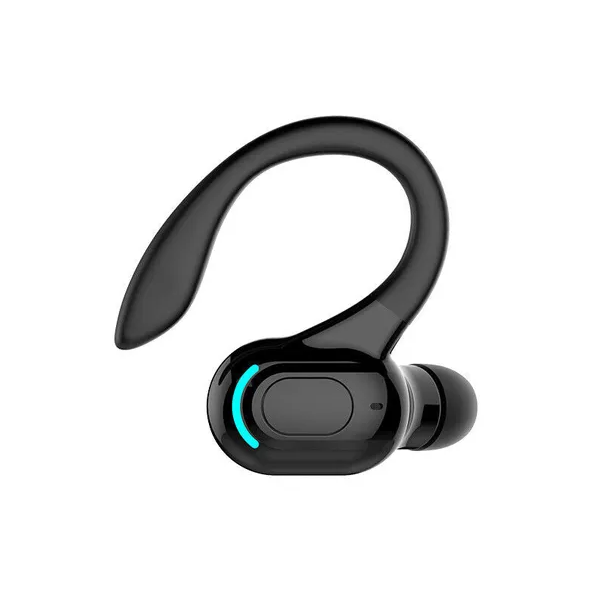 New Bluetooth 5.1 Headset Wireless Earbuds Earphones Stereo Headphones Ear Hook$20.99View on Mallflare
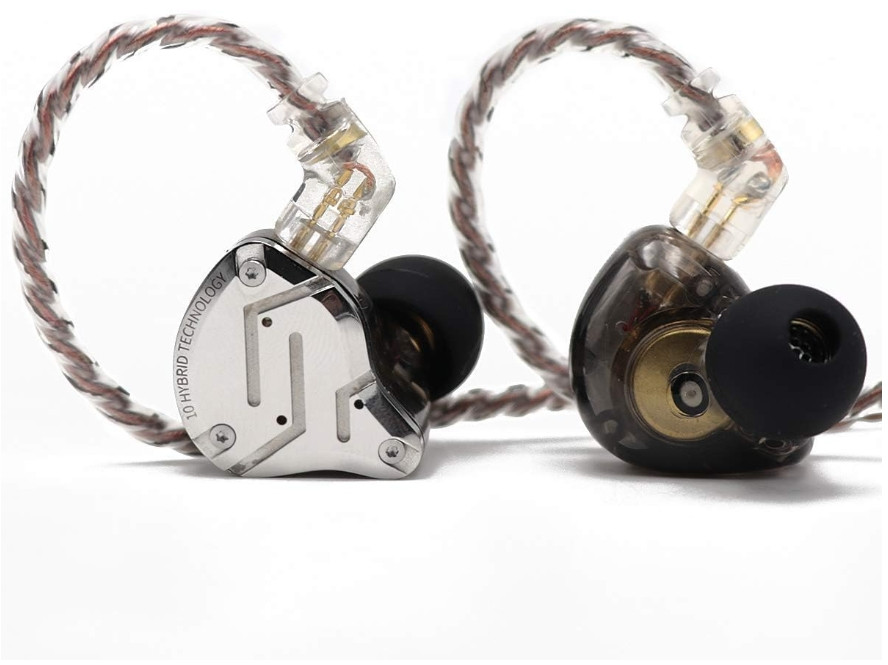 KZ ZS10 Pro 4BA+1DD 5 Driver In-Ear Hifi Metal Earphones With Detachable Cable$40.99Last checked Nov 24, 2026View on eBay
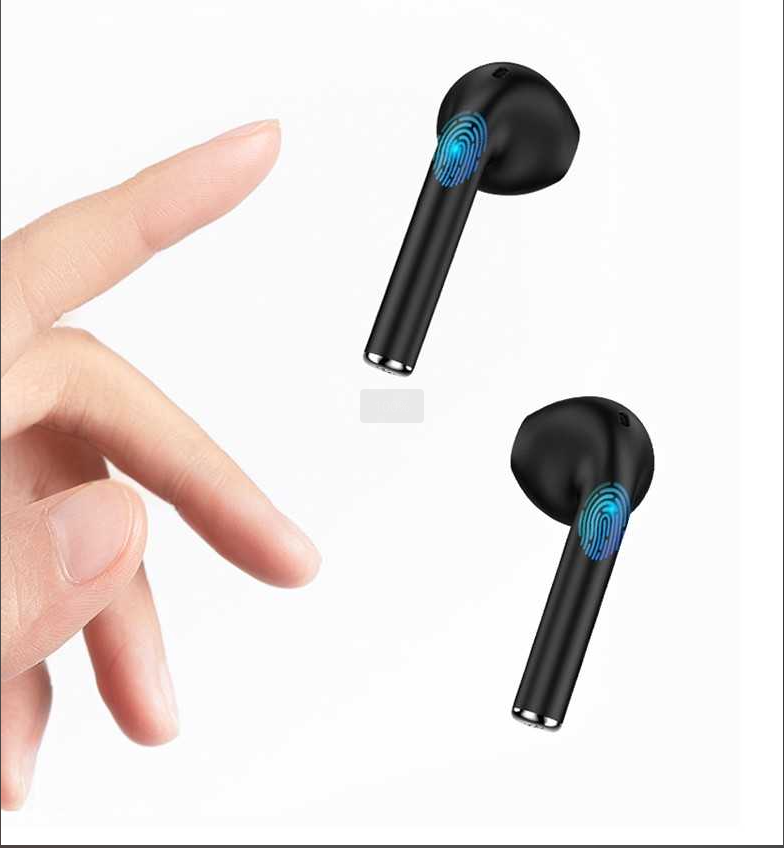 Sporty Hanging Ear Bluetooth Earphones, Wireless Earbuds, Headphones, Running Noise$21.99View on Mallflare
 Moondrop LAN II In-Ear Monitors IEM Earphones$50.00View on eBay
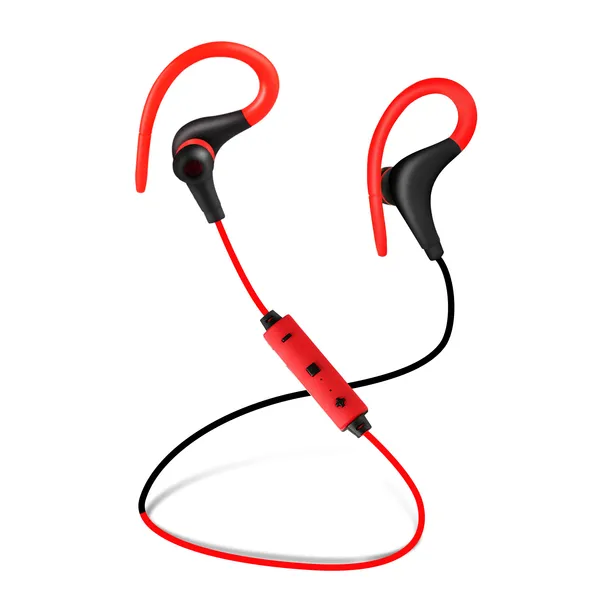 Wireless Headsets V4.1 Sport In-Ear Stereo Headphones Sweat-proof Noise Canceling Earphones Back-Headphone$24.99View on Mallflare
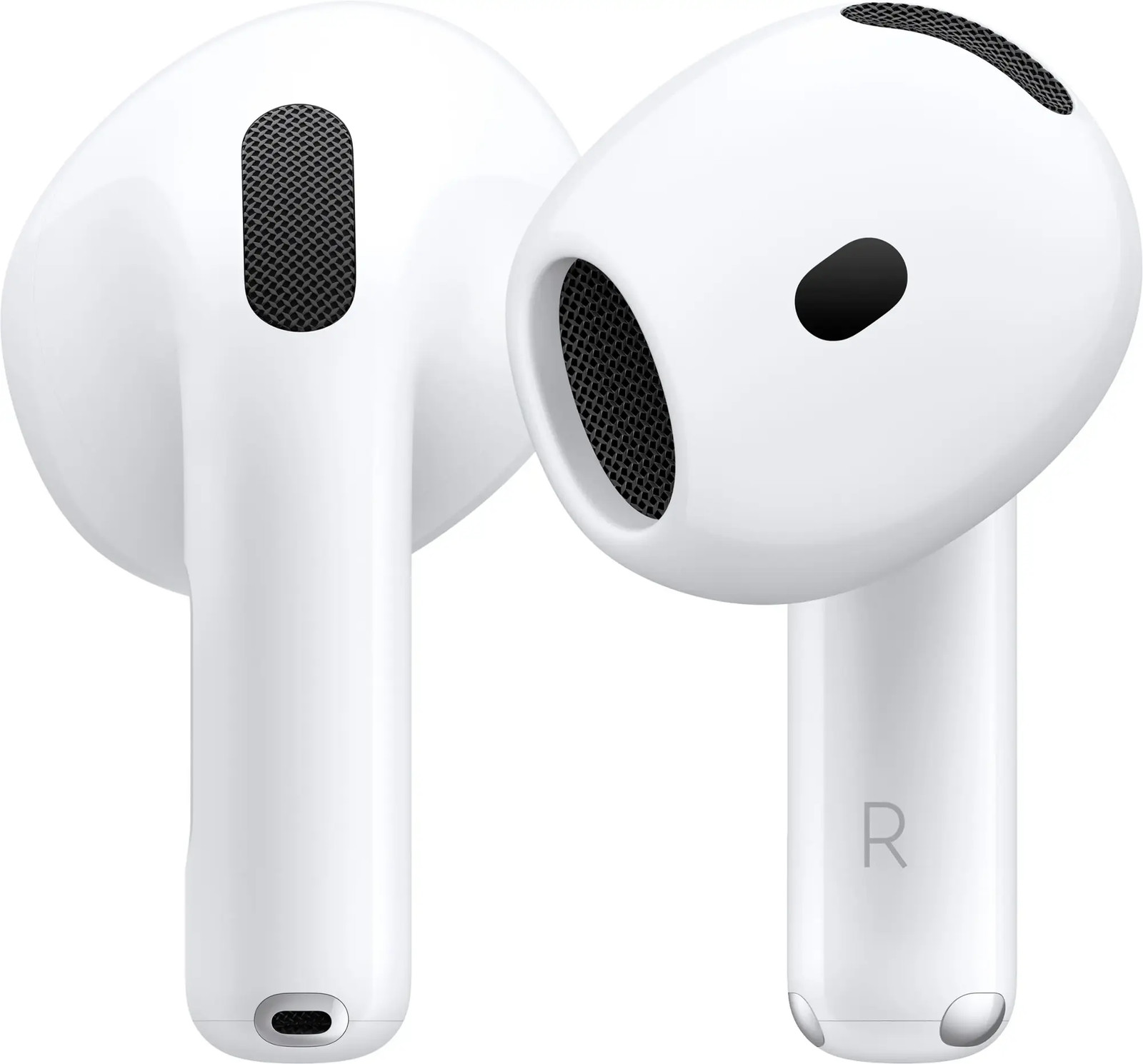 Apple AirPods 4 White In Ear Headphones MXP63LL/A$64.00View on eBay
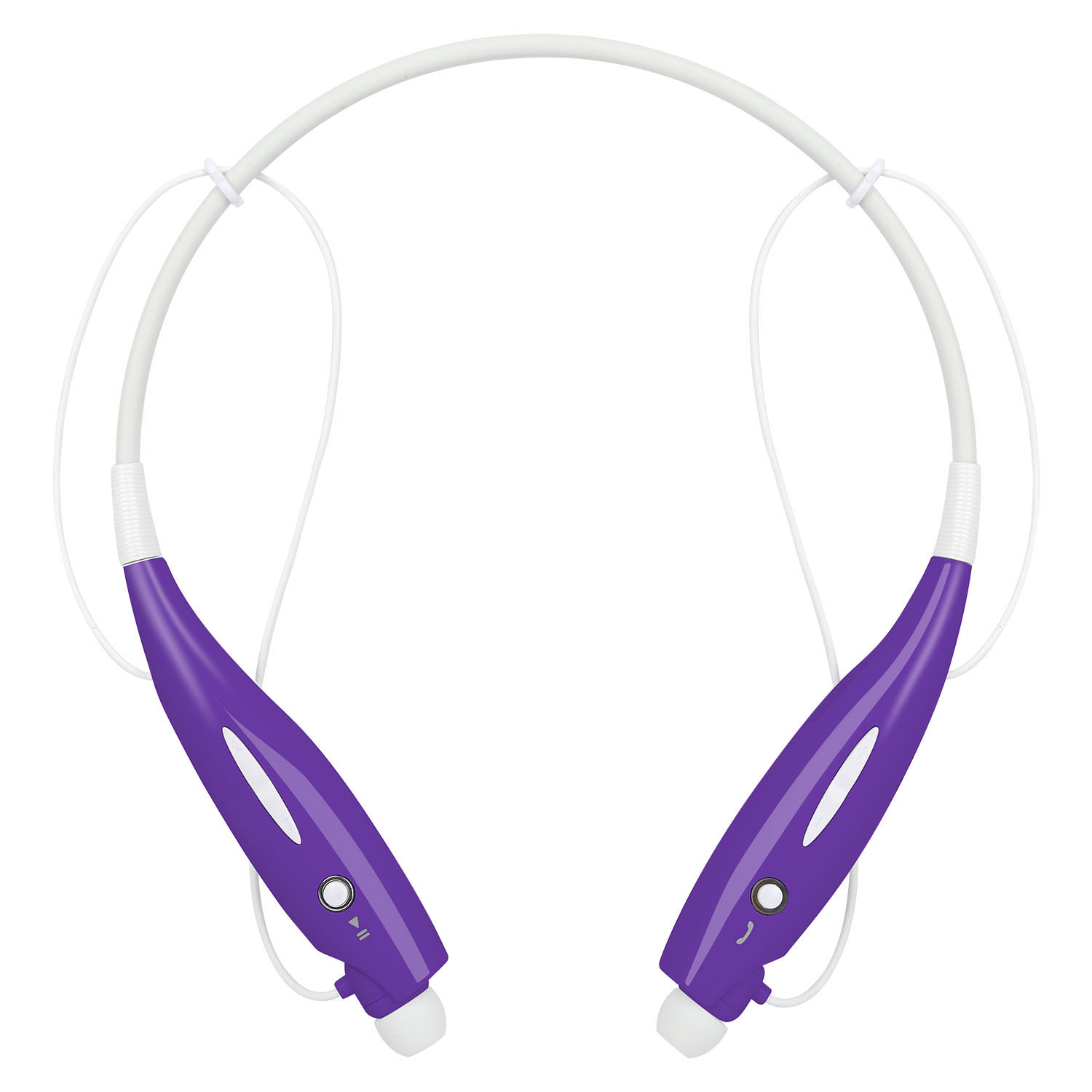 Wireless Stereo Headsets Sport Neckband Headphones In-ear Magnetic IPX4 Waterproof Earbuds With Built-in Mic Call Vibrate Alert Number Broadcast Running Gym$26.99View on Mallflare
- Apple AirPods 4 White In Ear Headphones MXP63LL/A$75.00Last checked Nov 21, 2026View on eBay
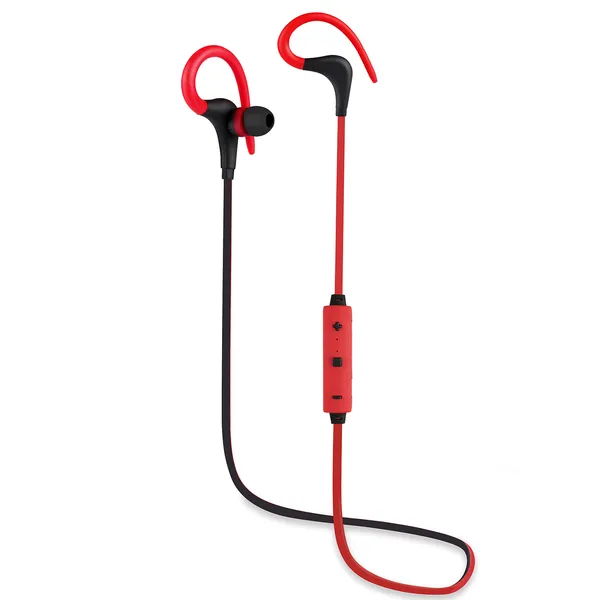 Wireless Headsets V4.1 Sport In-Ear Stereo Headphones Sweat-proof Noise Canceling Earphones Back-Headphone For Valentines Day Gift Exercising$28.99View on Mallflare
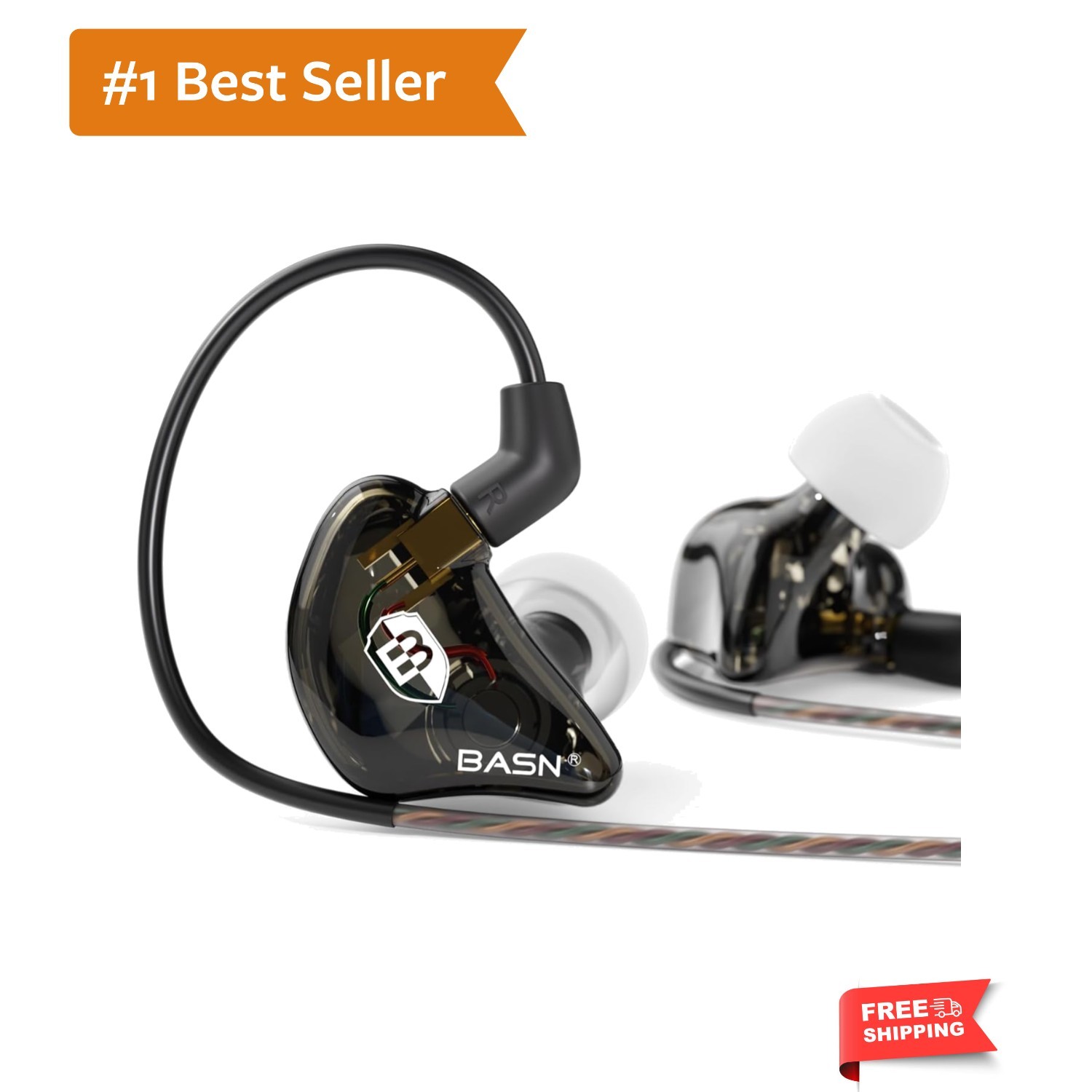 Bsinger PRO in-Ear Monitors Hybrid Dynamic Dual Drivers Two Detachable MMCX C...$97.19View on eBay
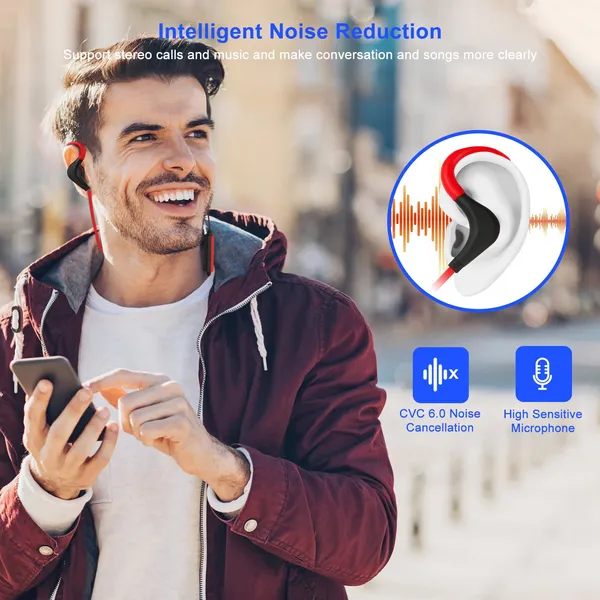 Wireless Headsets V4.1 Sport In-Ear Stereo Headphones Sweat-proof$28.99View on Mallflare
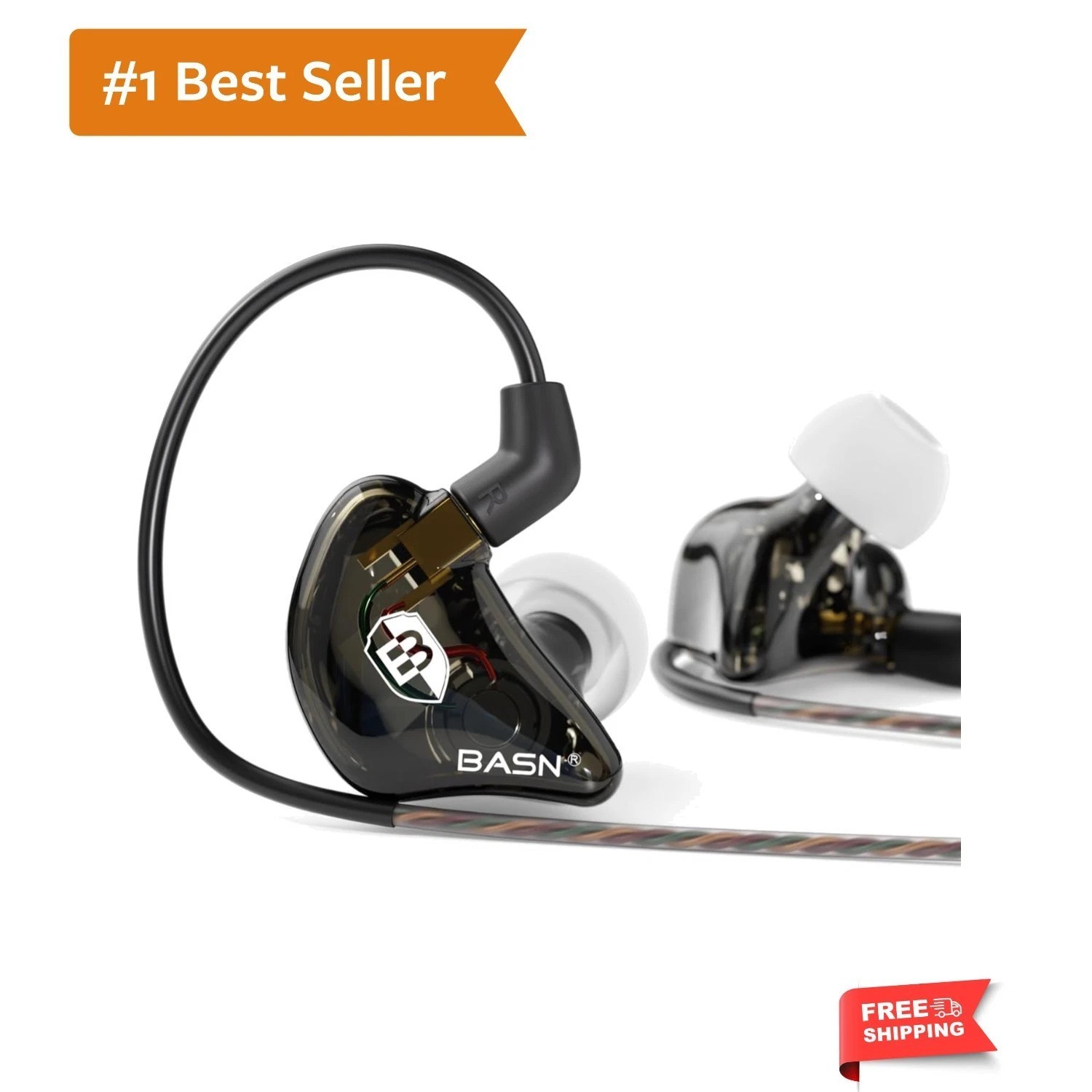 Bsinger PRO in-Ear Monitors Hybrid Dynamic Dual Drivers Two Detachable MMCX C...$97.98View on eBay
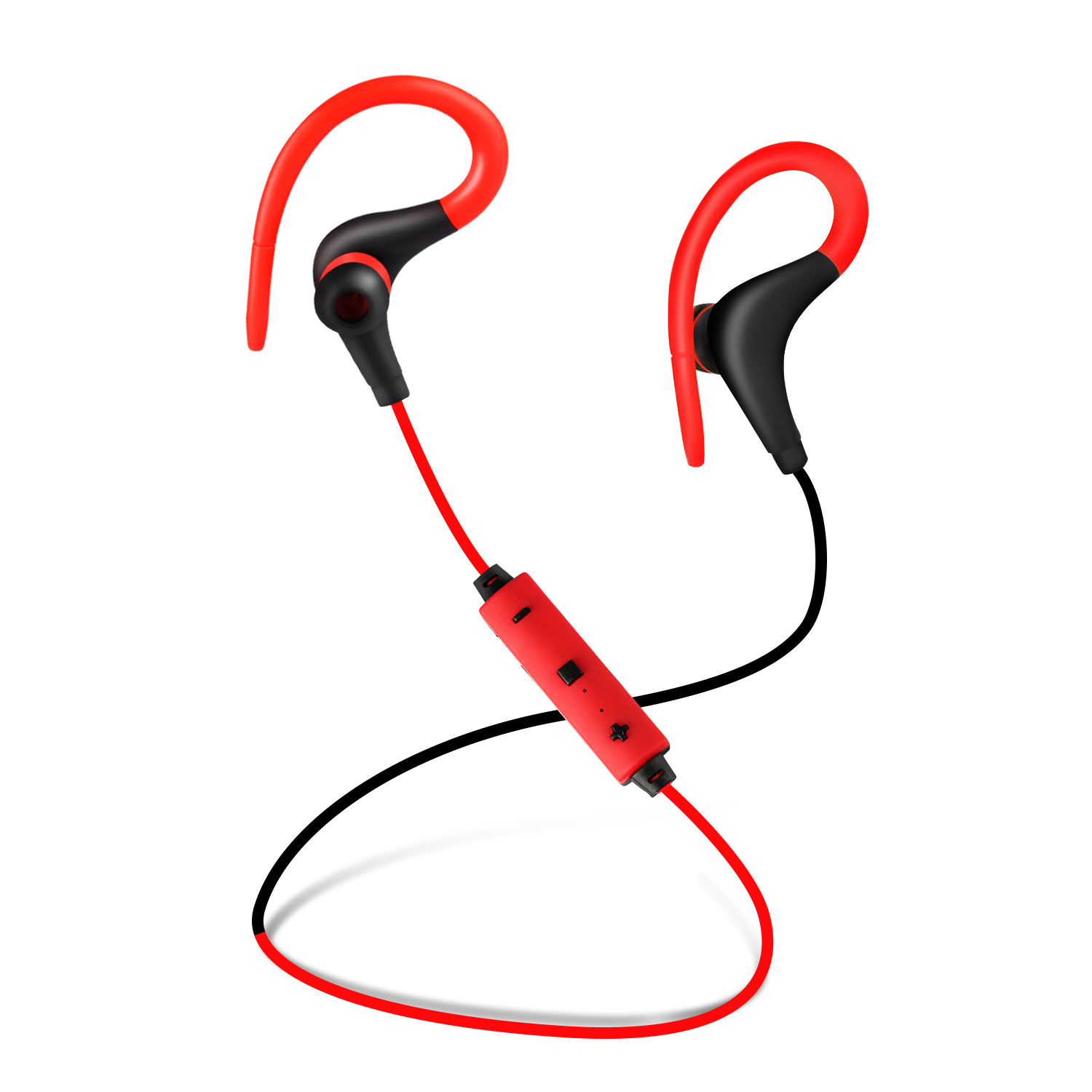 Wireless Headsets V4.1 Sport In Ear Stereo Headphones Sweatproof Noise Canceling Earphones Back Headphone With Mic Handsfree For Running Hiking Travel$29.99View on Mallflare
 Moondrop MAY Hybrid IEM In-Ear Earbuds USB-C Earphones DSP HiFi Planar Driver$122.67View on eBay
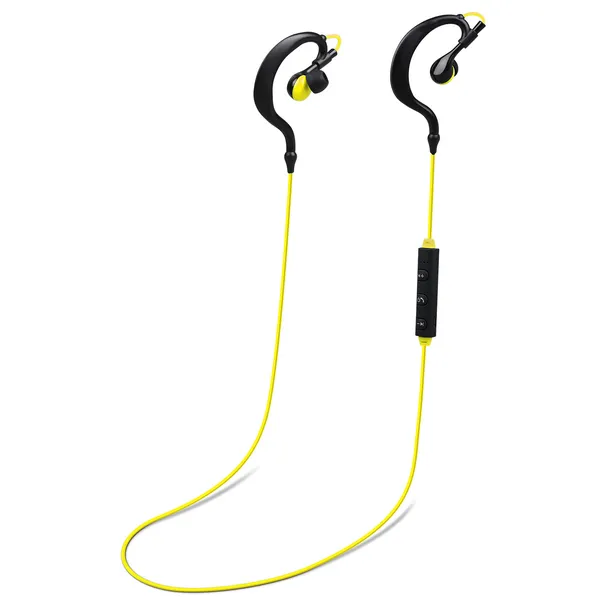 Wireless Headsets V4.1 Sport In-Ear Stereo Headphones Sweat-proof Neckband Earbuds$29.99View on Mallflare
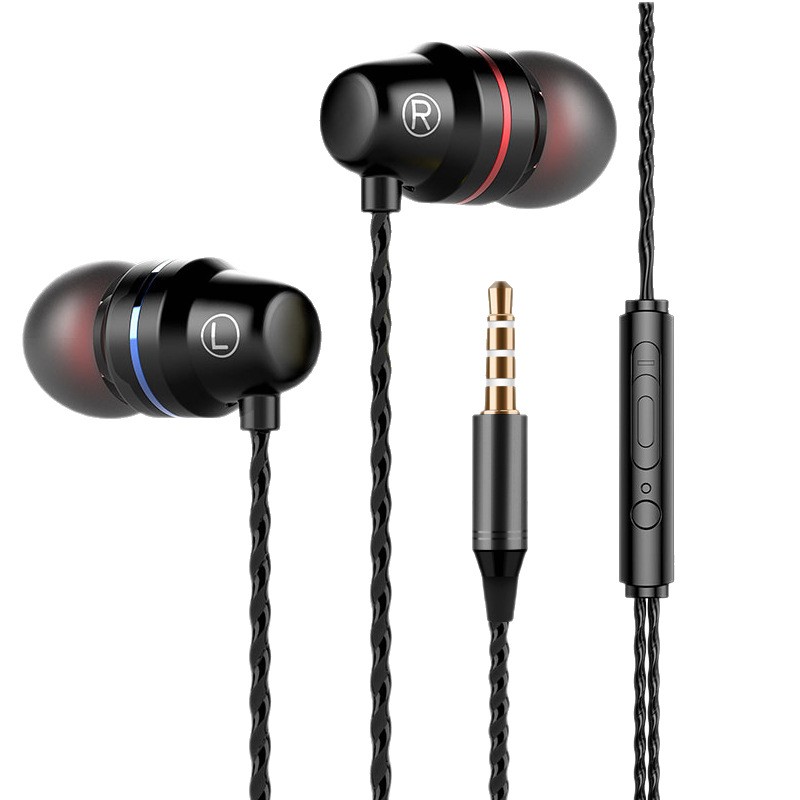 HIFI Bass Stereo Wired Earbuds Headset In-Ear Earphone Headphone 3.5mm USB-C Lot$127.26Last checked Nov 21, 2026View on eBay
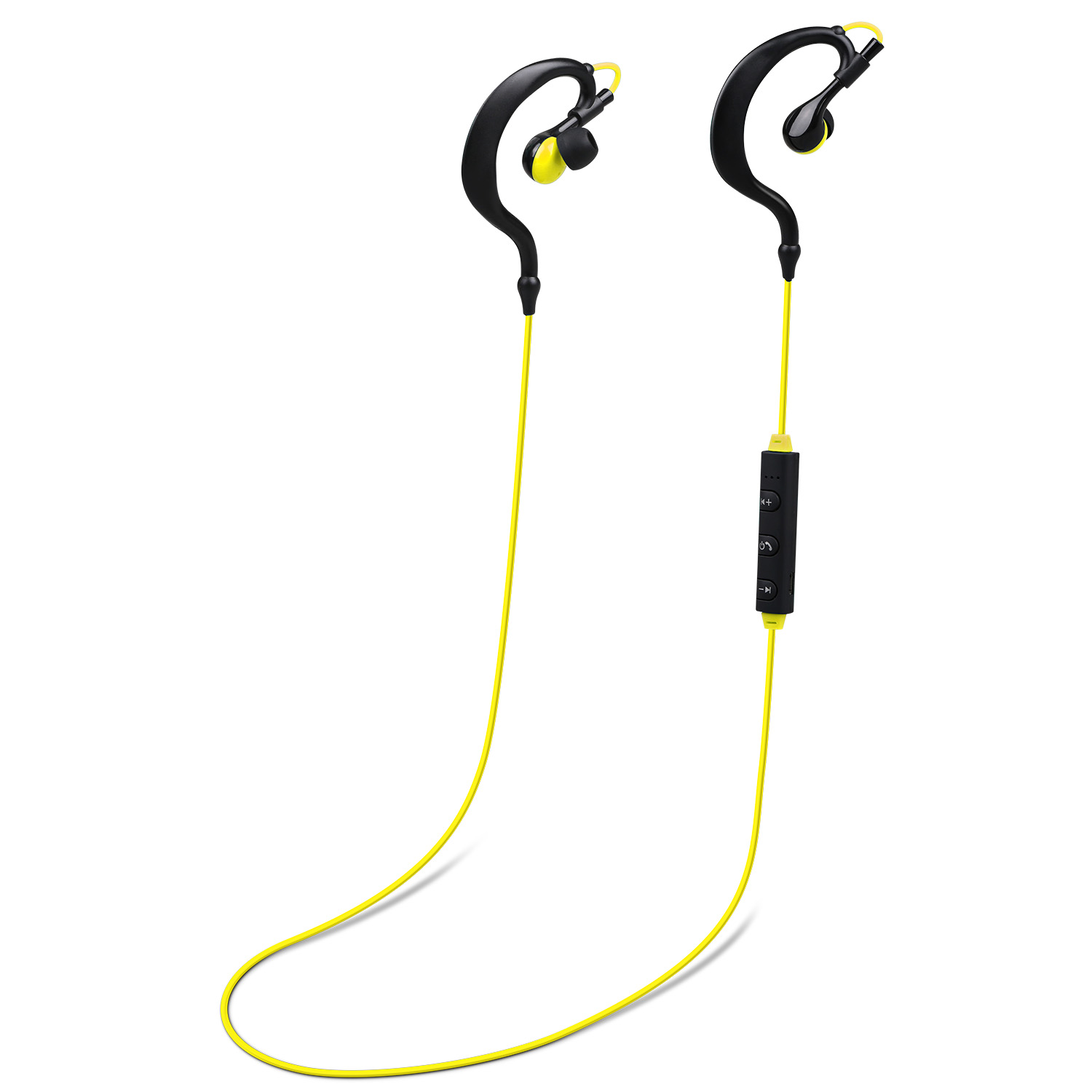 Wireless Headsets V4.1 Sport In-Ear Stereo Headphones Sweat-proof Neckband Earbuds With Mic Deep Bass HiFi Earphones For Running Hiking Travel$30.99View on Mallflare
Highlights
- Driver architecture: single dynamic drivers dominate budget IEMs; balanced-armature or hybrid dynamic+BA designs (e.g., Shure SE315 single BA, Audio-Technica CKR100IS dual-phase push-pull) deliver faster transients and detail at higher cost.
- Wired connection tiers: 3.5mm single-ended is universal; USB-C and Lightning dongles add DAC/amp stages, while MMCX or 2-pin detachable cables extend lifespan and allow Bluetooth adapter upgrades.
- Wireless tiers: Bluetooth 5.x with SBC/AAC is baseline; aptX, LDAC, or LHDC are needed for near-lossless streaming, and neckband vs true-wireless changes battery life and fit stability.
- Isolation and fit mechanics: deep-canal silicone or foam tips provide 20-30 dB passive noise reduction; housing material (plastic vs metal) affects weight, resonance, and durability more than sound signature.
Best use cases
- Critical music listening and studio monitoring: choose wired IEMs with detachable MMCX/2-pin cables and balanced-armature or hybrid drivers; skip Bluetooth neckbands, which cap resolution via codec compression.
- Gaming and low-latency monitoring: pick wired IEMs with a 3.5mm plug and low-impedance drivers (under 32 ohms) plus a dedicated mic cable or inline mic; skip true-wireless unless it states sub-60ms game mode.
- Running, gym, and commuting: choose sweat-proof neckband or true-wireless with IPX4 or better and Bluetooth 5.x; skip open-back or metal-housing wired IEMs that microphonics and cable noise make unusable in motion.
Buying tips
- Match impedance to source: under 32 ohms works from phones and dongles; 32-64 ohms needs a portable DAC/amp; above 100 ohms requires a dedicated amp for adequate volume and damping.
- Prioritize detachable cables (MMCX or 2-pin 0.78mm) on any wired IEM above entry tier; a failed cable is the most common failure point and detachability doubles usable lifespan.
- For wireless, require Bluetooth 5.2 or newer and at least AAC; add LDAC or aptX Adaptive only if your phone supports it, since codec support is device- and OS-dependent.
- Check nozzle diameter and tip compatibility: narrow nozzles (4-5mm) suit foam tips and deep insertion; wide nozzles (5-6mm) need specific tips and affect fit for small ear canals.
Specs
| Connection | Wired 3.5mm / USB-C / Bluetooth 5.x |
|---|---|
| Driver Type | Dynamic / Balanced Armature / Hybrid |
| Cable | Fixed / Detachable MMCX or 2-pin |
| Isolation | Passive 20-30 dB with sealed tips |
Related searches
What to check before buying
- Verify your source output: 3.5mm headphone jack, USB-C without analog audio, or Lightning determines whether you need a dongle DAC and which plug the IEM must ship with.
- Measure ear canal fit: small canals need narrow-nozzle housings and small silicone/foam tips; large canals need wide-bore tips to seal, or isolation and bass collapse.
- Confirm wireless codec support on your phone's OS and chipset before paying for LDAC or aptX tiers, as unsupported codecs fall back to SBC/AAC.
- For sport use, check IP rating (IPX4 minimum for sweat) and ear-hook or neckband stability; for wired use, confirm cable length and whether inline mic/remote is needed for calls.
FAQ
Data sources: eBay / Amazon listings and product attribute feeds. Updated Nov 28, 2026.
Some links on this page are affiliate links. If you buy after clicking one, we may earn a commission at no extra cost to you. This does not change which products appear here or their order. Affiliate disclosure.