
Photos from current listings. Actual item, color, and included accessories may vary.
In Ear Wireless Earbud Buying Guide
In-ear wireless earbuds split into two architectures: true wireless (TWS) buds with a charging case and neckband/ear-hook designs with an inline battery. The decisive trade-off is Bluetooth generation and codec support versus battery placement — TWS frees your neck but caps runtime per charge, while neckbands and ear-hooks trade bulk for multi-hour continuous play. Buy Bluetooth 5.3 or newer with an IPX5+ rating for exercise; treat Bluetooth 4.x, IPX4, and 'noise cancelling' claims on legacy chipsets as clearance-tier compromises.
Median $52.99 · New & pre-owned listings
Key takeaways
- Bluetooth 5.3/5.4 delivers lower latency and steadier multipoint links than Bluetooth 4.1/4.2 chipsets still sold in neckband listings — a real generation gap, not marketing.
- IPX4 survives sweat and light rain only; IPX5 and above tolerate rinse-level water and are the minimum for running, gym, and outdoor workouts.
- TWS buds typically run 4-8 hours per charge with 20-30 hours total from the case; neckbands and ear-hooks commonly reach 10-15 hours continuous from a single inline cell.
At a glance
- Category
- In-Ear Earphones
- Last updated
- Nov 28, 2026
Current offers
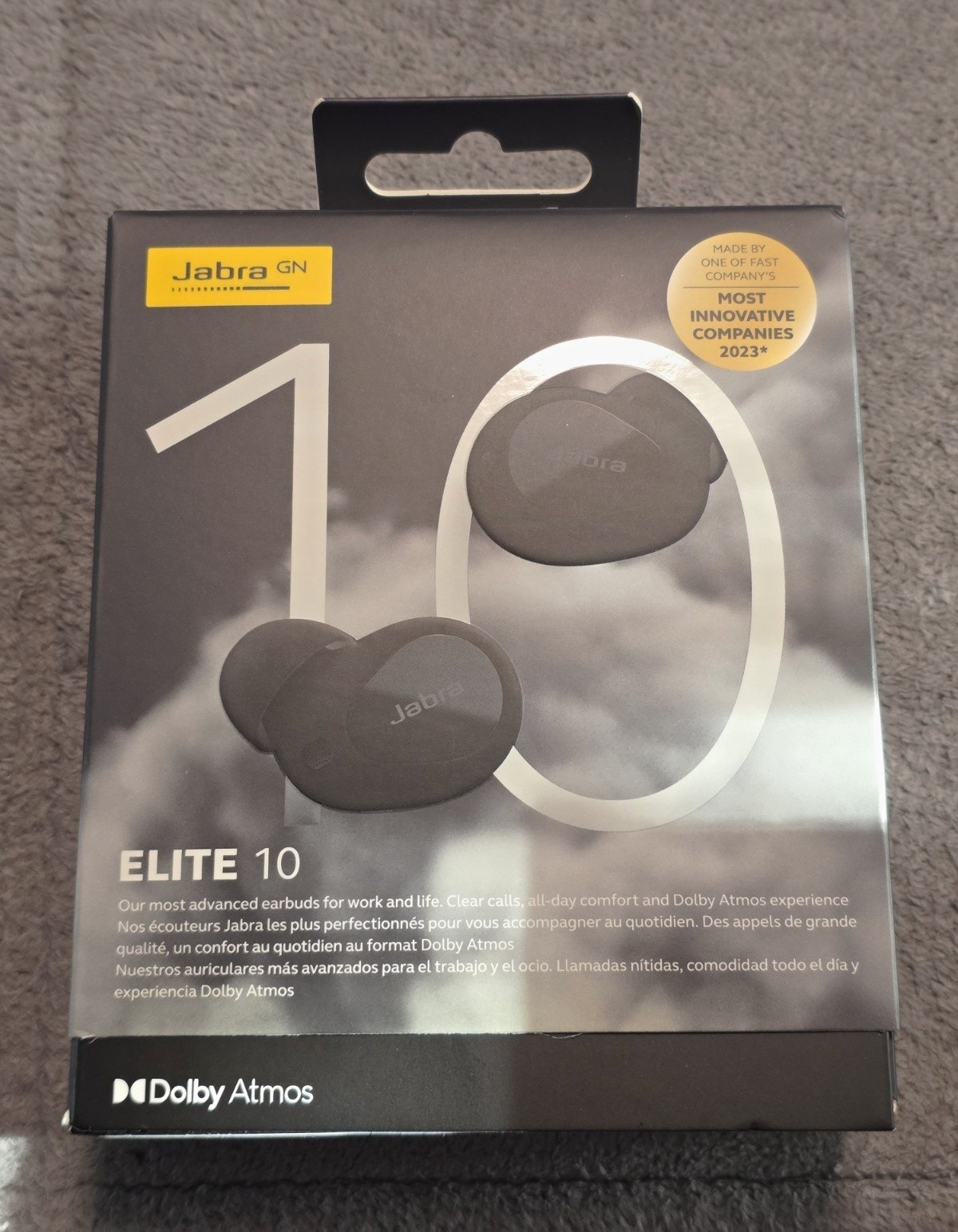 Jabra Elite 10 (Gen 1) True Wireless Bluetooth In-Ear Earbuds, Gloss Black$200.00Used · Last checked Nov 24, 2026View on eBay
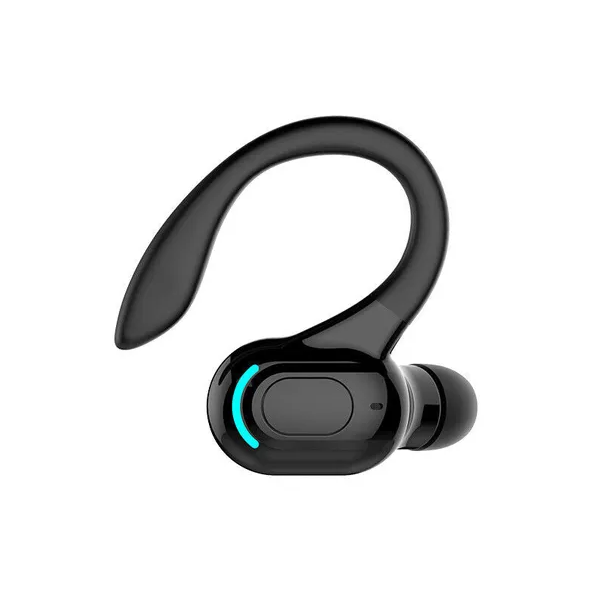 New Bluetooth 5.1 Headset Wireless Earbuds Earphones Stereo Headphones Ear Hook$20.99View on Mallflare
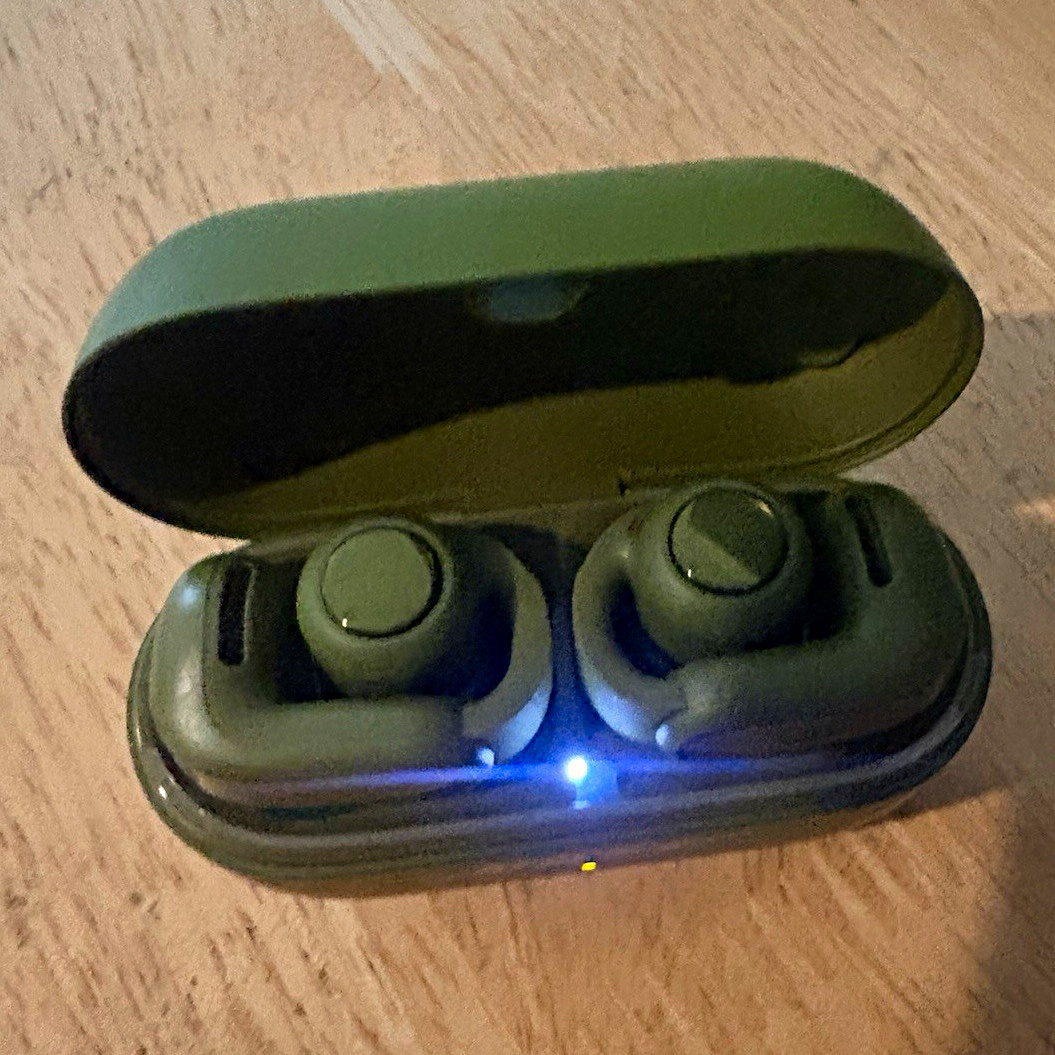 Bose True Wireless Bluetooth In-Ear Earbuds Green w/ Charging Case$200.00New · Last checked Nov 24, 2026View on eBay
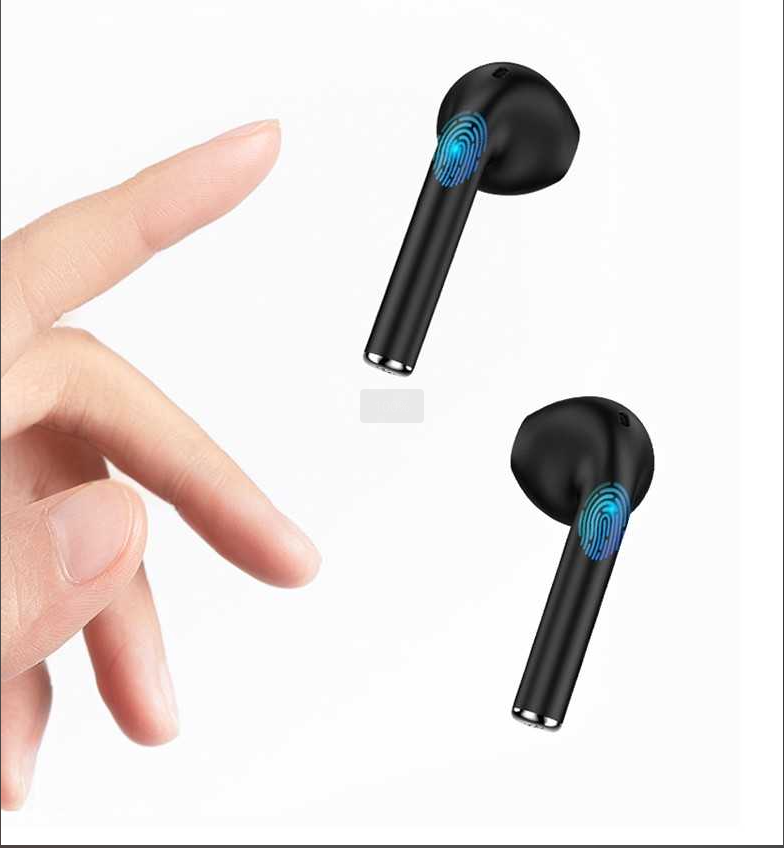 Sporty Hanging Ear Bluetooth Earphones, Wireless Earbuds, Headphones, Running Noise$21.99View on Mallflare
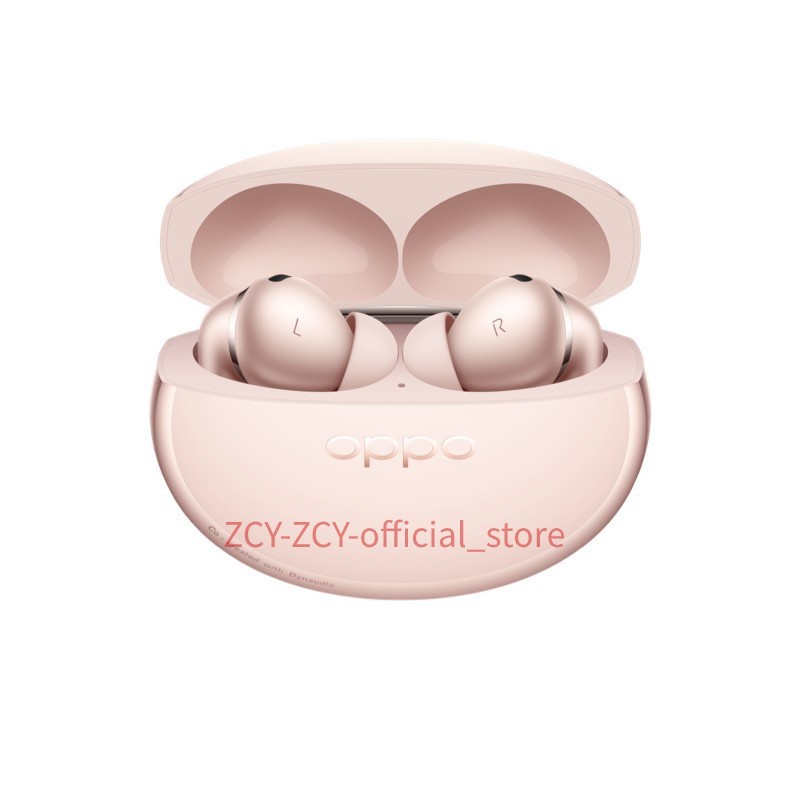 OPPO Enco X4 True Wireless In-Ear Bluetooth Earbuds for OPPO Find X10 Pro Max$208.99New · Last checked Nov 24, 2026View on eBay
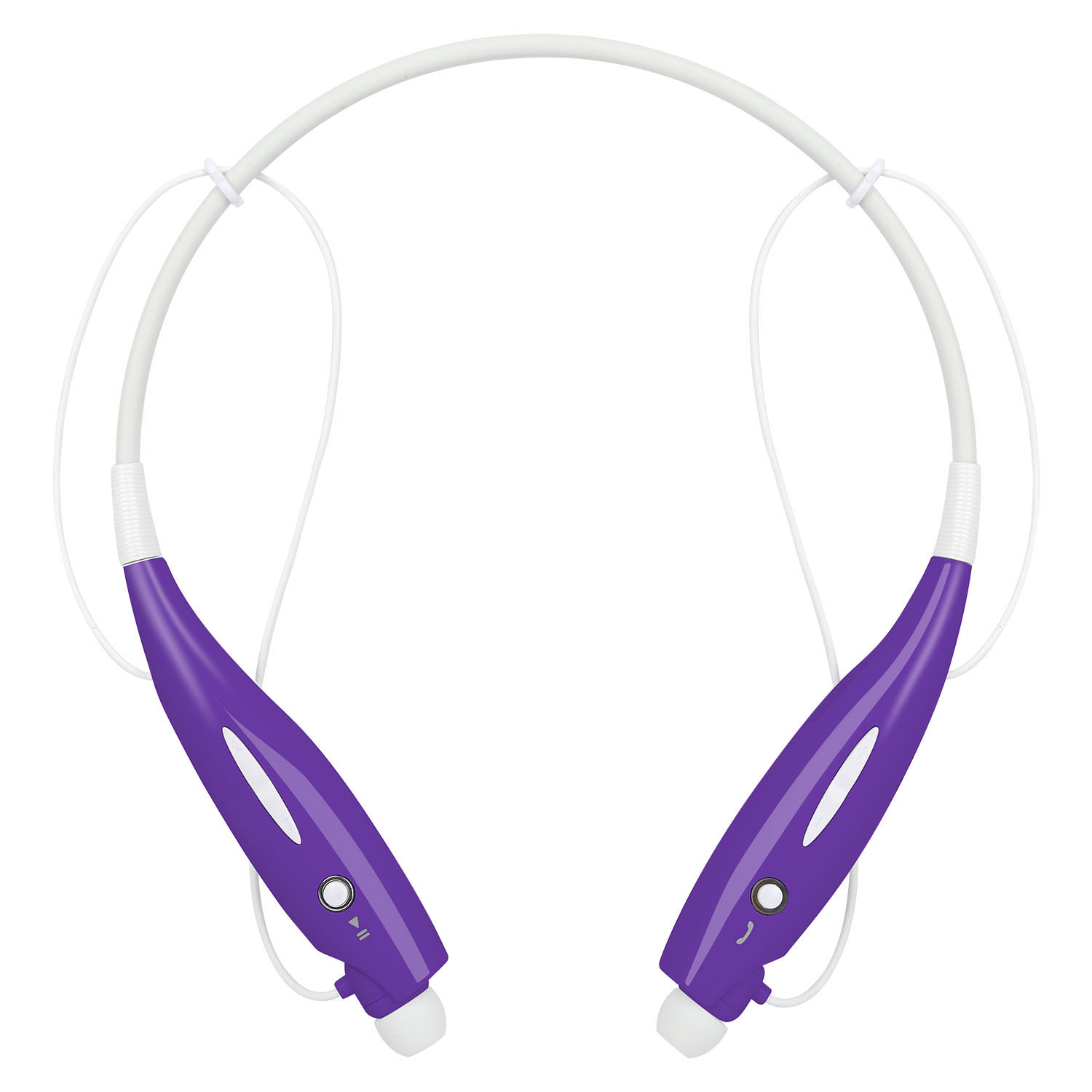 Wireless Stereo Headsets Sport Neckband Headphones In-ear Magnetic IPX4 Waterproof Earbuds With Built-in Mic Call Vibrate Alert Number Broadcast Running Gym$26.99View on Mallflare
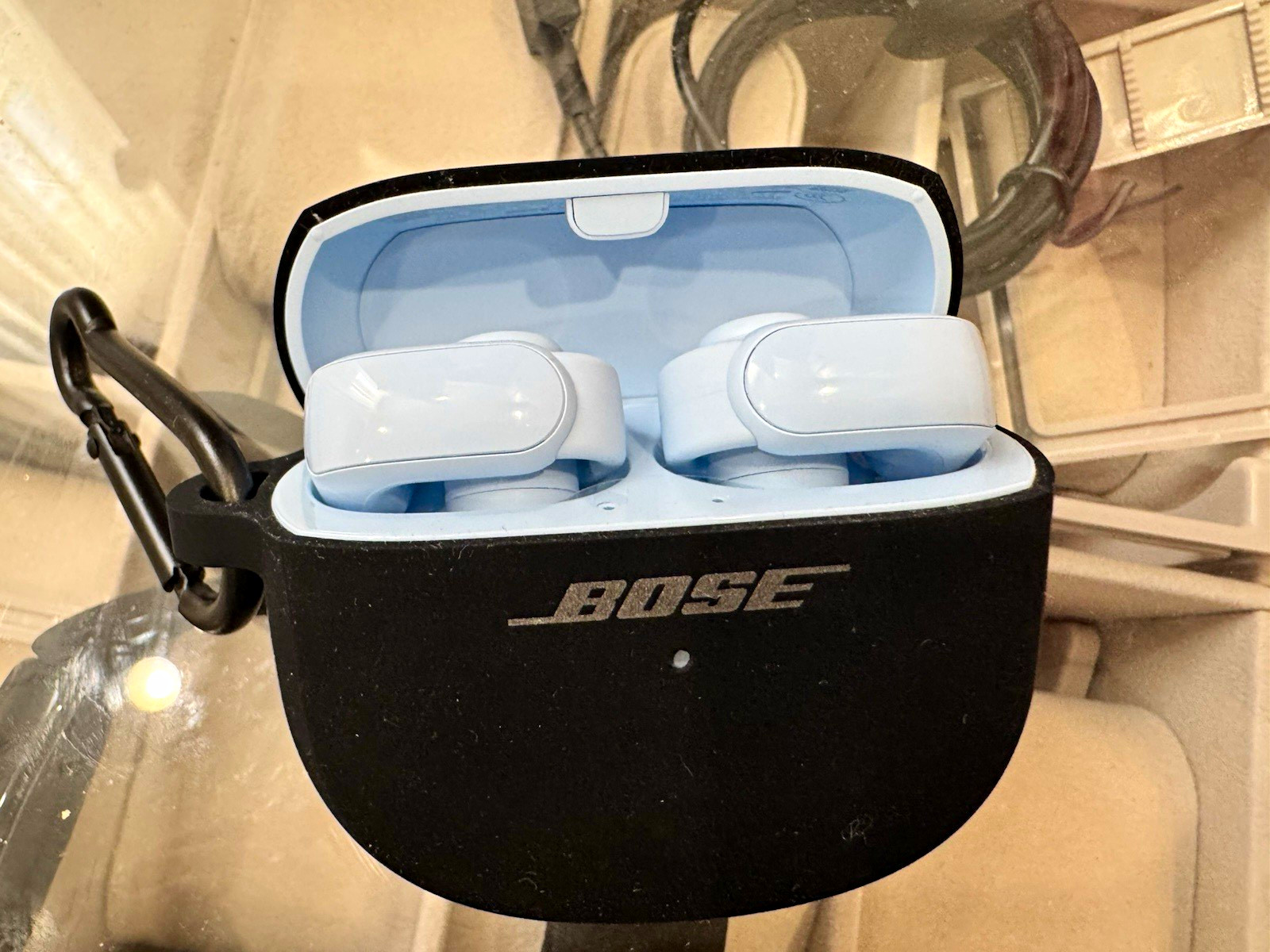 Bose QuietComfort Earbuds II Bluetooth Wireless In-Ear, White w/Charging Case$210.00Used · Last checked Nov 24, 2026View on eBay
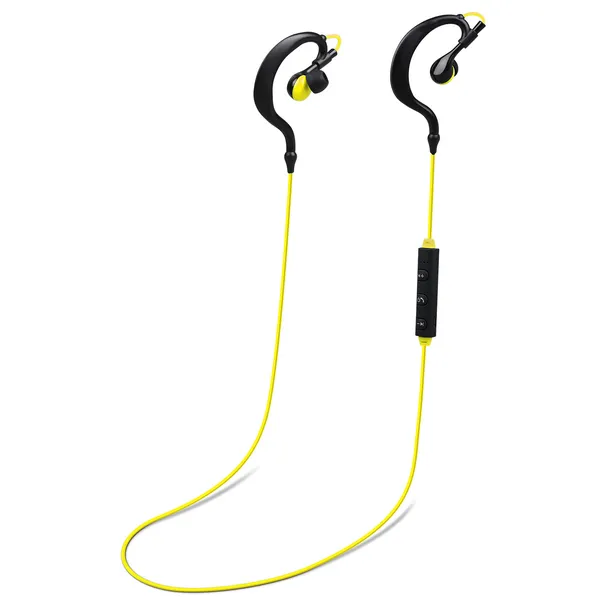 Wireless Headsets V4.1 Sport In-Ear Stereo Headphones Sweat-proof Neckband Earbuds$29.99View on Mallflare
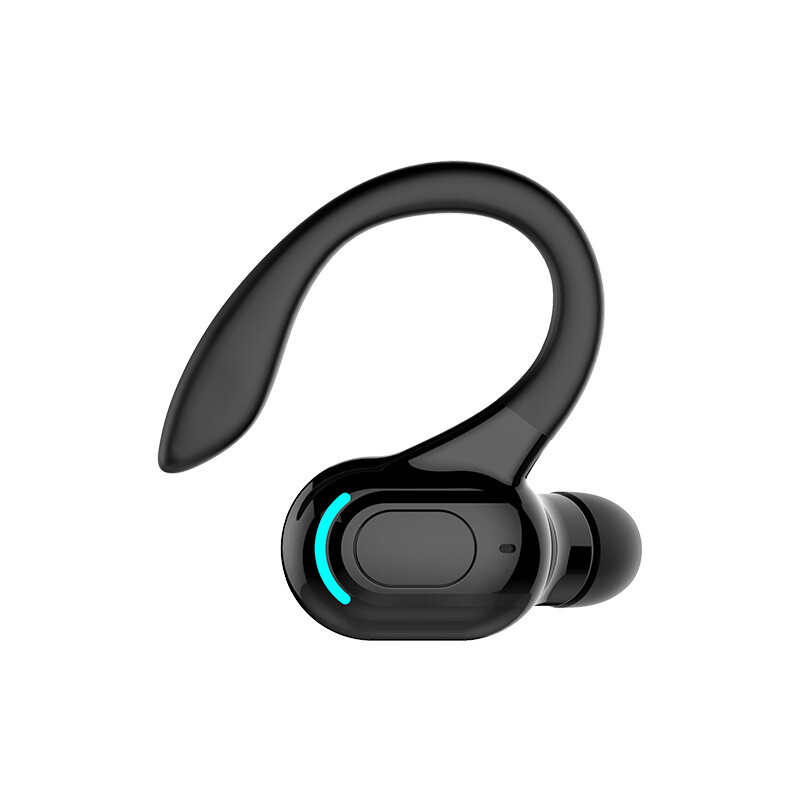 Bluetooth 5.1 Headset Wireless Earbuds Earphones Stereo Headphones Ear Hook Lot$225.59New · Last checked Nov 24, 2026View on eBay
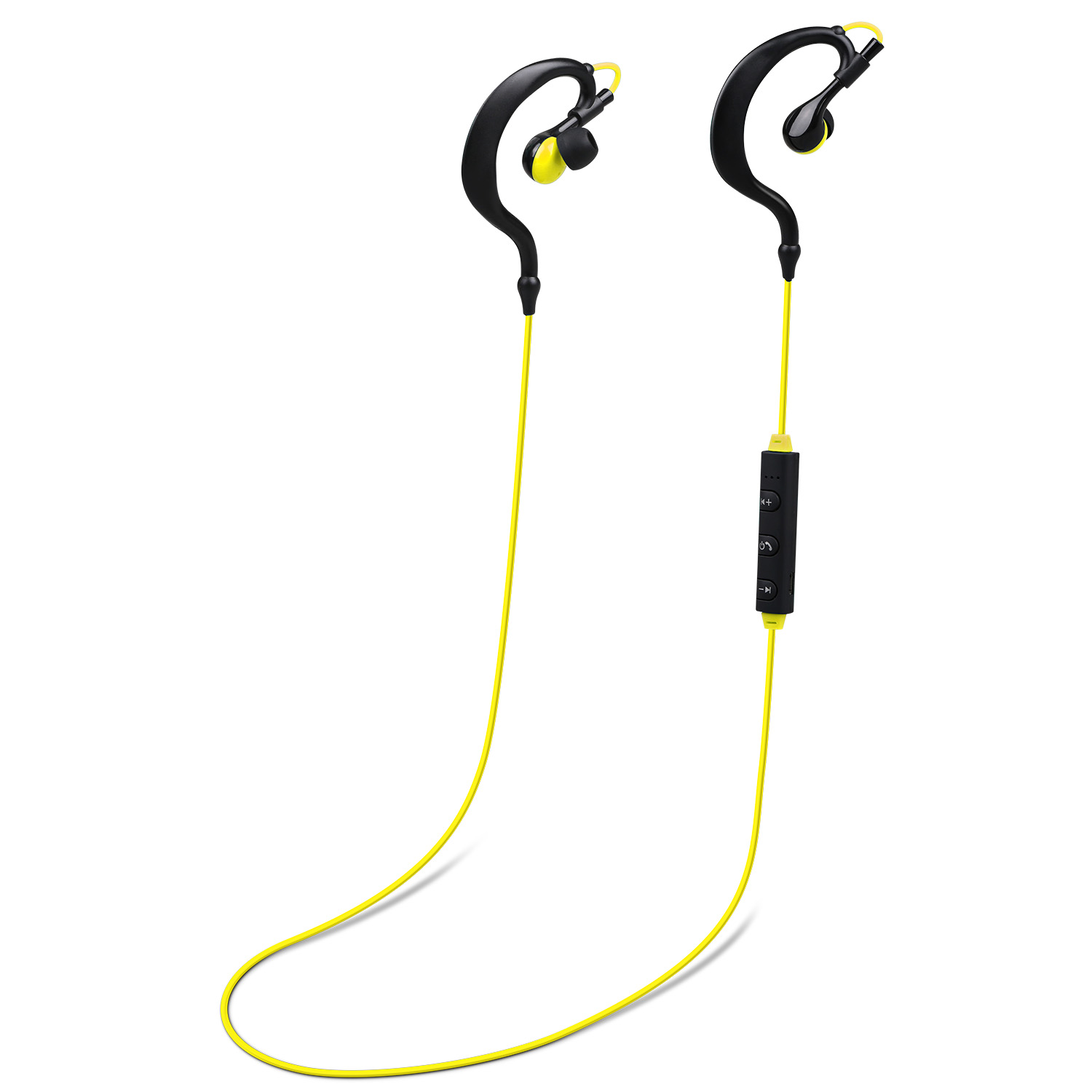 Wireless Headsets V4.1 Sport In-Ear Stereo Headphones Sweat-proof Neckband Earbuds With Mic Deep Bass HiFi Earphones For Running Hiking Travel$30.99View on Mallflare
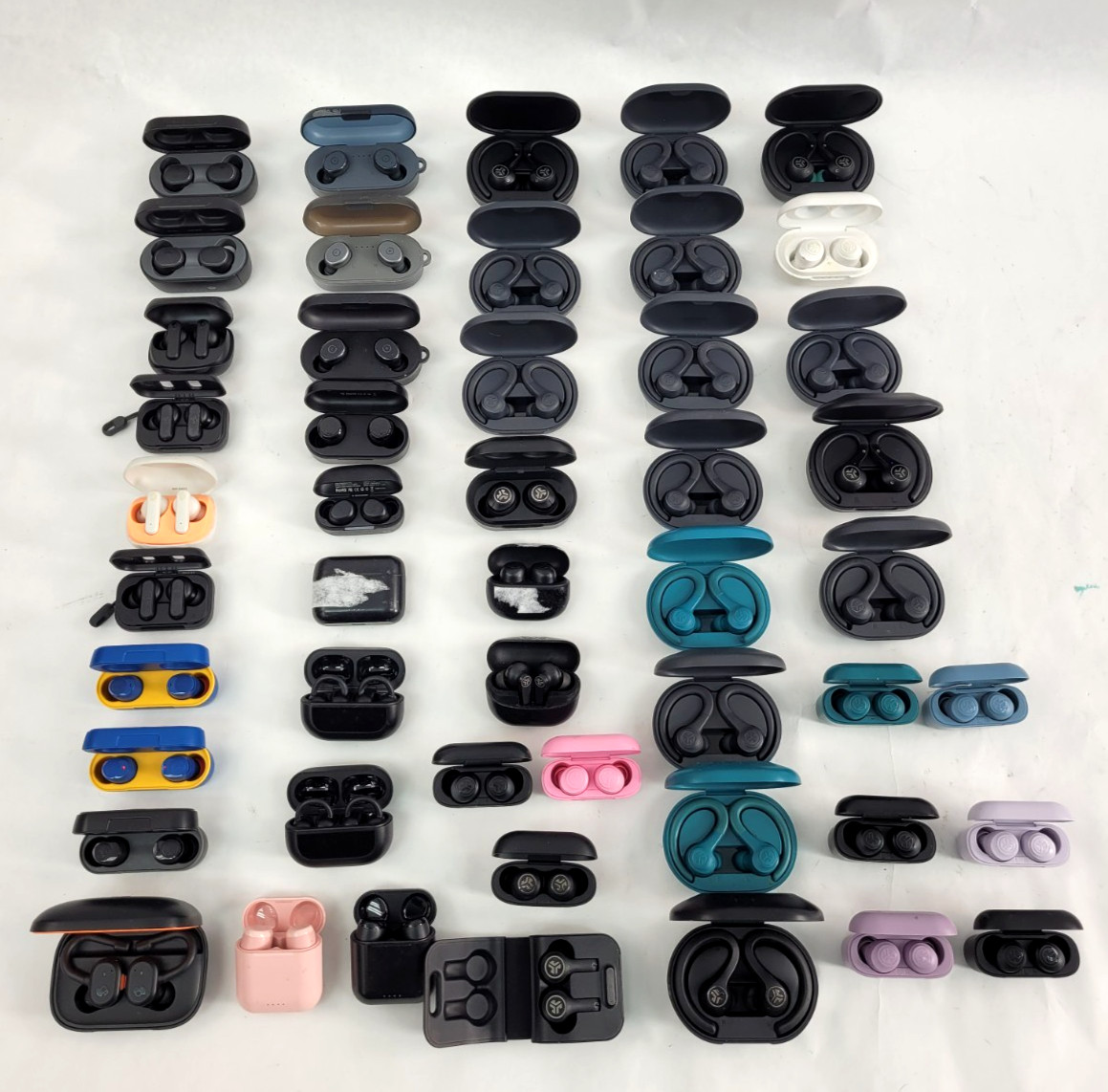 LOT OF 50 JLAB Skullcandy TOZO Bluetooth Wireless In-ear Headphones Earbuds$235.00Used · Last checked Nov 24, 2026View on eBay
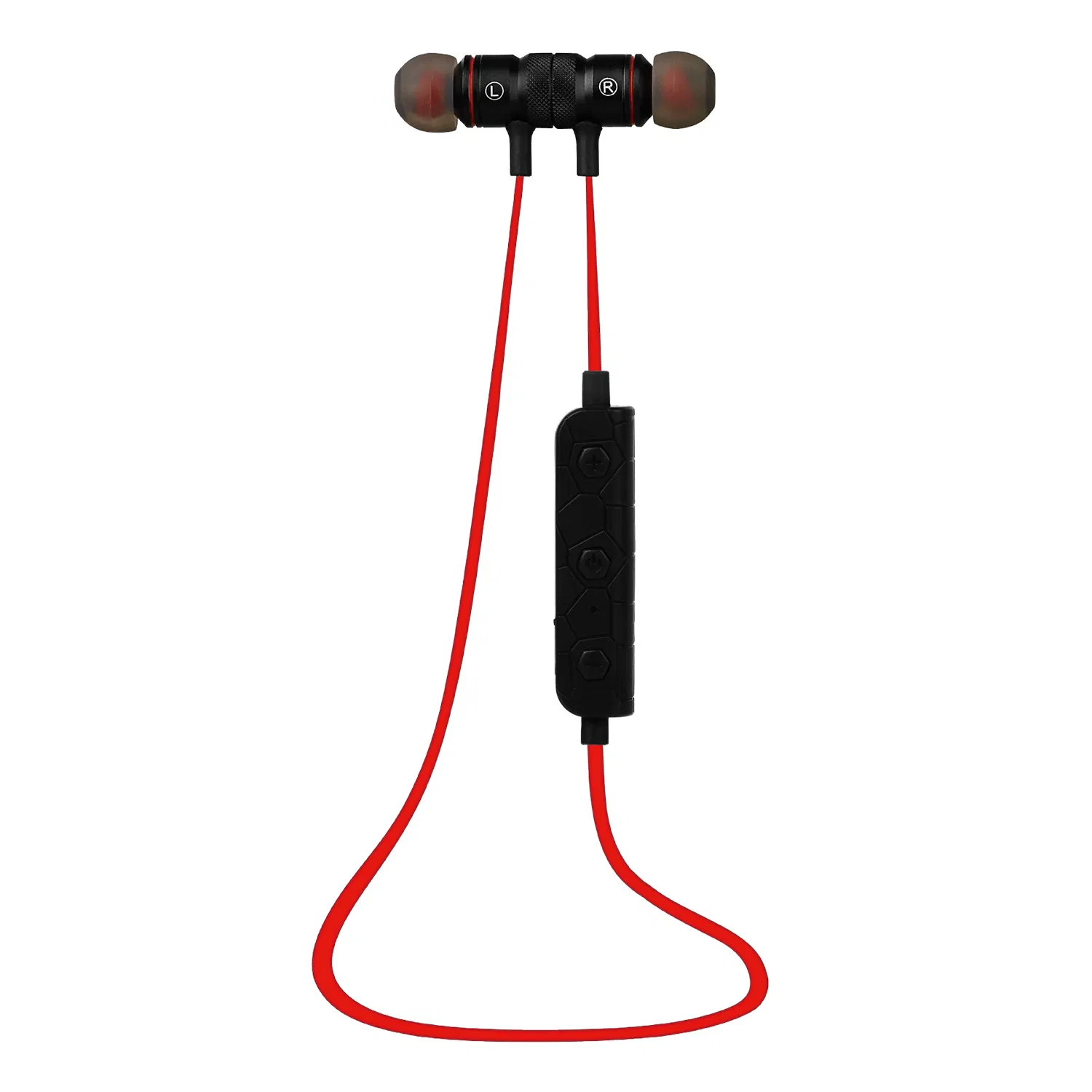 Wireless Headsets In-Ear Neckband Headphones Sweat-proof Sport Earbuds w/ Call Alert Number Broadcast$31.99View on Mallflare
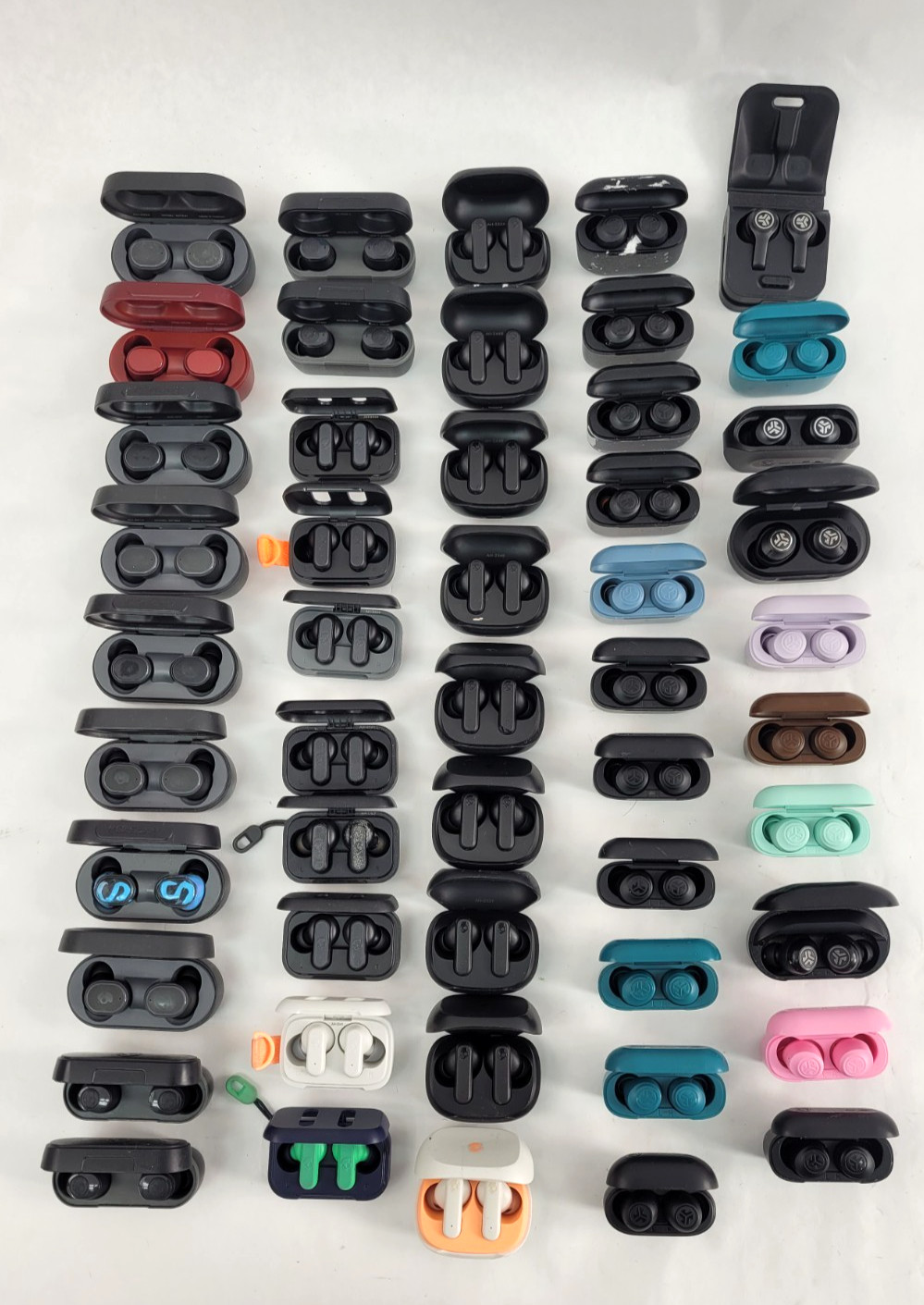 LOT OF 50 JLAB Skullcandy Assorted Bluetooth Wireless In-ear Headphones Earbuds$255.00Used · Last checked Nov 24, 2026View on eBay
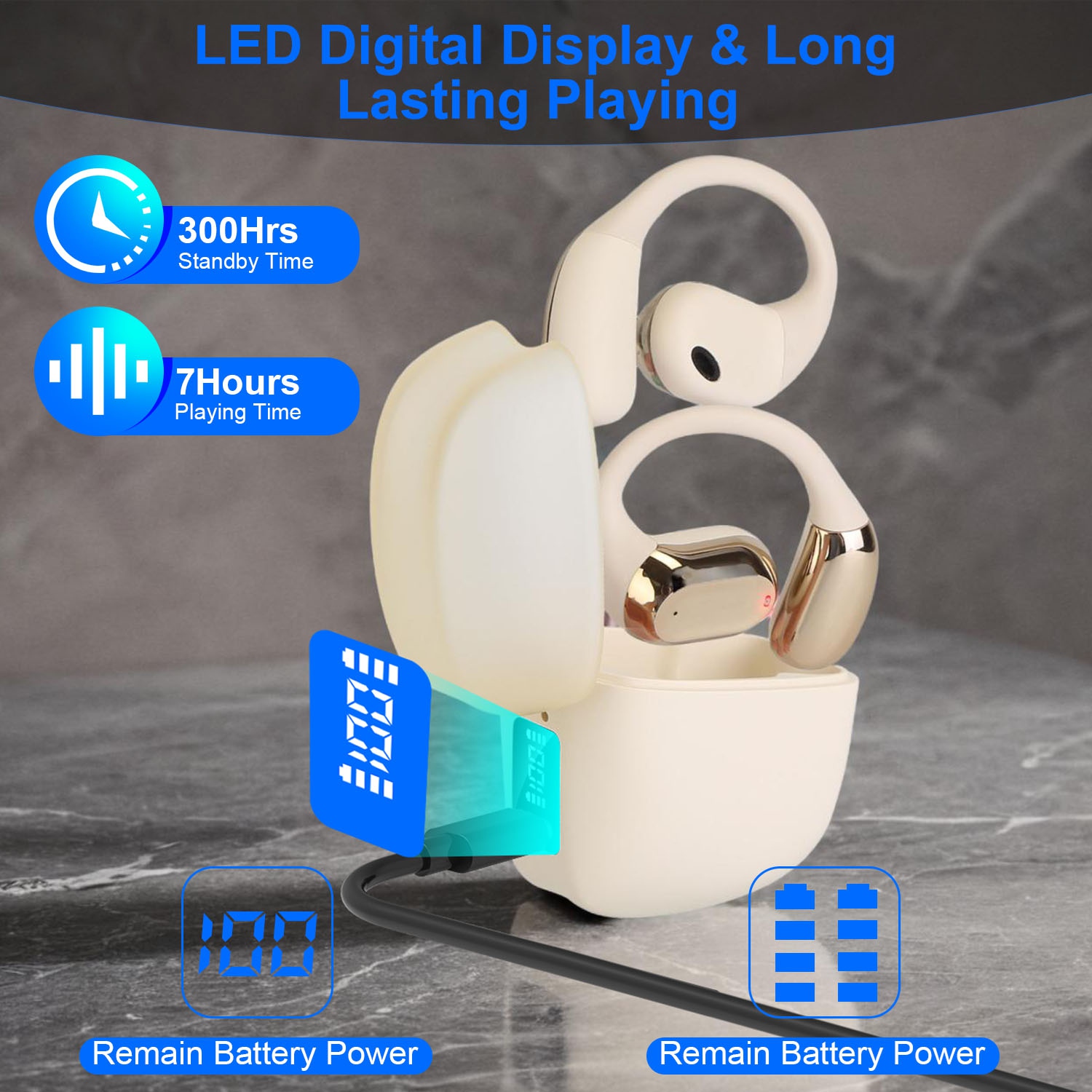 1 Set Wireless V5.4 Open Ear Earbuds With Earhook LED Display Charging Case IPX5 Waterproof 300Hrs Standby Time Touch Control Stereo Sport Headphones For Workout Running$32.99View on Mallflare
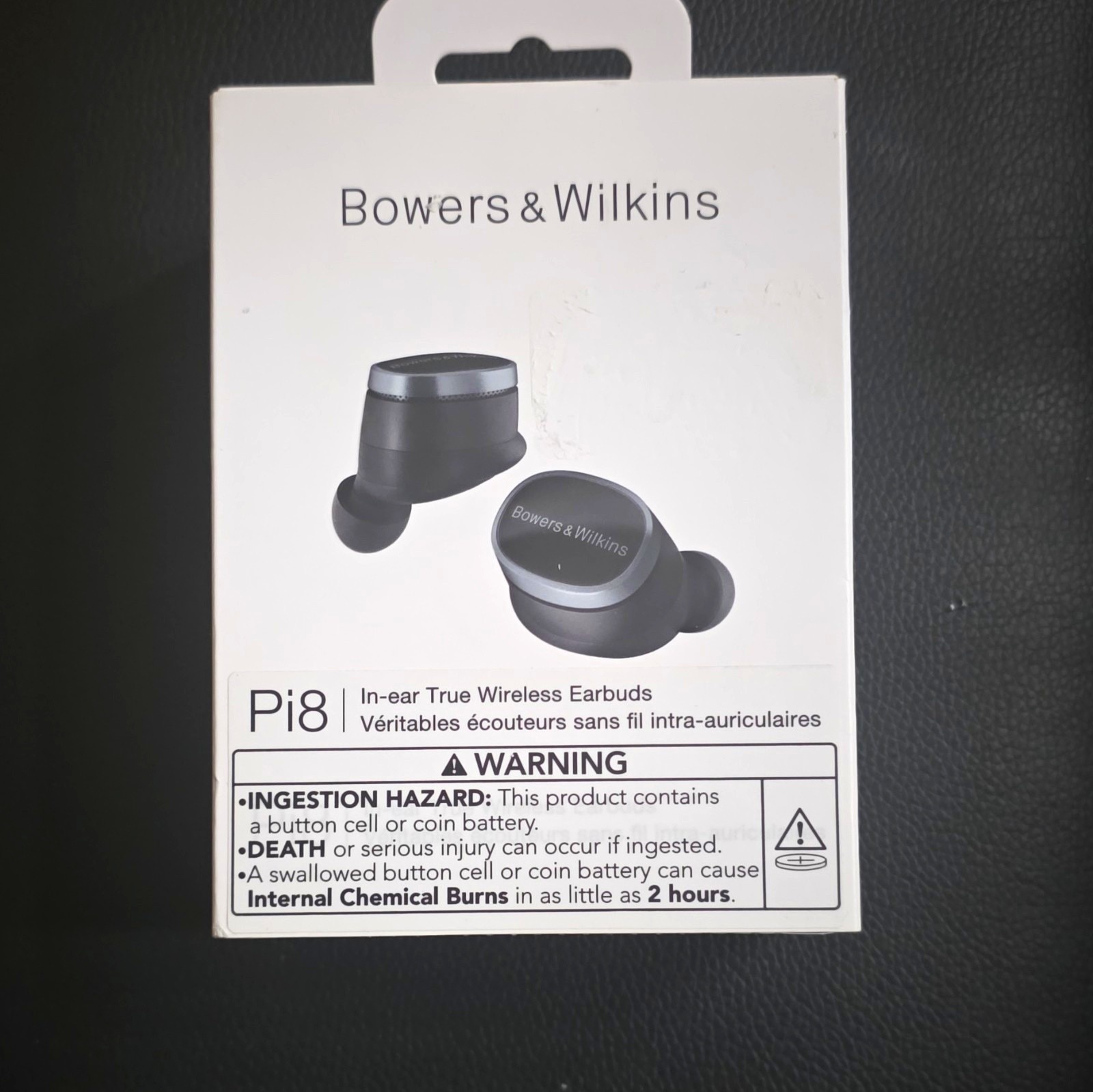 Bowers & Wilkins Pi8 In-Ear True Wireless Bluetooth Earbuds, Black$265.00New · Last checked Nov 24, 2026View on eBay
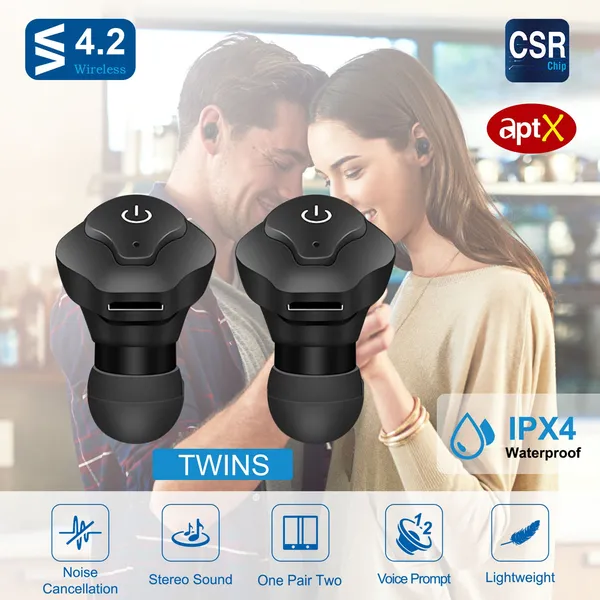 True Wireless Earbuds CSR V4.2 In-ear Stereo Headsets IP44 Waterproof Apt-X TWS Headphones Noise Cancelling$35.99View on Mallflare
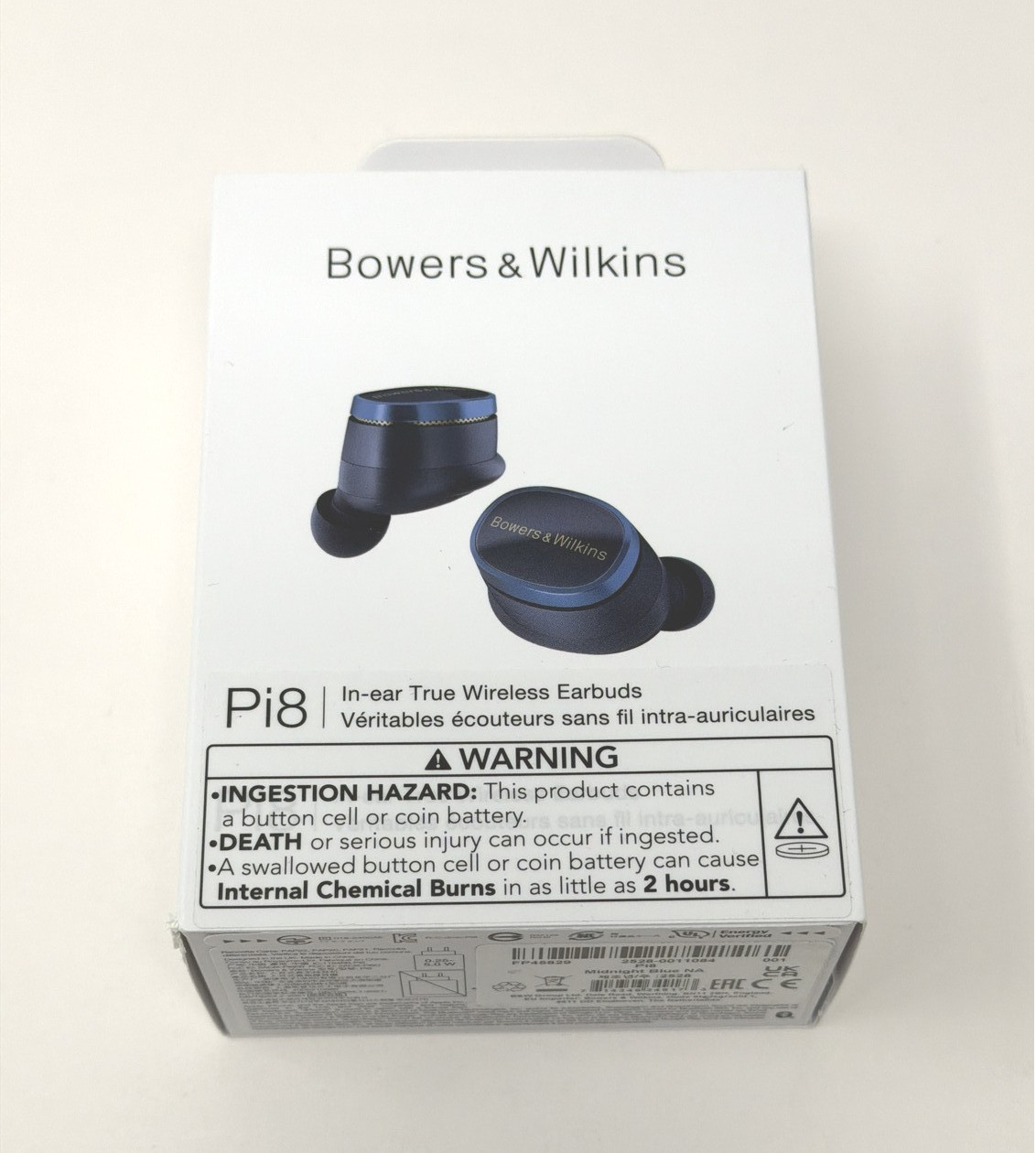 Bowers & Wilkins Pi8 In-Ear True Wireless Earbuds Midnight Blue Brand New Sealed$299.95New · Last checked Nov 24, 2026View on eBay
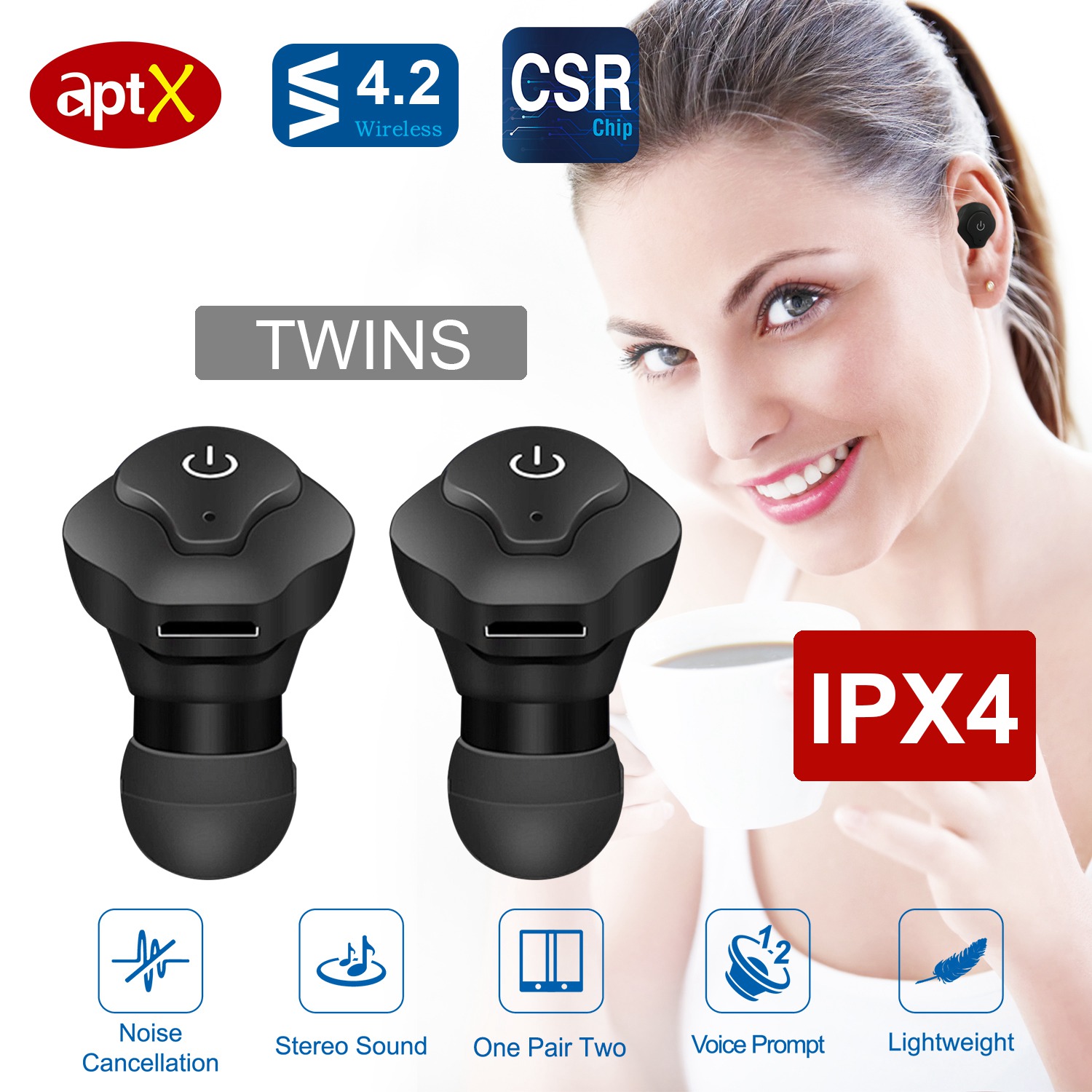 1 Pair True Wireless Earbuds CSR V4.2 In-ear Stereo Headsets IP44 Waterproof Apt-X TWS Headphones Noise Cancelling With Mic For Business Driving Walking$36.99View on Mallflare
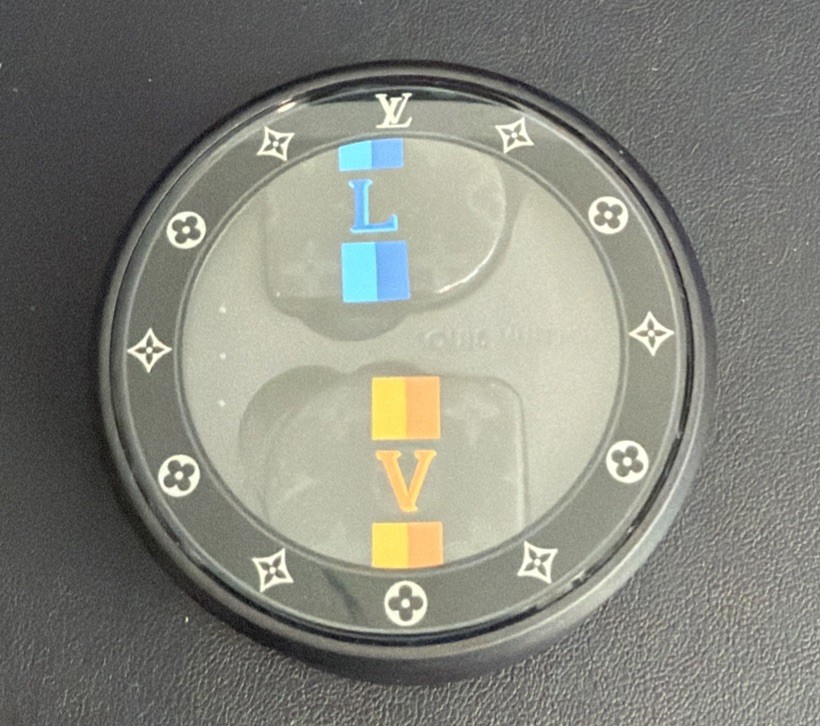 Louis Vuitton Horizon Black Bluetooth True Wireless In-Ear Earbuds w/ Case$420.00Open box · Last checked Nov 24, 2026View on eBay
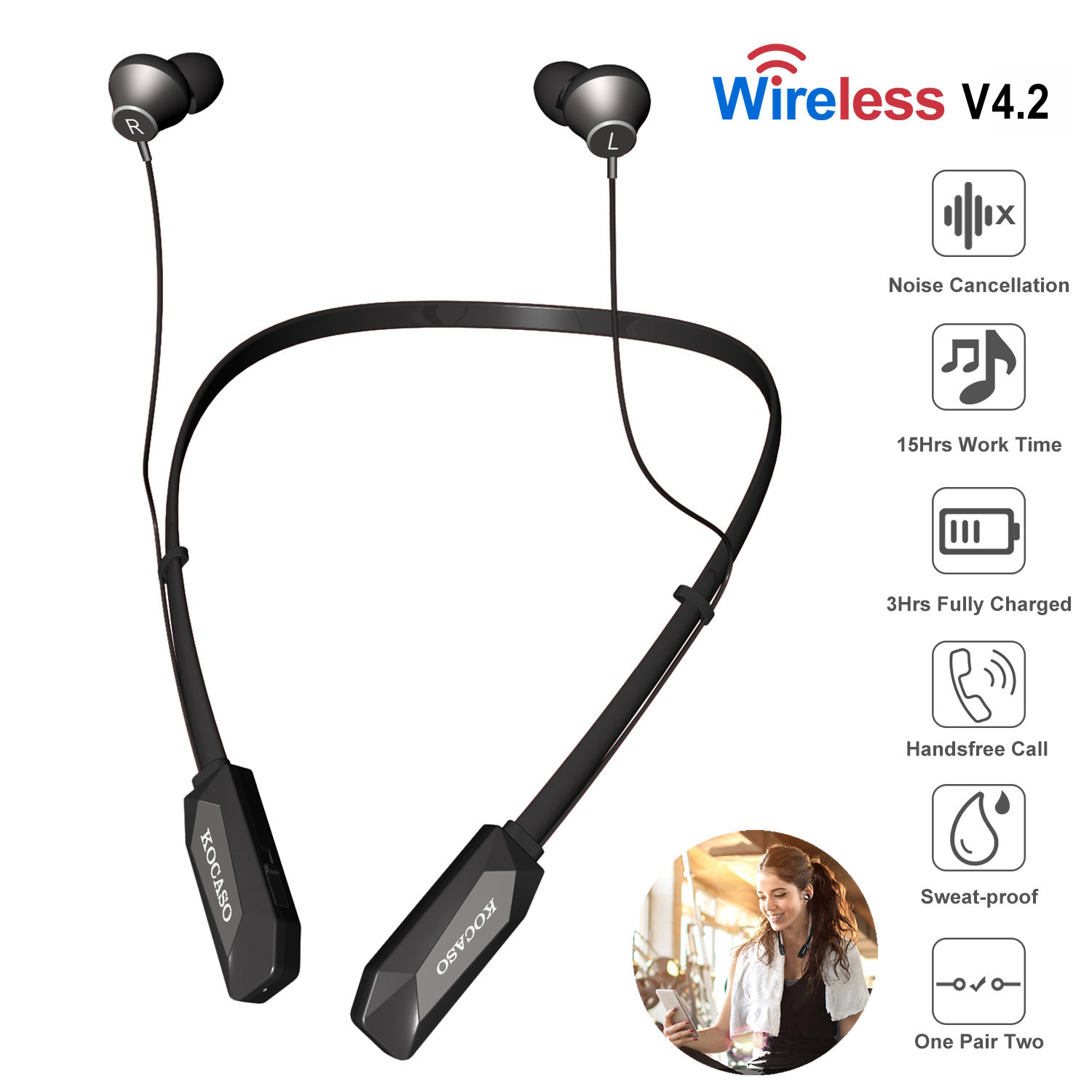 Black-Red Color Options -- 1Pc Wireless Neckband Headphones V4.2 Sweat-proof Sport Headsets Earbuds In-Ear Magnetic Neckbands Stereo Earphone Deep Bass With Mic 15Hrs Work Running Hiking$40.99View on Mallflare
Highlights
- Bluetooth 5.3/5.4 delivers lower latency and steadier multipoint links than Bluetooth 4.1/4.2 chipsets still sold in neckband listings — a real generation gap, not marketing.
- IPX4 survives sweat and light rain only; IPX5 and above tolerate rinse-level water and are the minimum for running, gym, and outdoor workouts.
- TWS buds typically run 4-8 hours per charge with 20-30 hours total from the case; neckbands and ear-hooks commonly reach 10-15 hours continuous from a single inline cell.
- Codec tiers separate models: SBC/AAC is baseline, aptX improves latency and fidelity on Android, and LDAC/LC3 raise the ceiling only when both phone and buds support it.
Best use cases
- Running and gym: pick IPX5+ ear-hook or neckband designs with magnetic buds — they stay put and survive sweat; skip open-ear air-conduction unless you need full situational awareness.
- Commutes and calls: choose TWS with multipoint and at least two-mic beamforming; neckbands with call vibrate alert suit people who leave buds hanging between calls.
- All-day desk or work use: an ear-hook with LED charging case and 300-hour standby class battery beats tiny TWS buds that need recharging every few hours.
- Wrong fit to skip: Bluetooth 4.1/4.2 neckbands and IPX4-only TWS are legacy inventory — acceptable as budget beaters, not as primary daily buds.
Buying tips
- Insist on Bluetooth 5.3 or newer; 5.0 is acceptable, while 4.1/4.2 listings signal old stock with weaker power efficiency and no LE Audio path.
- Match ingress rating to activity: IPX4 for commuting, IPX5 for sweat-heavy training, IPX7 only if you actually rinse the buds.
- For TWS, budget 4-8 hours per charge and confirm the case adds at least three full recharges; for neckbands, expect 10-15 hours continuous.
- Check codec compatibility end-to-end: aptX and LDAC require support on both the earbuds and the phone, otherwise you fall back to SBC/AAC.
Specs
| Bluetooth Version | 5.3/5.4 preferred; 4.1/4.2 legacy |
|---|---|
| Water Resistance | IPX4 commute / IPX5+ sport |
| Battery Architecture | TWS case 20-30 hr / neckband 10-15 hr |
| Codec Support | SBC/AAC baseline; aptX, LDAC, LC3 |
Related searches
What to check before buying
- Ear-tip sizing: most kits include S/M/L silicone tips — a loose seal kills bass and ANC, so confirm the nozzle diameter fits your preferred tips.
- Case and pocket footprint: TWS cases range from matchbox to bulky; measure against your pocket or bag before committing.
- Phone Bluetooth version and codecs: verify your handset supports the codec tier you are paying for (aptX, LDAC, LC3).
- Charging standard: USB-C is now standard; micro-USB on a new purchase means aging stock and slower charging.
FAQ
Data sources: eBay / Amazon listings and product attribute feeds. Updated Nov 28, 2026.
Some links on this page are affiliate links. If you buy after clicking one, we may earn a commission at no extra cost to you. This does not change which products appear here or their order. Affiliate disclosure.