
Photos from current listings. Actual item, color, and included accessories may vary.
DJI Mini Pro Buying Guide
DJI Mini Pro is the sub-249g ready-to-fly camera drone tier that trades motor and battery mass for regulatory-free flight, so the primary trade-off is sensor/transmission generation versus wind resistance. The decisive rule: pick Mini 4 Pro or later for omnidirectional sensing and O4 video link; treat Mini 3 Pro only as a discounted backup; and buy aircraft-only bodies only when you already own DJI RC-N-series controllers and Intelligent Flight Batteries.
Median $784.00 · New & pre-owned listings
Key takeaways
- Sub-249g takeoff weight keeps the drone in the lightest regulatory class in the US, EU, UK, and most of Asia, avoiding registration and remote-ID burdens that apply above 250g.
- Mini 3 Pro uses O3 transmission and tri-directional sensing; Mini 4 Pro upgrades to O4 (20km FCC / ~10km CE) and full omnidirectional obstacle avoidance with ActiveTrack 360.
- Camera generation is the hard performance gap: 1/1.3-inch sensor on Mini 3 Pro and Mini 4 Pro, while Mini 5 Pro moves to a larger 1-inch-class sensor with improved low-light output.
At a glance
- Category
- Drones & Consumer Robotics
- Last updated
- Nov 27, 2026
Current offers
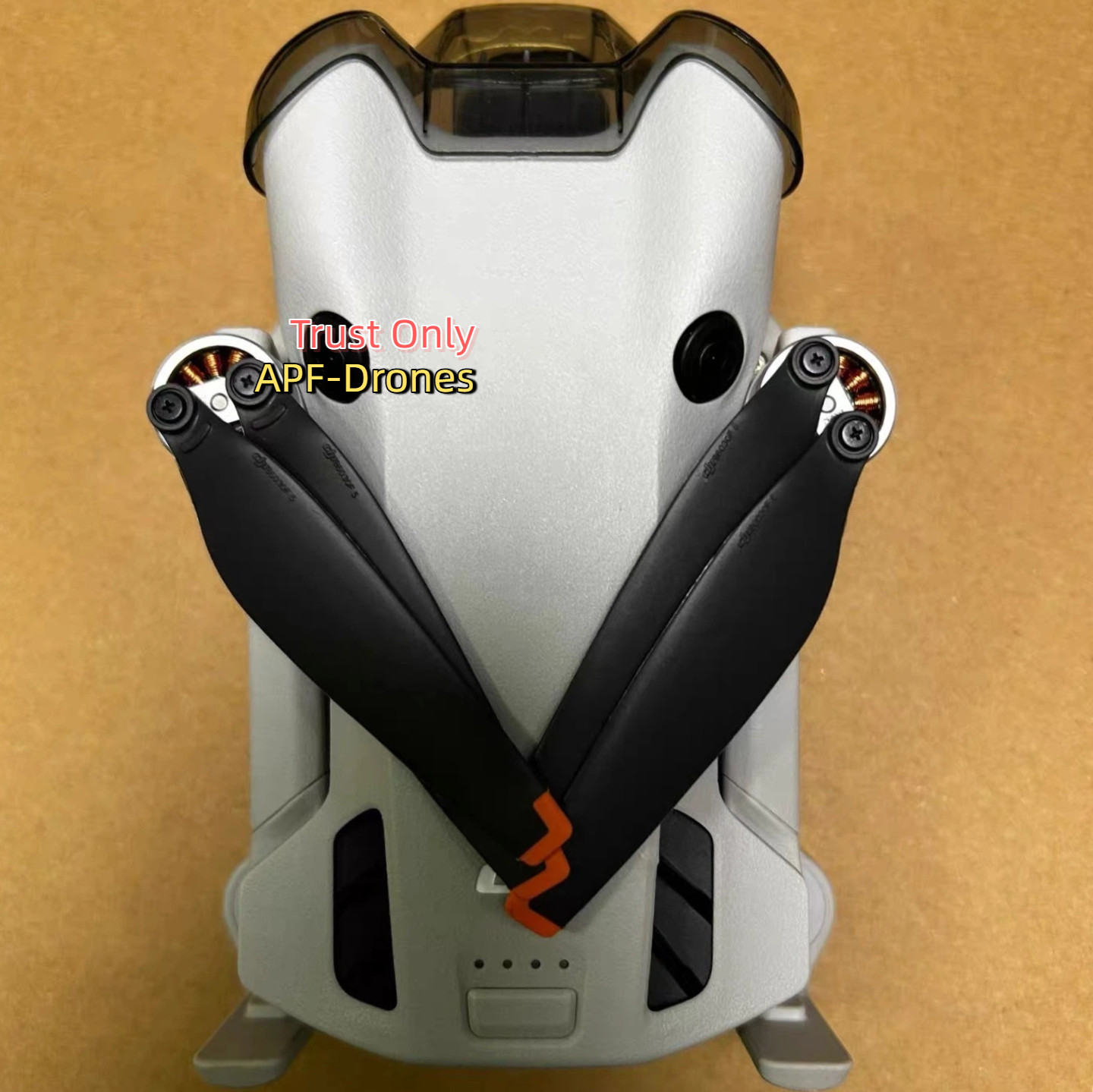 Genuine DJI Mini 4 Pro Drone ONLY - No Battery/No Controller - Fully Tested$418.82UsedView on eBay
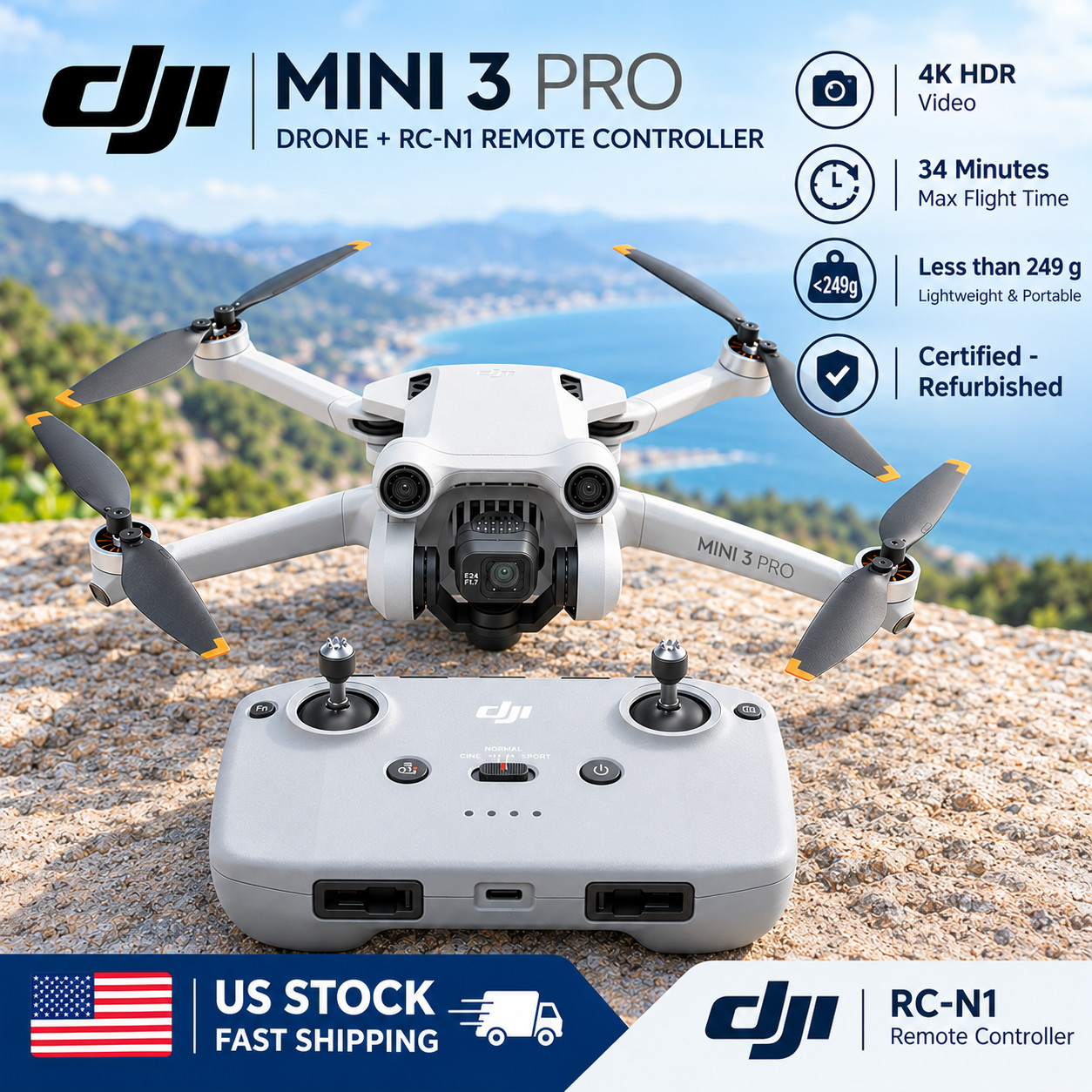 DJI Mini 3 Pro (RC-N1) Drone Camera -US Stock(Certified - Refurbished)$439.99Certified - Refurbished · Last checked Nov 15, 2026View on eBay
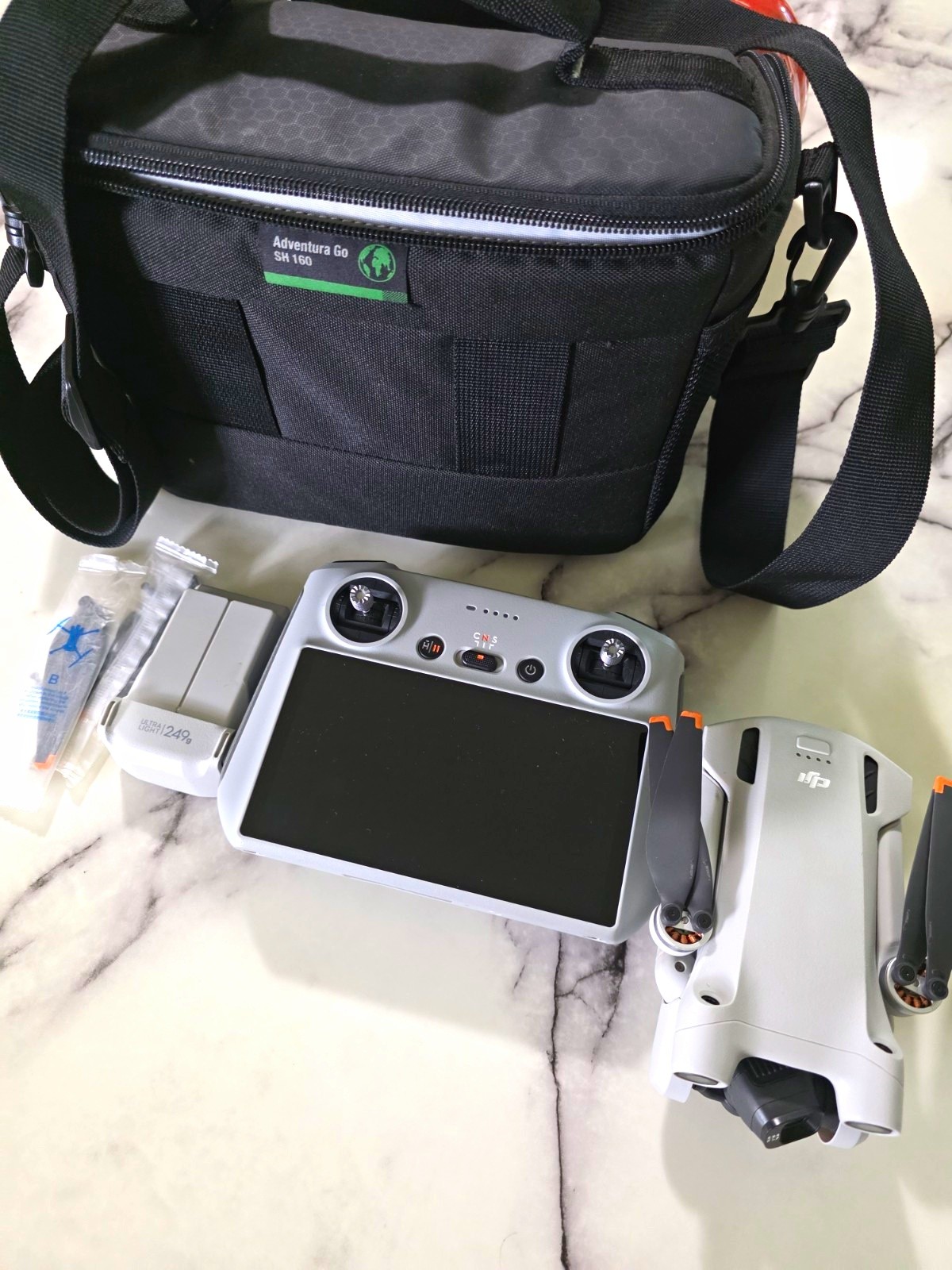 DJI Mini 3 Pro Ready to Fly Drone Kit w/ RC Controller, Batteries & Bag$450.00UsedView on eBay
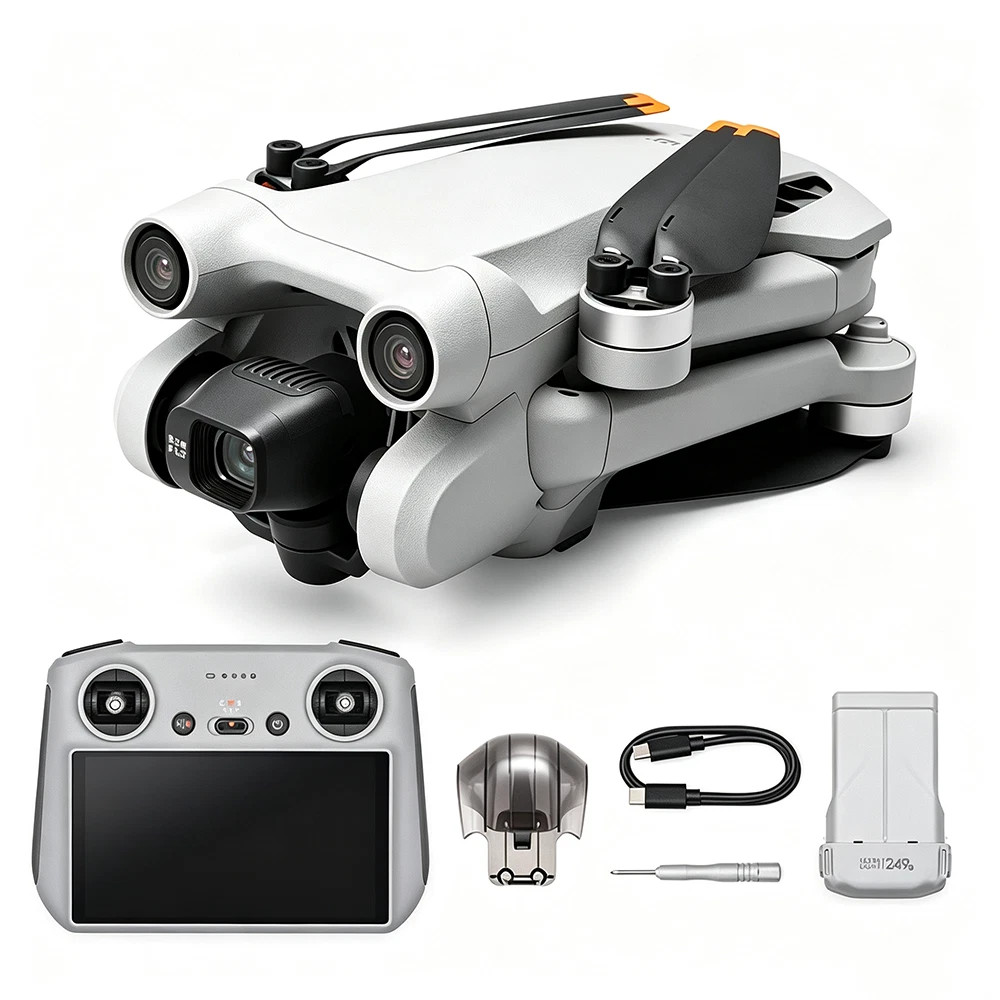 Genuine DJI Mini 3 Pro Drone - With 1pcs 2453mAh Battery & RC(RM330) Controller$466.78Used · Last checked Nov 15, 2026View on eBay
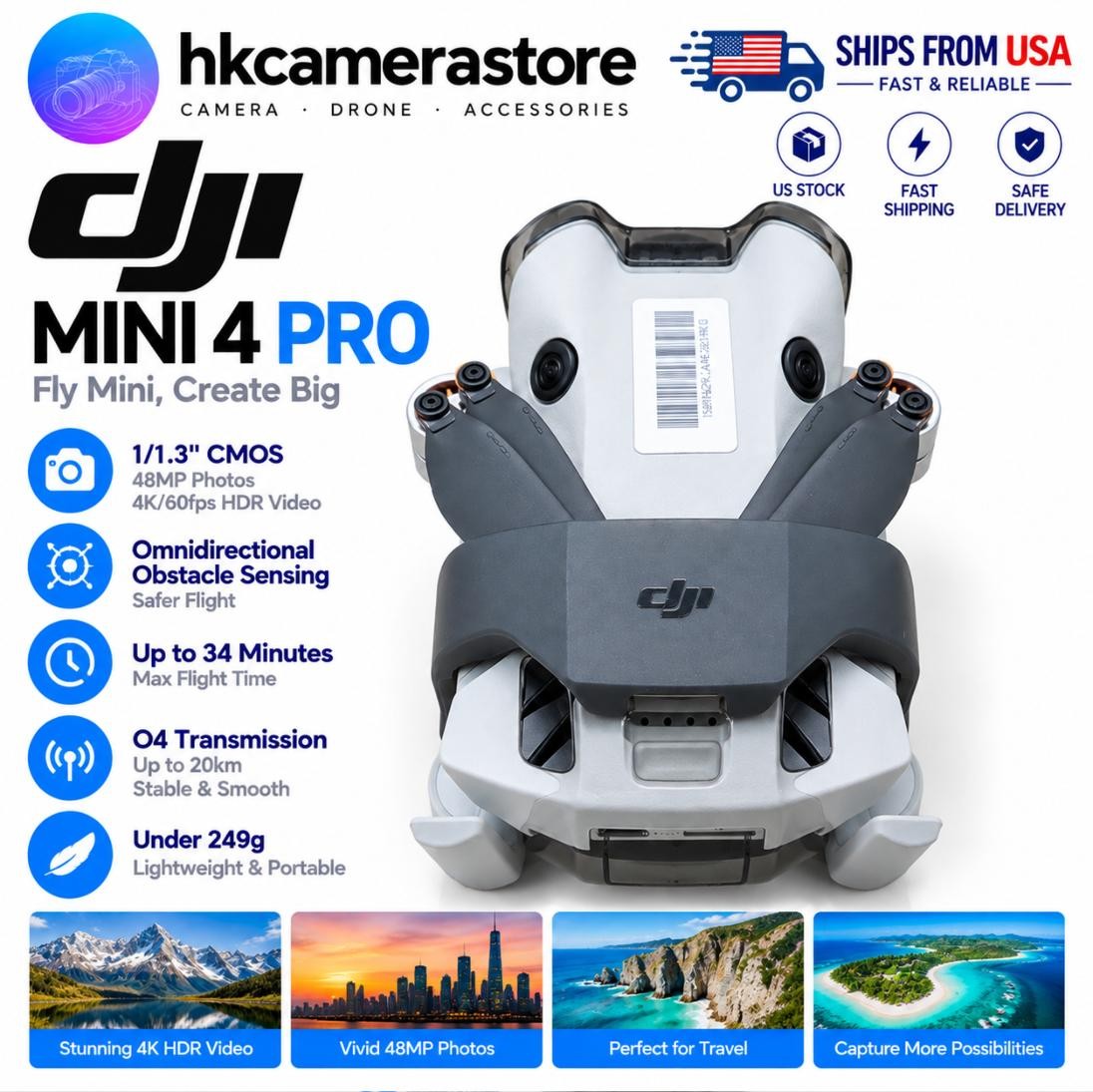 DJI Mini 4 Pro Drone Only O4 20km ActiveTrack 360° 5-Level Wind 249g$499.00New · Last checked Nov 14, 2026View on eBay
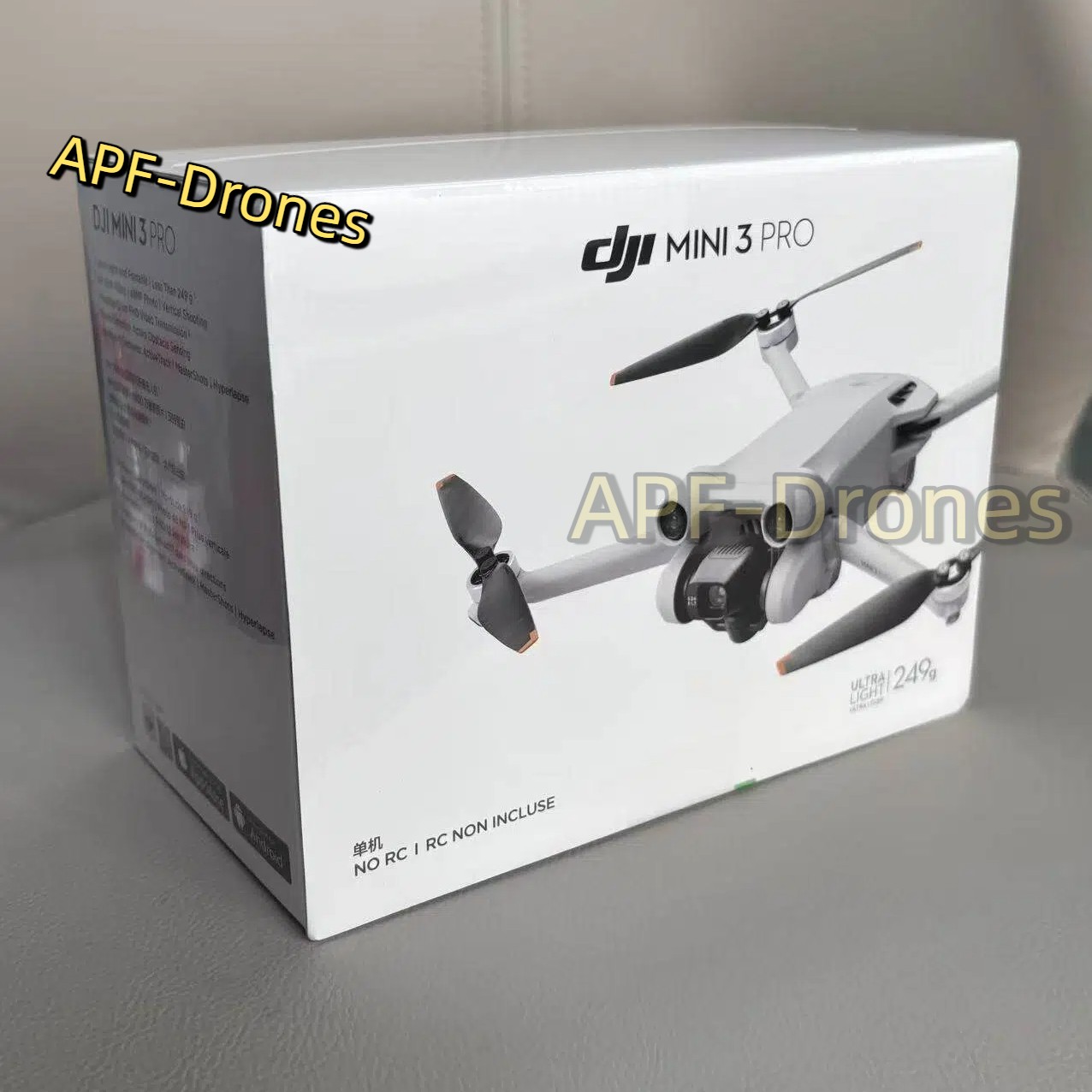 New DJI Mini 3 Pro Drone ONLY - Including Gimbal Camera Protector & Propellers$549.00New · Last checked Nov 15, 2026View on eBay
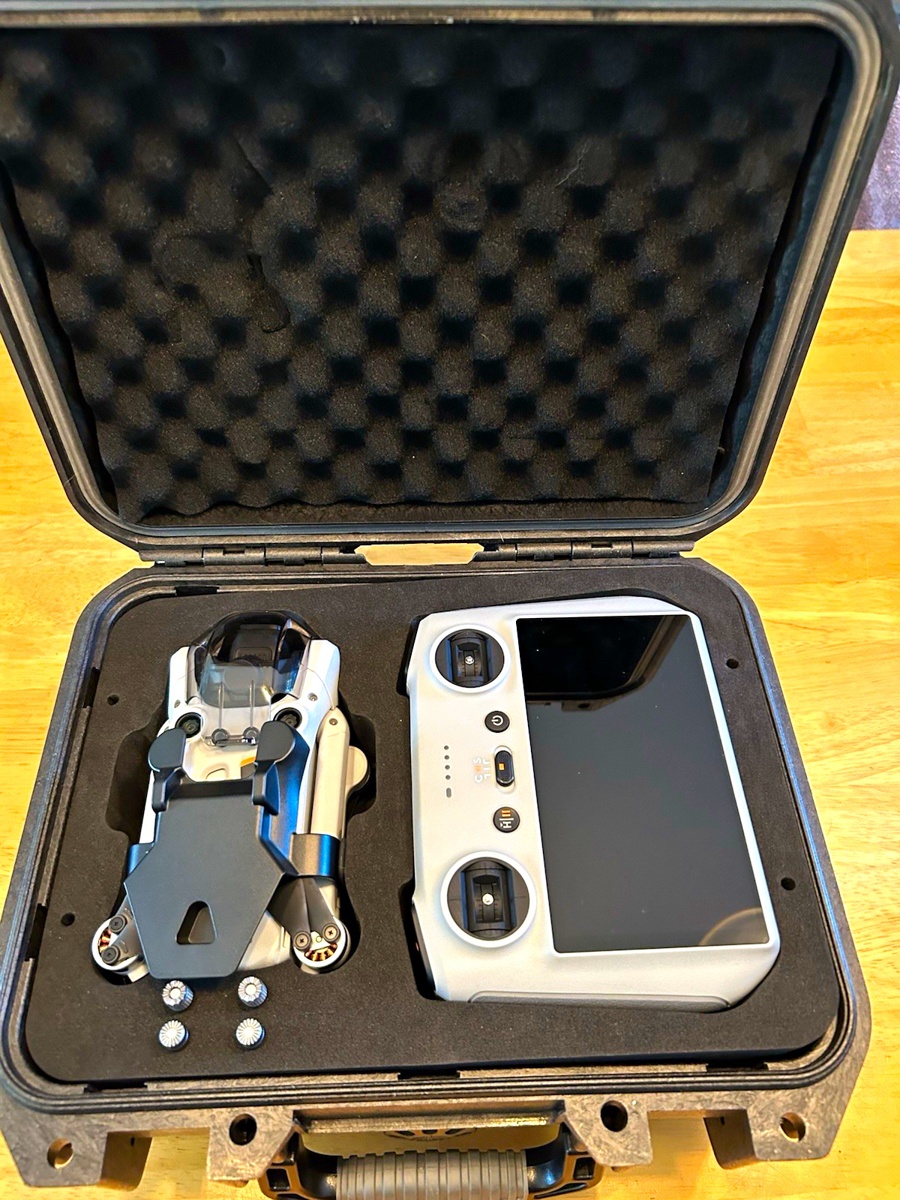 DJI Mini 3 Pro Ready to Fly Drone w/ DJI RC Fly More Kit Batteries Hard Case$550.00UsedView on eBay
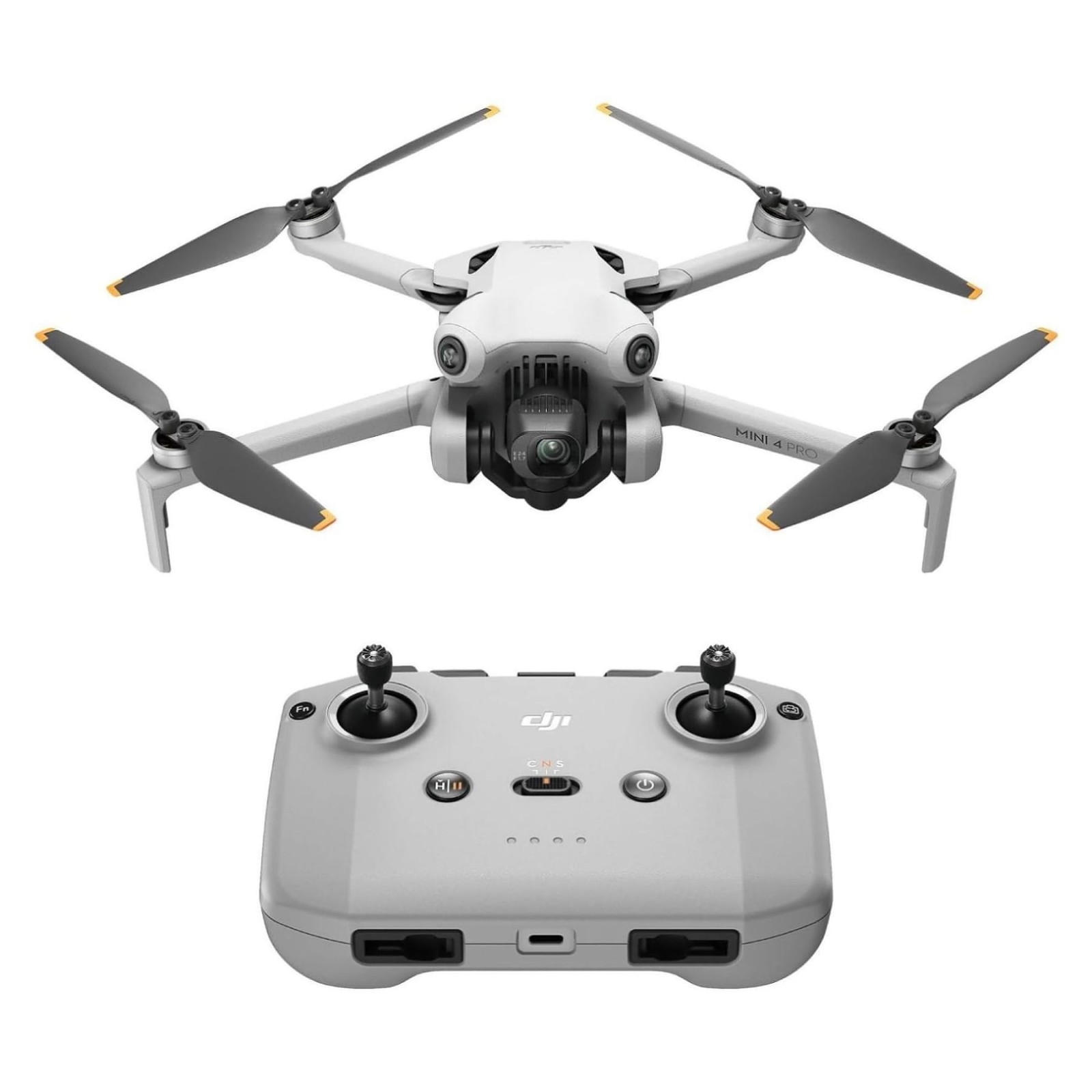 DJI Drone Mini 4 Pro (DJI RC-N2) Camera Drone (1 Battery) US Stock$569.00Excellent - Refurbished · Last checked Nov 14, 2026View on eBay
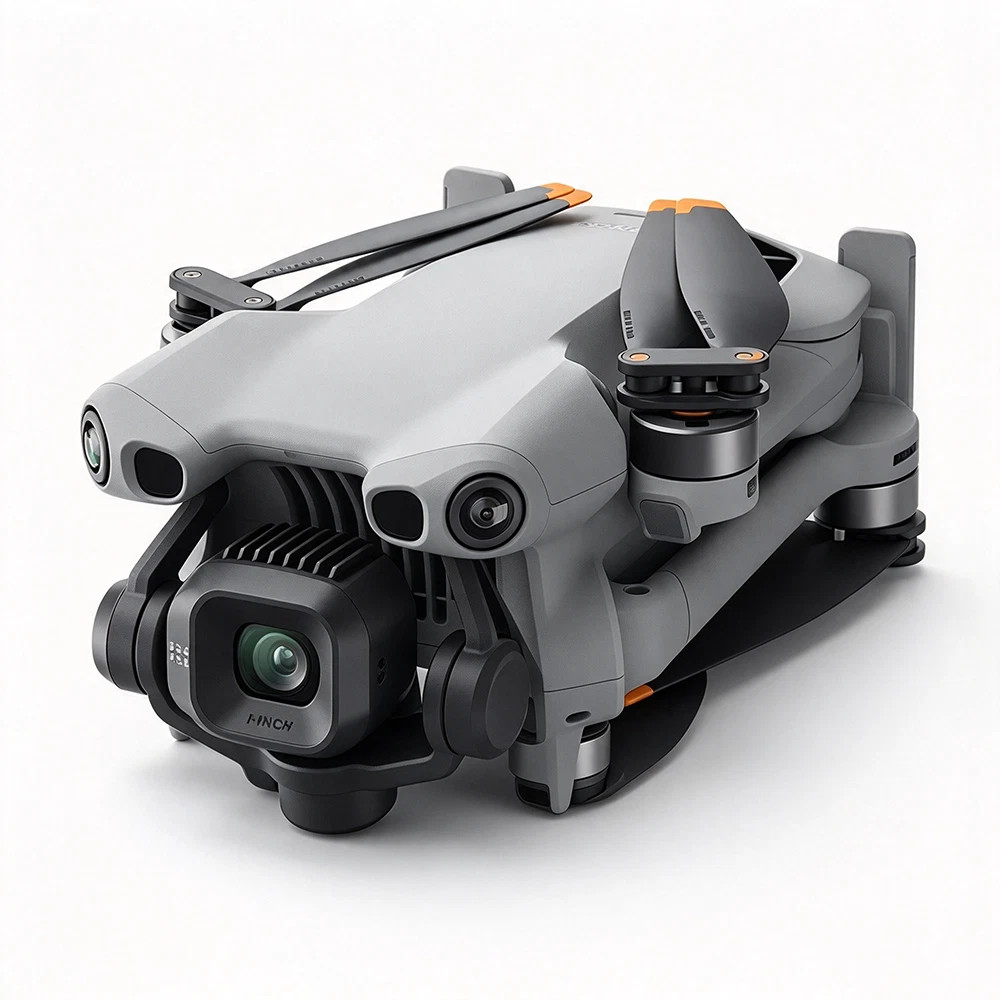 Genuine DJI Mini 5 Pro Drone - No Battery/No Controller - Fully Tested/Unbound$597.87UsedView on eBay
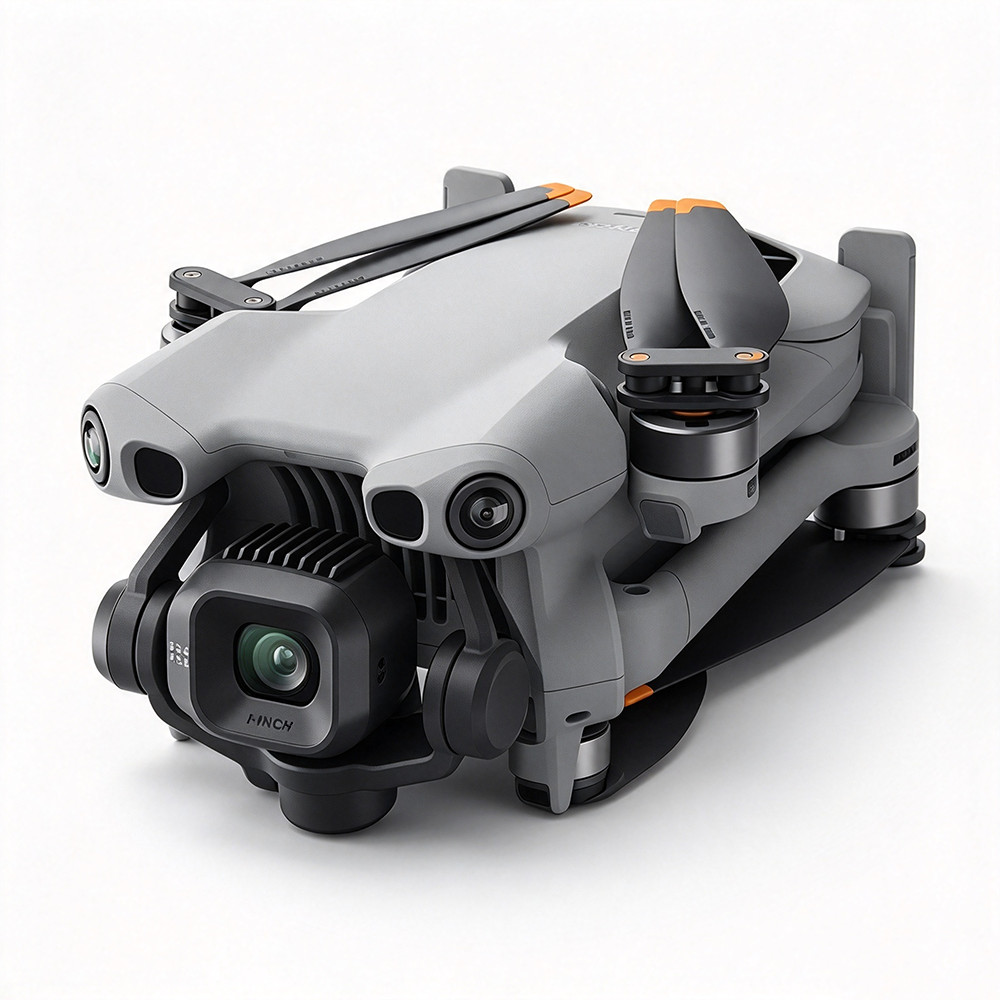 DJI Mini 5 Pro Aircraft(Drone Body, No Battery / No RC)Unbound - No Tariff$597.90Open box · Last checked Nov 15, 2026View on eBay
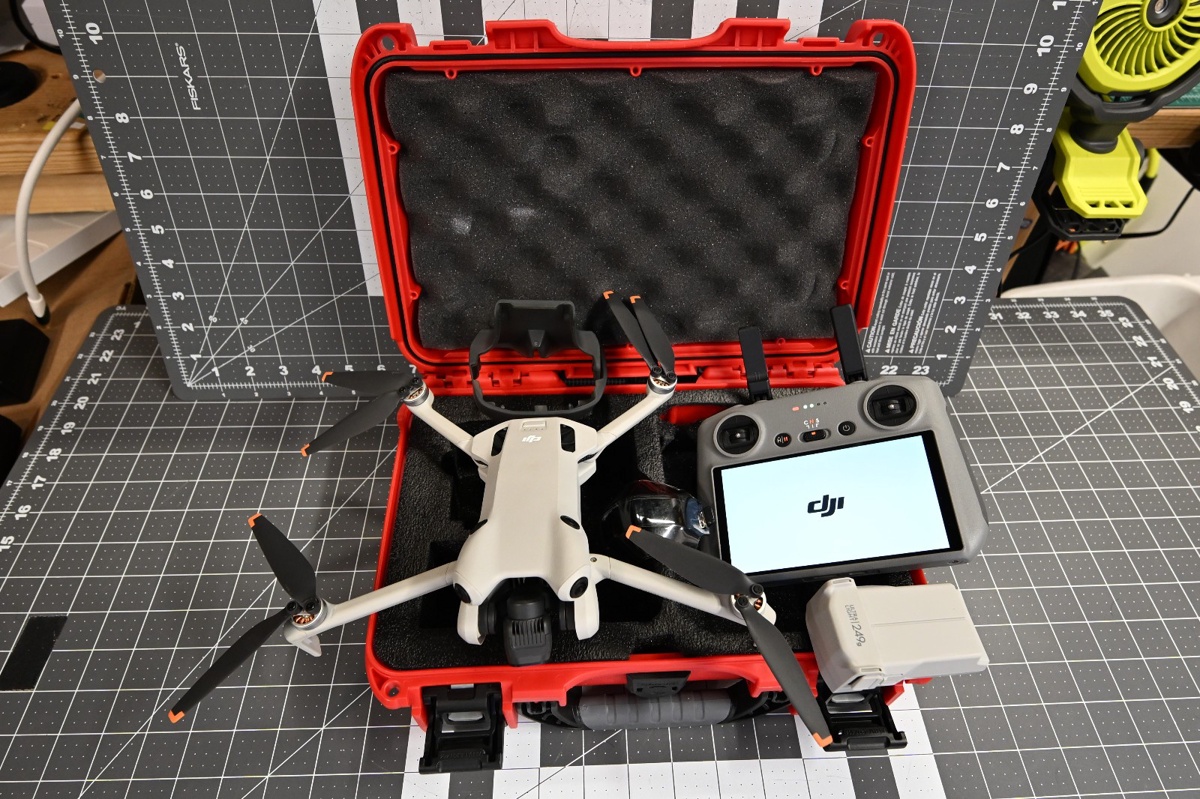 DJI Mini 4 Pro Drone RC 2 Controller 2 Batteries UNBOUND Nanuk Hard Case$699.99UsedView on eBay
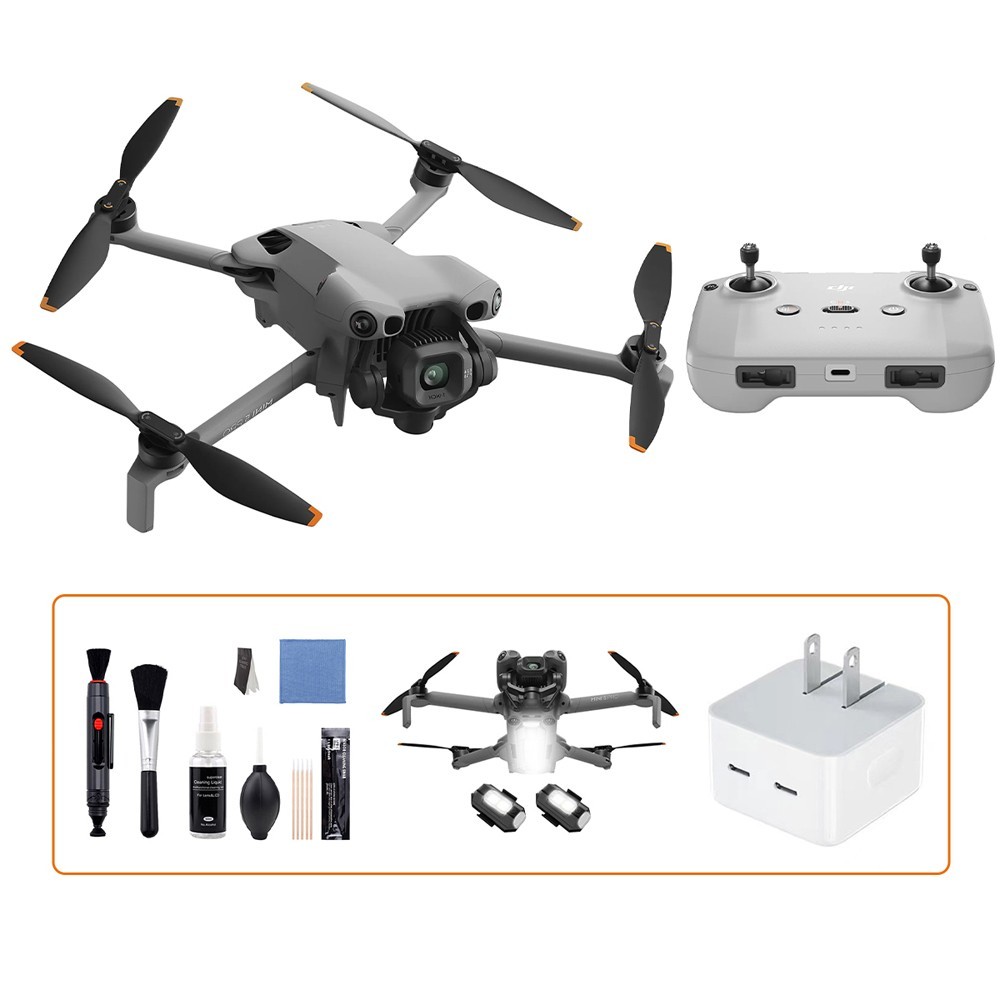 DJI Mini 5 Pro/DJI Mini 5 Pro Fly More Combo RC2 (3 Battery) DJI Drone Bundle$729.00New · Last checked Nov 14, 2026View on eBay
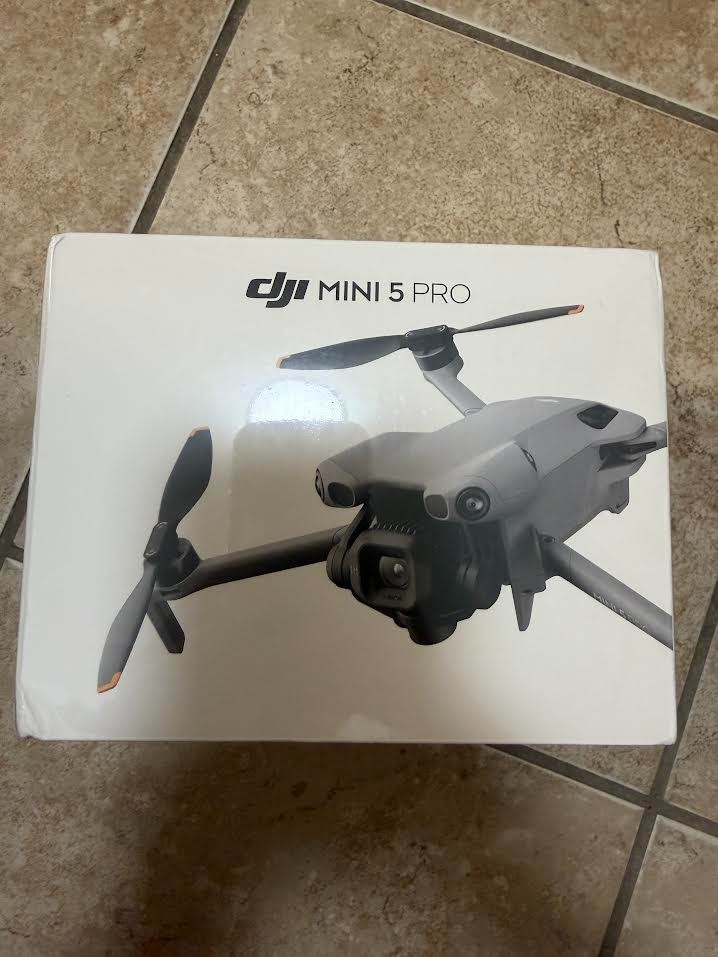 DJI Mini 5 Pro, Ultra-Light & Foldable Drone with 4k Camera Brand New FREE SHIP$753.28New · Last checked Nov 15, 2026View on eBay
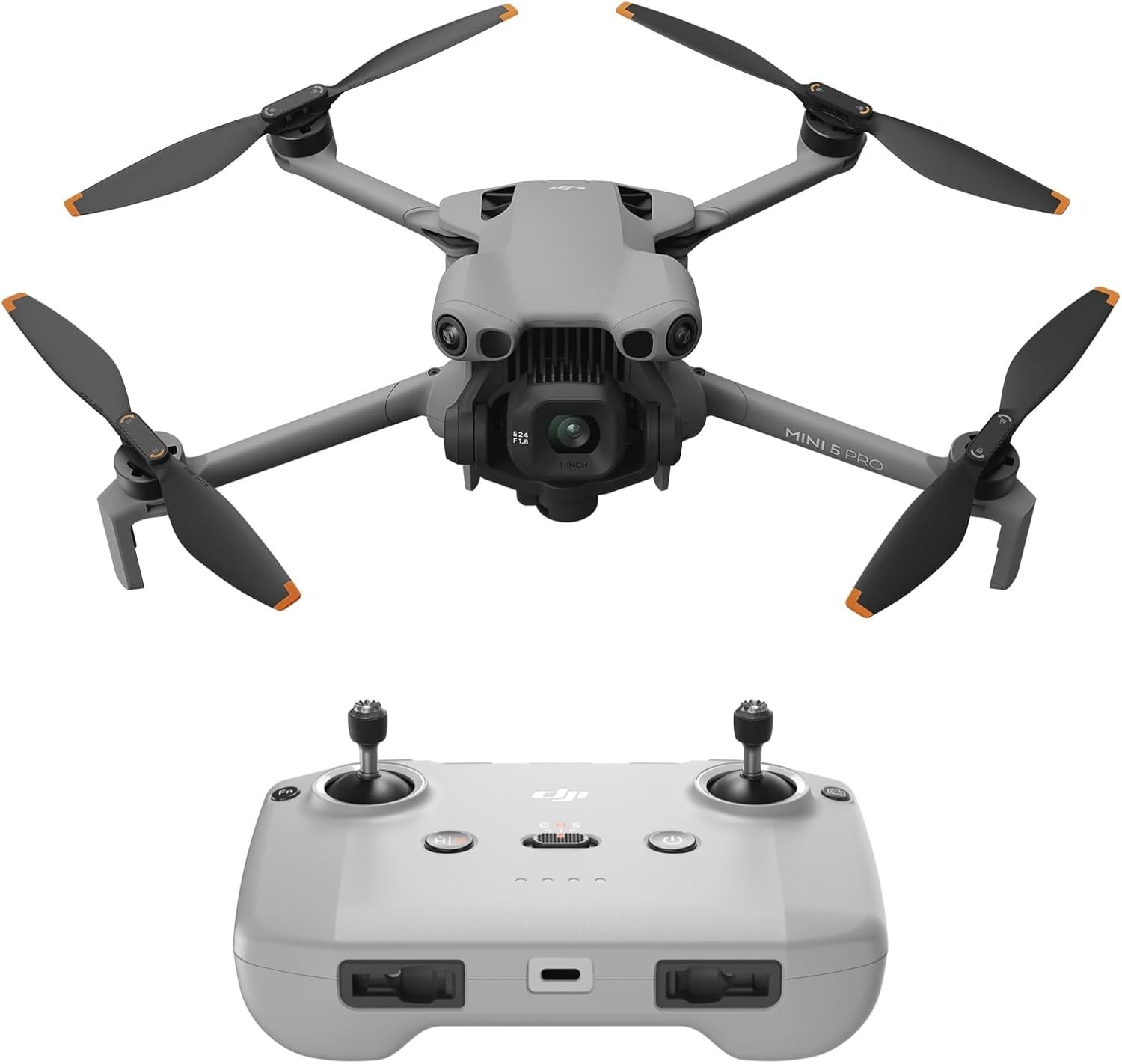 DJI Mini 5 Pro, Ultra-Light & Foldable Drone with Camera$759.00New · Last checked Nov 15, 2026View on eBay
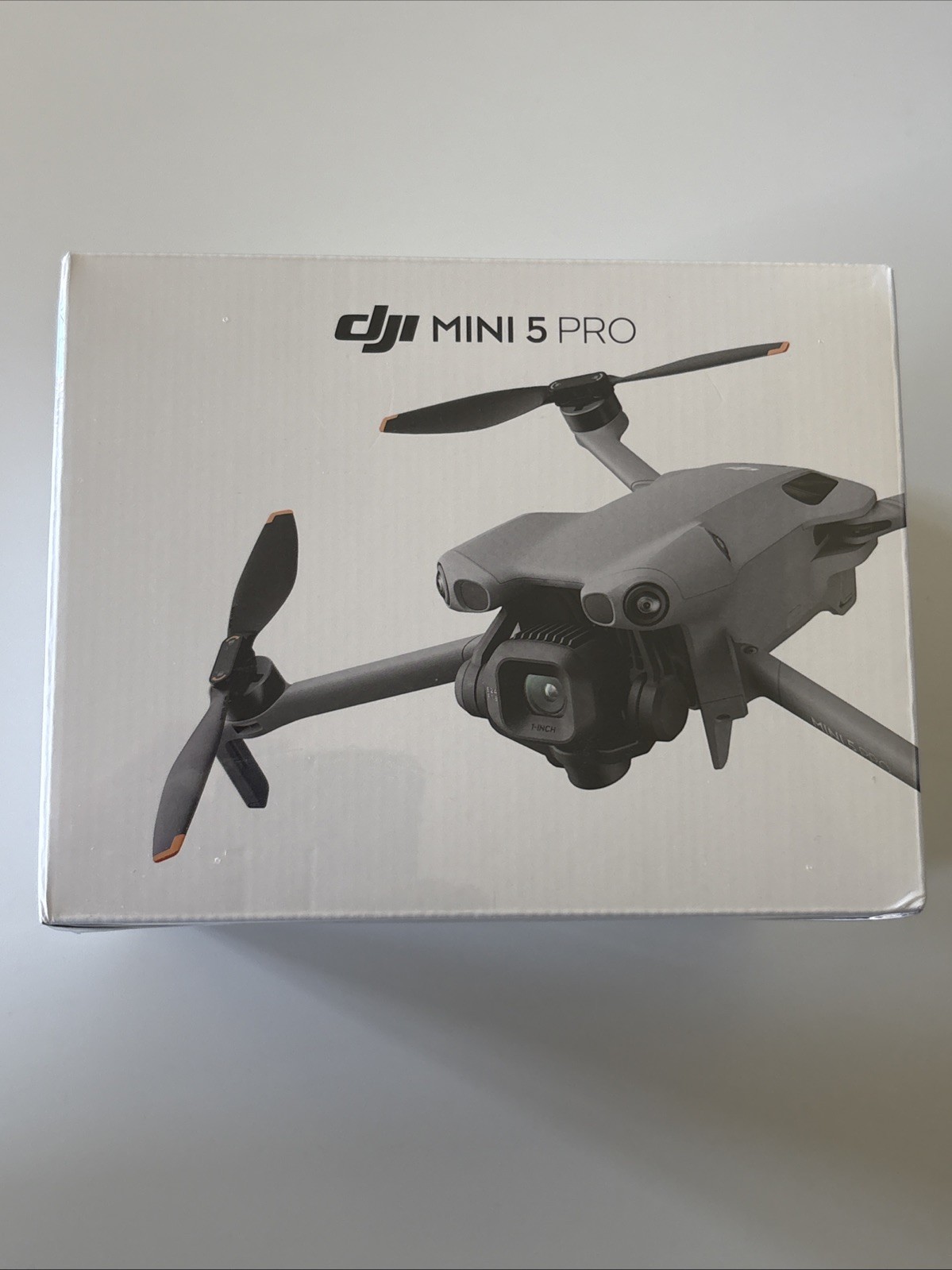 DJI Mini 5 Pro, Ultra-Light & Foldable Drone with 4k Camera Brand New Sealed$759.00New · Last checked Nov 15, 2026View on eBay
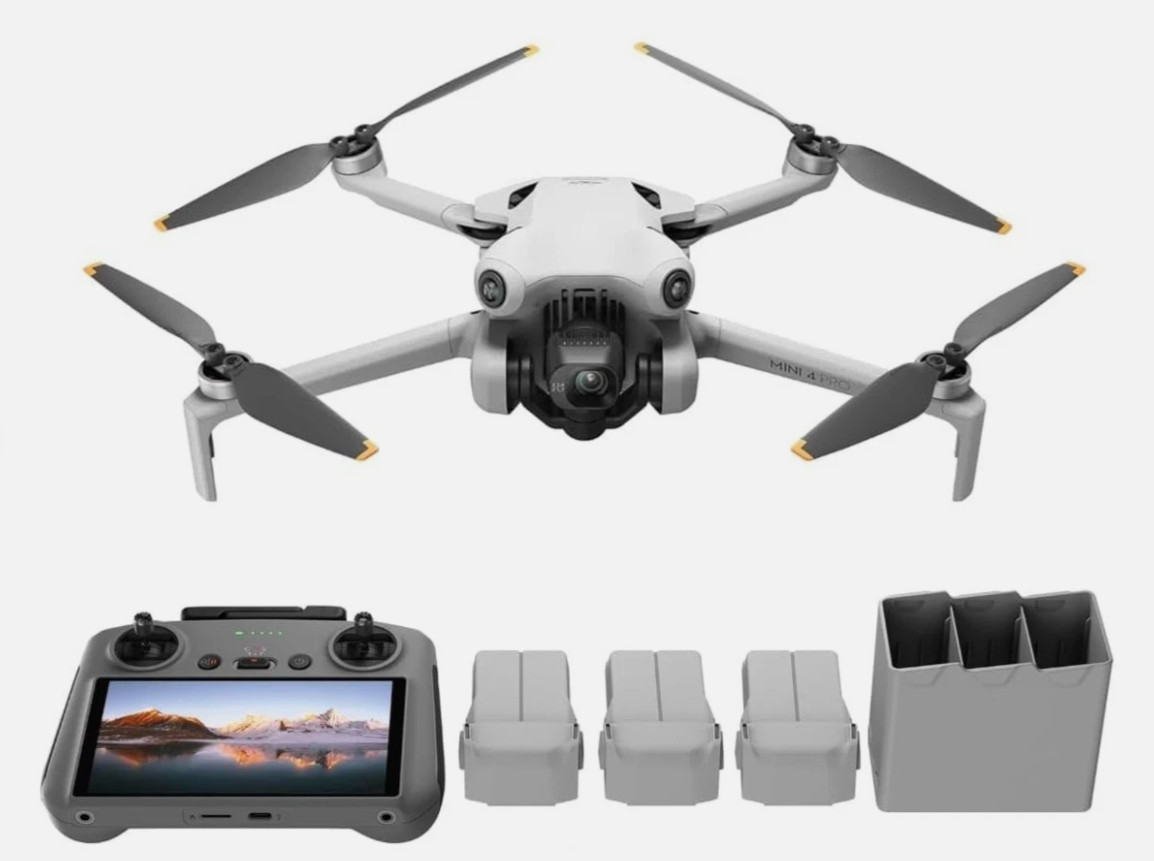 DJI Mini 4 Pro Fly More Combo Plus (DJI RC 2, Three Batteries Plus) Camera Drone$769.00New · Last checked Nov 14, 2026View on eBay
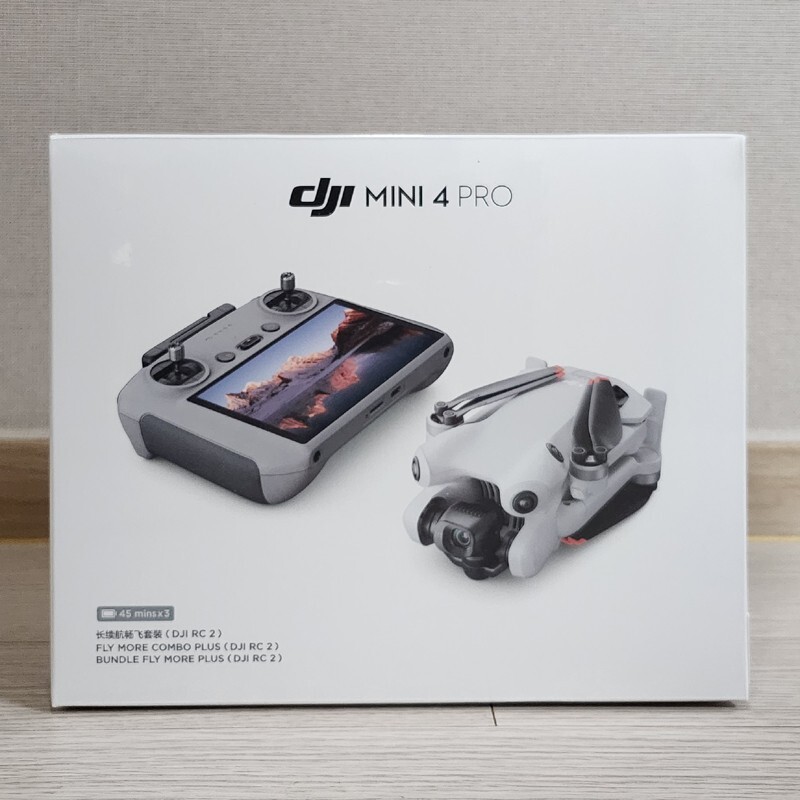 DJI Mini 4 Pro Fly More Combo Plus (DJI RC 2, Three Batteries Plus) Camera Drone$779.00New · Last checked Nov 15, 2026View on eBay
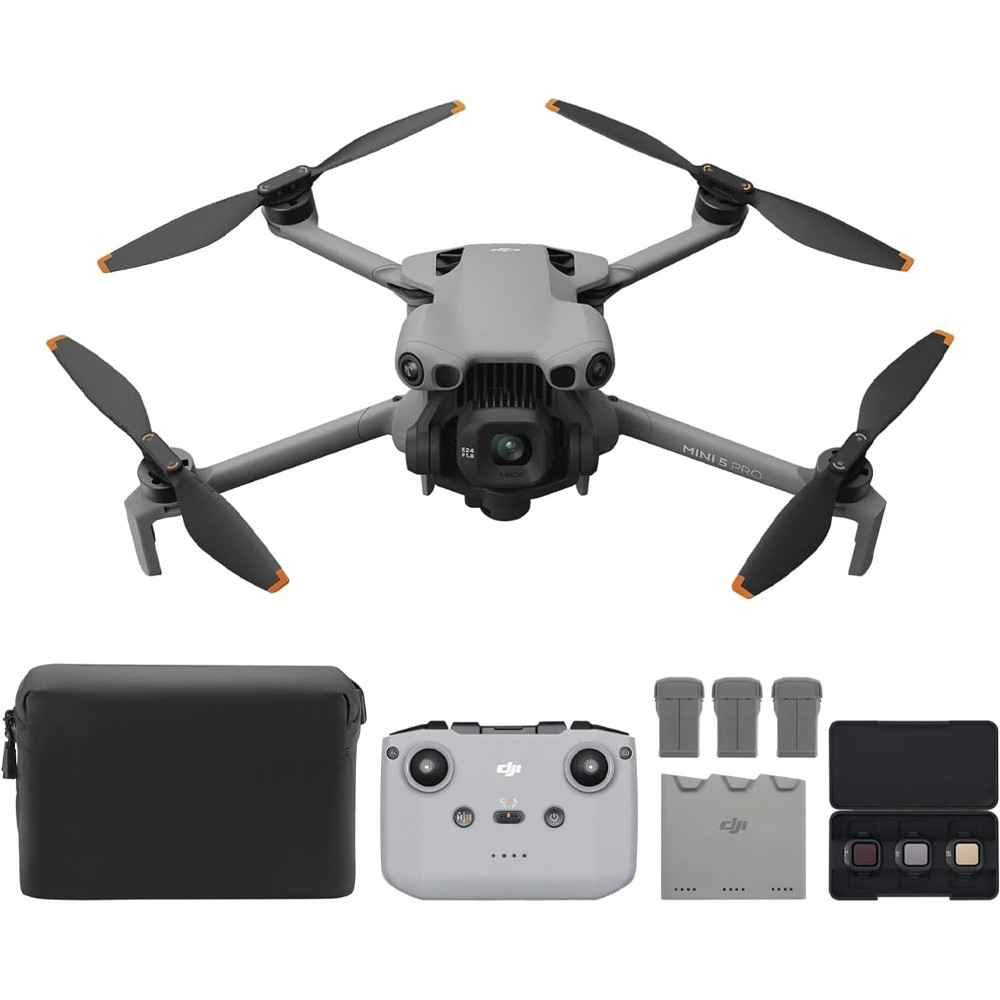 DJI Mini 5 Pro Fly More Combo with DJI RC-N3, Drone with Camera Fast Ship$779.00UsedView on eBay
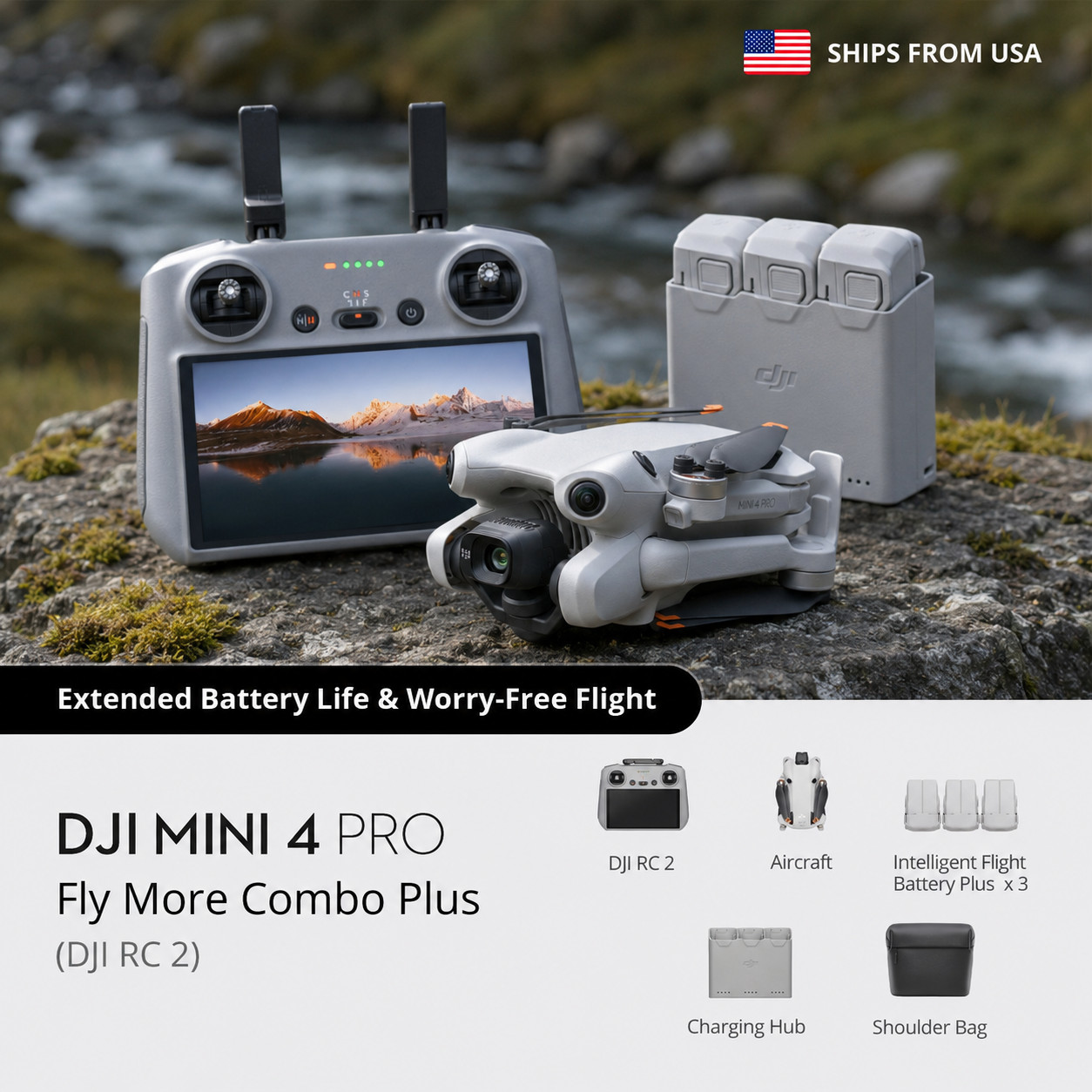 DJI Mini 4 Pro Fly More Combo Plus RC2 100% Authentic Fast Shipping Camera Drone$789.00New · Last checked Nov 15, 2026View on eBay
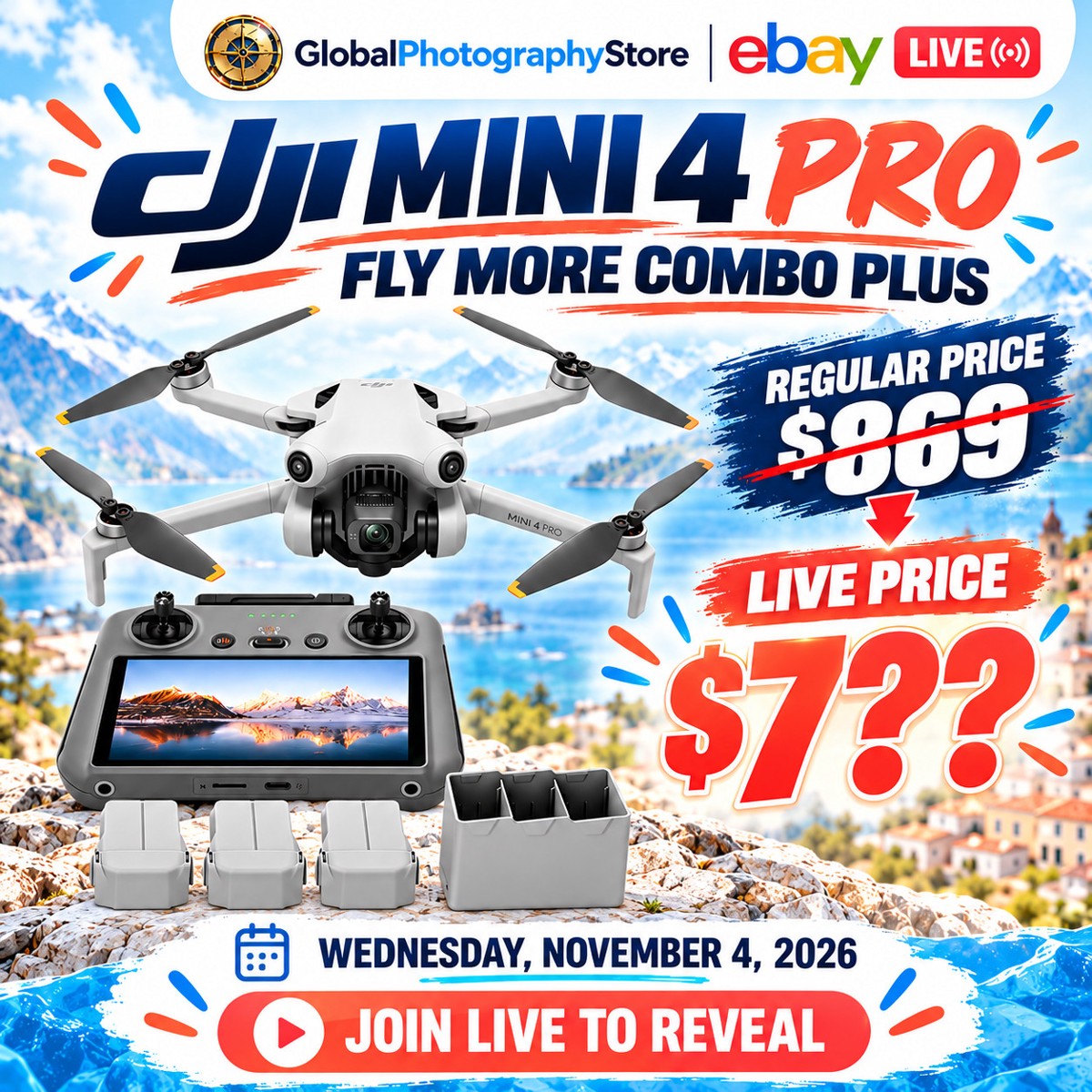 DJI Mini 4 Pro Fly More Combo Plus+DJI RC 2,Drones Camera 4K,135M Flight Fast$789.00NewView on eBay
Highlights
- Sub-249g takeoff weight keeps the drone in the lightest regulatory class in the US, EU, UK, and most of Asia, avoiding registration and remote-ID burdens that apply above 250g.
- Mini 3 Pro uses O3 transmission and tri-directional sensing; Mini 4 Pro upgrades to O4 (20km FCC / ~10km CE) and full omnidirectional obstacle avoidance with ActiveTrack 360.
- Camera generation is the hard performance gap: 1/1.3-inch sensor on Mini 3 Pro and Mini 4 Pro, while Mini 5 Pro moves to a larger 1-inch-class sensor with improved low-light output.
- Battery tiers are not interchangeable across generations: standard Intelligent Flight Batteries yield roughly 34-36 minutes, while Plus variants push flight time toward 45-52 minutes but tip the aircraft over 249g in some regions.
Best use cases
- Best fit: travel and hiking creators who need 4K/60 HDR and 249g legality should buy Mini 4 Pro with RC 2 and two standard batteries; skip Mini 3 Pro unless the discount is steep.
- Best fit: low-light and high-wind coastal shooters should step to Mini 5 Pro for the larger sensor and 5-level wind rating; the 249g Mini 3 Pro struggles in gusts and dim conditions.
- Wrong fit: indoor FPV, racing, or heavy-payload work — Mini Pro has no manual acro mode and a ~250g payload ceiling; choose an FPV or Mavic 3-class airframe instead.
- Wrong fit: buyers without DJI RC-N1/RC-N2/RC 2 controllers or DJI batteries should not buy 'drone only' bodies; a full ready-to-fly kit is the only complete configuration.
Buying tips
- Match controller generation to aircraft: RC-N1 works with Mini 3 Pro, RC-N2 works with Mini 4 Pro, and RC 2 is the screen-equipped controller for Mini 4 Pro and Mini 5 Pro — cross-generation pairing fails.
- Choose standard batteries for 249g compliance and Plus batteries only where local rules allow; Plus packs extend flight to roughly 45-52 minutes but push takeoff weight toward 290g.
- Prefer aircraft with factory 'Unbound' status when buying used or body-only; a bound aircraft requires the previous account to release it before activation.
- Verify ND filter and propeller compatibility by model: Mini 3 Pro, Mini 4 Pro, and Mini 5 Pro use different prop mounts and filter threads, so accessories do not carry over.
Specs
| Takeoff Weight Class | Sub-249g with standard battery |
|---|---|
| Transmission Link | O3 (Mini 3 Pro) vs O4 (Mini 4 Pro) |
| Sensor Tier | 1/1.3-inch vs 1-inch-class |
| Flight Time Tier | 34-36 min std / 45-52 min Plus |
Related searches
What to check before buying
- Confirm your country's 249g threshold and remote-ID rules, since Plus-battery configurations may exceed the lightest class.
- Check that your phone or tablet fits the controller clamp: RC-N1/RC-N2 hold phones up to about 180mm long, while RC 2 has a built-in 5.5-inch screen and no phone needed.
- Budget for at least two batteries and a 30-65W USB-C charger; a single battery yields only ~34-36 minutes of flight per charge cycle.
- Confirm the kit includes the correct regional plug and that the aircraft is unbound and activatable with your DJI account before first flight.
FAQ
Data sources: eBay / Amazon listings and product attribute feeds. Updated Nov 27, 2026.
Some links on this page are affiliate links. If you buy after clicking one, we may earn a commission at no extra cost to you. This does not change which products appear here or their order. Affiliate disclosure.