
Photos from current listings. Actual item, color, and included accessories may vary.
Keycap Buying Guide
Keycaps are the interface layer that determines typing feel, sound signature, and long-term wear on any MX-stem mechanical keyboard. The primary trade-off is material and legend method: PBT with doubleshot or dye-sublimated legends resists shine and fading, while ABS and pad-printed legends wear faster. The decision rule is simple: if the set does not specify PBT (or another durable plastic) and a doubleshot or dye-sub legend, treat it as a cosmetic short-term purchase rather than a durable one.
Median $46.44
Key takeaways
- PBT plastic resists oil shine and wear far better than ABS; doubleshot or dye-sublimated legends are molded or infused into the cap, not surface-printed, so they will not rub off.
- Profile geometry changes feel and compatibility: Cherry and OEM are sculpted rows, XDA and MOA are uniform flat profiles that suit custom layouts and swapping, while MT3 is a tall spherical sculpted profile.
- Key count determines layout coverage: a 104-key base covers full-size ANSI, 130-140 key sets add novelties and alternate rows, and 75-percent 157-key sets cover compact layouts with extra accents.
At a glance
- Category
- Keycaps & Artisan Keycaps
- Last updated
- Nov 23, 2026
Current offers
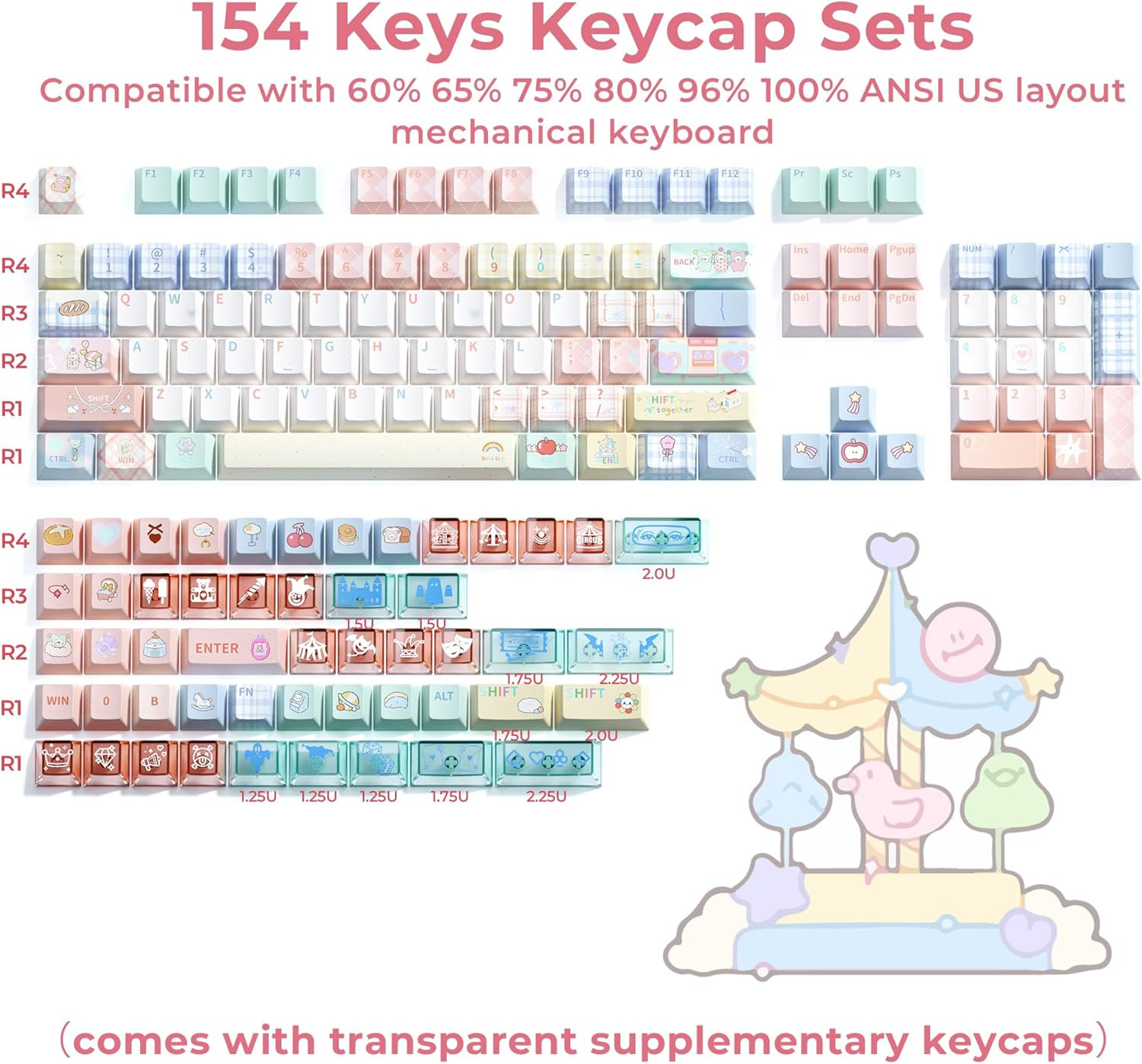 XVX PBT Keycaps 75 Percent, 157 Keys Cute Dye-Sub Keycap Set, Cherry Profile ...$20.26View on eBay
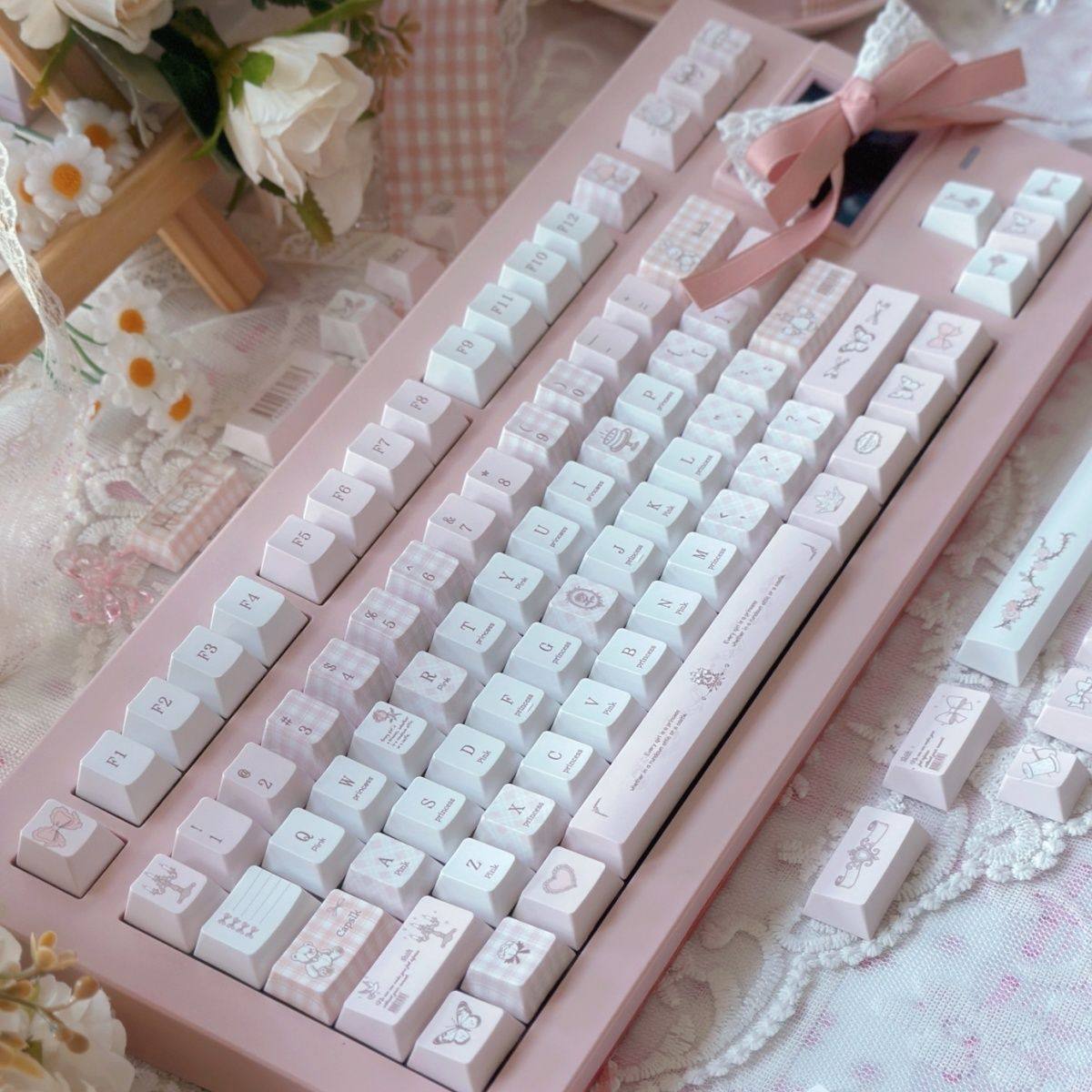 New OEM Personalized Peripheral Keycaps For Love-themed Devices 5-sided Sublimation PBT Material$31.99View on Mallflare
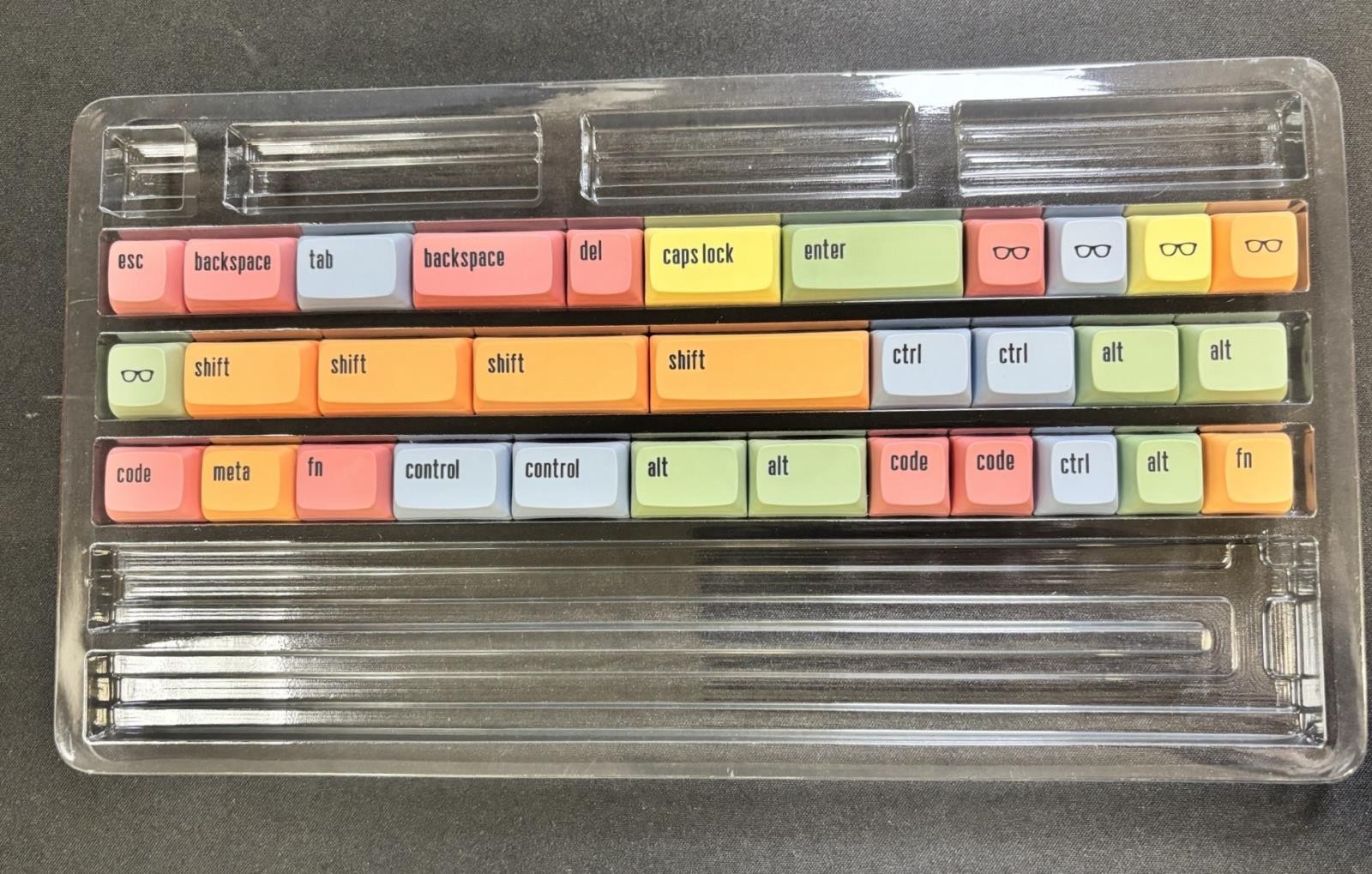 Drop + MiTo XDA Canvas Custom Keycap Set, Classic Accents$22.88View on eBay
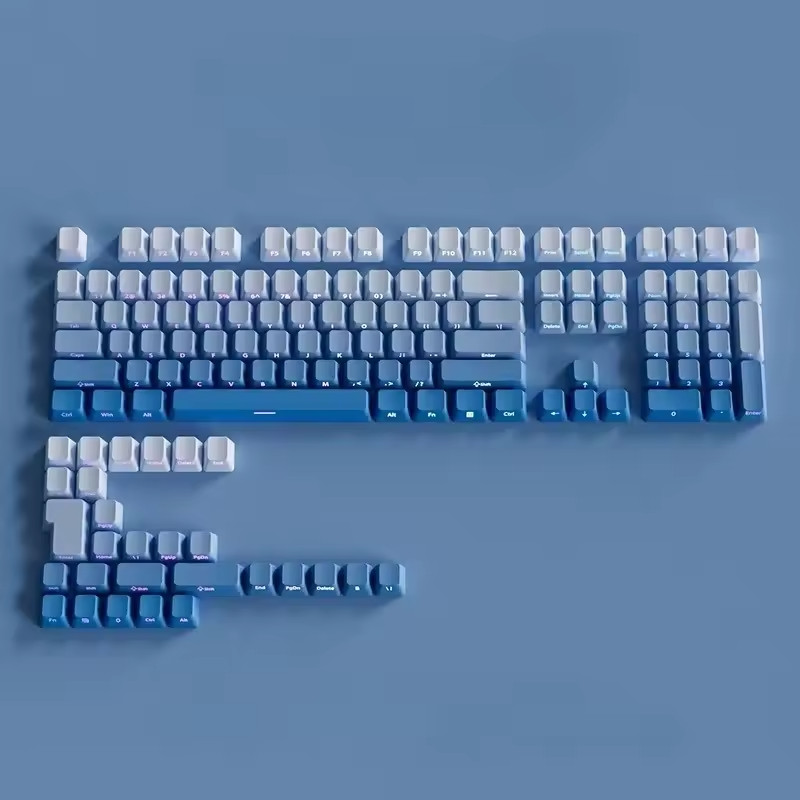 Doubleshot PBT Keycap Set Side Print Shine Through Backlit Keycaps For Cherry$29.99View on eBay
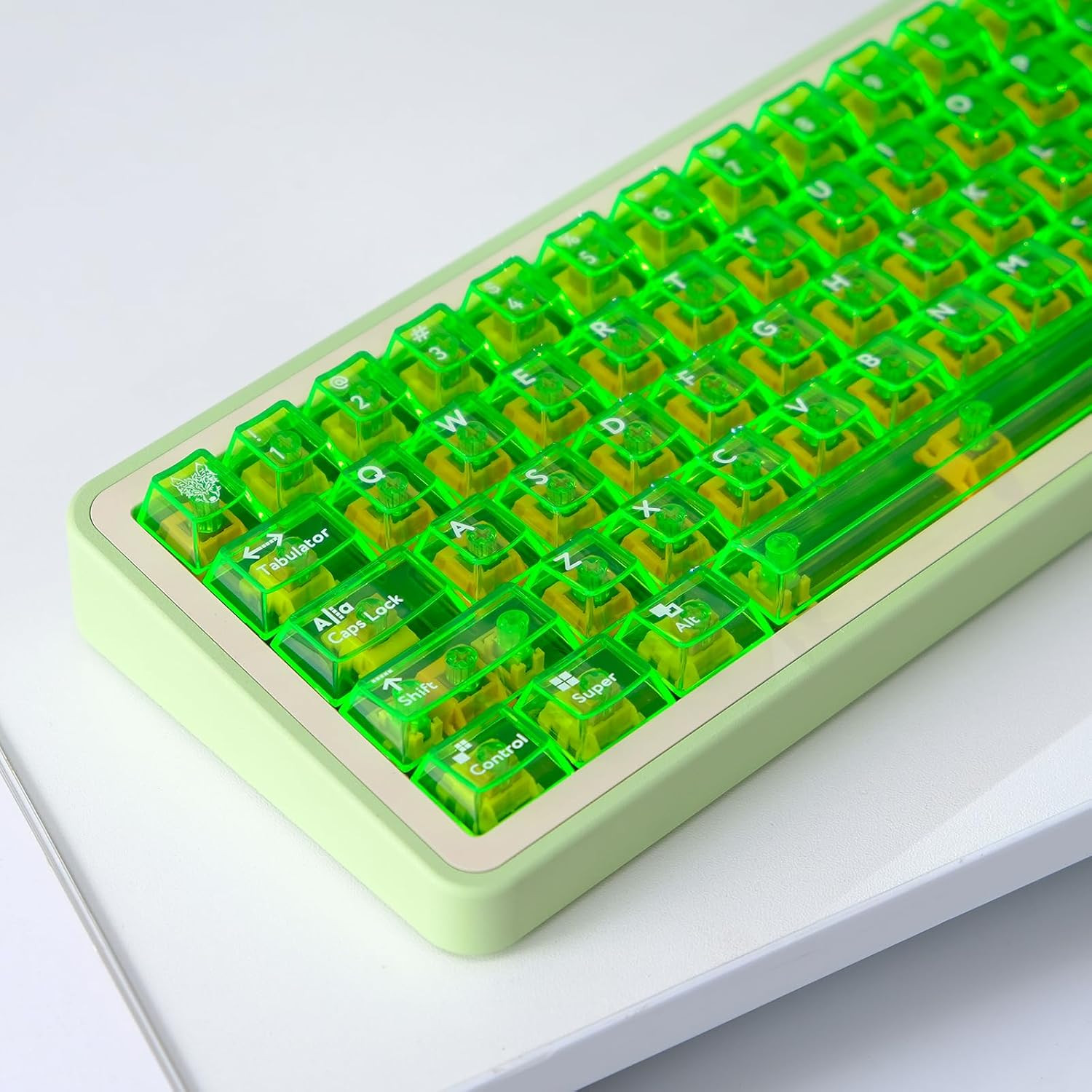 114 Keys Transparent Keycaps PC Cherry Profile Bright Green Clear Keycaps | Fit$32.23View on eBay
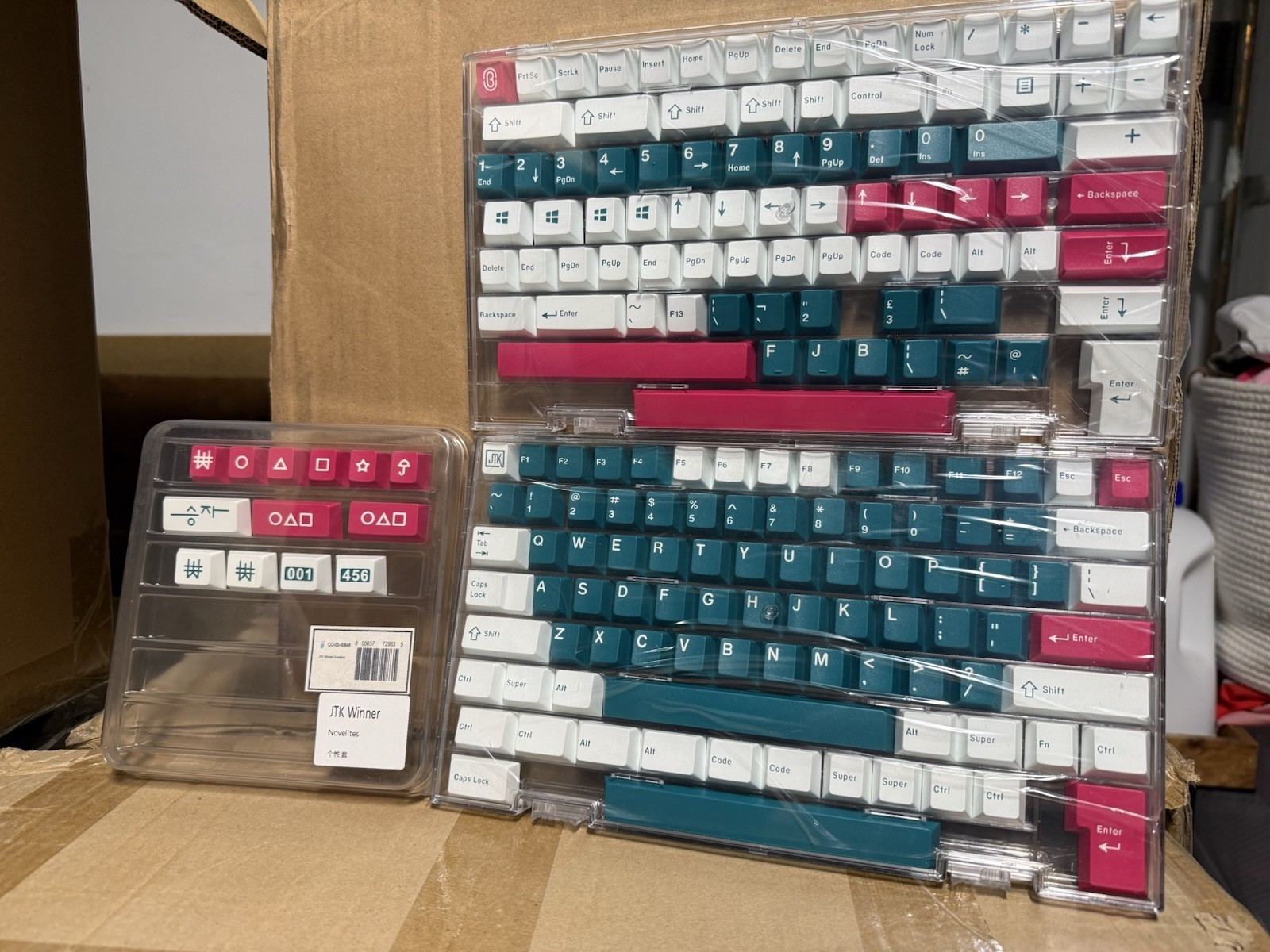 JTK Winner "Base Kit" + Novelties mechanical keyboard keycaps - Squid Game$37.99View on eBay
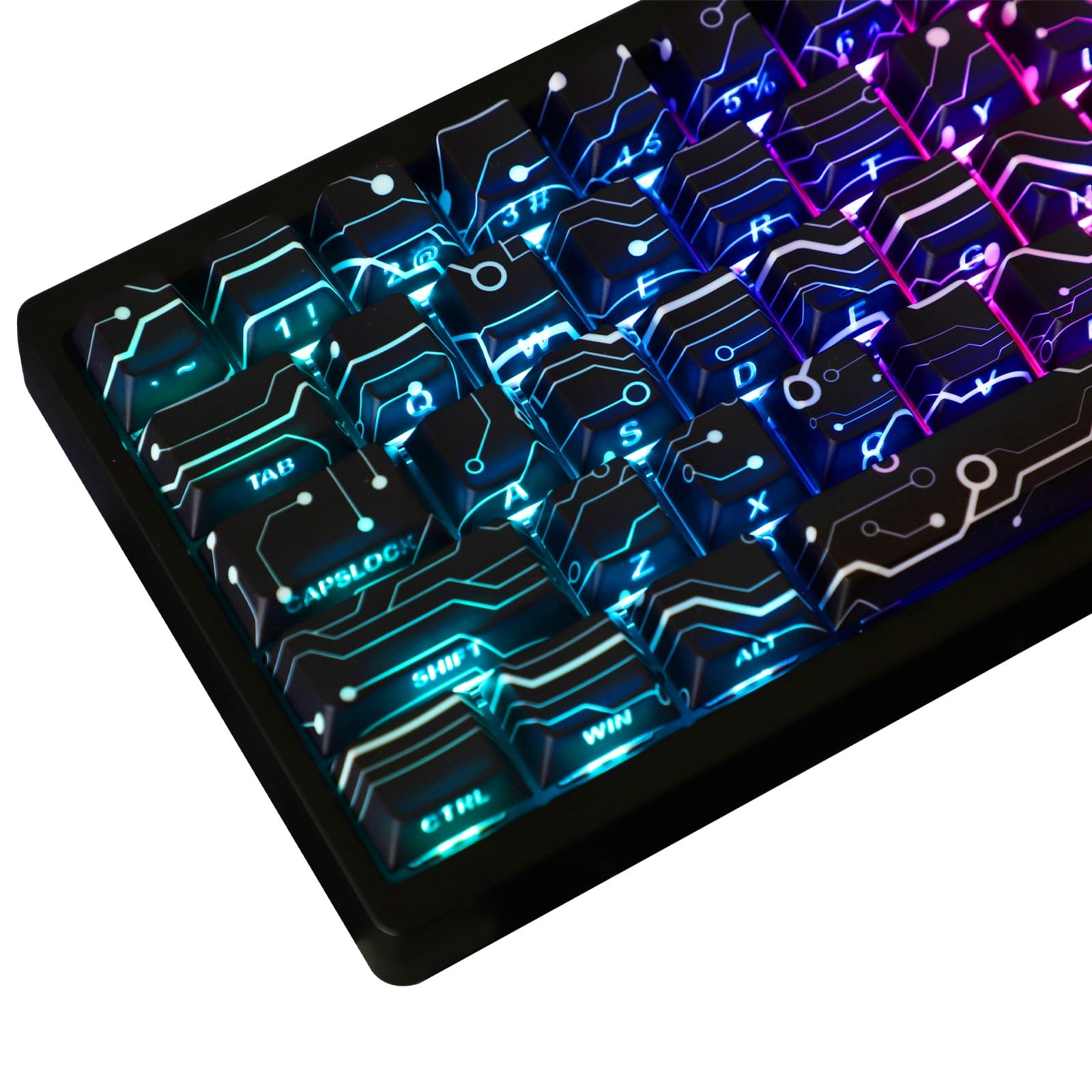 135 PCS Custom PBT Keycaps Shine Through Cool Tech Style Side Printed Black$39.84View on eBay
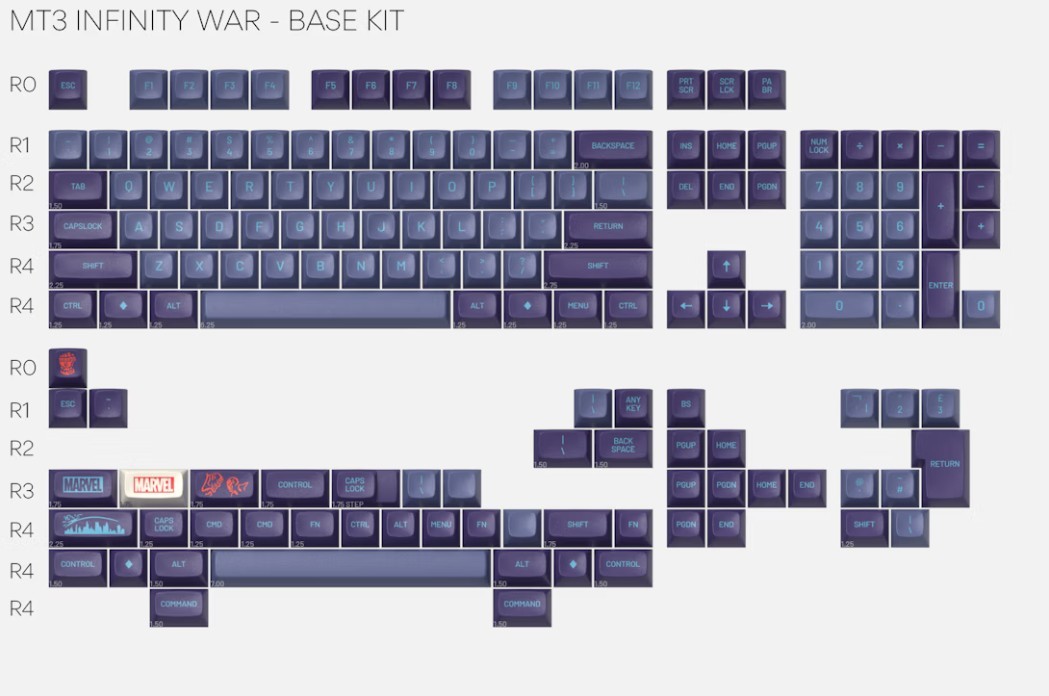 Drop + Marvel MT3 Infinity War Custom Keycap Set, Base Kit - New in Box$39.88View on eBay
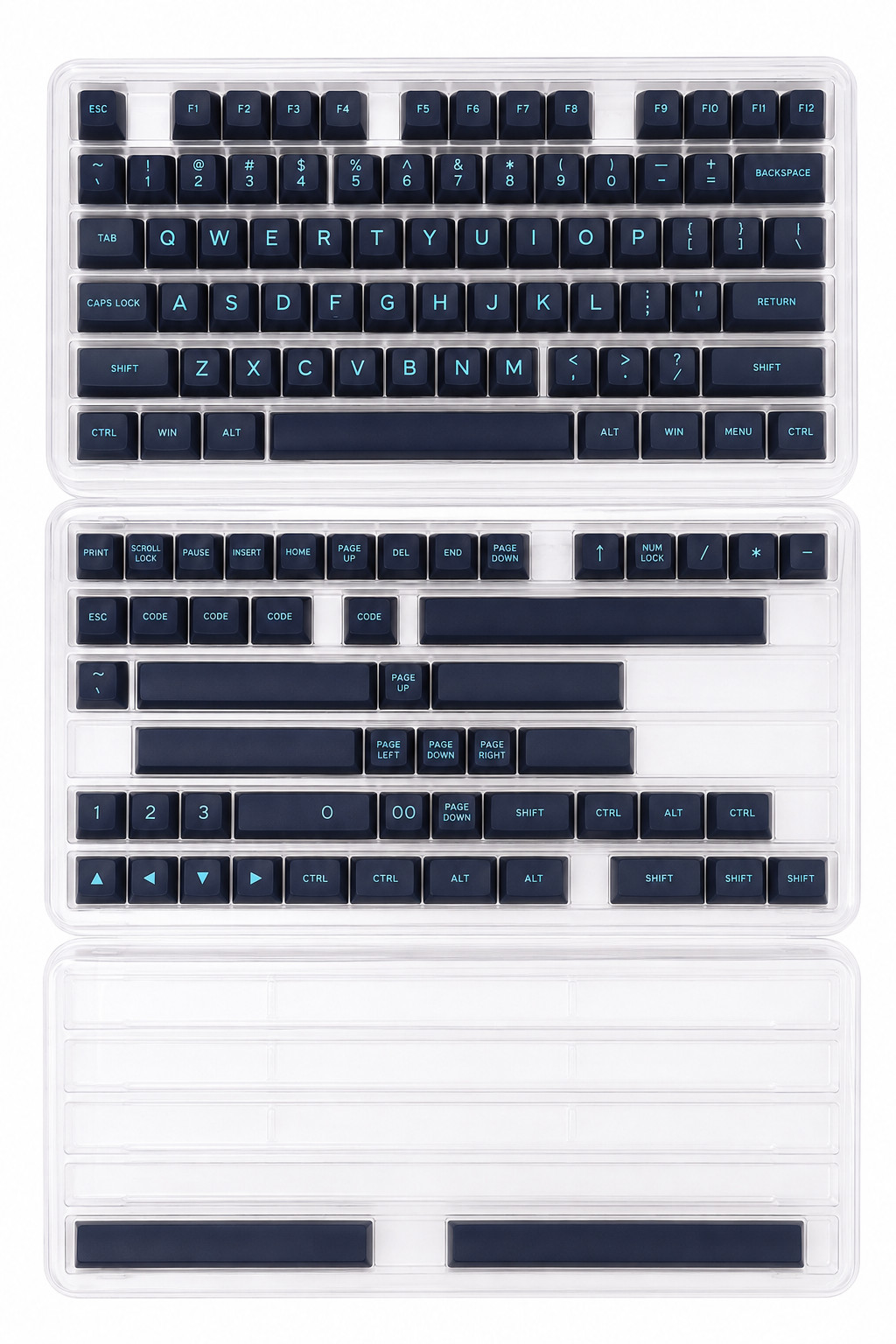 Maxkey SA Calm Depths Keycap Set Doubleshot ABS Mechanical Keyboard SA Profile$39.99View on eBay
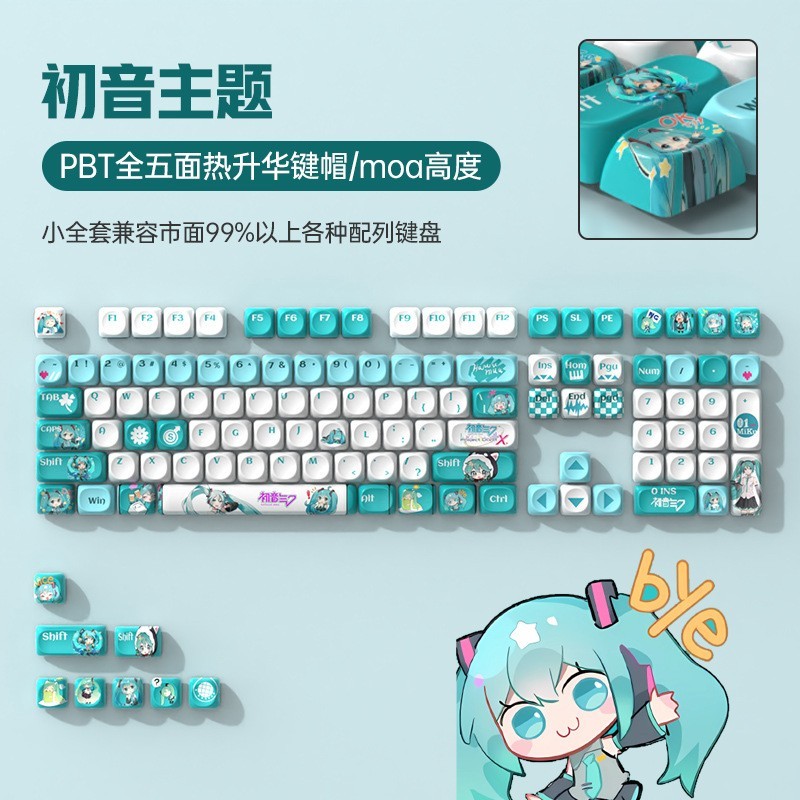 Hatsune Miku 116 PCS MOA Profile Anime Keycap Set For Mechanical Keyboard$39.99View on eBay
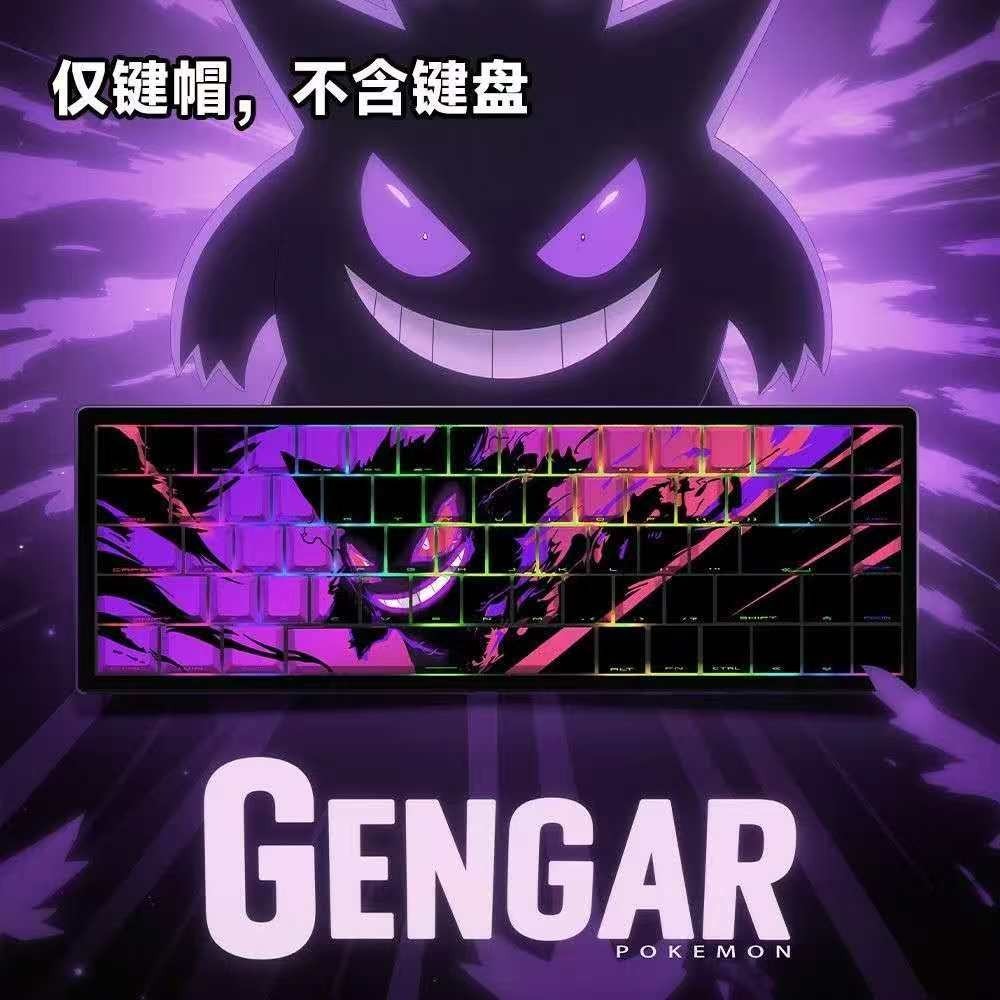 pokemon Gengar Anime PBT Keycaps 129 Keys Set For Mechanical Keyboard$39.99View on eBay
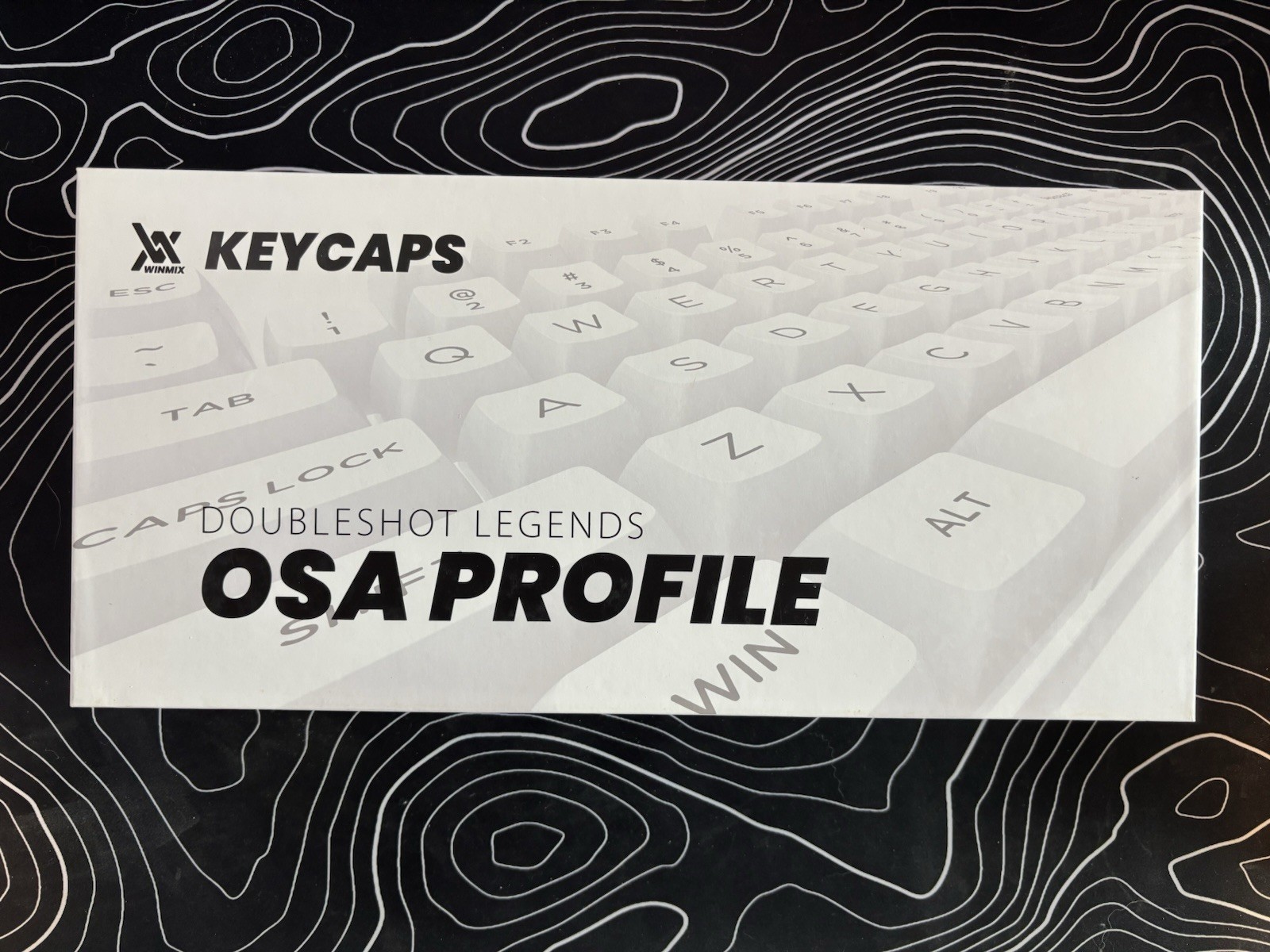 WINMIX Green Camp OSA Profile Doubleshot PBT Keycap Set - 215 Keys$40.00View on eBay
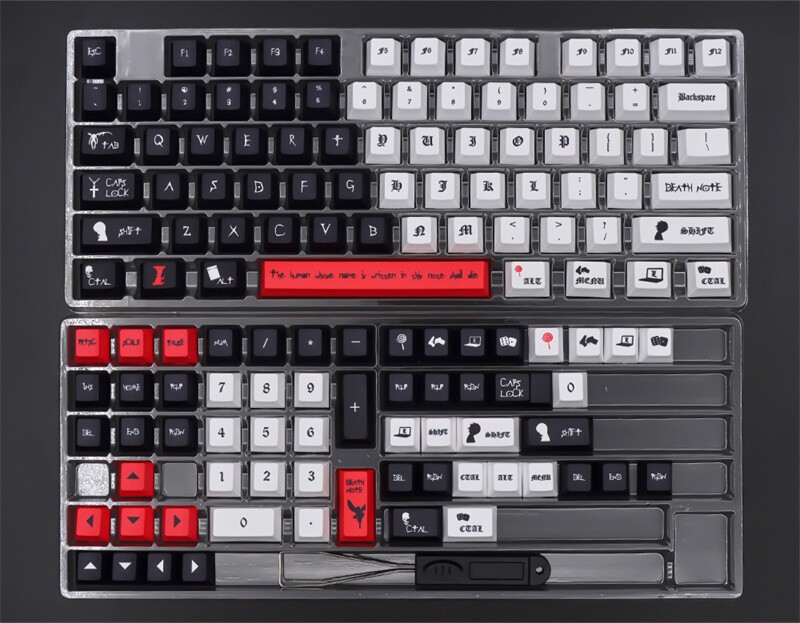 Death Note 135 Keys Keycaps Full Set PBT for Cherry MX Mechanical Keyboard Gift$40.23View on eBay
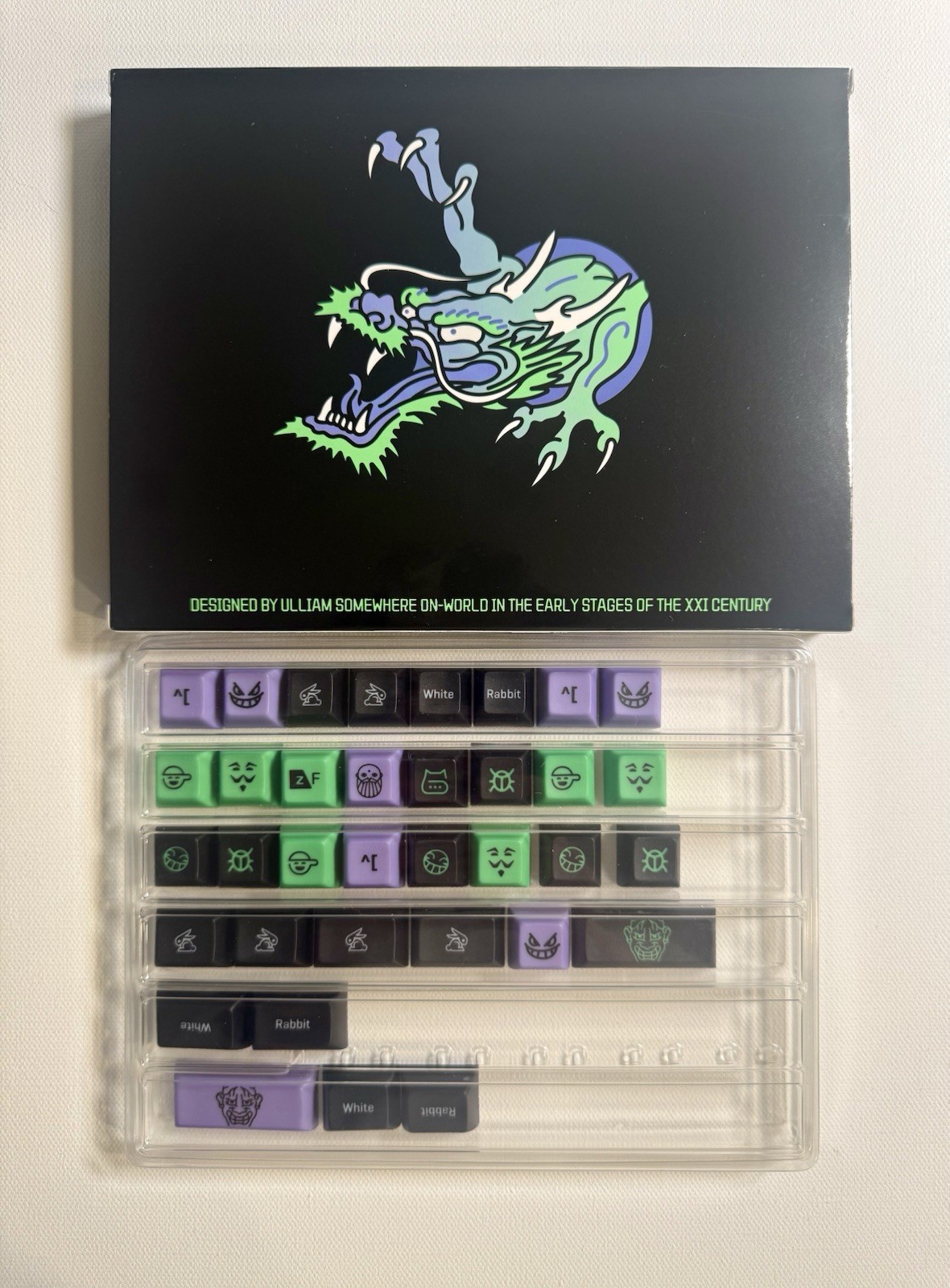 KAT Cyberspace Novelties Keycap Set by Keyreative New Sealed PBT MX Mechanical$44.00View on eBay
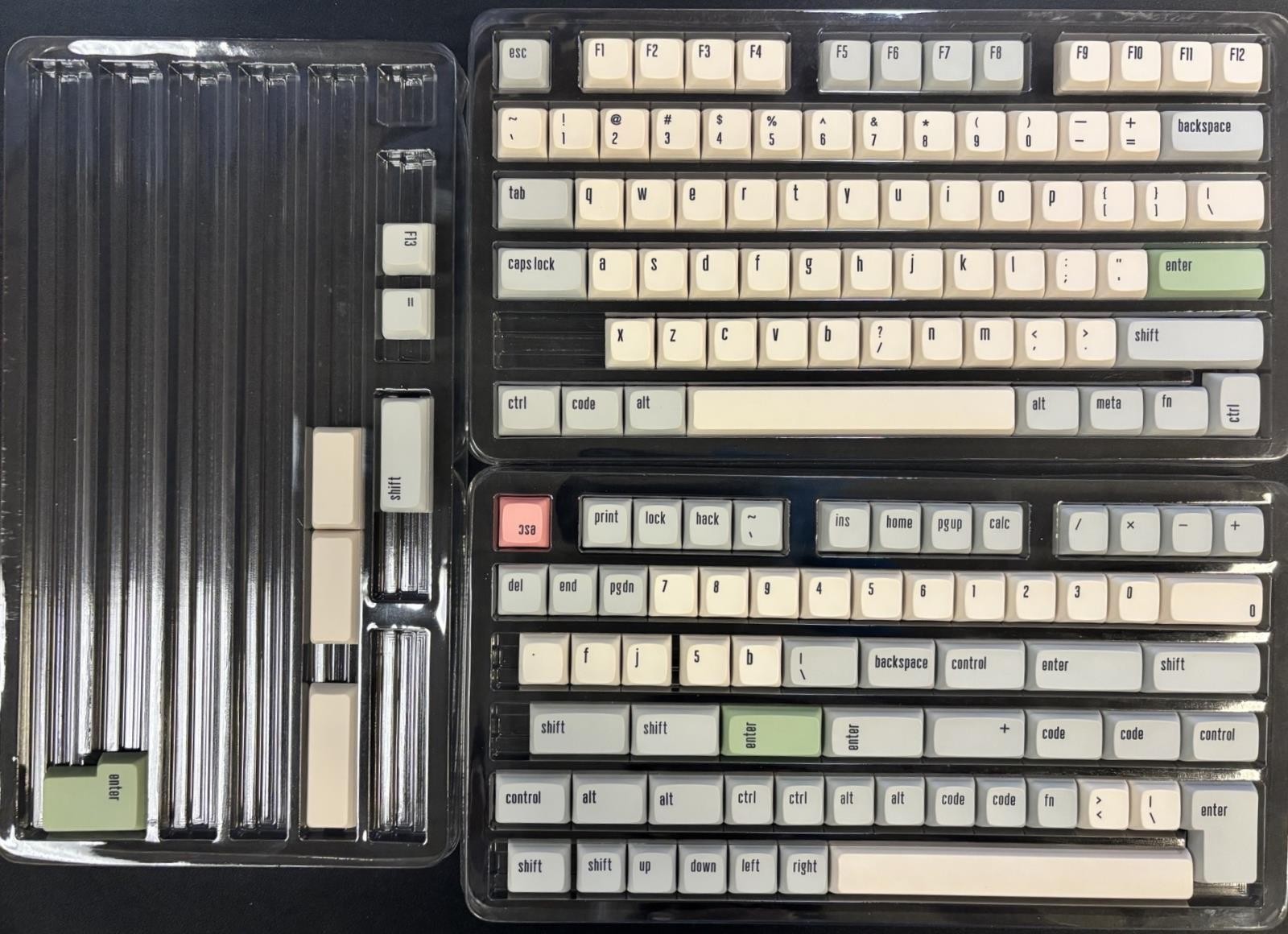 Drop + MiTo XDA Canvas Custom Keycap Set, Classic Base$48.88View on eBay
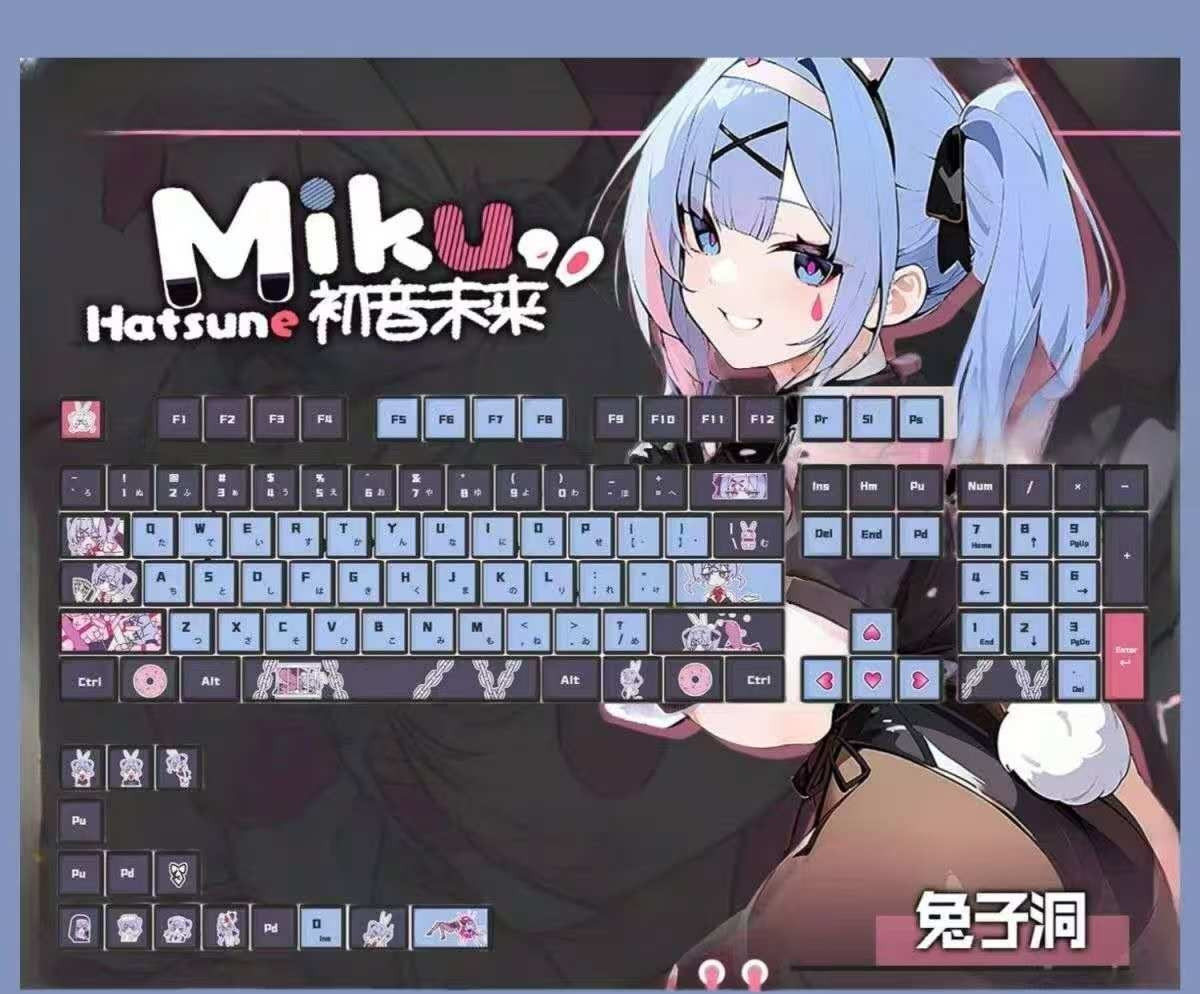 !!CUTE Rabbit Hole Hatsune Miku Anime 119pcs Keycaps Set For Mechanical Keyborad$49.99View on eBay
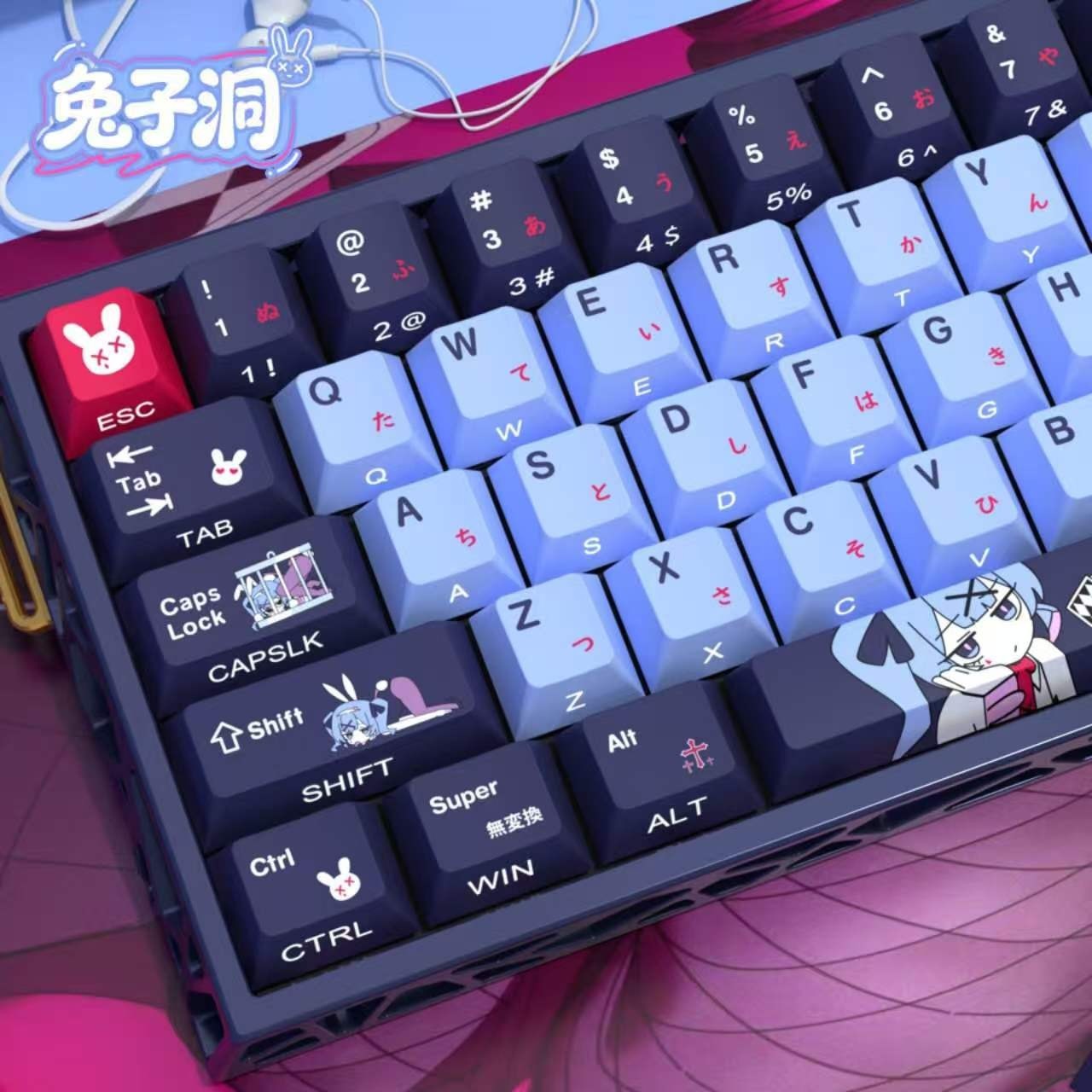 Rabbit Hole Hatsune Miku Anime 119pcs Keycaps Set For Mechanical Keyboard V2$49.99View on eBay
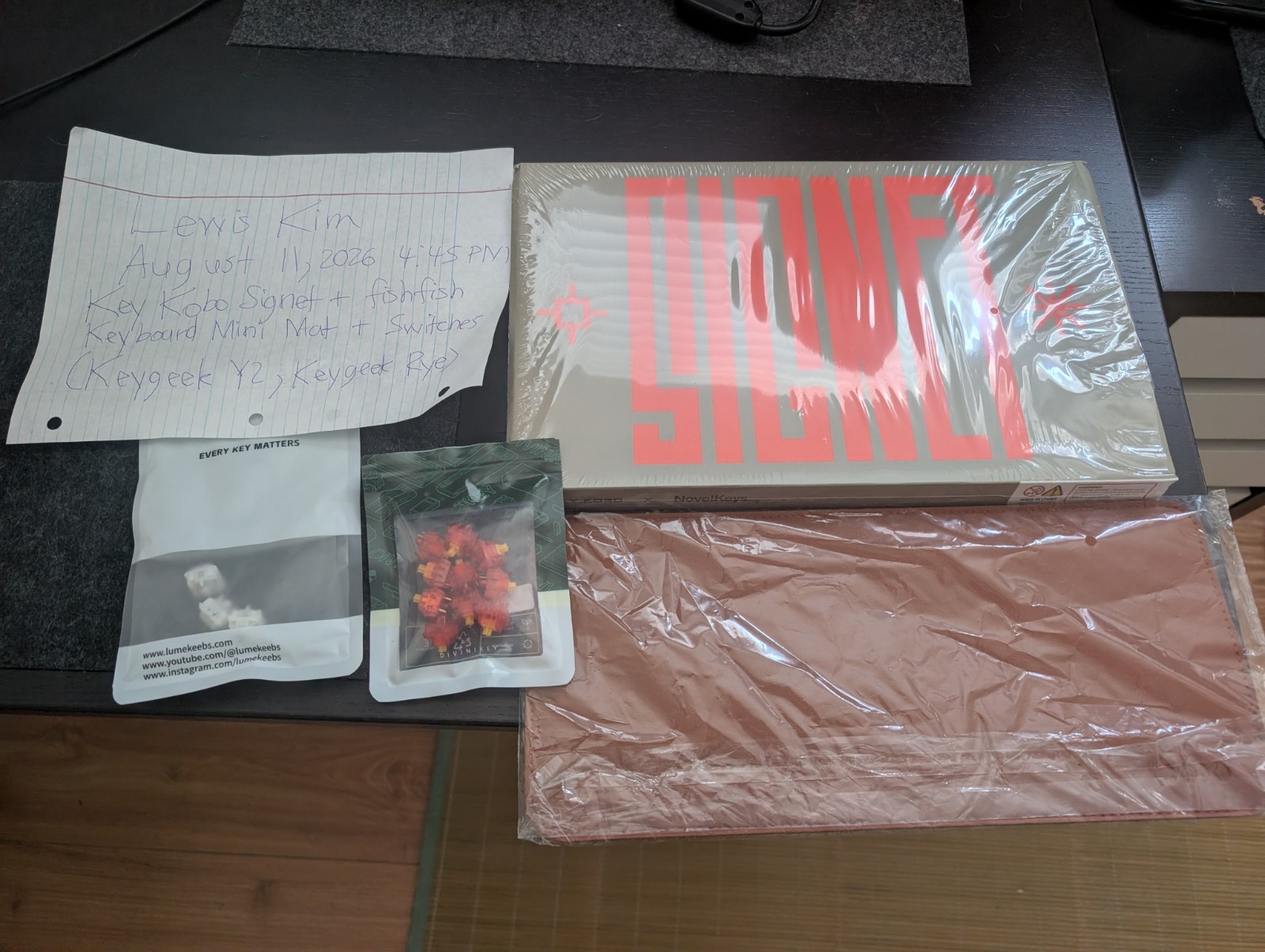 Keykobo Signet Keycaps, Mini Keyboard Mat, mode envoy (Plates only) Few Switches$50.00View on eBay
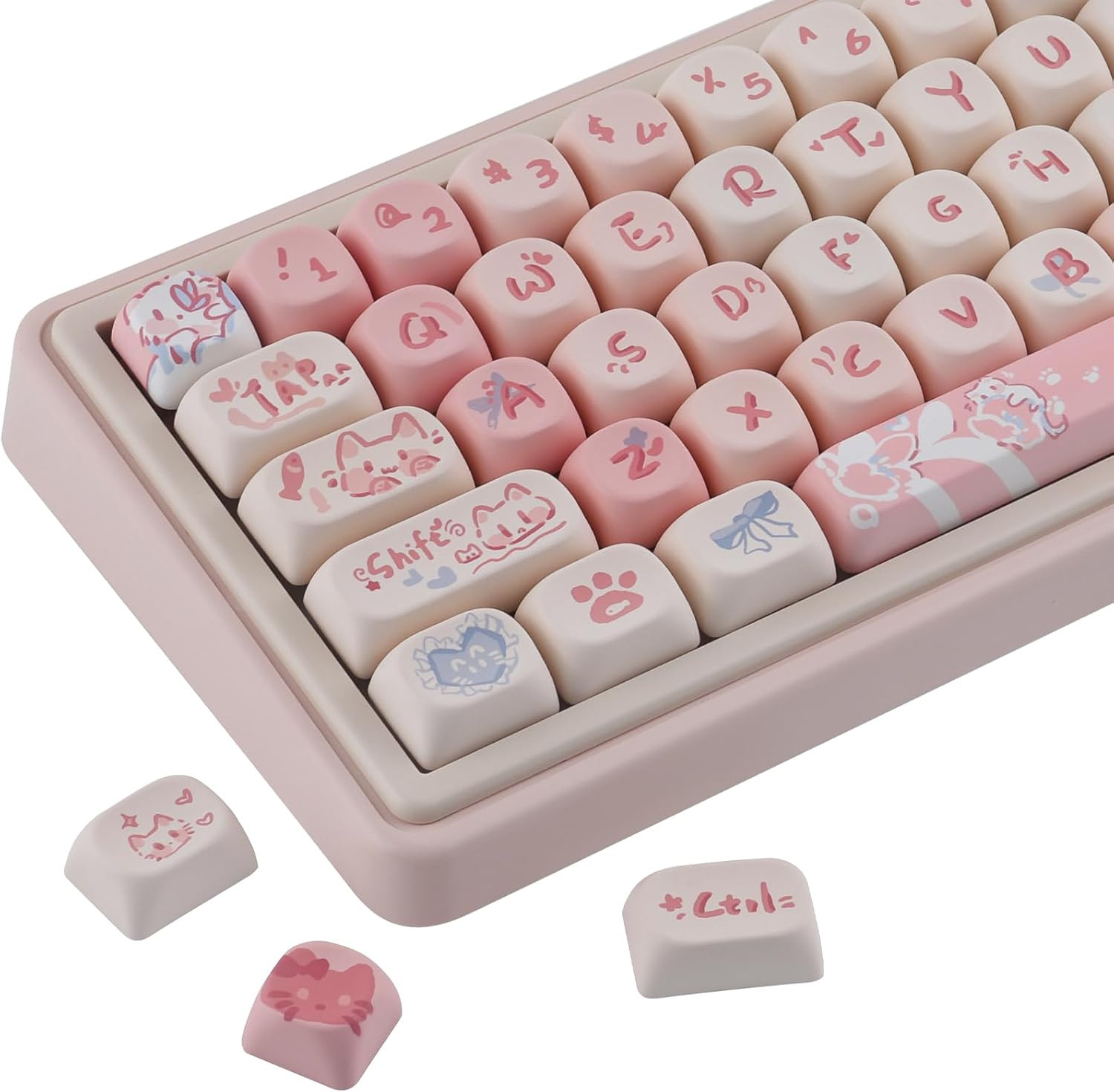 PBT Keycaps,125 Keys Rouge Kitten Custom MOA Profile Keycaps |$52.99View on eBay
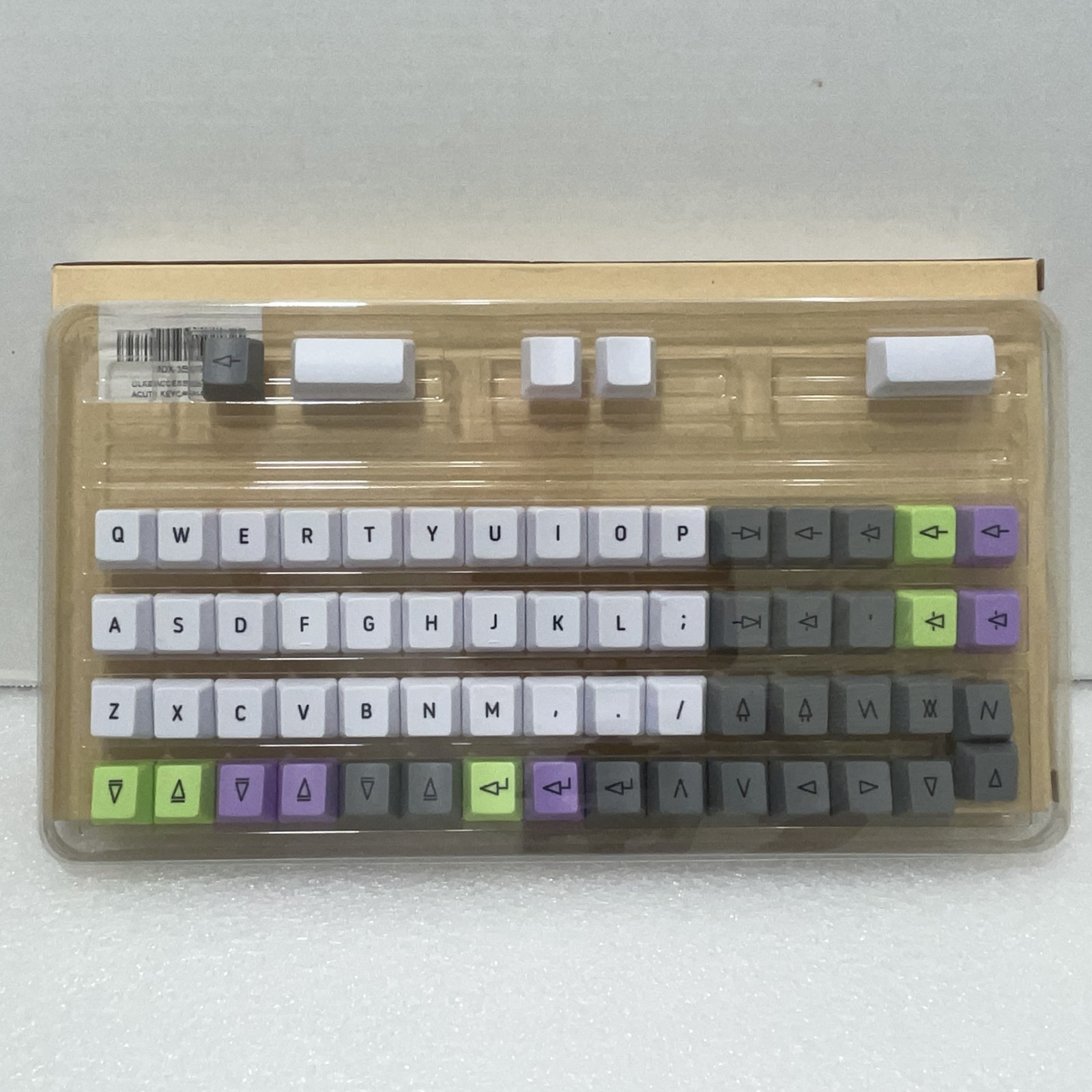 New DROP OLKB Acute Ortholinear Keycaps Set for PLANCK Keyboard Kit$55.99View on eBay
Highlights
- PBT plastic resists oil shine and wear far better than ABS; doubleshot or dye-sublimated legends are molded or infused into the cap, not surface-printed, so they will not rub off.
- Profile geometry changes feel and compatibility: Cherry and OEM are sculpted rows, XDA and MOA are uniform flat profiles that suit custom layouts and swapping, while MT3 is a tall spherical sculpted profile.
- Key count determines layout coverage: a 104-key base covers full-size ANSI, 130-140 key sets add novelties and alternate rows, and 75-percent 157-key sets cover compact layouts with extra accents.
- Stem standard is the hard compatibility gate: Cherry MX-style cross stems accept the vast majority of aftermarket sets, while optical, Topre, and low-profile switches require dedicated keycap lines.
Best use cases
- Pick a Cherry-profile PBT doubleshot set for daily typing and gaming on a standard MX-stem board: sculpted rows reduce mistypes and the material resists shine under heavy WASD use.
- Choose a uniform XDA or MOA PBT set if you swap keycaps between boards or use a non-standard layout, since every row is the same height and sculpting does not break ergonomics.
- Skip transparent PC sets for primary typing: they are for RGB showcase builds, and smooth PC caps show fingerprints and offer less grip than textured PBT.
- Avoid thin ABS pad-printed novelty sets on a keyboard you use daily; reserve them for display boards because legends fade and caps shine within months of heavy use.
Buying tips
- Match key count to layout before anything else: 61-68 keys for 60-65 percent, 84-87 for TKL, 98-104 for full-size, and 130-140 for sets that include novelties and alternate spacebars.
- Insist on PBT with doubleshot or dye-sub legends; if the listing says only 'ABS' or 'pad-printed', expect visible wear on the most-used keys within a year of daily typing.
- Check bottom-row sizing: standard ANSI uses 1.25u modifiers and a 6.25u spacebar, while many compact and custom boards need 1u or 1.5u mods and 7u spacebars included in the kit.
- Profile consistency matters for feel: mixing row heights (e.g., OEM alphas with Cherry mods) creates uneven finger travel, so buy a complete set in one profile rather than piecing rows together.
Specs
| Material | PBT vs ABS vs PC |
|---|---|
| Legend Method | Doubleshot / Dye-sub / Pad-print |
| Profile | Cherry / OEM / XDA / MOA / MT3 |
| Stem Compatibility | Cherry MX-style cross stem |
Related searches
What to check before buying
- Confirm your switch stem type is Cherry MX-style cross; optical, Topre, and low-profile switches need dedicated keycap lines and will not accept standard sets.
- Verify your layout and bottom row: count keys and measure modifier and spacebar widths, since a 104-key ANSI set will not fit a 65-percent or split-spacebar board.
- Check backlight direction and legend style: shine-through legends need north-facing or translucent caps, while side-printed and opaque sets suit solid-color or top-lit boards.
- Decide profile before buying: sculpted Cherry or OEM for traditional typing ergonomics, uniform XDA or MOA for swapping and custom layouts, MT3 for a tall retro feel.
FAQ
Data sources: eBay / Amazon listings and product attribute feeds. Updated Nov 23, 2026.
Some links on this page are affiliate links. If you buy after clicking one, we may earn a commission at no extra cost to you. This does not change which products appear here or their order. Affiliate disclosure.