
Photos from current listings. Actual item, color, and included accessories may vary.
Mechanical Keyboard Keycap Buying Guide
Mechanical keyboard keycaps are the interchangeable caps that determine typing feel, sound, and legends on MX-compatible switches. The core trade-off is material and molding quality: PBT resists shine and oil far longer than ABS, while doubleshot or dye-sub legends outlast pad printing. The decision rule is simple: buy PBT with doubleshot or dye-sub legends for daily use, and treat ABS as a cosmetic or budget tier only.
Median $39.99
Key takeaways
- PBT vs ABS: PBT is denser and textured, resisting shine and wear for years; ABS is softer and develops shiny patches within months of heavy use.
- Legend method: doubleshot legends are molded through the cap and never fade; dye-sublimation dyes into PBT; pad printing wears off first.
- Profile matters for feel: Cherry and OEM are sculpted for typing, SA and MOA are tall and uniform for aesthetics, and XDA is flat with no row sculpting.
At a glance
- Category
- Keycaps & Artisan Keycaps
- Last updated
- Nov 23, 2026
Current offers
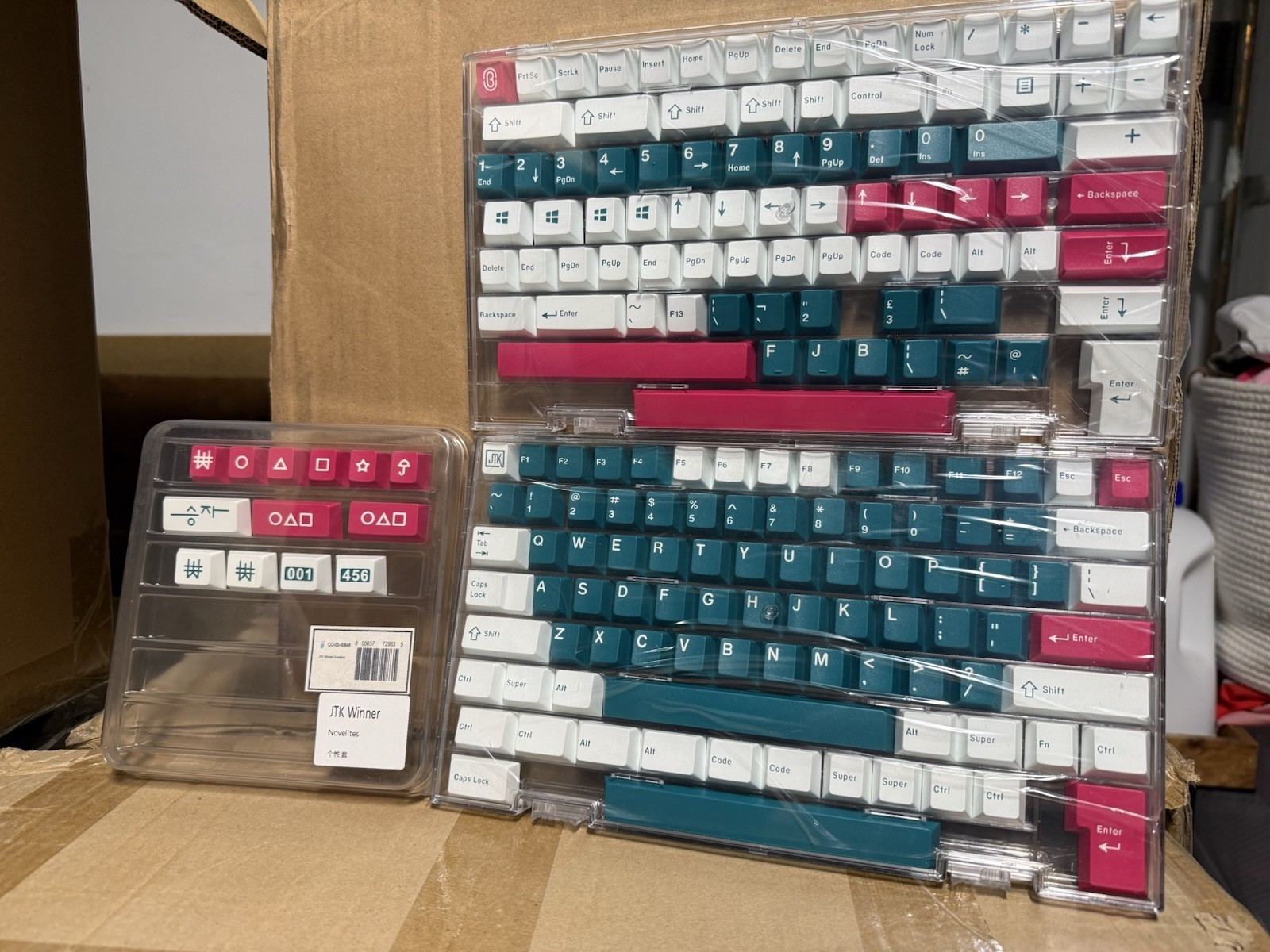 JTK Winner "Base Kit" + Novelties mechanical keyboard keycaps - Squid Game$37.99View on eBay
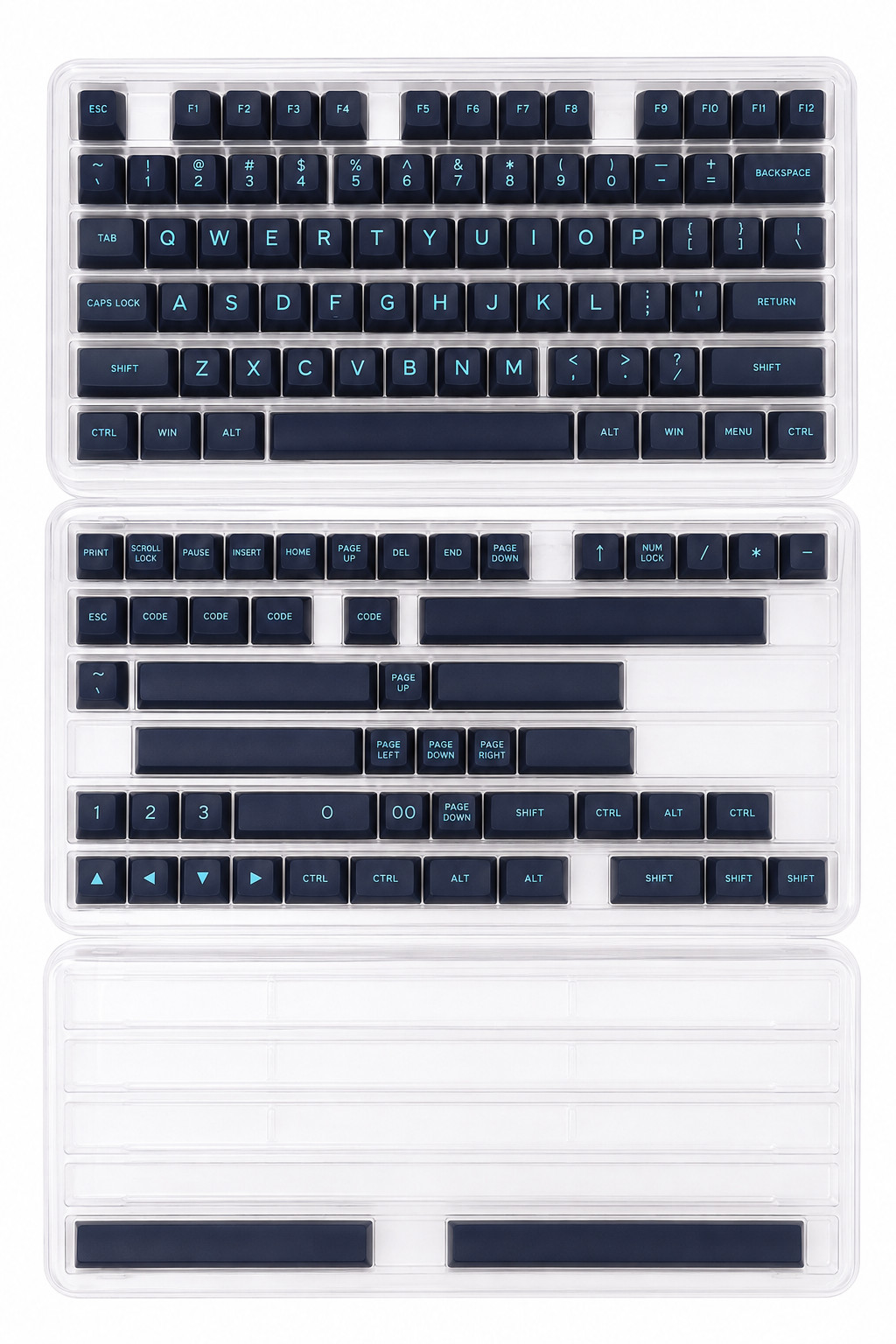 Maxkey SA Calm Depths Keycap Set Doubleshot ABS Mechanical Keyboard SA Profile$39.99View on eBay
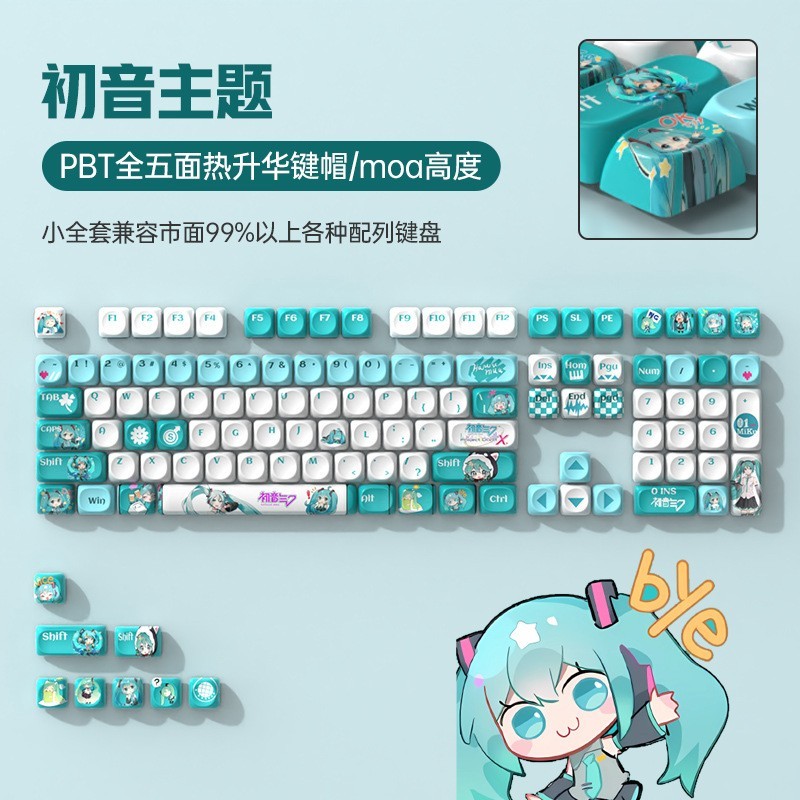 Hatsune Miku 116 PCS MOA Profile Anime Keycap Set For Mechanical Keyboard$39.99View on eBay
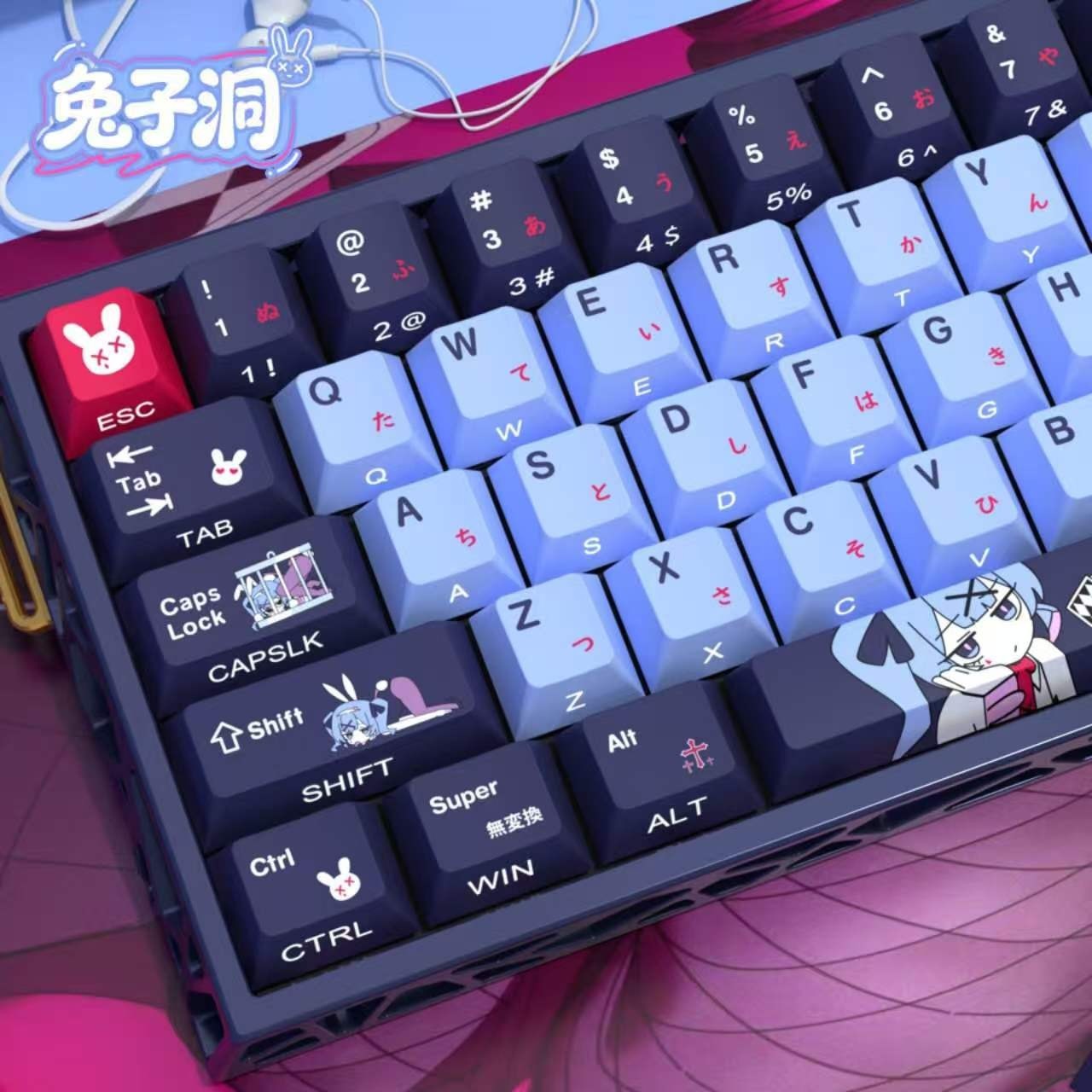 Rabbit Hole Hatsune Miku Anime 119pcs Keycaps Set For Mechanical Keyboard V2$49.99View on eBay
Highlights
- PBT vs ABS: PBT is denser and textured, resisting shine and wear for years; ABS is softer and develops shiny patches within months of heavy use.
- Legend method: doubleshot legends are molded through the cap and never fade; dye-sublimation dyes into PBT; pad printing wears off first.
- Profile matters for feel: Cherry and OEM are sculpted for typing, SA and MOA are tall and uniform for aesthetics, and XDA is flat with no row sculpting.
- MX compatibility: standard cross-stem mounts fit Cherry MX and clones; check bottom-row widths (1.25U, 1.5U, 1.75U) and spacebar length (6.25U or 7U) against your PCB layout.
Best use cases
- Daily typing and gaming: pick a doubleshot PBT set in Cherry or OEM profile with the exact bottom-row sizing your board uses; skip ABS sets that will shine within months.
- Aesthetic or themed builds: choose dye-sub PBT anime or novelty sets in SA or MOA profile for display boards; accept that tall profiles change typing feel and sound.
- Budget refresh of a stock board: buy a basic PBT set matching the stock layout; skip artisan or novelty caps until the base set fits your layout correctly.
Buying tips
- Match layout before looks: count bottom-row keys and spacebar width; 65% and 75% boards need 1.75U right shift and 1U modifiers that many base kits omit.
- Choose PBT with doubleshot or dye-sub legends for durability; pad-printed legends on ABS are the first failure point on cheap sets.
- Expect shrinkage: thick PBT (1.5 mm walls) can fit tighter on stems; thin PBT (1.2 mm) mounts easily but sounds higher-pitched.
- Check kit key count against your board: a 104-key full set covers full-size, while 116–135 key novelty sets add art but may not include every modifier your layout needs.
Specs
| Material | PBT (durable) vs ABS (budget) |
|---|---|
| Legend Method | Doubleshot / Dye-sub vs Pad print |
| Profile Type | Cherry, OEM, SA, MOA, XDA |
| Stem Compatibility | MX cross-stem (Cherry clones) |
Related searches
What to check before buying
- Confirm switch stem type: MX-style cross stems are standard; Topre, Alps, and optical boards need dedicated caps.
- Measure spacebar and bottom-row widths on your PCB or plate before ordering any set.
- Check stabilizer type: plate-mount vs screw-in changes whether the spacebar and shift caps sit flush.
- Verify profile height clears your case and wrist rest; SA and MOA caps sit noticeably taller than OEM.
FAQ
Data sources: eBay / Amazon listings and product attribute feeds. Updated Nov 23, 2026.
Some links on this page are affiliate links. If you buy after clicking one, we may earn a commission at no extra cost to you. This does not change which products appear here or their order. Affiliate disclosure.