
Photos from current listings. Actual item, color, and included accessories may vary.
Pbt Keycap Buying Guide
PBT keycaps are thermoplastic key caps made from polybutylene terephthalate, chosen over ABS for their hardness, texture, and resistance to shine and yellowing. The core trade-off is between premium doubleshot or dye-sublimated legends with thick walls (durable, crisp, costly) and thin-walled, pad-printed or low-quality sublimation caps that wear quickly. Decision rule: buy doubleshot or dye-sub PBT at 1.4–1.5 mm wall thickness with a standard Cherry MX-compatible stem — skip anything pad-printed, under 1.2 mm, or sold only by incompatible profile claims.
Median $40.23
Key takeaways
- PBT density and hardness resist shine better than ABS; doubleshot and dye-sublimation are the only legend methods that won't wear off.
- Cherry profile (full-height, sculpted) is the most compatible baseline; MOA, XDA, and OSA are taller or uniform and change typing feel.
- Wall thickness of 1.4–1.5 mm gives a deeper sound and less flex; sub-1.2 mm caps feel hollow and warp on hot-swap sockets.
At a glance
- Category
- Keycaps & Artisan Keycaps
- Last updated
- Nov 23, 2026
Current offers
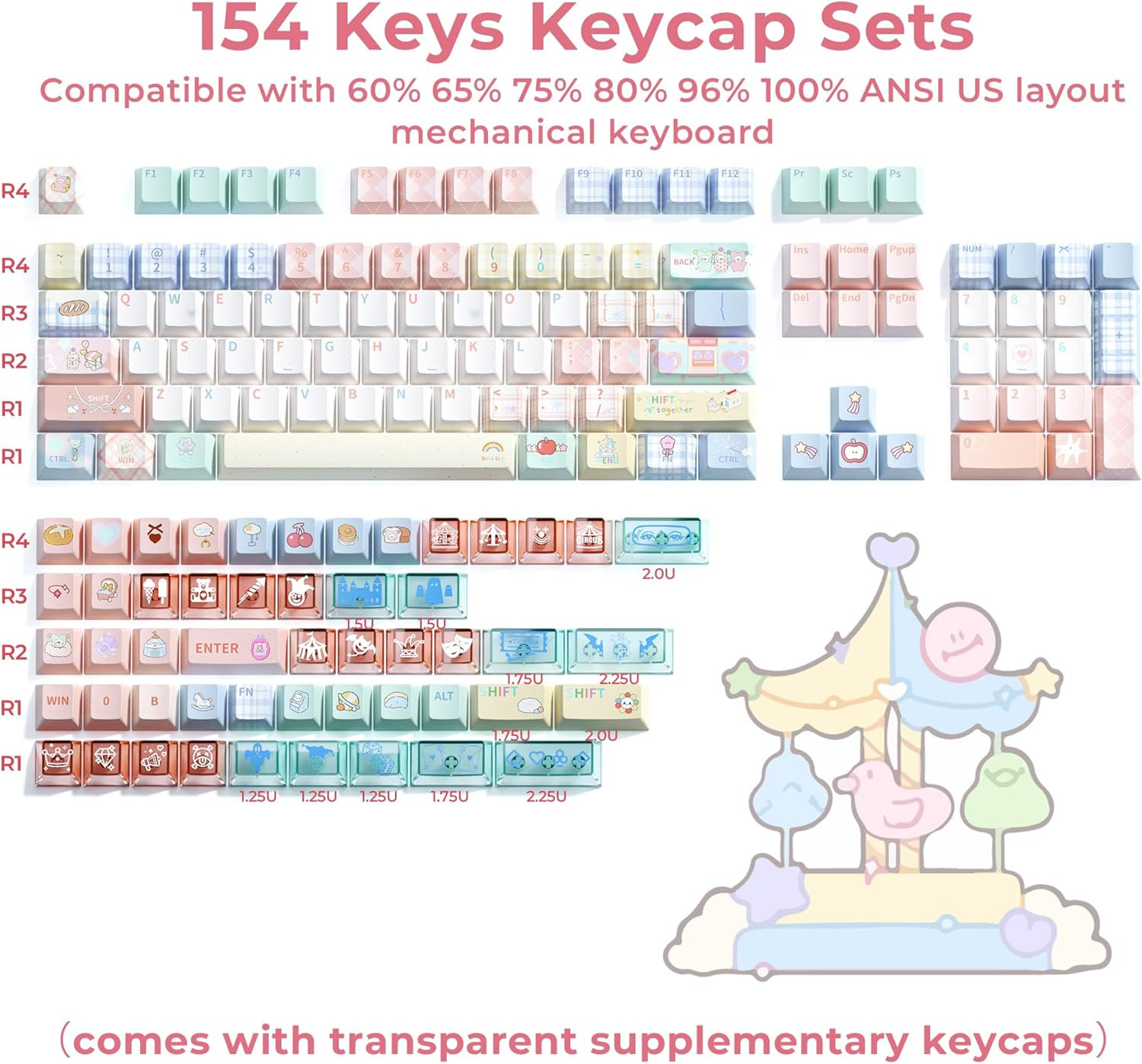 XVX PBT Keycaps 75 Percent, 157 Keys Cute Dye-Sub Keycap Set, Cherry Profile ...$20.26View on eBay
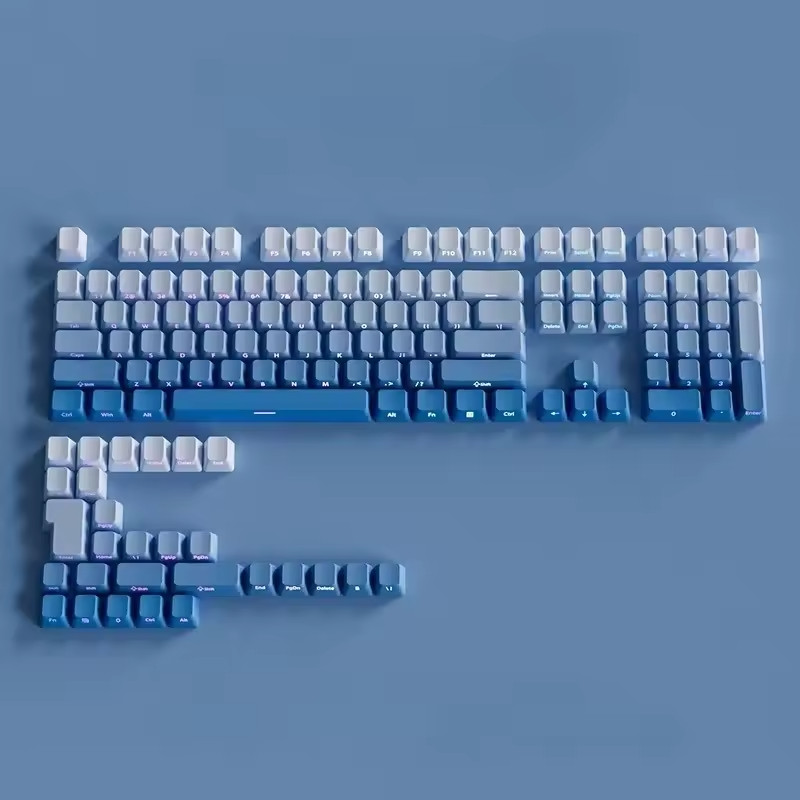 Doubleshot PBT Keycap Set Side Print Shine Through Backlit Keycaps For Cherry$29.99View on eBay
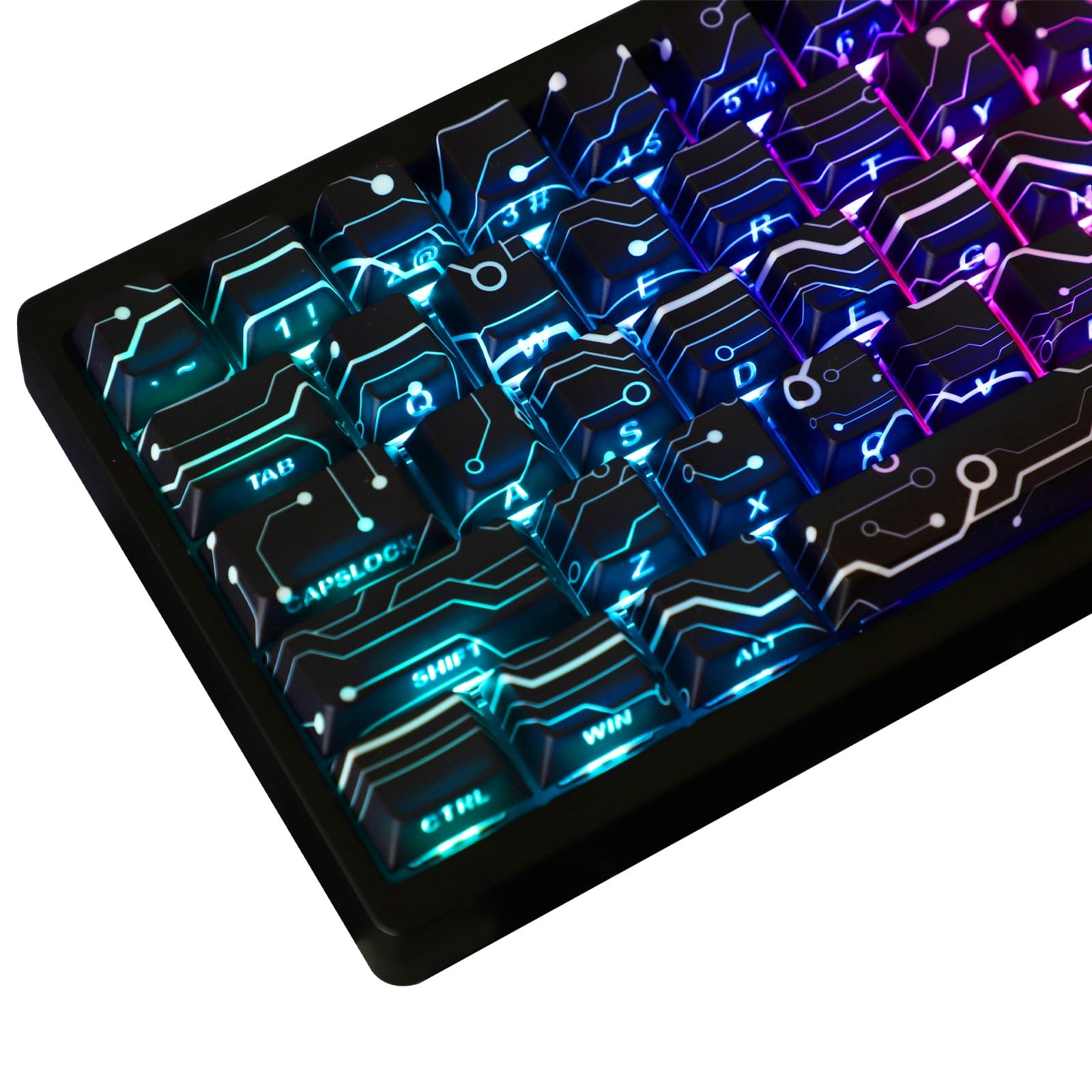 135 PCS Custom PBT Keycaps Shine Through Cool Tech Style Side Printed Black$39.84View on eBay
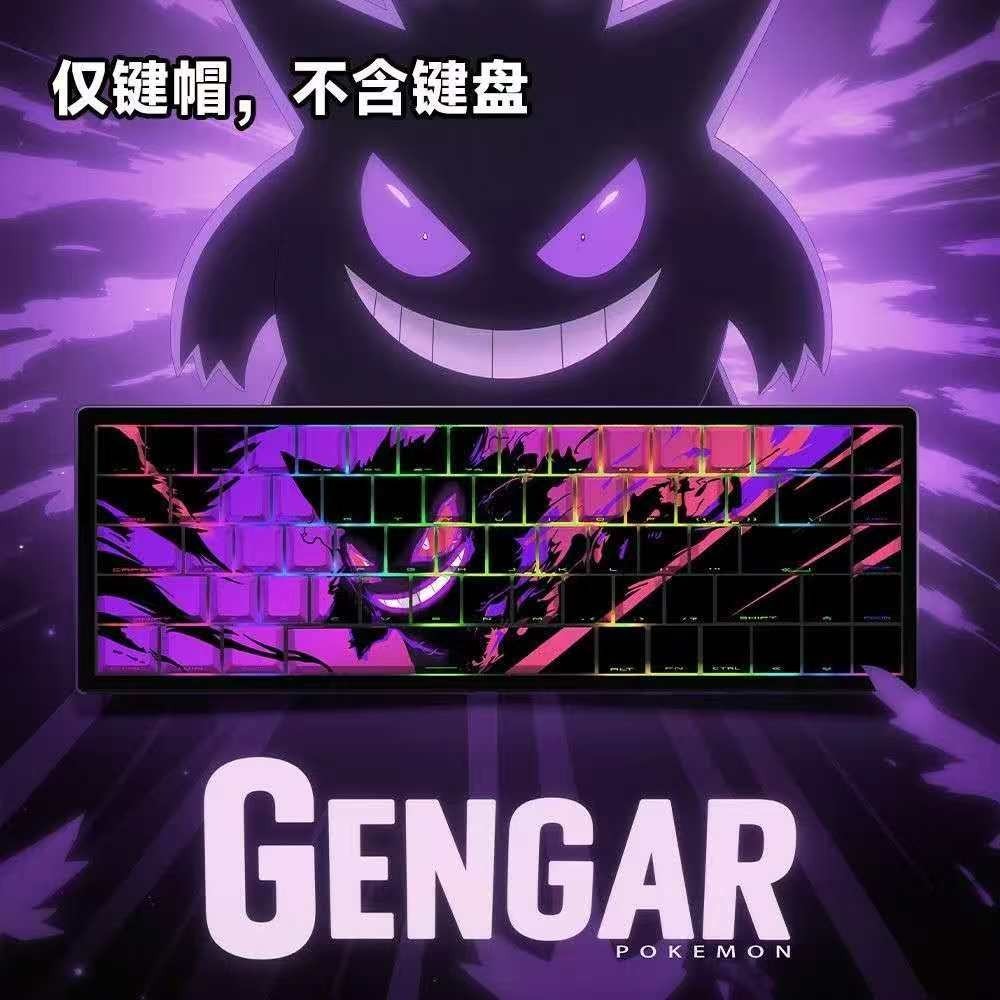 pokemon Gengar Anime PBT Keycaps 129 Keys Set For Mechanical Keyboard$39.99View on eBay
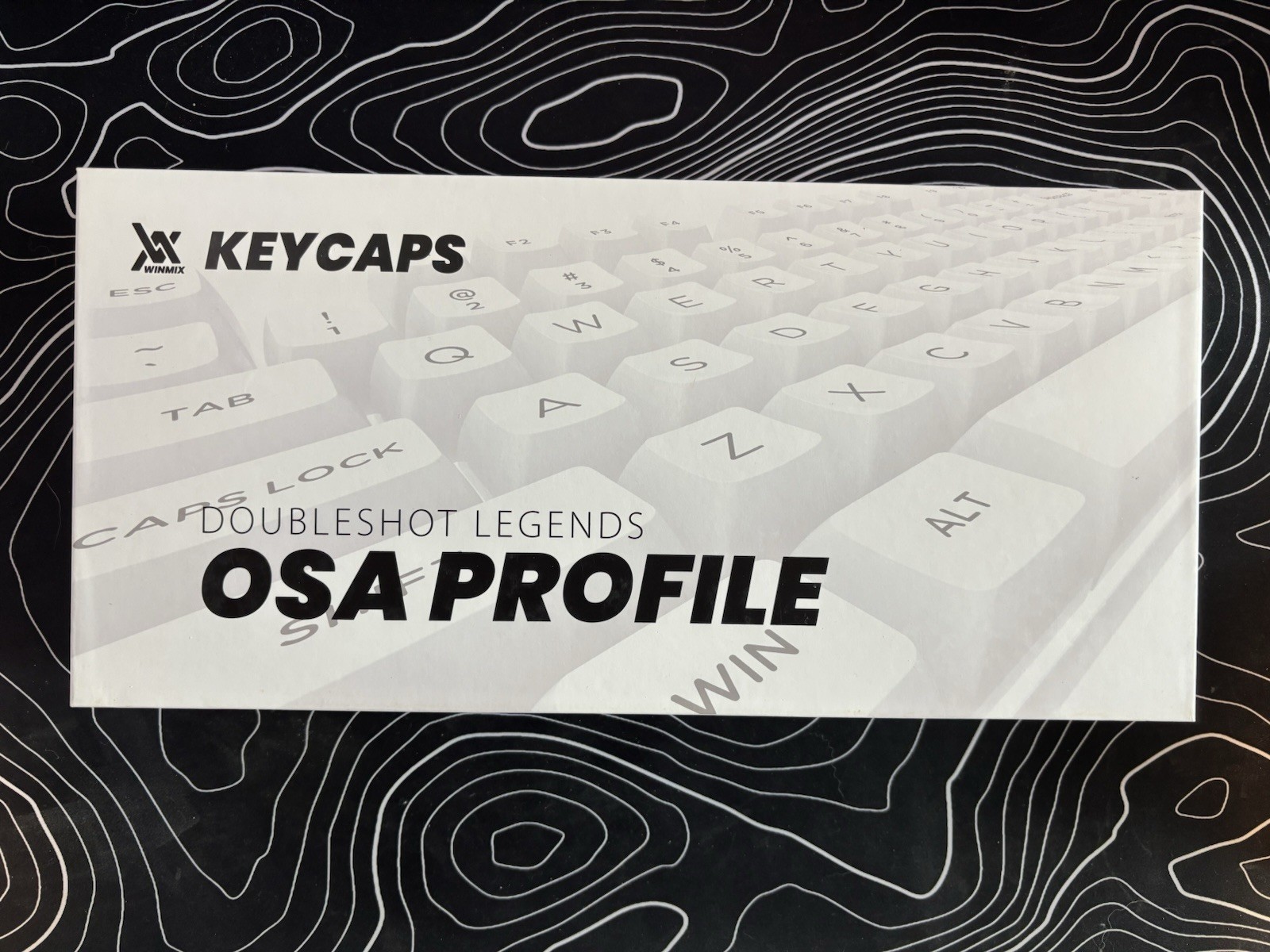 WINMIX Green Camp OSA Profile Doubleshot PBT Keycap Set - 215 Keys$40.00View on eBay
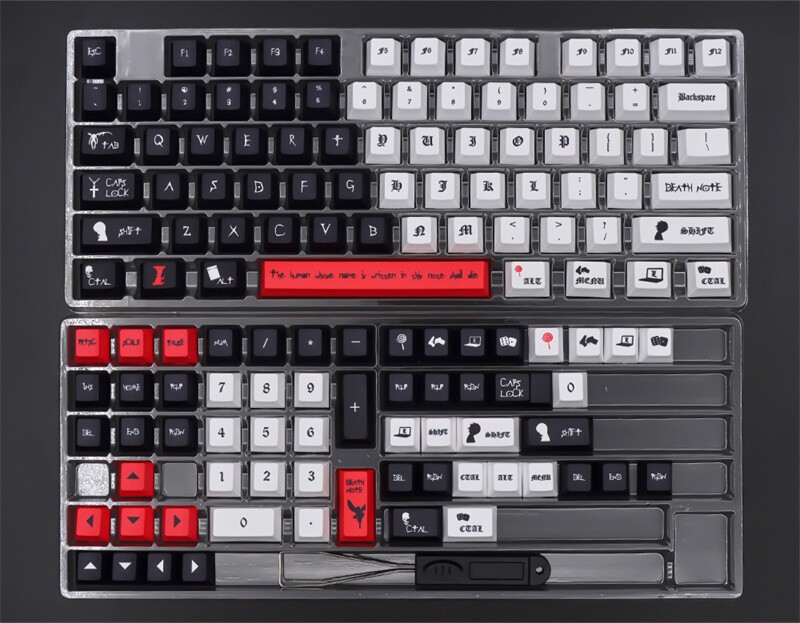 Death Note 135 Keys Keycaps Full Set PBT for Cherry MX Mechanical Keyboard Gift$40.23View on eBay
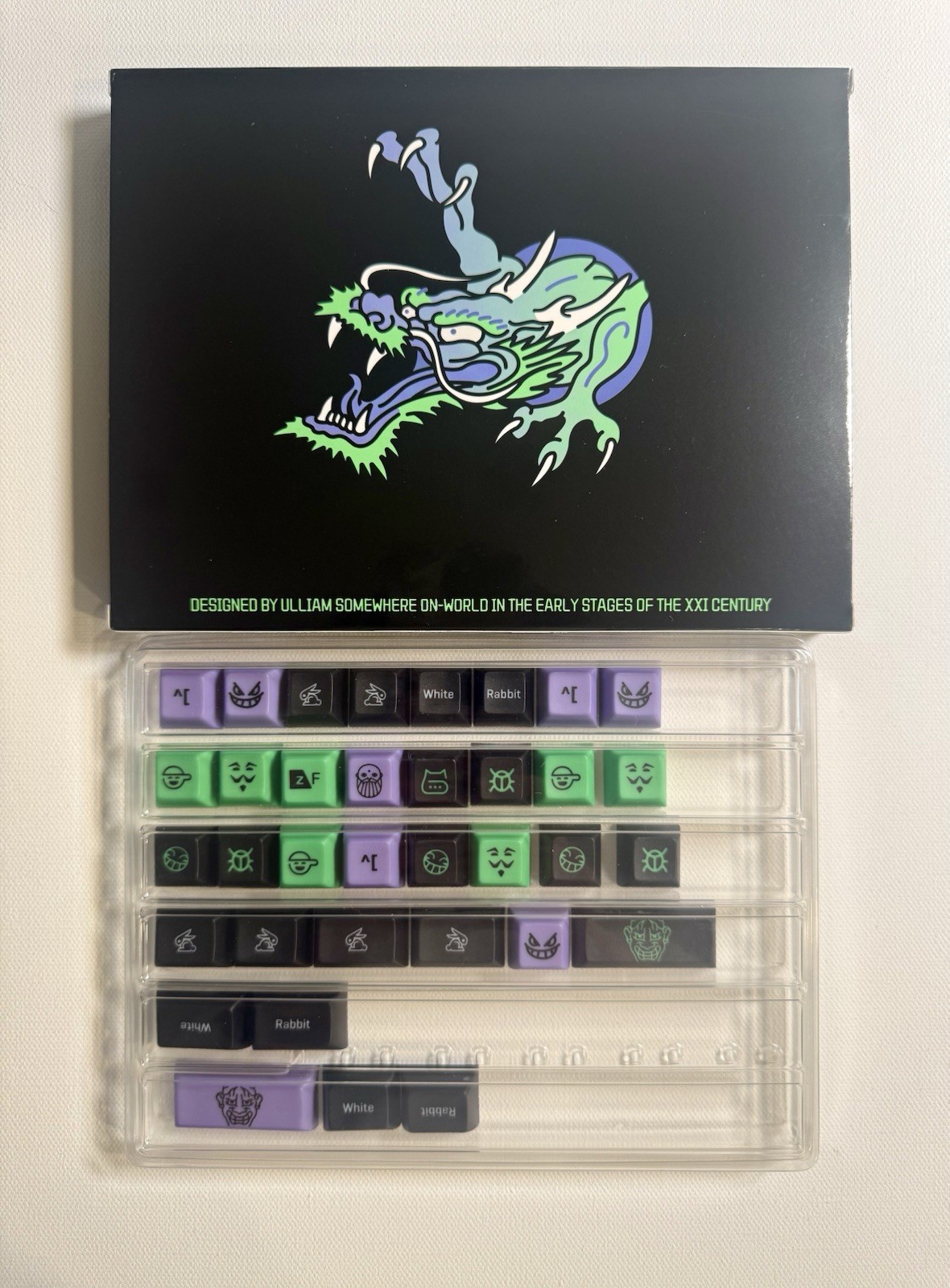 KAT Cyberspace Novelties Keycap Set by Keyreative New Sealed PBT MX Mechanical$44.00View on eBay
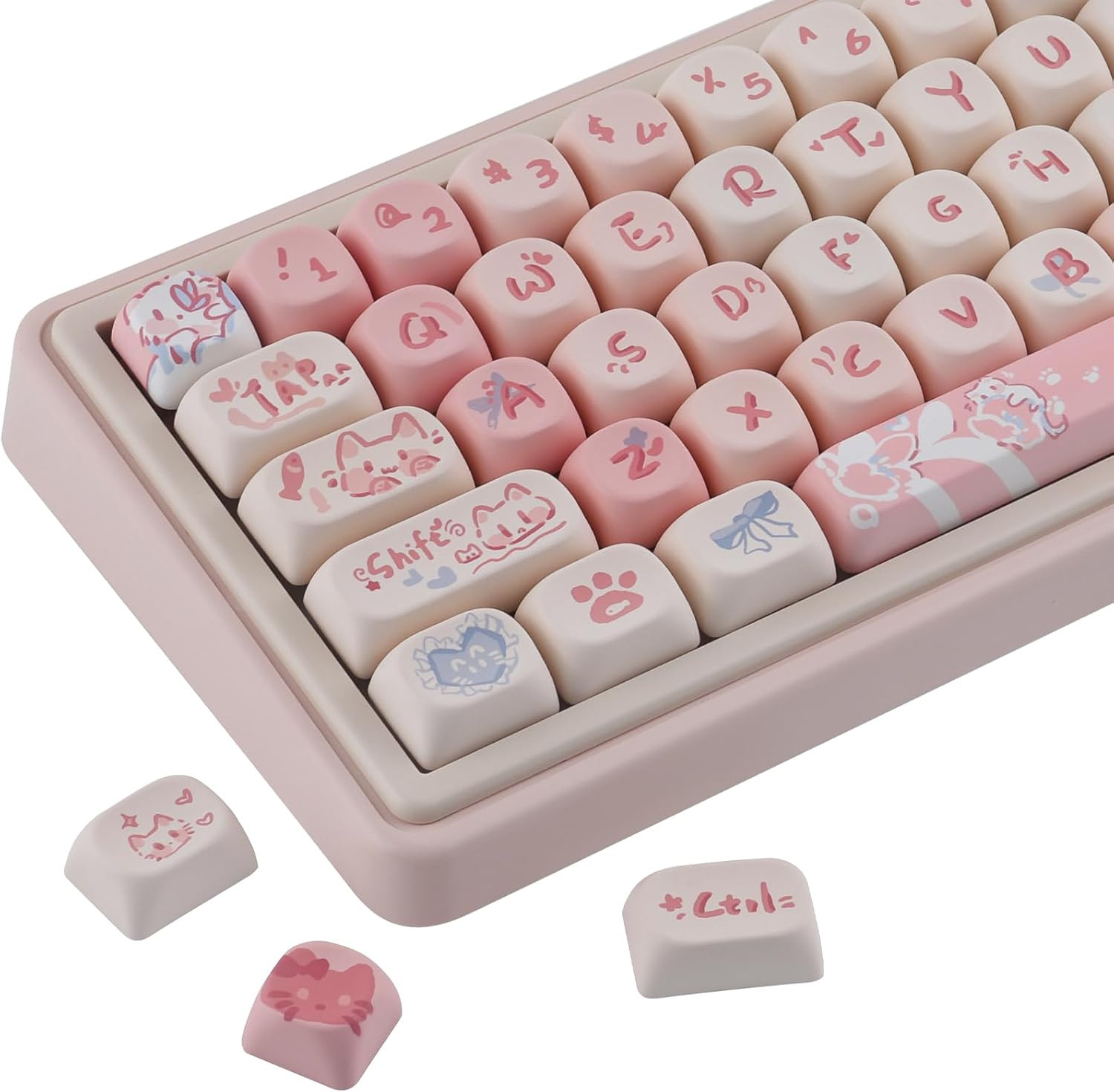 PBT Keycaps,125 Keys Rouge Kitten Custom MOA Profile Keycaps |$52.99View on eBay
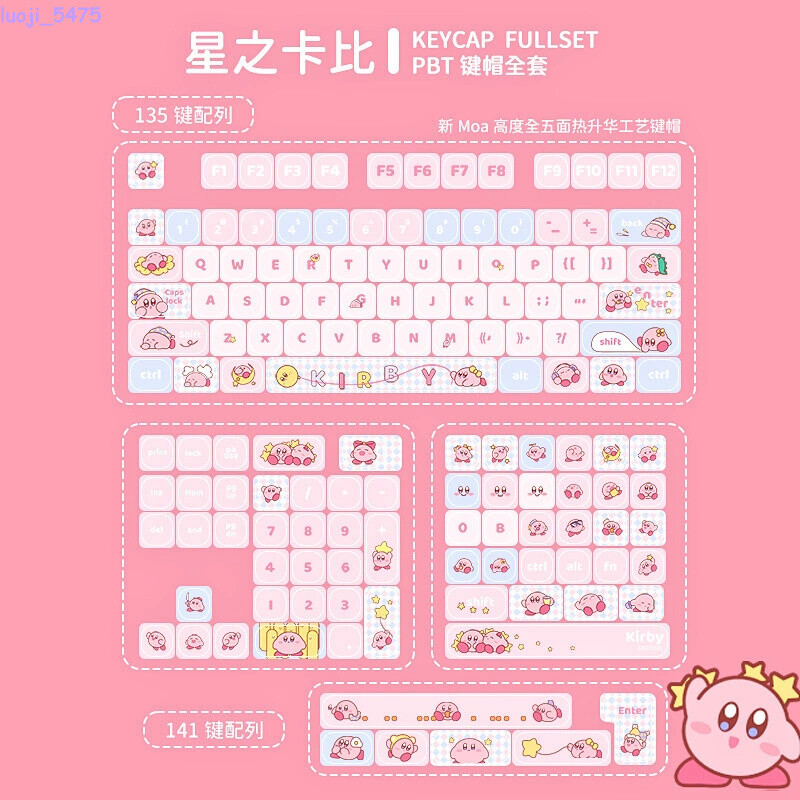 Anime Kirby Theme 135/141 Keys Keycaps OMA Height PBT For Mechanica keyboard New$59.24View on eBay
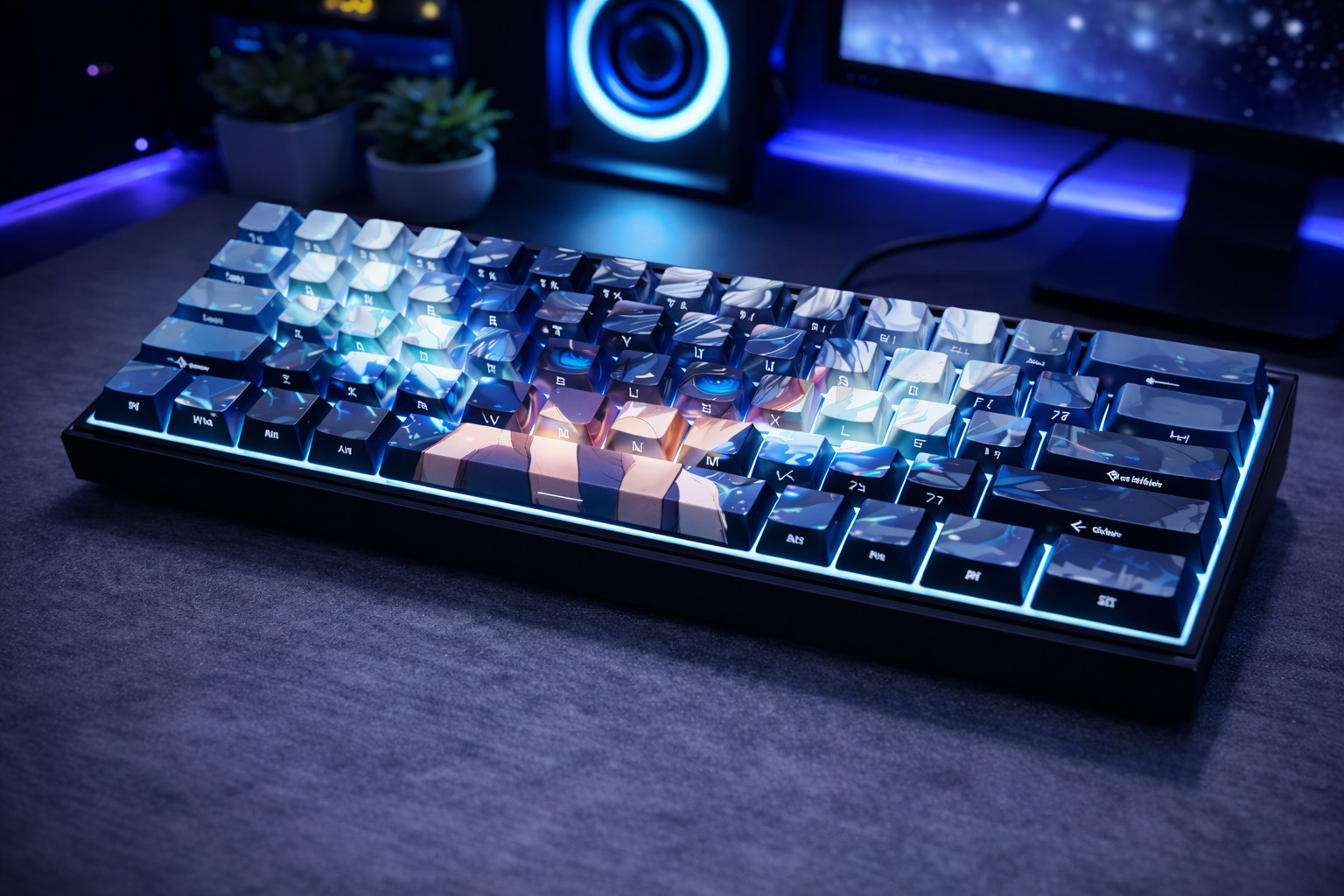 Gojo Satoru Keycaps Set 74 – Jujutsu Kaisen Anime Keyboard Caps – Custom PBT RGB$59.99View on eBay
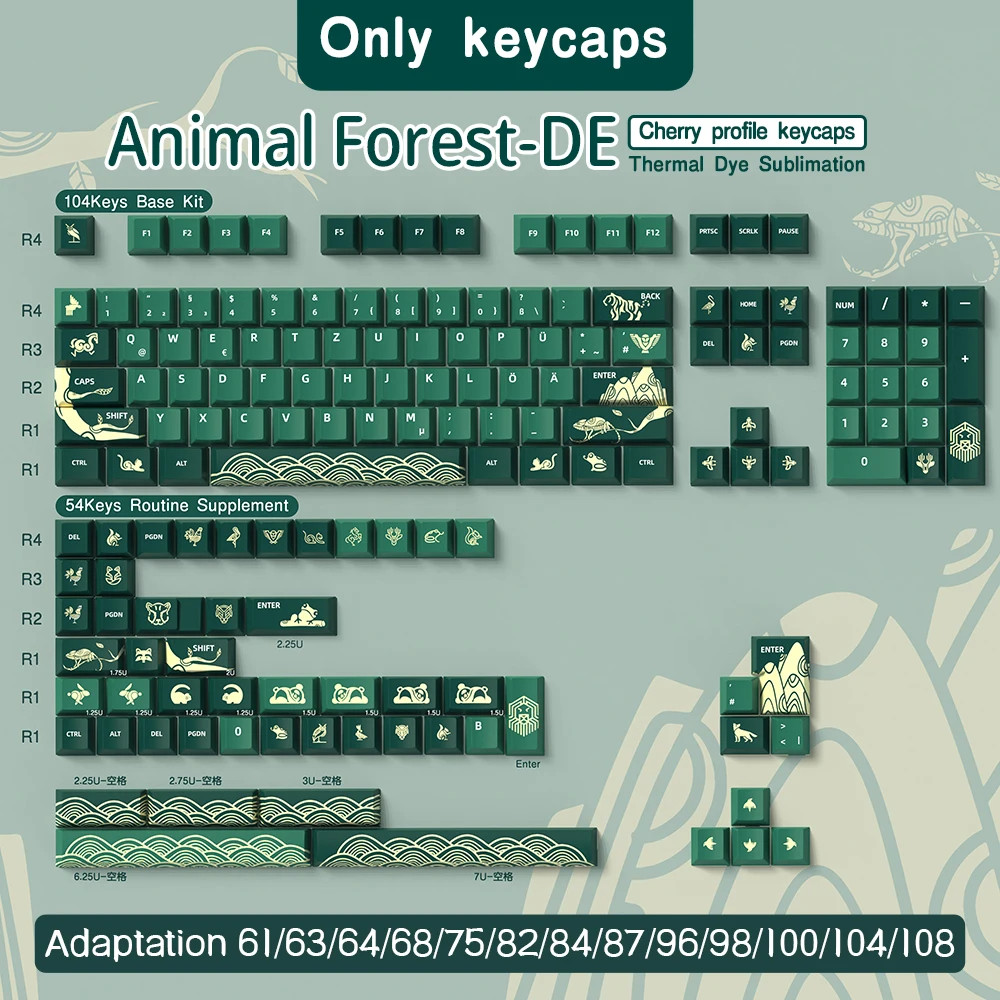 Animal Forest PBT Keycaps 158-Key Cherry Profile Multi-Language Keyboard$66.30View on eBay
Highlights
- PBT density and hardness resist shine better than ABS; doubleshot and dye-sublimation are the only legend methods that won't wear off.
- Cherry profile (full-height, sculpted) is the most compatible baseline; MOA, XDA, and OSA are taller or uniform and change typing feel.
- Wall thickness of 1.4–1.5 mm gives a deeper sound and less flex; sub-1.2 mm caps feel hollow and warp on hot-swap sockets.
- Key counts map to layouts: 104–108 for full-size, 125–140 for TKL/75%, 155–160+ for 96%/1800 and multi-language sets.
Best use cases
- Full-size or TKL office/gaming board: pick a 104–140 key Cherry-profile doubleshot PBT set with side or shine-through legends; skip artisan-only or sub-100-key sets that leave macro and nav clusters bare.
- 75% or 65% compact and travel boards: choose a 125–145 key Cherry or OEM PBT set; skip 160+ key multi-language sets whose extra keys you can't mount and which raise cost.
- Aesthetic retro or themed build: use dye-sub PBT in XDA, MOA, or OSA uniform profiles for full-coverage artwork; skip these on fast-twitch gaming boards because uniform tall profiles slow key travel and increase mistypes.
- Heavy daily typist wanting silence and heft: choose 1.5 mm-wall doubleshot PBT with Cherry profile; skip thin-walled shine-through caps that sound pingy and shine within months.
Buying tips
- Match key count to layout before anything else: count your board's physical keys including bottom-row 1.25u/1.5u/1.75u and 2u/2.25u/2.75u/6.25u/7u spacebar options; a set lacking your split-spacebar or 7u bottom row cannot be completed.
- Require doubleshot or dye-sublimation legends; pad-printed and laser-etched legends on PBT wear to bare plastic and are the single clearest sign of a budget cap.
- Check stem fit: standard Cherry MX cross stems (4.0 mm) accept virtually all PBT sets; confirm your board uses MX-compatible switches, not Topre, Alps, or low-profile Choc.
- Choose profile by use: Cherry for sculpted ergonomics and gaming, OEM for slightly taller sculpt, XDA/MOA/OSA for uniform retro looks; uniform profiles may need 1–2 days of retraining.
Specs
| Legend Method | Doubleshot / Dye-sublimated vs Pad-printed |
|---|---|
| Wall Thickness | 1.4–1.5 mm premium vs <1.2 mm thin |
| Profile Type | Cherry / OEM sculpted vs XDA/MOA uniform |
| Key Count | 104–108 full / 125–145 compact / 155+ multi |
Related searches
What to check before buying
- Count every key on your board, including function row, nav cluster, and bottom-row widths; compare against the set's stated key count and included spacebar sizes.
- Identify your switch type and stem: MX-compatible cross stems only; Topre, Alps, and low-profile Choc need dedicated caps.
- Measure or look up your board's profile clearance — tall MOA/OSA caps can collide with low-profile cases or wrist rests.
- Confirm backlight type: shine-through needs translucent legends; side-printed and solid dye-sub caps block RGB except at gaps.
FAQ
Data sources: eBay / Amazon listings and product attribute feeds. Updated Nov 23, 2026.
Some links on this page are affiliate links. If you buy after clicking one, we may earn a commission at no extra cost to you. This does not change which products appear here or their order. Affiliate disclosure.