
Photos from current listings. Actual item, color, and included accessories may vary.
Headphone Amp With Eq Buying Guide
A headphone amp with EQ combines a dedicated headphone amplifier stage with user-adjustable tone control or parametric equalization, letting you tailor frequency response to your headphones and hearing. The core trade-off is analog EQ simplicity versus digital DSP flexibility: analog bass/treble knobs add minimal circuitry and cost, while digital parametric EQ demands a clean DAC and app or on-device controls. The decision rule is clear: choose a unit with at least one parametric band below 100 Hz and documented output impedance under 1 ohm for low-impedance headphones; skip fixed shelf-only EQ if you need to tame narrow peaks.
Median $355.00 · New & pre-owned listings
Key takeaways
- Analog EQ typically uses Baxandall shelving bass/treble controls with fixed turnover frequencies around 100 Hz and 10 kHz, offering broad strokes without surgical cuts.
- Digital EQ relies on DSP chips or companion apps providing 5-10 parametric bands with adjustable Q, requiring a DAC and often a USB or Bluetooth link for configuration.
- Output impedance below 1 ohm is critical for low-impedance dynamic headphones; above 2 ohms it skews frequency response and can interact poorly with EQ boosts.
At a glance
- Category
- DACs & Headphone Amplifiers
- Last updated
- Nov 25, 2026
Current offers
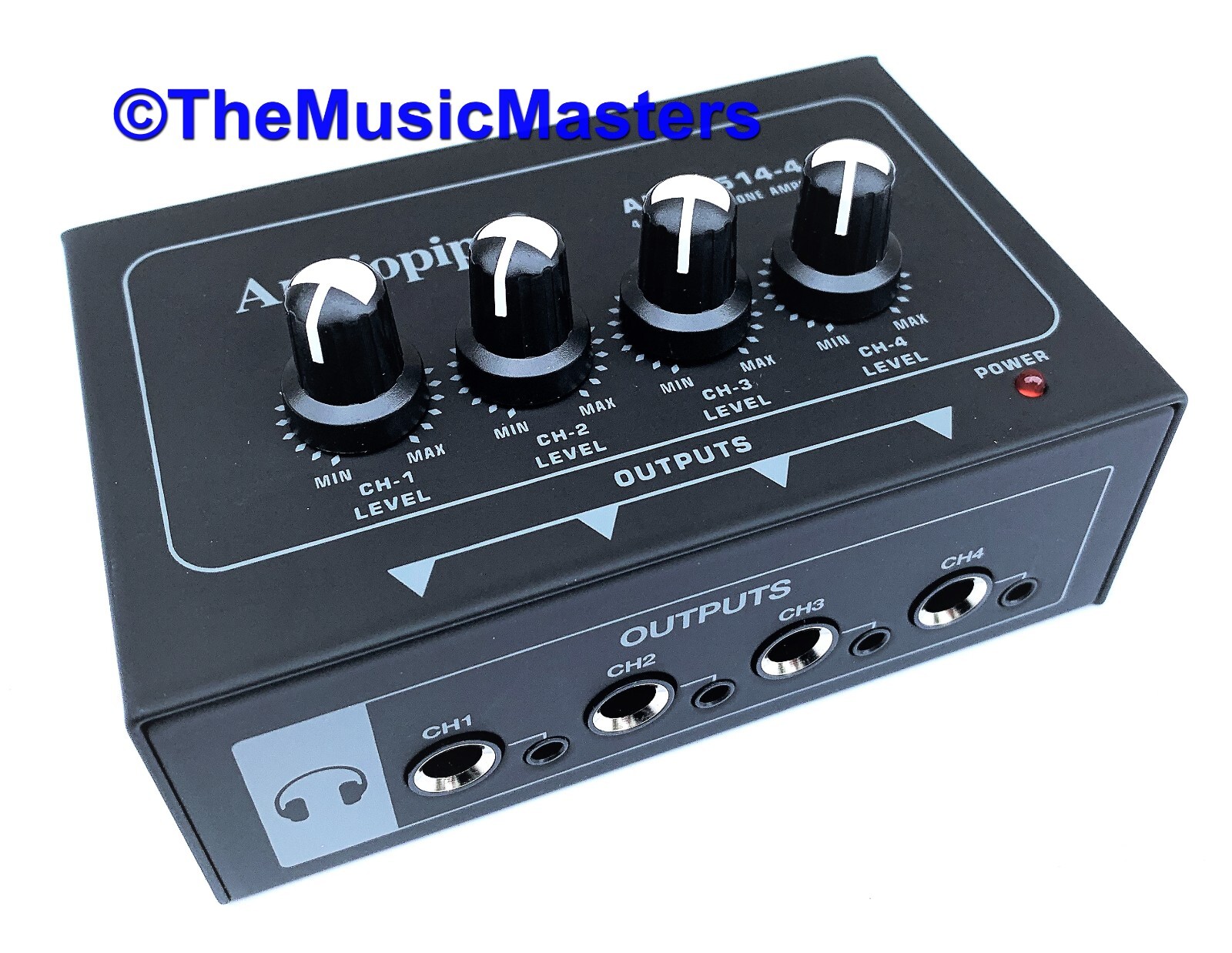 4 Channel HD Stereo HEADPHONE AMPLIFIER MIXER Audio Splitter Pro DJ Home Studio$49.99Last checked Nov 23, 2026View on eBay
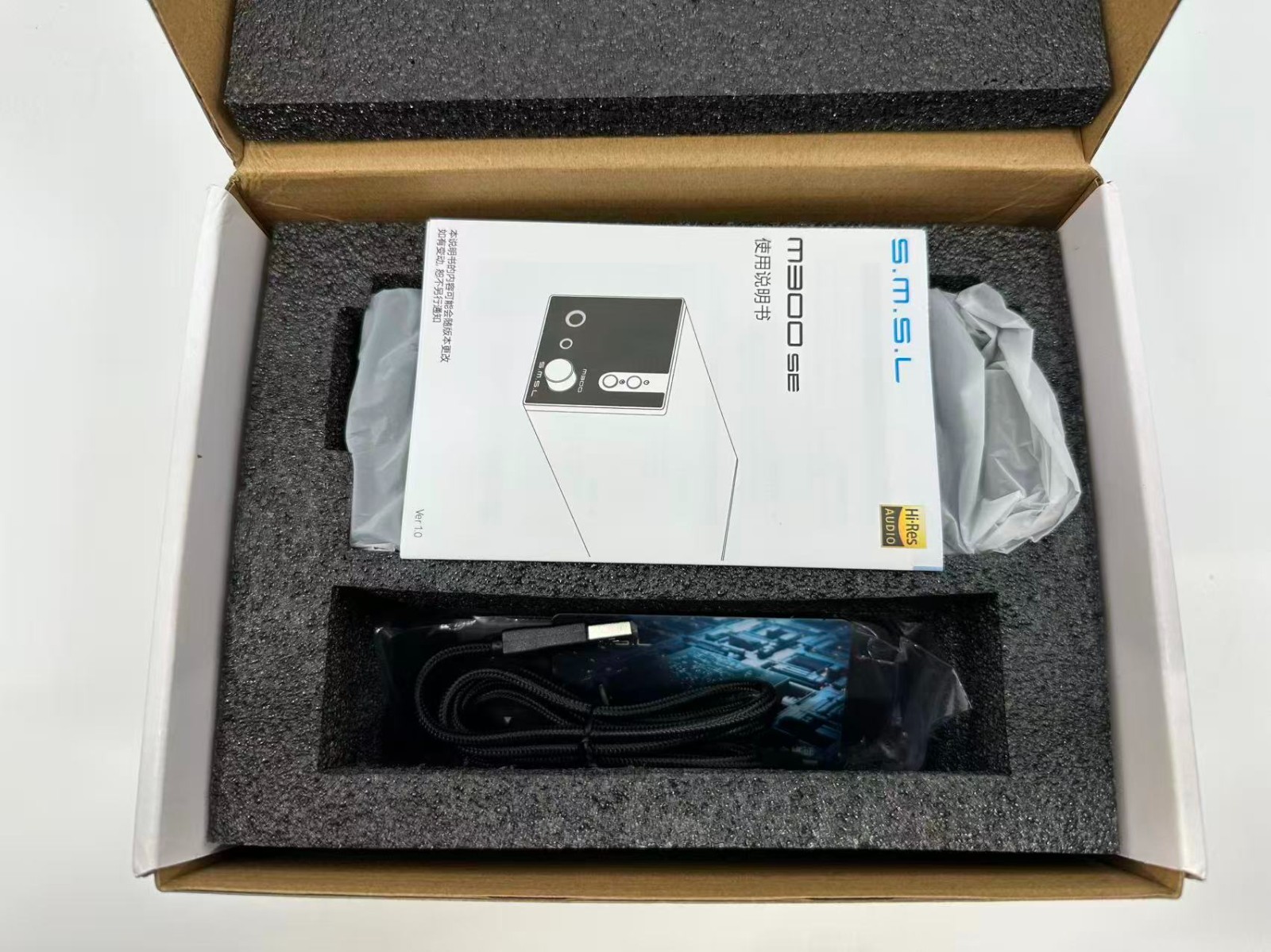 USB DAC Balanced Headphone Amplifier Bluetooth with Remote SMSL M300SE$120.00View on eBay
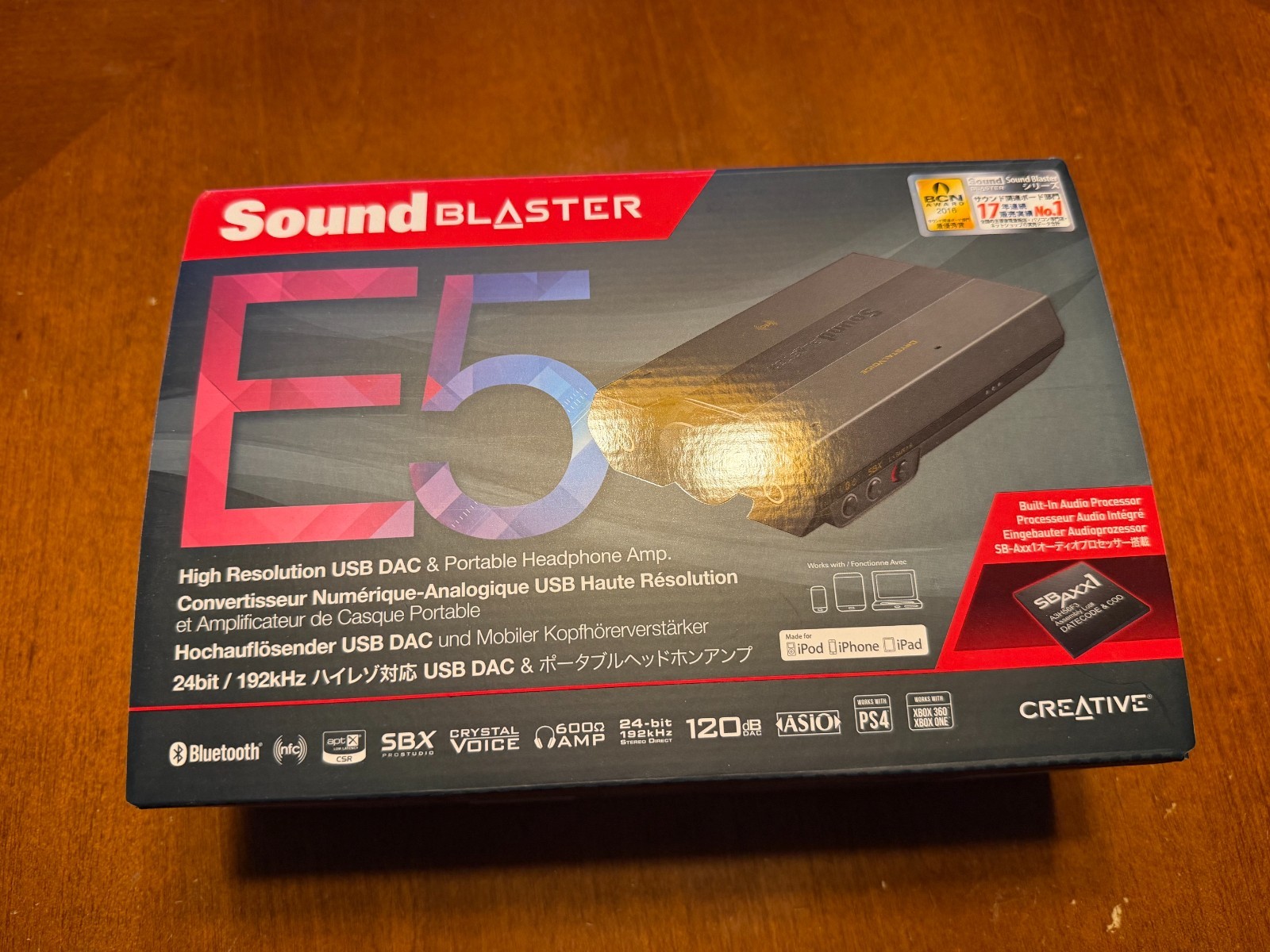 Creative SoundBlaster E5 Hi-Resolution Portable USB DAC Headphone Amplifier MINT$129.99View on eBay
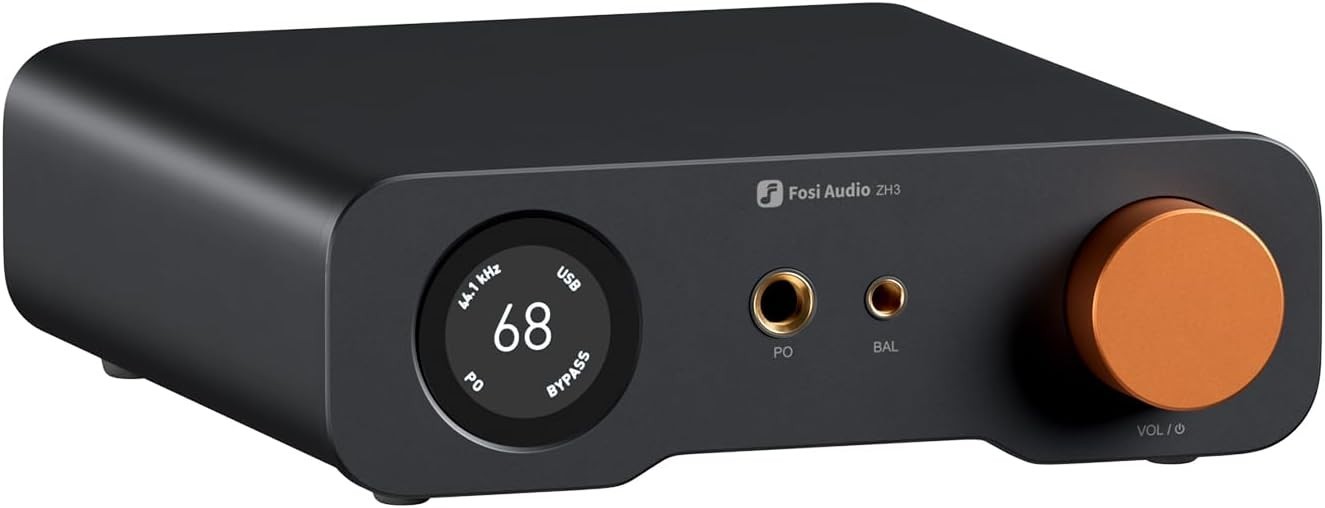 *Missing Remote* Fosi Audio ZH3 DAC Headphone Amp, 4-in 4-out Balanced Preamp$154.99View on eBay
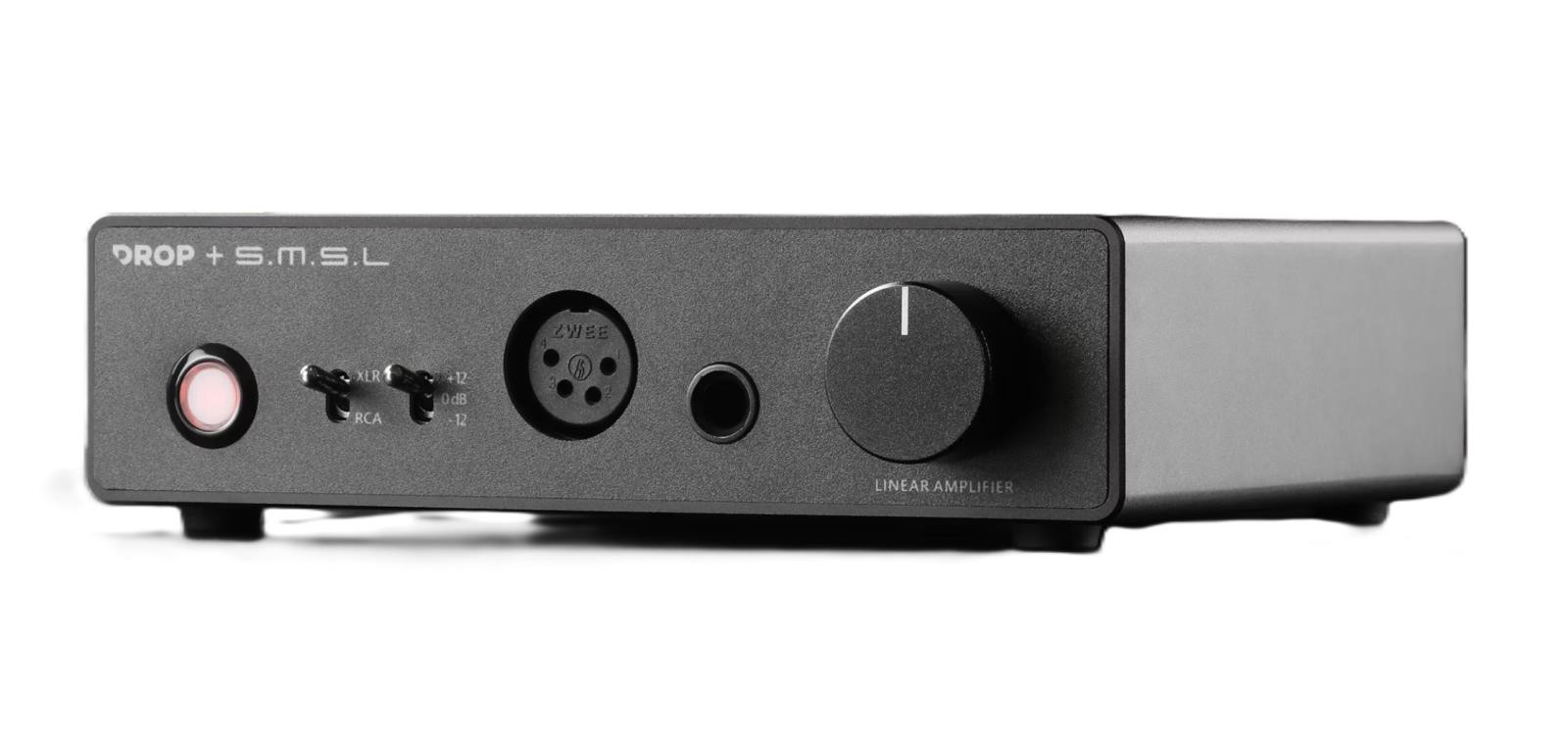 DROP SMSL HO150X Linear Headphone Amplifier$159.95View on eBay
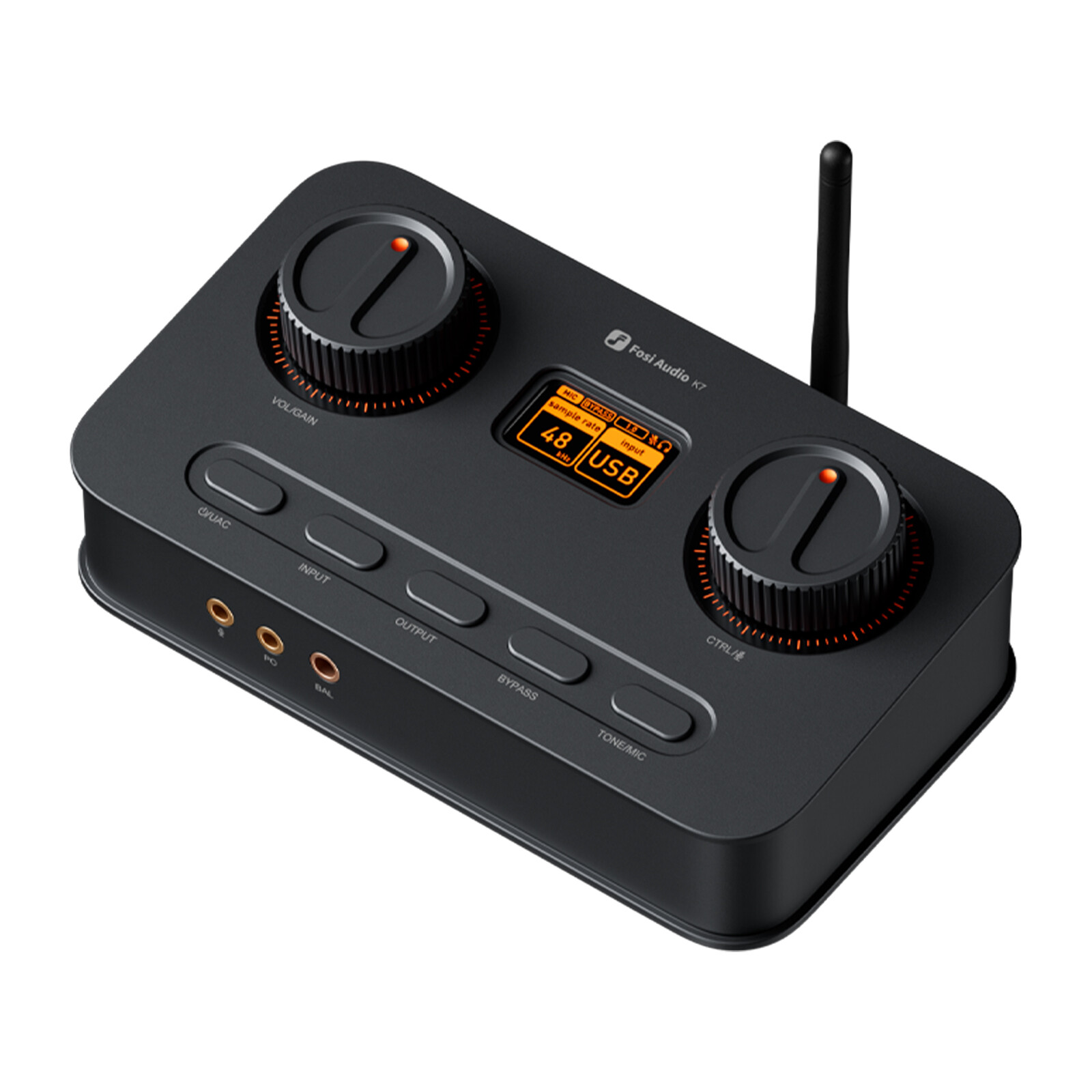 Fosi Audio K7 DAC Headphone Amp Desktop USB C Digital to Analog (Refurbished)$159.99View on eBay
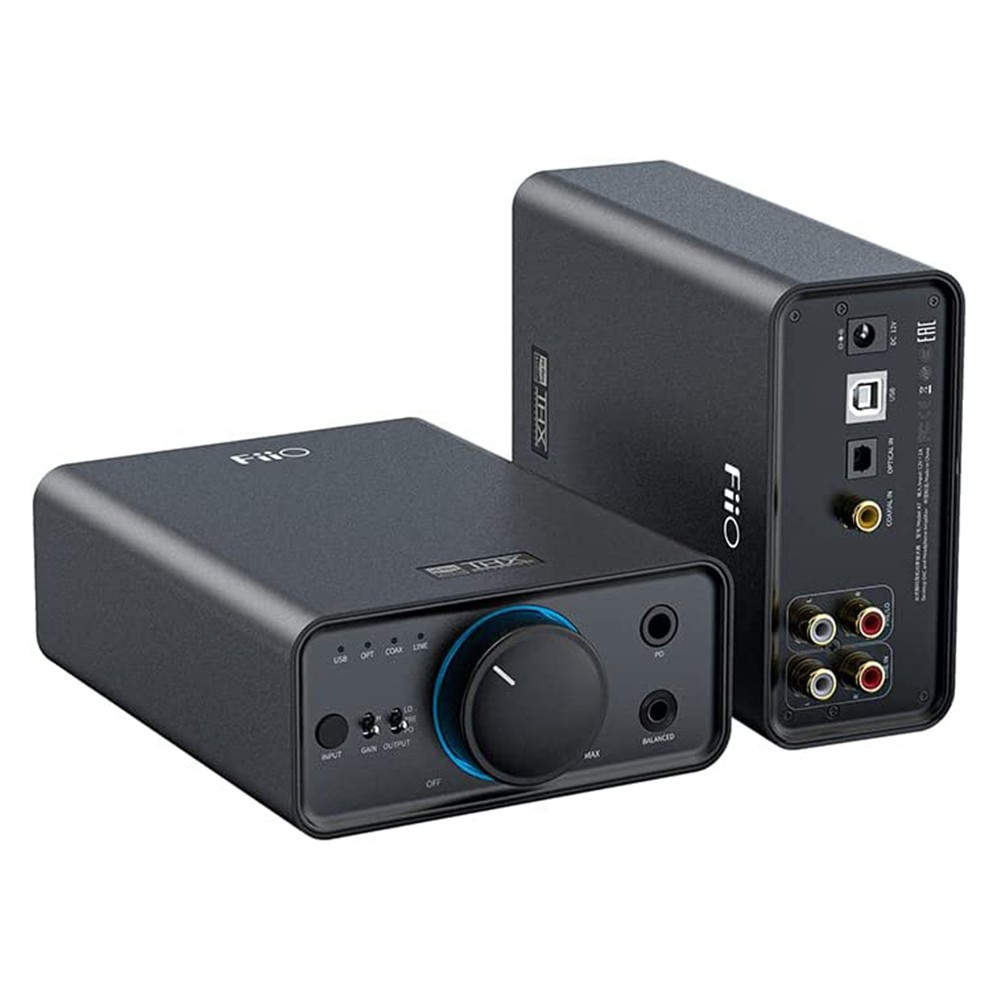 FiiO K7 Full Balanced HiFi DAC Headphone Amplifier$179.99View on eBay
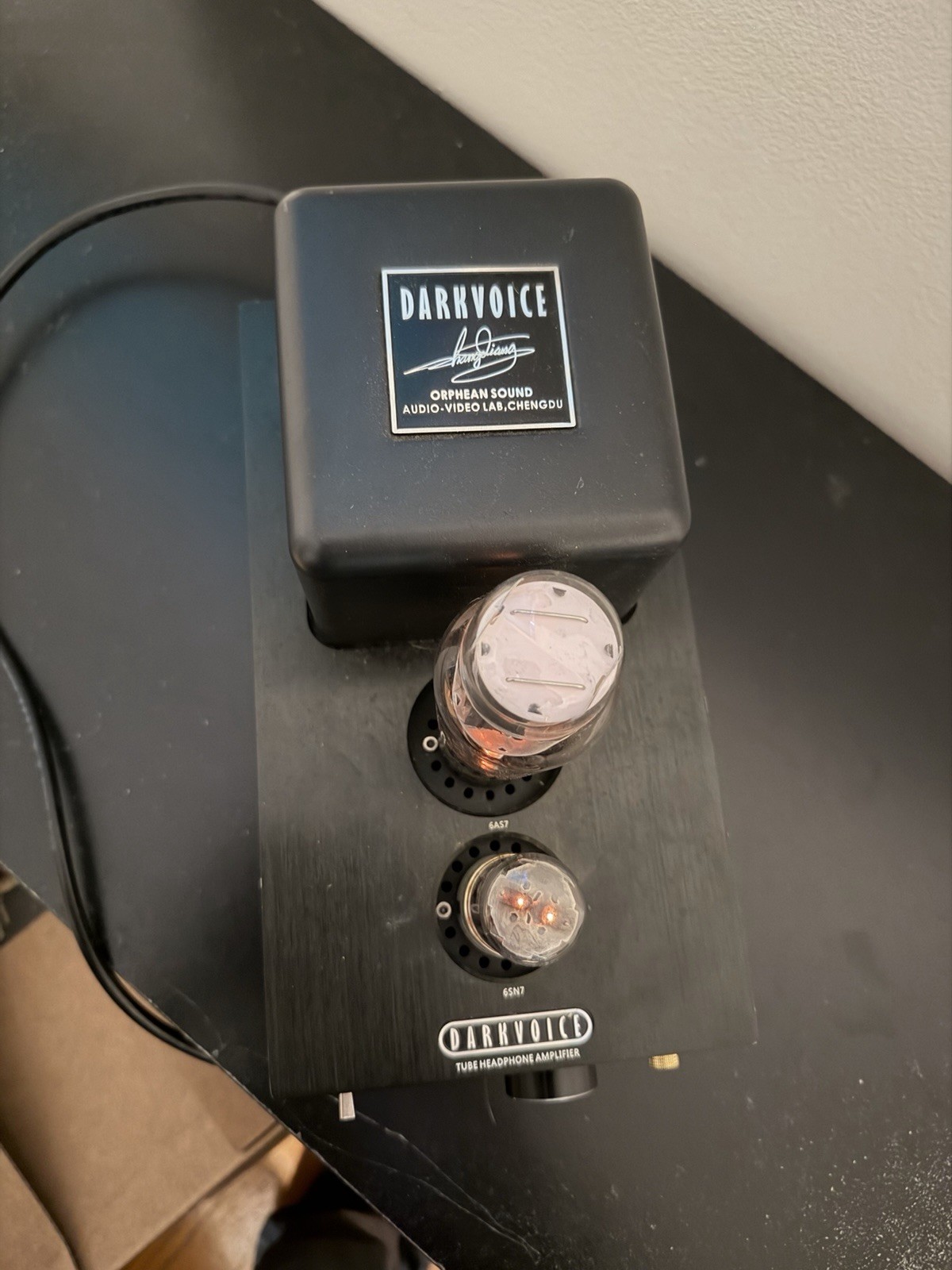 DarkVoice 336SE Class A Tube Headphone Amplifier 30W Black RCA Input 110V$210.00Used · Last checked Nov 21, 2026View on eBay
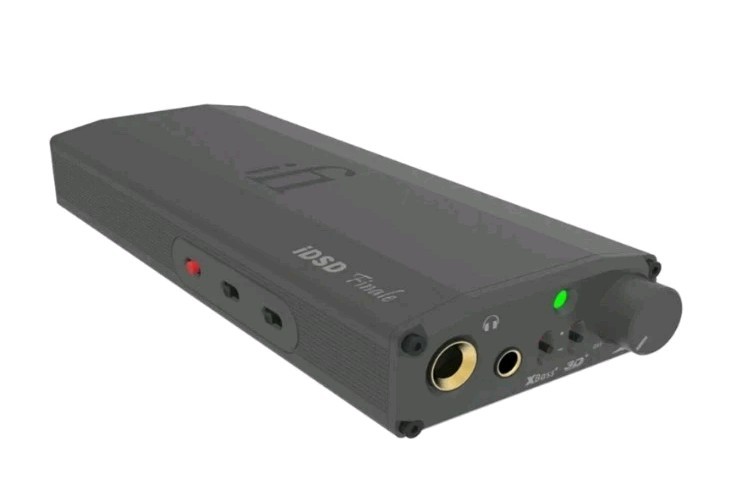 iFi Audio Micro iDSD Signature Finale Portable Headphone Amp and DAC$294.99Last checked Nov 17, 2026View on eBay
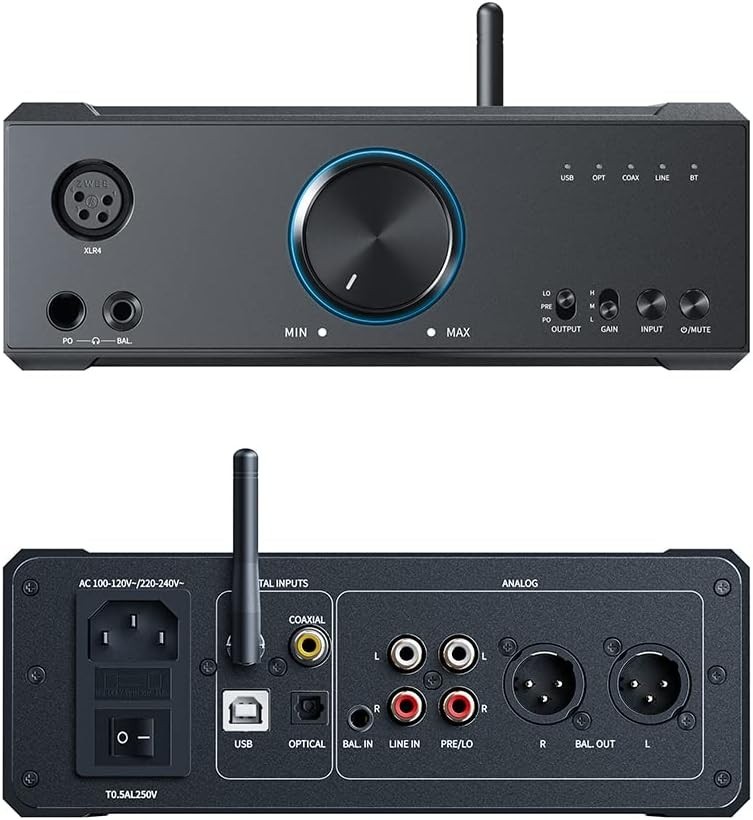 FiiO K9 Desktop Headphone Amp USB/DAC w/ES9068AS*2, THX AAA 788+,LDAC, DSD512$299.90Last checked Nov 18, 2026View on eBay
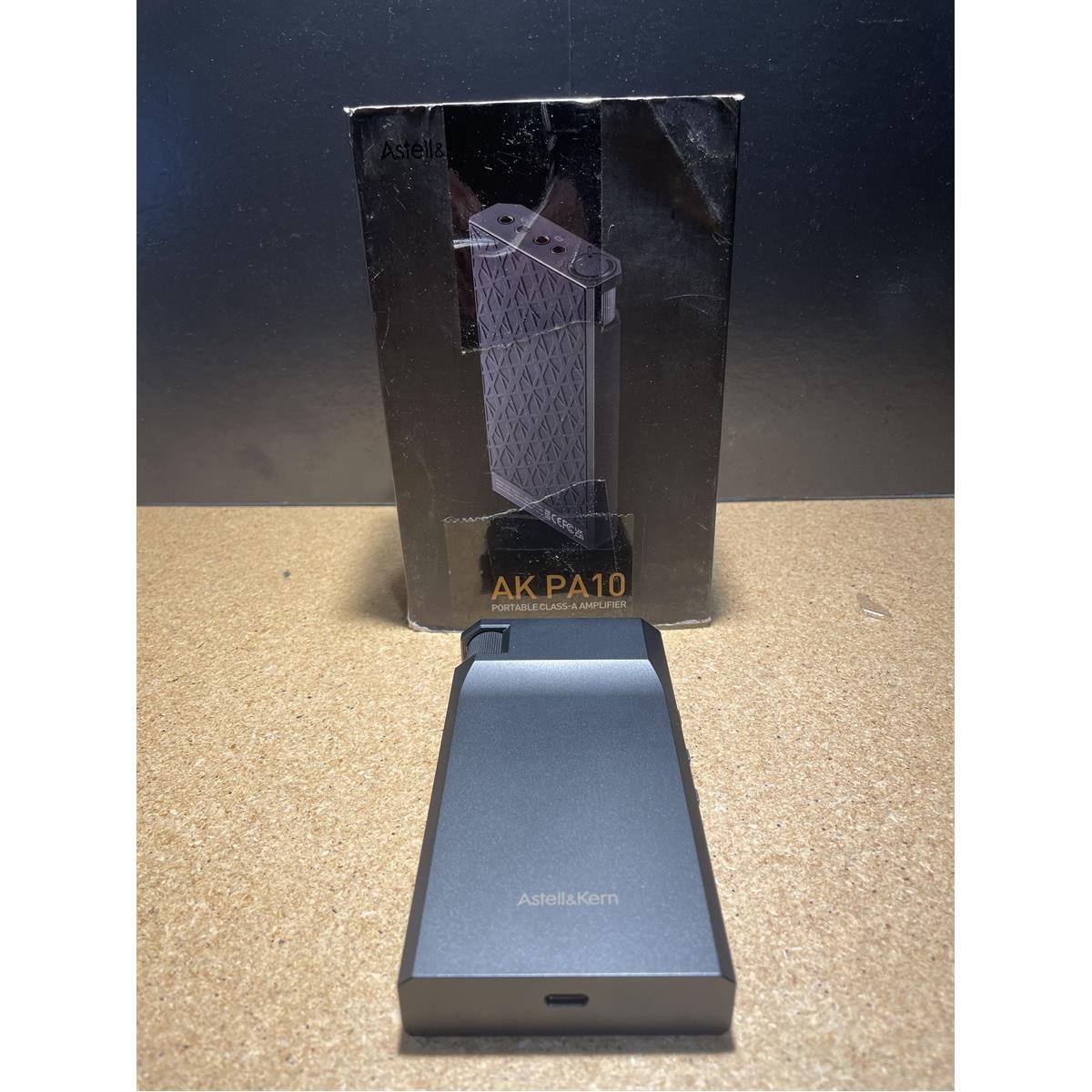 Astell & Kern AK PA10 Class-A Portable Headphone Amplifier$299.97Used · Last checked Nov 21, 2026View on eBay
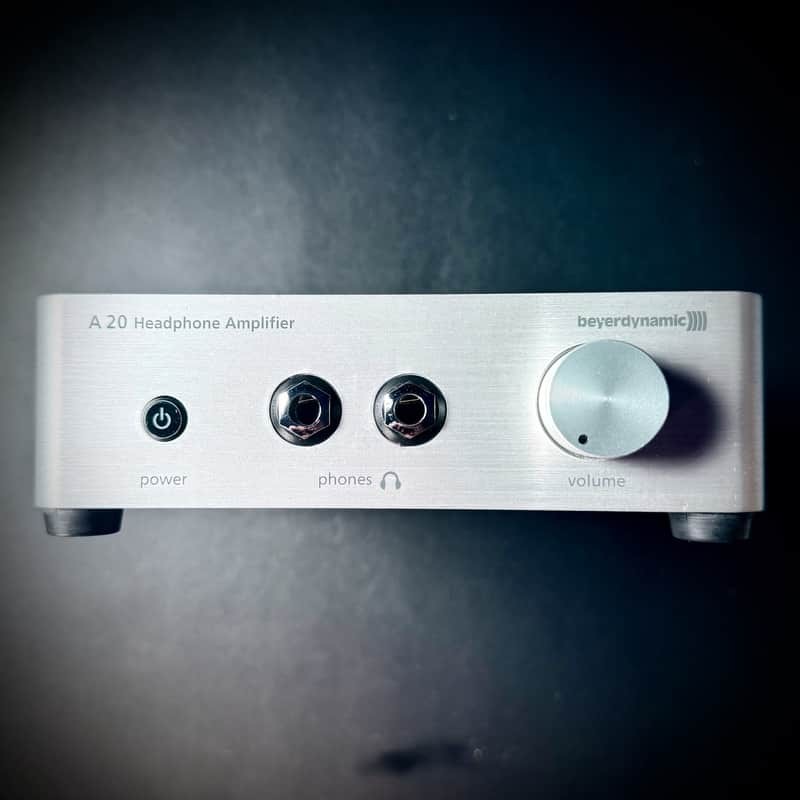 Beyerdynamic A20 Headphone Amplifier - Mint, Made in Germany, Dual Outputs$302.99Used · Last checked Nov 21, 2026View on eBay
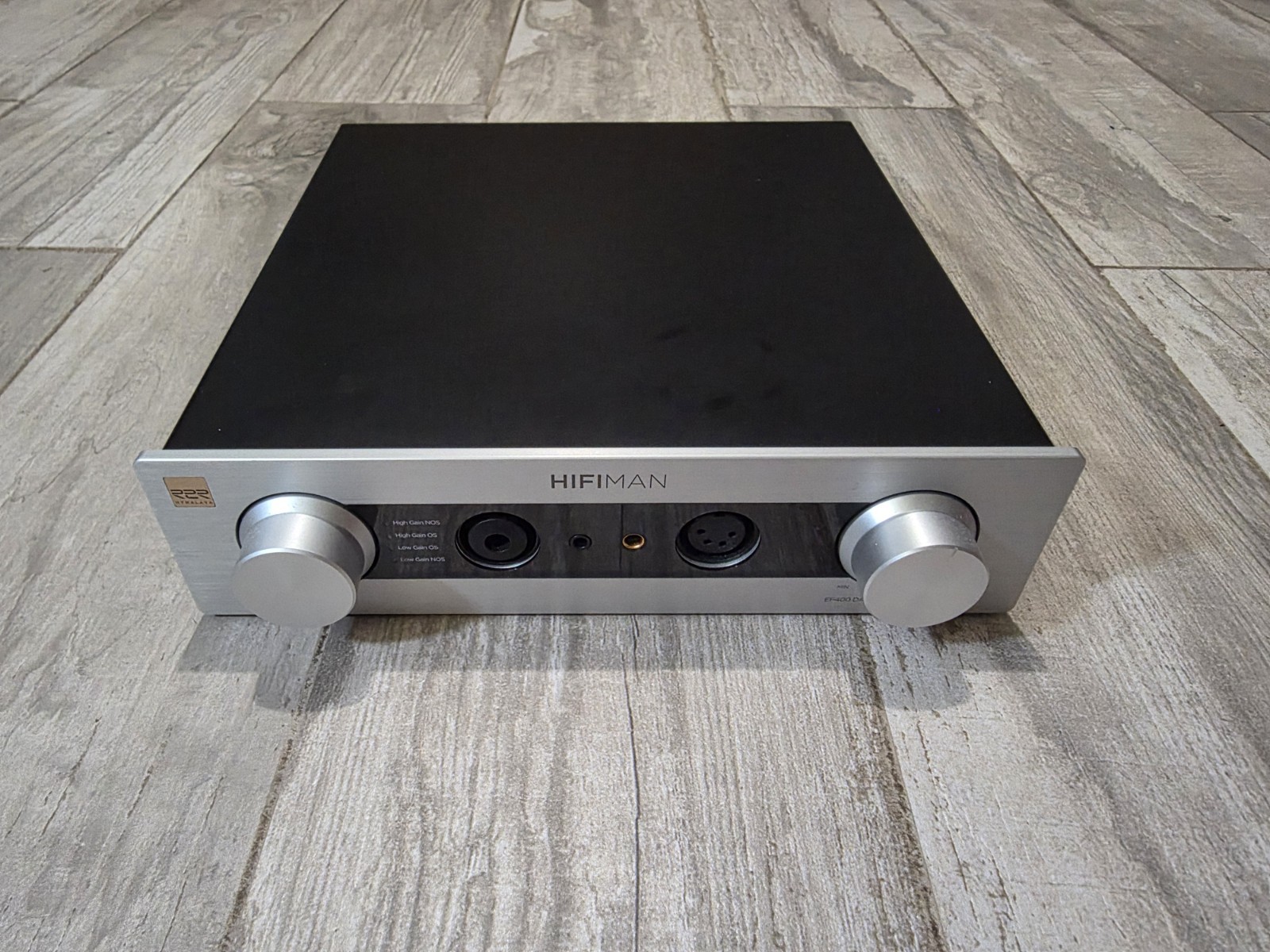 HIFIMAN EF400 Desktop Headphone DAC& Amplifier with Himalaya R2R DAC$339.00Used · Last checked Nov 21, 2026View on eBay
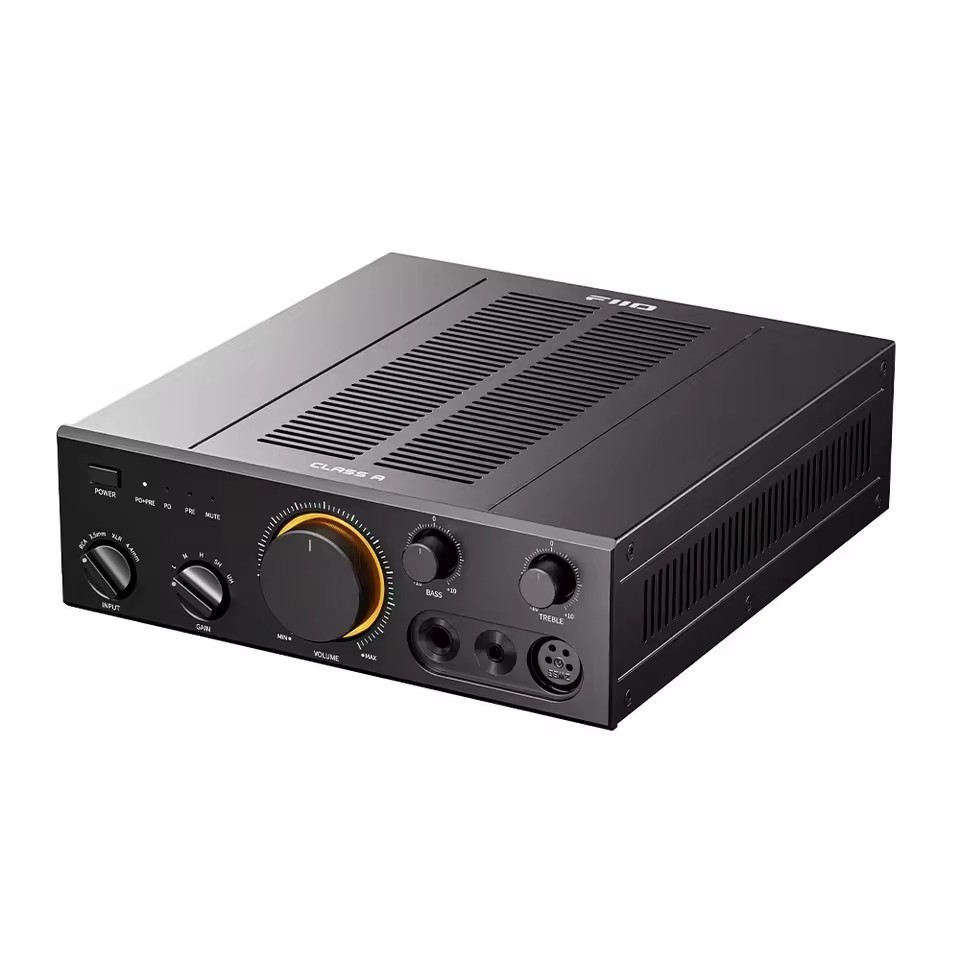 FiiO Class A Desktop Headphone Amplifier HiFi Preamp BLACK Free Ship to CONUS$349.99New · Last checked Nov 21, 2026View on eBay
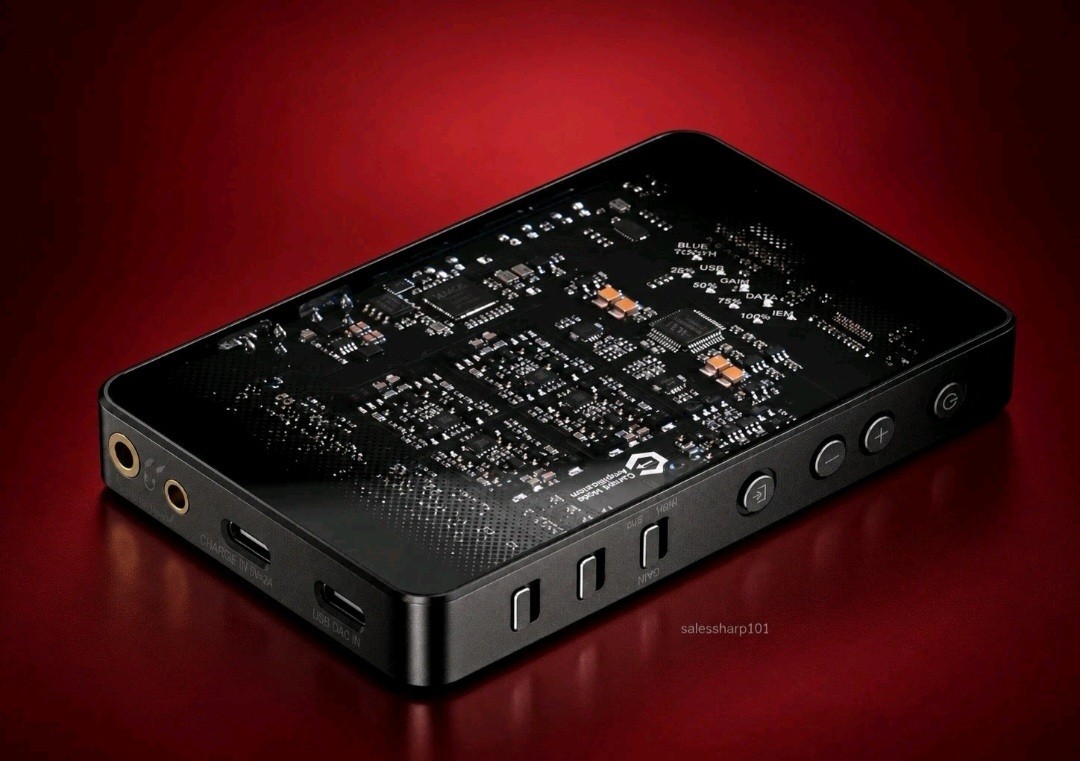 Questyle Sigma DAC/Amp Portable Rechargeable DAC & Bluetooth Headphone Amplifier$360.00New · Last checked Nov 21, 2026View on eBay
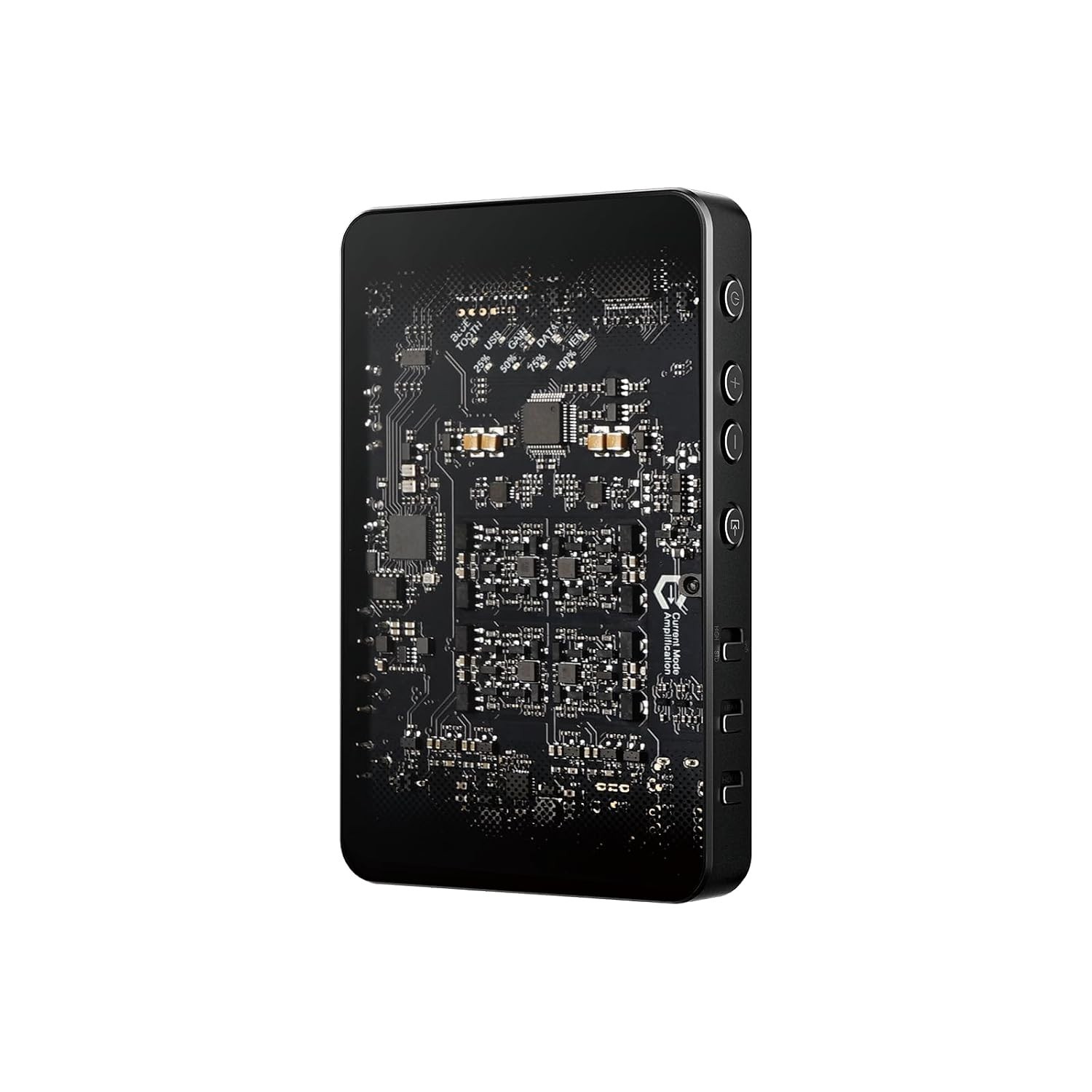 Questyle SIGMA Bluetooth 5.4 Portable DAC & Headphone Amplifier – USB-C$364.99Open box · Last checked Nov 21, 2026View on eBay
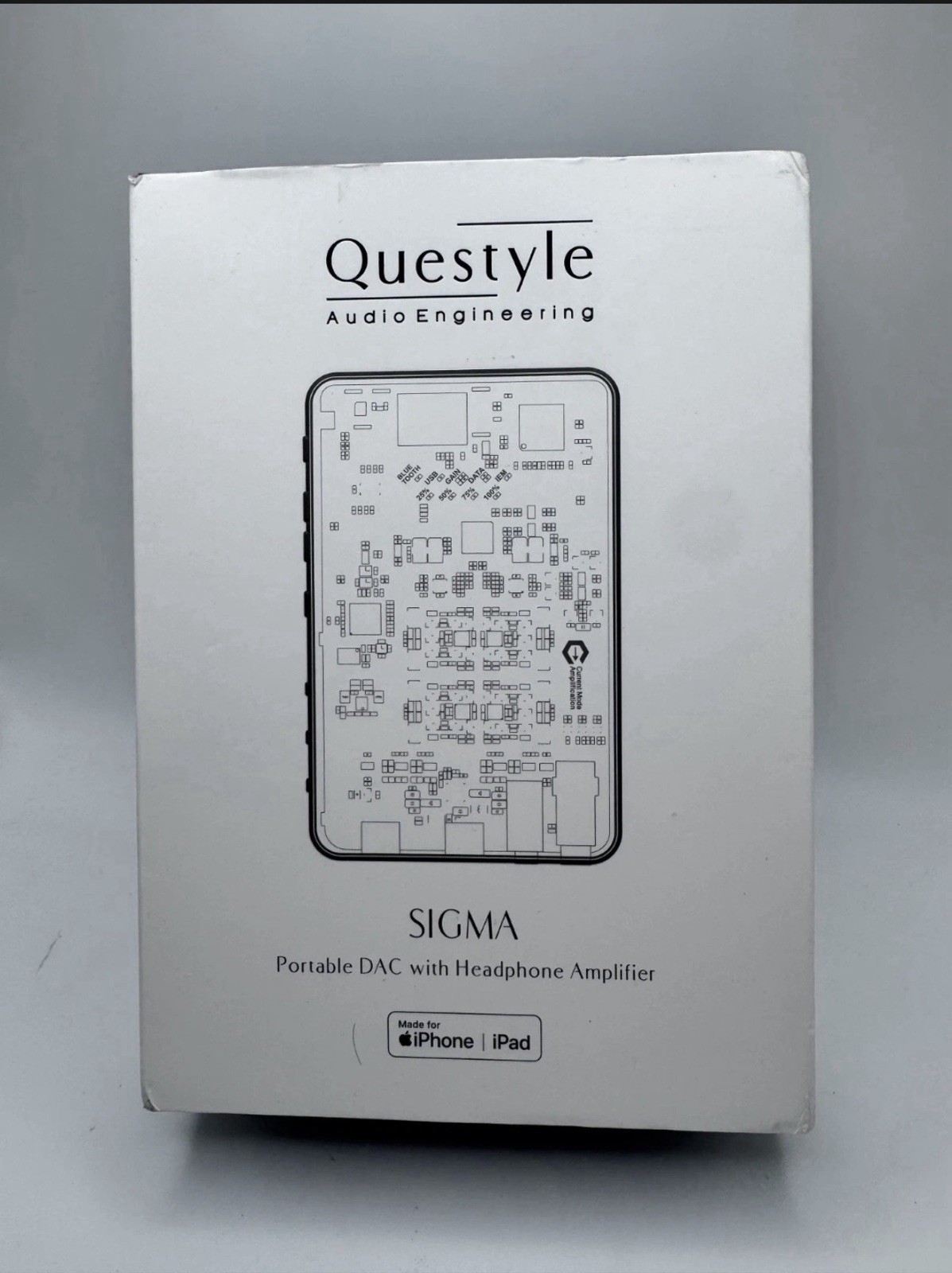 Questyle Sigma DAC/Amp Portable Rechargeable DAC & Bluetooth Headphone Amplifier$379.00Used · Last checked Nov 21, 2026View on eBay
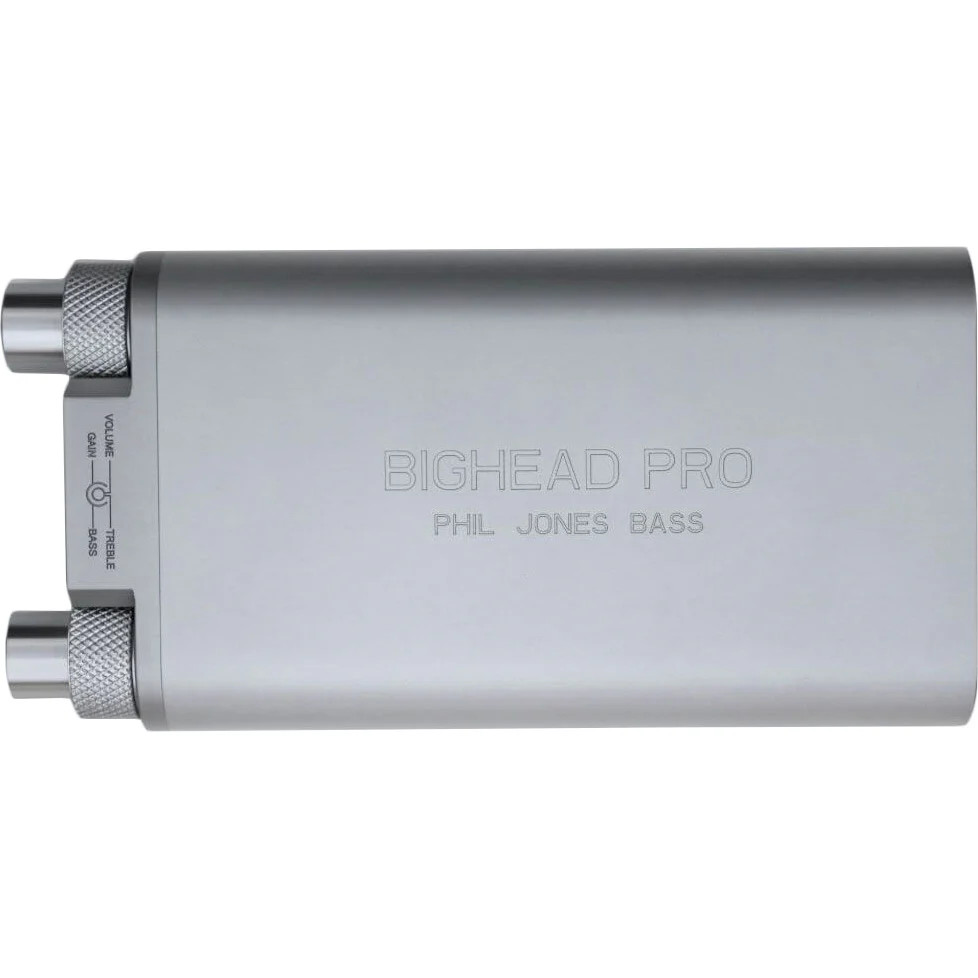 Phil Jones HA-2 Bass Bighead Pro Headphone Amp and Audio Interface$399.99Last checked Nov 14, 2026View on eBay
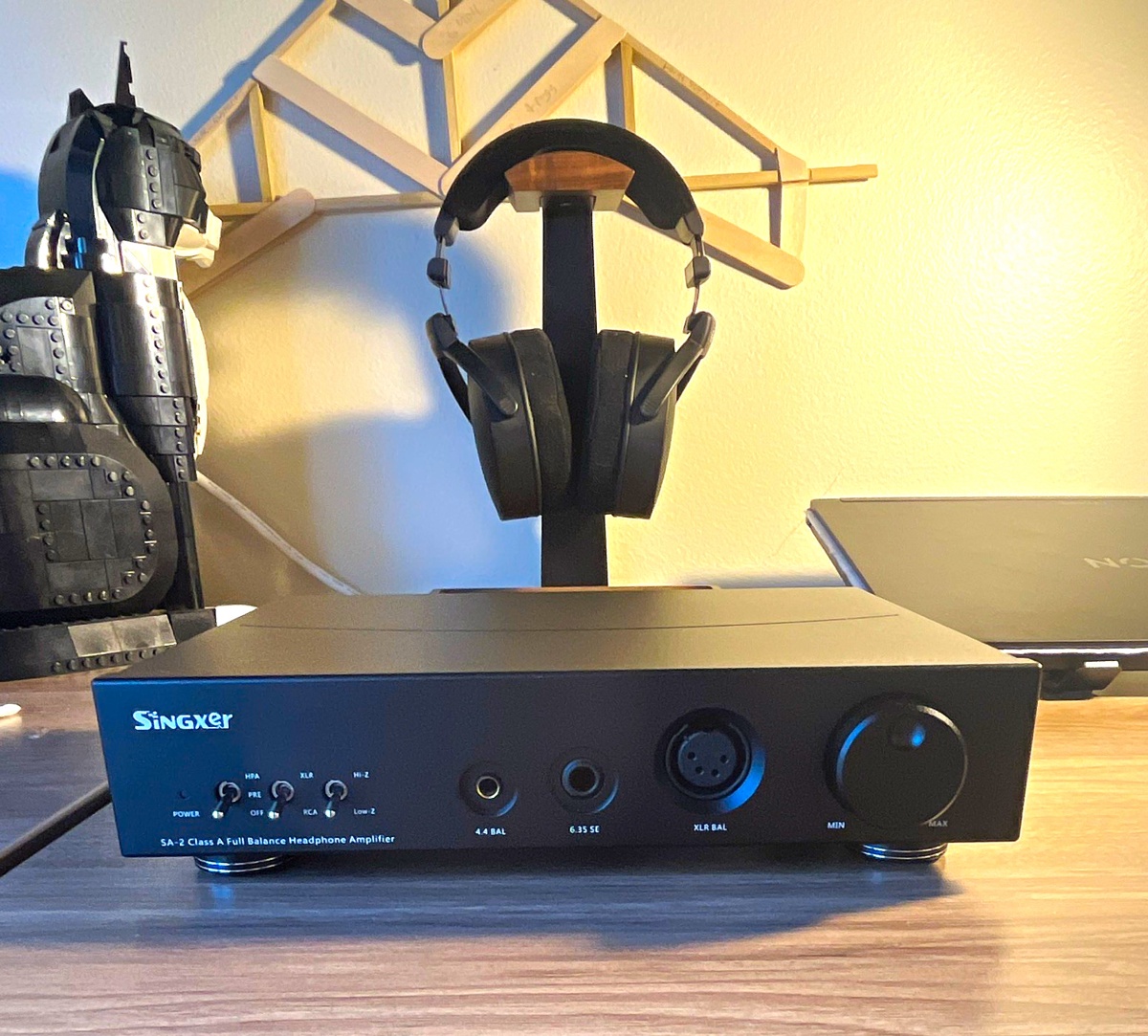 Singxer SA-2 Class A Discrete Fully Balanced Headphone Amplifier$400.00Open box · Last checked Nov 21, 2026View on eBay
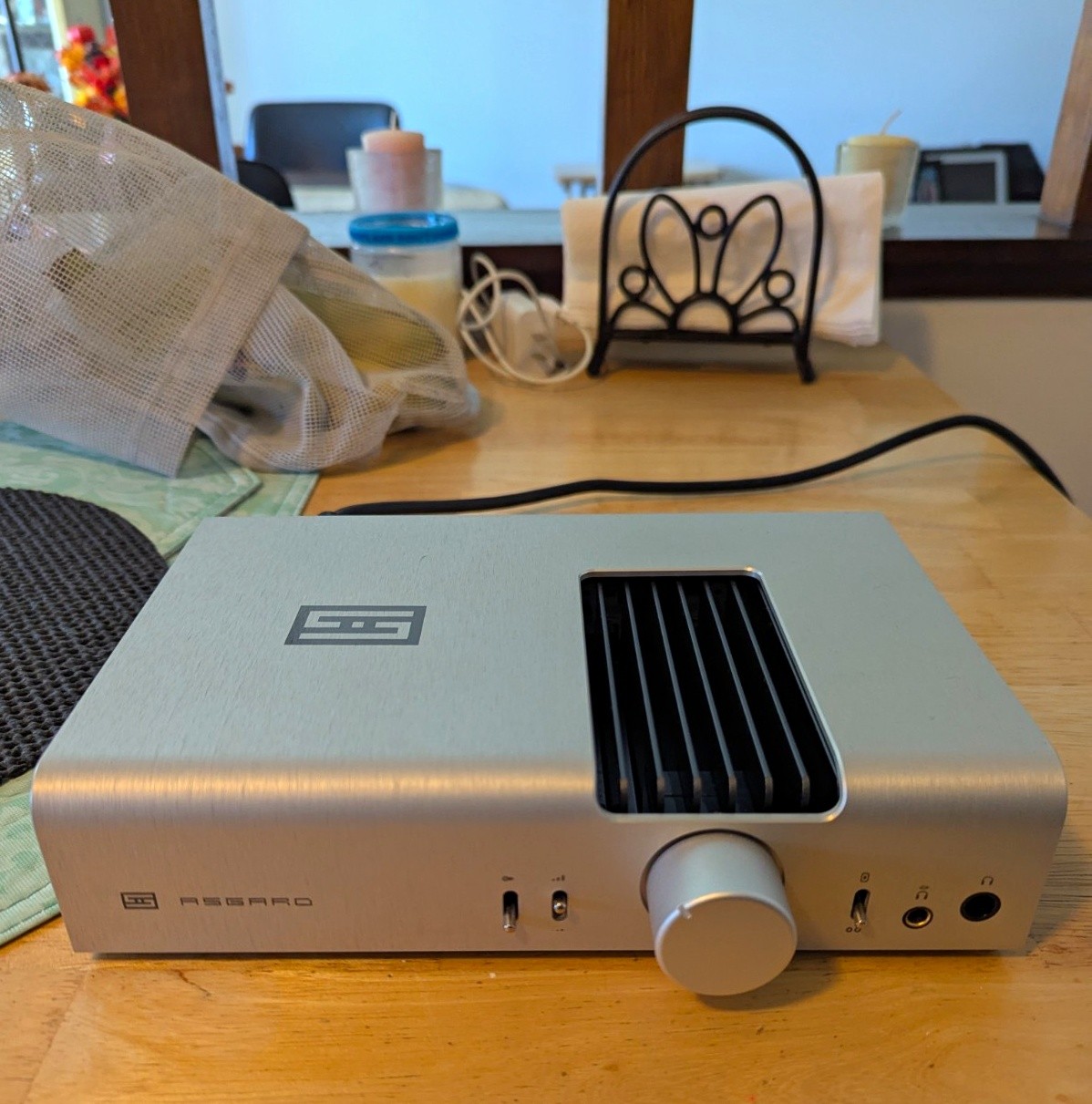 Schiit Asgard X Silver Desktop Audio Amplifier Analog RCA In/Out Headphone$405.00Used · Last checked Nov 21, 2026View on eBay
Highlights
- Analog EQ typically uses Baxandall shelving bass/treble controls with fixed turnover frequencies around 100 Hz and 10 kHz, offering broad strokes without surgical cuts.
- Digital EQ relies on DSP chips or companion apps providing 5-10 parametric bands with adjustable Q, requiring a DAC and often a USB or Bluetooth link for configuration.
- Output impedance below 1 ohm is critical for low-impedance dynamic headphones; above 2 ohms it skews frequency response and can interact poorly with EQ boosts.
- Balanced 4.4mm or 4-pin XLR outputs deliver roughly double the voltage swing of single-ended 3.5mm/6.35mm, giving more headroom for negative preamp gain used with EQ boosts.
Best use cases
- Pick a digital parametric EQ amp (5+ bands, app-controlled) if you own multiple headphones with known peaky treble or need to apply Harman-style target corrections; skip analog shelf-only amps for this.
- Choose an analog bass/treble amp if you primarily want quick low-end boost for bass-light planars or sealed dynamics and will not use narrow cuts above 3 kHz.
- Select a balanced-output EQ amp with at least 1 W into 32 ohms if you drive high-impedance (300-600 ohm) dynamic headphones and also apply positive EQ gain; single-ended 3.5mm units will clip.
- Avoid any EQ amp with output impedance above 2 ohms for multi-driver balanced-armature IEMs, where impedance swings cause unpredictable EQ results.
Buying tips
- Require at least one parametric band centered below 100 Hz with Q adjustable from 0.5 to 2.0; fixed 100 Hz shelves cannot target 60-80 Hz sub-bass resonances precisely.
- Match amp output impedance to headphone impedance: under 1 ohm for IEMs and low-impedance dynamics (16-32 ohm), under 2 ohms for 250-600 ohm models is acceptable.
- Budget for negative preamp gain: every +6 dB EQ boost needs roughly -6 dB preamp to avoid clipping, so pick an amp with at least 6 dB of headroom above your normal listening level.
- Confirm EQ persists without a connected app or computer; on-device presets and hardware knobs work standalone, while app-only DSP requires a live USB/Bluetooth link.
Specs
| EQ Type | Analog shelf / Digital parametric / Hybrid |
|---|---|
| Parametric Bands | 0 (analog) to 10 bands (DSP) |
| Output Impedance | <1 ohm (IEM) to <2 ohm (high-Z) |
| Balanced Output | 4.4mm Pentaconn / 4-pin XLR |
Related searches
What to check before buying
- Measure your headphone's nominal impedance and sensitivity (dB/mW or dB/V) to confirm the amp's power rating at that impedance exceeds your required SPL by 10 dB.
- Verify the amp's EQ type: analog shelving knobs, on-device digital presets, or app-based parametric bands, and confirm which controls work without a phone or PC attached.
- Check output connectors match your headphone cables: 3.5mm single-ended, 6.35mm, 4.4mm Pentaconn, or 4-pin XLR balanced.
- Confirm the amp's input matches your source: USB-C or USB-B for computer DAC duties, RCA or 3.5mm line-in for standalone use, and Bluetooth codec support if wireless.
FAQ
Data sources: eBay / Amazon listings and product attribute feeds. Updated Nov 25, 2026.
Some links on this page are affiliate links. If you buy after clicking one, we may earn a commission at no extra cost to you. This does not change which products appear here or their order. Affiliate disclosure.