
Photos from current listings. Actual item, color, and included accessories may vary.
Portable Headphone Amplifier Buying Guide
A portable headphone amplifier is a battery-powered gain stage (often with an integrated DAC) that drives headphones demanding more voltage or current than a phone or laptop jack can deliver. The core trade-off is clean output power versus noise floor and battery life: single-ended 3.5mm amps are tiny and quiet, while balanced or high-voltage designs add drive but bulk and heat. The decision rule is simple—if your headphones are under 32Ω and 100dB/mW sensitivity, skip the amp; if you own 250Ω+ or planar-magnetic cans, buy a model rated for the impedance and power at your listening level.
Median $362.50 · New & pre-owned listings
Key takeaways
- Output power scales with supply voltage: single-AAA or USB 5V amps deliver ~10-30mW at 32Ω, while internal 9V or dual-cell designs reach 100-250mW at 300Ω.
- Balanced 2.5mm/4.4mm outputs roughly double voltage swing versus single-ended 3.5mm, which matters for 300Ω dynamic and low-sensitivity planar headphones.
- Integrated DAC tiers follow chipset generation: older micro-USB units cap at 24-bit/96kHz, while current USB-C models with ESS or AKM chips handle 32-bit/384kHz and native DSD.
At a glance
- Category
- DACs & Headphone Amplifiers
- Last updated
- Nov 25, 2026
Current offers
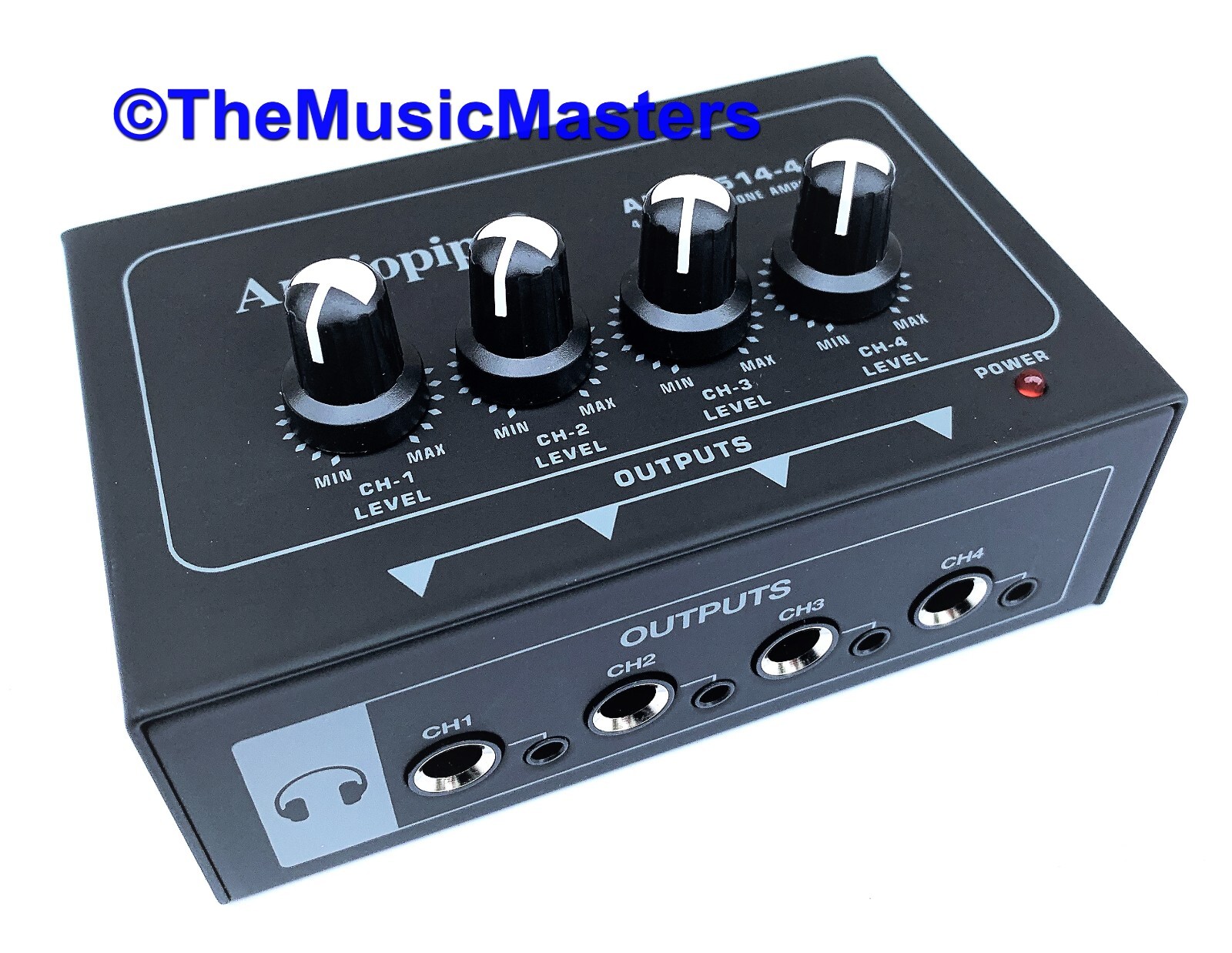 4 Channel HD Stereo HEADPHONE AMPLIFIER MIXER Audio Splitter Pro DJ Home Studio$49.99Last checked Nov 23, 2026View on eBay
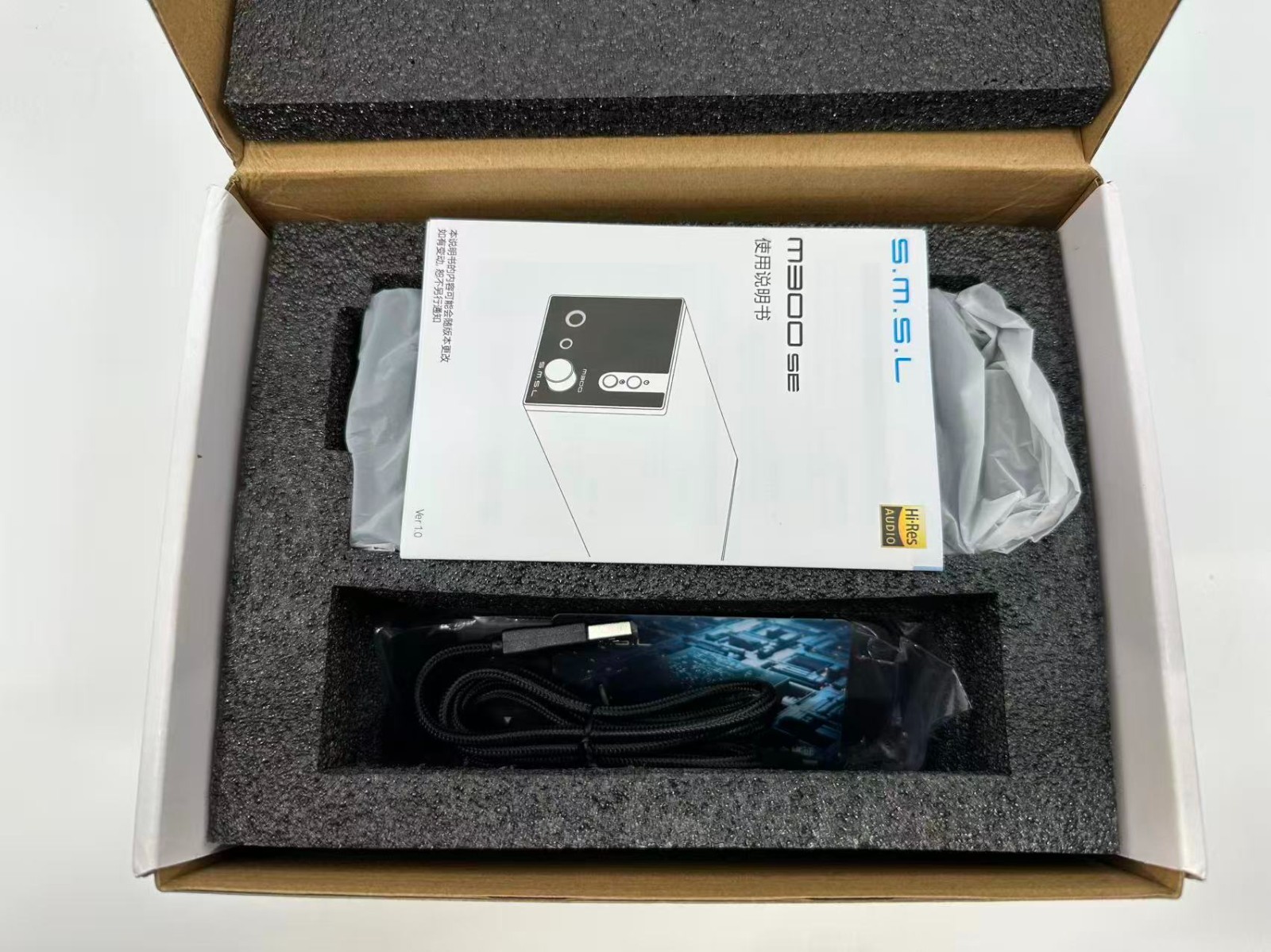 USB DAC Balanced Headphone Amplifier Bluetooth with Remote SMSL M300SE$120.00View on eBay
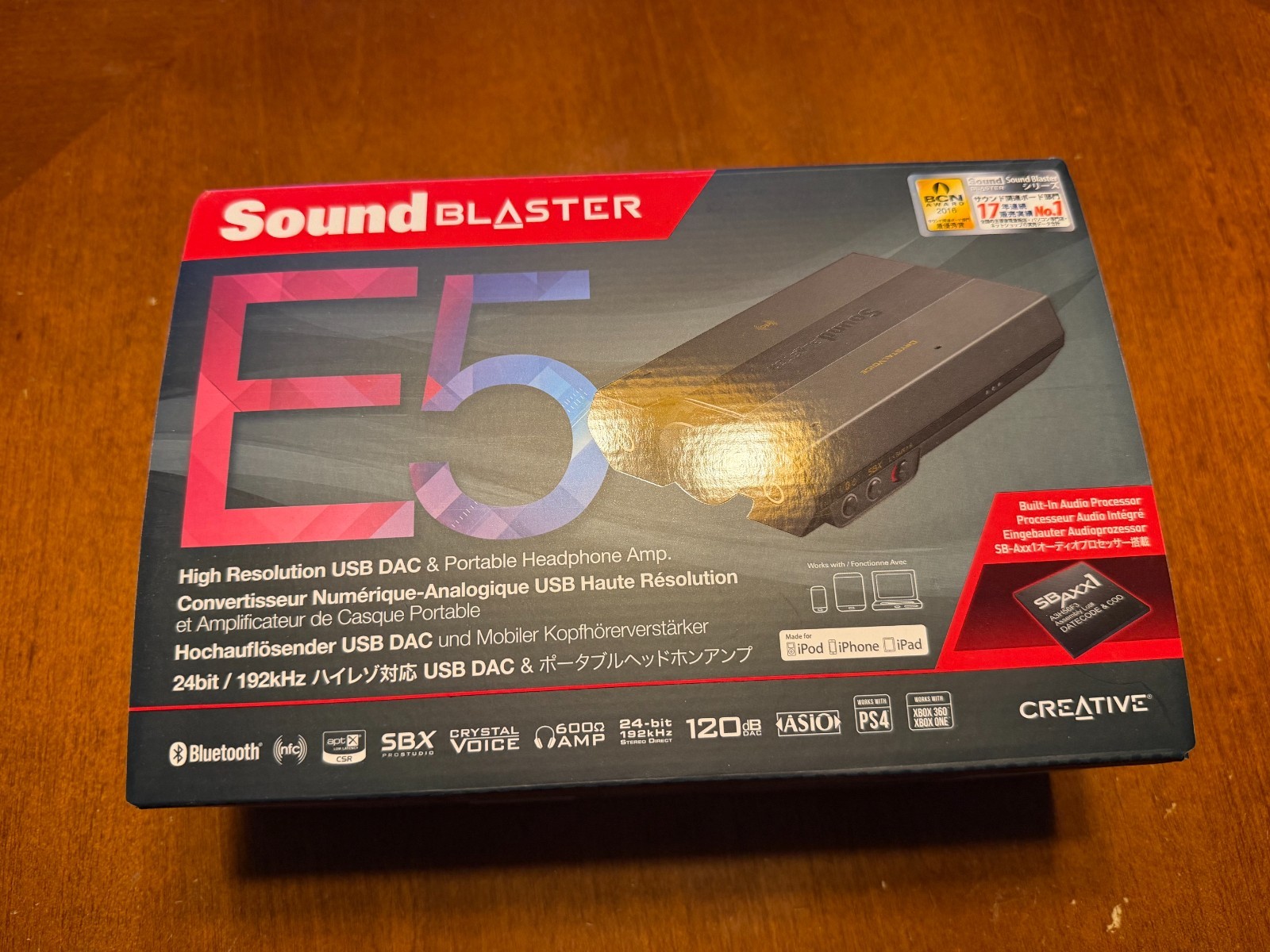 Creative SoundBlaster E5 Hi-Resolution Portable USB DAC Headphone Amplifier MINT$129.99View on eBay
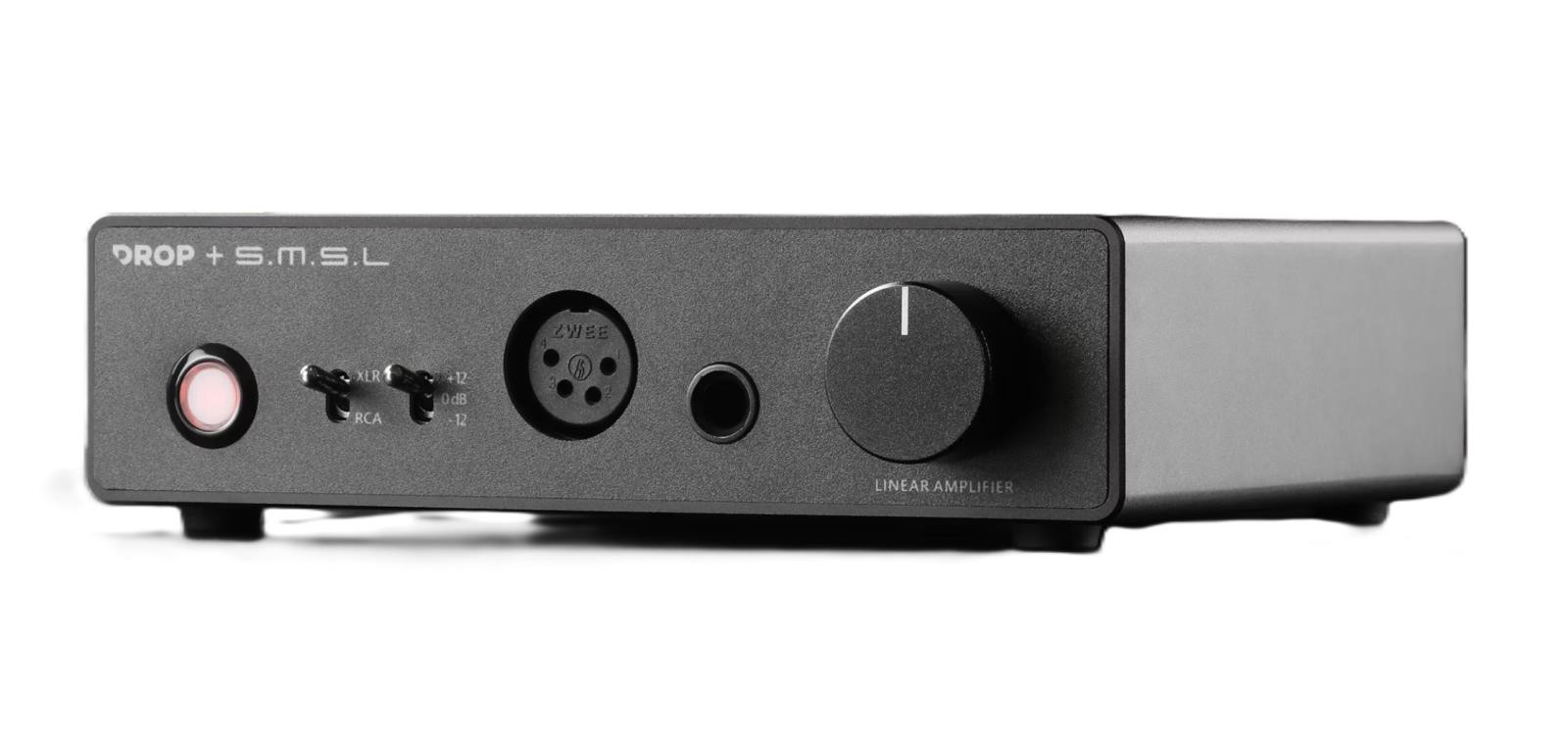 DROP SMSL HO150X Linear Headphone Amplifier$159.95View on eBay
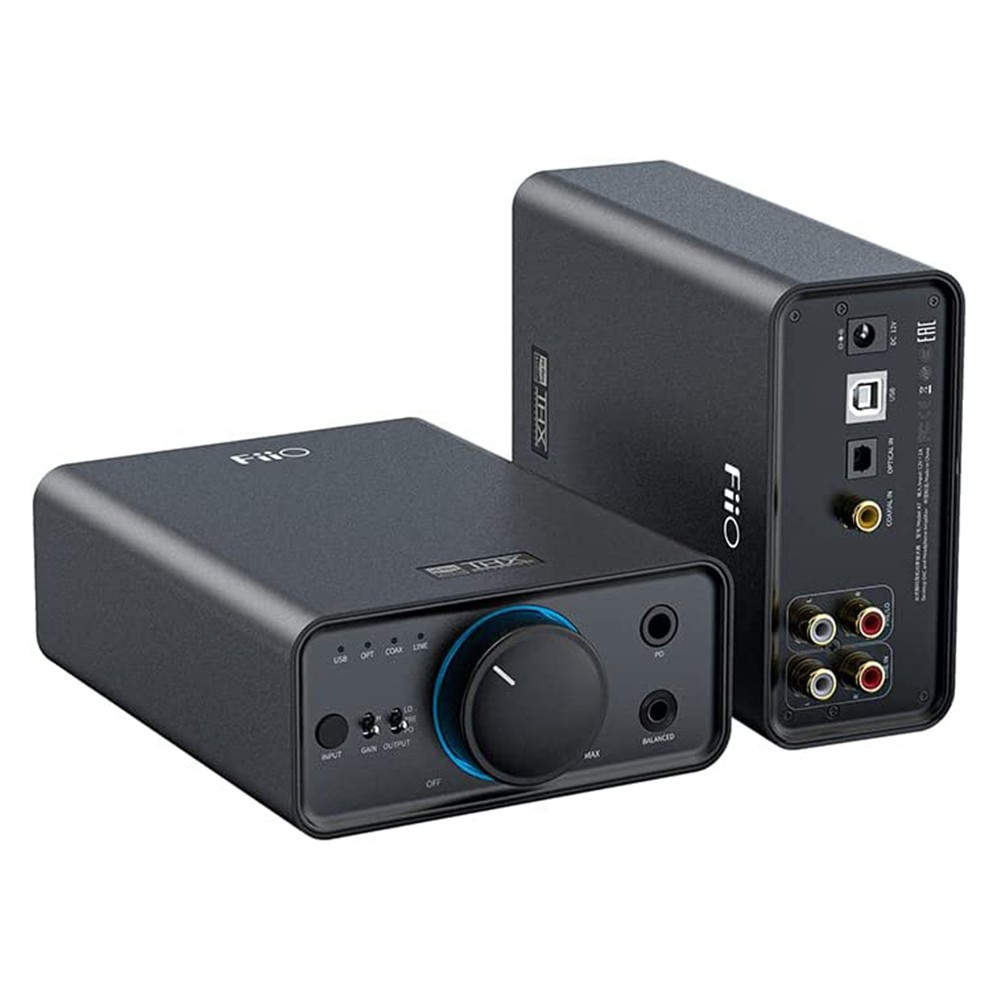 FiiO K7 Full Balanced HiFi DAC Headphone Amplifier$179.99View on eBay
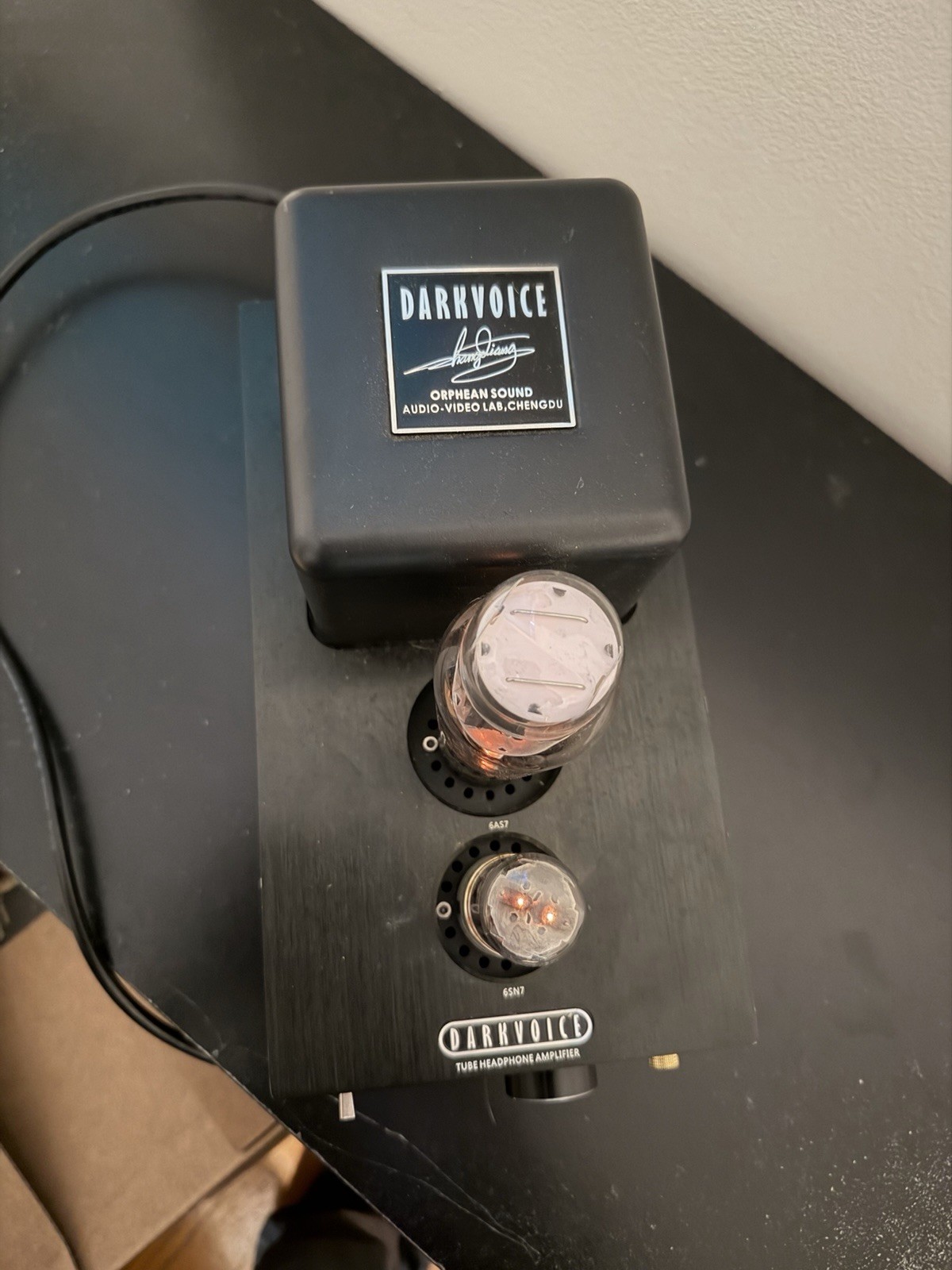 DarkVoice 336SE Class A Tube Headphone Amplifier 30W Black RCA Input 110V$210.00Used · Last checked Nov 21, 2026View on eBay
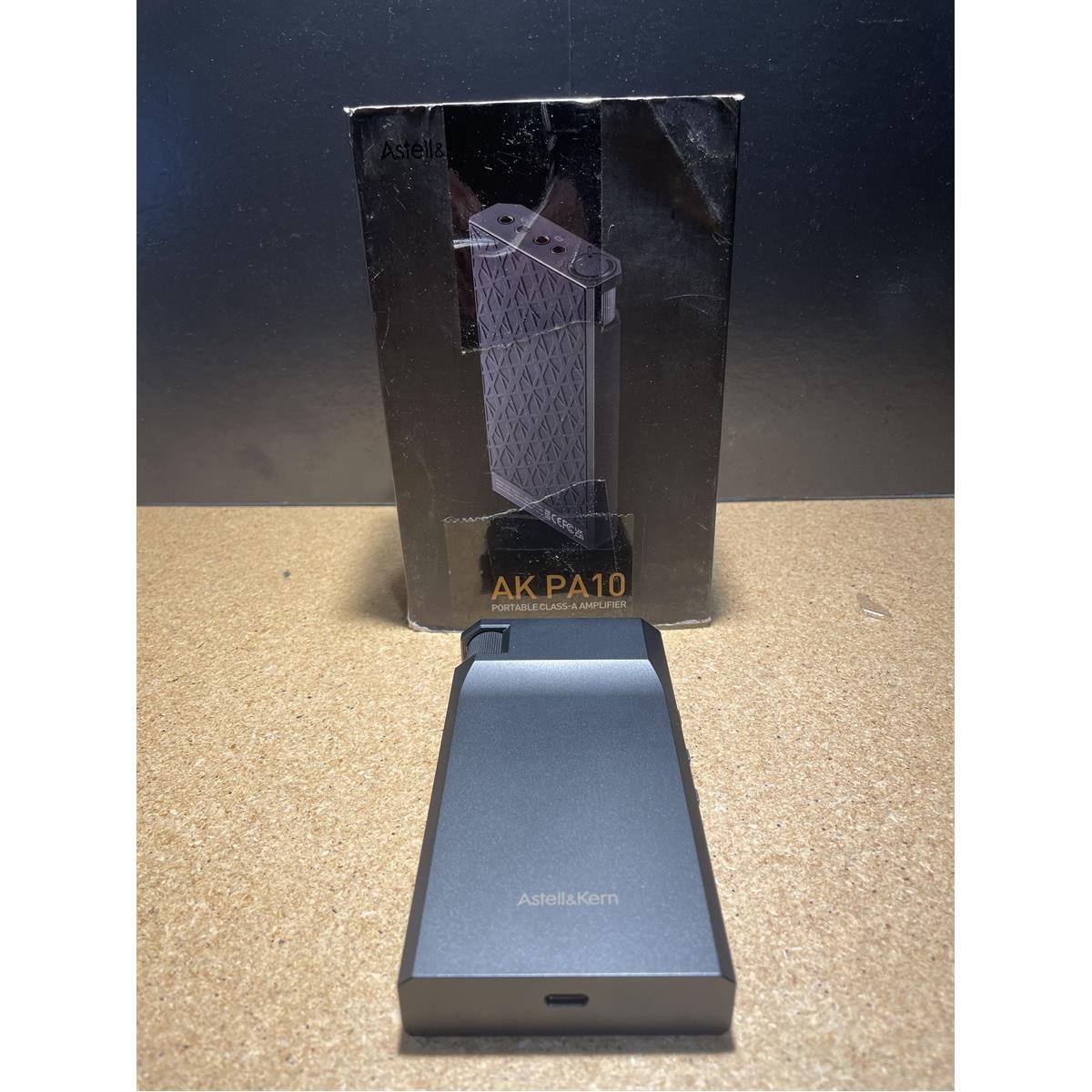 Astell & Kern AK PA10 Class-A Portable Headphone Amplifier$299.97Used · Last checked Nov 21, 2026View on eBay
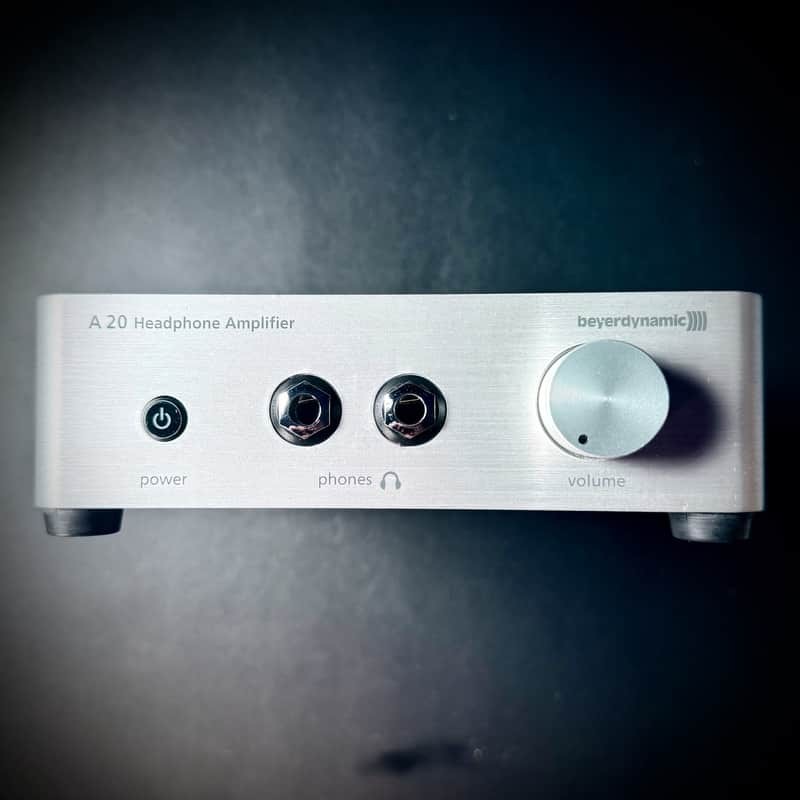 Beyerdynamic A20 Headphone Amplifier - Mint, Made in Germany, Dual Outputs$302.99Used · Last checked Nov 21, 2026View on eBay
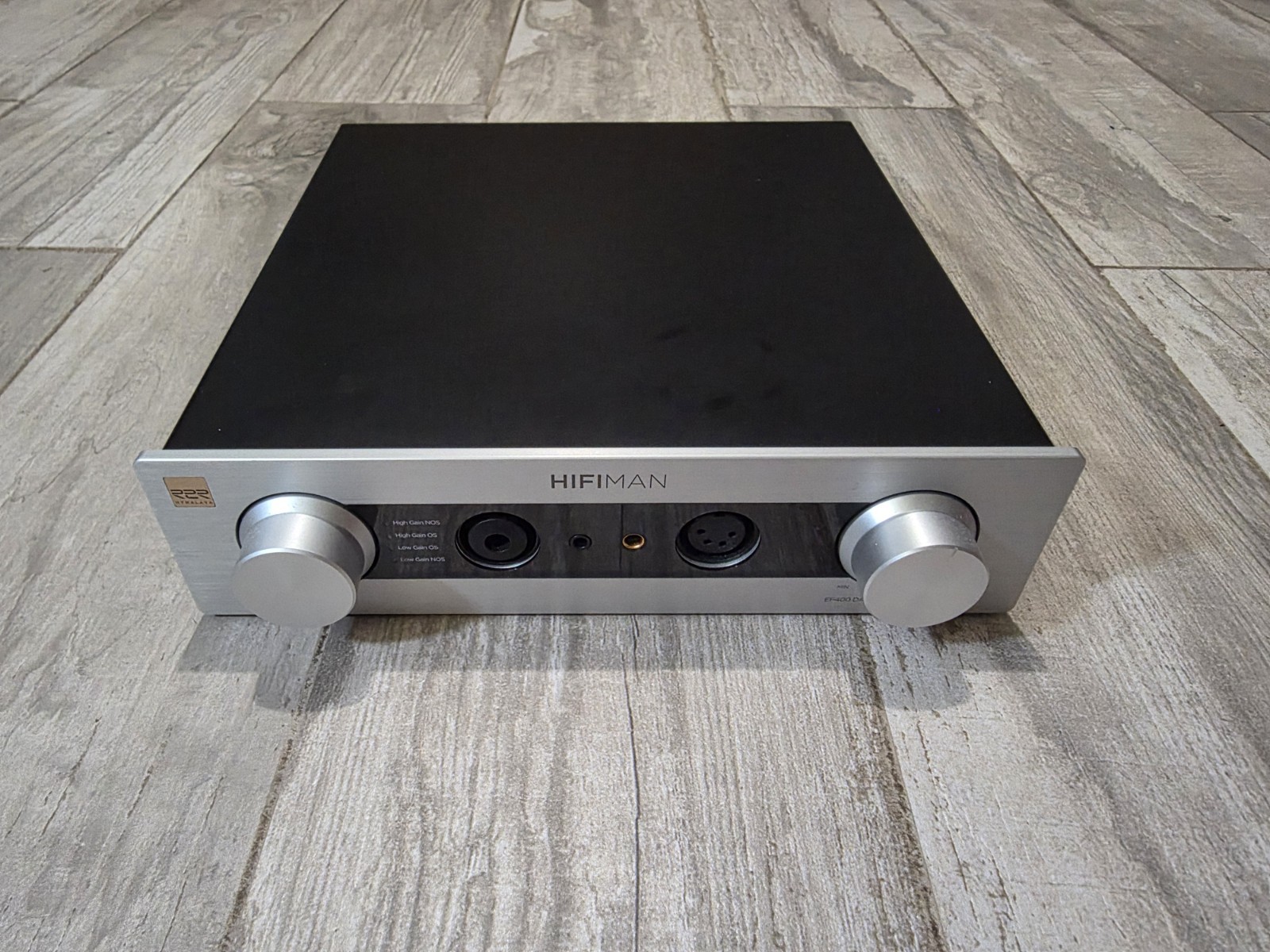 HIFIMAN EF400 Desktop Headphone DAC& Amplifier with Himalaya R2R DAC$339.00Used · Last checked Nov 21, 2026View on eBay
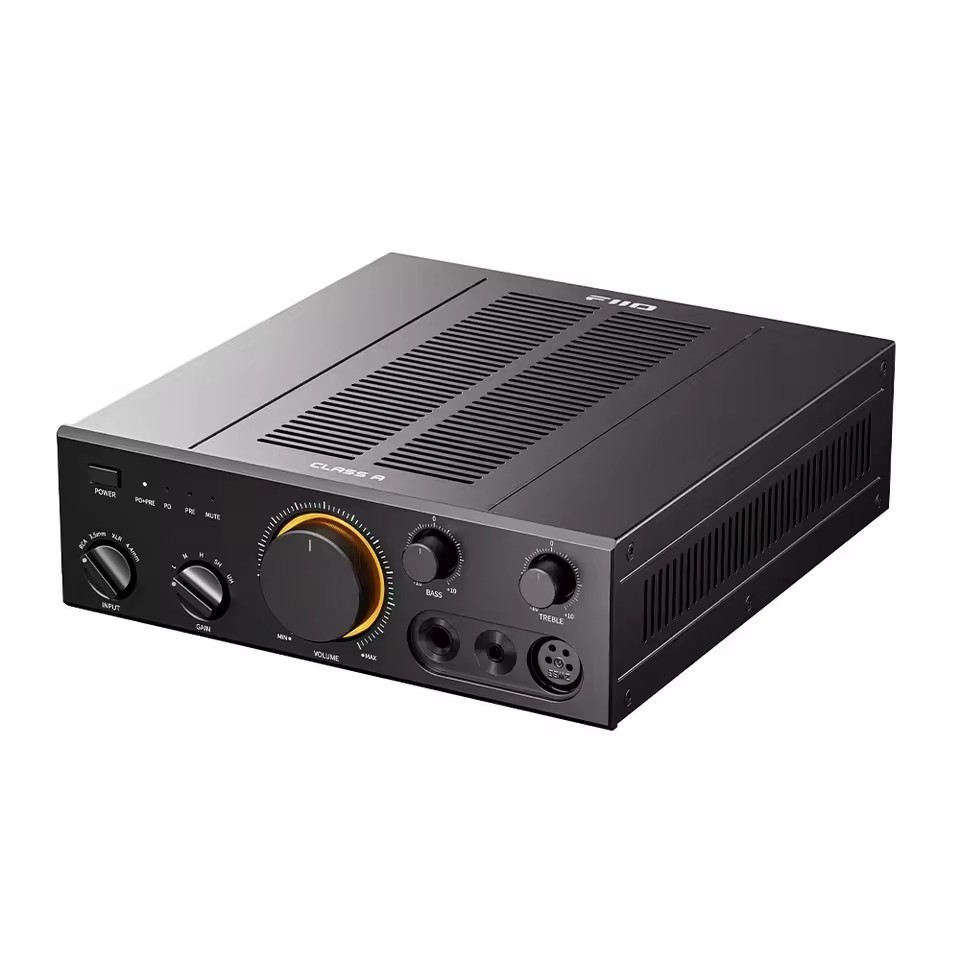 FiiO Class A Desktop Headphone Amplifier HiFi Preamp BLACK Free Ship to CONUS$349.99New · Last checked Nov 21, 2026View on eBay
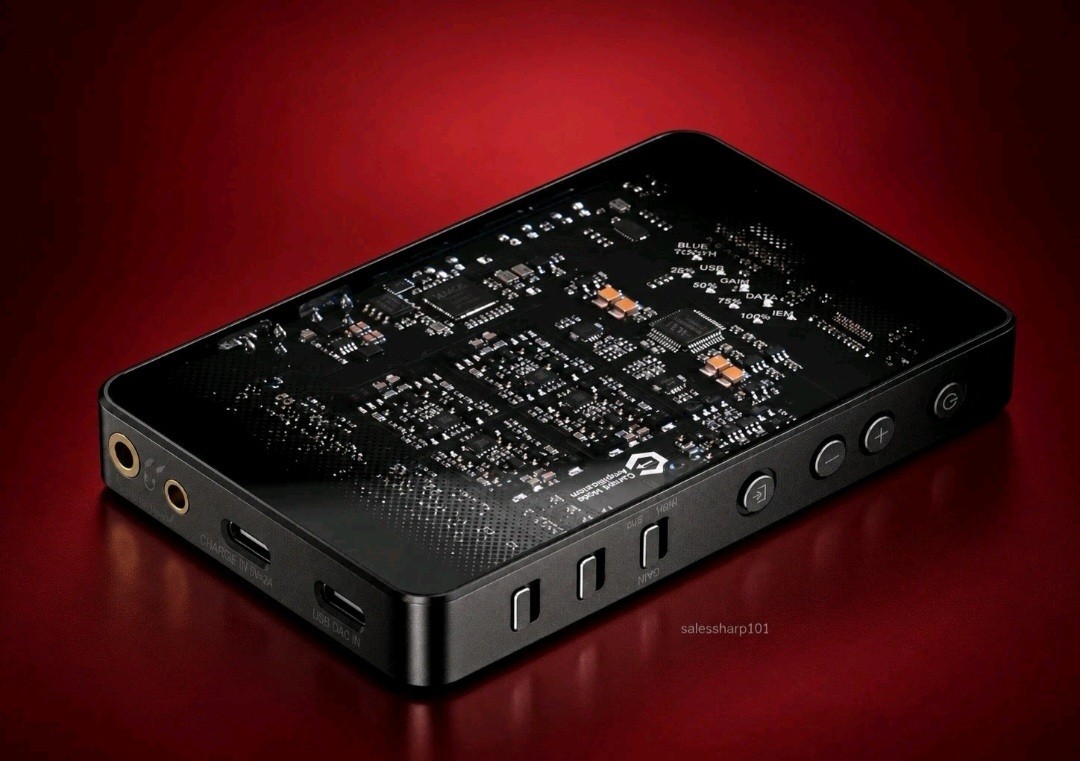 Questyle Sigma DAC/Amp Portable Rechargeable DAC & Bluetooth Headphone Amplifier$360.00New · Last checked Nov 21, 2026View on eBay
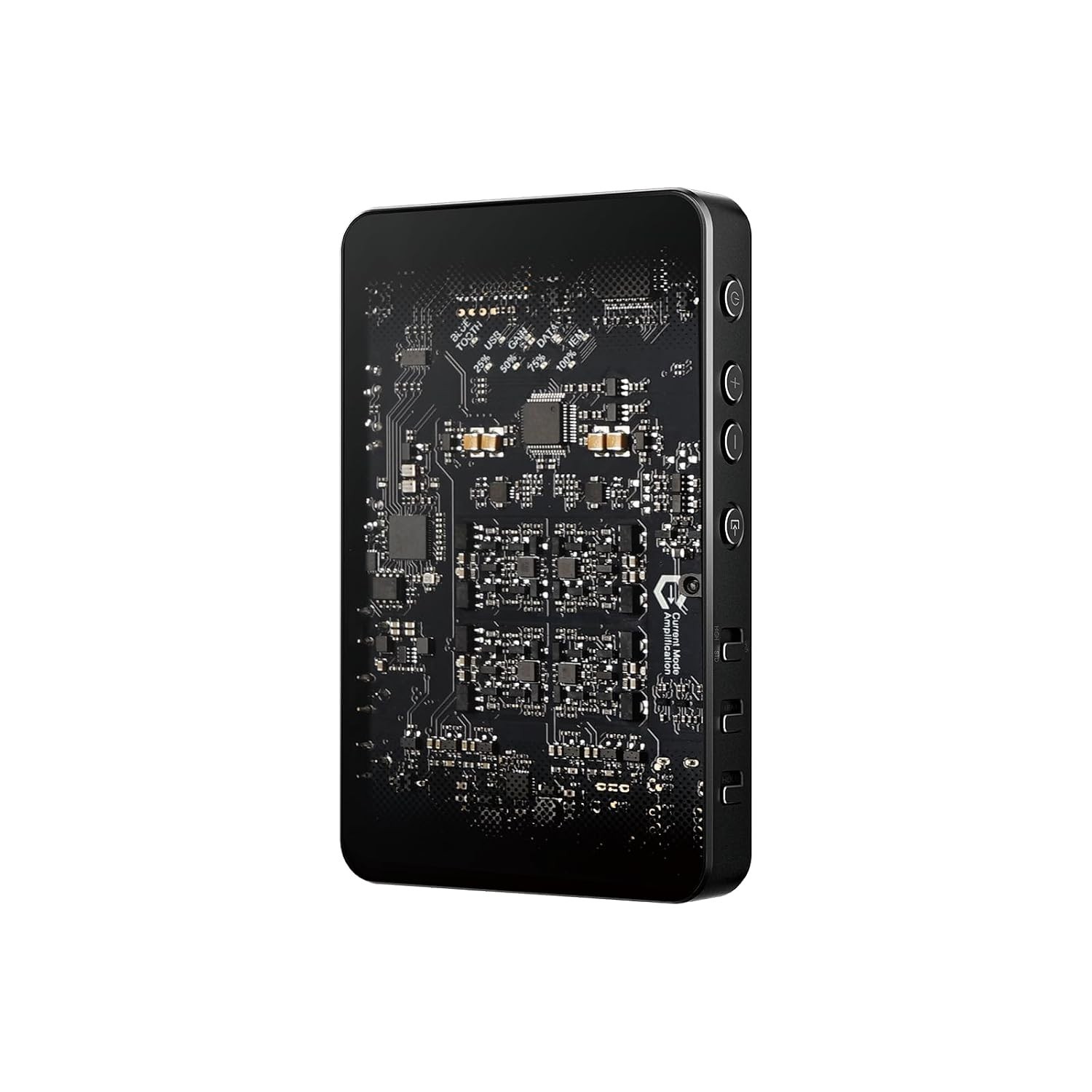 Questyle SIGMA Bluetooth 5.4 Portable DAC & Headphone Amplifier – USB-C$364.99Open box · Last checked Nov 21, 2026View on eBay
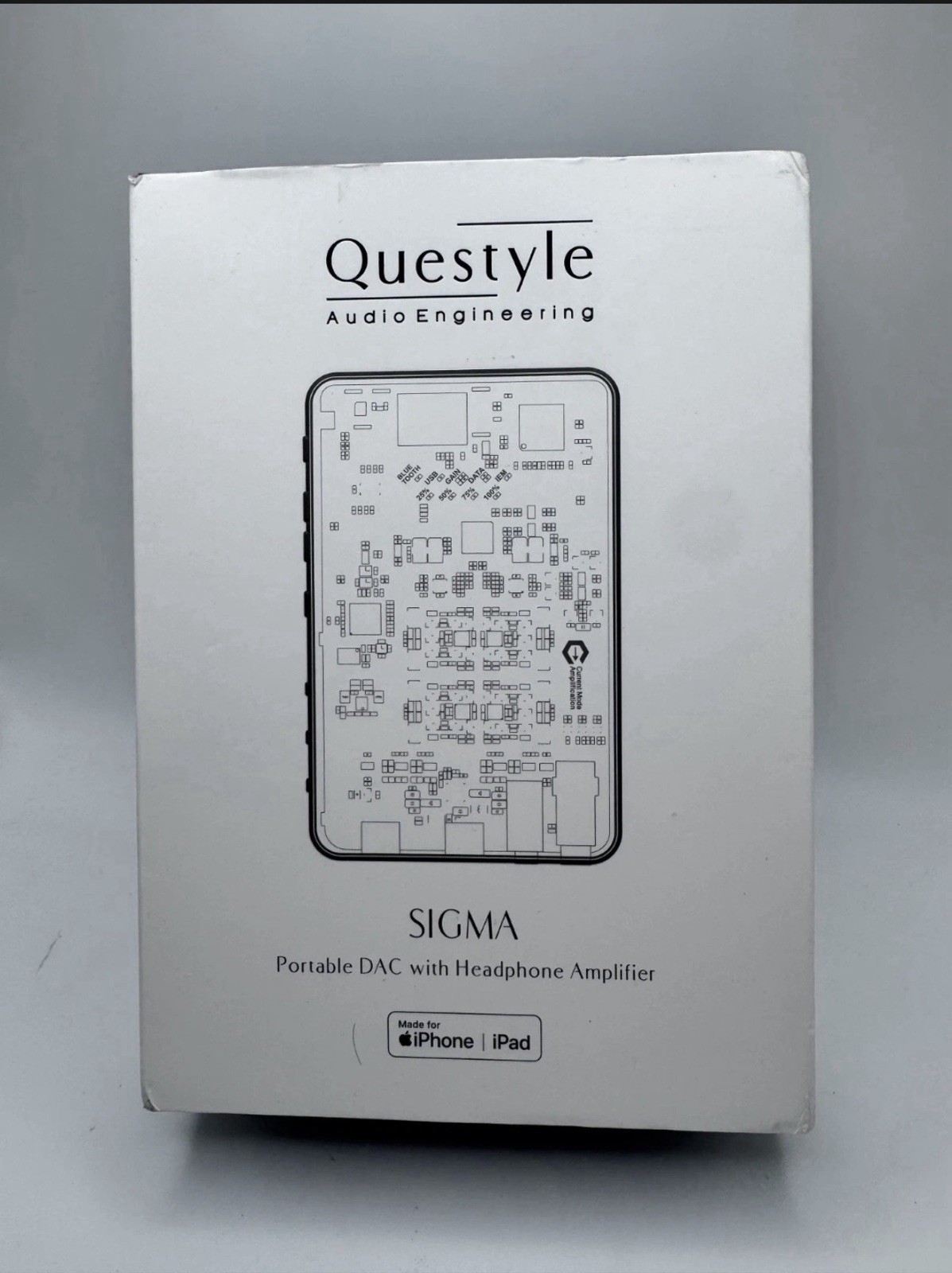 Questyle Sigma DAC/Amp Portable Rechargeable DAC & Bluetooth Headphone Amplifier$379.00Used · Last checked Nov 21, 2026View on eBay
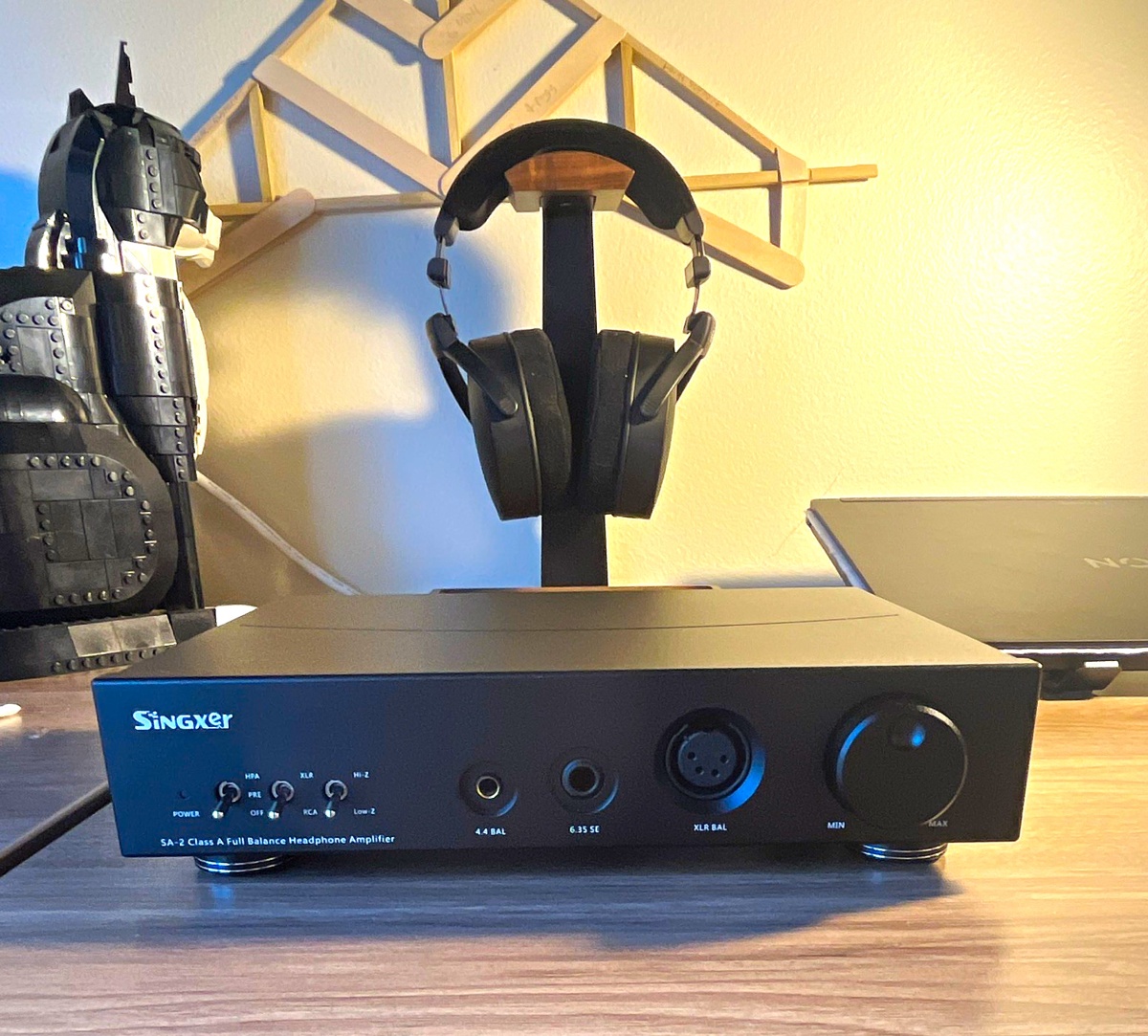 Singxer SA-2 Class A Discrete Fully Balanced Headphone Amplifier$400.00Open box · Last checked Nov 21, 2026View on eBay
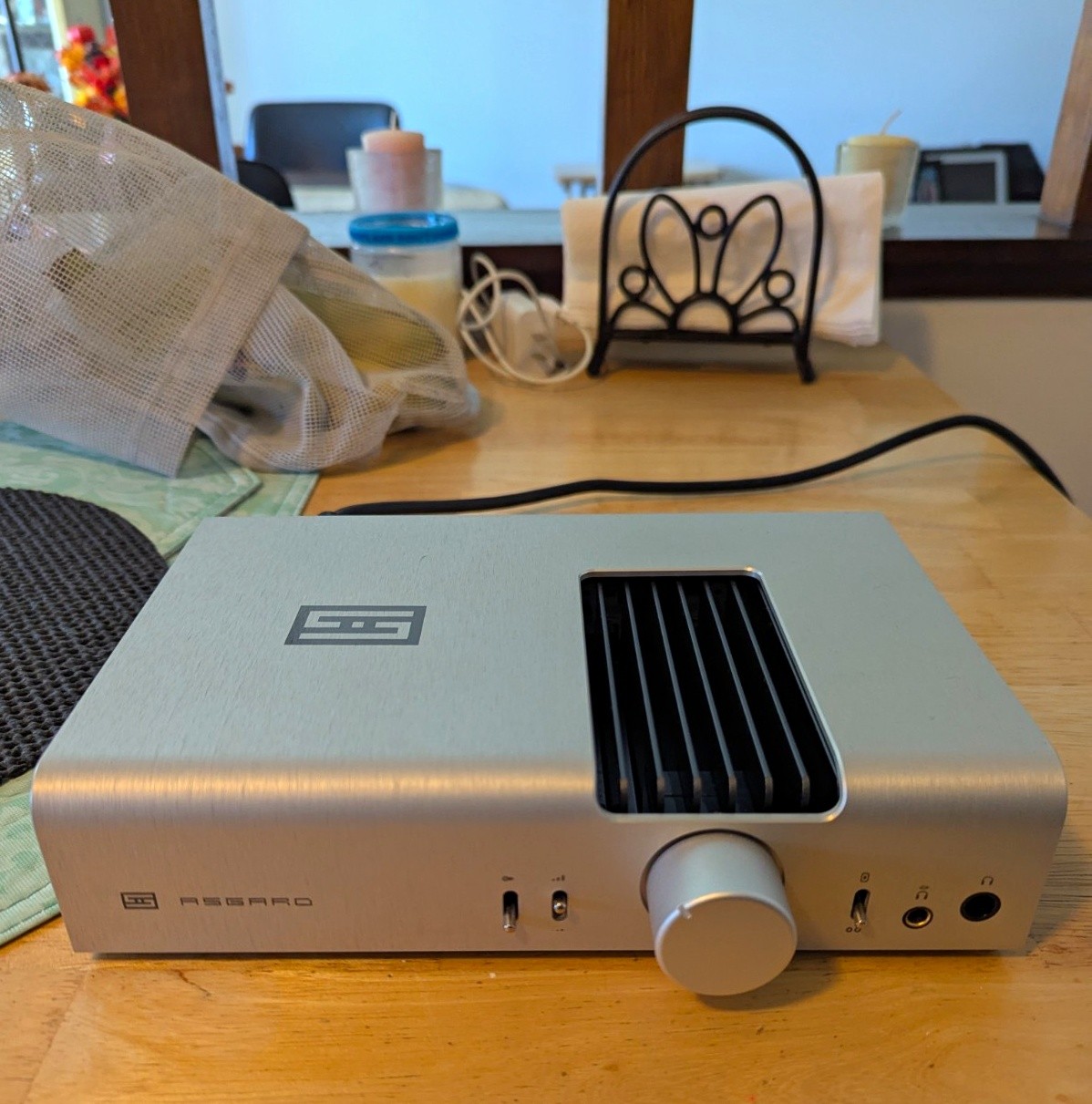 Schiit Asgard X Silver Desktop Audio Amplifier Analog RCA In/Out Headphone$405.00Used · Last checked Nov 21, 2026View on eBay
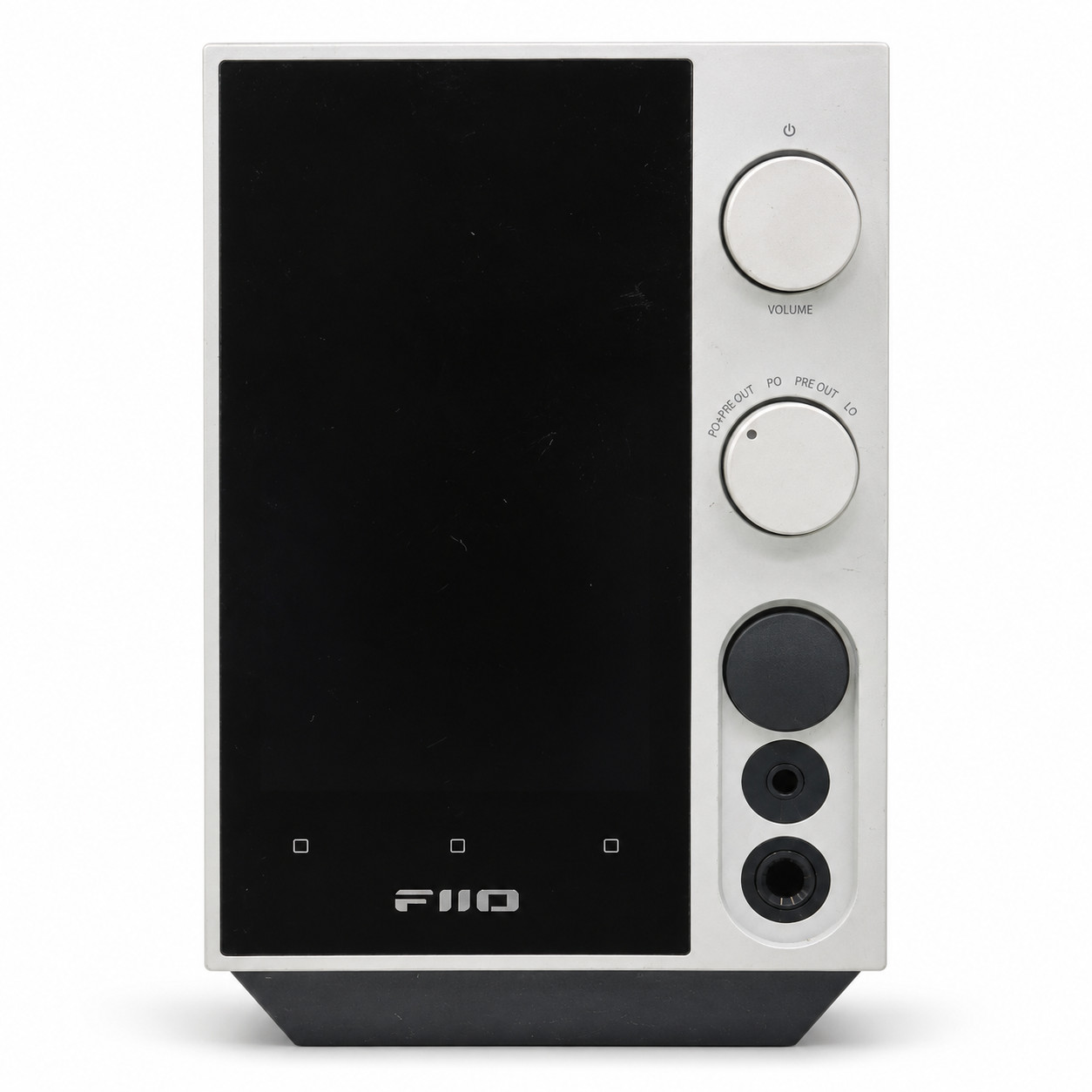 FiiO R7 Desktop Music Streamer DAC Headphone Amplifier White - Working$499.00Used · Last checked Nov 21, 2026View on eBay
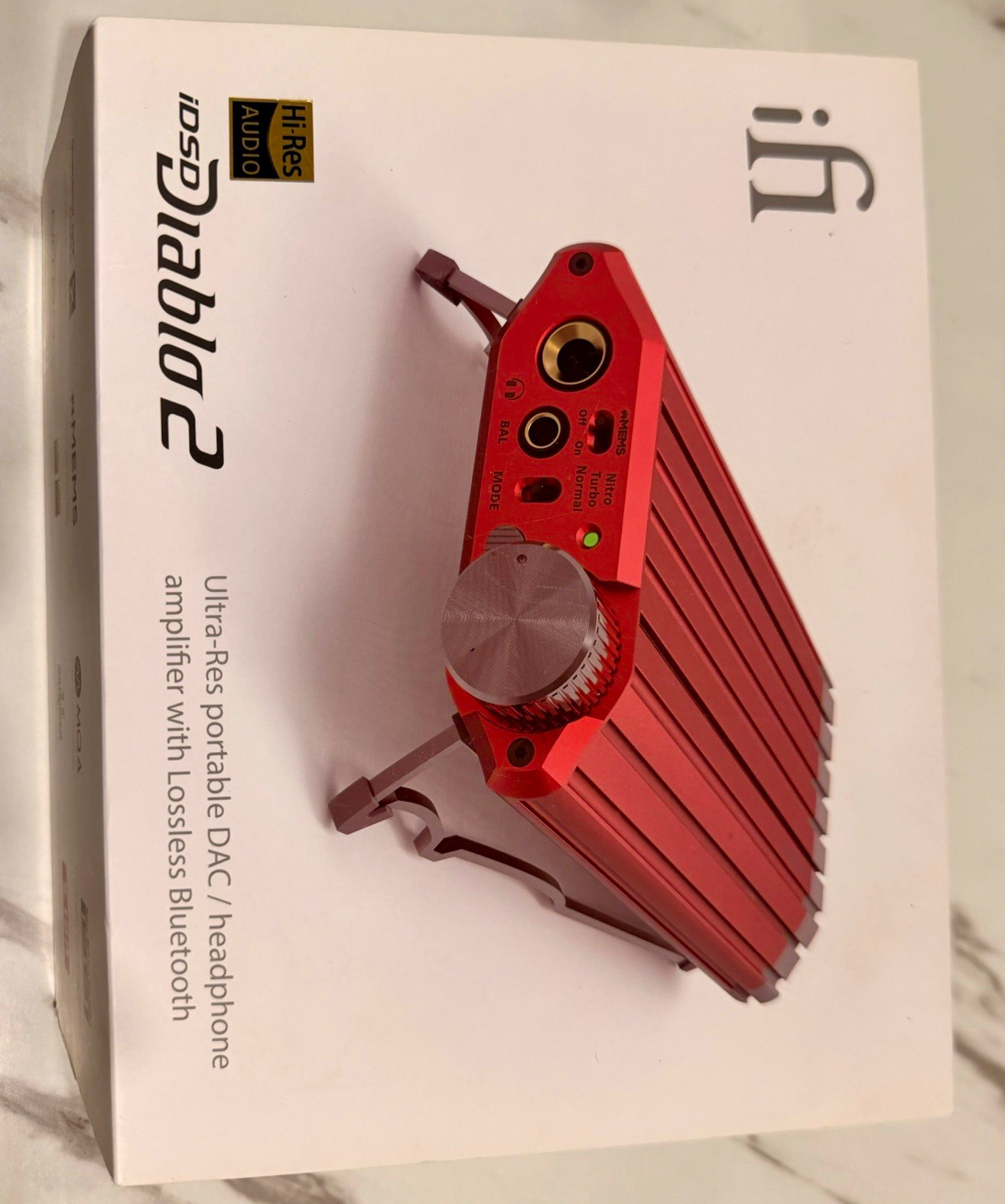 iFi iDSD Diablo 2 Portable DAC & Headphone Amplifier, Bluetooth, Red$670.00Open box · Last checked Nov 21, 2026View on eBay
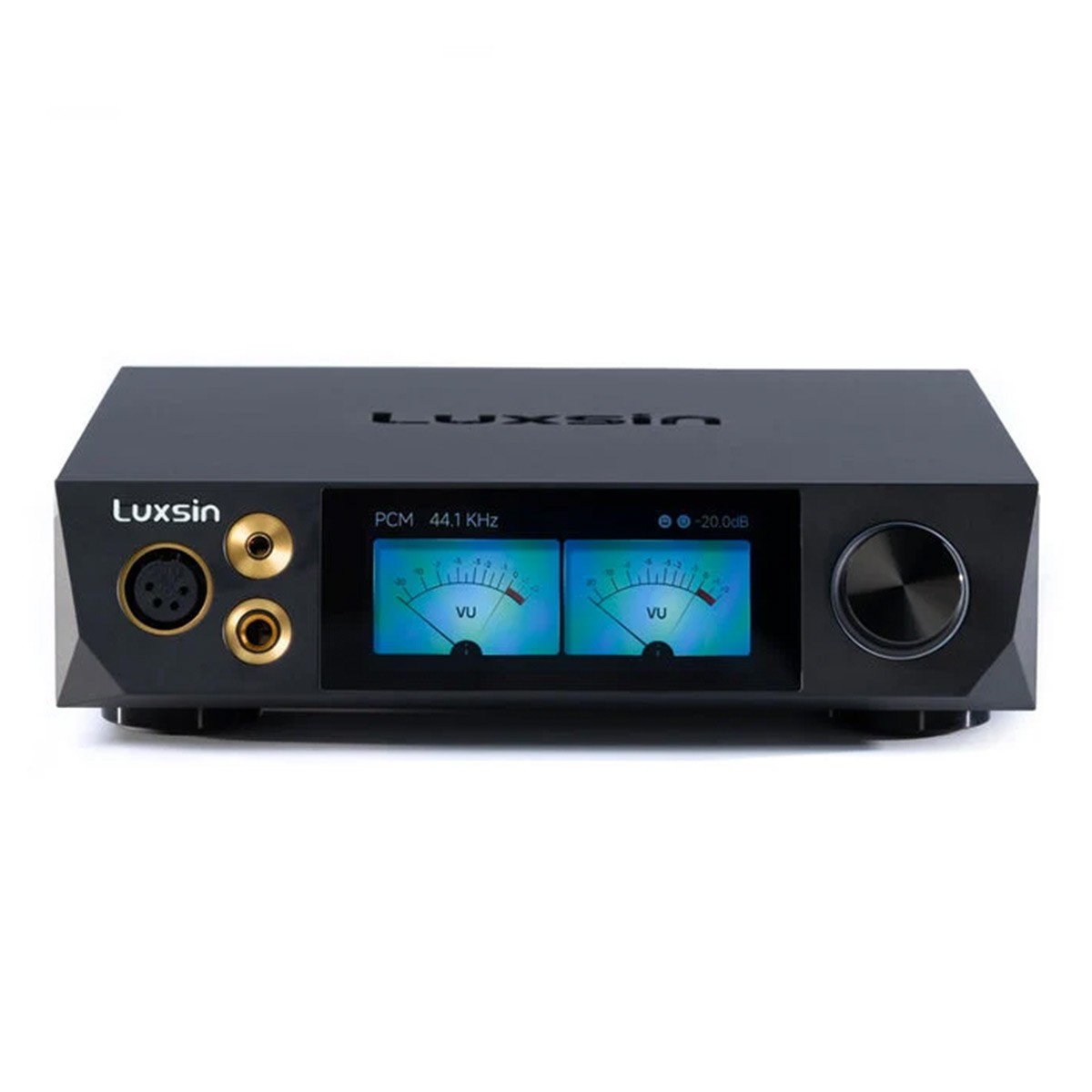 Luxsin Audio X8 Desktop DAC & Headphone Amplifier$699.00New · Last checked Nov 21, 2026View on eBay
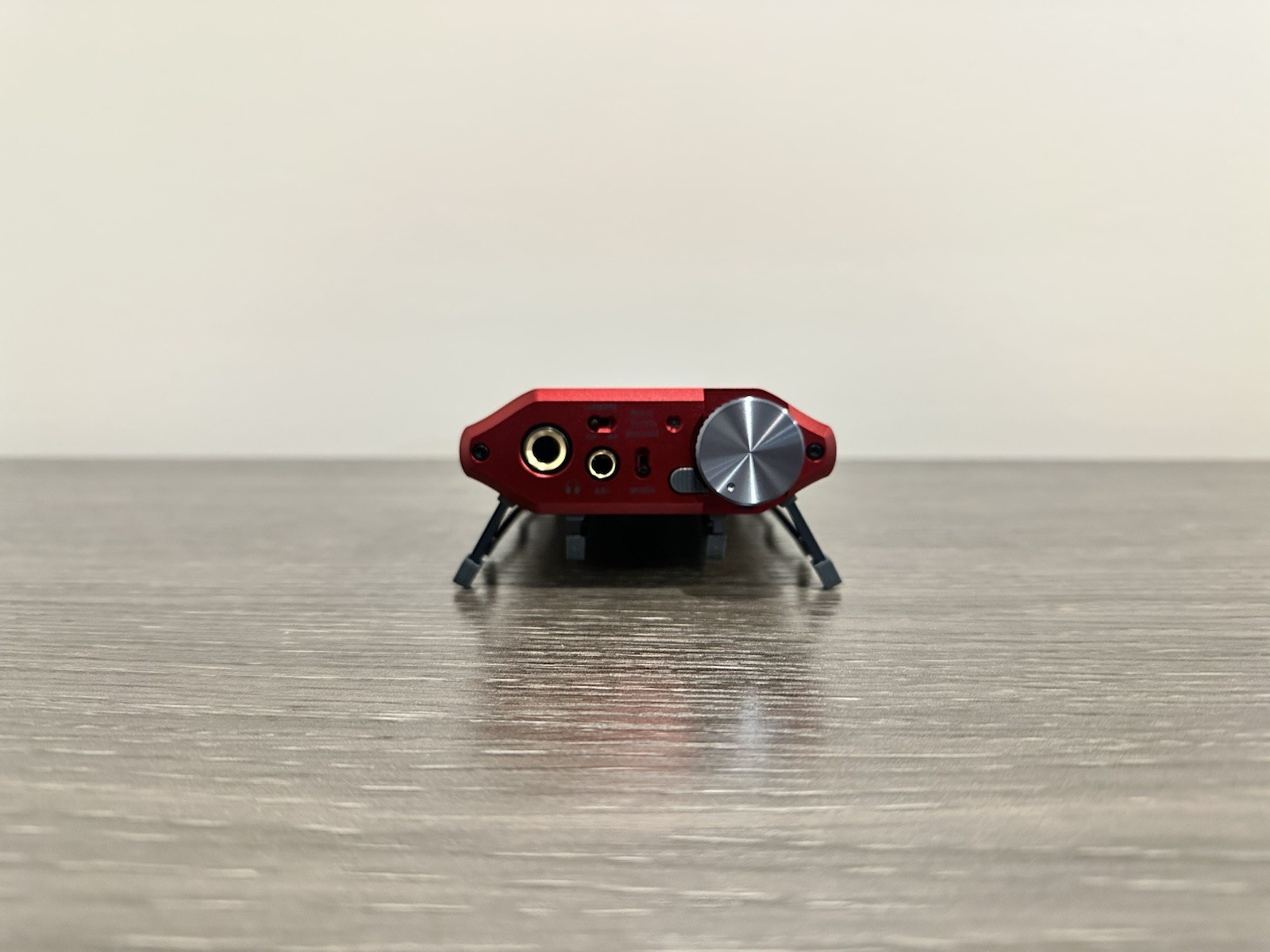 iFi Audio iDSD Diablo 2 USB DAC / Headphone Amplifier - Open Box$749.99Last checked Nov 18, 2026View on eBay
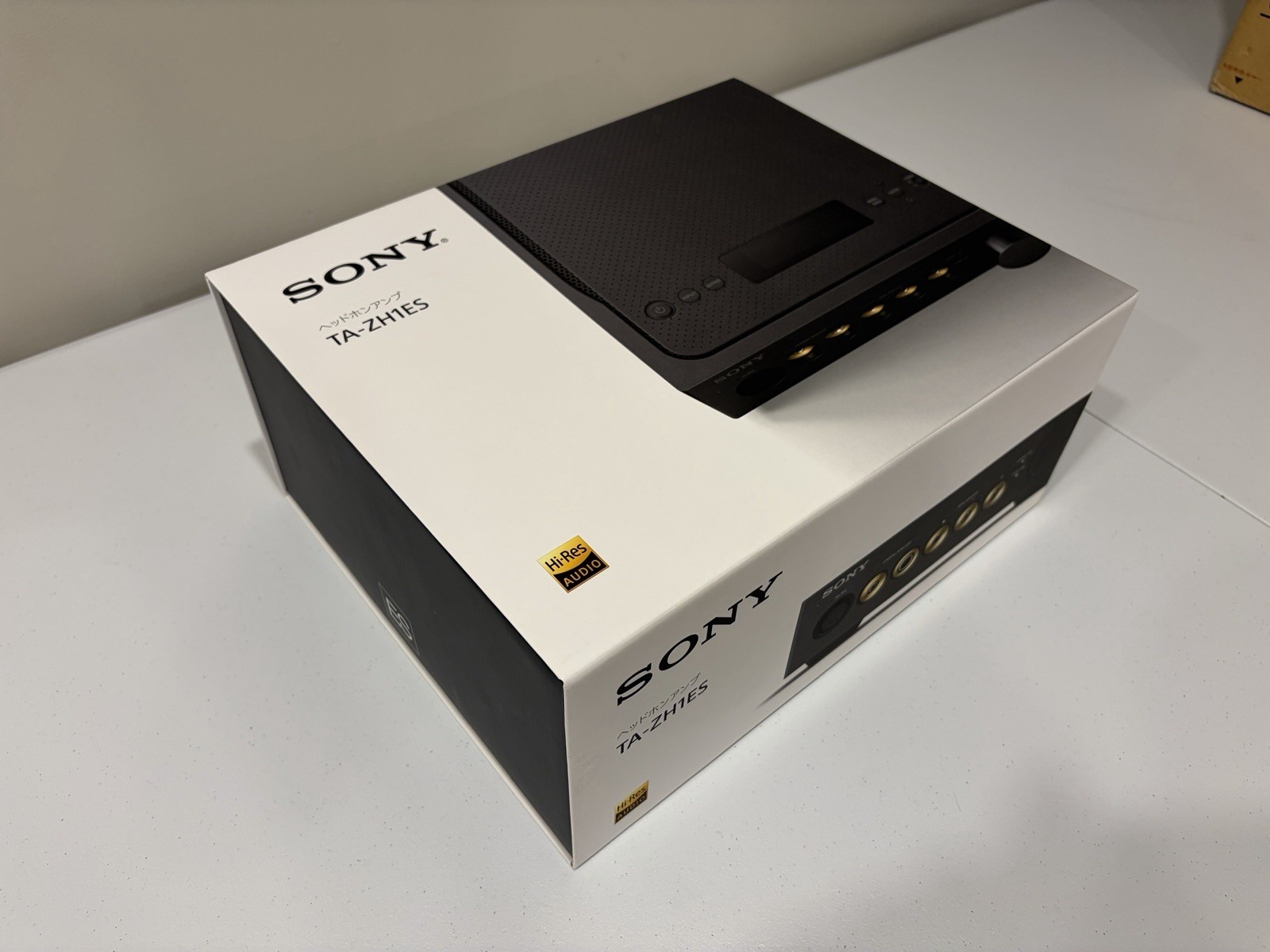 Sony TA-ZH1ES Signature Series Premium DAC Headphone Amplifier JP$1,394.31Used · Last checked Nov 21, 2026View on eBay
Highlights
- Output power scales with supply voltage: single-AAA or USB 5V amps deliver ~10-30mW at 32Ω, while internal 9V or dual-cell designs reach 100-250mW at 300Ω.
- Balanced 2.5mm/4.4mm outputs roughly double voltage swing versus single-ended 3.5mm, which matters for 300Ω dynamic and low-sensitivity planar headphones.
- Integrated DAC tiers follow chipset generation: older micro-USB units cap at 24-bit/96kHz, while current USB-C models with ESS or AKM chips handle 32-bit/384kHz and native DSD.
- Two-stage gain switches add 6-12dB of fixed gain; useful for high-impedance cans but risky with sensitive IEMs where the noise floor becomes audible.
Best use cases
- Best fit: commuting with 250-300Ω dynamic headphones—pick a battery-powered amp with at least 50mW at 300Ω and a 3.5mm input; skip USB-stick dongles that cap at 30mW.
- Best fit: desktop replacement for planar-magnetic headphones—choose a balanced-output battery amp rated near 1W at 32Ω; skip single-ended-only budget units that clip on bass transients.
- Best fit: IEM users wanting a clean DAC—select a low-gain USB-C amp with <1Ω output impedance and no hiss; skip high-gain two-stage amps that hiss on 110dB/mW IEMs.
- Wrong fit: owners of 16-32Ω, 100dB+ headphones—phone jacks already exceed required power; an amp adds bulk, charging chores, and a second noise floor for no audible gain.
Buying tips
- Match power to impedance: a 300Ω headphone needs roughly 2.5Vrms for 110dB peaks, which means an amp rated near 20mW at 300Ω minimum; 1W at 32Ω is not the same specification.
- Check output impedance: below 1Ω keeps damping factor high for multi-driver IEMs; above 2Ω will shift frequency response on low-impedance balanced-armature designs.
- Prefer USB-C with UAC1/UAC2 class compliance for DAC-amp combos; micro-USB models still function but limit charging speed and cable availability.
- For pure analog amps, verify a genuine 3.5mm line input (not a headset TRRS jack) and a battery rated in mAh—not vague hours—so runtime math is possible.
Specs
| Amp Architecture | Analog-only vs USB-C DAC-amp combo |
|---|---|
| Output Power | 10-30mW (5V) vs 100-250mW (9V) |
| Output Jacks | 3.5mm SE / 2.5mm & 4.4mm balanced |
| DAC Resolution | 24-bit/96kHz vs 32-bit/384kHz DSD |
Related searches
What to check before buying
- Measure your headphone impedance and sensitivity from its spec sheet; only buy an amp if the calculated required voltage exceeds your source's ~1Vrms output.
- Confirm the amp's input matches your source: 3.5mm analog for phone/laptop, USB-C or Lightning for direct digital, and Bluetooth only if you accept lossy codec limits.
- Check physical stack dimensions against your phone or player—battery amps with 9V cells are typically 20-30mm thick and need a rubber band or case mount.
- Verify plug/voltage standard for charging: USB-C PD input is travel-safe at 100-240V; avoid proprietary chargers that need a specific wall adapter.
FAQ
Data sources: eBay / Amazon listings and product attribute feeds. Updated Nov 25, 2026.
Some links on this page are affiliate links. If you buy after clicking one, we may earn a commission at no extra cost to you. This does not change which products appear here or their order. Affiliate disclosure.