
Photos from current listings. Actual item, color, and included accessories may vary.
3D Printer Buying Guide
FDM 3D printers are filament-based machines where the core trade-off is between open-frame bedslingers and enclosed CoreXY kinematics that determine speed, material compatibility, and dimensional accuracy. The decisive rule: buy enclosed CoreXY if you need engineering filaments like PEEK or ABS, and open-frame bedslingers only for PLA/PETG hobby work in a well-ventilated room.
Median $299.00 · New & pre-owned listings
Key takeaways
- CoreXY vs Bedslinger: CoreXY moves the toolhead in X/Y with a fixed bed for 500-600 mm/s speeds and better tall-part stability; bedslingers move the bed and cap practical speeds near 200-300 mm/s.
- Enclosure & Hotend Temp: Printing PEEK requires an actively heated chamber (70-100°C) and a hotend rated 450-500°C; standard open printers with 260-300°C hotends handle only PLA, PETG, ABS, and ASA.
- Auto-Leveling & Mesh: Modern machines use strain-gauge or inductive bed probing with 100+ point mesh; older manual four-screw leveling demands feeler-gauge calibration before every material change.
At a glance
- Category
- FDM 3D Printers
- Last updated
- Nov 28, 2026
Current offers
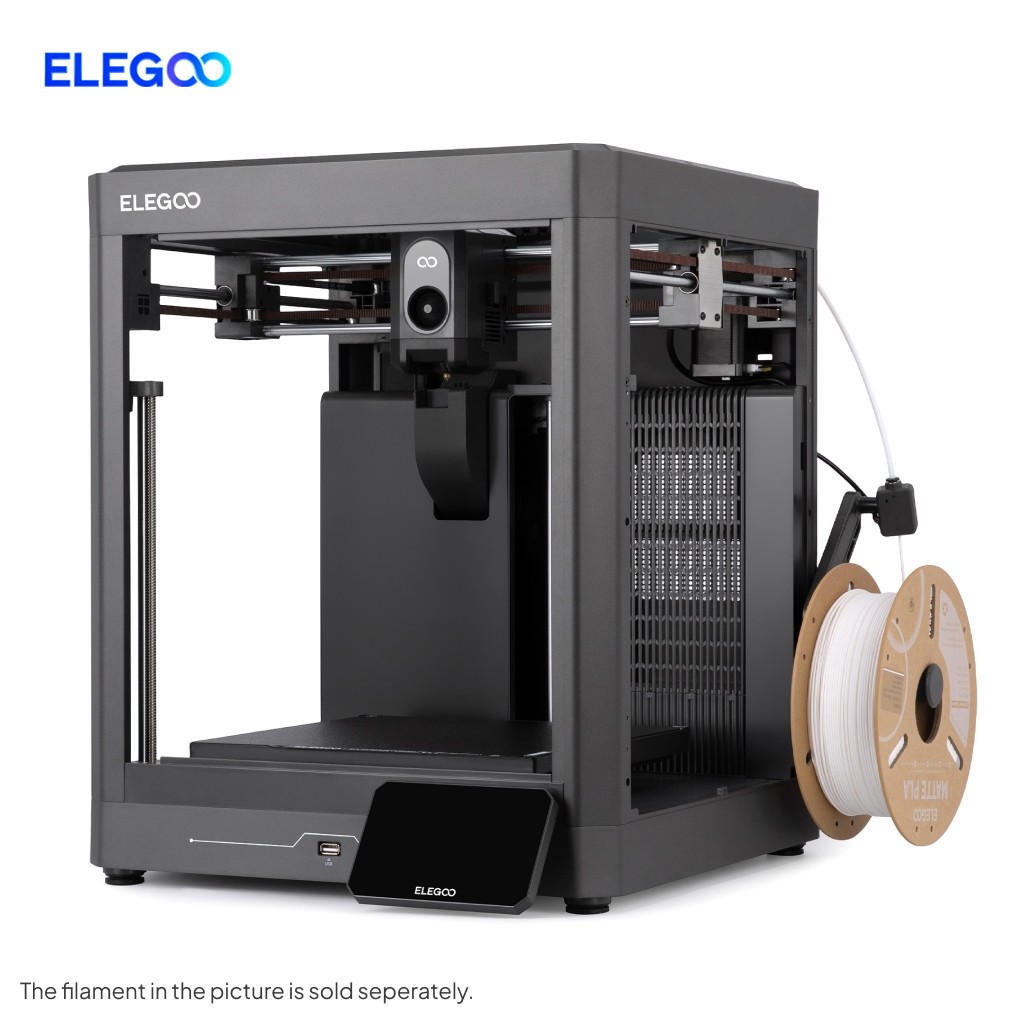 ELEGOO Centauri 2 FDM 3D Printer$207.20New · Last checked Nov 17, 2026View on eBay
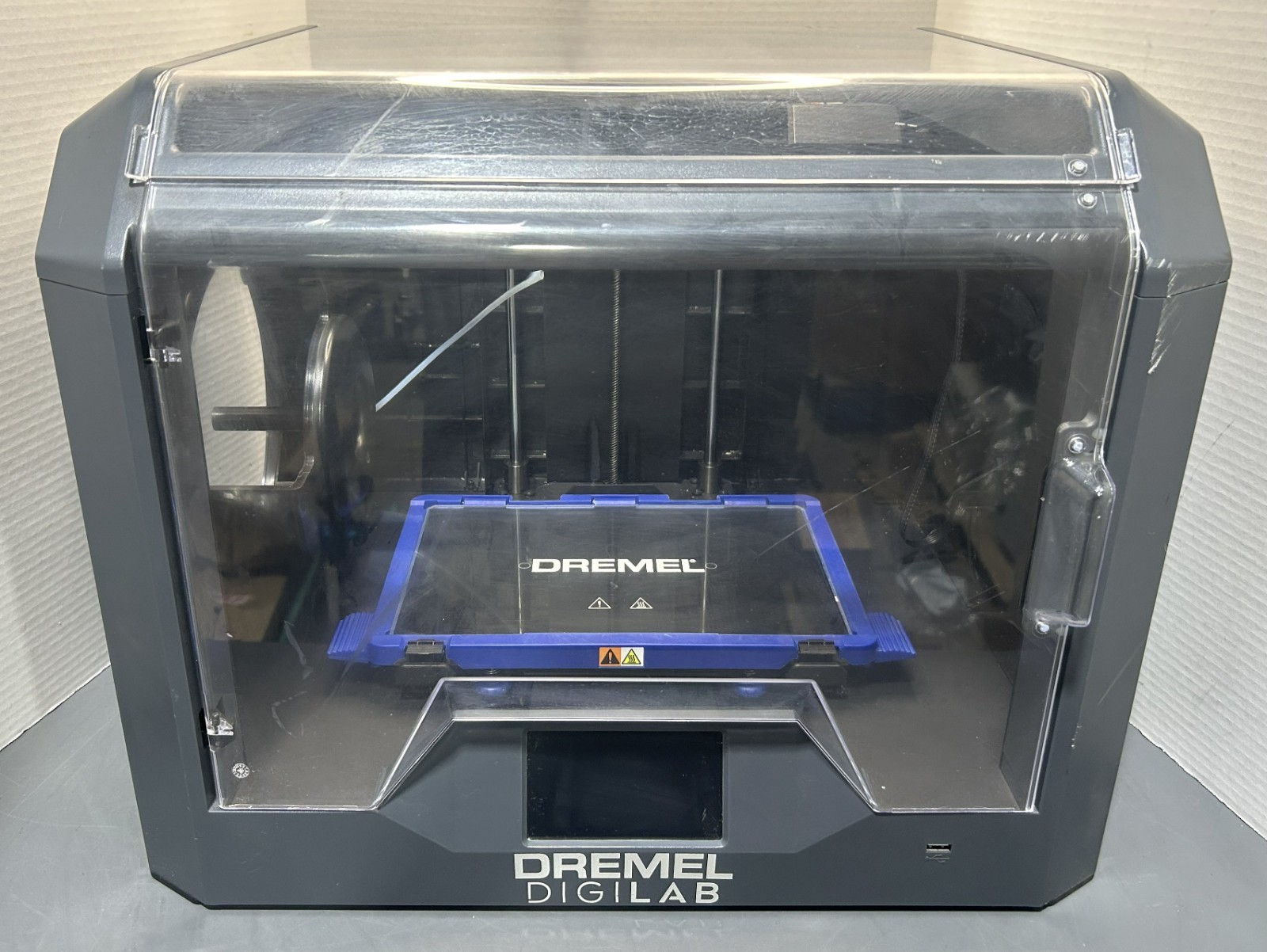 Dremel DigiLab 3D45 Fully Enclosed FDM 3D Printer 100-240Vac No Filament Tested$224.99Used · Last checked Nov 27, 2026View on eBay
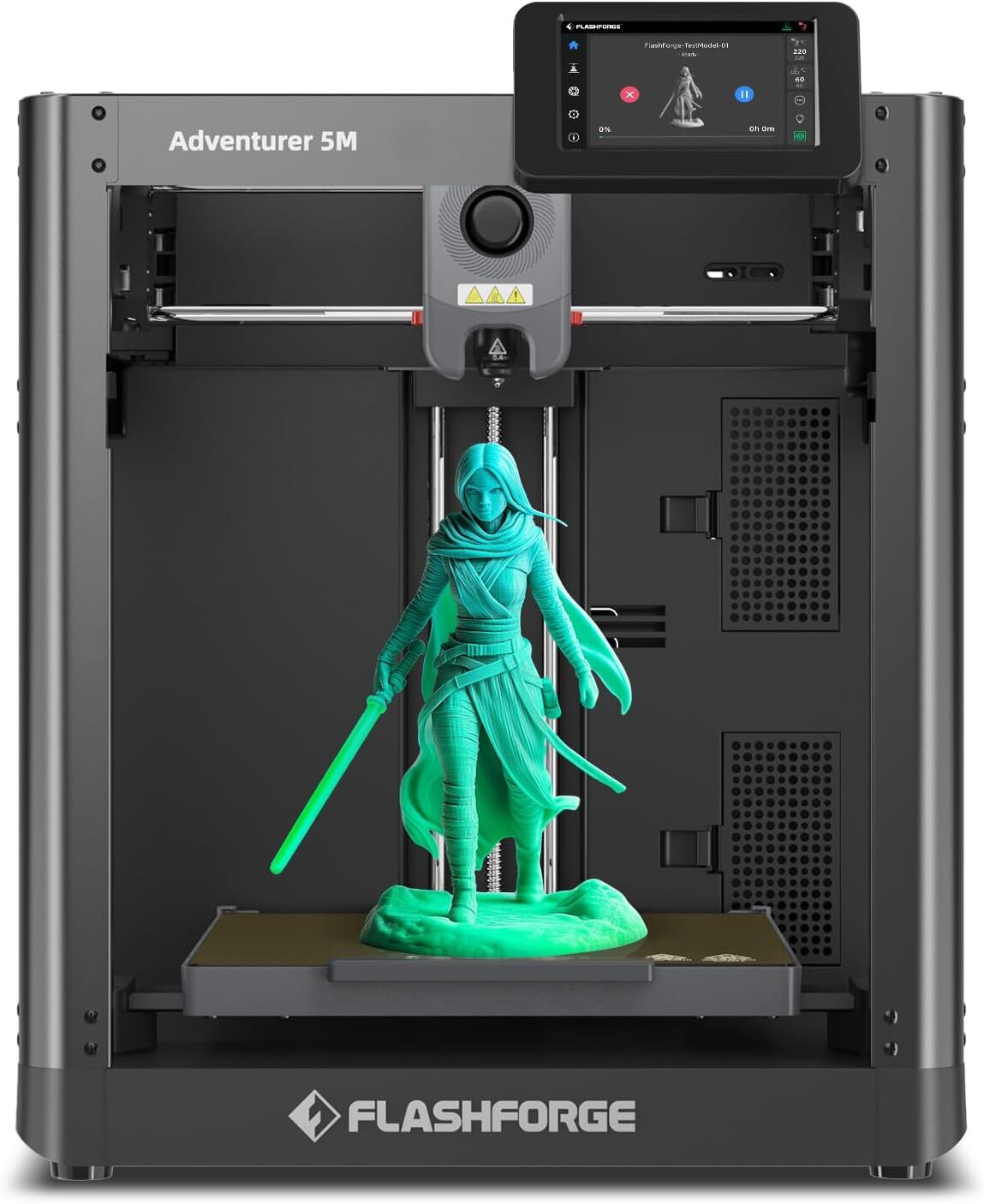 [Repaired] FLASHFORGE Adventurer 5M 3D Printers 600mm/s High-Speed Auto Leveling$249.00Used · Last checked Nov 17, 2026View on eBay
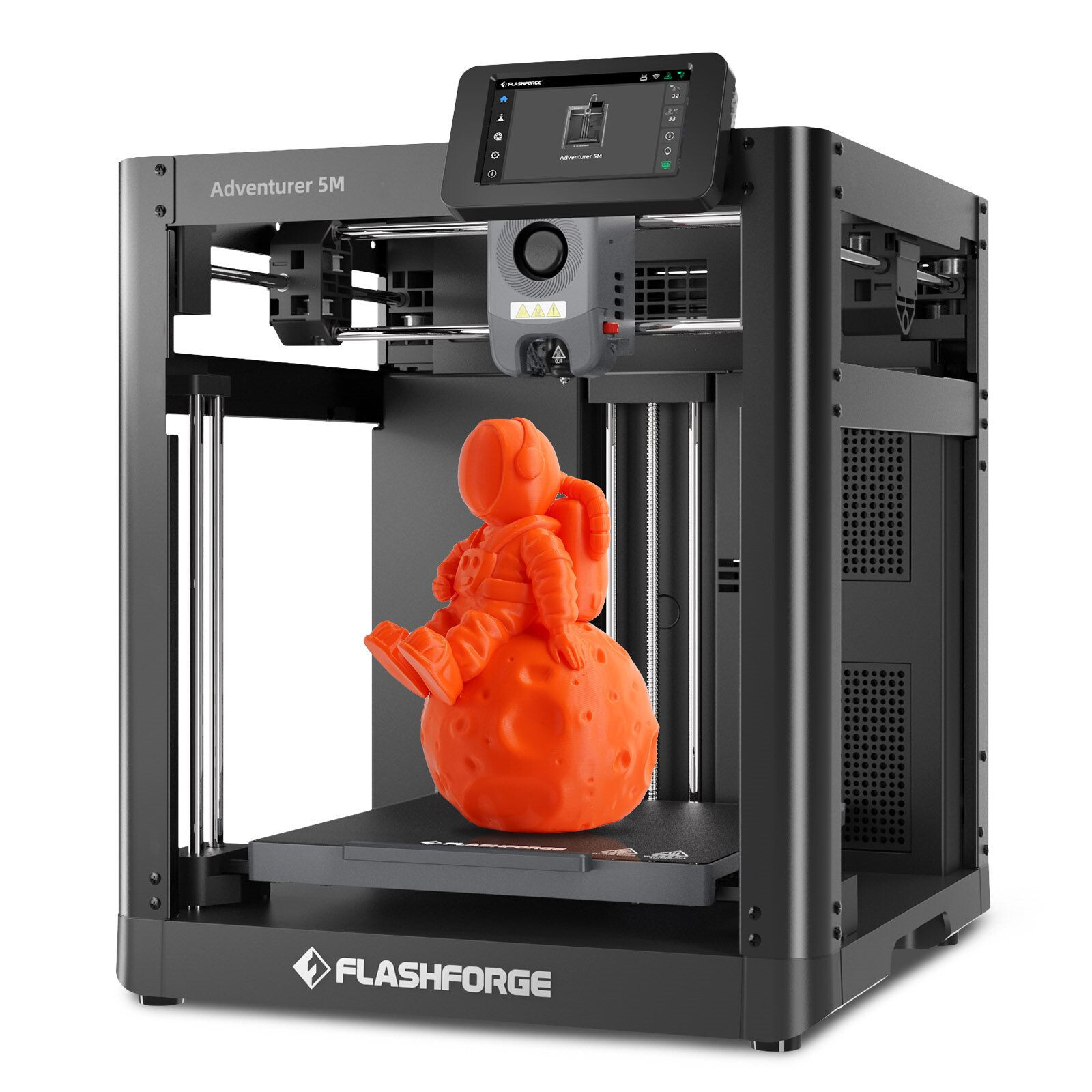 FLASHFORGE 3D Printer Adventurer 5M Core XY Stable High Speed Printing US Stock$279.00New · Last checked Nov 27, 2026View on eBay
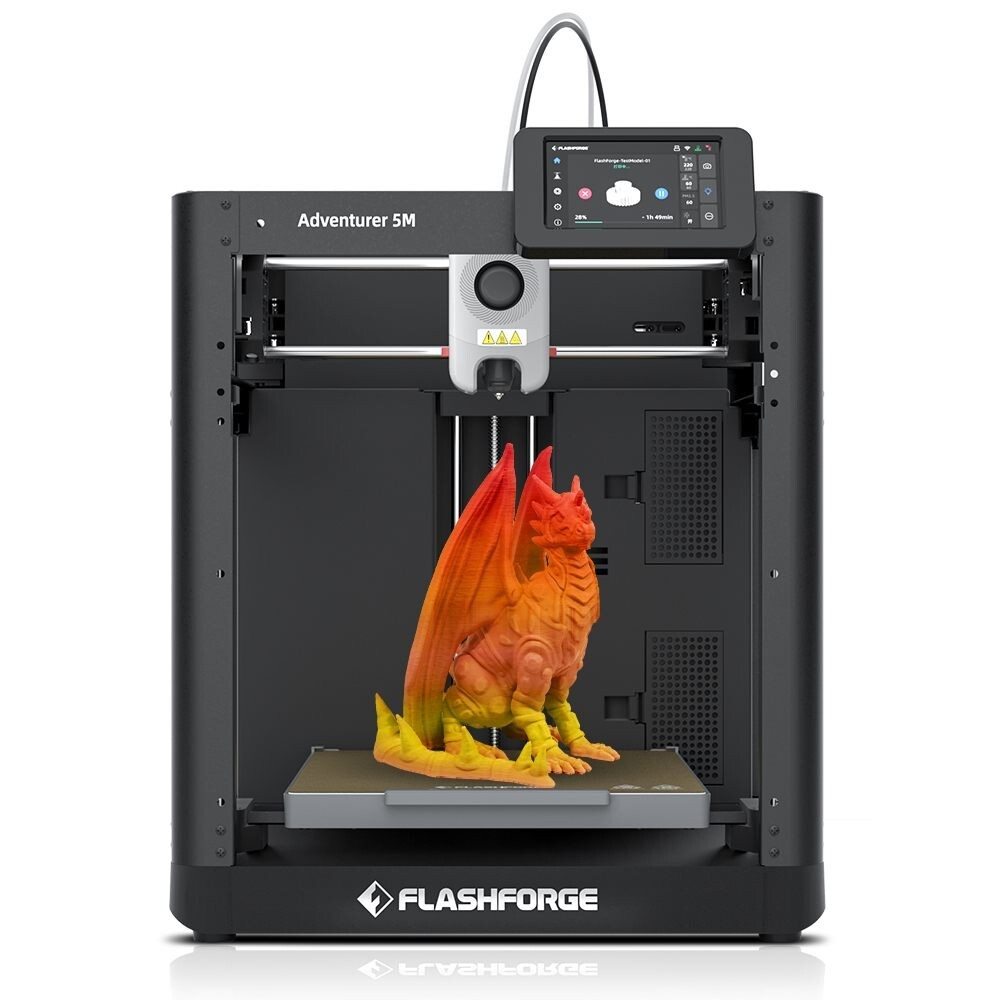 FLASHFORGE 3D Printer Adventurer 5M High-Speed 600 mm/s Auto Leveling WiFi US$279.00New · Last checked Nov 27, 2026View on eBay
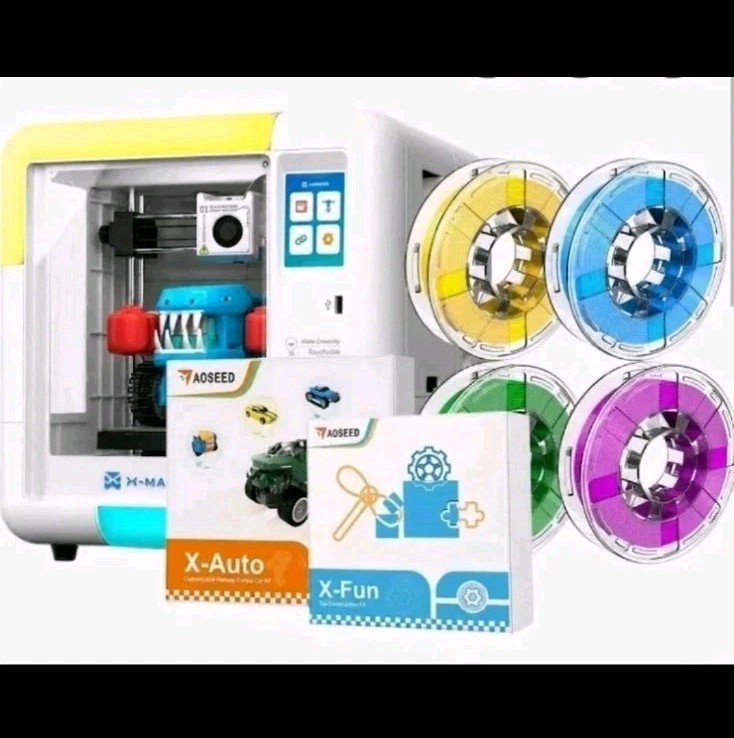 AOSEED X-MAKER JOY AI+ Kids Desktop 3D Printer, Enclosed Cream White$289.00New · Last checked Nov 27, 2026View on eBay
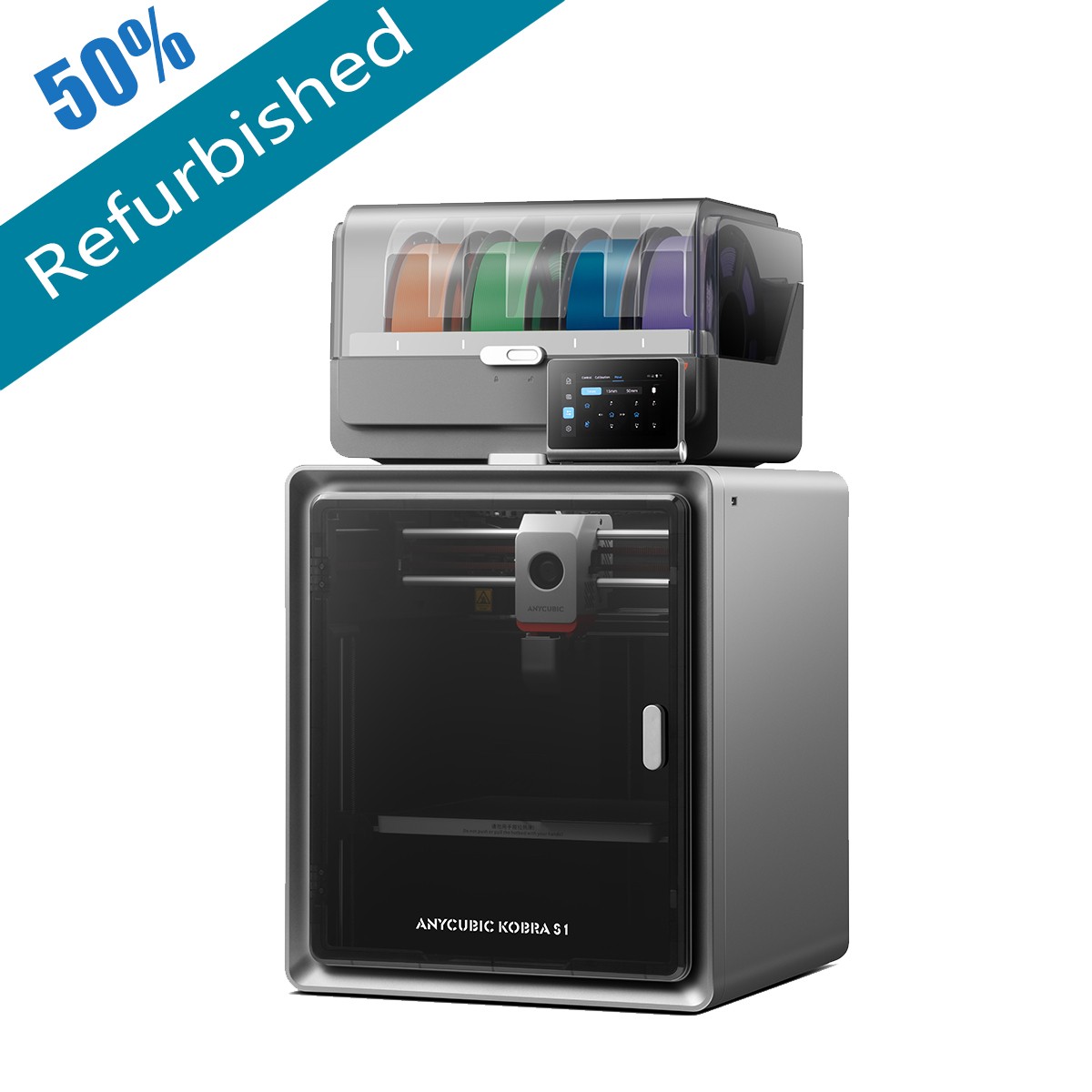 Refurbished ANYCUBIC 3D Printers Kobra S1 Combo Multi-color Printing/Kobra S1$289.00Certified - Refurbished · Last checked Nov 17, 2026View on eBay
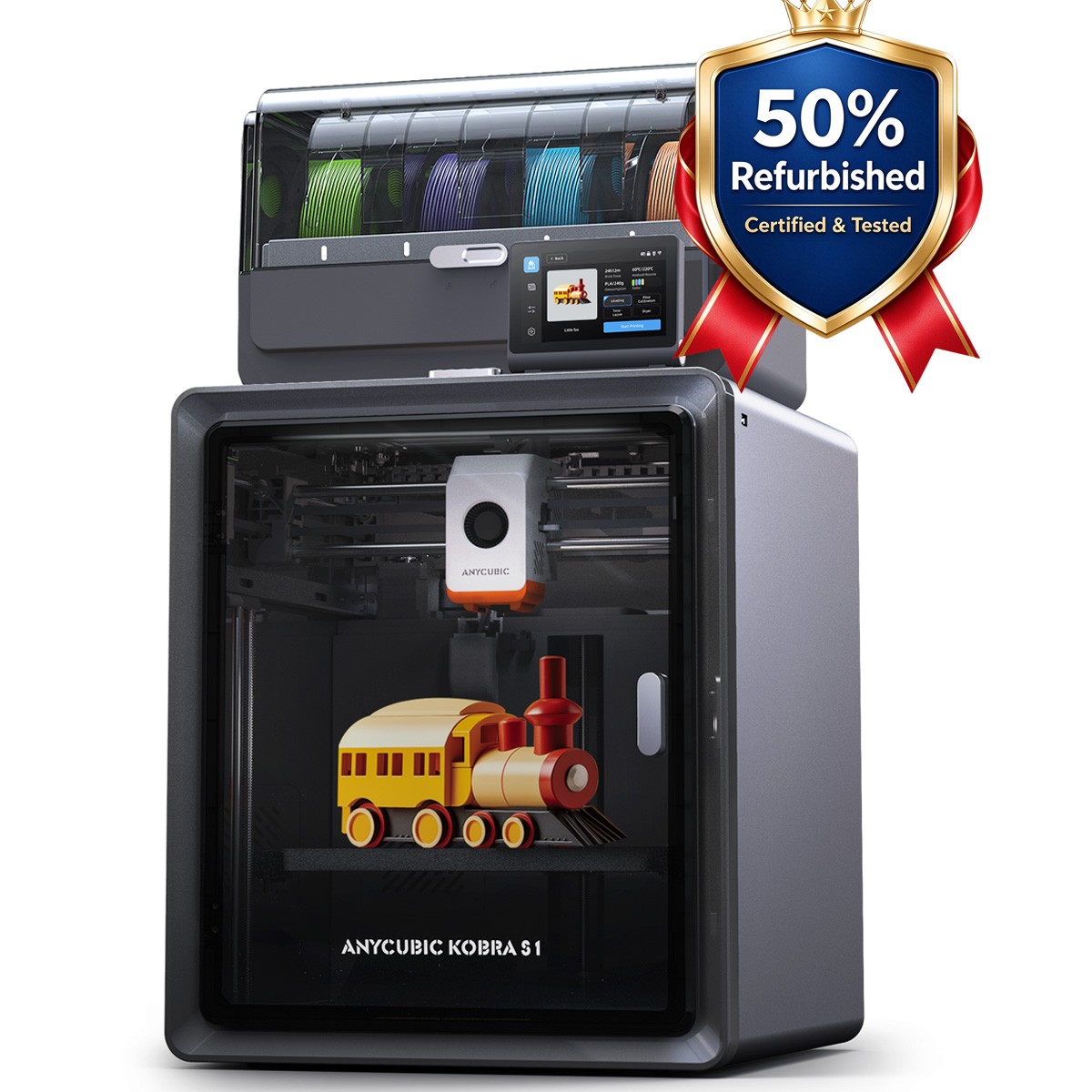 ✅50% Refurbished ✅ANYCUBIC Kobra S1 Combo 3D Printer Multicolor FDM Printing$289.00Certified - Refurbished · Last checked Nov 17, 2026View on eBay
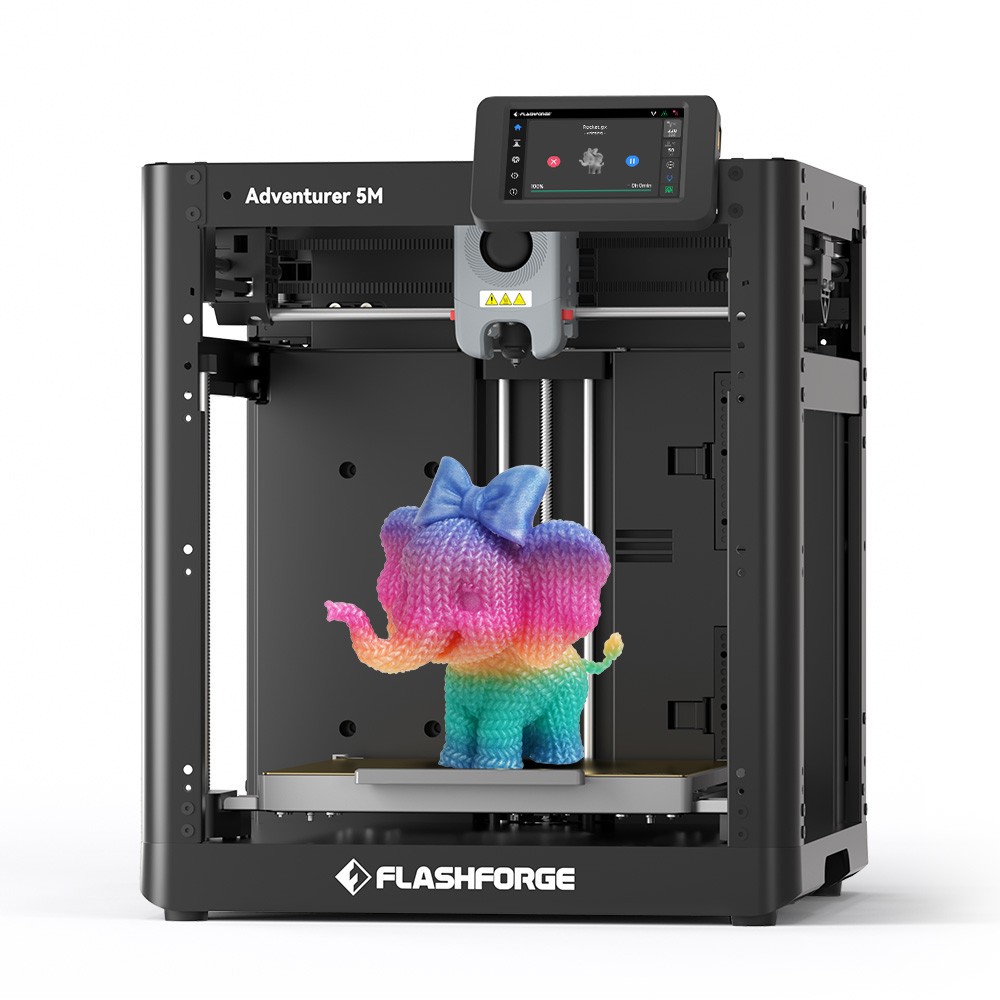 FLASHFORGE Adventurer 5M/5M Pro 3D Printer 600mm/s High-Speed FDM 3D Printers$299.00New · Last checked Nov 17, 2026View on eBay
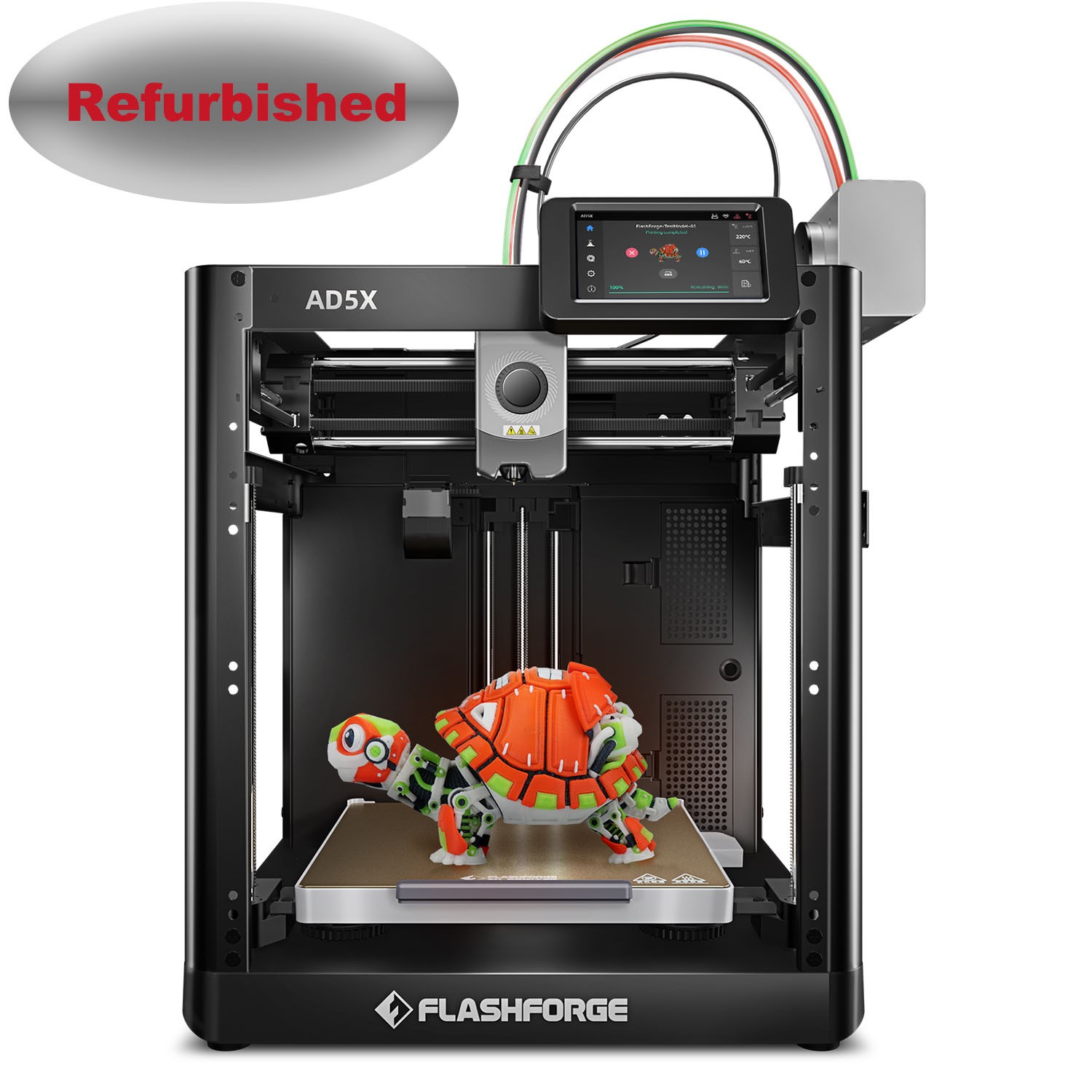 【Repaired】FLASHFORGE AD5X Multicolor 3D Printers w/ Max 600mm/s Auto Leveling$299.00Used · Last checked Nov 17, 2026View on eBay
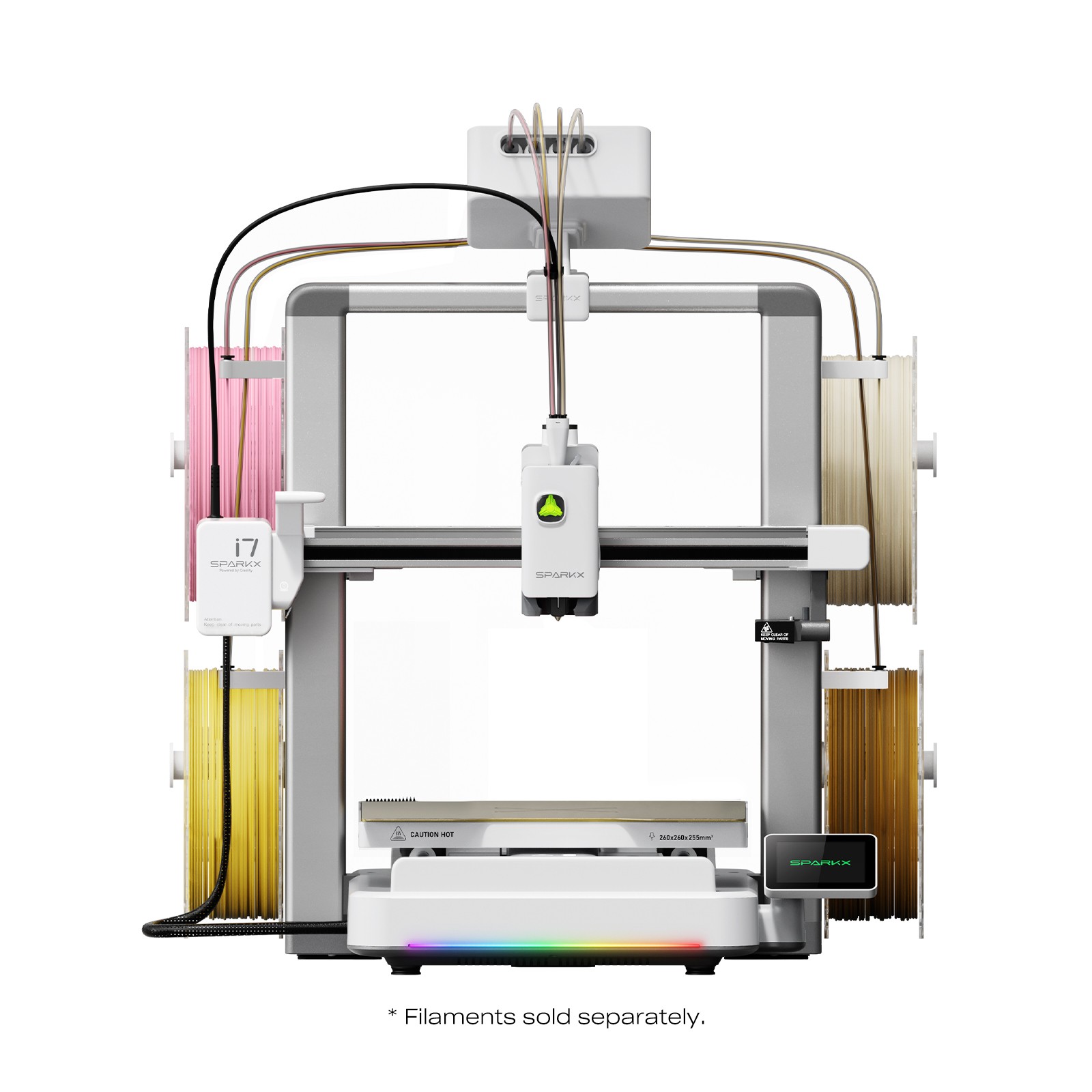 On Sale!Creality SPARKX i7 Nano Combo 3D Printer$299.00New · Last checked Nov 17, 2026View on eBay
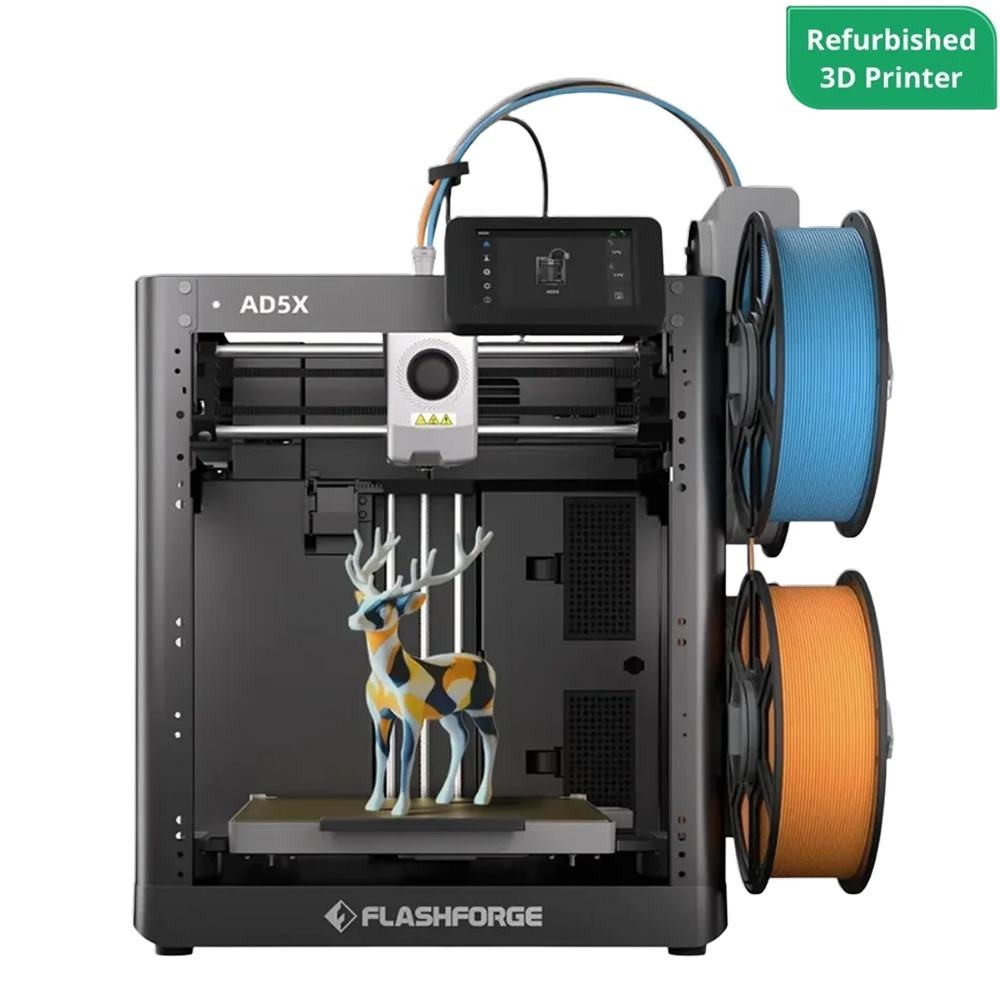 【Refurbished】Flashforge AD5X Multi-Color 3D Printer MAX 600mm/s Auto Leveling$299.00Certified - Refurbished · Last checked Nov 17, 2026View on eBay
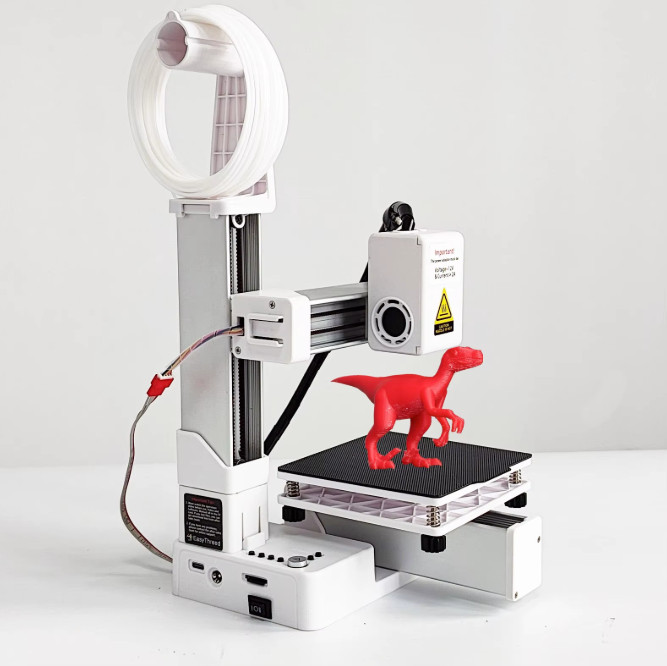 EasyThreed 3D Printer Entry Level Compatible with PLA TPU 1.75mm Filament includ$299.98New · Last checked Nov 21, 2026View on eBay
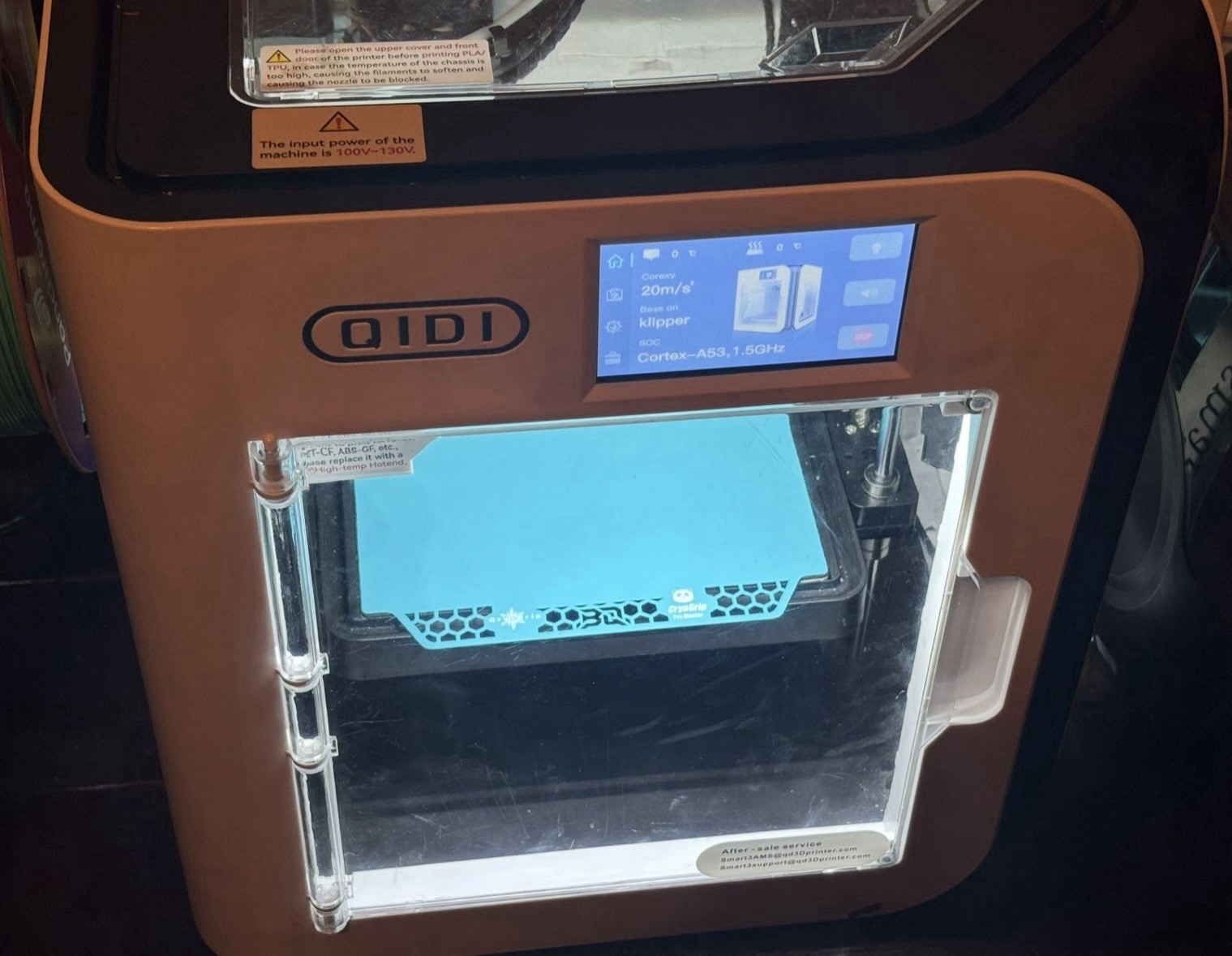 Qidi X-Smart3 3D Printer w/ Accessories (Build Plates/Nozzles/Mini Bento Box/+)$300.00Used · Last checked Nov 18, 2026View on eBay
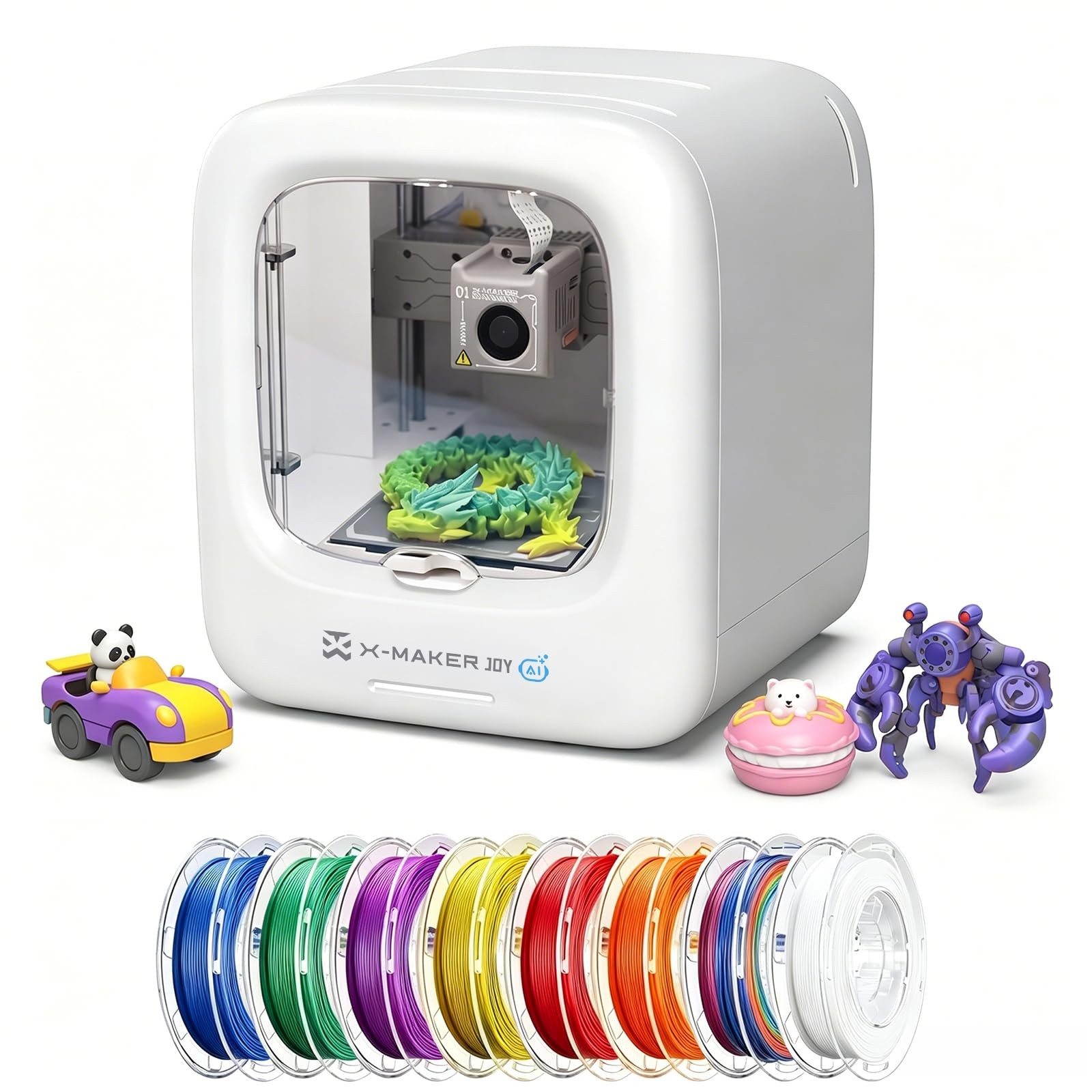 AOSEED AI 3D Printer for Kids, Fast 400mm/s, 20,000+ Models, Enclosed Safe$390.27New · Last checked Nov 27, 2026View on eBay
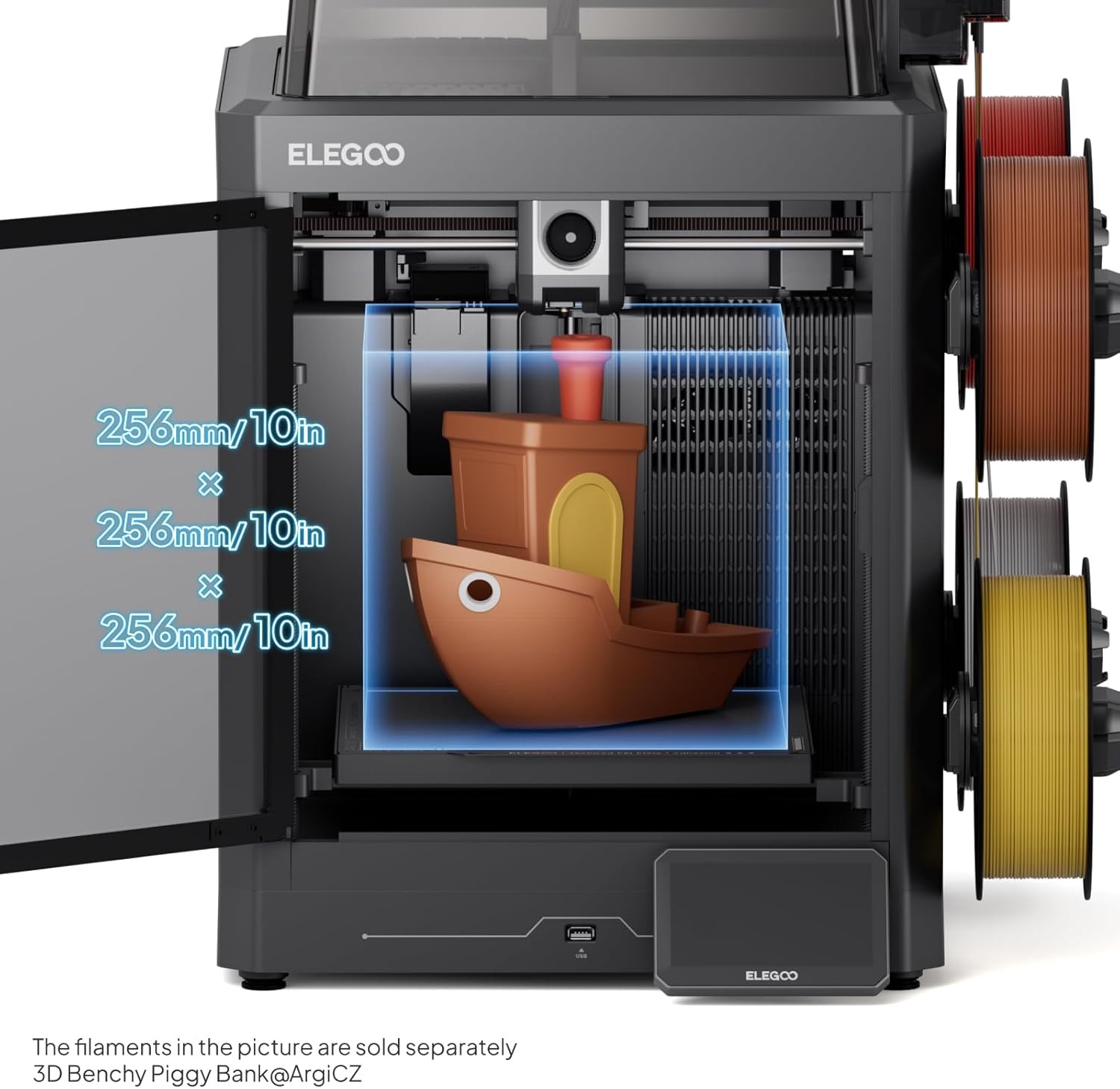 ELEGOO Centauri Carbon 2/Centauri Carbon 2 Combo/Centauri Carbon 3D Printers US$399.00New · Last checked Nov 17, 2026View on eBay
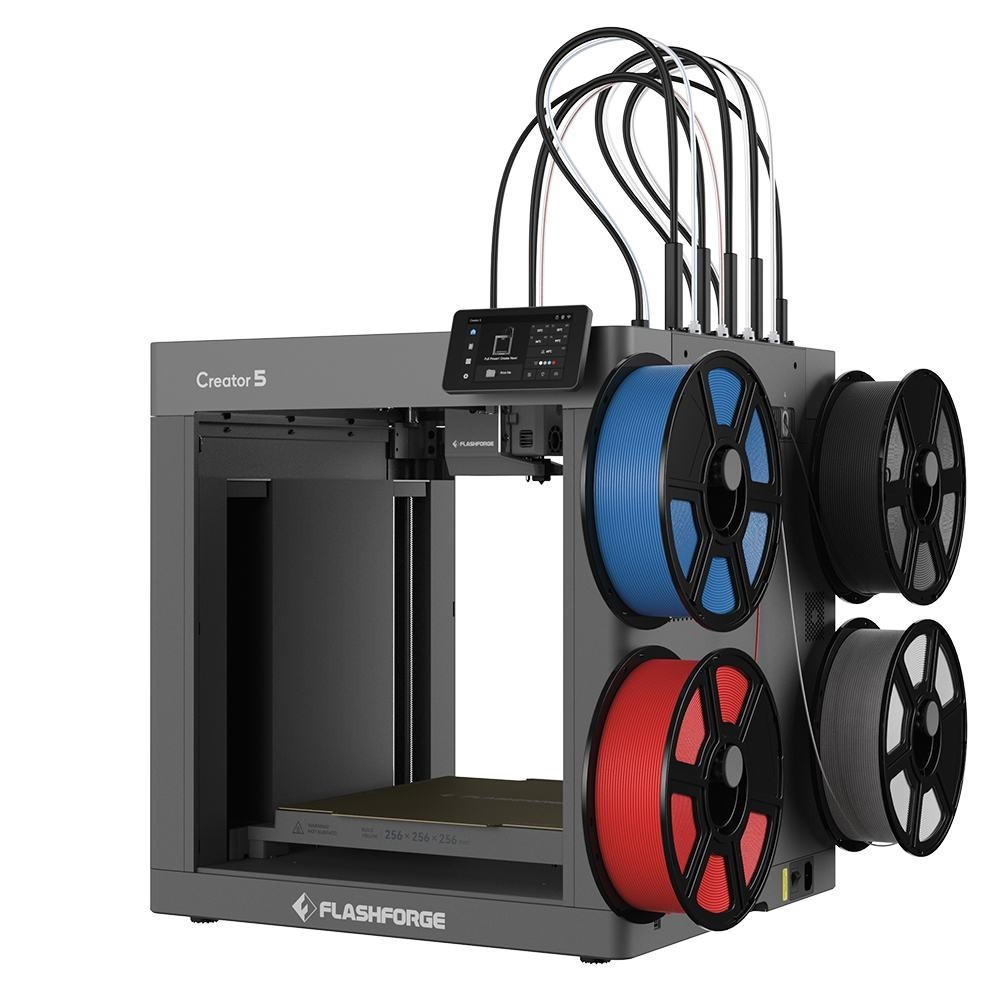 FLASHFORGE Creator 5 / Pro 3D Printer 4-Independent-Extruder Minimal Waste Print$499.00New · Last checked Nov 29, 2026View on eBay
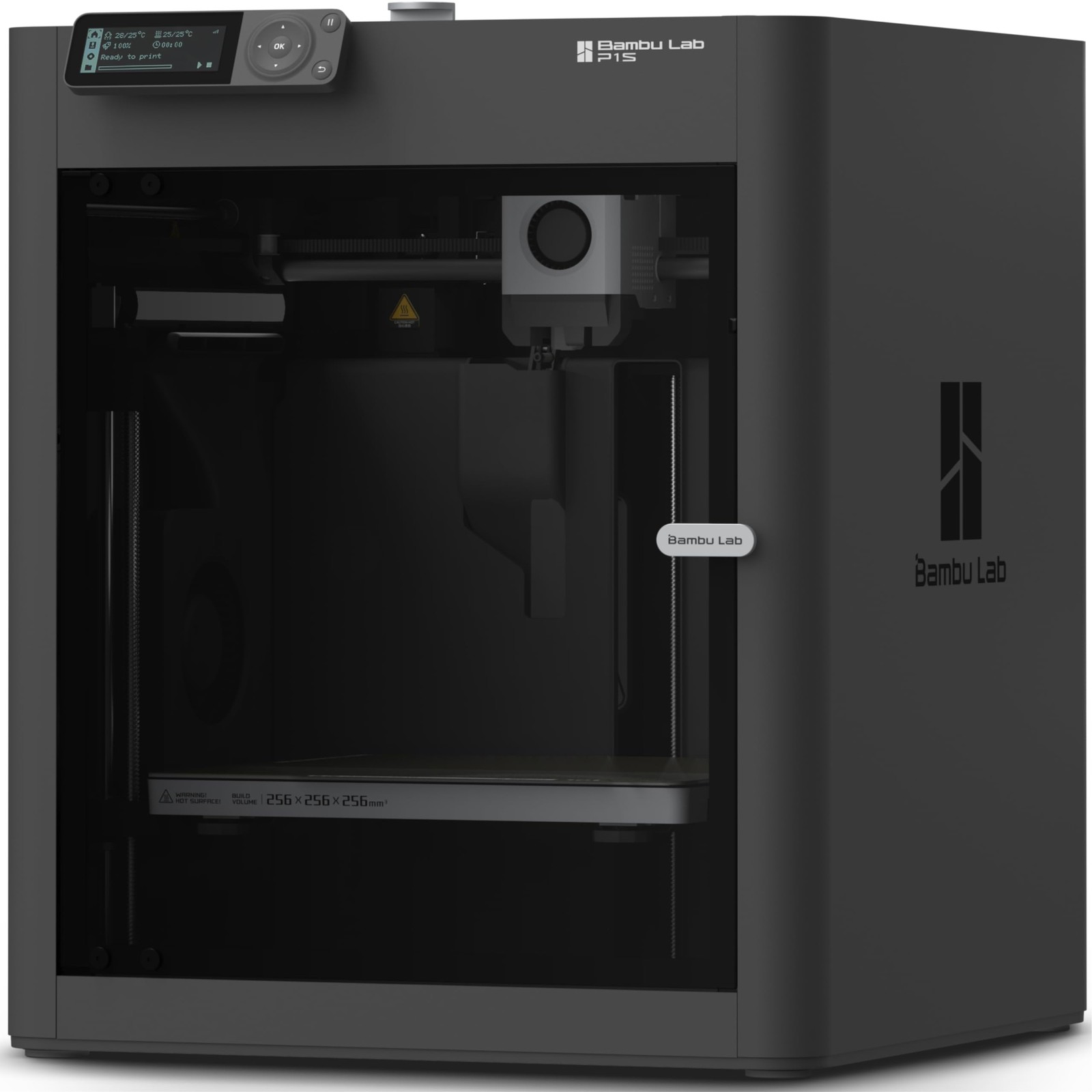 Enclosed FDM 3D Printer with Automatic Bed Leveling$560.49New · Last checked Nov 27, 2026View on eBay
 Flashforge Creator 5 FDM 3D Printer 3D Technology FDM MPN X0051E1QUT$625.00New · Last checked Nov 17, 2026View on eBay
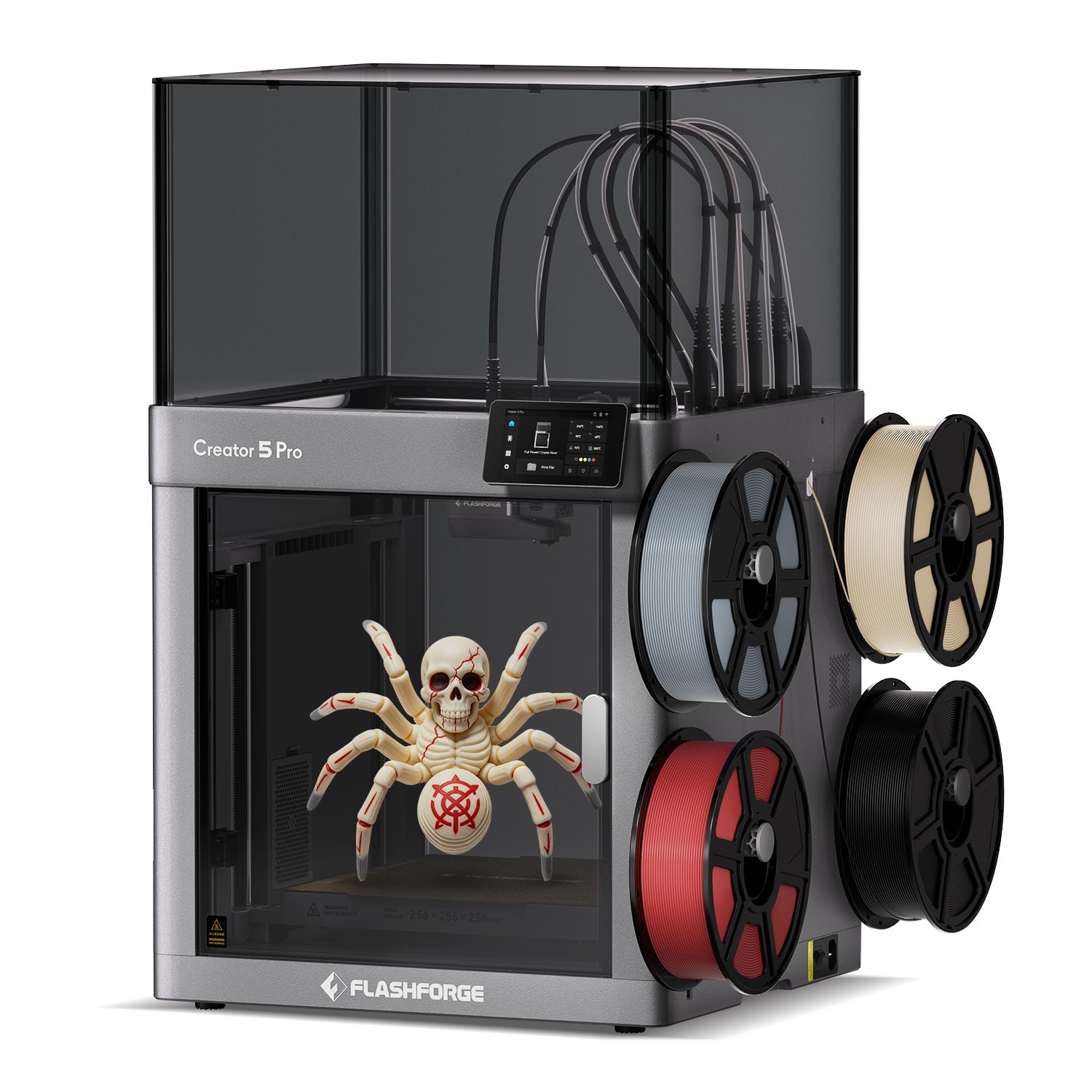 Flashforge Creator 5 Pro 4-Toolheads Enclosed Multi-Color 3D Printer Zero Waste$649.00New · Last checked Nov 27, 2026View on eBay
Highlights
- CoreXY vs Bedslinger: CoreXY moves the toolhead in X/Y with a fixed bed for 500-600 mm/s speeds and better tall-part stability; bedslingers move the bed and cap practical speeds near 200-300 mm/s.
- Enclosure & Hotend Temp: Printing PEEK requires an actively heated chamber (70-100°C) and a hotend rated 450-500°C; standard open printers with 260-300°C hotends handle only PLA, PETG, ABS, and ASA.
- Auto-Leveling & Mesh: Modern machines use strain-gauge or inductive bed probing with 100+ point mesh; older manual four-screw leveling demands feeler-gauge calibration before every material change.
- Multi-Color Systems: Combo units add a filament changer or AMS-style hub for 4-color prints at the cost of extra purge waste and longer print times; single-extruder models are simpler and faster for one-color functional parts.
Best use cases
- Best fit: Enclosed CoreXY with 450°C+ hotend and heated chamber for PEEK, PEI, and PPSU functional prototypes — skip open-frame bedslingers entirely because they cannot reach chamber temperature.
- Best fit: Open-frame bedslinger with 220x220 mm build volume and auto-leveling for PLA/PETG household items and school projects — skip enclosed high-temp units unless you need ABS or ASA.
- Best fit: Multi-color combo printer for figurines and multi-tone models where color change happens at layer boundaries — skip it for single-color structural parts since purge towers waste filament.
- Wrong fit: Buying a 600 mm/s CoreXY for a small apartment without a sturdy table — high acceleration causes ghosting and noise; pick a slower enclosed unit with input shaping instead.
Buying tips
- Match hotend rating to material: 260-300°C all-metal hotend for PLA/PETG/ABS; 450-500°C with heated chamber (70°C+) strictly for PEEK and PEKK — PEEK also needs a bed at 120-160°C.
- Choose CoreXY for build volumes above 250 mm cubed and for tall thin parts; bedslingers lose accuracy as part height grows due to bed inertia.
- For multi-color, budget 20-40% extra filament for purge waste and expect 1.5-2x print times versus single-extruder on the same model.
- Refurbished and repaired units are viable if the frame is aluminum extrusion and the hotend/heatbreak are standard replaceable parts — avoid refurbished units with proprietary hotend assemblies.
Specs
| Kinematics | CoreXY vs Bedslinger |
|---|---|
| Enclosure | Open / Passive / Heated Chamber |
| Hotend Max Temp | 260-300°C std / 450-500°C PEEK |
| Build Volume | 220³ mm to 300x300x350 mm |
Related searches
What to check before buying
- Measure your table or bench: enclosed CoreXY units need roughly 400x400 mm footprint plus 200 mm clearance above for filament spool and cable chain.
- Confirm room ventilation and temperature stability: ABS/ASA and PEEK release VOCs and need an enclosure vented outdoors or a HEPA/carbon filter; ambient drafts cause warping.
- Check power standard: most FDM printers ship 100-240V AC with regional plug; heated beds above 300x300 mm may draw 350-600W and need a dedicated circuit.
- Verify companion parts: hardened steel nozzle for abrasive CF/GF filament, filament dryer for nylon/PVA, and a calibrated digital caliper for extrusion tuning.
FAQ
Data sources: eBay / Amazon listings and product attribute feeds. Updated Nov 28, 2026.
Some links on this page are affiliate links. If you buy after clicking one, we may earn a commission at no extra cost to you. This does not change which products appear here or their order. Affiliate disclosure.