
Photos from current listings. Actual item, color, and included accessories may vary.
Enclosed FDM 3D Printer Buying Guide
An enclosed FDM 3D printer seals the build chamber to manage fumes, retain heat, and block drafts, which directly improves layer adhesion and safety for engineering materials. The core trade-off is between passive enclosures (acrylic panels, no active heating) and actively heated chambers with filtration, which cost more but unlock ABS, ASA, and polycarbonate. Buyers should treat the enclosure as a thermal and emissions system: choose a passively enclosed printer for PLA/PETG and draft-prone rooms, and a heated, filtered enclosure for functional engineering parts.
Median $560.49 · New & pre-owned listings
Key takeaways
- Chamber heating is the key differentiator: passively enclosed printers plateau around 40-50°C, while actively heated chambers reach 60-70°C to prevent ABS/ASA warping and layer splitting.
- Filtration matters: activated carbon and HEPA filters reduce VOC and ultrafine particle emissions; sealed chambers with recirculating filters are safer for indoor use than open frames.
- Enclosure construction affects rigidity: steel or aluminum frames with 3-4mm acrylic or polycarbonate panels resist flex better than thin 2mm panels or fabric tents, which sag and leak heat.
At a glance
- Category
- FDM 3D Printers
- Last updated
- Nov 28, 2026
Current offers
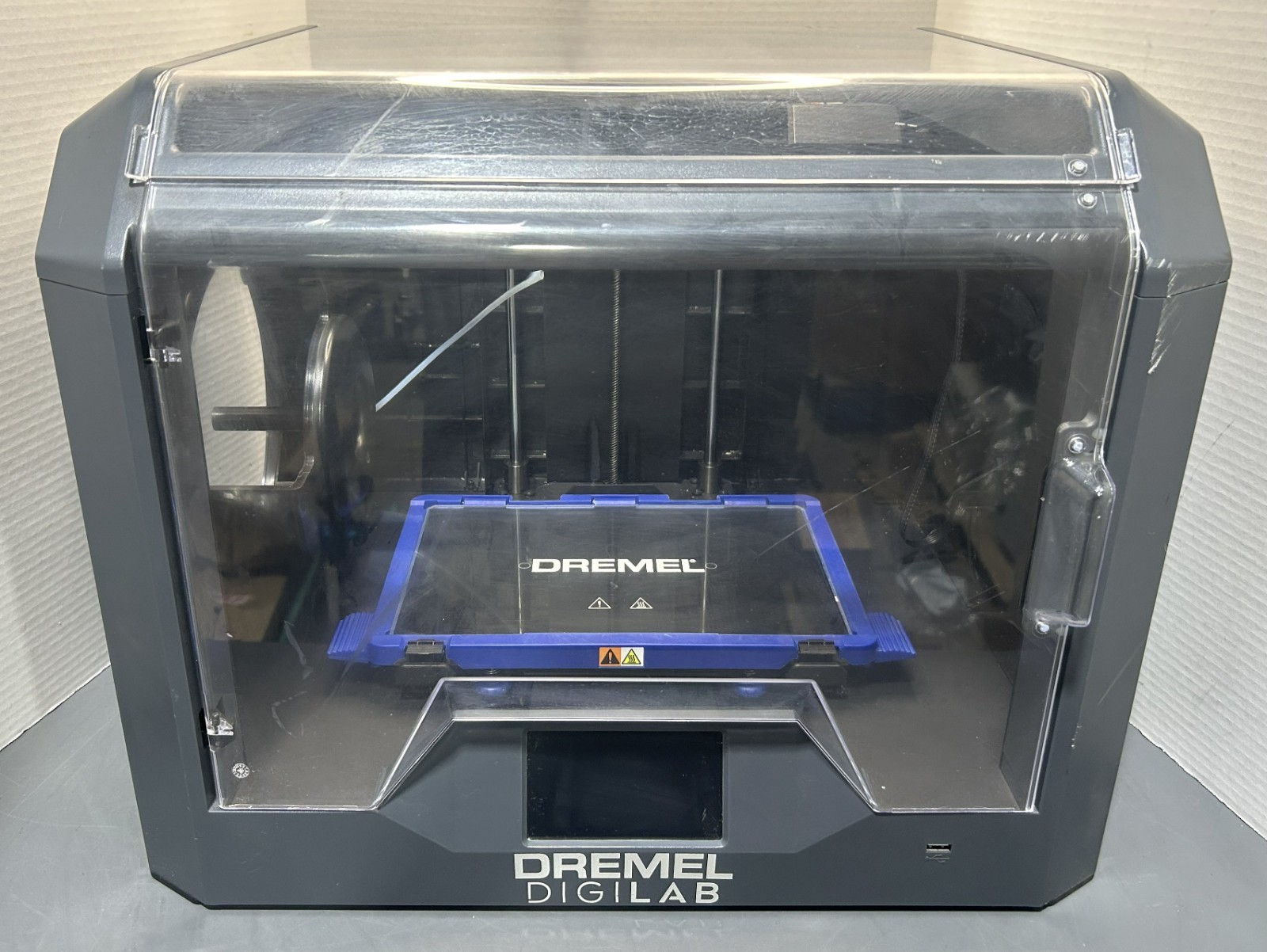 Dremel DigiLab 3D45 Fully Enclosed FDM 3D Printer 100-240Vac No Filament Tested$224.99Used · Last checked Nov 27, 2026View on eBay
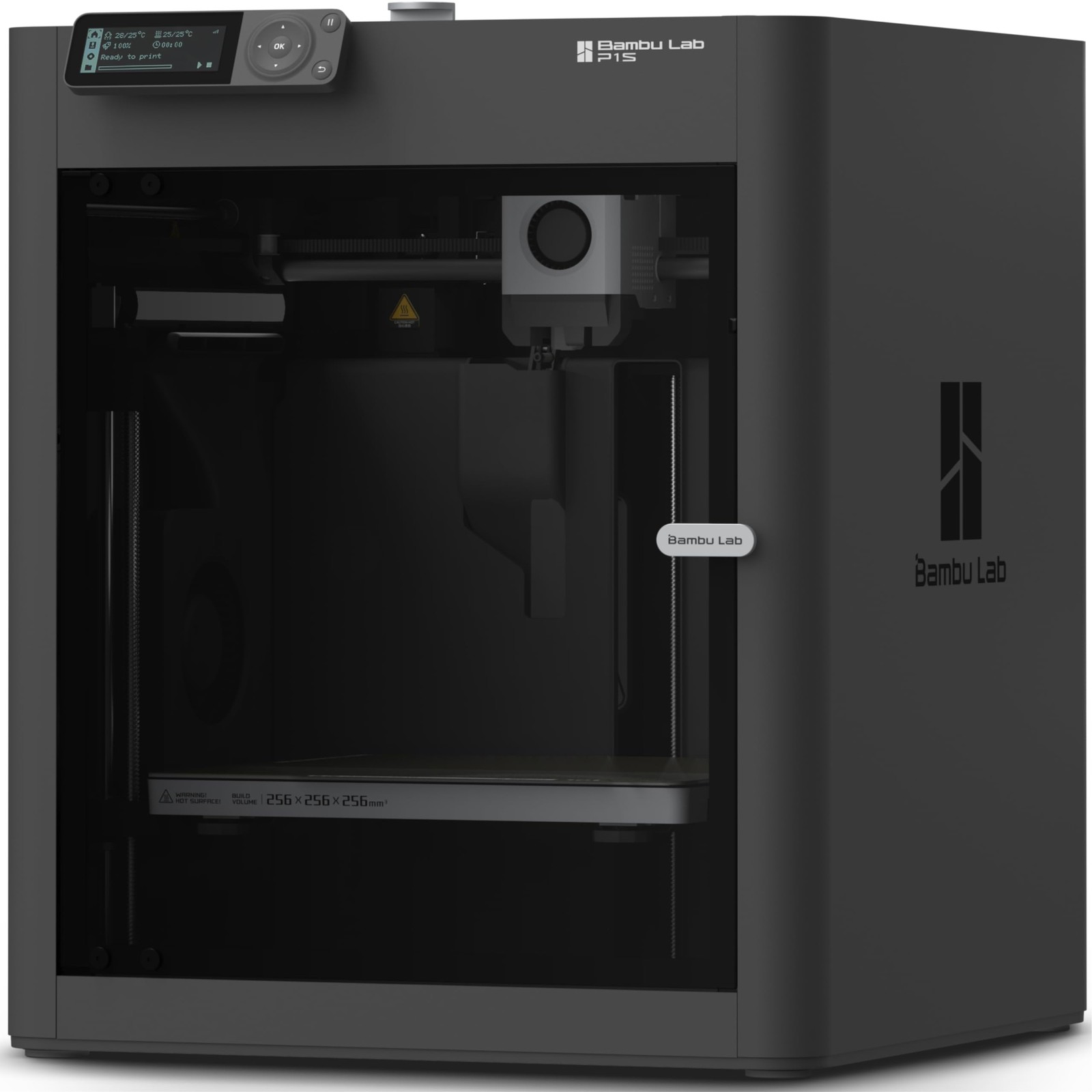 Enclosed FDM 3D Printer with Automatic Bed Leveling$560.49New · Last checked Nov 27, 2026View on eBay
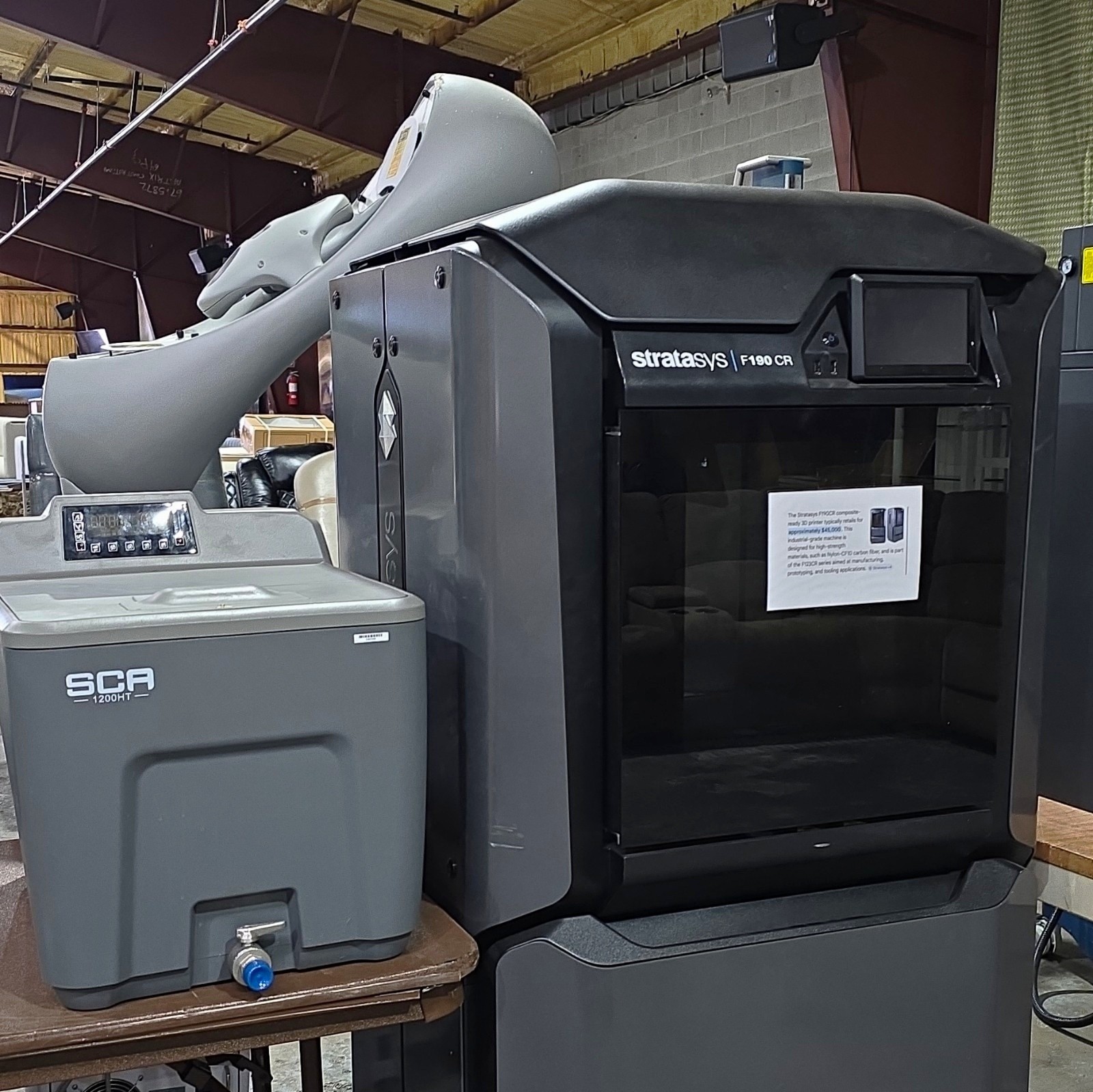 Stratasys F190 CR FDM 3D Printer, Enclosed, Touchscreen, 10x10x10 in$1,380.00Used · Last checked Nov 27, 2026View on eBay
Highlights
- Chamber heating is the key differentiator: passively enclosed printers plateau around 40-50°C, while actively heated chambers reach 60-70°C to prevent ABS/ASA warping and layer splitting.
- Filtration matters: activated carbon and HEPA filters reduce VOC and ultrafine particle emissions; sealed chambers with recirculating filters are safer for indoor use than open frames.
- Enclosure construction affects rigidity: steel or aluminum frames with 3-4mm acrylic or polycarbonate panels resist flex better than thin 2mm panels or fabric tents, which sag and leak heat.
- Bed and motion architecture still govern print quality: direct-drive extruders handle flexible filaments, while CoreXY kinematics reduce moving mass for faster, more accurate enclosed builds.
Best use cases
- Best fit: a passively enclosed printer with a 220-250mm bed for PLA/PETG in a drafty garage or near a window—skip actively heated models unless you print ABS regularly.
- Best fit: an actively heated chamber (60°C+) with carbon filtration for ABS, ASA, and polycarbonate functional parts—skip open-frame or fabric-tent enclosures that cannot hold temperature.
- Best fit: a compact enclosed printer (under 300mm cubed) for classroom or office settings where noise and fumes must be contained—skip large-format open printers that demand ventilation.
- Wrong fit: buying an enclosure solely for TPU or high-detail PLA minis—a well-tuned open printer with a simple tent costs less and performs equally for those materials.
Buying tips
- Size the chamber for your real parts: add 40-50mm clearance around the bed for purge lines and clips; a 250x210mm bed needs at least 300x300mm internal chamber volume.
- Prioritize a heated bed rated to 100-120°C and a chamber heater if printing ABS/ASA; a 60°C bed cannot sustain engineering materials even inside an enclosure.
- Check panel material: 3mm+ polycarbonate or tempered glass resists cracking and holds heat better than 2mm acrylic, which warps and yellows near the heater.
- Match filtration to materials: activated carbon handles VOCs from ABS/ASA, while HEPA captures ultrafine particles; a recirculating dual-filter setup is the minimum for indoor printing.
Specs
| Chamber Type | Passive vs Active Heated |
|---|---|
| Max Chamber Temp | 40-70°C (material dependent) |
| Panel Material | Acrylic vs Polycarbonate/Glass |
| Filtration | Carbon + HEPA vs None |
Related searches
What to check before buying
- Measure your room and doorway: enclosed printers often exceed 400mm in width and 500mm in height, so confirm the unit fits through doors and on a stable bench.
- Verify electrical: heated chambers can draw 600-1000W; confirm a dedicated 15A circuit and match the plug standard (NEMA 5-15 or EU Schuko) to your region.
- Check floor and ventilation: place the printer on a level, non-flammable surface away from drafts; if printing ABS/ASA, route exhaust or place near a window with the filter running.
- Confirm companion parts: enclosed printers often need a filament dry box, a spatula, and replacement filter cartridges; budget for these consumables at purchase.
FAQ
Data sources: eBay / Amazon listings and product attribute feeds. Updated Nov 28, 2026.
Some links on this page are affiliate links. If you buy after clicking one, we may earn a commission at no extra cost to you. This does not change which products appear here or their order. Affiliate disclosure.