
Photos from current listings. Actual item, color, and included accessories may vary.
Retro Video Game Console Buying Guide
A retro video game console is a device that plays classic games via built-in storage or emulation, available as handhelds, home consoles, or plug-and-play TV sticks. The primary trade-off is between all-in-one convenience (built-in game libraries, often of varying legality and quality) and authentic hardware accuracy (original consoles or FPGA recreations), which dictates game compatibility, input lag, and longevity. The clear decision rule: buy a dedicated emulation device from a reputable brand for curated libraries and modern features; choose original hardware or FPGA only if you demand cycle-accurate performance and physical cartridge support.
Median $39.99
Key takeaways
- Handheld retro consoles typically use IPS LCD panels (e.g., 5.5-inch) with 640x480 or 720p resolution; screen quality and scaling algorithms determine clarity versus original pixel art.
- Home retro consoles and TV sticks often rely on Allwinner or Rockchip SoCs; higher-tier models (e.g., Super Console X) support 4K output and 256GB storage, but emulation accuracy varies by core.
- Original hardware (e.g., NES, SNES, Genesis) uses proprietary cartridge slots and AV outputs; FPGA consoles like Analogue NT or Pocket replicate original chips for near-zero lag and full compatibility.
At a glance
- Category
- Console & Handheld Hardware
- Last updated
- Nov 29, 2026
Current offers
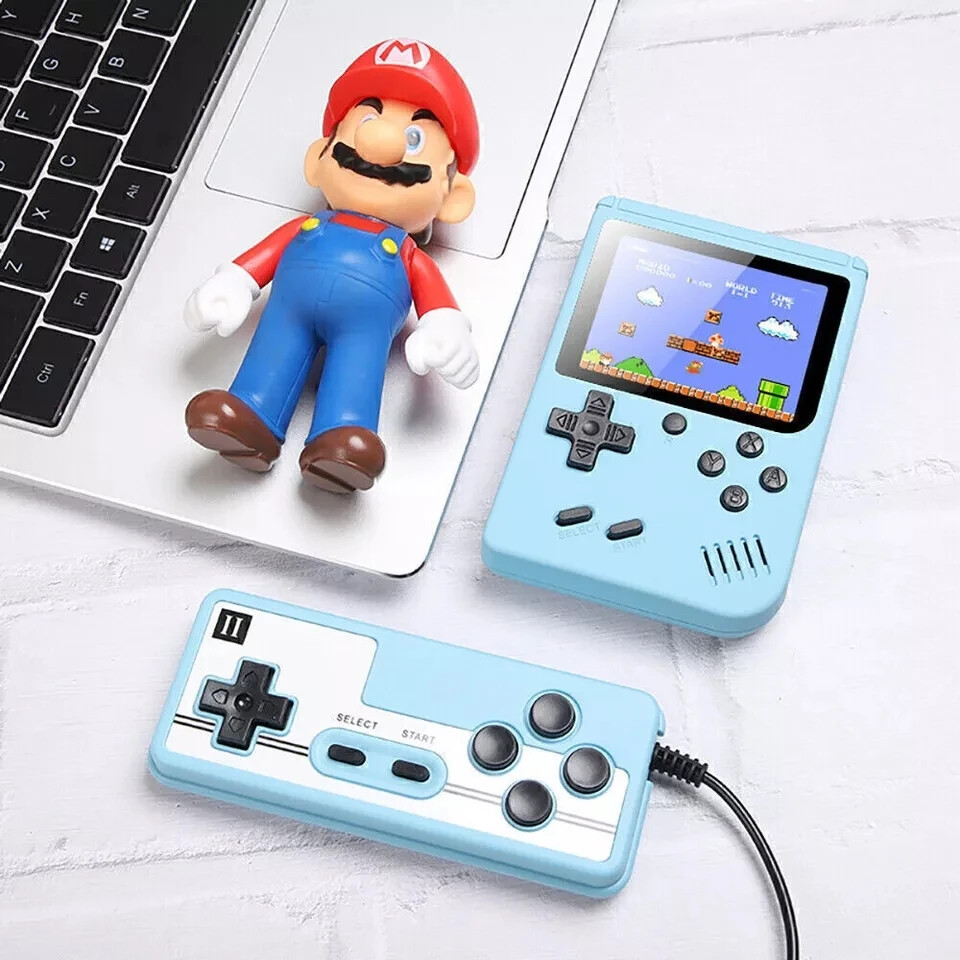 Mini Retro Video 500 Classic Games FC Game Console Player Handheld For Kid Adult$9.48Last checked Nov 28, 2026View on eBay
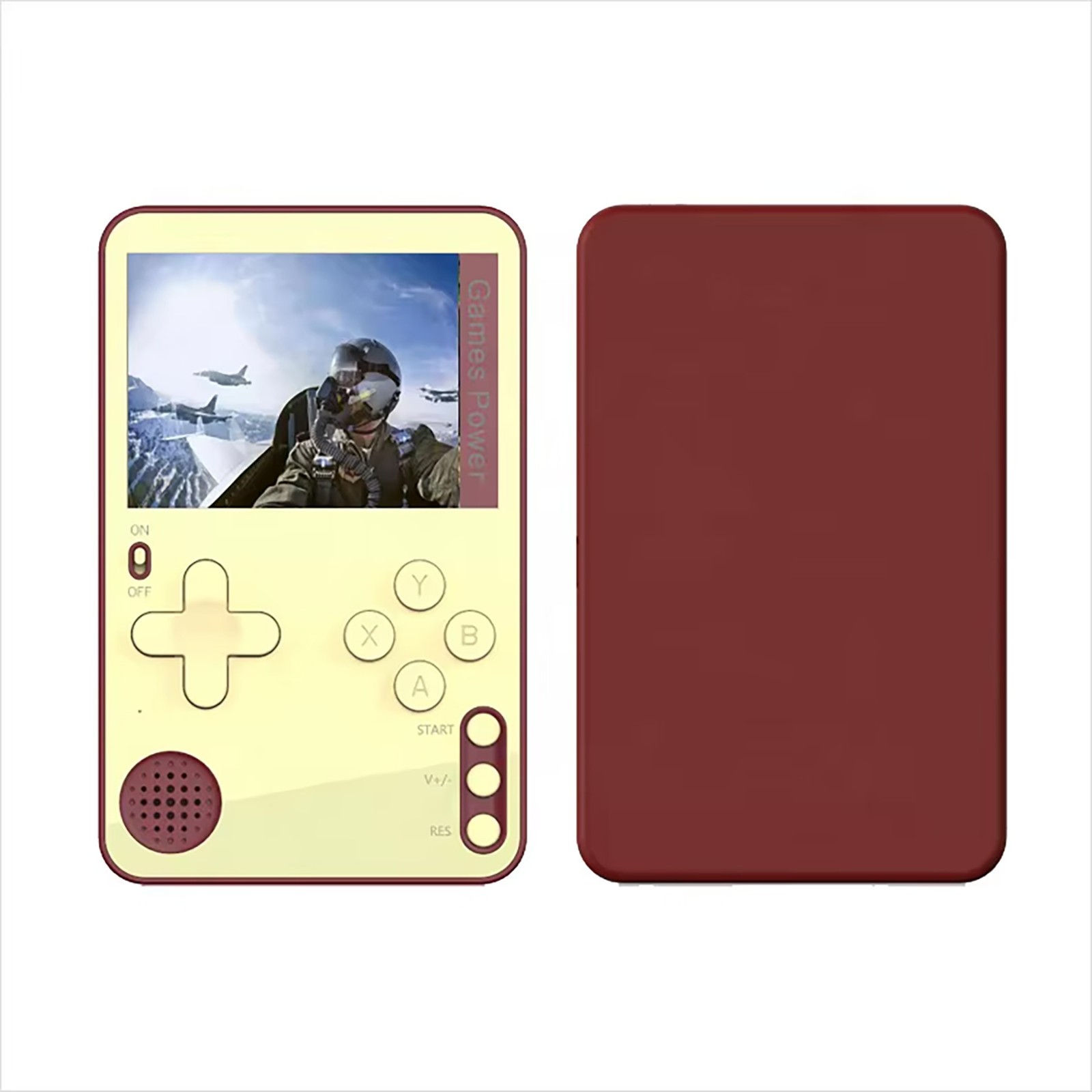 Retro Handheld Game Console 500 Built in Games Portable Mini Video Game Player$11.99View on eBay
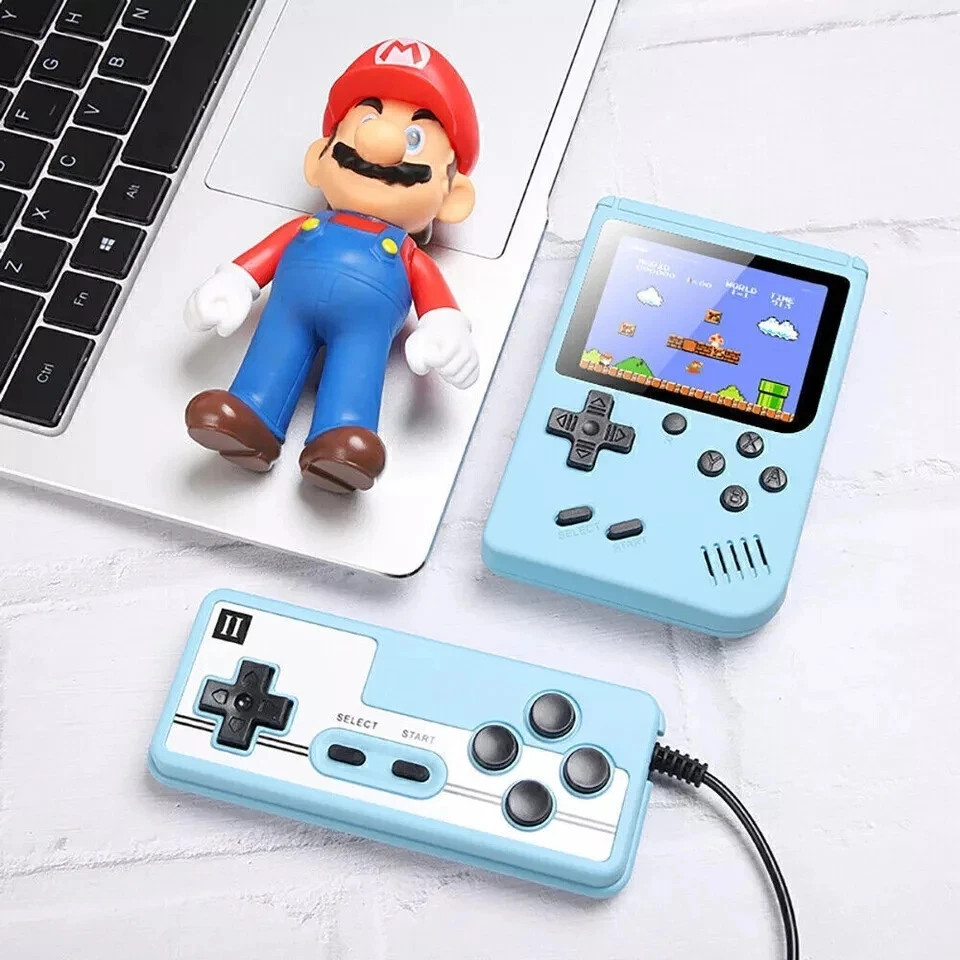 Mini Retro Video 500 Classic Games FC Game Console Player Handheld For Kid Adult$15.99Last checked Nov 28, 2026View on eBay
- 500 Classic Games Handheld Retro Video FC Game Console Player For Kids Adults$15.99Last checked Nov 27, 2026View on eBay
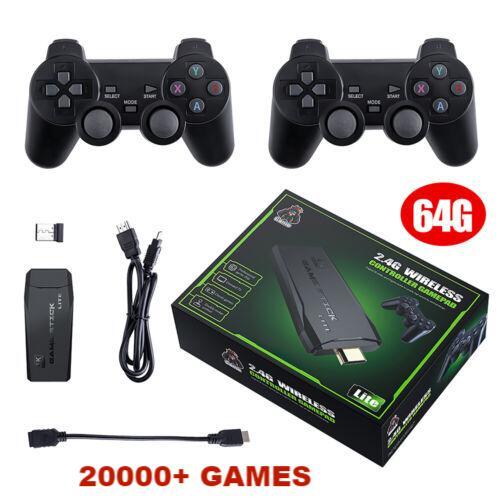 Video Game Console Retro TV Stick 64G 4K HDMI 2 Wireless Controller 20000+ Games$18.99View on eBay
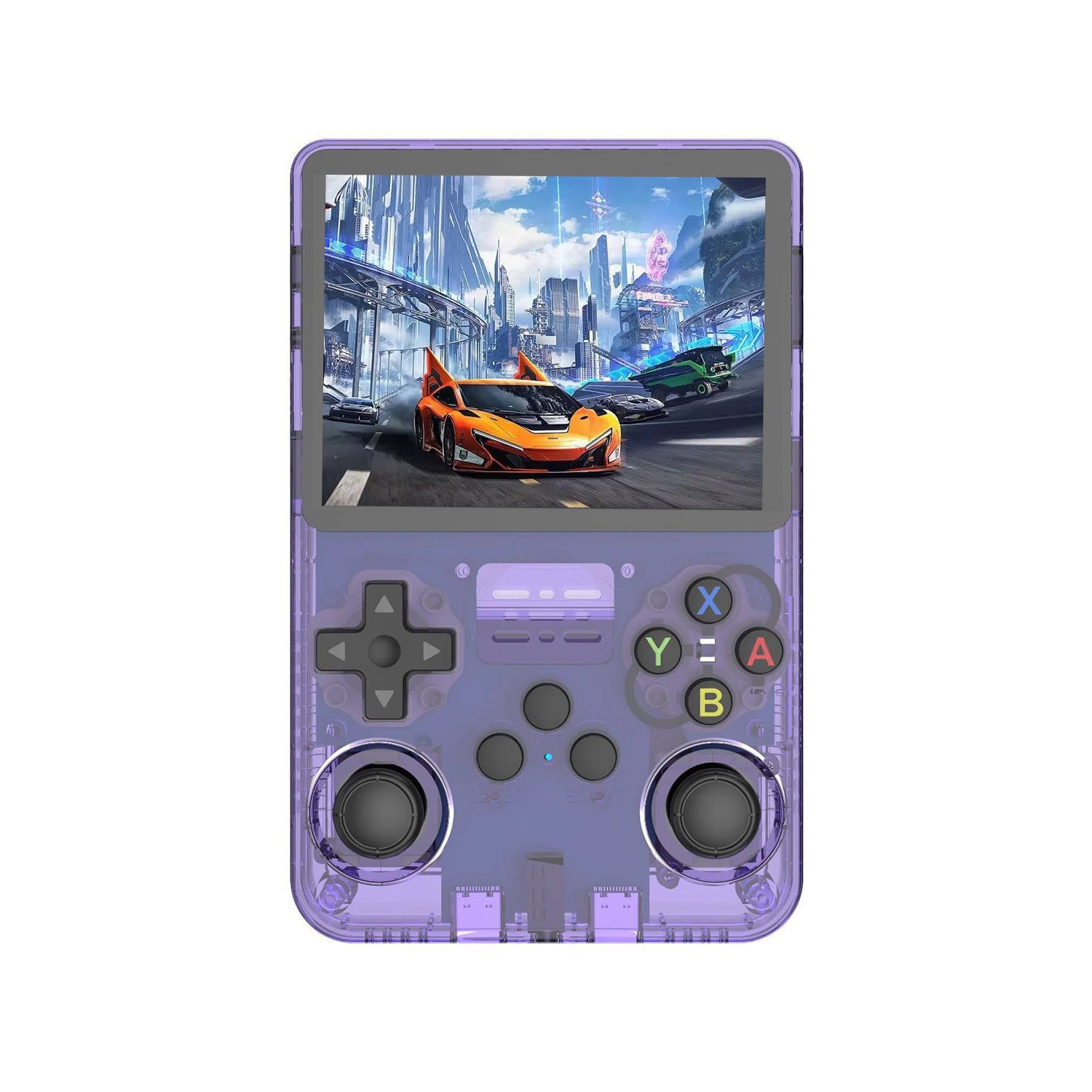 R36S Retro Handheld 15000+ Video Game Console$21.25View on eBay
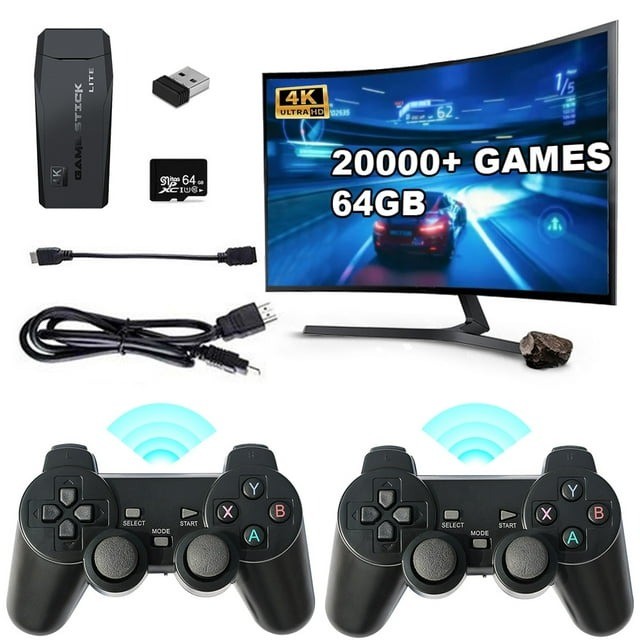 JGOO 55558 2.4G Portable 4K TV Video Retro Game Console$26.00View on eBay
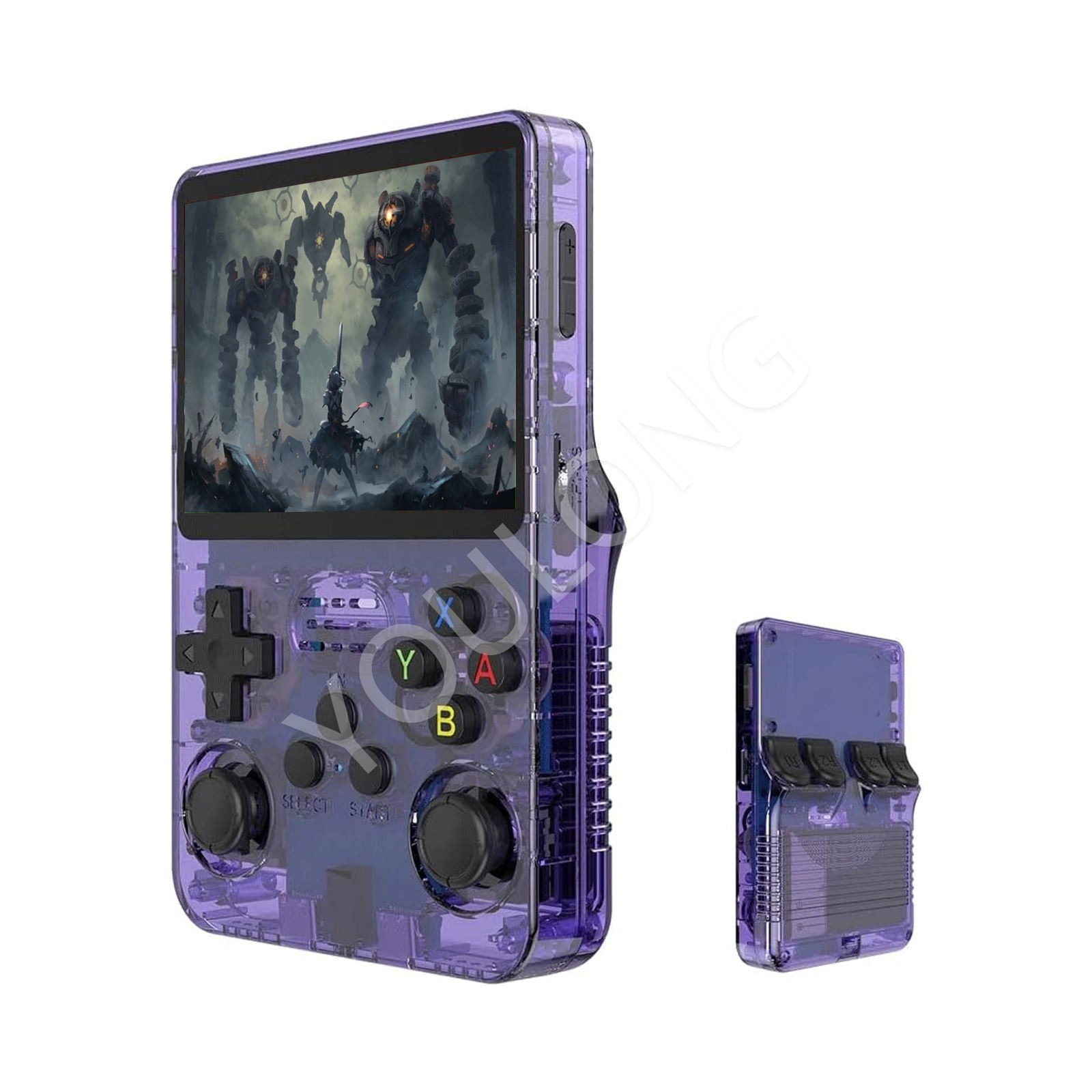 R36S Retro Handheld Game Console Video Games 128GB Consoles 20000+Games$26.00View on eBay
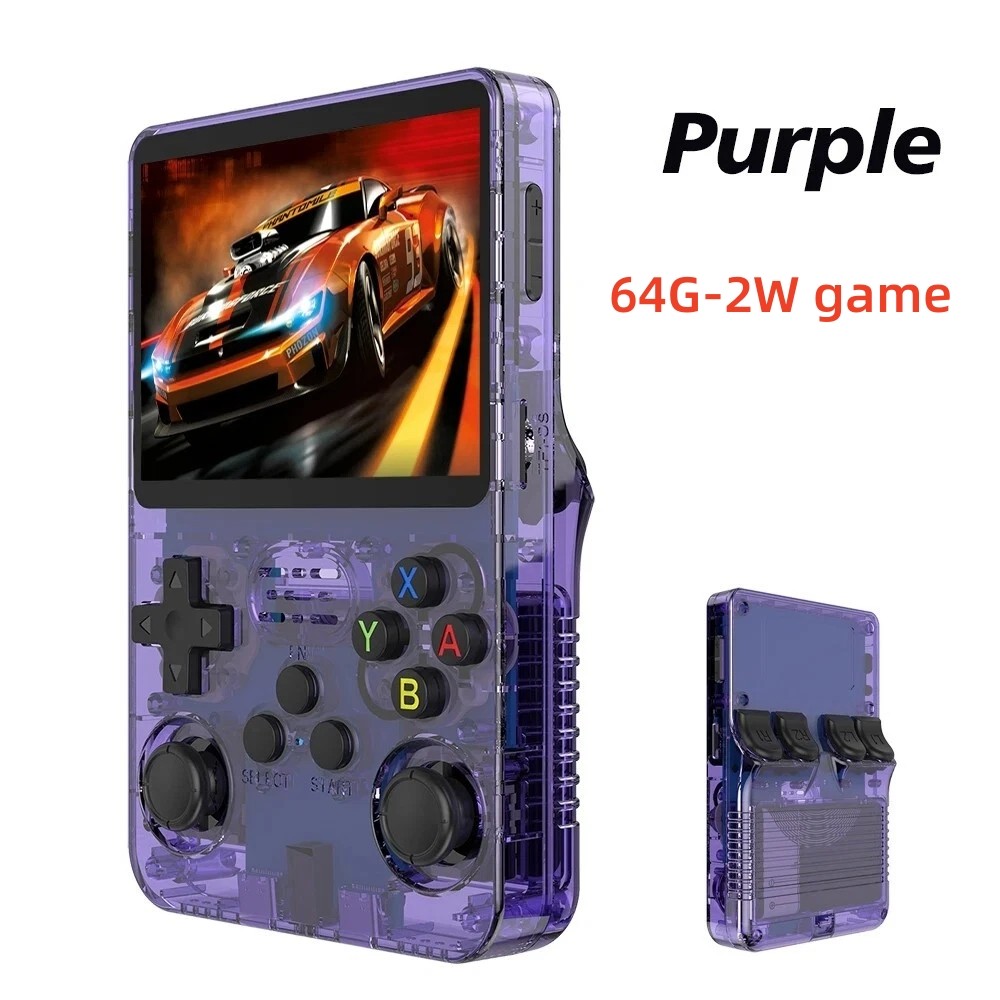 64G R36S Retro Handheld Video Game Console Card 3.5' IPS Screen 20000+ game$26.95View on eBay
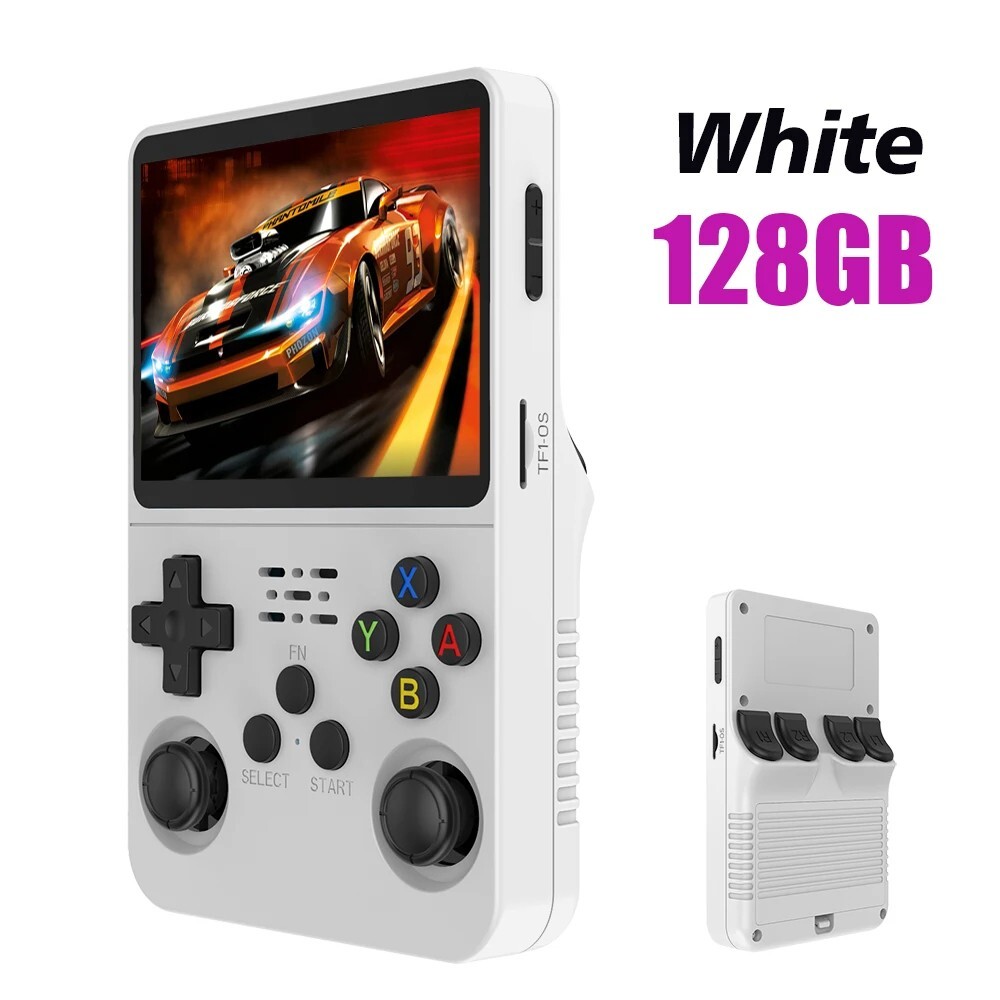 64/128GB,R36S Retro Handheld Video Game Console Card 3.5' IPS Screen 20000+ game$30.99View on eBay
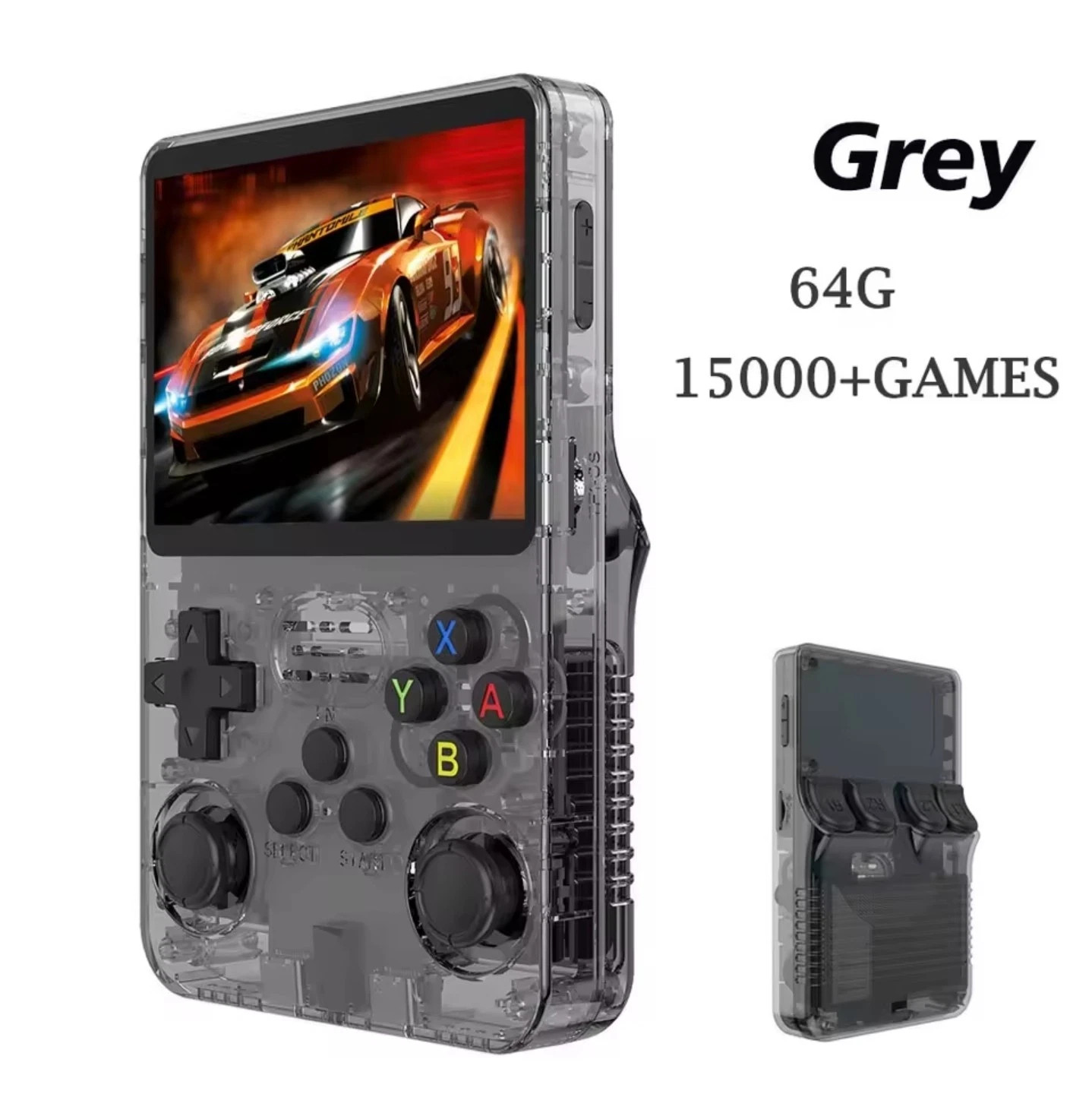 R36S Retro Handheld Game Console Video Games 128GB Consoles 20000+Games$31.99View on eBay
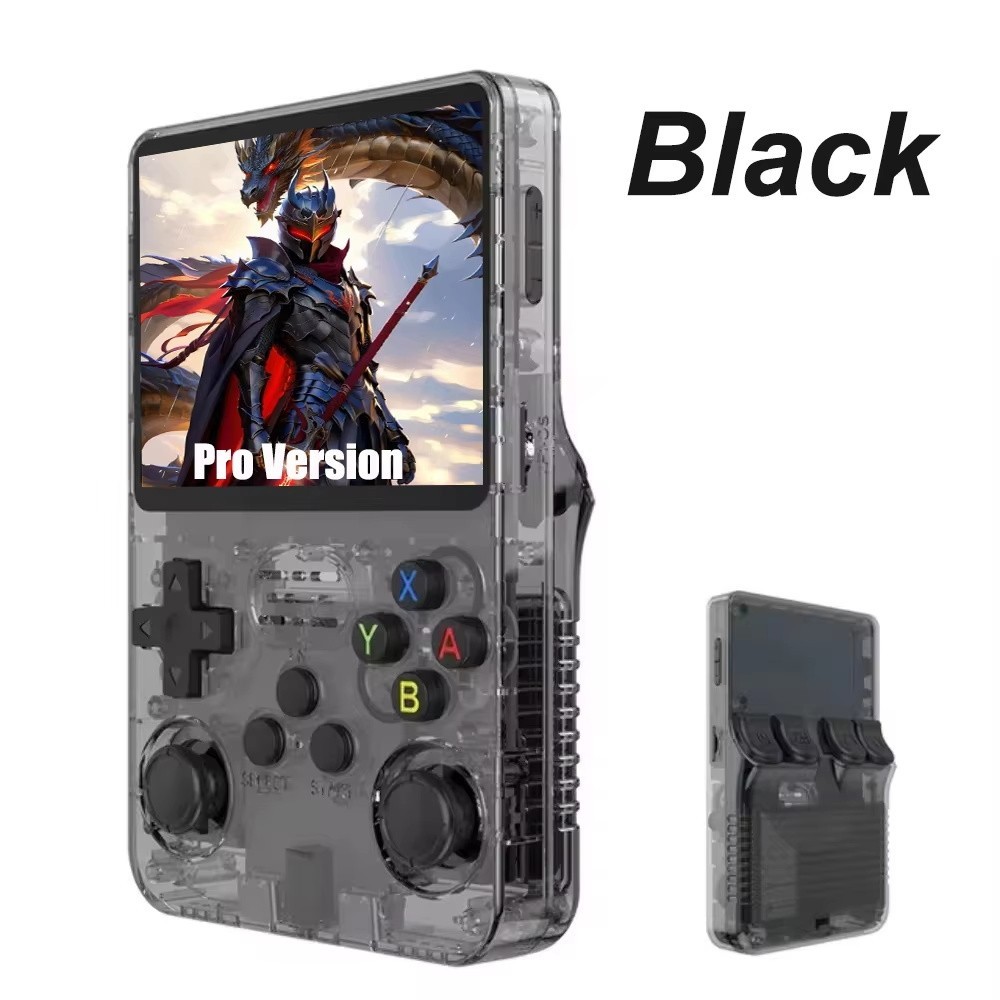 2026 R36S Retro Handheld Game Console 64GB Linux 3.5" IPS Portable Video Game$35.99View on eBay
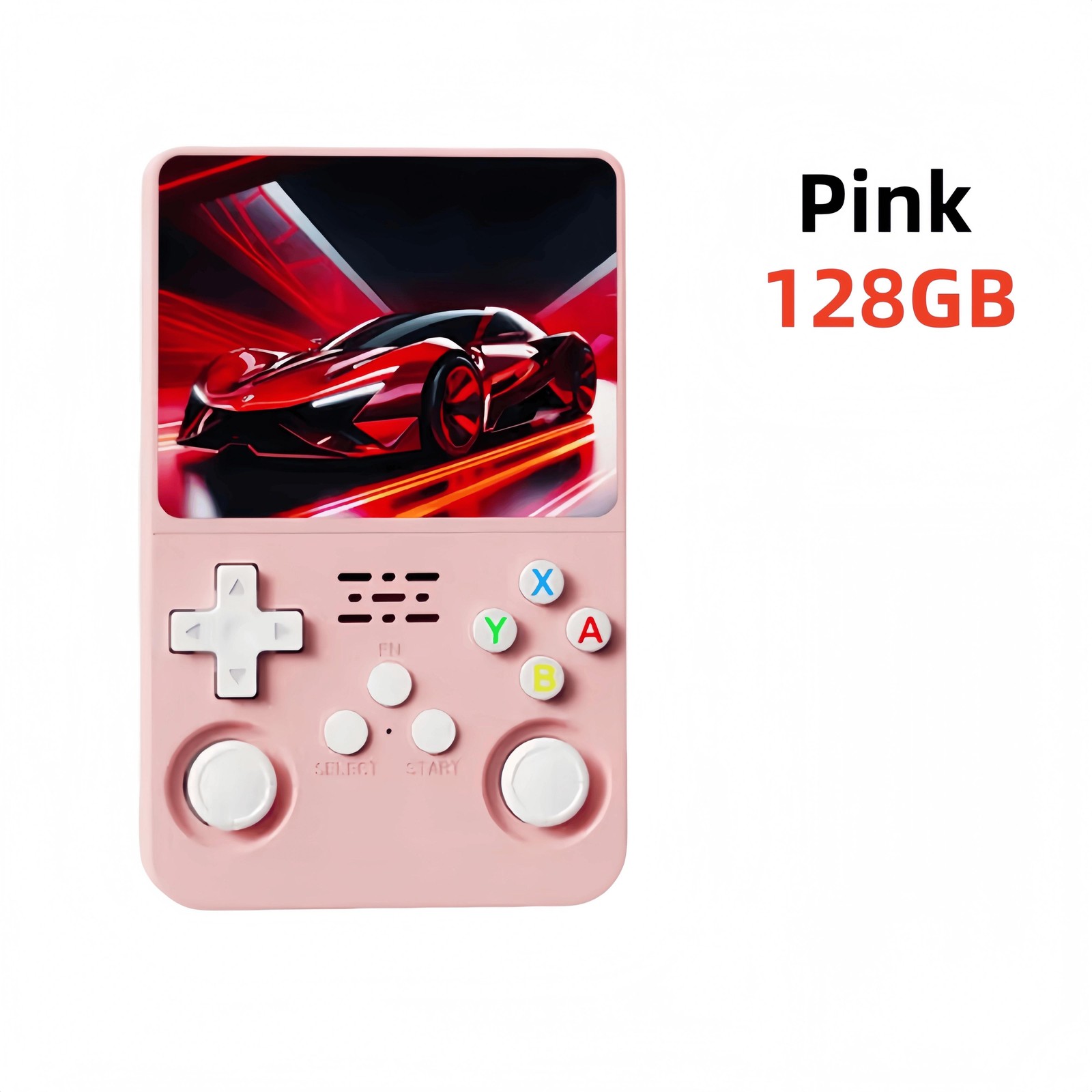 R36S Retro Handheld Video Game Console Linux System 3.5 Inch IPS Screen 64/128GB$36.03View on eBay
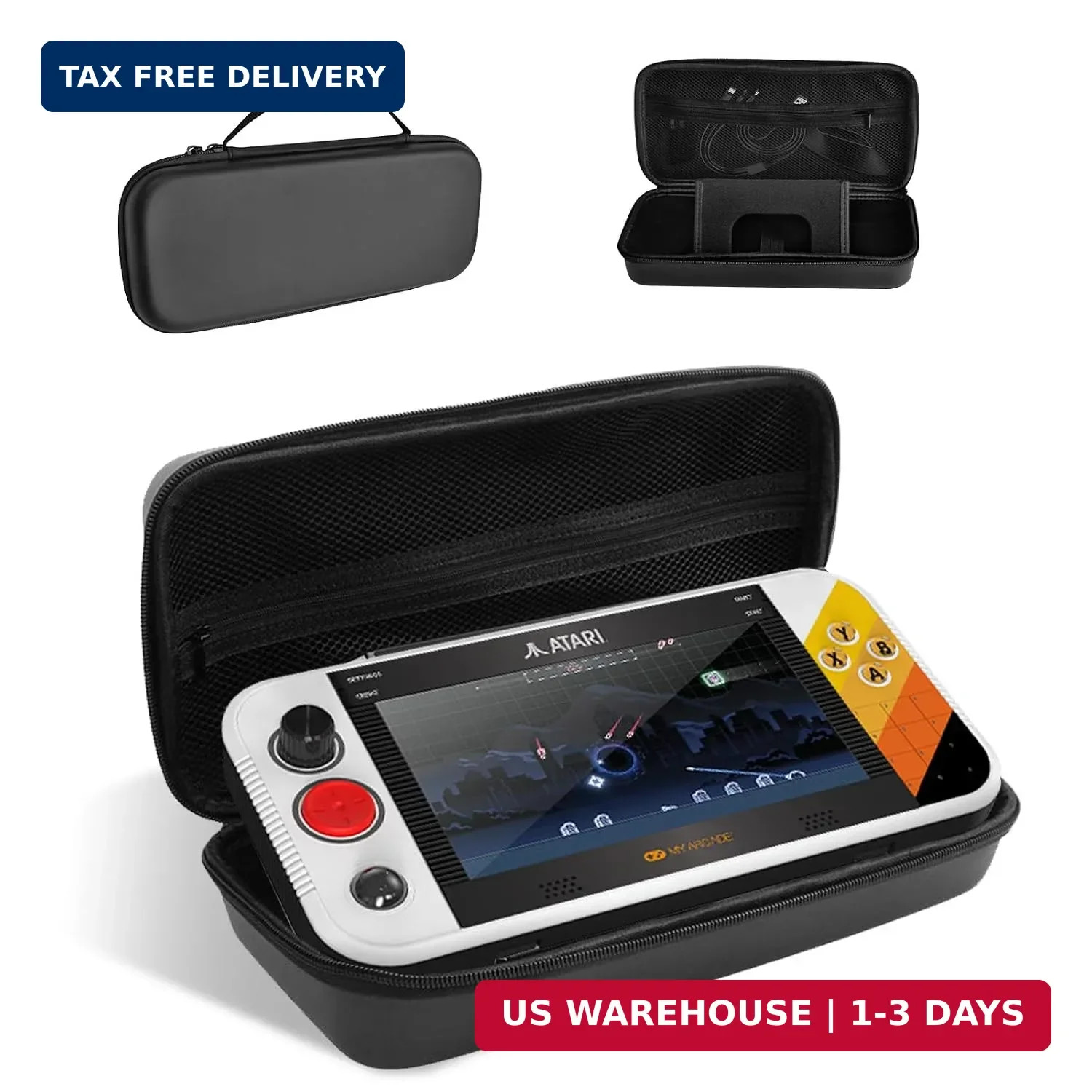 Carrying Case for My Arcade Atari Gamestation Go Retro Video Games Console,St...$38.99View on eBay
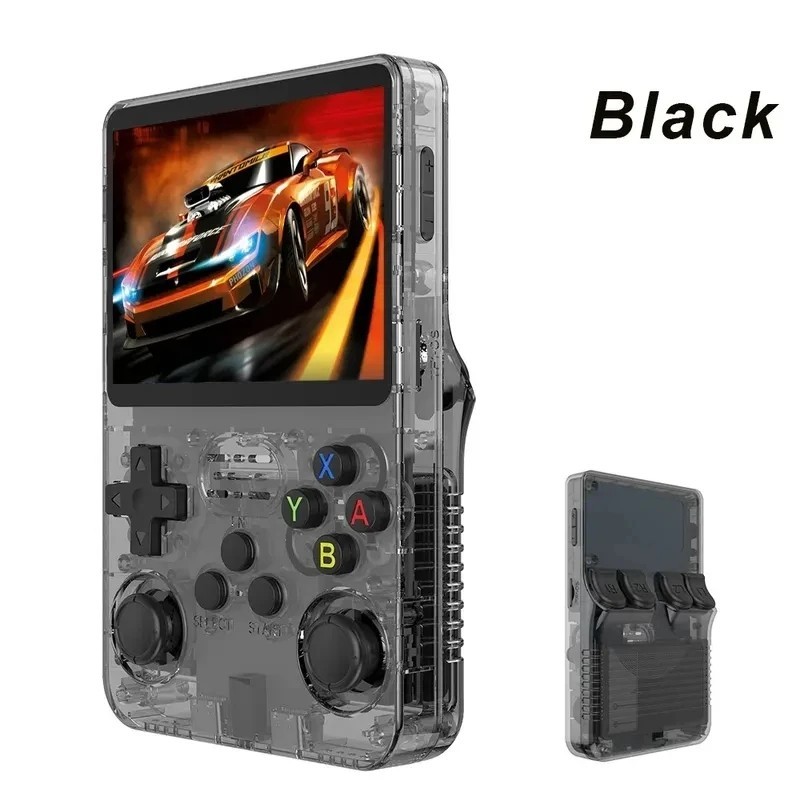 64-128GB, R36S Retro Handheld Video Game Console 20000 Games 3.5" IPS Screen$40.99View on eBay
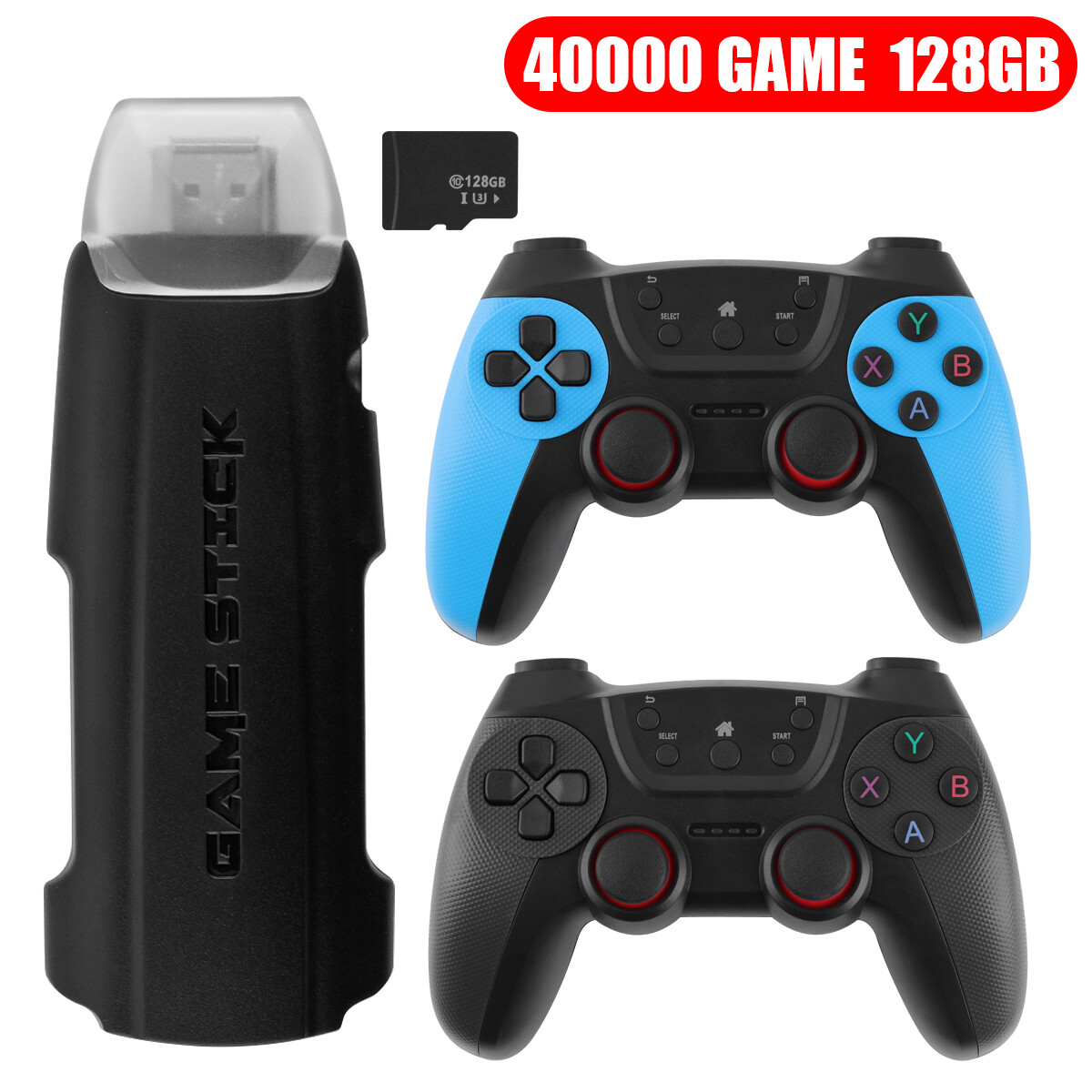 X2 PRO 58000+ Games 4K Game Stick 3D Retro Video Game Console Wireless 256G 2025$46.99View on eBay
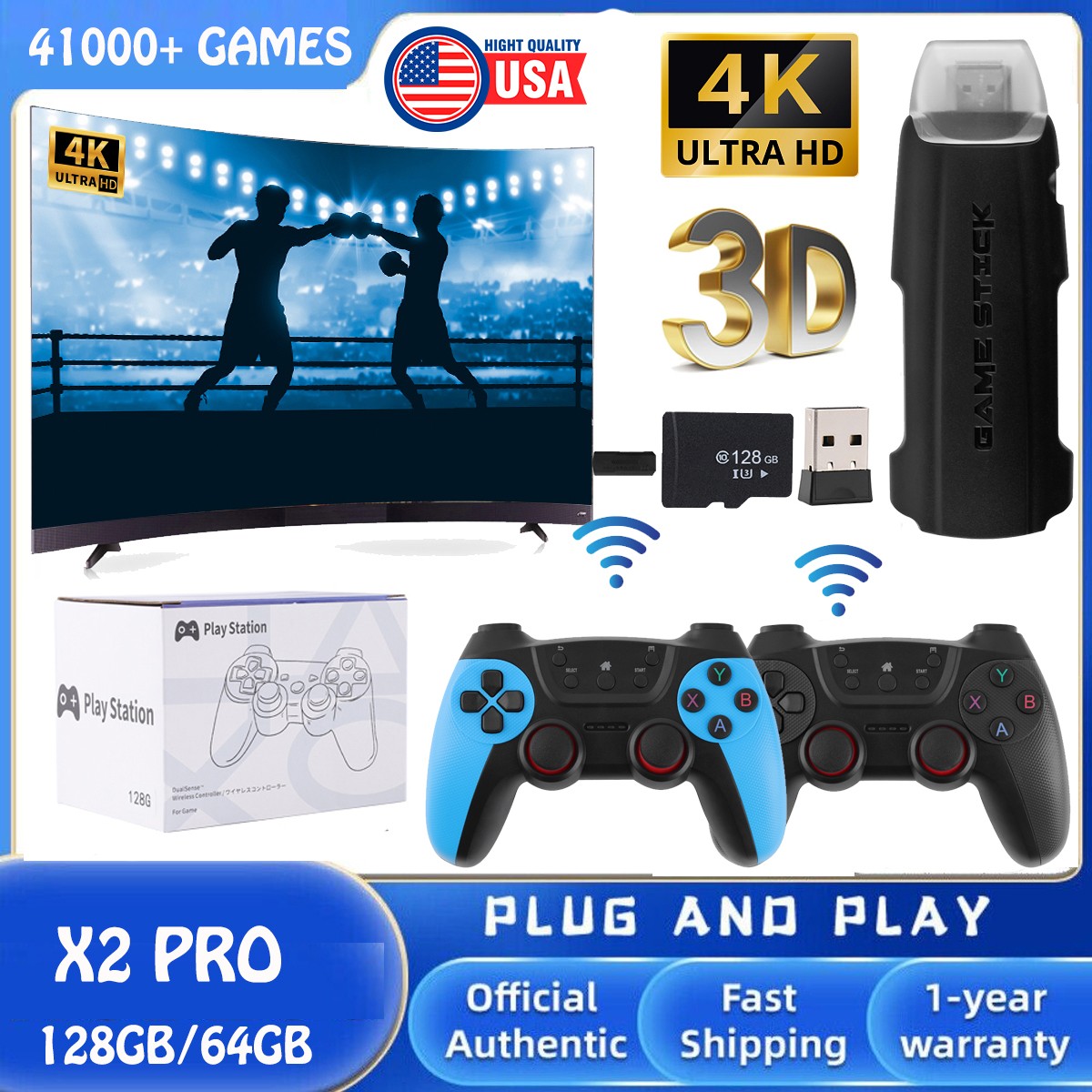 X2 PRO Video Game Console Retro 41000 Games TV Stick 128G 4K Wireless Controller$46.99View on eBay
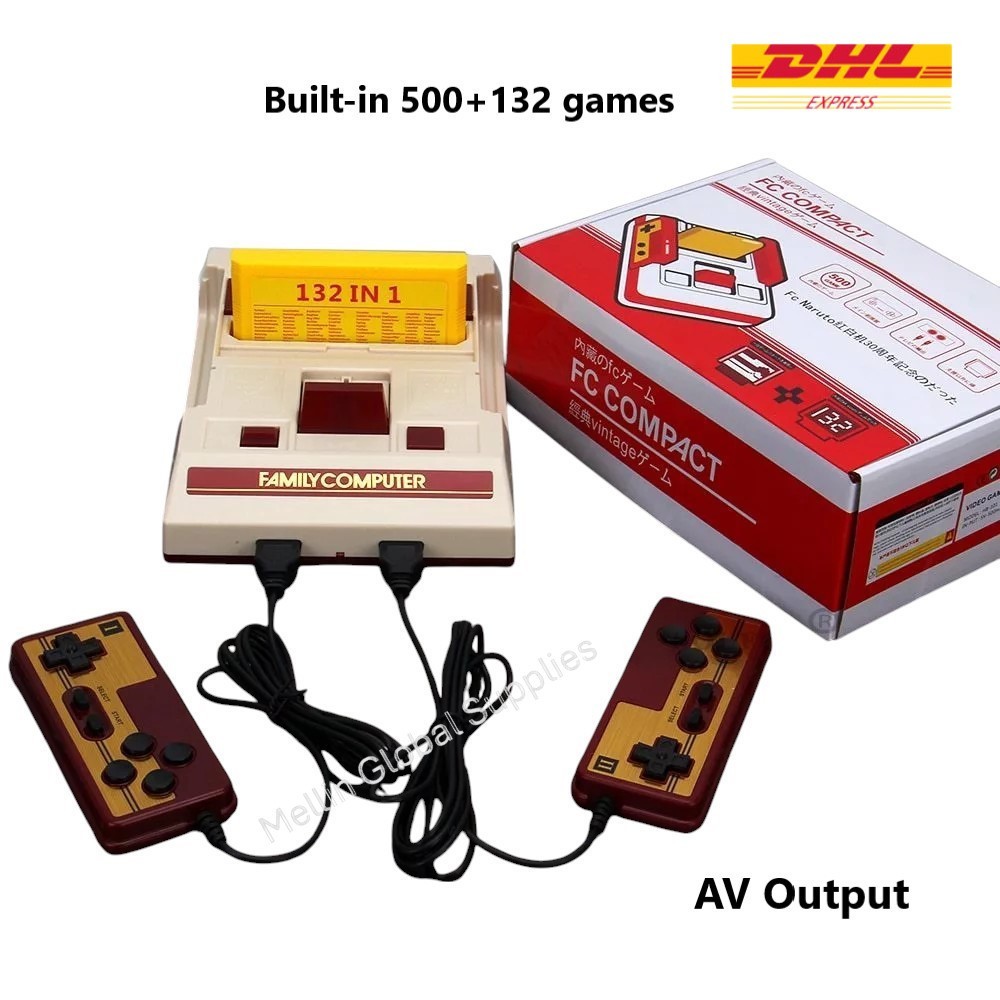 Classic Game Console Retro FC Family Computer Compact Video Game - DHL$48.80View on eBay
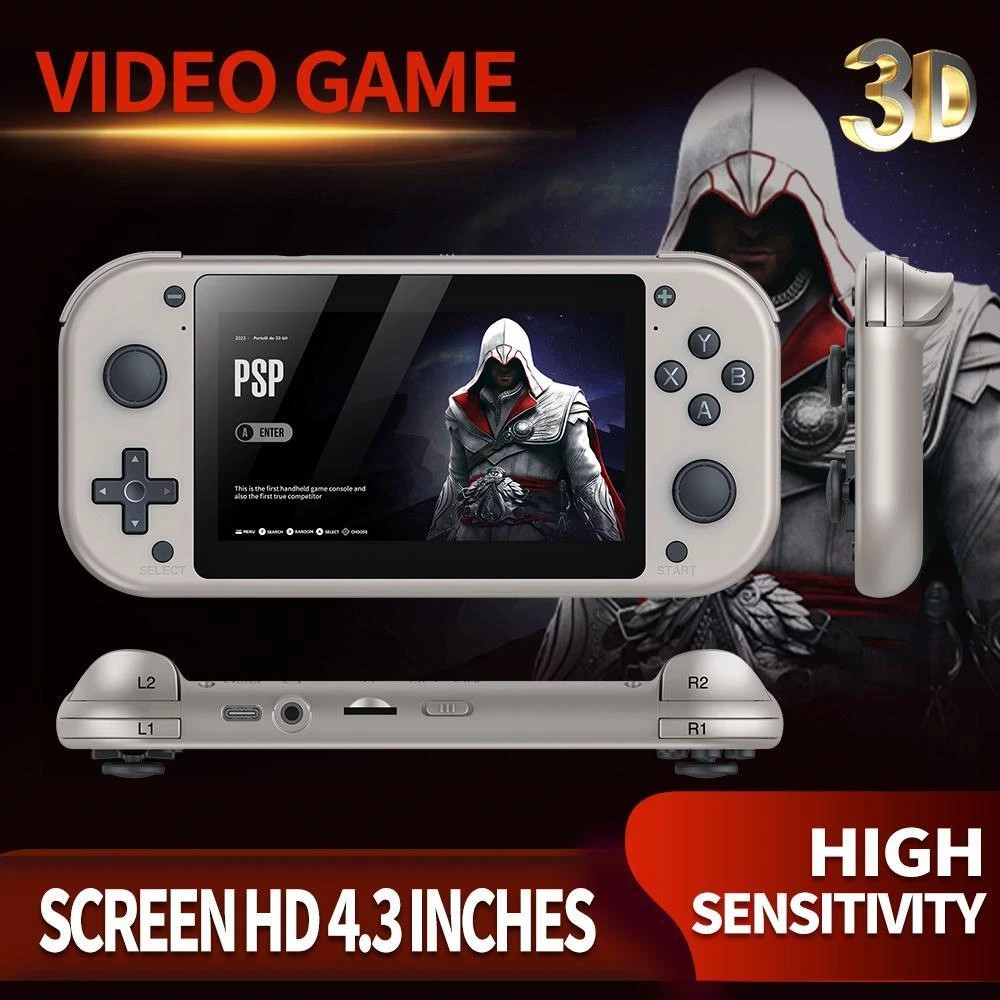 M17 Handheld Gaming Console, 4.3-inch 128G Retro Pandora Video Game Console Emul$52.98View on eBay
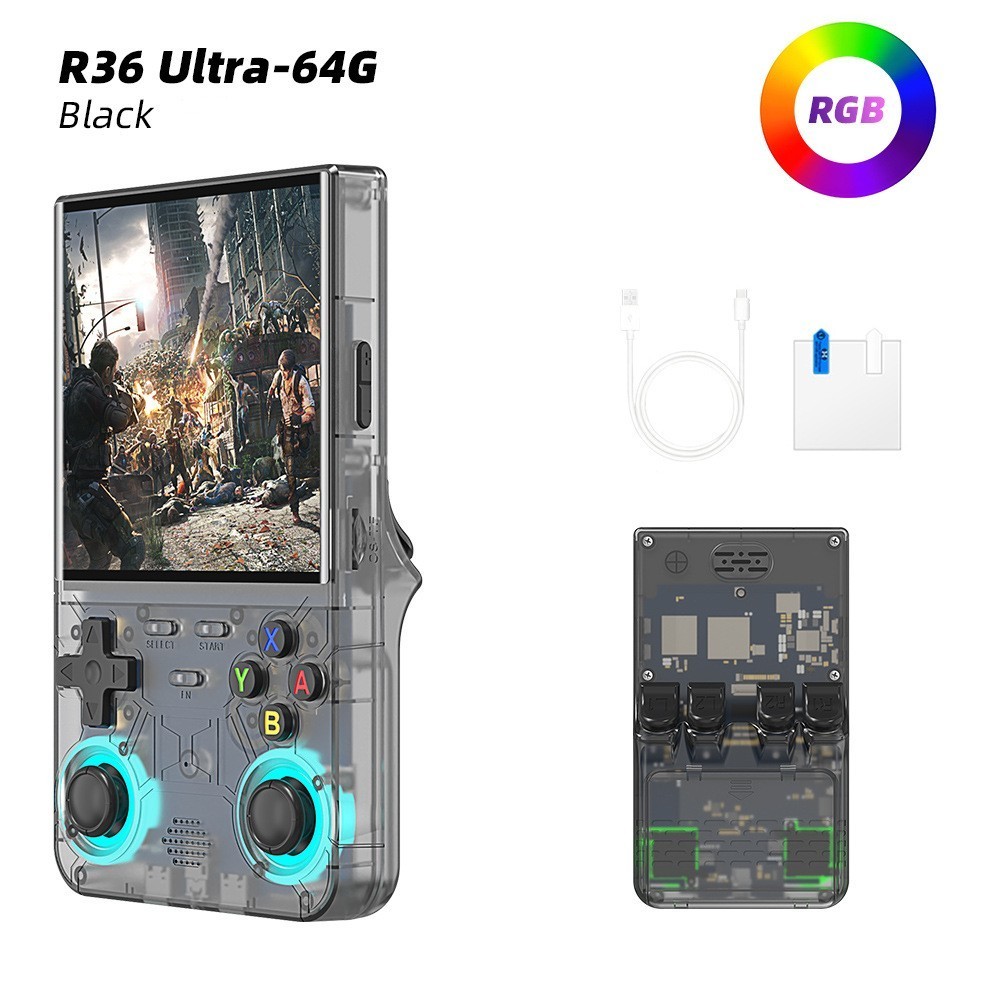 2026 New Upgraded R36 Ultra Retro Handheld Game Console, 128GB Mini Video Game$53.99View on eBay
Highlights
- Handheld retro consoles typically use IPS LCD panels (e.g., 5.5-inch) with 640x480 or 720p resolution; screen quality and scaling algorithms determine clarity versus original pixel art.
- Home retro consoles and TV sticks often rely on Allwinner or Rockchip SoCs; higher-tier models (e.g., Super Console X) support 4K output and 256GB storage, but emulation accuracy varies by core.
- Original hardware (e.g., NES, SNES, Genesis) uses proprietary cartridge slots and AV outputs; FPGA consoles like Analogue NT or Pocket replicate original chips for near-zero lag and full compatibility.
- Plug-and-play TV sticks (e.g., X2 Pro) include wireless controllers and preloaded game libraries; storage capacity (e.g., 256GB) and game count claims (58,000+) often include duplicates and region variants.
Best use cases
- Best fit: casual players wanting hundreds of classic games out of the box—choose a handheld with built-in rechargeable battery and IPS screen (e.g., RG56PRO) for portable play; skip TV sticks if you lack a stable HDMI connection.
- Best fit: family living room gaming—pick a home console with two wireless gamepads (e.g., Super Console X) and HDMI output; skip handhelds if screen size is under 5 inches for shared viewing.
- Best fit: collectors and purists—buy original hardware with cartridge support or an FPGA console; skip all-in-one emulation boxes if you require accurate timing and original controller compatibility.
- Wrong fit: expecting modern 3D games—retro consoles cap at 16-bit or early 32-bit eras; skip any device claiming 3D classics unless it explicitly lists N64 or PlayStation emulation with verified performance.
Buying tips
- Check emulation support: devices list supported systems (e.g., NES, SNES, GBA, PS1); ensure the console covers your must-play platforms—some budget models omit SNES or Genesis cores.
- Verify controller connectivity: built-in wireless gamepads often use 2.4GHz dongles; confirm they include required batteries (AA/AAA) and that controller ports match your preference (USB or proprietary).
- Assess storage and game library: built-in game counts (e.g., 500 vs 58,000) reflect ROM quantities, not quality; prefer models with microSD expansion for adding your own legally obtained ROMs.
- Screen and battery matter for handhelds: look for IPS panels (wider viewing angles) and batteries rated 3-5 hours; skip units with vague mAh ratings or non-replaceable batteries if longevity is a concern.
Specs
| Form Factor | Handheld / Home console / TV stick |
|---|---|
| Display Output | HDMI / Composite AV / Built-in LCD |
| Emulation Support | 8-bit to 32-bit (NES, SNES, PS1) |
| Controller Type | Wireless 2.4GHz / Wired USB |
Related searches
What to check before buying
- Measure your TV or monitor: ensure it has an available HDMI port (most modern retro consoles output HDMI); composite AV-only models require an adapter for newer TVs.
- Confirm controller needs: decide if you want wireless (included dongles) or wired; check if extra controllers are sold separately and match the console's port type.
- Check power specifications: handhelds charge via USB-C or micro-USB; home consoles use AC adapters—verify voltage (110-240V) matches your region to avoid need for a converter.
- Assess physical space: home consoles and TV sticks require clearance for ventilation; handhelds need a case or pocket space—measure before buying if shelf space is tight.
FAQ
Data sources: eBay / Amazon listings and product attribute feeds. Updated Nov 29, 2026.
Some links on this page are affiliate links. If you buy after clicking one, we may earn a commission at no extra cost to you. This does not change which products appear here or their order. Affiliate disclosure.