
Photos from current listings. Actual item, color, and included accessories may vary.
VR Headset Phone Buying Guide
A VR headset phone is a smartphone-powered viewer that uses your phone's screen and sensors for virtual reality, ranging from simple cardboard-style shells to adjustable plastic headsets with built-in lenses and straps. The core trade-off is lens and strap quality versus weight and phone compatibility: cheap shells use fixed-focus plastic lenses and elastic straps that cause blur and discomfort, while better models offer adjustable IPD, larger lens apertures, and rigid head straps. The decision rule is simple—buy an adjustable-lens headset with a firm 3-point strap if you plan to use VR for more than a few minutes; skip fixed-lens shells unless you only need novelty viewing.
Median $120.93 · New & pre-owned listings
Key takeaways
- Lens type determines clarity: aspherical PMMA or glass lenses with 40-50mm aperture outperform cheap molded plastic lenses that blur at the edges.
- Adjustable IPD and focus (typically 58-72mm IPD, +/-5 diopter focus) are the key upgrades over fixed-lens cardboard clones.
- Phone compatibility hinges on screen size (typically 4.7-6.5 inches) and resolution—1080p minimum, 1440p+ preferred to reduce screen-door effect.
At a glance
- Category
- VR Gaming Hardware & Accessories
- Last updated
- Nov 28, 2026
Current offers
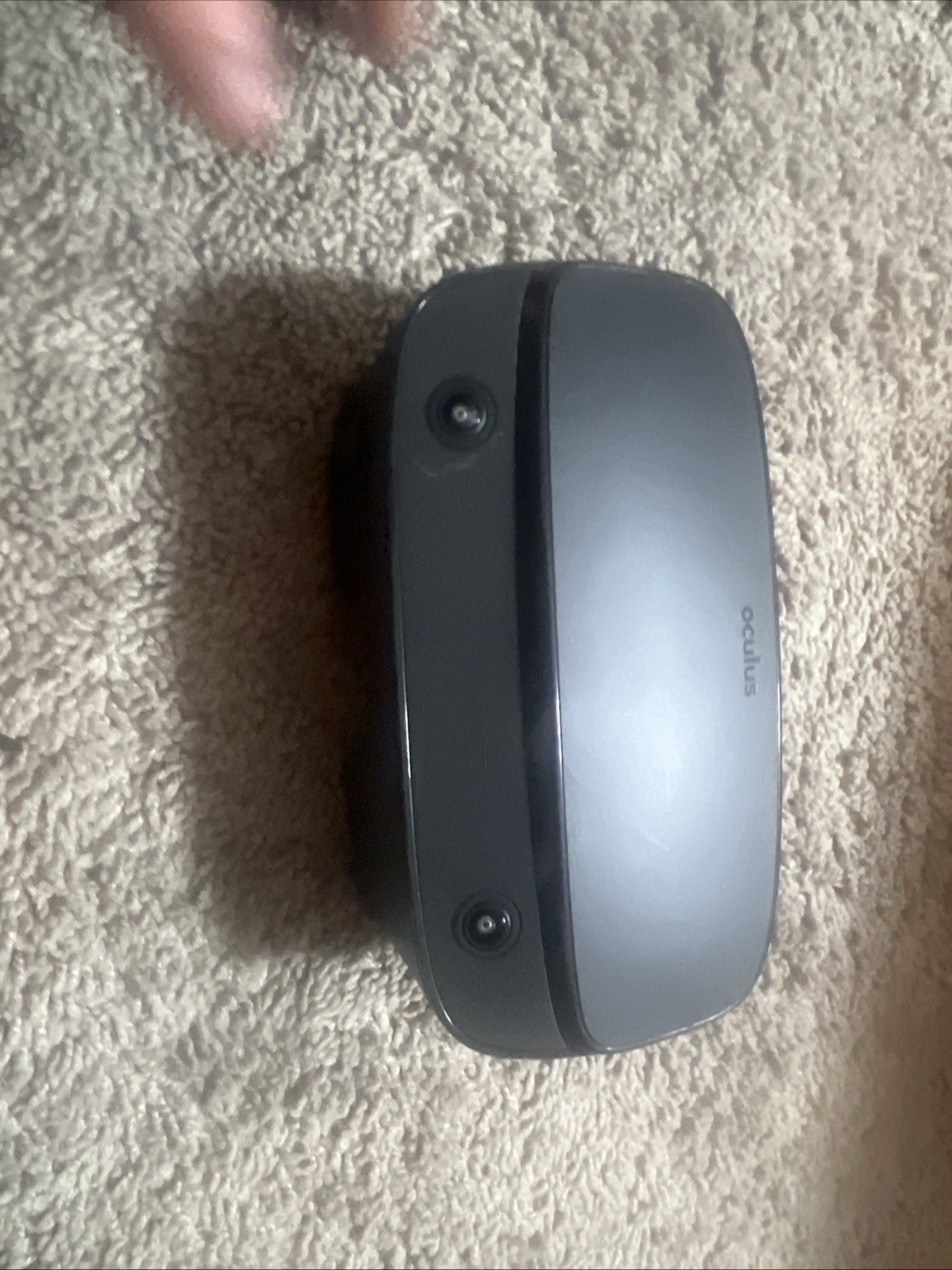 Oculus Rift S PC Powered VR Gaming Headset ONLY$8.99View on eBay
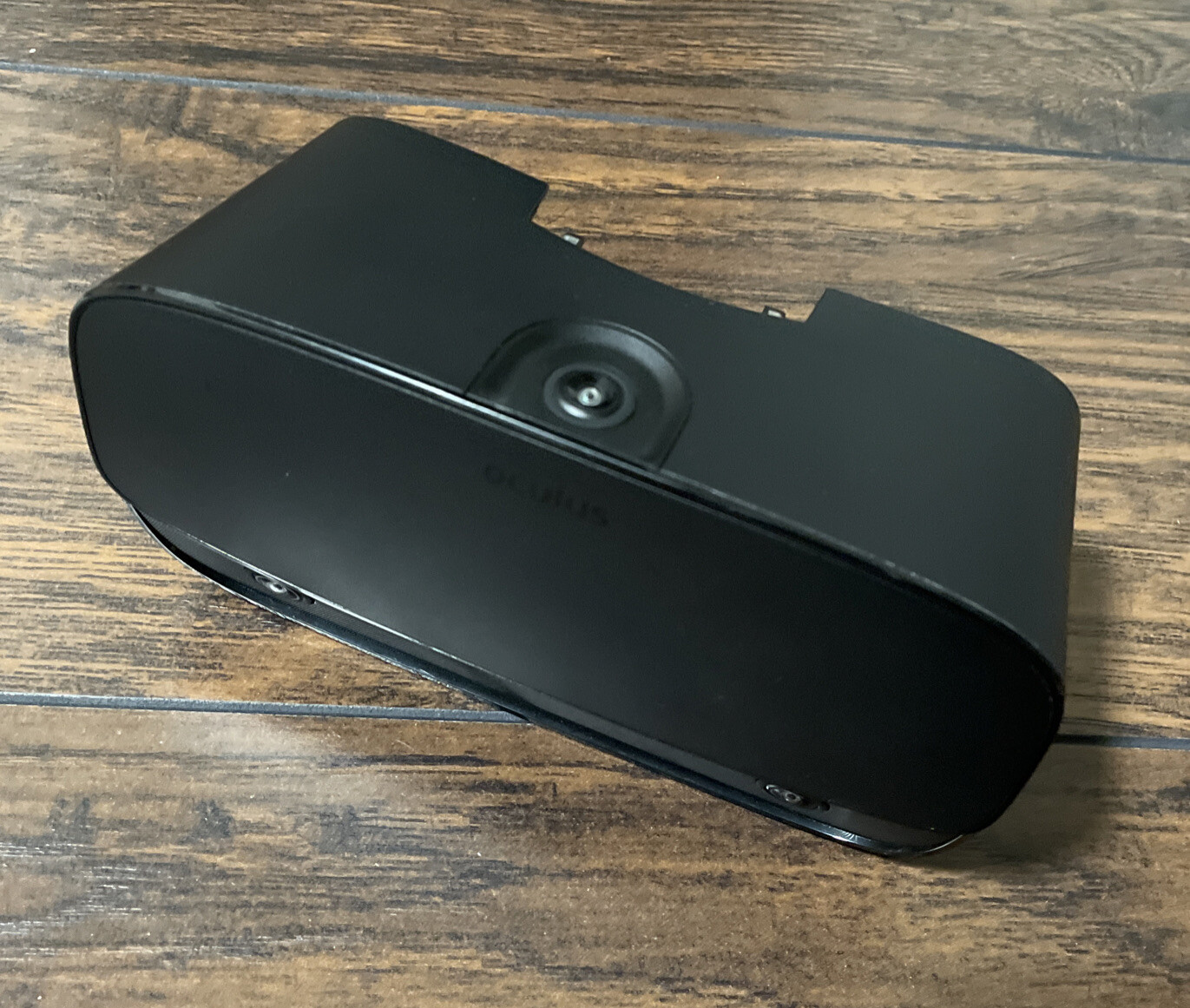 Oculus Rift S PC Powered VR Gaming Headset ONLY$11.95View on eBay
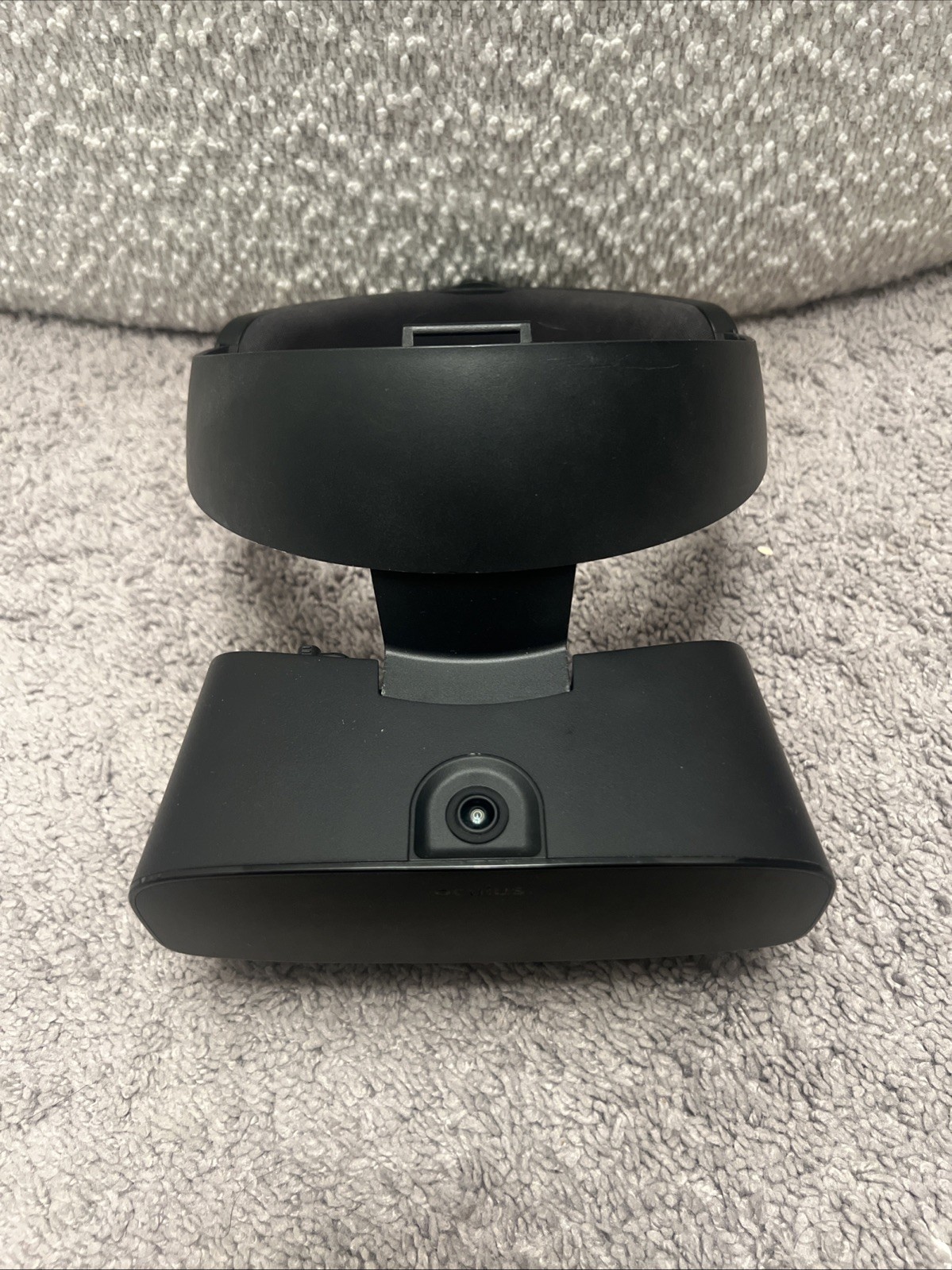 Oculus Rift S PC-Powered VR Gaming Headset ONLY Tested$13.99View on eBay
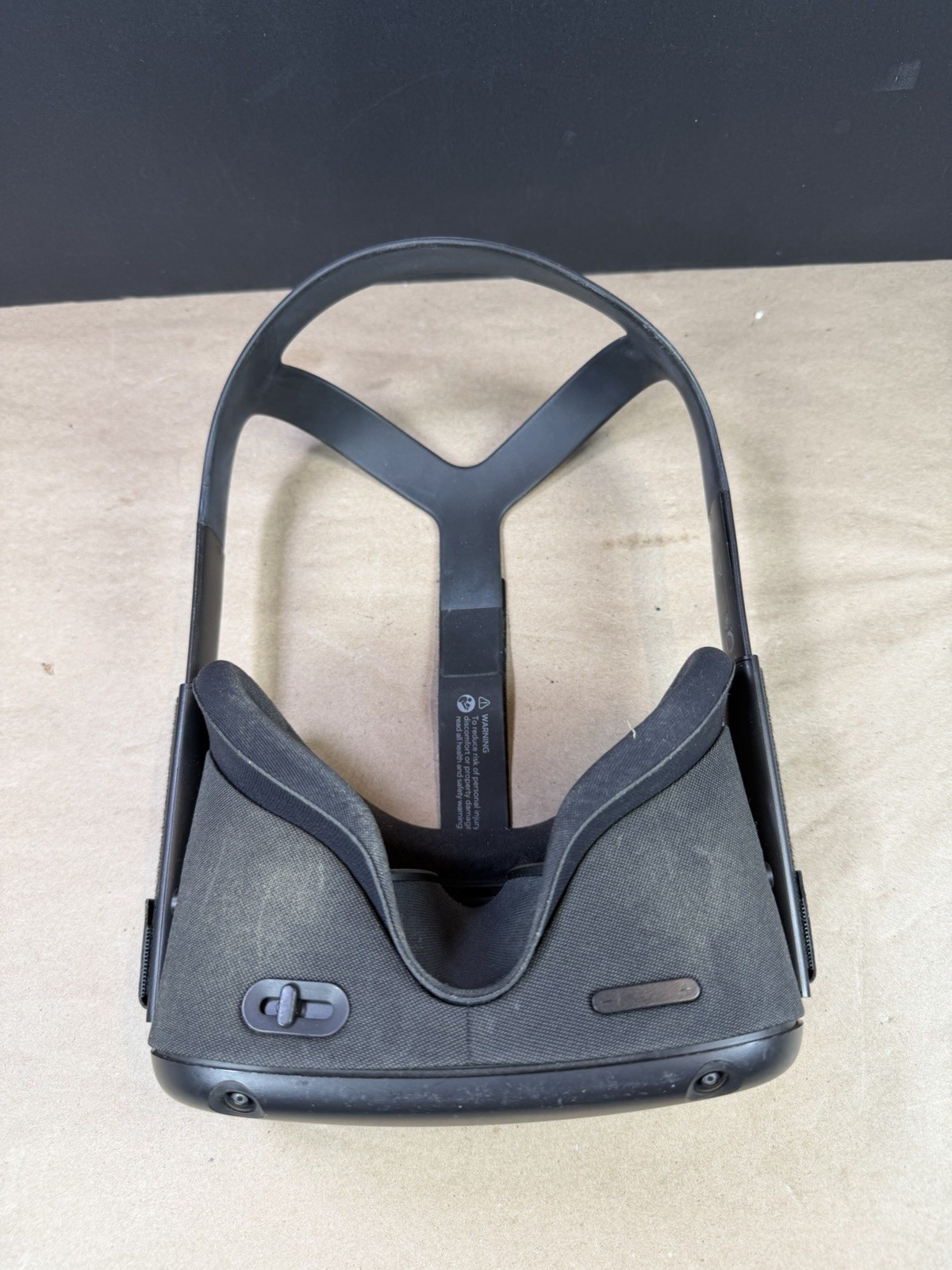 Oculus Quest MH-B Standalone All-In-One VR Gaming Headset Black Built-In Audio$24.27View on eBay
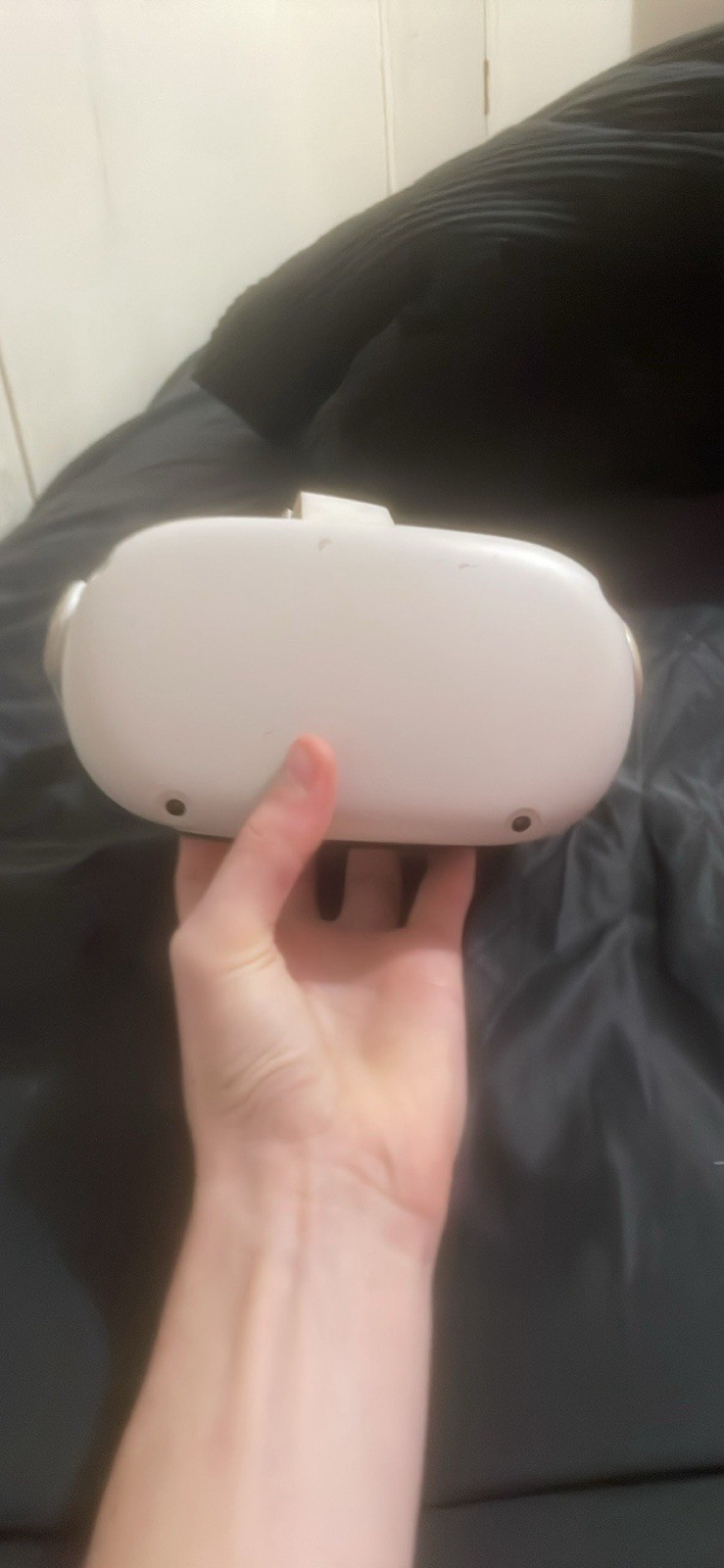 Meta Quest 2 Standalone VR Headset in White, Meta VR Gaming System$25.00View on eBay
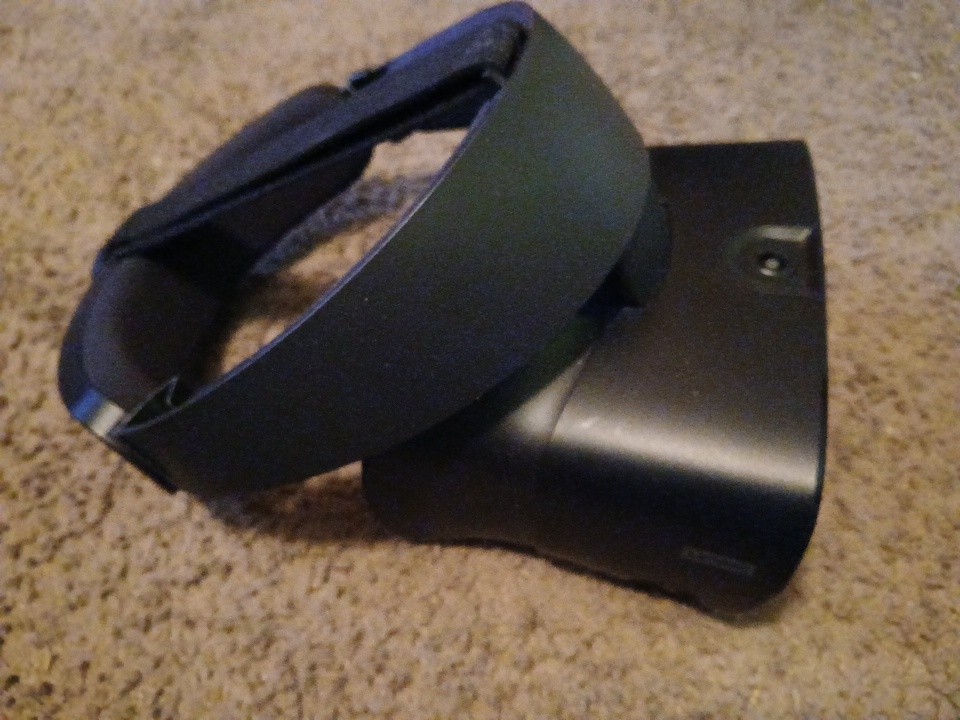 Oculus Rift S PC Powered VR Gaming Headset ONLY - No Controllers or Cables$28.99View on eBay
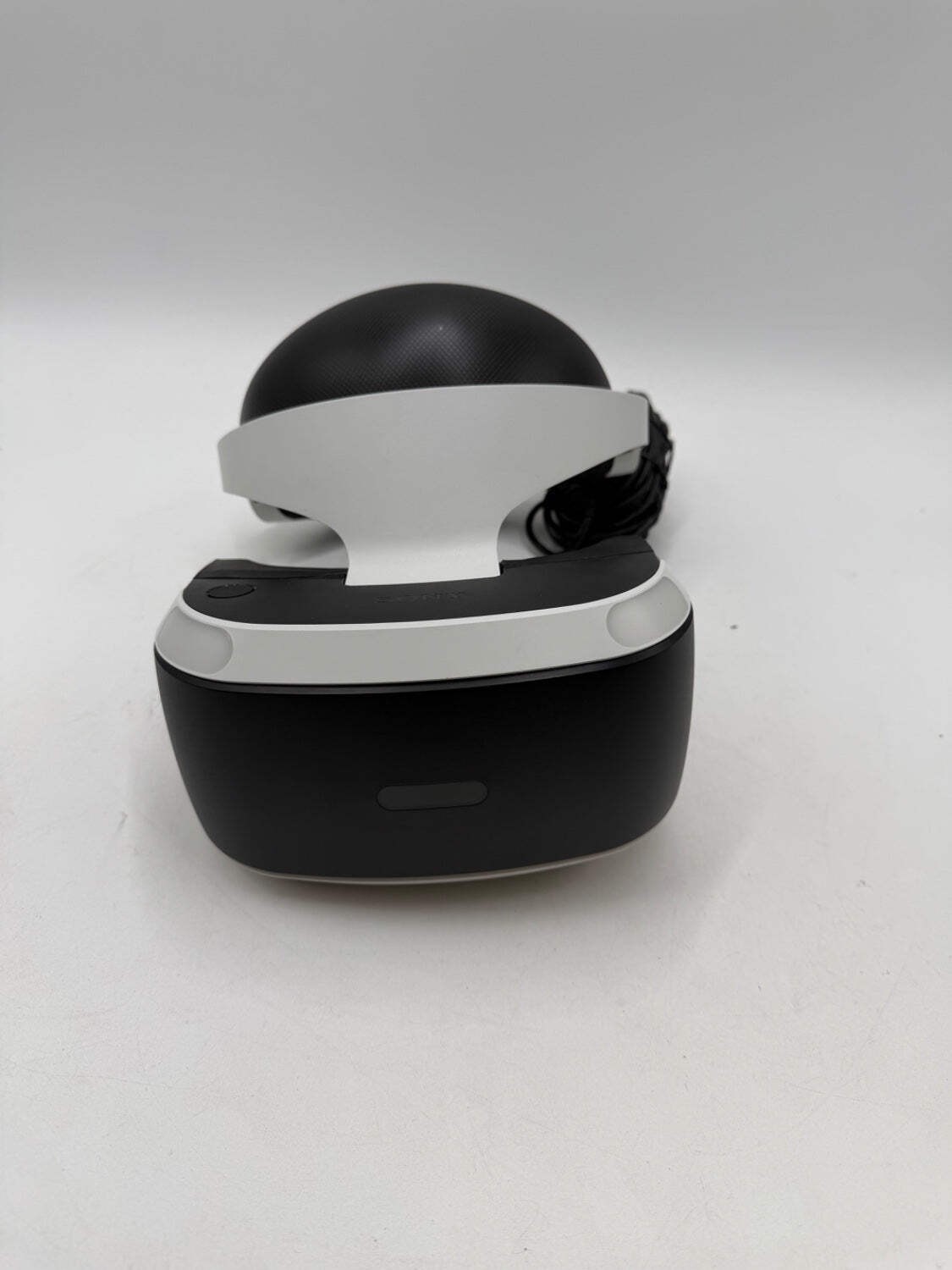 Sony PlayStation VR Virtual Reality VR Headset White CU H-ZVR2$37.99View on eBay
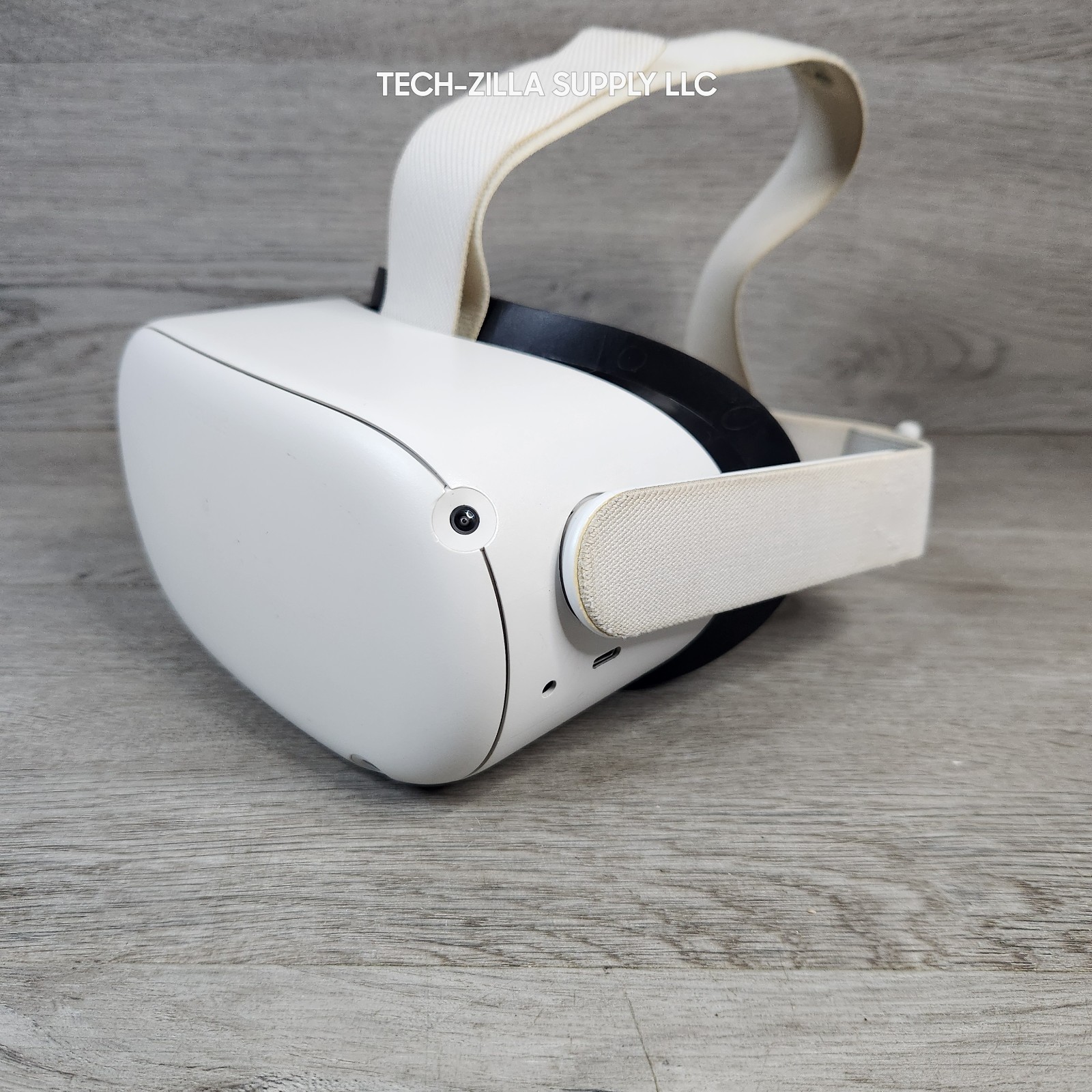 Oculus Meta Quest 2 128GB VR Headset ONLY, Great Condition (No Controllers)$44.95View on eBay
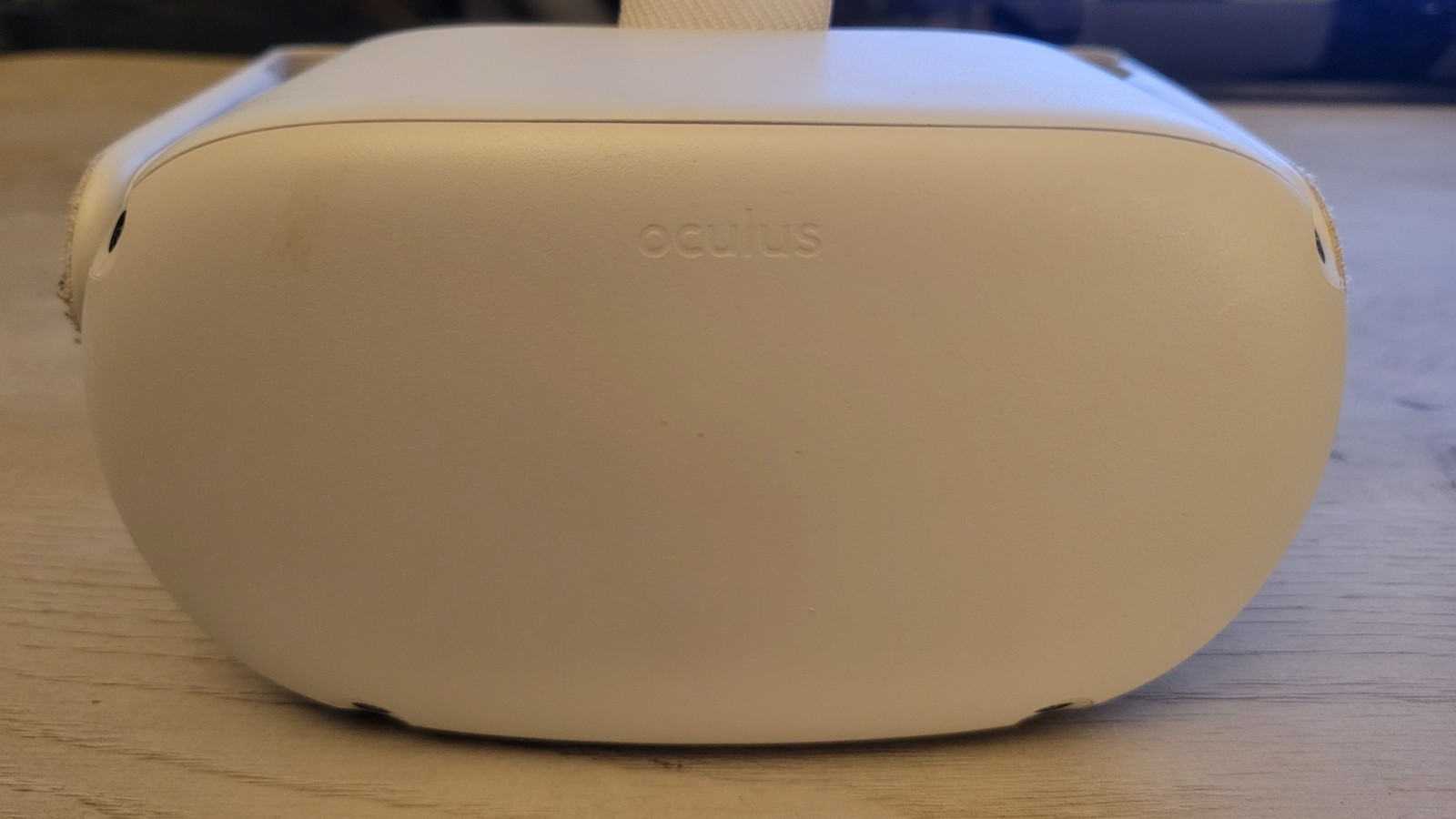 Meta Oculus Quest 2 128GB Standalone VR Headset Only No Controllers Tested$45.00View on eBay
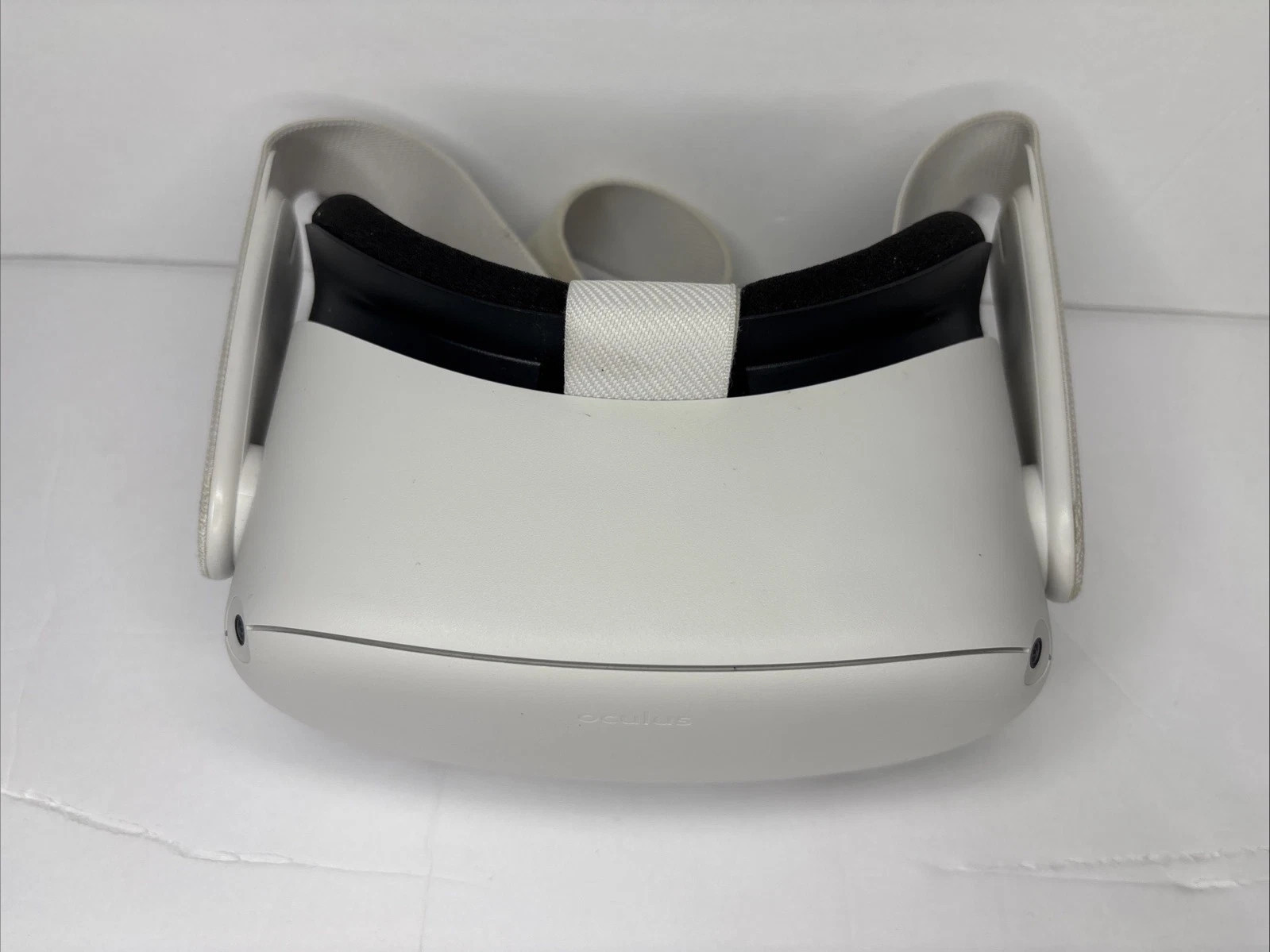 Meta Oculus Quest 2 128GB VR Headset Headset ONLY - No Controllers$45.00View on eBay
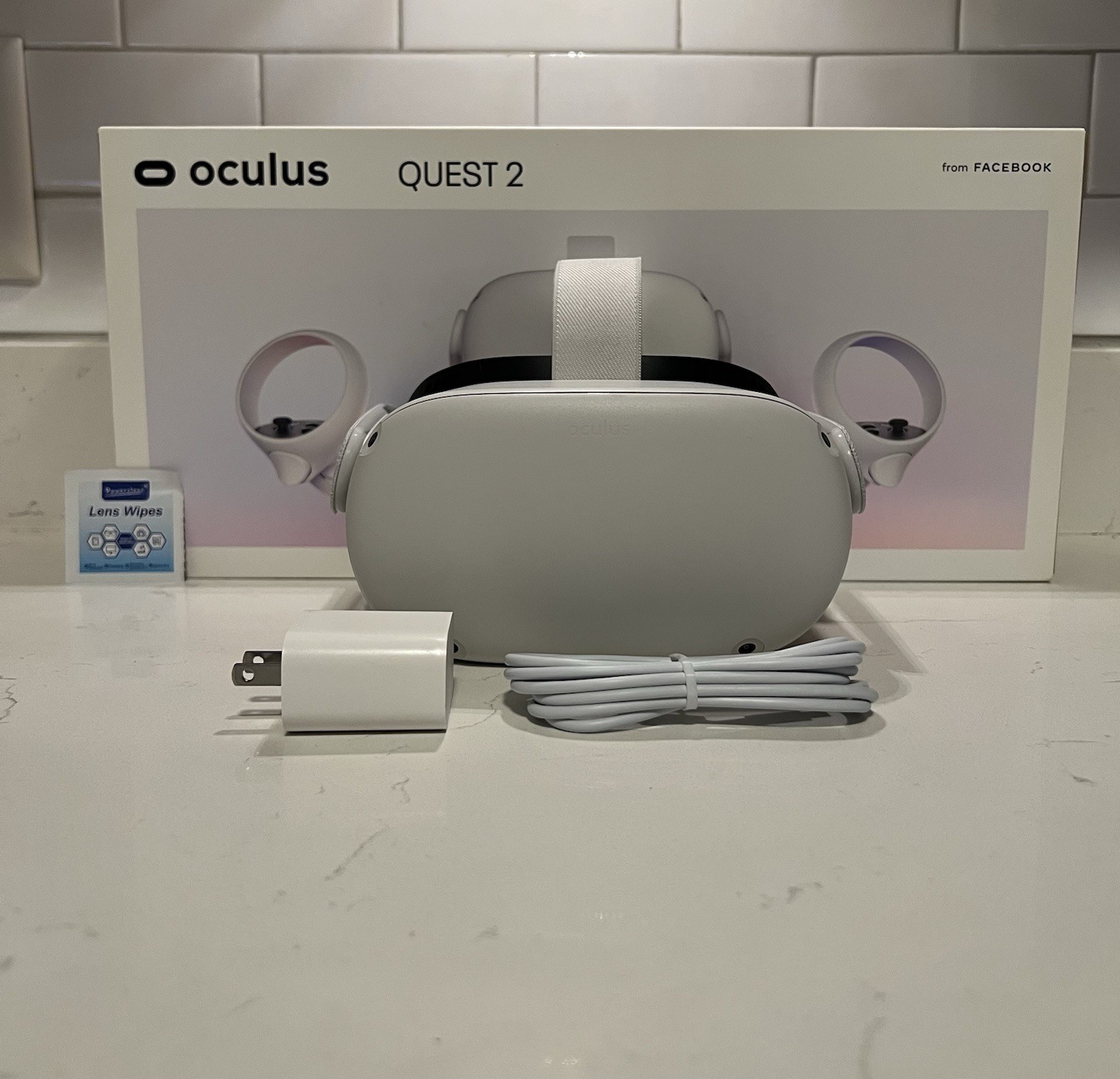 Meta Quest 2 - 64GB VR Headset$49.99View on eBay
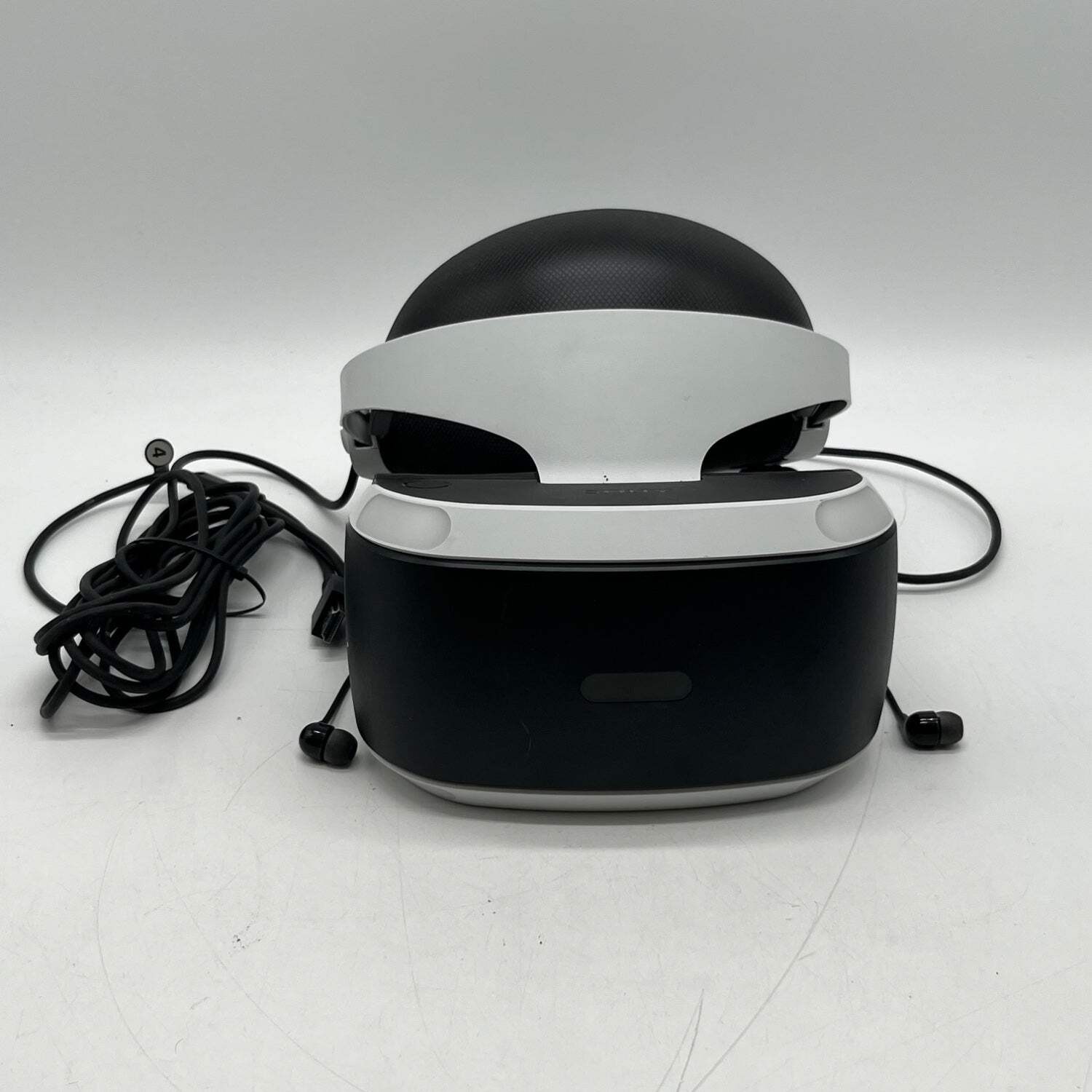 Sony PlayStation 4 PS4 Virtual Reality VR Headset Black CUH-ZVR2$49.99View on eBay
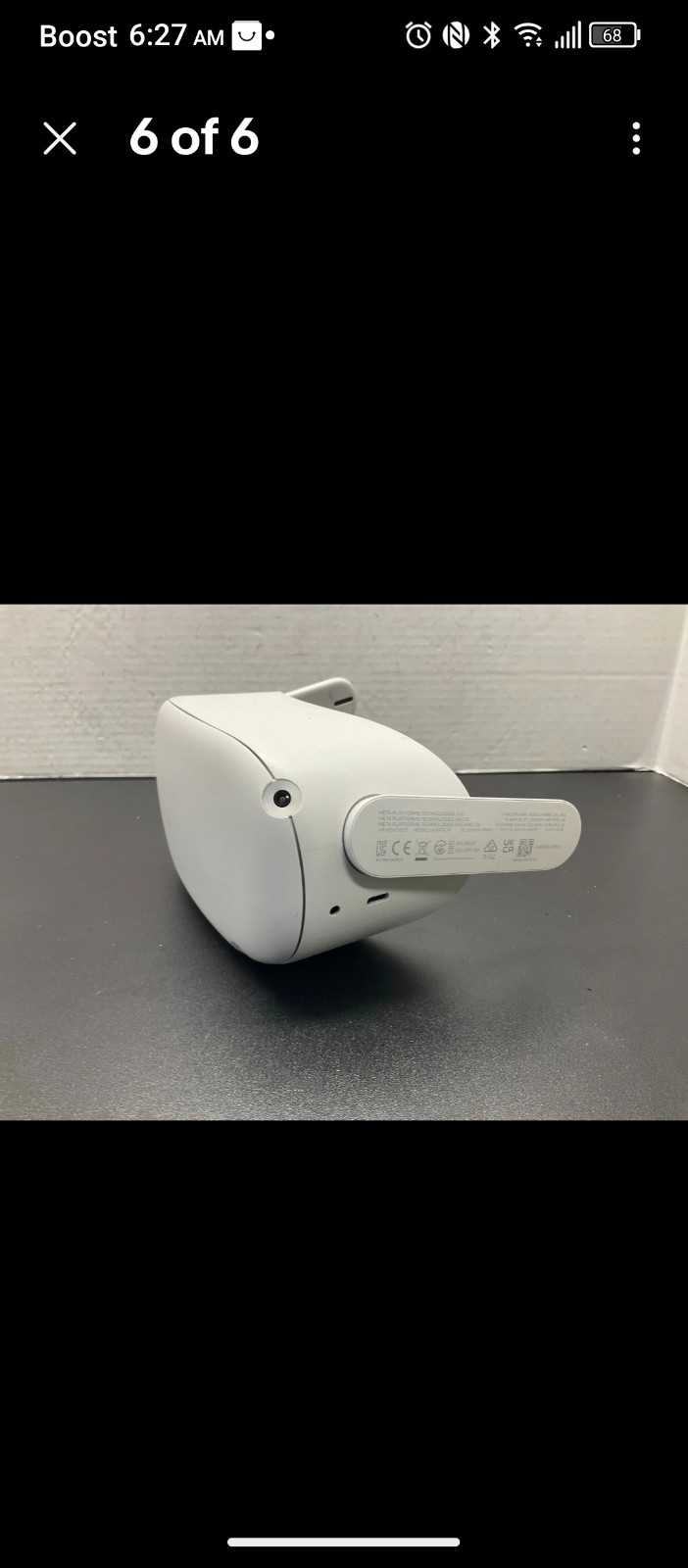 Meta Quest 2 128GB Advanced All-in-One VR Gaming Headset - ( WEAR & TEAR )$65.00View on eBay
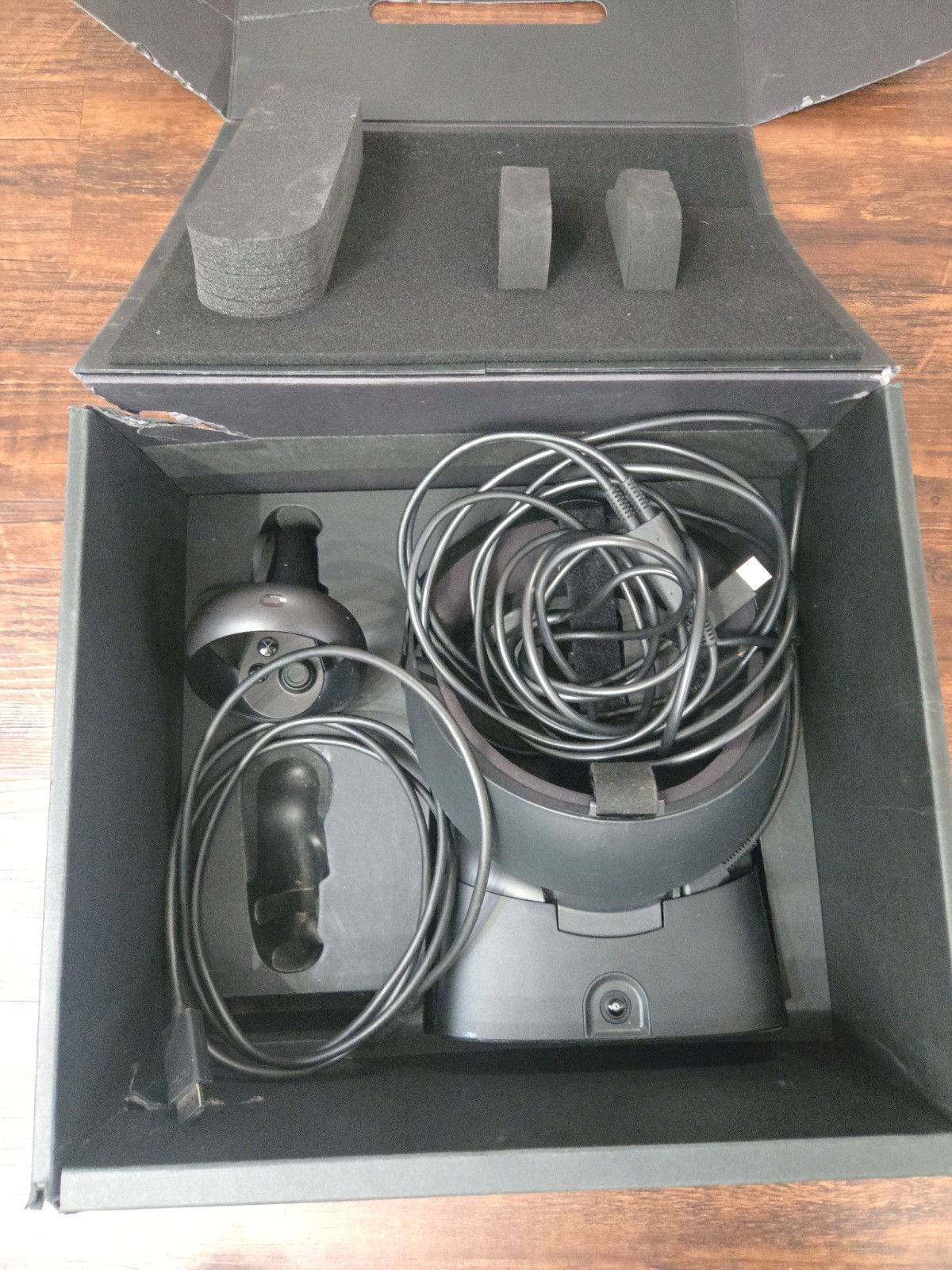 Oculus Rift S PC-Powered VR Gaming Headset - Black *1 Controller Preowned$68.88View on eBay
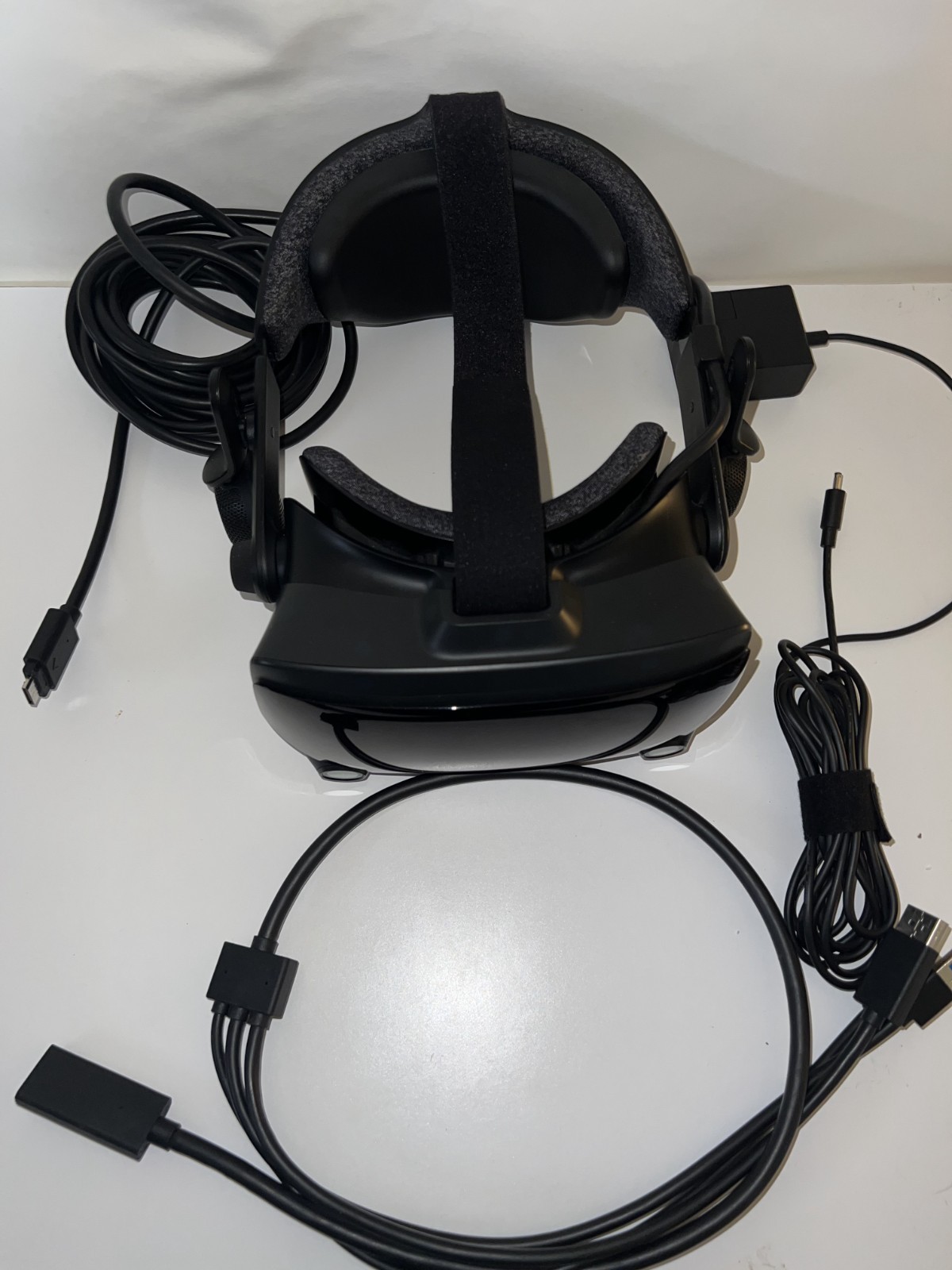 Steam Valve Index VR Gaming HEADSET ONLY - READ$80.00View on eBay
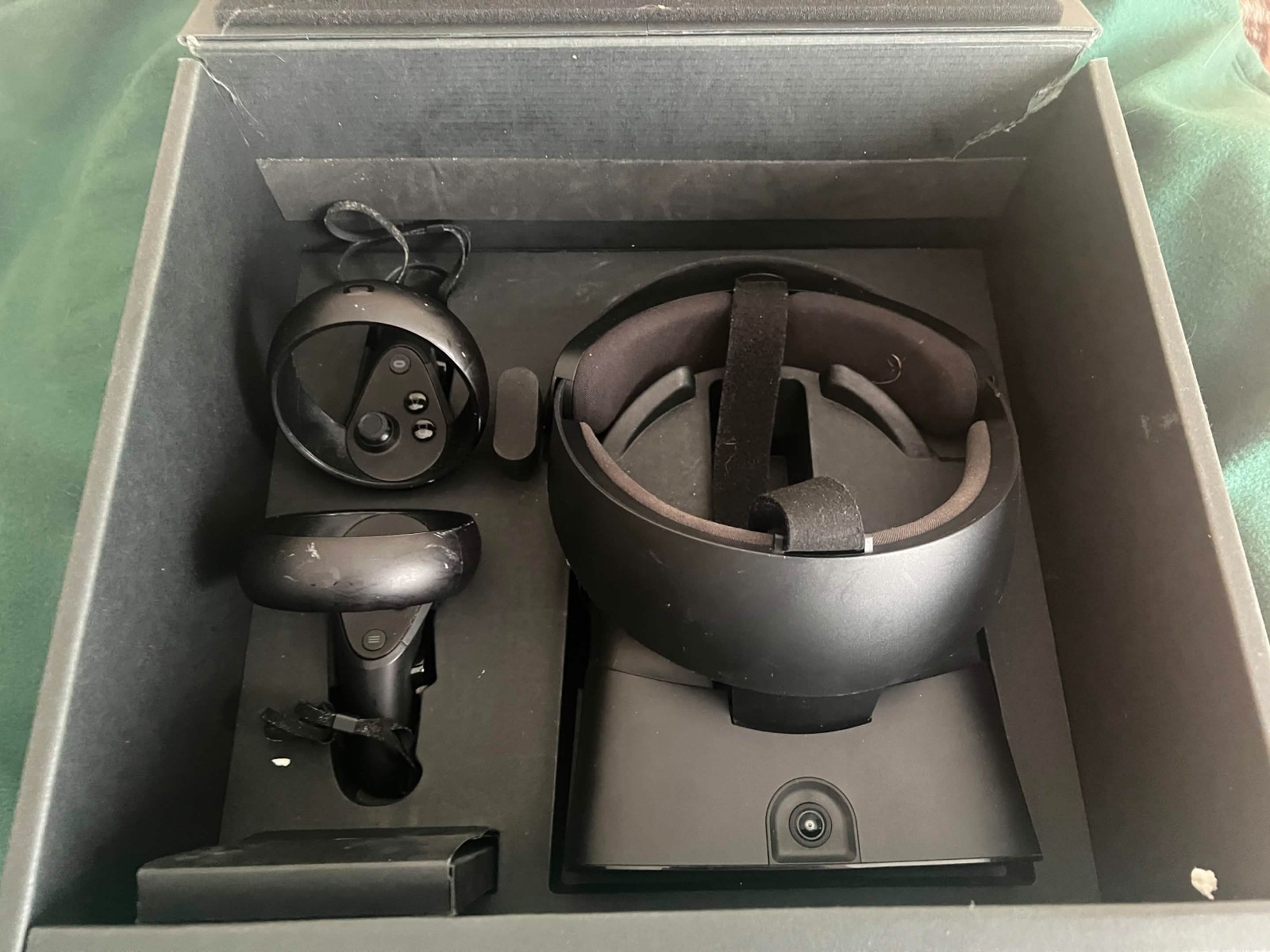 CABLE NOT INCLUDED Oculus Rift S PC-Powered VR Gaming Headset - Black$80.00View on eBay
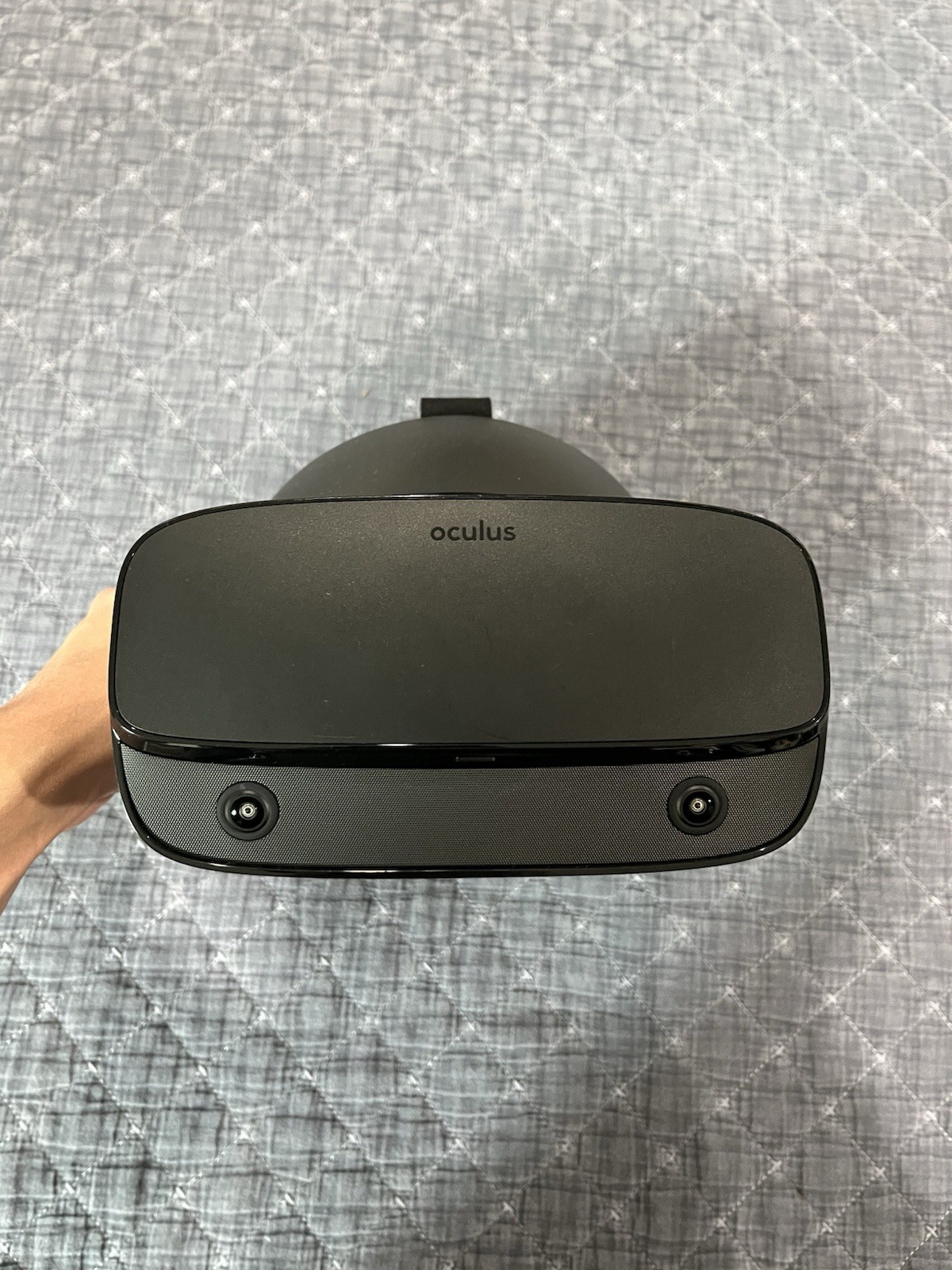 Oculus Rift S PC-Powered VR Gaming Headset - Black - *MESSAGE*$85.00View on eBay
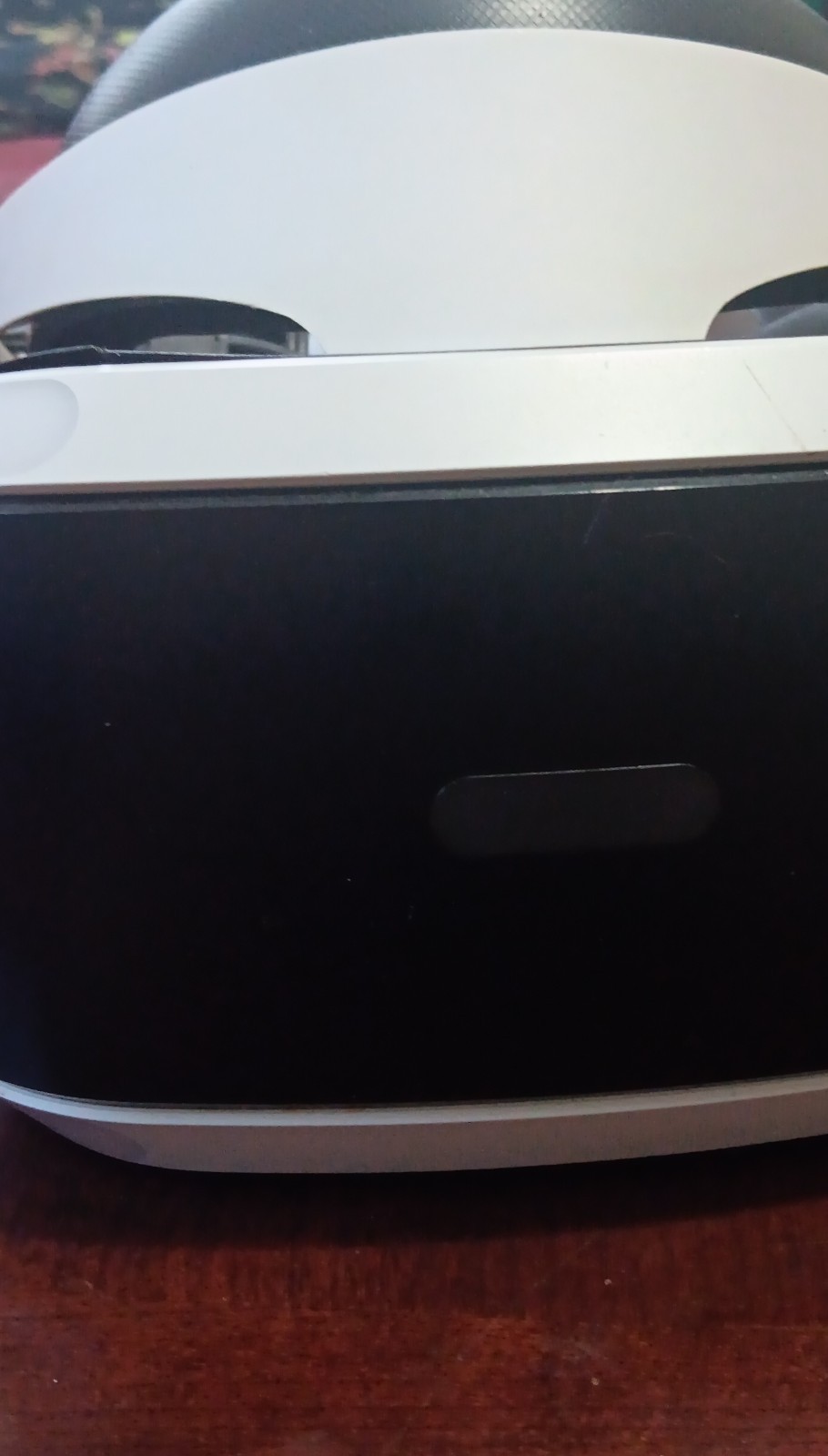 Sony PlayStation VR Headset Bundle Black/White HDMI USB with Accessories$100.00Last checked Nov 19, 2026View on eBay
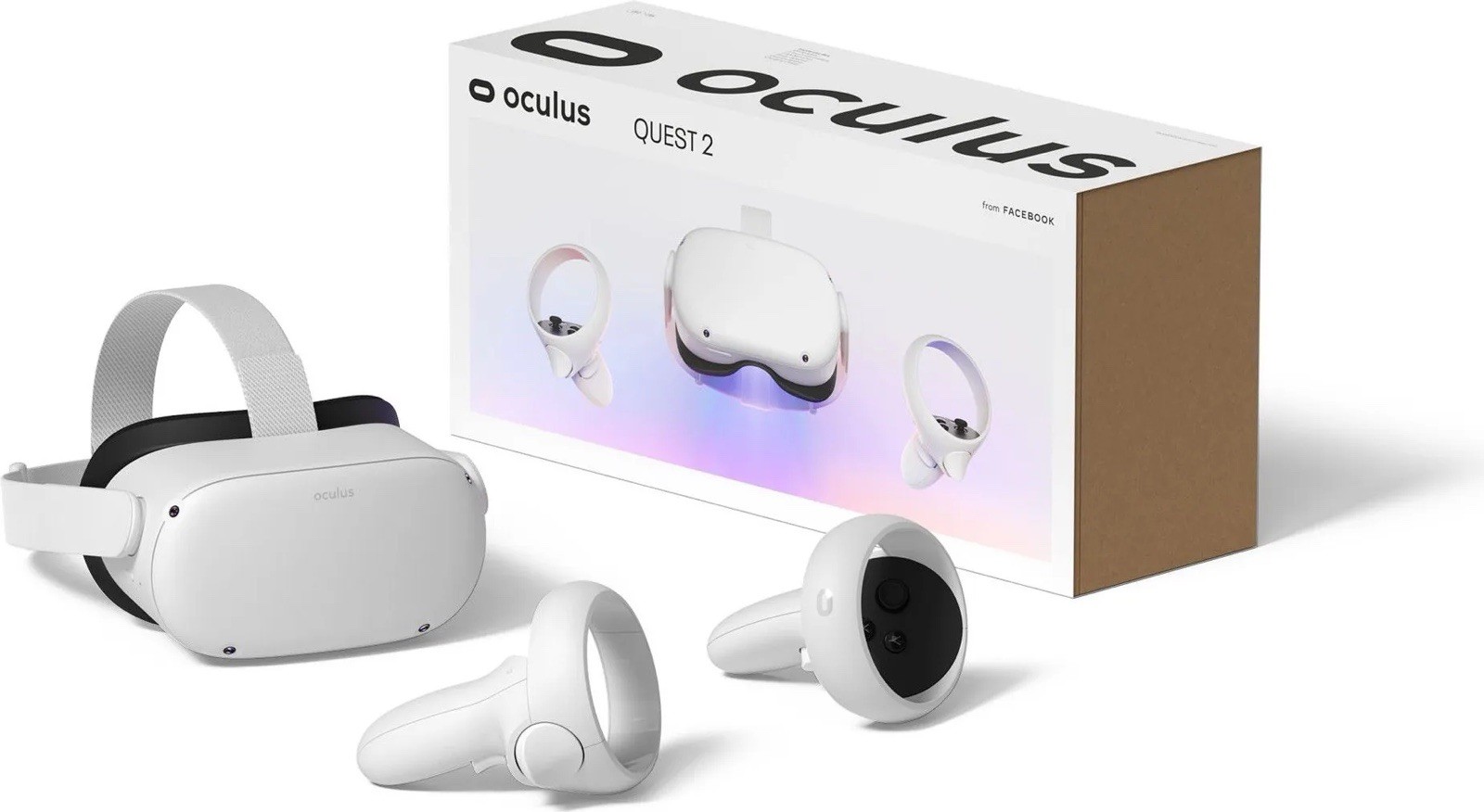 Oculus Quest 2 VR Headset with Touch Controllers, White, case and elite strap$108.00View on eBay
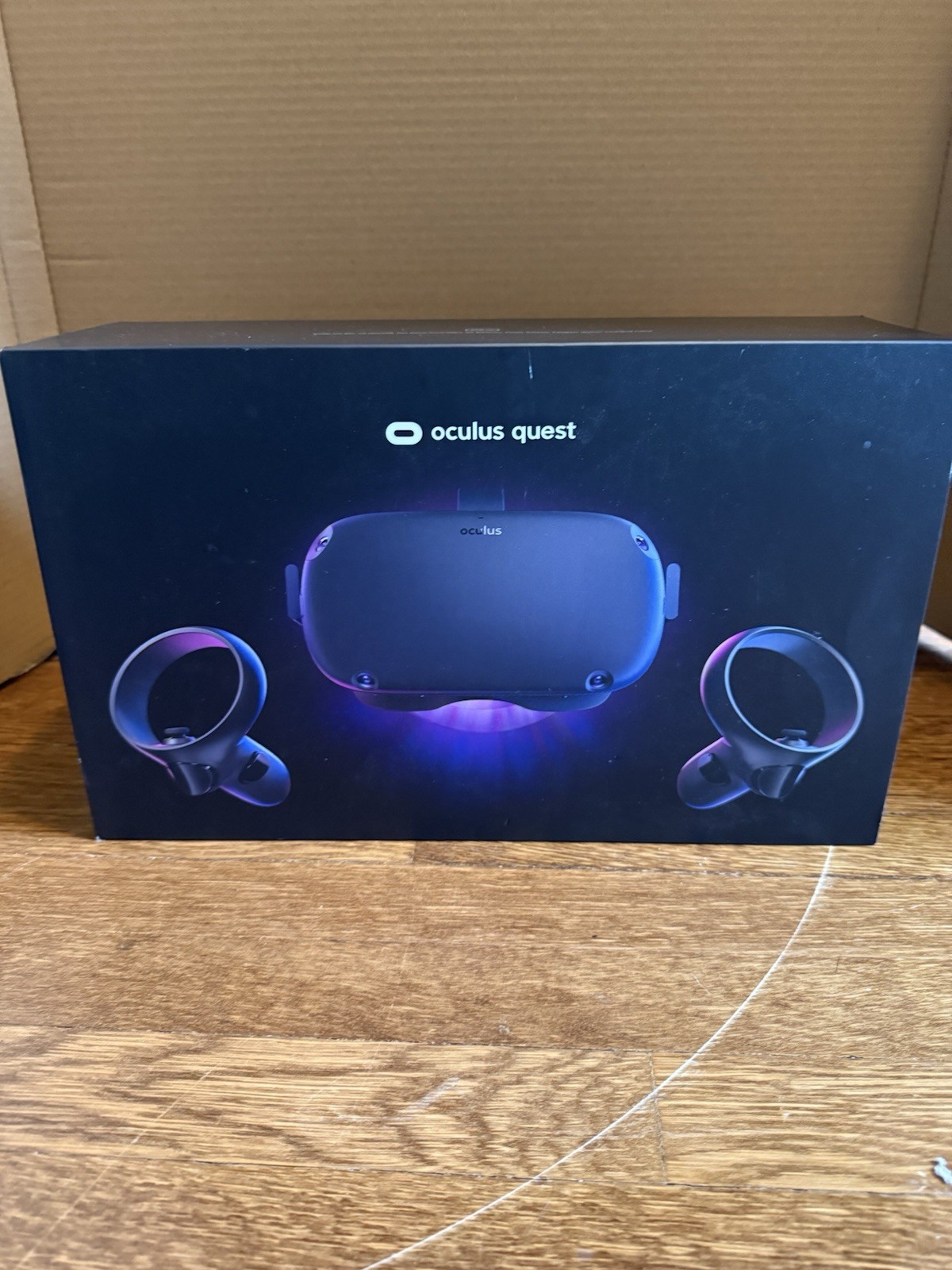 Oculus Quest 128GB VR Headset w/ 2 Touch Controllers Complete Box Tested$109.99View on eBay
Highlights
- Lens type determines clarity: aspherical PMMA or glass lenses with 40-50mm aperture outperform cheap molded plastic lenses that blur at the edges.
- Adjustable IPD and focus (typically 58-72mm IPD, +/-5 diopter focus) are the key upgrades over fixed-lens cardboard clones.
- Phone compatibility hinges on screen size (typically 4.7-6.5 inches) and resolution—1080p minimum, 1440p+ preferred to reduce screen-door effect.
- Strap design dictates comfort: rigid 3-point or halo straps distribute weight; single elastic bands cause pressure and slipping during head movement.
Best use cases
- Best for casual 360° video and simple VR apps: pick an adjustable plastic headset with 3-point strap and phone clamp—skip cardboard shells that lack IPD adjustment.
- Wrong fit for serious gaming: phone VR lacks 6DoF tracking and dedicated controllers; choose a standalone 6DoF headset instead of any phone viewer.
- Best for glasses wearers: select a headset with diopter focus adjustment and a larger lens-to-face gap; avoid fixed-focus shells that require removing glasses.
- Wrong fit for large phones: phones over 6.7 inches or with thick cases often won't fit standard clamps—pick a headset with a wide adjustable clamp or skip phone VR for phablets.
Buying tips
- Measure your phone's height and width including case; most headsets accept phones up to 160mm long and 80mm wide—exceeding this requires a larger clamp model.
- Prioritize adjustable IPD (58-72mm) and focus wheels over cosmetic features; these directly reduce eye strain and blur for different face shapes.
- Choose a headset with a front panel that opens or a QR-code scanning app for lens correction; fixed lens-to-phone distance causes distortion on many phones.
- Check phone resolution: below 1080p pixels are visibly large; 1440p or higher gives acceptable clarity, and OLED panels reduce motion blur versus LCD.
Specs
| Lens Type | Aspherical PMMA/glass vs plastic |
|---|---|
| IPD Adjustment | Adjustable 58-72mm vs fixed |
| Phone Size Fit | 4.7-6.5 in / up to 160mm |
| Strap Design | 3-point/halo vs single elastic |
Related searches
What to check before buying
- Measure your phone's dimensions with case: length, width, and thickness must fit the headset clamp range (typically 140-160mm length, 70-80mm width).
- Confirm your phone's screen resolution and size: 5.0-6.5 inches and 1080p+ are the practical minimum for usable VR clarity.
- Check if the headset has adjustable IPD and focus; without them, blur and eye strain are likely for many users.
- Ensure the headset has a firm 3-point or halo strap and face padding; elastic single straps cause slipping and pressure during longer sessions.
FAQ
Data sources: eBay / Amazon listings and product attribute feeds. Updated Nov 28, 2026.
Some links on this page are affiliate links. If you buy after clicking one, we may earn a commission at no extra cost to you. This does not change which products appear here or their order. Affiliate disclosure.