
Photos from current listings. Actual item, color, and included accessories may vary.
VR Headset Without Phone Buying Guide
A VR headset without a phone is a self-contained system that either runs standalone (built-in compute and battery) or tethers to a PC or console for rendering. The key trade-off is portability and setup simplicity versus raw performance and library depth: standalone headsets trade GPU horsepower for untethered freedom, while PC/console headsets demand a capable host but deliver higher fidelity. The decision rule is simple: if you lack a VR-ready PC or console, buy a standalone system with inside-out tracking; if you already own capable hardware, a tethered headset gives more performance per dollar.
Median $111.87 · New & pre-owned listings
Key takeaways
- Standalone headsets (Meta Quest 2, Quest 1) integrate processor, battery, and inside-out tracking, needing no phone, PC, or external sensors.
- PC-powered headsets (Oculus Rift S) use a DisplayPort/USB tether and require a VR-ready GPU; they carry no onboard battery or compute.
- Console VR (PlayStation VR CUH-ZVR2) relies on a PS4/PS5 camera and breakout box, with resolution capped at 1080p per eye combined.
At a glance
- Category
- VR Gaming Hardware & Accessories
- Last updated
- Nov 28, 2026
Current offers
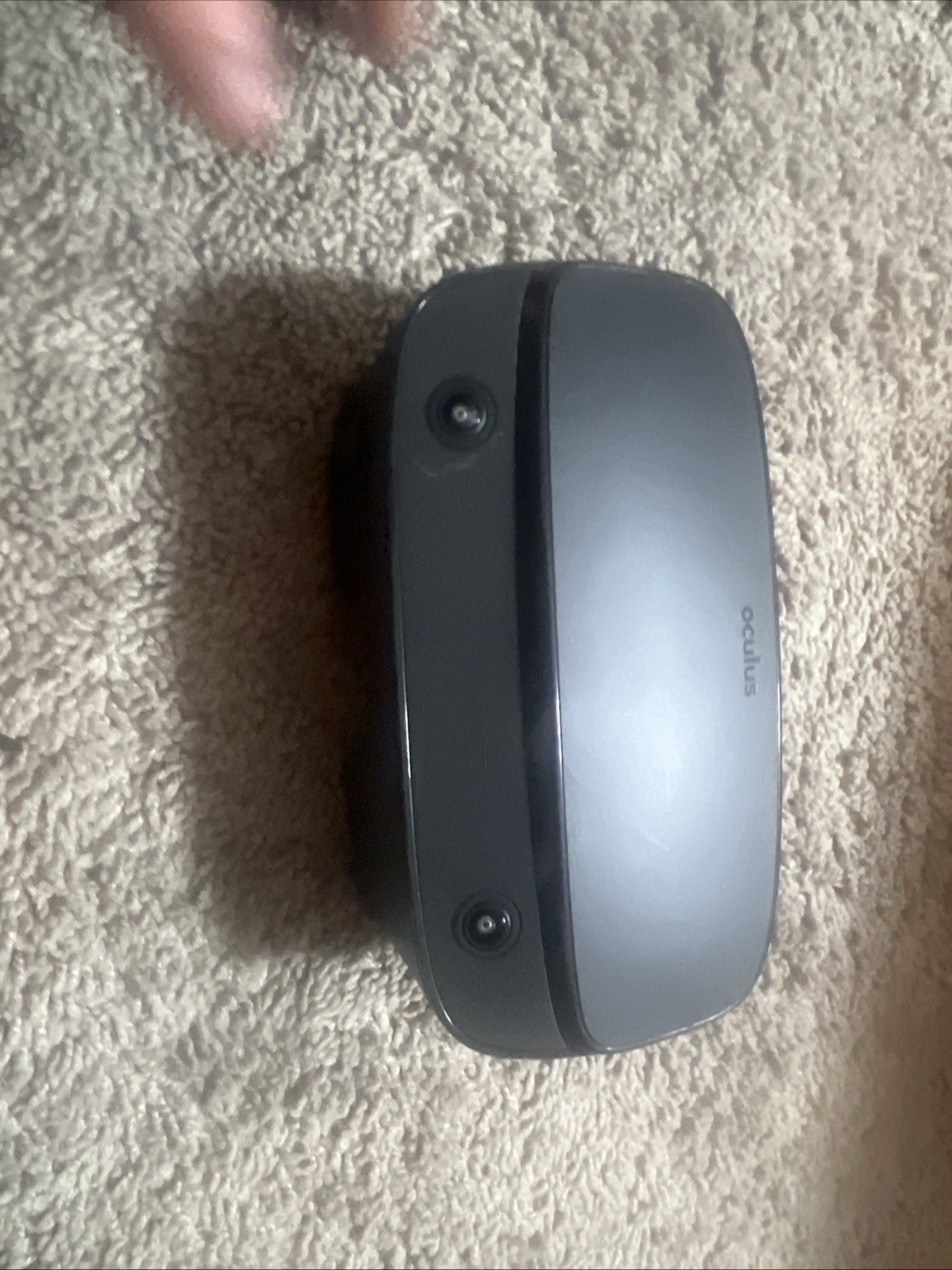 Oculus Rift S PC Powered VR Gaming Headset ONLY$8.99View on eBay
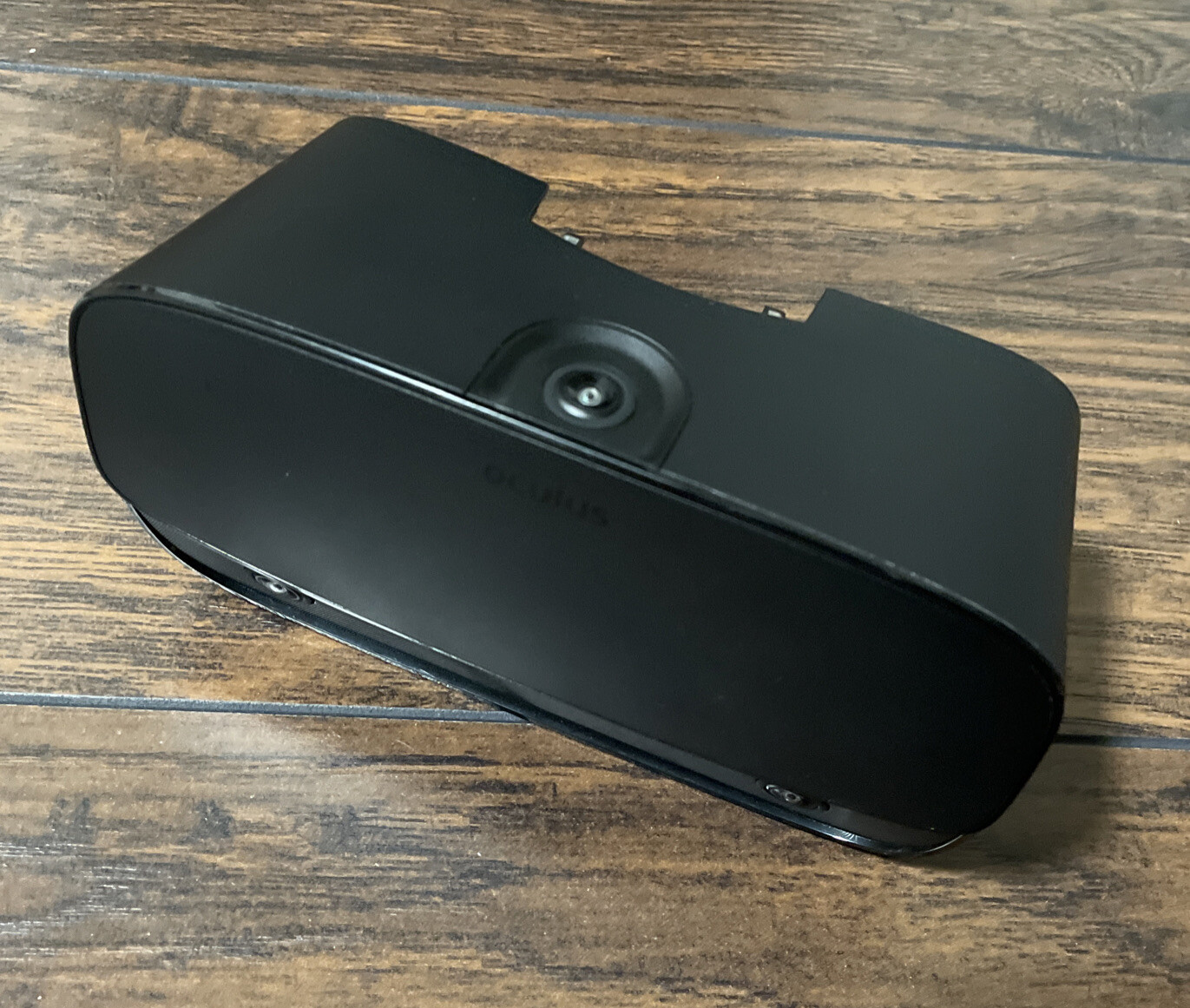 Oculus Rift S PC Powered VR Gaming Headset ONLY$11.95View on eBay
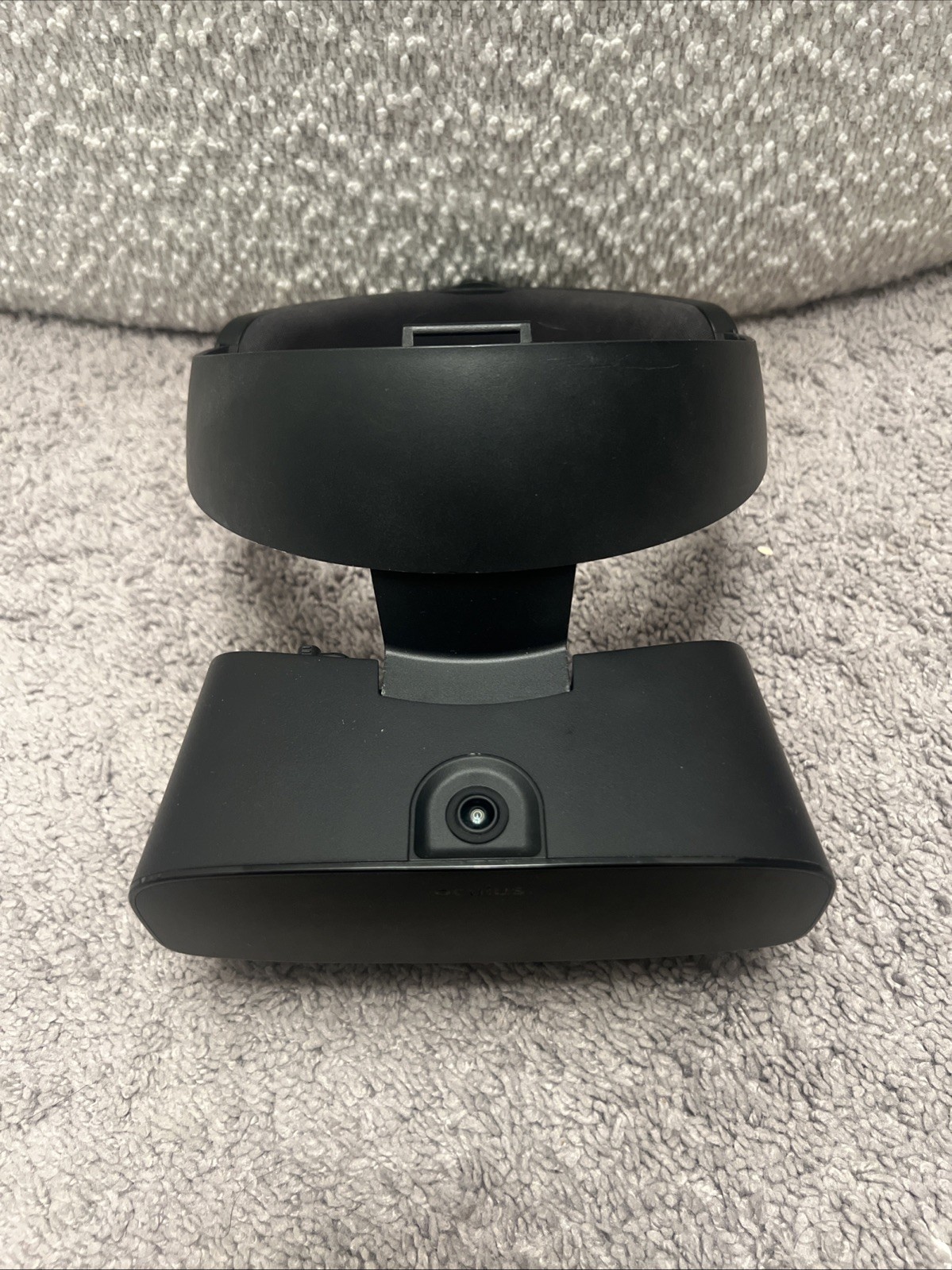 Oculus Rift S PC-Powered VR Gaming Headset ONLY Tested$13.99View on eBay
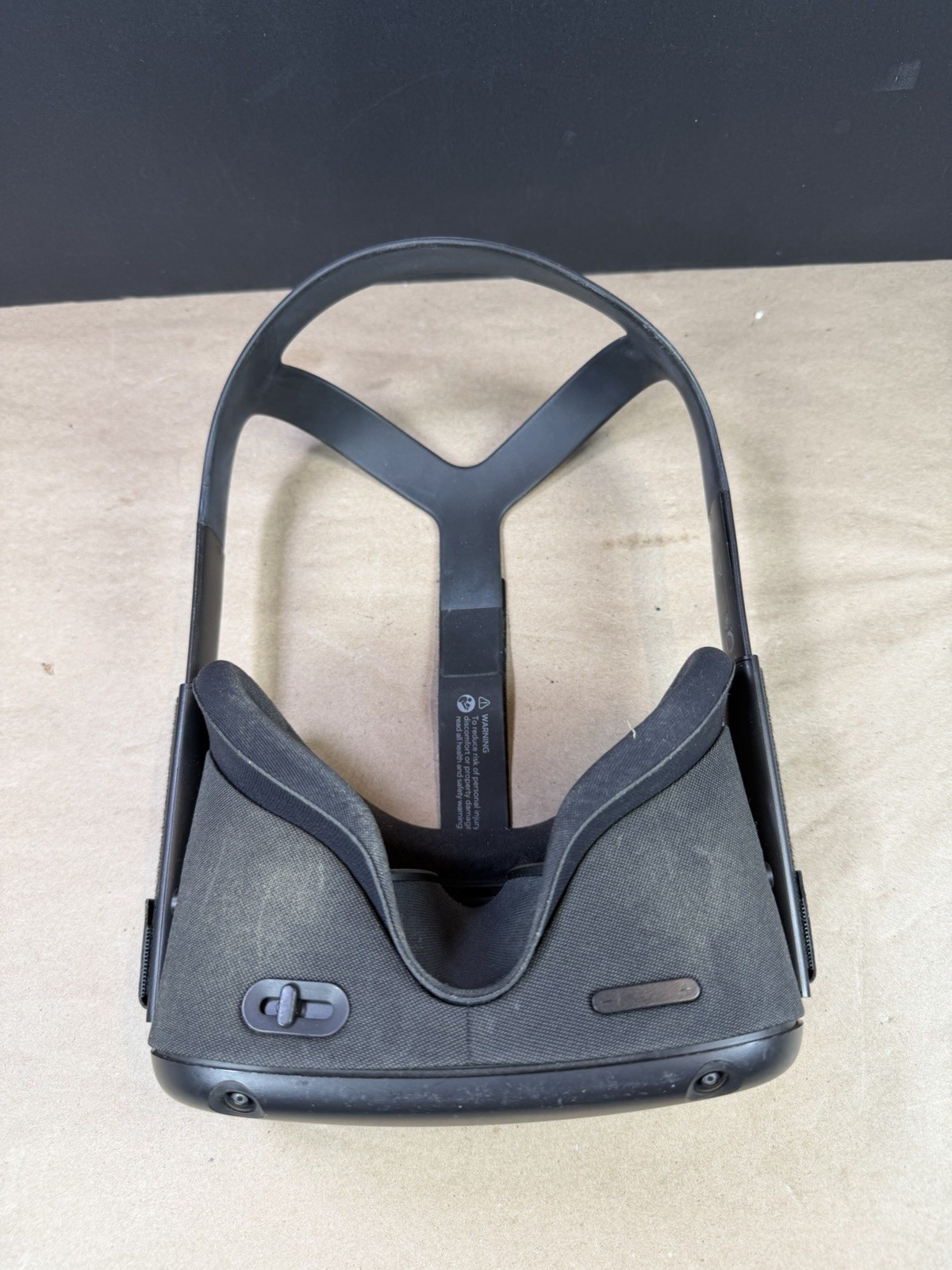 Oculus Quest MH-B Standalone All-In-One VR Gaming Headset Black Built-In Audio$24.27View on eBay
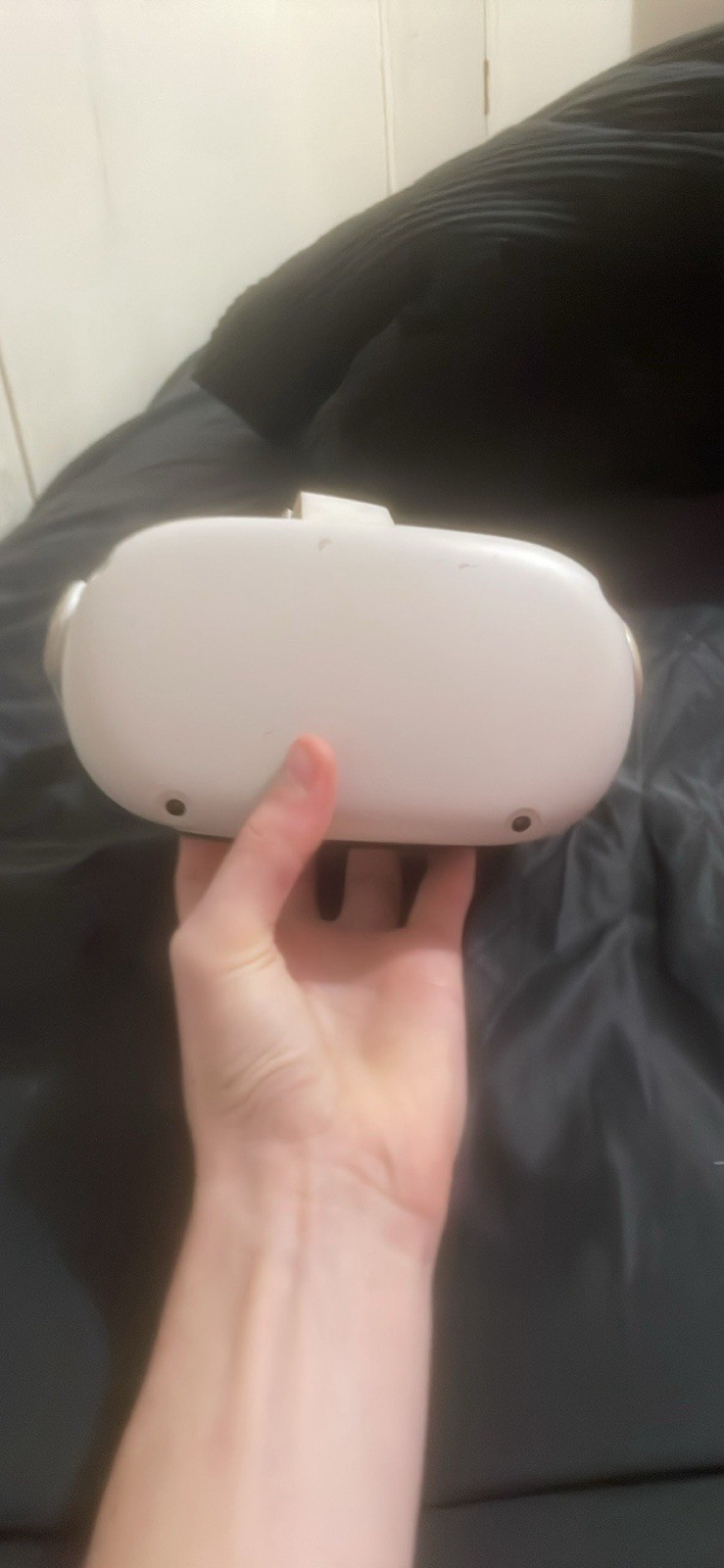 Meta Quest 2 Standalone VR Headset in White, Meta VR Gaming System$25.00View on eBay
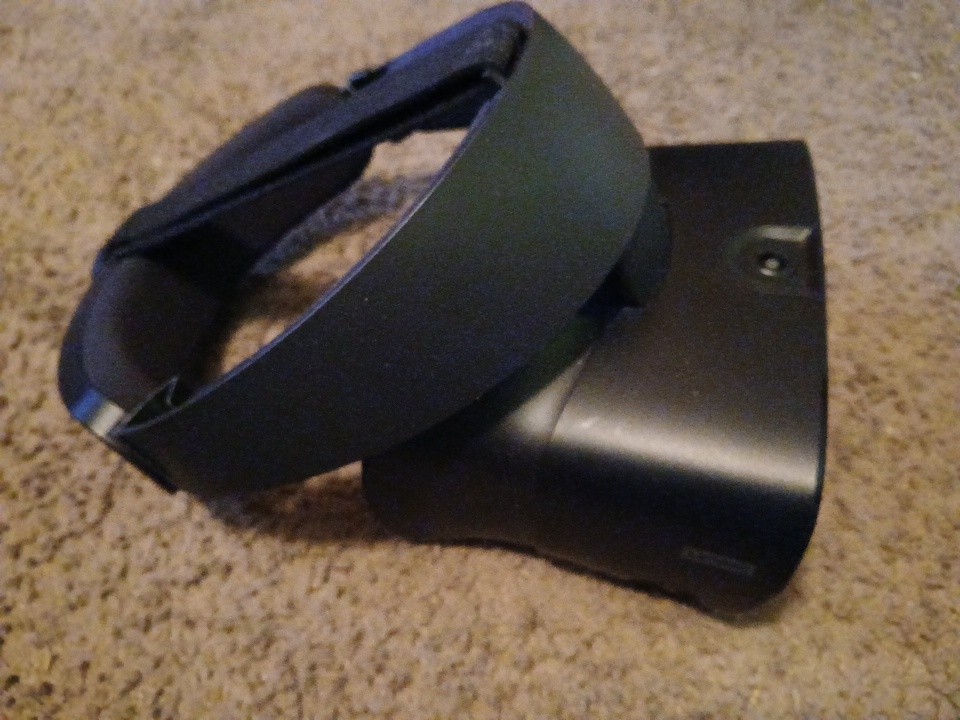 Oculus Rift S PC Powered VR Gaming Headset ONLY - No Controllers or Cables$28.99View on eBay
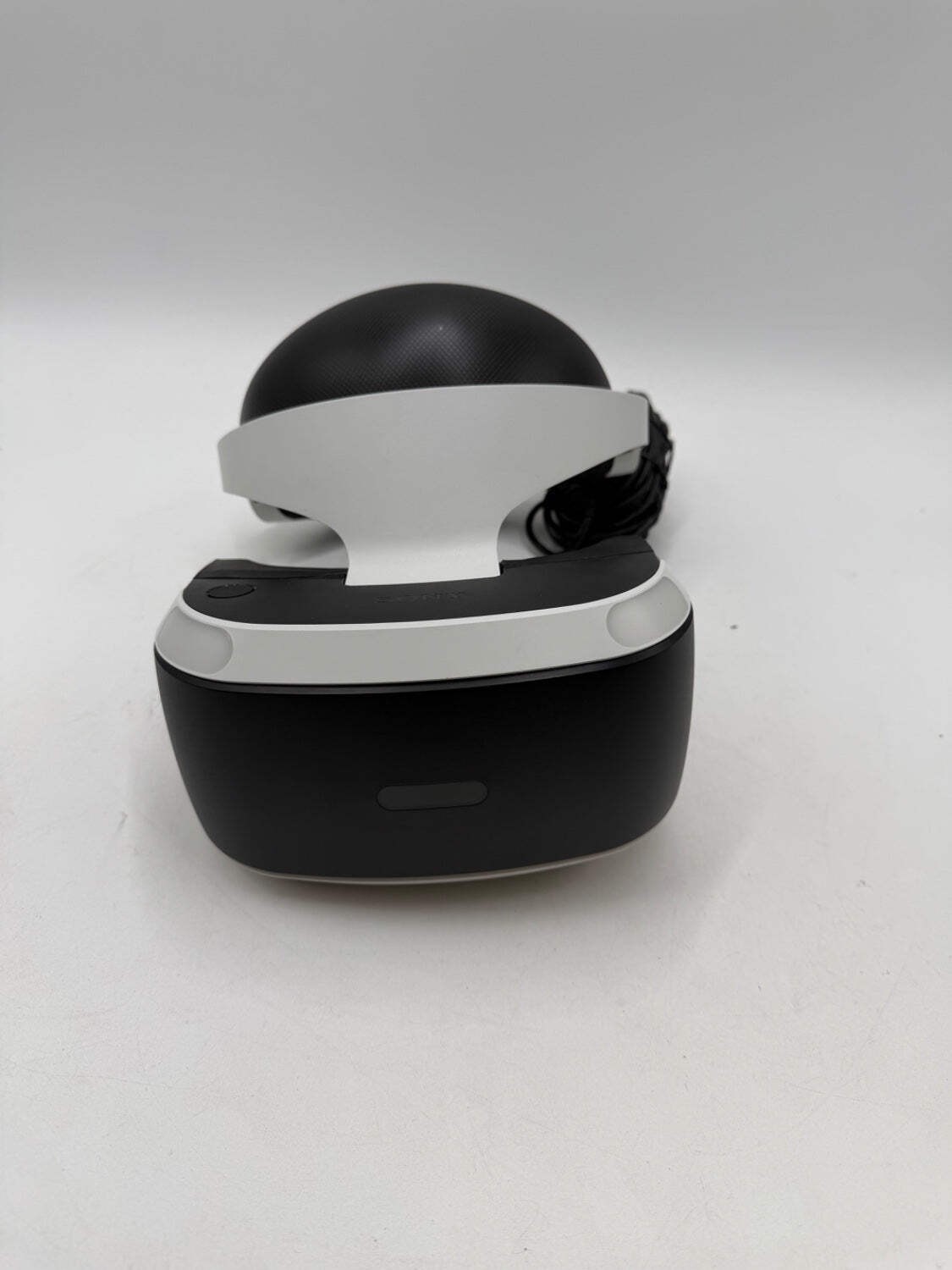 Sony PlayStation VR Virtual Reality VR Headset White CU H-ZVR2$37.99View on eBay
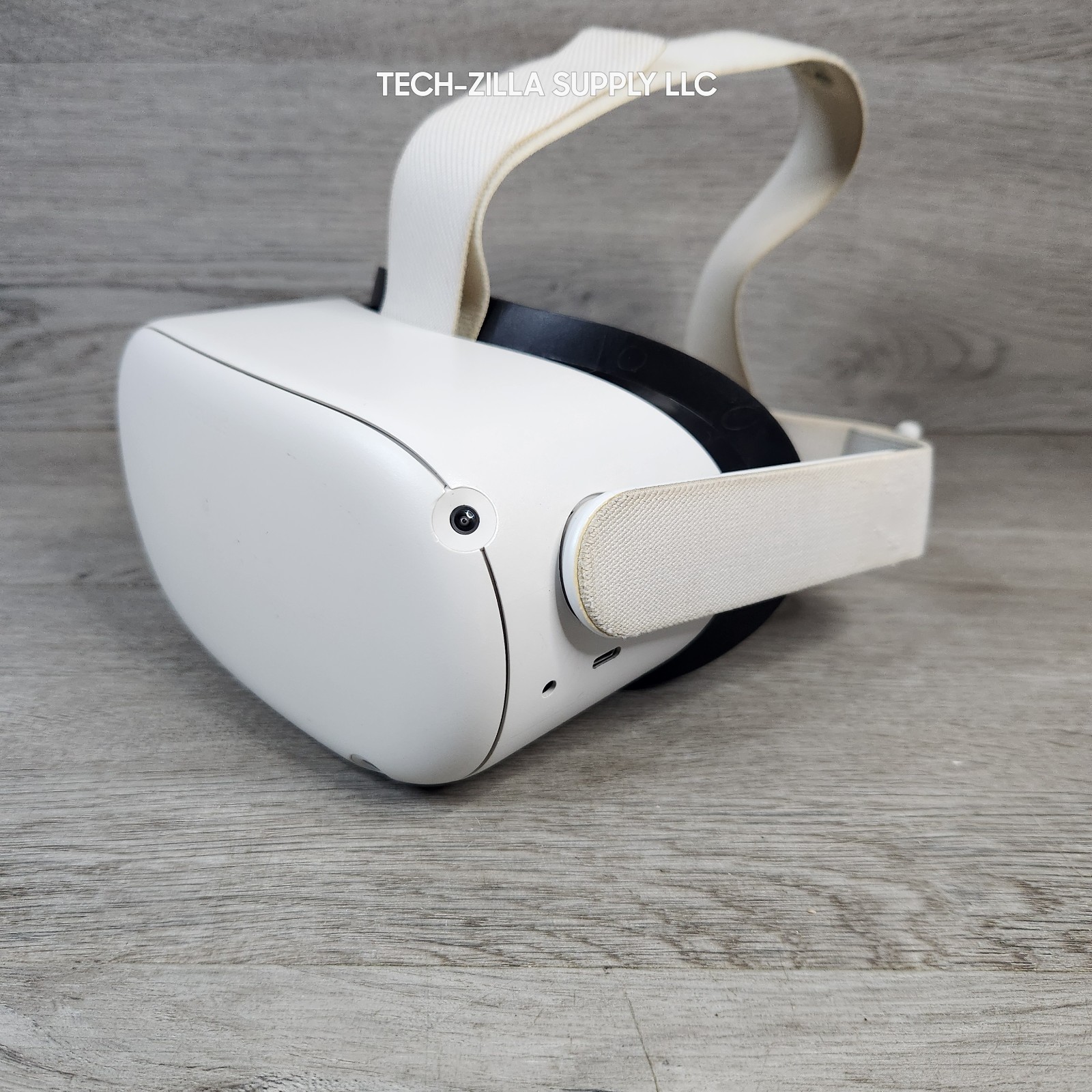 Oculus Meta Quest 2 128GB VR Headset ONLY, Great Condition (No Controllers)$44.95View on eBay
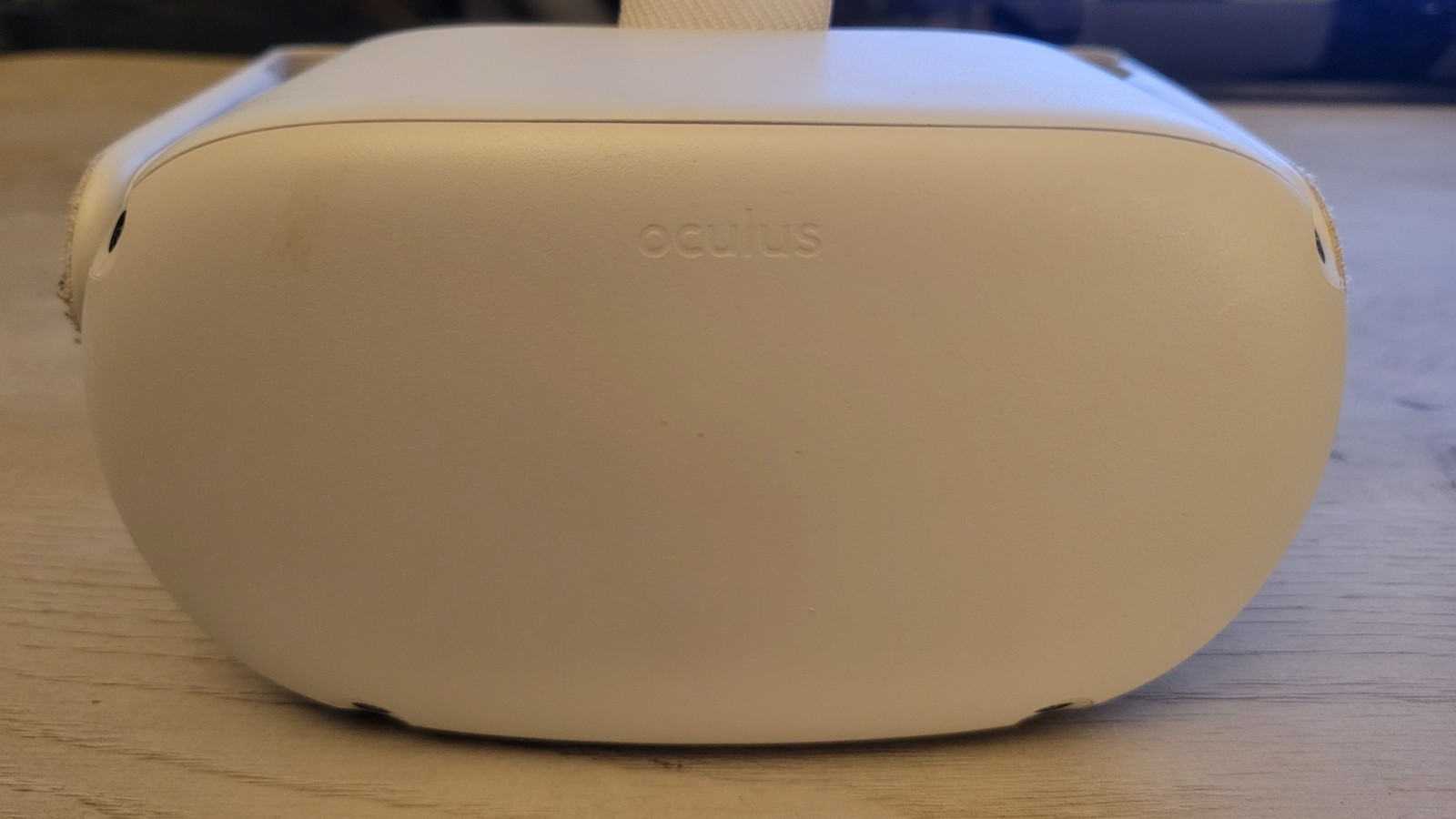 Meta Oculus Quest 2 128GB Standalone VR Headset Only No Controllers Tested$45.00View on eBay
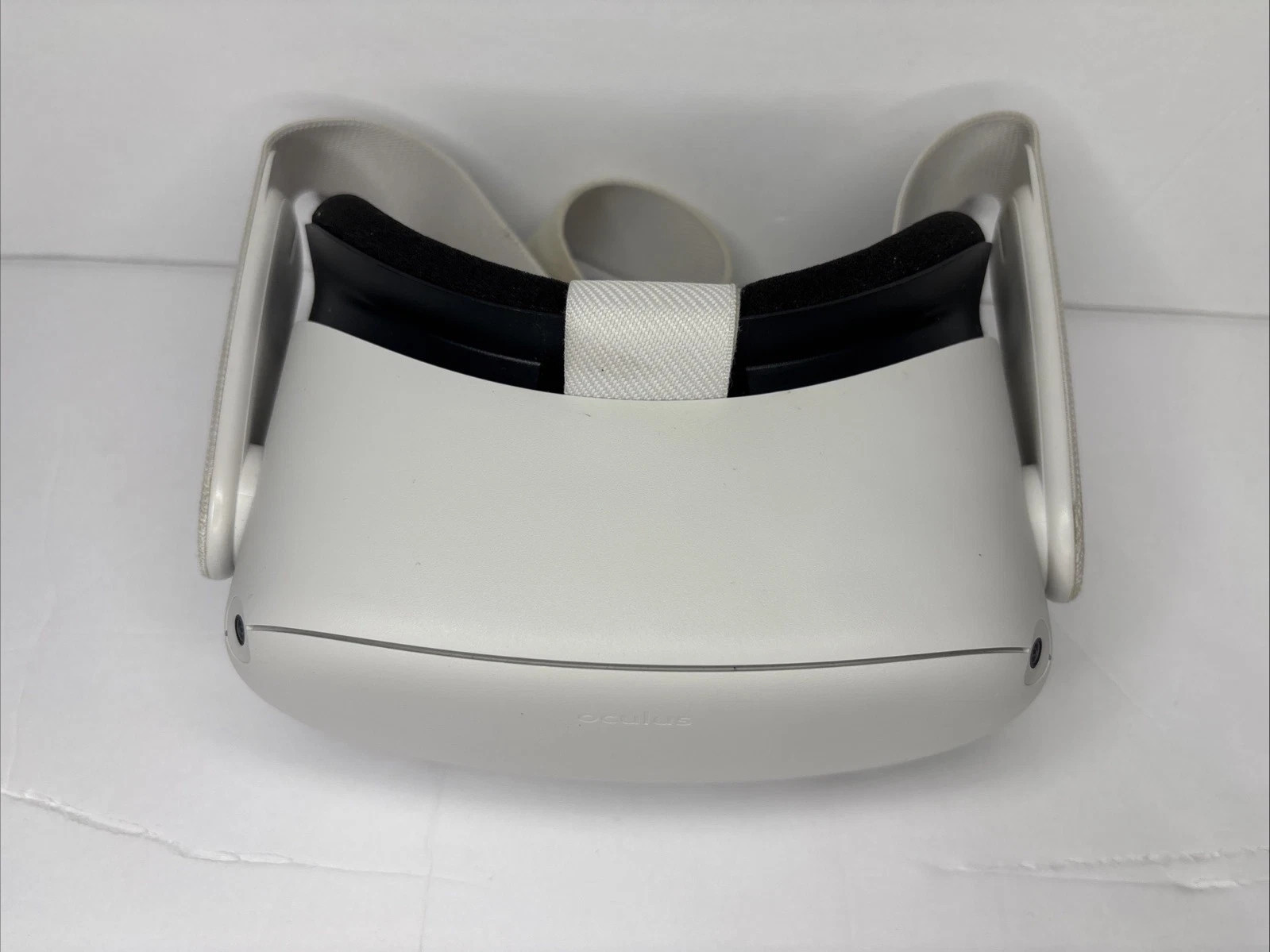 Meta Oculus Quest 2 128GB VR Headset Headset ONLY - No Controllers$45.00View on eBay
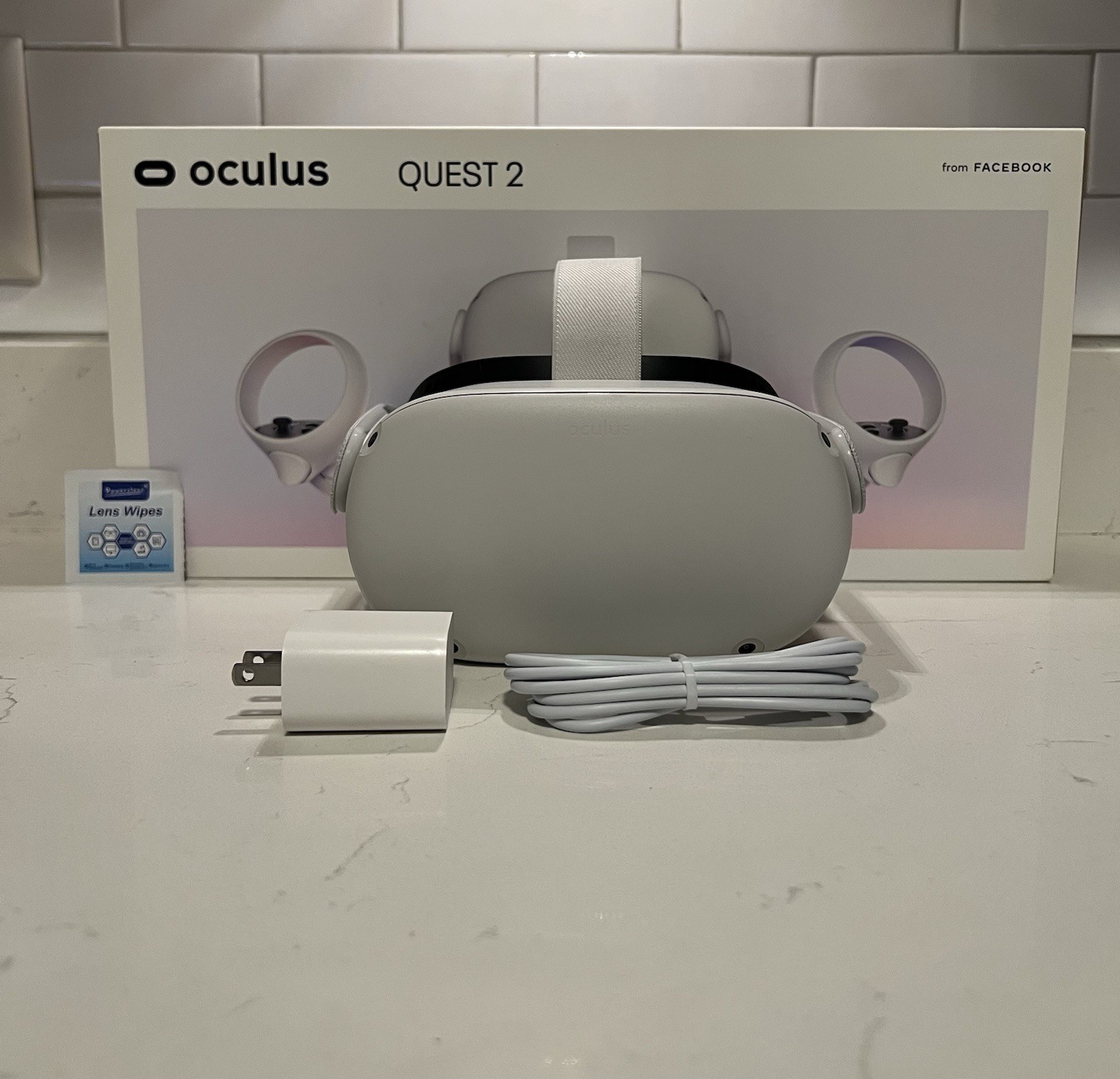 Meta Quest 2 - 64GB VR Headset$49.99View on eBay
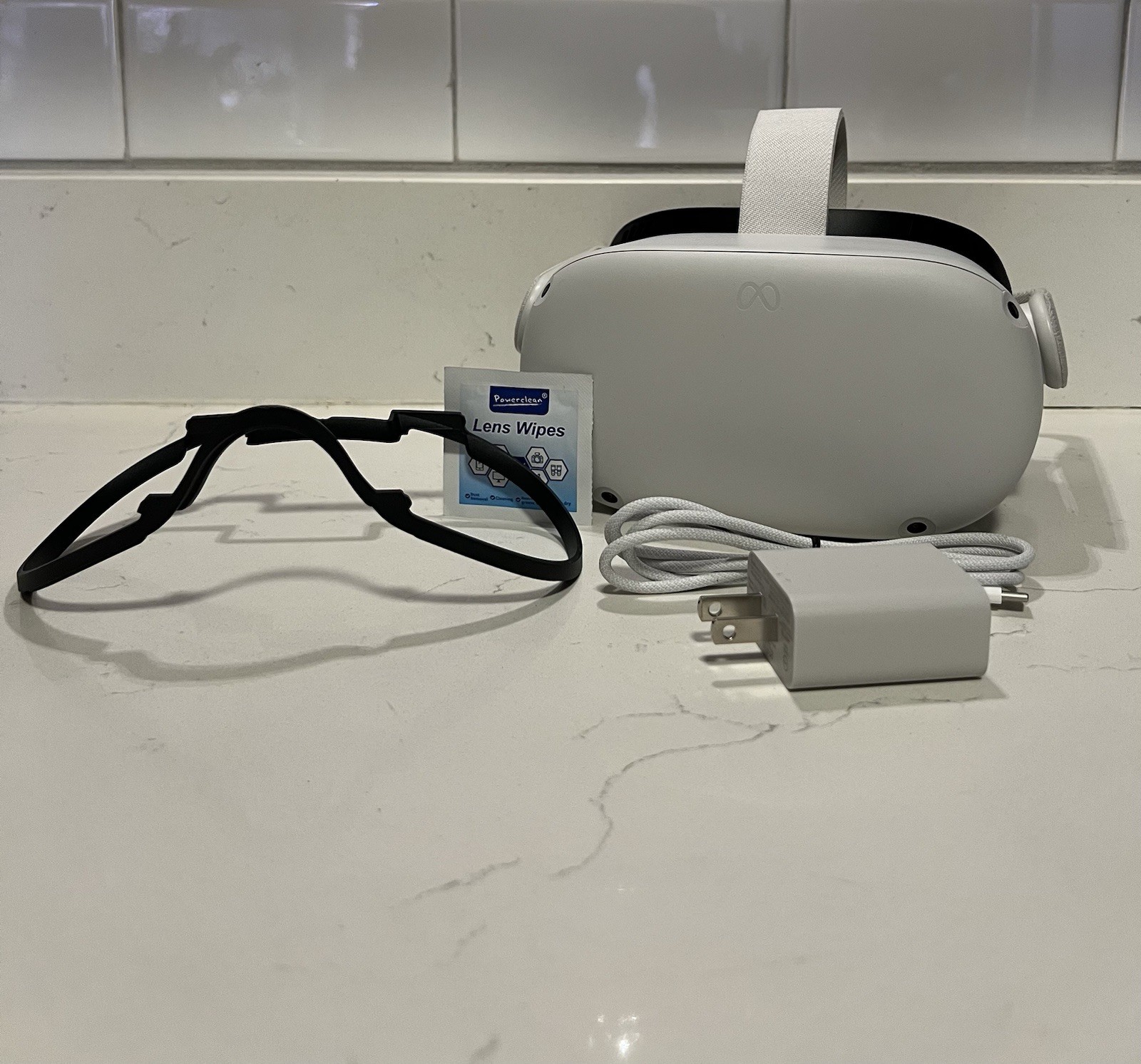 Meta Quest 2 - 128GB VR Headset + Accessories & Charger$49.99View on eBay
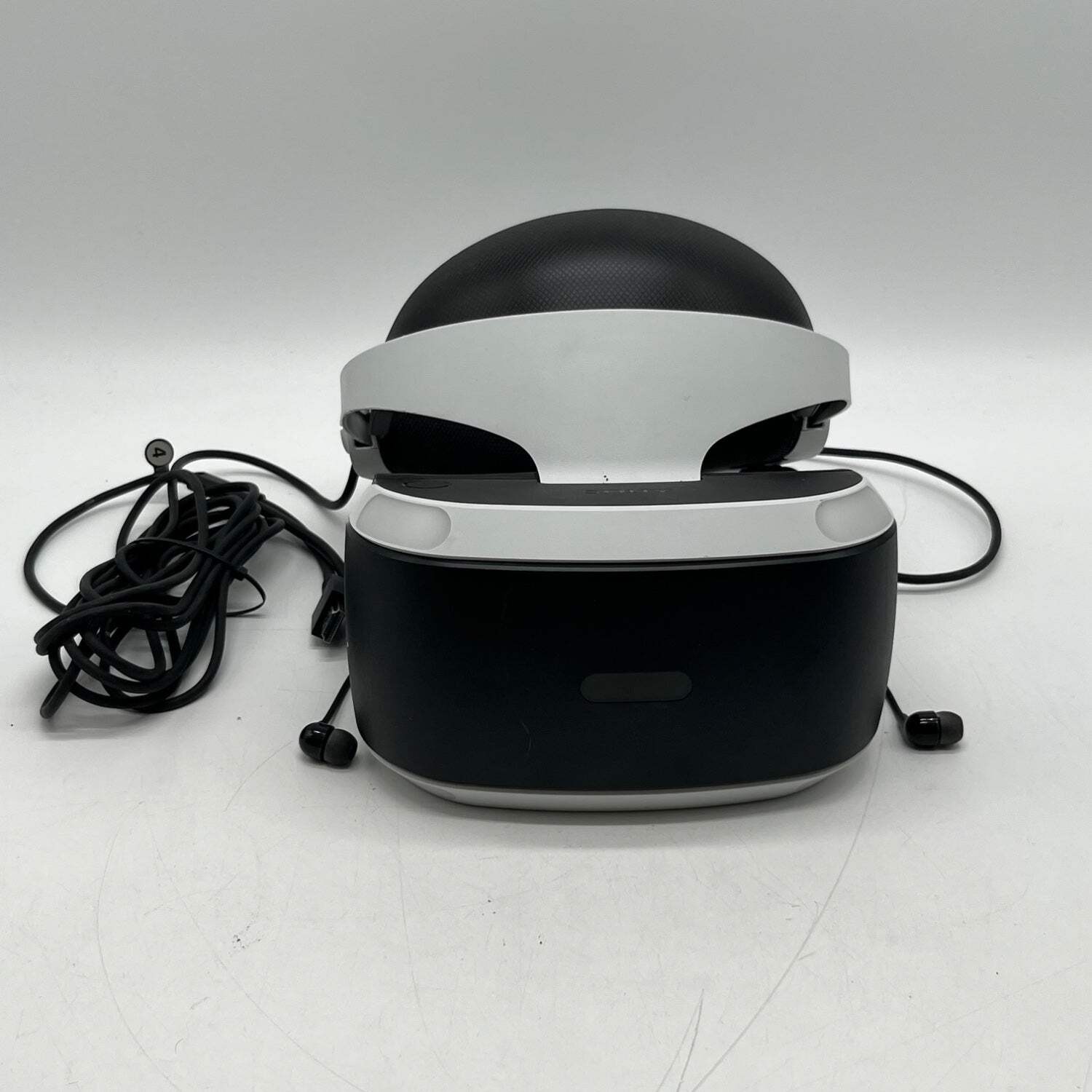 Sony PlayStation 4 PS4 Virtual Reality VR Headset Black CUH-ZVR2$49.99View on eBay
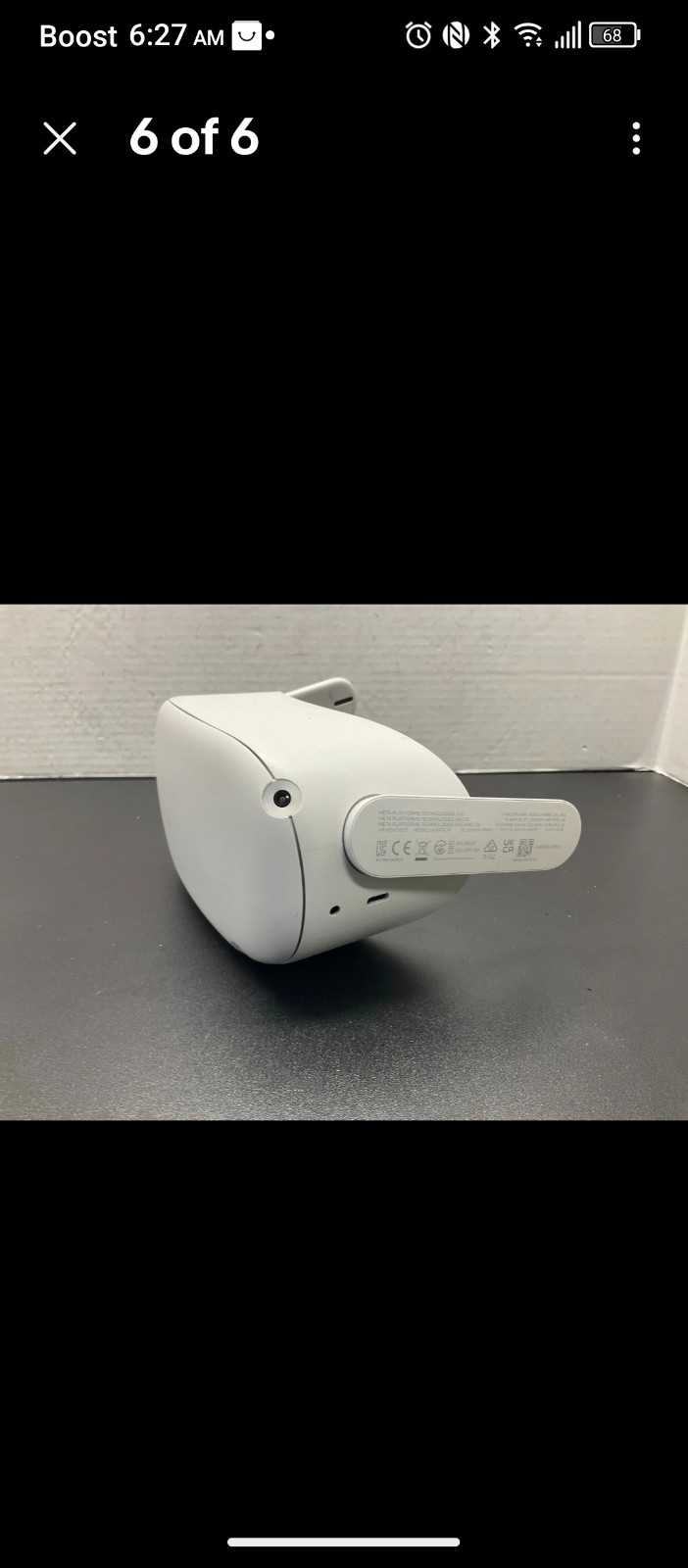 Meta Quest 2 128GB Advanced All-in-One VR Gaming Headset - ( WEAR & TEAR )$65.00View on eBay
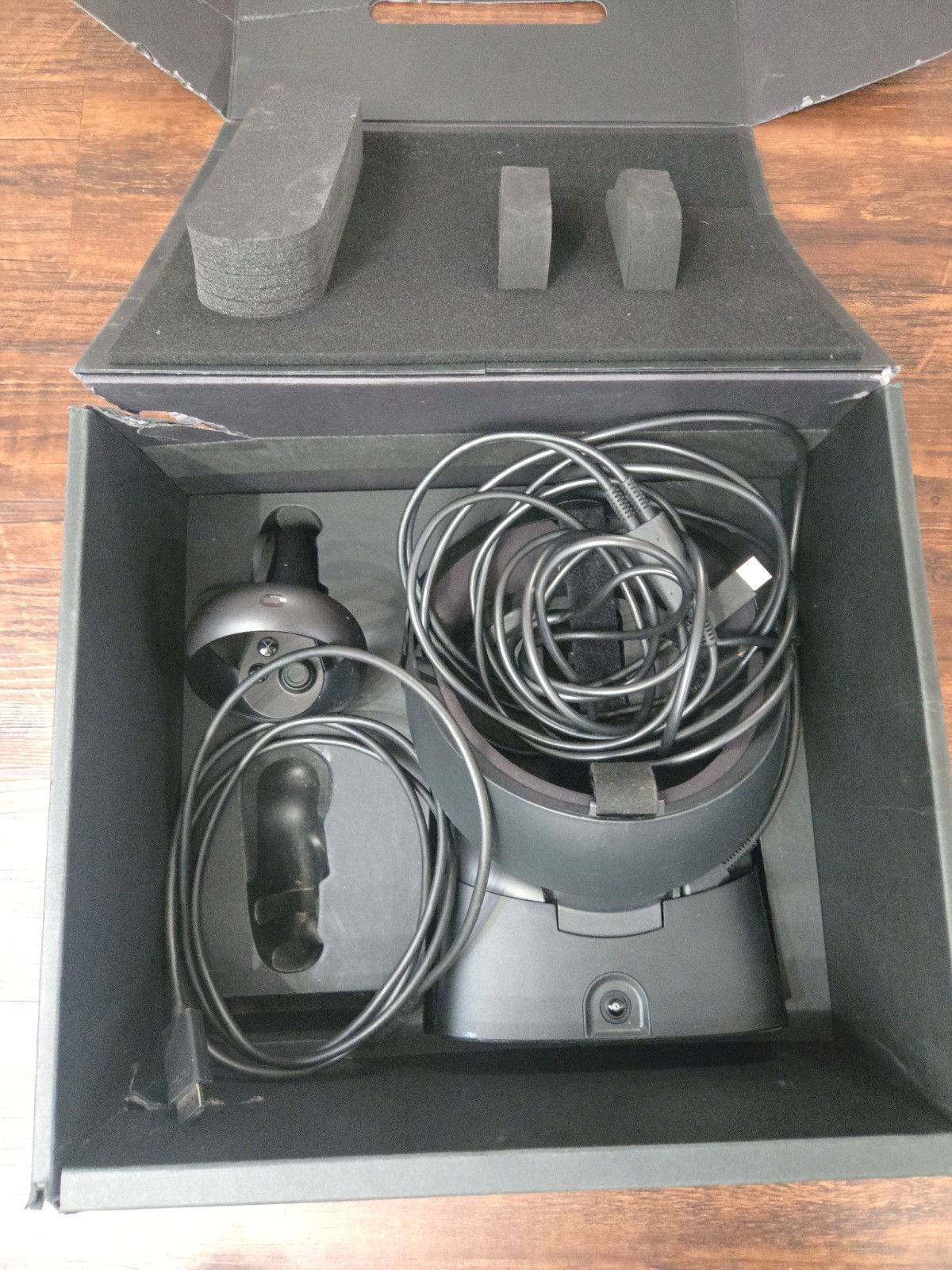 Oculus Rift S PC-Powered VR Gaming Headset - Black *1 Controller Preowned$68.88View on eBay
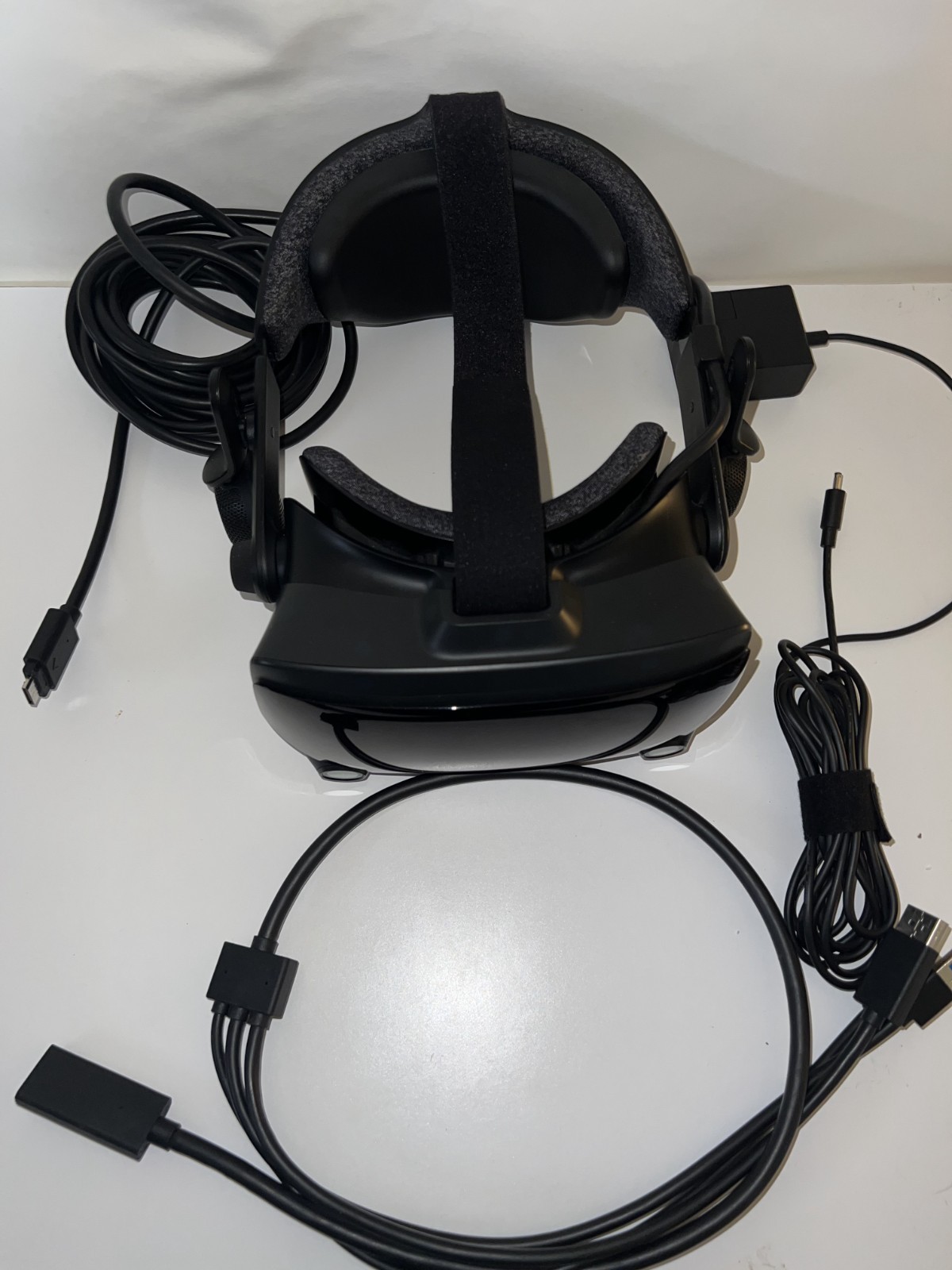 Steam Valve Index VR Gaming HEADSET ONLY - READ$80.00View on eBay
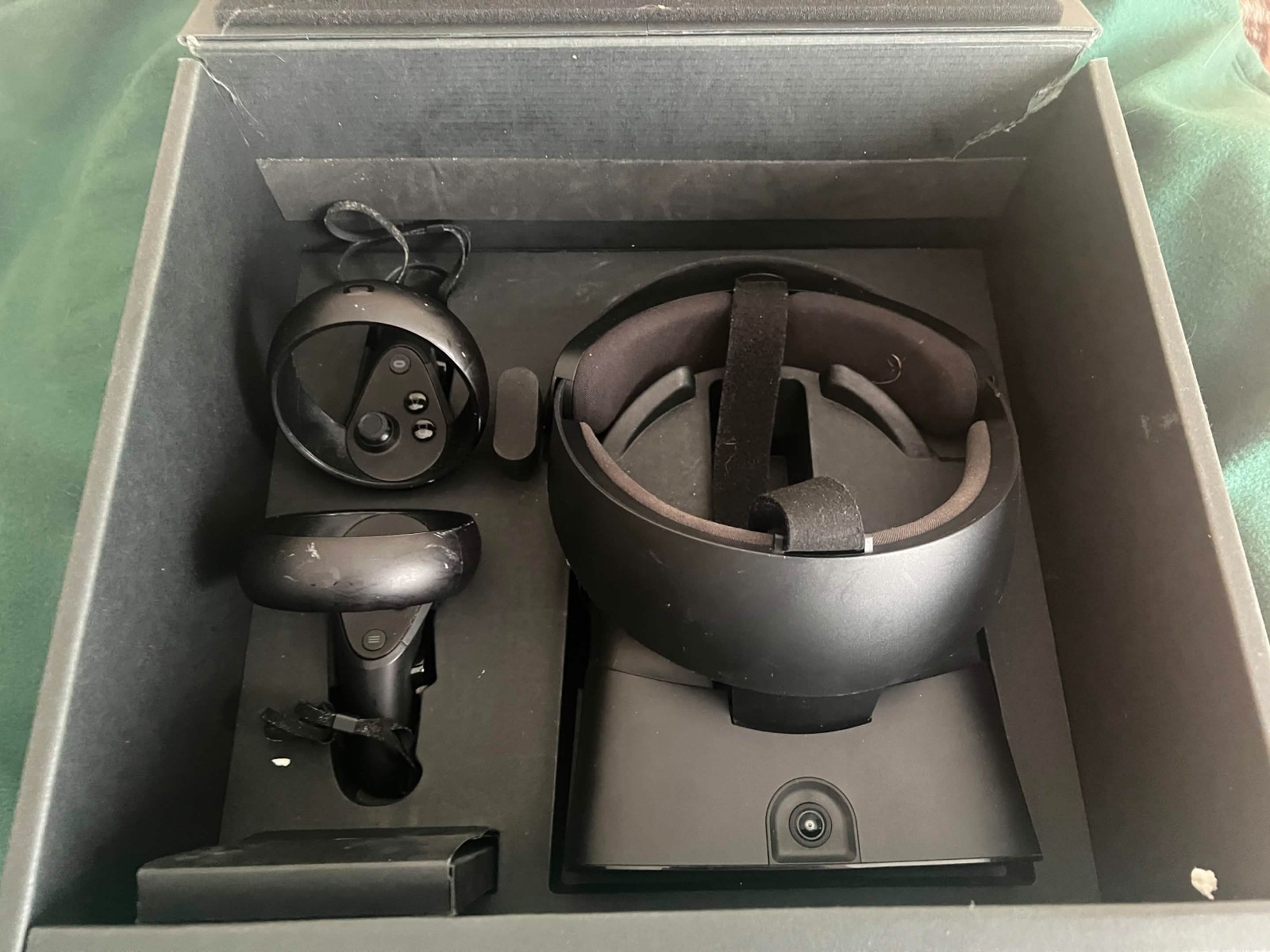 CABLE NOT INCLUDED Oculus Rift S PC-Powered VR Gaming Headset - Black$80.00View on eBay
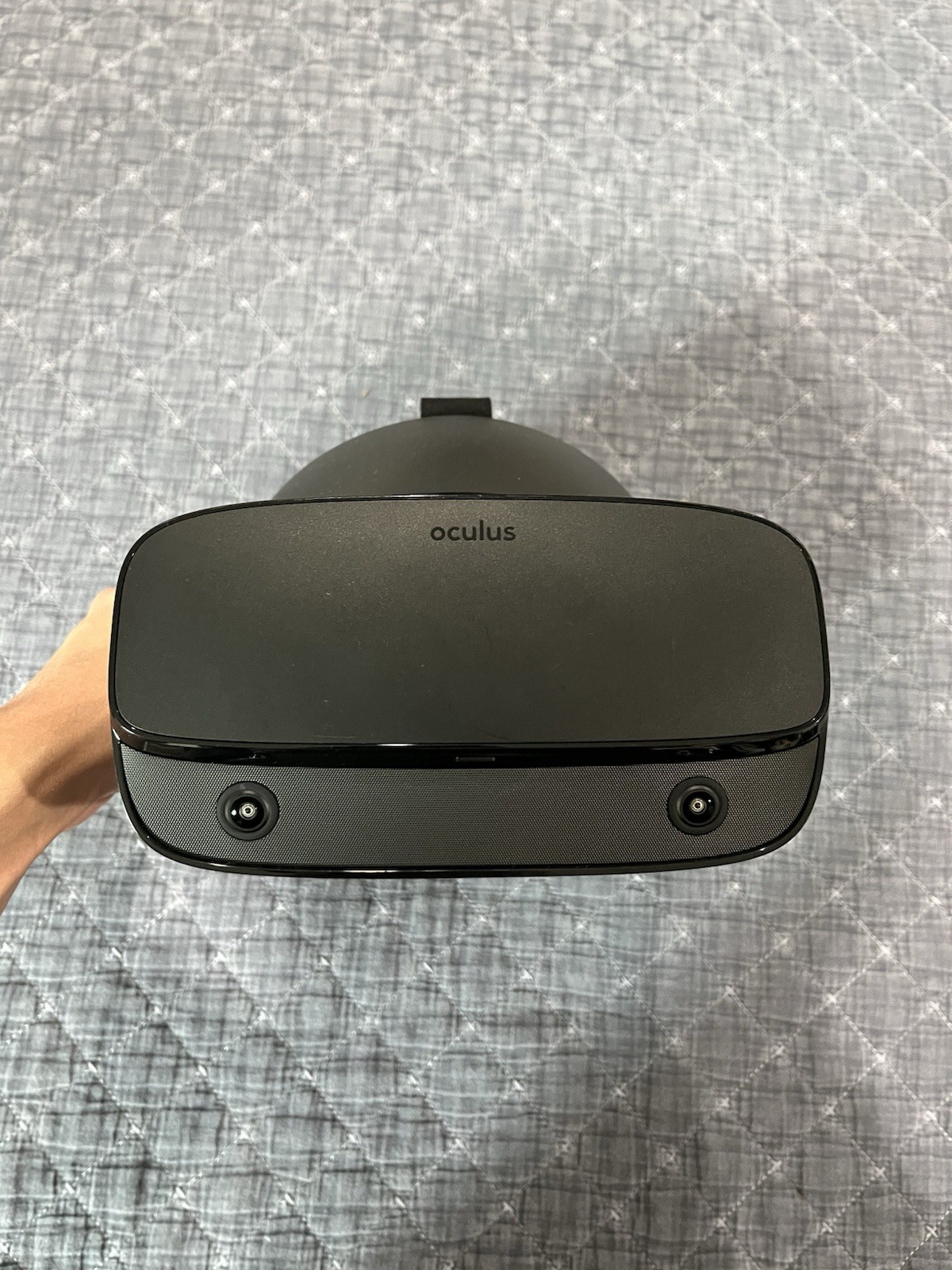 Oculus Rift S PC-Powered VR Gaming Headset - Black - *MESSAGE*$85.00View on eBay
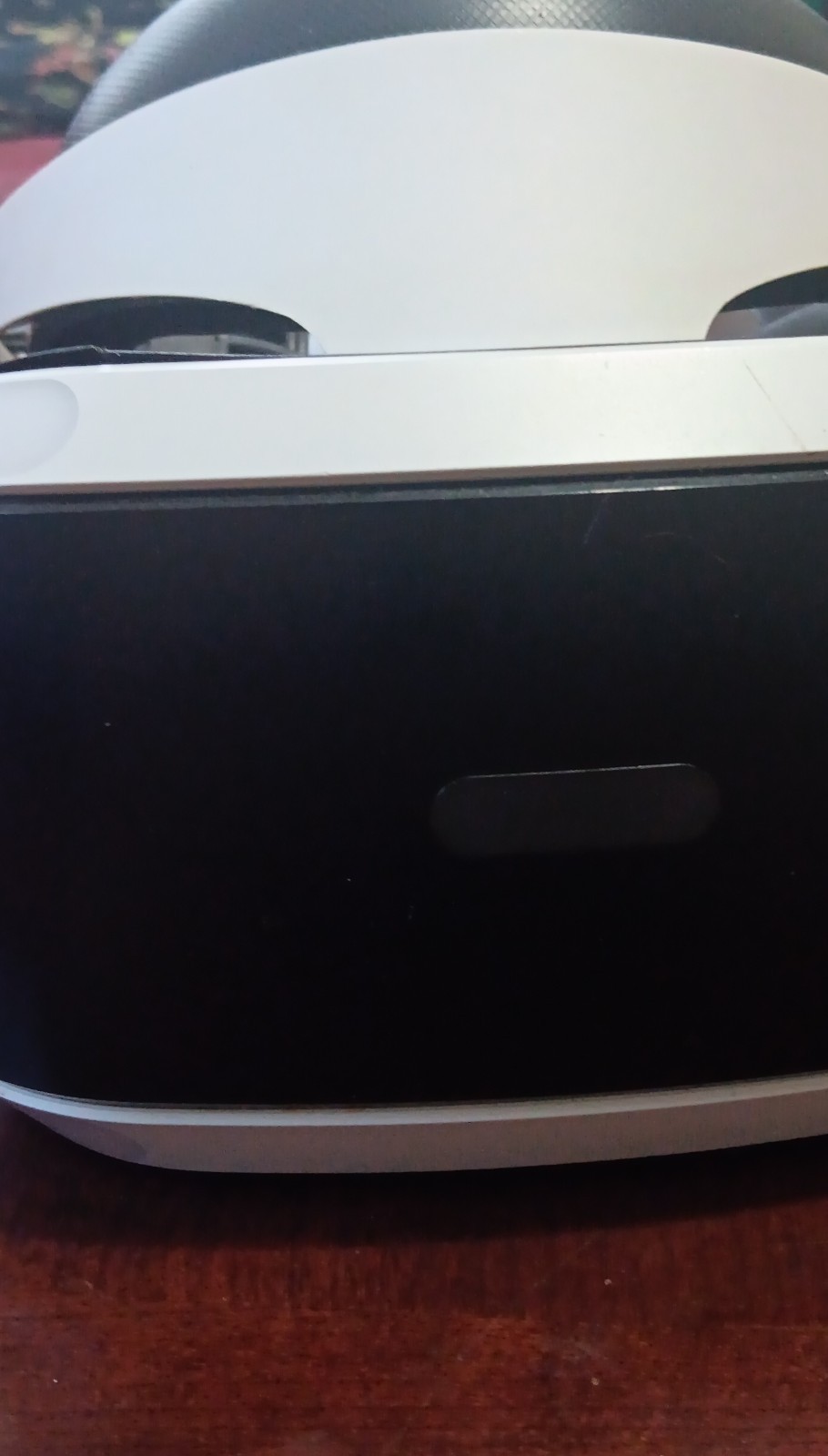 Sony PlayStation VR Headset Bundle Black/White HDMI USB with Accessories$100.00Last checked Nov 19, 2026View on eBay
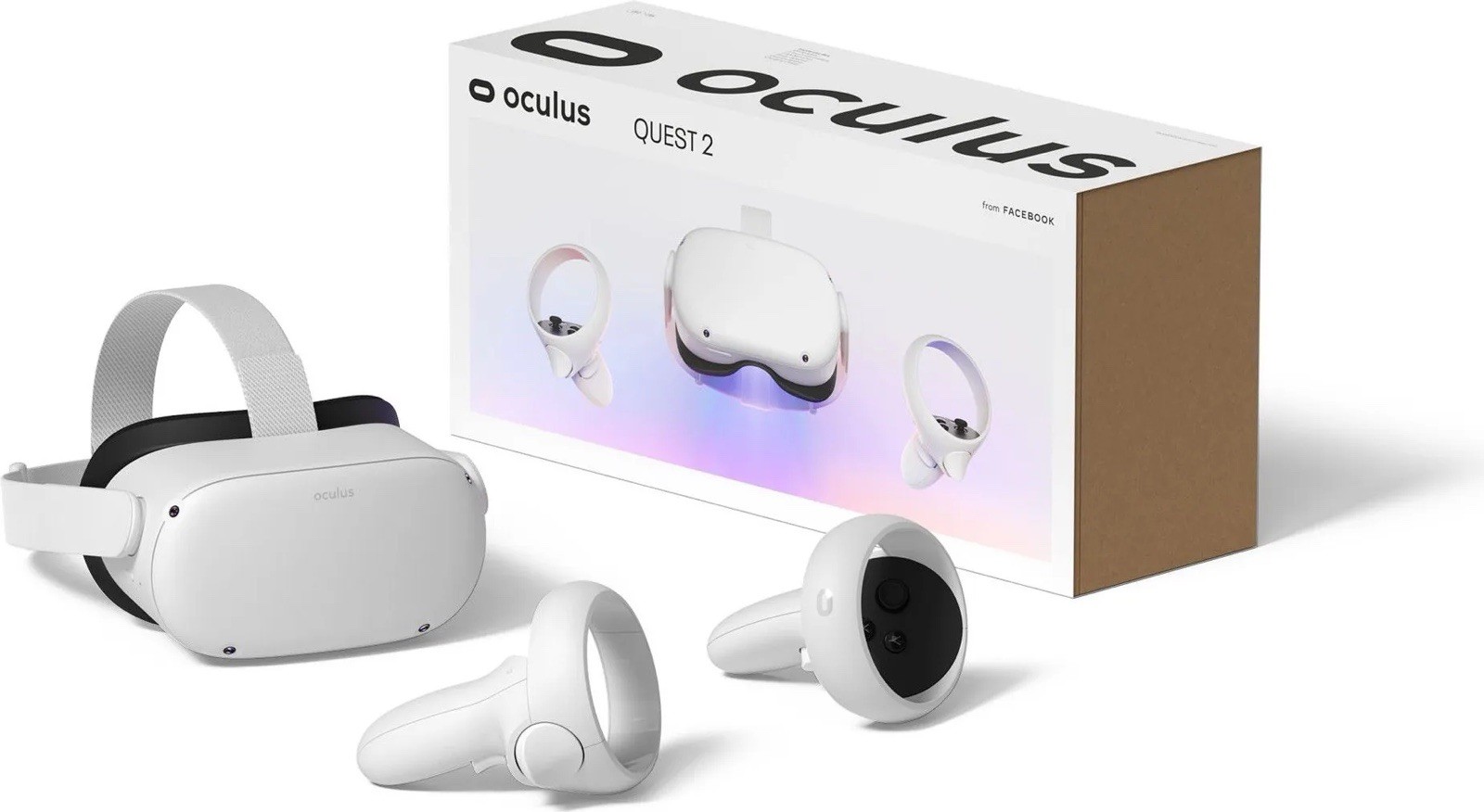 Oculus Quest 2 VR Headset with Touch Controllers, White, case and elite strap$108.00View on eBay
Highlights
- Standalone headsets (Meta Quest 2, Quest 1) integrate processor, battery, and inside-out tracking, needing no phone, PC, or external sensors.
- PC-powered headsets (Oculus Rift S) use a DisplayPort/USB tether and require a VR-ready GPU; they carry no onboard battery or compute.
- Console VR (PlayStation VR CUH-ZVR2) relies on a PS4/PS5 camera and breakout box, with resolution capped at 1080p per eye combined.
- Six-degree-of-freedom (6DoF) tracking is standard on standalone and Rift S; older 3DoF phone holders only track rotation, not position.
Best use cases
- Pick a standalone Quest 2-style headset if you want room-scale VR in any space without a PC; skip it only if you demand PC-grade graphics.
- Pick a PC-tethered Rift S-style headset if you own a VR-ready GPU and want access to SteamVR and higher-fidelity titles; skip if you lack DisplayPort output.
- Pick PlayStation VR only if you already own a PS4/PS5 and want Sony exclusives; skip it for PC use, since it does not natively support PC.
- Skip phone-based or 3DoF headsets entirely for gaming; they lack positional tracking and cannot match 6DoF standalone or tethered systems.
Buying tips
- Confirm your PC meets VR-ready thresholds: a GTX 1060/RX 580-class GPU or better and a free DisplayPort 1.2 output for Rift S-class headsets.
- For standalone, check onboard storage tiers (64GB vs 256GB on Quest 2) since games install locally and cannot be expanded via SD card.
- Match headset to host ecosystem: SteamVR/OpenXR for PC, PlayStation Store for PSVR, and Meta Quest store for standalone—libraries are not cross-compatible.
- Buy complete kits with controllers and cables; 'headset only' listings for Rift S omit the required tether and controllers, adding significant replacement cost.
Specs
| Tracking | 6DoF inside-out vs external |
|---|---|
| Compute | Standalone SoC vs PC/console host |
| Tether | Wireless standalone vs DisplayPort/USB |
| Display | LCD ~1832x1920 per eye vs 1080p |
Related searches
What to check before buying
- Measure your play space: standalone 6DoF needs roughly 2m x 2m for room-scale; seated PC VR needs less but still clear desk space for the tether.
- Verify host ports: Rift S requires DisplayPort plus USB 3.0; PSVR requires a free HDMI and USB port on the console.
- Check voltage and plug standard for the headset's power adapter (standalone chargers are USB-C; PSVR uses a region-specific AC adapter).
- Confirm companion parts are included: controllers, tether cable, breakout box (PSVR), and lens inserts if you wear glasses.
FAQ
Data sources: eBay / Amazon listings and product attribute feeds. Updated Nov 28, 2026.
Some links on this page are affiliate links. If you buy after clicking one, we may earn a commission at no extra cost to you. This does not change which products appear here or their order. Affiliate disclosure.