
Photos from current listings. Actual item, color, and included accessories may vary.
RC Drone Buying Guide
RC drones span toy-grade quadcopters with brushed motors and Wi-Fi video links to GPS-stabilized camera drones with brushless motors and real gimbals, and the core trade-off is control-link and stabilization quality versus claimed camera resolution. The decisive rule: buy a brushless, GPS-equipped drone with a physical gimbal if you want usable footage and wind resistance, and accept a sub-250 g toy quadcopter only if you are flying indoors or in zero-wind conditions for fun.
Median $329.98 · New & pre-owned listings
Key takeaways
- Motor type is the durability divider: brushed motors wear out in tens of hours and are non-replaceable on most toy drones, while brushless motors last hundreds of hours and deliver gust-resistant thrust.
- Sub-250 g drones like the DJI Mini 3 (248 g) sit under the 250 g registration threshold in the US, EU, UK, and Canada, while heavier 1.1-1.34 kg drones require registration and often a remote ID module.
- Real camera quality is set by sensor size and gimbal, not the marketing number: 1/1.3-inch CMOS with dual native ISO and a 3-axis mechanical gimbal outperforms any 6K-labeled Wi-Fi toy drone with electronic stabilization.
At a glance
- Category
- Drones & Consumer Robotics
- Last updated
- Nov 28, 2026
Current offers
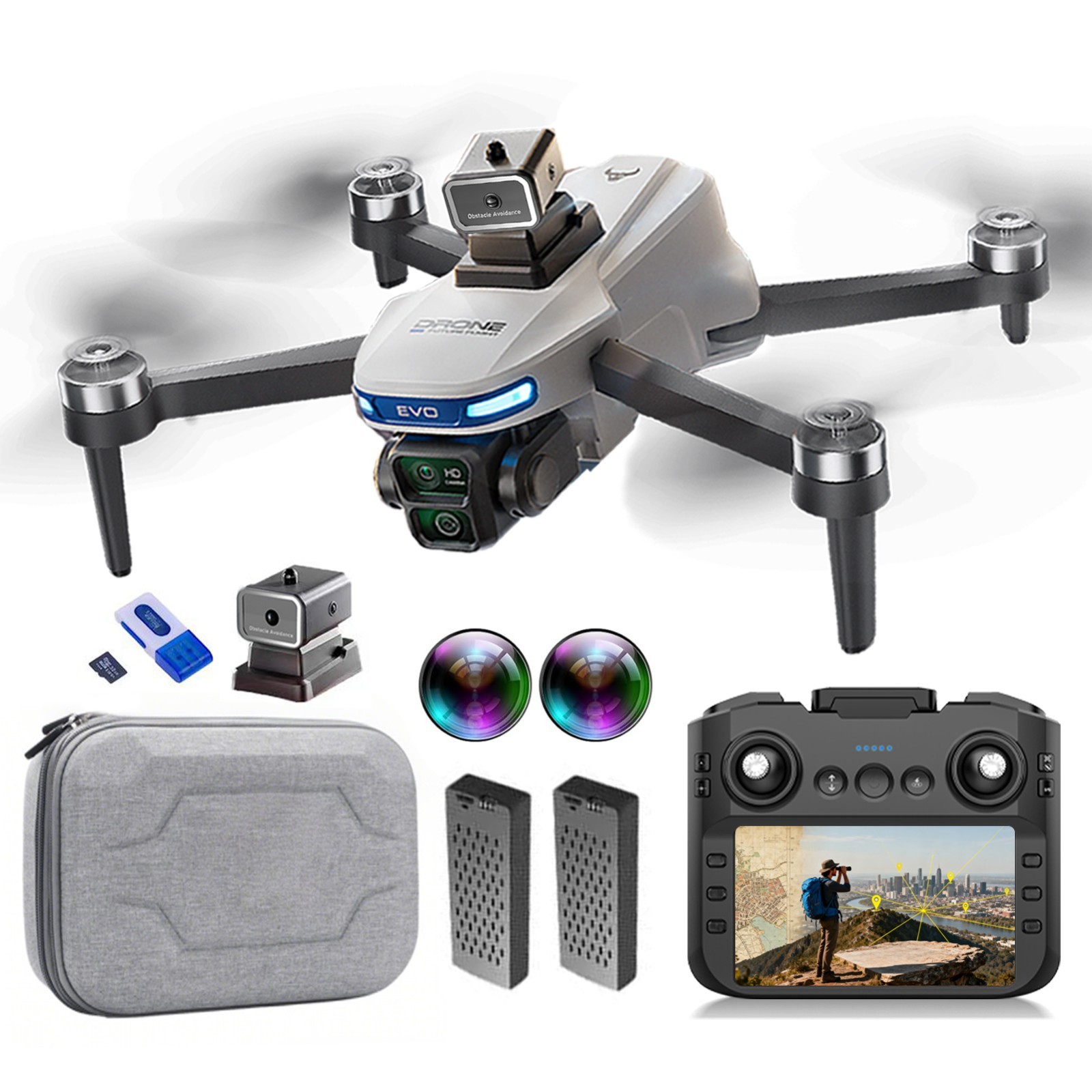 4K Cameras GPS Drone, 4.5'' RC Screen, Brushless Motor, Auto Return, 2 Batteries$67.49Last checked Nov 28, 2026View on eBay
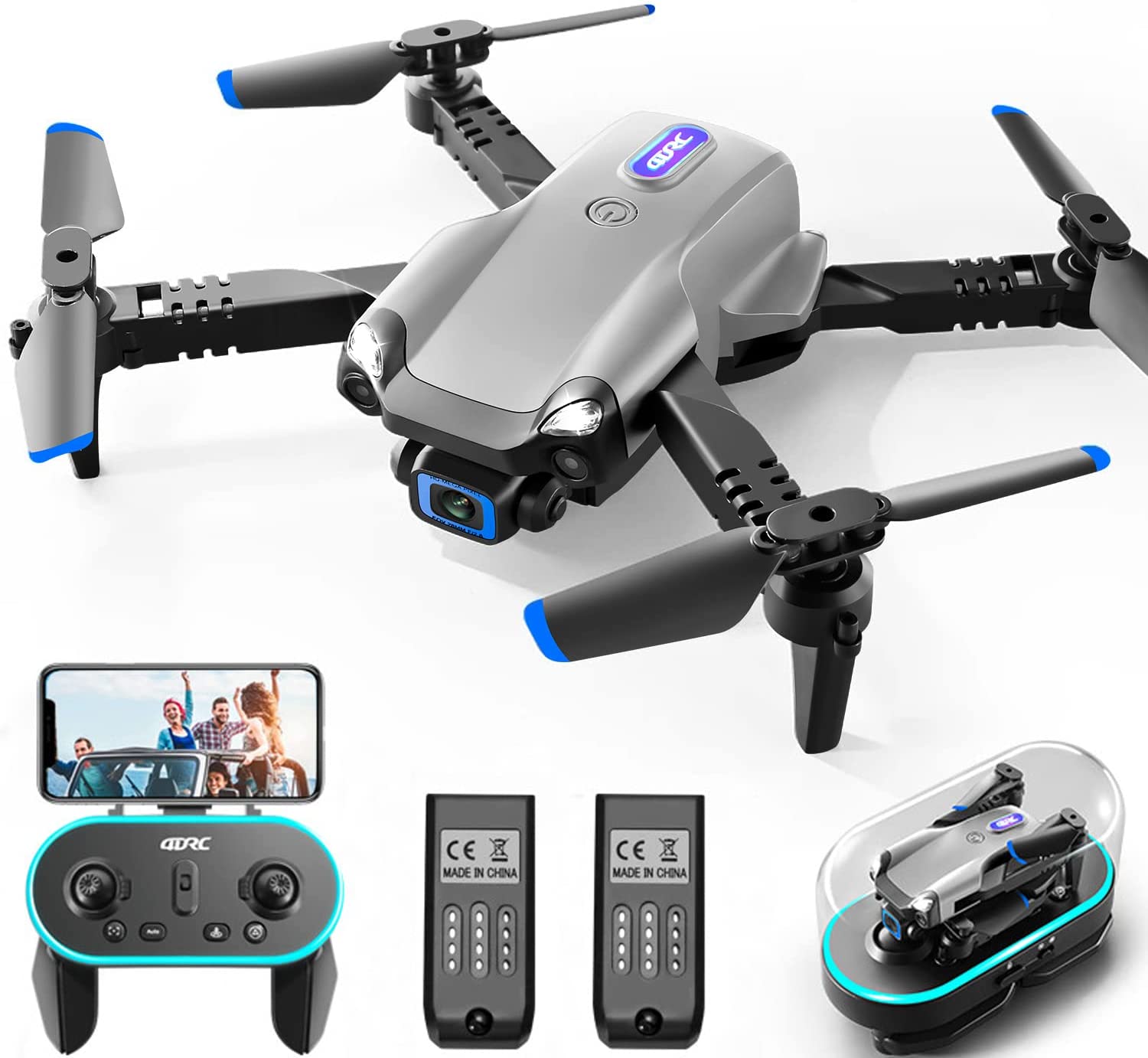 2026 V20 RC Drone With 4K HD Dual Camera WiFi FPV 3D Flips Rc Quadcopter US ,Logistic is randomly sent by UPS/USPS/GOFO/UNI/FEDEX$48.99View on Mallflare
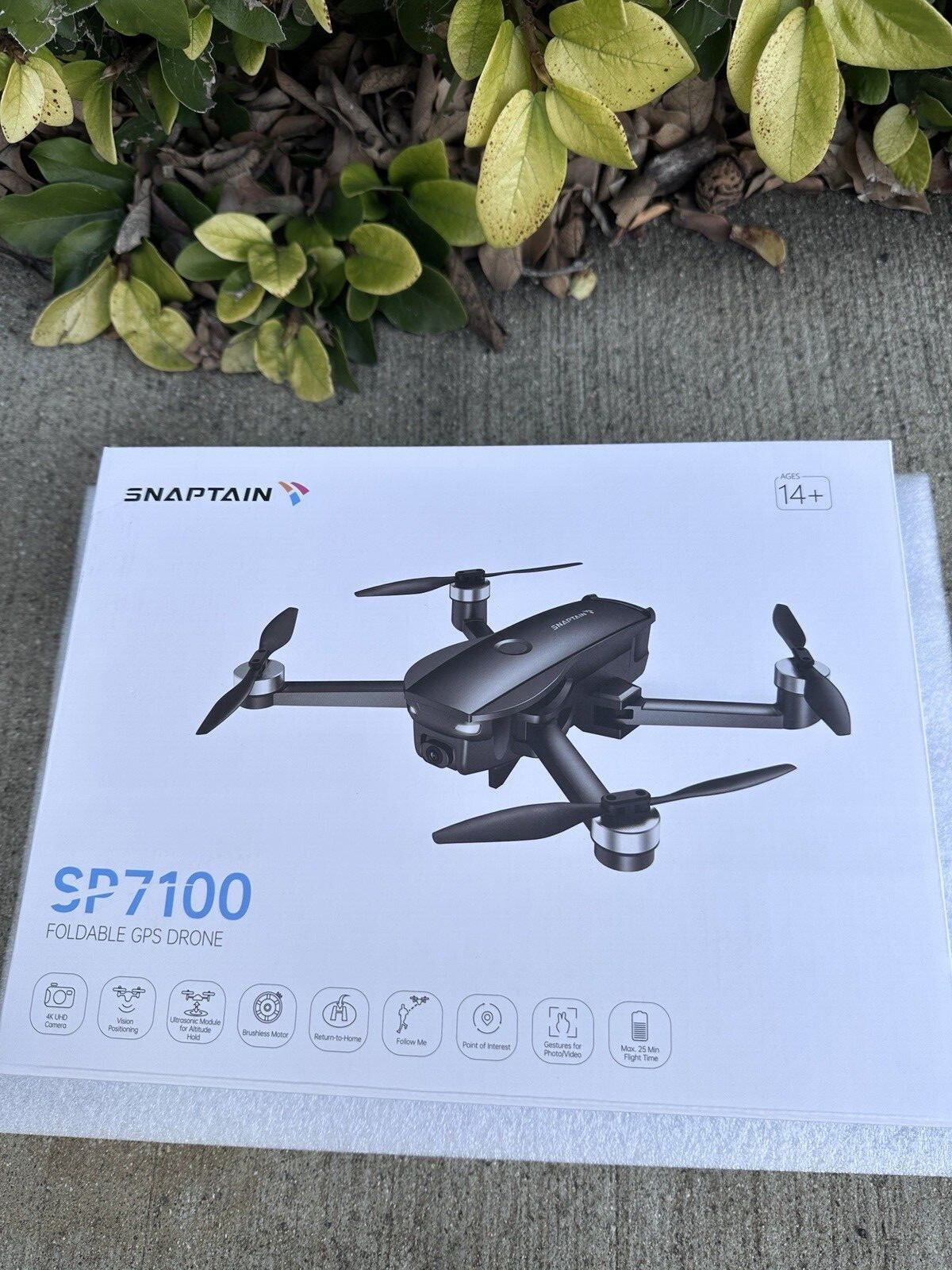 Snaptain SP7100 5G RC Drone GPS 4K HD Dual Camera FPV Quadcopter Brushless Motor$79.00View on eBay
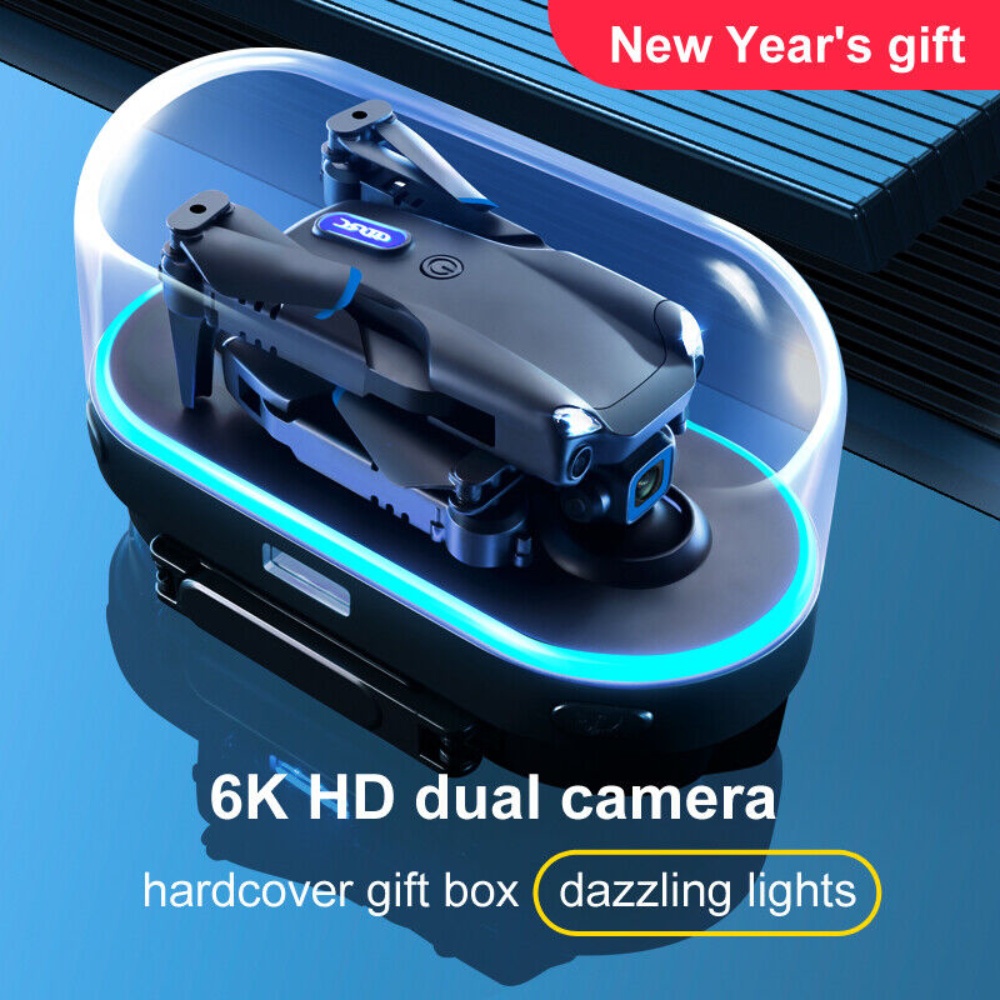 2026 2 Battery V20 RC Drone 6K HD Dual Camera WiFi FPV Foldable Quadcopter ,Logistic is randomly sent by UPS/USPS/GOFO/UNI/FEDEX$50.99View on Mallflare
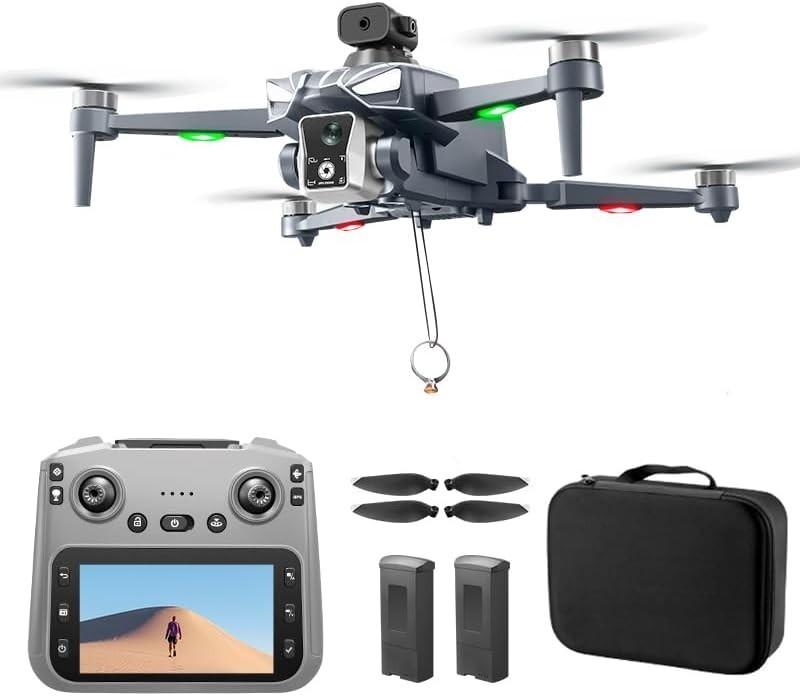 GPS Drones with Camera,5G RC Camera Drones, 4.5"HD Screen,GPS Follow&Auto Return$206.99Last checked Nov 17, 2026View on eBay
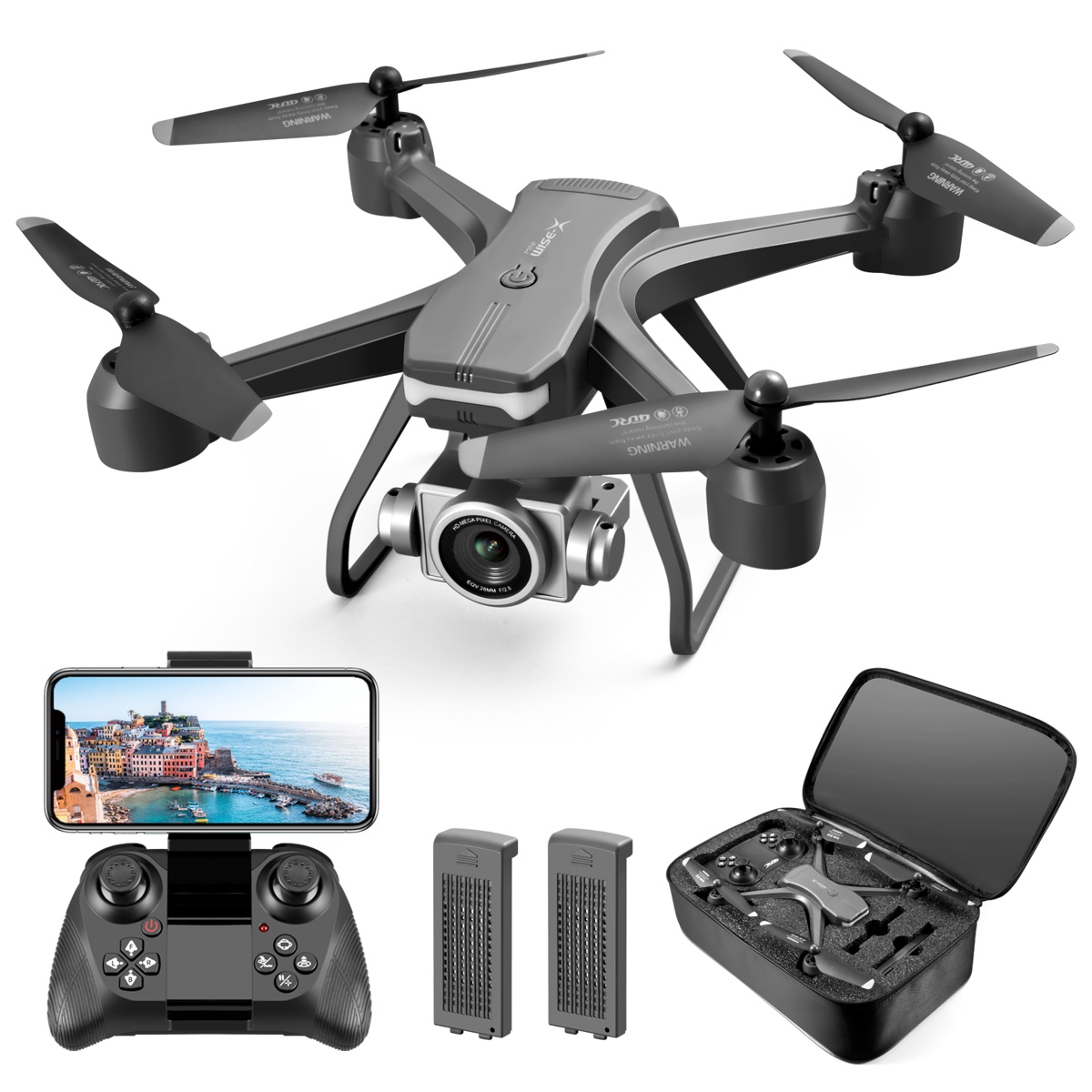 2026 V14 RC Drone With 4K HD Dual Camera WiFi FPV 3D Flips Rc Quadcopter$62.99View on Mallflare
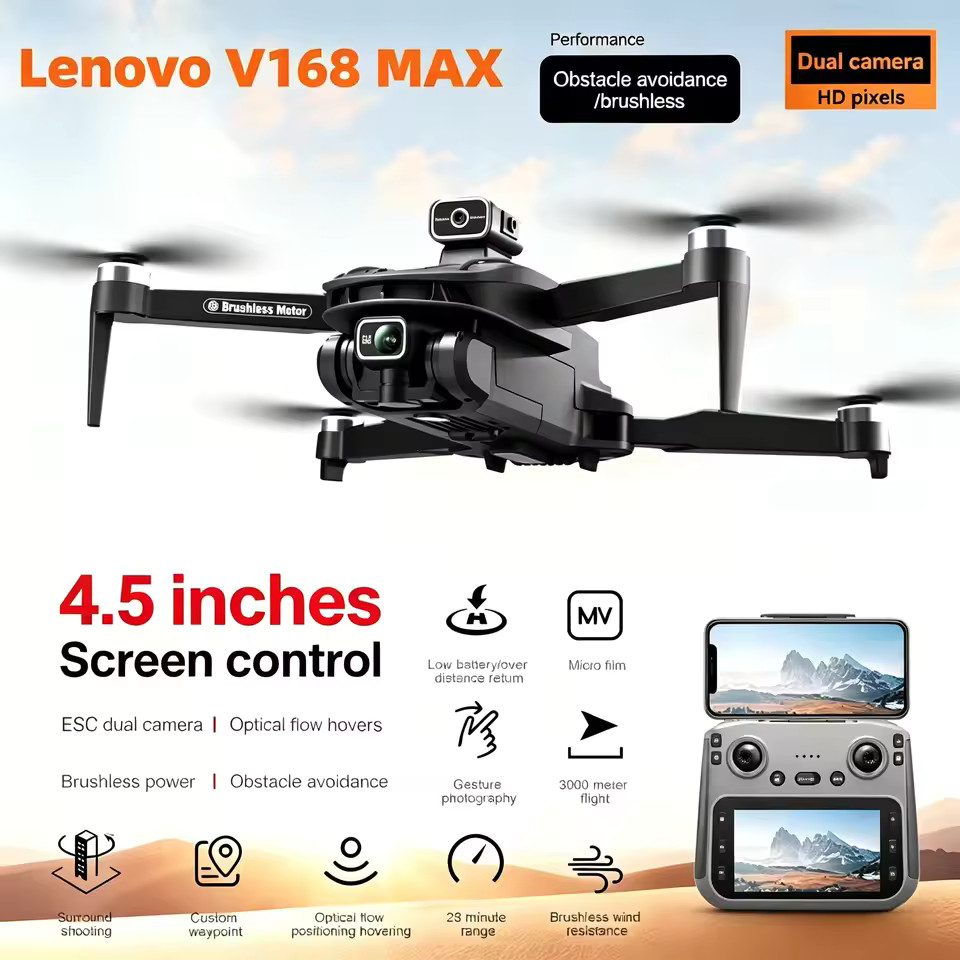 Lenovo V168 Max GPS Drone 4K Camera FPV Brushless Obstacle Avoidance RC$210.00Last checked Nov 18, 2026View on eBay
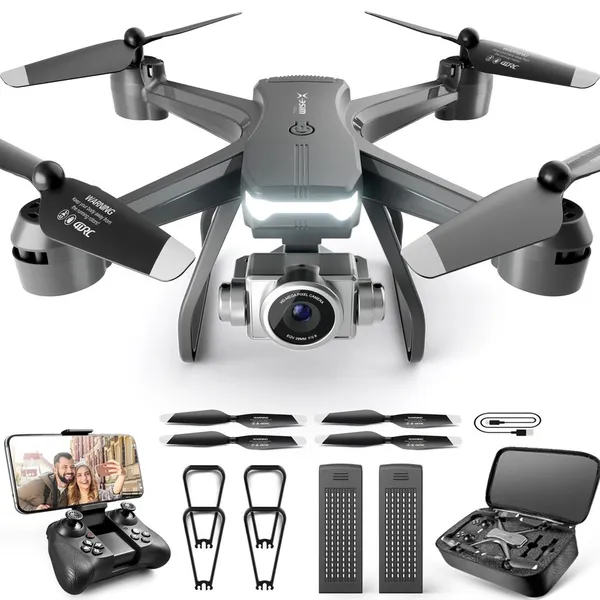 4DRC V14 RC Drone WIFI FPV 4K HD Wide Angle Dual Camera Quadcopter Portable With Bag ,2 Batteries For Beginner,Headless Mode,Gesture Photo$63.99View on Mallflare
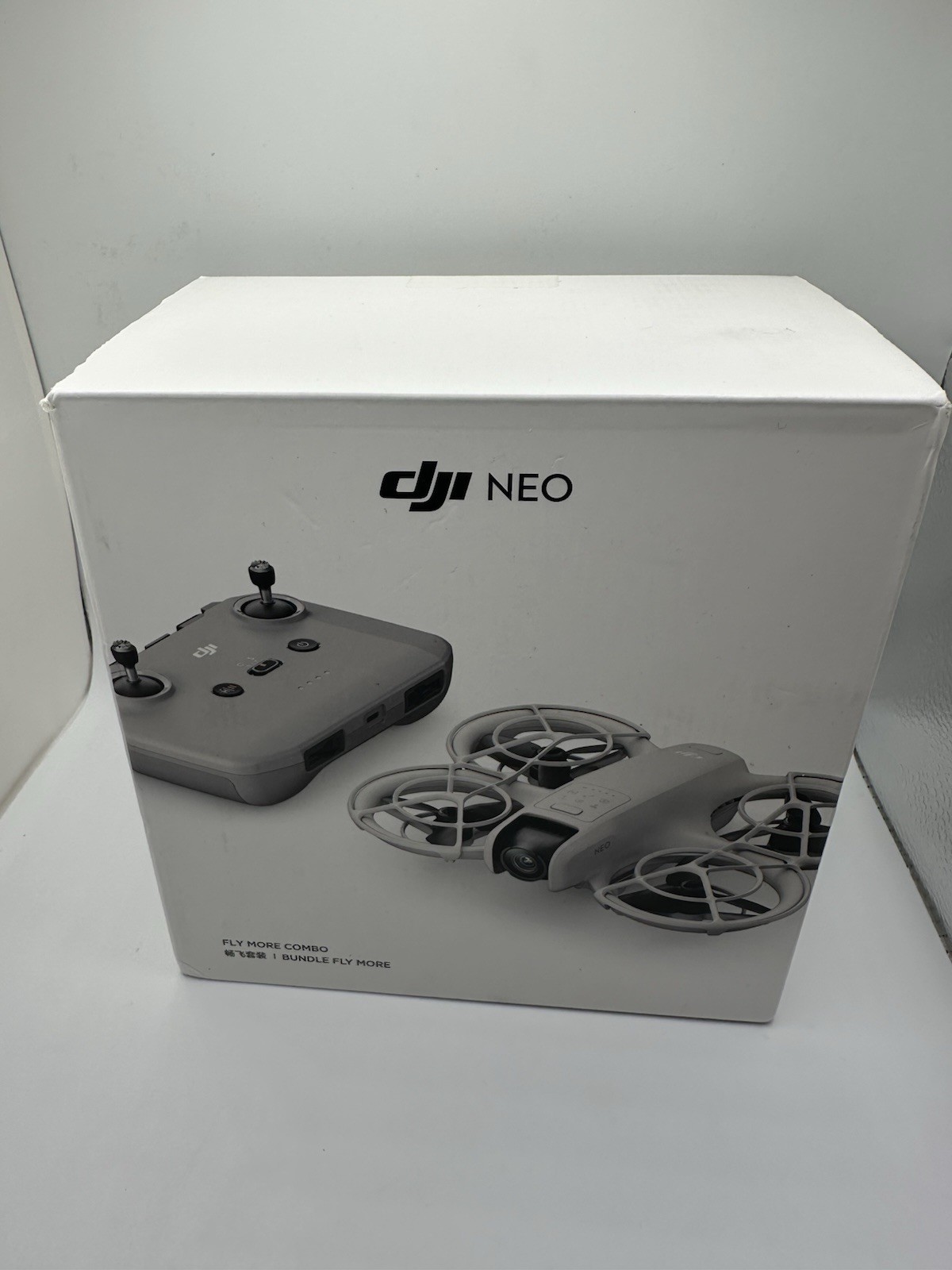 DJI Neo Fly More Combo Mini Drone 4K UHD Video 135g 3-Batteries RC-N3 Controller$249.95NewView on eBay
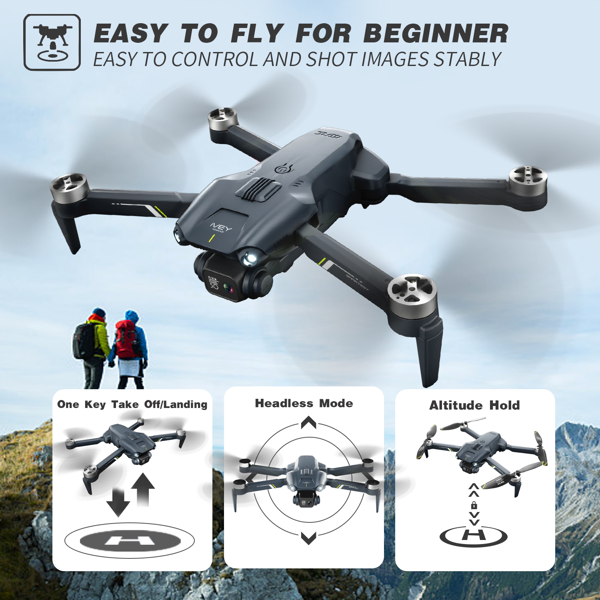 NEW V28 RC Drone With 4K HD Dual Camera WiFi FPV 3D Flips Rc Quadcopter US$64.99View on Mallflare
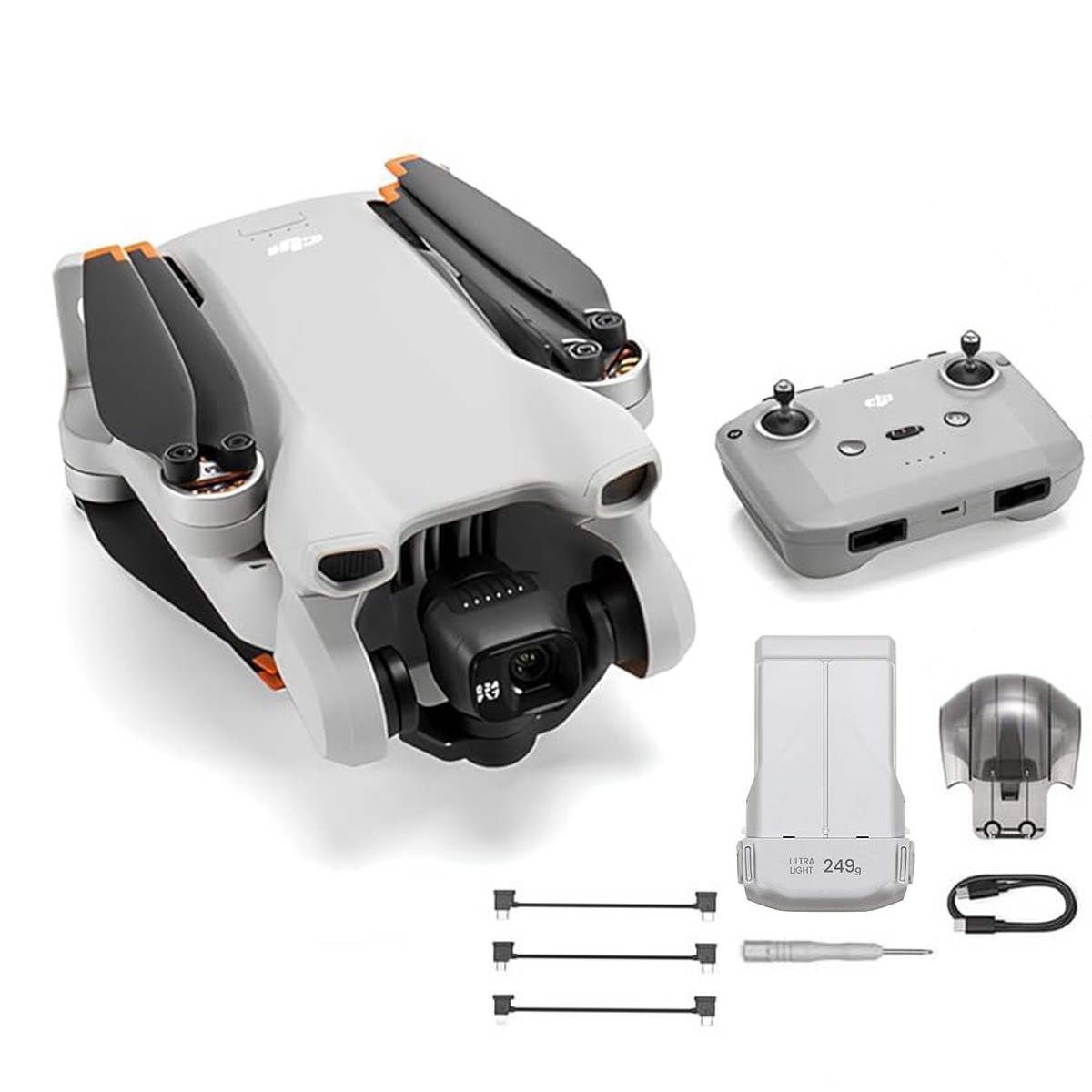 DJI Mini 3 Camera Drone with RC-N1 Remote Controller 4K HDR Quadcopter Genuine$277.89Used · Last checked Nov 15, 2026View on eBay
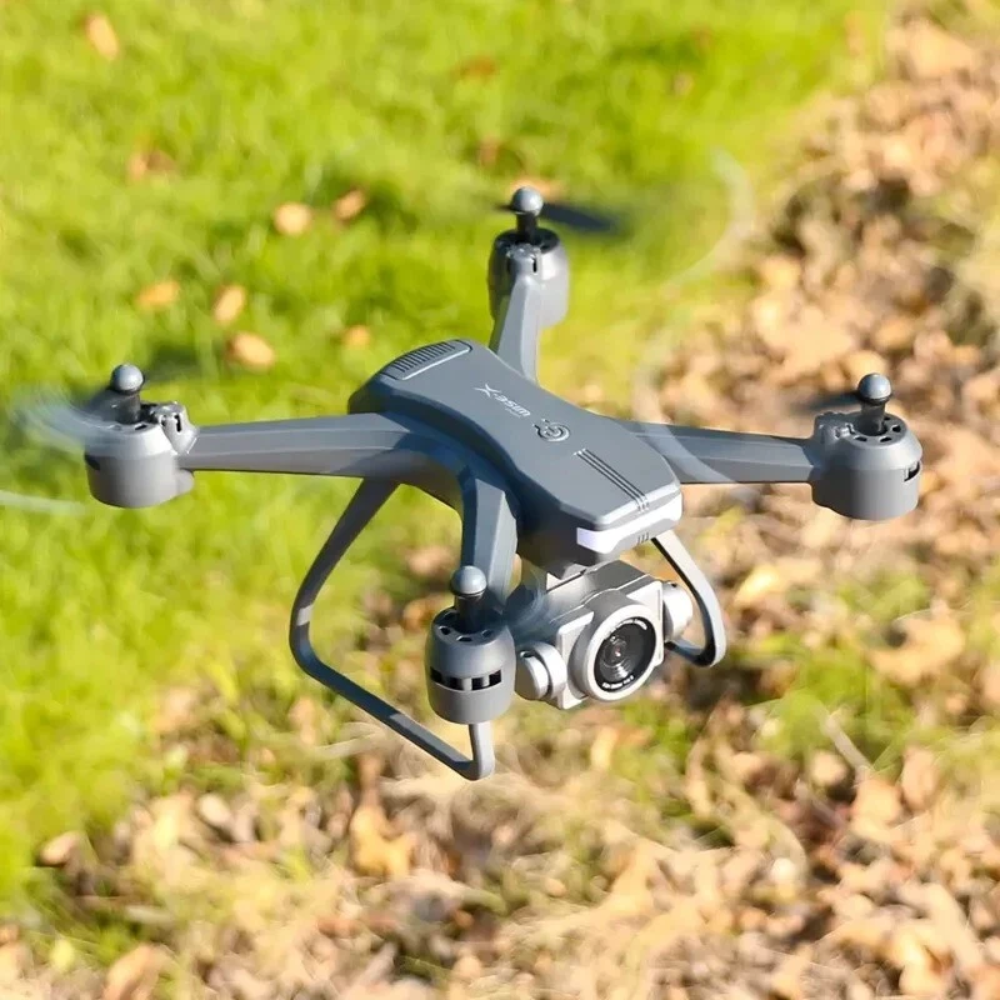 NEW V14 RC Drone With 4K HD Dual Camera WiFi FPV 3D Flips Rc Quadcopter US ,Logistic is randomly sent by UPS/USPS/GOFO/UNI/FEDEX$68.99View on Mallflare
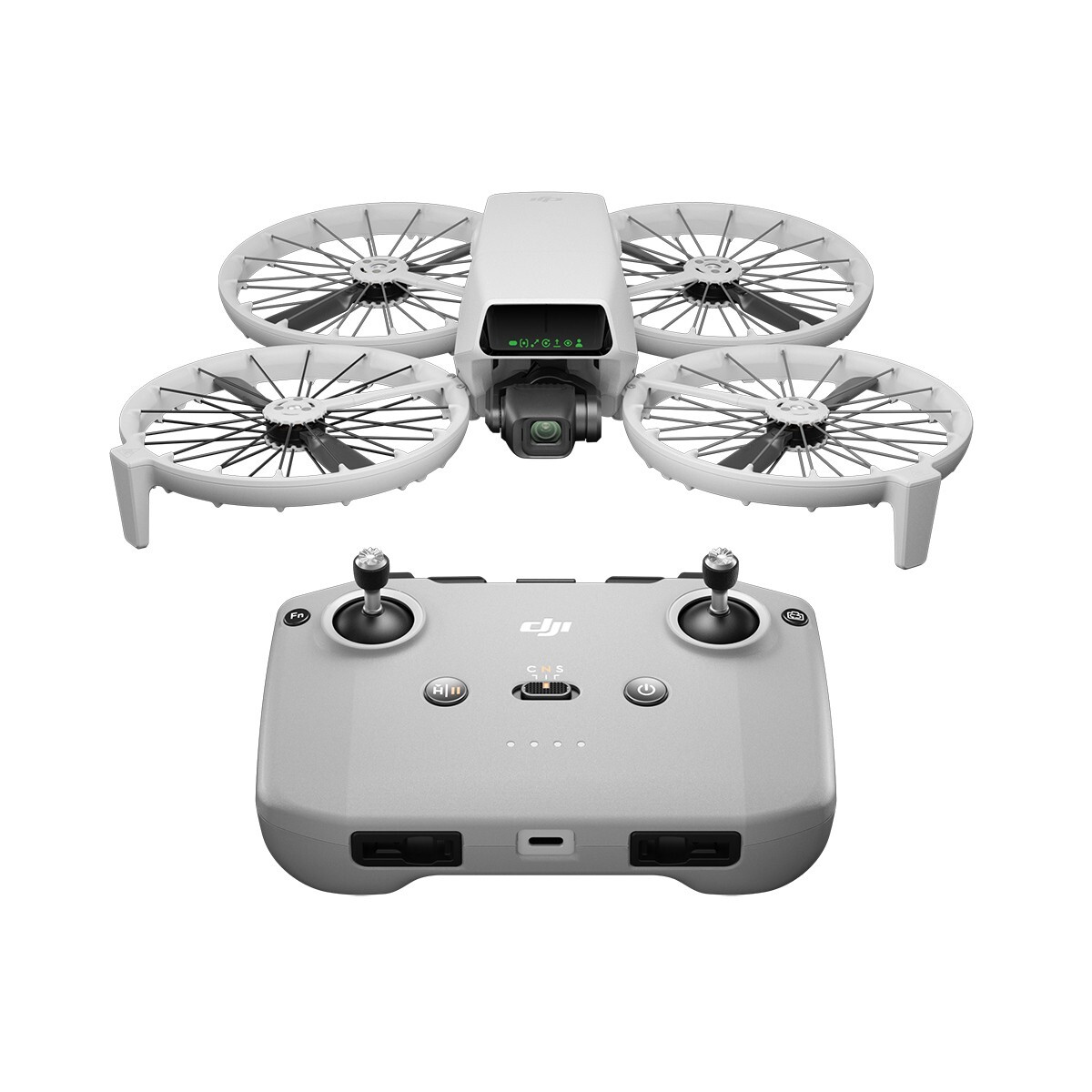 DJI Flip Drone RC-N3 Remote Controller US Stock$291.65Excellent - RefurbishedView on eBay
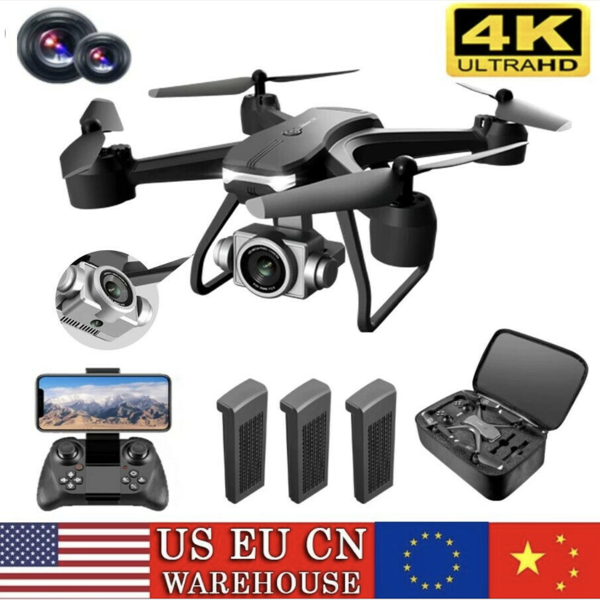 3 Battery V14 Professional Drone 6K HD Dual Camera Wifi FPV Portable RC Quadcopter, Drones Suitable For Adults-beginners$68.99View on Mallflare
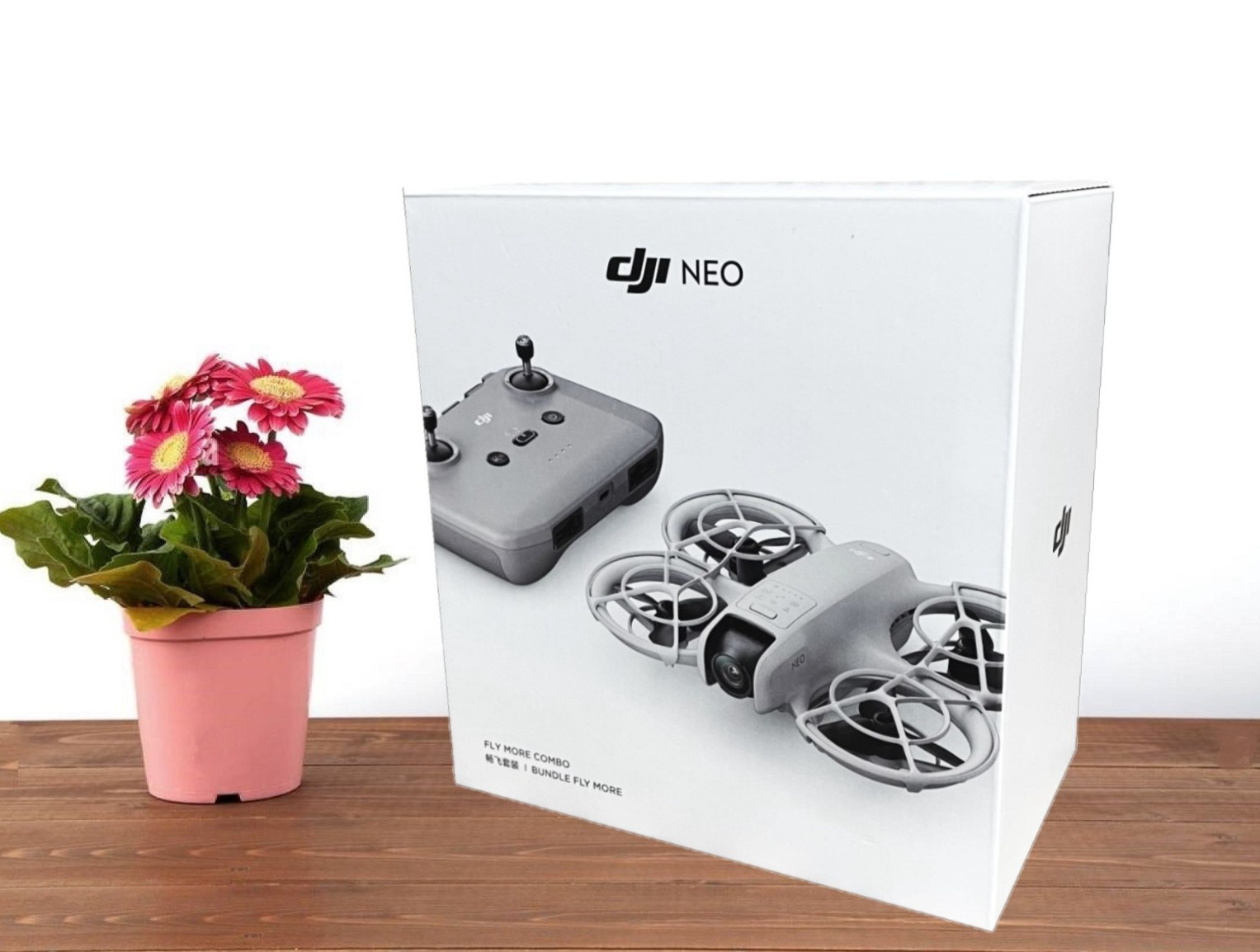 DJI Neo Fly More Combo Mini Drone 4K UHD Video 135g 3-Batteries RC-N3 Controller$294.00New · Last checked Nov 15, 2026View on eBay
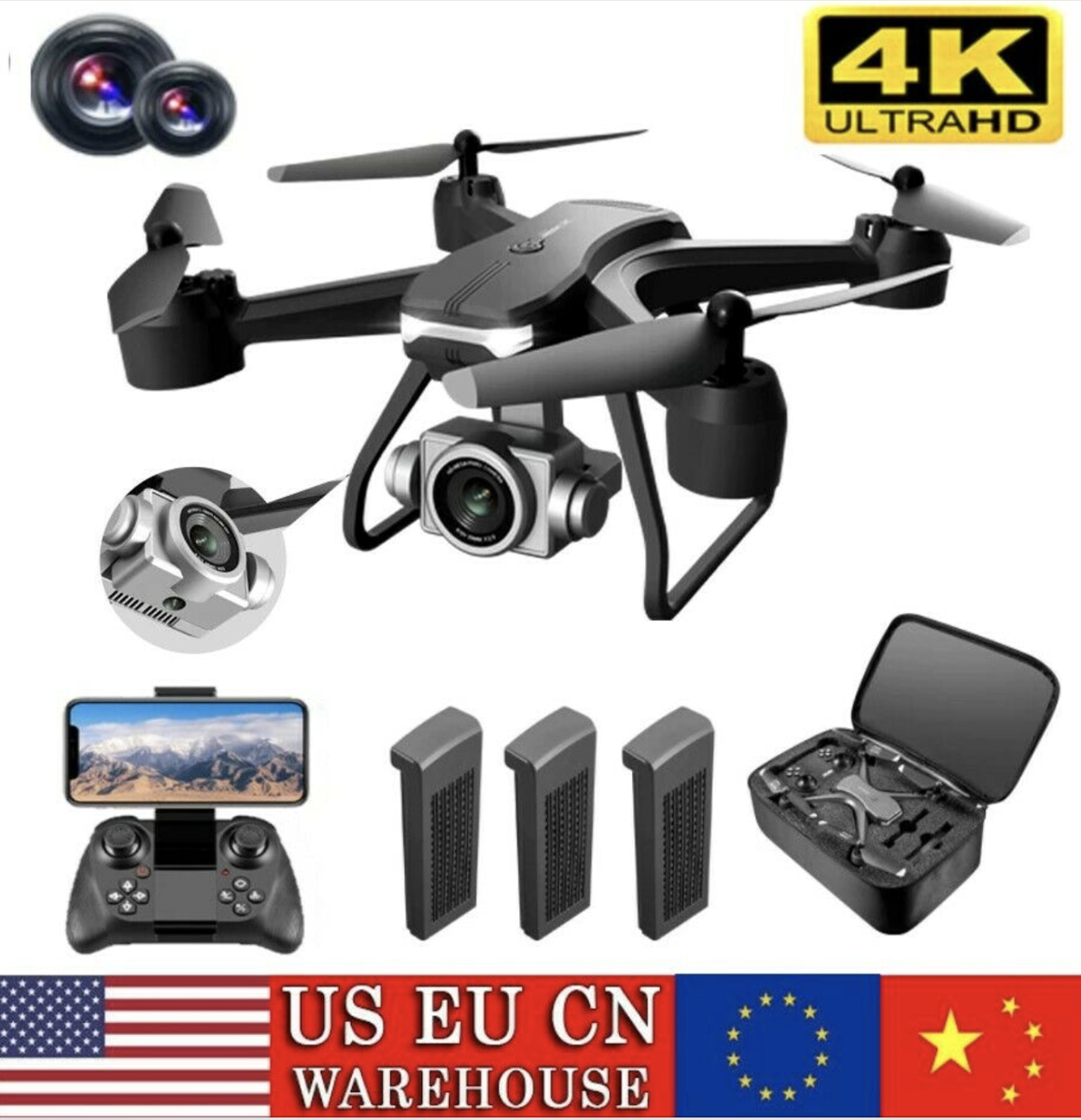 3 batteryV14 Professional Drone 6K HD Dual Camera Wifi FPV Portable RC Quadcopter,Drones suitable for adults/beginners$73.99View on Mallflare
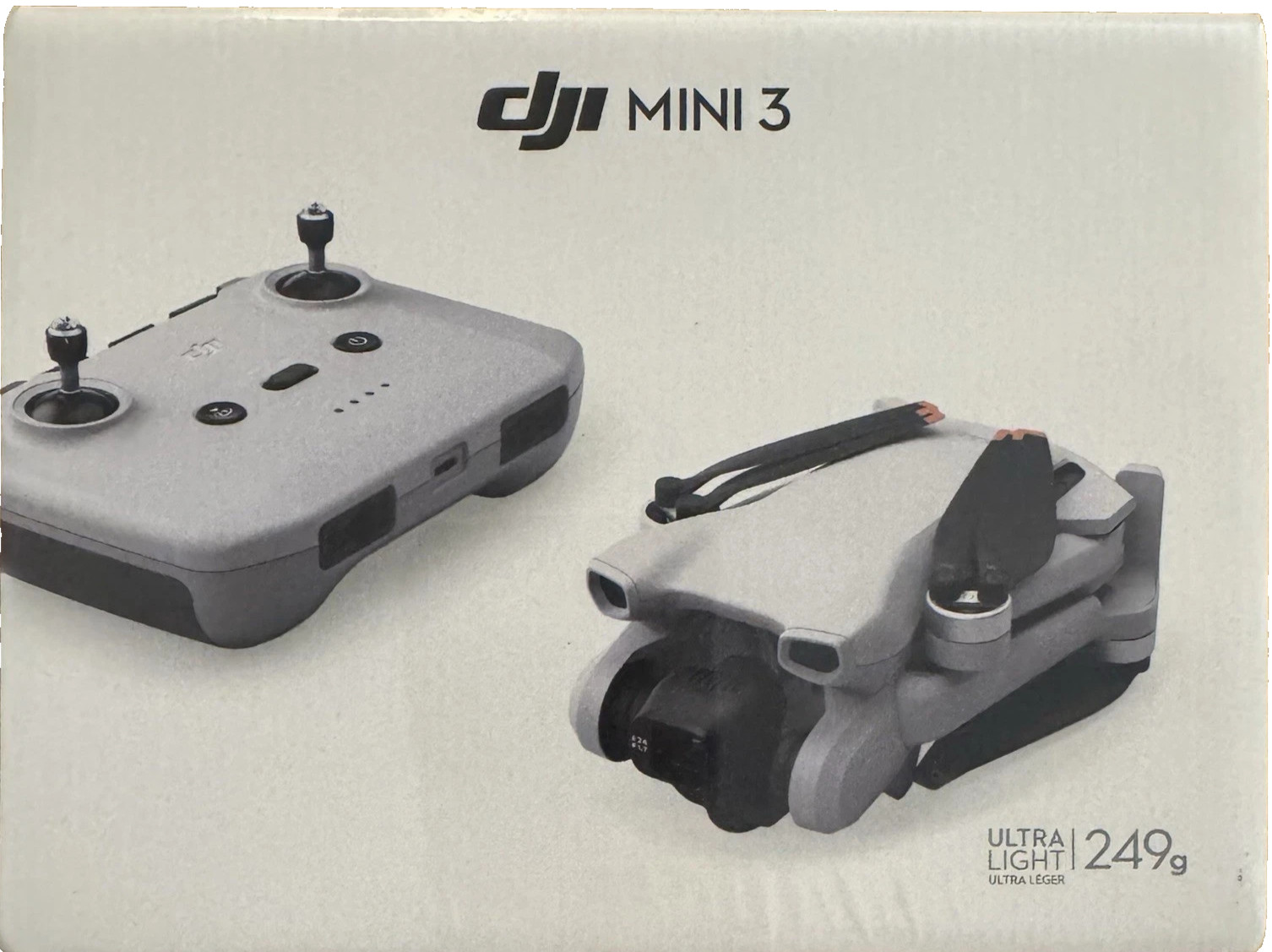 DJI Mini 3 Photography Drone and DJI RC-N1 Remote Controller *BRAND NEW SEALED*$329.98New · Last checked Nov 15, 2026View on eBay
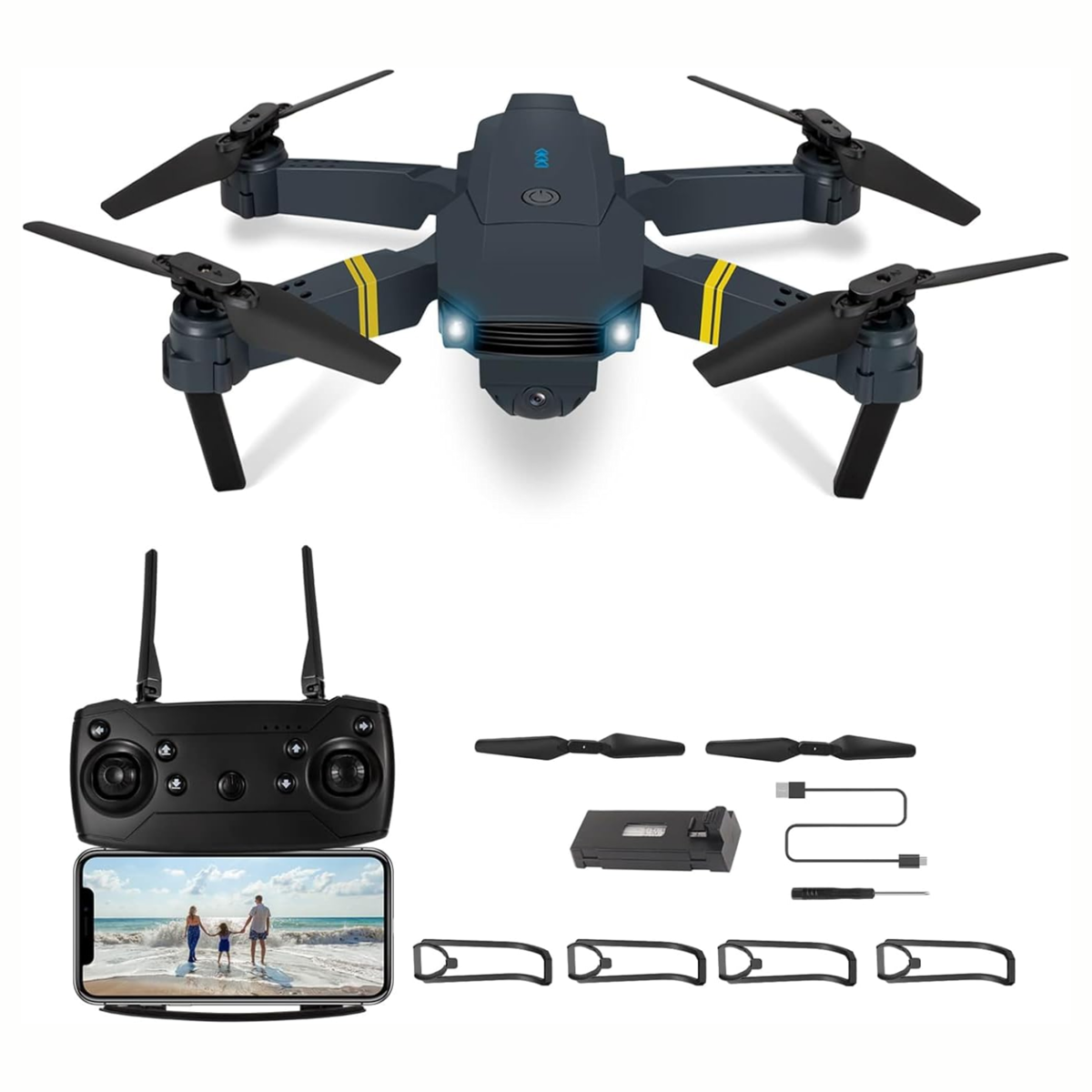 Foldable RC Quadcopter Drone With 1080P Camera, FPV Video, One-Key Start, Headless Mode, Waypoint Flight And Flips$124.99View on Mallflare
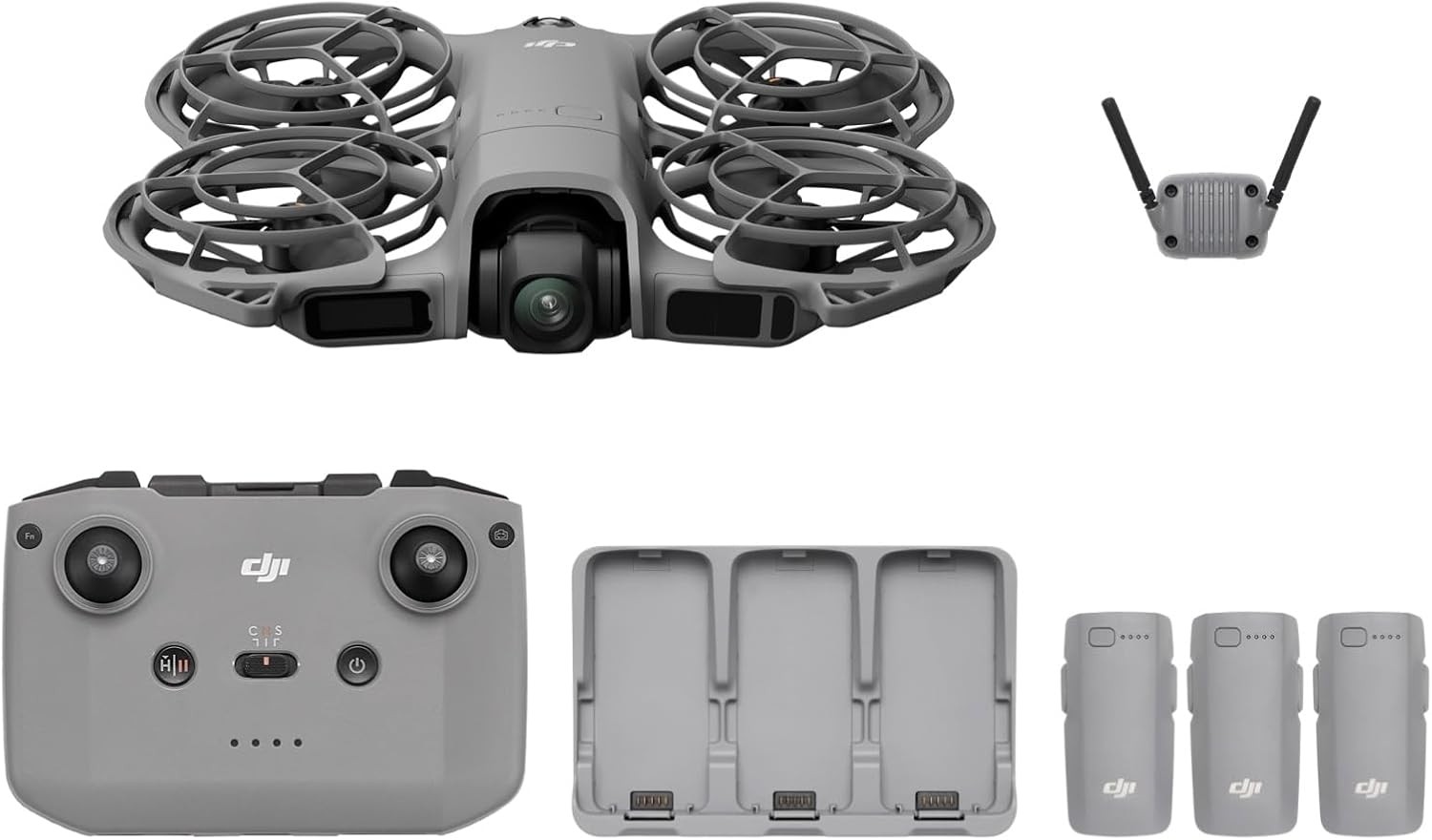 DJI Neo 2 Fly More Combo 4K Drone,With RC-N3 Remote Controller,3 Batteries$329.99Used · Last checked Nov 14, 2026View on eBay
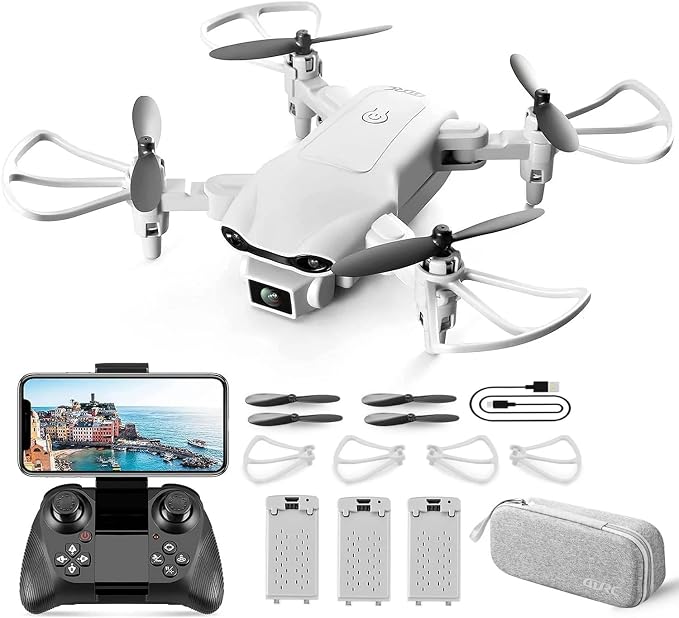 Mini RC Quadcopter Drone With 1080P HD Camera, Live Video, Altitude Hold, Waypoint Functions, 3D Flips And 3 Batteries, Gray$127.99View on Mallflare
Highlights
- Motor type is the durability divider: brushed motors wear out in tens of hours and are non-replaceable on most toy drones, while brushless motors last hundreds of hours and deliver gust-resistant thrust.
- Sub-250 g drones like the DJI Mini 3 (248 g) sit under the 250 g registration threshold in the US, EU, UK, and Canada, while heavier 1.1-1.34 kg drones require registration and often a remote ID module.
- Real camera quality is set by sensor size and gimbal, not the marketing number: 1/1.3-inch CMOS with dual native ISO and a 3-axis mechanical gimbal outperforms any 6K-labeled Wi-Fi toy drone with electronic stabilization.
- Flight time claims scale with battery tier: standard batteries deliver roughly 34-38 minutes on GPS camera drones, plus/ extended batteries reach 46-52 minutes, while toy drones typically fly 8-15 minutes per charge.
Best use cases
- Best fit for beginners and indoor fun: a sub-250 g toy quadcopter with prop guards, altitude hold, and headless mode; skip GPS and 6K marketing claims at this tier because the camera is interpolated and the Wi-Fi link drops past 100 m.
- Best fit for aerial photos and travel: a sub-250 g GPS drone with a 3-axis gimbal and 4K sensor (DJI Mini 3 class) plus a Fly More combo with extra batteries and a dedicated controller; skip phone-only Wi-Fi control because range and latency suffer.
- Best fit for windy coastal or mountain flying: a brushless drone over 500 g with GPS and obstacle avoidance, registered where required; skip lightweight toy drones entirely because they cannot hold position in gusts above 15 km/h.
- Wrong fit to avoid: buying a dual-camera '6K' toy drone expecting gimbal-smooth video; the second camera is a low-resolution bottom sensor and stabilization is electronic crop only.
Buying tips
- Check the weight figure against 250 g: a 248-249 g drone avoids registration in most jurisdictions, but adding a propeller guard or larger battery can push it over the threshold and trigger registration.
- Prioritize brushless motors and a 3-axis mechanical gimbal over any resolution claim; a 4K sensor on a gimbal beats a 6K label on a fixed or EIS-only camera every time.
- Match battery tier to mission: standard battery for travel weight, plus/extended battery for 46-52 minute flight sessions, and buy at least two batteries because real flight time is 70-80% of the claimed figure in wind.
- Confirm the control link: dedicated 2.4/5.8 GHz radio controllers with a phone or screen mount beat Wi-Fi-only app control for range and latency, and GPS return-to-home is mandatory for anything flown beyond visual line of sight.
Specs
| Motor Type | Brushless (durable) vs brushed (toy) |
|---|---|
| Weight Class | Sub-250 g vs 250 g-1.34 kg |
| Camera & Gimbal | 1/1.3" CMOS + 3-axis vs EIS only |
| Flight Time Tier | 34-38 min std / 46-52 min plus |
Related searches
What to check before buying
- Weigh the drone with battery and any guards installed and confirm it stays under 250 g if you want to skip registration in the US, EU, UK, or Canada.
- Verify the radio and video link standard (2.4 GHz/5.8 GHz dedicated link versus Wi-Fi) and that the controller is included or sold as a required companion part.
- Check local rules: remote ID requirements above 250 g, altitude ceilings, and no-fly zones near airports; register the drone and obtain a pilot ID where mandated.
- Confirm battery voltage and charger plug standard for your region (USB-C PD versus proprietary balance charger) and budget for spare props and a carry case.
FAQ
Data sources: eBay / Amazon listings and product attribute feeds. Updated Nov 28, 2026.
Some links on this page are affiliate links. If you buy after clicking one, we may earn a commission at no extra cost to you. This does not change which products appear here or their order. Affiliate disclosure.