
Photos from current listings. Actual item, color, and included accessories may vary.
Portable VR Headset Buying Guide
Portable VR headsets are standalone, all-in-one systems with integrated compute, battery, and tracking, or lightweight smartphone-tethered viewers; the core trade-off is between optical/display quality and true untethered portability. Durable options use pancake lenses, inside-out 6DoF tracking, and 4000-6000 mAh batteries; compromises rely on Fresnel lenses, 3DoF tracking, and plastic phone cradles.
Median $111.87 · New & pre-owned listings
Key takeaways
- Standalone headsets use pancake lenses with 90-120 Hz LCD or OLED panels; phone viewers use fixed Fresnel lenses with 60-75 Hz refresh.
- Inside-out 6DoF tracking with four or more onboard cameras enables room-scale movement; 3DoF viewers only track head rotation.
- Battery capacity of 4000-6000 mAh yields 1.5-2.5 hours of active use; fast USB-C PD charging at 15-18 W is standard on modern standalone units.
At a glance
- Category
- VR Gaming Hardware & Accessories
- Last updated
- Nov 28, 2026
Current offers
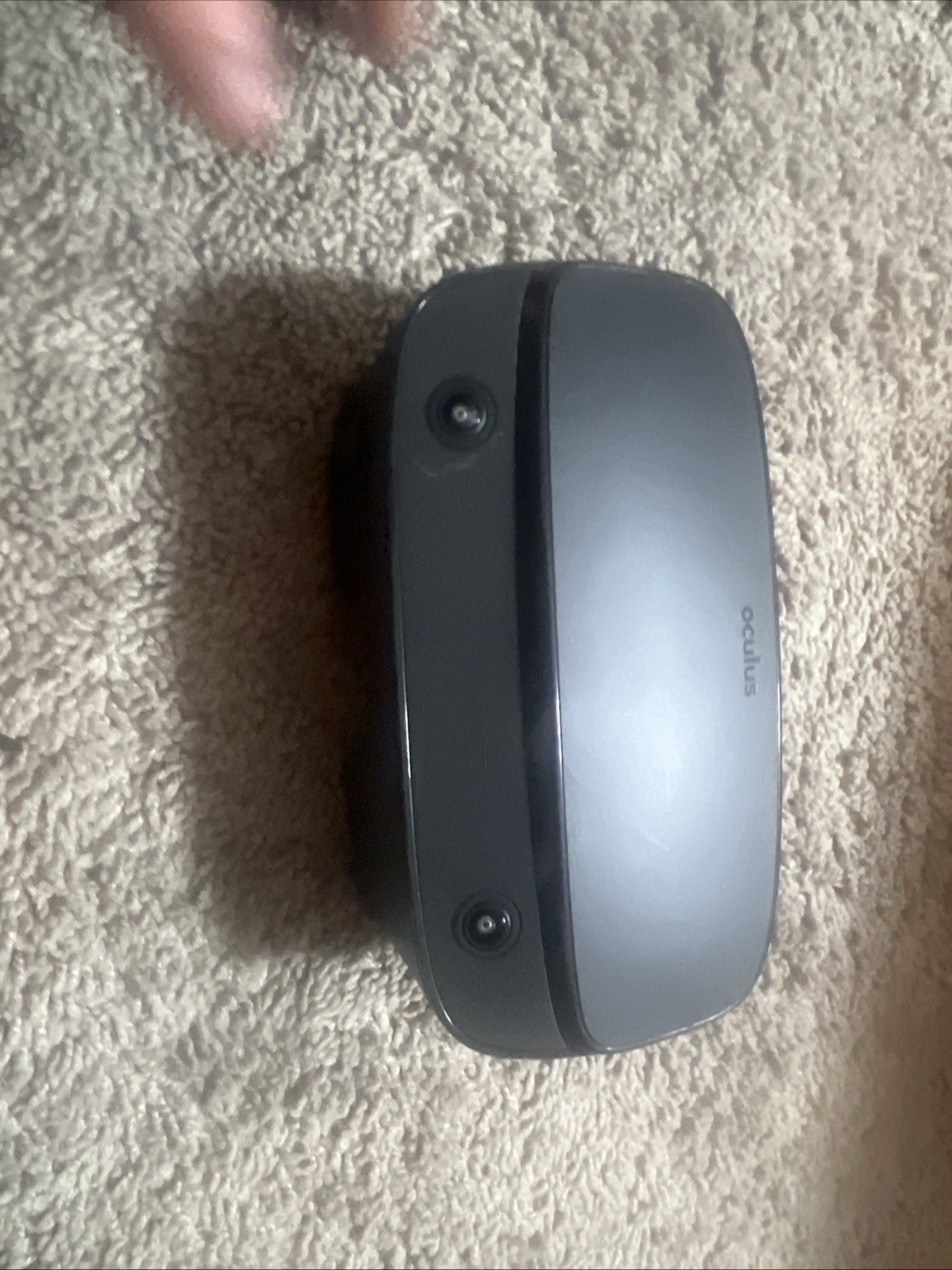 Oculus Rift S PC Powered VR Gaming Headset ONLY$8.99View on eBay
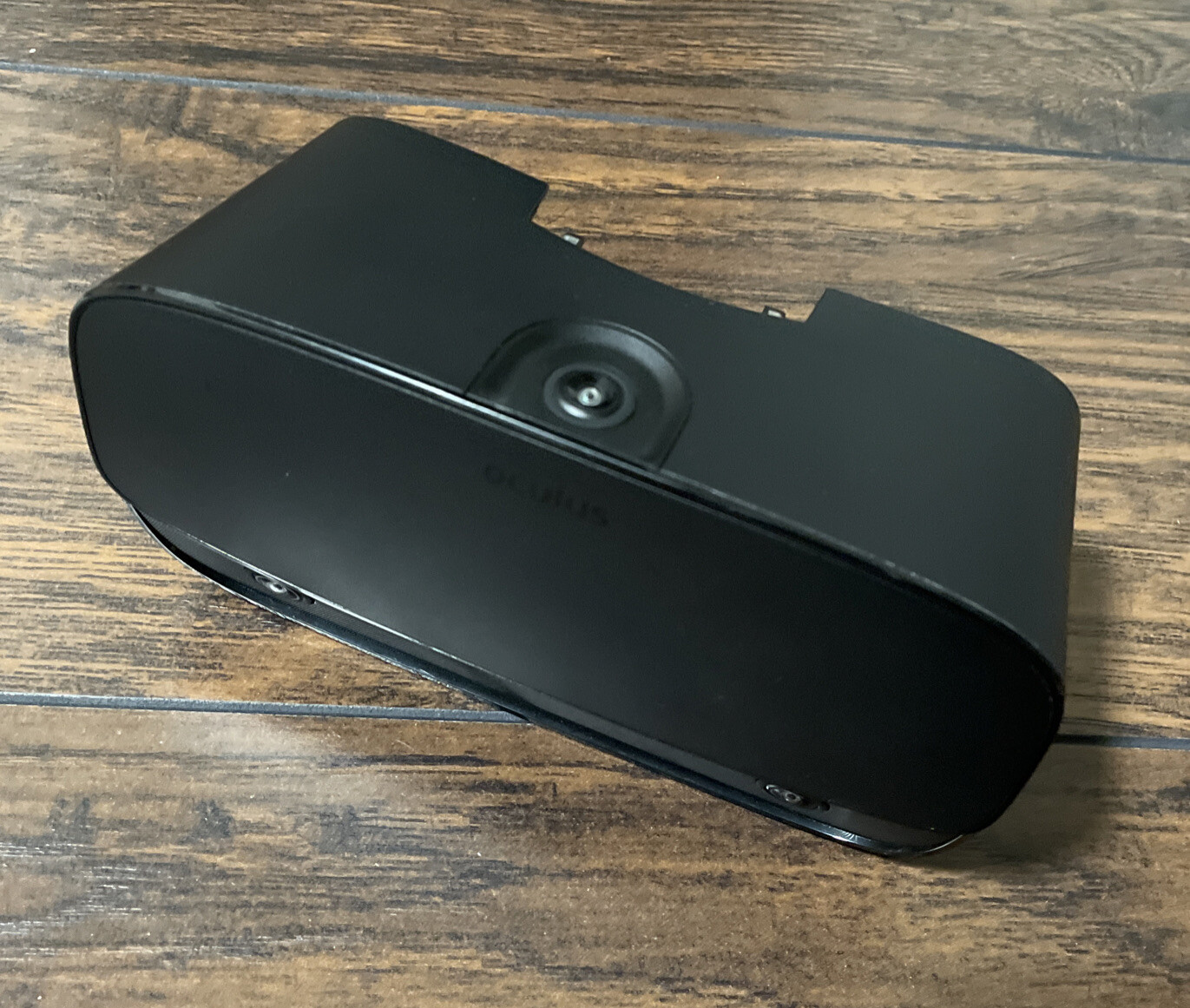 Oculus Rift S PC Powered VR Gaming Headset ONLY$11.95View on eBay
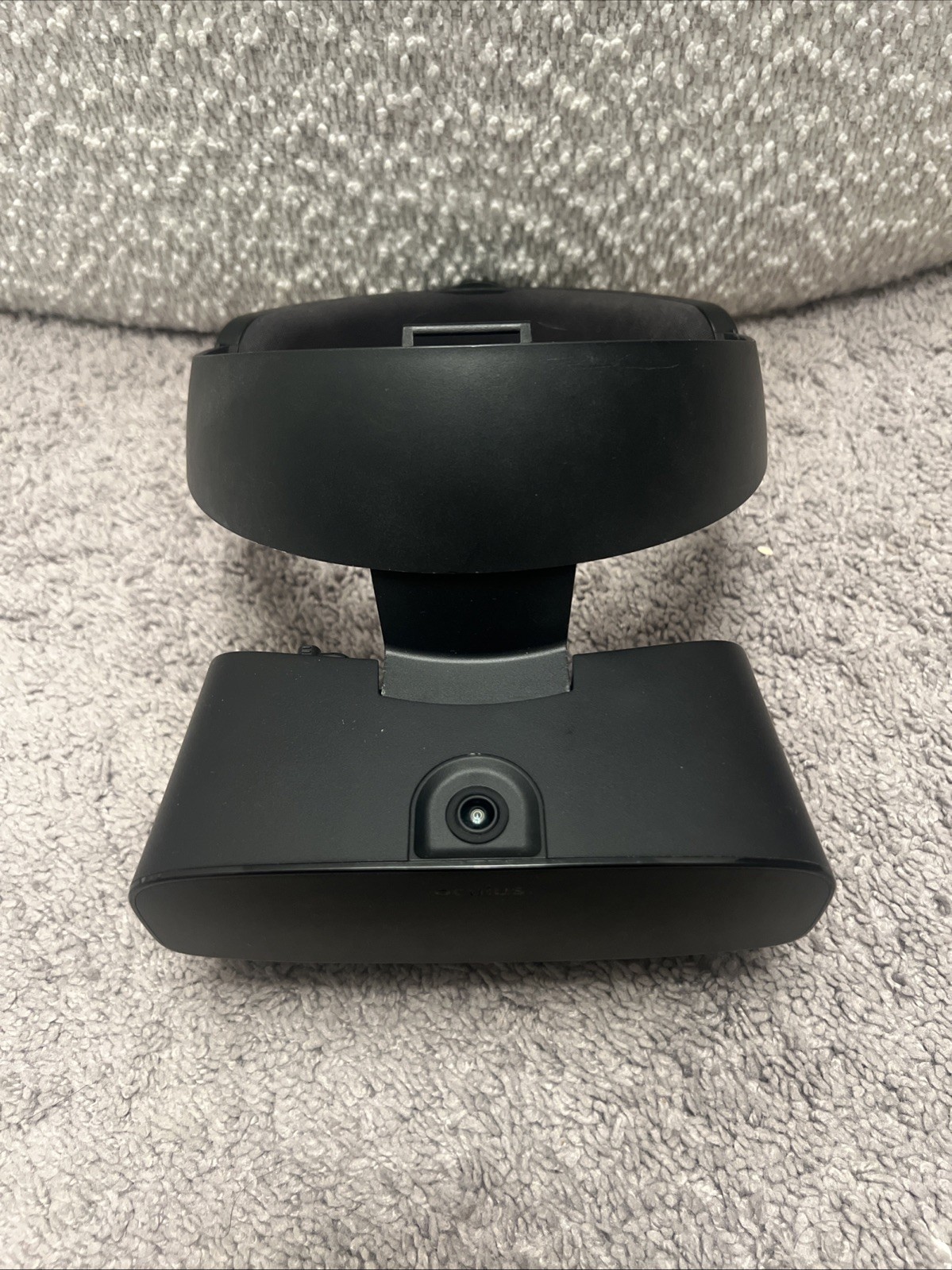 Oculus Rift S PC-Powered VR Gaming Headset ONLY Tested$13.99View on eBay
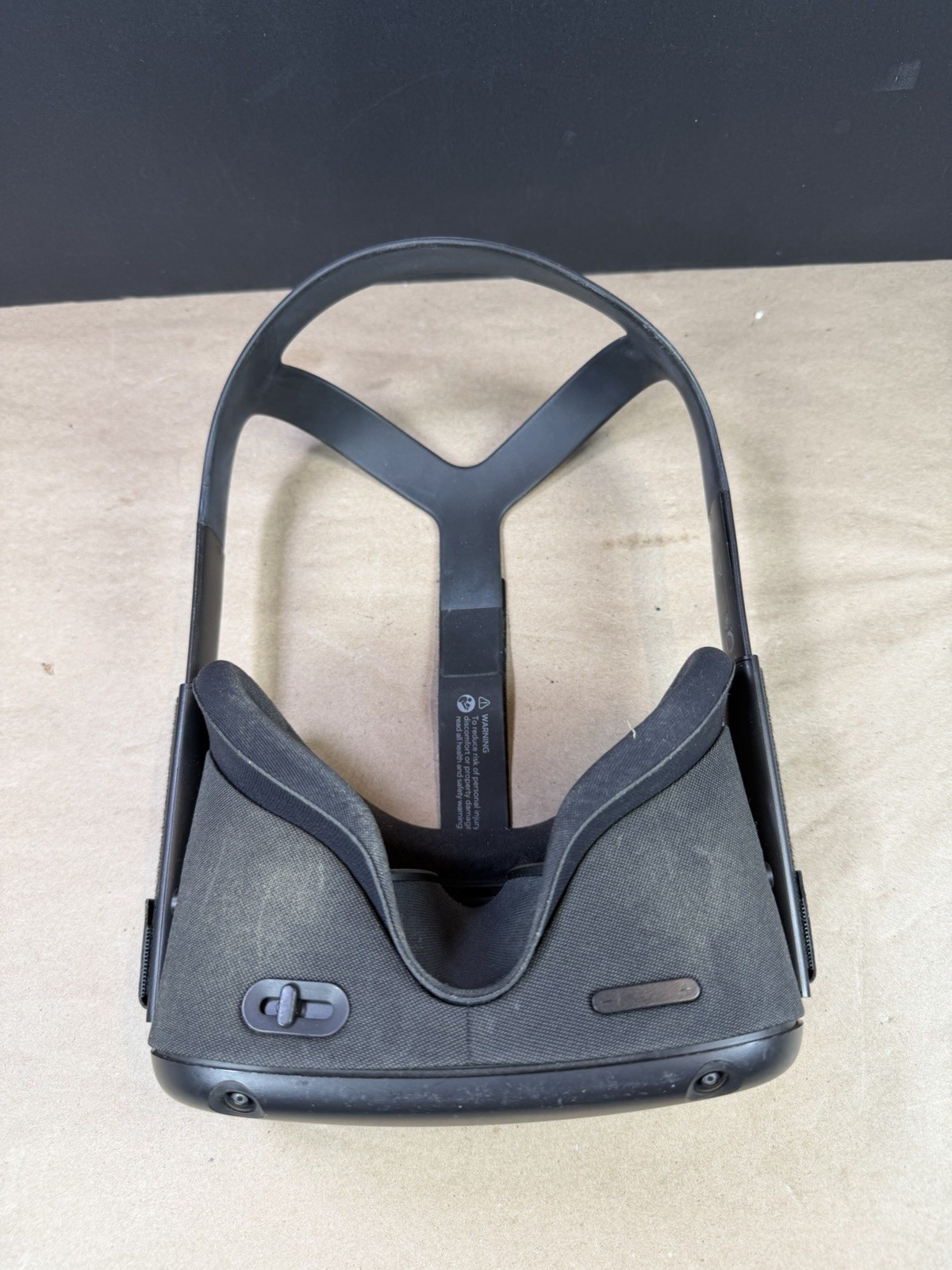 Oculus Quest MH-B Standalone All-In-One VR Gaming Headset Black Built-In Audio$24.27View on eBay
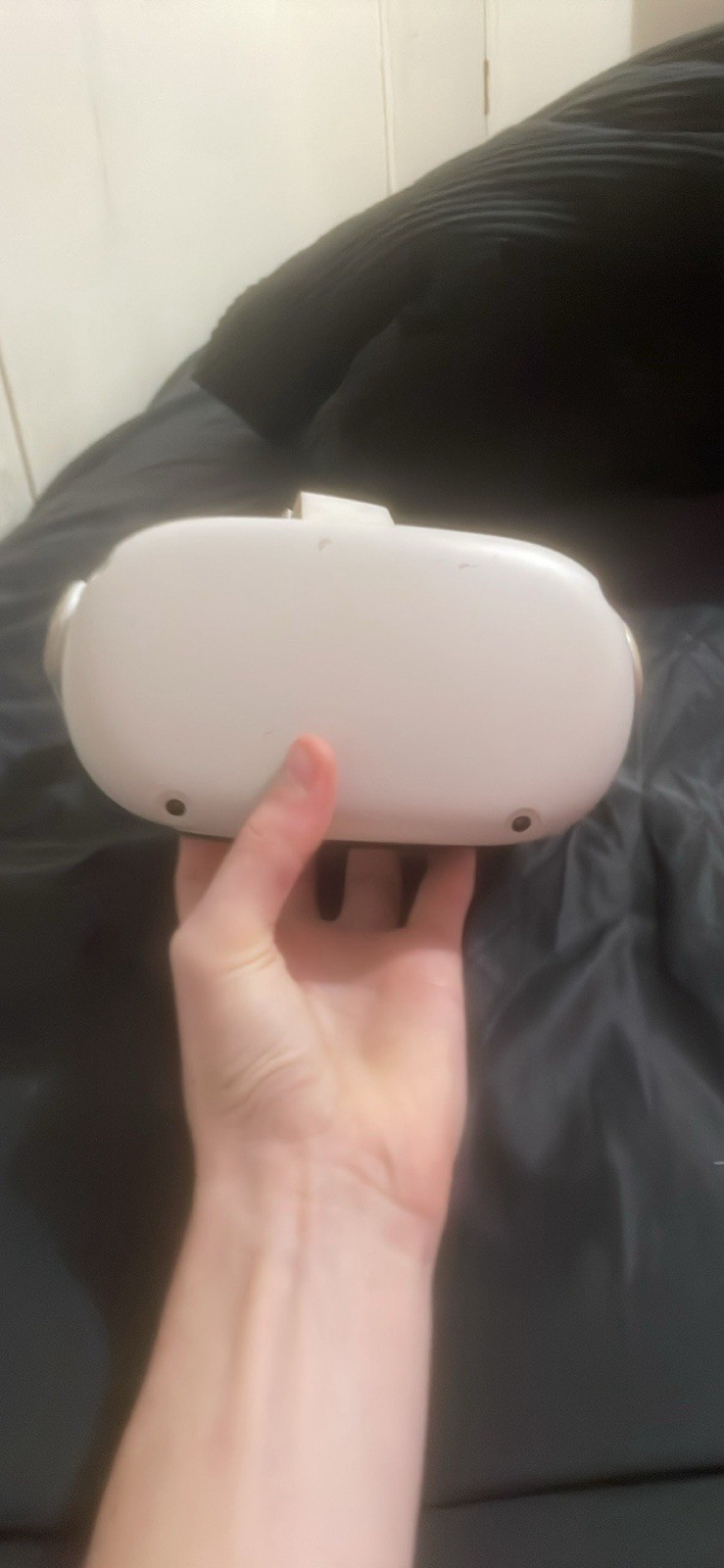 Meta Quest 2 Standalone VR Headset in White, Meta VR Gaming System$25.00View on eBay
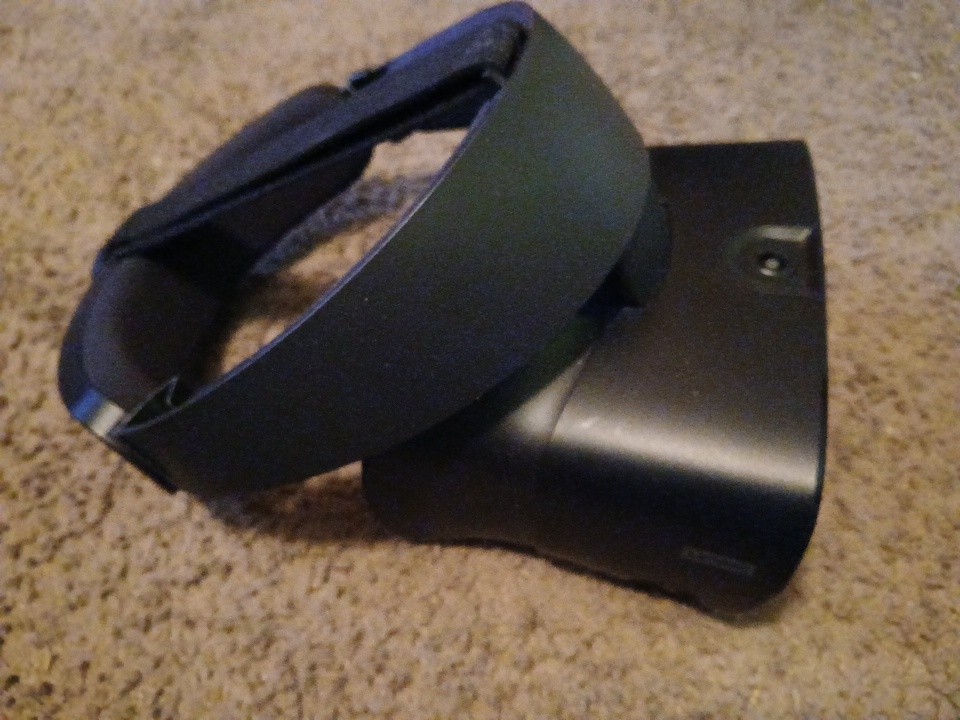 Oculus Rift S PC Powered VR Gaming Headset ONLY - No Controllers or Cables$28.99View on eBay
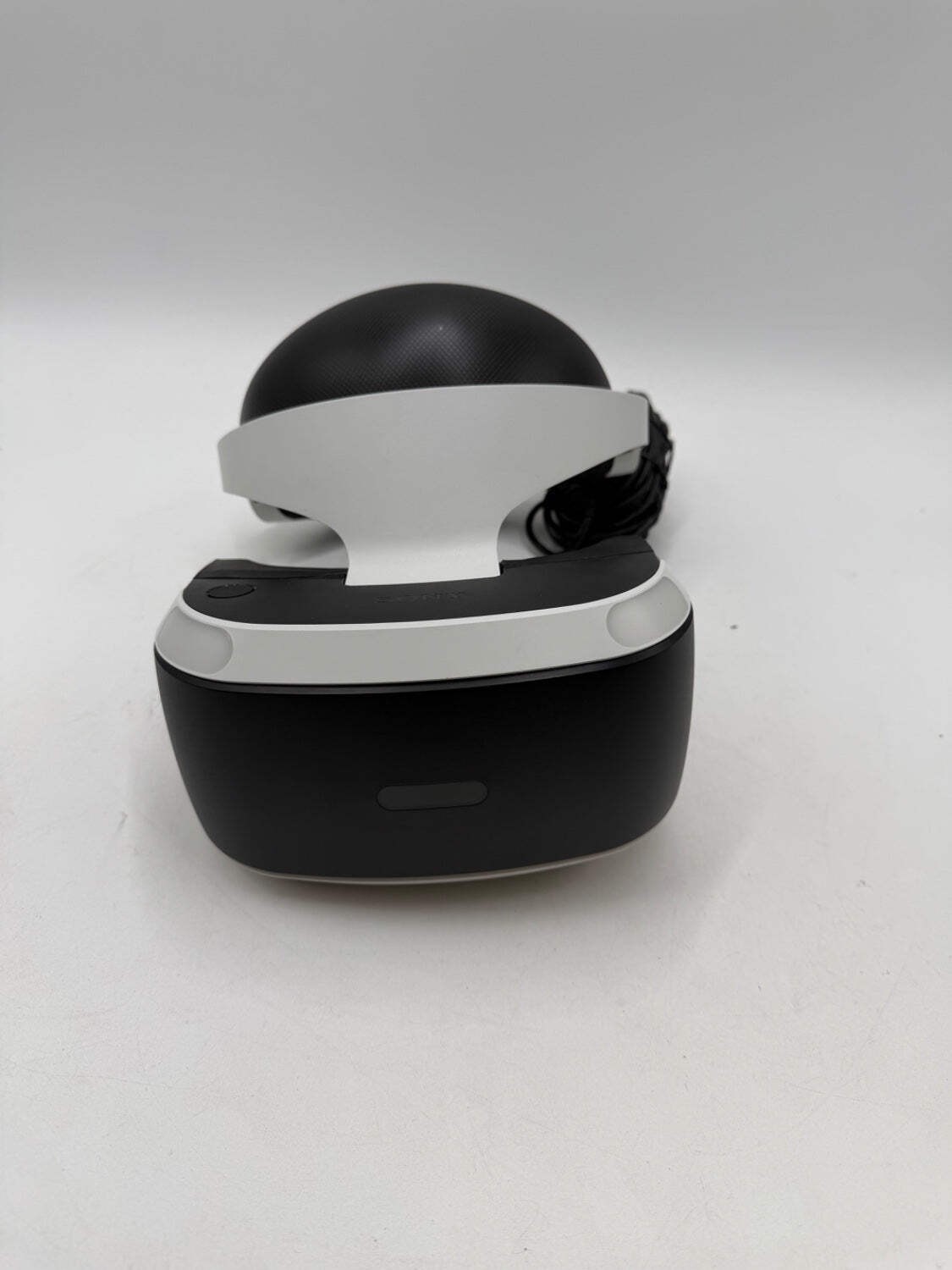 Sony PlayStation VR Virtual Reality VR Headset White CU H-ZVR2$37.99View on eBay
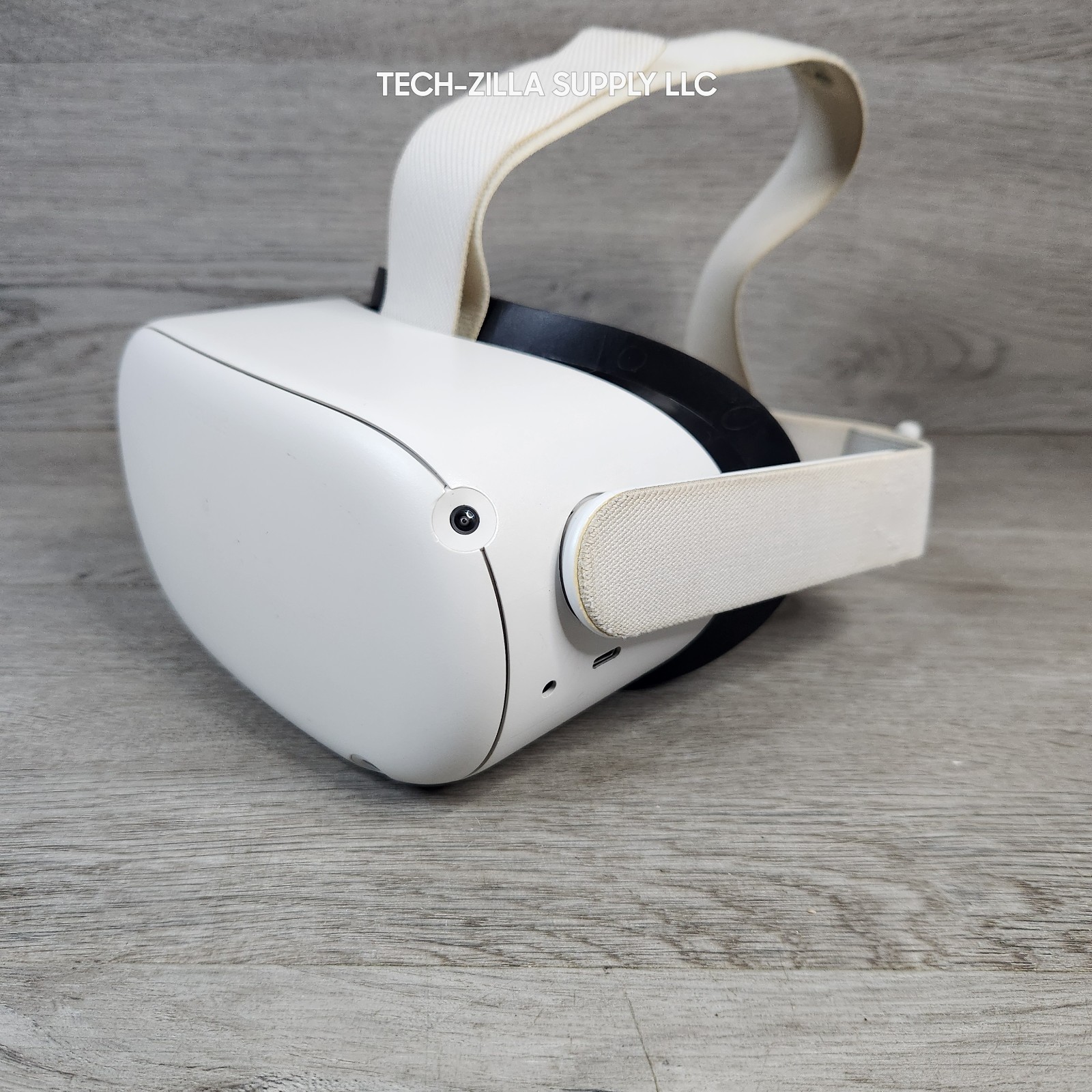 Oculus Meta Quest 2 128GB VR Headset ONLY, Great Condition (No Controllers)$44.95View on eBay
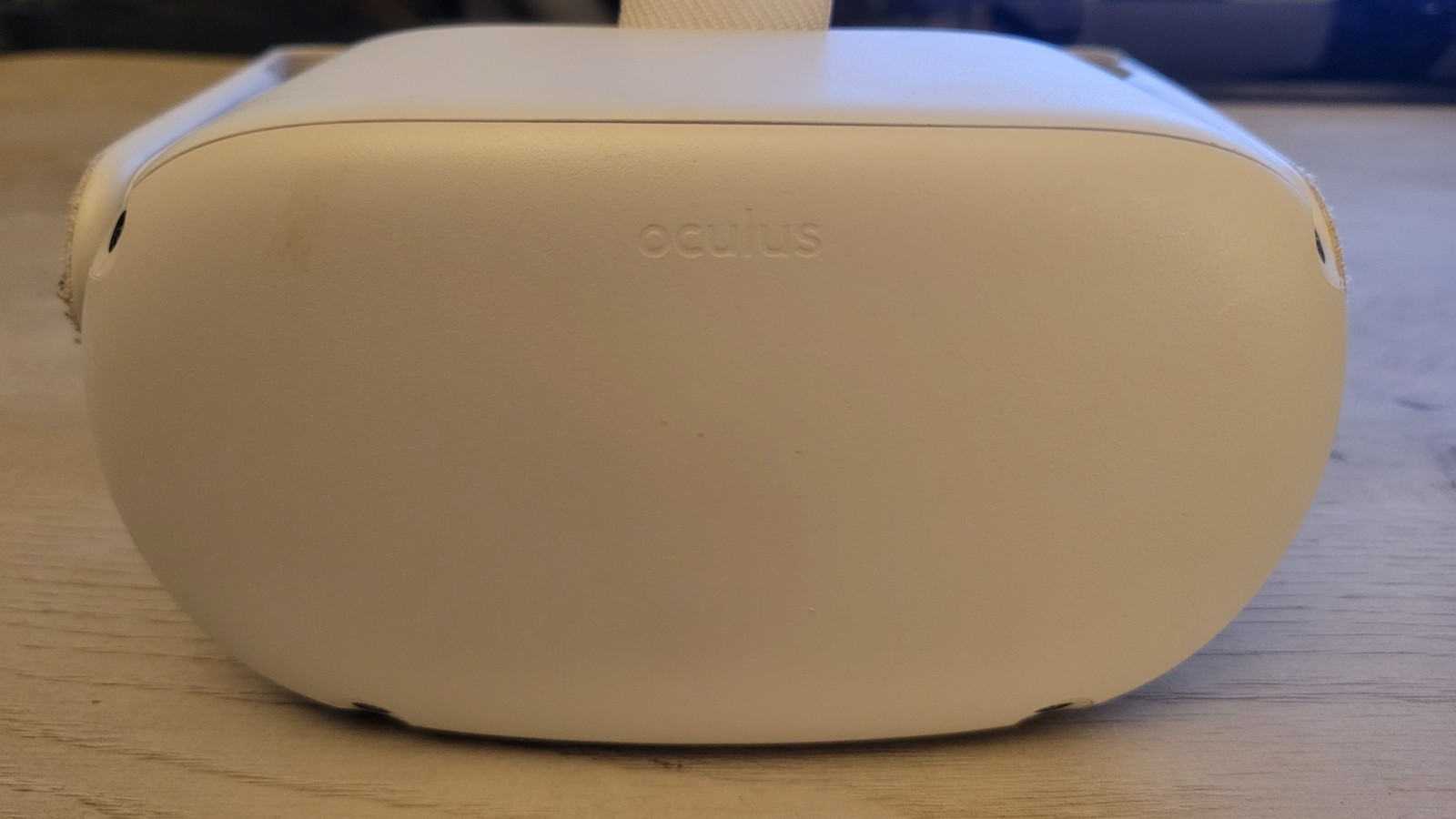 Meta Oculus Quest 2 128GB Standalone VR Headset Only No Controllers Tested$45.00View on eBay
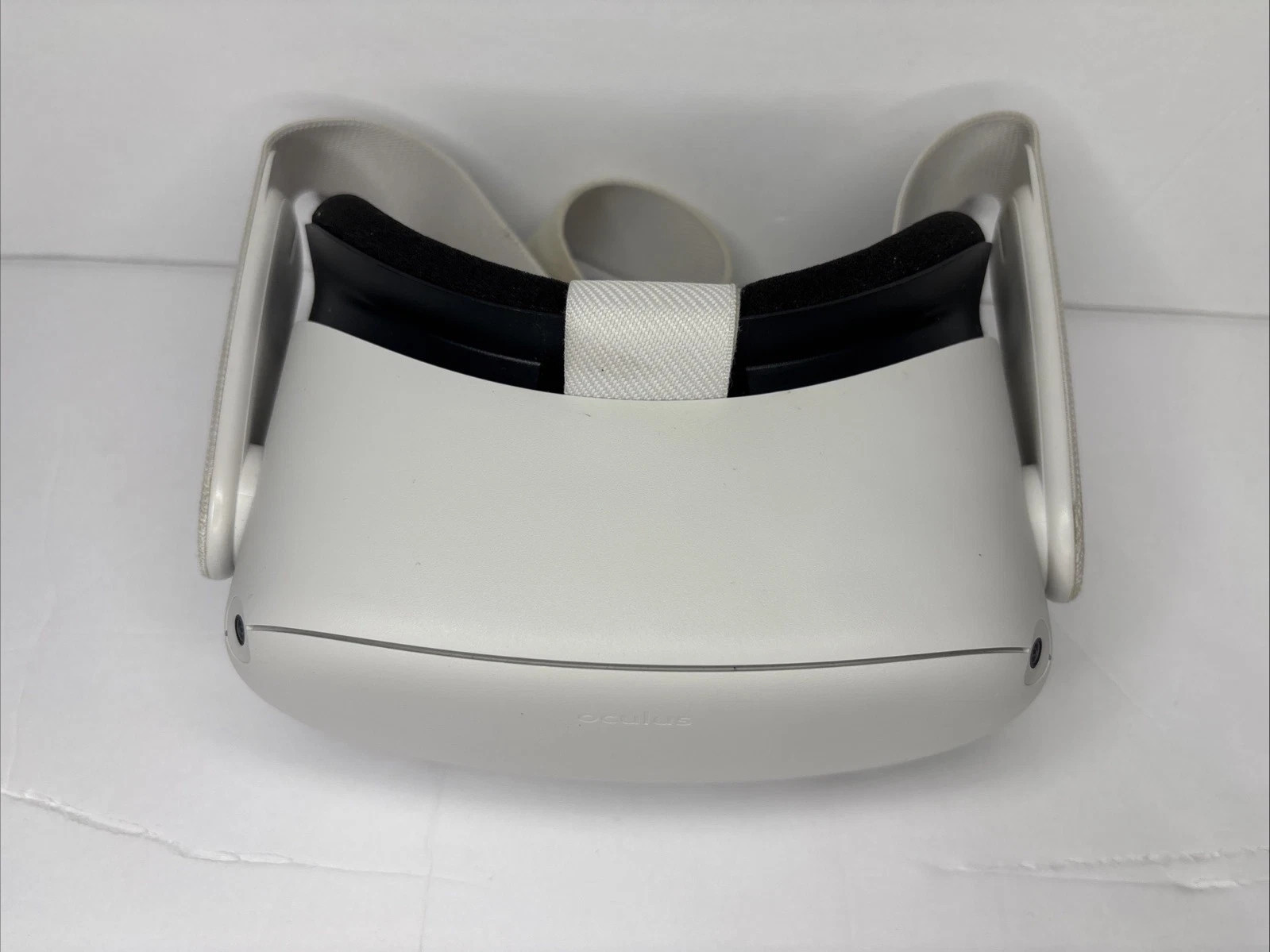 Meta Oculus Quest 2 128GB VR Headset Headset ONLY - No Controllers$45.00View on eBay
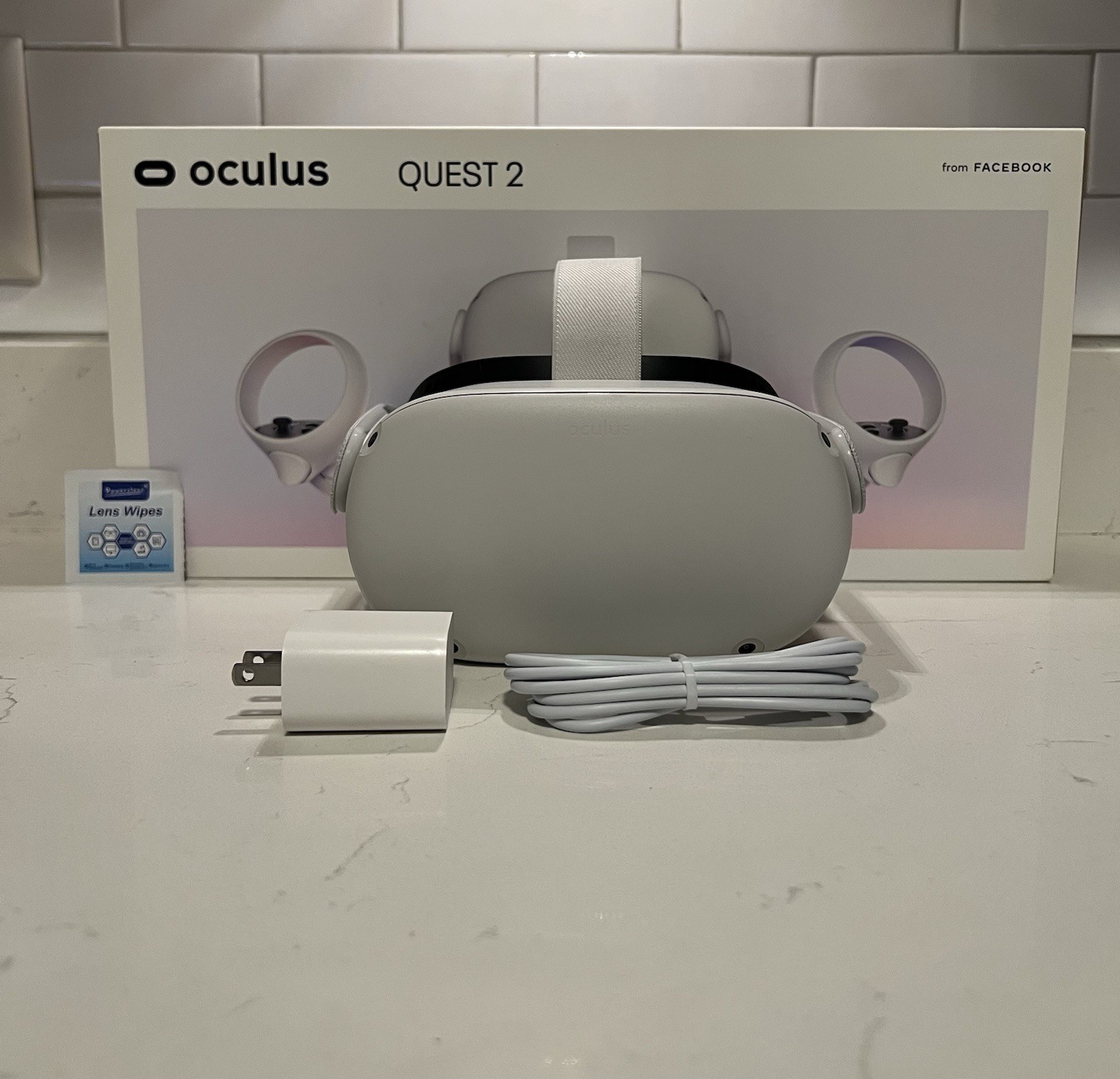 Meta Quest 2 - 64GB VR Headset$49.99View on eBay
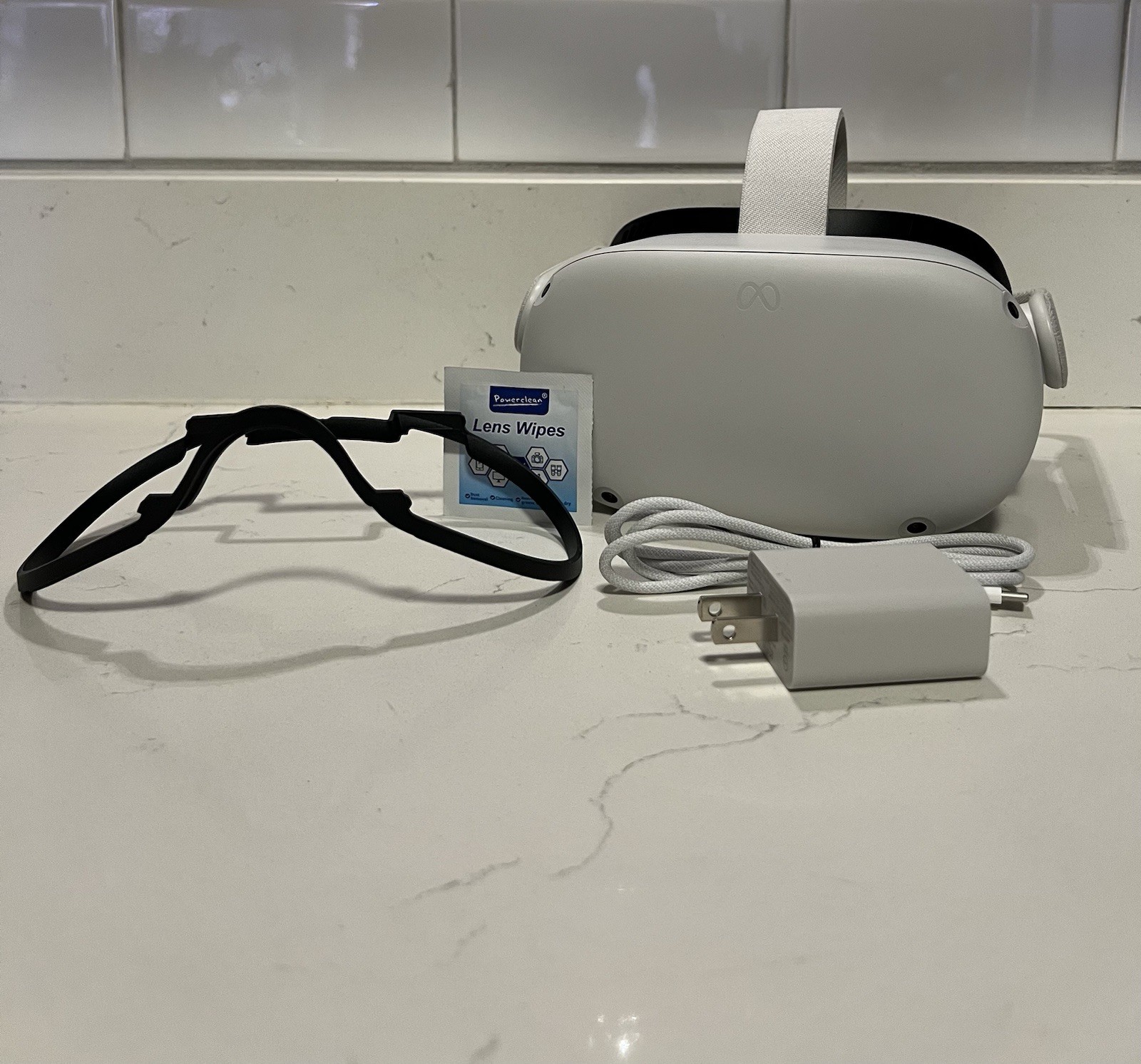 Meta Quest 2 - 128GB VR Headset + Accessories & Charger$49.99View on eBay
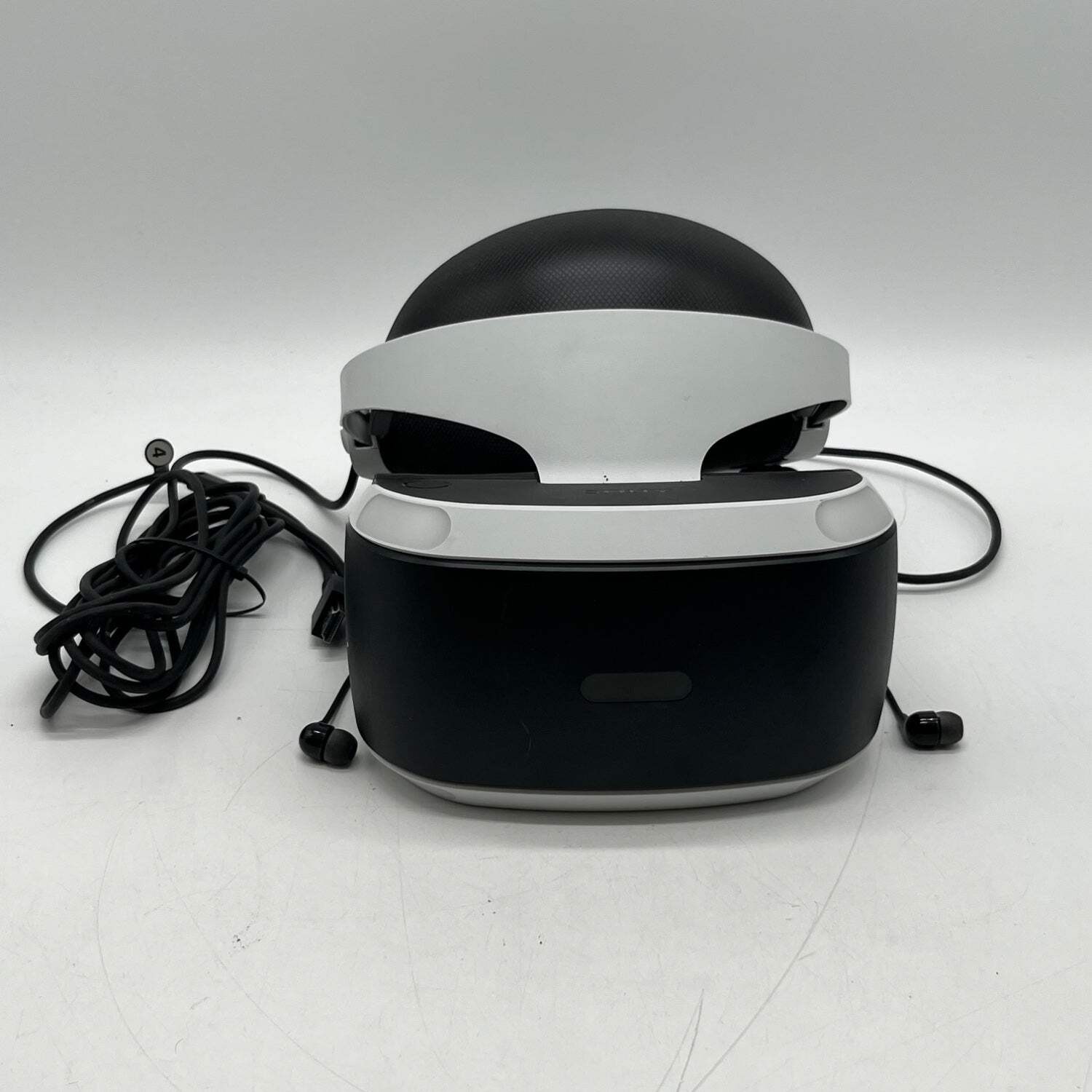 Sony PlayStation 4 PS4 Virtual Reality VR Headset Black CUH-ZVR2$49.99View on eBay
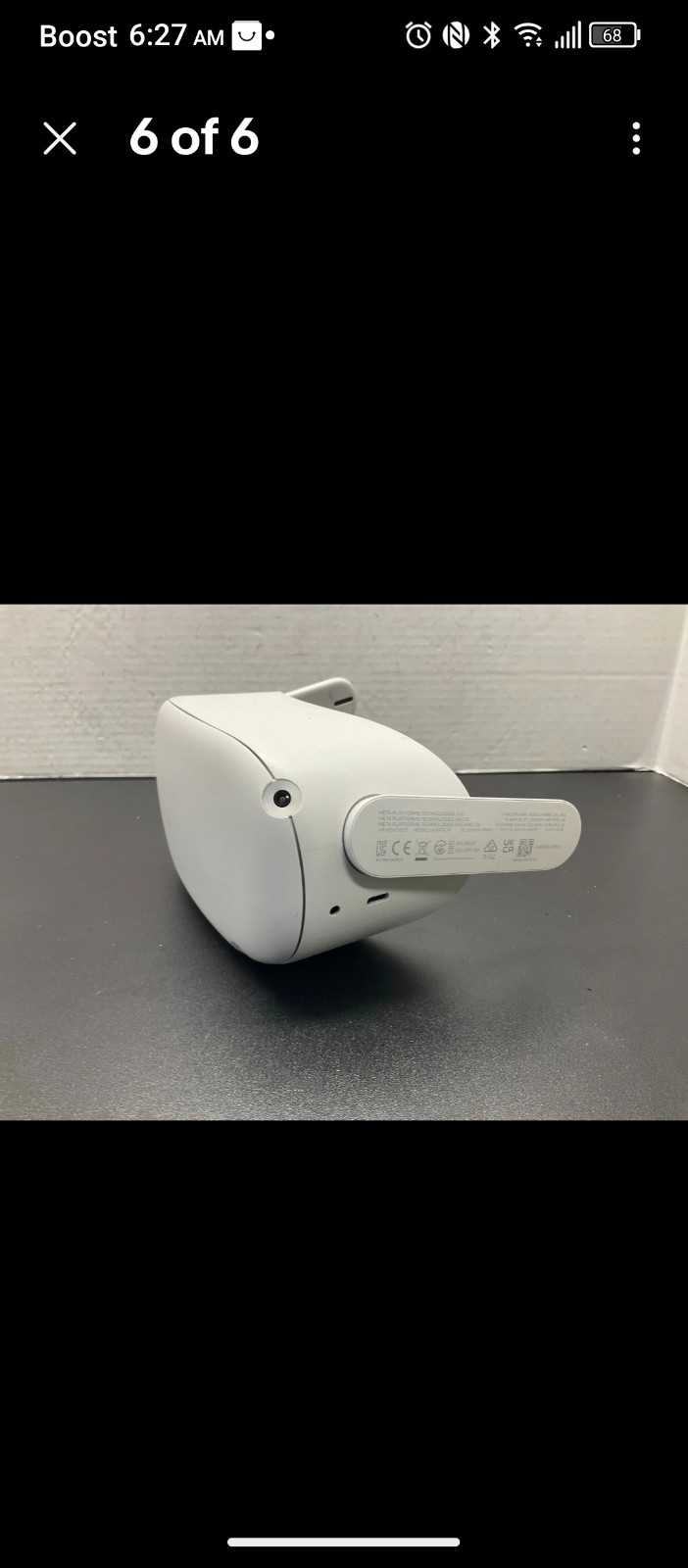 Meta Quest 2 128GB Advanced All-in-One VR Gaming Headset - ( WEAR & TEAR )$65.00View on eBay
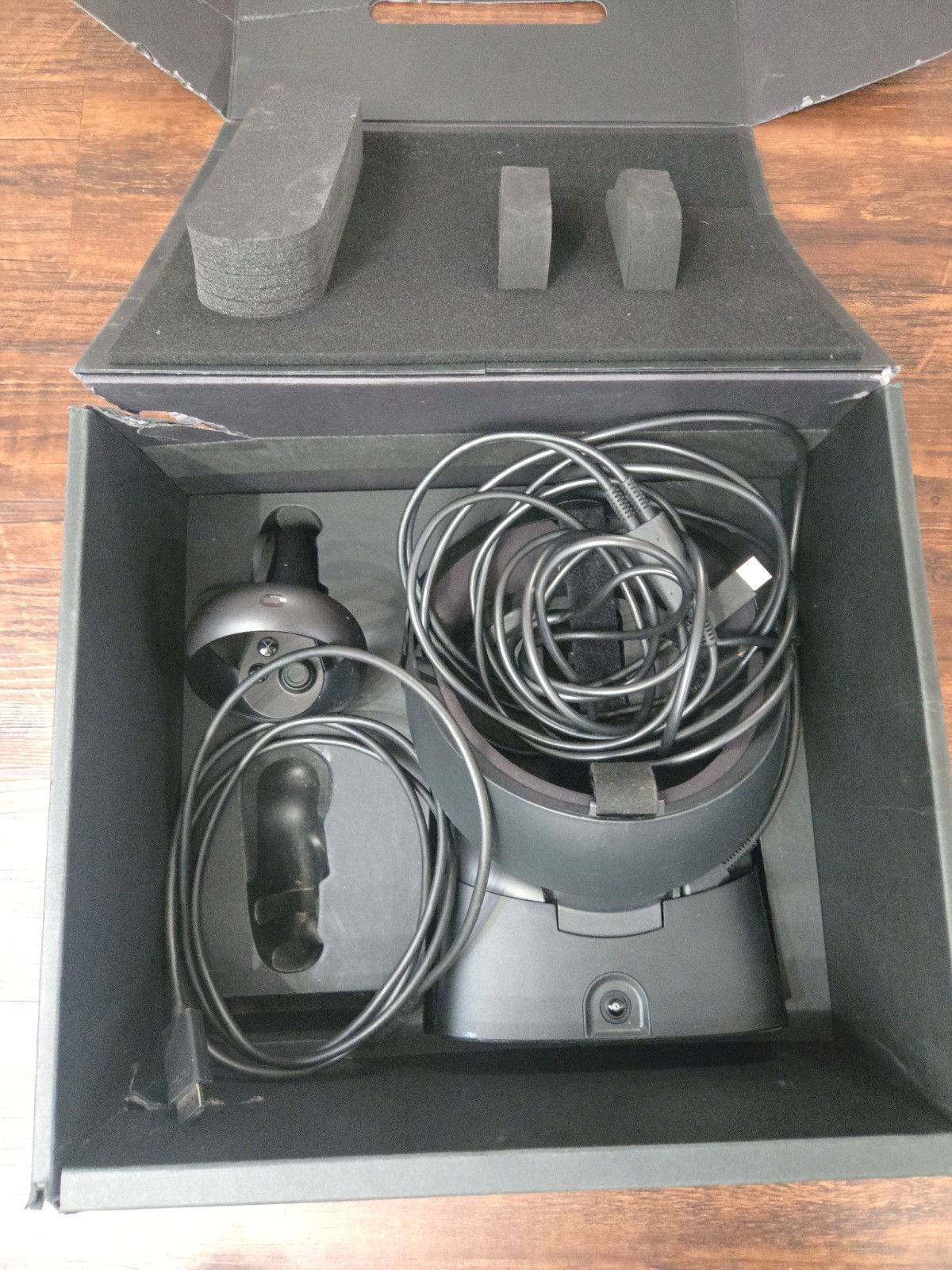 Oculus Rift S PC-Powered VR Gaming Headset - Black *1 Controller Preowned$68.88View on eBay
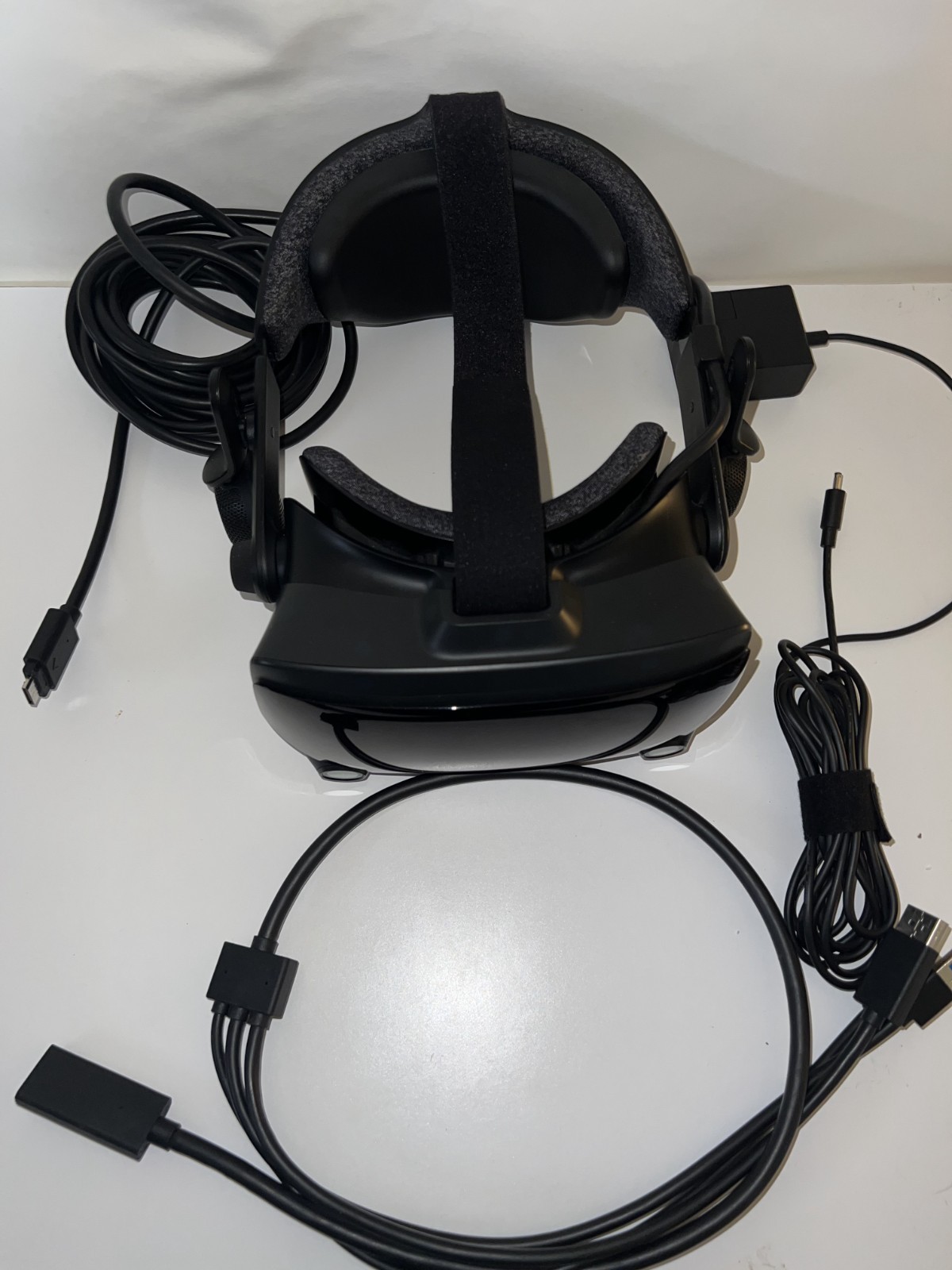 Steam Valve Index VR Gaming HEADSET ONLY - READ$80.00View on eBay
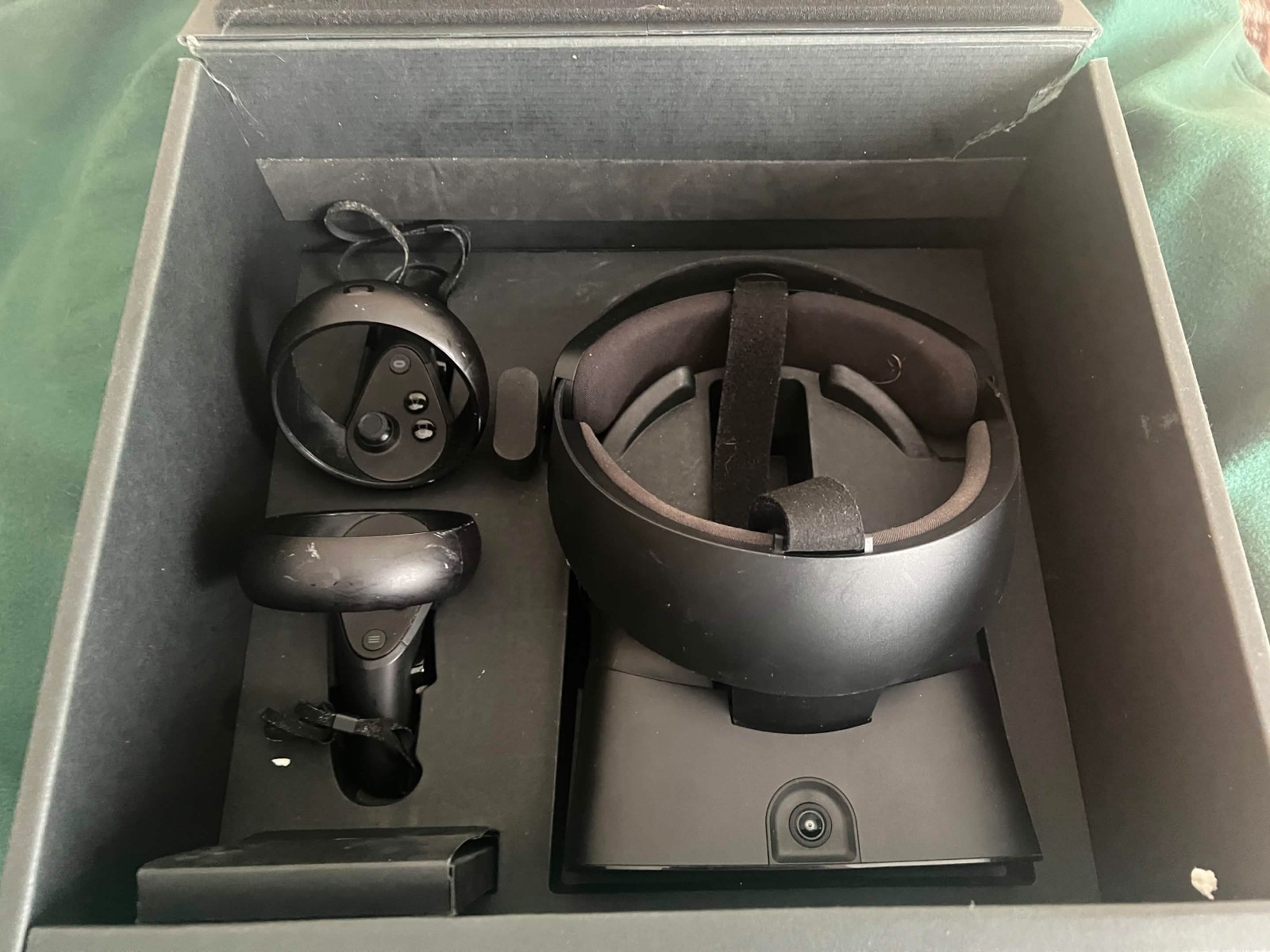 CABLE NOT INCLUDED Oculus Rift S PC-Powered VR Gaming Headset - Black$80.00View on eBay
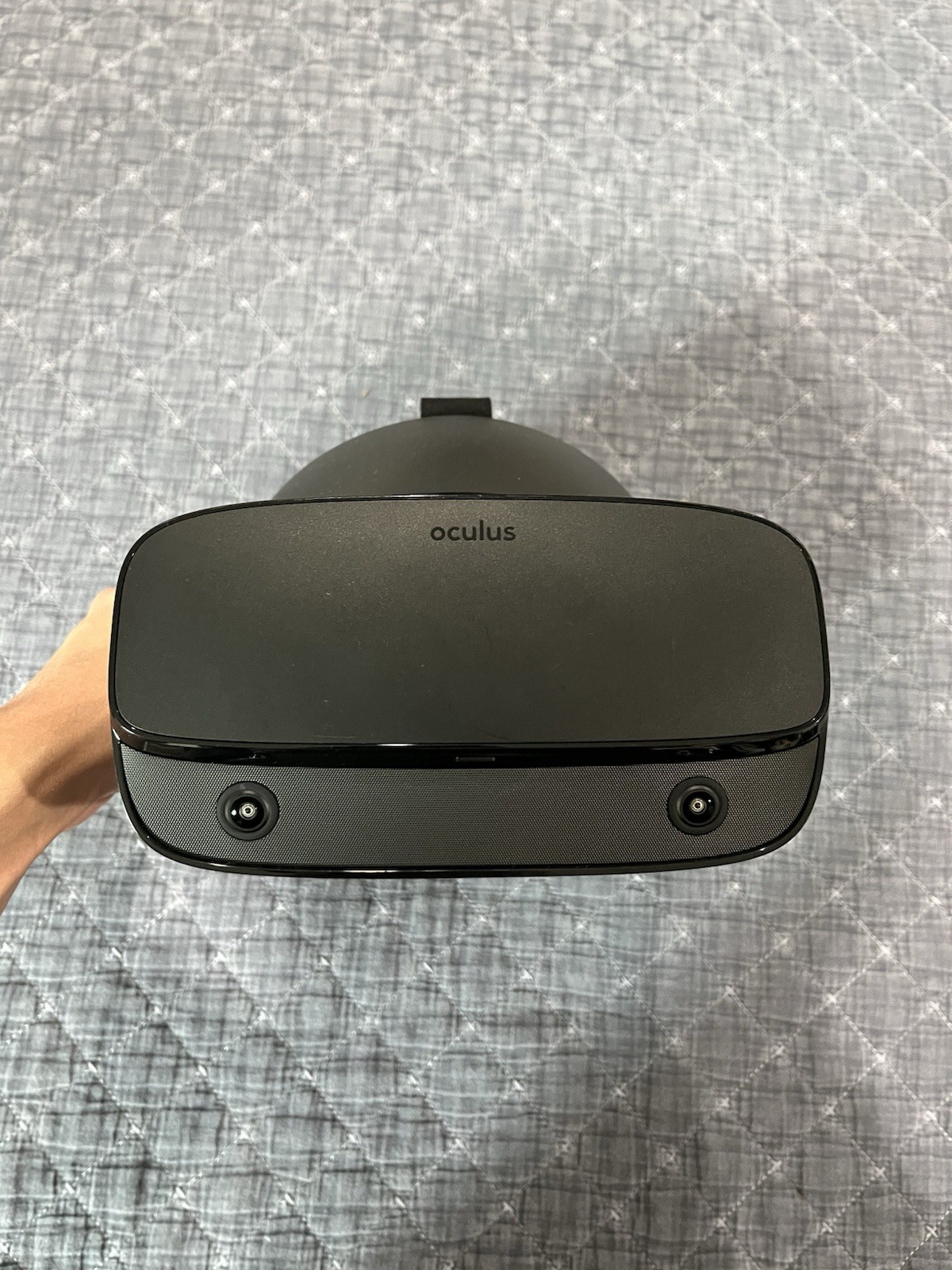 Oculus Rift S PC-Powered VR Gaming Headset - Black - *MESSAGE*$85.00View on eBay
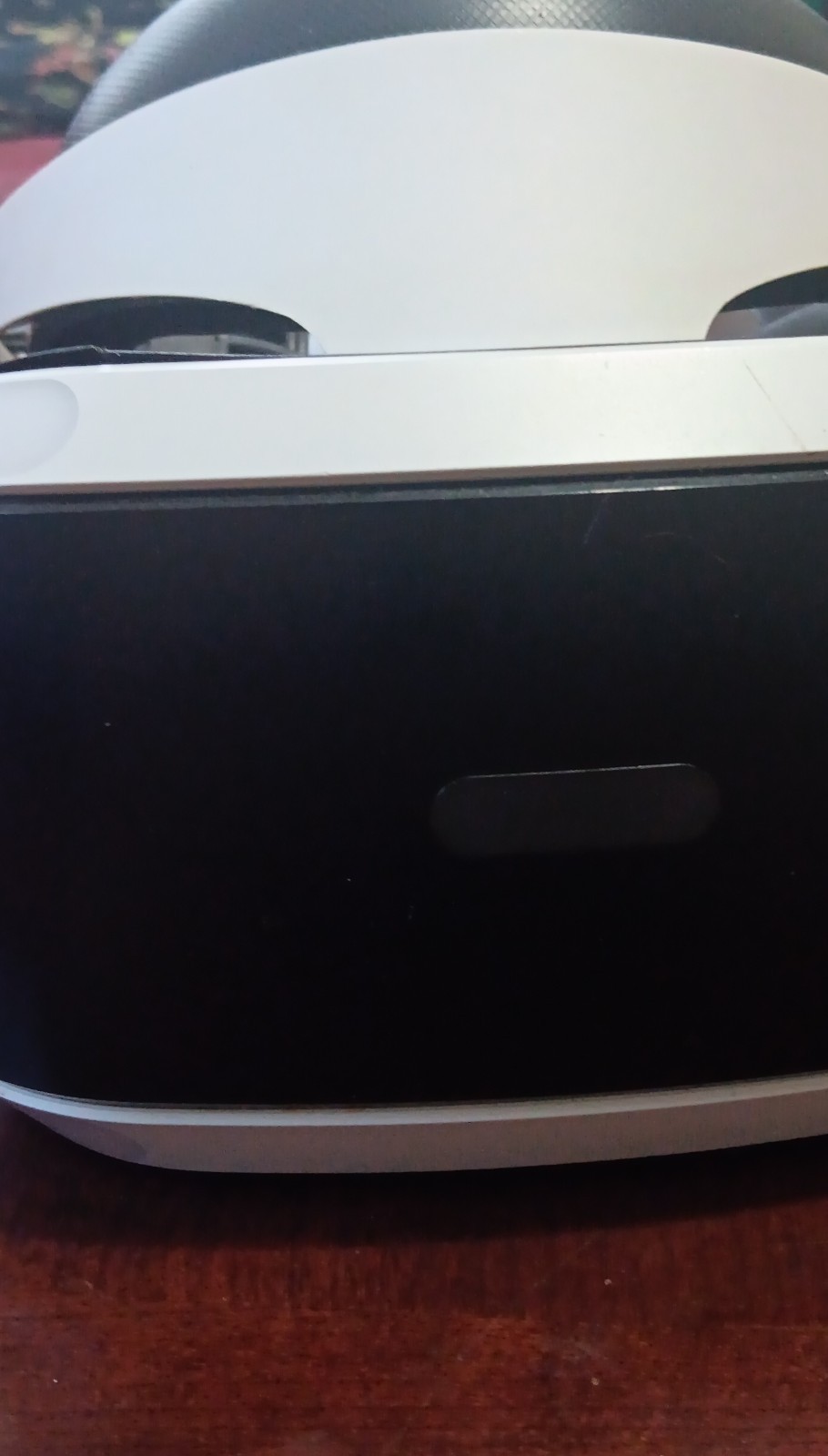 Sony PlayStation VR Headset Bundle Black/White HDMI USB with Accessories$100.00Last checked Nov 19, 2026View on eBay
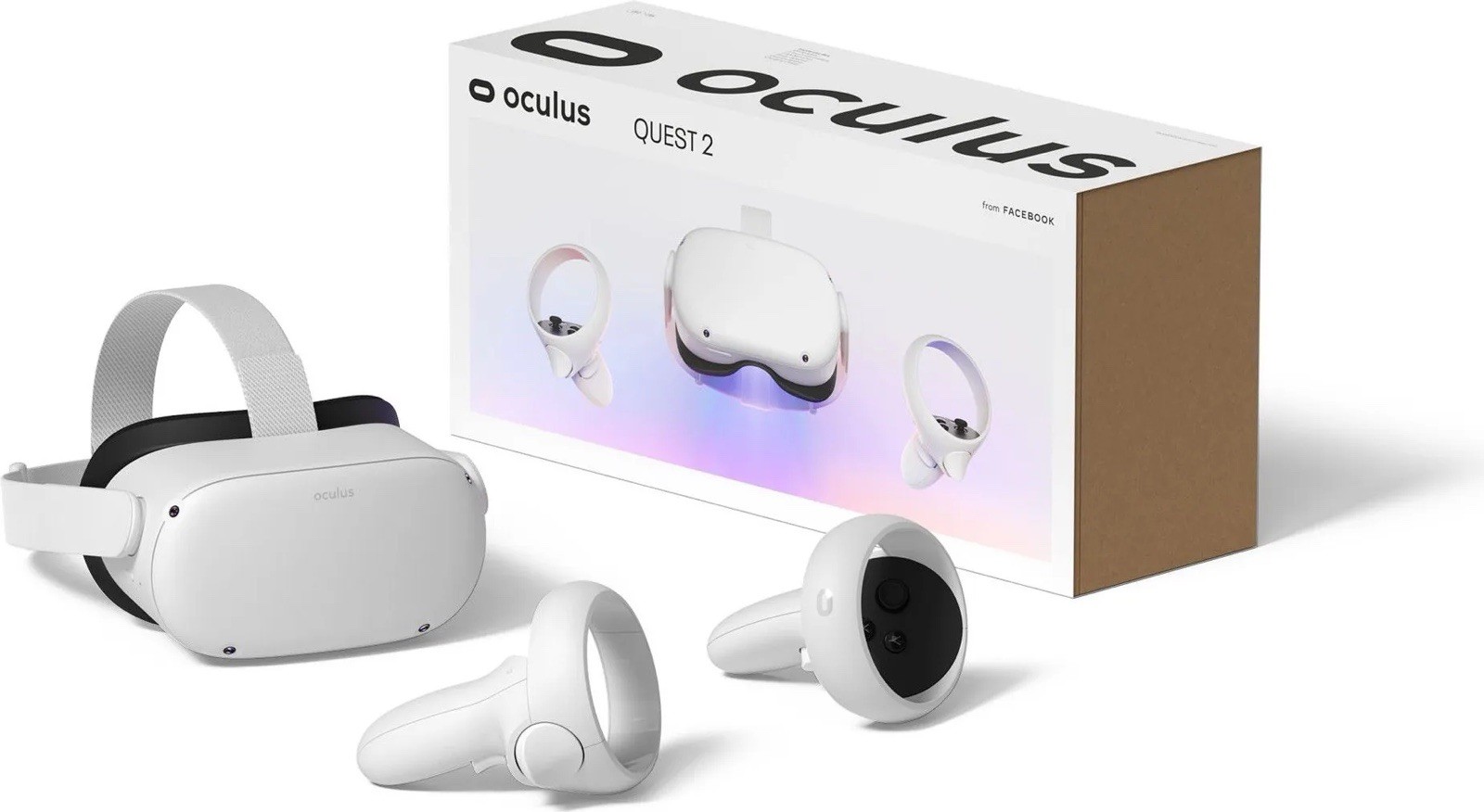 Oculus Quest 2 VR Headset with Touch Controllers, White, case and elite strap$108.00View on eBay
Highlights
- Standalone headsets use pancake lenses with 90-120 Hz LCD or OLED panels; phone viewers use fixed Fresnel lenses with 60-75 Hz refresh.
- Inside-out 6DoF tracking with four or more onboard cameras enables room-scale movement; 3DoF viewers only track head rotation.
- Battery capacity of 4000-6000 mAh yields 1.5-2.5 hours of active use; fast USB-C PD charging at 15-18 W is standard on modern standalone units.
- Qualcomm Snapdragon XR2 Gen 2 or Gen 1 chips power standalone headsets; phone-tethered viewers offload processing to the handset.
Best use cases
- Pick a standalone 6DoF headset for travel, hotel rooms, and backyard play; skip phone-cradle viewers unless you only need media playback.
- Choose a pancake-lens standalone model for clear text and long sessions; skip Fresnel-based budget units if you read small UI text or wear glasses.
- Buy a smartphone VR viewer only as a low-cost secondary device for 360-degree video; skip it for gaming because 3DoF lacks positional tracking.
Buying tips
- Match IPD range to your eyes: adjustable lens spacing of 58-72 mm covers most adults; fixed 63 mm IPD causes blur for narrow or wide faces.
- For glasses wearers, confirm 10-15 mm eye relief and included prescription inserts or spacer; pancake optics tolerate glasses better than Fresnel.
- Check battery runtime at 1.5-2.5 hours and USB-C PD charging; a 5000 mAh pack adds roughly one extra session without adding head weight.
- Prefer headsets with 128 GB or 256 GB storage for game libraries; 64 GB units fill quickly with 2-8 GB VR titles.
Specs
| Tracking | 6DoF inside-out vs 3DoF rotation |
|---|---|
| Optics | Pancake vs Fresnel lenses |
| Battery Life | 1.5-2.5 hr active use |
| Chipset | Snapdragon XR2 Gen 2 / Gen 1 |
Related searches
What to check before buying
- Measure your interpupillary distance (typically 58-72 mm) and confirm the headset's IPD adjustment range before buying.
- Check room-scale space: 2 m x 2 m for full 6DoF movement; seated or standing-only modes need 1 m x 1 m.
- Verify USB-C PD power bank compatibility at 15 W or higher for on-the-go charging.
- Confirm the headset includes a facial interface spacer or glasses spacer if you wear prescription eyewear.
FAQ
Data sources: eBay / Amazon listings and product attribute feeds. Updated Nov 28, 2026.
Some links on this page are affiliate links. If you buy after clicking one, we may earn a commission at no extra cost to you. This does not change which products appear here or their order. Affiliate disclosure.