
Photos from current listings. Actual item, color, and included accessories may vary.
VR Headset With Controllers Buying Guide
A VR headset with controllers is a complete tracking system: the headset provides the display and sensors, while the tracked controllers are required for interaction and are not interchangeable across brands or generations. The primary trade-off is between standalone Android-based headsets (Quest 2/3/3S) with inside-out tracking and PC-powered headsets (Rift S, Index) that need a gaming PC and often external base stations. Buy a headset whose controllers are included, matched to the exact headset model, and priced as a complete kit; skip any listing that sells the headset 'only' or mixes controller generations.
Median $120.93 · New & pre-owned listings
Key takeaways
- Inside-out tracking (Quest 2, Quest 3, Quest 3S, Rift S) uses headset cameras and requires no external base stations; SteamVR lighthouse systems (Valve Index, HTC Vive) need two base stations and a PC.
- Quest 2 uses the Snapdragon XR2 with 6GB RAM and ships with two Touch controllers; Quest 3 adds depth sensors and color passthrough but uses different Touch Plus controllers that are not backward-compatible with Quest 2.
- Rift S is PC-only, tethered via DisplayPort and USB, and its controllers are tracked by headset cameras; it will not work standalone and requires a VR-ready GPU.
At a glance
- Category
- VR Gaming Hardware & Accessories
- Last updated
- Nov 28, 2026
Current offers
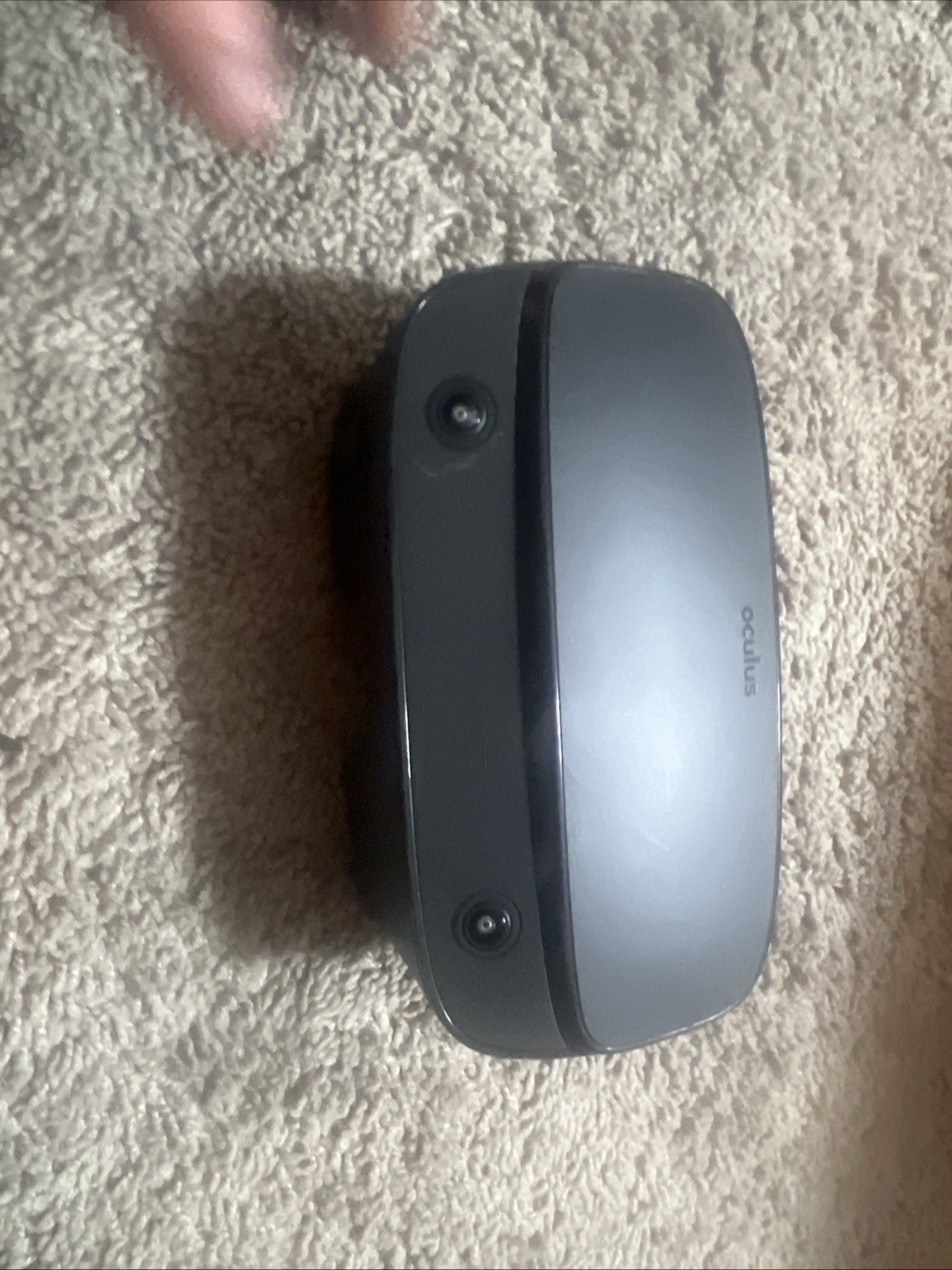 Oculus Rift S PC Powered VR Gaming Headset ONLY$8.99View on eBay
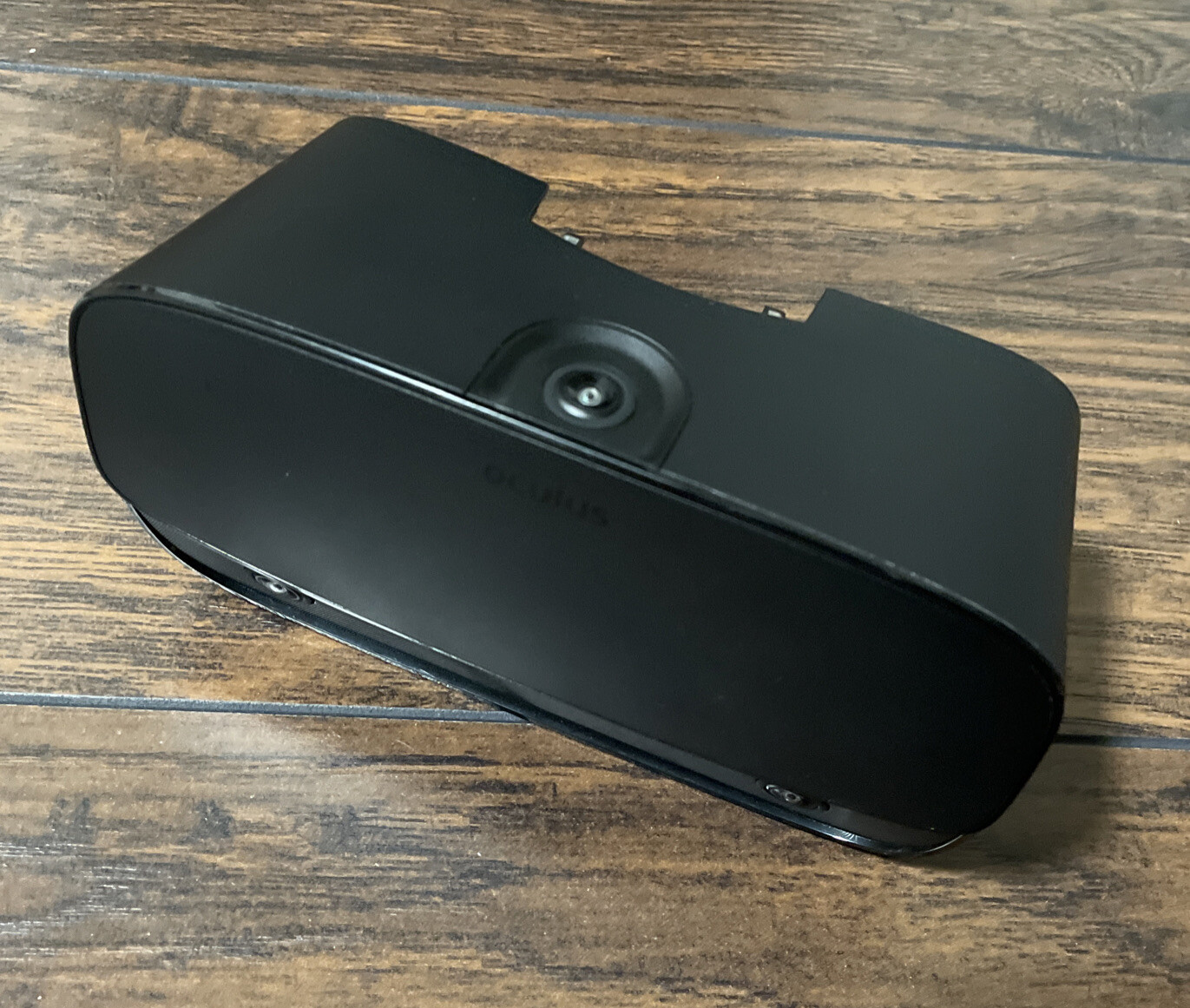 Oculus Rift S PC Powered VR Gaming Headset ONLY$11.95View on eBay
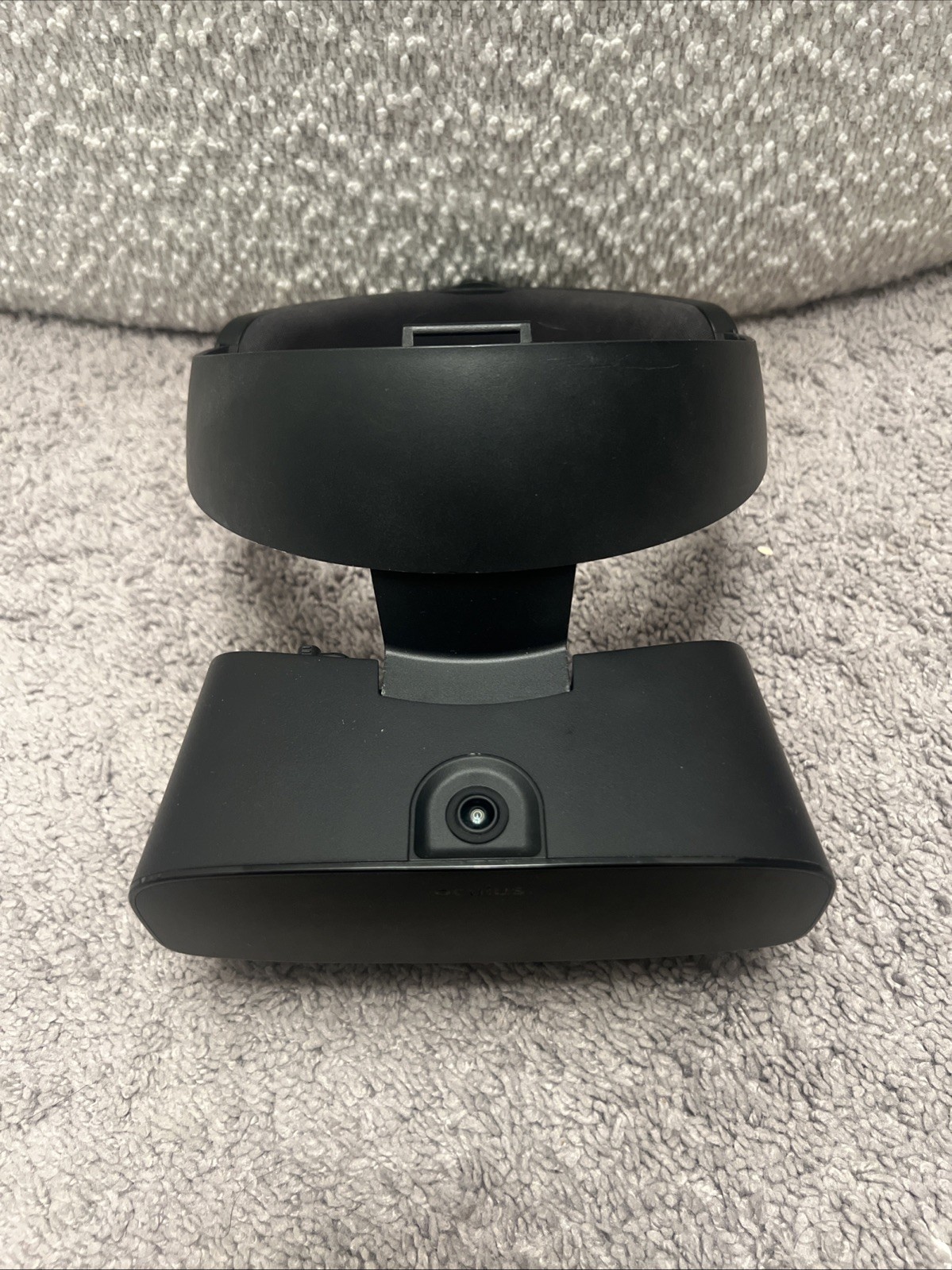 Oculus Rift S PC-Powered VR Gaming Headset ONLY Tested$13.99View on eBay
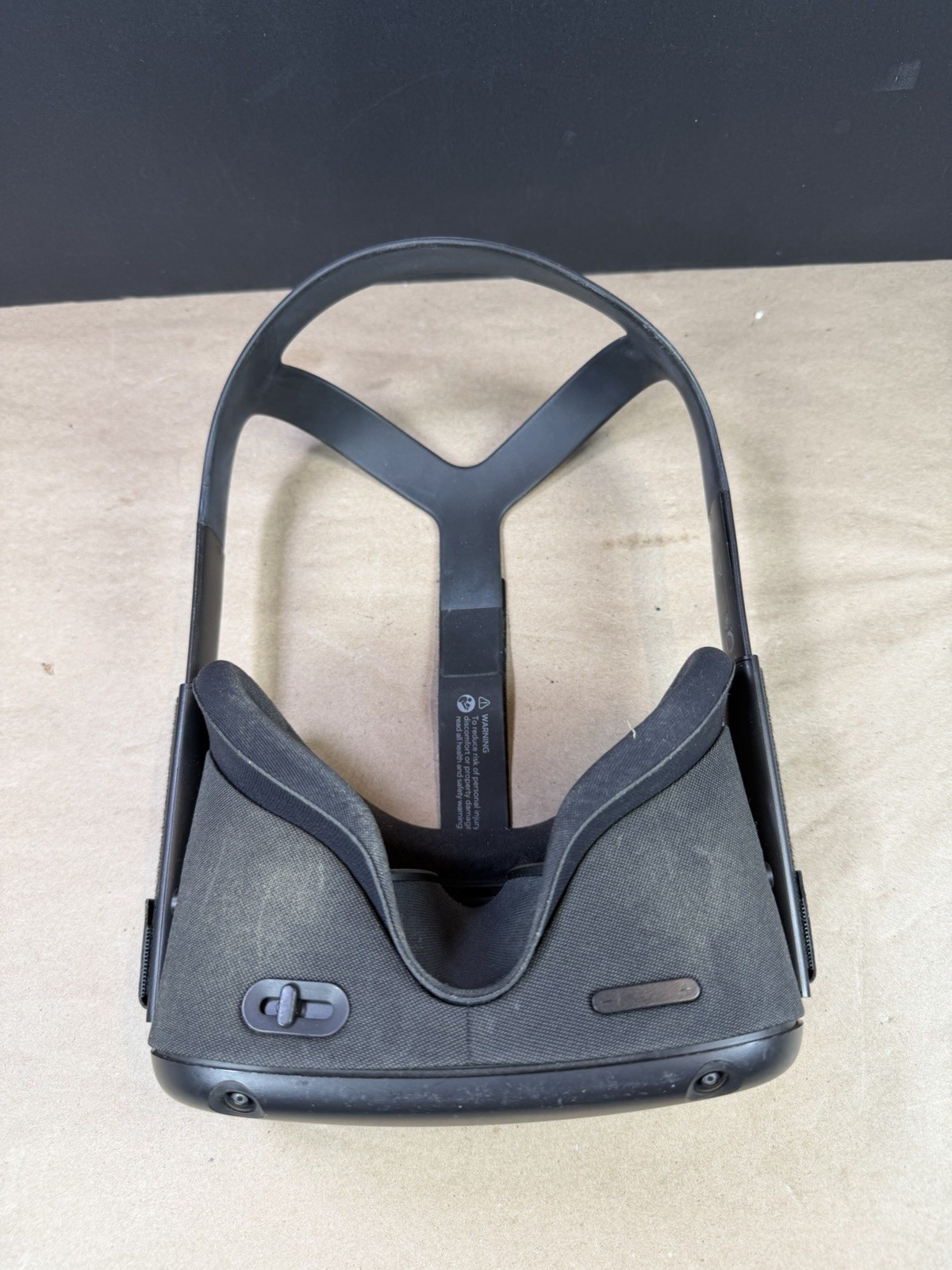 Oculus Quest MH-B Standalone All-In-One VR Gaming Headset Black Built-In Audio$24.27View on eBay
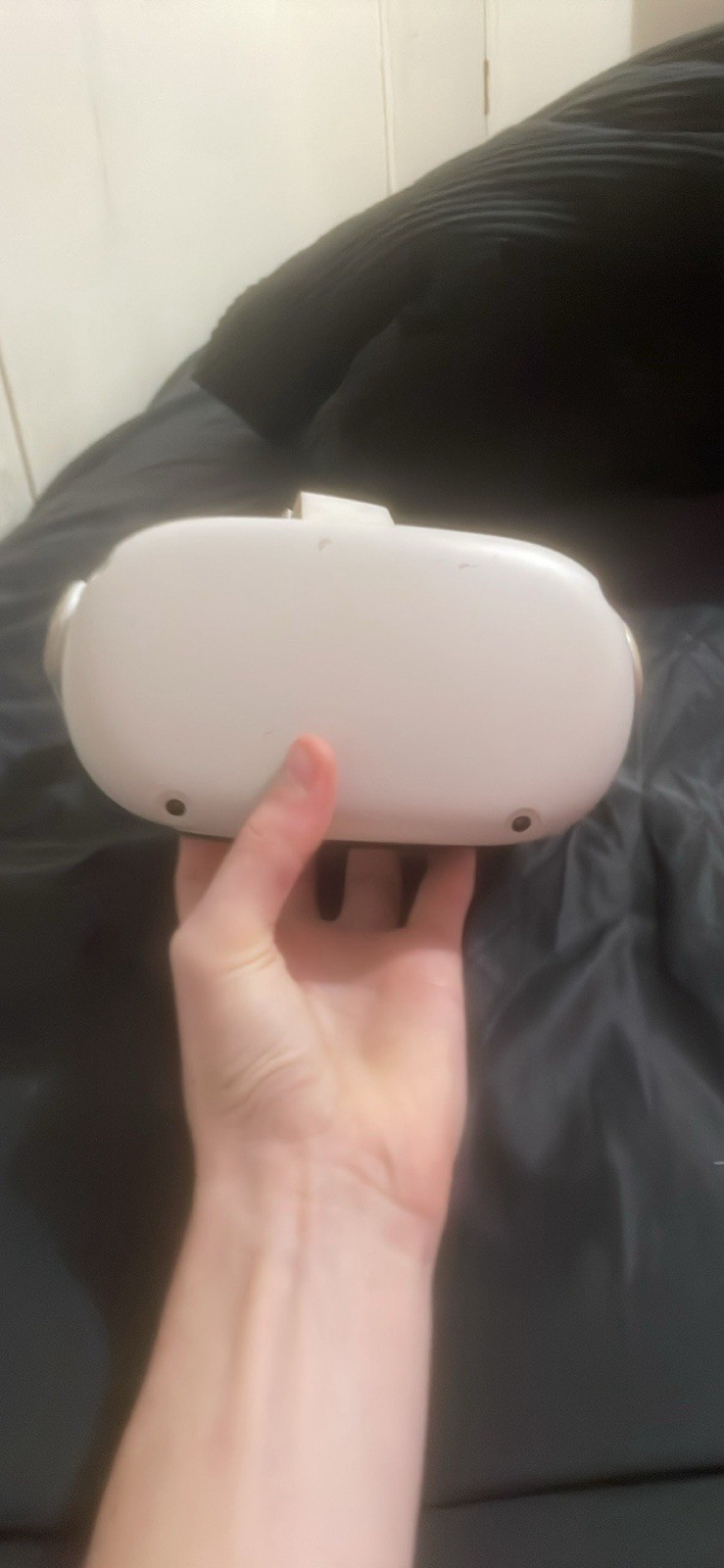 Meta Quest 2 Standalone VR Headset in White, Meta VR Gaming System$25.00View on eBay
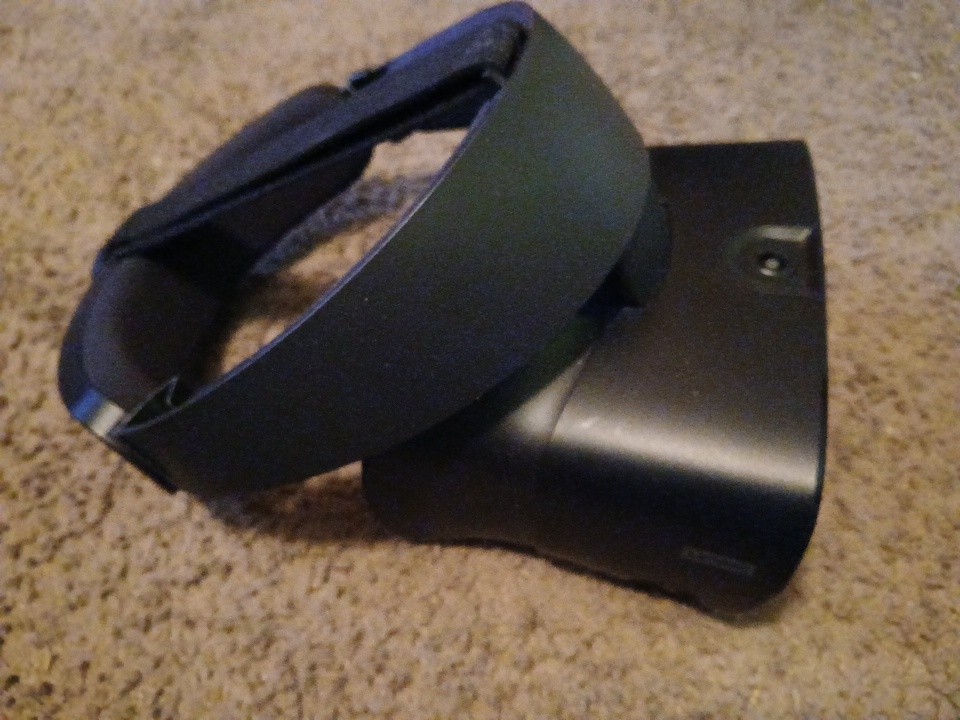 Oculus Rift S PC Powered VR Gaming Headset ONLY - No Controllers or Cables$28.99View on eBay
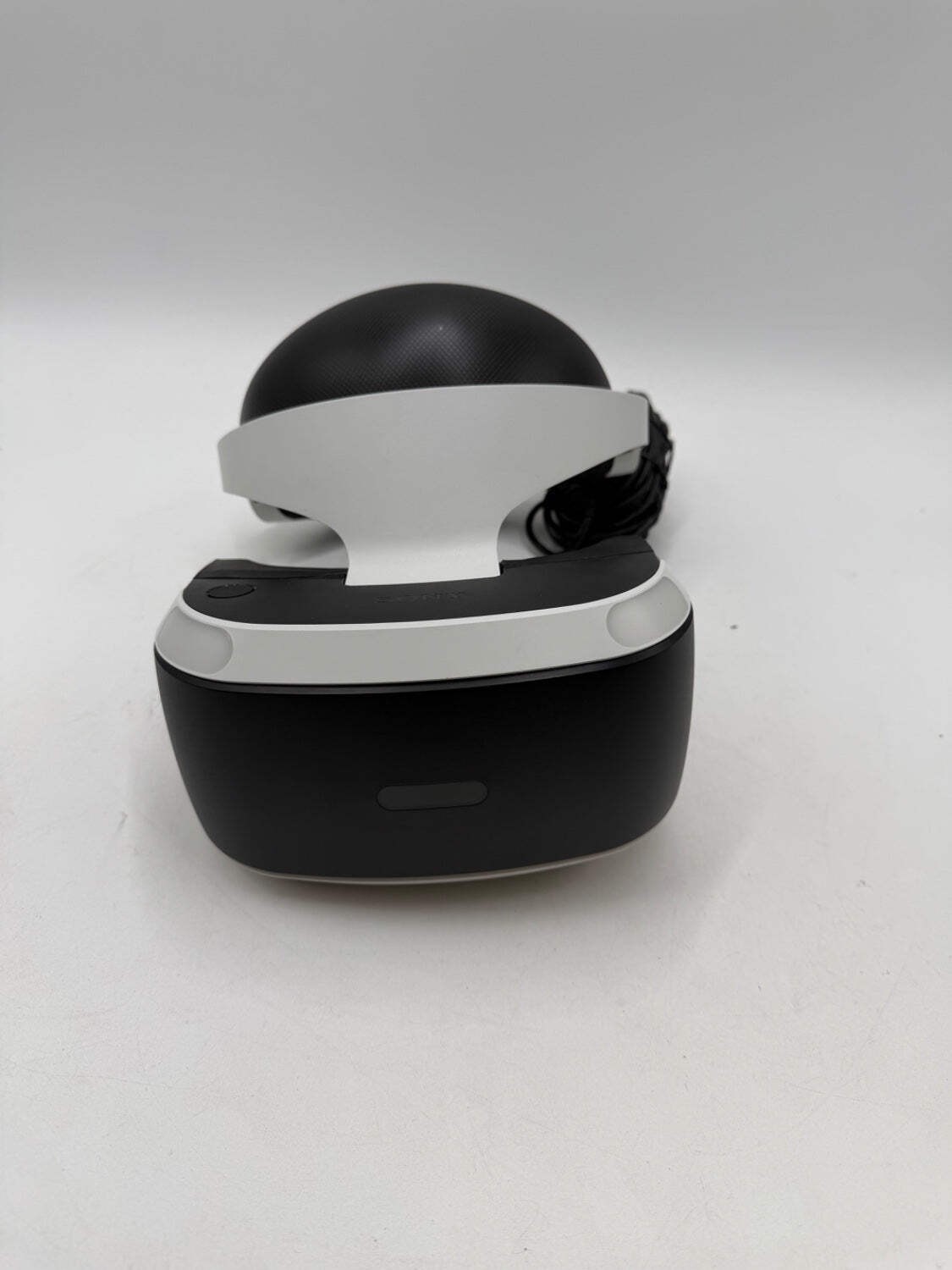 Sony PlayStation VR Virtual Reality VR Headset White CU H-ZVR2$37.99View on eBay
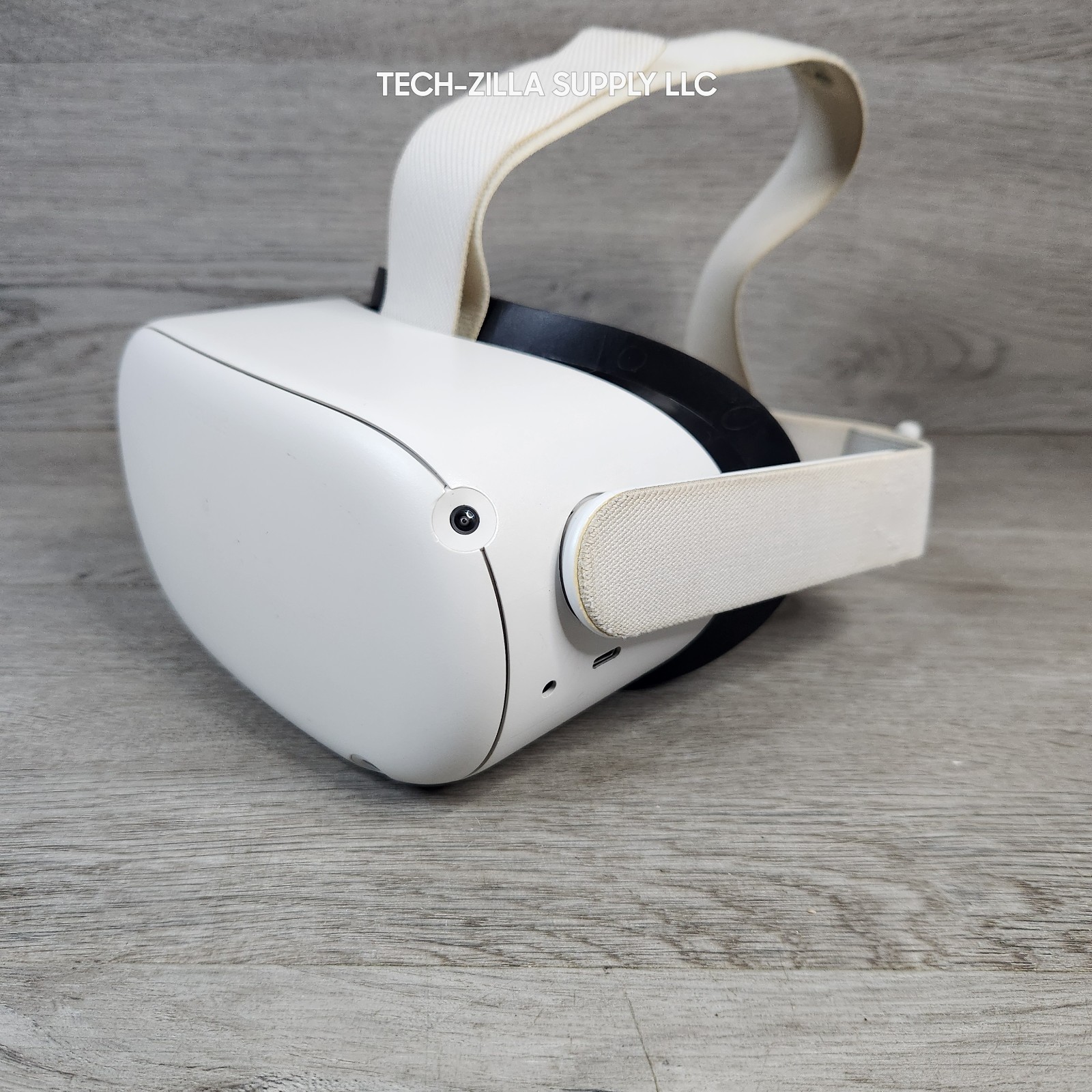 Oculus Meta Quest 2 128GB VR Headset ONLY, Great Condition (No Controllers)$44.95View on eBay
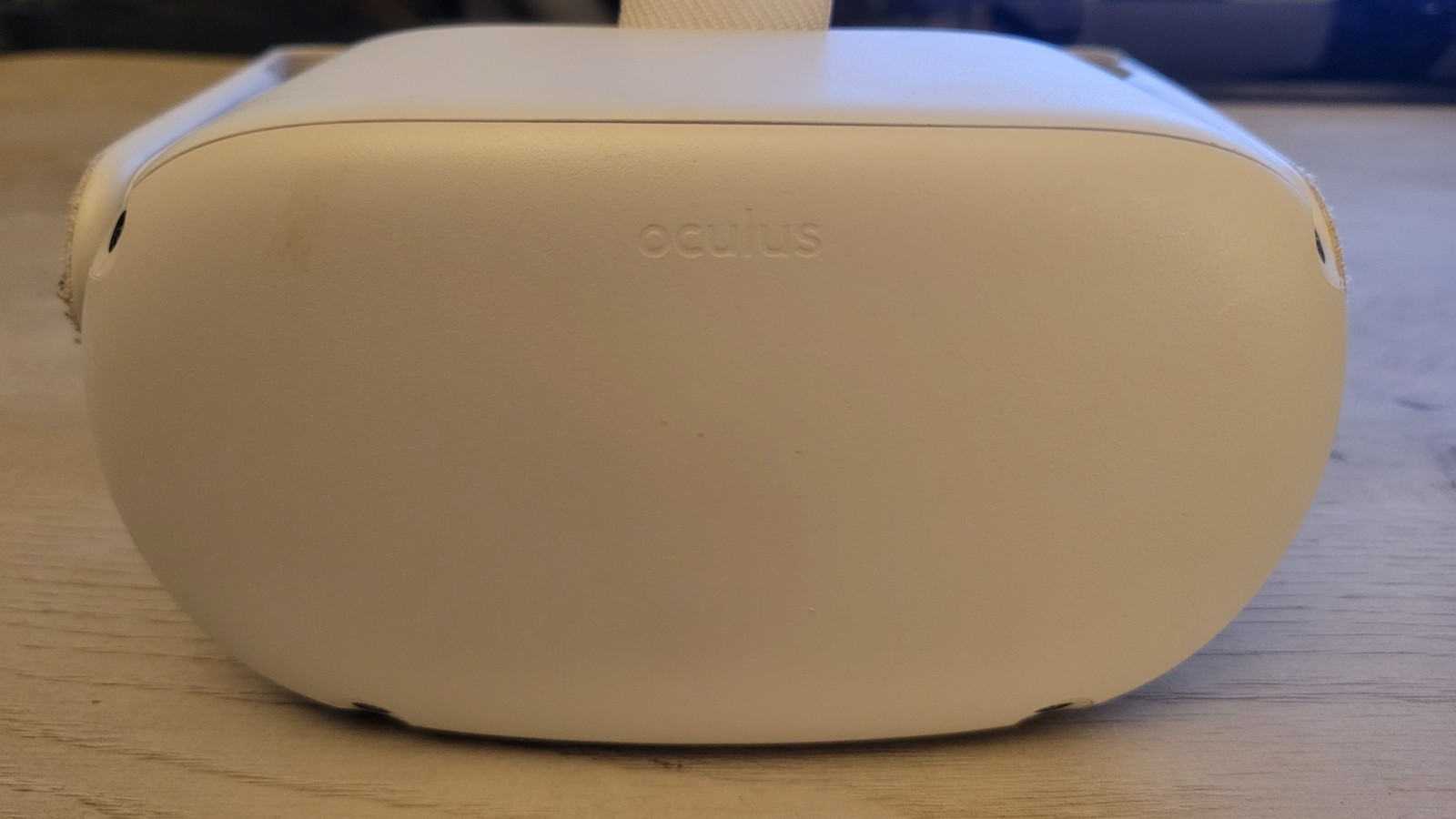 Meta Oculus Quest 2 128GB Standalone VR Headset Only No Controllers Tested$45.00View on eBay
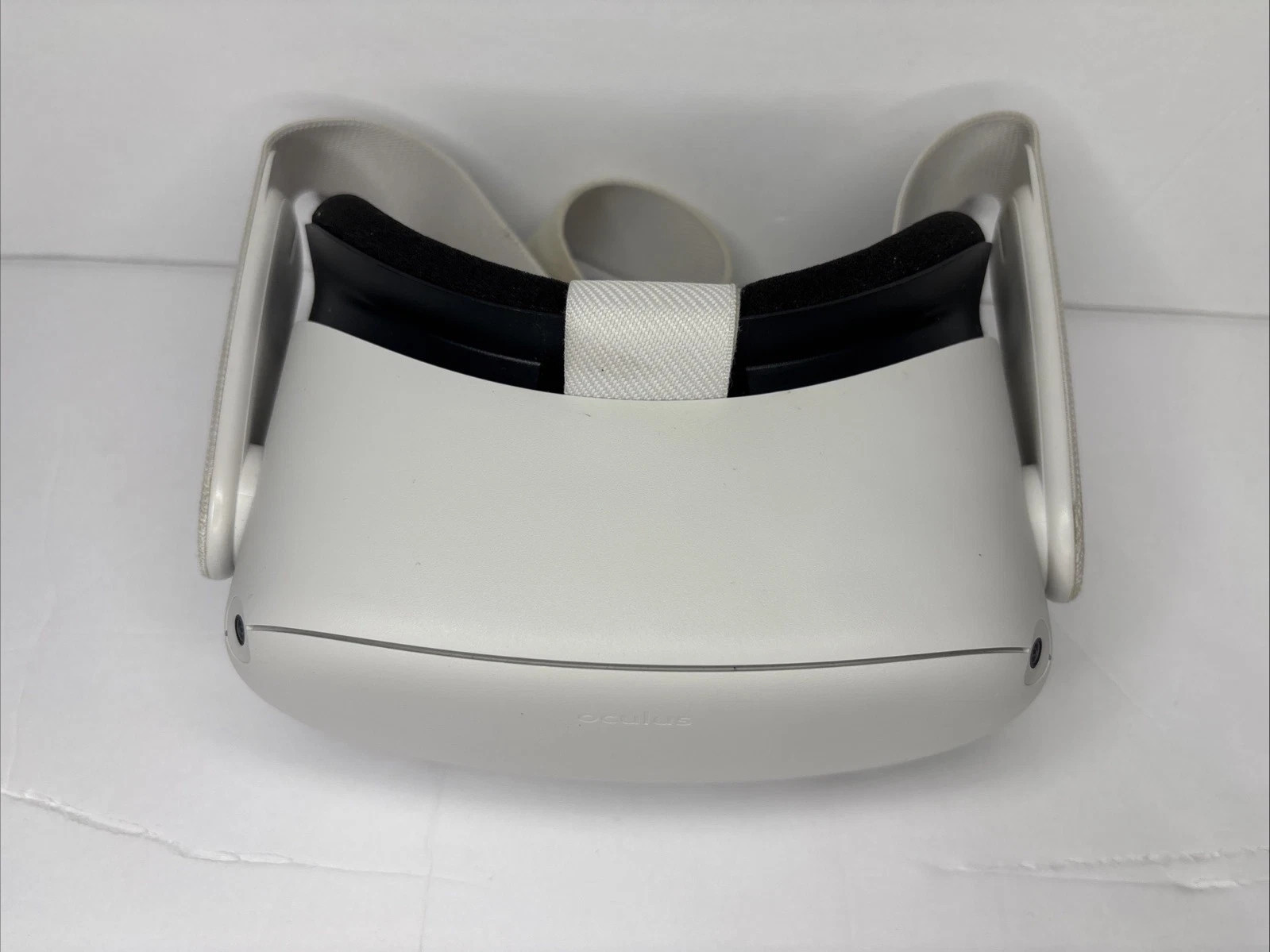 Meta Oculus Quest 2 128GB VR Headset Headset ONLY - No Controllers$45.00View on eBay
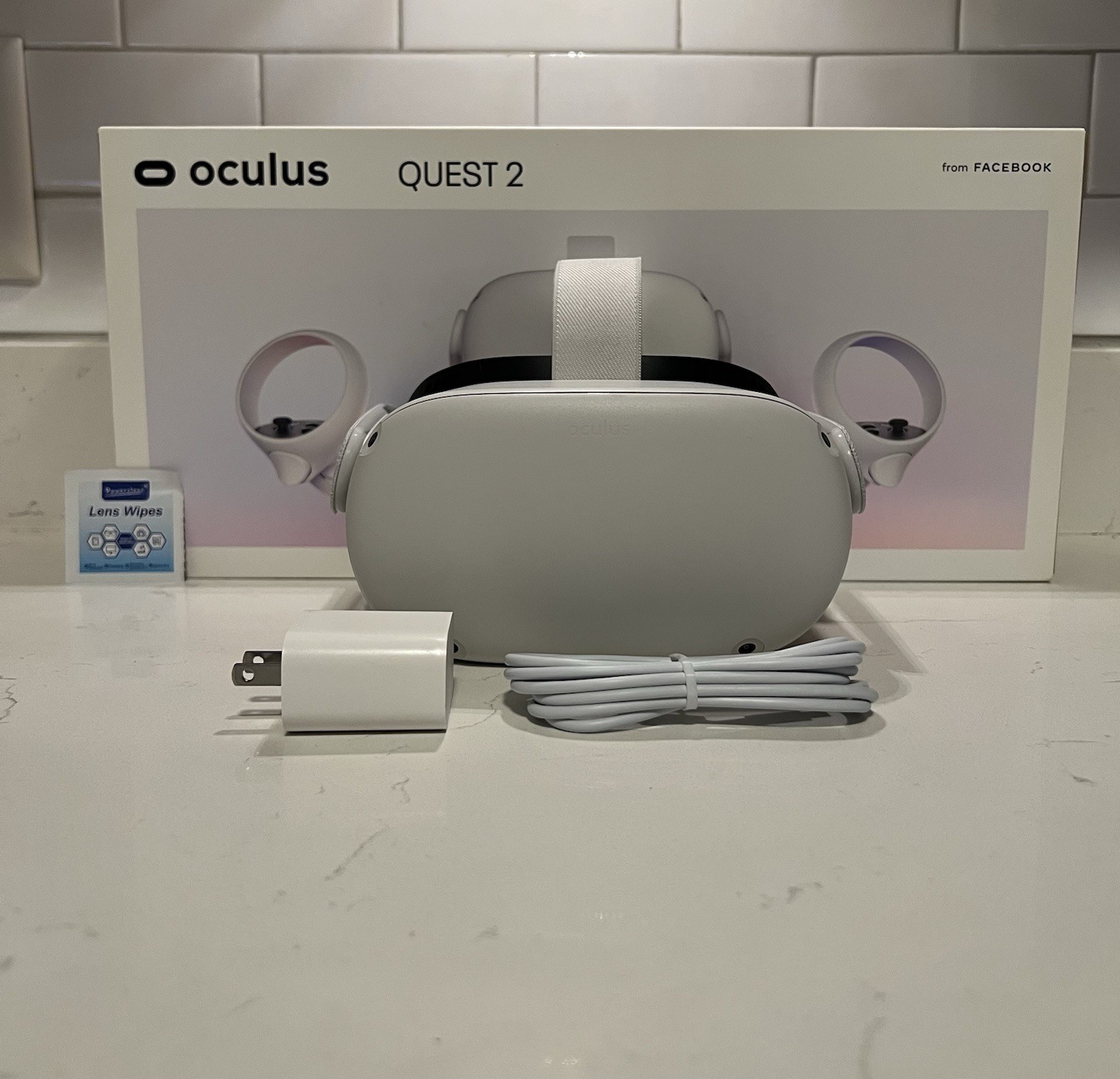 Meta Quest 2 - 64GB VR Headset$49.99View on eBay
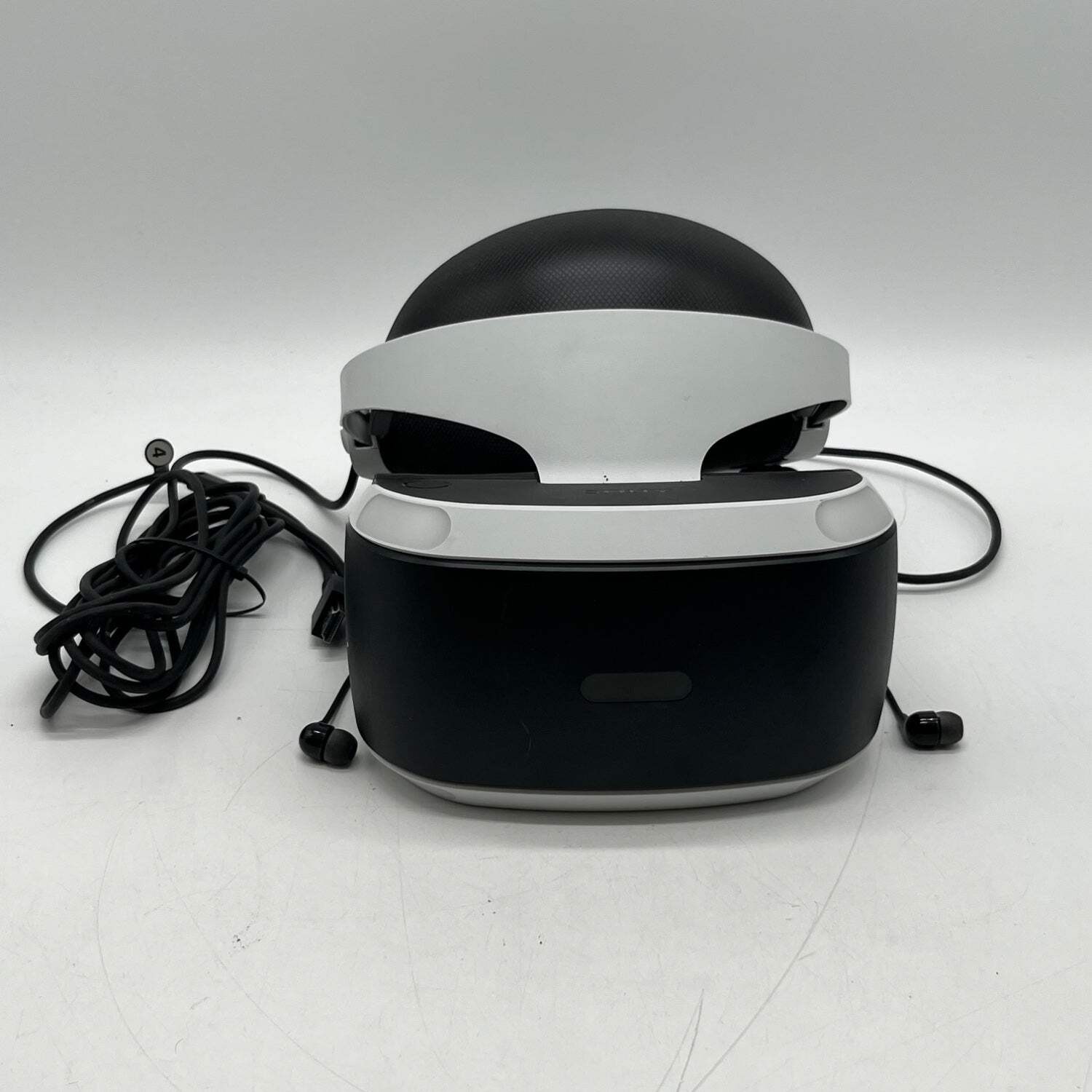 Sony PlayStation 4 PS4 Virtual Reality VR Headset Black CUH-ZVR2$49.99View on eBay
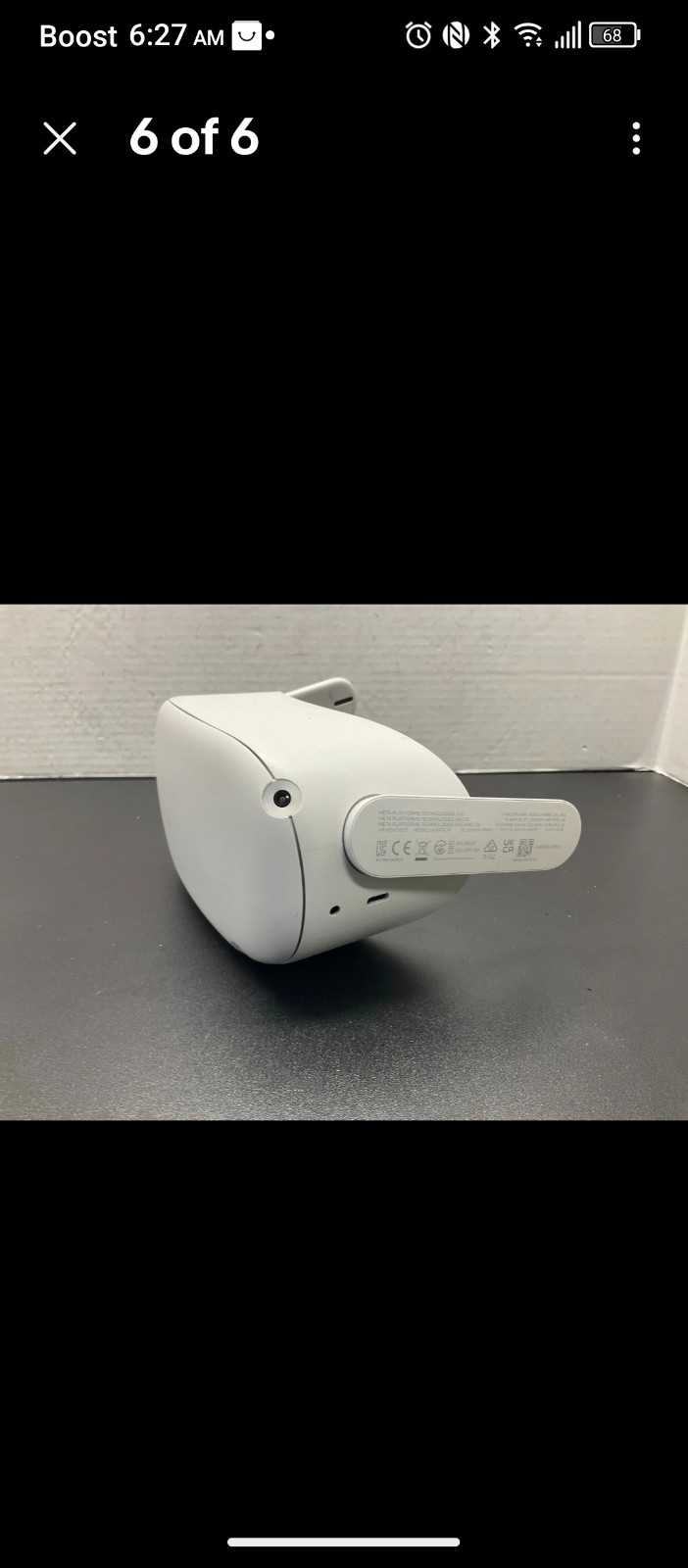 Meta Quest 2 128GB Advanced All-in-One VR Gaming Headset - ( WEAR & TEAR )$65.00View on eBay
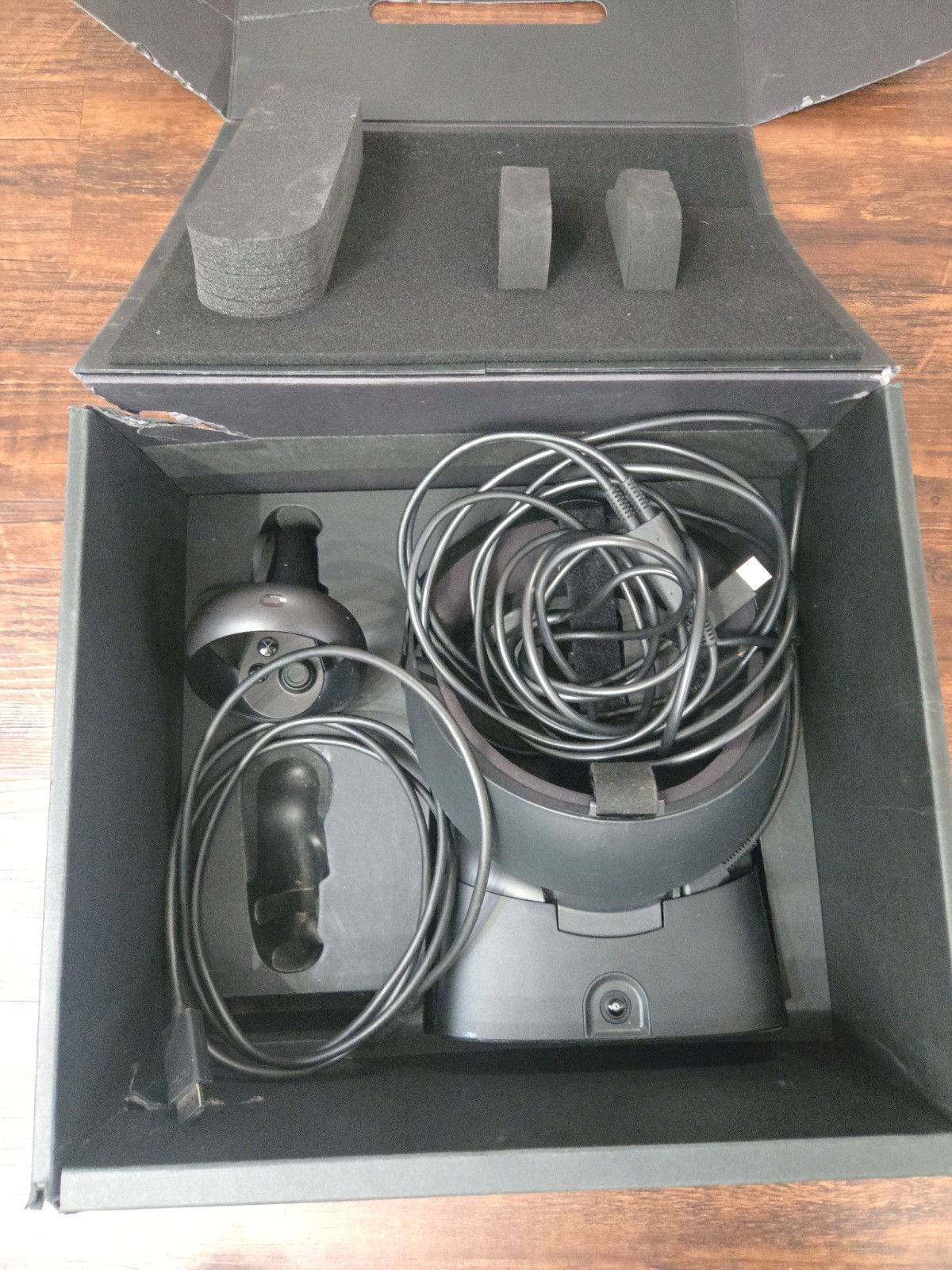 Oculus Rift S PC-Powered VR Gaming Headset - Black *1 Controller Preowned$68.88View on eBay
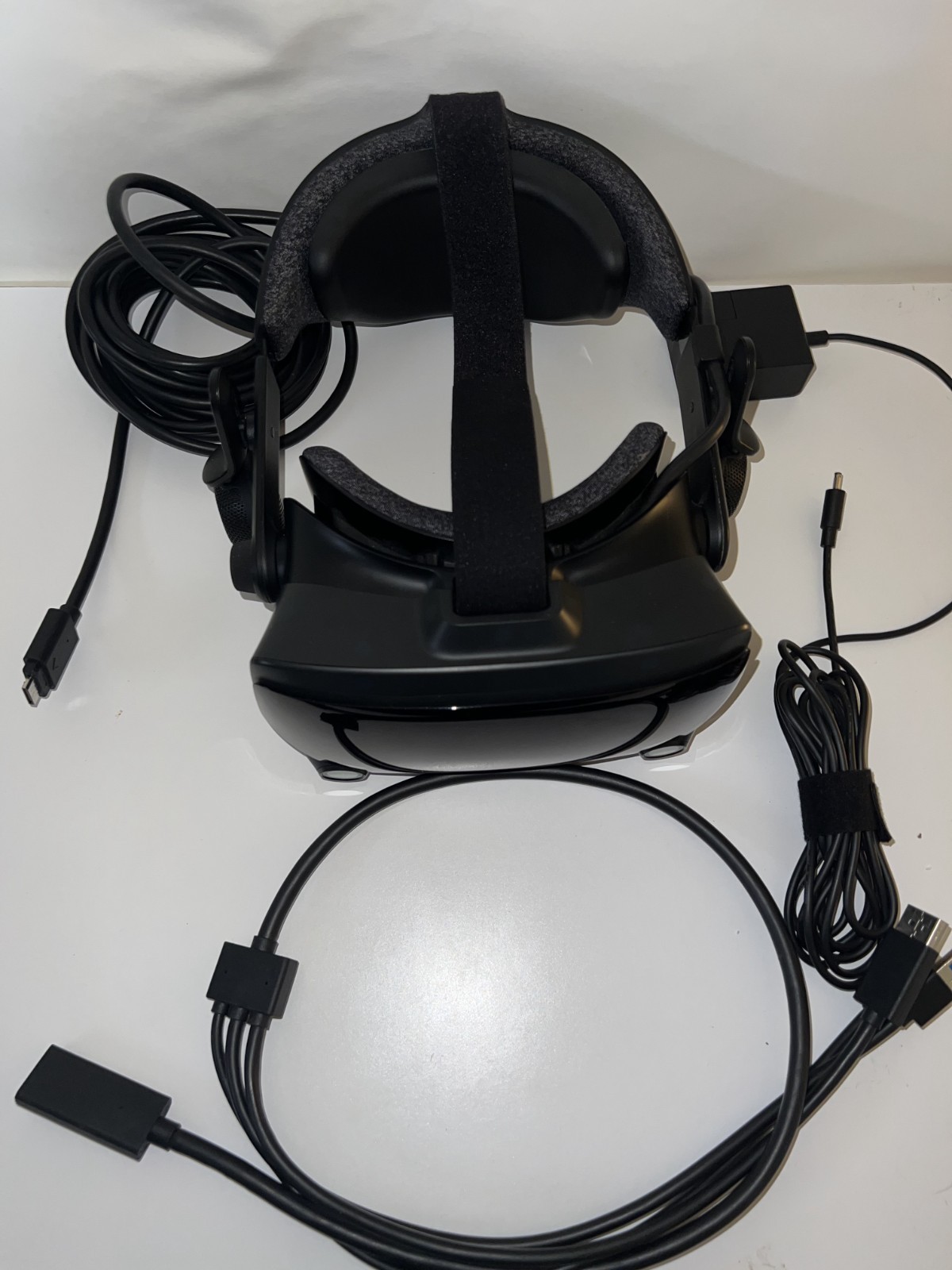 Steam Valve Index VR Gaming HEADSET ONLY - READ$80.00View on eBay
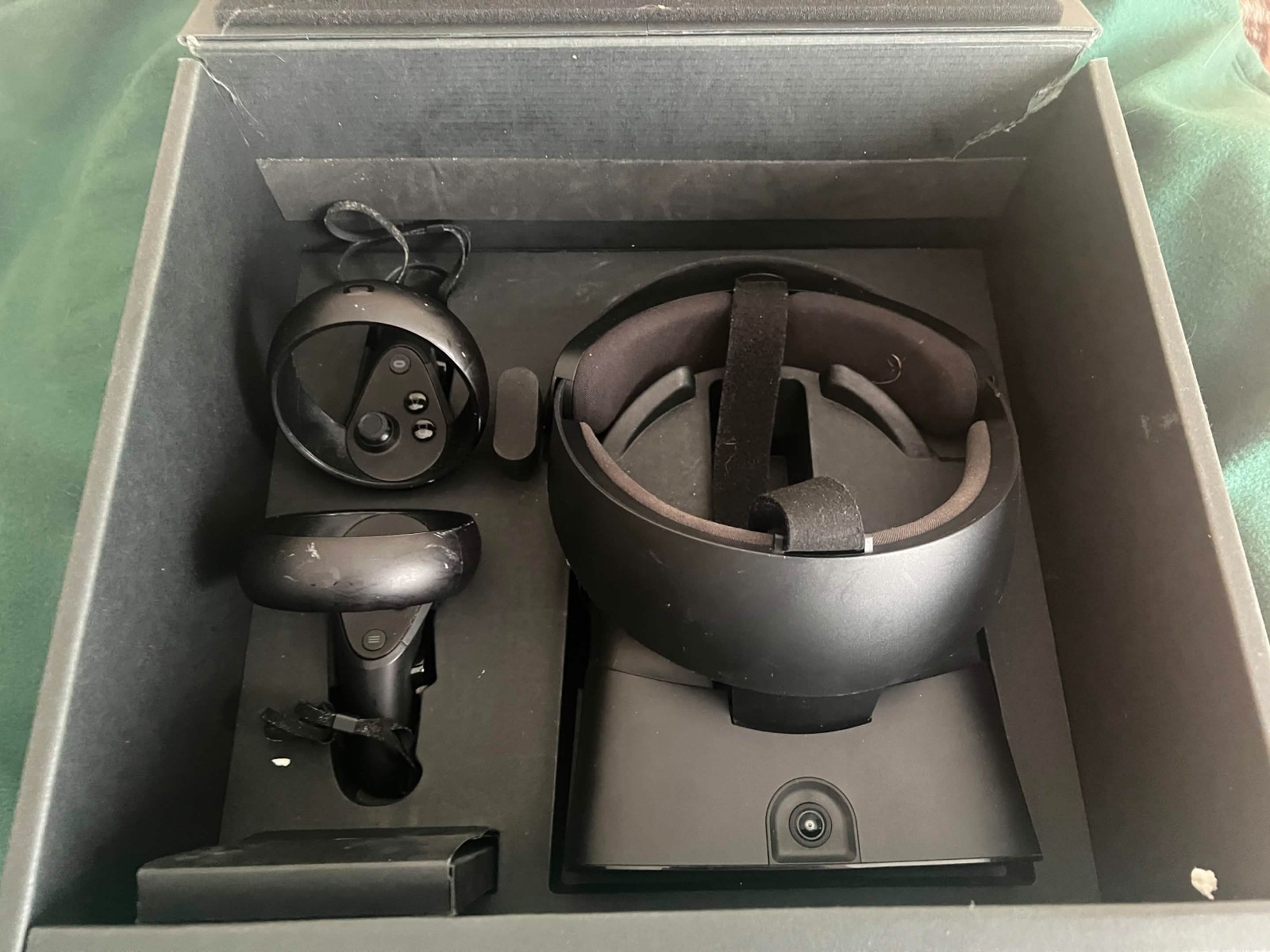 CABLE NOT INCLUDED Oculus Rift S PC-Powered VR Gaming Headset - Black$80.00View on eBay
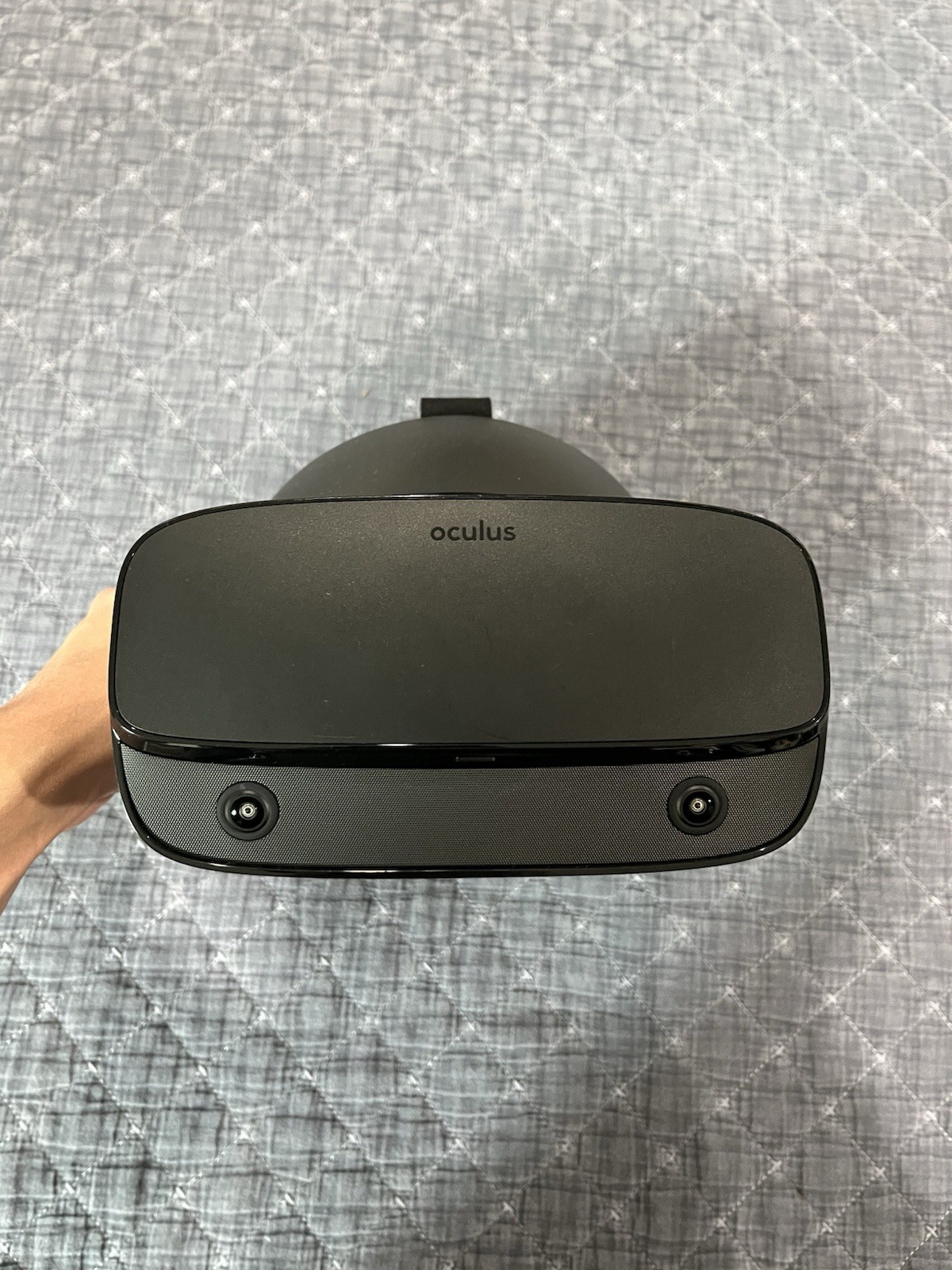 Oculus Rift S PC-Powered VR Gaming Headset - Black - *MESSAGE*$85.00View on eBay
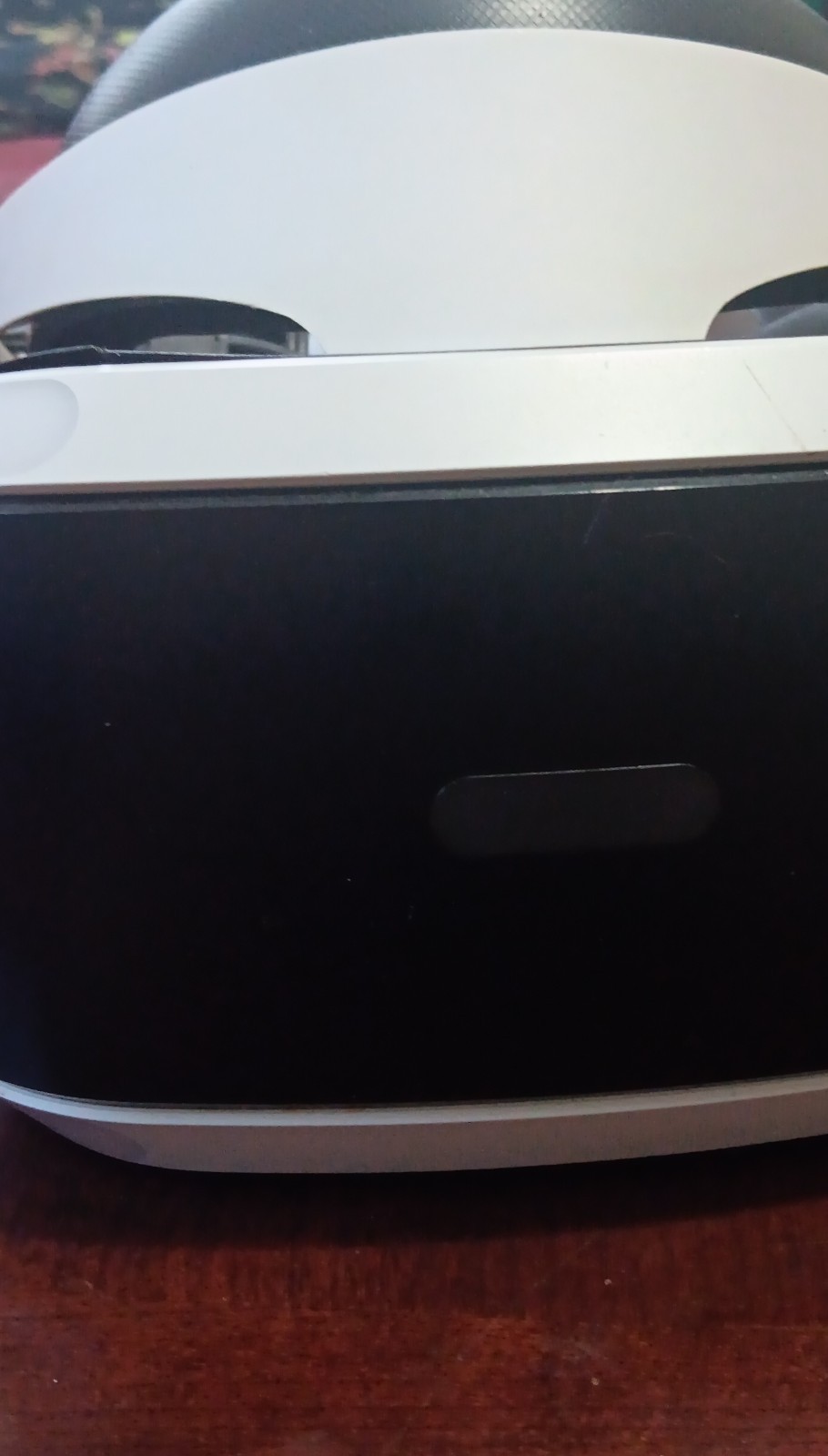 Sony PlayStation VR Headset Bundle Black/White HDMI USB with Accessories$100.00Last checked Nov 19, 2026View on eBay
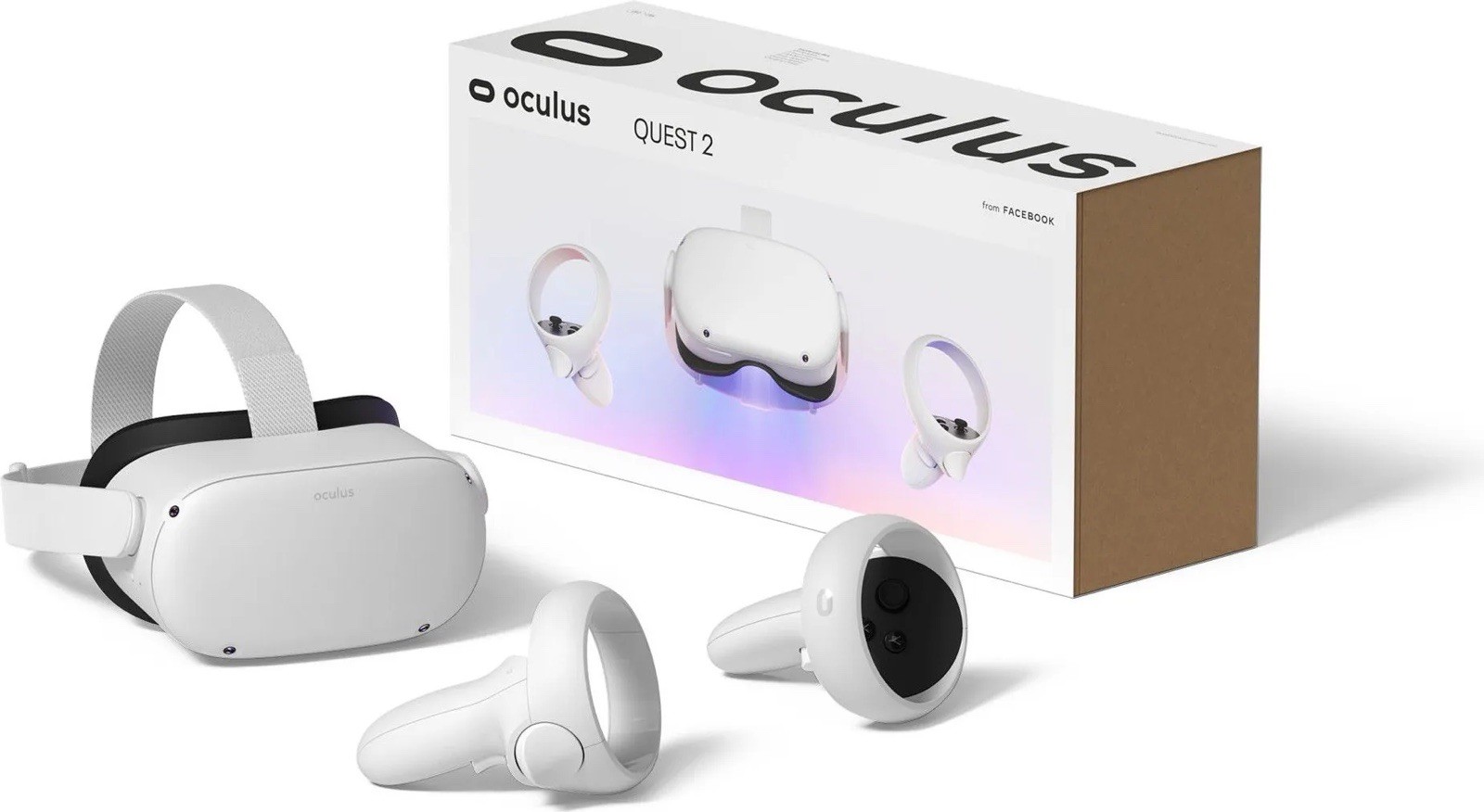 Oculus Quest 2 VR Headset with Touch Controllers, White, case and elite strap$108.00View on eBay
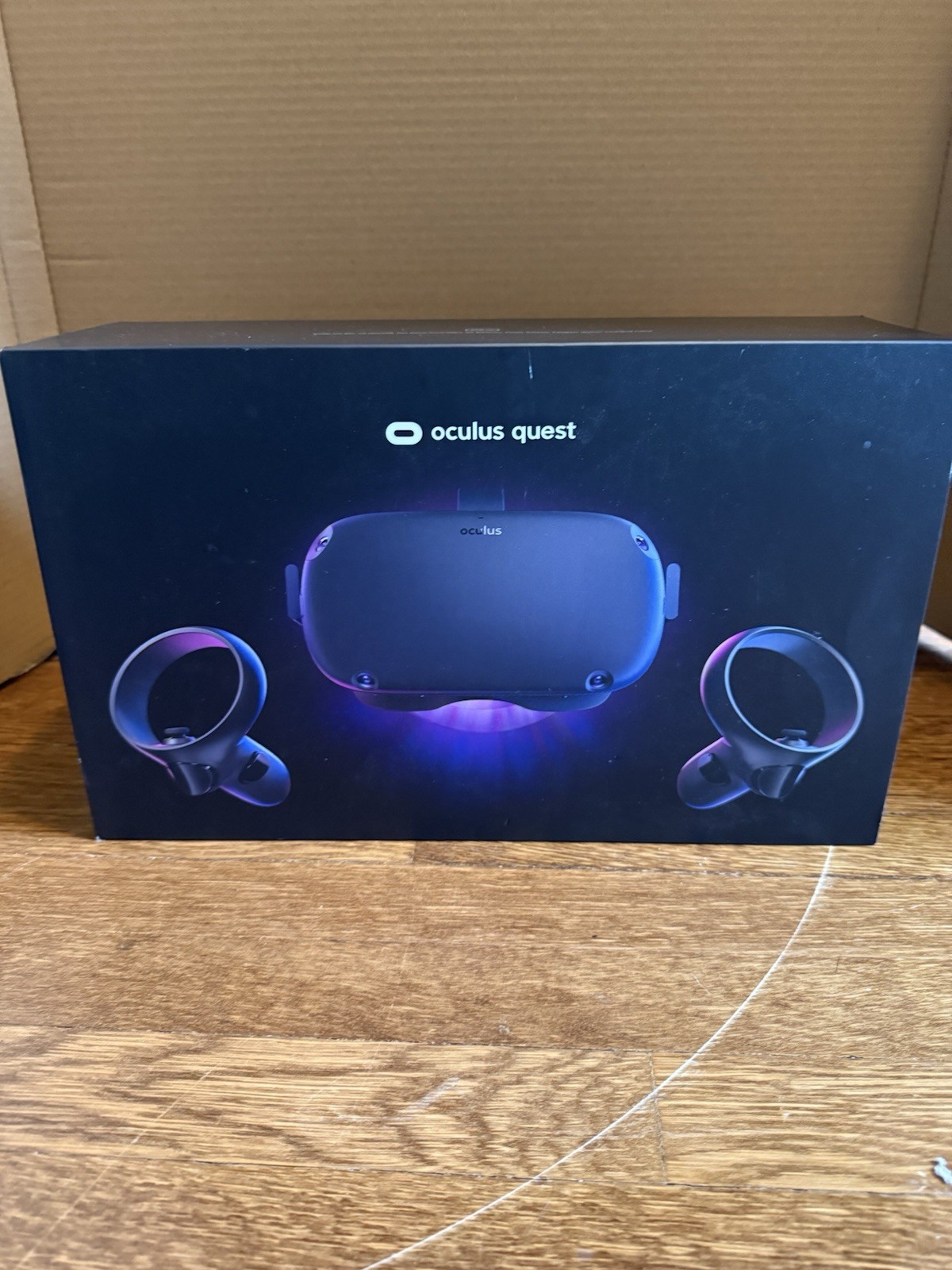 Oculus Quest 128GB VR Headset w/ 2 Touch Controllers Complete Box Tested$109.99View on eBay
Highlights
- Inside-out tracking (Quest 2, Quest 3, Quest 3S, Rift S) uses headset cameras and requires no external base stations; SteamVR lighthouse systems (Valve Index, HTC Vive) need two base stations and a PC.
- Quest 2 uses the Snapdragon XR2 with 6GB RAM and ships with two Touch controllers; Quest 3 adds depth sensors and color passthrough but uses different Touch Plus controllers that are not backward-compatible with Quest 2.
- Rift S is PC-only, tethered via DisplayPort and USB, and its controllers are tracked by headset cameras; it will not work standalone and requires a VR-ready GPU.
- Controller batteries differ by generation: Quest 2 Touch uses one AA per controller, Quest 3 Touch Plus uses one AA per controller, and Rift S Touch uses one AA per controller; rechargeable AA cells are the practical choice.
Best use cases
- Best fit: standalone room-scale play in a living room or bedroom with no PC — choose Quest 2 or Quest 3/3S with both controllers included and a 2m x 2m clear play area.
- Best fit: PC sim racing or flight sim with a powerful GPU — choose Rift S or a lighthouse-based PC headset, and confirm the PC has DisplayPort and meets the GPU vendor's VR-ready spec.
- Wrong fit: buying a 'headset only' listing to save money — replacement controllers cost enough that a complete used kit is usually the better decision; skip any listing missing controllers unless you already own matching ones.
- Wrong fit: buying Quest 3 Touch Plus controllers for a Quest 2 — they do not pair across generations; match controllers to the exact headset model printed on the unit.
Buying tips
- Match controller generation to headset: Quest 2 Touch controllers pair only with Quest 2; Quest 3/3S Touch Plus controllers pair only with Quest 3/3S; Rift S Touch controllers pair only with Rift S.
- For standalone headsets, check storage tier (64GB, 128GB, 256GB, 512GB) — games are 2-10GB each, so 128GB is the practical minimum for a mixed library.
- For PC headsets, confirm the connection standard: Rift S needs DisplayPort 1.2 and USB 3.0; HDMI-only laptops need an adapter and may not work reliably.
- Check controller battery type and count: AA-based Touch controllers need two AA cells total per session; budget for rechargeable AAs and a charger rather than disposable cells.
Specs
| Tracking Type | Inside-out cameras vs Lighthouse base stations |
|---|---|
| Platform | Standalone Android vs PC-tethered |
| Controller Pairing | Generation-locked per headset model |
| Controller Power | 1x AA per controller (Touch series) |
Related searches
What to check before buying
- Measure your play space: standalone inside-out tracking needs roughly 2m x 2m of clear floor for room-scale; seated PC sim setups need only 1m x 1m.
- Confirm your PC meets VR-ready spec for PC headsets: a GTX 1060/RX 580-class GPU or better, 8GB RAM, and a free DisplayPort output.
- Verify the listing includes both left and right controllers, the charging cable or AA batteries, and the power adapter for standalone units.
- Check the headset's IPD adjustment range against your interpupillary distance (typically 58-72mm) to avoid blur and eye strain.
FAQ
Data sources: eBay / Amazon listings and product attribute feeds. Updated Nov 28, 2026.
Some links on this page are affiliate links. If you buy after clicking one, we may earn a commission at no extra cost to you. This does not change which products appear here or their order. Affiliate disclosure.