
Photos from current listings. Actual item, color, and included accessories may vary.
VR Headset Mobile Phone Buying Guide
Phone-based VR headsets turn a compatible handset into a 3DoF viewing and light-gaming device, but the category splits sharply between cheap passive shells and headset-plus-controller bundles that actually support spatial interaction. The single biggest buying mistake is ignoring the phone's physical size limits and sensor suite: a headset that clamps a 6.7-inch phone may still deliver a blurry, drift-prone experience if the phone lacks gyroscope and proximity sensors. Decide first whether you need media-only viewing or true tracked gaming, then match the headset's lens adjustment and phone cradle to your exact device.
Median $120.93 · New & pre-owned listings
Key takeaways
- Phone-based VR is inherently 3DoF (rotation-only); true 6DoF positional tracking requires inside-out cameras or external base stations, not a passive phone shell.
- Cardboard-style headsets use fixed aspheric lenses with no IPD or focus adjustment, while mid-tier shells add adjustable lens spacing and phone-depth sliders for clearer images.
- A phone must have a gyroscope and accelerometer for head tracking; magnetometer improves drift correction, and proximity sensor support prevents screen sleep inside the headset.
At a glance
- Category
- VR Gaming Hardware & Accessories
- Last updated
- Nov 28, 2026
Current offers
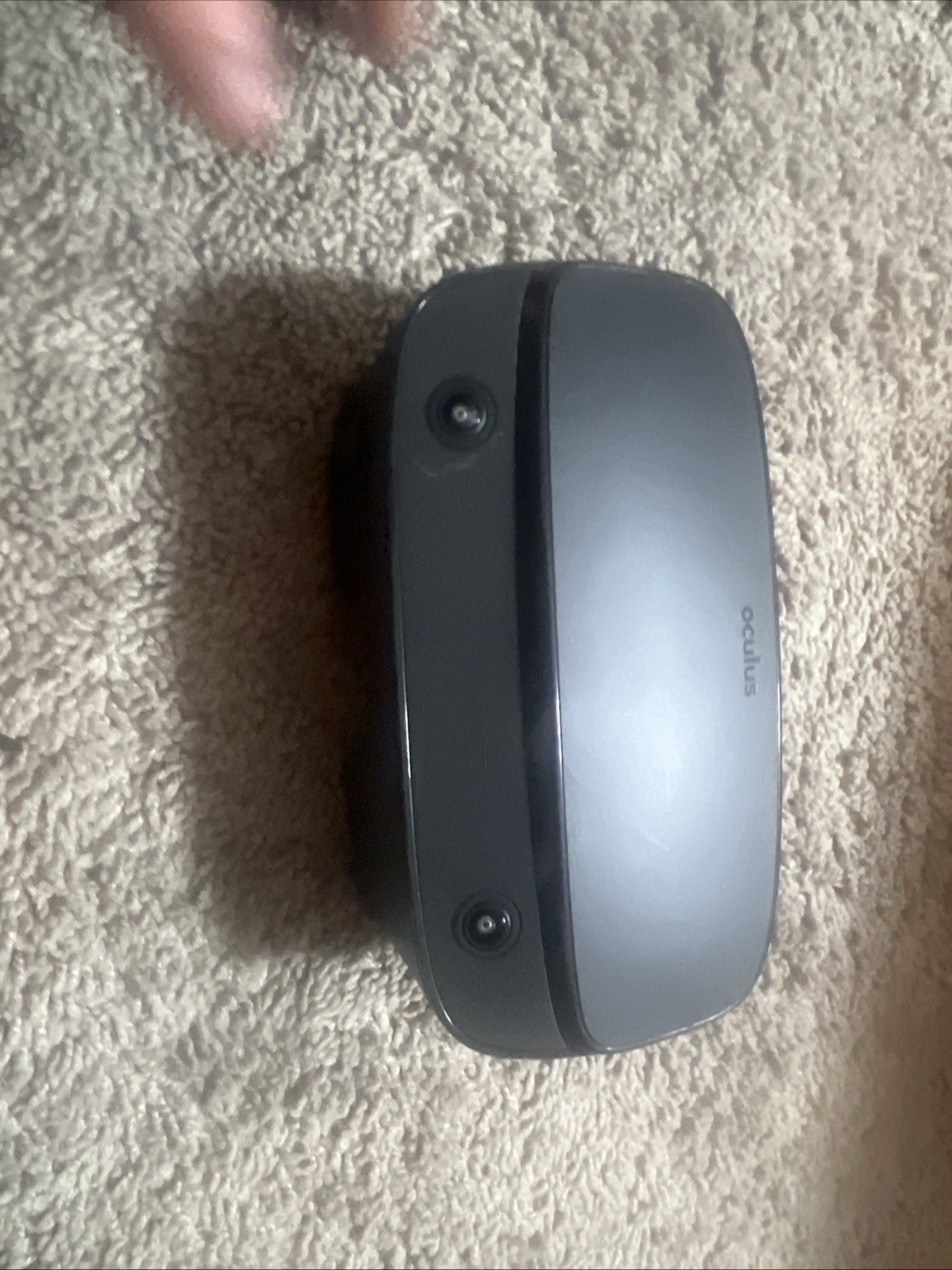 Oculus Rift S PC Powered VR Gaming Headset ONLY$8.99View on eBay
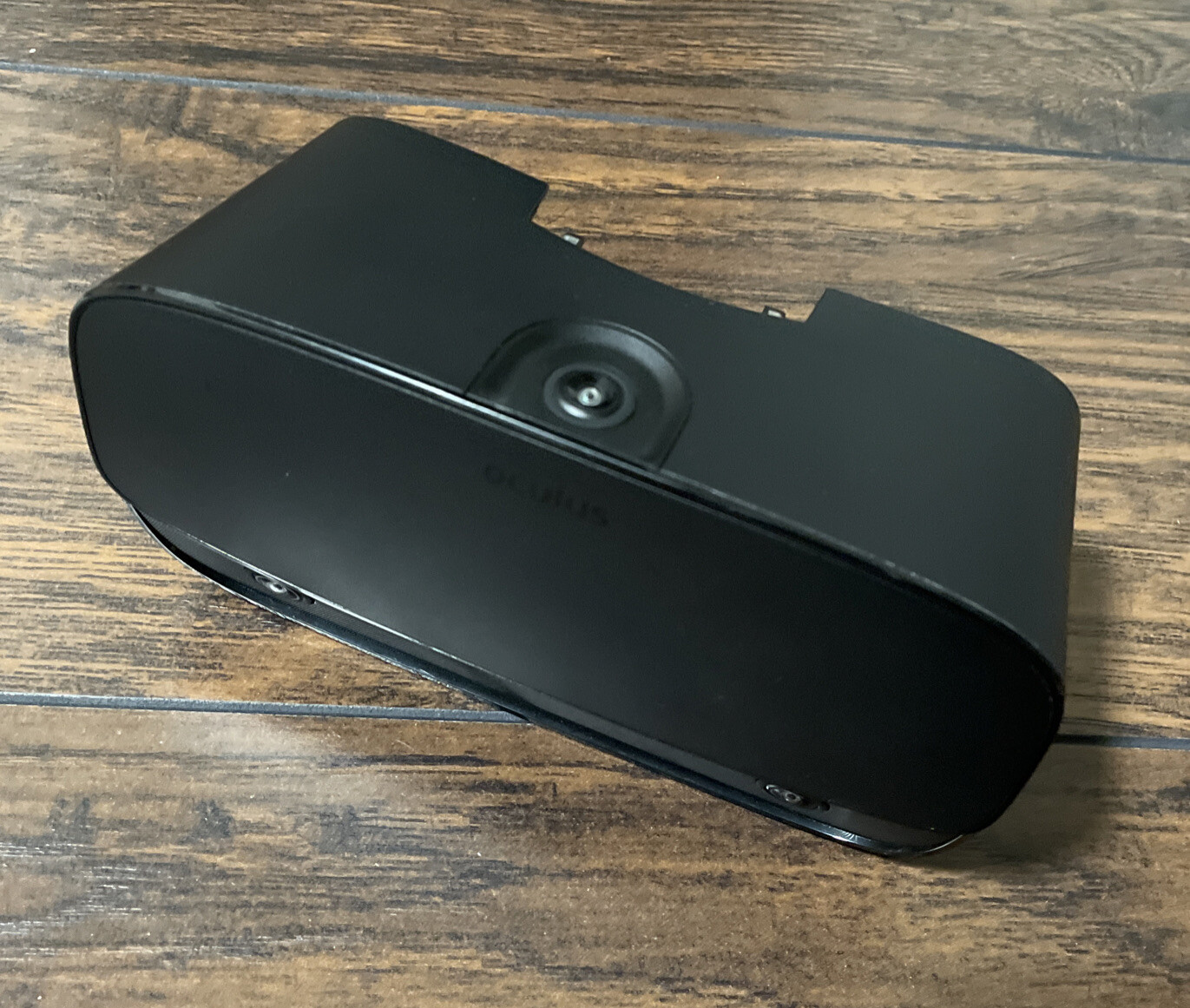 Oculus Rift S PC Powered VR Gaming Headset ONLY$11.95View on eBay
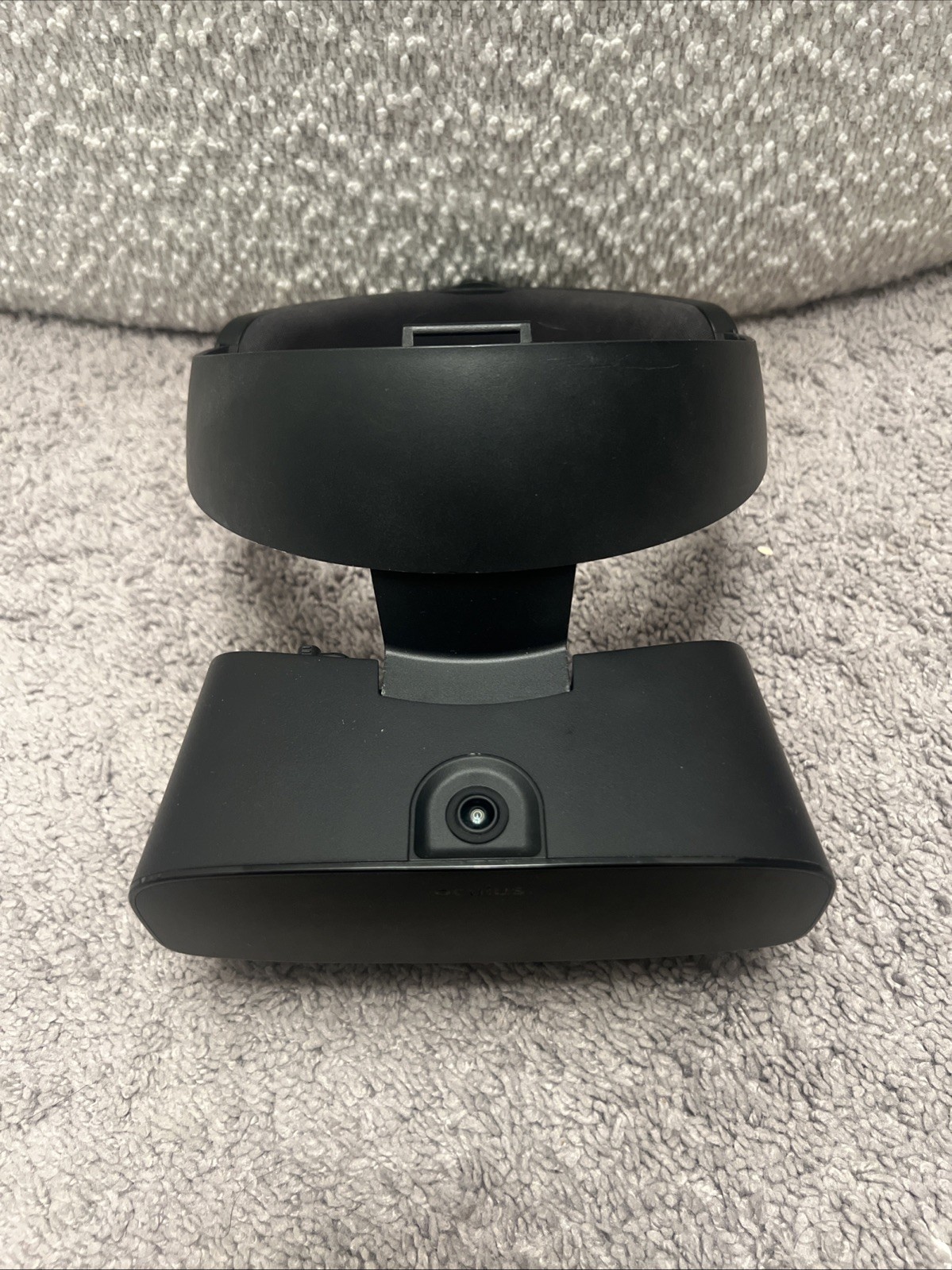 Oculus Rift S PC-Powered VR Gaming Headset ONLY Tested$13.99View on eBay
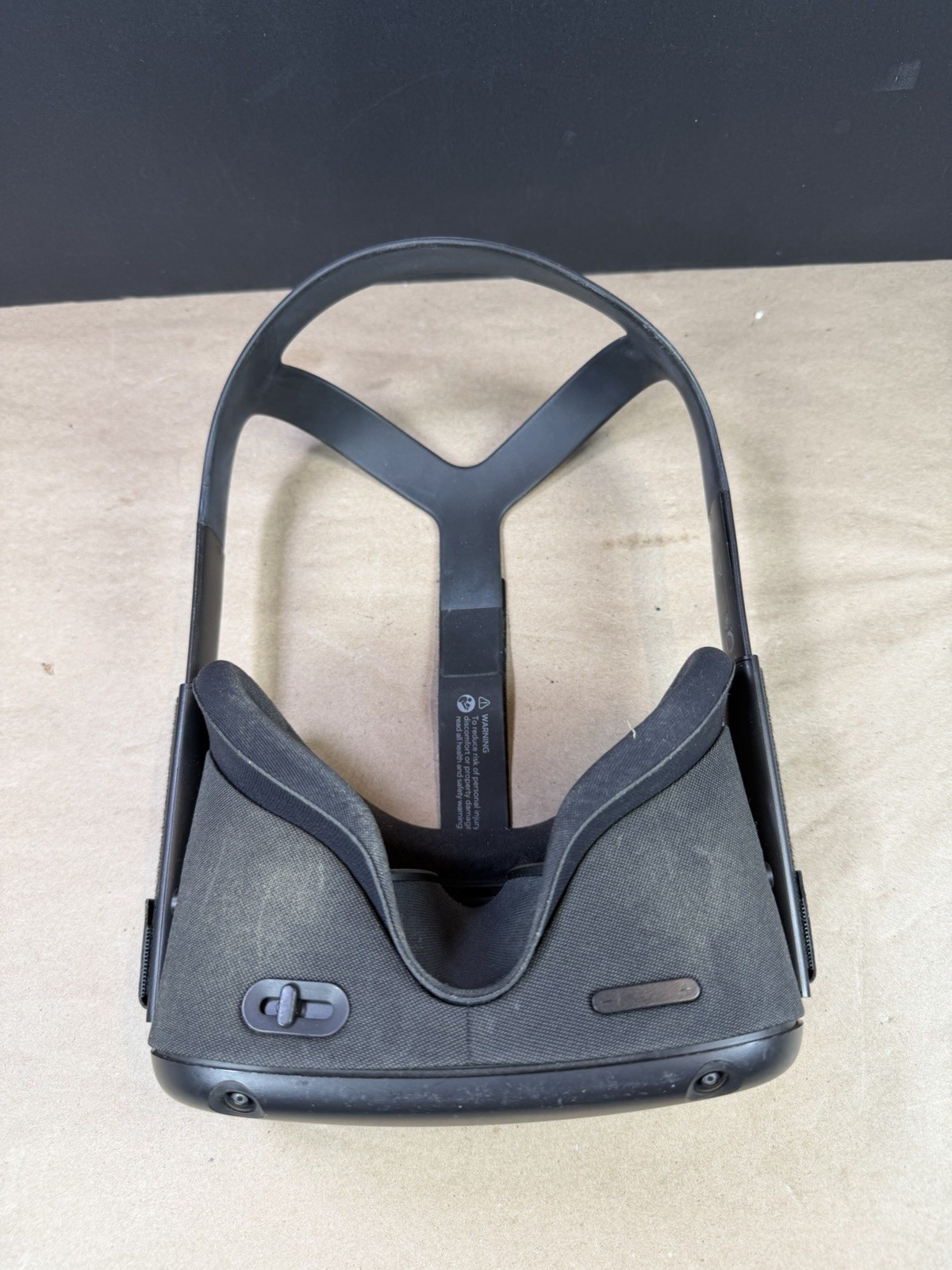 Oculus Quest MH-B Standalone All-In-One VR Gaming Headset Black Built-In Audio$24.27View on eBay
 Meta Quest 2 Standalone VR Headset in White, Meta VR Gaming System$25.00View on eBay
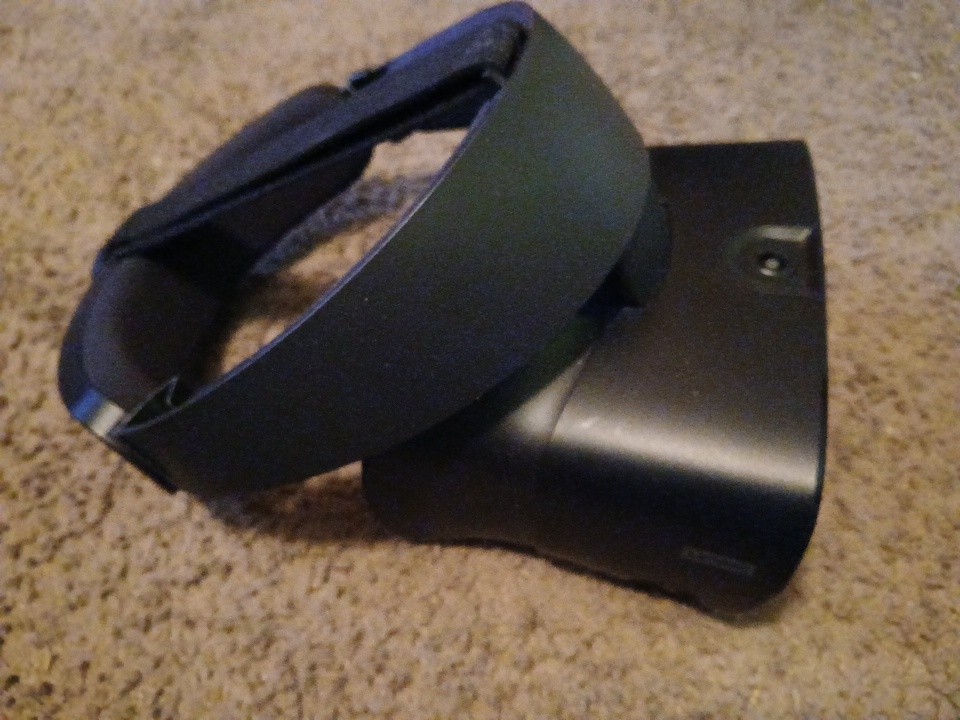 Oculus Rift S PC Powered VR Gaming Headset ONLY - No Controllers or Cables$28.99View on eBay
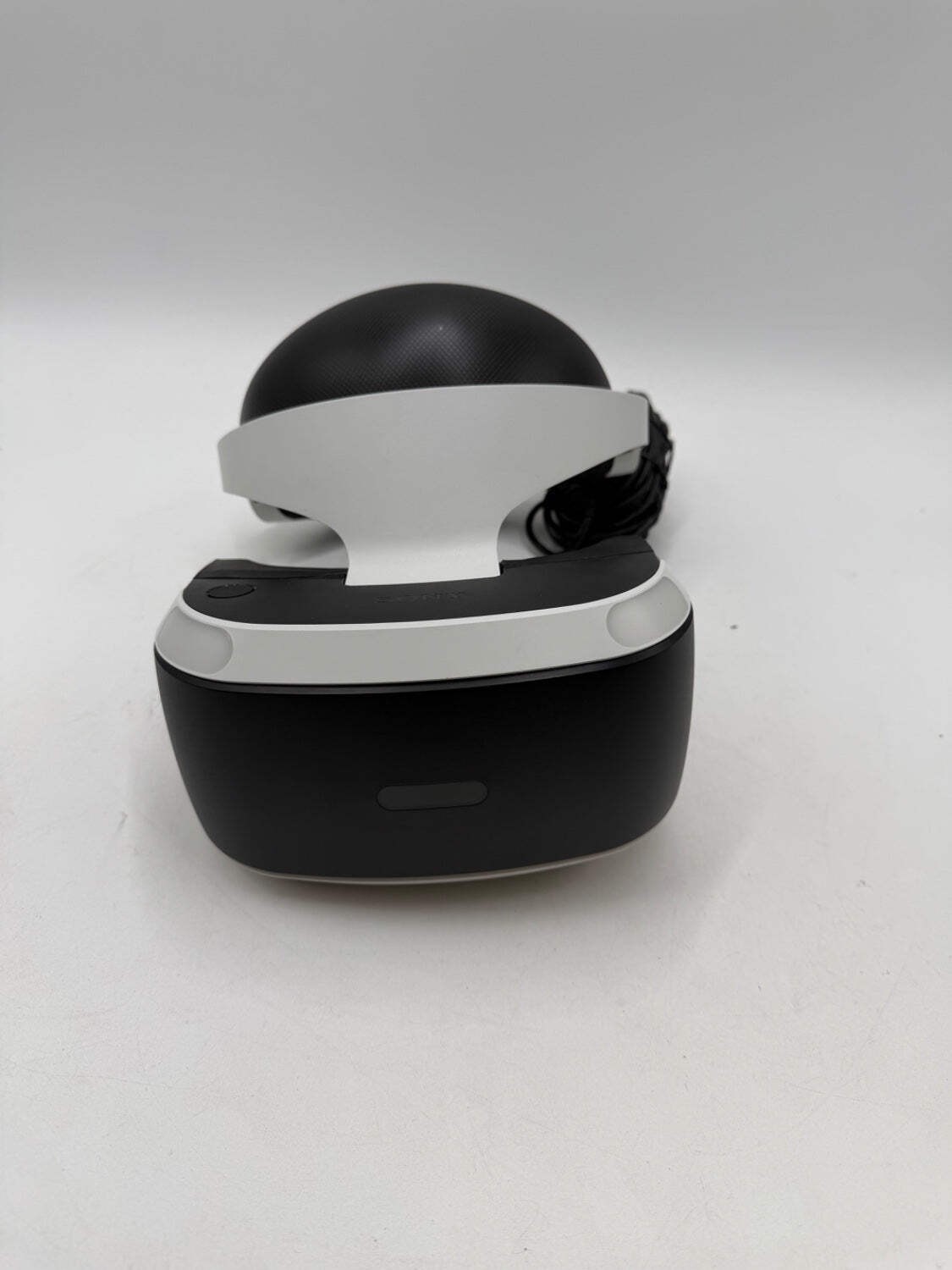 Sony PlayStation VR Virtual Reality VR Headset White CU H-ZVR2$37.99View on eBay
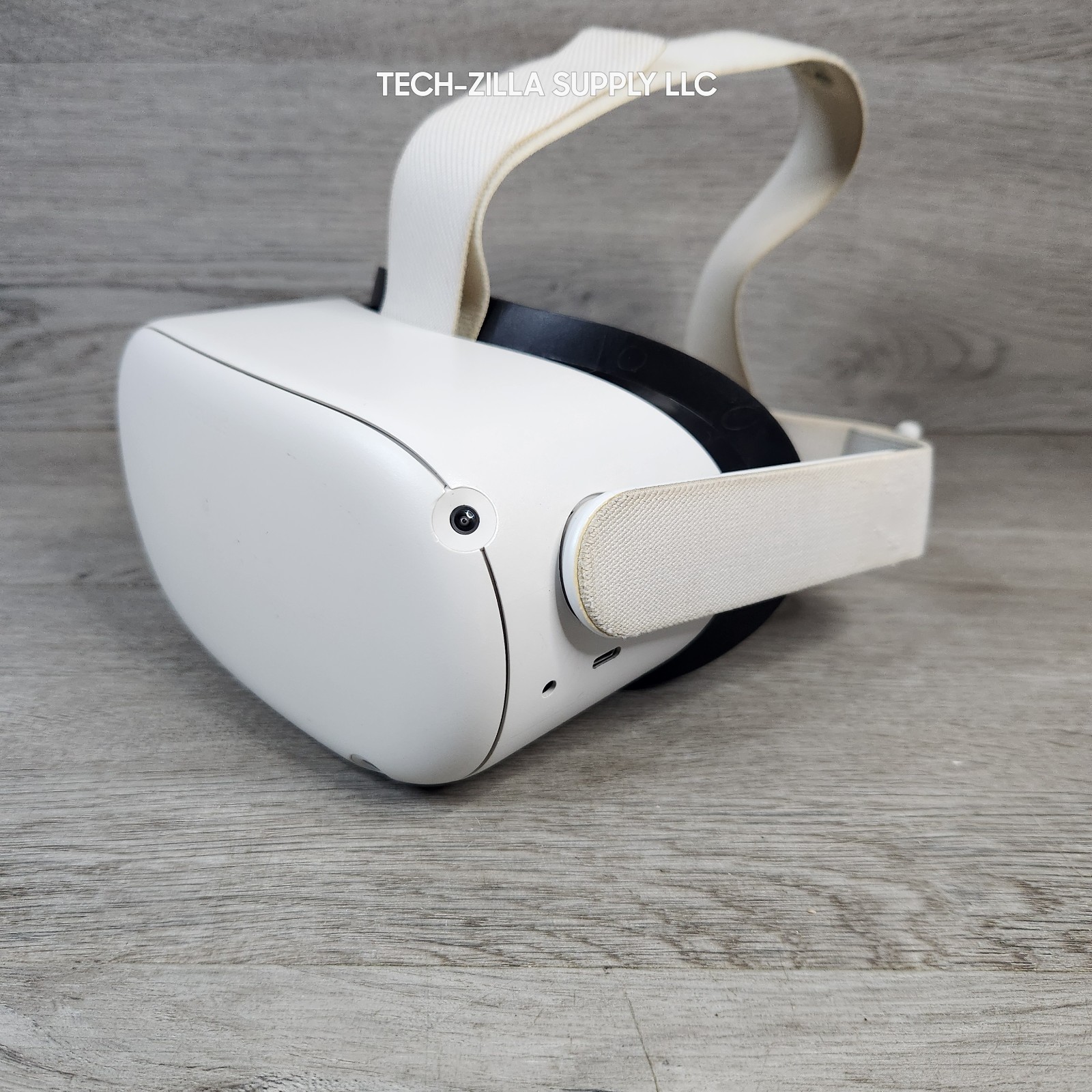 Oculus Meta Quest 2 128GB VR Headset ONLY, Great Condition (No Controllers)$44.95View on eBay
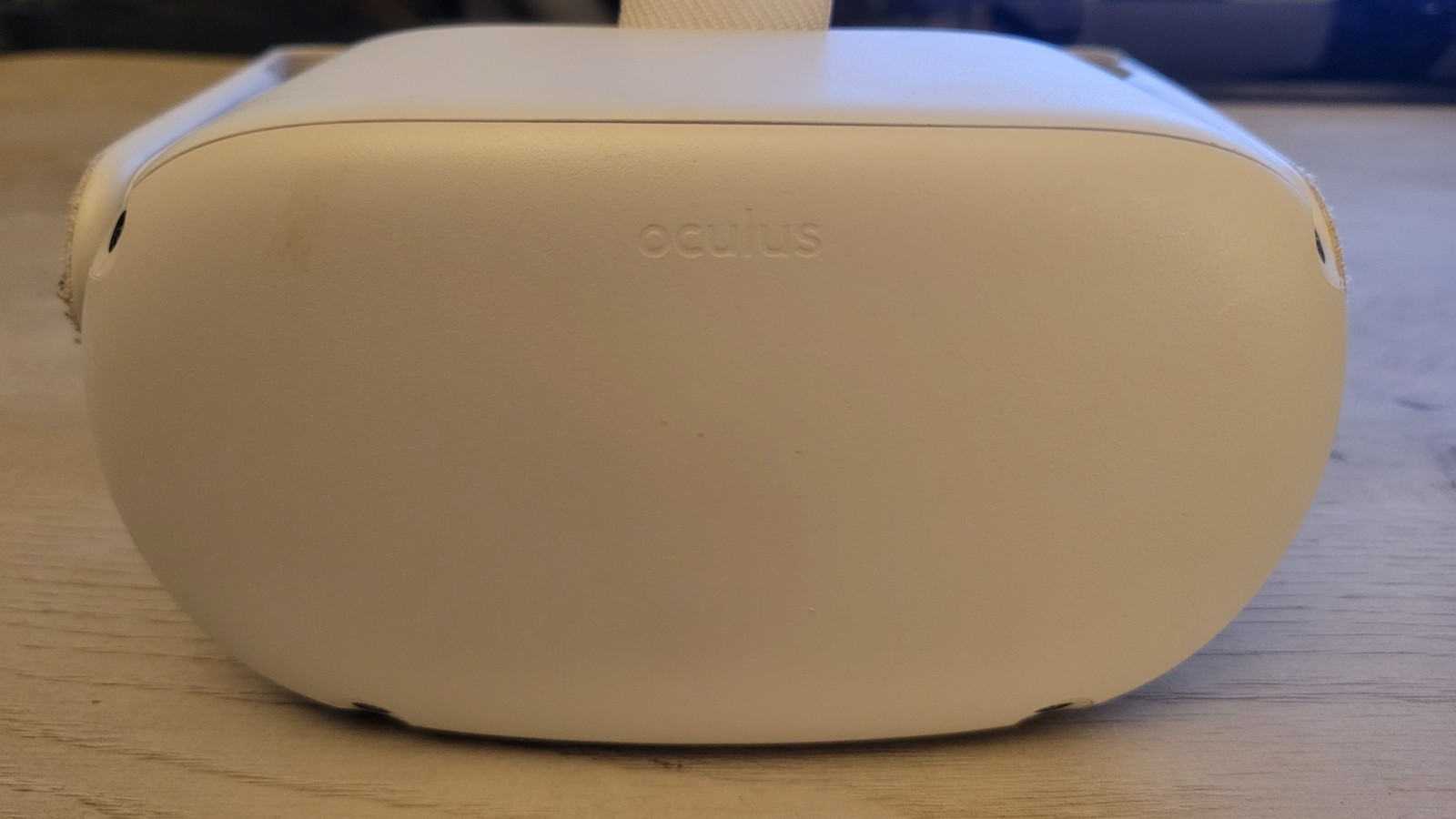 Meta Oculus Quest 2 128GB Standalone VR Headset Only No Controllers Tested$45.00View on eBay
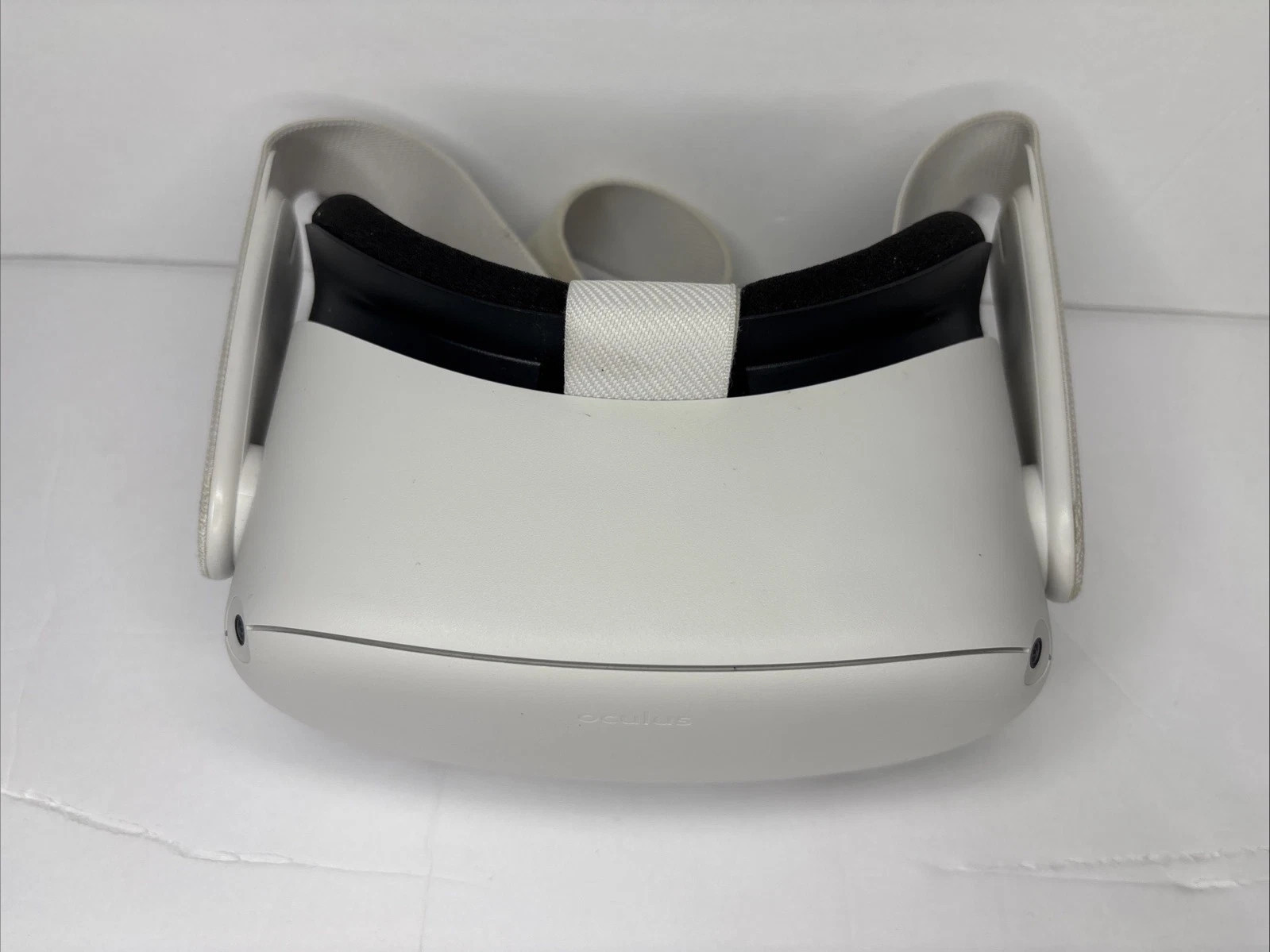 Meta Oculus Quest 2 128GB VR Headset Headset ONLY - No Controllers$45.00View on eBay
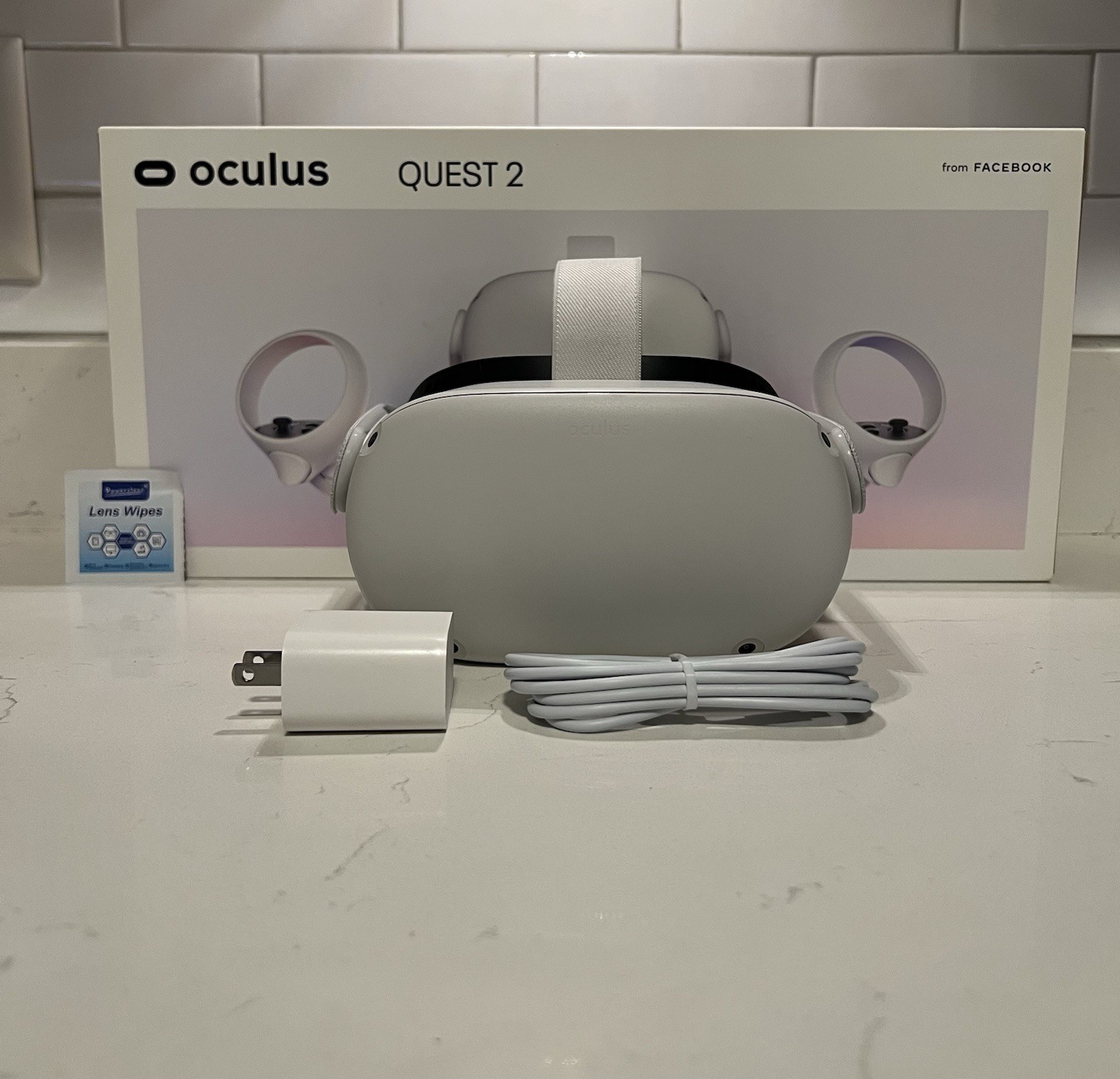 Meta Quest 2 - 64GB VR Headset$49.99View on eBay
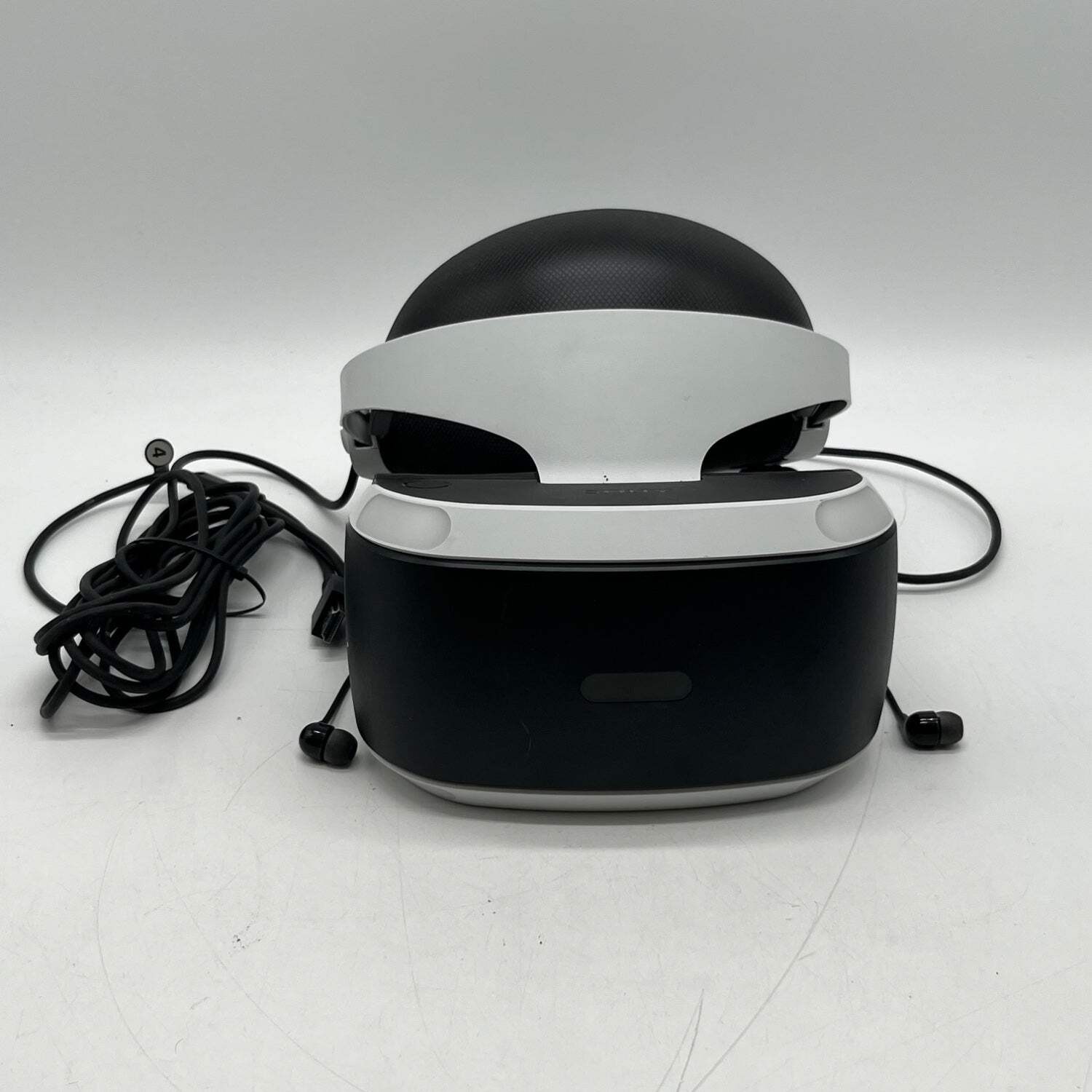 Sony PlayStation 4 PS4 Virtual Reality VR Headset Black CUH-ZVR2$49.99View on eBay
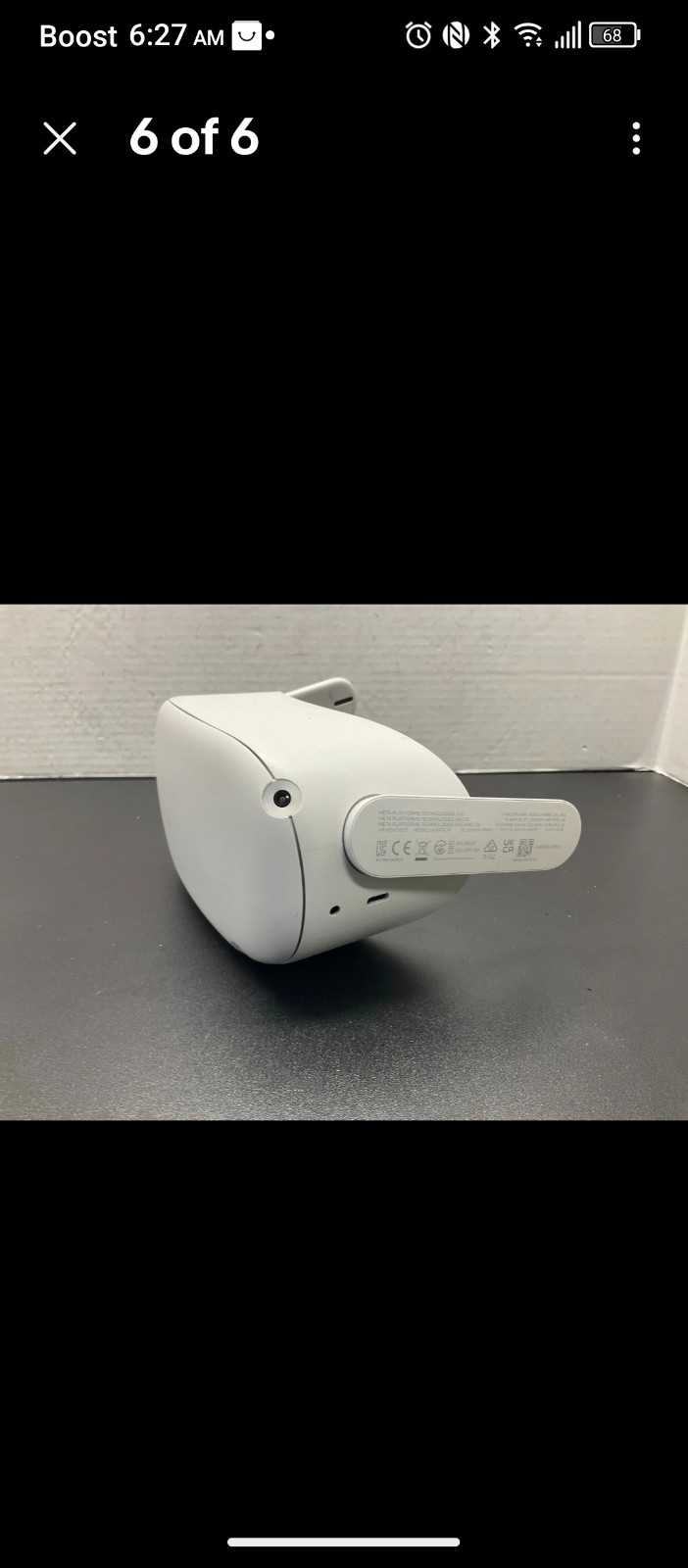 Meta Quest 2 128GB Advanced All-in-One VR Gaming Headset - ( WEAR & TEAR )$65.00View on eBay
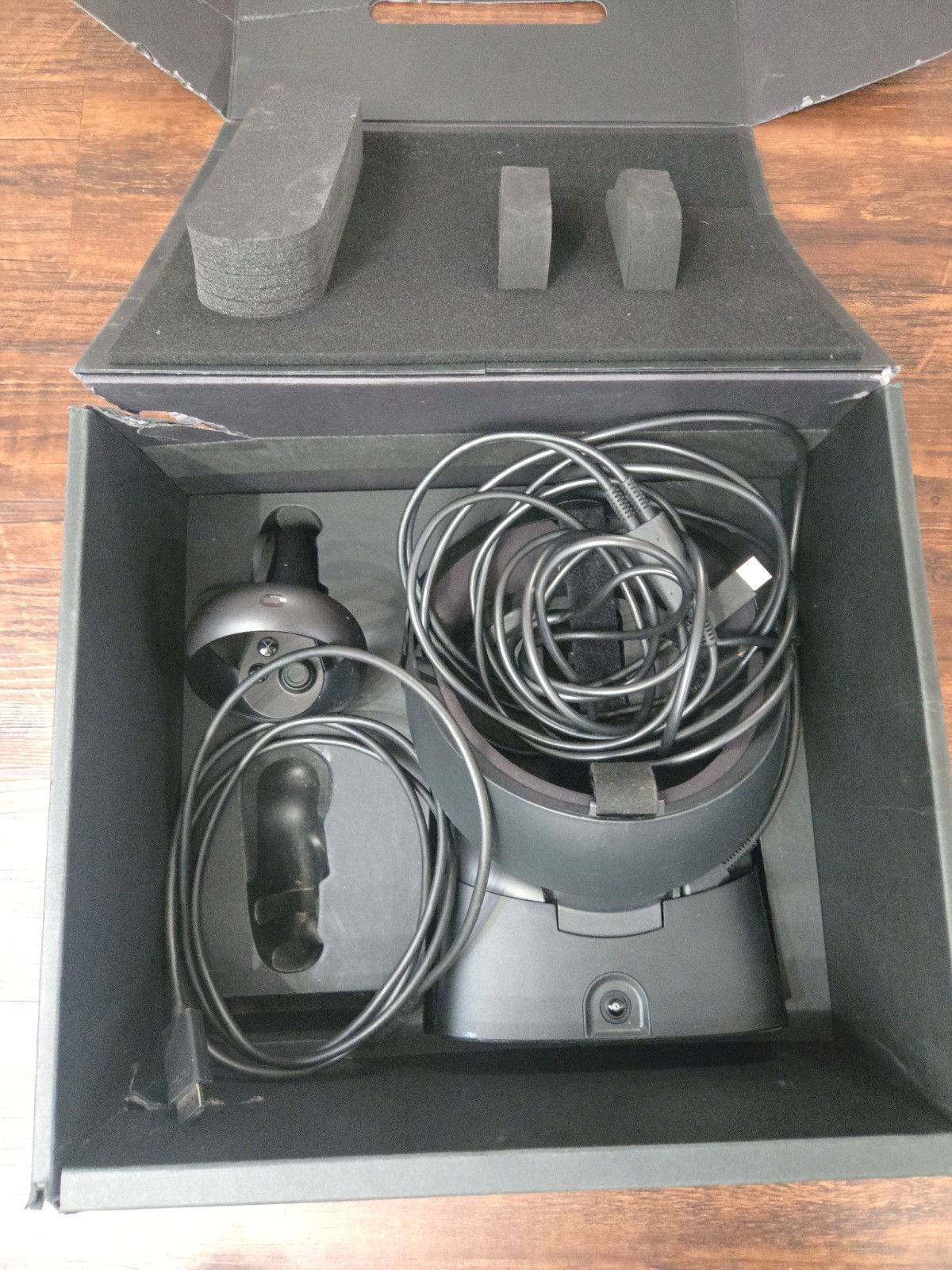 Oculus Rift S PC-Powered VR Gaming Headset - Black *1 Controller Preowned$68.88View on eBay
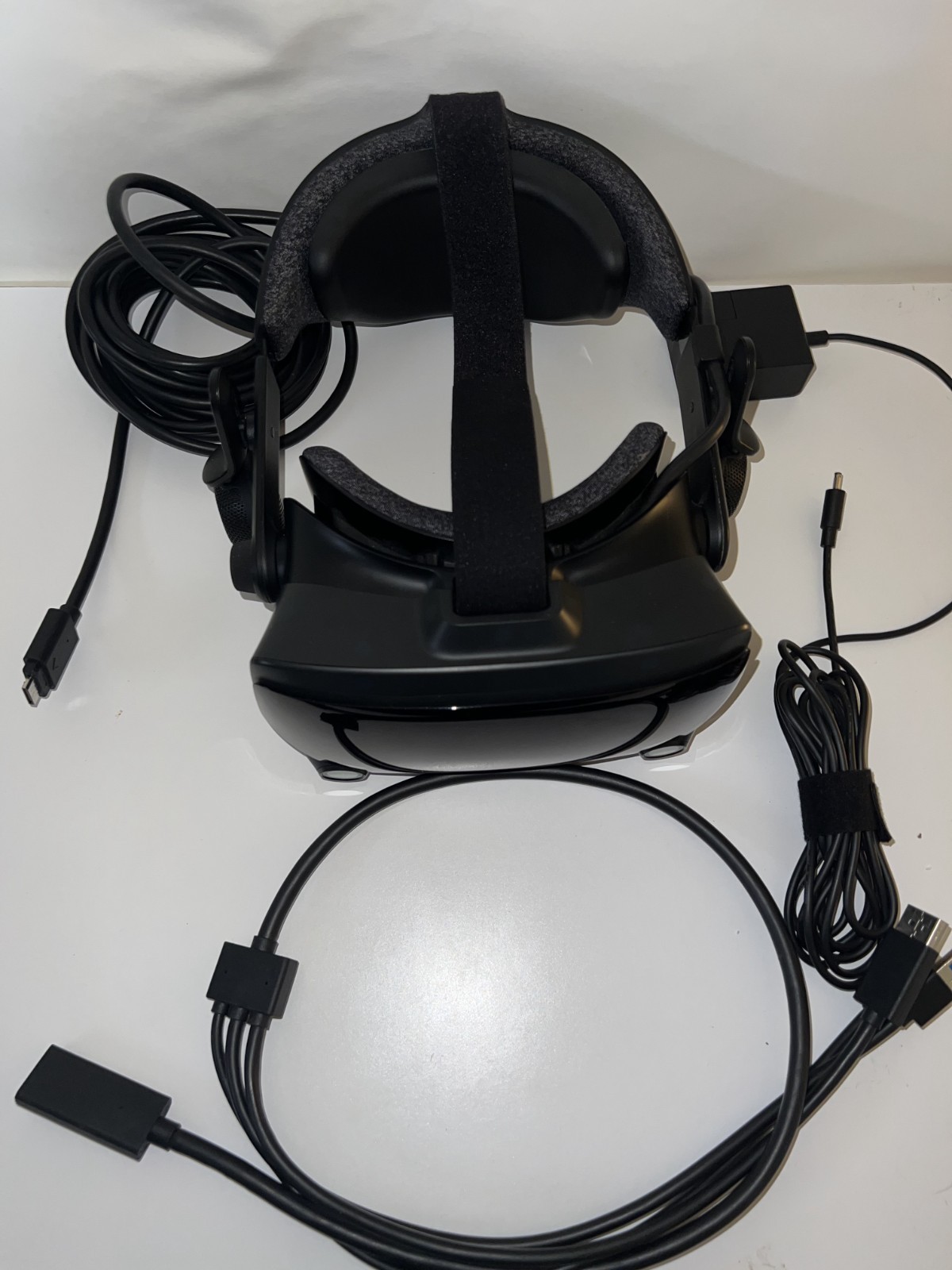 Steam Valve Index VR Gaming HEADSET ONLY - READ$80.00View on eBay
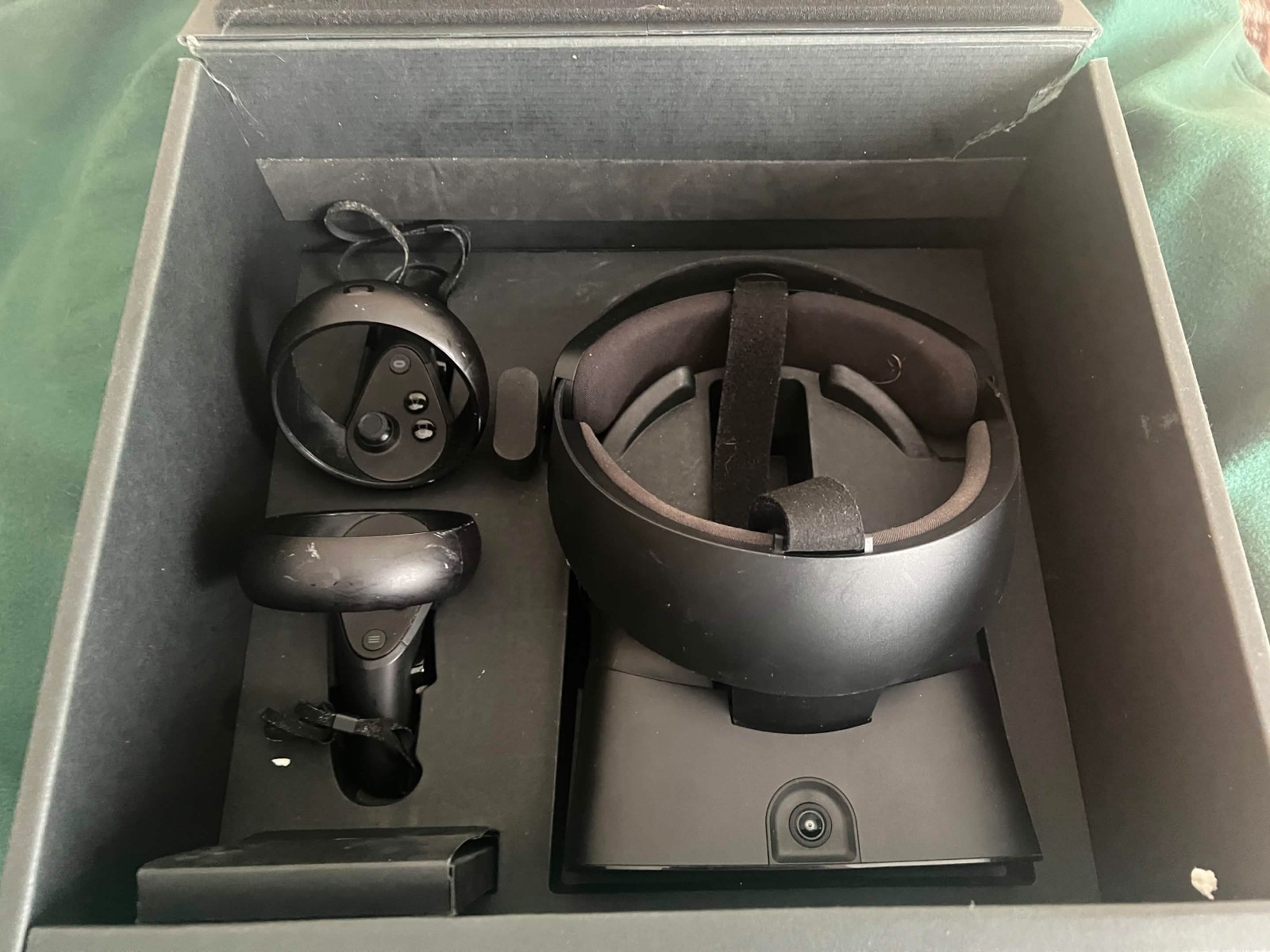 CABLE NOT INCLUDED Oculus Rift S PC-Powered VR Gaming Headset - Black$80.00View on eBay
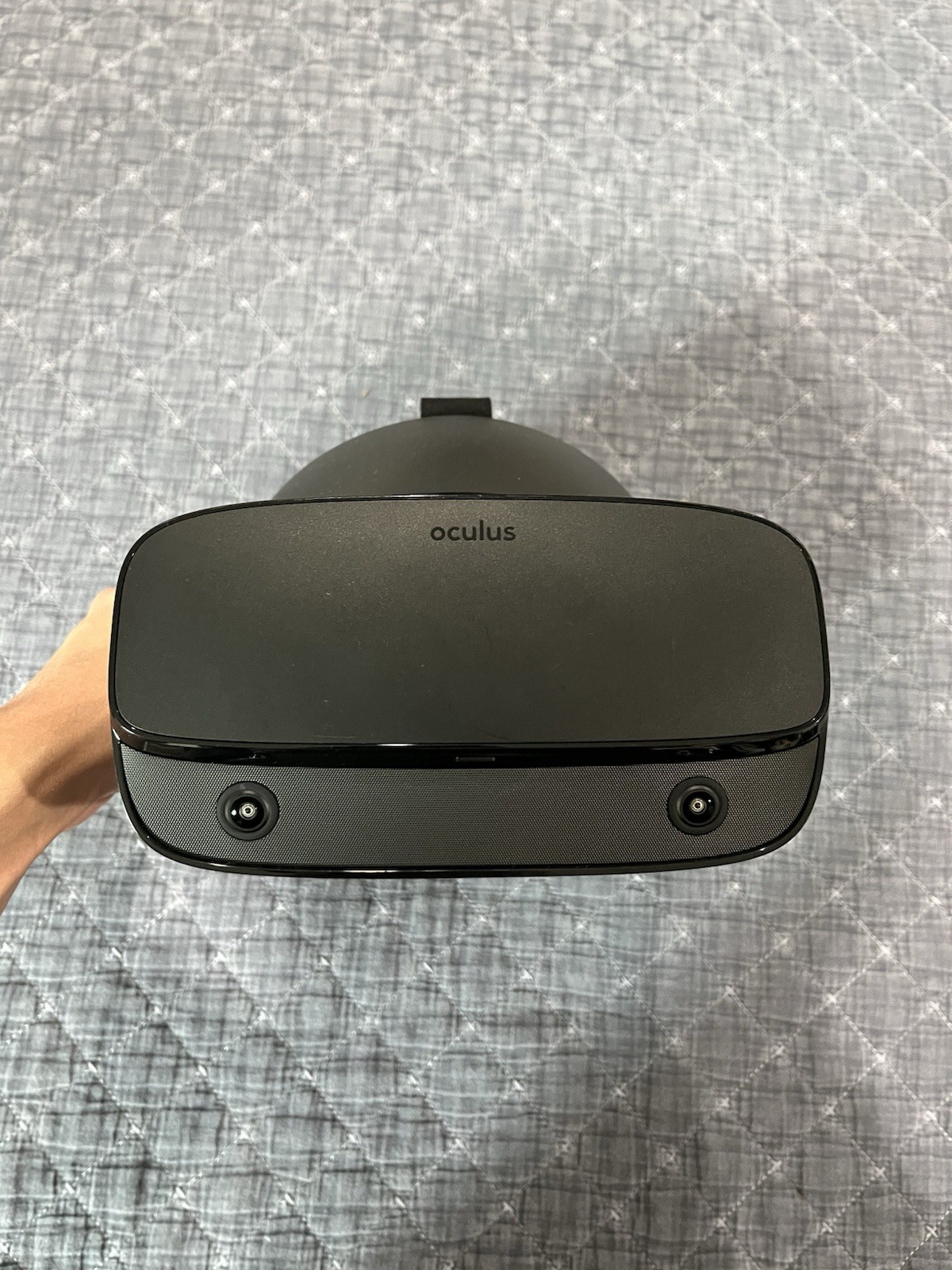 Oculus Rift S PC-Powered VR Gaming Headset - Black - *MESSAGE*$85.00View on eBay
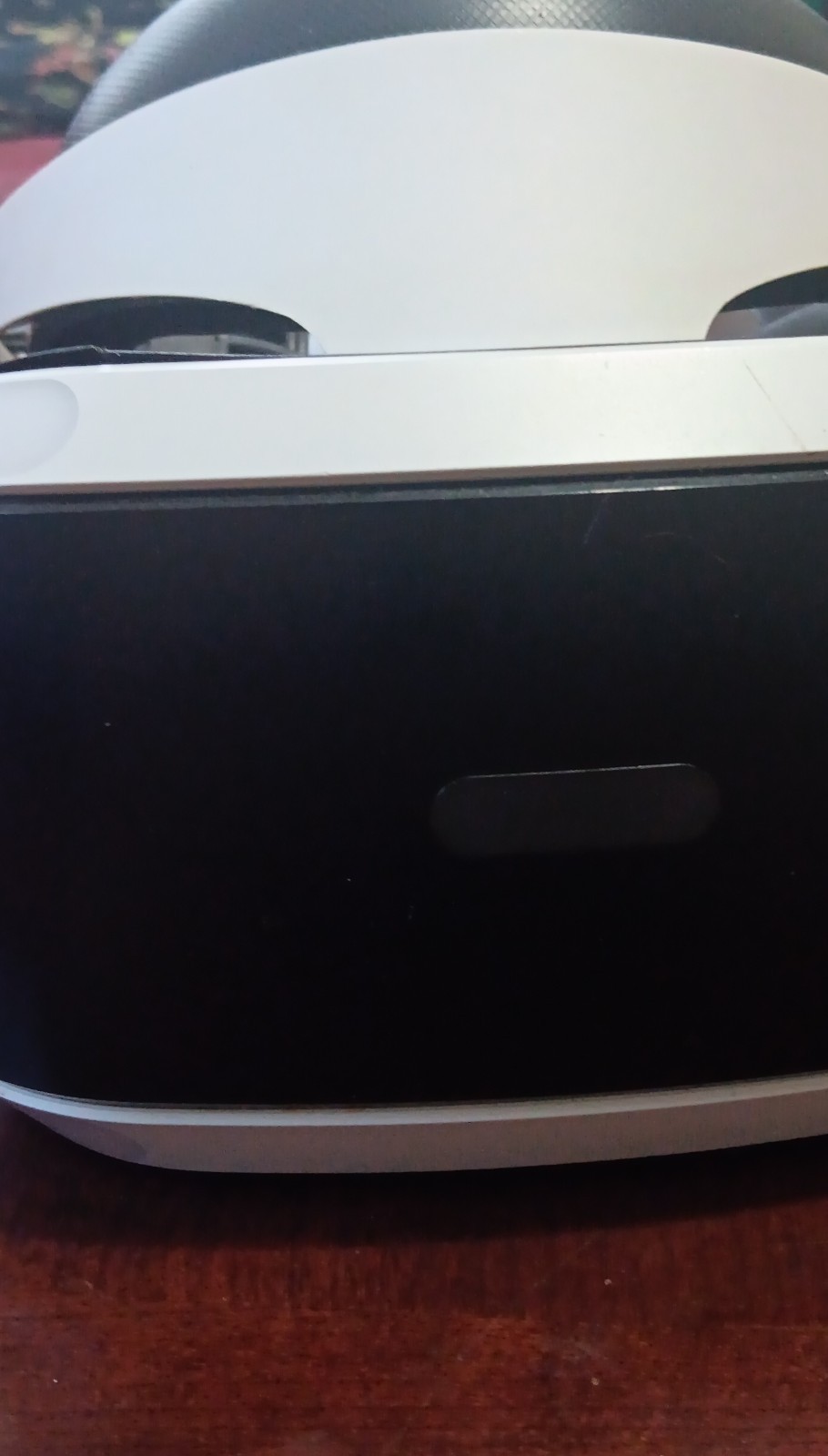 Sony PlayStation VR Headset Bundle Black/White HDMI USB with Accessories$100.00Last checked Nov 19, 2026View on eBay
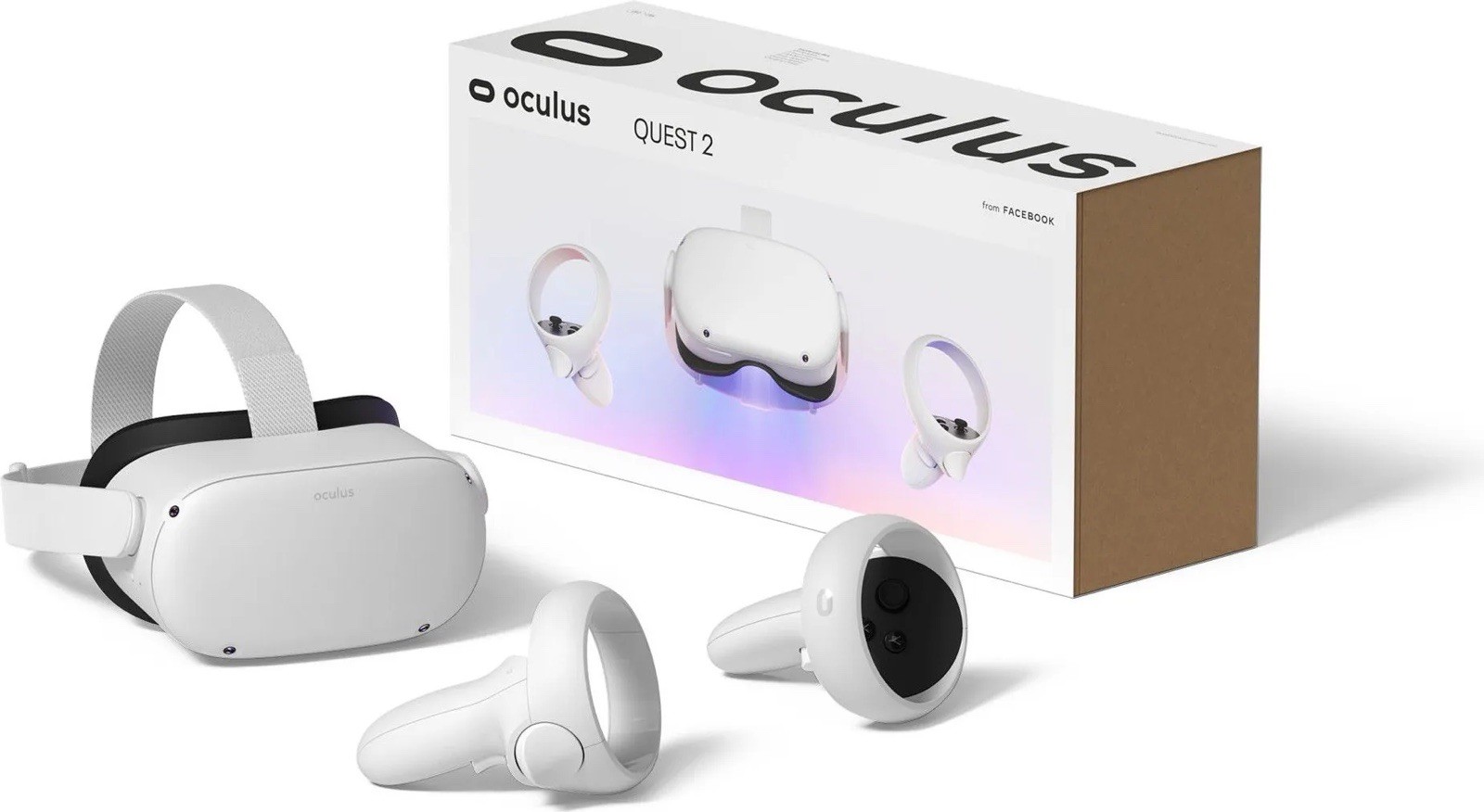 Oculus Quest 2 VR Headset with Touch Controllers, White, case and elite strap$108.00View on eBay
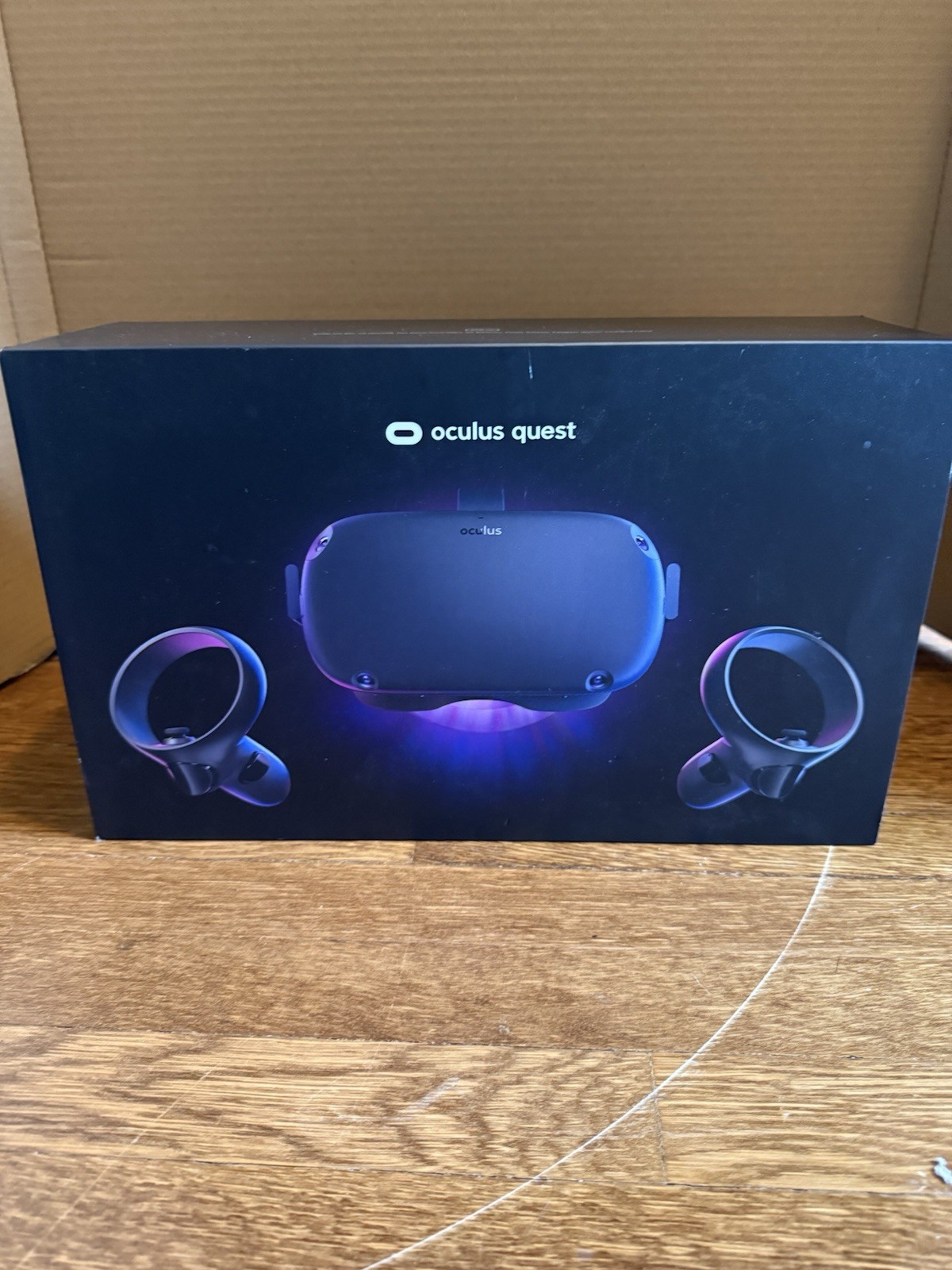 Oculus Quest 128GB VR Headset w/ 2 Touch Controllers Complete Box Tested$109.99View on eBay
Highlights
- Phone-based VR is inherently 3DoF (rotation-only); true 6DoF positional tracking requires inside-out cameras or external base stations, not a passive phone shell.
- Cardboard-style headsets use fixed aspheric lenses with no IPD or focus adjustment, while mid-tier shells add adjustable lens spacing and phone-depth sliders for clearer images.
- A phone must have a gyroscope and accelerometer for head tracking; magnetometer improves drift correction, and proximity sensor support prevents screen sleep inside the headset.
- Phone cradle sizing typically tops out around 6.5–7.0 inches diagonal; oversized phones with thick cases often fail to seat squarely against the lenses.
Best use cases
- Best fit: a passive viewer for 360-degree videos and virtual cinema on a 5.5–6.5-inch phone with gyroscope — choose an adjustable-focus shell and skip controller bundles.
- Best fit: light gaming with a phone VR headset that ships a 3DoF Bluetooth controller — pick this only if your phone has a gyroscope and you accept drift-prone aiming; skip if you expect room-scale movement.
- Wrong fit: any phone lacking a gyroscope (many budget and older models) — the headset will show a static or stuttering image; use a dedicated standalone VR headset instead.
- Wrong fit: users wanting 6DoF room-scale gaming or hand tracking — phone-based VR cannot deliver positional tracking; step up to a standalone or PC-tethered headset.
Buying tips
- Measure your phone's height and width with the case on before buying; most cradles accept roughly 140–160 mm height and 70–80 mm width, and thick cases push the screen too far from the lenses.
- Prioritize adjustable lens spacing (IPD range around 58–72 mm) and a phone-depth slider; fixed-lens Cardboard clones cause double vision for many users outside the 60–65 mm IPD sweet spot.
- Avoid headsets without a proximity-sensor cutout or a physical screen-hold mechanism; without it, the phone screen sleeps mid-session and interrupts viewing.
- Compare lens type carefully: aspheric lenses are standard and inexpensive, while Fresnel or hybrid lenses reduce glare and chromatic aberration but appear mostly in higher-tier phone VR shells.
Specs
| Tracking Type | 3DoF phone VR; 6DoF needs standalone |
|---|---|
| Phone Size Fit | 5.5–6.5 in / ~140–160 mm height |
| Lens Adjustment | Fixed vs adjustable IPD/focus |
| Controller Support | None / 3DoF Bluetooth bundle |
Related searches
What to check before buying
- Confirm your phone model has a gyroscope and accelerometer in its spec sheet; budget phones often omit the gyroscope entirely.
- Measure phone length, width, and thickness with any case installed, then compare against the headset's stated cradle dimensions.
- Check that the headset has a nose cutout and cushioning that matches your face shape; hard plastic edges without foam cause pressure points in longer sessions.
- Verify the headset includes or supports a Bluetooth controller if you plan to play games, since phone VR apps rarely work with touchscreen input alone.
FAQ
Data sources: eBay / Amazon listings and product attribute feeds. Updated Nov 28, 2026.
Some links on this page are affiliate links. If you buy after clicking one, we may earn a commission at no extra cost to you. This does not change which products appear here or their order. Affiliate disclosure.