TechShelf Guide

TechShelf Guide

Consumer Electronics Reviews & Buying Guides

Compare consumer electronics by use case, features, trade-offs, price, returns, and seller terms before you buy.

Buying guides

Buying guide image
Computers & Peripherals

Wireless Mouse

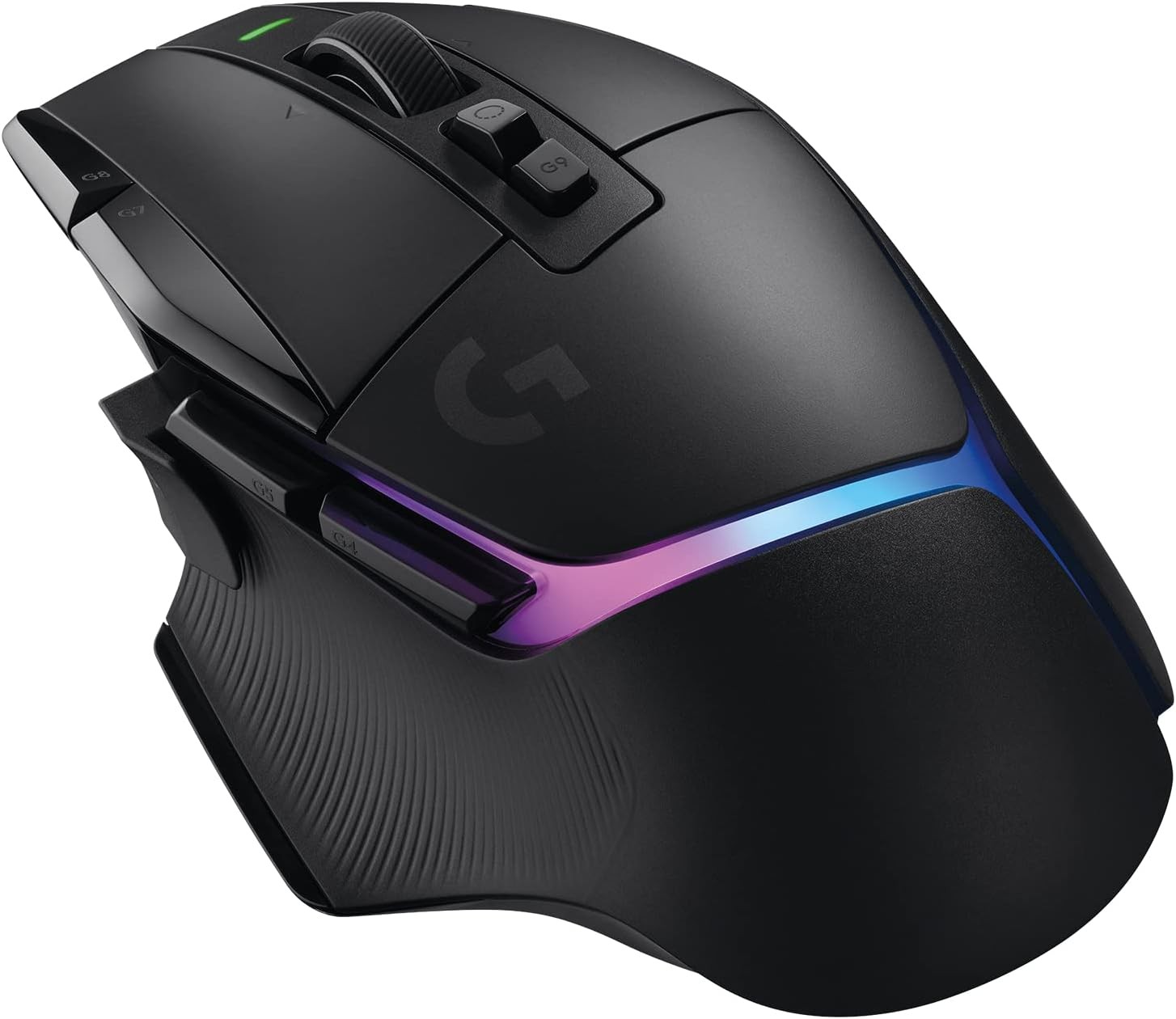
A wireless mouse is a pointing device that connects via 2.4 GHz USB receiver or Bluetooth, with the primary trade-off being sensor/connection reliability versus ergonomic and build quality. Durable options use branded optical sensors, 1000 Hz polling, and PTFE feet; compromises use generic sensors, high click latency, and thin plastic shells. Choose a 2.4 GHz receiver for lowest latency and Bluetooth for multi-device portability—skip combo-bundle mice if you need precise tracking or long-term durability.
Buying guide image
Home Theater Speakers & Subwoofers

Sound Bar

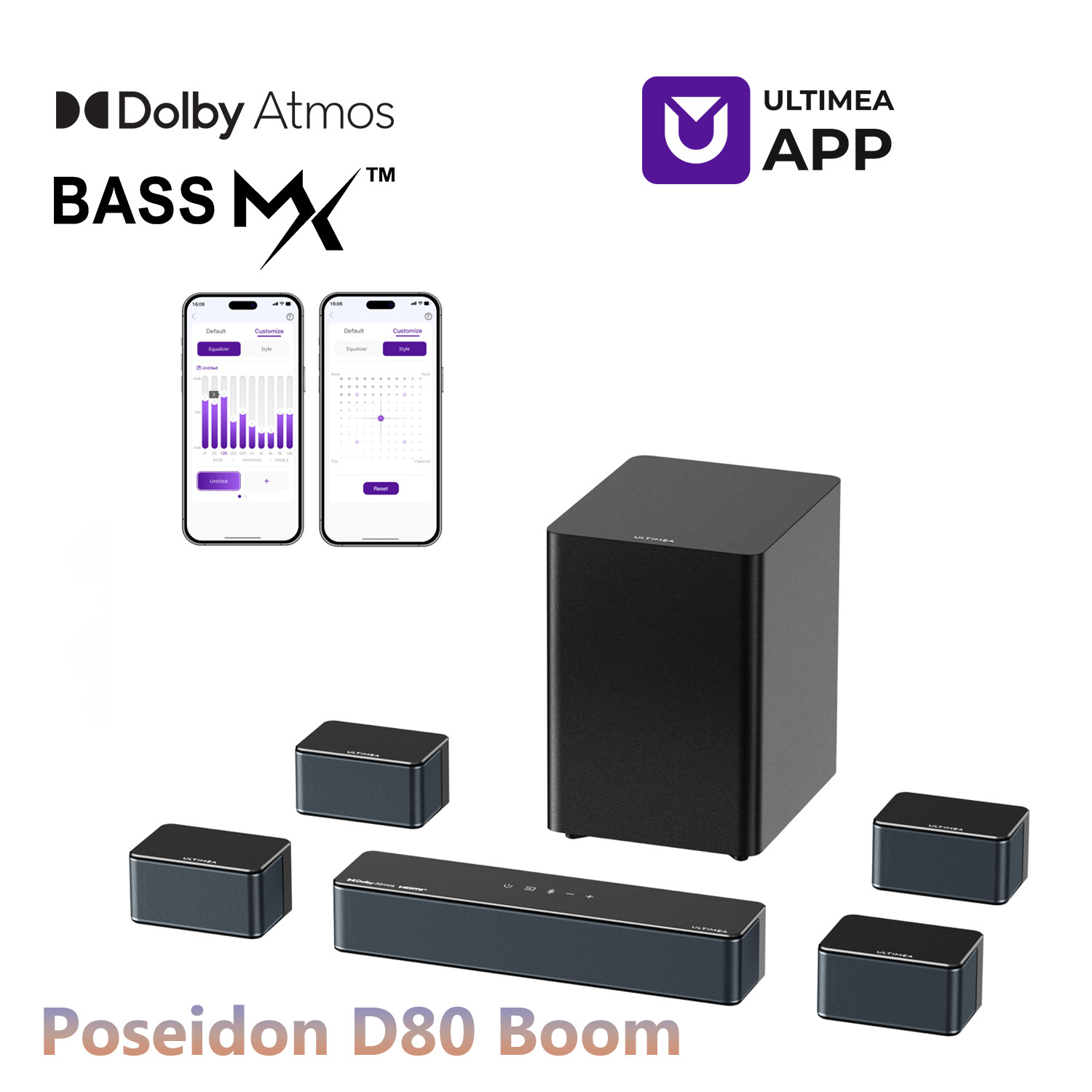
A sound bar is a slim, multi-driver speaker array plus dedicated subwoofer that replaces TV down-firing speakers with clearer dialogue and real bass. The core trade-off is channel architecture and subwoofer quality: 2.0/2.1 bars deliver clean stereo and punch, while 5.1.2/7.1.4 bars add discrete rear and height channels for true surround. The decision rule: buy a bar with a wired or wireless subwoofer and at least Dolby Digital decoding for a living-room upgrade; skip any bar without a subwoofer out or HDMI ARC/eARC if you want to avoid muffled dialogue and handshake headaches.

Buying guide image
3D Printing Filament & Resin

ABS 3D Printer Filament

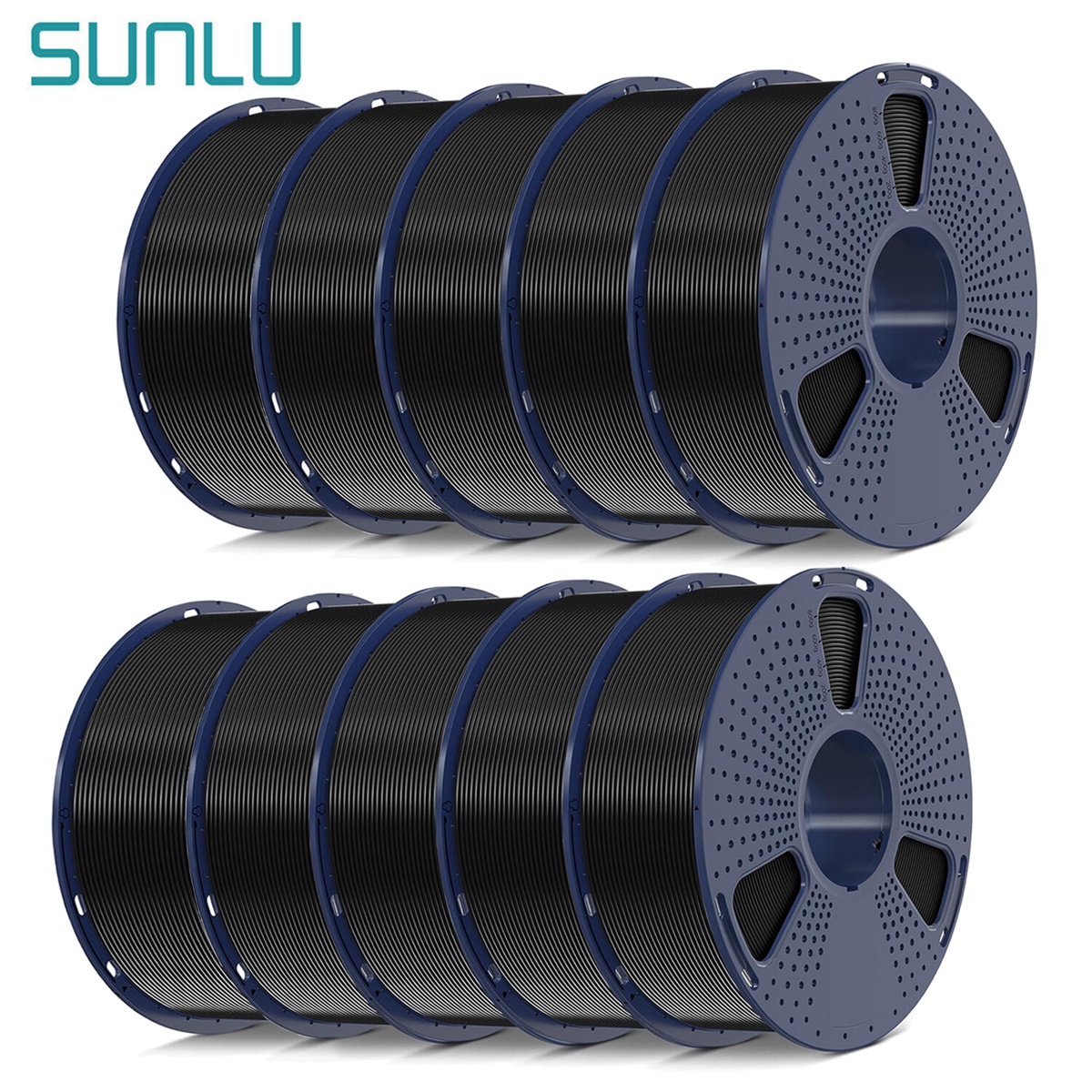
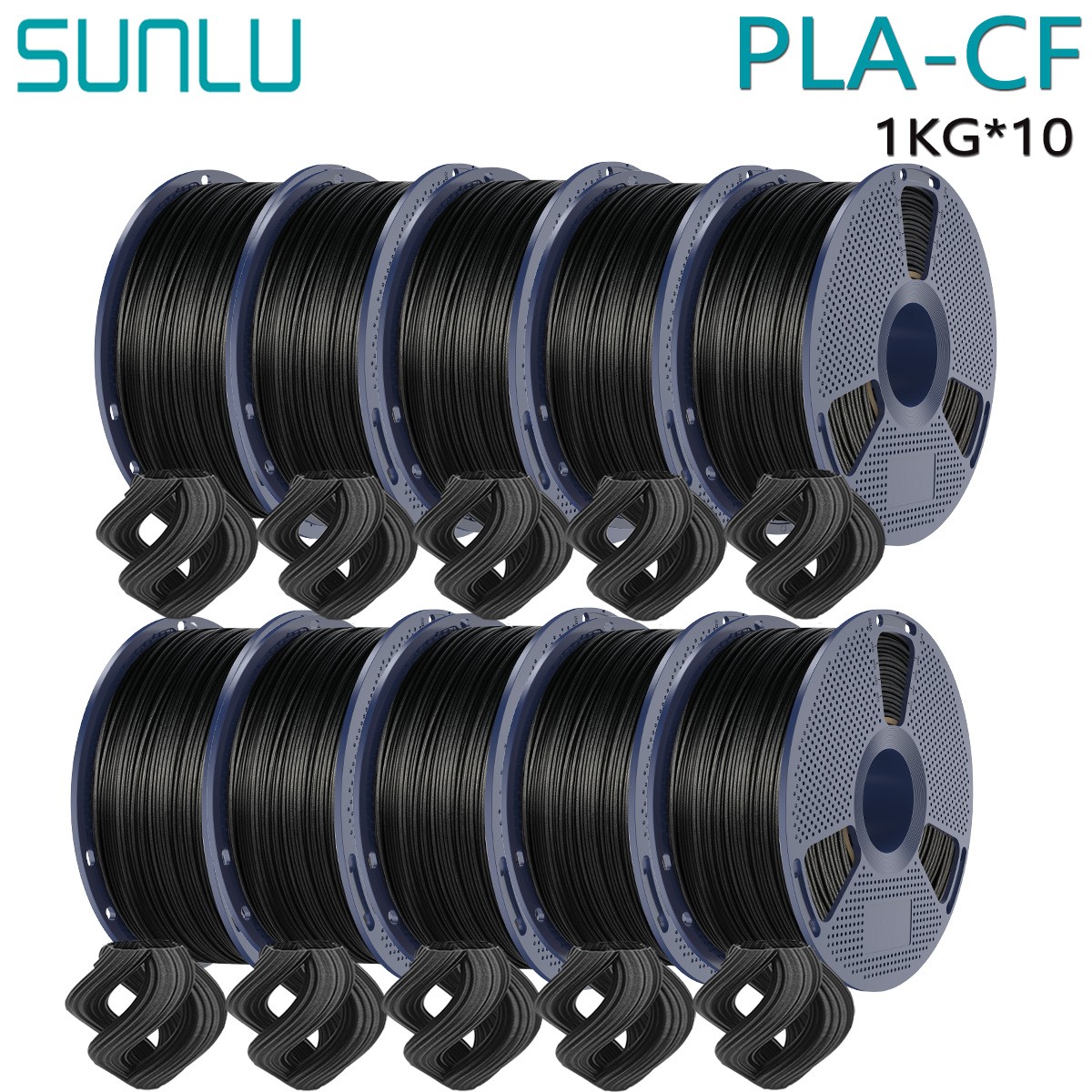
ABS filament is a styrene-butadiene copolymer FDM material prized for impact resistance, heat tolerance near 100°C, and post-processing with acetone vapor. The core trade-off is printability versus durability: standard ABS demands an enclosed, draft-free chamber and warps on open beds, while ABS+ and ASA blends trade some chemical resistance for lower warp and better layer adhesion. Buy standard ABS only for enclosed printers and functional parts; choose ABS+ or ASA for open-frame or outdoor use.

Buying guide image
3D Printing Filament & Resin

ABS Filament 3D Printer

ABS filament is an oil-based styrenic thermoplastic for functional 3D-printed parts that need higher heat resistance and impact toughness than PLA, at the cost of enclosure requirements, fumes, and warping risk. The decisive trade-off is between cheap generic ABS that warps unpredictably and engineered ABS/ABS+ grades with low-shrink modifiers and tight diameter tolerance. Buy enclosure-ready ABS with a 1.75 mm ±0.02 mm spec and 100–110 °C bed capability, or step up to ASA if UV exposure is in play.

Buying guide image
Robotics Motors & Maker Kits

Robotics Kit

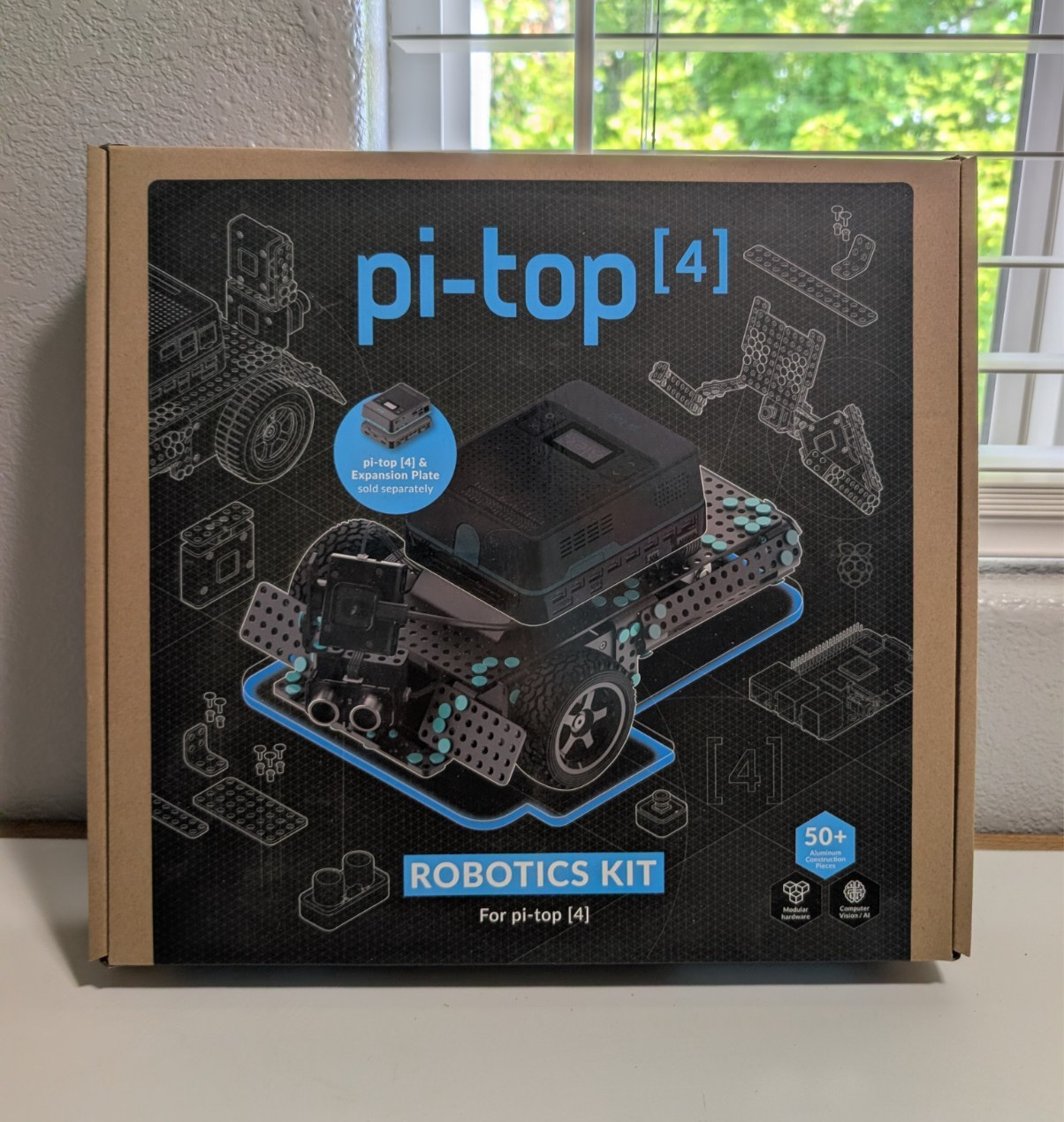
A robotics kit is a curated bundle of controller, motors, sensors, and structural parts, but the bundle architecture determines whether it teaches coding, electronics, or mechanical design. Most buyer mistakes come from mismatching the kit's controller ecosystem and expansion bus to the learner's existing tools and age, not from raw part count. Choose by controller family and programming environment first, then by motor and sensor completeness.

Buying guide image
Projectors & Screens

Home Theater Projector

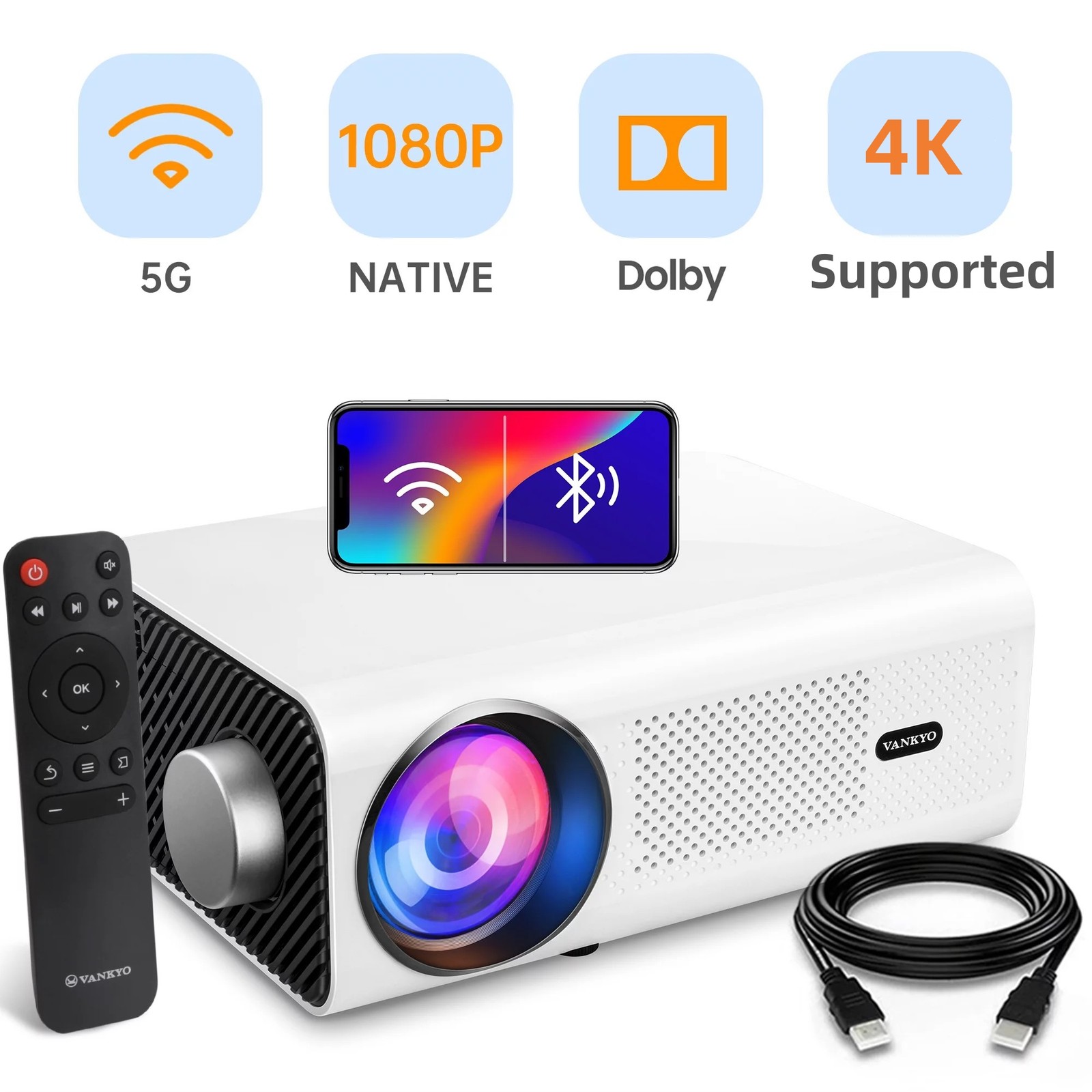
A home theater projector is a display engine built for dark-room, large-screen viewing, where the core trade-off is light output vs. color accuracy and throw flexibility. Durable options use true specified ANSI lumens, real native resolution (1080p or 4K), and low-latency HDMI; compromises rely on inflated 'Lumens' marketing, pixel-shifted faux-4K, or single-chip LCD panels with poor contrast. The decision rule: buy by native resolution, measured ANSI lumens, and throw ratio—ignore inflated brightness claims and bundled screens as the deciding factor.

Buying guide image
TVs & Display Panels

Smart TV

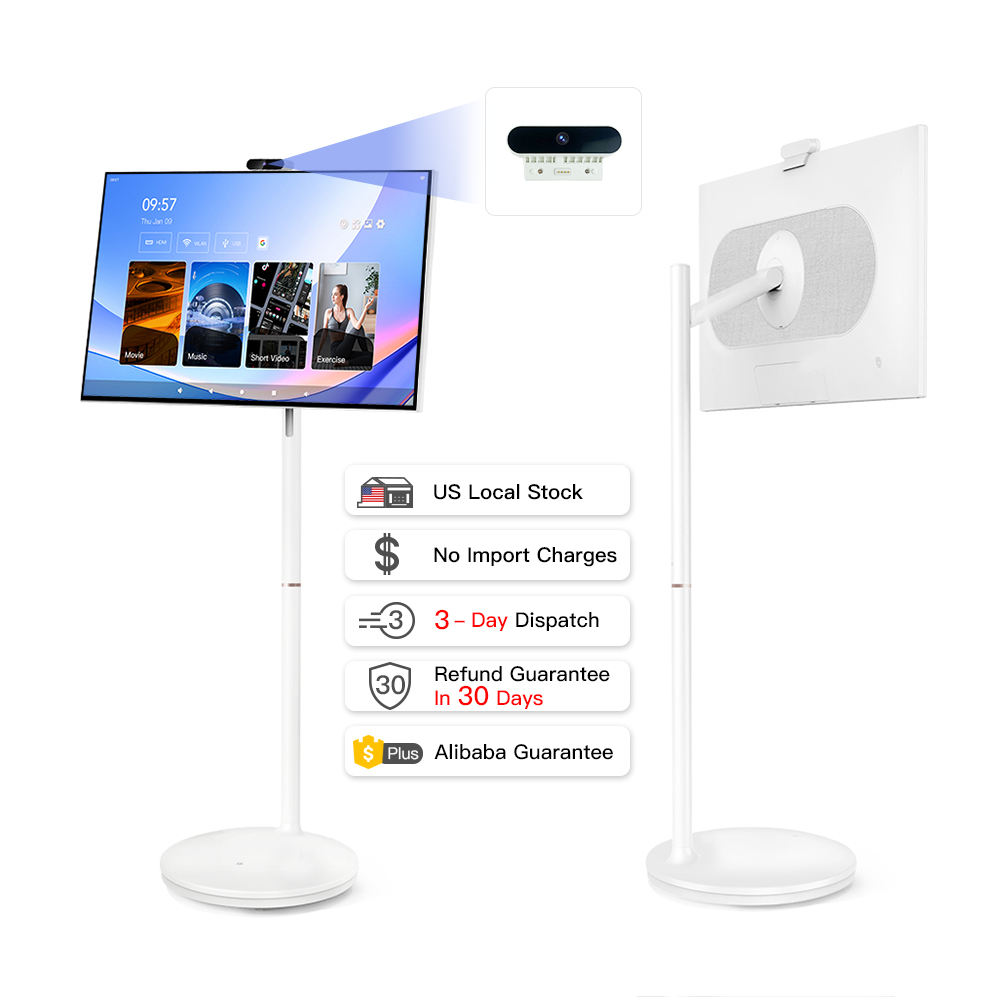
A smart TV is a display with an integrated streaming OS and tuner, where the core trade-off is panel technology (OLED vs Mini-LED vs LED) against brightness, contrast, and burn-in risk. Durable, high-performance sets pair a quality panel with a current-generation SoC and HDMI 2.1; budget compromises use edge-lit panels, older Wi-Fi, and limited HDR support.

Buying guide image
Console & Handheld Hardware

Handheld Gaming PC

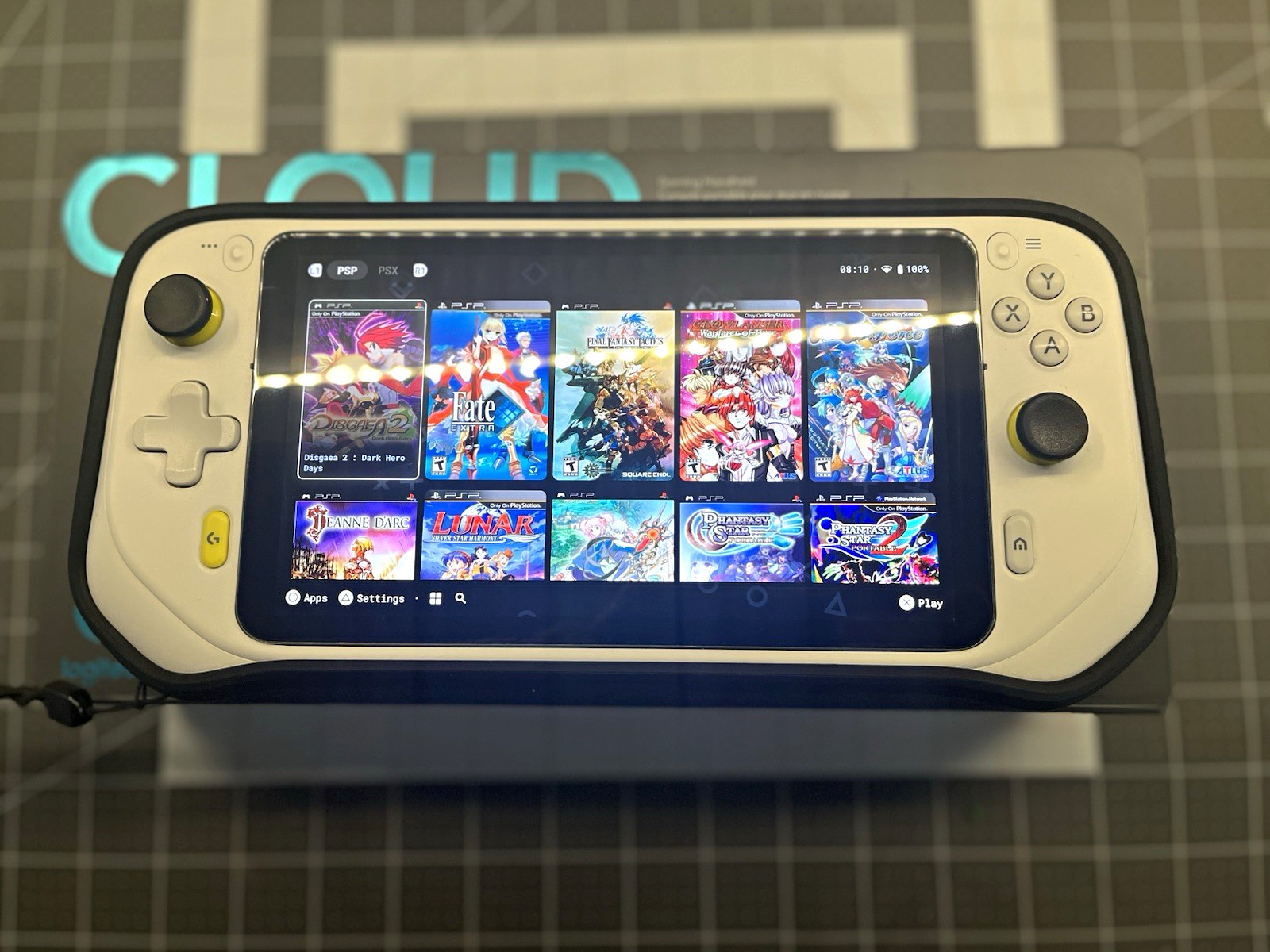
Handheld gaming PCs are portable Windows/Linux computers built for full PC game libraries, distinguished from retro emulation handhelds by their x86 APUs (or high-end ARM with emulation layers), active cooling, and 16GB+ RAM. The primary trade-off is raw performance and thermal headroom versus battery life, screen quality, and ergonomic weight. The decisive rule: if it runs Windows 11 and a modern x86 APU (Steam Deck, ROG Ally, Legion Go), it's a gaming PC; if it's an ARM/Linux retro console with built-in ROMs, it's an emulation handheld and not a PC replacement.

Buying guide image
Network Switches, Routers & Firewalls

Ethernet Switch

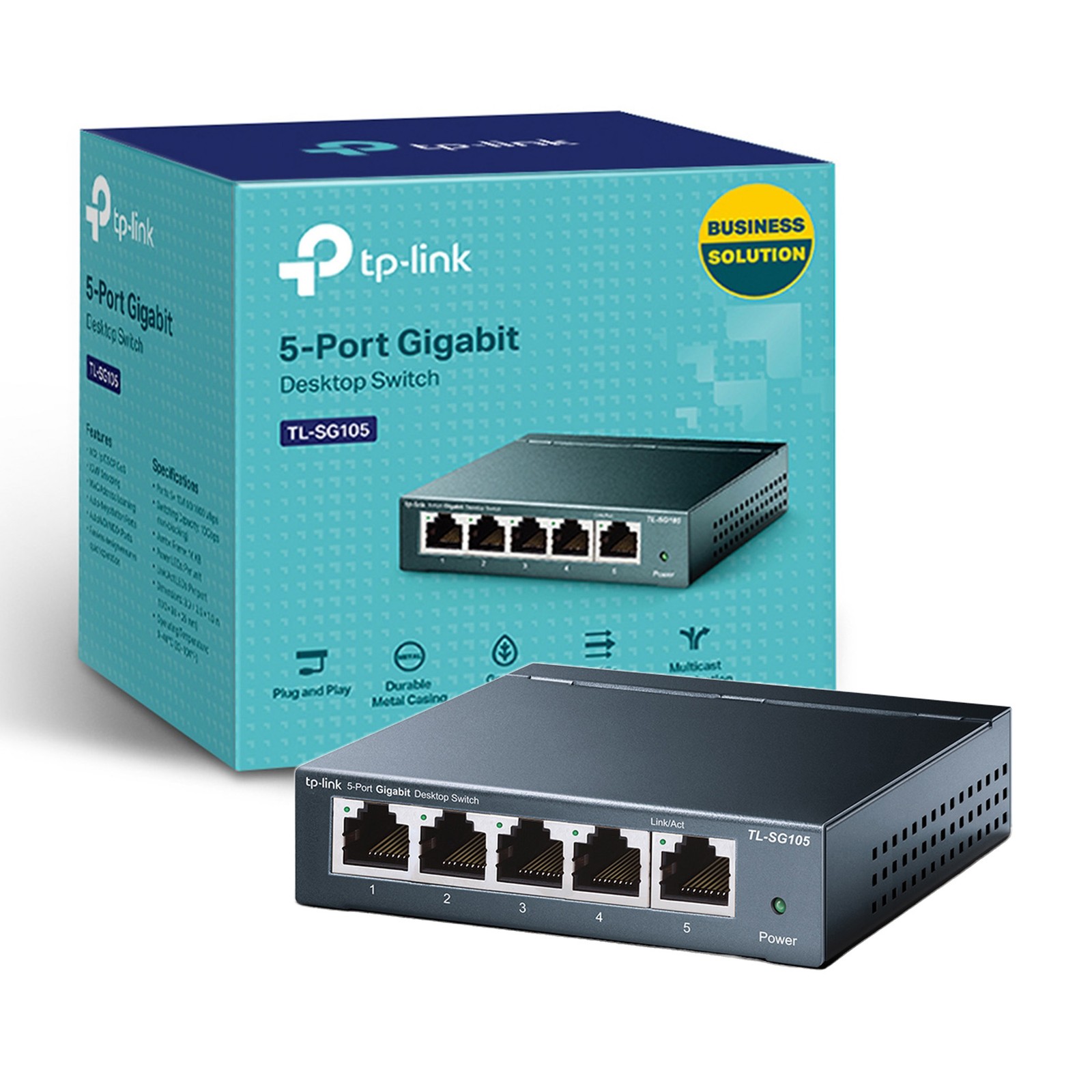
An Ethernet switch is the central traffic cop of a wired LAN, and the primary trade-off is between port speed (1G vs 2.5G vs 10G) and management depth (unmanaged vs smart vs fully managed). The clear decision rule: buy an unmanaged switch only when you need plug-and-play port expansion at 1G or 2.5G, and step up to a managed or smart switch the moment you need VLANs, link aggregation, or per-port diagnostics.

Buying guide image
Over-Ear Headphones

Wireless PC Headset

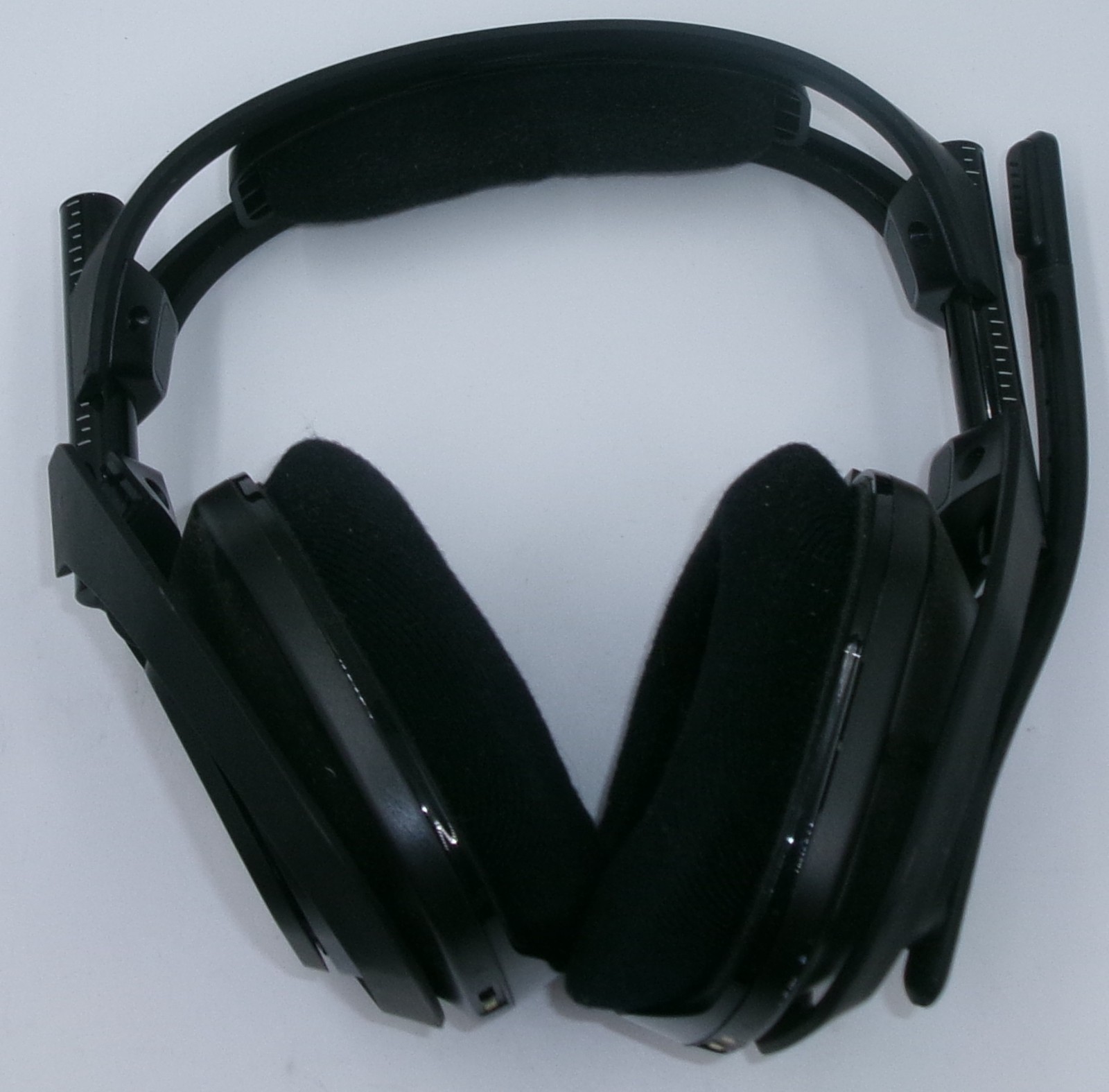
A wireless PC headset combines a microphone, headphone drivers, and a low-latency radio link into one wearable system, and the core trade-off is between connection latency, mic clarity, and battery endurance versus pure audio fidelity. Durable options use dedicated 2.4GHz dongles or multi-protocol radios with replaceable earpads and metal headband sliders; compromises rely on Bluetooth-only SBC codecs, non-replaceable cushions, and fragile plastic yokes. The decision rule: buy a headset whose radio protocol and mic architecture match your primary platform, and skip any model that locks you into a single console ecosystem without a USB dongle fallback.

Buying guide image
Controllers & Gaming Accessories

Phone Controller

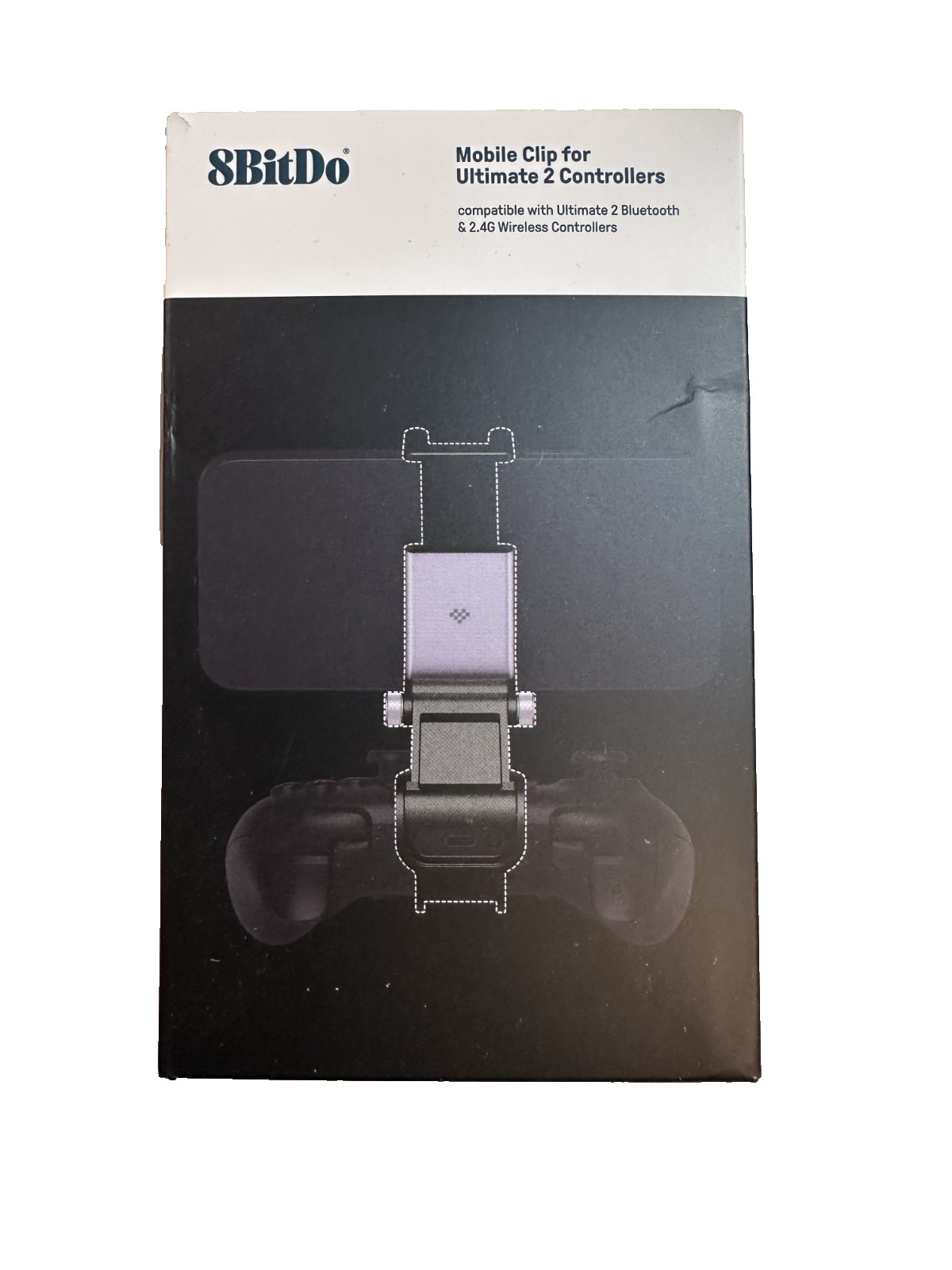
Phone controllers split into two architectures: clamp-on gamepads that grip the phone directly and full-size controllers paired with a phone clip. The decisive trade-off is phone-fit range and connection protocol (Bluetooth vs wired USB-C) versus ergonomics and battery capacity. Buy a clamp-on with a stated 4–7 inch phone range and Hall-effect sticks for durability; skip unbranded clips with no stated compatible thickness or Bluetooth version.

Buying guide image
Flight Sim Cockpits, Mounts & VR

Flight Simulator Cockpit

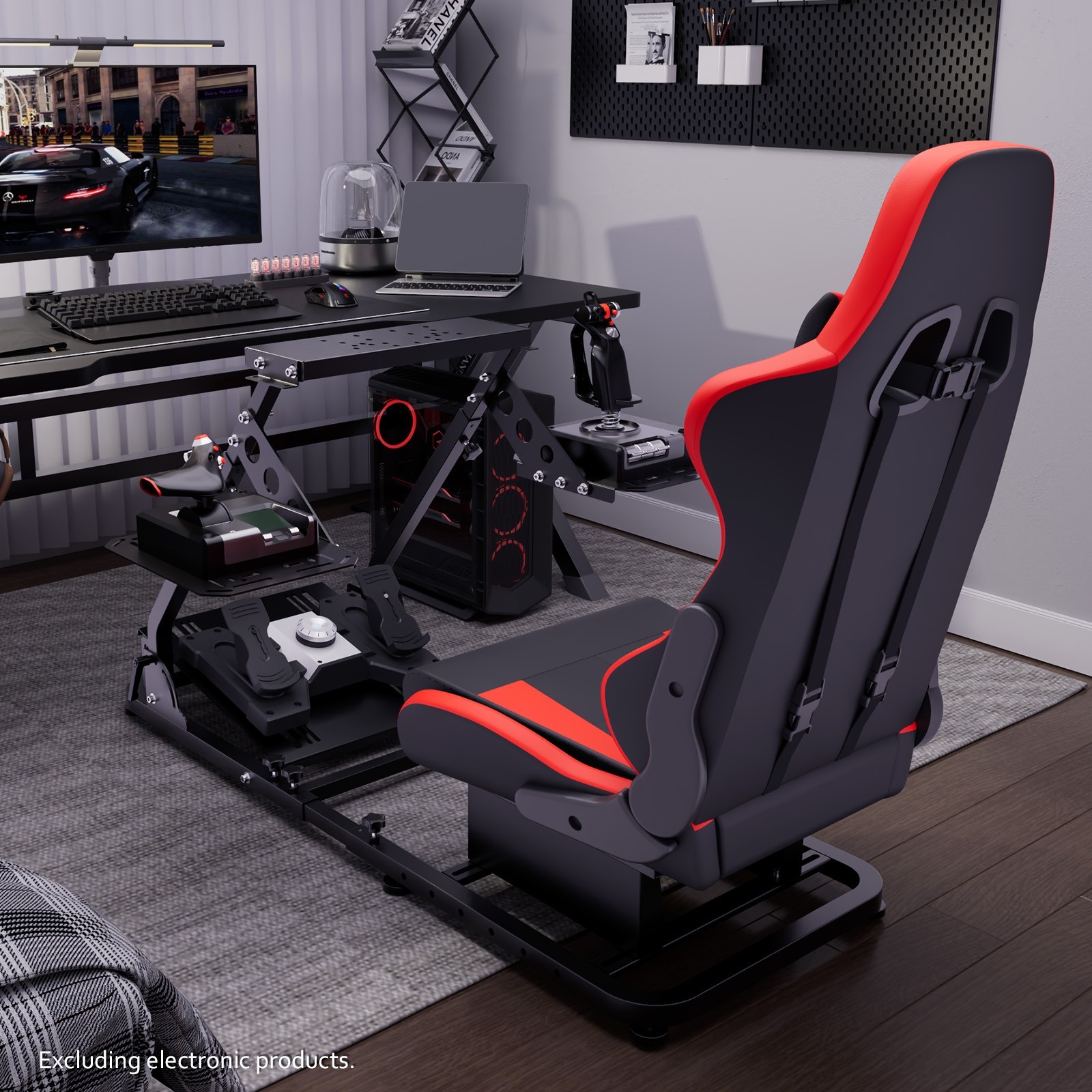
A flight simulator cockpit is the structural frame, seat, and control-mounting platform that positions your stick, throttle, and rudder pedals in a rigid, ergonomic relationship to your body—it is not electronics. The core trade-off is steel tube wall thickness and weld quality versus flex and wobble under force feedback and heavy control throws. Buy a welded or thick-wall bolted steel frame with a hard-mounted seat and adjustable control plates; skip thin stamped-aluminum or single-bolt clamp mounts that flex and drift under load.

Buying guide image
Controllers & Gaming Accessories

Wireless Gaming Controller

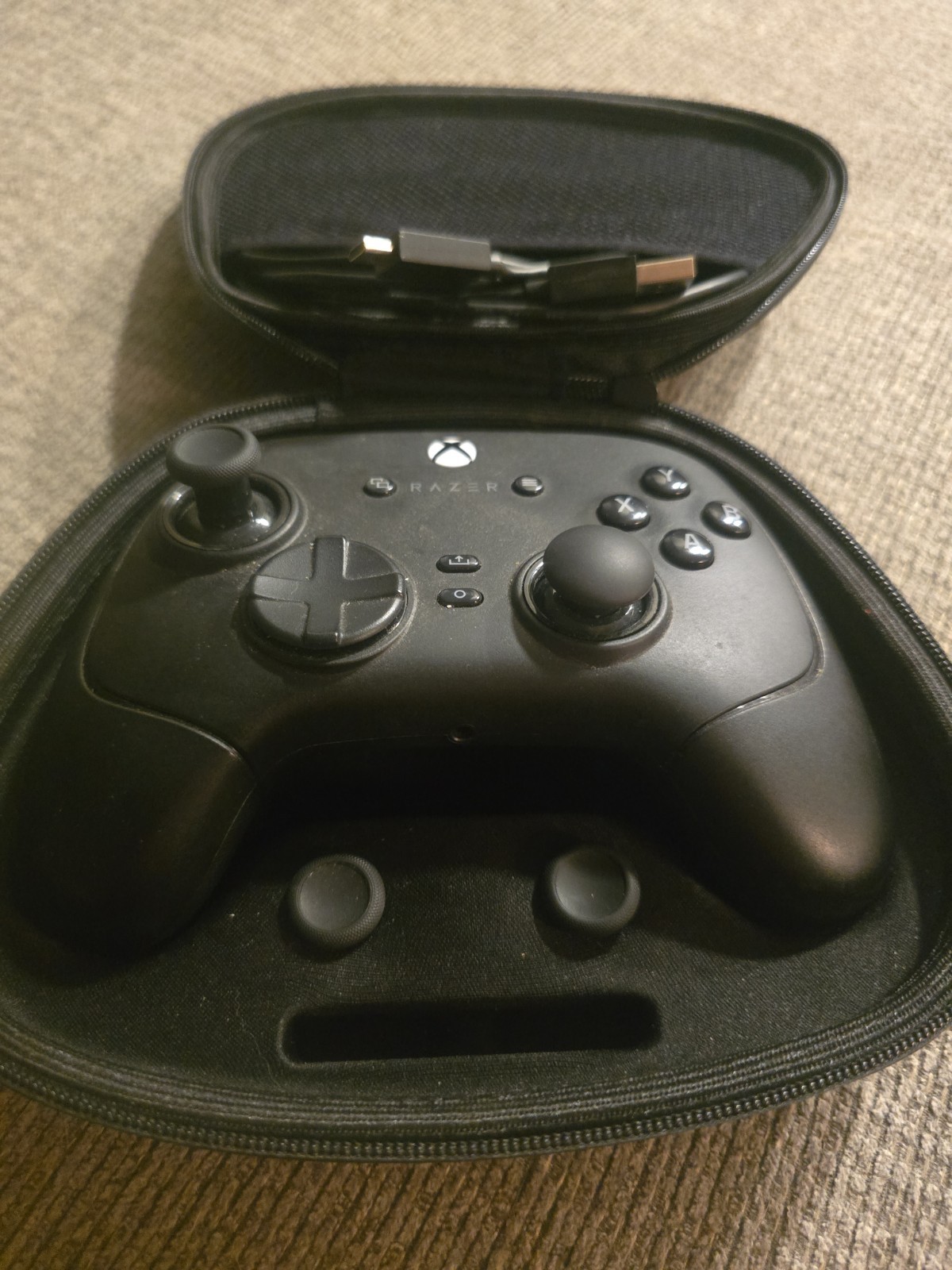
A wireless gaming controller is an input device that connects to a console, PC, or mobile device over Bluetooth, 2.4 GHz RF, or a proprietary protocol. The core trade-off is between latency, connection stability, and battery life versus build quality—Hall-effect sticks and mechanical buttons cost more but eliminate drift and double-press failures. The decision rule: pick a controller whose wireless protocol matches your platform natively and whose stick/trigger technology is rated for your play intensity; skip any model that relies on potentiometer sticks if you play competitively or for long sessions.

Buying guide image
Home Theater Speakers & Subwoofers

Wireless Bluetooth Speaker

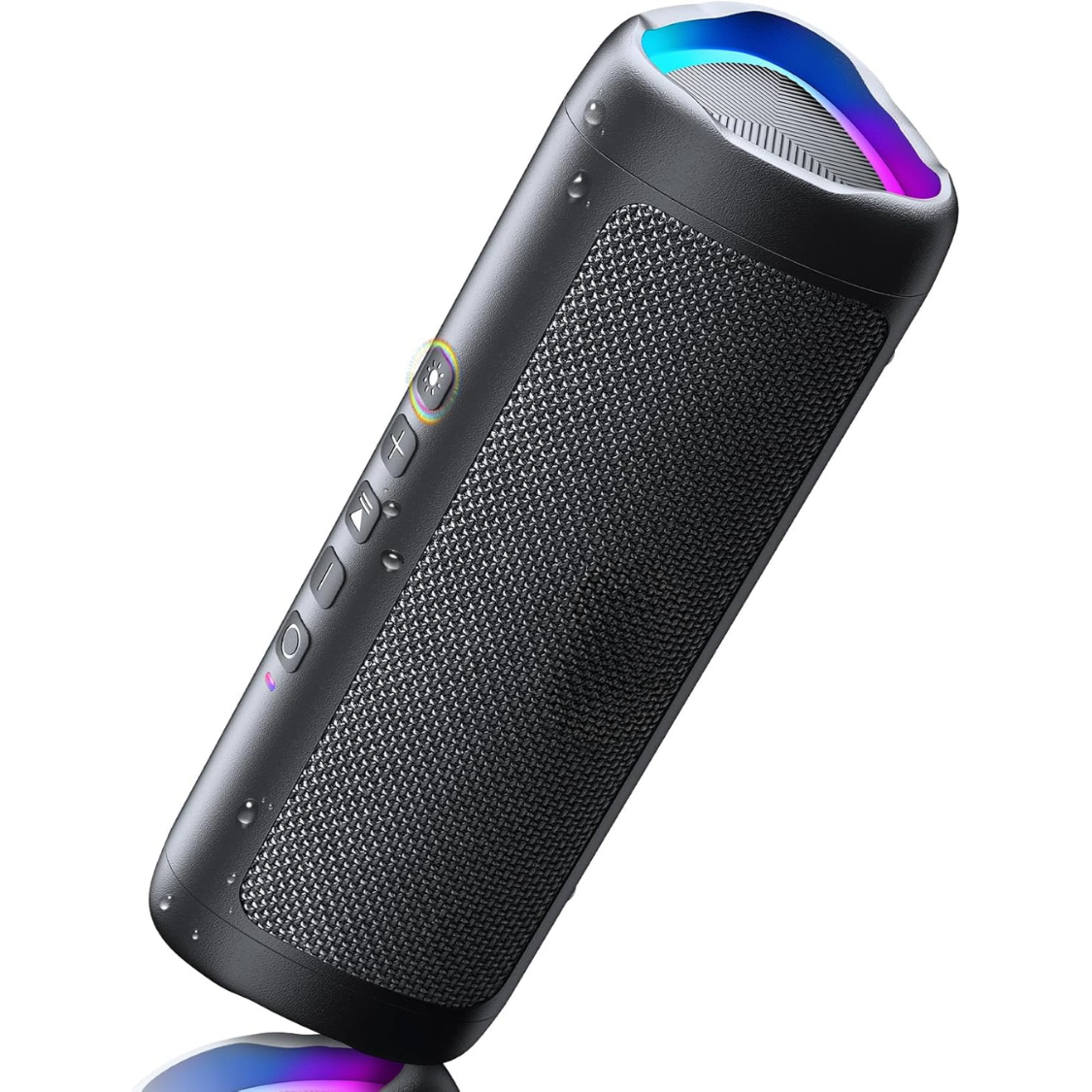
A wireless Bluetooth speaker is a battery-powered audio system that pairs to phones and TVs over Bluetooth, available in portable, party, and home tiers. The core trade-off is between loudness/bass (driven by amp wattage and driver size) versus true portability and weatherproofing (IP rating, weight, playtime). Buy a model whose IP rating and playtime match your outdoor use, and whose honest RMS wattage matches your room size—skip inflated peak-power claims.

Buying guide image
Keycaps & Artisan Keycaps

Mechanical Keyboard Keycap

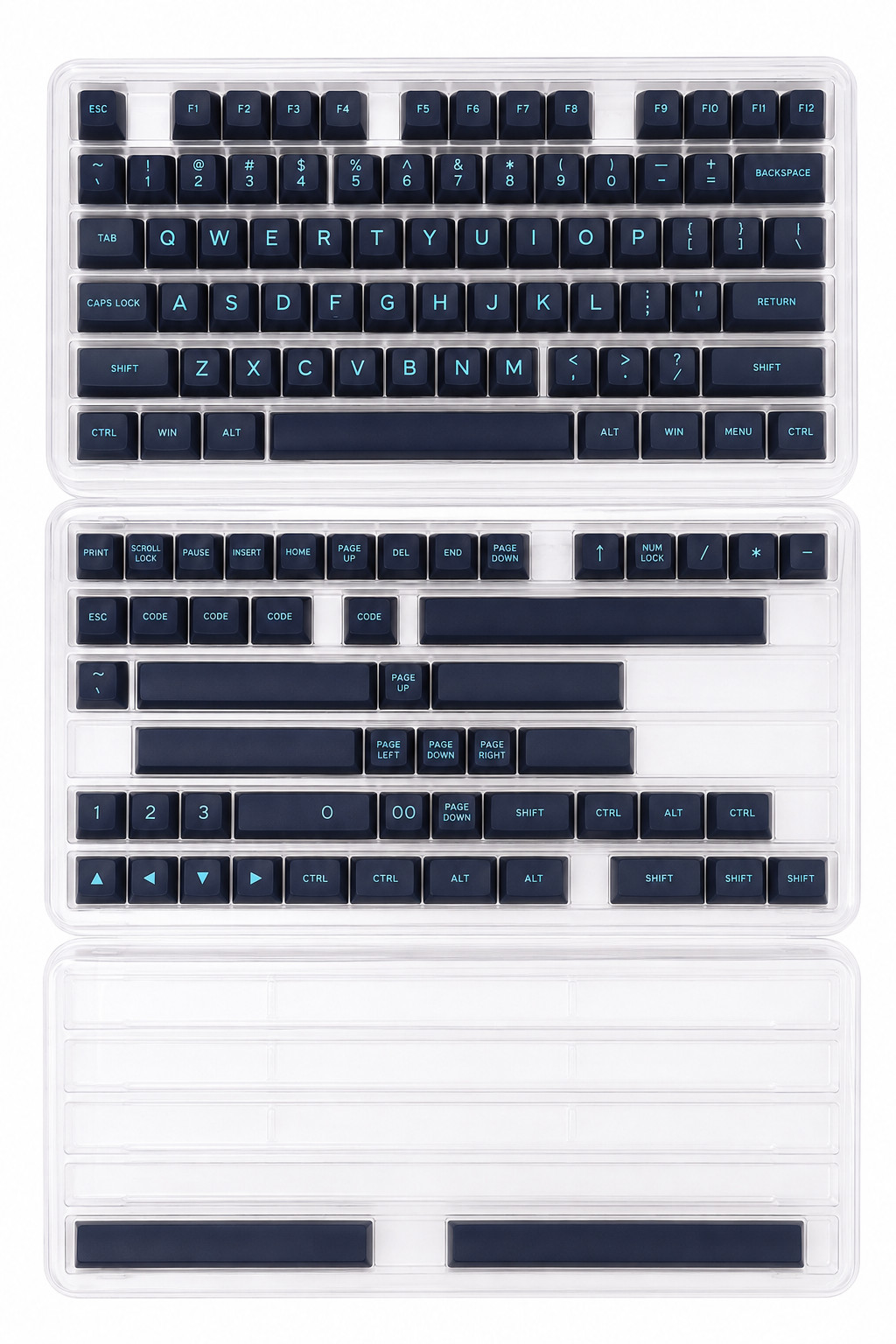
Mechanical keyboard keycaps are the interchangeable caps that determine typing feel, sound, and legends on MX-compatible switches. The core trade-off is material and molding quality: PBT resists shine and oil far longer than ABS, while doubleshot or dye-sub legends outlast pad printing. The decision rule is simple: buy PBT with doubleshot or dye-sub legends for daily use, and treat ABS as a cosmetic or budget tier only.

Buying guide image
Home Theater Speakers & Subwoofers

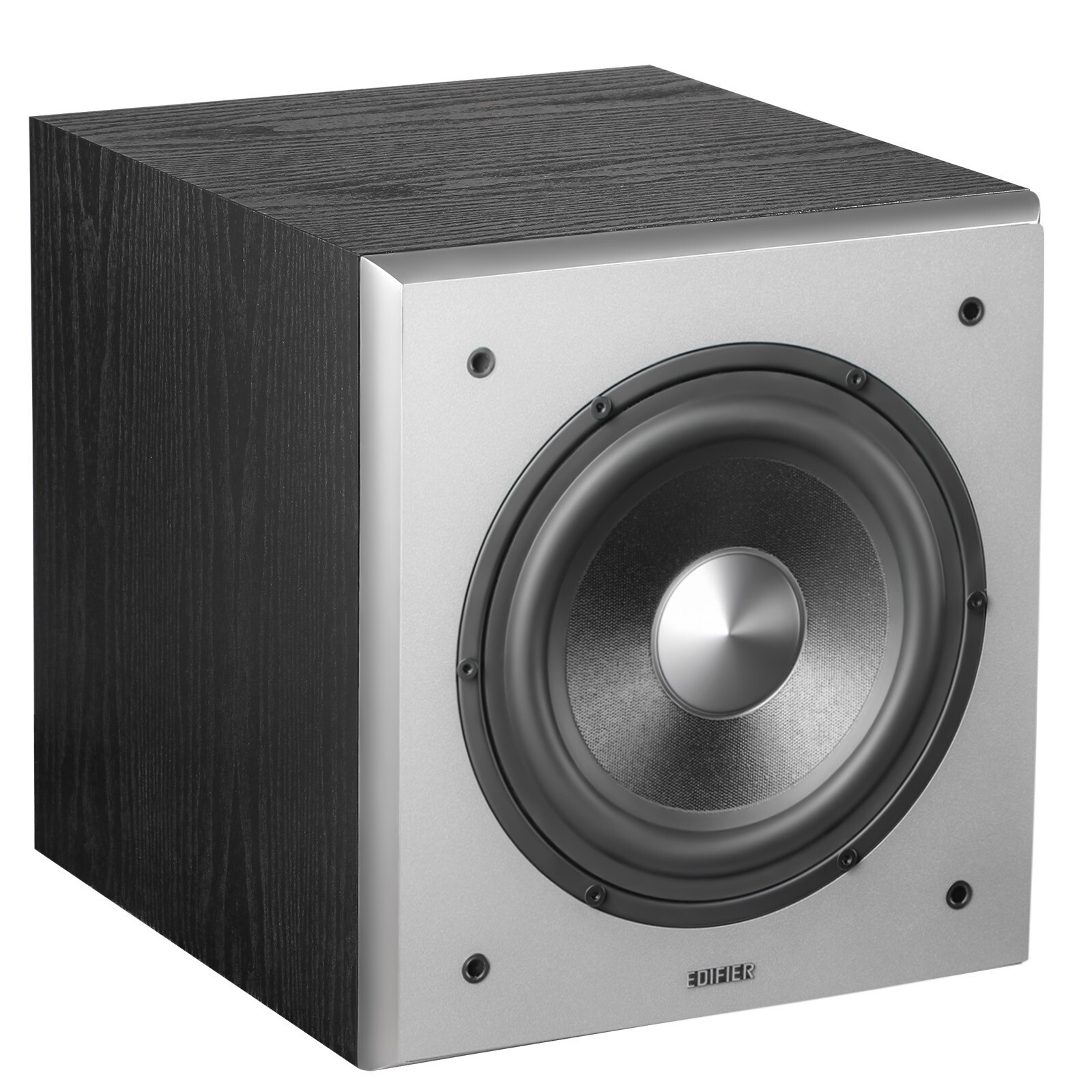
Subwoofer

A subwoofer handles the 20–200 Hz LFE channel that small speakers physically cannot reproduce, so the decisive trade-off is driver size and amplifier architecture (powered active vs passive) versus room volume and budget. Choose a powered sub with a 10-inch or larger driver and at least 150 W RMS for a dedicated home theater; skip plastic-cabinet soundbar-integrated 'subwoofers' if you want true sub-bass below 40 Hz.

Buying guide image
Flight Sim Joysticks & HOTAS

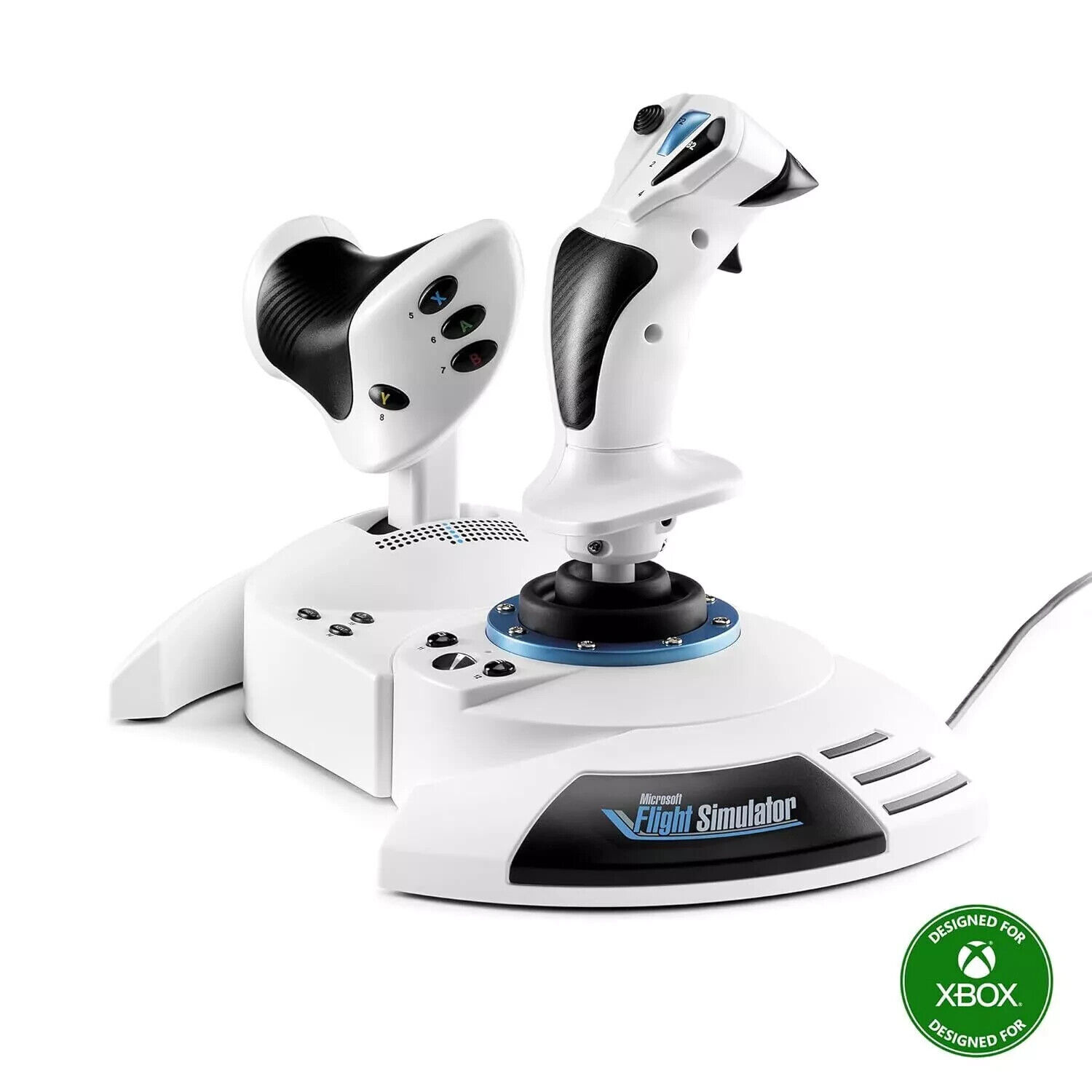
Thrustmaster T Flight HOTAS 4

The Thrustmaster T.Flight HOTAS 4 is the entry-level all-in-one stick-and-throttle set built for PlayStation 4 and PlayStation 5, with a PC mode that works out of the box. Buyers choose it for plug-and-play console compatibility and a detachable throttle, but should understand its plastic gimbal and fixed-position throttle before expecting enthusiast-grade precision. Getting the right setup matters more than any spec sheet: desk space, mounting, and whether your sim needs rudder control determine satisfaction.

Buying guide image
Mechanical Keyboards

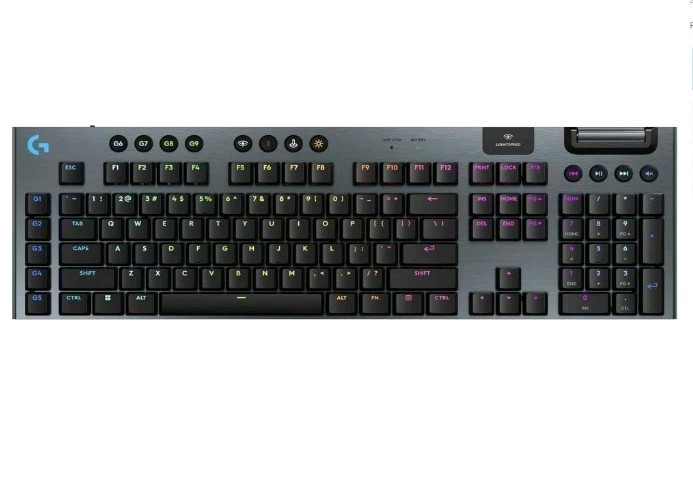
Logitech Gaming

Logitech gaming mechanical keyboards span three distinct switch architectures: Romer-G mechanical, low-profile GL mechanical, and the hot-swappable Pro X series. The decisive trade-off is switch type and connectivity: linear/tactile/clicky behavior plus wired vs LIGHTSPEED wireless, with hot-swap sockets and aluminum top plates separating durable, repairable boards from sealed entry models. Buy hot-swappable Pro X or low-profile G915 X for longevity; avoid sealed Romer-G boards if you expect to tune or service switches.

Buying guide image
Turntables & Record Players

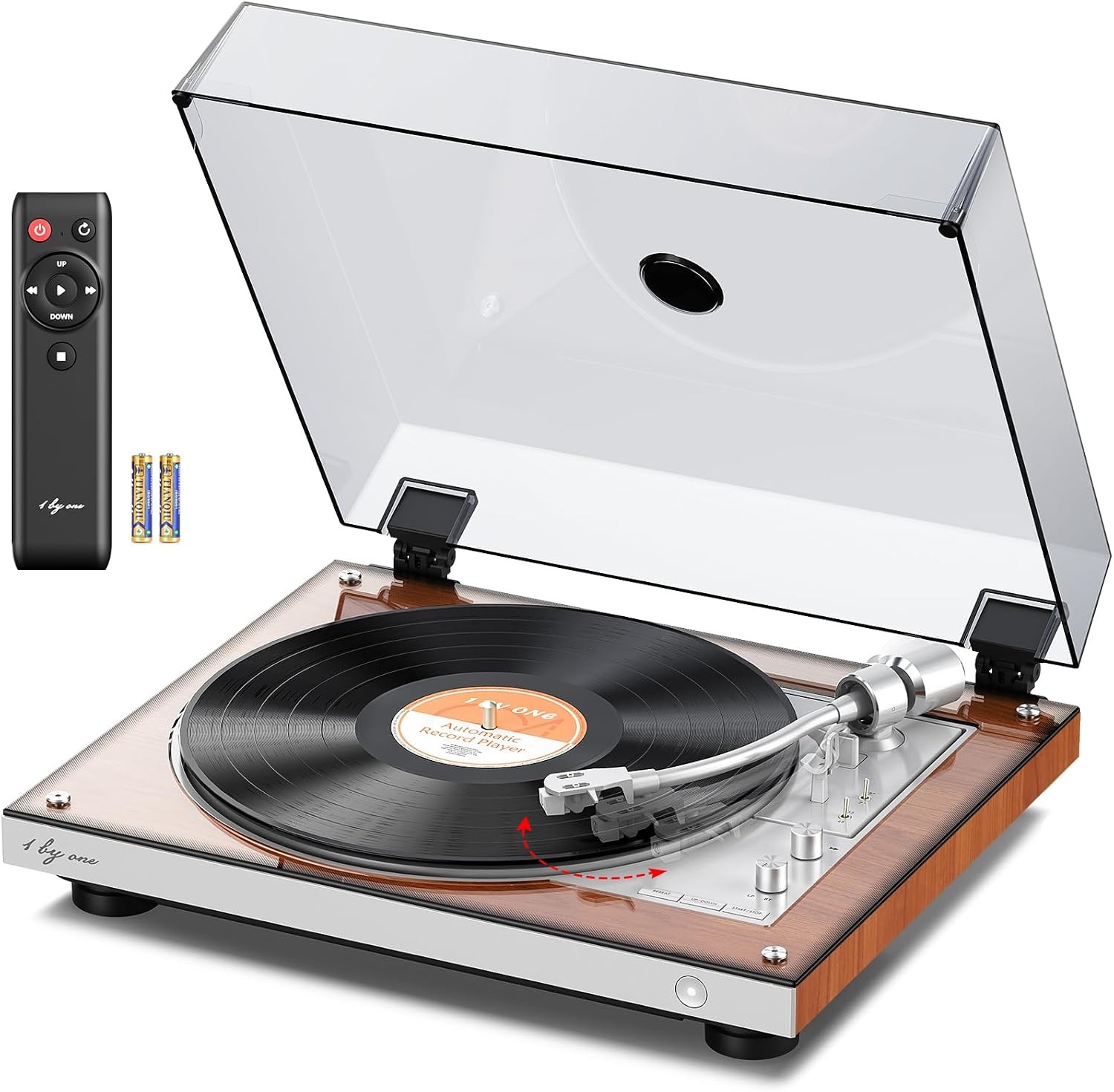
Automatic Record Player

Automatic record players handle tonearm cueing and return (and often platter start/stop) at the push of a button or via auto-sensors, removing the risk of stylus drops that damage records and cartridges. The core trade-off is automation versus adjustability: fully automatic mechanisms add convenience but typically lock you into fixed tracking force and non-upgradeable cartridges, while semi-automatic and manual decks offer better arms and cartridges for the same money. The decision rule: buy fully automatic for low-friction family use and protected vinyl; buy semi-automatic or manual if you plan to upgrade the cartridge, adjust alignment, or pursue higher-fidelity playback.

Buying guide image
TVs & Display Panels

TV Clearance

TV clearance means buying previous-generation, open-box, or discontinued models at reduced cost, where the main trade-off is price versus panel quality and warranty coverage. The decisive rule: buy clearance only when you can confirm the exact model year, panel technology, and return window in writing, otherwise pay for current-generation stock.

You may also like

Finding more guides for you…