
Photos from current listings. Actual item, color, and included accessories may vary.
Wireless PC Headset Buying Guide
A wireless PC headset combines a microphone, headphone drivers, and a low-latency radio link into one wearable system, and the core trade-off is between connection latency, mic clarity, and battery endurance versus pure audio fidelity. Durable options use dedicated 2.4GHz dongles or multi-protocol radios with replaceable earpads and metal headband sliders; compromises rely on Bluetooth-only SBC codecs, non-replaceable cushions, and fragile plastic yokes. The decision rule: buy a headset whose radio protocol and mic architecture match your primary platform, and skip any model that locks you into a single console ecosystem without a USB dongle fallback.
Median $64.14
Key takeaways
- 2.4GHz dongle links deliver 20-40ms latency versus 100-200ms on Bluetooth SBC, which is why competitive PC gamers need a dedicated USB receiver, not phone-style pairing.
- Dual-protocol headsets (2.4GHz + Bluetooth 5.x) let you keep game audio on the dongle while taking calls on Bluetooth simultaneously; single-radio models force you to choose one.
- Driver size alone does not dictate quality: 50mm drivers with high-distortion plastic housings can sound worse than 40mm graphene or bio-cellulose drivers in rigid enclosures.
At a glance
- Category
- Over-Ear Headphones
- Last updated
- Nov 27, 2026
Current offers
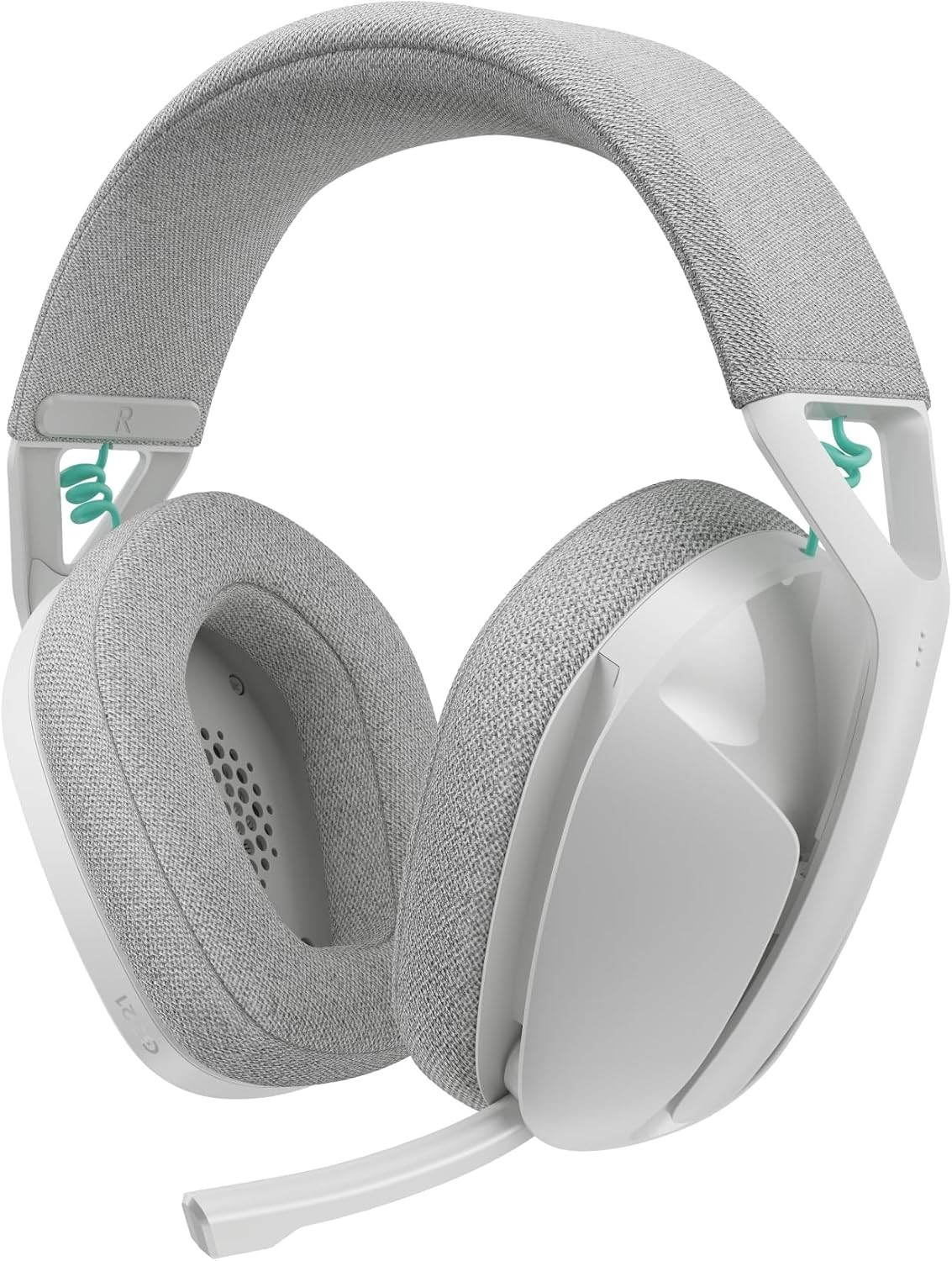 Logitech G321 Lightspeed Wireless Bluetooth Gaming Headset PC, PS4, PS5 - White$34.99View on eBay
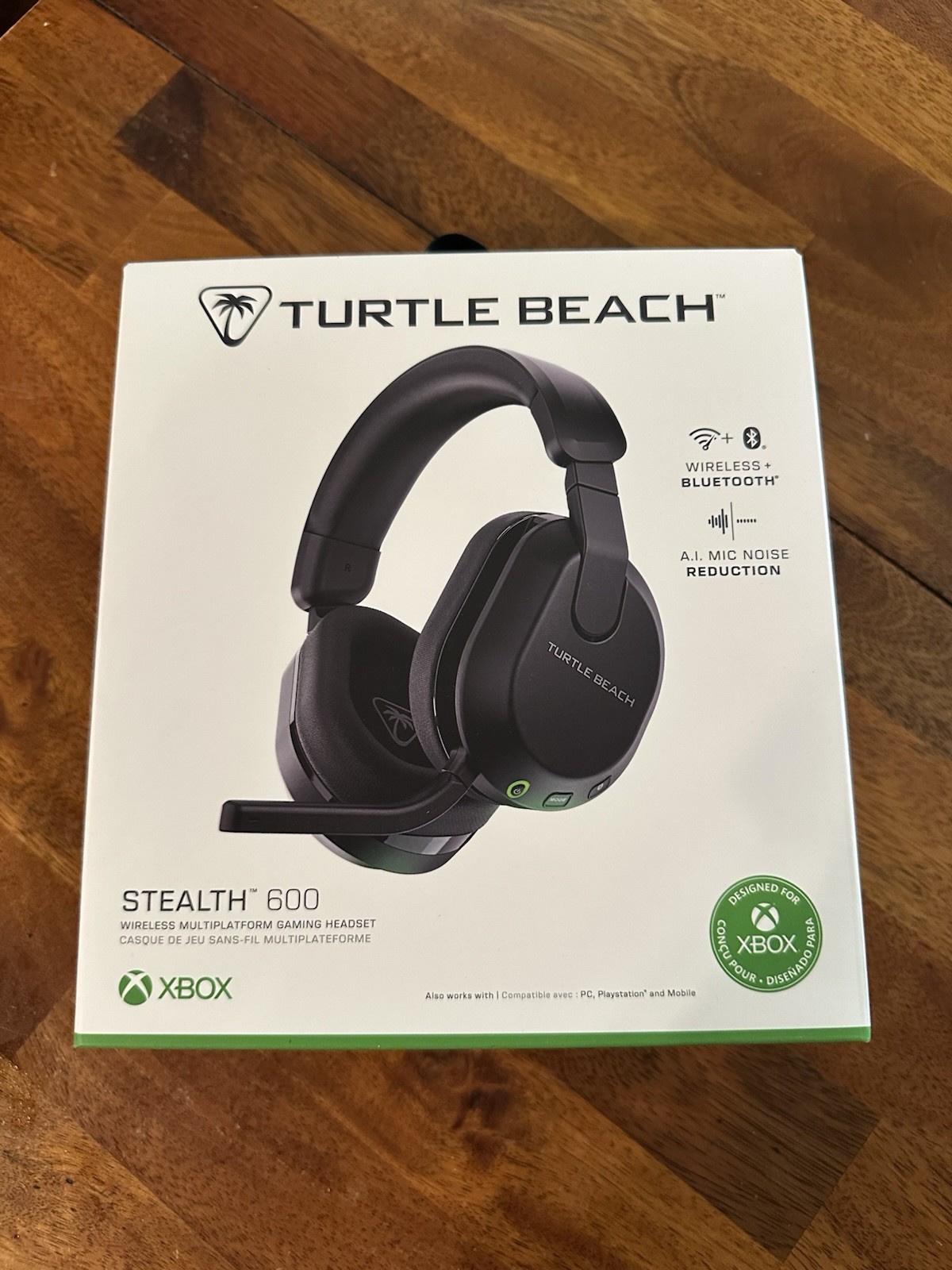 Turtle Beach Stealth 600 Gen 3 Wireless Gaming Headset Xbox PlayStation PC NEW$58.29View on eBay
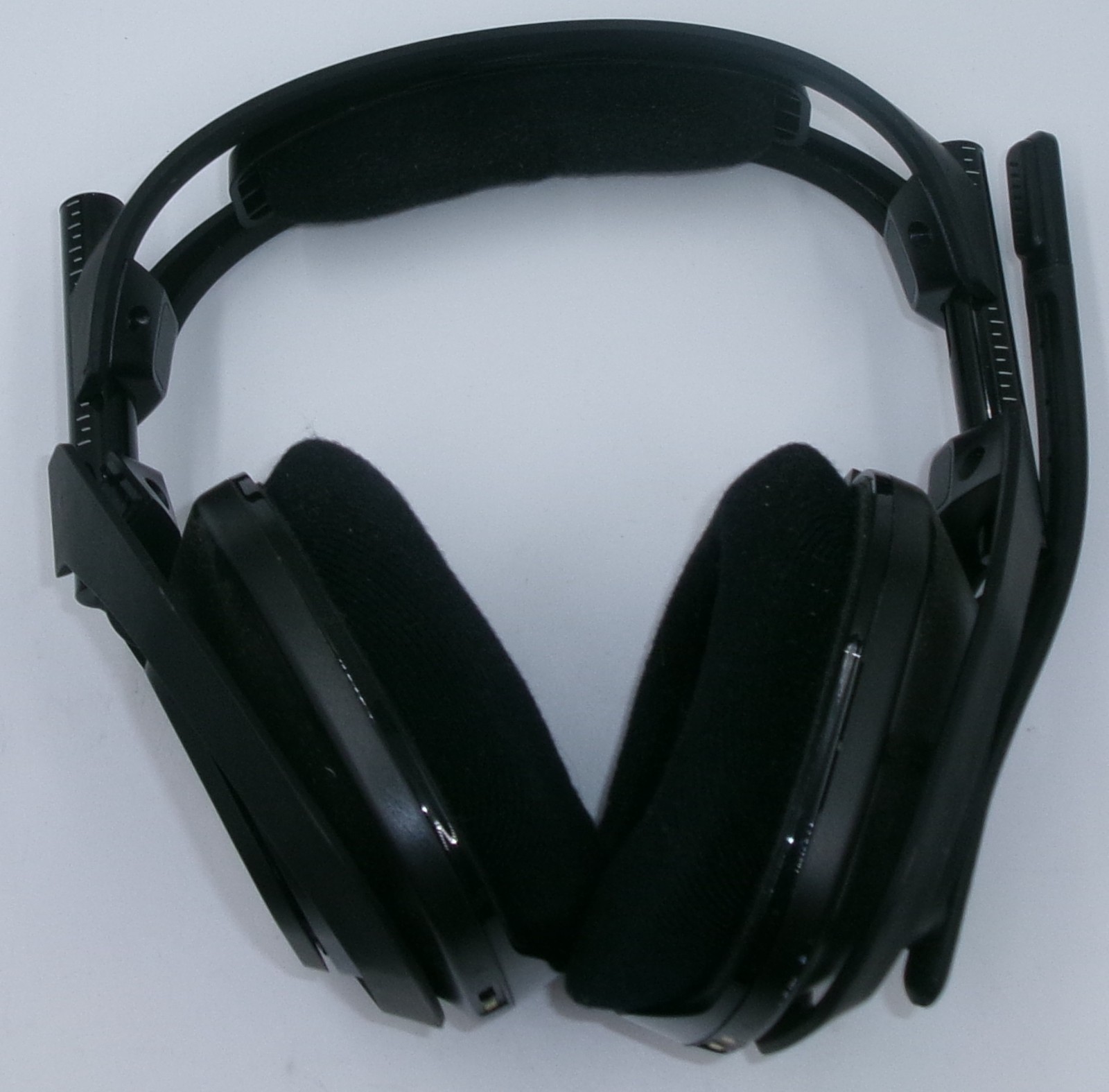 Astro Gaming A50 Wireless Gaming Headset Dolby Audio for PC PS4 PS5$69.99View on eBay
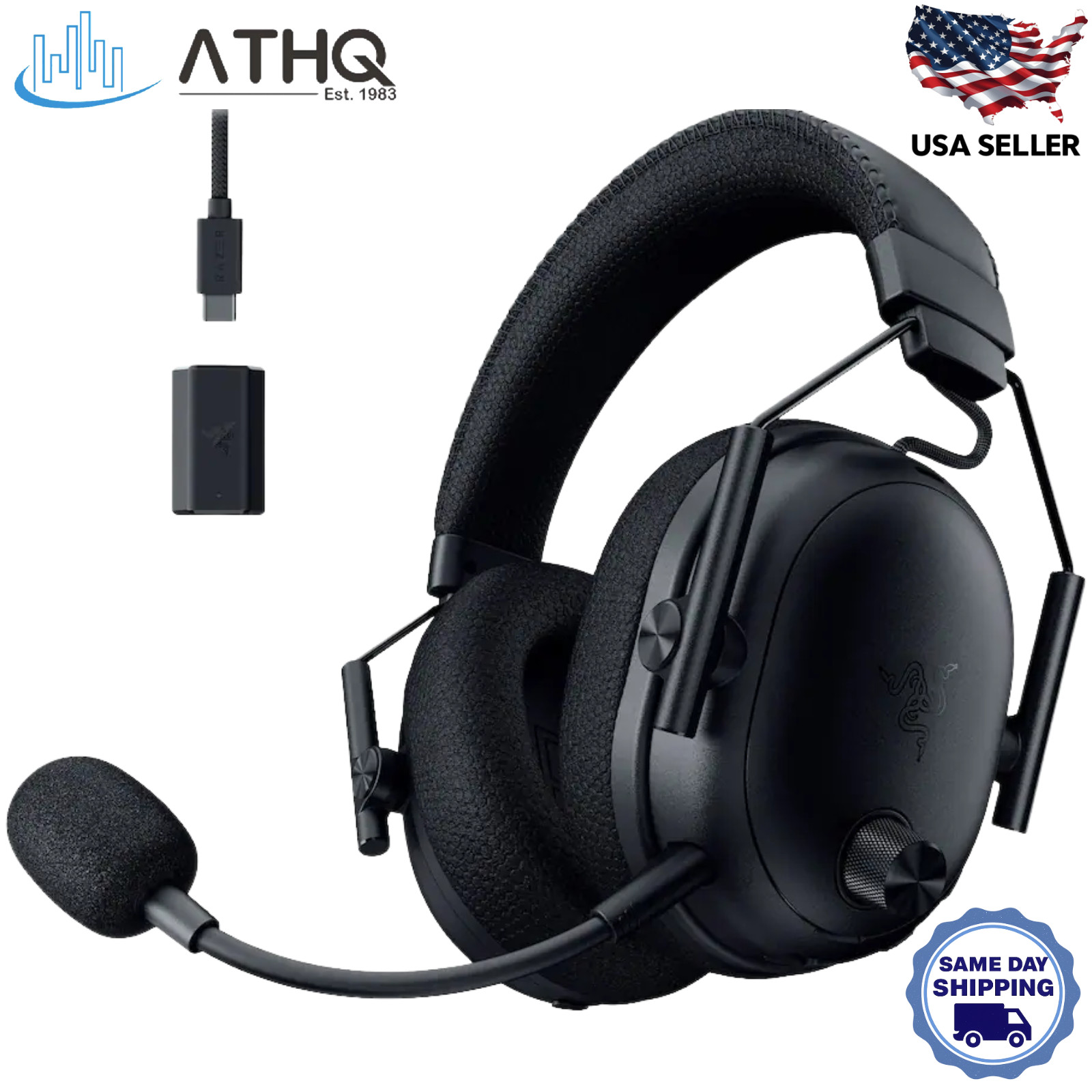 Razer BlackShark V3 Pro Wireless ANC Gaming Headset 50mm Drivers for PC Mac PS$179.99View on eBay
Highlights
- 2.4GHz dongle links deliver 20-40ms latency versus 100-200ms on Bluetooth SBC, which is why competitive PC gamers need a dedicated USB receiver, not phone-style pairing.
- Dual-protocol headsets (2.4GHz + Bluetooth 5.x) let you keep game audio on the dongle while taking calls on Bluetooth simultaneously; single-radio models force you to choose one.
- Driver size alone does not dictate quality: 50mm drivers with high-distortion plastic housings can sound worse than 40mm graphene or bio-cellulose drivers in rigid enclosures.
- Battery tiers cluster at 20-30 hours (RGB gaming headsets with virtual surround) versus 50-80 hours (lightweight stereo headsets without lighting or spatial processing).
Best use cases
- Best fit for competitive PC shooters: pick a 2.4GHz dongle headset with a boom mic rated for 100Hz-10kHz voice band and <40ms latency; skip Bluetooth-only headsets and virtual surround models that add processing lag.
- Best fit for work-from-home calls on PC plus phone: choose a dual 2.4GHz + Bluetooth headset with a noise-cancelling boom mic and 50+ hour battery; skip single-purpose gaming headsets with RGB lighting that drain battery in 20 hours.
- Best fit for console-and-PC crossover: a headset with an Xbox/PlayStation compatibility switch or multi-platform dongle prevents buying two units; skip strictly Xbox-licensed headsets if PS5 or PC is your main platform.
- Wrong fit: audiophile music listening on PC — wireless headsets prioritize mic and latency over tuning; use a wired open-back headphone with a separate desktop mic instead.
Buying tips
- Match the radio to your platform: 2.4GHz USB-A/USB-C dongles work on PC and PS5, while Xbox requires licensed Xbox Wireless or a dongle with an Xbox security chip — generic Bluetooth dongles do not pair with Xbox consoles.
- Budget battery math: a 1000mAh cell in a 25-hour headset draws roughly 40mA average; if you game 4 hours daily, choose a 50+ hour tier or a model with USB-C quick charge for 5-6 days between charges.
- Earpad depth matters for fit: pads under 20mm compress the pinna against the driver grille and cause fatigue; choose 25-30mm memory-foam pads with replaceable mounting rings for long sessions.
- Mic quality is dictated by the capsule and processing: a 4mm electret with cardioid pattern and 60dB+ signal-to-noise beats a 6mm omni capsule with heavy noise gating; look for detachable or flip-to-mute boom mics.
Specs
| Wireless Link | 2.4GHz dongle vs Bluetooth 5.x |
|---|---|
| Battery Endurance | 20-80 hr (RGB vs stereo tiers) |
| Driver Size | 40-50mm dynamic / planar |
| Mic Type | Detachable boom / flip-to-mute |
Related searches
What to check before buying
- Measure your headband clearance: ensure the headset's minimum band setting fits your head circumference and that the earcup opening is at least 60x40mm to avoid on-ear pressure.
- Confirm your PC's USB ports: 2.4GHz dongles need a free USB-A or USB-C port within line of sight; USB 3.0 hubs can cause 2.4GHz interference, so plug the dongle into a front-panel or extension cable.
- Check console compatibility: Xbox Series X|S and Xbox One require Xbox Wireless or a licensed dongle; PS5 accepts generic USB audio dongles, and Switch requires dock-side USB-A in TV mode.
- Verify the charging standard and cable: USB-C is now standard, but some budget headsets still use micro-USB; confirm the headset charges while in use via a long USB-C cable if battery life is below your session length.
FAQ
Data sources: eBay / Amazon listings and product attribute feeds. Updated Nov 27, 2026.
Some links on this page are affiliate links. If you buy after clicking one, we may earn a commission at no extra cost to you. This does not change which products appear here or their order. Affiliate disclosure.