
Photos from current listings. Actual item, color, and included accessories may vary.
Subwoofer Buying Guide
A subwoofer handles the 20–200 Hz LFE channel that small speakers physically cannot reproduce, so the decisive trade-off is driver size and amplifier architecture (powered active vs passive) versus room volume and budget. Choose a powered sub with a 10-inch or larger driver and at least 150 W RMS for a dedicated home theater; skip plastic-cabinet soundbar-integrated 'subwoofers' if you want true sub-bass below 40 Hz.
Median $149.99
Key takeaways
- Driver diameter governs displacement: 8-inch subs move ~50 sq in of cone area, 10-inch ~79 sq in, 12-inch ~113 sq in — each step roughly doubles clean output at 30–40 Hz.
- Amplifier power is the true bottleneck: aim for 150–300 W RMS (not peak) for a 10-inch in a 2,000–3,000 cu ft room; 100 W or less fits a bedroom or small media nook.
- Enclosure material changes stiffness and resonance — MDF cabinets (3/4-inch) resist flex and boominess far better than plastic (ABS) housings used in soundbar kits and budget all-in-ones.
At a glance
- Category
- Home Theater Speakers & Subwoofers
- Last updated
- Nov 27, 2026
Current offers
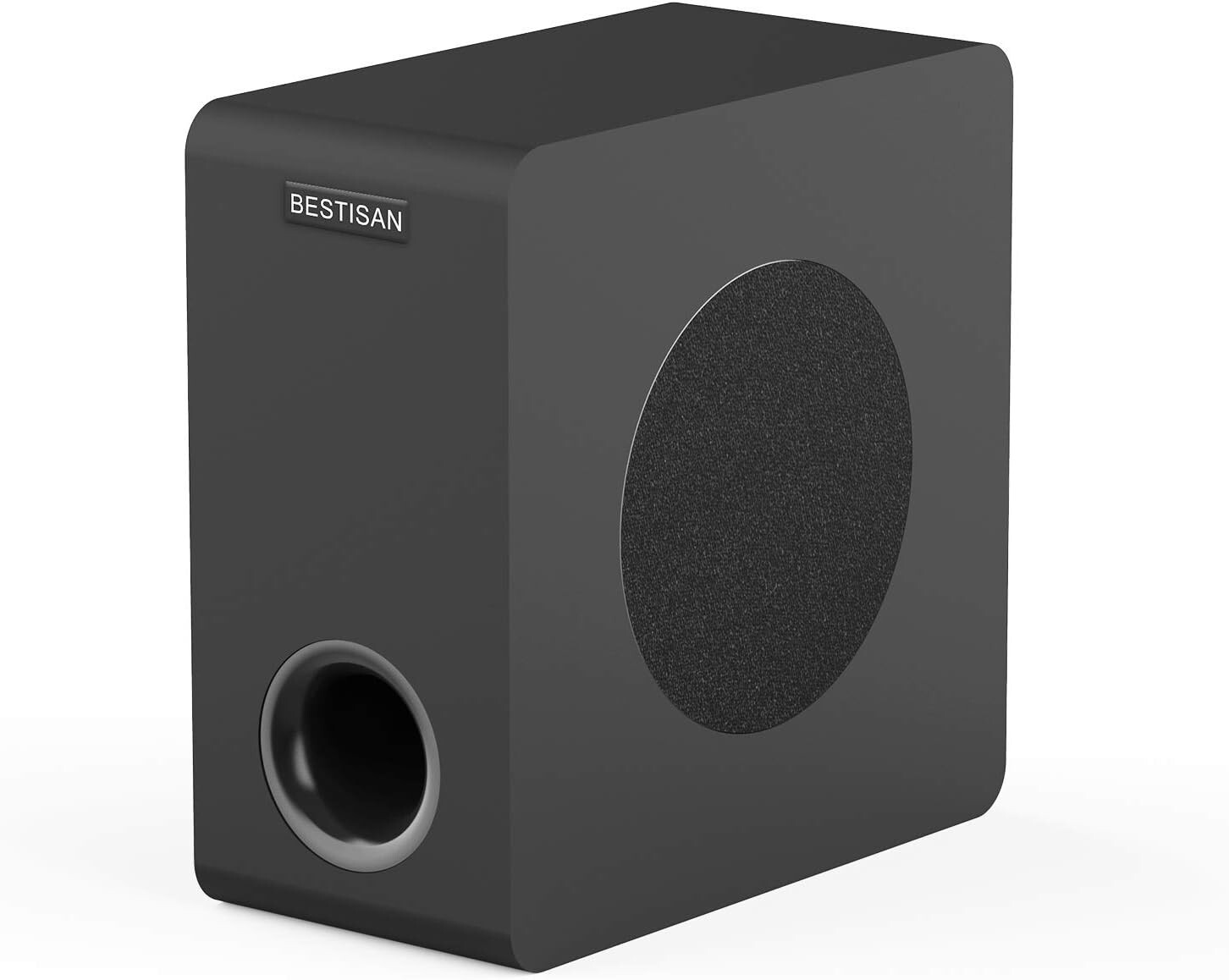 BESTISAN 6.5’’ Powered Home Audio Subwoofer with Deep Bass in Black SW65D$62.99View on eBay
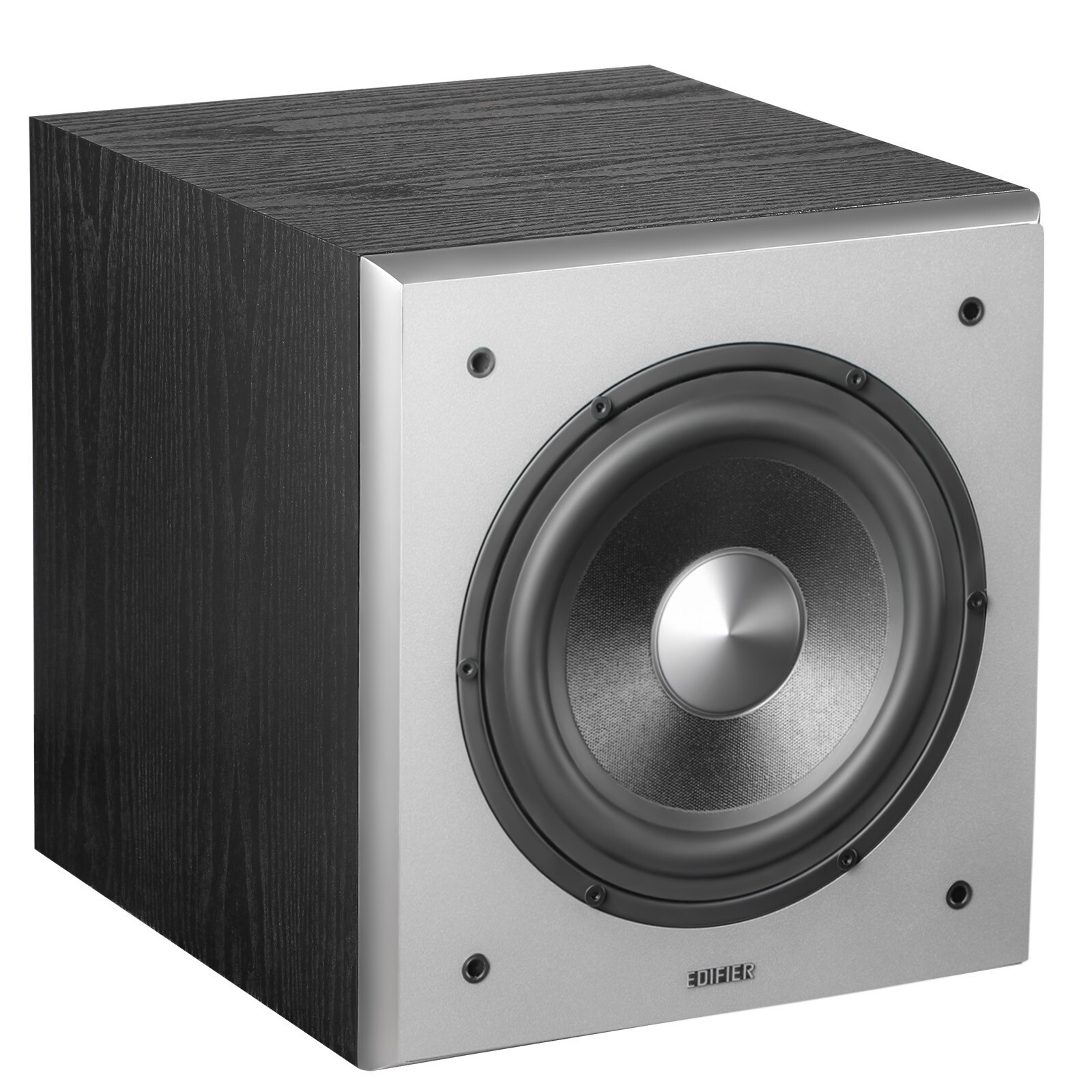 Edifier T5 Powered Subwoofer Active Woofer 70w RMS - Certified Refurbished$129.99View on eBay
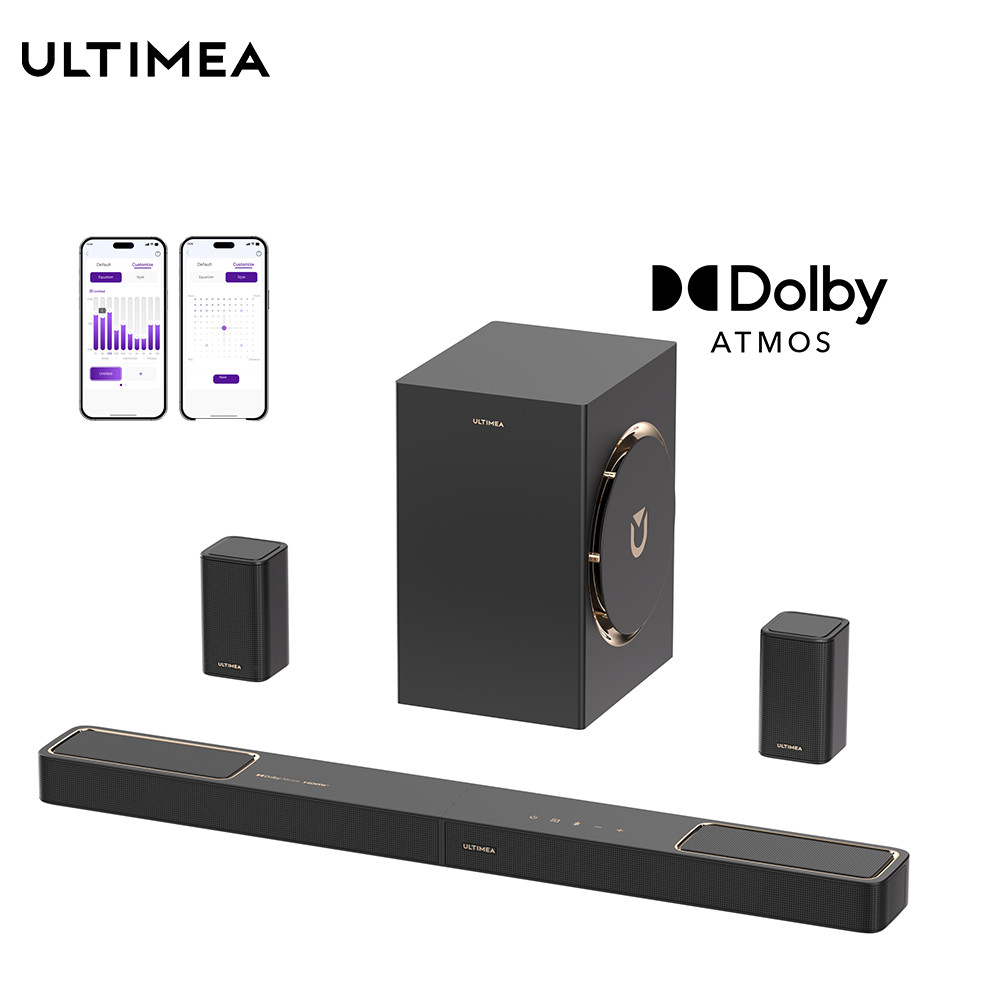 ULTIMEA Skywave F40 Boom 5.1.2 Sound Bar with Subwoofer & Surround Speakers 460W$169.99View on eBay
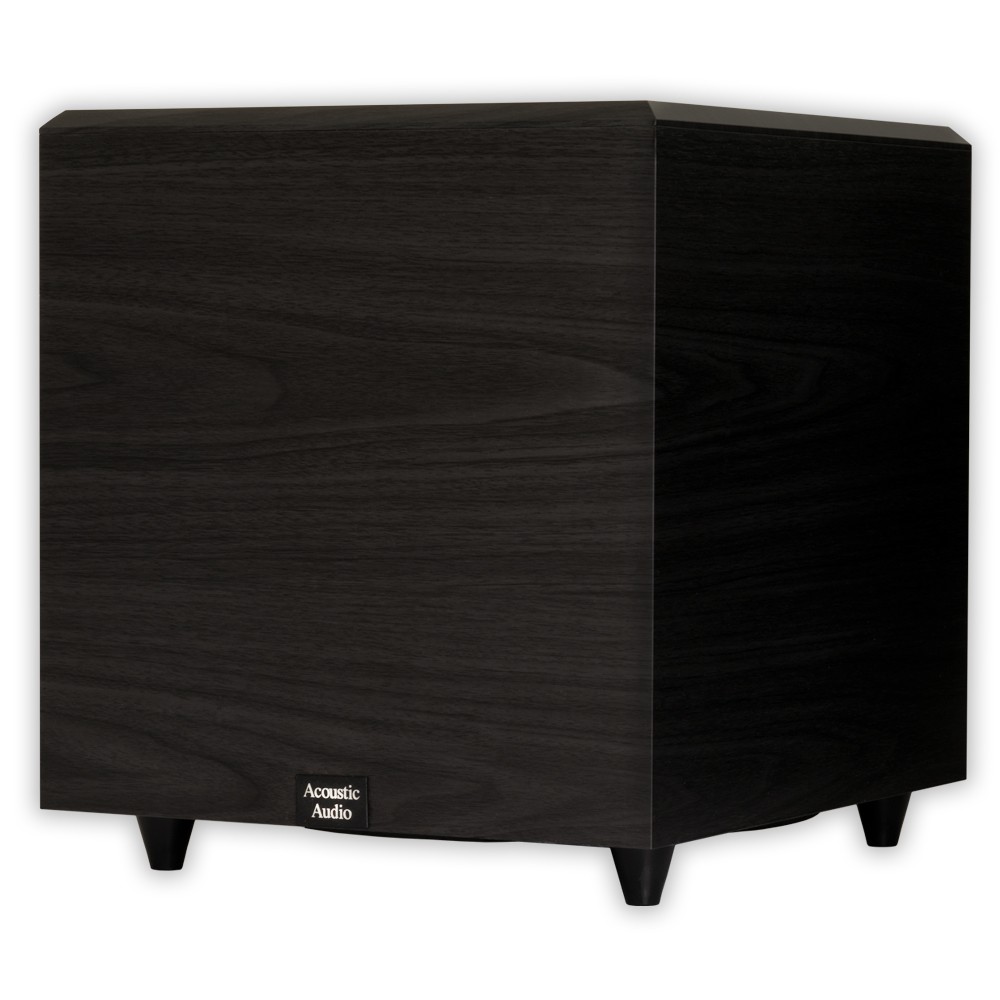 Acoustic Audio PSW-12 Home Theater Powered 12" Subwoofer 500 Watts Surround$199.88View on eBay
Highlights
- Driver diameter governs displacement: 8-inch subs move ~50 sq in of cone area, 10-inch ~79 sq in, 12-inch ~113 sq in — each step roughly doubles clean output at 30–40 Hz.
- Amplifier power is the true bottleneck: aim for 150–300 W RMS (not peak) for a 10-inch in a 2,000–3,000 cu ft room; 100 W or less fits a bedroom or small media nook.
- Enclosure material changes stiffness and resonance — MDF cabinets (3/4-inch) resist flex and boominess far better than plastic (ABS) housings used in soundbar kits and budget all-in-ones.
- Bass-reflex (ported) designs extend output lower with less power but need 6–12 inches of clearance from walls; sealed boxes are tighter and easier to place near furniture.
Best use cases
- Dedicated home theater in a 1,500–3,000 cu ft room: pick a ported 10–12-inch powered sub with 200–500 W RMS (e.g., 12-inch 500 W class like the Acoustic Audio PSW-12) for 30 Hz cinematic LFE.
- Small apartment or bedroom 2.1 setup: an 8-inch or 6.5-inch powered sub around 70–150 W RMS (e.g., Edifier T5 at 70 W RMS) keeps bass controlled below 100 Hz without neighbor complaints.
- Soundbar-plus-sub bundle for a clean TV nook: the bundled sub is typically 6–8 inches with 50–100 W and wireless pairing — fine for dialog and streaming, but wrong if you want sub-30 Hz impact.
- Skip a subwoofer entirely if your mains already use 6.5-inch or larger woofers in a small room and you listen at low volume — a mismatched cheap sub adds boom, not extension.
Buying tips
- Size the driver to room volume: 8-inch for under 1,500 cu ft, 10-inch for 1,500–2,500 cu ft, 12-inch for 2,500–4,000 cu ft; adding a second identical sub smooths room modes better than one larger sub.
- Match input type to your receiver: LFE/line-level RCA is the standard for AV receivers; speaker-level (high-level) inputs are needed only for stereo amps without a sub out.
- Verify low-frequency extension spec, not just power: a true home theater sub should reach 30–35 Hz (±3 dB); if the spec only lists 45–200 Hz, expect mid-bass punch but no deep rumble.
- For wireless soundbar subs, confirm the sub pairs to the bar itself (not a separate hub) and that the bar passes LFE — cheap kits often sum bass into a single mono channel with a fixed 80–120 Hz crossover.
Specs
| Driver Size | 8 / 10 / 12 inch (6.5 compact) |
|---|---|
| Amplifier Type | Powered active vs passive |
| Power (RMS) | 70–500 W RMS typical tiering |
| Low-Freq Extension | 30–45 Hz (±3 dB) target |
Related searches
What to check before buying
- Measure floor space and clearance: a 12-inch ported sub is typically 15–18 inches wide and needs 6–12 inches behind it for the port — sealed boxes can sit closer to walls and cabinets.
- Check receiver output: confirm your AV receiver or soundbar has an RCA/LFE sub out or wireless pairing; a passive sub without a built-in amp requires an external amplifier.
- Plan power: powered subs need a nearby AC outlet (standard 120 V in the US); use a surge protector and keep the sub's own gain/volume and crossover knobs accessible.
- Room acoustics: hard floors and bare walls exaggerate boom — plan a corner or front-wall placement and a subwoofer isolation pad or rug to decouple the cabinet from the floor.
FAQ
Data sources: eBay / Amazon listings and product attribute feeds. Updated Nov 27, 2026.
Some links on this page are affiliate links. If you buy after clicking one, we may earn a commission at no extra cost to you. This does not change which products appear here or their order. Affiliate disclosure.