
Photos from current listings. Actual item, color, and included accessories may vary.
Bluetooth Speaker Buying Guide
Bluetooth speakers in the home-theater segment split into portable battery-powered units, powered bookshelf pairs, and installed architectural or soundbar systems that stream from a phone or TV. The core trade-off is peak-watt marketing versus continuous RMS power and driver size, which decide real loudness, bass extension, and distortion headroom. Buy on RMS wattage, driver diameter, and amplifier class; skip any listing that advertises only peak power without impedance or sensitivity figures.
Median $86.99
Key takeaways
- Portable units run 5W-30W RMS on class-D amps with 2-4 inch drivers; party models claim 200W-240W peak but deliver roughly 30-60W RMS and need wall power for full output.
- Powered bookshelf pairs like the Edifier R1280DB output 42W RMS total from a 4-inch woofer plus 13mm tweeter, giving true stereo separation a single portable box cannot match.
- In-ceiling and in-wall systems require an 8-ohm impedance match and 89-90dB sensitivity so a modest amplifier reaches usable volume; flush-mount pairs ship with or without the amp.
At a glance
- Category
- Home Theater Speakers & Subwoofers
- Last updated
- Nov 27, 2026
Current offers
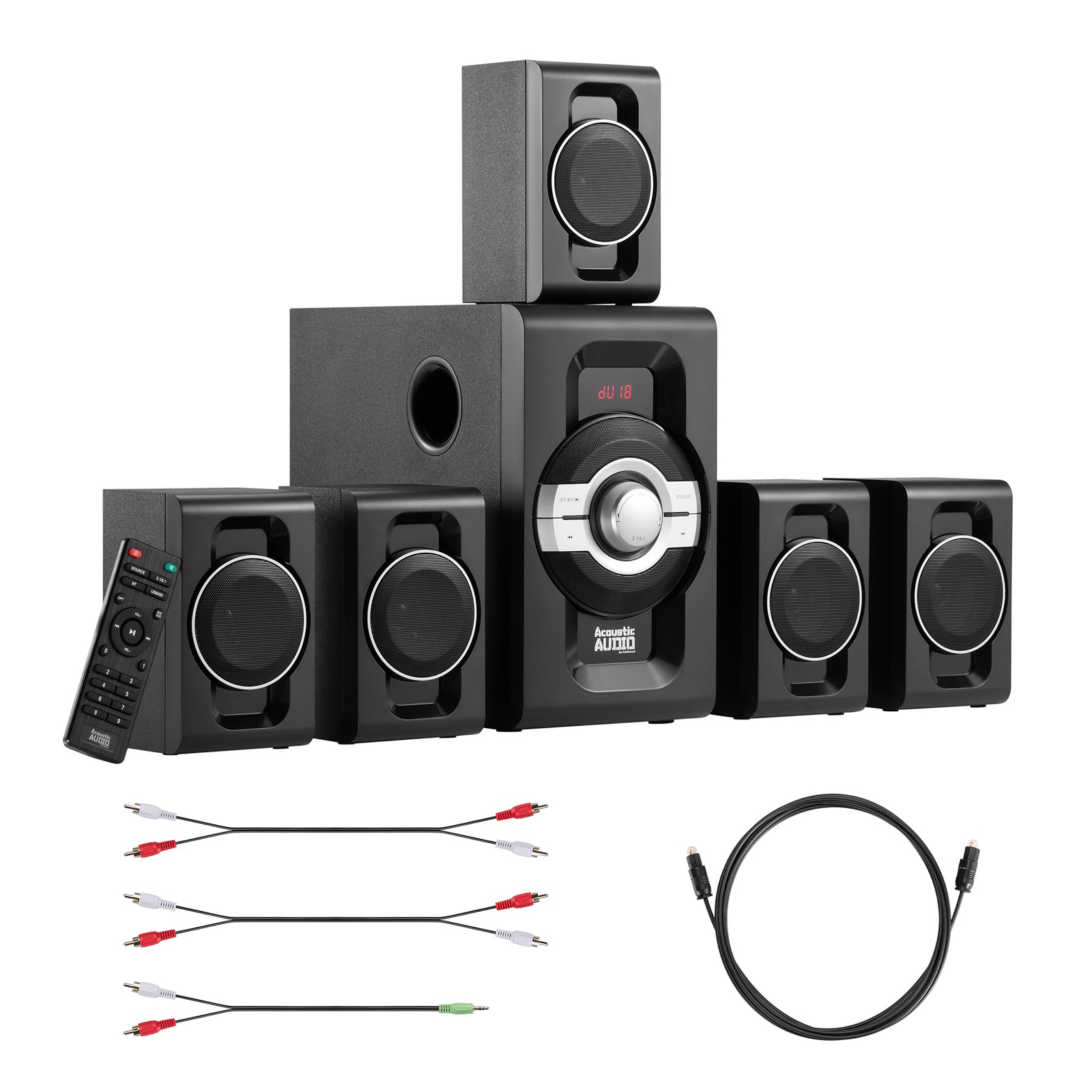 Acoustic Audio 5.1 Bluetooth 6 Speaker System Home Theater Surround Sound NEW$94.88View on eBay
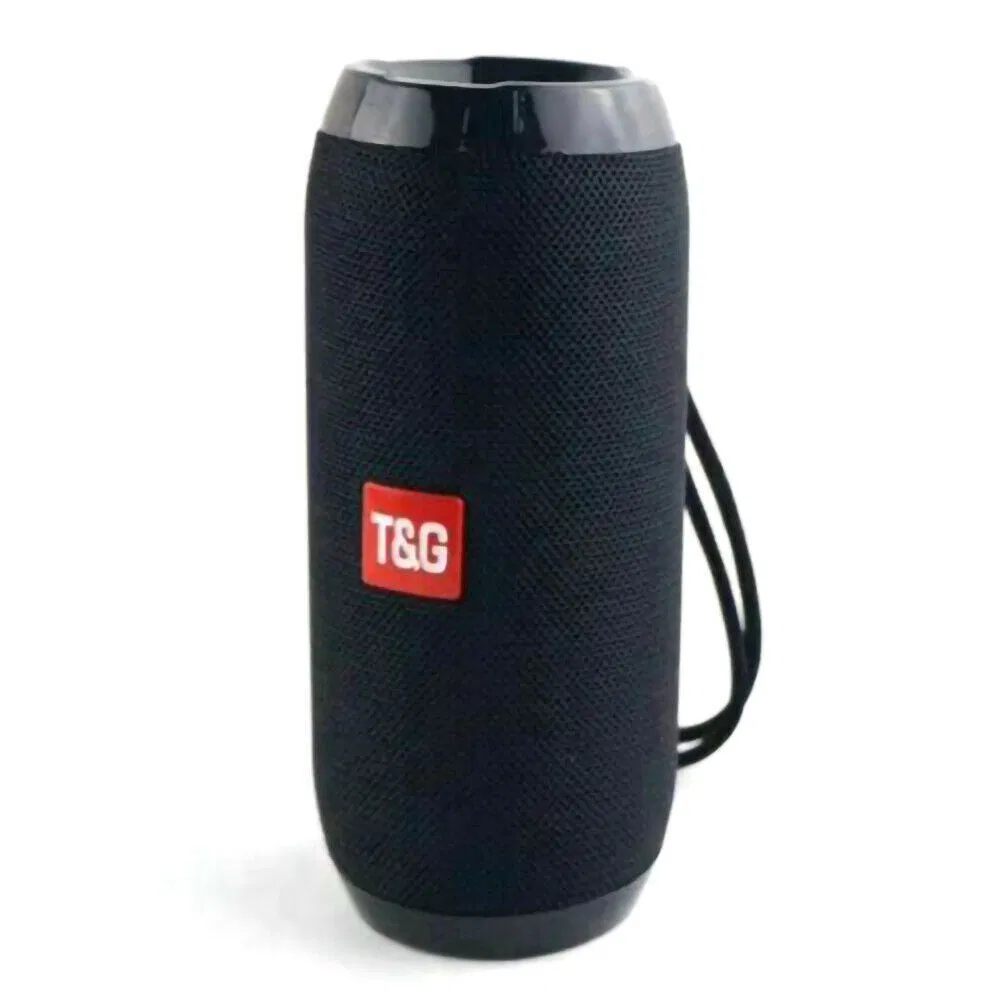 Bluetooth Speaker Wireless Waterproof Outdoor Stereo Bass USB/TF/FM Radio LOUD$27.99View on Mallflare
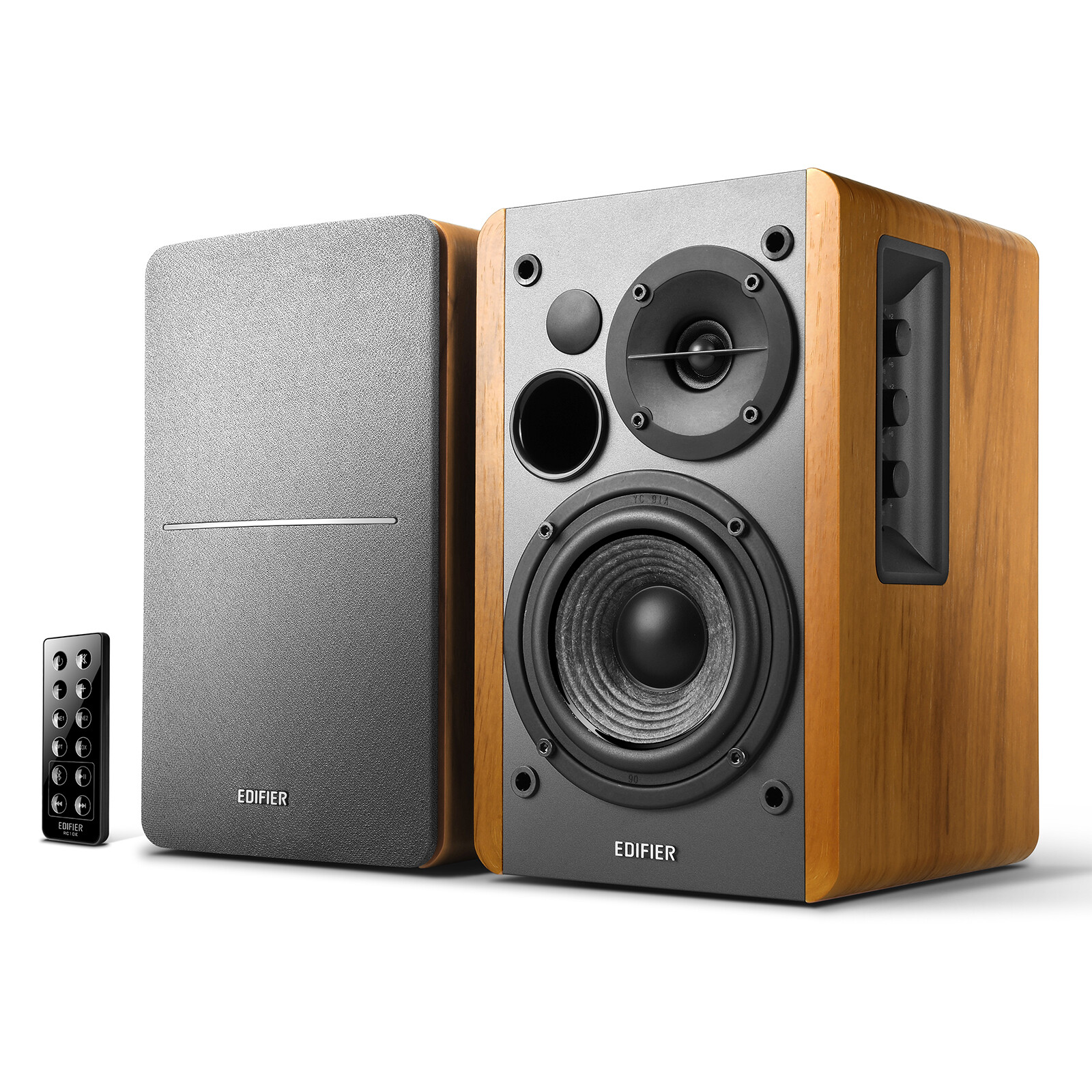 Edifier R1280DB Powered Bluetooth Speakers System 42W RMS Certified Refurbished$99.99View on eBay
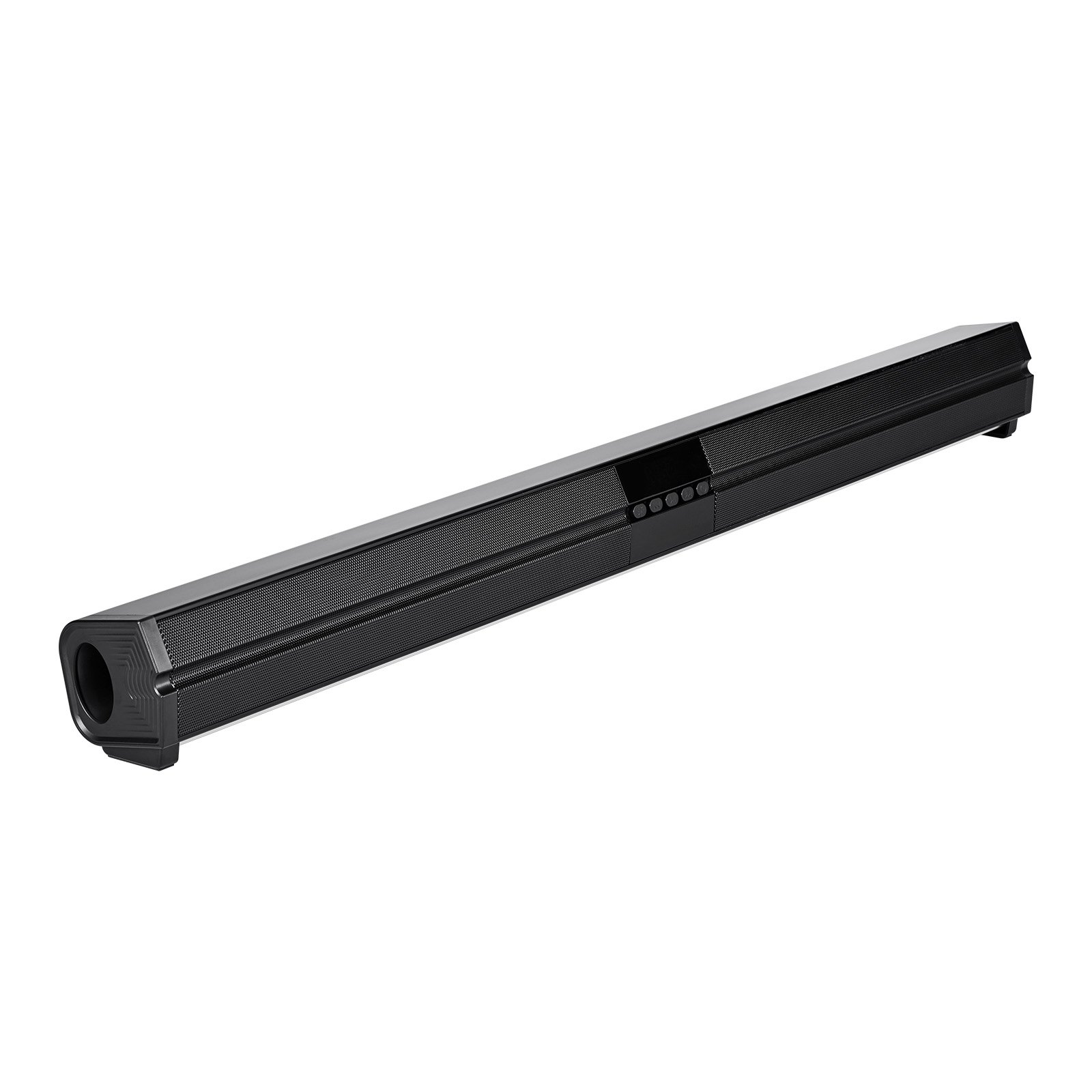 Sound Bar For Smart TV, 2.0 Channel, 32-Inch Compact Soundbar TV Speakers For Projector, Bluetooth AUX Connection, Remote Control, Easy Setup, 80W Surround System For PC Home Theater Audio$46.99View on Mallflare
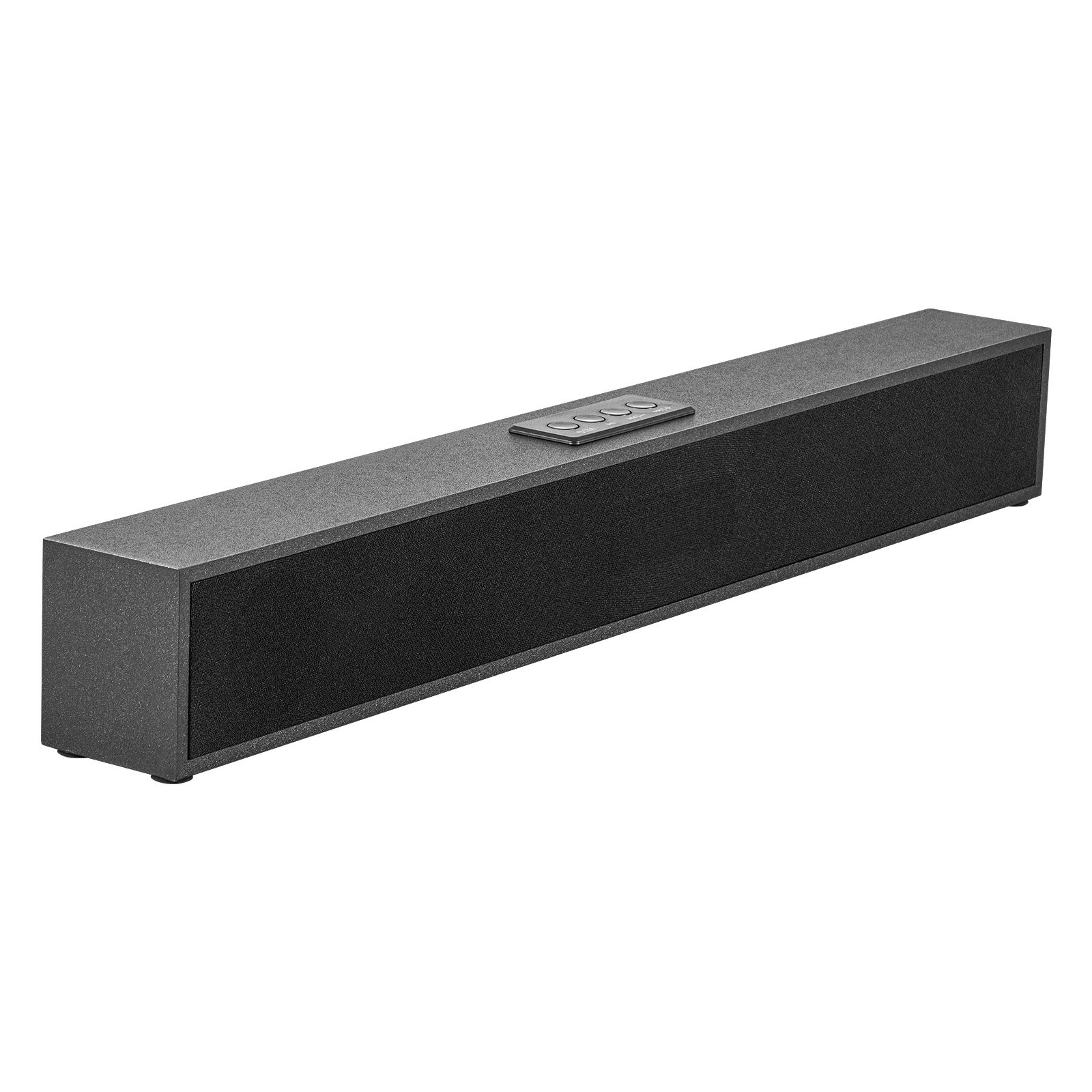 Sound Bar For Smart TV, 2.0 Channel, 24-Inch Compact Soundbar TV Speakers For Projector, Bluetooth AUX Connection, Remote Control, Easy Setup, 80W Surround System For PC Home Theater Audio$47.99View on Mallflare
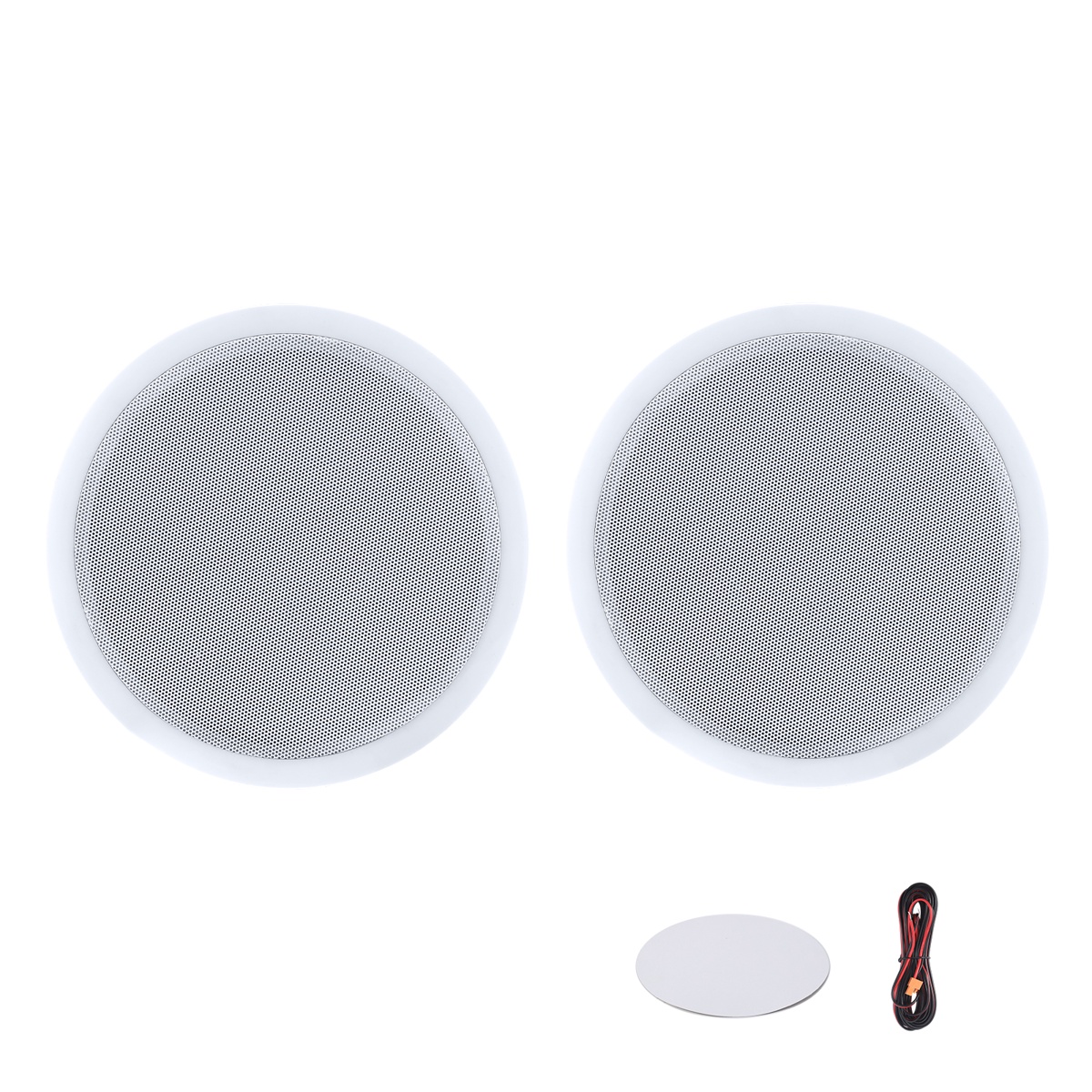 Bluetooth Ceiling Speakers, 8", In & In-Wall Speaker System With Amplifier, 2-Way Flush Mount For Damp Humid Placement, Home Theater, Living Room, Or Covered Patio, 1 Pair$84.99View on Mallflare
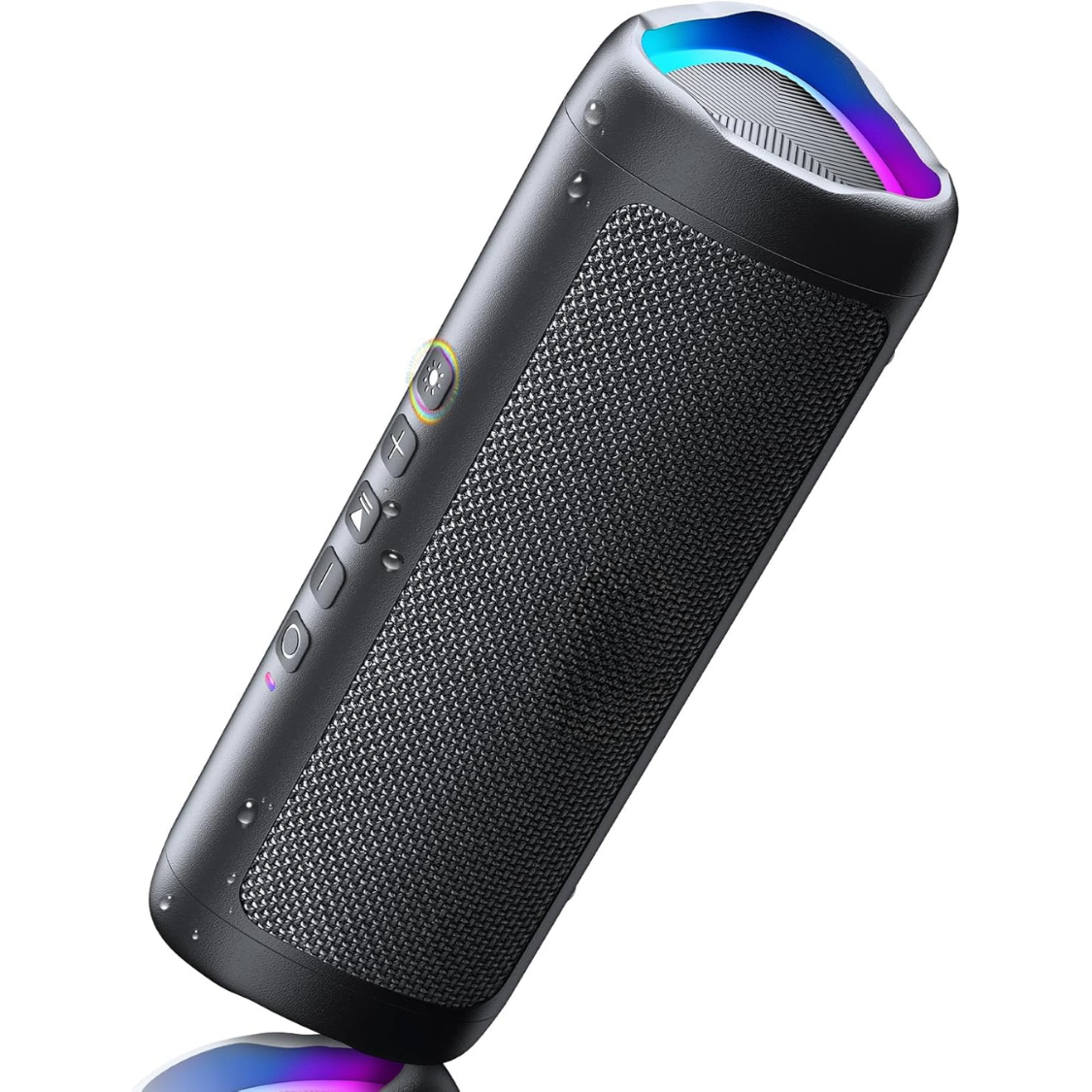 Bluetooth Speaker, 20W HD Sound, Portable Wireless, IPX5 Waterproof, Up To 24H Playtime, TWS Pairing$86.99View on Mallflare
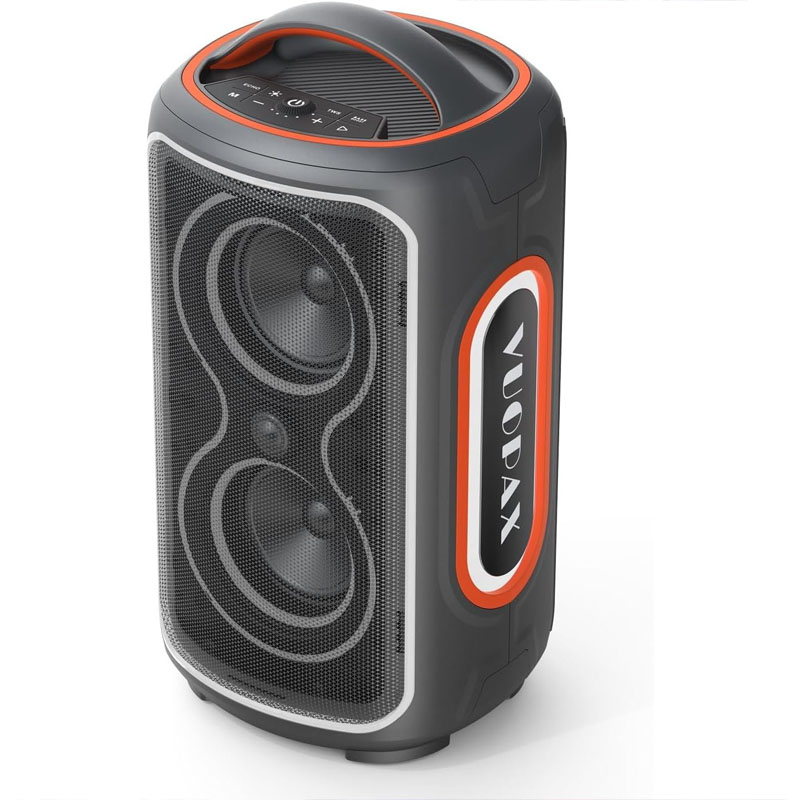 Portable Bluetooth Party Speaker With 240W Peak Power Wireless Audio For Home Parties And Outdoor Gatherings$114.99View on Mallflare
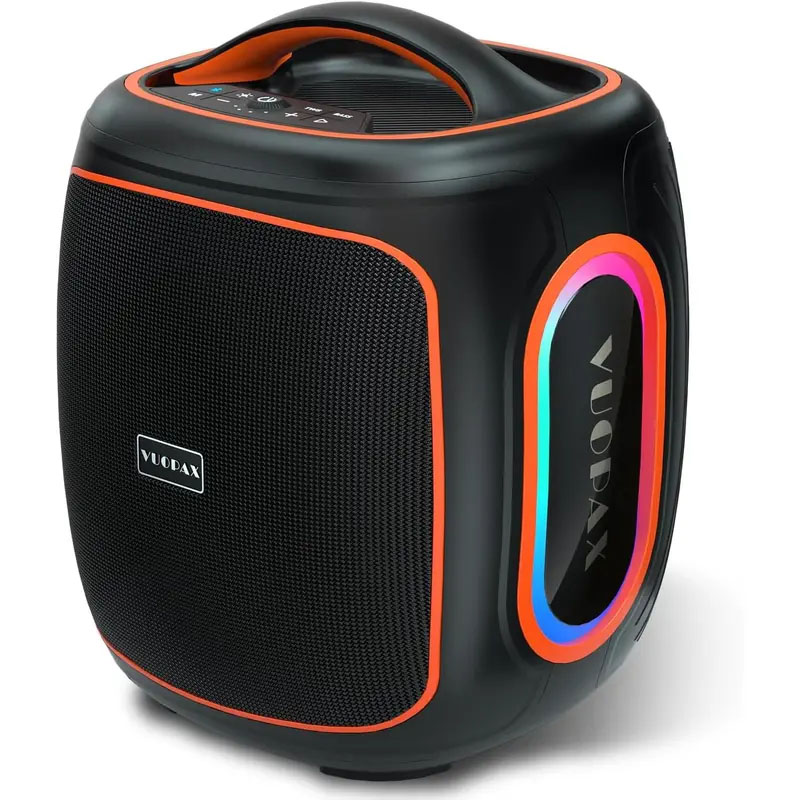 Portable Rechargeable Bluetooth Speaker - 200W Peak Power, Wireless With Super Deep Bass Audio, Speakers$117.99View on Mallflare
Highlights
- Portable units run 5W-30W RMS on class-D amps with 2-4 inch drivers; party models claim 200W-240W peak but deliver roughly 30-60W RMS and need wall power for full output.
- Powered bookshelf pairs like the Edifier R1280DB output 42W RMS total from a 4-inch woofer plus 13mm tweeter, giving true stereo separation a single portable box cannot match.
- In-ceiling and in-wall systems require an 8-ohm impedance match and 89-90dB sensitivity so a modest amplifier reaches usable volume; flush-mount pairs ship with or without the amp.
- IPX5 handles jet spray and rain but not submersion; IPX7 is the rating to demand for poolside or floating use, and only IPX7 units survive a dunk.
Best use cases
- Record-player listening: pick a powered bookshelf pair with a dedicated phono stage or pair a turntable preamp into an AUX/RCA input; skip single portable boxes, which collapse stereo and lack the gain structure for line-level phono.
- TV and projector audio: choose a 2.0 soundbar with HDMI-ARC or optical plus Bluetooth, or a 5.1 receiver-based set; skip battery portables, whose latency and dialogue clarity disappoint on screen.
- Kitchen, bathroom, or covered patio: install 8-inch in-ceiling or in-wall pairs rated for damp placement with an 8-ohm amp; skip unrated plastic portables left outdoors, since UV and moisture degrade seals.
- Outdoor parties and tailgates: pick a battery party speaker with TWS pairing for true stereo and a wall-charge mode for full RMS output; skip 20W pocket units if you need crowd-level volume.
Buying tips
- Compare RMS, not peak: a 240W peak party box is roughly 40-60W RMS, so match RMS wattage to room size—about 20W RMS fills a bedroom, 50W+ RMS a large living room.
- For turntables, confirm the speaker has an AUX/RCA line input plus a switchable phono preamp, or budget for a separate phono stage; Bluetooth alone adds latency and compresses dynamics.
- Match amplifier and speaker impedance: 8-ohm in-ceiling pairs need an 8-ohm-stable amp, and 89dB sensitivity means roughly 1W produces 89dB at one meter—doubling amp power adds only 3dB.
- Check Bluetooth version and codec: version 5.0+ improves range and power efficiency, while aptX or LDAC reduces latency and compression for video and hi-res streaming.
Specs
| Power Rating | RMS watts vs peak watts |
|---|---|
| Driver Size | 2-8 in woofer; 0.5-1 in tweeter |
| Waterproof Rating | IPX5 splash / IPX7 submersion |
| Bluetooth Version | 5.0+; aptX/LDAC optional |
Related searches
What to check before buying
- Measure the shelf, ceiling cutout, or wall cavity: 8-inch ceiling speakers need roughly a 9.5-inch cutout and 4+ inches of depth clearance above the drywall.
- Confirm the power standard: portable units charge over USB-C at 5V, while soundbars and powered bookshelf pairs need a grounded AC outlet within cord reach.
- Check input compatibility with your source: TV optical/HDMI-ARC, turntable RCA with phono stage, or phone Bluetooth; missing one forces an adapter.
- For outdoor or damp placement, verify an IPX5 or higher rating and UV-resistant grilles; indoor-only plastic cabinets yellow and crack under direct sun.
FAQ
Data sources: eBay / Amazon listings and product attribute feeds. Updated Nov 27, 2026.
Some links on this page are affiliate links. If you buy after clicking one, we may earn a commission at no extra cost to you. This does not change which products appear here or their order. Affiliate disclosure.