
Photos from current listings. Actual item, color, and included accessories may vary.
Handheld Gaming PC Buying Guide
Handheld gaming PCs are portable Windows/Linux computers built for full PC game libraries, distinguished from retro emulation handhelds by their x86 APUs (or high-end ARM with emulation layers), active cooling, and 16GB+ RAM. The primary trade-off is raw performance and thermal headroom versus battery life, screen quality, and ergonomic weight. The decisive rule: if it runs Windows 11 and a modern x86 APU (Steam Deck, ROG Ally, Legion Go), it's a gaming PC; if it's an ARM/Linux retro console with built-in ROMs, it's an emulation handheld and not a PC replacement.
Median $135.00
Key takeaways
- x86 APU architecture (AMD Z1 Extreme, Ryzen 7 7840U, Intel Core Ultra) is the defining line: these run Windows games natively, while ARM/Linux retro handhelds rely on emulation and lighter titles.
- RAM tier separates real gaming PCs from retro consoles: 16GB LPDDR5 is the minimum for current AAA titles; 4–8GB retro handhelds cap out at emulation and indie games.
- Screen and cooling specs matter: 7-inch 120Hz VRR panels with active fan cooling sustain higher TDP (15–30W) than fanless 4-inch retro units locked to low-watt ARM chips.
At a glance
- Category
- Console & Handheld Hardware
- Last updated
- Nov 29, 2026
Current offers
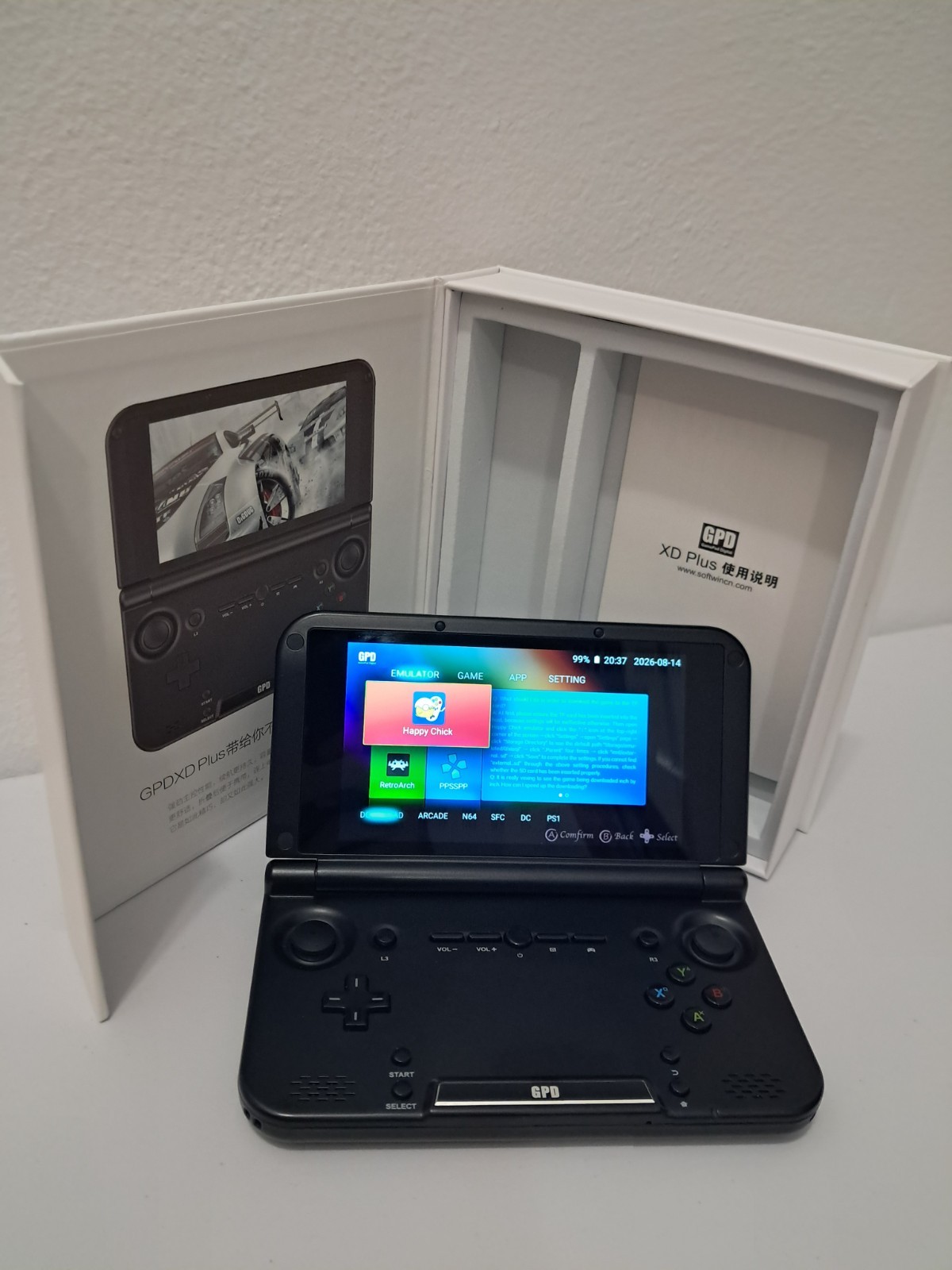 GPD XD Plus 32GB Android Handheld Gaming Console$85.00View on eBay
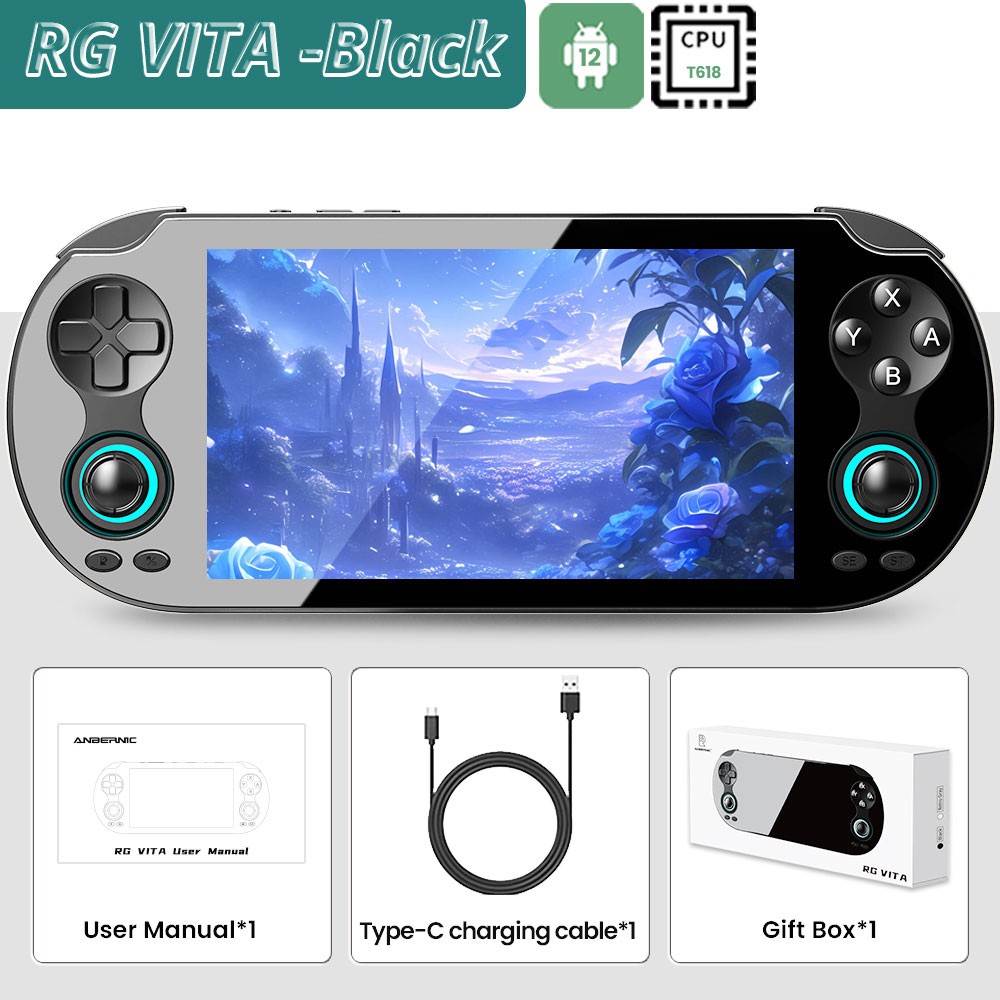 ANBERNIC RG VITA / RG VITA Pro Handheld Game Console Android Video Gaming Player$129.99View on eBay
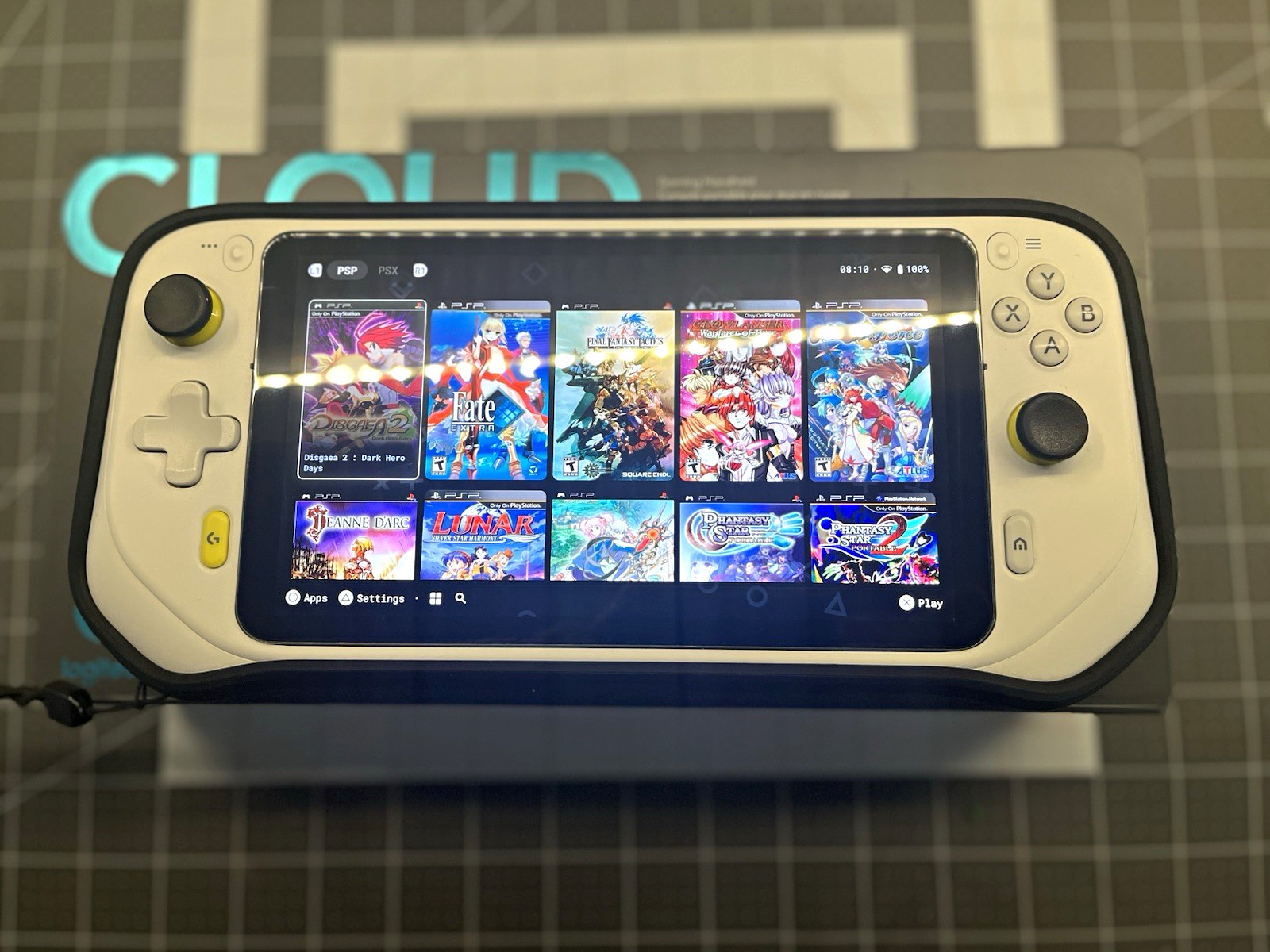 Logitech G Cloud Handheld Gaming Console 64GB White 1080p Wi-Fi USB-C$140.00View on eBay
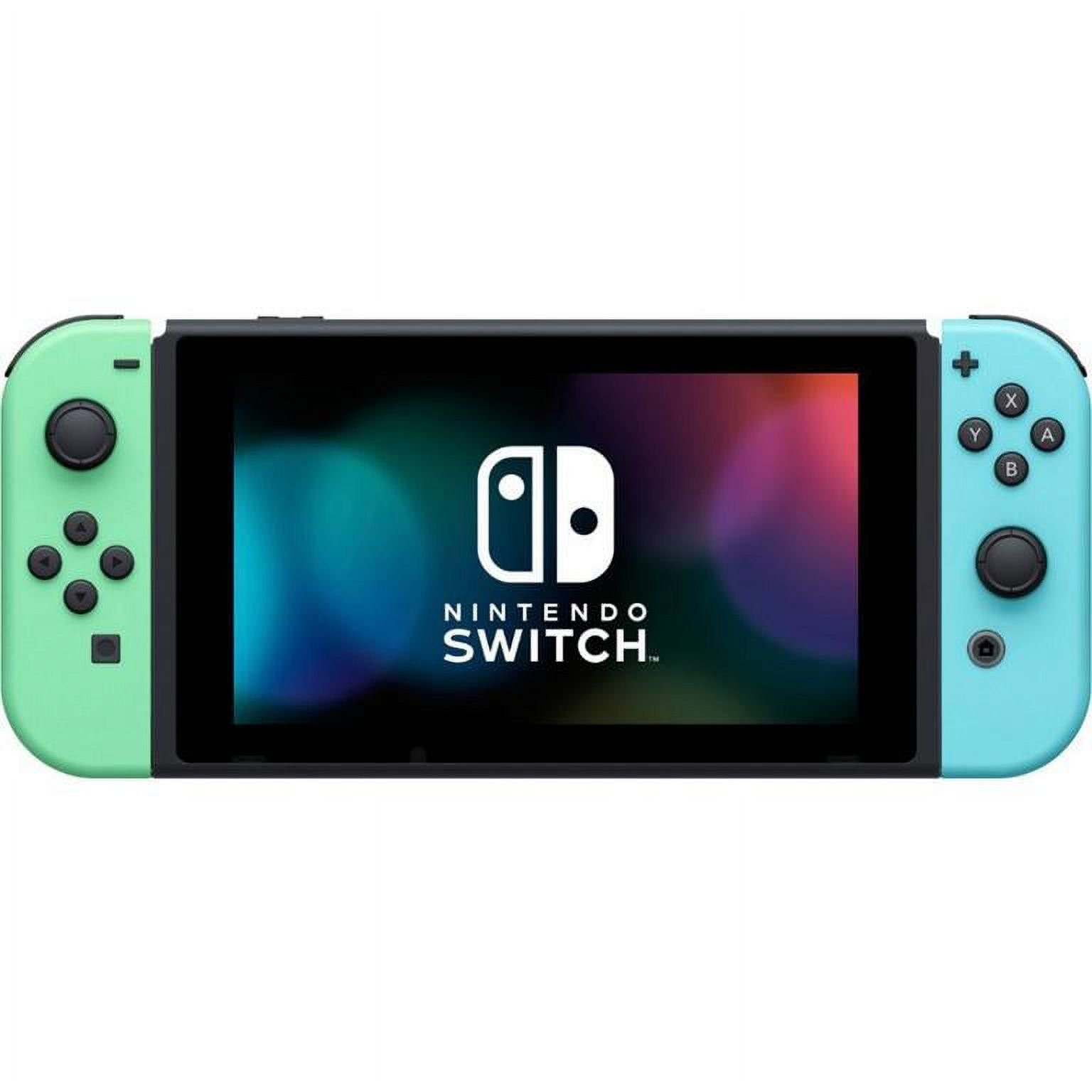 Nintendo Switch Gaming Handheld Console 32GB HAC-001 - Preowned$169.00View on eBay
Highlights
- x86 APU architecture (AMD Z1 Extreme, Ryzen 7 7840U, Intel Core Ultra) is the defining line: these run Windows games natively, while ARM/Linux retro handhelds rely on emulation and lighter titles.
- RAM tier separates real gaming PCs from retro consoles: 16GB LPDDR5 is the minimum for current AAA titles; 4–8GB retro handhelds cap out at emulation and indie games.
- Screen and cooling specs matter: 7-inch 120Hz VRR panels with active fan cooling sustain higher TDP (15–30W) than fanless 4-inch retro units locked to low-watt ARM chips.
- Storage interface dictates load performance: NVMe SSD (2230 or 2280) is standard on gaming PCs; retro handhelds use slower eMMC or microSD, which affects shader compilation and large game installs.
Best use cases
- Buy a Windows x86 handheld (Steam Deck, ROG Ally, Legion Go) if you want to play current AAA PC games, use Steam/Epic/Game Pass libraries, and need 16GB RAM with NVMe storage.
- Choose an ARM/Linux retro handheld (Retroid Pocket, Anbernic, R36) only for emulation up to PS1/N64/Dreamcast and indie ports—skip it if you expect modern PC game compatibility.
- Pick a 7-inch 120Hz VRR model with active cooling for competitive or fast-paced genres; a fanless 4-inch retro unit is wrong for anything beyond retro emulation.
- Skip handheld gaming PCs entirely if you only play retro ROMs—a dedicated retro handheld costs less and runs cooler and longer per charge.
Buying tips
- Match RAM to library: 16GB LPDDR5 for AAA Windows titles; 8GB is the floor for indie/emulation; 4GB or less is retro-only and cannot run modern PC games.
- Check the APU generation: AMD Z1 Extreme and Ryzen 7 7840U outperform older 6800U by roughly 15–25% in sustained graphics workloads—prioritize newer silicon for AAA gaming.
- Verify the screen: 7-inch 120Hz VRR (Legion Go, ROG Ally) is the premium tier; 60Hz 6–7 inch IPS is standard; 4-inch class displays are retro-handheld territory, not gaming PCs.
- Confirm storage interface: NVMe 2230/2280 SSD for fast game loading and shader caching; microSD-only devices bottleneck large installs and are retro-class hardware.
Specs
| APU Architecture | x86 AMD/Intel vs ARM retro |
|---|---|
| RAM Tier | 16GB LPDDR5 min for AAA; 8GB indie |
| Storage Interface | NVMe SSD vs eMMC/microSD |
| Display Class | 7-in 120Hz VRR vs 4-in 60Hz retro |
Related searches
What to check before buying
- Measure your carry bag or case: 7-inch handhelds run 11–14 inches wide and 1.5–2 lbs, so a 10-inch tablet sleeve will not fit—plan for a dedicated hard case.
- Confirm your region's plug and voltage: handheld gaming PCs ship with USB-C PD chargers; ensure a 65W PD charger is included or available locally for full-speed charging.
- Check your game library storefront: Steam Deck runs SteamOS with Proton; ROG Ally and Legion Go run Windows 11 for Game Pass and Epic—pick based on where your games live.
- Verify you have a microSD or SSD upgrade path: many handhelds have user-accessible 2230 SSD slots, but retro consoles often lock storage to microSD, so match capacity to your install sizes.
FAQ
Data sources: eBay / Amazon listings and product attribute feeds. Updated Nov 29, 2026.
Some links on this page are affiliate links. If you buy after clicking one, we may earn a commission at no extra cost to you. This does not change which products appear here or their order. Affiliate disclosure.