
Photos from current listings. Actual item, color, and included accessories may vary.
Home Theater Projector Buying Guide
A home theater projector is a display engine built for dark-room, large-screen viewing, where the core trade-off is light output vs. color accuracy and throw flexibility. Durable options use true specified ANSI lumens, real native resolution (1080p or 4K), and low-latency HDMI; compromises rely on inflated 'Lumens' marketing, pixel-shifted faux-4K, or single-chip LCD panels with poor contrast. The decision rule: buy by native resolution, measured ANSI lumens, and throw ratio—ignore inflated brightness claims and bundled screens as the deciding factor.
Median $32.19
Key takeaways
- True brightness is measured in ANSI lumens, not 'Lumens' or 'LMS'; reputable models state ANSI in the 2,000-3,000 range, and anything claiming 45,000 'Lumens' is marketing lumens, not ANSI.
- Native resolution determines sharpness: 1920x1080 DLP/3LCD chips are true 1080p, while '4K' on budget units is often 1080p pixel-shift (XPR), which is acceptable but not native 4K.
- Light source type drives lifespan and color: LED/laser rated 20,000-30,000 hours with instant on/off, while traditional UHP lamps last 3,000-6,000 hours and dim gradually.
At a glance
- Category
- Projectors & Screens
- Last updated
- Nov 28, 2026
Current offers
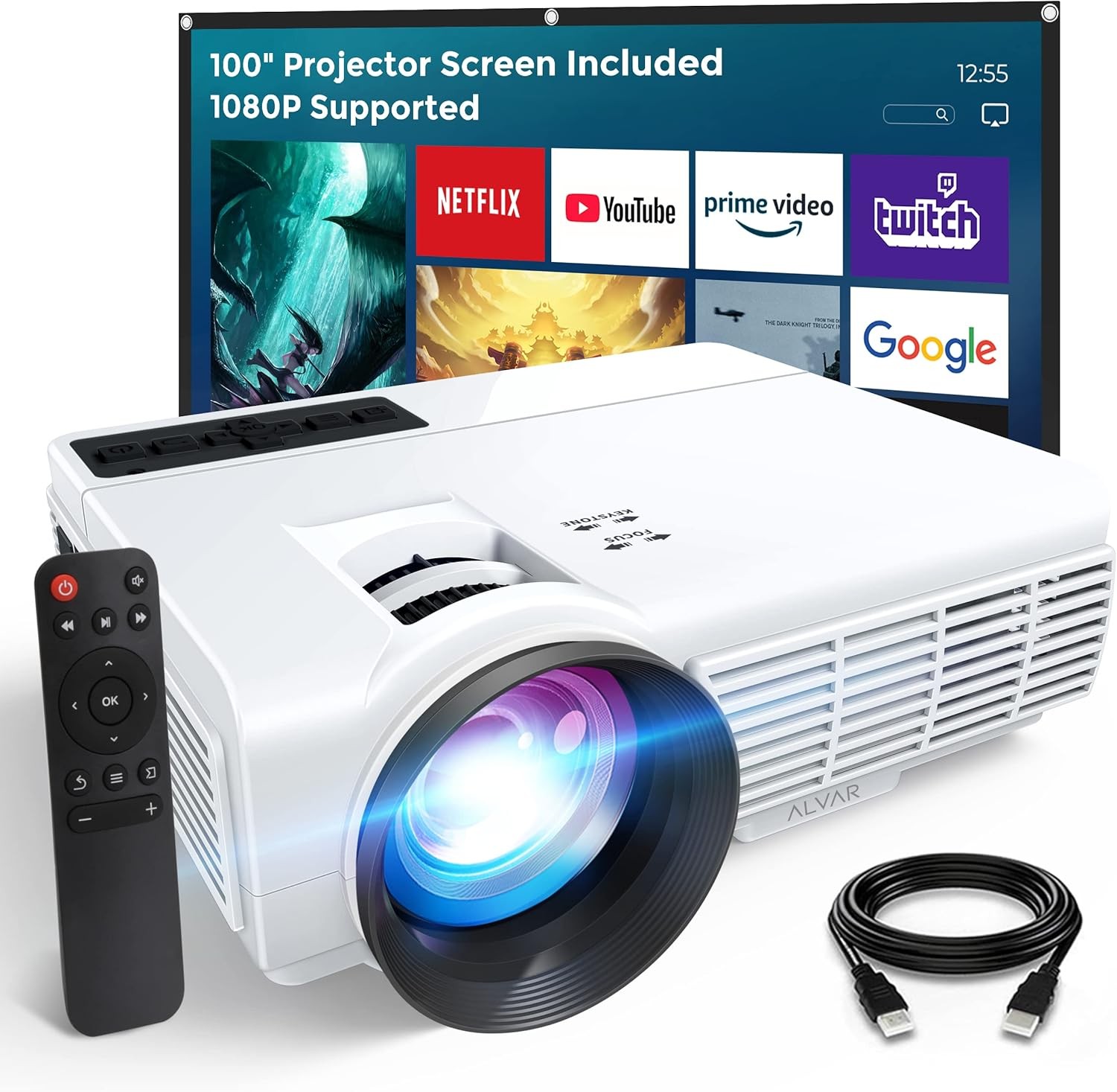 1080P HD Bluetooth Video Projector 8000Lumens Movie Home Theater w/ 100'' Screen$21.89View on eBay
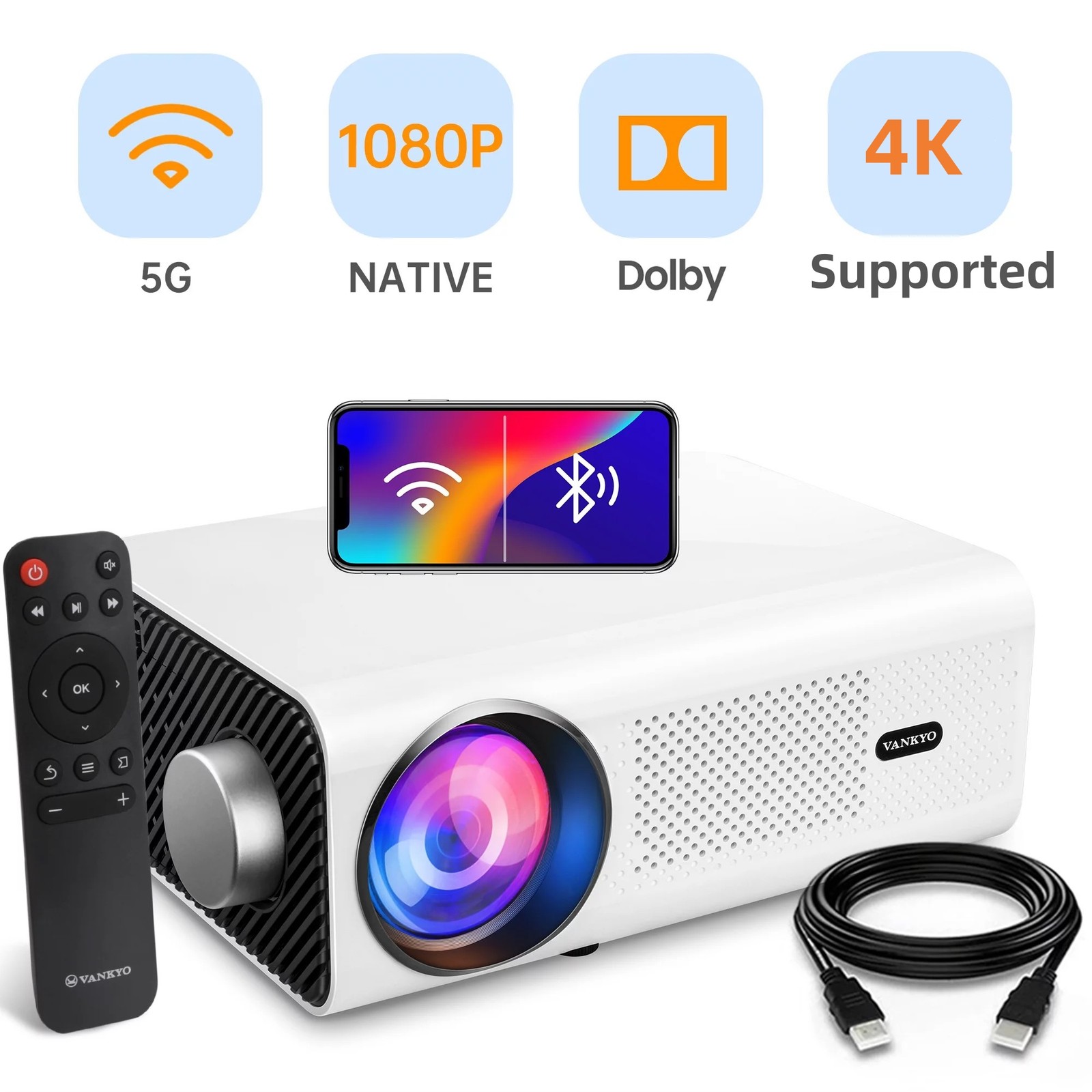 4K Projector Dolby 45000 Lumen LED 1080P 5G WiFi Bluetooth Portable Home Theater$31.69View on eBay
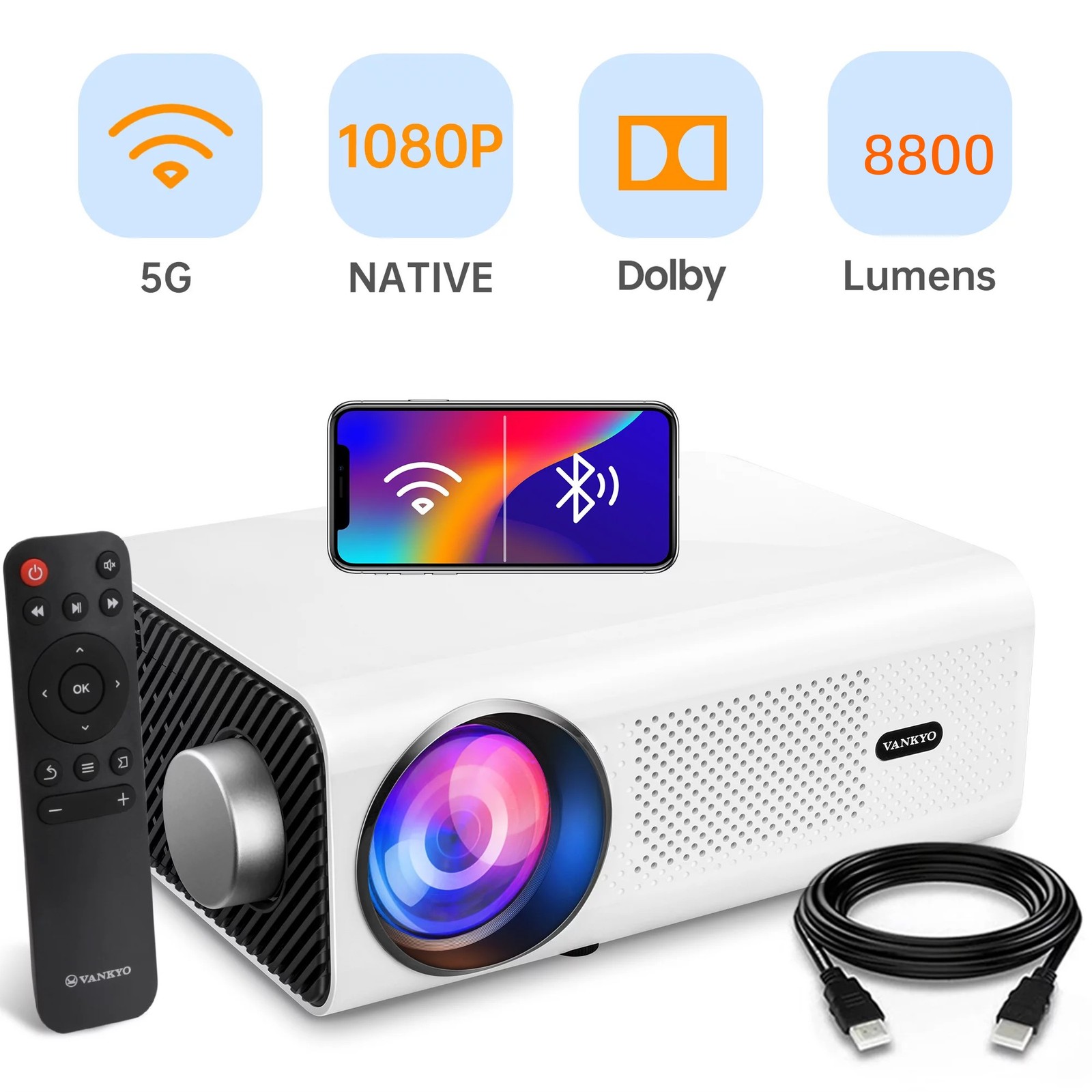 VANKYO 4K Projector DoIby 45000LMS 1080P HD 5G WiFi Bluetooth Video Home Theater$32.69View on eBay
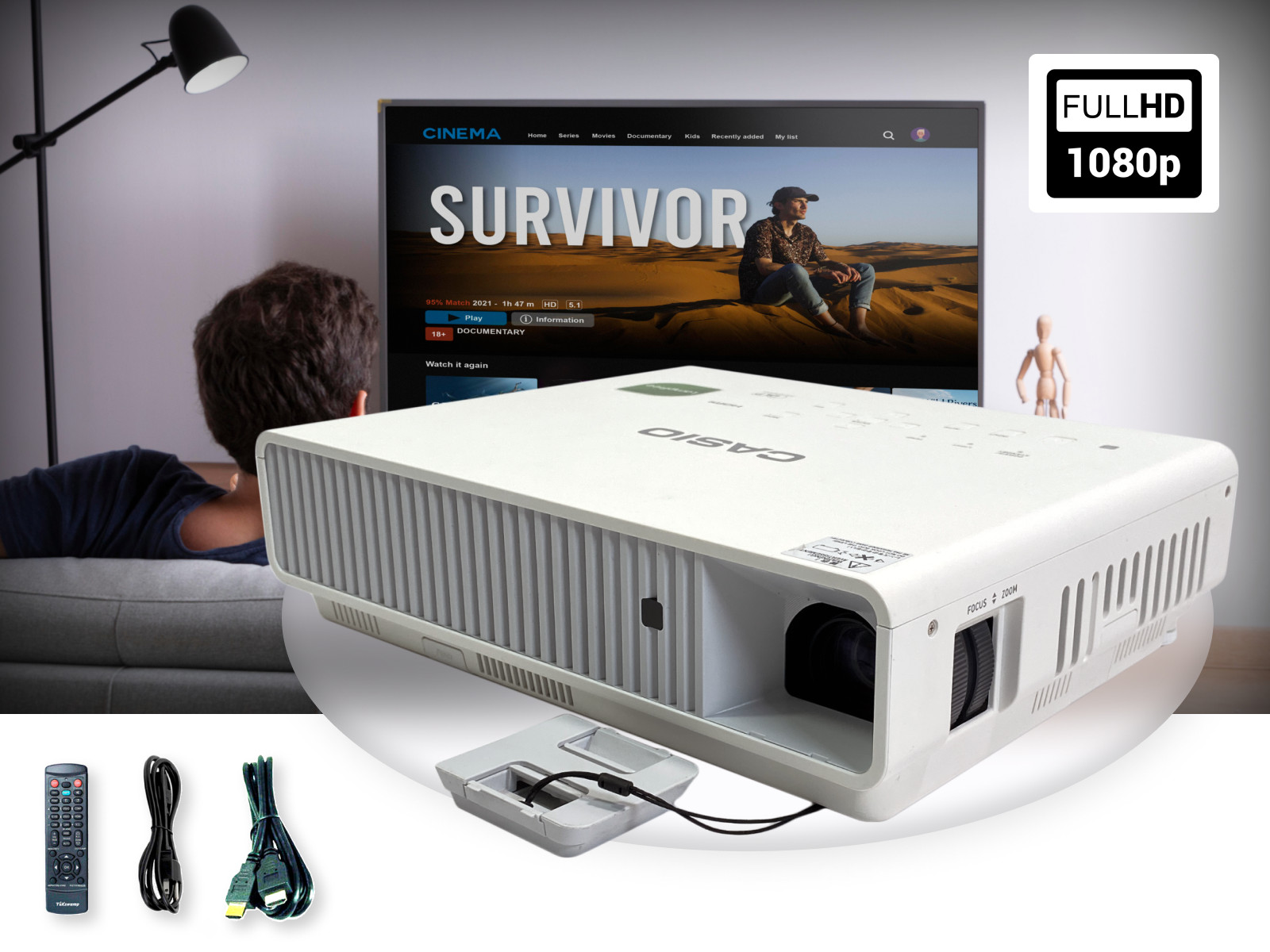 2500 ANSI DLP Projector for Home Theater Movie Lovers Cinema TV Video Full HD 3D$109.23Last checked Nov 28, 2026View on eBay
Highlights
- True brightness is measured in ANSI lumens, not 'Lumens' or 'LMS'; reputable models state ANSI in the 2,000-3,000 range, and anything claiming 45,000 'Lumens' is marketing lumens, not ANSI.
- Native resolution determines sharpness: 1920x1080 DLP/3LCD chips are true 1080p, while '4K' on budget units is often 1080p pixel-shift (XPR), which is acceptable but not native 4K.
- Light source type drives lifespan and color: LED/laser rated 20,000-30,000 hours with instant on/off, while traditional UHP lamps last 3,000-6,000 hours and dim gradually.
- Throw ratio (distance ÷ screen width) sets placement: 1.5-1.9 is standard throw, 0.4-0.7 is short throw for tight rooms, and 1.0-1.3 is a versatile living-room compromise.
Best use cases
- Dedicated dark media room: pick a 1080p or 4K DLP/3LCD unit at 2,000+ ANSI lumens with a fixed-frame or tab-tensioned screen—skip portable tripod screens that wrinkle and reduce contrast.
- Multi-use living room with ambient light: choose 3,000+ ANSI lumens or an ALR (ambient light rejecting) screen; skip dim 'cinema' projectors under 1,500 ANSI lumens and white matte screens in bright rooms.
- Backyard movie night: select a 1080p LED projector with 300-500 ANSI lumens minimum and a wrinkle-free 16:9 screen with sandbags/stakes; skip 4K claims and cheap foldable screens that crease and flutter.
Buying tips
- Match screen size to throw distance: for a 100-inch 16:9 image (87-inch wide), a 1.5 throw ratio needs about 10.9 feet, a 1.0 ratio about 7.3 feet, and a 0.5 short-throw about 3.6 feet.
- Demand native resolution and ANSI lumens in the spec sheet; treat '1080P supported' or '4K decoding' as input compatibility, not display resolution.
- For gaming, require HDMI 2.0 with input lag under 30 ms in game mode; DLP units often beat LCD on motion, but some show rainbow artifacts sensitive viewers notice.
- Choose LED/laser for 20,000+ hour life and no lamp swaps; choose lamp-based only if brightness per dollar matters and you accept 3,000-6,000 hour lamp replacements.
Specs
| Brightness | 2,000-3,000 ANSI lumens (home) |
|---|---|
| Native Resolution | 1080p or true 4K (not supported) |
| Light Source | LED/laser 20k-30k hr vs UHP lamp |
| Throw Ratio | Standard 1.5-1.9 / Short 0.4-0.7 |
Related searches
What to check before buying
- Measure the wall width and seating distance, then compute required throw ratio and screen size before choosing a model.
- Verify room light control: blackout curtains for under 1,500 ANSI lumens, or 3,000+ ANSI lumens / ALR screen for daytime viewing.
- Confirm ceiling height, mount drop, and lens shift or keystone range so the projector fits without extreme digital correction.
- Check inputs and audio: at least one HDMI 2.0, and plan for a soundbar or AV receiver since built-in speakers are typically 5-10W and inadequate for theater use.
FAQ
Data sources: eBay / Amazon listings and product attribute feeds. Updated Nov 28, 2026.
Some links on this page are affiliate links. If you buy after clicking one, we may earn a commission at no extra cost to you. This does not change which products appear here or their order. Affiliate disclosure.