
Photos from current listings. Actual item, color, and included accessories may vary.
Projector Buying Guide
Projectors span a huge quality gap: genuine native-1080p LCD/DLP engines with real ANSI brightness and glass optics versus inflated-lumen, software-upscaled '4K' toys. The core trade-off is honest light output and native resolution against compact size and price. Buyers should reject any listing that advertises lumens without ANSI, or '4K' without native 1080p, because those are the two specs that determine a usable image.
Median $147.90
Key takeaways
- Brightness must be ANSI lumens: 200–400 ANSI suits dark bedrooms; 500+ ANSI is needed for dim living rooms or shaded patios; '8000 lumens' marketing figures are not ANSI.
- Native resolution beats support claims: true 1080p panels render sharp text; '4K support' units merely downscale a 4K input to 720p/1080p and look soft.
- Light engine matters: LED lamps last 20,000–30,000 hours with no replacement, while budget single-LCD panels lose color and contrast faster than DLP or 3LCD.
At a glance
- Category
- Projectors & Screens
- Last updated
- Nov 28, 2026
Current offers
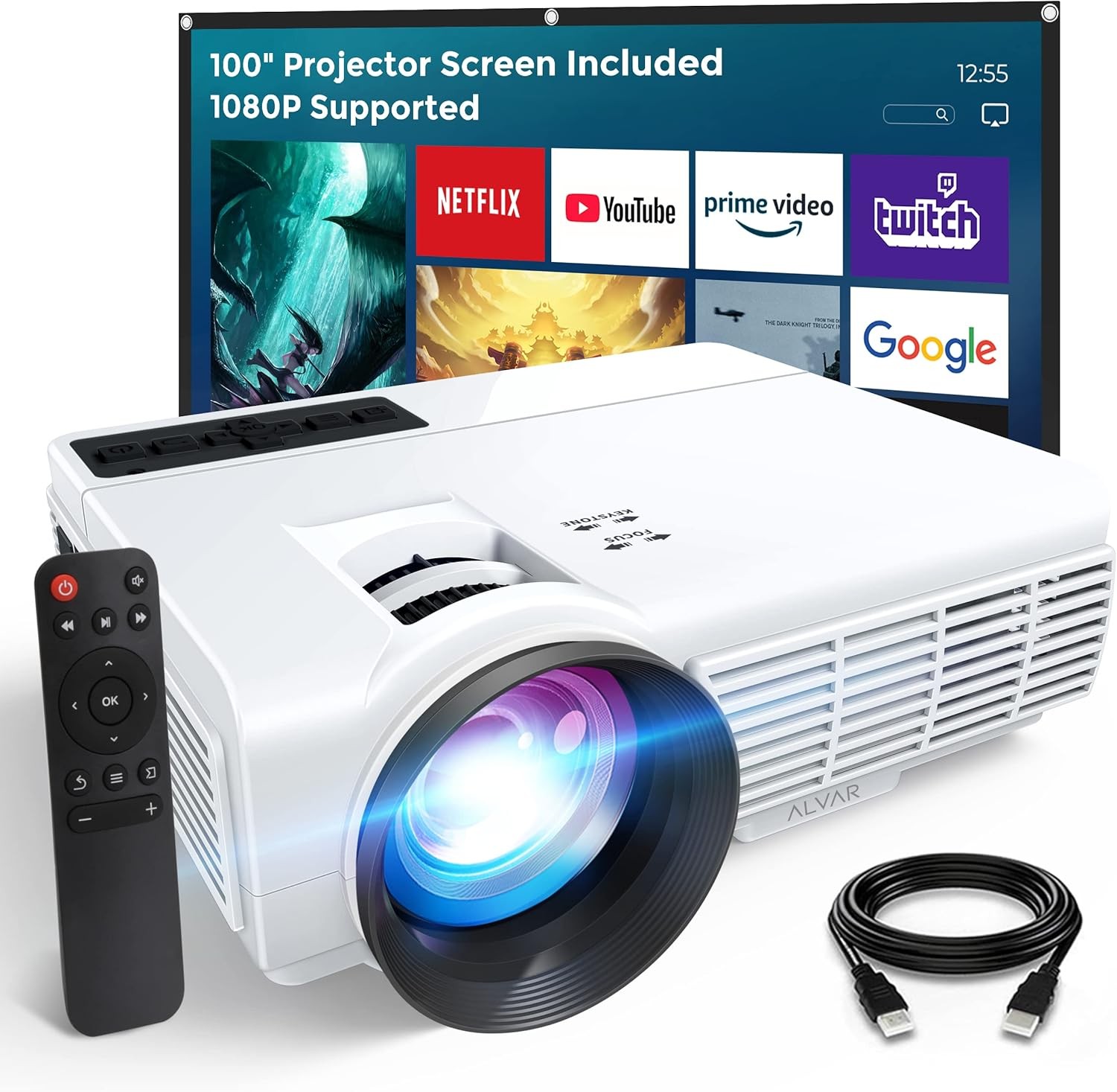 1080P HD Bluetooth Video Projector 8000Lumens Movie Home Theater w/ 100'' Screen$21.89View on eBay
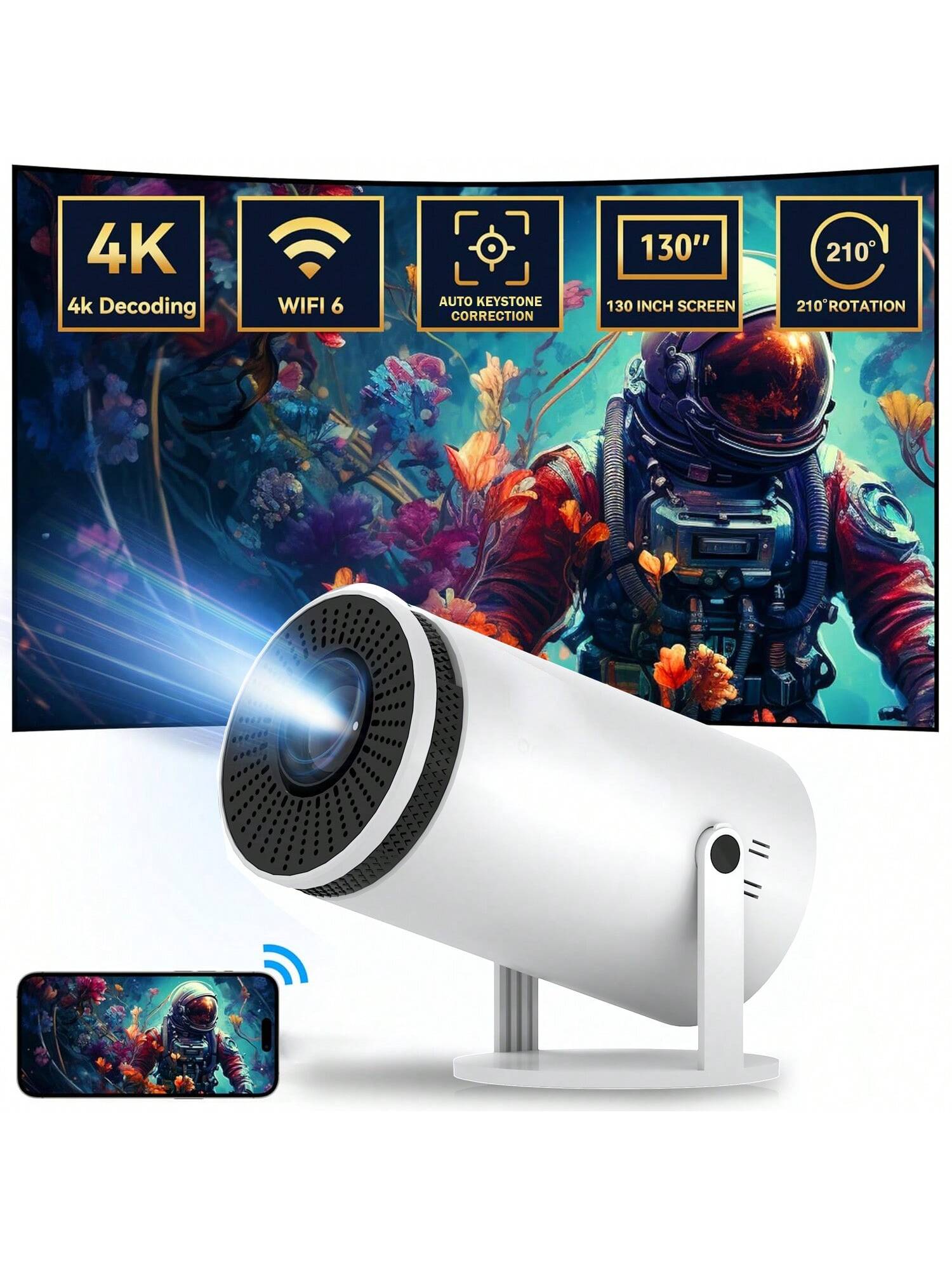 Smart Portable Theater Projector With Trapezoidal Image Correction, Wifi 6 Support, Android 12 And Multiple Ports, Mini Size For Phone And Laptop$88.99View on Mallflare
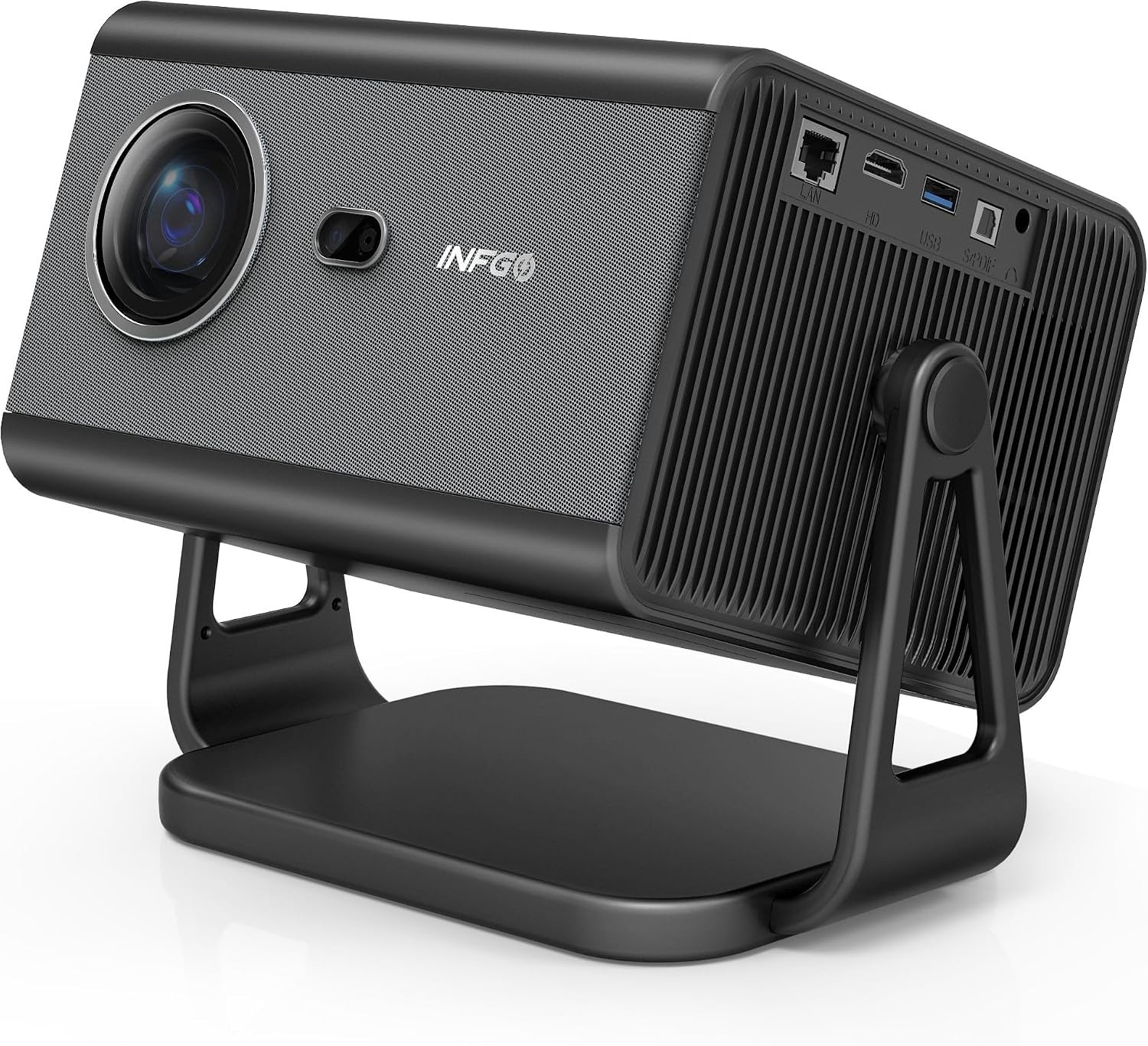 4K Projector with Wifi and Bluetooth 800ANSI, INFGO Movie Theater Projector with$29.99View on eBay
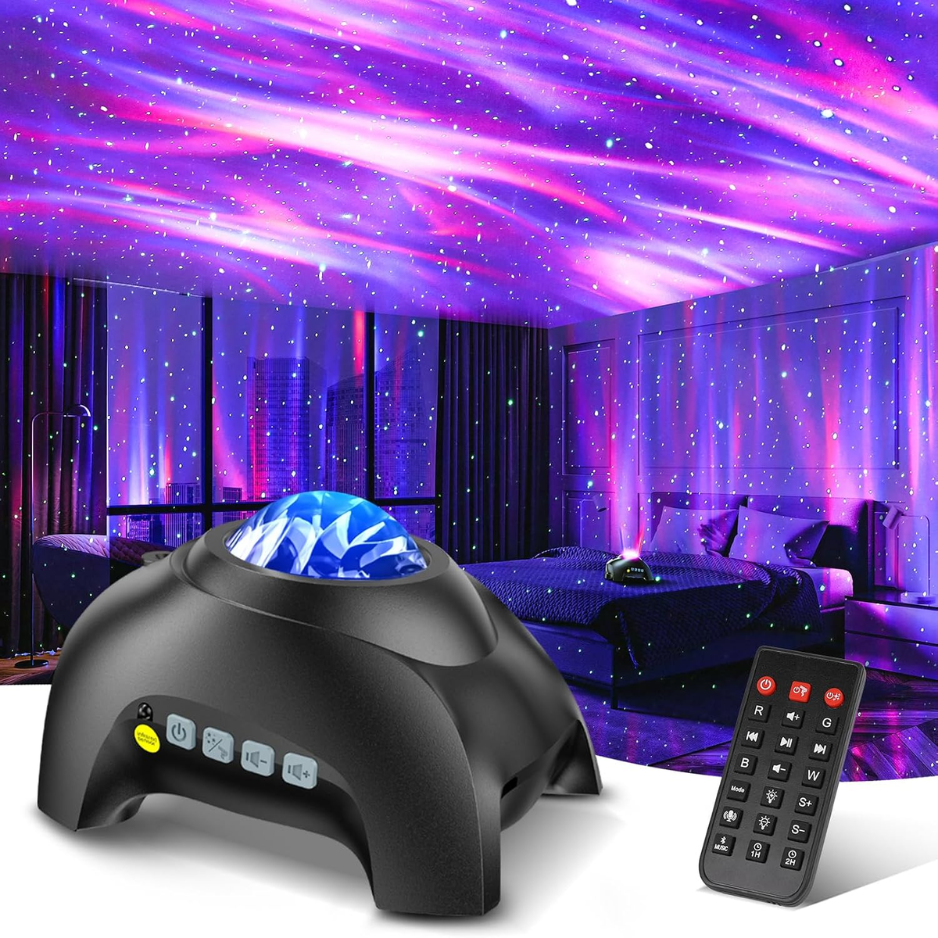 Northern Galaxy Aurora Projector, 33 Light Effects LED Star & Nebula Night Bluetooth Speaker With Remote Control & White Noise$128.99View on Mallflare
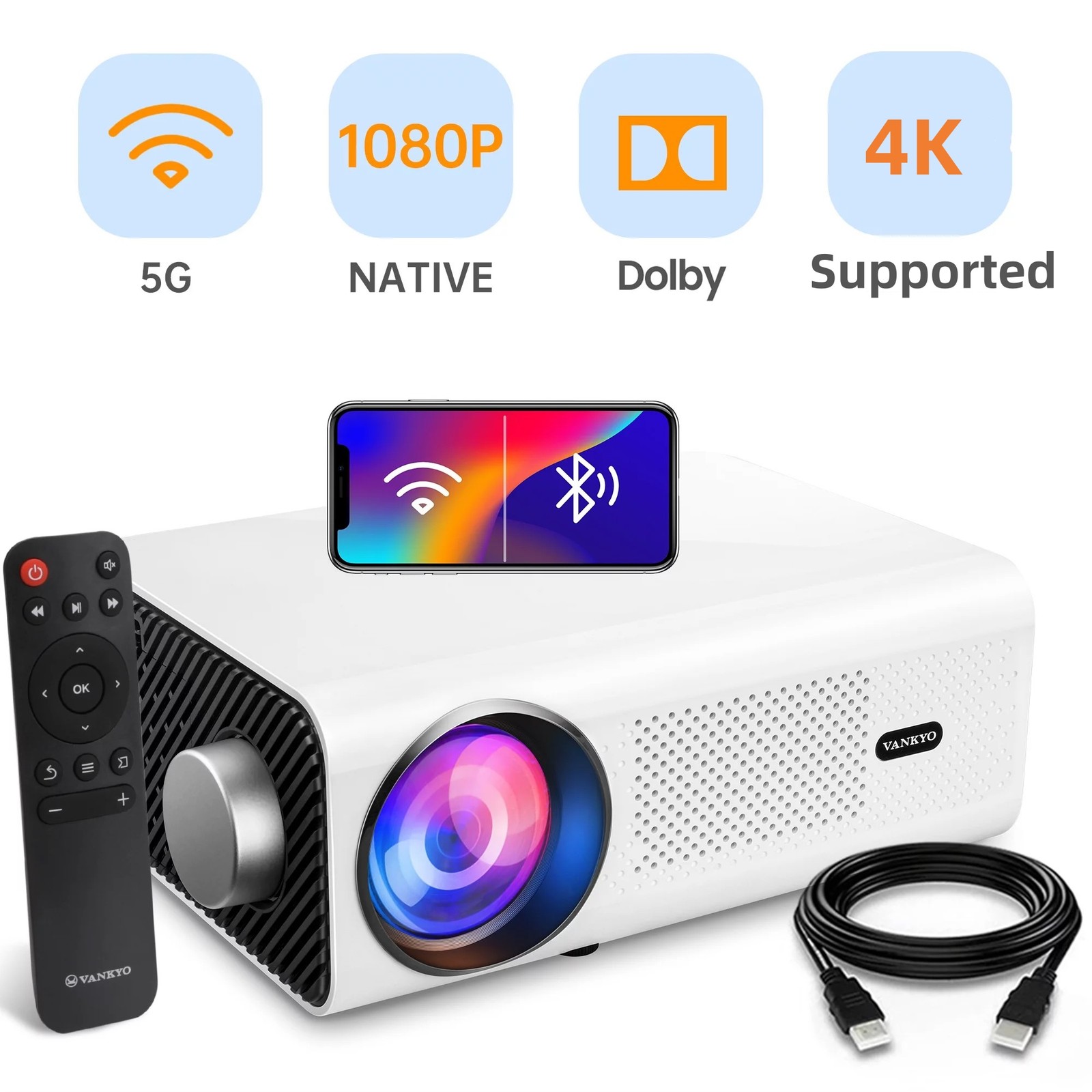 4K Projector Dolby 45000 Lumen LED 1080P 5G WiFi Bluetooth Portable Home Theater$31.69View on eBay
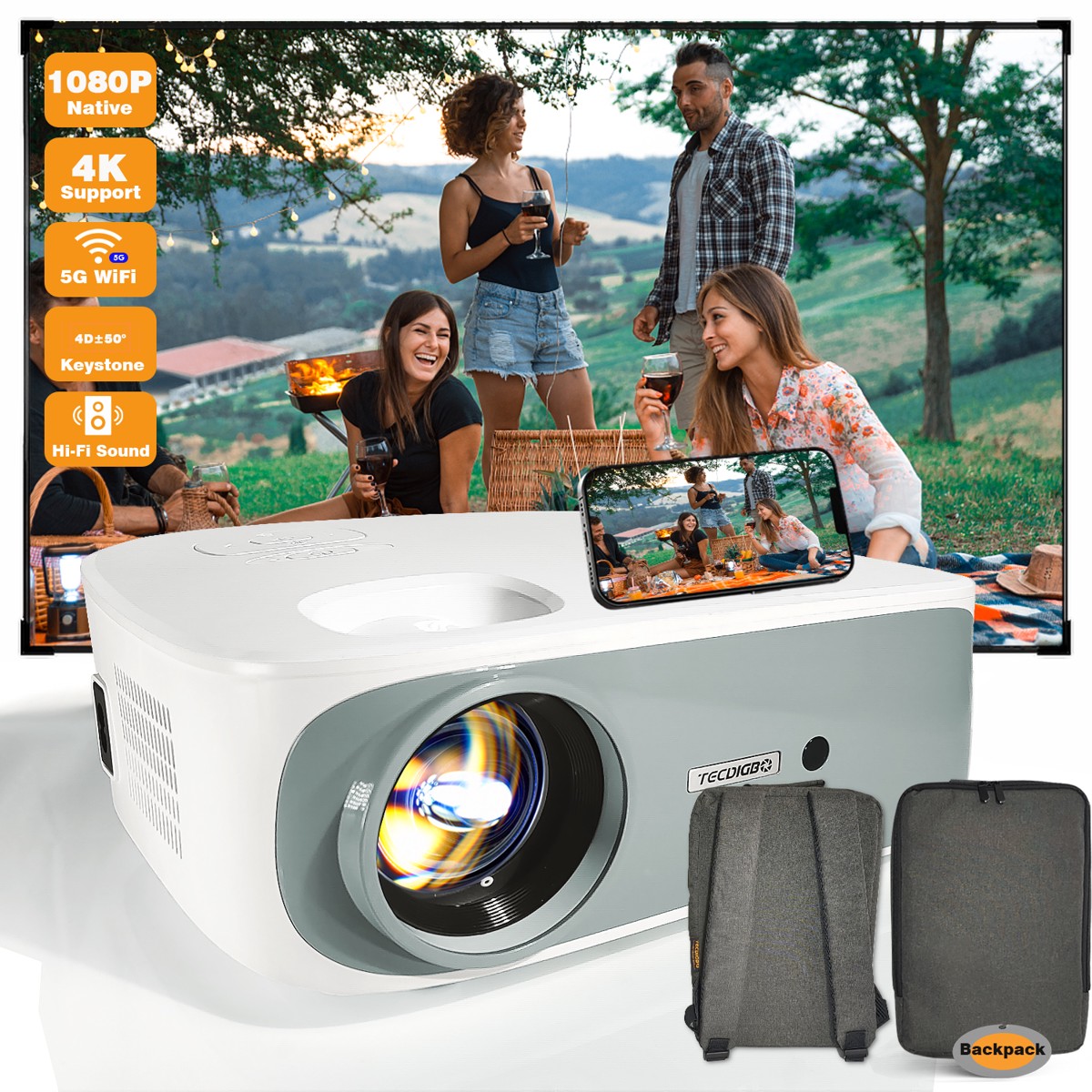 4K 5G Bluetooth Projector 4D Keystone Correction Native 1080P Full HD Outdoor Movie For Smart Phone Laptop PC DVD TV PS4$136.99View on Mallflare
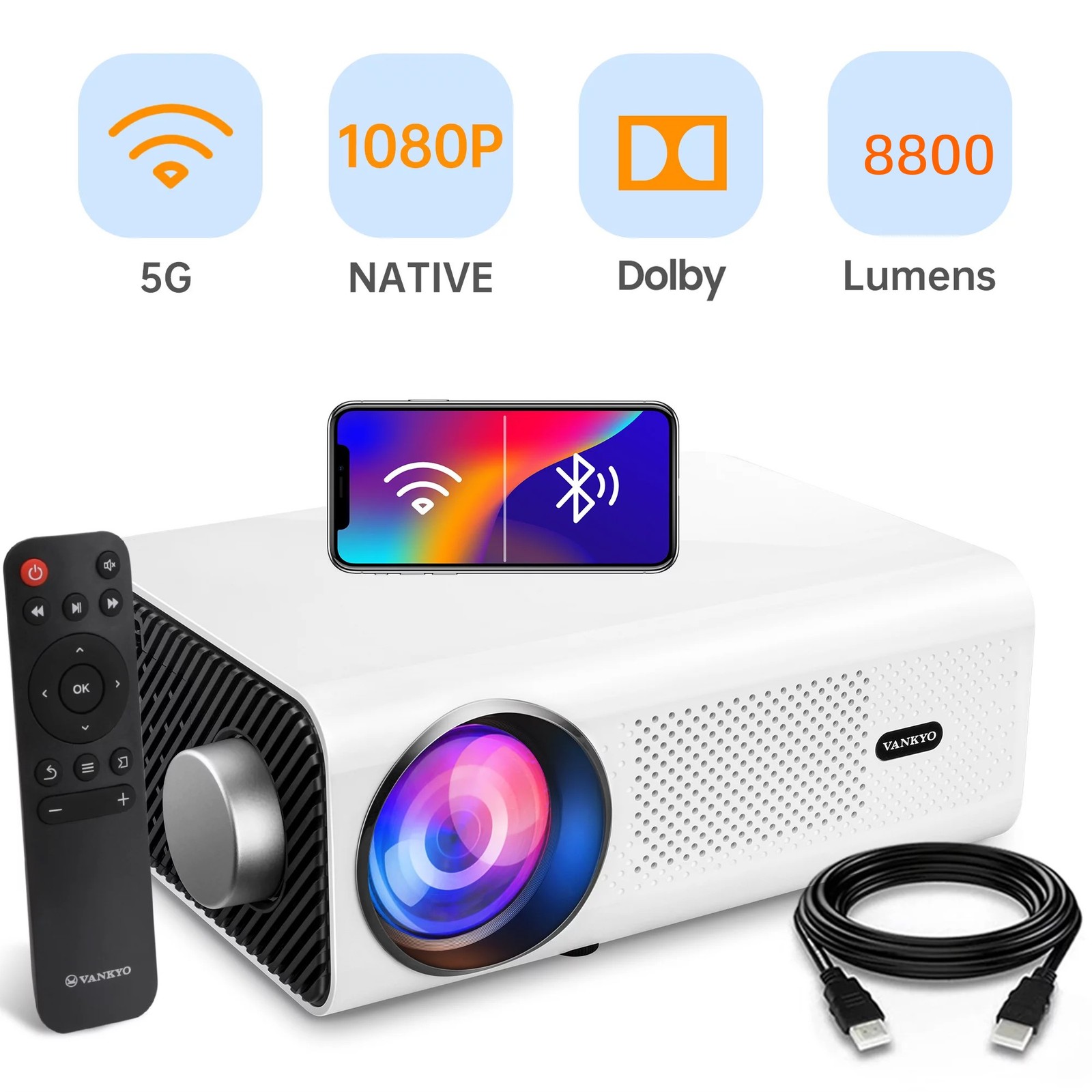 VANKYO 4K Projector DoIby 45000LMS 1080P HD 5G WiFi Bluetooth Video Home Theater$32.69View on eBay
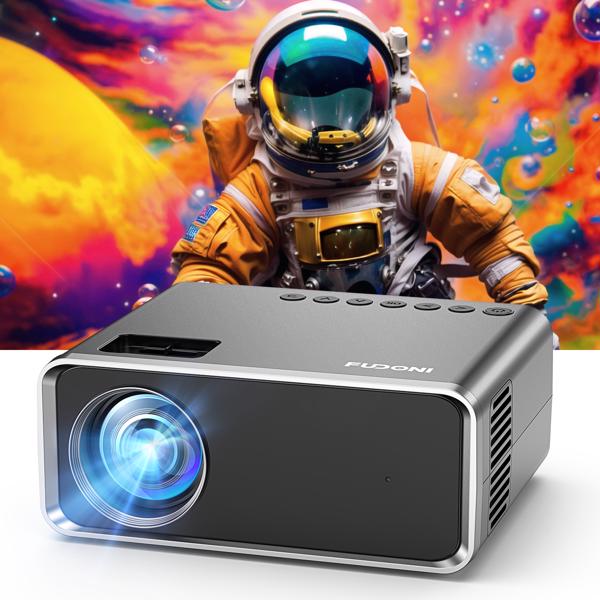 Projector With WiFi & Bluetooth, Upgraded 5G Portable Support 4K, Native 1080P, 12000 Lumens, Outdoor LED Movie Projector,Selling On The Amazon Platform Is Prohibited$152.99View on Mallflare
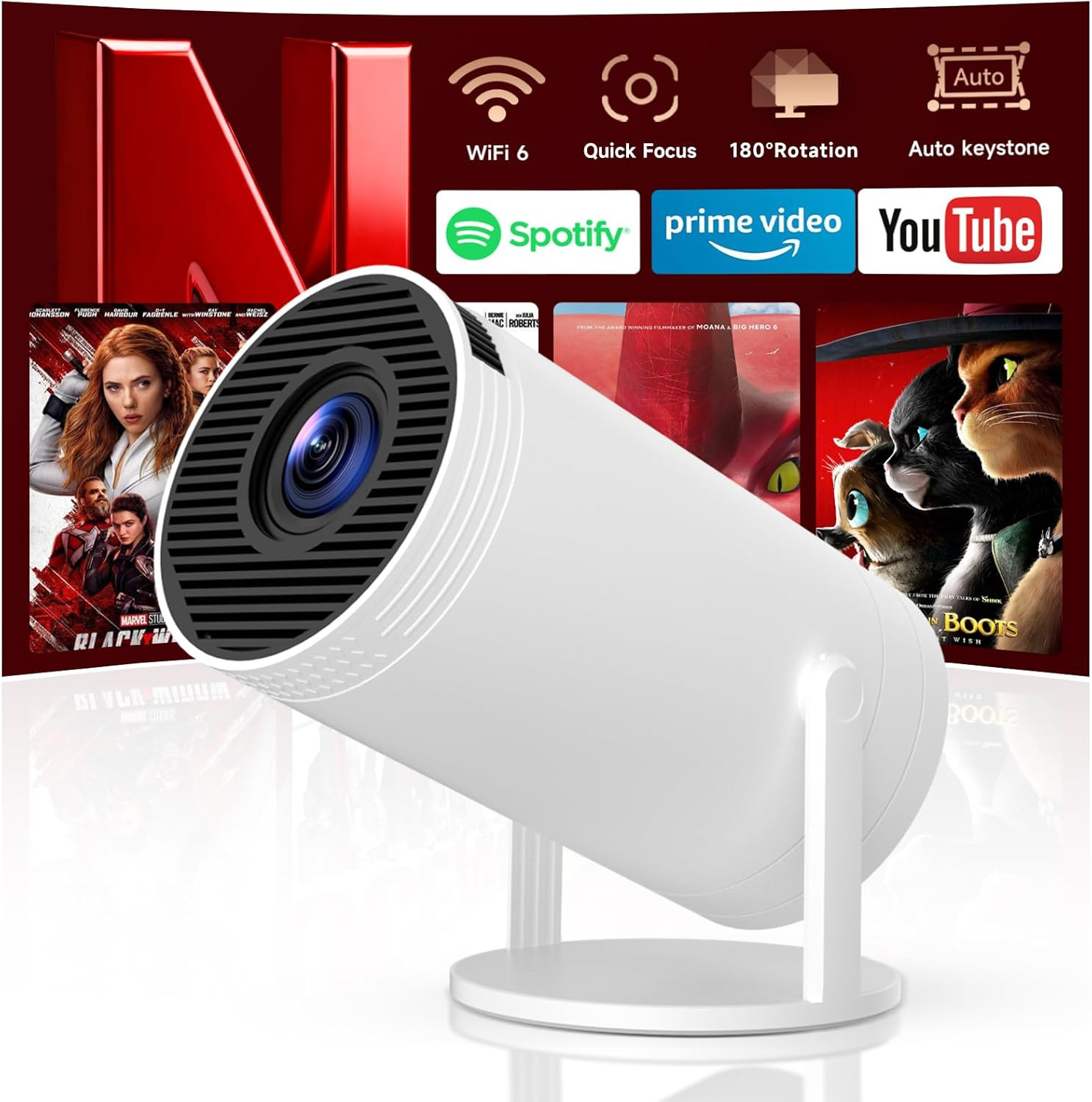 Mini Projector with WiFi 6 and Smart TV OS, Portable Projector 4K support, Home$60.79View on eBay
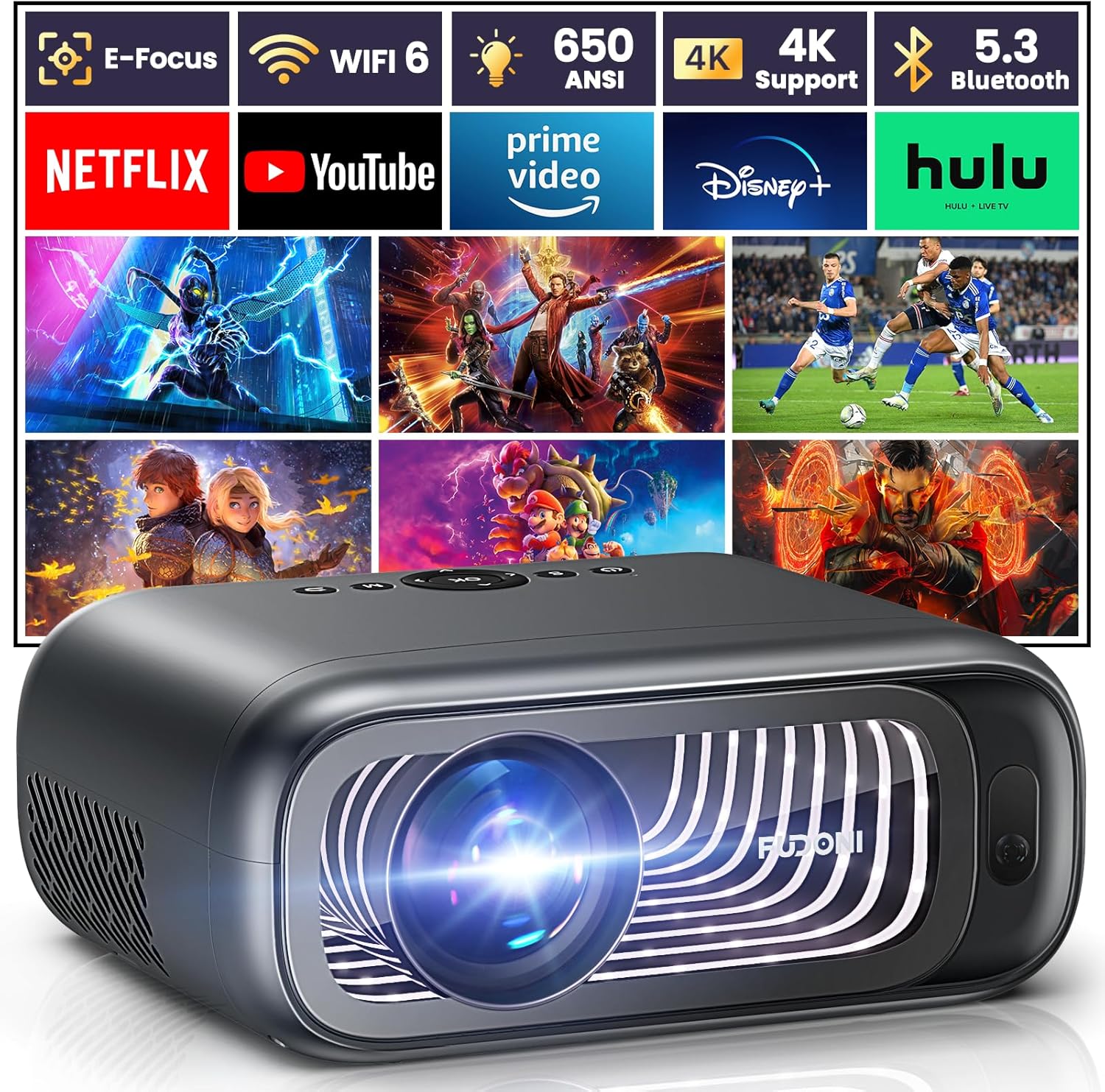 FUDONI Projector with WiFi 6 and Bluetooth Dual-way, Native 1080P 4K Support Outdoor Movie Max 300'' Display, for iOS/Android/TV Stick/HDMI/USB/Laptop$180.99View on Mallflare
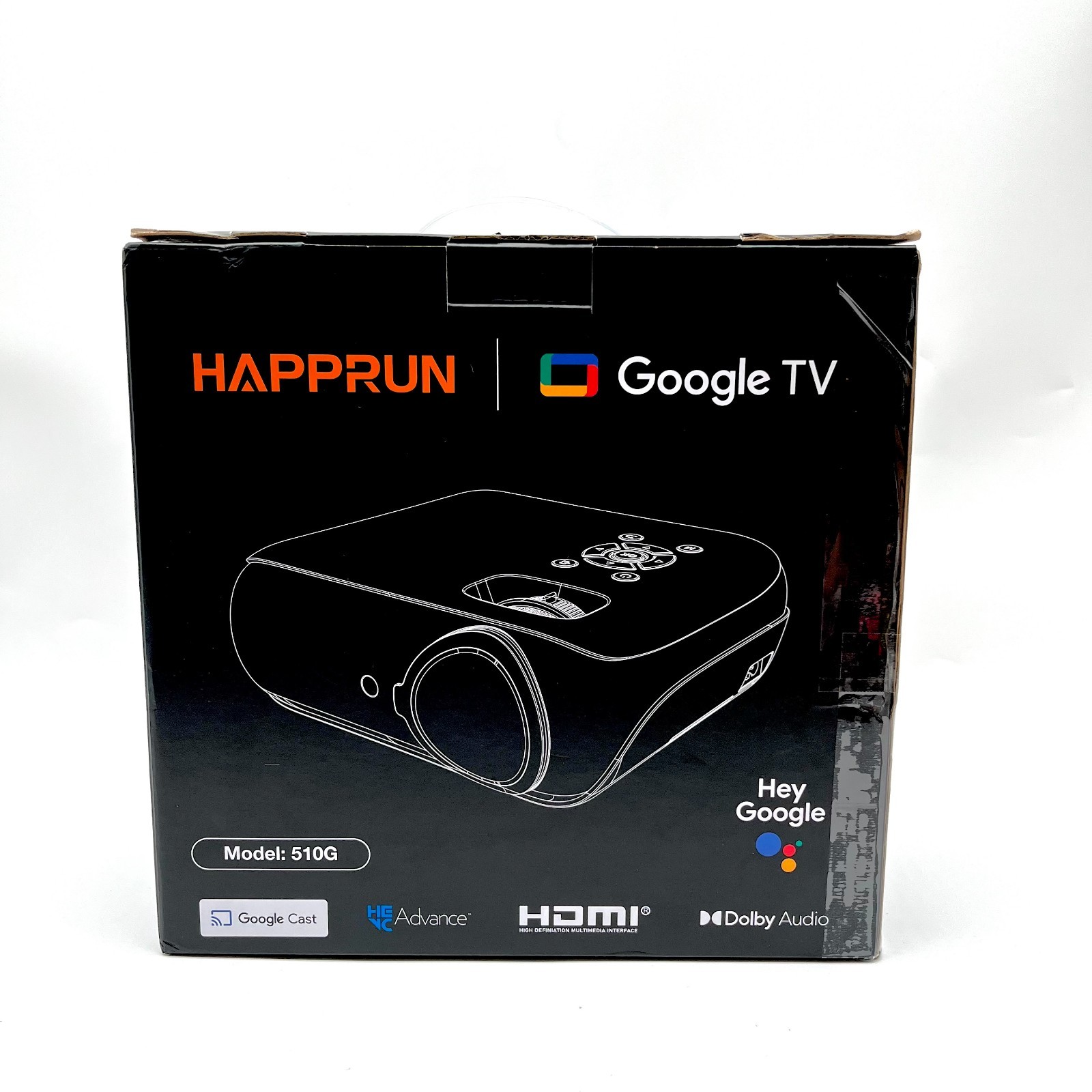 Happrun 4K Google TV White Projector with WiFi and Bluetooth Connectivity 510G$103.50View on eBay
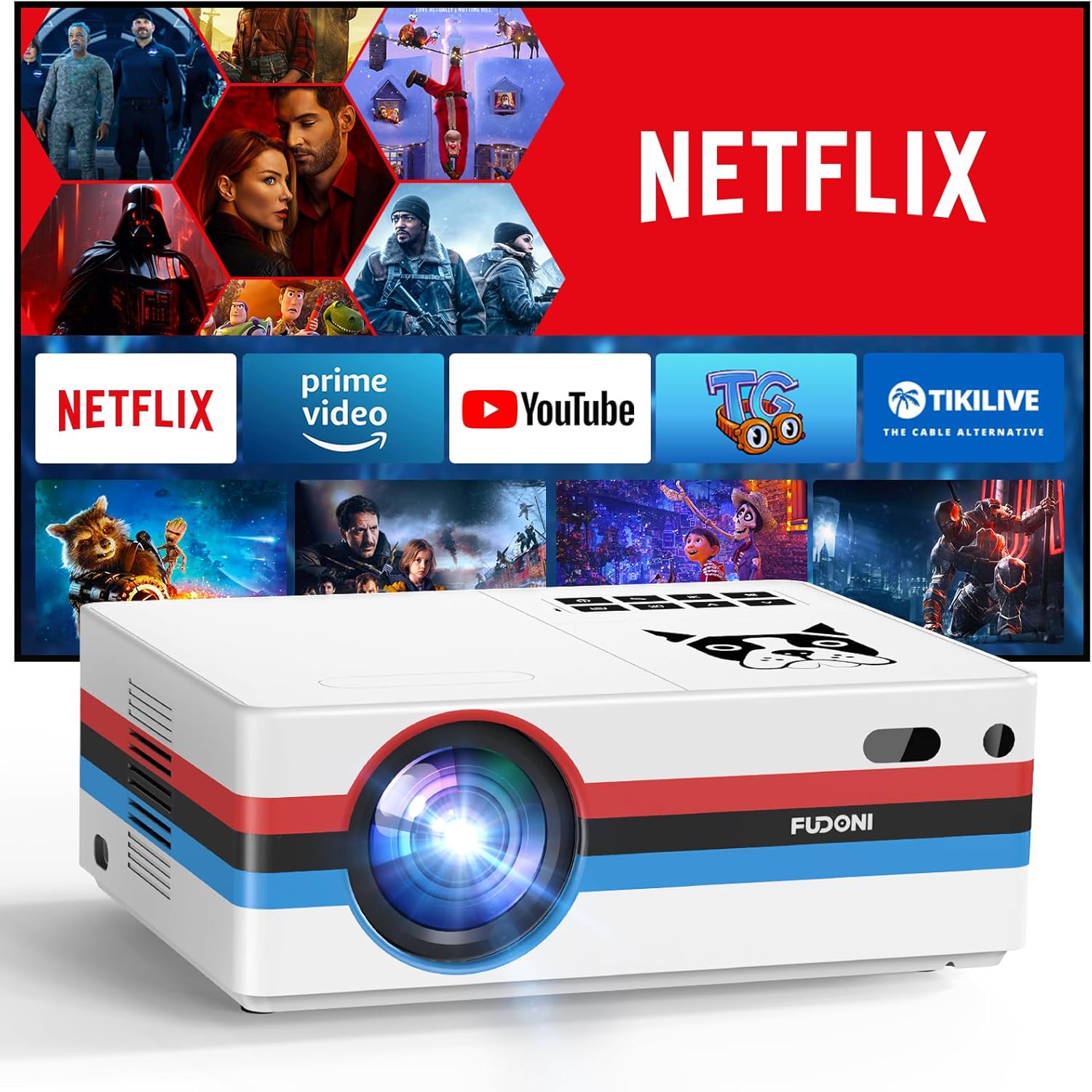 FUDONI Smart Projector with WiFi and Bluetooth, Native 1080P 4K Decoding for Home Cinema, Outdoor Movie Apps, Built-in Netflix/YouTube/Prime Video$197.99View on Mallflare
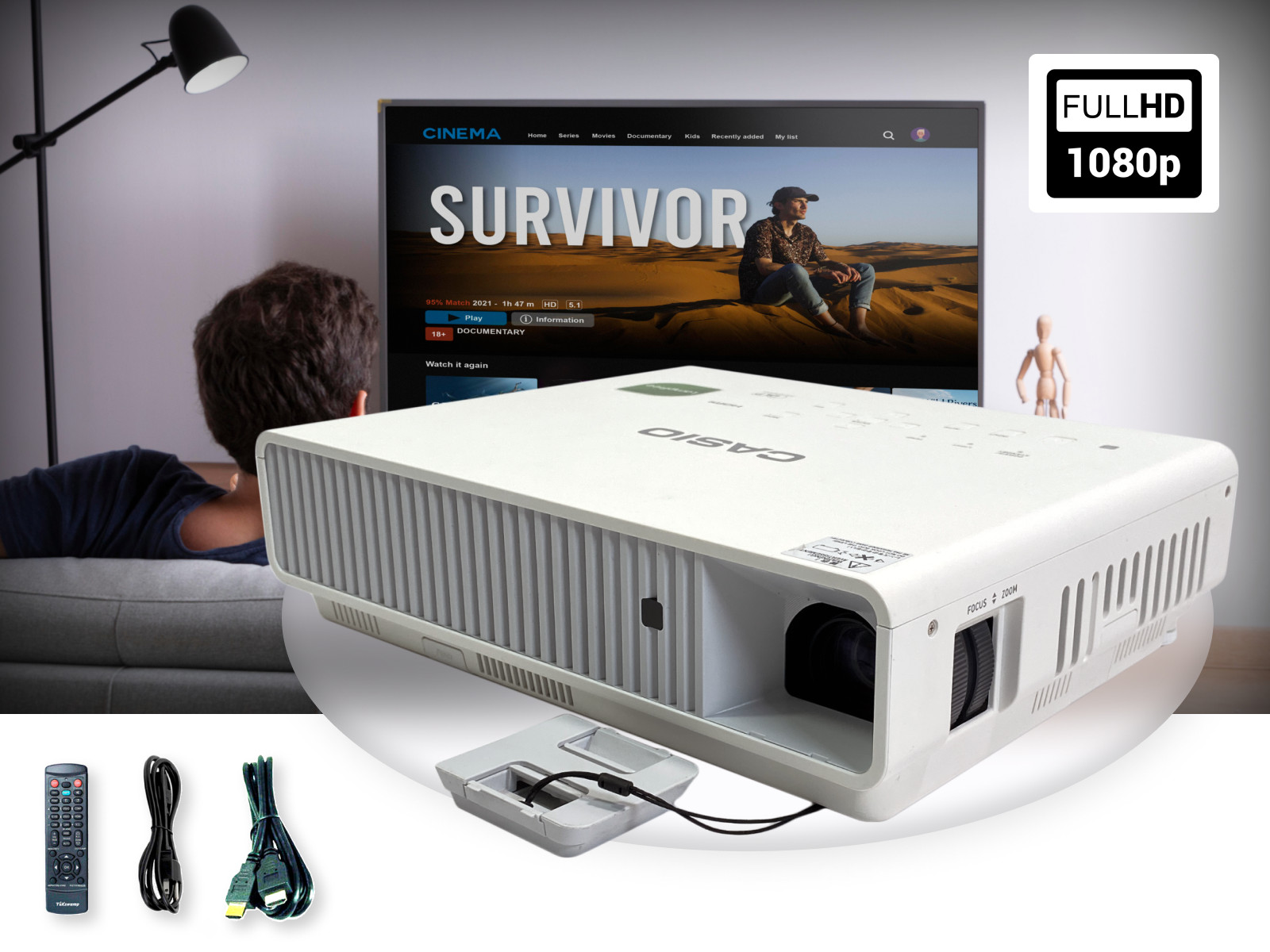 2500 ANSI DLP Projector for Home Theater Movie Lovers Cinema TV Video Full HD 3D$109.23Last checked Nov 28, 2026View on eBay
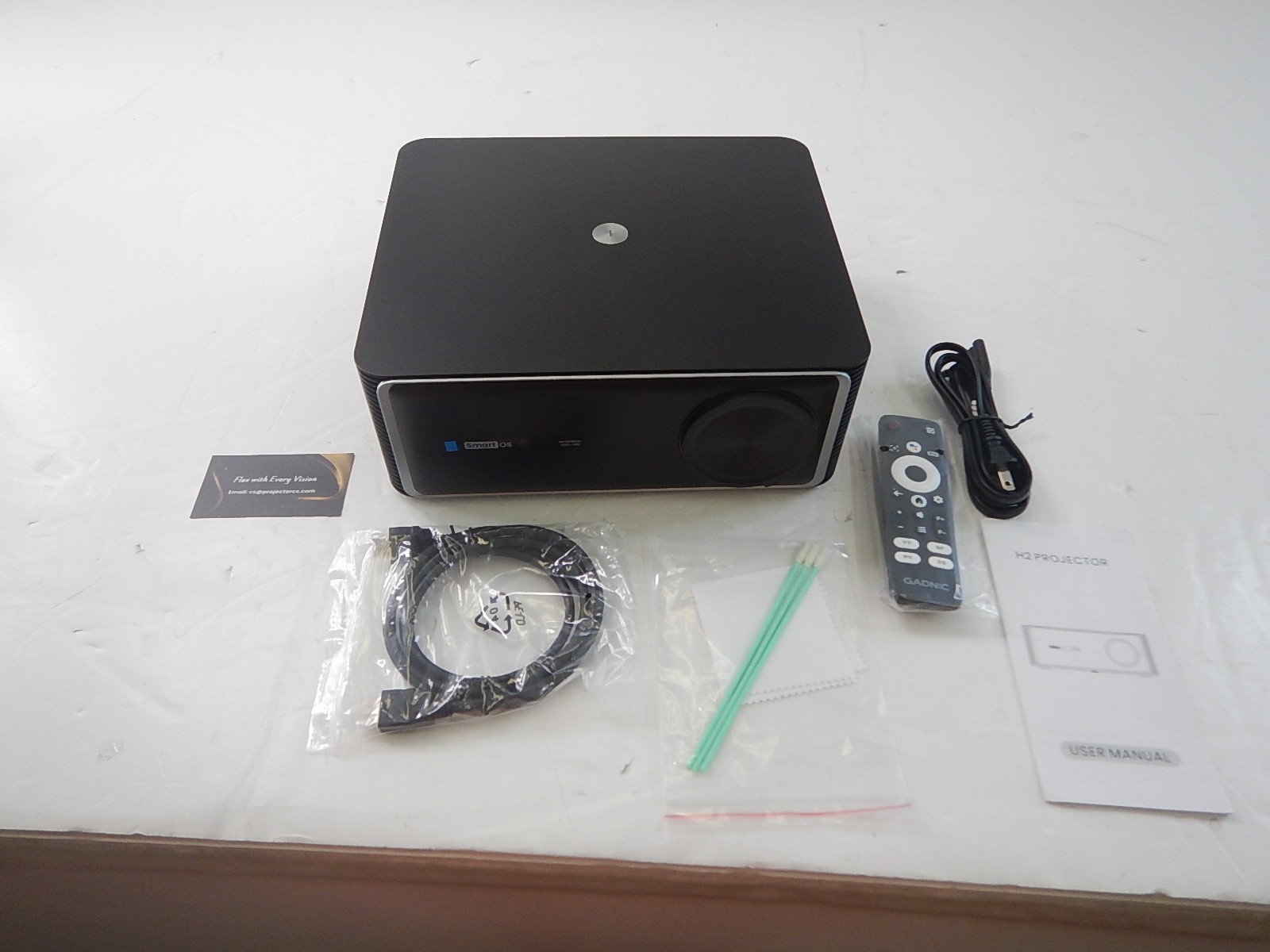 Boldever E22 3000 ANSI Google TV Smart Projector w/ WiFi - TESTED/NEW$126.02View on eBay
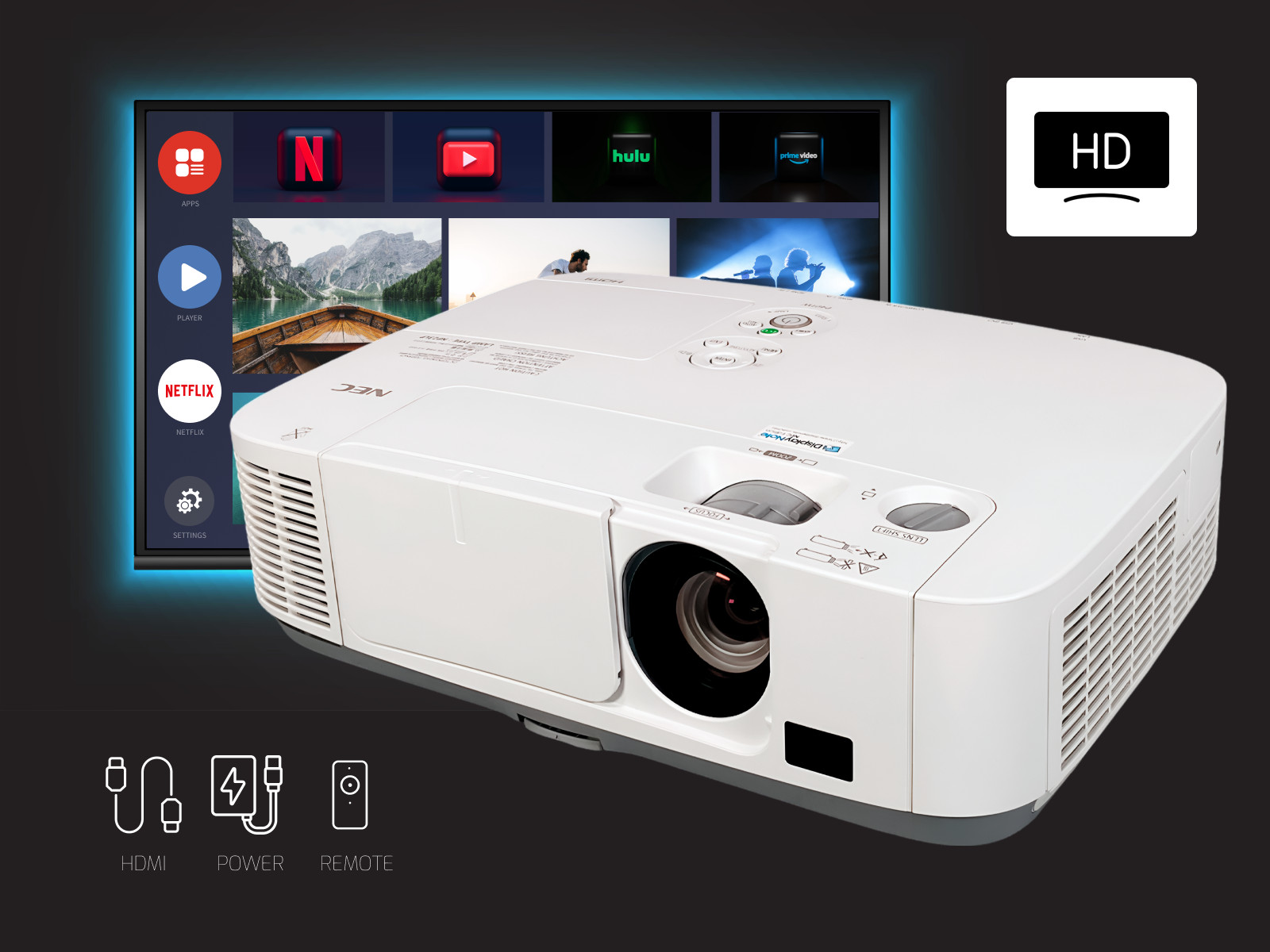 4000 ANSI 3LCD Projector Cinema Movie Supports 4K Input HDMI USB w/Remote$134.83View on eBay
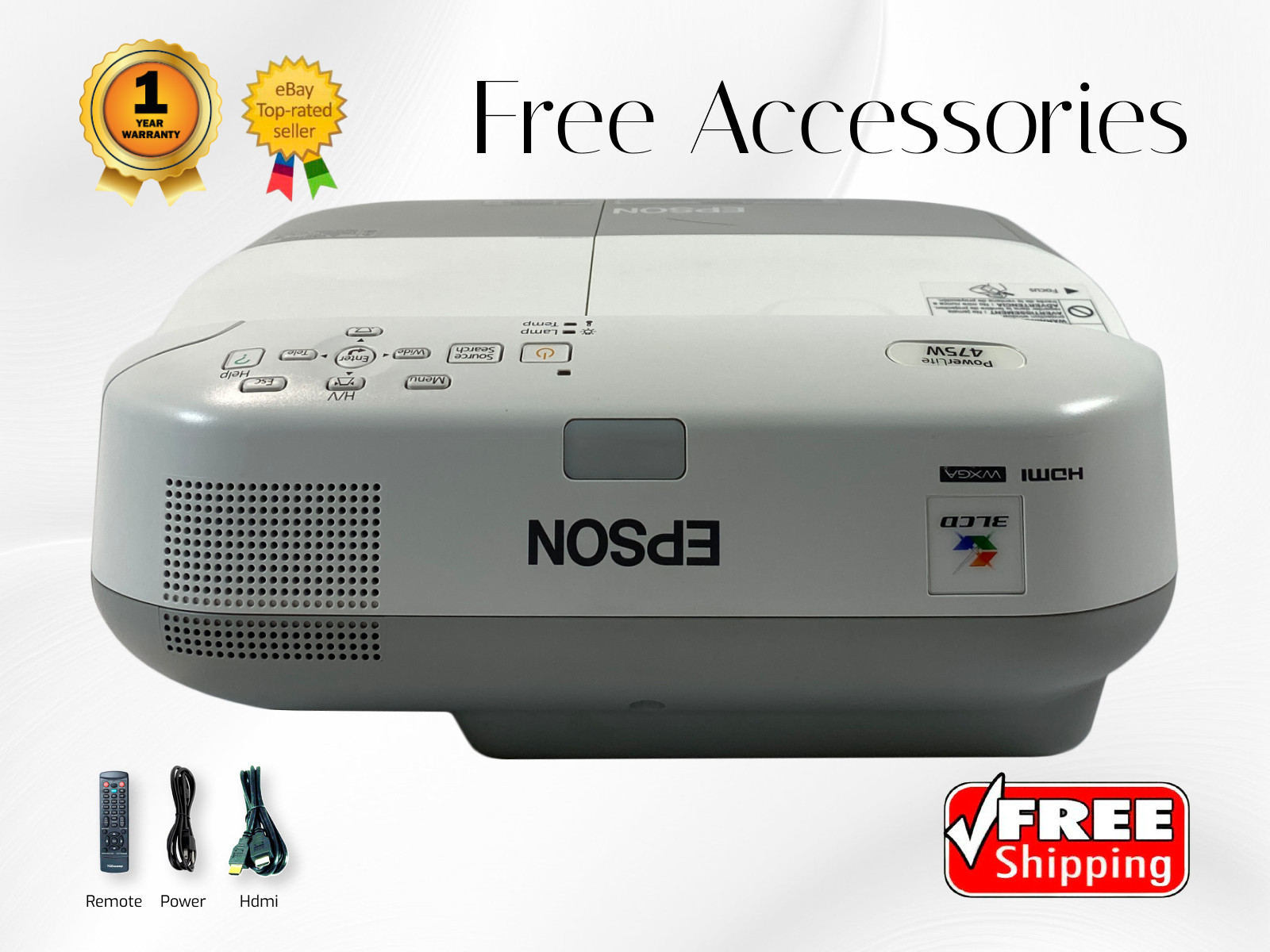 REFURBISHED Epson PowerLite 475W 3LCD 4K Projector Ultra Short Throw 2600 Lumens$147.90View on eBay
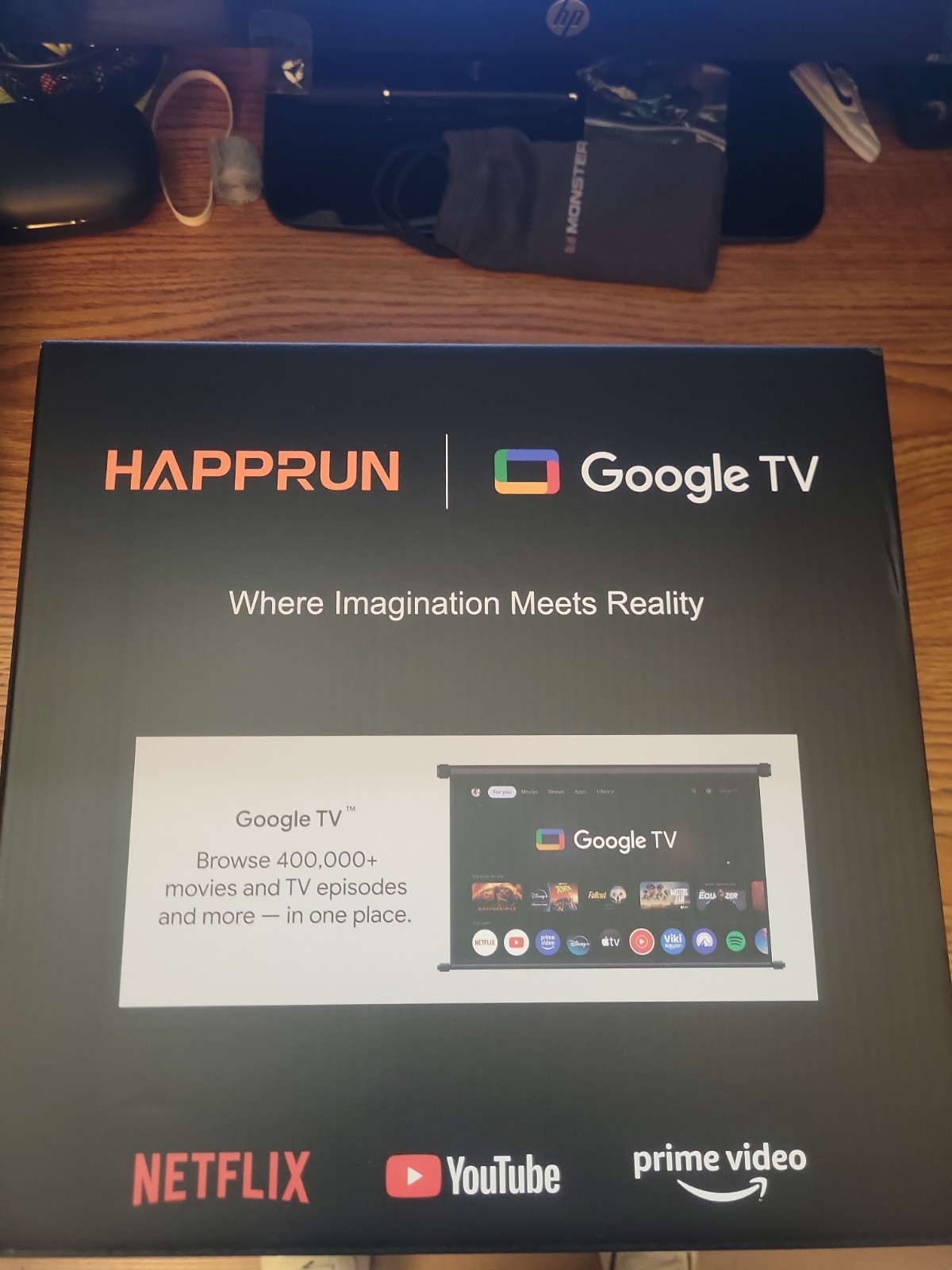 HAPPRUN Google TV Video Projector$149.99View on eBay
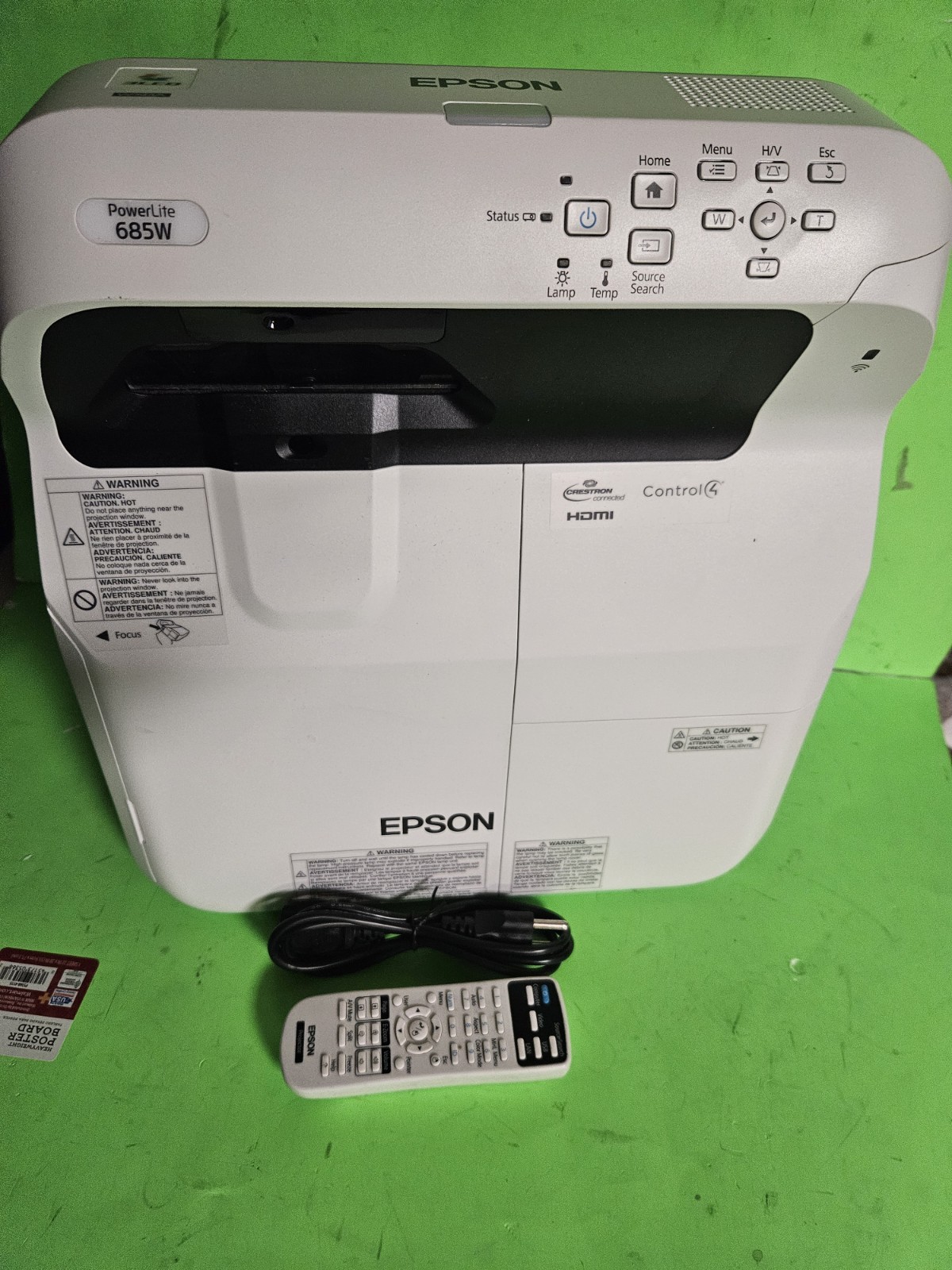 Sewing EPSON POWERLITE 685W Ultra SHORT-THROW PROJECTOR new lamp$174.97View on eBay
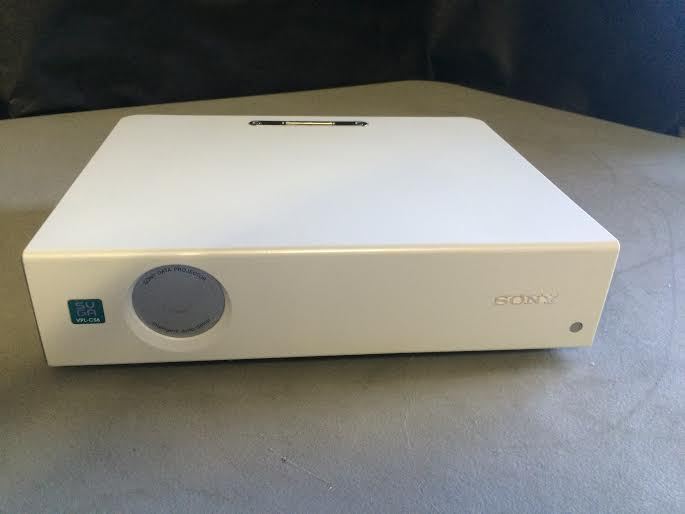 SONY VPL-CS6 LCD PROJECTOR, WORKS GREAT!! NEW FACTORY LAMP!$175.00View on eBay
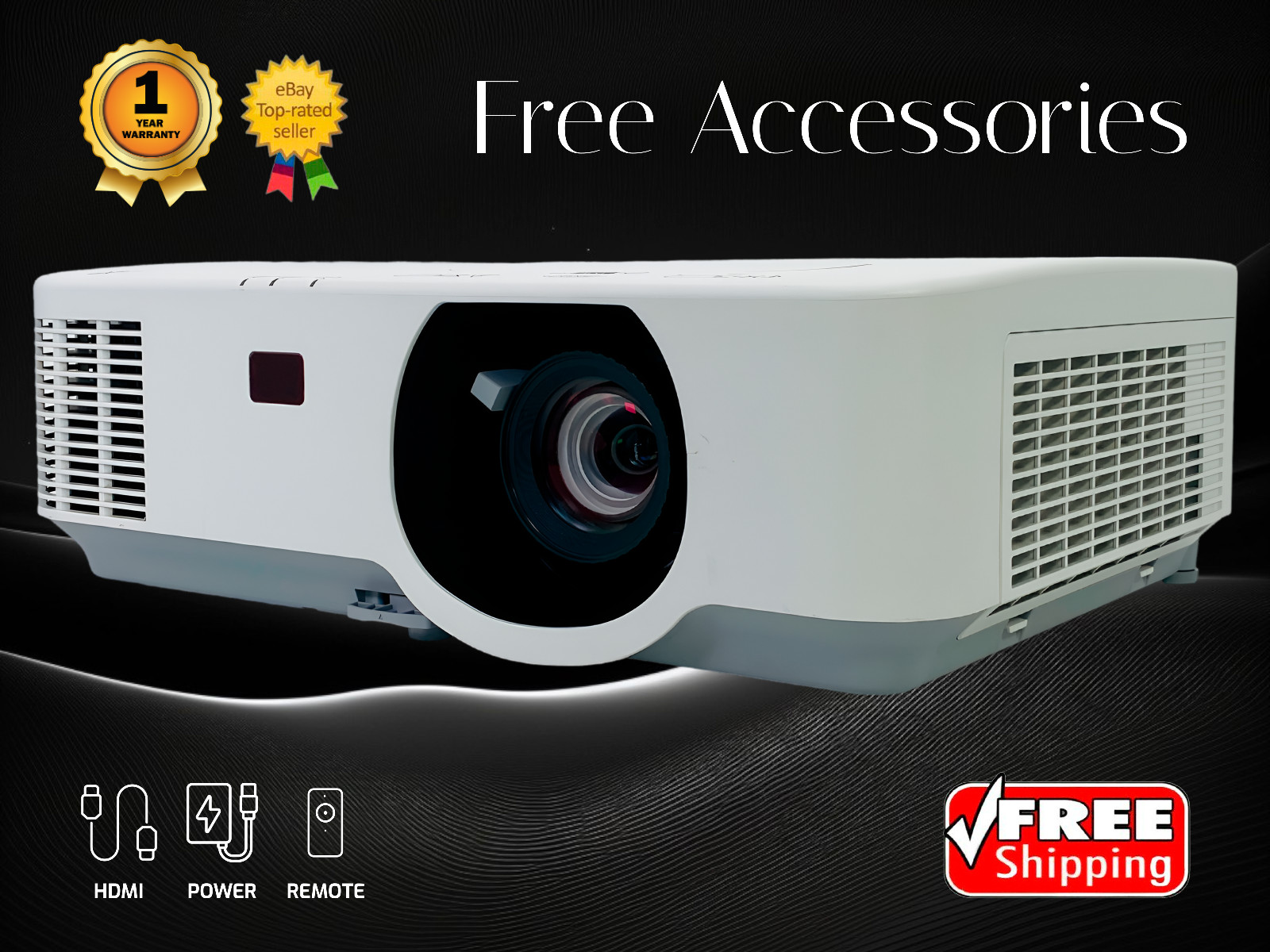 NEC P474W 3LCD Projector 4K 4700 Lumens 2160p 20W Speaker + 1 Year Warranty 🔥$293.25Last checked Nov 18, 2026View on eBay
Highlights
- Brightness must be ANSI lumens: 200–400 ANSI suits dark bedrooms; 500+ ANSI is needed for dim living rooms or shaded patios; '8000 lumens' marketing figures are not ANSI.
- Native resolution beats support claims: true 1080p panels render sharp text; '4K support' units merely downscale a 4K input to 720p/1080p and look soft.
- Light engine matters: LED lamps last 20,000–30,000 hours with no replacement, while budget single-LCD panels lose color and contrast faster than DLP or 3LCD.
- Throw ratio defines placement: a 1.2:1 ratio gives roughly a 100-inch image from 8.5 feet; short-throw 0.5:1 delivers the same screen from about 3.5 feet.
Best use cases
- Bedroom or small living room: choose a native 1080p LED projector at 200–400 ANSI with HDMI and Wi-Fi; skip 720p mini units if you watch subtitled films or read menus.
- Outdoor movie night: pick 500+ ANSI with a proper 16:9 screen (inflatable or fabric) and run power and HDMI; a 200-ANSI mini projector will wash out at dusk.
- Phone-first portable use: a mini projector with Wi-Fi 6 and Android TV streaming is right for casual clips; skip it for gaming or desktop work because input lag and text clarity suffer.
- Permanent home theater: a 3LCD or DLP 1080p/4K projector with lens shift and 2,000+ ANSI is correct; skip battery mini projectors, which cannot sustain brightness or contrast.
Buying tips
- Demand ANSI lumens: 200–400 for dark rooms, 500–1,000 for dim rooms, 1,500+ for ambient light; ignore 'lux' or unlabeled lumen claims.
- Check native resolution, not 'supported': native 1920x1080 is the minimum for crisp 100-inch images; native 1280x720 is acceptable only below 60 inches.
- Match throw distance: measure screen distance and divide by desired width; a 1.2:1 ratio needs 8.5 feet for a 100-inch diagonal (87-inch wide) image.
- Verify connectivity: HDMI 2.0 for 1080p60, Wi-Fi 5/6 for streaming, Bluetooth for audio out, and at least one USB for powered sticks; skip MHL-only or composite-only units.
Specs
| Brightness | 200–400 ANSI (dark room); 500+ ANSI dim |
|---|---|
| Native Resolution | 1080p minimum; 720p only <=60 in |
| Light Source Life | LED 20,000–30,000 hr; lamp 4,000–6,000 hr |
| Throw Ratio | 1.2:1 standard; 0.5:1 short-throw |
Related searches
What to check before buying
- Measure the throw distance from lens to screen and the wall width; confirm the projector's throw ratio produces your target image size.
- Confirm room light control: blackout curtains for 200–400 ANSI, or plan 500+ ANSI for daytime and patio use.
- Check ceiling height, mounting position, and keystone range; vertical keystone over ±15 degrees softens edges and reduces resolution.
- Verify power: standard 100–240V outlet near the projector, plus a powered HDMI or streaming stick if the projector's smart OS is limited.
FAQ
Data sources: eBay / Amazon listings and product attribute feeds. Updated Nov 28, 2026.
Some links on this page are affiliate links. If you buy after clicking one, we may earn a commission at no extra cost to you. This does not change which products appear here or their order. Affiliate disclosure.