
Photos from current listings. Actual item, color, and included accessories may vary.
Smart TV Buying Guide
A smart TV is a display with an integrated streaming OS and tuner, where the core trade-off is panel technology (OLED vs Mini-LED vs LED) against brightness, contrast, and burn-in risk. Durable, high-performance sets pair a quality panel with a current-generation SoC and HDMI 2.1; budget compromises use edge-lit panels, older Wi-Fi, and limited HDR support.
Median $699.80
Key takeaways
- OLED panels deliver per-pixel contrast and near-zero black levels but peak lower in bright rooms and carry burn-in risk for static logos.
- Mini-LED with quantum dots reaches 1000-2000+ nits and wide color volume, making it the brightest option for sunlit living rooms at large sizes.
- HDMI 2.1 with 4K/120Hz and VRR is the dividing line for console gaming; HDMI 2.0 caps at 4K/60Hz and limits next-gen consoles.
At a glance
- Category
- TVs & Display Panels
- Last updated
- Nov 24, 2026
Current offers
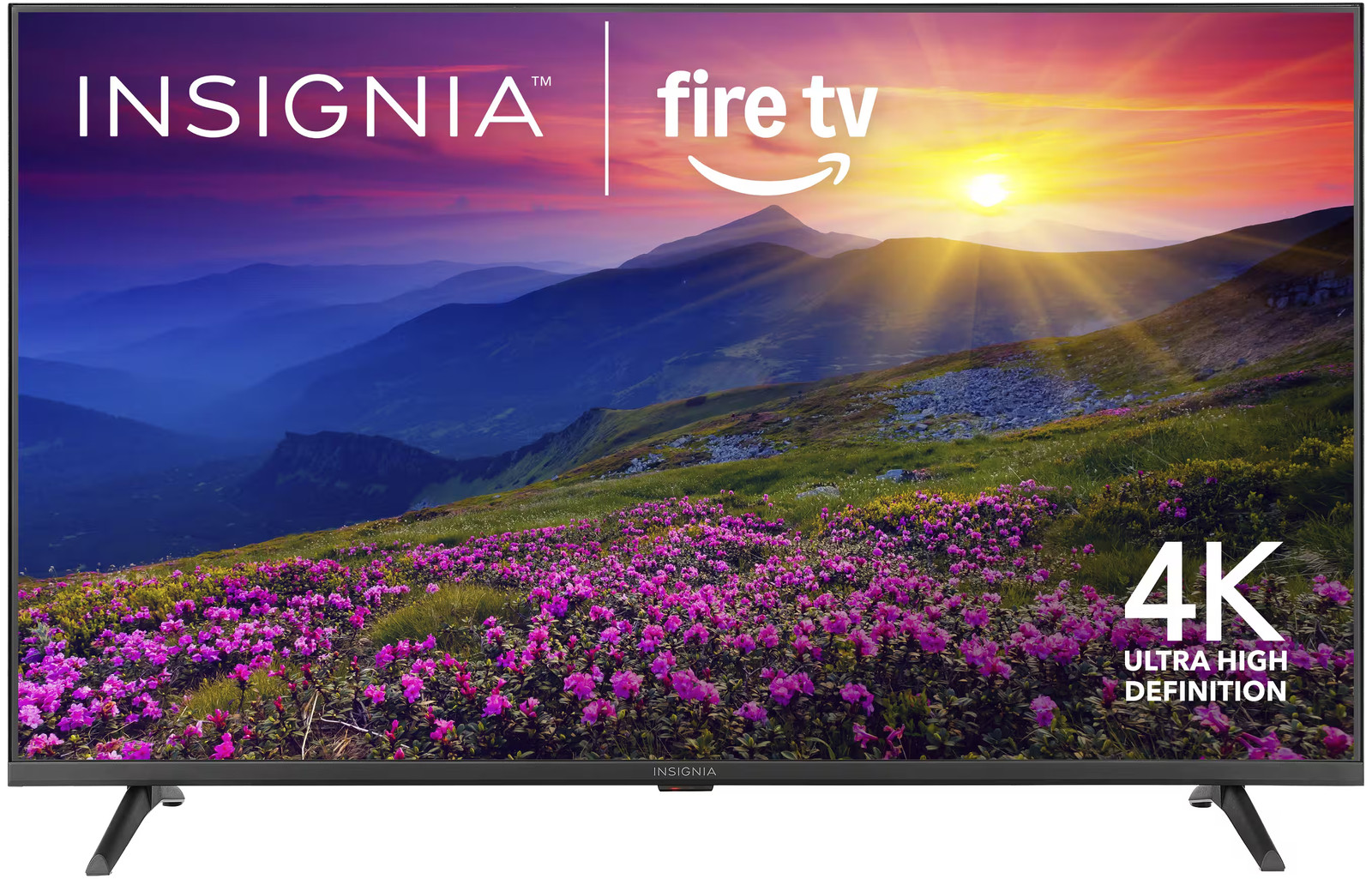 Insignia- 50" Class F50 Series LED 4K UHD Smart Fire TV$179.99View on eBay
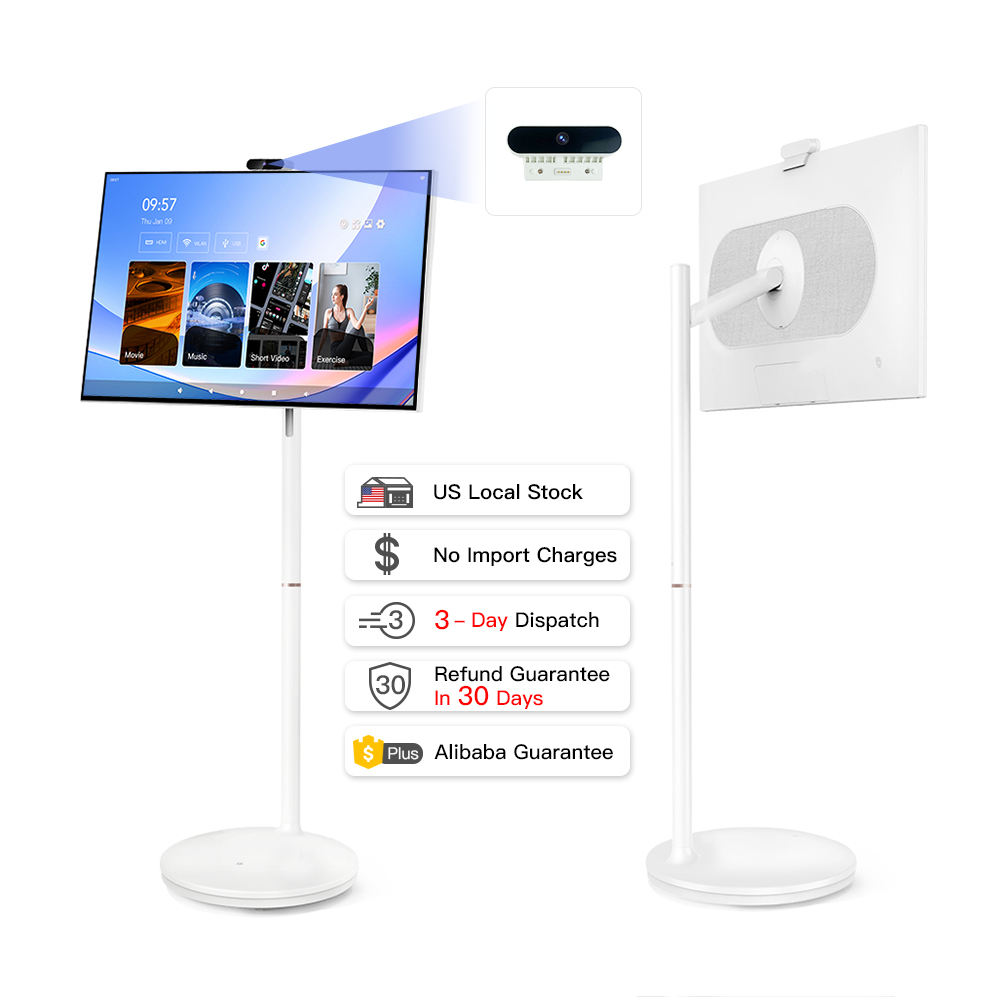 32 Inch 128GB Smart Portable TV Android OS 1080P 13MP Camera Remote Control Home Office Entertainment Tv$1,101.99View on Mallflare
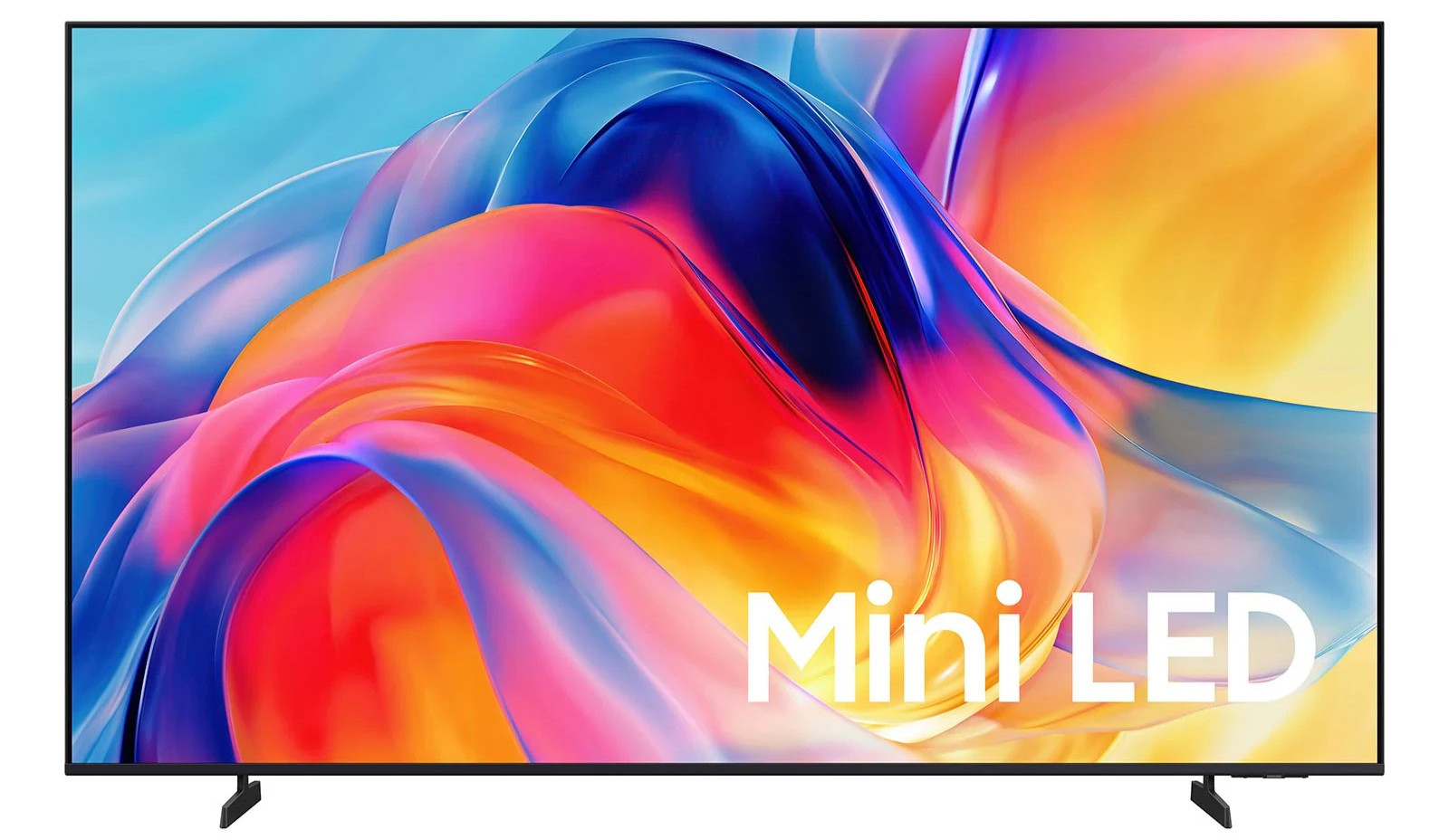 Samsung M70H 43" Class 4K Mini LED HDR Smart TV (2026)$297.60Last checked Nov 18, 2026View on eBay
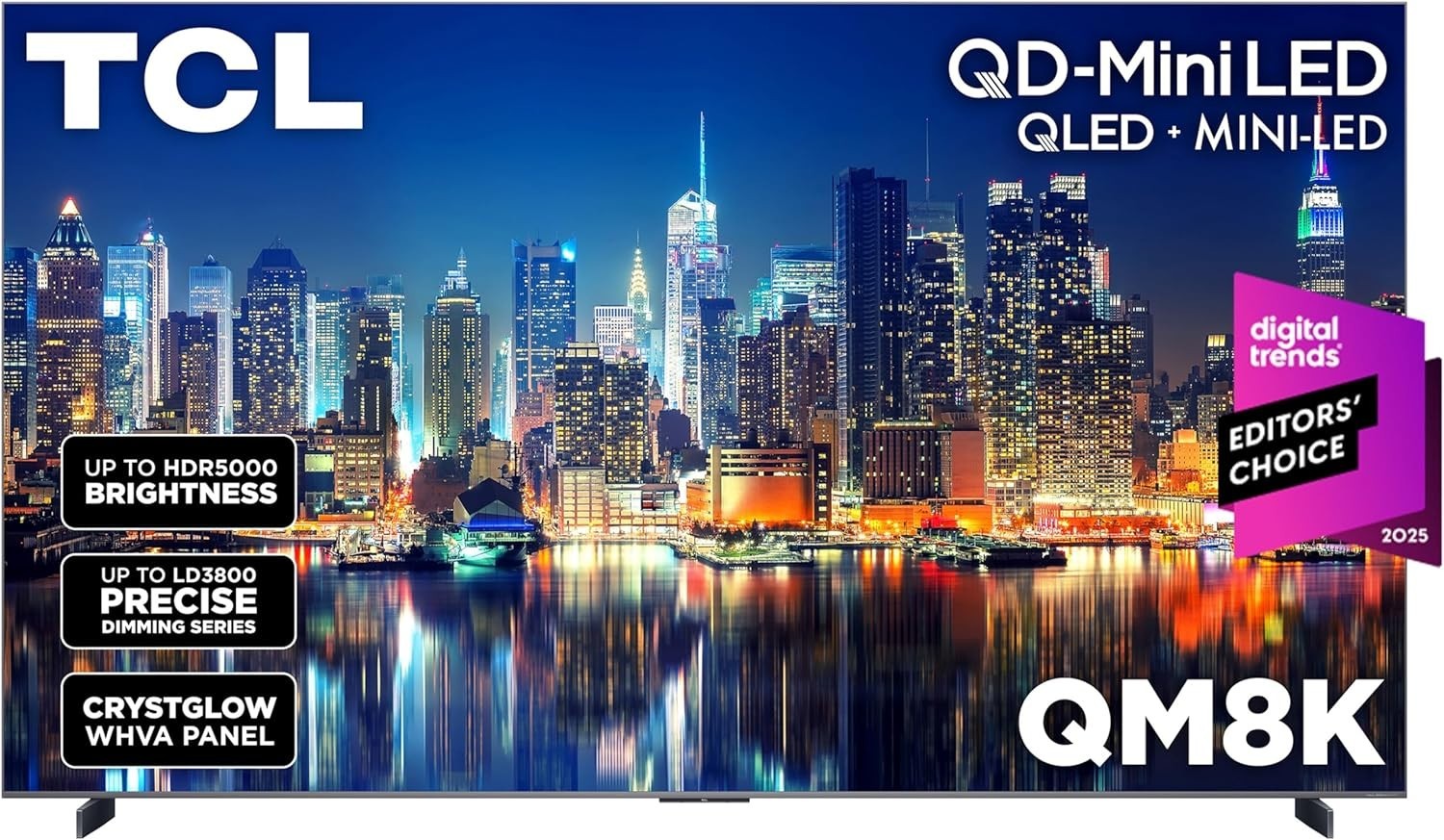 TCL 98" QM8K Series 4K Mini-LED Smart TV (2025)$2,838.26Last checked Nov 18, 2026View on eBay
Highlights
- OLED panels deliver per-pixel contrast and near-zero black levels but peak lower in bright rooms and carry burn-in risk for static logos.
- Mini-LED with quantum dots reaches 1000-2000+ nits and wide color volume, making it the brightest option for sunlit living rooms at large sizes.
- HDMI 2.1 with 4K/120Hz and VRR is the dividing line for console gaming; HDMI 2.0 caps at 4K/60Hz and limits next-gen consoles.
- Smart platforms differ: Google TV and Fire TV offer broad app support, while WebOS and Tizen lead on interface speed and long-term update cadence.
Best use cases
- Dark dedicated home theater: pick OLED (e.g., LG B4/A1 or Samsung S90F) for per-pixel contrast; skip edge-lit LED if black uniformity matters.
- Bright family room with windows: choose QD-Mini LED (TCL QM6K/QM8K or Samsung Mini LED) for 1000+ nit highlights; skip OLED if direct sun hits the screen.
- Next-gen console gaming: require HDMI 2.1, 120Hz, and VRR (TCL Q77K, LG B4); skip 60Hz-only budget sets that cap frame rate.
- Secondary bedroom or kitchen: a 32-43 inch 1080p/4K Fire TV or Android portable is sufficient; skip 65-inch+ panels where viewing distance is under 6 feet.
Buying tips
- Size by distance: 4K resolves at ~1-1.5x screen diagonal in feet; a 65-inch set suits 6.5-9.5 ft, a 55-inch suits 5.5-8 ft.
- Prioritize full-array local dimming with at least 100 zones on LED sets; edge-lit panels show blooming and poor black uniformity.
- Confirm HDMI 2.1 on the specific port, not just the spec sheet—many sets offer one 2.1 input and limit 4K/120 to it.
- Check the OS generation: Google TV, WebOS 6+, and Tizen 6+ receive multi-year updates; older platforms lose app support first.
Specs
| Panel Type | OLED / QD-Mini LED / LED |
|---|---|
| Resolution & Refresh | 4K 60Hz to 4K 120Hz |
| HDR Support | Dolby Vision / HDR10+ / HLG |
| Smart OS | Google TV / WebOS / Tizen / Fire TV |
Related searches
What to check before buying
- Measure the wall or stand width and confirm VESA pattern (typically 200x200 to 400x400 mm) matches your mount.
- Verify outlet and cable routing: OLED and large Mini-LED sets draw more power and need a nearby grounded outlet.
- Confirm Wi-Fi 5/6 or Ethernet at the TV location; streaming 4K HDR needs sustained 25 Mbps.
- Check audio: most panels output 10-20W; budget for a soundbar or eARC receiver if built-in sound is insufficient.
FAQ
Data sources: eBay / Amazon listings and product attribute feeds. Updated Nov 24, 2026.
Some links on this page are affiliate links. If you buy after clicking one, we may earn a commission at no extra cost to you. This does not change which products appear here or their order. Affiliate disclosure.