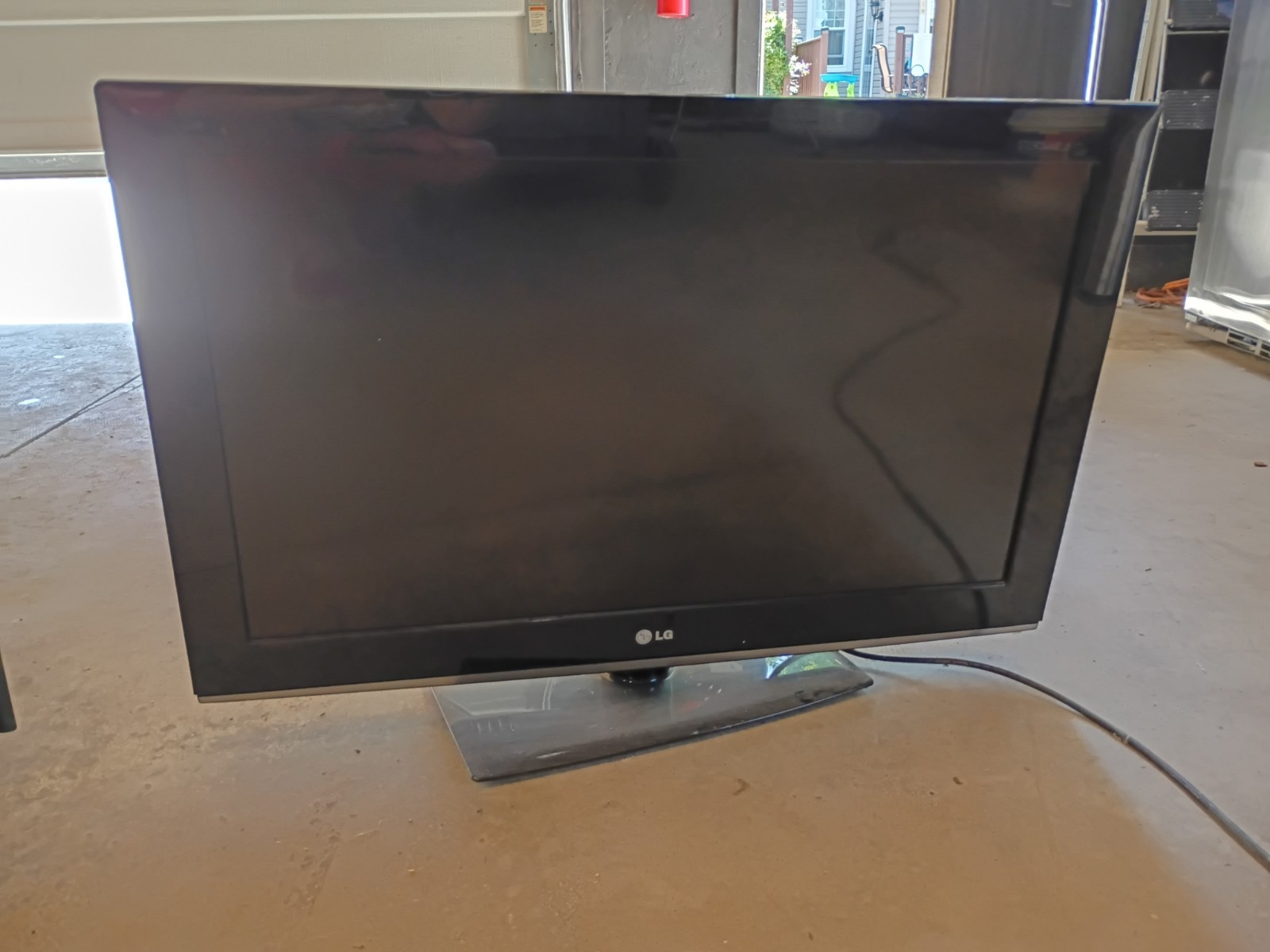

Photos from current listings. Actual item, color, and included accessories may vary.
Television Buying Guide
Televisions are display panels defined by panel technology (LCD/OLED), resolution, refresh rate, and HDR capability. The core trade-off is between peak brightness and contrast (LED-LCD vs OLED) versus burn-in risk and peak luminance limits. The decision rule: buy a current-generation panel with at least HDMI 2.1 for 4K/120Hz, and avoid legacy 1080p LCDs unless the use case is secondary or retro gaming.
Key takeaways
- Panel type dictates performance: OLED delivers per-pixel contrast and near-instant response but lower peak brightness; LED-LCD with full-array local dimming reaches higher nits at the cost of blooming.
- HDMI 2.1 is required for 4K at 120Hz, VRR, and ALLM; HDMI 2.0 caps at 4K/60Hz and is the main spec separating current consoles from older sets.
- HDR performance hinges on peak brightness and wide color gamut: entry LCDs often peak under 400 nits and cannot display true HDR, while mid-to-high tiers exceed 600-1000 nits.
At a glance
- Category
- TVs & Display Panels
- Last updated
- Nov 24, 2026
Current offers
Highlights
- Panel type dictates performance: OLED delivers per-pixel contrast and near-instant response but lower peak brightness; LED-LCD with full-array local dimming reaches higher nits at the cost of blooming.
- HDMI 2.1 is required for 4K at 120Hz, VRR, and ALLM; HDMI 2.0 caps at 4K/60Hz and is the main spec separating current consoles from older sets.
- HDR performance hinges on peak brightness and wide color gamut: entry LCDs often peak under 400 nits and cannot display true HDR, while mid-to-high tiers exceed 600-1000 nits.
- Resolution tiers are 720p/1080p (legacy), 4K (mainstream), and 8K (niche); 1080p panels like the LG 32LD350 lack HDR and HDMI 2.1, making them unsuitable as primary modern displays.
Best use cases
- Primary living-room movie and console gaming: pick a 4K OLED or full-array local-dimming LED-LCD with HDMI 2.1, 120Hz, and VRR; skip 1080p LCDs and 60Hz-only panels.
- Bright-room daytime viewing: choose a high-brightness LED-LCD (quantum dot or mini-LED) over OLED to overcome glare; OLED is better suited to controlled-light rooms.
- Secondary bedroom or retro gaming: a 32-inch 1080p LCD or a vintage CRT console set is acceptable only for legacy consoles and casual viewing; do not expect HDR or modern streaming fidelity.
- Budget-conscious buyers: target a 4K LED-LCD with at least HDMI 2.0 and HDR10 support; avoid off-brand panels with no local dimming and unverified refresh rates.
Buying tips
- Match screen size to viewing distance: for 4K, aim for a distance of about 1.0-1.5x the screen diagonal; for 1080p, 1.5-2.5x to avoid visible pixel structure.
- Verify HDMI version and port count: HDMI 2.1 is needed for 4K/120Hz from PS5/Xbox Series X; confirm at least one 2.1 port if gaming is a priority.
- Check HDR certification: look for HDR10, HDR10+, or Dolby Vision support and real peak brightness figures; panels under 400 nits cannot render meaningful HDR.
- For OLED, consider burn-in risk with static logos and news tickers; LED-LCD is safer for varied static content and very bright rooms.
Specs
| Panel Technology | OLED vs LED-LCD (FALD/mini-LED) |
|---|---|
| Resolution Tier | 1080p / 4K / 8K |
| HDMI Version | HDMI 2.0 (4K60) vs 2.1 (4K120) |
| HDR Support | HDR10 / HDR10+ / Dolby Vision |
Related searches
What to check before buying
- Measure the wall or stand width and confirm the TV's VESA mount pattern and stand footprint fit your furniture.
- Confirm room lighting: high-glare rooms favor bright LED-LCD; dark rooms favor OLED contrast.
- Verify voltage and plug standard for your region (120V North America vs 230V Europe) and included power cable type.
- Ensure companion devices (soundbar, console, streaming stick) match available HDMI ports and eARC support on the TV.
FAQ
Data sources: eBay / Amazon listings and product attribute feeds. Updated Nov 24, 2026.
Some links on this page are affiliate links. If you buy after clicking one, we may earn a commission at no extra cost to you. This does not change which products appear here or their order. Affiliate disclosure.