TechShelf Guide

TechShelf Guide

Consumer Electronics Reviews & Buying Guides

Compare consumer electronics by use case, features, trade-offs, price, returns, and seller terms before you buy.

Buying guides

Buying guide image
Computer Monitors

Monitor With HDMI

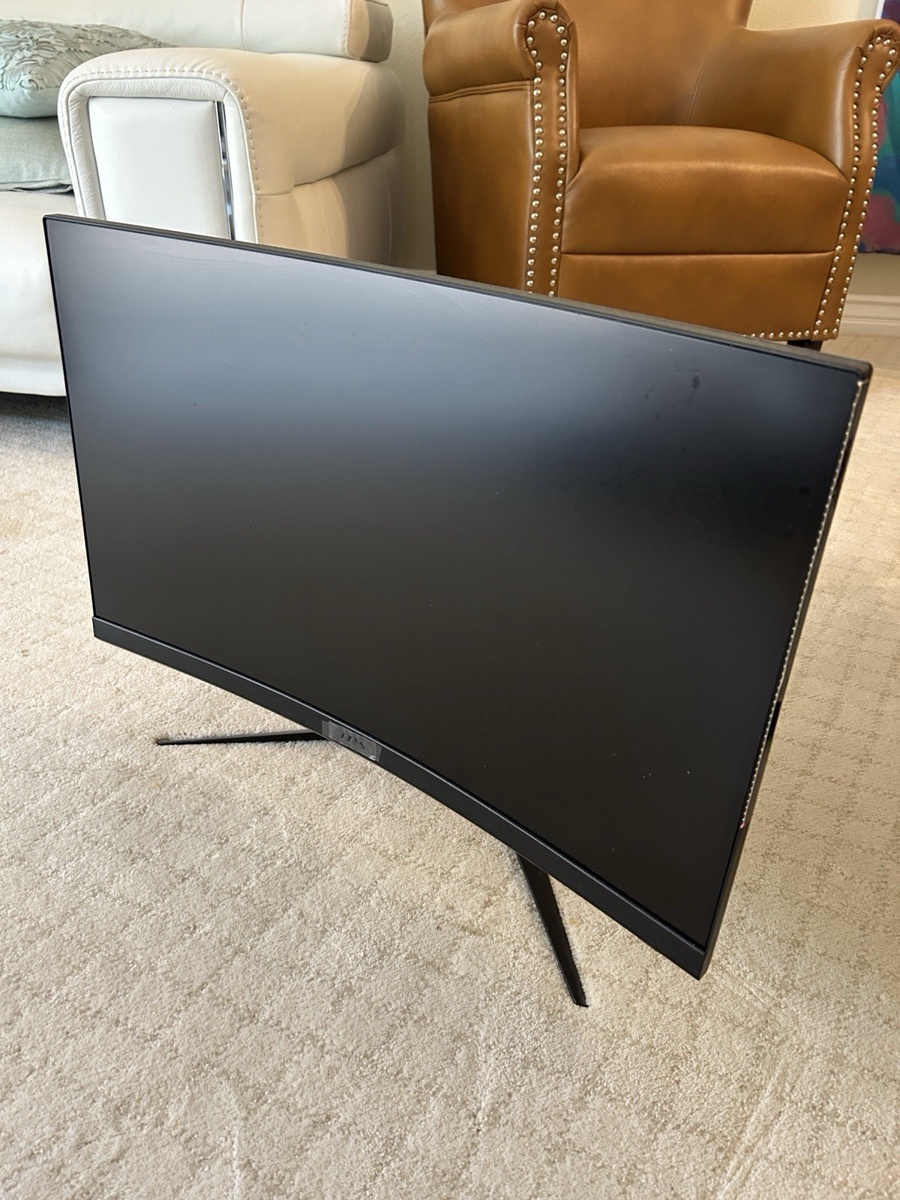
A monitor with HDMI is any display that accepts a standard HDMI video input, from basic 1080p office panels to high-refresh gaming screens and portable USB-C/HDMI models. The core trade-off is panel quality and refresh rate versus connectivity version: HDMI 1.4 caps at 1080p120 or 4K30, while HDMI 2.0 unlocks 4K60 and 2.1 enables 4K120+ for consoles and high-end GPUs. Choose by matching the HDMI revision to your source device and resolution target; skimping on version forces chroma subsampling or frame-rate locks.
Buying guide image
Drones & Consumer Robotics

Follow Me Drone

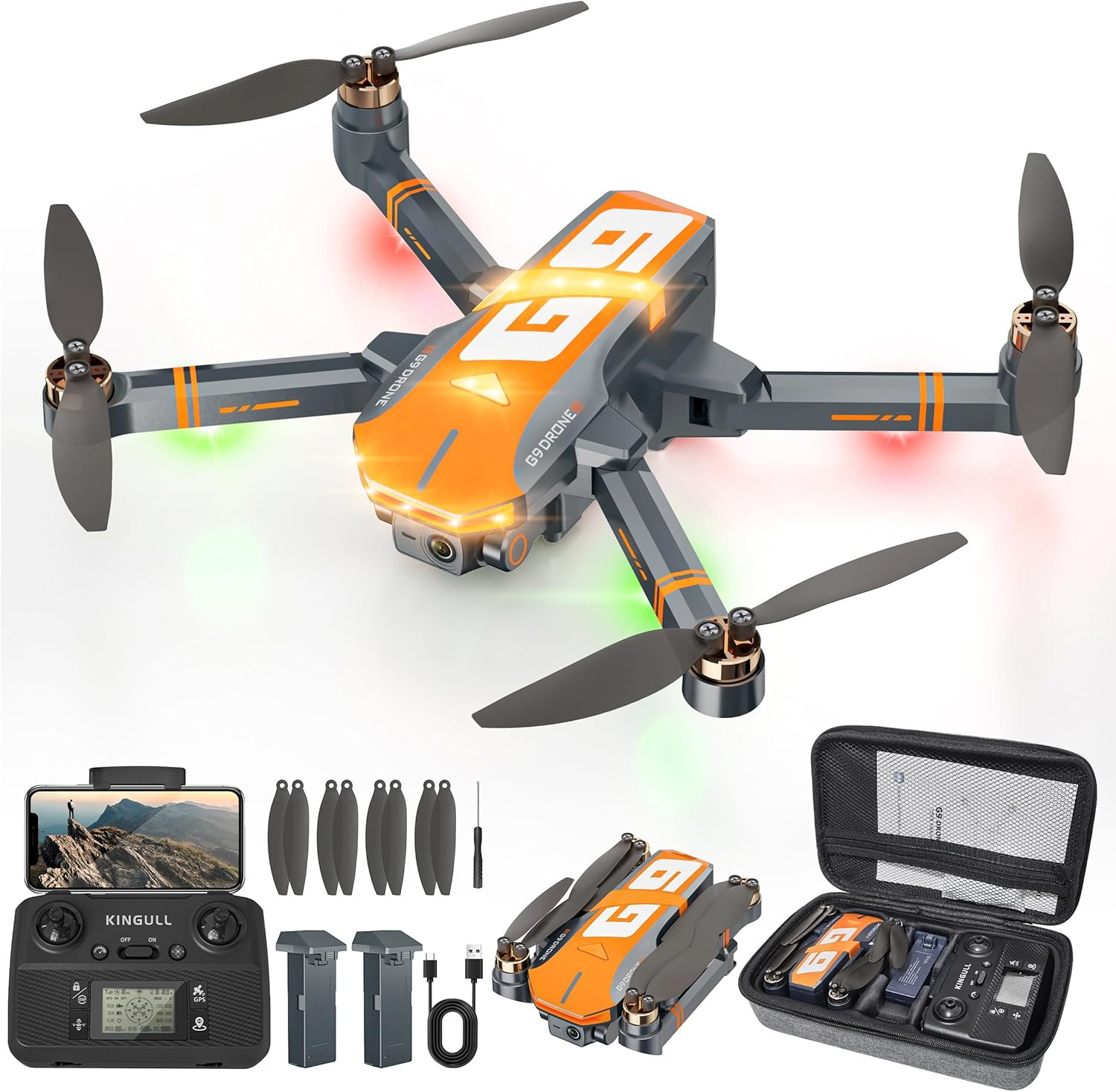
A follow-me drone uses GPS or visual tracking to lock onto a subject and maintain position automatically, so you can film hands-free. The core trade-off is between GPS-based follow (reliable but less precise) and visual/optical tracking (precise but requires line-of-sight and good lighting). Choose a model with at least GPS+GLONASS positioning, brushless motors, and a documented follow-me mode with altitude hold; avoid toys that only offer 'follow' via app-based optical flow without GPS.

Buying guide image
DACs & Headphone Amplifiers

Bluetooth Headphone Amp

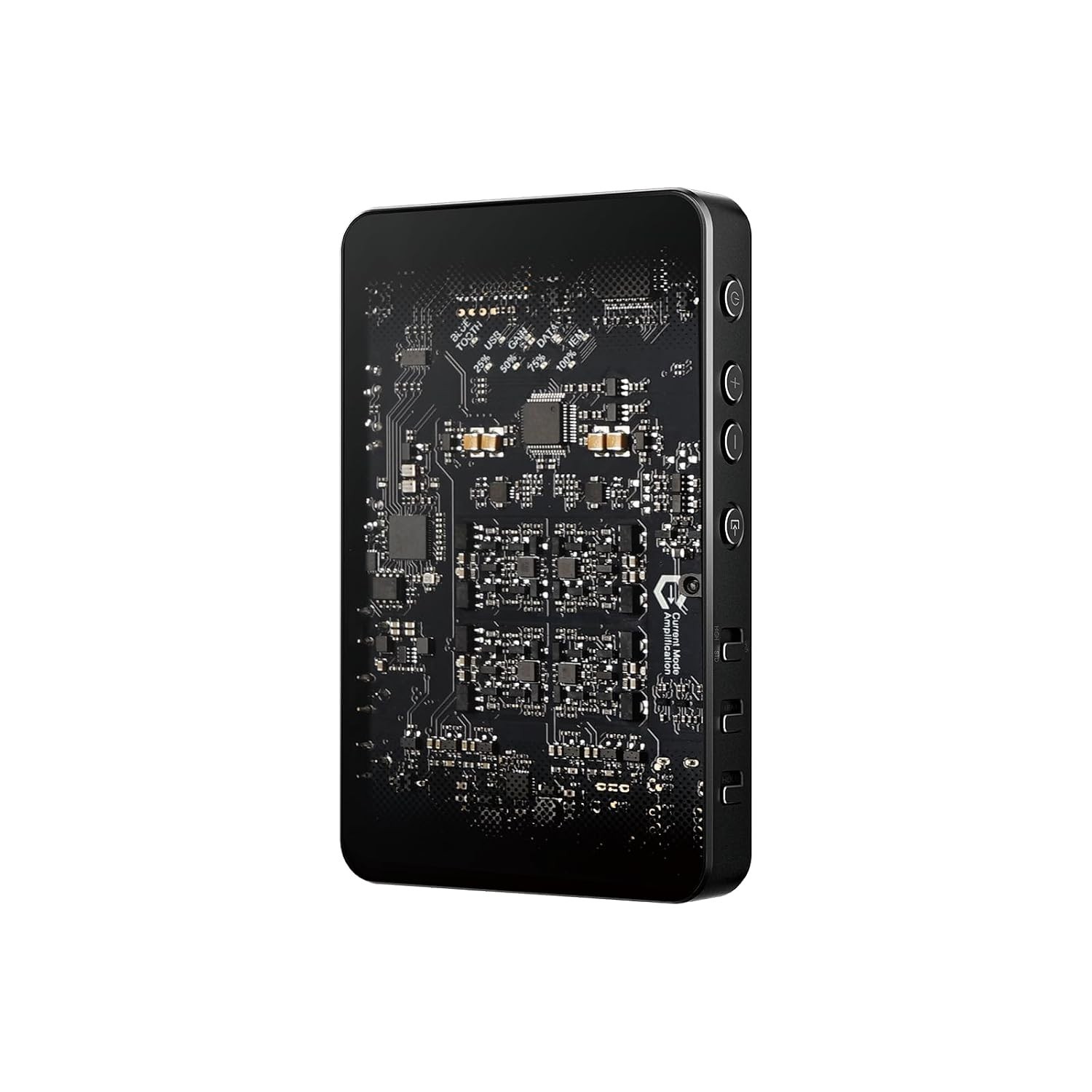
A Bluetooth headphone amp combines a wireless receiver, DAC, and headphone amplifier in one chassis, letting you drive wired headphones from a phone or laptop without a cable. The core trade-off is wireless codec support (LDAC/aptX Adaptive vs SBC/AAC) and amplifier output power versus clean noise floor and build quality. Buy a model with a wired USB input as a fallback and a published output-power figure at your headphone's impedance; skip no-name units that list only 'HiFi' without codec or power specs.

Buying guide image
DACs & Headphone Amplifiers

Bluetooth Headphone Amplifier

A Bluetooth headphone amplifier combines a wireless receiver, DAC, and headphone amp so you can stream audio from a phone or PC to wired headphones without a cable. The core trade-off is Bluetooth codec and chipset quality versus amp output power and DAC resolution—cheap units often use SBC-only receivers with weak op-amps that clip low-impedance planars. Buy a model that specifies LDAC or aptX Adaptive plus a measured power rating at your headphone's impedance; skip anything that lists only 'Bluetooth 5.0' without codec or output specs.

Buying guide image
Ham Radio Transceivers

2 Meter Ham Radio

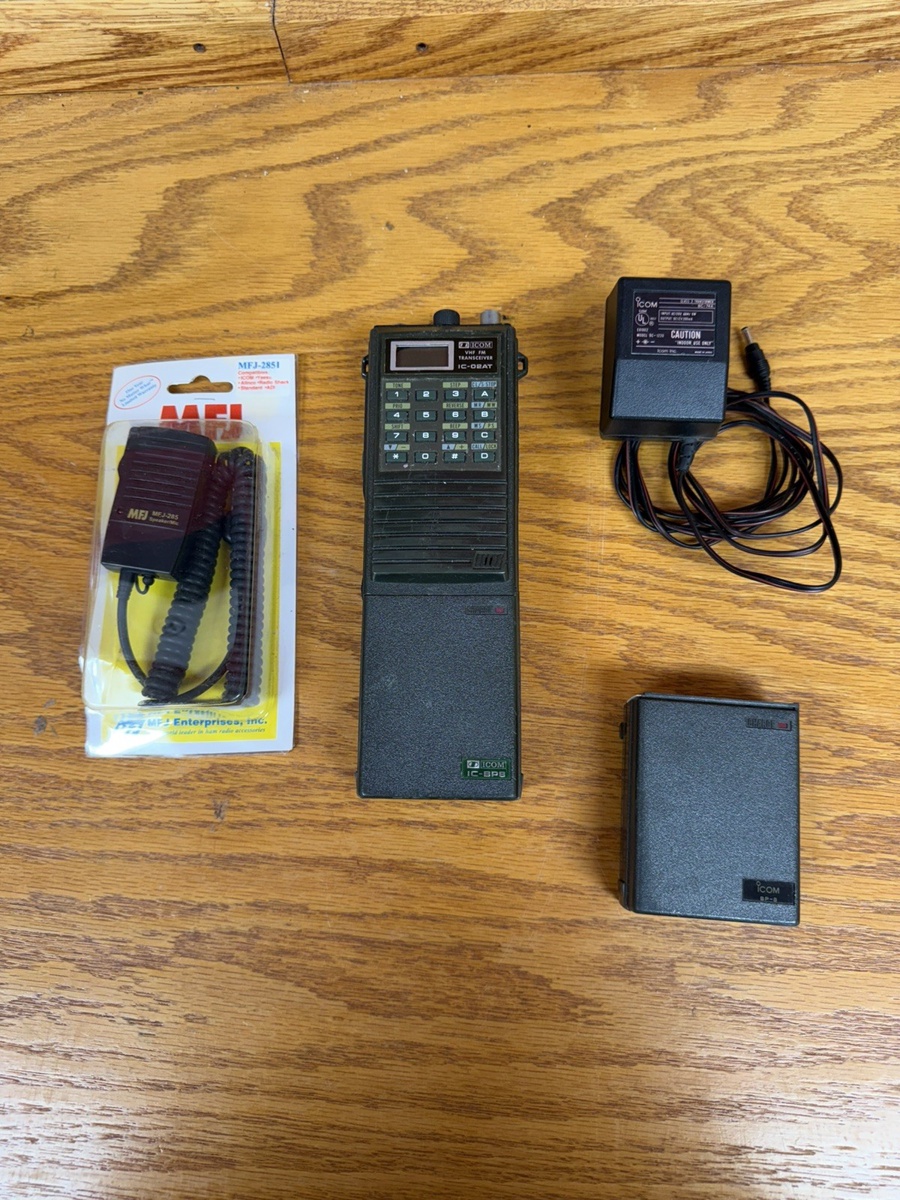
2-meter ham radio covers VHF FM transceivers operating in the 144–148 MHz band, spanning handhelds, mobiles, and base stations. The primary trade-off is transmit power and receiver front-end quality versus portability and cost—budget handhelds often sacrifice selectivity and durability, while mobiles and base rigs deliver clean 50–75 W output and superior filtering. The decision rule: buy a repeater-capable FM transceiver with at least 5 W handheld or 50 W mobile, and skip any unit lacking standard PL/CTCSS tones or a ruggedized front end.

Buying guide image
Ham Radio Transceivers

6 Meter Radio

6-meter radios are VHF transceivers covering the 50–54 MHz band, where sporadic-E propagation delivers long-distance contacts with modest antennas. The core trade-off is between a dedicated 6m all-mode rig for weak-signal SSB/CW work and a multi-band HF/VHF transceiver whose 6m section may be FM-only or limited in power. Buy a rig with SSB/CW modes and at least 50W output if you want real 6m DX; skip FM-only or low-power mobile units unless local/repeater coverage is your only goal.

Buying guide image
PC Power Supplies & Cables

Cable

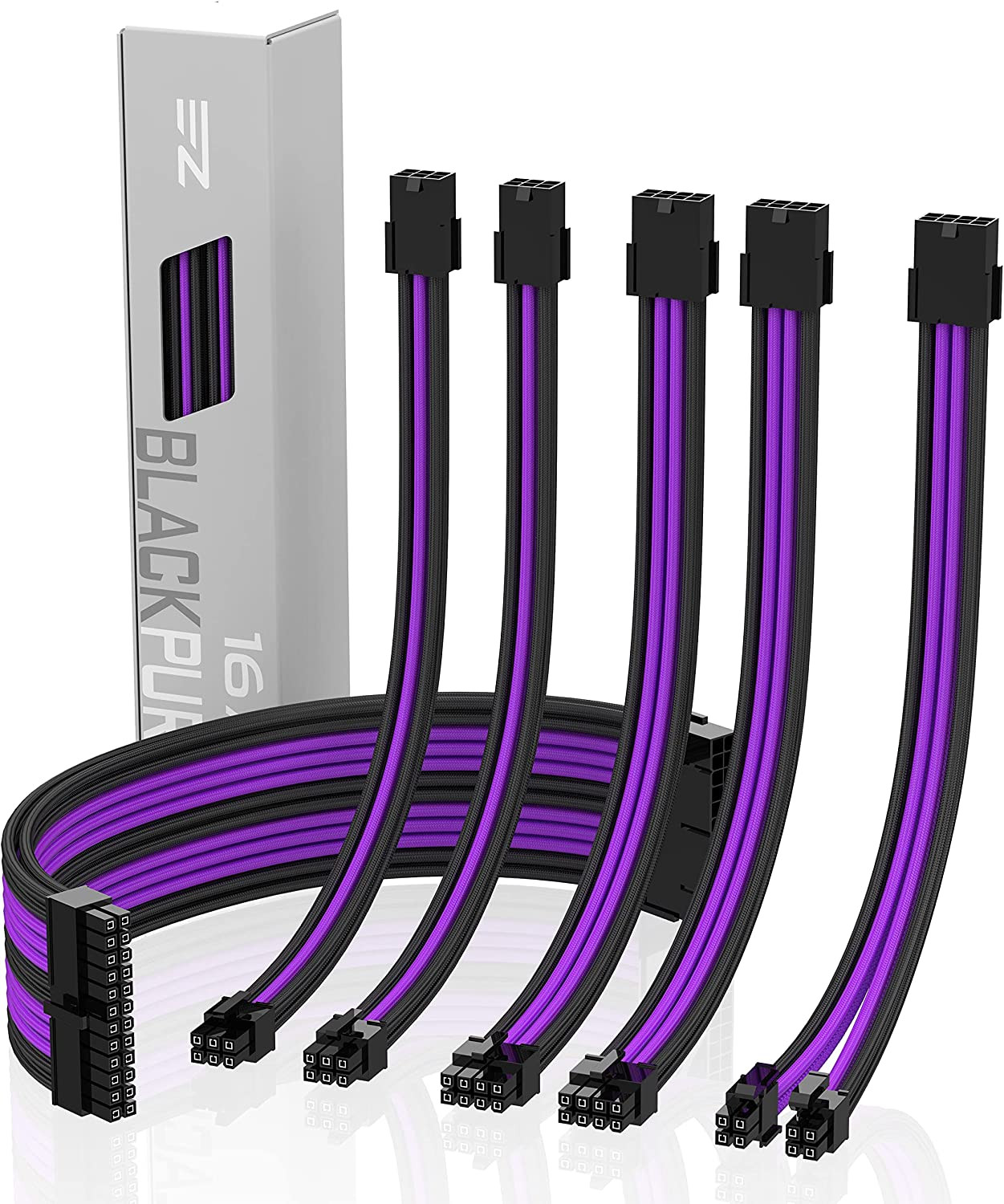
PC power cables split into two jobs: carrying mains AC safely and delivering regulated DC without voltage drop or melt risk. The decisive trade-off is conductor gauge and connector standard: 18AWG is the minimum for most internal runs, 16AWG is required for high-wattage EPS/PCIe, and C13/C14 vs C19/C20 must match the PSU inlet. Buy by connector standard and wire gauge, not by sleeving aesthetics.

Buying guide image
Sim Racing Cockpits & Mounts

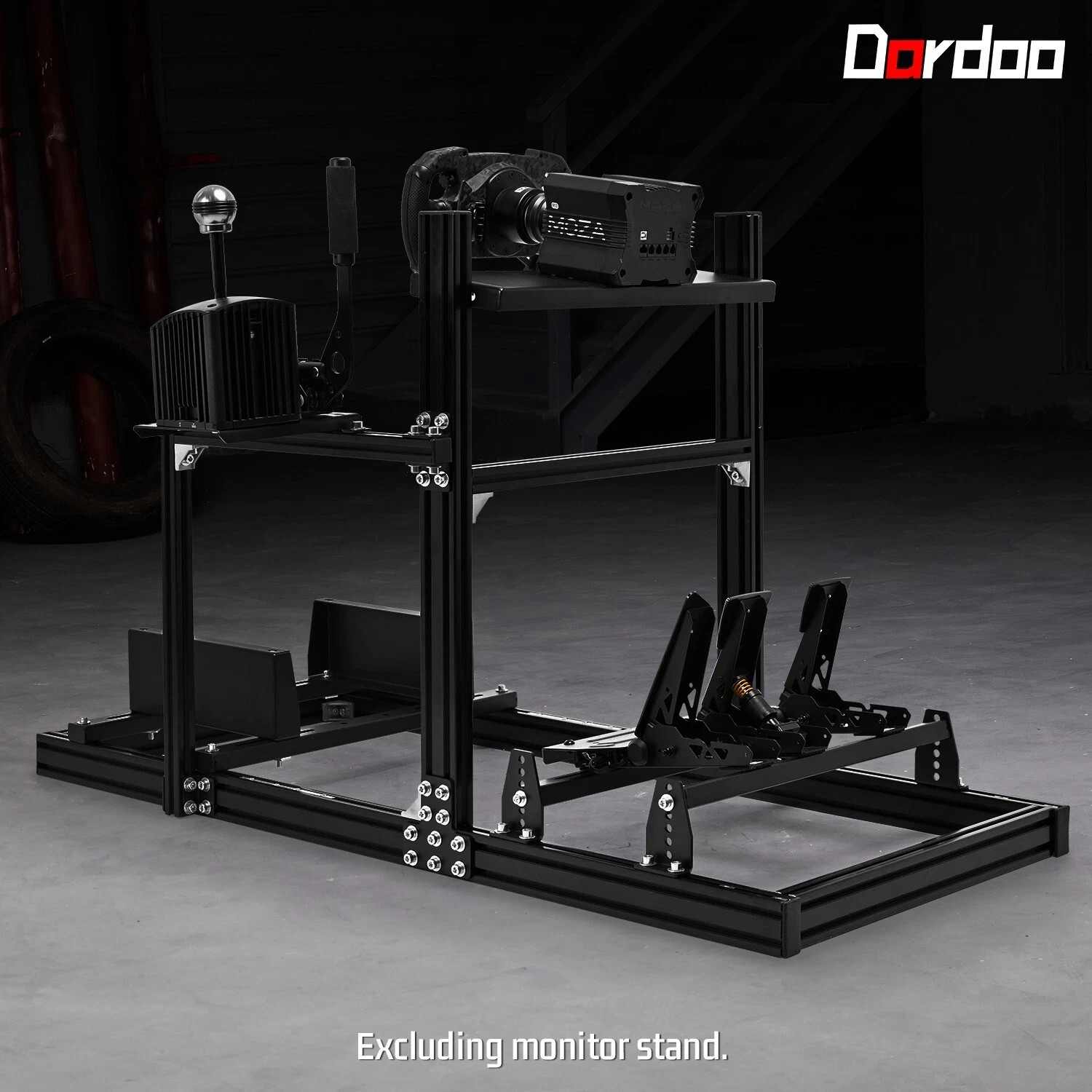
Racing Sim Cockpit With Seat

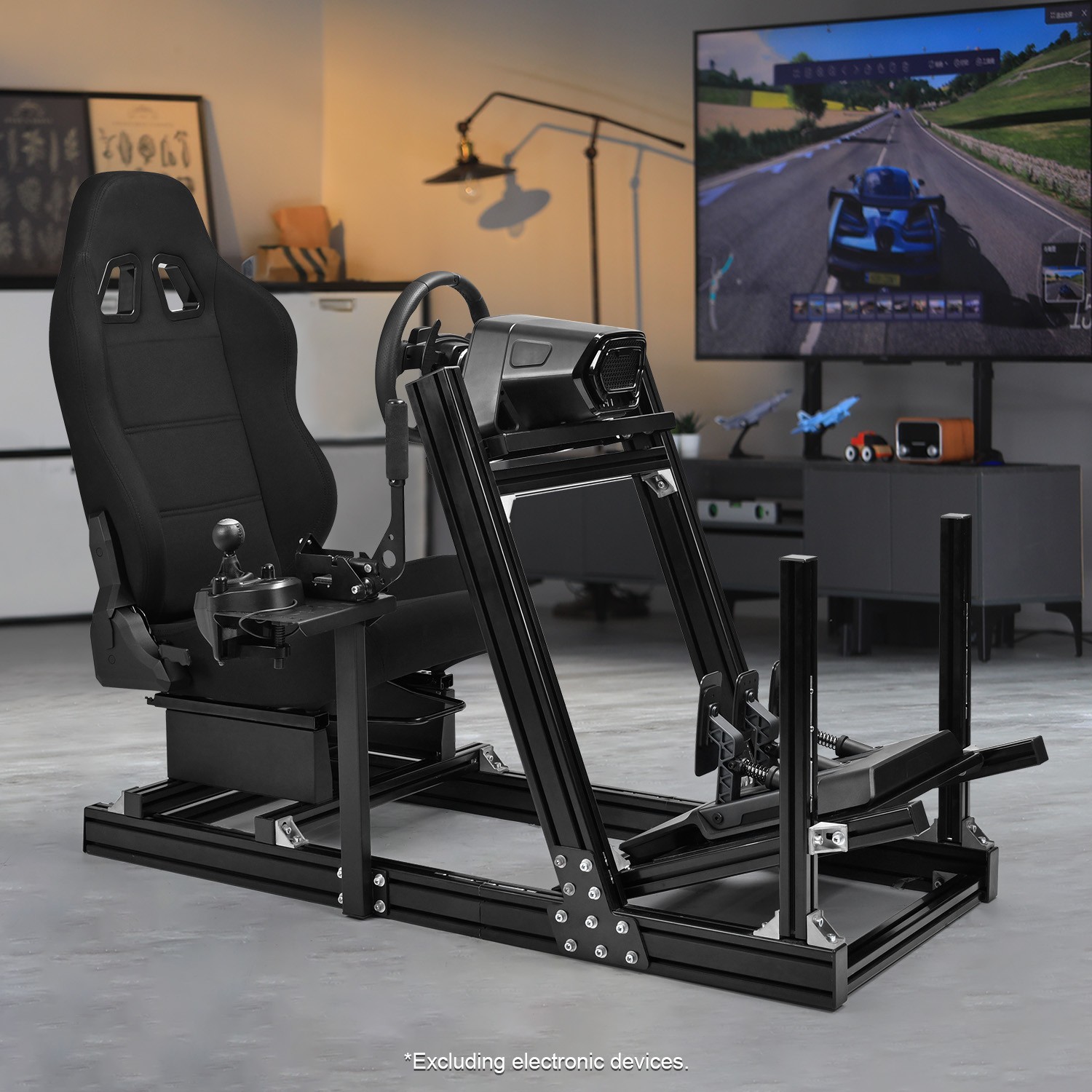
A racing sim cockpit with seat integrates the frame, seat, and wheel/pedal mounting into a single rigid structure, eliminating the flex and sliding that separate stands and chairs allow. The decisive trade-off is frame architecture: 4080 aluminum extrusion and thick alloy steel withstand high-torque direct-drive wheels, while thin 3060 profiles and stamped steel flex under load. Buyers should treat the frame profile, seat slider grade, and included monitor mounting as the three non-negotiable specs.

Buying guide image
Record Storage & Accessories

45 Record Cover

A 45 record cover is a protective sleeve for 7-inch vinyl singles, available as inner paper sleeves, outer plastic sleeves, or full cardboard jackets with artwork. The key trade-off is protection versus access: thin paper inner sleeves are cheap but offer no moisture or dust barrier, while 3-mil polyethylene outer sleeves and acid-free cardboard jackets preserve vinyl and labels for decades. Buy acid-free inner sleeves plus 3-mil outer sleeves for storage; skip PVC sleeves and thin paper inners if you care about long-term condition.

Buying guide image
Flight Sim Yokes & Throttles

Saitek Pro Flight

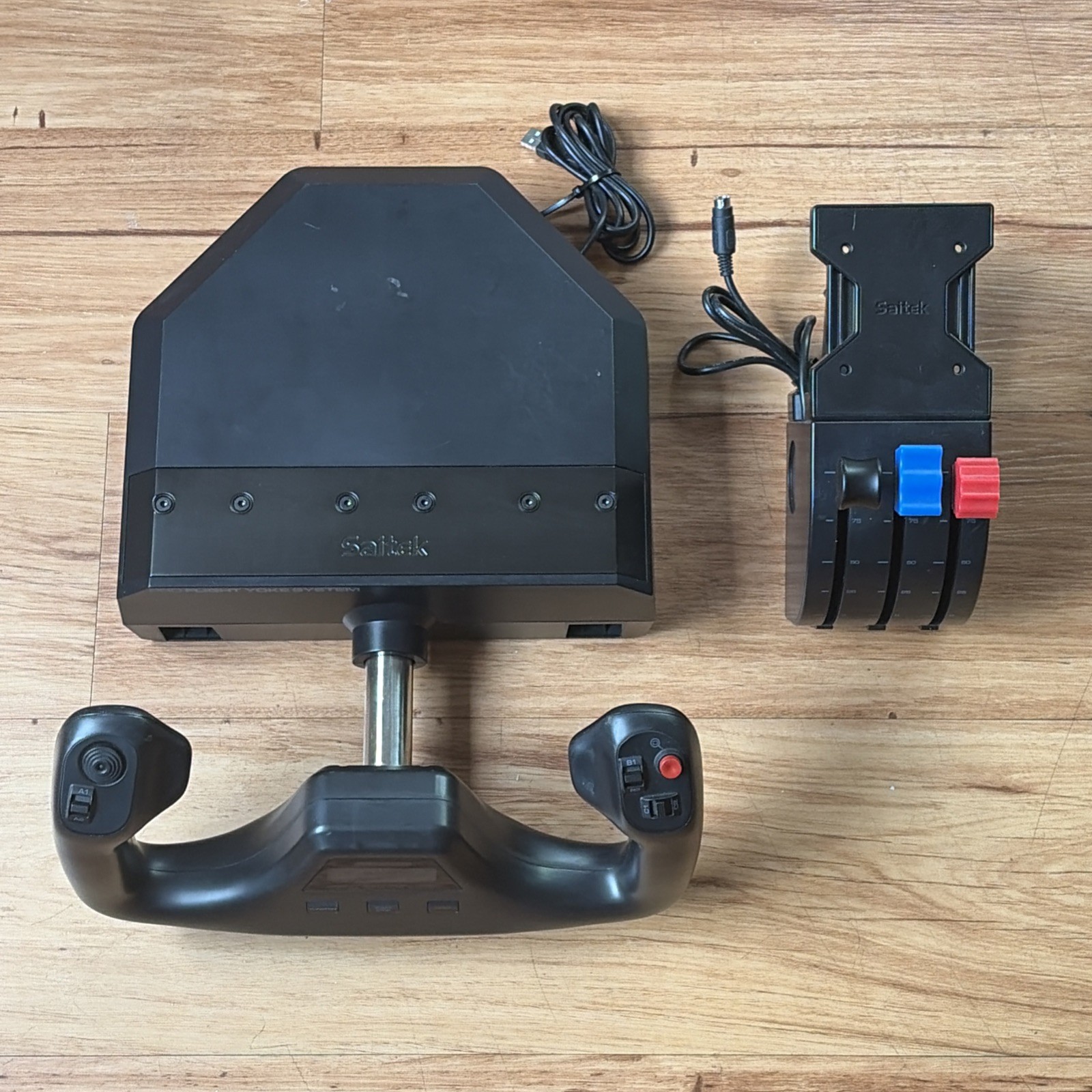
Saitek Pro Flight (now sold under Logitech G) is a modular, plastic-bodied flight-sim cockpit ecosystem: a 90°-travel yoke with an integrated throttle quadrant plus add-on quadrants, pedals, and radio panels. The core trade-off is that the same yoke model has been sold across three generations with different encoder boards, clamp designs, and connector standards, so age and revision matter more than the badge. Buy the newest Logitech-branded revision you can find with all clamps and cables, and skip any older Saitek unit with a missing clamp, cracked yoke shaft, or no USB cable.

Buying guide image
Smart Home Electronics

Home Security Camera

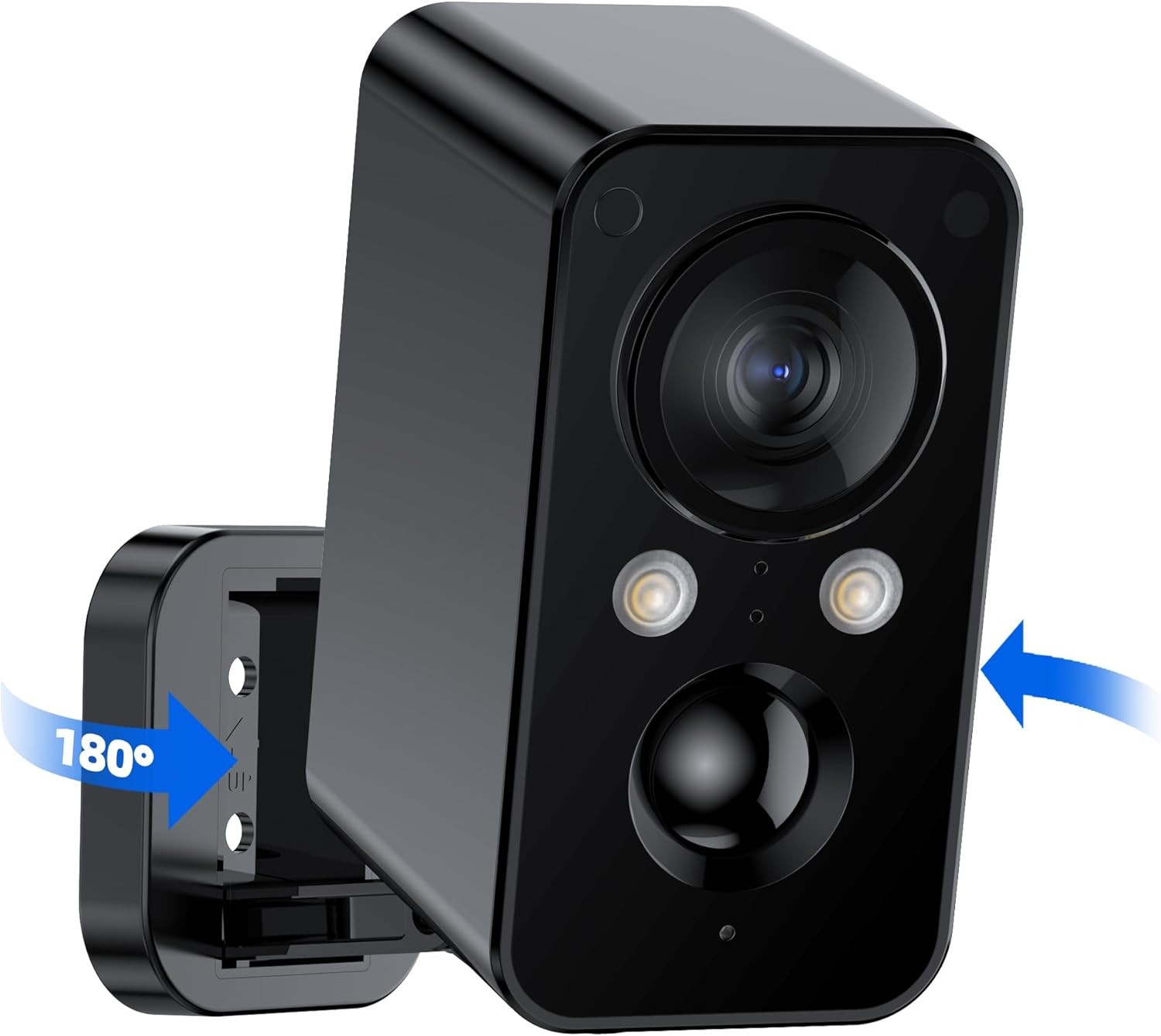
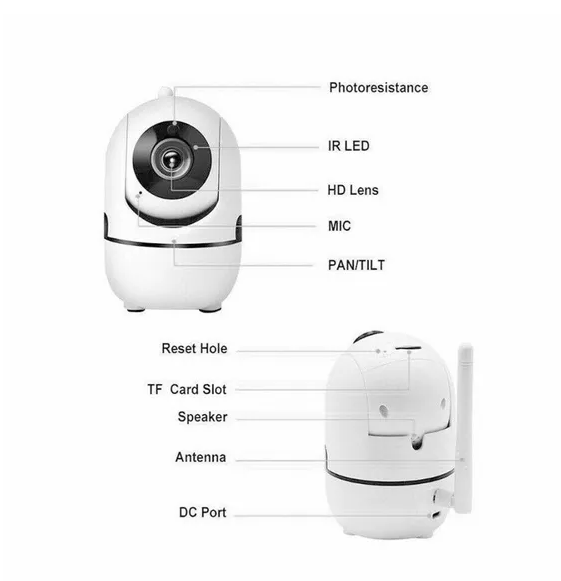
Home security cameras split into wired indoor units and battery/solar outdoor units; the core trade-off is continuous power and resolution versus installation freedom. Buy wired/PoE for 24/7 recording and 2K+ clarity, or solar/battery for wire-free placement at the cost of motion-triggered clips and recharge cycles.

Buying guide image
Flight Sim Joysticks & HOTAS

Flight Simulator Stick And Throttle

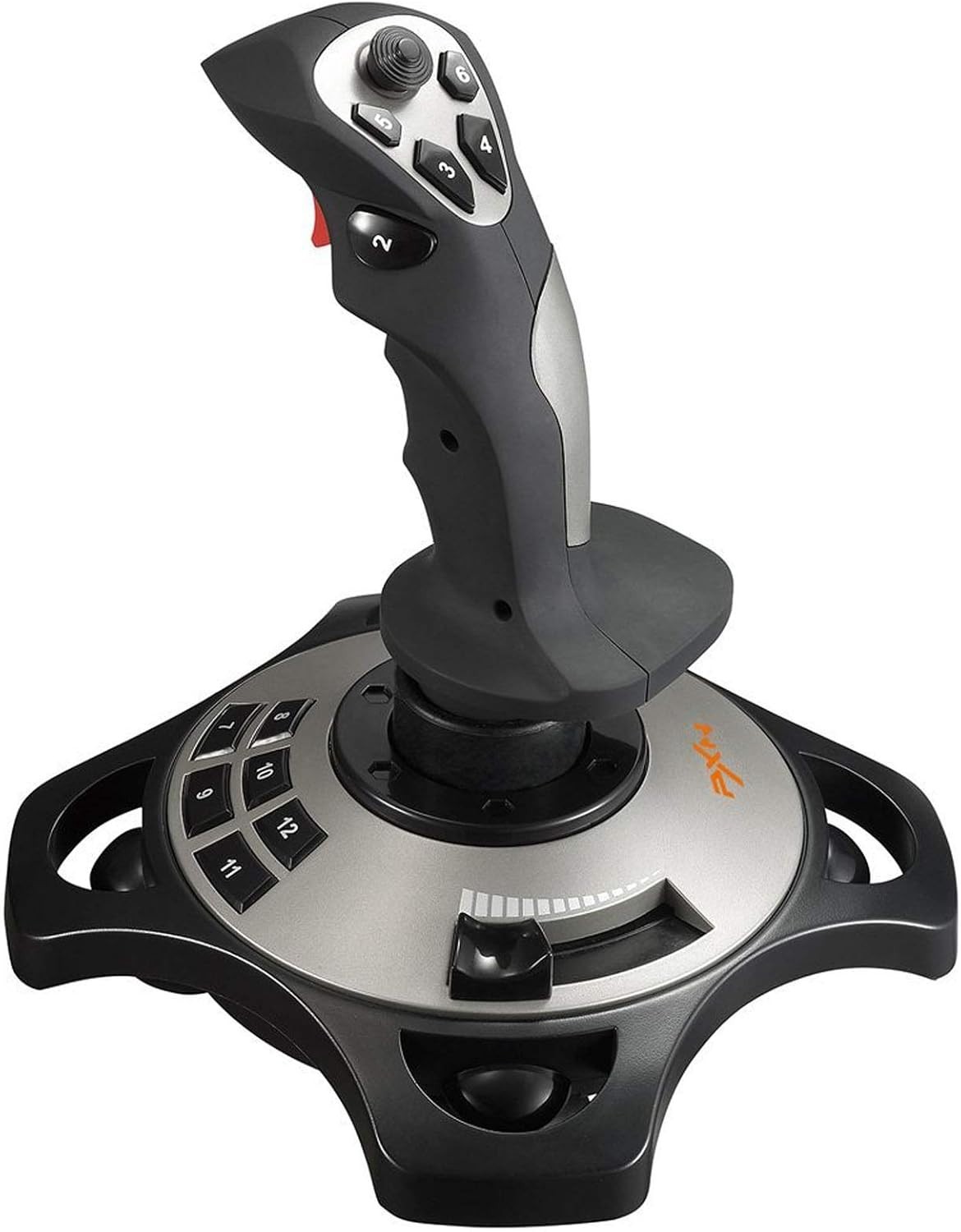
Serious flight sim pilots quickly discover that a basic stick alone can't handle complex aircraft, so a proper stick-and-throttle set becomes the foundation of the cockpit. The right pairing depends on whether you fly airliners, warbirds, or space sims, plus how much desk space and USB headroom you can spare. Buying mismatched tiers—a high-end stick with a toy-grade throttle—wastes money and ruins immersion.

Buying guide image
Sim Racing Cockpits & Mounts

Foldable Simulator Cockpit

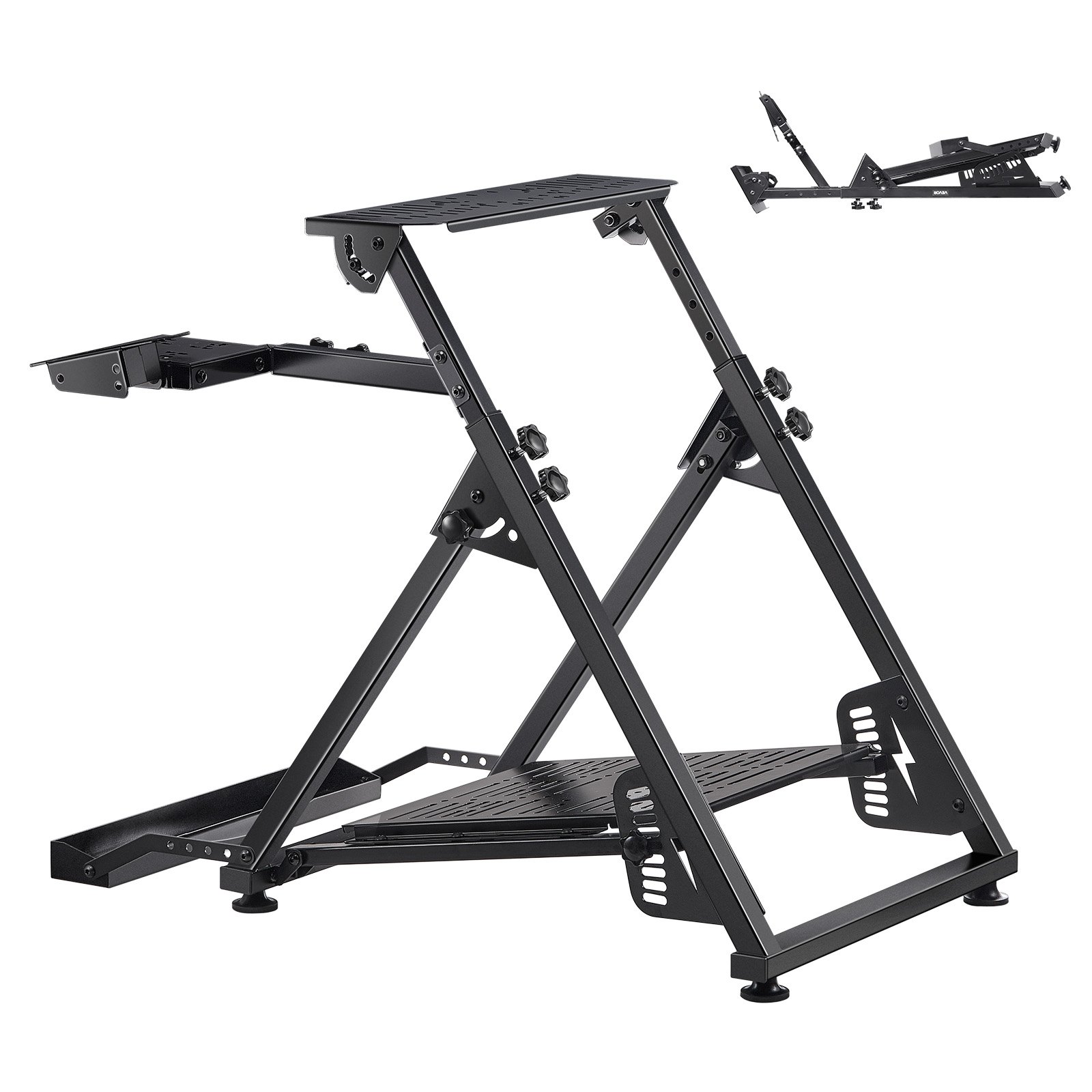
A foldable simulator cockpit is a space-saving rig that mounts a wheel and pedals on a folding steel frame, trading some rigidity for the ability to collapse between sessions. The core trade-off is frame stiffness and seat integration versus footprint: welded tubular steel with a fixed bucket seat is rock-solid but heavy, while folding X-frame stands flex under load but store in a closet. Buy durable options that clamp the wheel deck to thick, braced steel and include pedal mounting plates; skip thin-gauge single-hinge stands if you run load-cell brakes or direct-drive wheels.

Buying guide image
Server Racks, Cooling & Cabling

Server Rack Cabinet

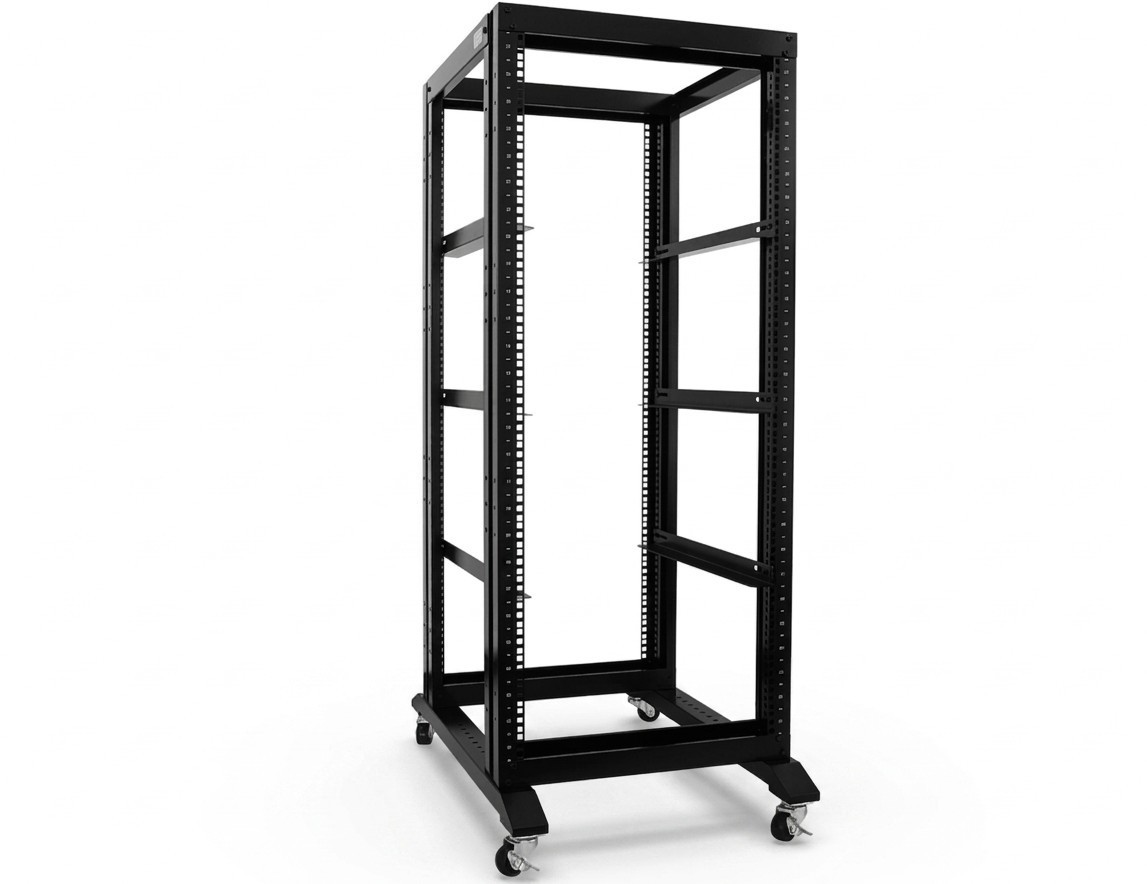
A server rack cabinet is a standardized 19-inch enclosure that supports IT, network, and AV gear while managing airflow and cable routing. The core trade-off is between open-frame racks (cheap, high airflow, no security) and closed cabinets (physical security, controlled cooling, higher cost and weight). Choose a closed cabinet only if you need security or dust control; otherwise a 4-post open frame delivers better thermals per dollar.

Buying guide image
Record Storage & Accessories

Vinyl Cover

Vinyl covers are protective outer and inner sleeves that shield 12-inch LPs from dust, scuffs, and ring wear. The key trade-off is thickness versus fit: 3 mil polyethylene is the standard balance, while 3.5 mil archival sleeves add stiffness for long-term storage. Choose polyethylene or polypropylene outer sleeves at 3 mil or thicker and anti-static rice-paper inner sleeves; skip thin PVC or paper inners that off-gas or shed fibers.

Buying guide image
Keycaps & Artisan Keycaps

Anime Keycap Set

Anime keycap sets are themed PBT or ABS cap sets that reskin a mechanical keyboard with character art, typically trading universal layout compatibility and thick-wall durability for novelty aesthetics. The decisive split is between mass-produced dye-sublimated PBT sets (durable legends, full-size coverage) and cheap pad-printed or thin ABS sets (fading legends, shine-through gaps). Buy a PBT dye-sub set sized for your layout; skip anything that doesn't state material and key count.

Buying guide image
Sim Racing Cockpits & Mounts

Fanatec Racing Cockpit

A Fanatec racing cockpit is a rigid frame-and-seat platform that holds a direct-drive or belt-driven Fanatec wheelbase, pedals, and shifter at the correct geometry for load-cell braking and high-torque force feedback. The core trade-off is frame stiffness and mounting standard versus footprint and cost: aluminum-profile rigs resist the 8–20 Nm torque of Fanatec DD bases, while thin steel tube stands flex and dull feedback. The decision rule is simple: buy an 8020-style aluminum-profile cockpit with a hard-mounted seat if you run a Direct Drive wheelbase or load-cell pedals; choose a foldable steel stand only for belt-driven, lower-torque setups that must be stowed.

Buying guide image
Ham Radio Transceivers

6 Meter Ham Radio

6 meter ham radio covers the 50–54 MHz VHF band, where modest antennas can deliver sporadic-E skip contacts but signals are highly terrain- and season-dependent. The core buyer trade-off is band coverage versus RF performance: a dual-band (6m/2m) mobile or a multi-band HF+6m rig that includes 6m, not a single-band novelty. Choose a rig with at least 50 W output, true 6m transmit, and a proper 50 Ω antenna system; skip low-power single-band handhelds or HF-only radios without 6m for serious use.

Buying guide image
Smart Home Electronics

Wireless Home Security

Wireless home security covers battery/solar cameras, Wi-Fi doorbells, and hub-based sensor systems that communicate without drilled data cabling. The core trade-off is between wire-free convenience (battery/solar power, mesh radio links) and the reliability of constant power plus local storage. Durable systems use encrypted protocols (Z-Wave S2, Wi-Fi WPA3), rated IP65+ housings for outdoor units, and local microSD/NVR fallback; compromised kits use proprietary sub-GHz radios, plastic-only mounts, and cloud-only recording.

Buying guide image
Console & Handheld Hardware

Plug And Play Retro Console

Plug-and-play retro consoles are all-in-one boxes that emulate classic 8/16/32-bit libraries over HDMI, but the category spans wildly different hardware—from weak single-board emulators to ARM-based mini consoles. The biggest buyer mistake is trusting inflated game counts: 20,000+ titles usually means duplicate ROMs, regional variants, and filler, not 20,000 unique classics. Focus instead on emulation chipset, output resolution, controller quality, and storage format to get a unit that actually plays well.

You may also like

Finding more guides for you…