
Photos from current listings. Actual item, color, and included accessories may vary.
Bluetooth Headphone Amplifier Buying Guide
A Bluetooth headphone amplifier combines a wireless receiver, DAC, and headphone amp so you can stream audio from a phone or PC to wired headphones without a cable. The core trade-off is Bluetooth codec and chipset quality versus amp output power and DAC resolution—cheap units often use SBC-only receivers with weak op-amps that clip low-impedance planars. Buy a model that specifies LDAC or aptX Adaptive plus a measured power rating at your headphone's impedance; skip anything that lists only 'Bluetooth 5.0' without codec or output specs.
Median $364.99 · New & pre-owned listings
Key takeaways
- Codec tier decides wireless fidelity: SBC/AAC is lossy baseline, aptX HD and LDAC (990 kbps) approach wired quality, and LDAC requires a compatible Android source.
- Receiver chipset generations differ: CSR8675 and QCC512x support LDAC/aptX Adaptive, while older CSR8645 units cap at aptX and add audible latency.
- Amp output must be rated at your load: 32-ohm dynamics need ~100-200 mW, while 300-ohm planars need 500 mW+ balanced to avoid clipping.
At a glance
- Category
- DACs & Headphone Amplifiers
- Last updated
- Nov 25, 2026
Current offers
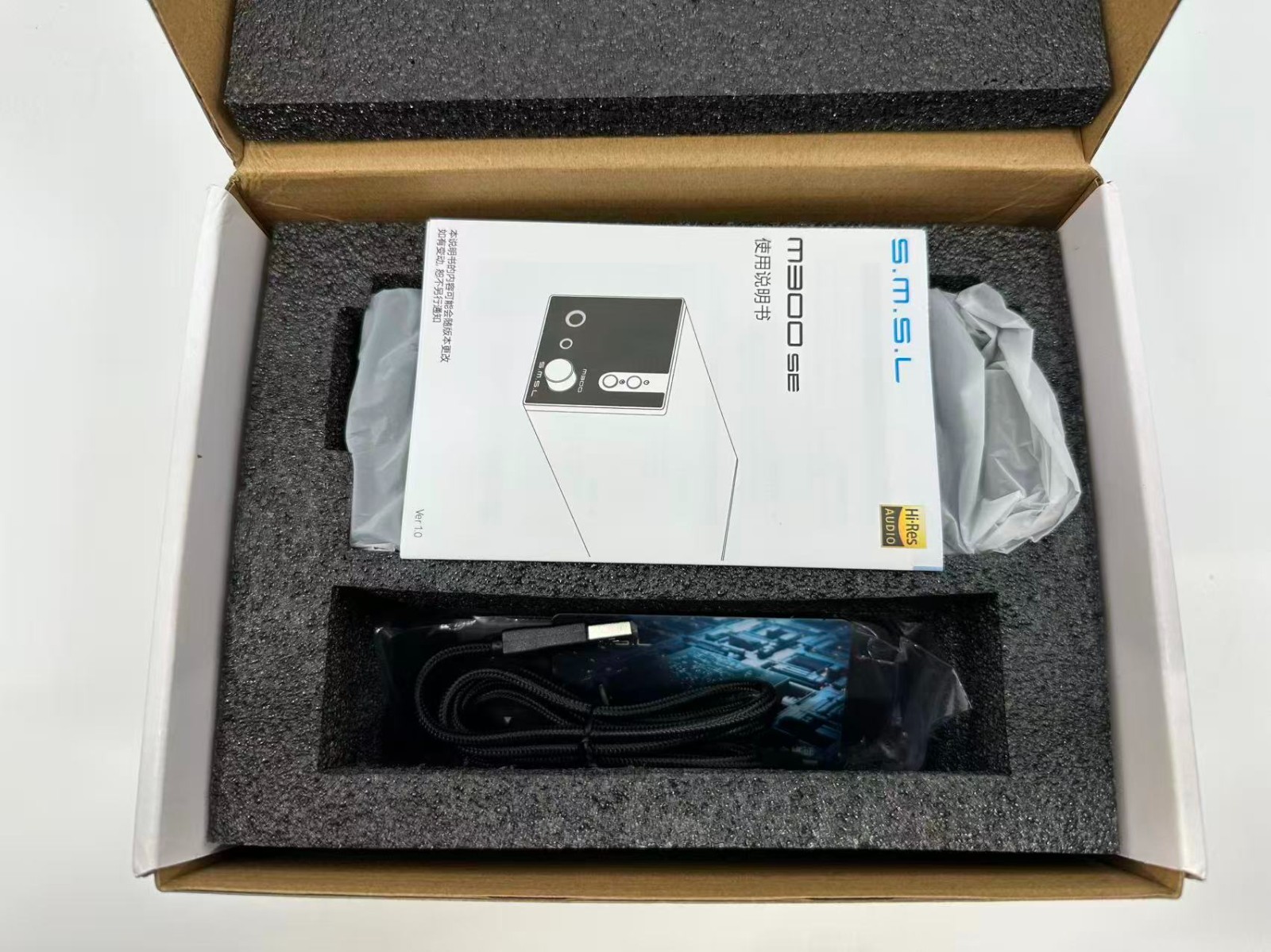 USB DAC Balanced Headphone Amplifier Bluetooth with Remote SMSL M300SE$120.00View on eBay
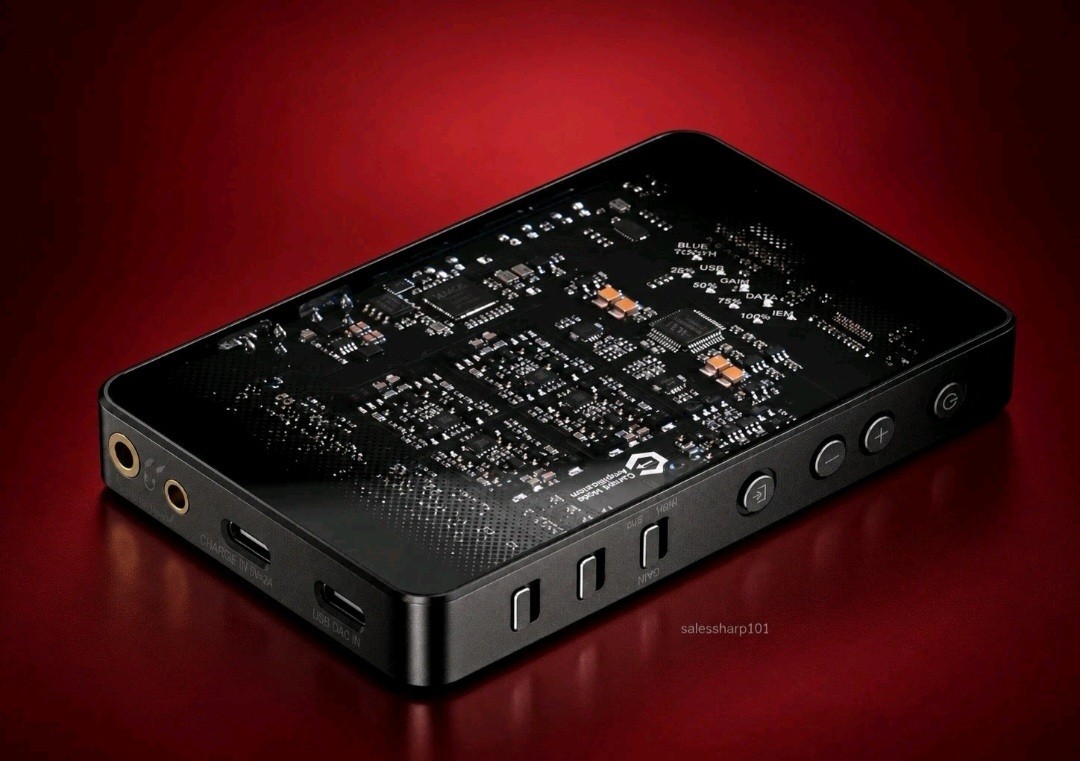 Questyle Sigma DAC/Amp Portable Rechargeable DAC & Bluetooth Headphone Amplifier$360.00New · Last checked Nov 21, 2026View on eBay
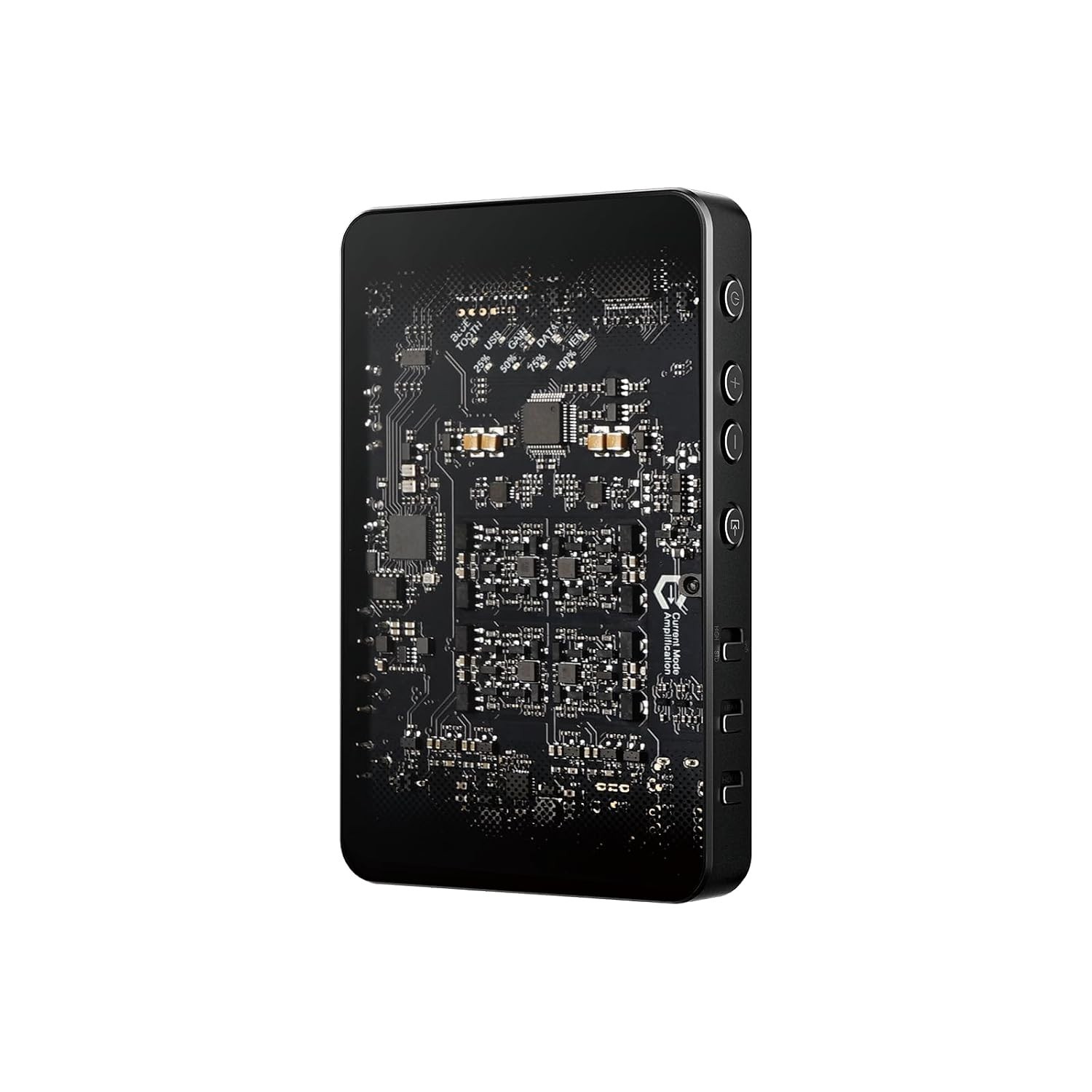 Questyle SIGMA Bluetooth 5.4 Portable DAC & Headphone Amplifier – USB-C$364.99Open box · Last checked Nov 21, 2026View on eBay
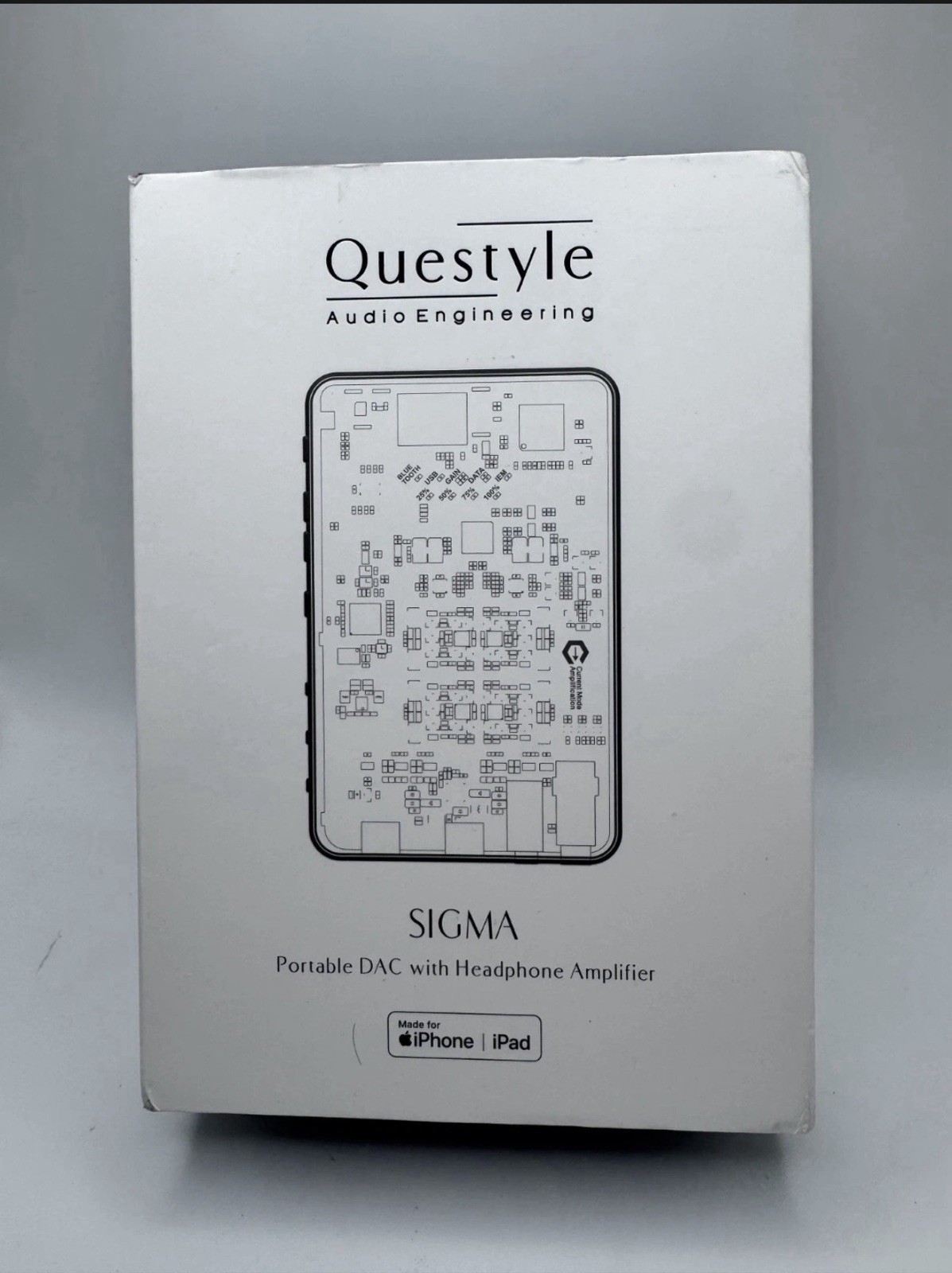 Questyle Sigma DAC/Amp Portable Rechargeable DAC & Bluetooth Headphone Amplifier$379.00Used · Last checked Nov 21, 2026View on eBay
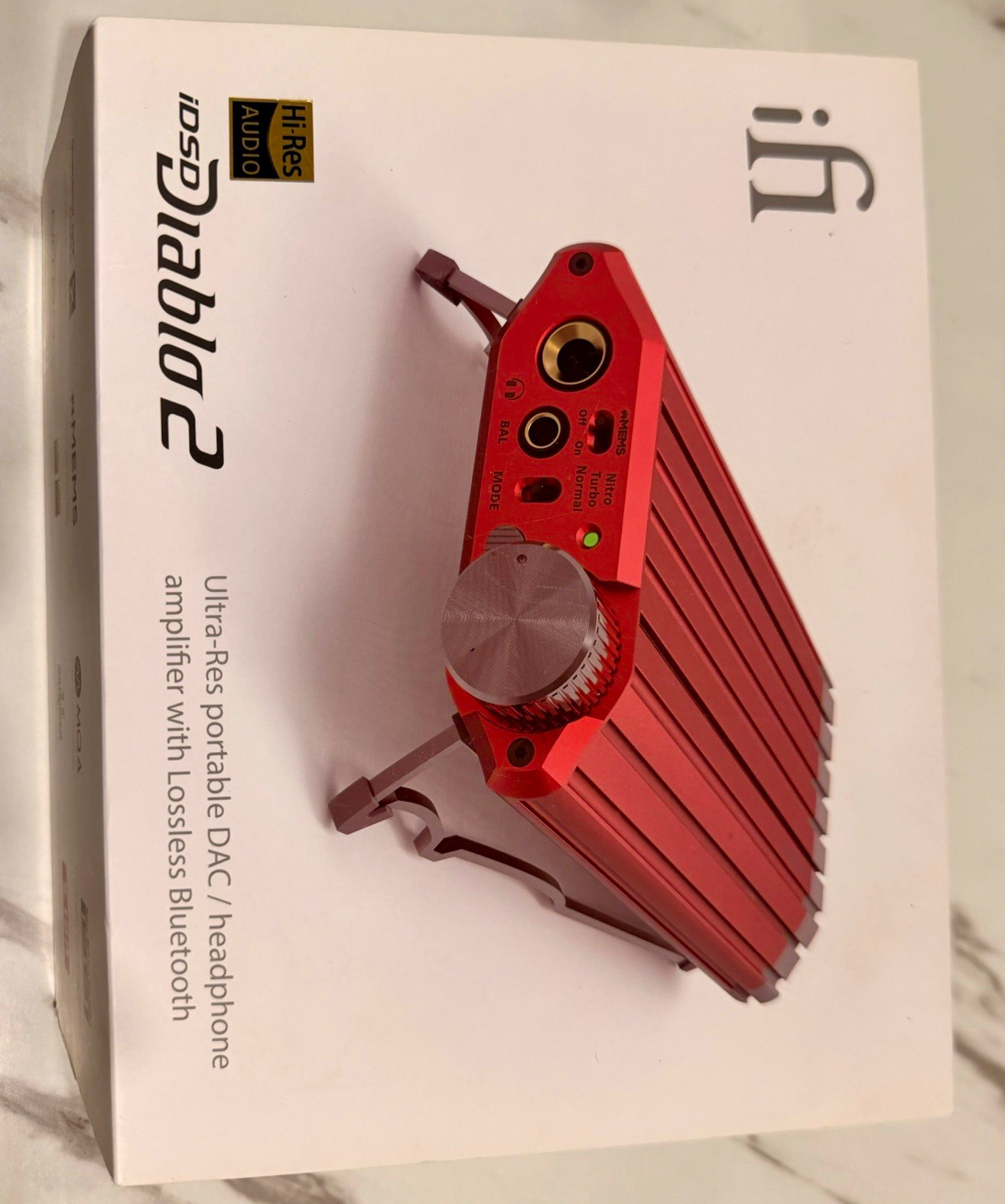 iFi iDSD Diablo 2 Portable DAC & Headphone Amplifier, Bluetooth, Red$670.00Open box · Last checked Nov 21, 2026View on eBay
Highlights
- Codec tier decides wireless fidelity: SBC/AAC is lossy baseline, aptX HD and LDAC (990 kbps) approach wired quality, and LDAC requires a compatible Android source.
- Receiver chipset generations differ: CSR8675 and QCC512x support LDAC/aptX Adaptive, while older CSR8645 units cap at aptX and add audible latency.
- Amp output must be rated at your load: 32-ohm dynamics need ~100-200 mW, while 300-ohm planars need 500 mW+ balanced to avoid clipping.
- Balanced 4.4mm or 2.5mm outputs typically double voltage swing versus single-ended 3.5mm, giving real headroom on high-impedance headphones.
Best use cases
- Best fit: streaming from a phone to 300-ohm dynamic headphones—pick a Bluetooth amp with LDAC and a balanced 4.4mm output rated above 500 mW.
- Best fit: desktop use with a PC and wired headphones—choose a USB-powered unit with a proven DAC chip (ES9038Q2M or AK4493) and Bluetooth 5.1 for low latency video.
- Wrong fit: critical low-latency gaming over Bluetooth—skip it, because even aptX Adaptive adds 50-80 ms; use a 2.4 GHz dongle or wired USB DAC instead.
- Wrong fit: driving sensitive IEMs from a high-power amp—pick a unit with a low-gain switch or skip to a dongle DAC, since excess gain raises the noise floor.
Buying tips
- Match amp power to headphone impedance: at 32 ohms look for 100 mW+, at 300 ohms 250 mW+ single-ended or 500 mW+ balanced.
- Require LDAC or aptX Adaptive if you stream from Android; iPhone users are limited to AAC, so pay for amp/DAC quality over codec claims.
- Choose Bluetooth 5.0 or newer with a Qualcomm QCC or CSR8675 chipset for stable range and lower latency than Bluetooth 4.2 designs.
- Check DAC chip generation—ES9038Q2M, AK4493, or CS43198 handle 24-bit/192kHz and DSD; older ES9018K2M caps lower on some formats.
Specs
| Bluetooth Codec | SBC/AAC vs aptX HD vs LDAC |
|---|---|
| Amp Output Power | 100-500+ mW at 32-300 ohm |
| DAC Chip Tier | ES9038Q2M / AK4493 vs older ES9018 |
| Headphone Outputs | 3.5mm SE + 4.4mm/2.5mm bal |
Related searches
What to check before buying
- Confirm your headphones' impedance and sensitivity; a 300-ohm, 97 dB/mW load demands far more voltage than 32-ohm IEMs.
- Verify your phone or player supports the codec you're paying for—LDAC needs Android 8+; iPhones output AAC only.
- Check the amp's input options: USB-C, optical, or coaxial for desktop sources, plus Bluetooth for mobile.
- Measure desk or pocket space and confirm the unit's power source: USB bus power vs. internal battery vs. DC adapter.
FAQ
Data sources: eBay / Amazon listings and product attribute feeds. Updated Nov 25, 2026.
Some links on this page are affiliate links. If you buy after clicking one, we may earn a commission at no extra cost to you. This does not change which products appear here or their order. Affiliate disclosure.