
Photos from current listings. Actual item, color, and included accessories may vary.
Bluetooth Headphone Amp Buying Guide
A Bluetooth headphone amp combines a wireless receiver, DAC, and headphone amplifier in one chassis, letting you drive wired headphones from a phone or laptop without a cable. The core trade-off is wireless codec support (LDAC/aptX Adaptive vs SBC/AAC) and amplifier output power versus clean noise floor and build quality. Buy a model with a wired USB input as a fallback and a published output-power figure at your headphone's impedance; skip no-name units that list only 'HiFi' without codec or power specs.
Median $364.99 · New & pre-owned listings
Key takeaways
- Bluetooth codec tiers determine wireless resolution: LDAC and aptX Adaptive support up to 24-bit/96kHz, while SBC and AAC cap at lower bitrates and add latency.
- Balanced output (4.4mm Pentaconn or 2.5mm TRRS) typically doubles voltage swing versus single-ended, which matters for high-impedance (250Ω+) headphones.
- Class-D or THX AAA amplifier architectures deliver higher efficiency and lower distortion than older Class-A designs, but output power at 32Ω and 300Ω must be published separately.
At a glance
- Category
- DACs & Headphone Amplifiers
- Last updated
- Nov 25, 2026
Current offers
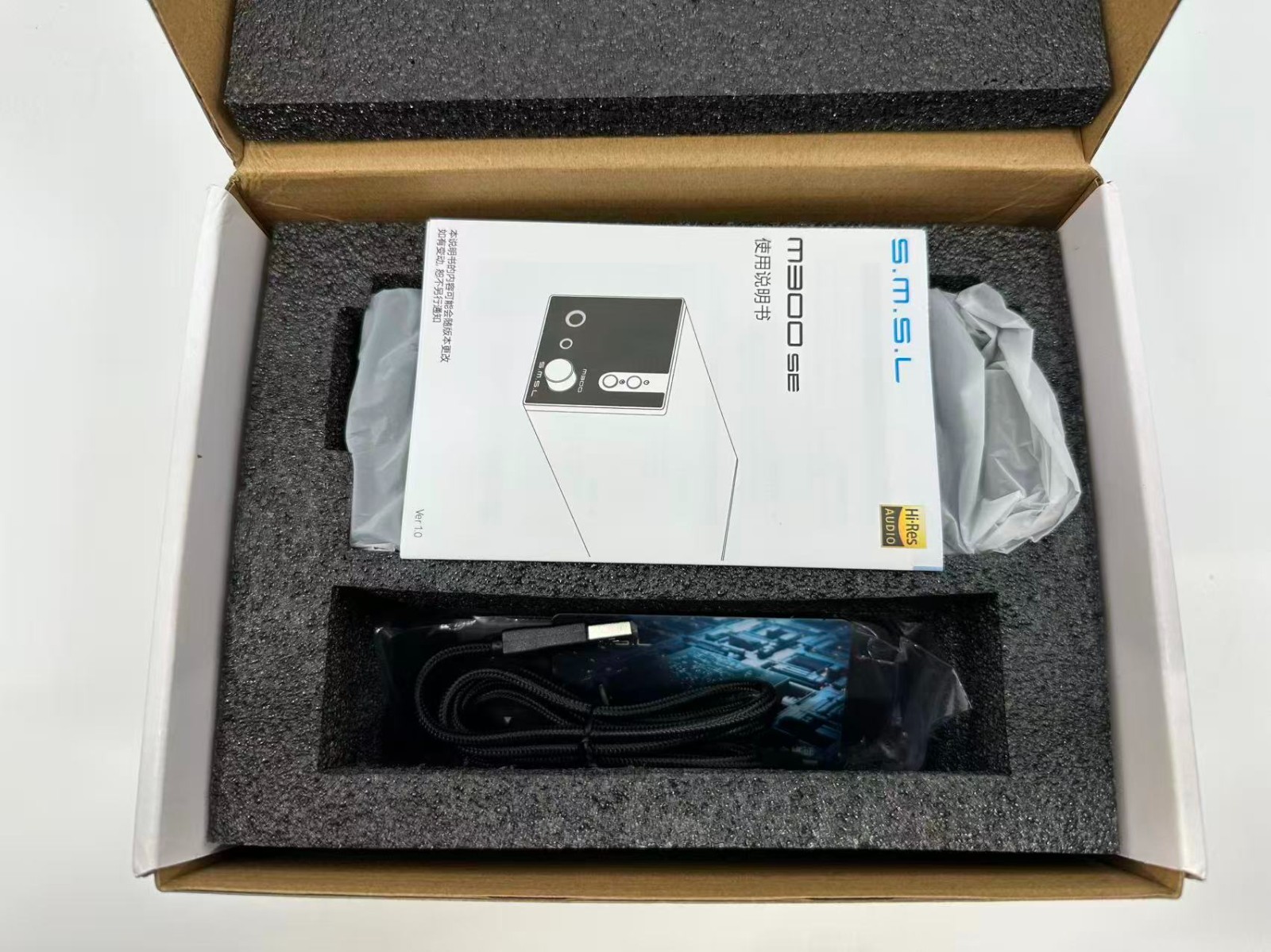 USB DAC Balanced Headphone Amplifier Bluetooth with Remote SMSL M300SE$120.00View on eBay
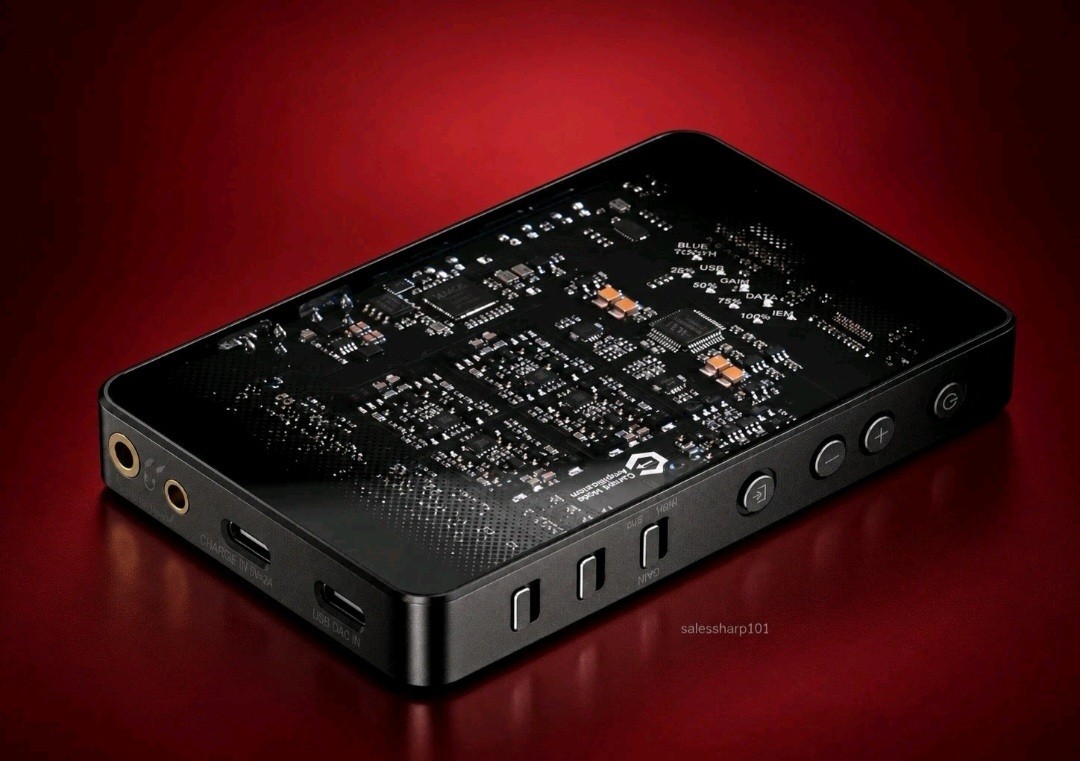 Questyle Sigma DAC/Amp Portable Rechargeable DAC & Bluetooth Headphone Amplifier$360.00New · Last checked Nov 21, 2026View on eBay
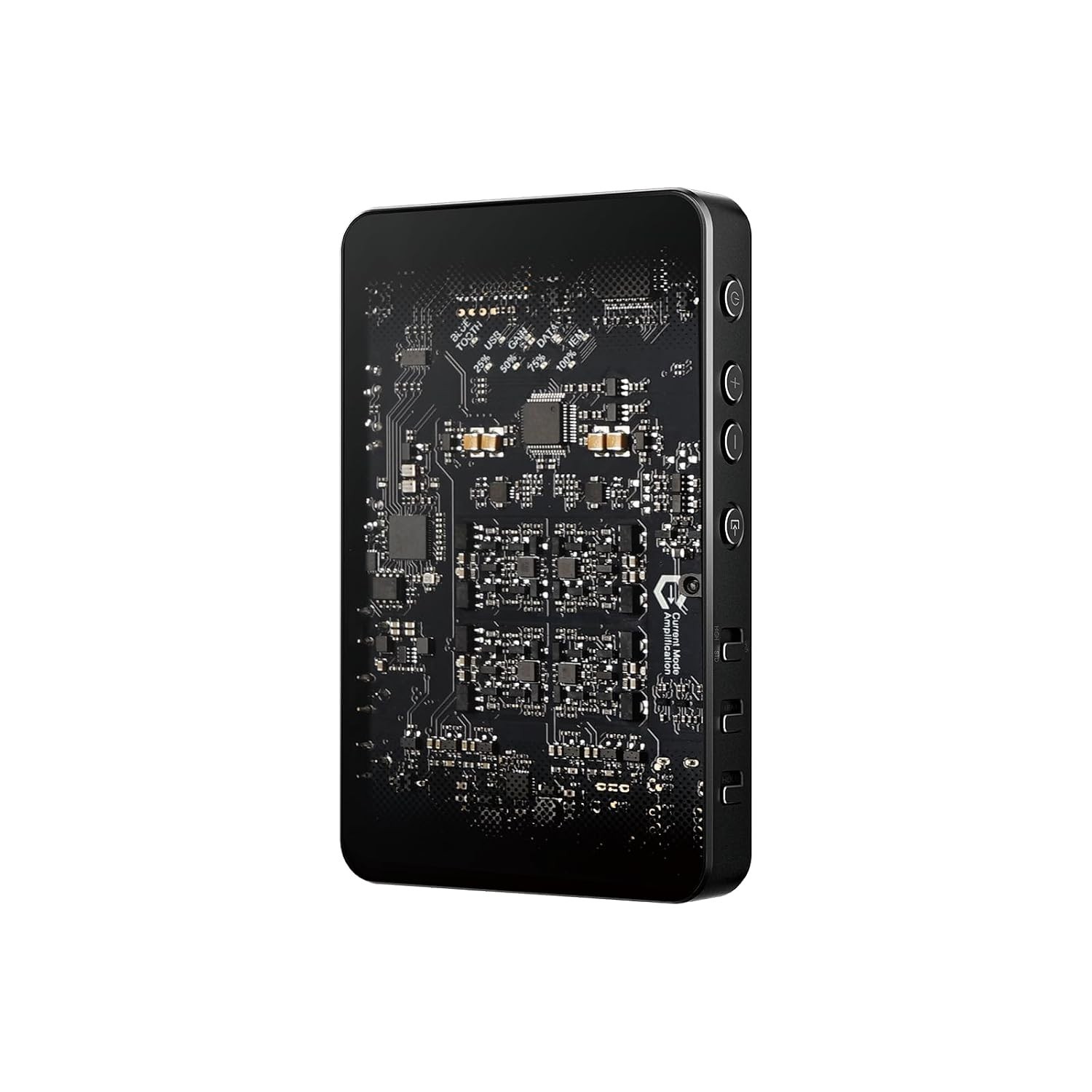 Questyle SIGMA Bluetooth 5.4 Portable DAC & Headphone Amplifier – USB-C$364.99Open box · Last checked Nov 21, 2026View on eBay
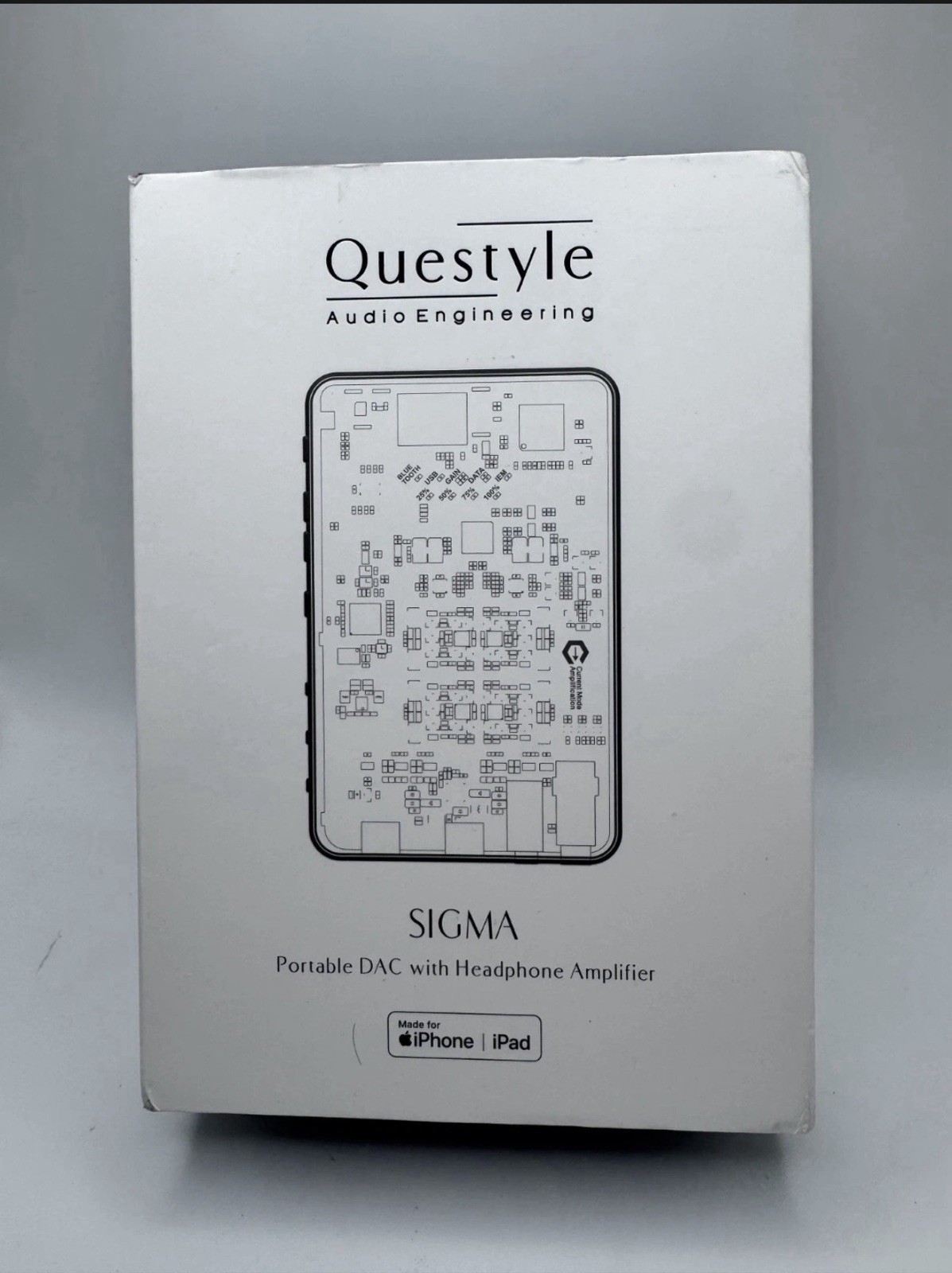 Questyle Sigma DAC/Amp Portable Rechargeable DAC & Bluetooth Headphone Amplifier$379.00Used · Last checked Nov 21, 2026View on eBay
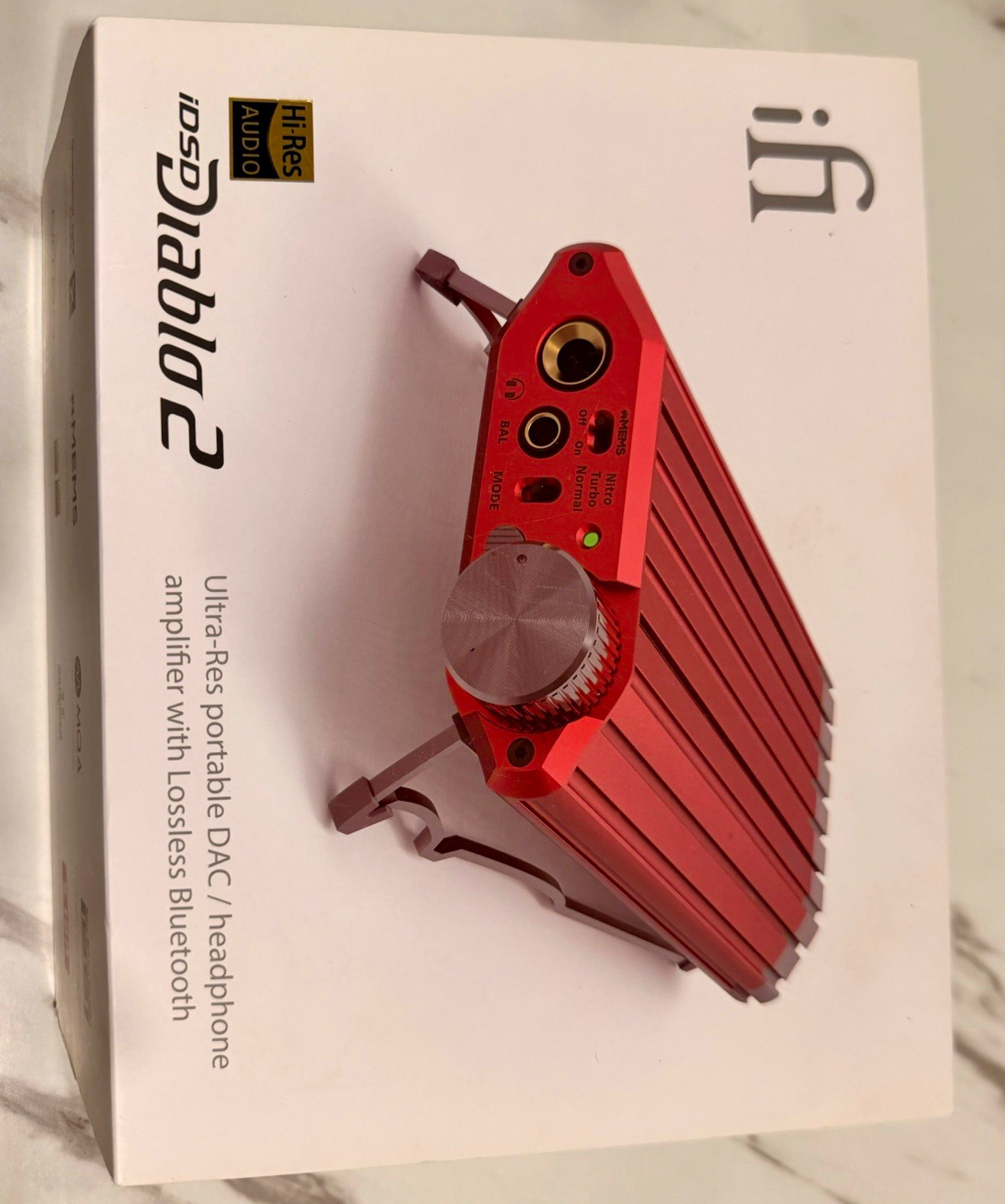 iFi iDSD Diablo 2 Portable DAC & Headphone Amplifier, Bluetooth, Red$670.00Open box · Last checked Nov 21, 2026View on eBay
Highlights
- Bluetooth codec tiers determine wireless resolution: LDAC and aptX Adaptive support up to 24-bit/96kHz, while SBC and AAC cap at lower bitrates and add latency.
- Balanced output (4.4mm Pentaconn or 2.5mm TRRS) typically doubles voltage swing versus single-ended, which matters for high-impedance (250Ω+) headphones.
- Class-D or THX AAA amplifier architectures deliver higher efficiency and lower distortion than older Class-A designs, but output power at 32Ω and 300Ω must be published separately.
- A USB-C DAC input bypasses Bluetooth compression entirely; units with both Bluetooth and USB input are the most flexible for desktop and mobile use.
Best use cases
- Best fit: commuters and office users driving 32–80Ω closed-back headphones wirelessly from a phone—pick a model with LDAC/aptX Adaptive and at least 100mW at 32Ω.
- Best fit: desktop listeners with 250–600Ω open-back headphones—choose a unit with balanced output and published power above 200mW at 300Ω, plus USB input.
- Wrong fit: critical mastering or low-latency gaming—Bluetooth adds 100–200ms latency even with aptX LL; use a wired USB DAC/amp instead.
- Wrong fit: travel use with IEMs only—a compact USB-C dongle DAC delivers equal fidelity without Bluetooth pairing and charging overhead.
Buying tips
- Match amplifier power to headphone impedance: aim for at least 100mW at 32Ω for efficient dynamics, and 200mW+ at 300Ω for high-impedance planars or Sennheiser HD 600-class loads.
- Prioritize LDAC or aptX Adaptive if your source is Android; iPhone users are limited to AAC, so pay for codecs you can actually use.
- Check the Bluetooth chipset generation: Qualcomm QCC30xx/51xx supports aptX Adaptive, while older CSR chips top out at aptX HD or SBC.
- Confirm a wired USB-C or optical input exists as a fallback—Bluetooth-only amps become e-waste when the radio or pairing stack fails.
Specs
| Bluetooth Codec | LDAC / aptX Adaptive / AAC / SBC |
|---|---|
| Amp Output Power | 100–500mW at 32Ω; 200mW+ at 300Ω |
| Output Jacks | 3.5mm SE + 4.4mm/2.5mm balanced |
| Inputs | Bluetooth 5.x + USB-C DAC |
Related searches
What to check before buying
- Verify your headphones' impedance and sensitivity (dB/mW) against the amp's published power curve—not just a single 'mW' headline number.
- Confirm your phone or computer supports the amp's best codec (LDAC on Android 8+, aptX Adaptive on select devices, AAC on iOS).
- Check output jack types: 3.5mm single-ended for IEMs and easy loads, 4.4mm or 2.5mm balanced for high-impedance headphones.
- Plan for power: most Bluetooth amps charge via USB-C and run 8–20 hours; desktop models may need a dedicated 5V supply.
FAQ
Data sources: eBay / Amazon listings and product attribute feeds. Updated Nov 25, 2026.
Some links on this page are affiliate links. If you buy after clicking one, we may earn a commission at no extra cost to you. This does not change which products appear here or their order. Affiliate disclosure.