
Photos from current listings. Actual item, color, and included accessories may vary.
6 Meter Ham Radio Buying Guide
6 meter ham radio covers the 50–54 MHz VHF band, where modest antennas can deliver sporadic-E skip contacts but signals are highly terrain- and season-dependent. The core buyer trade-off is band coverage versus RF performance: a dual-band (6m/2m) mobile or a multi-band HF+6m rig that includes 6m, not a single-band novelty. Choose a rig with at least 50 W output, true 6m transmit, and a proper 50 Ω antenna system; skip low-power single-band handhelds or HF-only radios without 6m for serious use.
Median $80.00
Key takeaways
- 50–54 MHz is the only HF-adjacent VHF band; sporadic-E openings peak around May–August and December–January, so antenna gain and receiver dynamic range matter more than raw wattage.
- 6m-capable radios split into three tiers: dual-band mobile (6m/2m, 50–100 W), HF+6m base/mobile (100 W, full HF plus 50 MHz), and all-mode multi-band (IC-705, FT-991A) with 6m SSB/CW/FM.
- Output power classes are typically 5–10 W (portable/QRP), 50–100 W (mobile/base), and 100–200 W (HF+6m base) — 50 W into a 3-element Yagi roughly doubles ERP over a 5 W handheld.
At a glance
- Category
- Ham Radio Transceivers
- Last updated
- Nov 24, 2026
Current offers
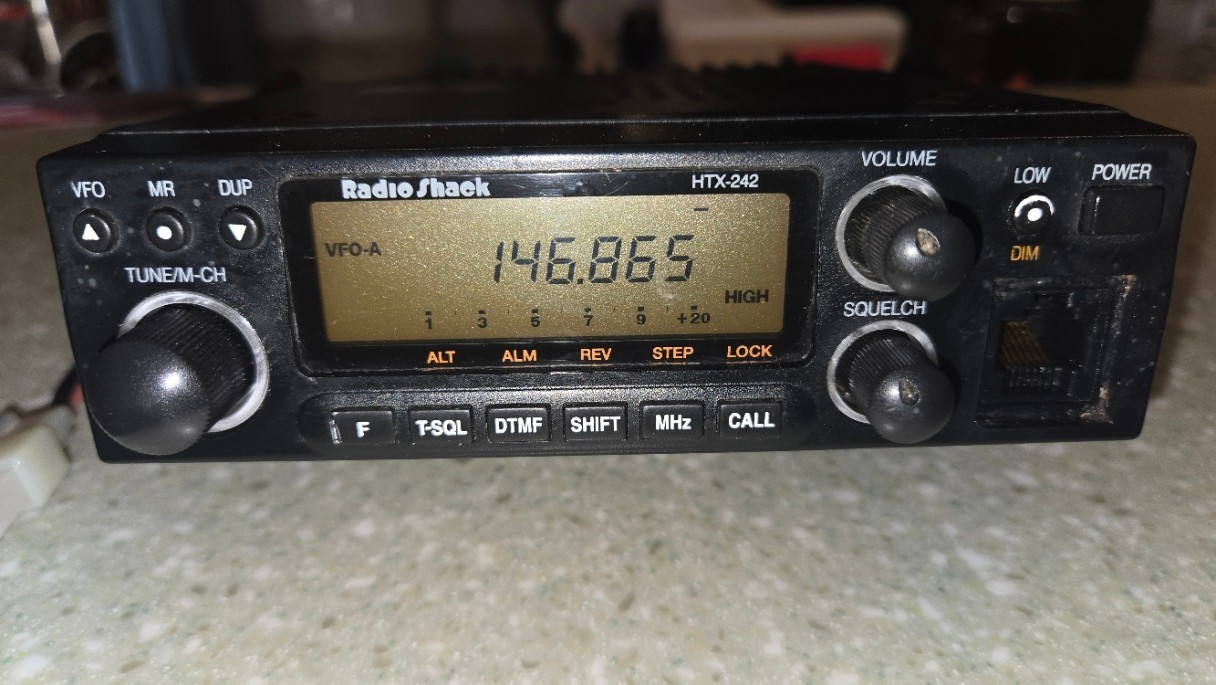 Radio Shack Realistic HTX 242 - 2 Meter Ham (Radio Only) - Tested Working$45.00View on eBay
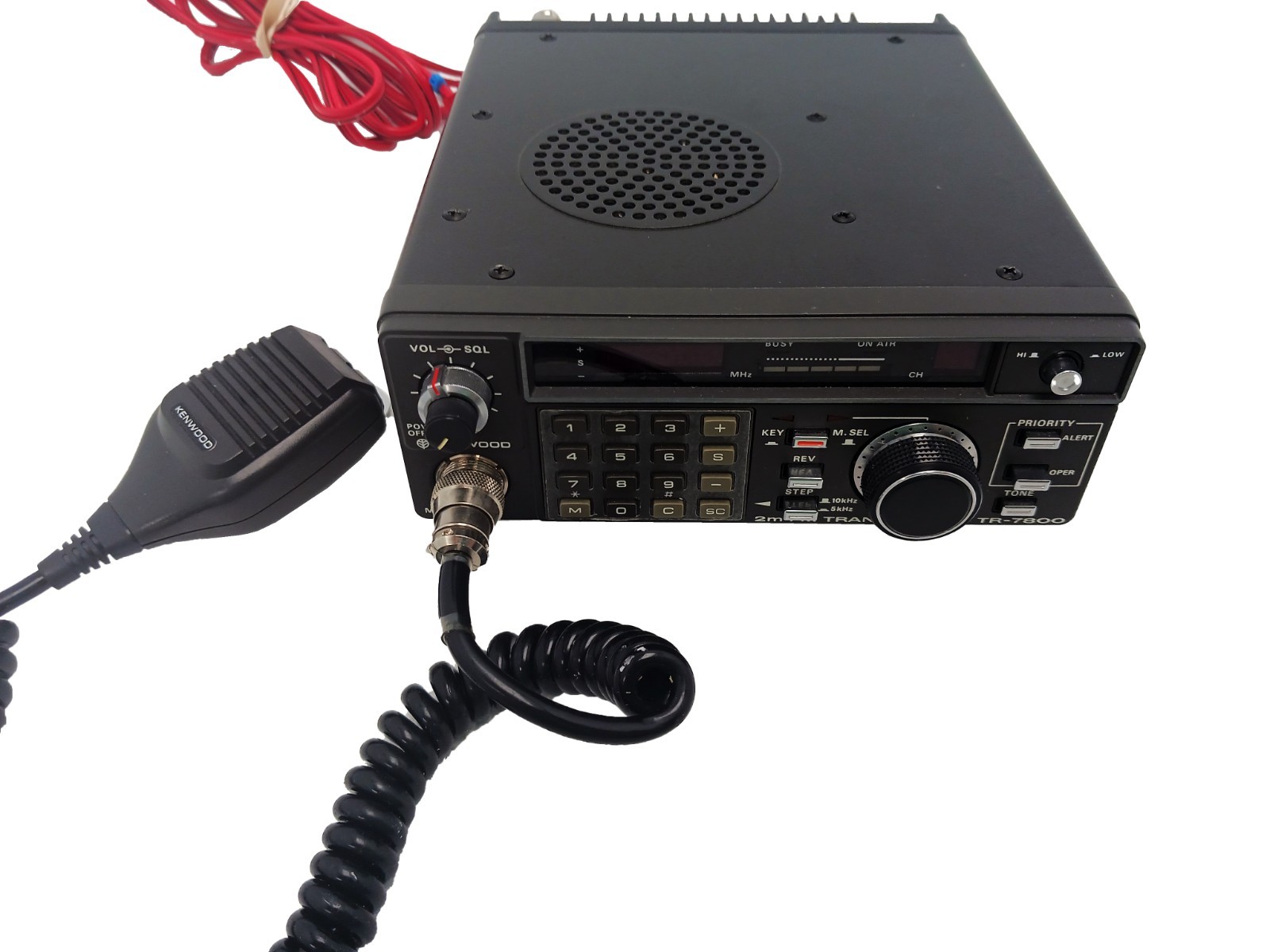 Kenwood TR-7800 2 meter FM Mobile Amateur Transceiver Ham Radio - WORKS$59.99View on eBay
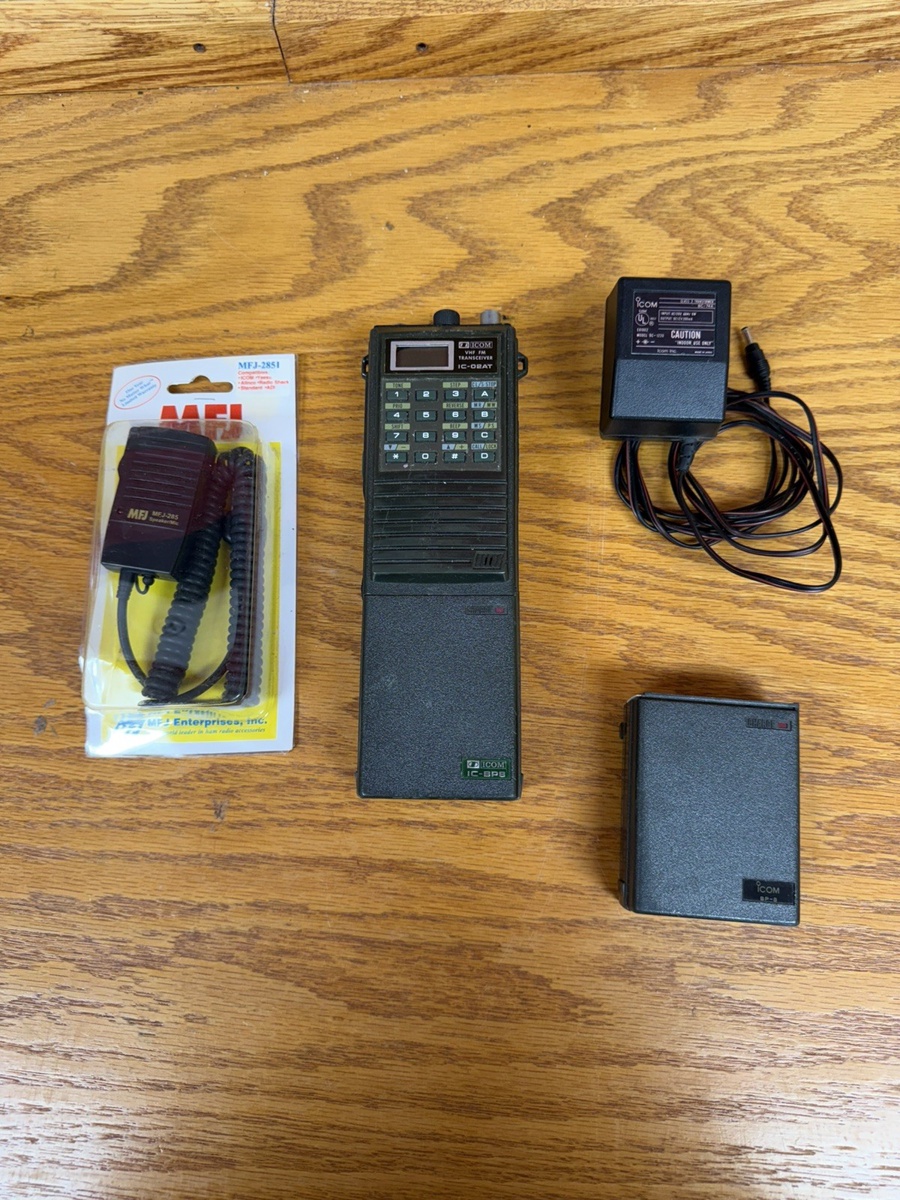 Icom IC-02AT 5 Watt 2 Meter VHF FM Amateur/Ham Radio Handheld Transceiver$80.00View on eBay
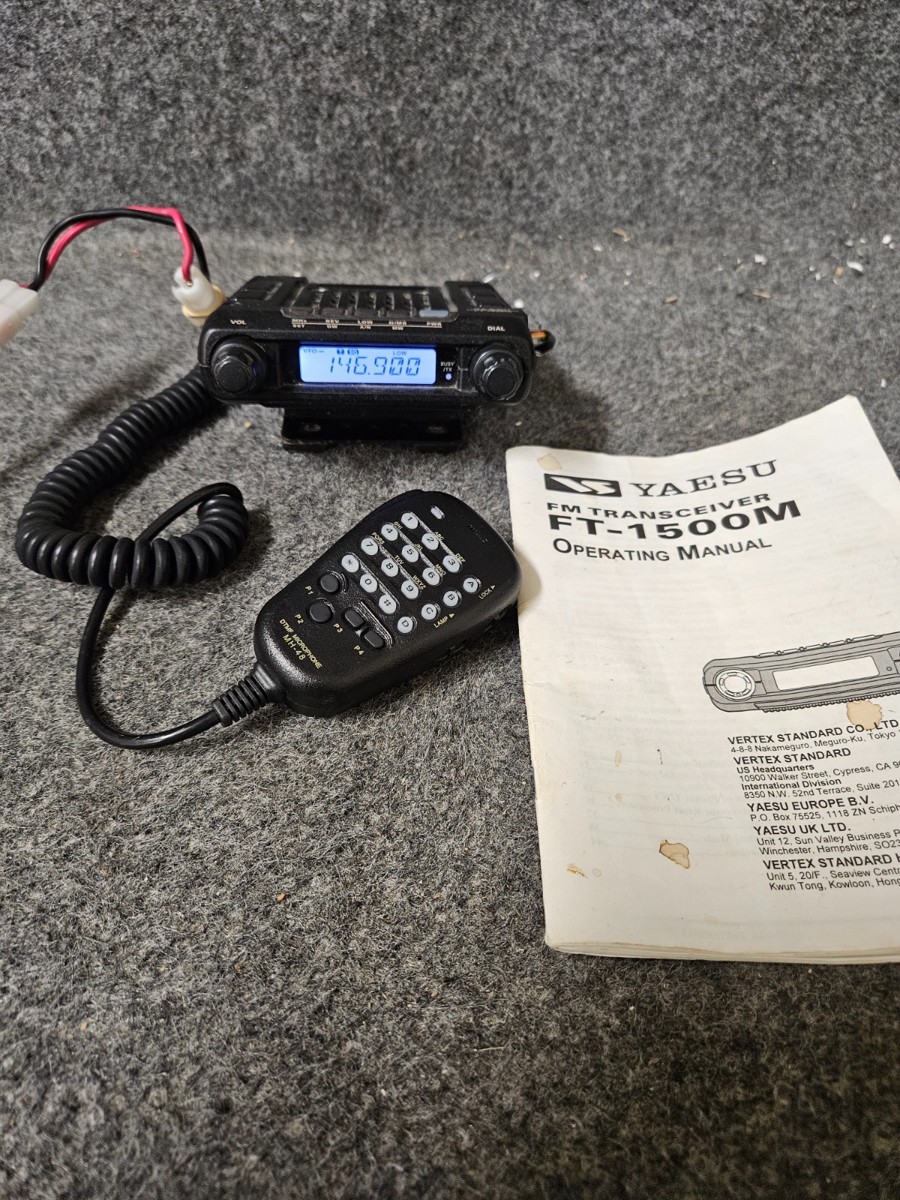 Yaesu FT-1500M FM Transceiver Ham Radio Black 2-Meter Mobile VHF Radio w/ mic$149.95View on eBay
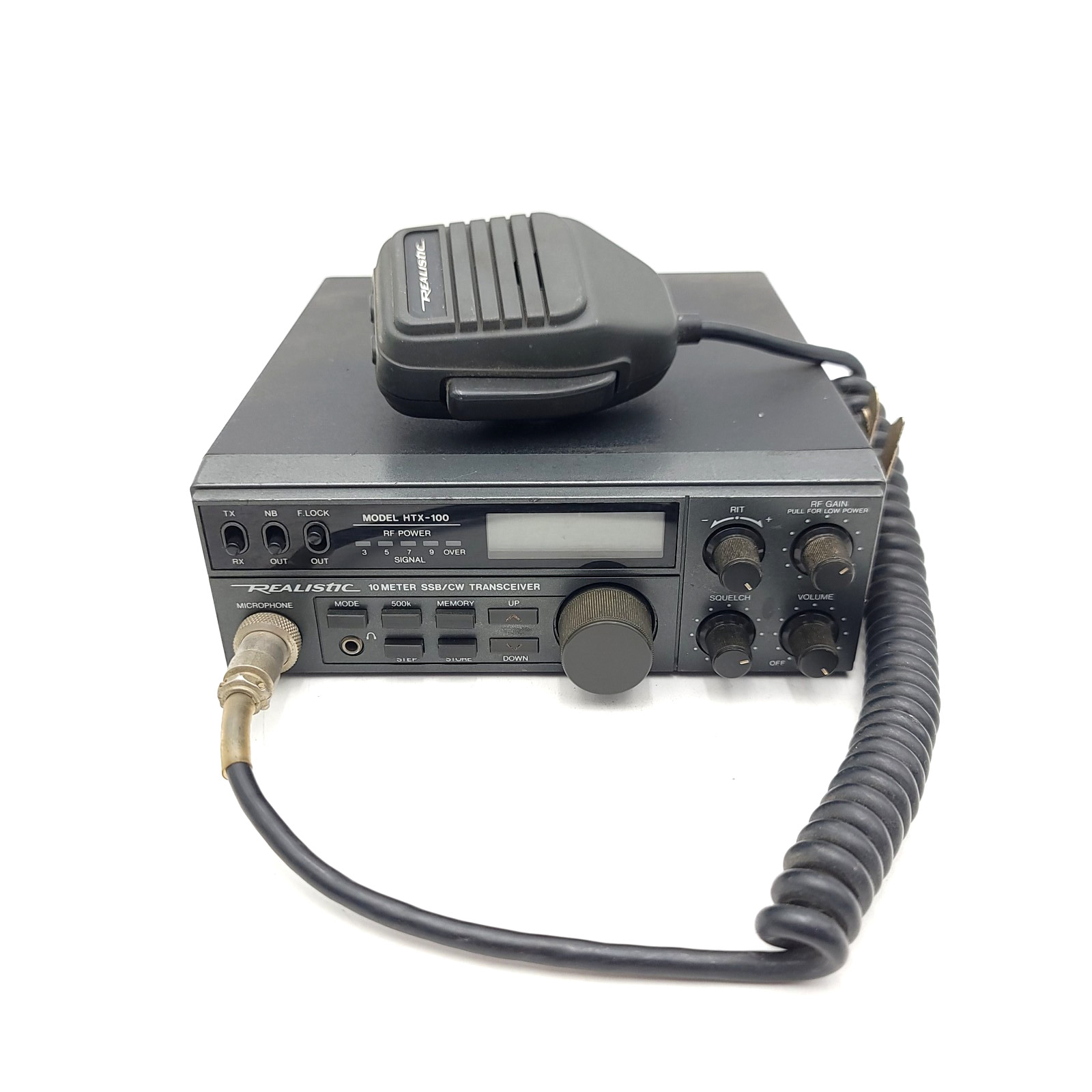 Realistic HTX-100 10 Meter SSB/CW Amateur Ham Mobile Radio Transceiver w/ Mic$162.80View on eBay
Highlights
- 50–54 MHz is the only HF-adjacent VHF band; sporadic-E openings peak around May–August and December–January, so antenna gain and receiver dynamic range matter more than raw wattage.
- 6m-capable radios split into three tiers: dual-band mobile (6m/2m, 50–100 W), HF+6m base/mobile (100 W, full HF plus 50 MHz), and all-mode multi-band (IC-705, FT-991A) with 6m SSB/CW/FM.
- Output power classes are typically 5–10 W (portable/QRP), 50–100 W (mobile/base), and 100–200 W (HF+6m base) — 50 W into a 3-element Yagi roughly doubles ERP over a 5 W handheld.
- 6m antennas use 50 Ω coax (RG-8X, LMR-400) and tuned elements; a 1/4-wave vertical is about 1.4 m, while a 3-element Yagi spans roughly 3 m boom — feedline loss at 50 MHz is lower than 2m but not negligible on long runs.
Best use cases
- Best fit — Local/regional FM and repeater work: pick a 50 W dual-band 6m/2m mobile (e.g., Yaesu FTM-6000R class) with a 1/4-wave or 5/8-wave vertical; skip HF-only rigs that lack 6m FM.
- Best fit — Sporadic-E DX and weak-signal SSB/CW: choose an all-mode HF+6m base rig (100 W) with a 3–5 element Yagi at 6–10 m height; skip 5 W handhelds and FM-only mobiles.
- Wrong fit — Casual scanner-style listening only: a wideband receiver covers 50 MHz but transmits nothing; buy a dedicated 6m-capable transceiver only if you will transmit.
- Best fit — Portable/field operation: use a 5–10 W all-mode QRP rig with a lightweight 6m whip or wire dipole; skip 100 W base rigs that need a large power supply and heavy antenna.
Buying tips
- Confirm true 6m transmit (50–54 MHz) on the spec sheet, not just receive coverage; many HF rigs list 6m RX only and top out at 30 MHz transmit.
- Match power tier to antenna: 50 W mobile with a 1/4-wave vertical is a practical baseline; 5 W QRP needs a gain antenna (3+ elements) to be heard during openings.
- For mobile installs, budget a 50 W rig plus 12 V DC feed fused at 15–20 A; HF+6m base rigs draw 20–25 A on 100 W and need a 30 A supply.
- Check mode coverage: FM-only 6m mobiles cannot work SSB/CW weak-signal openings; all-mode (SSB/CW/FM/AM) rigs cover the full 6m activity map.
Specs
| Band Coverage | 50–54 MHz TX; dual-band 6m/2m or HF+6m |
|---|---|
| Output Power | 5–10 W QRP / 50–100 W mobile / 100 W base |
| Modes | FM / SSB / CW / AM (all-mode) |
| Antenna Feed | 50 Ω coax; 1/4-wave ≈ 1.4 m |
Related searches
What to check before buying
- Measure your antenna space: a 6m 1/4-wave vertical needs about 1.4 m, a 3-element Yagi about 3 m boom — confirm mast/tower clearance and local height rules.
- Verify station power: 100 W 6m rigs need a 30 A 13.8 V DC supply; mobile installs need fused 12 V wiring rated for 20 A continuous.
- Check feedline: use 50 Ω coax (RG-8X for short runs, LMR-400 for 15 m+); avoid 75 Ω TV coax and PL-259/SO-239 mismatches.
- Confirm band plan and license privileges: 6m is 50–54 MHz; Extra/Advanced/General have full 50–54 MHz, Technician limited to 50–54 MHz with specific mode segments on some bands — check current FCC/ARRL band plan.
FAQ
Data sources: eBay / Amazon listings and product attribute feeds. Updated Nov 24, 2026.
Some links on this page are affiliate links. If you buy after clicking one, we may earn a commission at no extra cost to you. This does not change which products appear here or their order. Affiliate disclosure.