
Photos from current listings. Actual item, color, and included accessories may vary.
Hf Radio Buying Guide
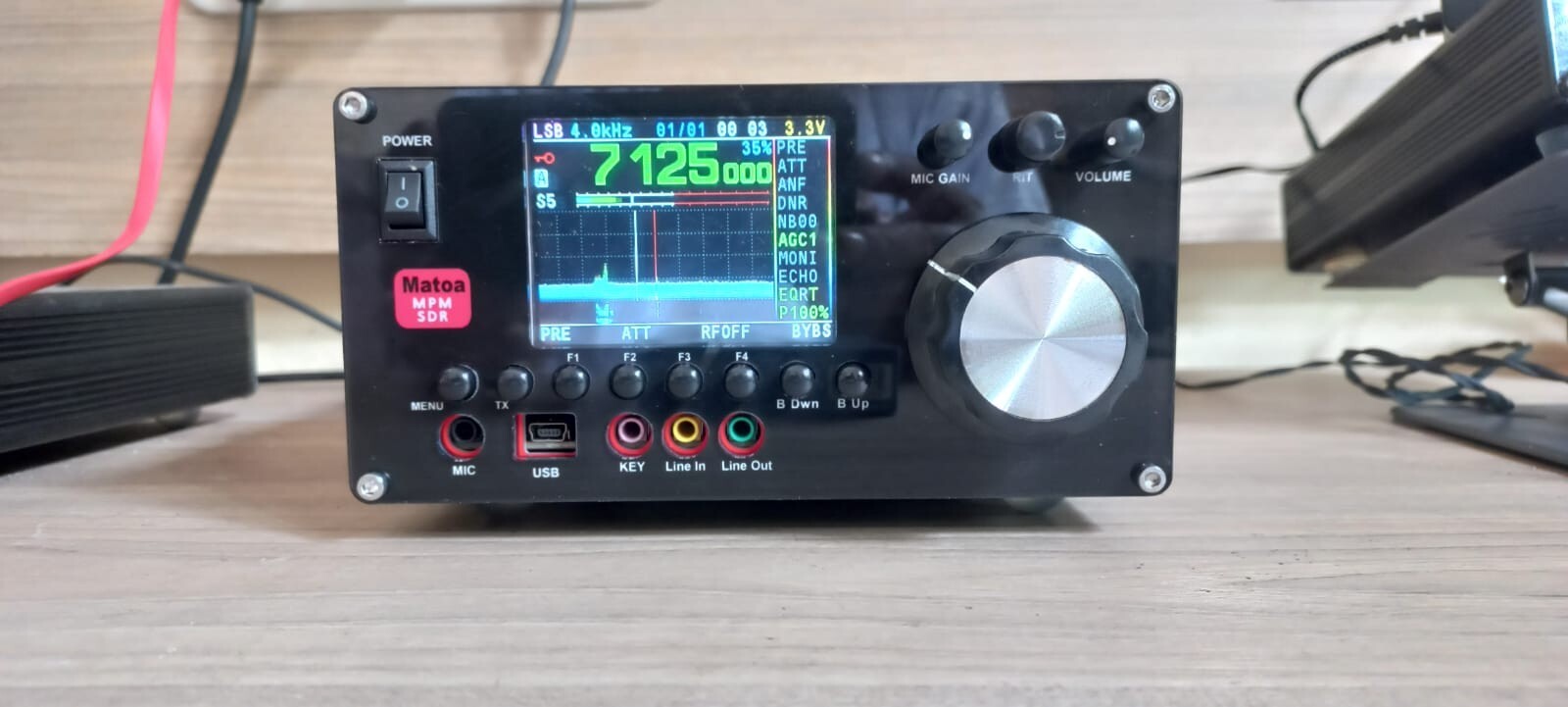
HF (high-frequency, 1.8–30 MHz) transceivers are the backbone of long-distance amateur radio, and the core trade-off is transmitter power versus receiver dynamic range and DSP quality—QRP (5–20W) SDRs trade watts for portability and price while 100W base radios trade size and cost for full legal-limit operation. The decision rule is simple: pick an SDR QRP rig if you mostly operate digital modes or portable, and pick a 100W all-mode base or mobile rig if you need SSB voice under weak conditions or amplifier headroom.
Median $317.50
Key takeaways
- QRP SDR rigs like the Xiegu G90 deliver 20W PEP with a built-in ATU and waterfall display, versus 100W PEP from base/mobile radios such as the Alinco DX-70 or Icom IC-756PRO.
- Legacy analog HF radios (Kenwood TS-520SE, TS-530S) use vacuum-tube finals and no DSP—great for restoration but require tuning and are not plug-and-play for digital modes.
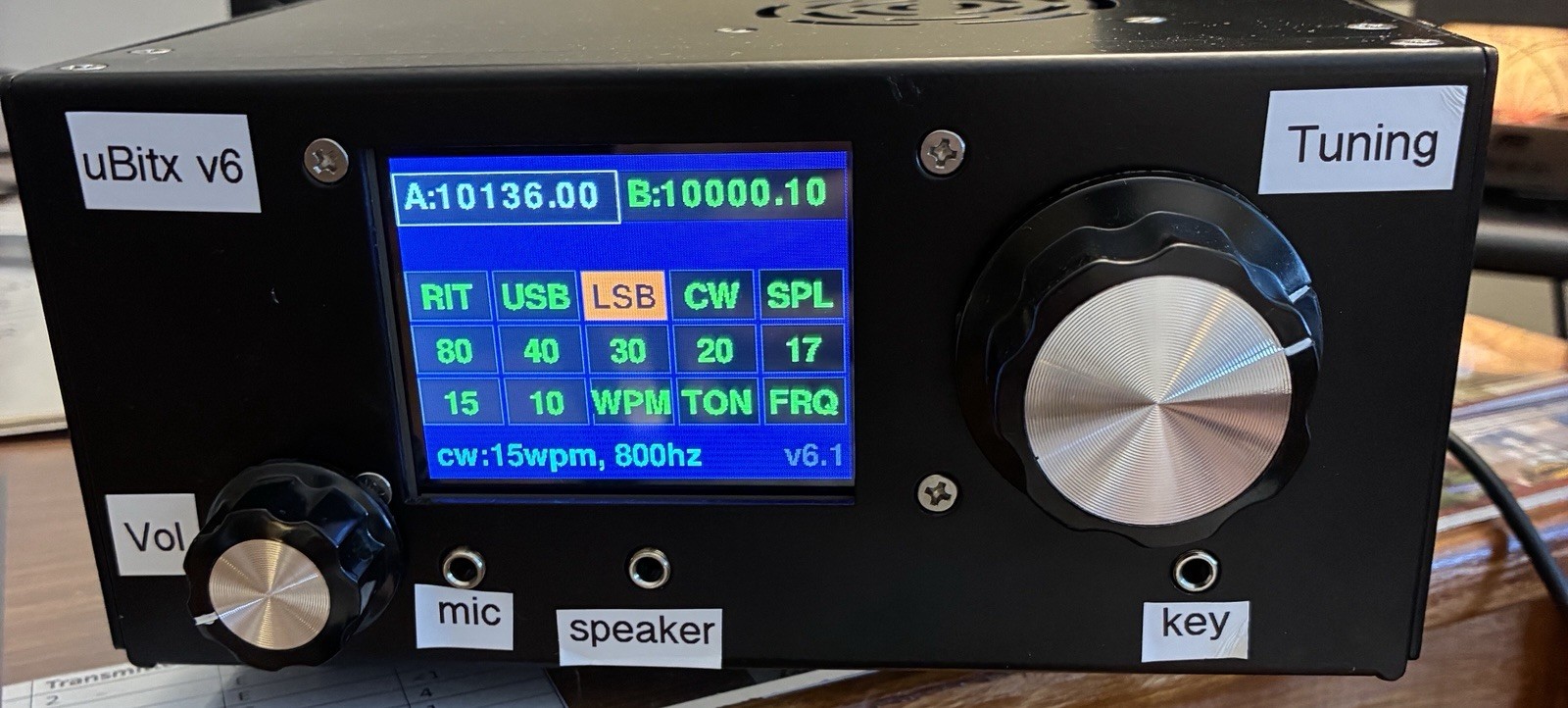
- Modern SDR architecture in the uBitx V6 and Xiegu G106 provides spectrum/waterfall and firmware upgrades, but output is 10–20W and receiver blocking performance is below 100W-class radios.
At a glance
- Category
- Ham Radio Transceivers
- Last updated
- Nov 28, 2026
Current offers
Highlights
- QRP SDR rigs like the Xiegu G90 deliver 20W PEP with a built-in ATU and waterfall display, versus 100W PEP from base/mobile radios such as the Alinco DX-70 or Icom IC-756PRO.
- Legacy analog HF radios (Kenwood TS-520SE, TS-530S) use vacuum-tube finals and no DSP—great for restoration but require tuning and are not plug-and-play for digital modes.
- Modern SDR architecture in the uBitx V6 and Xiegu G106 provides spectrum/waterfall and firmware upgrades, but output is 10–20W and receiver blocking performance is below 100W-class radios.
- HF band coverage is typically 160–10m; all-mode operation (SSB/CW/AM/FM) and a built-in automatic antenna tuner determine real-world usability with wire and vertical antennas.
Best use cases
- Best fit: portable or digital-mode operators (FT8, JS8Call) on a budget—choose a Xiegu G90 or G106 SDR QRP rig with built-in ATU and 20W output.
- Best fit: home-station SSB voice and weak-signal DX—choose a used 100W all-mode base like the Icom IC-756PRO or Alinco DX-70 rather than a QRP SDR.
- Wrong fit: buying a vintage tube hybrid (Kenwood TS-520SE/TS-530S) as a first HF radio—skip unless you want restoration and manual tuning.
- Wrong fit: expecting 100W from a uBitx V6 or G106 without an external linear amplifier—skip if you need full legal-limit output.
Buying tips
- Match power tier to mode: 5–20W QRP works for CW and digital but is marginal for SSB voice; 100W PEP is the practical minimum for reliable HF voice.
- Check band coverage and modes: 160–10m continuous coverage with SSB/CW/AM/FM covers all common HF activity; ensure the radio includes the WARC bands (30/17/12m) if you need them.
- Prefer radios with a built-in automatic antenna tuner (G90, G106) if you use random-wire or vertical antennas; otherwise budget for an external ATU.
- For vintage Kenwood hybrids, verify final tube health and that the radio includes the required accessories (mic, power cable)—parts-only units are not economical to restore.
Specs
| Power Output | 5–20W QRP vs 100W PEP |
|---|---|
| Architecture | SDR vs analog/tube hybrid |
| Band Coverage | 160–10m incl. WARC |
| Built-in ATU | Yes (G90/G106) vs external |
Related searches
What to check before buying
- Confirm your antenna system: a built-in ATU (G90/G106) handles 3:1–10:1 mismatch, but a 100W radio without ATU needs a resonant antenna or external tuner.
- Verify power supply: 100W radios require 13.8V DC at 20–25A; QRP SDRs run on 12V at 3–6A, so match your PSU or battery capacity.
- Check physical space and heat: 100W base radios are larger and generate heat; QRP SDRs are compact but may need a heatsink for continuous digital modes.
- Confirm band privileges and license class: HF access varies by country and license; ensure the radio covers your permitted bands and modes.
FAQ
Data sources: eBay / Amazon listings and product attribute feeds. Updated Nov 28, 2026.
Some links on this page are affiliate links. If you buy after clicking one, we may earn a commission at no extra cost to you. This does not change which products appear here or their order. Affiliate disclosure.