
Photos from current listings. Actual item, color, and included accessories may vary.
Amateur Radio Transceiver Buying Guide
An amateur radio transceiver is a two-way radio that combines a transmitter and receiver in one chassis, available as base, mobile, or portable units and covering HF, VHF, and UHF bands. The core trade-off is band/mode coverage versus power efficiency, receiver dynamic range, and build ruggedness—entry SDRs compromise on filtering and front-end selectivity, while mid-tier all-mode rigs add proper roofing filters and 100W finals. Decide by your primary band plan, operating location, and whether you need all-mode digital capability or just reliable FM voice.
Median $119.99
Key takeaways
- HF all-mode rigs typically output 100W on HF/6m and 50W on 2m/70cm, while QRP portables cap at 5-10W—power tier directly dictates antenna and amplifier needs.
- Receiver architecture separates tiers: entry SDRs use direct-sampling with modest dynamic range, while mid-tier rigs add roofing filters and dual-conversion superhets for strong-signal handling.
- Mobile units require 13.8V DC at 20A+ for 100W output; base stations add internal AC supplies, and portable SDRs run 5-10W on internal Li-ion packs.
At a glance
- Category
- Ham Radio Transceivers
- Last updated
- Nov 24, 2026
Current offers
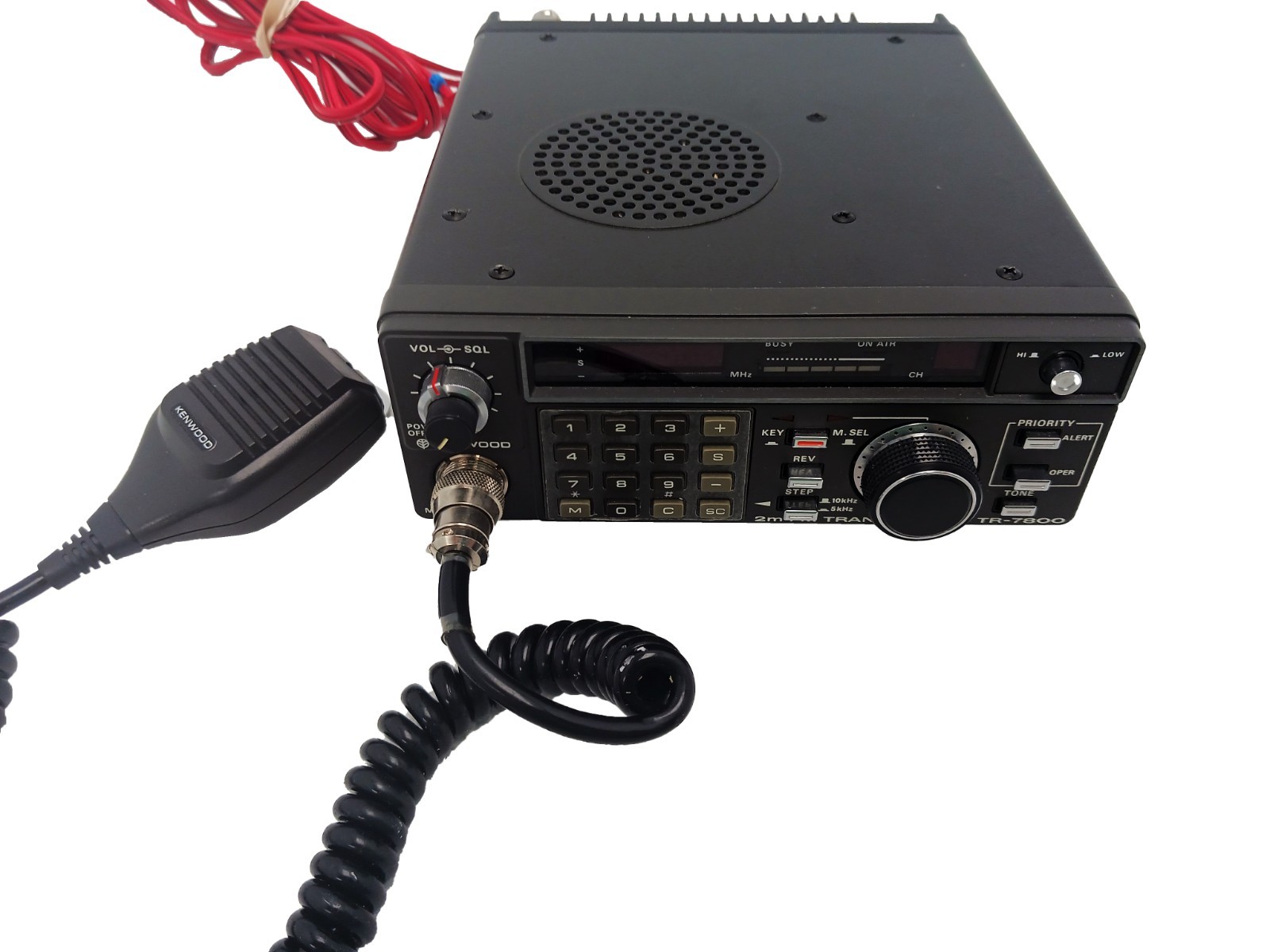 Kenwood TR-7800 2 meter FM Mobile Amateur Transceiver Ham Radio - WORKS$59.99View on eBay
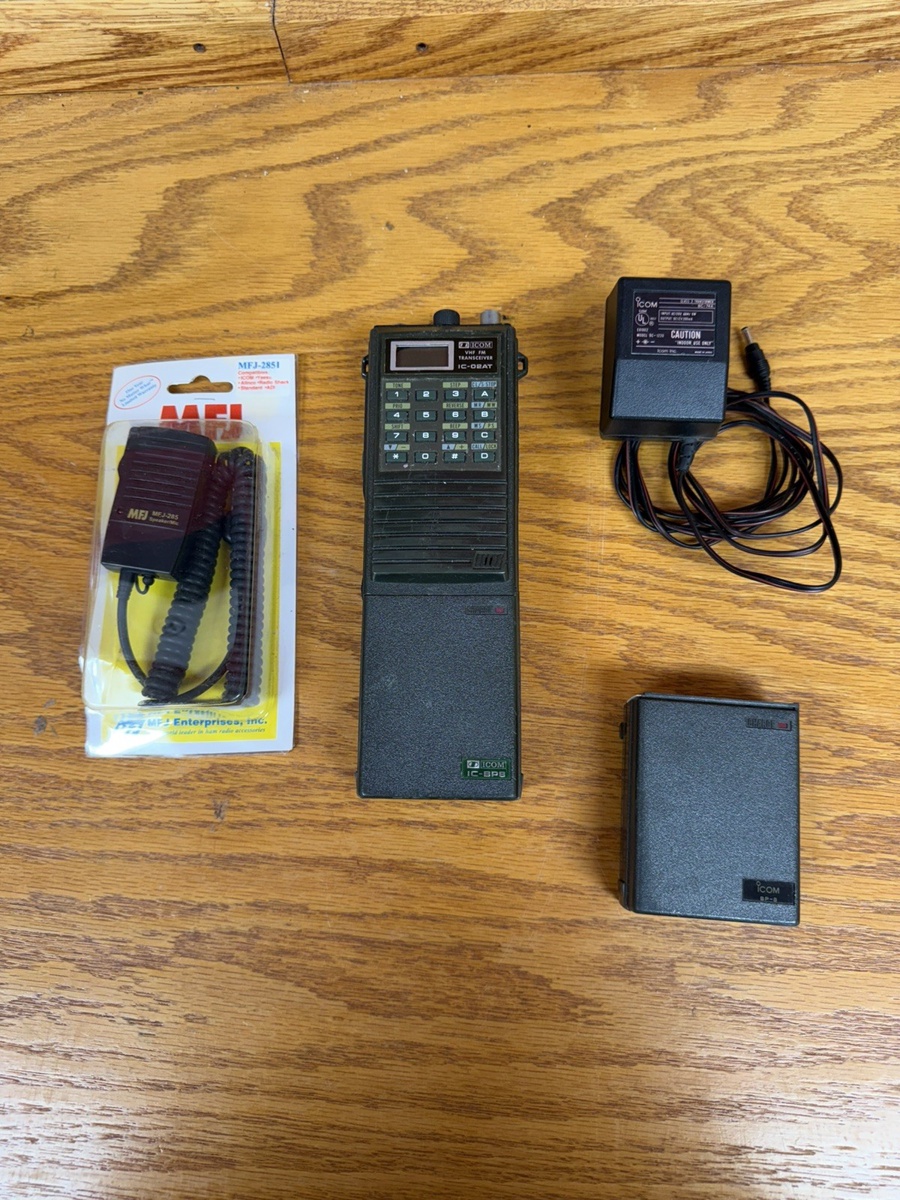 Icom IC-02AT 5 Watt 2 Meter VHF FM Amateur/Ham Radio Handheld Transceiver$80.00View on eBay
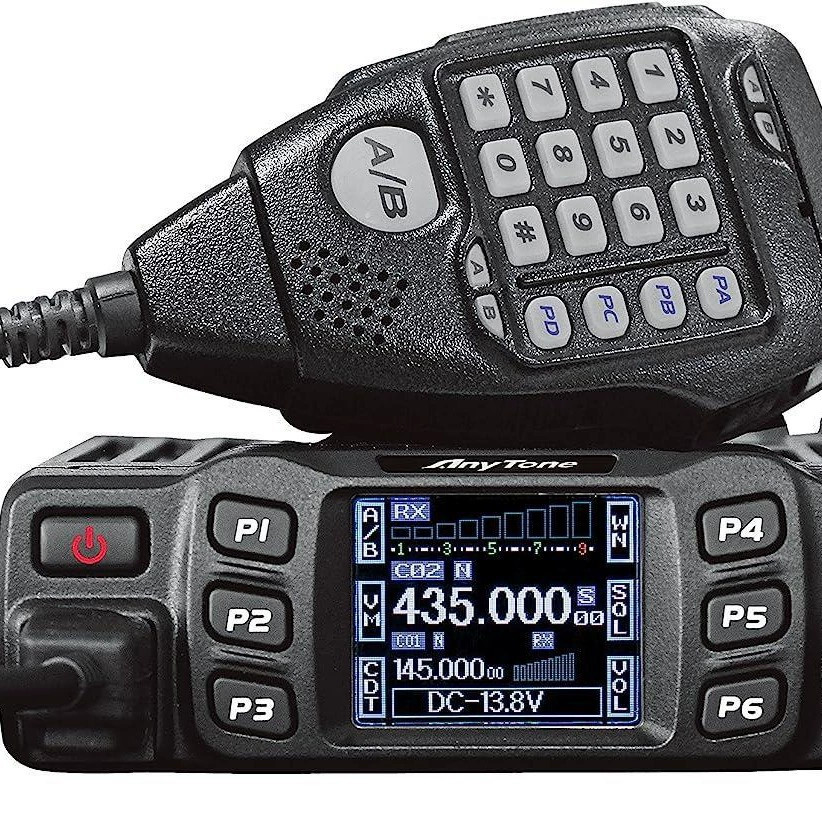 Dual Band Transceiver VHF UHF AT-778UV Two Way and Amateur Mobile Radio$119.99View on eBay
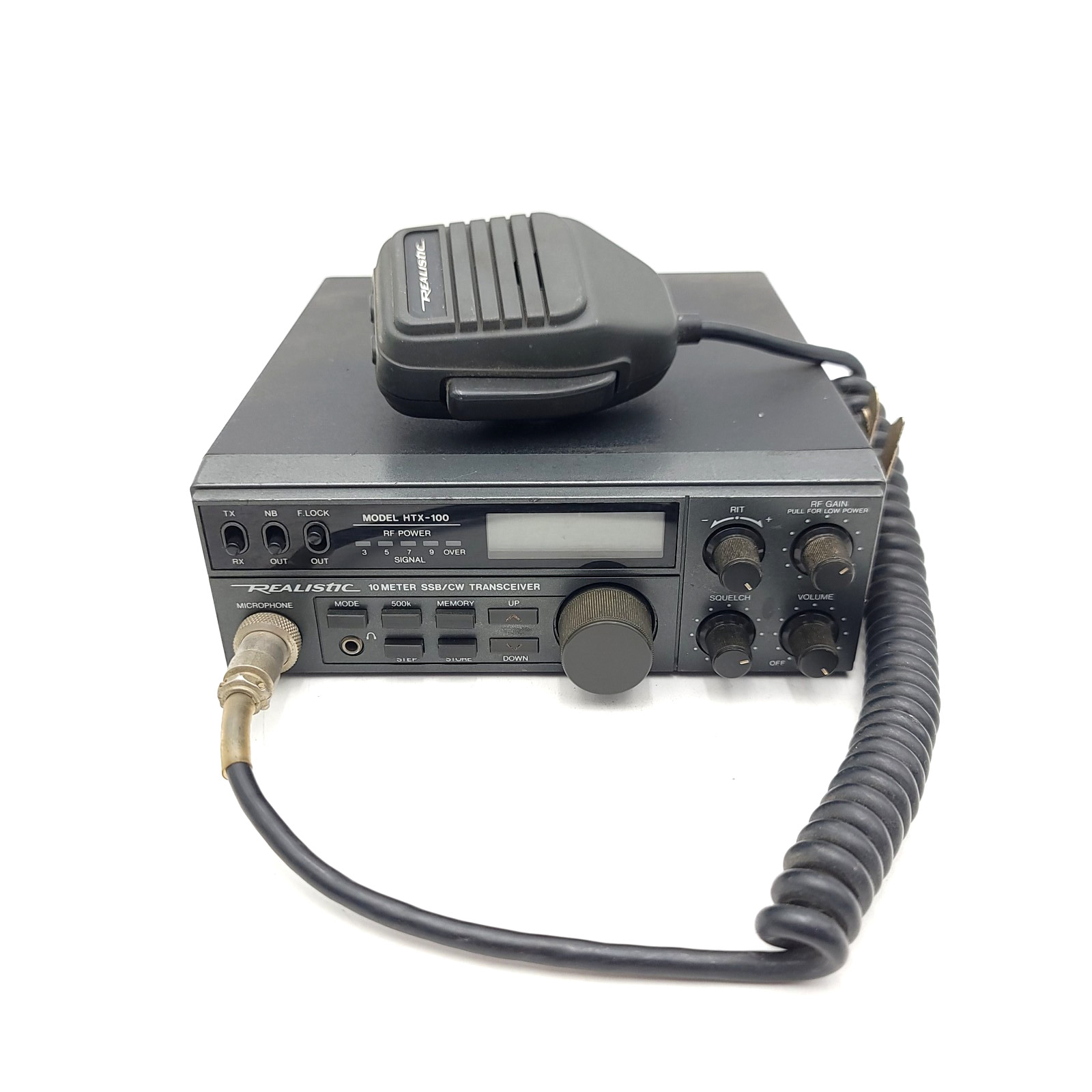 Realistic HTX-100 10 Meter SSB/CW Amateur Ham Mobile Radio Transceiver w/ Mic$162.80View on eBay
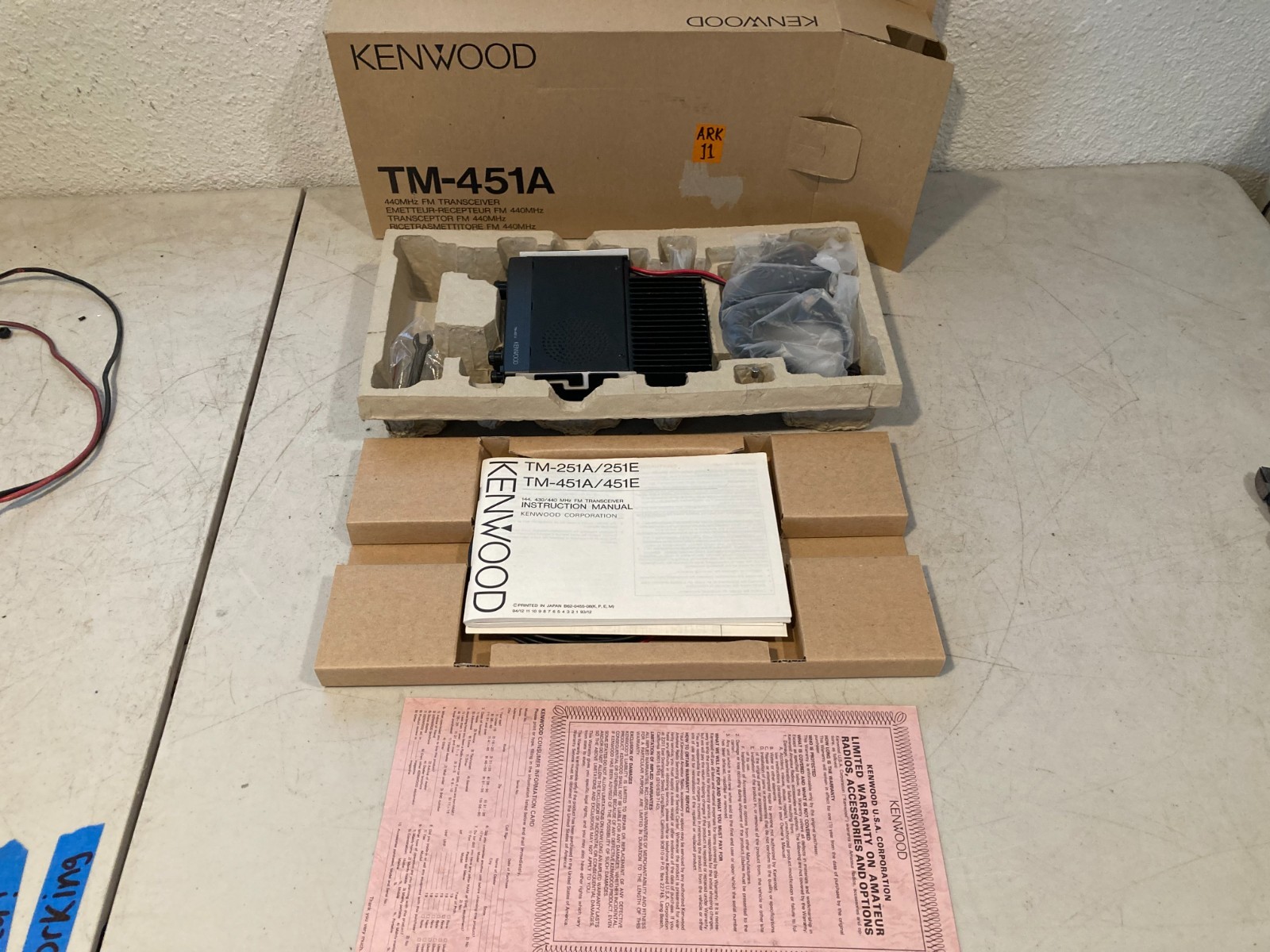 Kenwood TM-451A 430-440MHz 70cm UHF FM Amateur Ham Radio Transceiver$199.99View on eBay
Highlights
- HF all-mode rigs typically output 100W on HF/6m and 50W on 2m/70cm, while QRP portables cap at 5-10W—power tier directly dictates antenna and amplifier needs.
- Receiver architecture separates tiers: entry SDRs use direct-sampling with modest dynamic range, while mid-tier rigs add roofing filters and dual-conversion superhets for strong-signal handling.
- Mobile units require 13.8V DC at 20A+ for 100W output; base stations add internal AC supplies, and portable SDRs run 5-10W on internal Li-ion packs.
- Band coverage defines utility: HF-only rigs (160-10m) suit DX and contesting; VHF/UHF mobiles (144/430MHz) serve local repeaters; all-band all-mode covers both but costs more.
Best use cases
- Best fit: a 100W HF/6m all-mode base rig with dual roofing filters for home DX and digital modes—skip QRP portables unless you operate exclusively portable.
- Best fit: a 50W VHF/UHF mobile with detachable faceplate for vehicle installs—skip HF-only base rigs if your primary use is local repeater nets.
- Best fit: a 5-10W portable SDR with internal battery for SOTA/POTA field work—skip 100W mobiles that need external 13.8V supplies and heavy mounting.
- Wrong fit: buying a vintage HF transceiver without verifying capacitor and final-stage health—restoration costs and parts scarcity outweigh low entry cost.
Buying tips
- Match power tier to your license and antenna: 100W rigs need 13.8V/20A+ supplies and resonant antennas; 5-10W QRP rigs work with efficient wire antennas and internal batteries.
- Prioritize receiver dynamic range (RMDR) and roofing filter count over raw sensitivity—strong-signal handling separates contest-grade rigs from casual FM mobiles.
- For mobile installs, confirm detachable faceplate and separation-kit compatibility; fixed-faceplate rigs limit mounting locations and require full dash space.
- Verify band coverage against your license privileges: HF-only (160-10m), VHF/UHF (144/430MHz), or all-band—overbuying bands you cannot transmit on wastes budget.
Specs
| Band Coverage | HF 160-10m / VHF-UHF 144-430MHz / All-band |
|---|---|
| Max Output Power | 5-10W QRP / 50W VHF-UHF / 100W HF |
| Receiver Architecture | Direct-sampling SDR vs superhet + roofing filter |
| Power Requirement | 13.8V DC 20A+ / Internal AC / Li-ion pack |
Related searches
What to check before buying
- Measure your operating position: base rigs need ~12in width and 4-6in height clearance; mobile units require dash depth for detachable faceplate and cable routing.
- Confirm power source: 100W rigs need 13.8V DC at 20A+ (or internal AC supply); portable SDRs need USB-C or dedicated Li-ion charging.
- Check antenna connector standard: most base/mobile rigs use SO-239 (UHF) or N-type; portable SDRs use BNC—plan coax and adapters accordingly.
- Verify required companion parts: mobile mounts, separation cables, external speakers, and CW keys are often sold separately and vary by model tier.
FAQ
Data sources: eBay / Amazon listings and product attribute feeds. Updated Nov 24, 2026.
Some links on this page are affiliate links. If you buy after clicking one, we may earn a commission at no extra cost to you. This does not change which products appear here or their order. Affiliate disclosure.