TechShelf Guide

TechShelf Guide

Consumer Electronics Reviews & Buying Guides

Compare consumer electronics by use case, features, trade-offs, price, returns, and seller terms before you buy.

Buying guides

Buying guide image
VR Gaming Hardware & Accessories

Virtual VR Headset

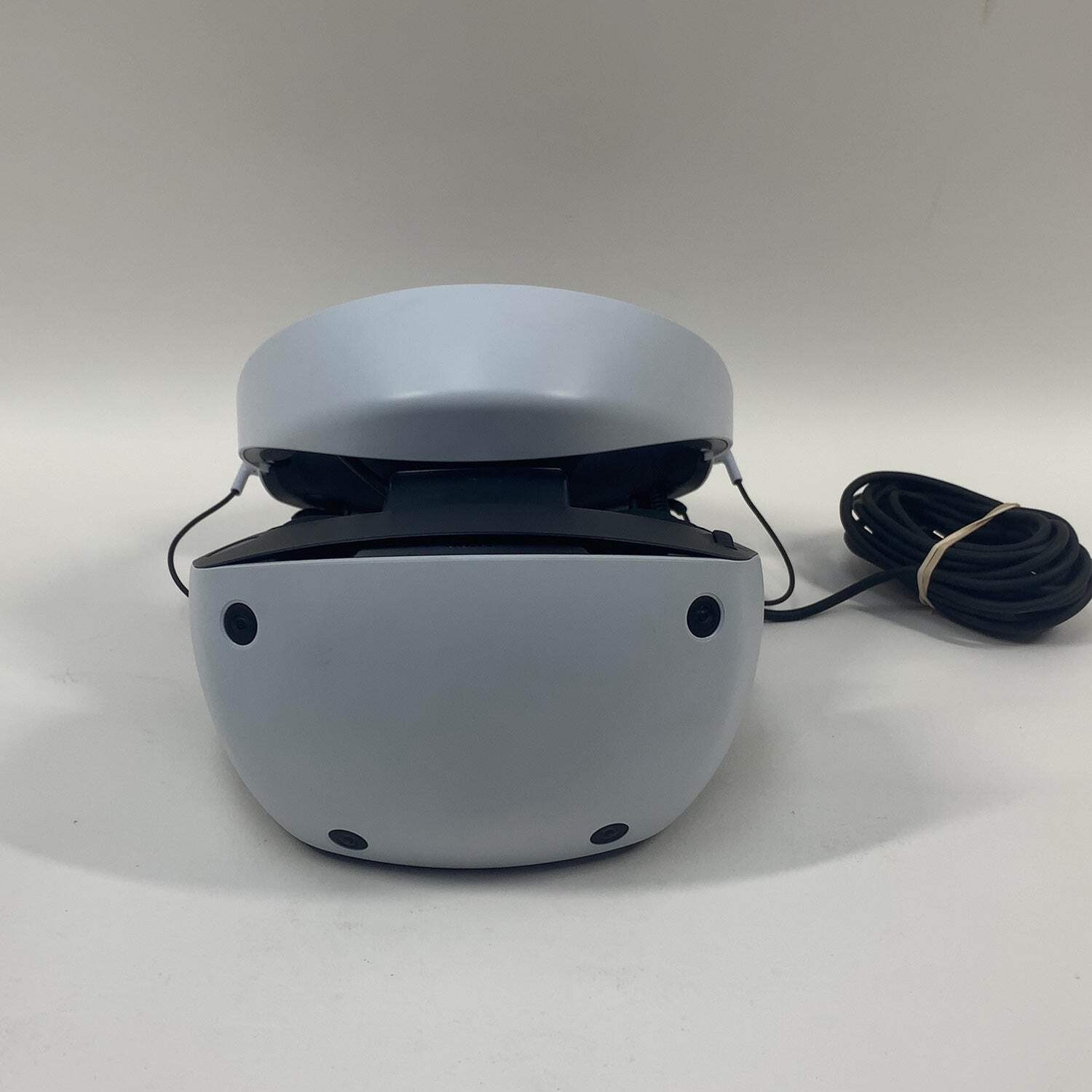
Shoppers searching for a 'virtual VR headset' are usually deciding between a console-tethered system and a standalone headset, and the choice hinges on what they already own. Console VR requires the matching PlayStation camera and controllers, while standalone headsets bundle compute and tracking inside the visor but rely on internal storage and battery. Mixing generations or buying a visor without its breakout box is the most common way buyers end up with a non-working kit.
Buying guide image
Sim Racing Shifters & Handbrakes

Sim Handbrake

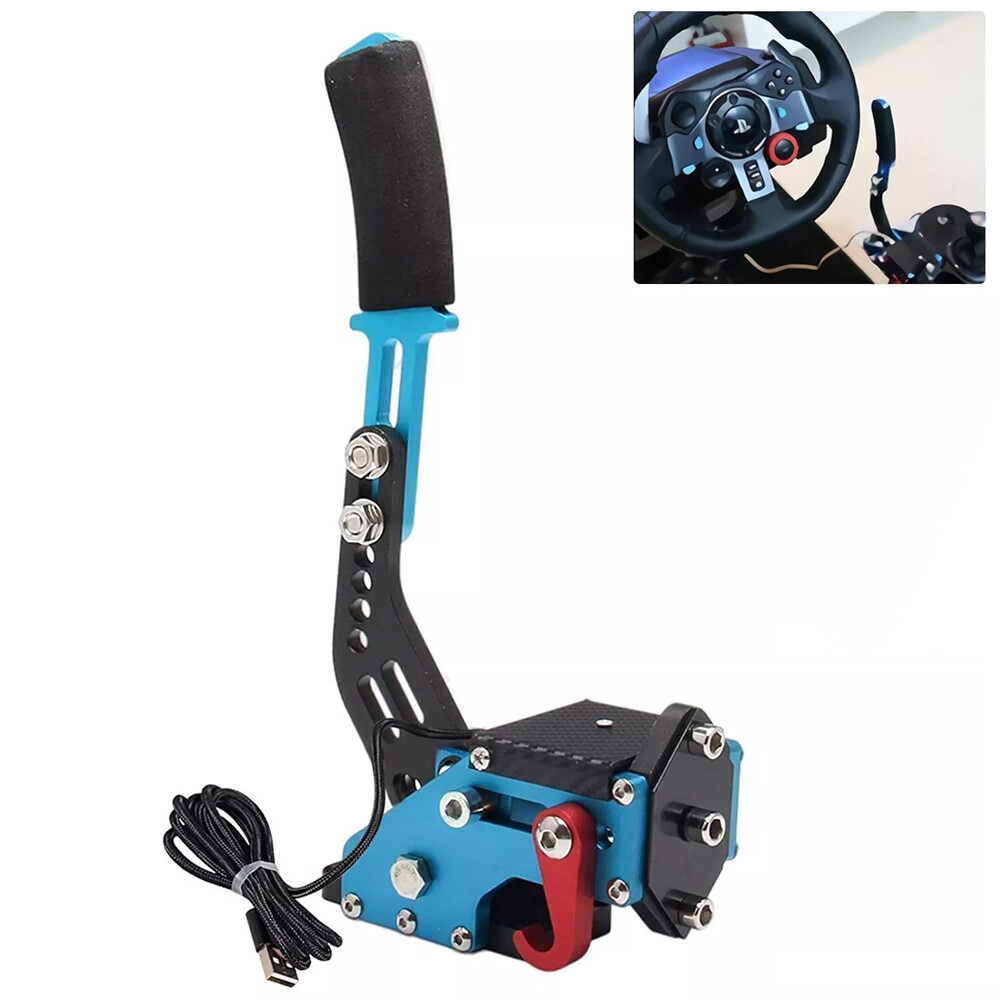
A sim handbrake is a standalone analog input device that replicates the hydraulic handbrake used for drifting and rally driving; the core trade-off is between load-cell or Hall-effect sensors with metal construction and cheaper potentiometer or spring-based units with plastic internals. Buy a load-cell or contactless Hall-effect handbrake with a full aluminum or steel frame if you want consistent, durable modulation; skip 14-bit potentiometer units with plastic pivots for competitive use.

Buying guide image
Antenna Tuners & SWR Meters

Hf Antenna

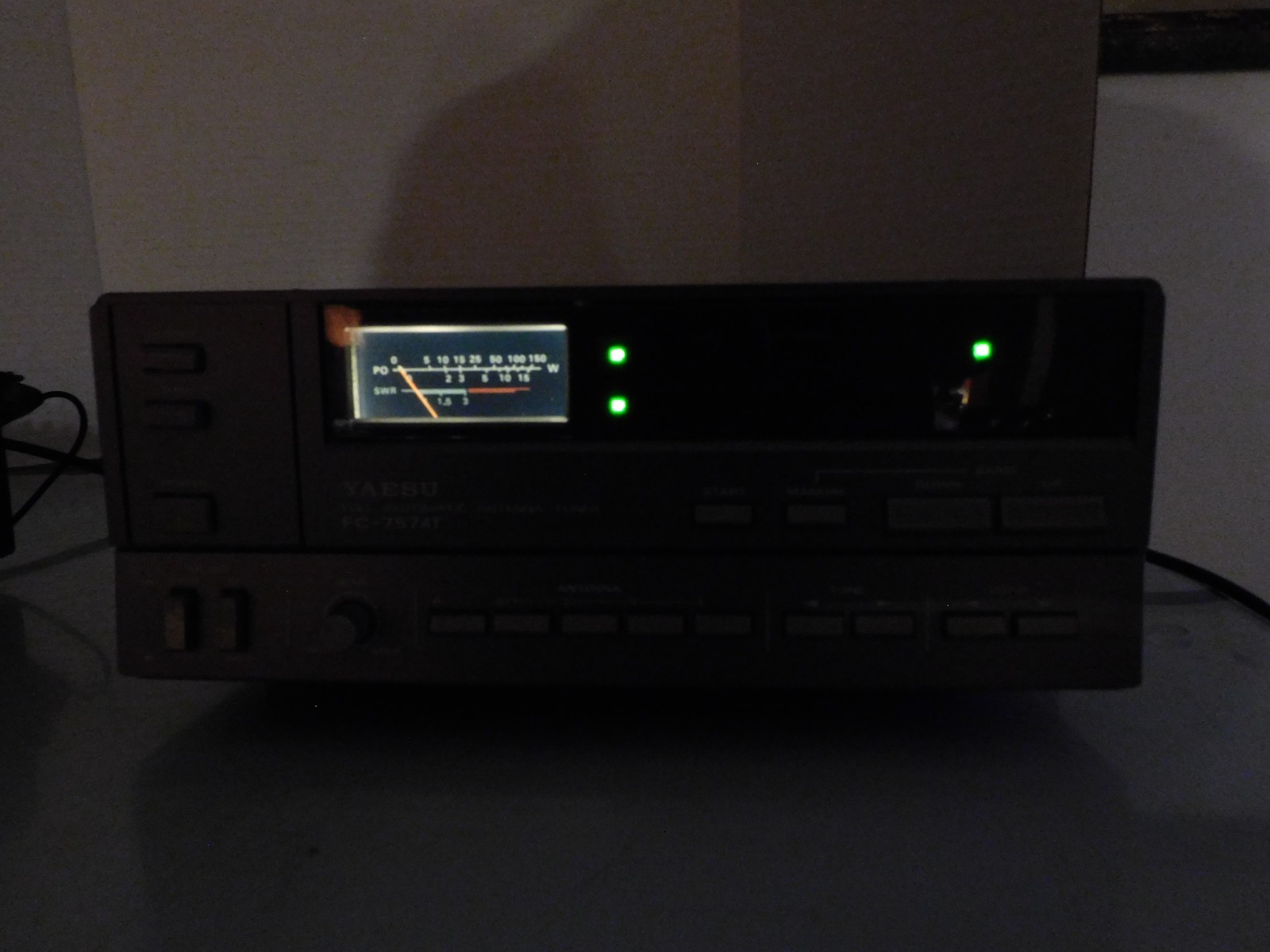
HF antenna tuners and SWR meters are the impedance-matching and diagnostics link between your transceiver and a non-resonant or mismatched HF antenna. The core trade-off is manual vs automatic tuning: manual units are cheaper, more robust, and handle high SWR without logic boards, while auto-tuners offer push-button convenience but add relays and control circuitry that can fail or limit power. The decision rule is simple: pick a tuner rated for at least 1.5× your transceiver's PEP output, match the connector type and control interface to your rig, and never assume a tuner fixes a bad antenna—it only protects the radio and improves match.

Buying guide image
Ham Radio Transceivers

20 Meter Ham Radio

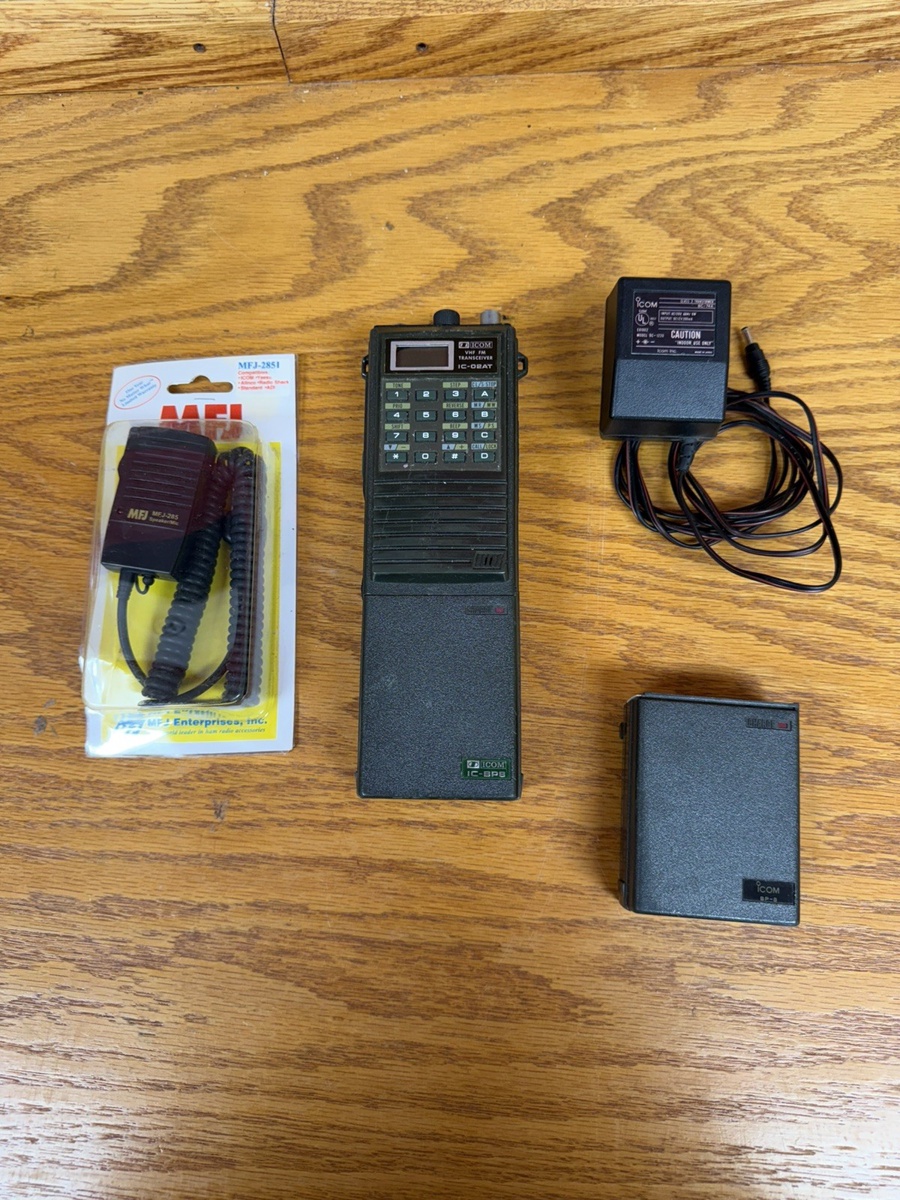
A 20-meter ham radio is any transceiver, kit, or receiver optimized for the 14.0–14.35 MHz HF band, the most reliable global daytime DX band for Technician/General/Extra licensees. The core trade-off is single-band simplicity versus multiband flexibility, and whether you choose a QRP kit, a 100W base/mobile rig, or a portable SDR—durable choices match power tier, filtering, and antenna tuner to your actual operating style.

Buying guide image
Sim Racing Shifters & Handbrakes

Sequential Sim Shifter

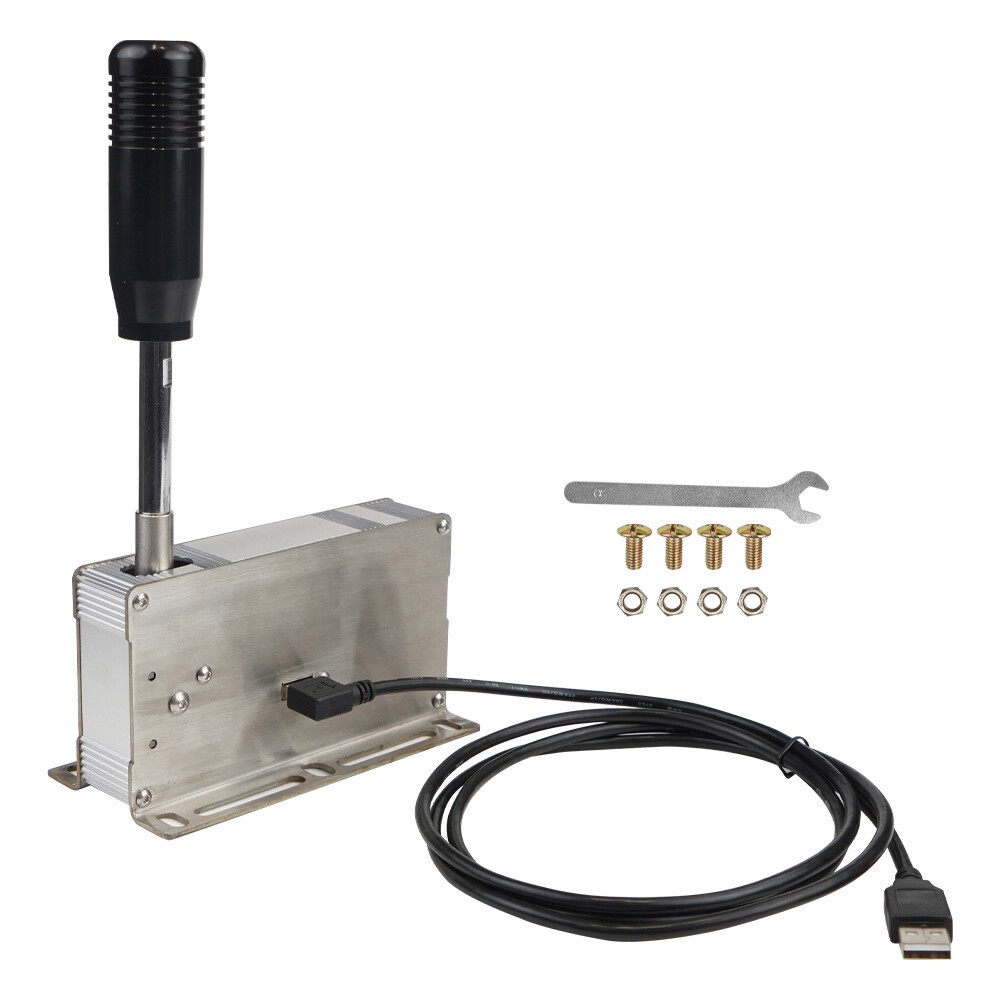
A sequential sim shifter is a dedicated gear-change peripheral that mimics the push-pull or lever-action sequential gearboxes used in rally, touring, and formula cars. The core trade-off is between USB-standalone units with self-contained electronics and console-compatible units that must plug into a wheel base or hub. Buy a USB-standalone shifter with a metal internal gate and adjustable detent force for PC sim racing; skip plastic-gate, non-adjustable units unless they are purely a budget stopgap.

Buying guide image
Resin 3D Printers

Elegoo Large Resin Printer

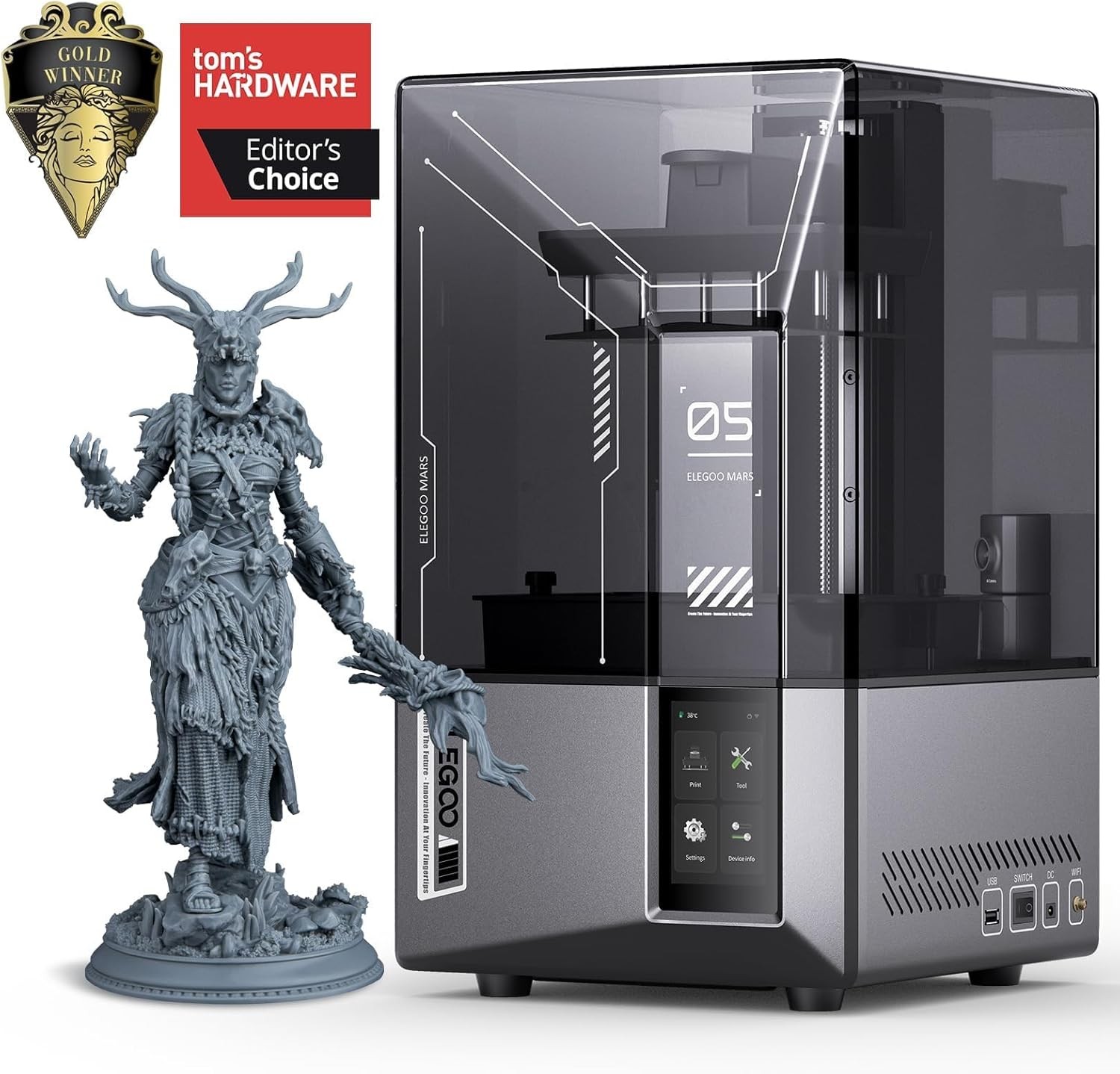
Large-format resin printers are MSLA/LCD machines with build volumes roughly 10 inches or more on the long axis, trading resolution and speed for the ability to print helmets, busts, and multi-part assemblies in one piece. The core trade-off is panel generation and light-source uniformity: mono LCDs with 4K–8K resolution and COB/fresnel collimation determine both detail and cross-build consistency. Buy a large Elegoo only if you need a build plate of at least 218 × 123 mm and accept the resin volume, ventilation, and wash-cure footprint that come with it; otherwise a mid-size 10-inch class machine is the better rule.

Buying guide image
Flight Sim Rudder Pedals

Flight Sim Pedal

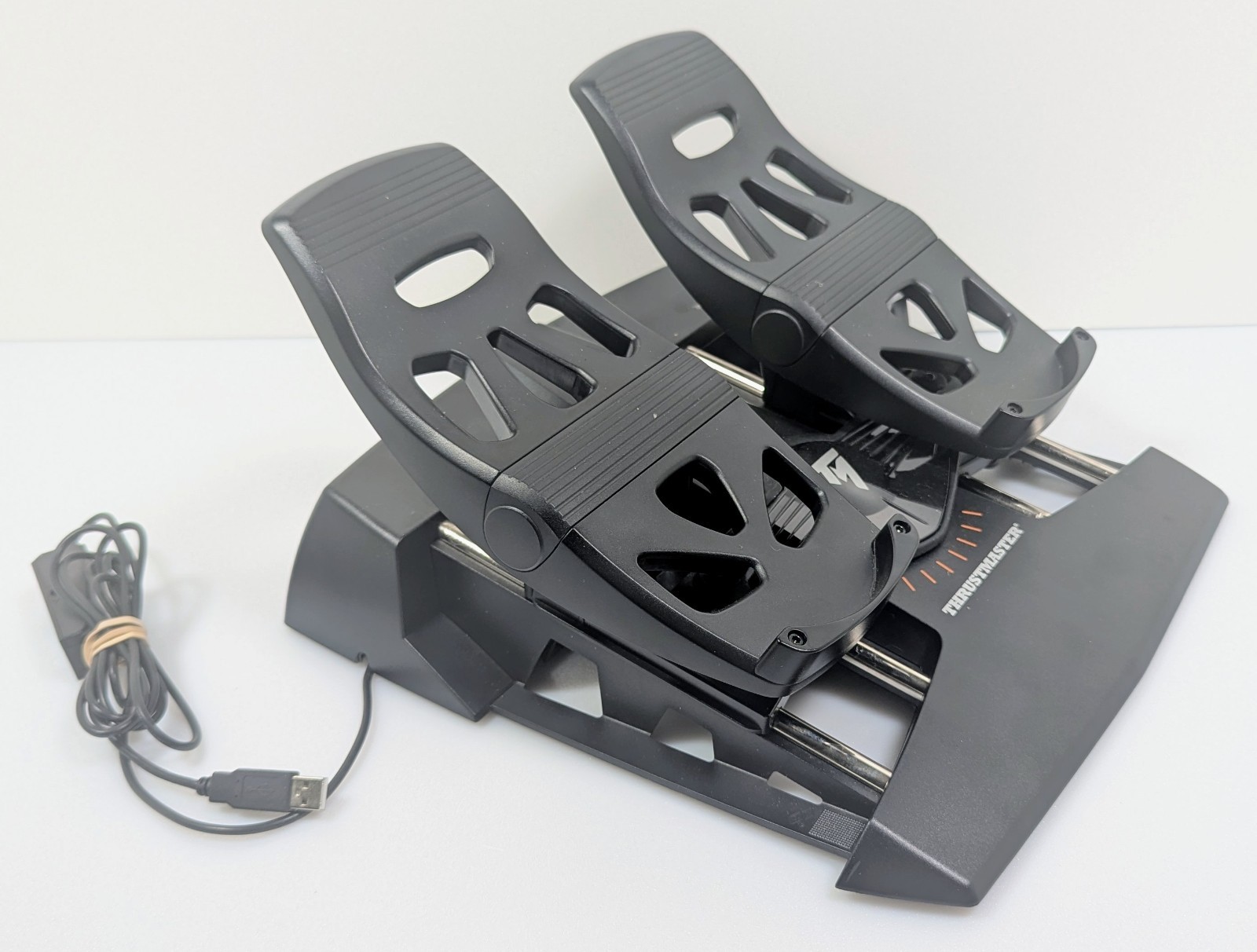
Flight sim rudder pedals fall into two clear tiers: plastic entry-level units with potentiometer or Hall-effect sensors and modest resolution, and metal mid-to-high-end pedals with contactless magnetic sensors and adjustable mechanics. The primary trade-off is sensor resolution and construction rigidity versus cost and desk footprint. Buy plastic pedals only if you fly casually and need yaw plus basic toe brakes; spend on metal, contactless-sensor pedals if you fly helicopters, warbirds, or IFR approaches where fine rudder input and centering consistency matter.

Buying guide image
TVs & Display Panels

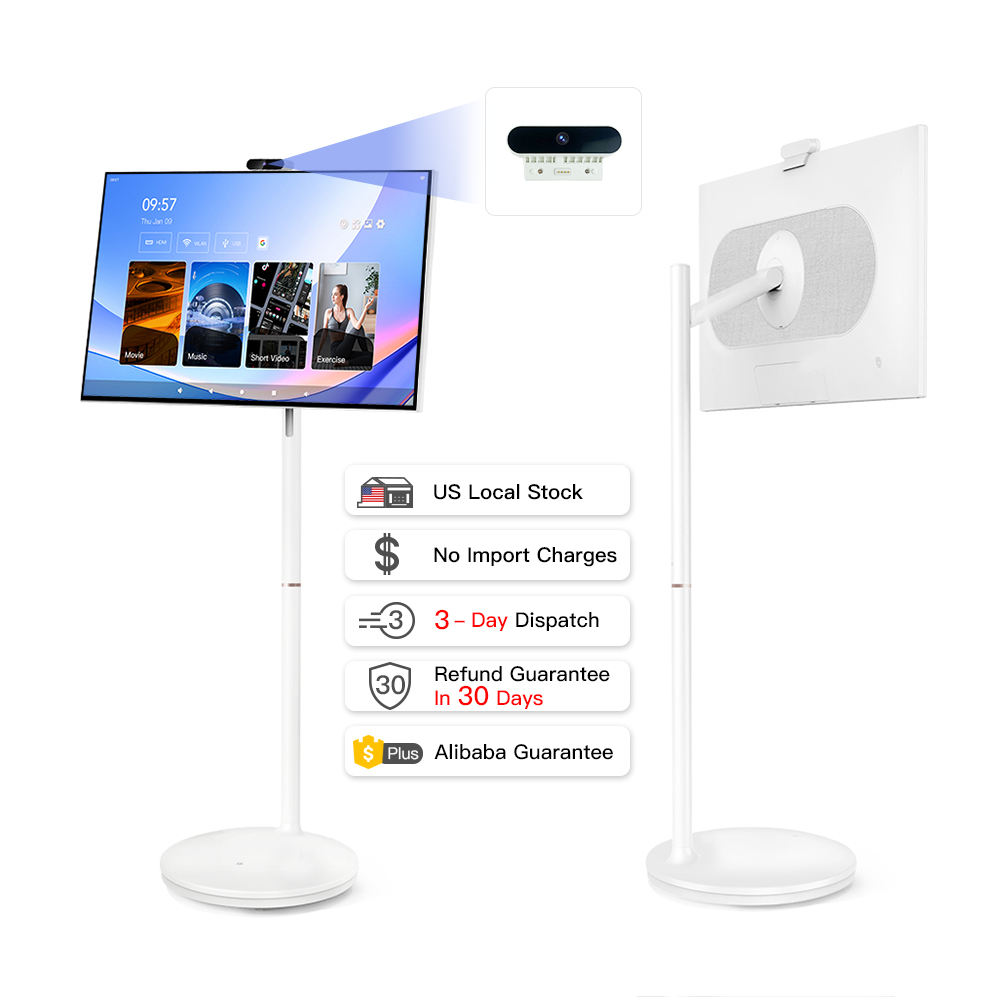
TV

A TV is a display panel plus tuner and smart platform; the primary trade-off is panel technology (LED vs QLED vs OLED vs Mini-LED) against brightness, contrast, and burn-in risk. Durable, high-performance sets use full-array local dimming, 120Hz native panels, and HDMI 2.1, while budget compromises rely on edge-lit 60Hz panels with narrow color gamut. Decide by room brightness and viewing angle: bright rooms demand high-nit Mini-LED/QLED, dark rooms favor OLED, and extreme budgets accept edge-lit LCD with limited HDR.

Buying guide image
Tablets & E-Readers

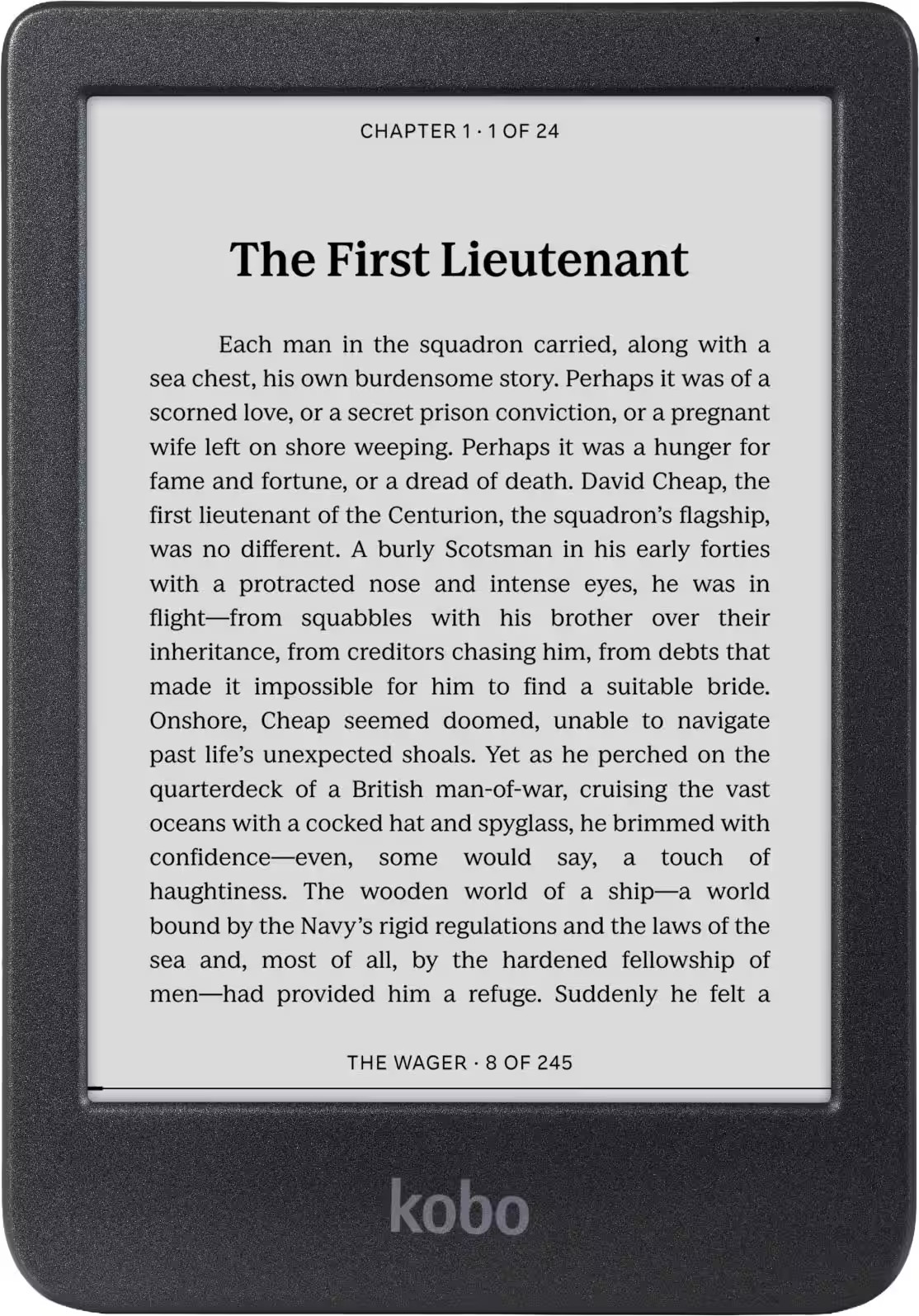
E Reader

E-readers are single-purpose devices built around an E Ink display, where the core trade-off is panel technology and front-light quality versus price and ecosystem lock-in. E Ink panels are fundamentally different from LCD/OLED tablets: they are bistable, glare-free, and easy on the eyes, but refresh slowly and are poor for color or video. The decision rule is simple: buy a dedicated E Ink reader for long-form reading and battery life; buy a tablet only if you need color, video, or pen-heavy annotation.

Buying guide image
Smart Home Electronics

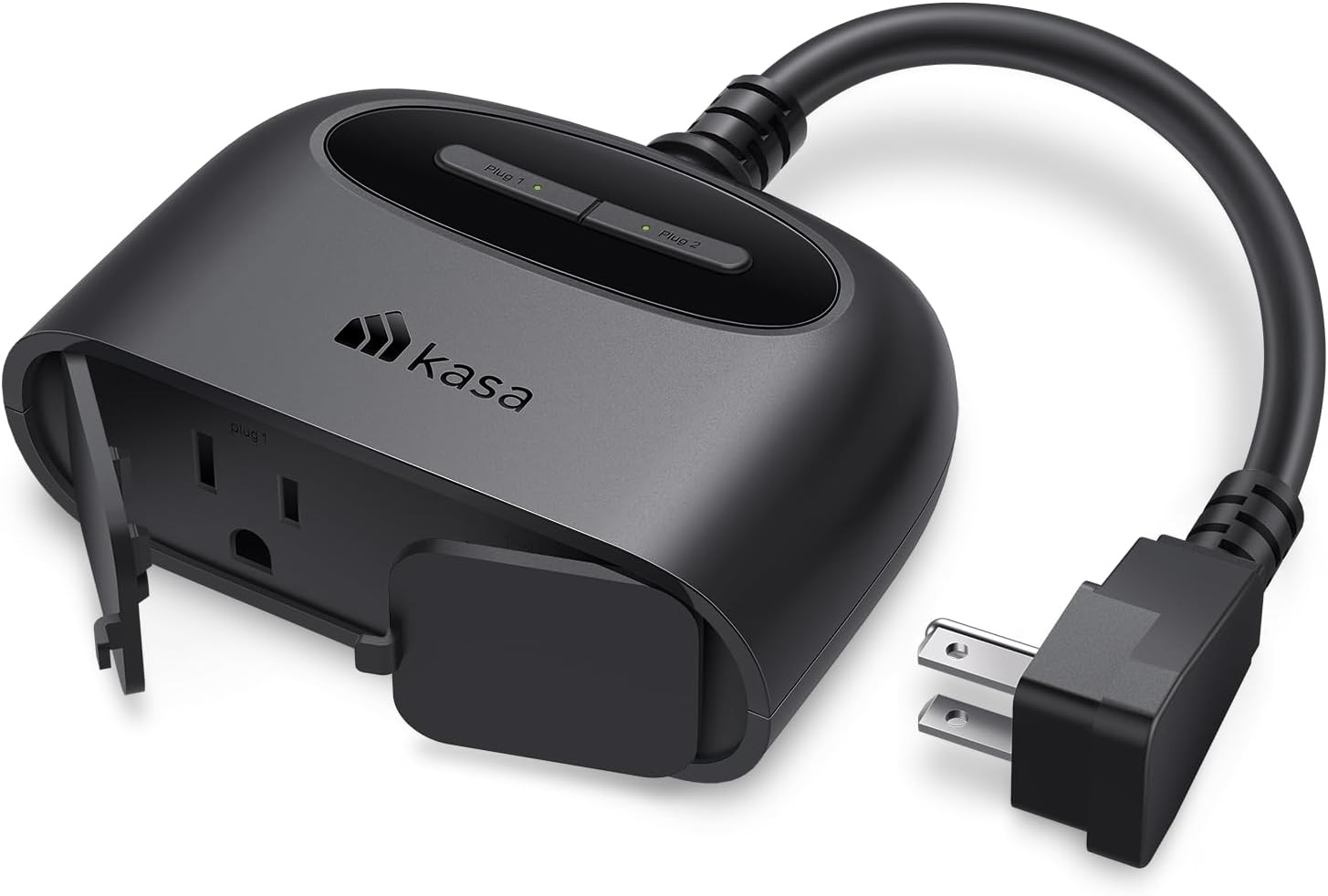
Smart Plug

A smart plug is a Wi-Fi or hub-connected relay module that adds app, voice, and schedule control to any standard outlet. The core trade-off is relay current rating and connectivity protocol: 15A/1800W relays with Wi-Fi 2.4GHz cover most appliances, while 10A minis suit lamps and electronics and Matter/Thread models add cross-platform local control. Buy only if the plug's amperage rating meets the appliance's nameplate draw and its protocol matches your hub; otherwise a dumb timer is the durable, cheaper choice.

Buying guide image
Controllers & Gaming Accessories

Nintendo Controller

Nintendo controllers span five console generations, and the core trade-off is authentic legacy compatibility versus modern wireless convenience and build quality. Original first-party pads and licensed replicas use correct membrane contacts and stick tension, while generic clones cut corners on cable shielding, button travel, and N64 stick durability. Buy first-party or licensed for gameplay-critical pads, and reserve cheap generics for display, party spares, or low-stakes retro setups.

Buying guide image
Controllers & Gaming Accessories

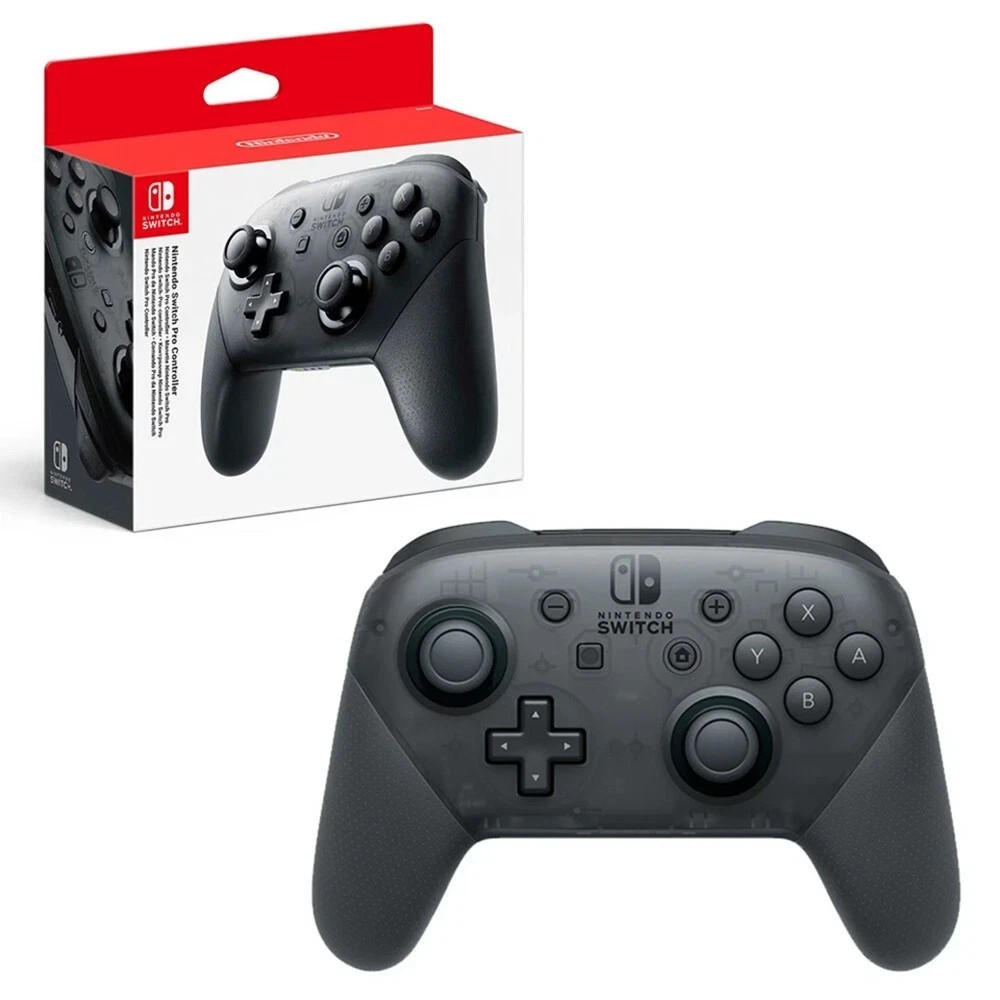
Switch Pro Controller

A Switch Pro Controller is a full-size gamepad for Nintendo Switch and Switch 2, where the core trade-off is first-party wireless fidelity (HD rumble, NFC, motion) versus third-party wired or budget-wireless builds with shorter lifespan. Buy official if you need amiibo scanning and precise rumble; buy third-party only when wired latency or budget defines the use case.

Buying guide image
Computers & Peripherals

Dell Desktop

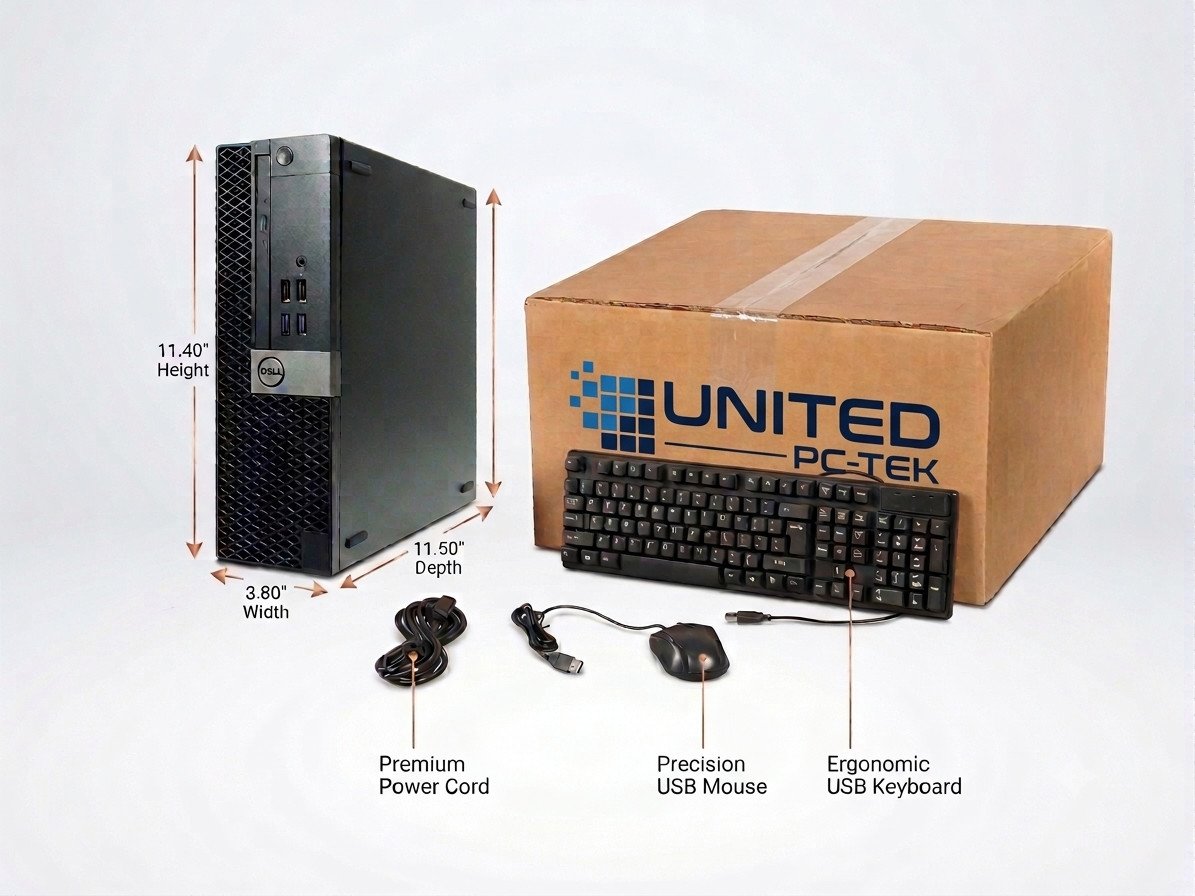
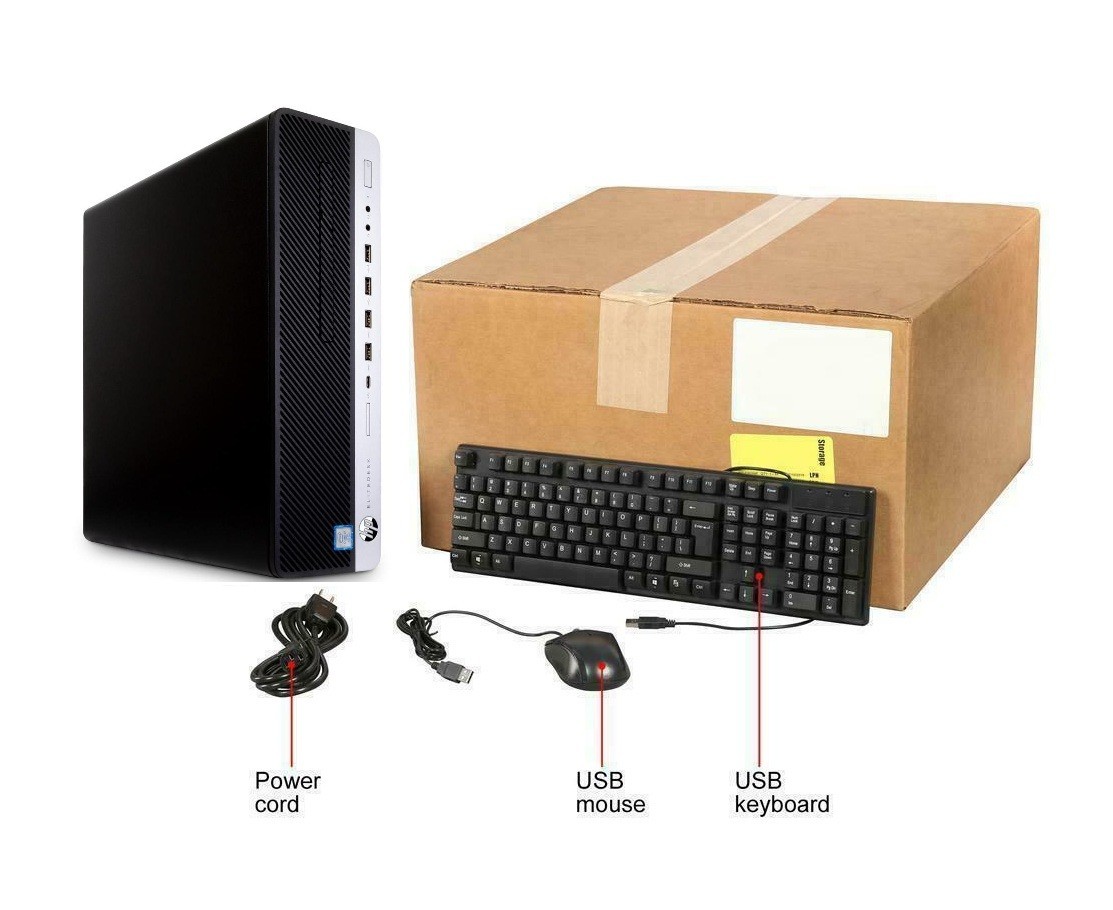
Dell desktops span three distinct architectures: compact OptiPlex business towers, expandable XPS/C Inspiron consumer towers, and all-in-one or micro form factors. The primary trade-off is refurbished 8th-gen Intel business units (cheap, serviceable, but near end-of-life) versus new 12th/13th-gen platforms with modern I/O and warranty. The decision rule: buy 8th-gen refurb only if you need maximum RAM/SSD per dollar for office work; buy 12th-gen or newer for long-term driver support, DDR5, and PCIe 4.0.

Buying guide image
Console & Handheld Hardware

Handheld Gaming Console

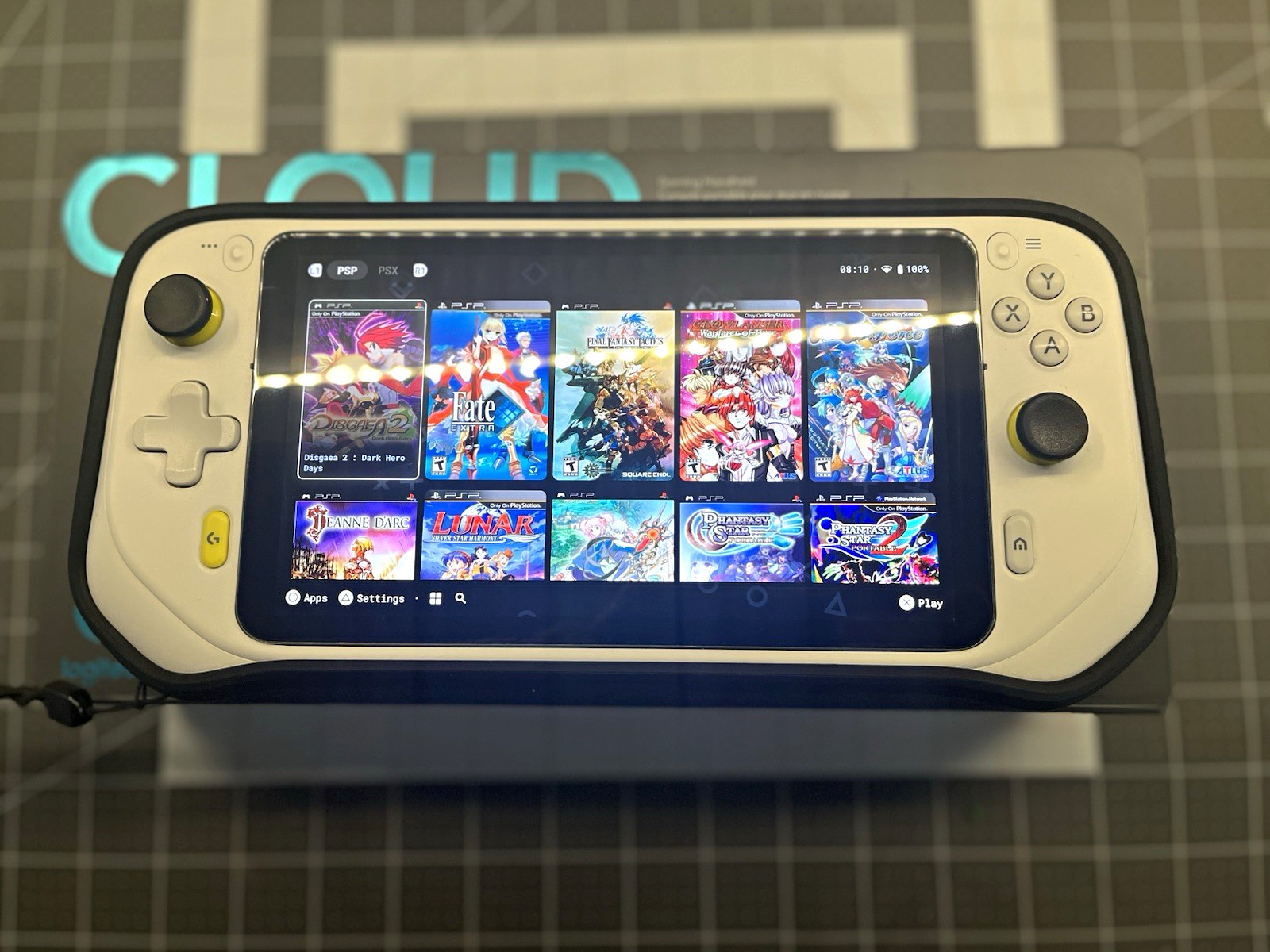
A handheld gaming console is a self-contained portable system with an integrated screen and controls, ranging from retro emulation devices to Android streamers and dedicated current-gen hardware. The core trade-off is between display/controller quality and battery/portability, with cheap retro units often using low-grade TN panels and mushy membranes. The decision rule is simple: buy from a known platform holder or a brand with documented SoC and screen specs; skip generic '20,000 games' listings with no named chipset.

Buying guide image
Console & Handheld Hardware

Handheld Gaming Device

A handheld gaming device is a self-contained portable system with integrated controls and display, ranging from Linux-based retro emulation units to Android/Windows PCs. The core trade-off is between emulation-tier hardware (low-cost ARM chips with fixed libraries) and open-platform performance (x86 or high-end ARM with expandable storage and OS support). Buy a named-chip open system if you want to choose your own games; treat fixed-library '20,000+ games' consoles as toy-grade.

Buying guide image
Computers & Peripherals

SSD

An SSD is a flash-memory storage drive that replaces a hard disk, and the key trade-off is between SATA (6 Gbps ceiling) and NVMe PCIe (up to 7,000+ MB/s) interfaces, plus NAND grade and DRAM presence. The decision rule: buy NVMe PCIe 3.0/4.0 with TLC NAND and a DRAM cache or HMB for any boot or app drive; reserve DRAM-less QLC SATA drives for bulk secondary storage.

Buying guide image
FPV Flight Controllers

Flight Controller

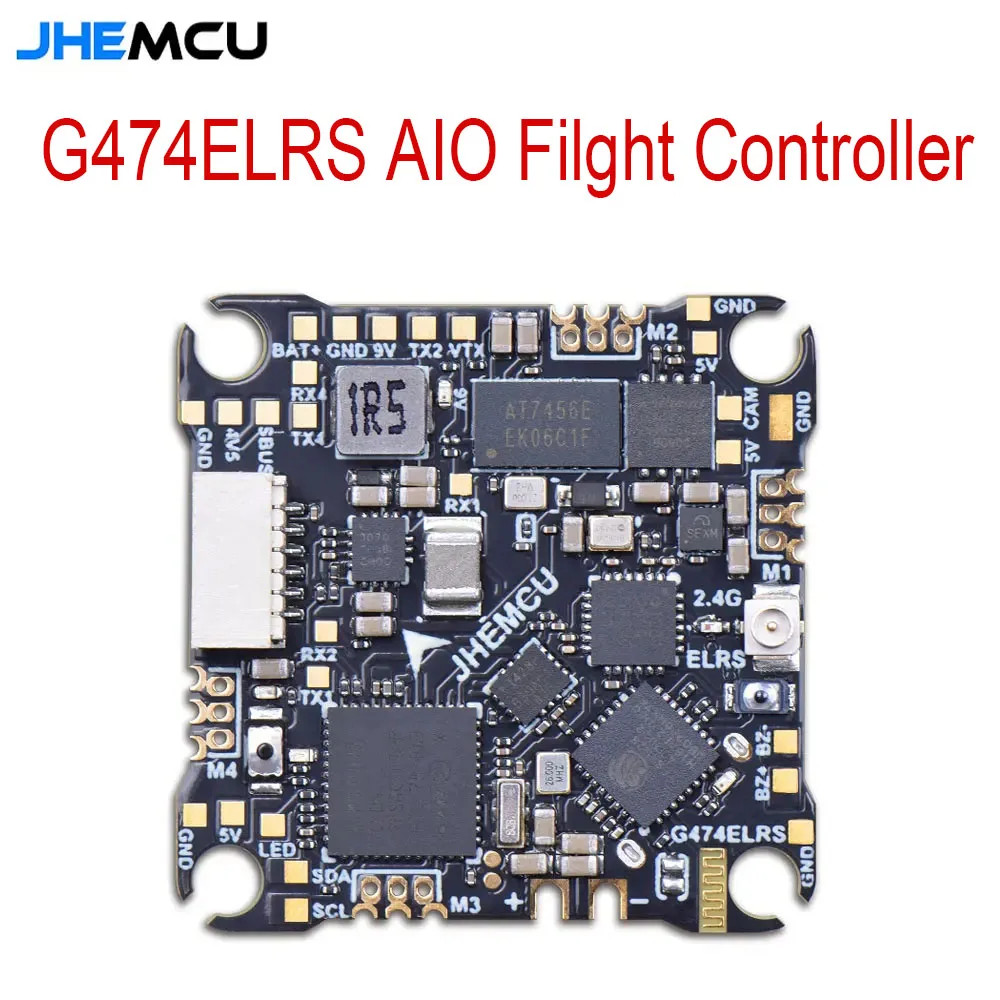
An FPV flight controller is the flight-stabilization brain that runs gyro/accelerometer fusion, PID loops, and mixer outputs to ESCs; the core trade-off is processor headroom and firmware ecosystem versus built-in integration convenience. Durable, well-supported boards use STM32 F4/H7 MCUs with hardware UARTs and Betaflight/ArduPilot support, while compromise boards use clone sensors and undersized regulators that brown out on 6S or high-refresh builds. Decision rule: pick a board whose MCU, gyro, and BEC ratings match your cell count and firmware target, not the lowest-friction listing.

Buying guide image
Tablets & E-Readers

Android Tablet

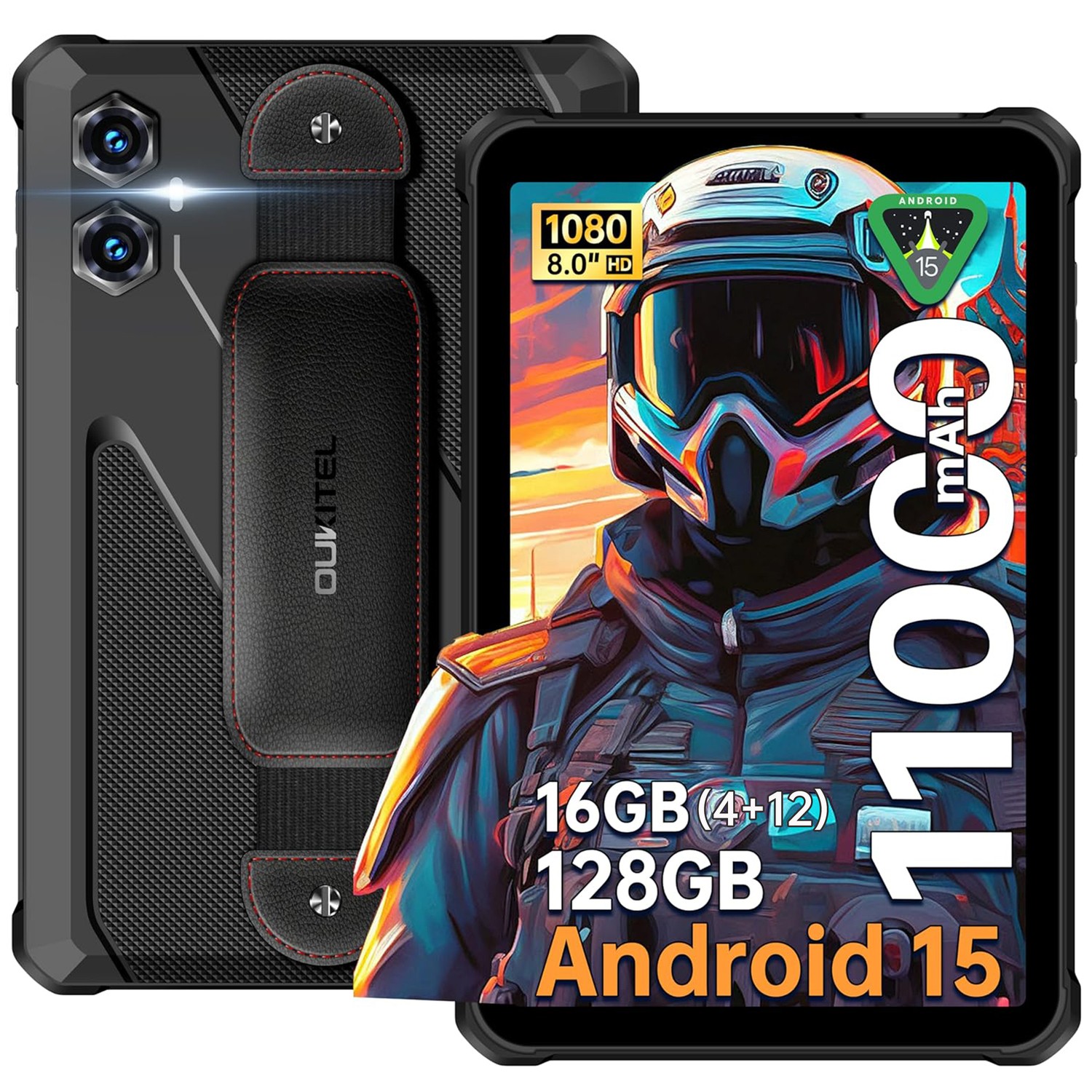
Android tablets span a huge quality range, from flimsy white-label slates with inflated RAM figures to well-built devices with modern chipsets and accurate displays. The core trade-off is between raw spec-sheet numbers (often misleading) and genuine build quality, display calibration, and update support. The decision rule: buy a mid-tier big-brand or established ODM tablet with a known chipset and at least 6GB real RAM; skip any listing that advertises '30GB RAM' or other impossible figures.

Buying guide image
Projectors & Screens

Inflatable Movie Screen

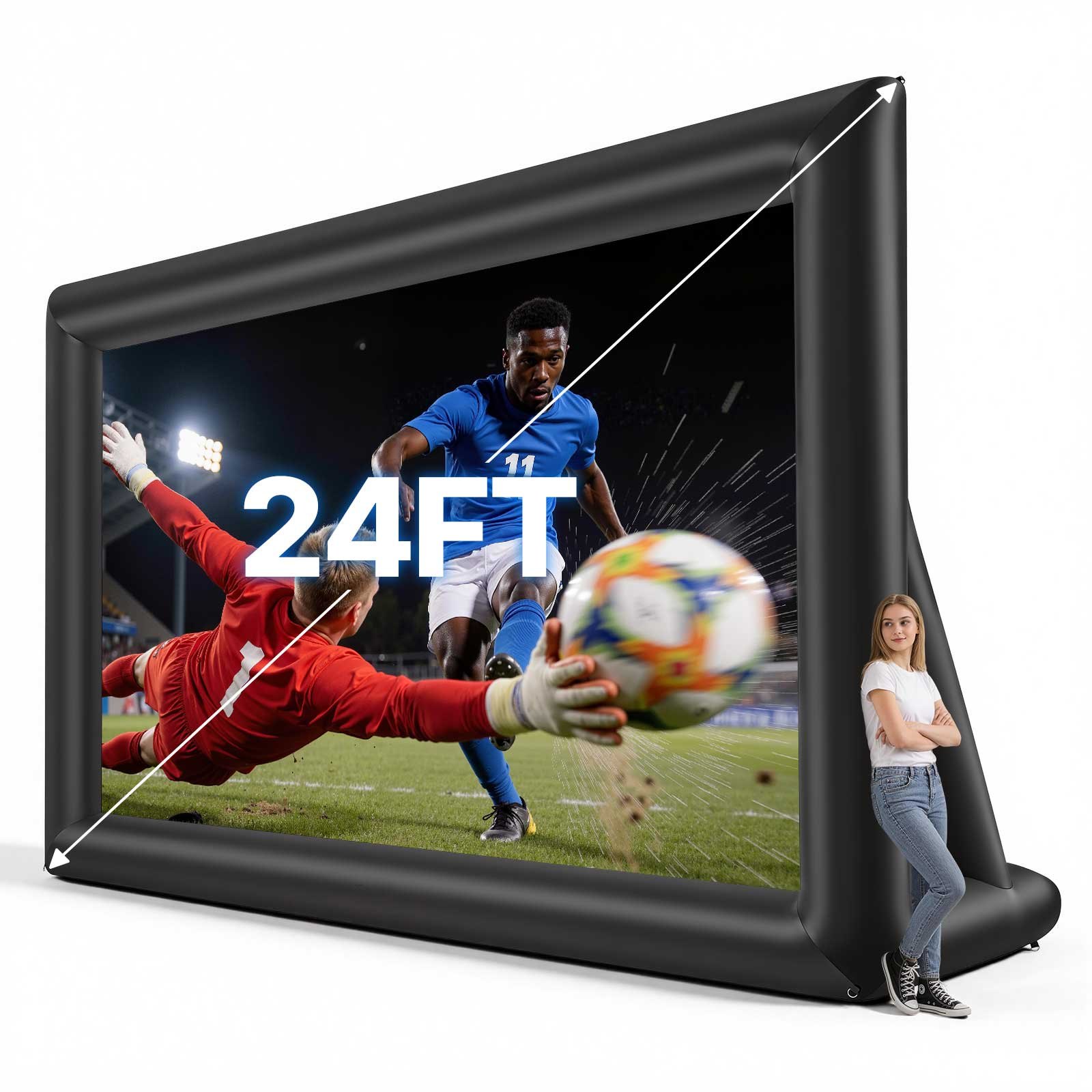
An inflatable movie screen is a blow-up projection surface paired with a constant-air blower, sized by diagonal in 16:9 and built from Oxford fabric or PVC. The core trade-off is fabric weight and blower wattage against price: 600D Oxford with a matched blower holds shape and resists wind, while thin plastic or underpowered blowers sag and flutter. The decision rule is simple: choose a screen whose blower wattage and fabric denier are rated for your size class, and skip any package that pairs a large diagonal with a small blower.

Buying guide image
Projectors & Screens

Portable Movie Screen

A portable movie screen is a freestanding or inflatable projection surface engineered to collapse into a carry bag, and the core trade-off is stability and surface flatness versus pack weight and setup time. Tripod and frame-with-stand designs win for repeatable indoor/outdoor use, while inflatable PVC screens win only for large-group events where a blower can run continuously. The deciding rule: buy a tensioned or anti-crease fabric screen on a metal frame for wrinkle-free 4K viewing, and skip thin un-tensioned fabric or single-stake inflatables for anything beyond casual backyard nights.

You may also like

Finding more guides for you…