
Photos from current listings. Actual item, color, and included accessories may vary.
Hf Antenna Buying Guide
HF antenna tuners and SWR meters are the impedance-matching and diagnostics link between your transceiver and a non-resonant or mismatched HF antenna. The core trade-off is manual vs automatic tuning: manual units are cheaper, more robust, and handle high SWR without logic boards, while auto-tuners offer push-button convenience but add relays and control circuitry that can fail or limit power. The decision rule is simple: pick a tuner rated for at least 1.5× your transceiver's PEP output, match the connector type and control interface to your rig, and never assume a tuner fixes a bad antenna—it only protects the radio and improves match.
Median $149.99
Key takeaways
- Manual tuners like the MFJ-900 or Kenwood AT-200 use air-variable capacitors and roller inductors rated for 200–300W PEP, and tolerate high SWR without relay or logic failure.
- Automatic tuners such as the mAT-180H (120W) or Yaesu FC-757AT rely on latching relays and a control cable or RF-sensing; relay contact life and tuning range (typically 3:1 to 10:1 SWR) define real-world durability.
- The mAT-1F is a 10W-class QRP auto-tuner with BNC and banana posts—its low power ceiling and small relay set make it unsuitable for 100W rigs despite the HF/50MHz coverage.
At a glance
- Category
- Antenna Tuners & SWR Meters
- Last updated
- Nov 23, 2026
Current offers
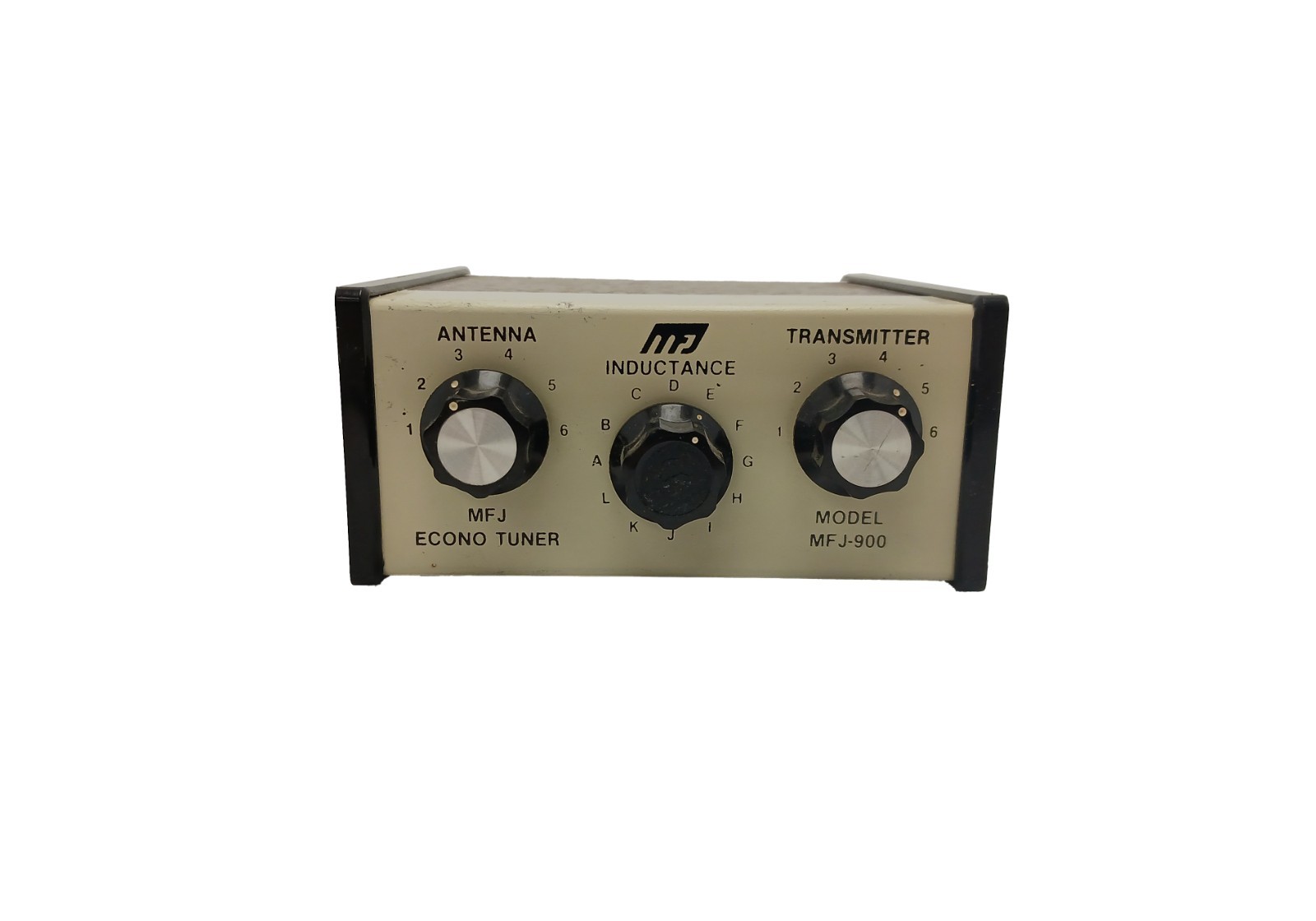 MFJ-900 Econo HF Antenna Tuner Ham Radio$74.99View on eBay
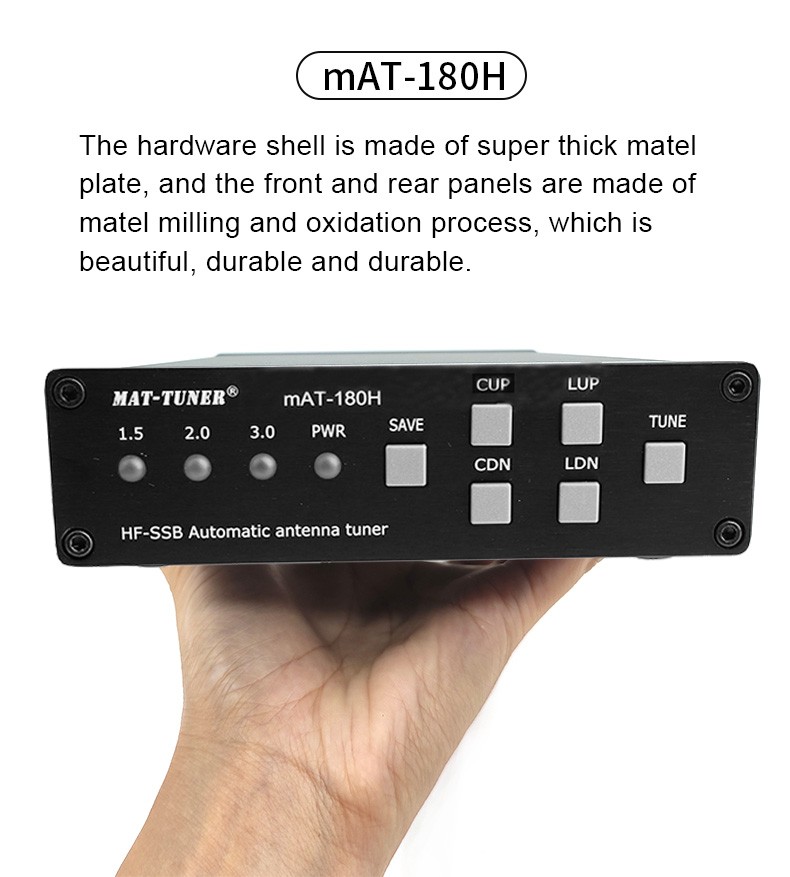 mAT-180H HF Auto-tuner 120W AUTO TUNER Automatic Antenna Ham Radio For ICOM$144.99View on eBay
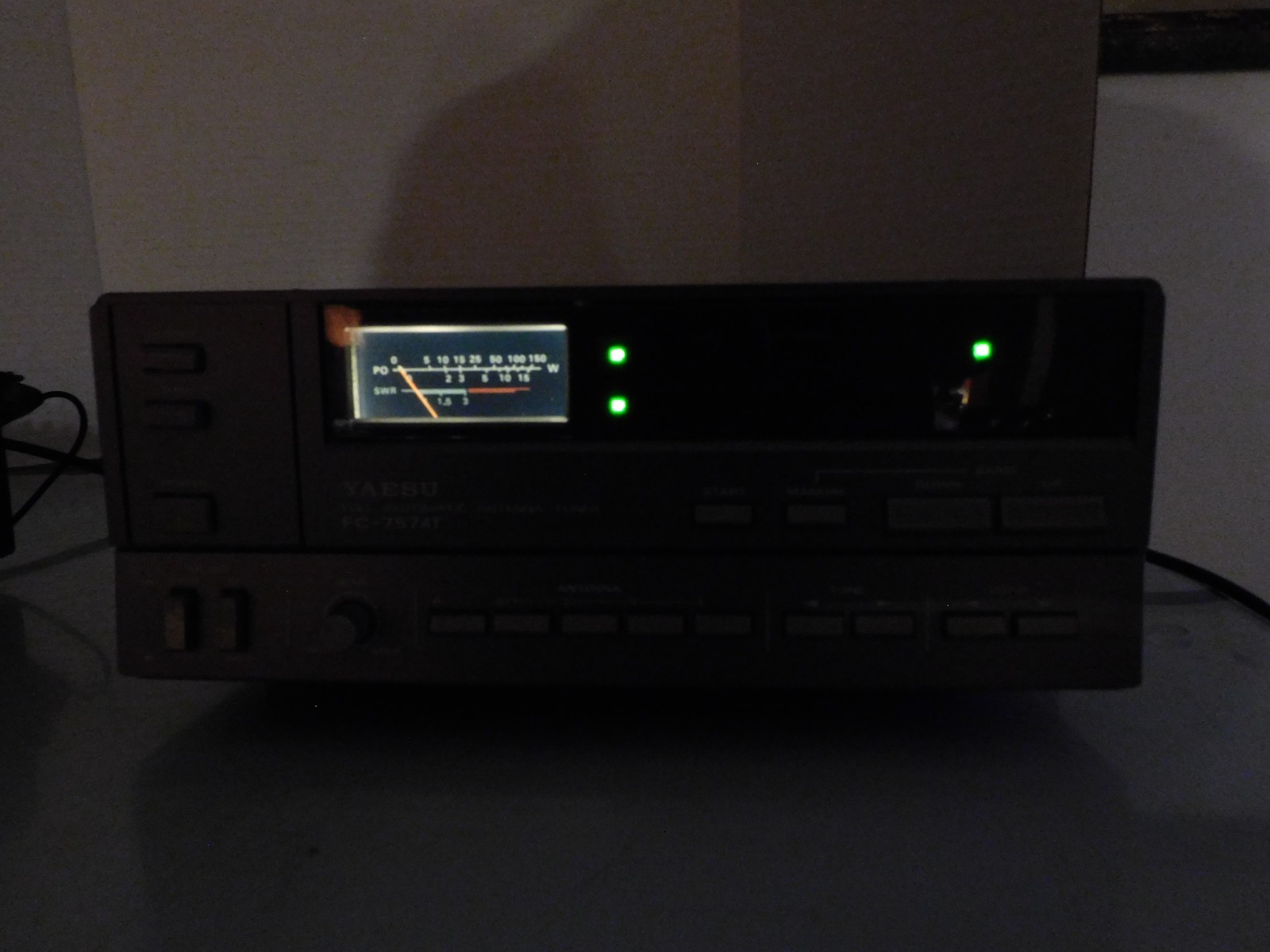 Yaesu FC-757AT Automatic Antenna Tuner HF Ham Radio Tested and Working$149.99View on eBay
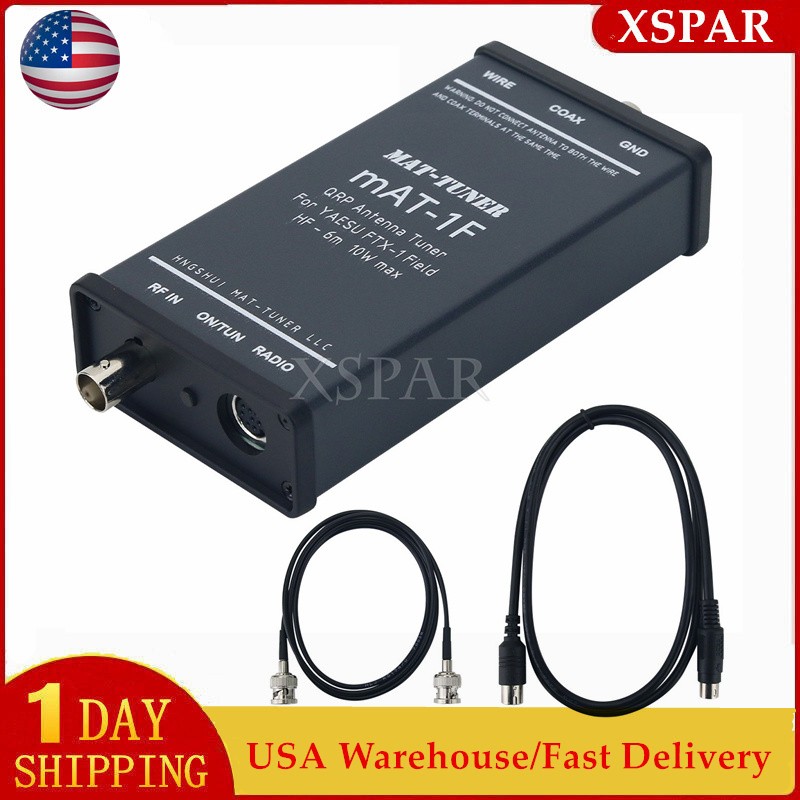 mAT-1F Automatic Antenna Tuner HF/50MHz 10W with BNC and Banana Connectors USA$167.11View on eBay
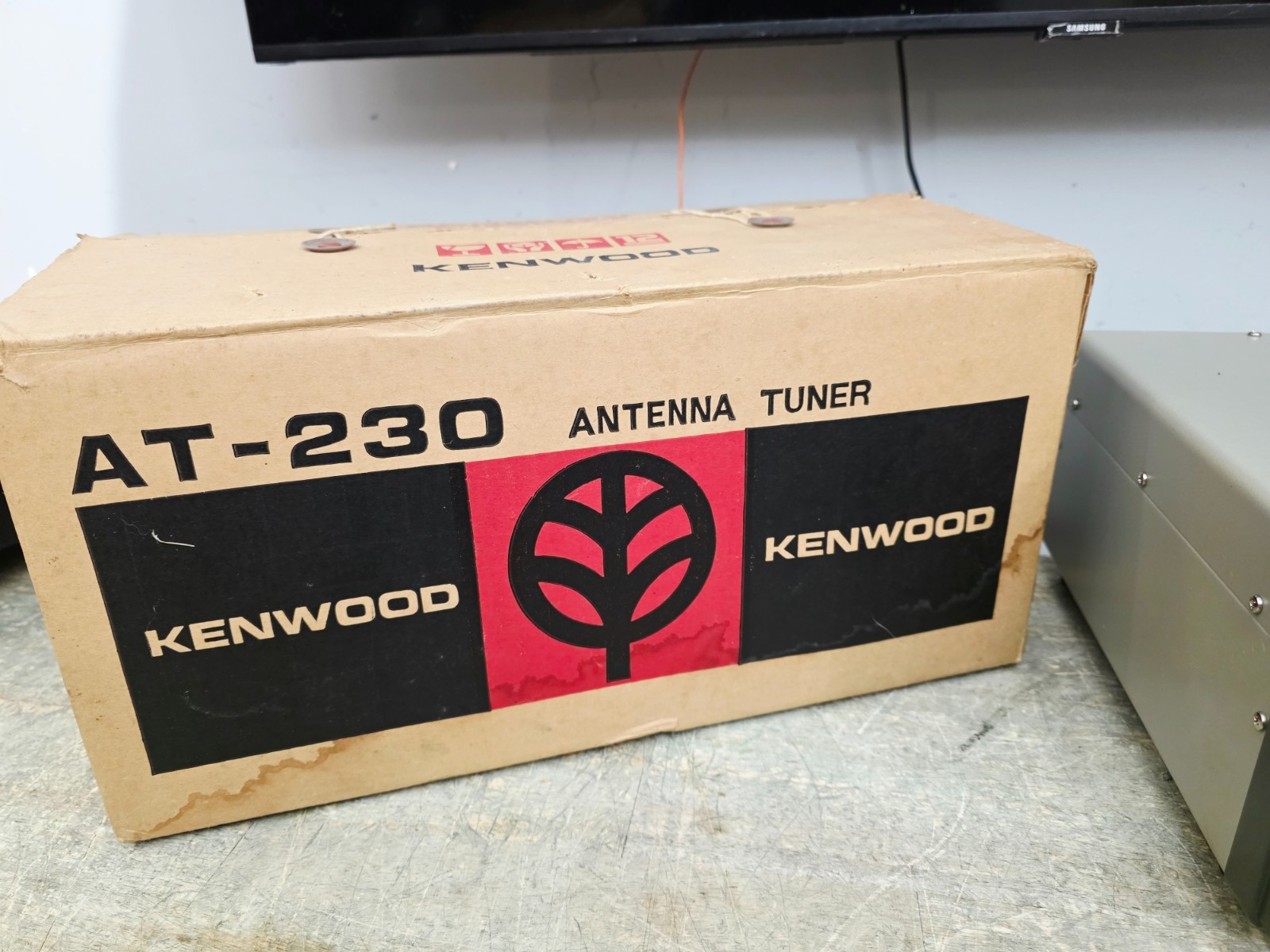 Kenwood AT-230 HF Amateur Antenna Tuner TS 530 830 820 C MY OTHER HAM RADIO iCOM$249.99Last checked Nov 18, 2026View on eBay
Highlights
- Manual tuners like the MFJ-900 or Kenwood AT-200 use air-variable capacitors and roller inductors rated for 200–300W PEP, and tolerate high SWR without relay or logic failure.
- Automatic tuners such as the mAT-180H (120W) or Yaesu FC-757AT rely on latching relays and a control cable or RF-sensing; relay contact life and tuning range (typically 3:1 to 10:1 SWR) define real-world durability.
- The mAT-1F is a 10W-class QRP auto-tuner with BNC and banana posts—its low power ceiling and small relay set make it unsuitable for 100W rigs despite the HF/50MHz coverage.
- Kenwood AT-200 and AT-230 are manual 1.8–30 MHz tuners designed for legacy TS-series transceivers; they use a built-in SWR bridge and meter but lack automatic band switching.
Best use cases
- Best fit: A 100W HF transceiver with a random-wire or dipole that is 2:1–5:1 SWR—choose a 200W+ manual tuner like the MFJ-900 or AT-200 for lowest cost and highest durability.
- Best fit: A modern ICOM or Yaesu rig where you want one-button tuning across 160–10m—choose a compatible auto-tuner (mAT-180H for ICOM, FC-757AT for Yaesu) rated above your rig's PEP.
- Wrong fit: Pairing a 10W QRP auto-tuner like the mAT-1F with a 100W transceiver—the relay and balun will arc or fail; step up to a 120W+ auto-tuner instead.
- Wrong fit: Buying any tuner to fix a coax-fed antenna with a 10:1+ SWR or a broken feedline—repair the antenna first; a tuner only masks the fault and wastes power.
Buying tips
- Power margin: choose a tuner rated at least 1.5× your transceiver's PEP (e.g., 150W tuner for a 100W rig) to survive SSB peaks and high-SWR mismatch.
- Tuning range: manual tuners typically match 5:1–10:1 SWR; auto-tuners often specify 3:1–10:1—confirm the range covers your antenna's worst-case band before buying.
- Control compatibility: auto-tuners need either a radio-specific control cable (ICOM, Yaesu, Kenwood) or RF-sensing; a generic auto-tuner may not auto-start on your rig without a keying line.
- Connector and feedline: match SO-239/PL-259 or BNC to your station; for balanced or ladder-line feeds, choose a tuner with a built-in 4:1 balun or external balun rated for your power.
Specs
| Tuning Type | Manual air-variable vs auto relay |
|---|---|
| Power Rating | 100W PEP / 200W PEP / 300W PEP |
| Frequency Coverage | 1.8–30 MHz HF (some 50 MHz) |
| SWR Match Range | 3:1 to 10:1 typical |
Related searches
What to check before buying
- Measure your antenna's worst-case SWR per band with an SWR meter or analyzer; if any band exceeds 10:1, fix the antenna before selecting a tuner.
- Confirm your transceiver's PEP output and connector type (SO-239 vs BNC) and whether it supplies a tuner control jack or requires RF-sensed tuning.
- Verify your station's feedline: coax (50Ω) works with any tuner; ladder line or balanced feed requires a 4:1 balun and a tuner with balanced output terminals.
- Check physical space and ventilation—manual tuners with air-variable capacitors need clearance, and auto-tuners with relays should not be enclosed in a sealed box.
FAQ
Data sources: eBay / Amazon listings and product attribute feeds. Updated Nov 23, 2026.
Some links on this page are affiliate links. If you buy after clicking one, we may earn a commission at no extra cost to you. This does not change which products appear here or their order. Affiliate disclosure.