
Photos from current listings. Actual item, color, and included accessories may vary.
Antenna Tuner Ham Radio Buying Guide
Antenna tuners are impedance-matching networks that let a transceiver feed non-resonant or multi-band antennas without high SWR, and the core trade-off is manual vs automatic control, power ceiling, and matching range. Durable choices specify continuous power rating, a real roller inductor or switched L-network, and SO-239/PL-259 compatibility; compromises hide behind vague wattage claims and narrow tuning ranges.
Median $142.49
Key takeaways
- Manual tuners use a tapped/roller inductor plus variable capacitors; roller-inductor designs like the Heathkit SA-2060A handle high power and smooth matching better than switched-tap economy units.
- Automatic tuners (ATU-100, mAT-180H, Kenwood AT-250) use relay-switched L/C banks and need a tune carrier or CAT command; they match fast but usually cap at 100-200 W SSB.
- Continuous power rating, not peak, is the durability metric: a 300 W tuner like the MFJ-941C should be run at roughly half its rating for digital modes and high duty cycles.
At a glance
- Category
- Antenna Tuners & SWR Meters
- Last updated
- Nov 23, 2026
Current offers
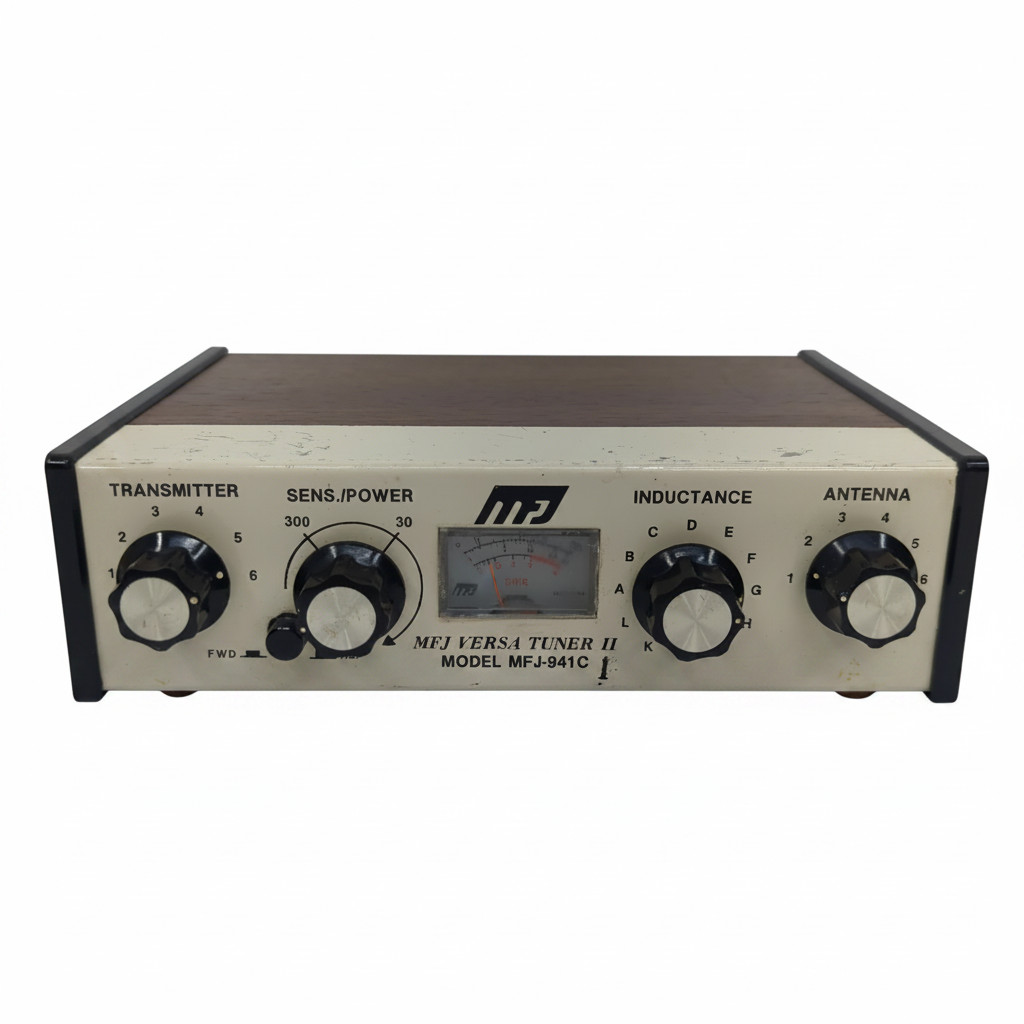 Antenna Tuner MFJ-941C Versa Tuner II 300W Ham Radio SWR/Wattmeter *READ*$69.99View on eBay
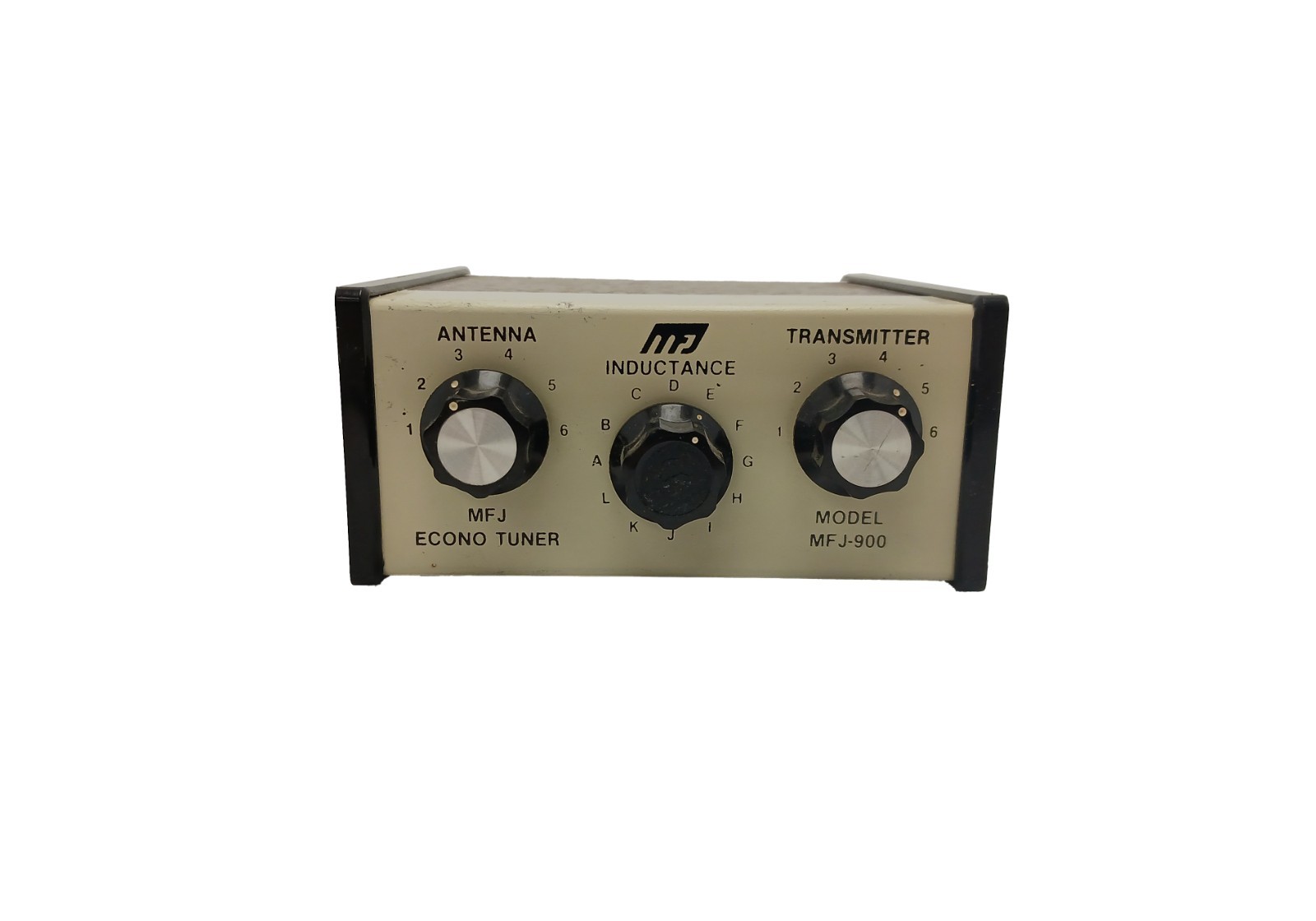 MFJ-900 Econo HF Antenna Tuner Ham Radio$74.99View on eBay
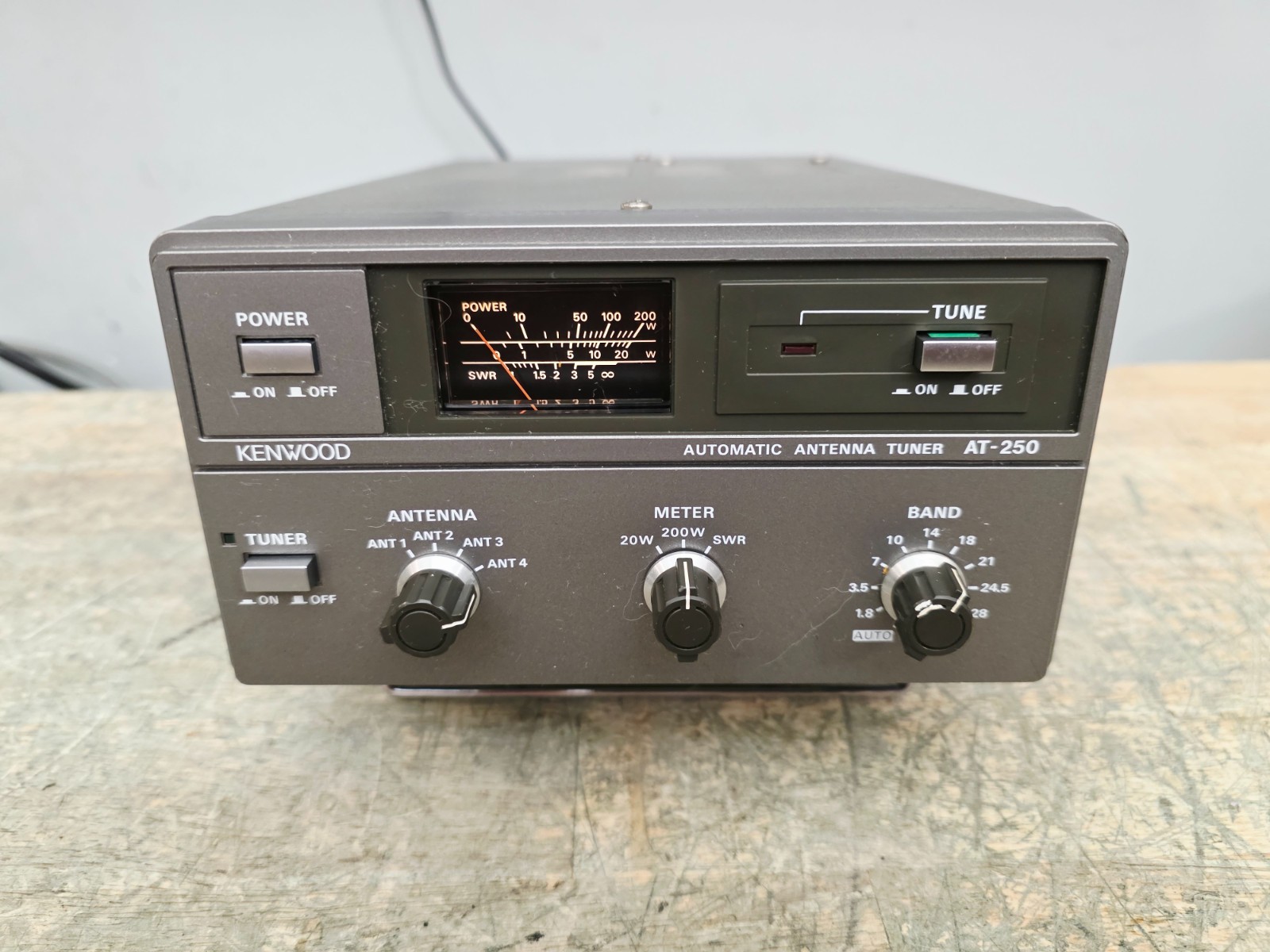 KENWOOD AT 250 Automatic Antenna Tuner TS 430 C MY OTHER HAM RADIO$139.99View on eBay
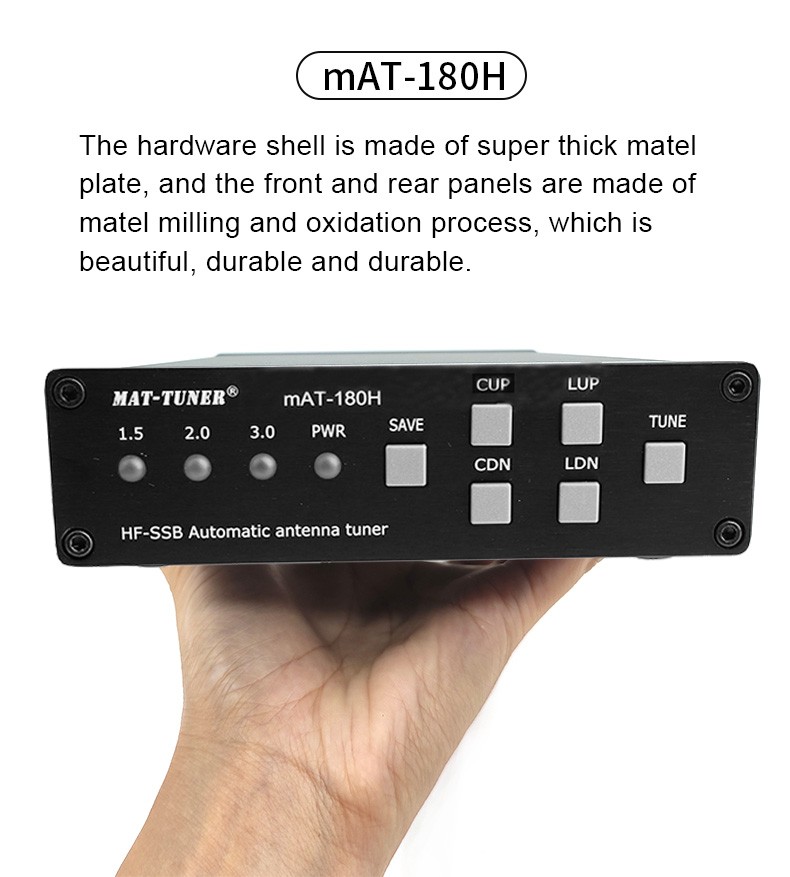 mAT-180H HF Auto-tuner 120W AUTO TUNER Automatic Antenna Ham Radio For ICOM$144.99View on eBay
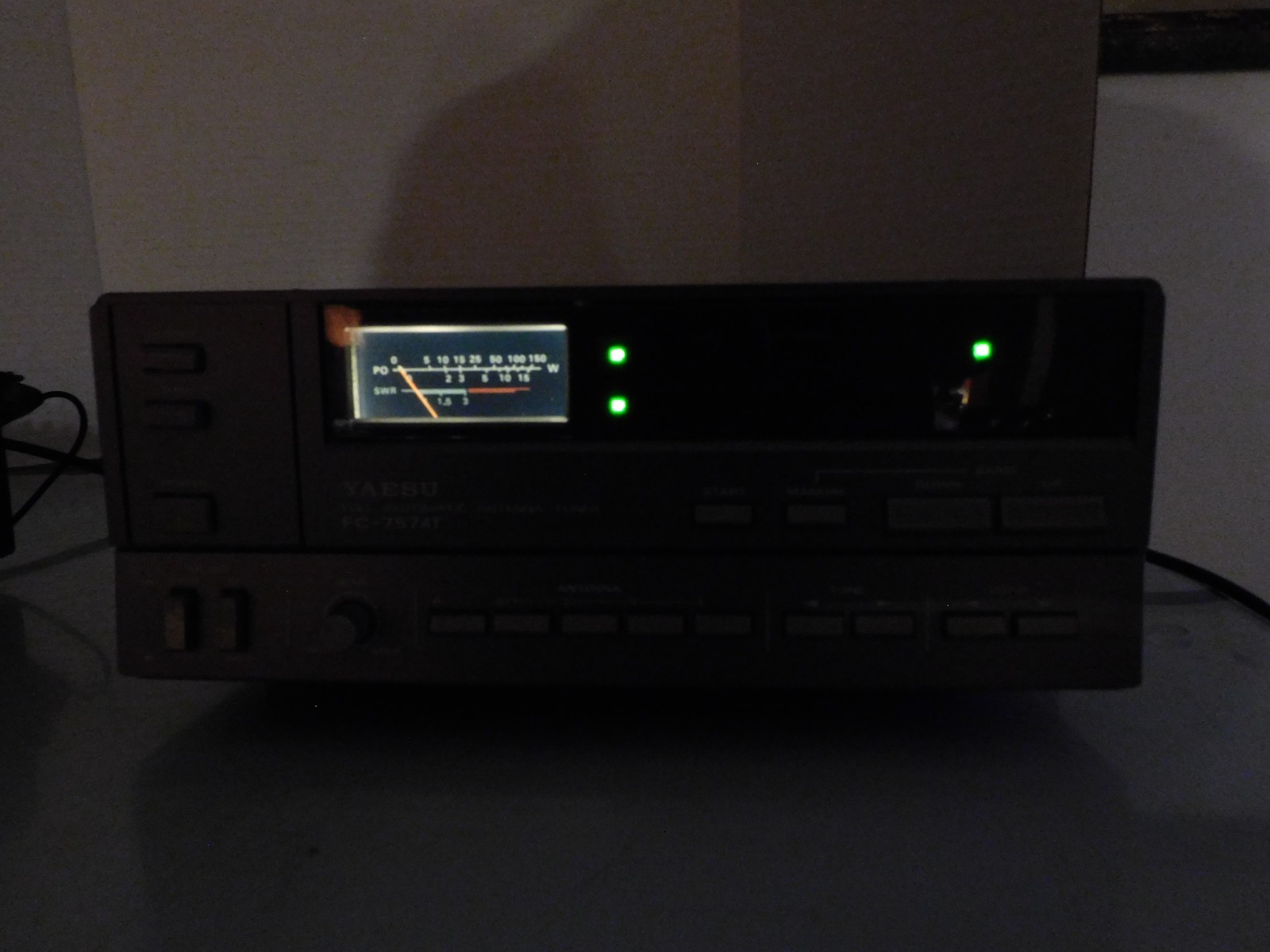 Yaesu FC-757AT Automatic Antenna Tuner HF Ham Radio Tested and Working$149.99View on eBay
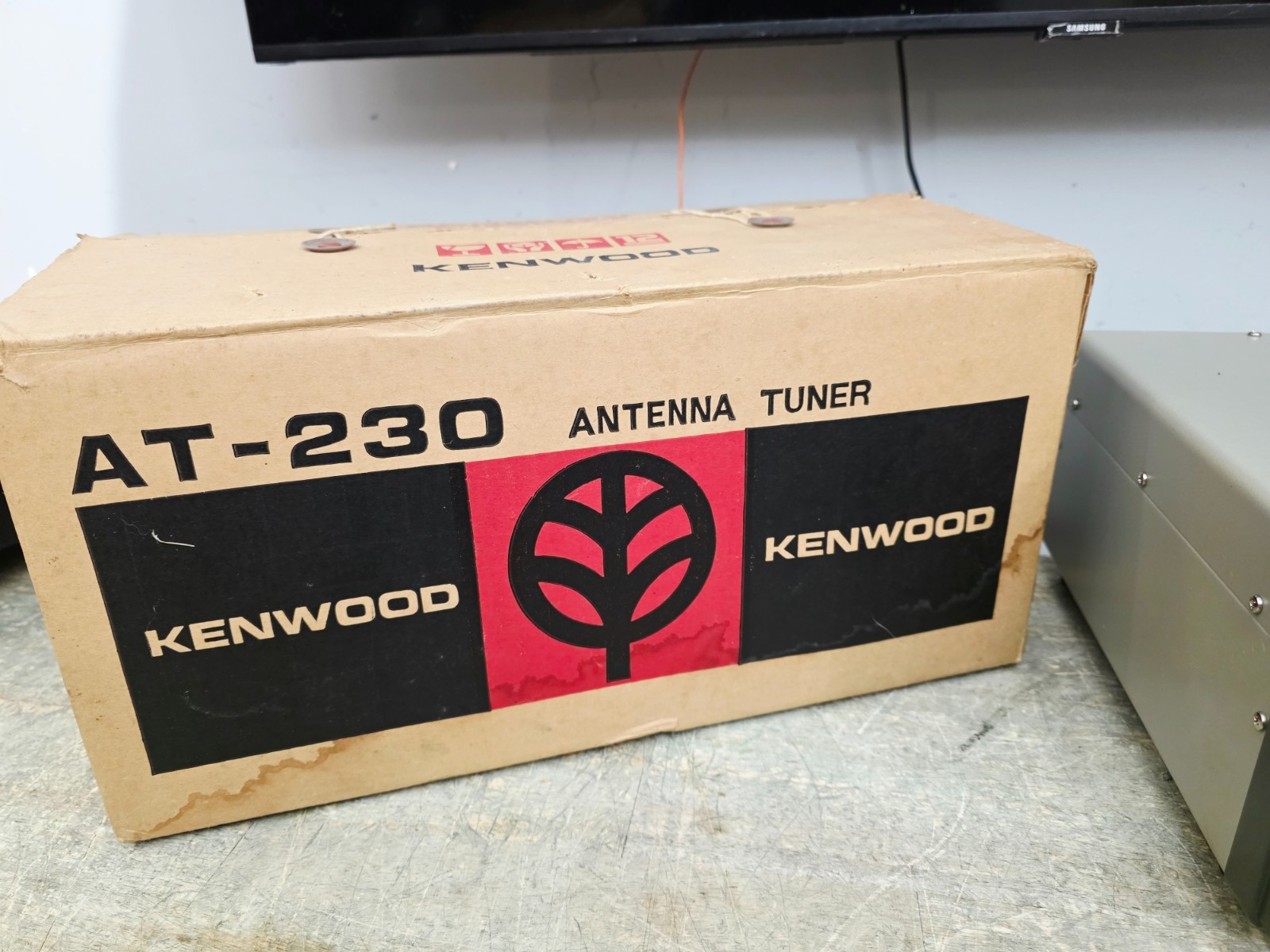 Kenwood AT-230 HF Amateur Antenna Tuner TS 530 830 820 C MY OTHER HAM RADIO iCOM$249.99Last checked Nov 18, 2026View on eBay
Highlights
- Manual tuners use a tapped/roller inductor plus variable capacitors; roller-inductor designs like the Heathkit SA-2060A handle high power and smooth matching better than switched-tap economy units.
- Automatic tuners (ATU-100, mAT-180H, Kenwood AT-250) use relay-switched L/C banks and need a tune carrier or CAT command; they match fast but usually cap at 100-200 W SSB.
- Continuous power rating, not peak, is the durability metric: a 300 W tuner like the MFJ-941C should be run at roughly half its rating for digital modes and high duty cycles.
- SO-239/PL-259 is the standard HF interface; balance outputs and 4:1 baluns are separate add-ons needed for ladder-line or long-wire feeds.
Best use cases
- Choose a manual roller-inductor tuner (Heathkit SA-2060A class) for a fixed station running an amplifier or 500 W+; skip it for portable QRP where weight and tuning time matter.
- Choose an automatic tuner (mAT-180H, AT-250, ATU-100) for 100 W rigs doing multi-band HF with a random wire or vertical; skip if your rig lacks a tune command and you cannot send a carrier.
- Choose a 300 W manual tuner (MFJ-941C/941D) for 100 W SSB/CW base operation on dipoles and verticals; skip for legal-limit or heavy digital use.
- Choose a QRP portable tuner (MFJ-971 class) for 5-20 W field work with short random wires; skip for home stations running 100 W or more.
Buying tips
- Match tuner continuous rating to at least 2x your rig's PEP for SSB/CW and 3x for FT8/digital; a 100 W rig pairs with a 300 W tuner, not a 100 W autotuner at full duty.
- For automatic tuners confirm a tune-command path (CAT, key line, or front-panel TUNE) and a tuning range covering 1.8-30 MHz; ATU-100 covers 1.8-55 MHz, older AT-250 is HF-only.
- For manual tuners prefer a roller inductor over switched taps for continuous matching, and verify two variable capacitors (antenna and transmitter) for full L-network range.
- Check connector gender and count: SO-239 sockets on tuner, PL-259 plugs on coax; add a 4:1 balun for balanced/ladder-line feeds and a dummy load for safe tuning.
Specs
| Tuner Type | Manual L-network / Automatic relay |
|---|---|
| Power Rating | 100-300 W SSB / 1-2 kW roller |
| Frequency Range | 1.8-30 MHz HF; some to 55 MHz |
| Connector Standard | SO-239 / PL-259 coax |
Related searches
What to check before buying
- Measure antenna feedpoint impedance and expected SWR range; a tuner matches 10:1 or better but very short antennas may exceed its range.
- Confirm rig output power and mode duty cycle so the tuner's continuous rating covers FT8/RTTY, not just SSB PEP.
- Verify interface: CAT/CI-V or tune-key compatibility between your transceiver and the automatic tuner model.
- Plan feedline and connectors: PL-259 coax runs, plus a balun or unun if using ladder line, long wire, or end-fed antenna.
FAQ
Data sources: eBay / Amazon listings and product attribute feeds. Updated Nov 23, 2026.
Some links on this page are affiliate links. If you buy after clicking one, we may earn a commission at no extra cost to you. This does not change which products appear here or their order. Affiliate disclosure.