
Photos from current listings. Actual item, color, and included accessories may vary.
Antenna Tuner Buying Guide
An antenna tuner transforms the impedance at your feedline to match your transmitter, protecting the finals and maximizing radiated power. The core trade-off is manual vs automatic: manual tuners are cheaper, simpler, and handle high power without electronics, while auto-tuners offer push-button convenience but add relays, sensors, and a power ceiling. Buy manual if you operate one band or QRP and want zero failure points; buy an auto-tuner if you change bands or antennas often and stay within its rated wattage.
Median $139.00
Key takeaways
- Automatic tuners like the ATU-100/ATU-100Pro cover 1.8–50 MHz at 100W SSB/CW using latching relays and an OLED SWR display, but are not rated for sustained FT8 or AM at full power.
- Manual tuners use variable capacitors and roller inductors rated 100W–300W+; the MFJ-941C Versa Tuner II is a 300W T-network with built-in SWR/wattmeter, while the MFJ-900 Econo is a lower-cost 200W class unit.
- QRP Z-match tuners like the 5W 3–28 MHz units use a single differential capacitor and toroid coil—no roller inductor—so they are compact and efficient but limited to low power.
At a glance
- Category
- Antenna Tuners & SWR Meters
- Last updated
- Nov 23, 2026
Current offers
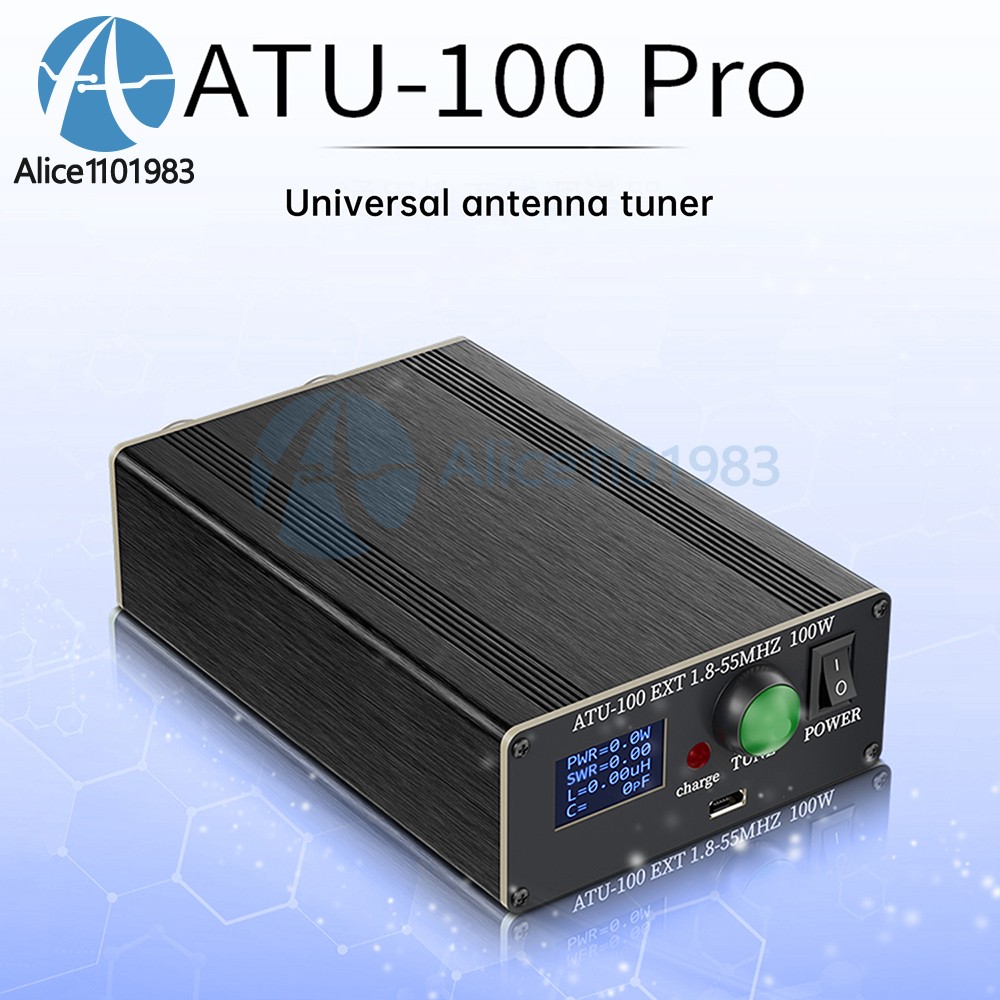 ATU-100Pro Universal Antenna Tuner 1.8MHz-55MHz Auto Tuner W/ 0.96" OLED Display$53.03View on eBay
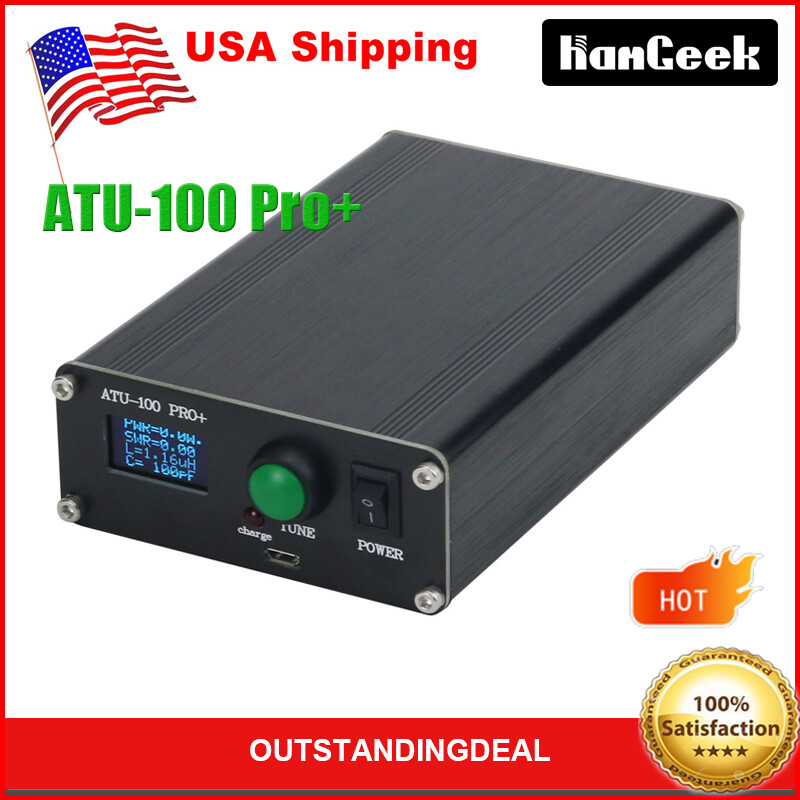 HamGeek ATU-100 Pro+ Automatic Antenna Tuner 100W Shortwave Antenna Tuner USA$64.60View on eBay
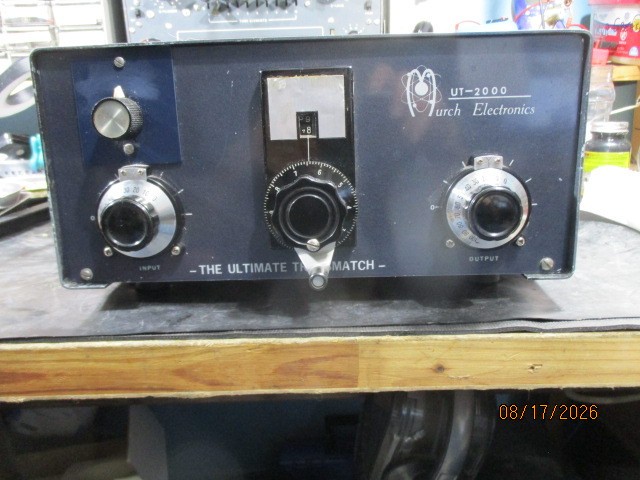 Murch 2000 Antenna Tuner, 2 KW$117.00View on eBay
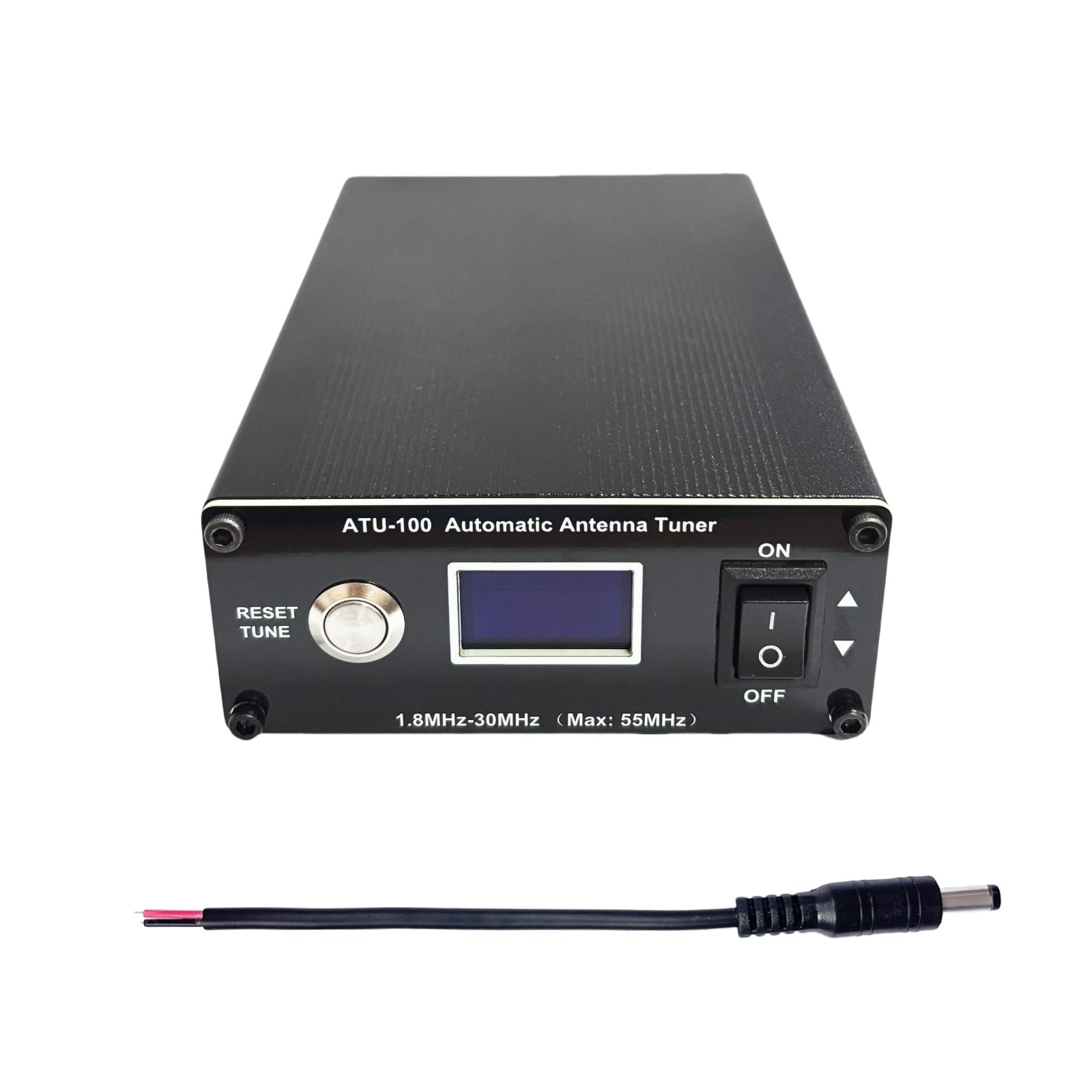 ATU-100 EXT Automatic Antenna Tuner, 1.8-55MHz Ham Radio Tuner$138.79View on eBay
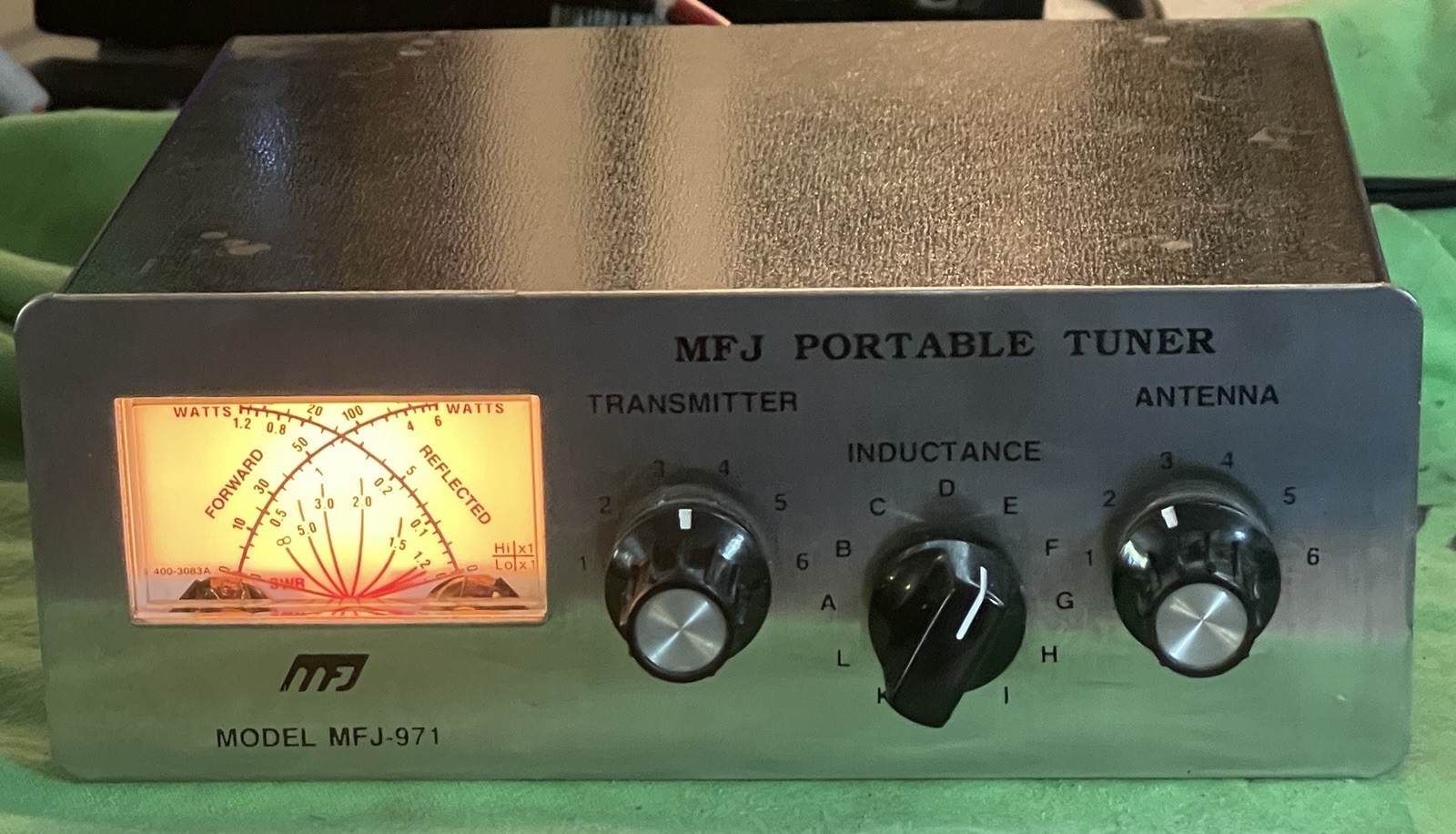 MFJ-971 Ham Radio QRP Portable Antenna Tuner (Excellent condition)$139.00View on eBay
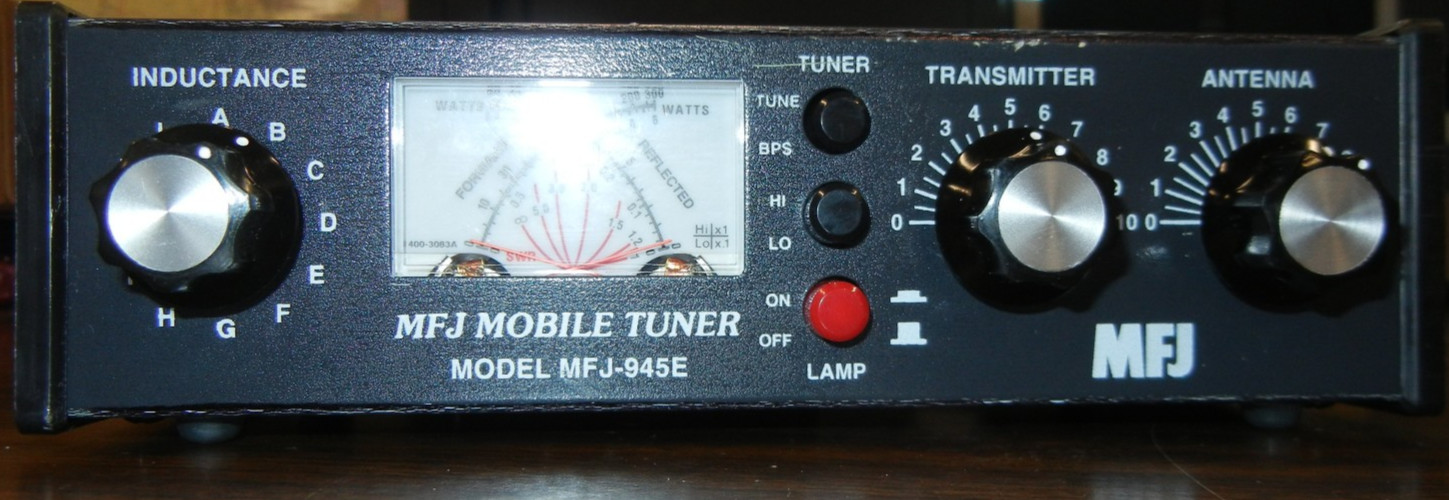 Nice MFJ-945E MOBILE TUNER for Ham Radio Antennas - HF VHF CB SW WARC MFJ945E$149.99View on eBay
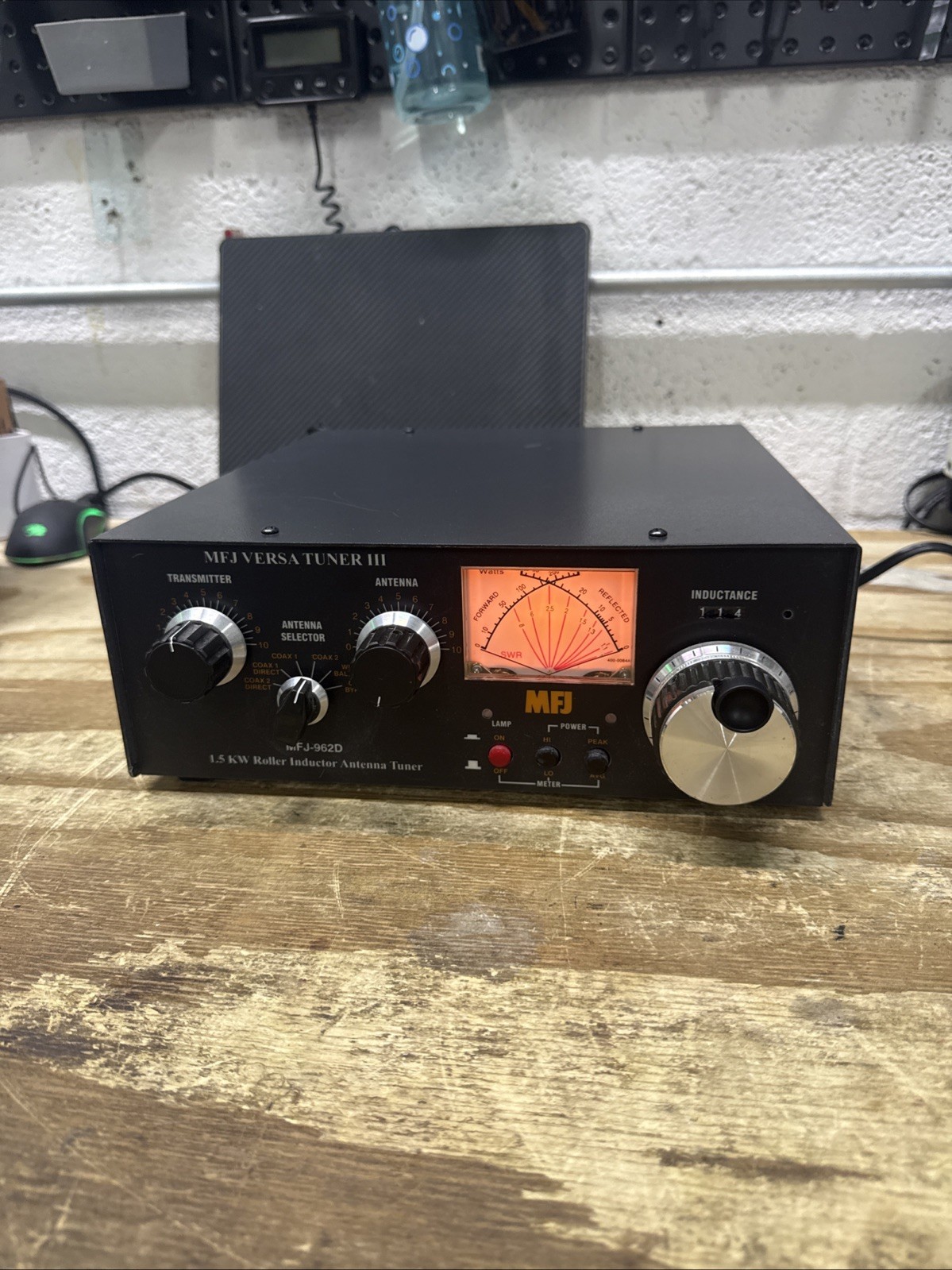 MFJ 962D VERSA TUNER III ANTENNA TUNER - TESTED - READ!$159.99View on eBay
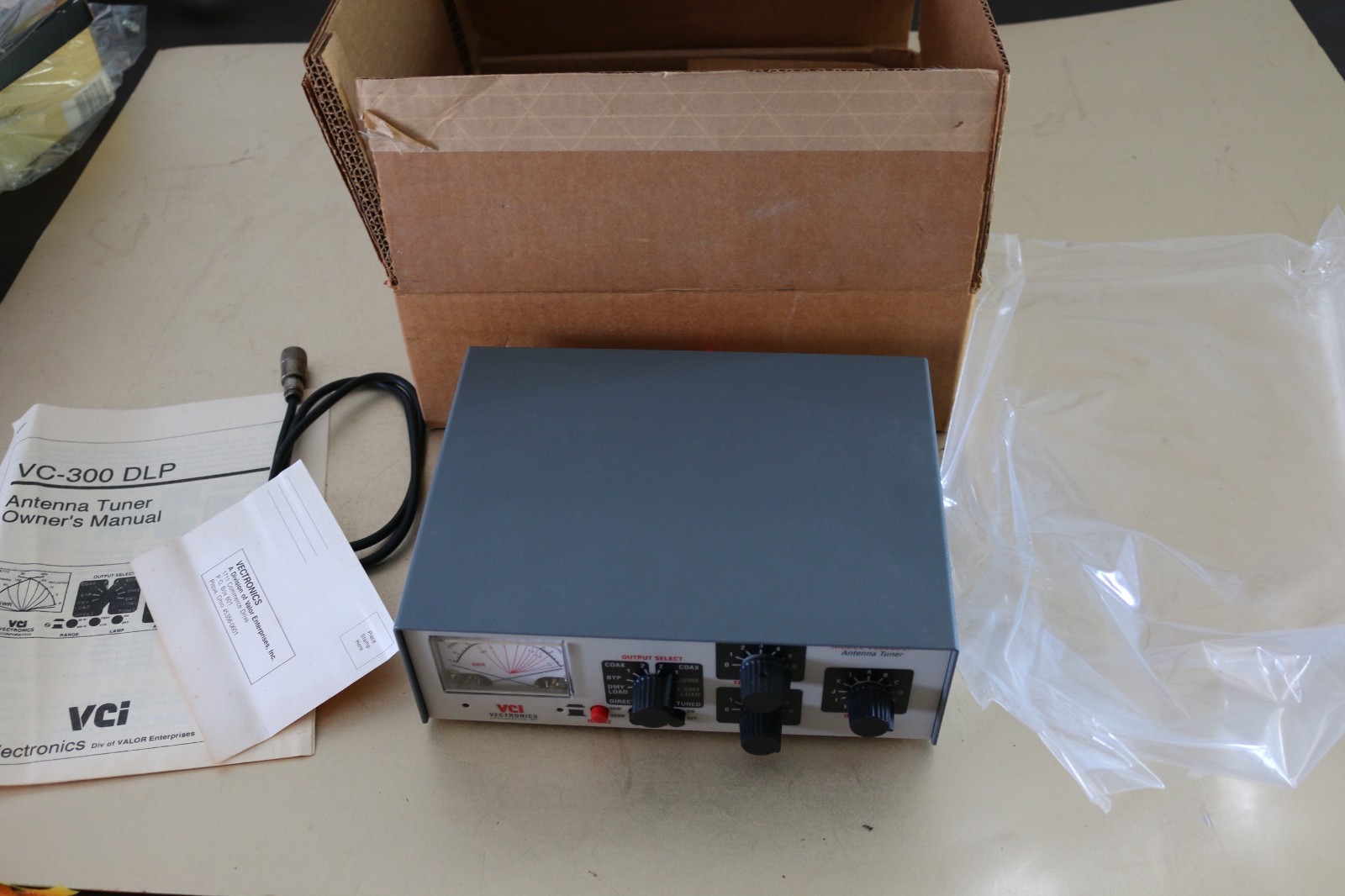 VECTRONICS VC-300DLP CB Ham radio300 WATT antenna tuner w/ box & paperwork MINT!$199.95View on eBay
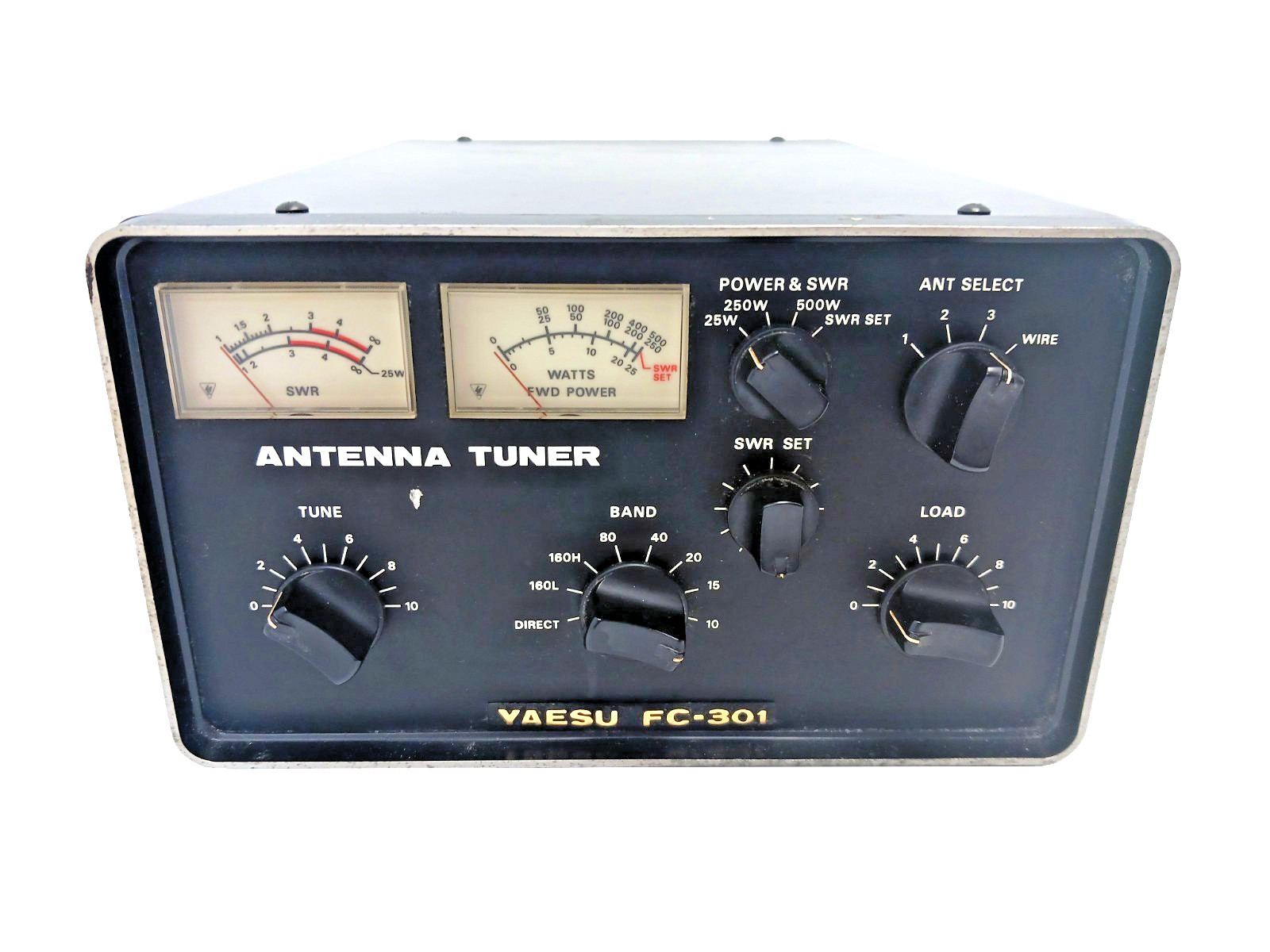 Yaesu FC-301 Ham Radio Antenna Tuner - TESTED & WORKS$199.99View on eBay
Highlights
- Automatic tuners like the ATU-100/ATU-100Pro cover 1.8–50 MHz at 100W SSB/CW using latching relays and an OLED SWR display, but are not rated for sustained FT8 or AM at full power.
- Manual tuners use variable capacitors and roller inductors rated 100W–300W+; the MFJ-941C Versa Tuner II is a 300W T-network with built-in SWR/wattmeter, while the MFJ-900 Econo is a lower-cost 200W class unit.
- QRP Z-match tuners like the 5W 3–28 MHz units use a single differential capacitor and toroid coil—no roller inductor—so they are compact and efficient but limited to low power.
- VHF/mobile tuners such as the B&W AT-200 (144 MHz) are narrow-band matching units, not general HF tuners; they correct a specific mobile whip's impedance rather than covering 1.8–30 MHz.
Best use cases
- Choose an automatic tuner (ATU-100Pro class) if you run a modern 100W HF transceiver, change bands frequently, and want one-button tuning—skip it if you run barefoot 100W FT8 continuously.
- Choose a manual T-network tuner (MFJ-941C class, 300W) if you operate a home station with a random wire or dipole and want a built-in SWR/wattmeter and no relay failure points.
- Choose a QRP Z-match (5W class) only for low-power portable or trail-friendly operation; skip it for any rig above 5–10W, where the capacitors and toroid will arc or saturate.
- Skip a 2m mobile tuner like the B&W AT-200 unless you are matching a specific 144 MHz whip; it will not tune HF bands and is not a substitute for an HF tuner.
Buying tips
- Match tuner power rating to your rig's PEP plus a safety margin: a 100W radio needs a tuner rated at least 150–200W PEP, especially for SSB and digital modes with high duty cycle.
- For manual tuners, prefer roller-inductor designs over tapped-coil designs for smoother tuning and higher Q; T-network tuners handle a wider impedance range than simple L-networks.
- For auto-tuners, verify the frequency coverage (1.8–50 MHz covers 160–6m) and that the tuner uses latching relays, which hold position without continuous current and reduce battery drain.
- For QRP Z-match tuners, confirm the capacitor voltage rating and coil core—units rated 5W are not safely upgraded to 20W without risking arcing in the variable capacitor.
Specs
| Tuner Type | Manual T/Z-match vs Automatic relay |
|---|---|
| Power Rating | 5W QRP / 100W / 300W+ PEP |
| Frequency Coverage | 1.8–30 MHz HF vs 144 MHz VHF |
| Tuning Display | Analog SWR meter vs OLED digital |
Related searches
What to check before buying
- Measure your antenna's feedpoint impedance and operating bands; a tuner only corrects mismatch within its matching range, typically 3:1 to 10:1 SWR depending on design.
- Confirm your transmitter's maximum PEP and duty cycle—digital modes like FT8 need a tuner rated for continuous carrier, not just SSB peak.
- Check connector type and coax: most tuners use SO-239 (UHF) female; ensure your jumpers and antenna feedline match and are rated for the power level.
- For auto-tuners, verify DC power requirements (typically 12–13.8V at 0.5–1A during tuning) and that the tuner can be bypassed or remembers settings per band.
FAQ
Data sources: eBay / Amazon listings and product attribute feeds. Updated Nov 23, 2026.
Some links on this page are affiliate links. If you buy after clicking one, we may earn a commission at no extra cost to you. This does not change which products appear here or their order. Affiliate disclosure.