
Photos from current listings. Actual item, color, and included accessories may vary.
Ham Antenna Tuner Buying Guide
A ham antenna tuner matches a transmitter's 50-ohm output to an antenna's often-complex impedance, protecting the radio and maximizing radiated power across HF and sometimes 6m. The core trade-off is manual vs. automatic architectures and power tier: manual L-network or Z-match tuners are cheap and near-lossless at QRP but need retuning per band, while autotuners store per-band memories at the cost of relays and added insertion loss. Buy by your radio's rated power, antenna mismatch range, and whether you change bands often — not by cosmetic condition alone.
Median $149.99
Key takeaways
- Manual tuners use air-variable capacitors and roller inductors rated by peak power; capacitor gap and inductor gauge set the true safe wattage, not the badge number.
- Autotuners like the ATU-100 and mAT-180H use latching relays and binary L/C banks; relay count and LC range determine matching range from 1.8 to 55 MHz.
- QRP Z-match designs (5W class) are efficient on 3-28 MHz but can arc at higher power; never exceed their capacitor voltage rating even briefly.
At a glance
- Category
- Antenna Tuners & SWR Meters
- Last updated
- Nov 23, 2026
Current offers
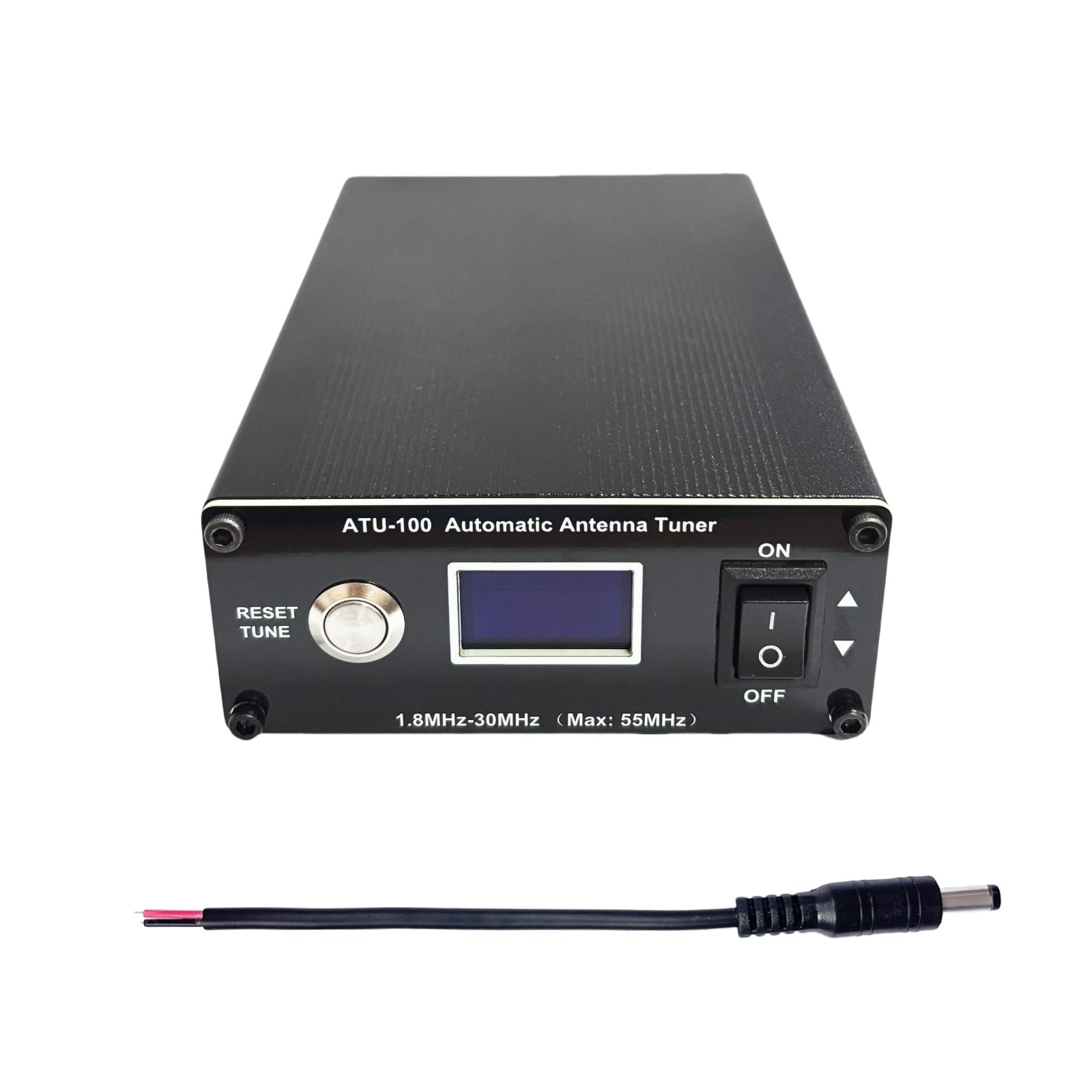 ATU-100 EXT Automatic Antenna Tuner, 1.8-55MHz Ham Radio Tuner$138.79View on eBay
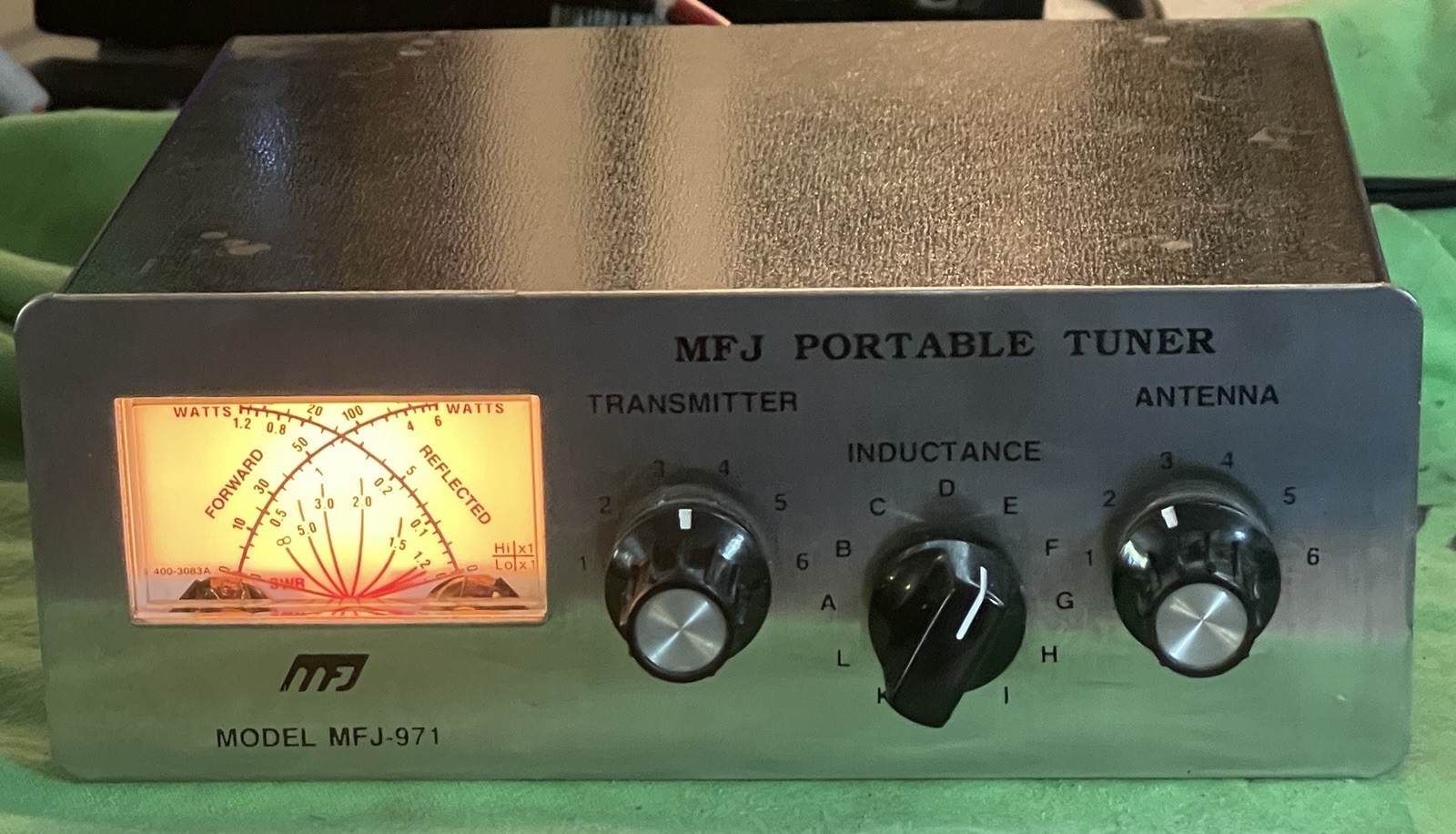 MFJ-971 Ham Radio QRP Portable Antenna Tuner (Excellent condition)$139.00View on eBay
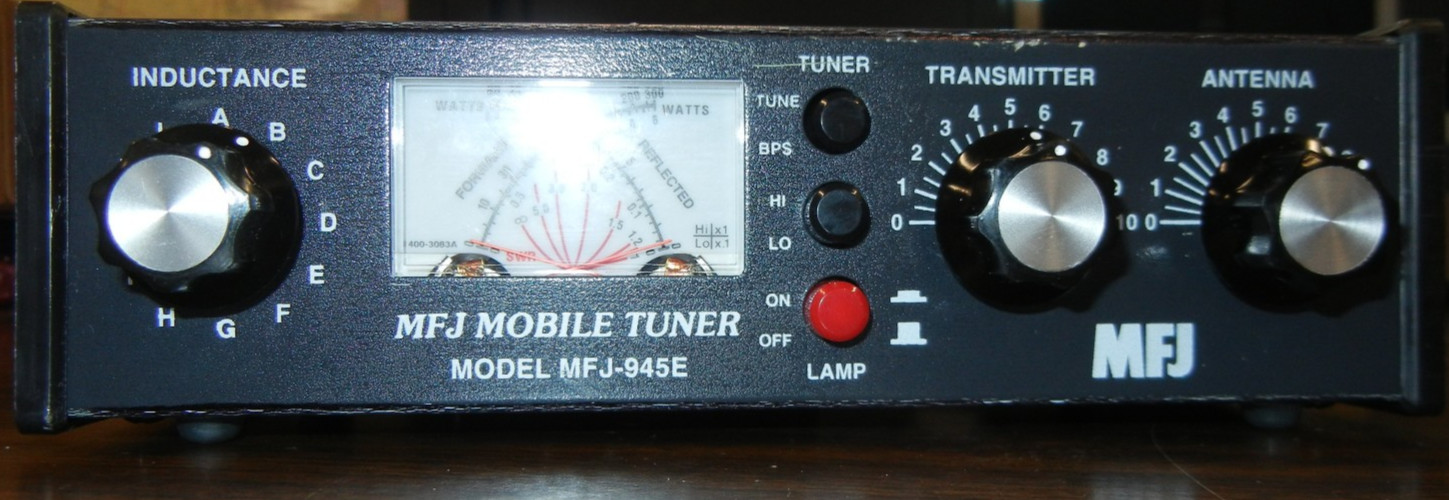 Nice MFJ-945E MOBILE TUNER for Ham Radio Antennas - HF VHF CB SW WARC MFJ945E$149.99View on eBay
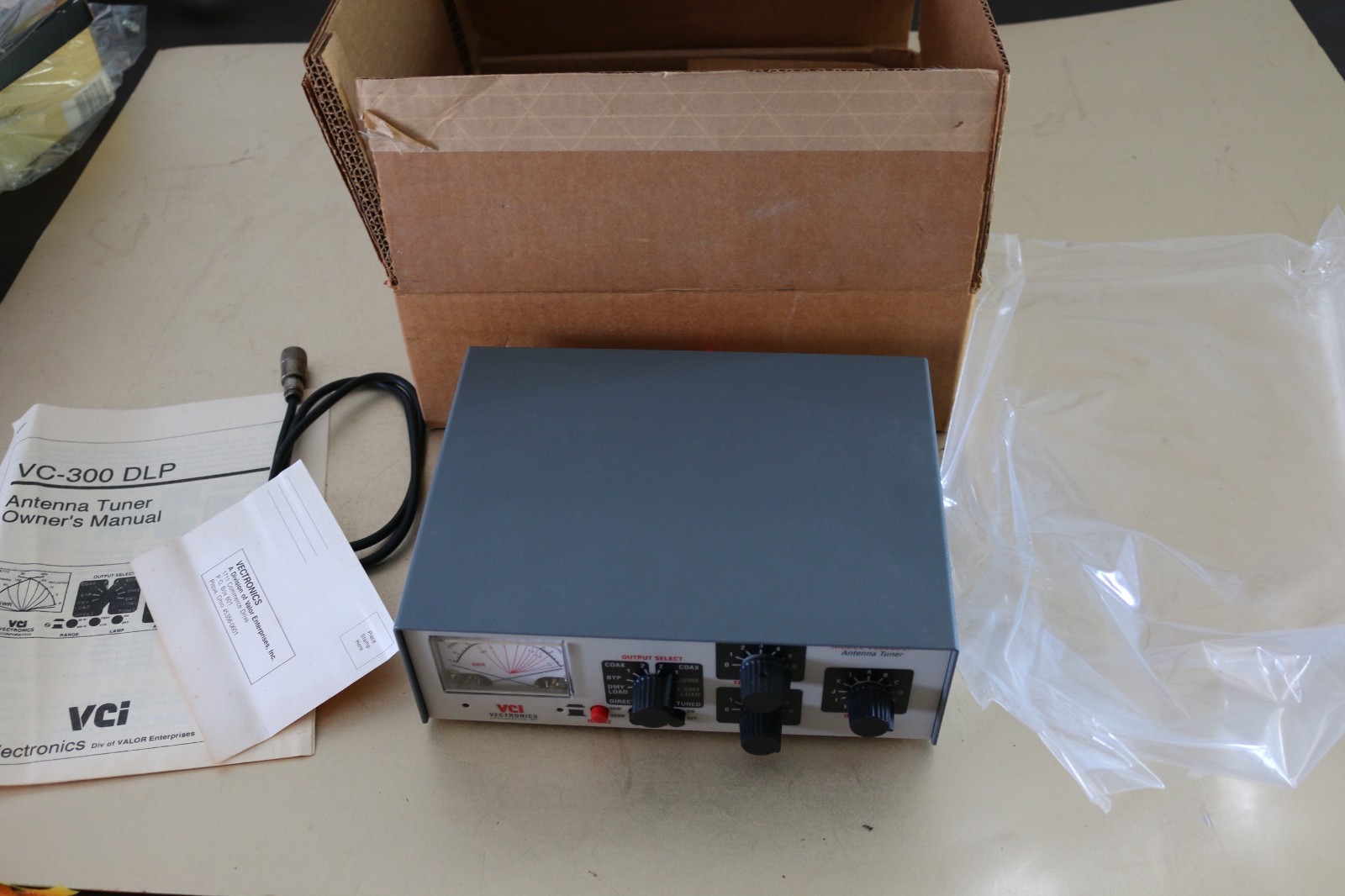 VECTRONICS VC-300DLP CB Ham radio300 WATT antenna tuner w/ box & paperwork MINT!$199.95View on eBay
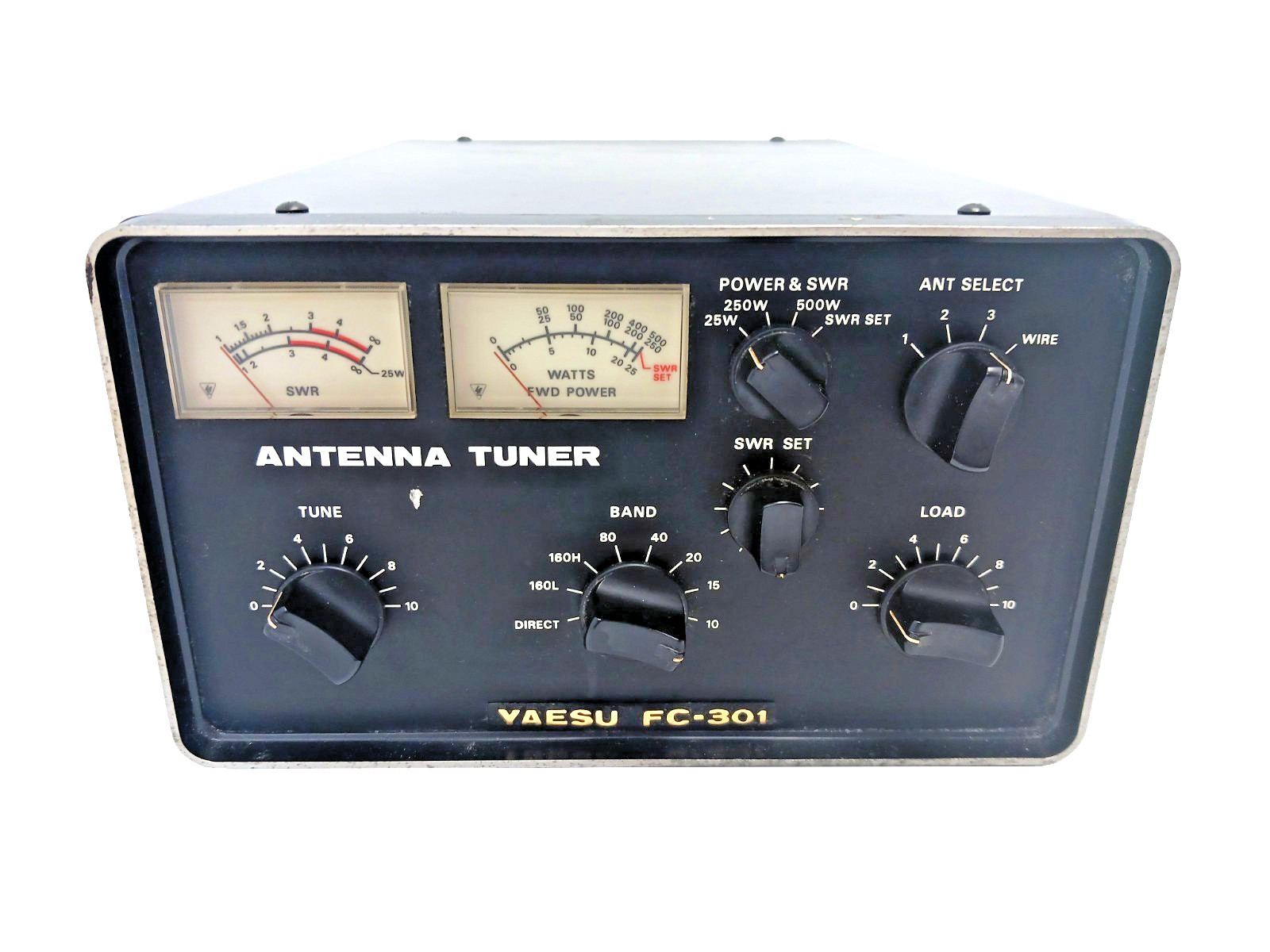 Yaesu FC-301 Ham Radio Antenna Tuner - TESTED & WORKS$199.99View on eBay
Highlights
- Manual tuners use air-variable capacitors and roller inductors rated by peak power; capacitor gap and inductor gauge set the true safe wattage, not the badge number.
- Autotuners like the ATU-100 and mAT-180H use latching relays and binary L/C banks; relay count and LC range determine matching range from 1.8 to 55 MHz.
- QRP Z-match designs (5W class) are efficient on 3-28 MHz but can arc at higher power; never exceed their capacitor voltage rating even briefly.
- Branded tiers differ by generation: MFJ-941D adds a built-in SWR/wattmeter over the base 941C, while Kenwood AT-250 pairs only with specific TS-430-era radios via band data.
Best use cases
- Best fit: portable QRP operators with 3-28 MHz wire antennas — pick a Z-match or MFJ-971; skip 300W manual tuners that add weight and loss.
- Best fit: base-station HF users with multi-band dipoles and 100W radios — choose a 300W manual L-network like the MFJ-941D or an ATU-100 autotuner for fast band changes.
- Best fit: operators wanting one-button tuning with an Icom or Kenwood transceiver — select a matching-architecture autotuner (mAT-180H for Icom, AT-250 for TS-430) rather than a generic manual box.
- Wrong fit: using an ATU-100-class 100-120W autotuner on a 200W amplifier or a 5W QRP Z-match on a 100W rig — both exceed component ratings and will arc or fail.
Buying tips
- Match tuner power rating to at least 1.5x your transmitter's PEP; a 100W radio needs a 150W+ tuner, and a 5W QRP Z-match is safe only at 5W or below.
- Confirm frequency coverage: most HF tuners span 1.8-30 MHz; the ATU-100 and mAT-180H extend to 55 MHz for 6m, while legacy matchboxes like the Viking 250-23 cover only 7-9.1 MHz.
- Choose manual L-network or Z-match for lowest loss and no power requirement; choose an autotuner when band changes are frequent and your radio provides band data or tune trigger.
- Inspect air-variable capacitor gap and roller inductor condition on used tuners — arcing marks, bent plates, or worn wiper contacts reduce voltage rating and matching range.
Specs
| Tuning Type | Manual L-network / Z-match / Autotuner |
|---|---|
| Power Rating | 5W QRP to 300W PEP tiers |
| Frequency Range | 1.8-30 MHz HF; 6m to 55 MHz |
| Matching Range | Up to 10:1 SWR typical |
Related searches
What to check before buying
- Record your transmitter's PEP and antenna feedline impedance; verify the tuner's continuous and peak ratings exceed both.
- Measure your antenna's mismatch range (SWR at band edges) and confirm the tuner's stated matching range covers it.
- For autotuners, verify control compatibility: band-data cable or tune trigger matches your transceiver brand and model generation.
- Check physical footprint and connector type (SO-239 vs. BNC) against your station layout and coax jumpers.
FAQ
Data sources: eBay / Amazon listings and product attribute feeds. Updated Nov 23, 2026.
Some links on this page are affiliate links. If you buy after clicking one, we may earn a commission at no extra cost to you. This does not change which products appear here or their order. Affiliate disclosure.