
Photos from current listings. Actual item, color, and included accessories may vary.
ABS 3D Printer Filament Buying Guide
ABS filament is a styrene-butadiene copolymer FDM material prized for impact resistance, heat tolerance near 100°C, and post-processing with acetone vapor. The core trade-off is printability versus durability: standard ABS demands an enclosed, draft-free chamber and warps on open beds, while ABS+ and ASA blends trade some chemical resistance for lower warp and better layer adhesion. Buy standard ABS only for enclosed printers and functional parts; choose ABS+ or ASA for open-frame or outdoor use.
Median $130.34 · New listings
Key takeaways
- Standard ABS shrinks 0.6-0.8% during cooling; ABS+ grades use rubber additives to cut warp and improve first-layer adhesion at 230-245°C.
- ASA copolymer swaps the butadiene for acrylate, delivering 10x better UV stability for outdoor parts while keeping ABS-level heat deflection near 95-100°C.
- All ABS variants require heated beds at 90-110°C and enclosure temperatures of 40-60°C; open-frame printers will warp on parts wider than 60mm.
At a glance
- Category
- 3D Printing Filament & Resin
- Last updated
- Nov 24, 2026
Current offers
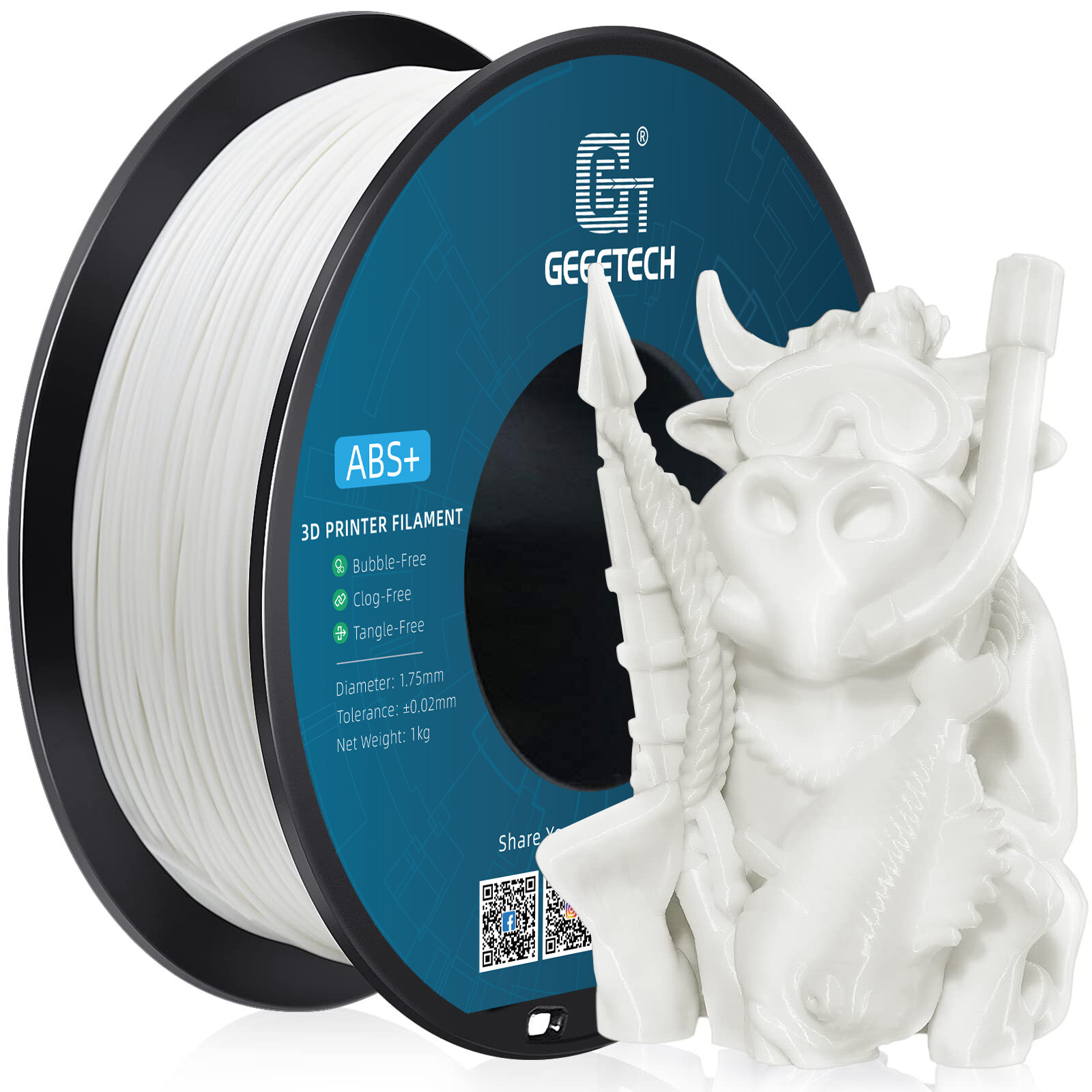 【Buy 5 Get 5 Free!Add 10】GEEETECH 1KG PLA PETG ABS+ TPU ASA 3D Printer Filament$23.74View on eBay
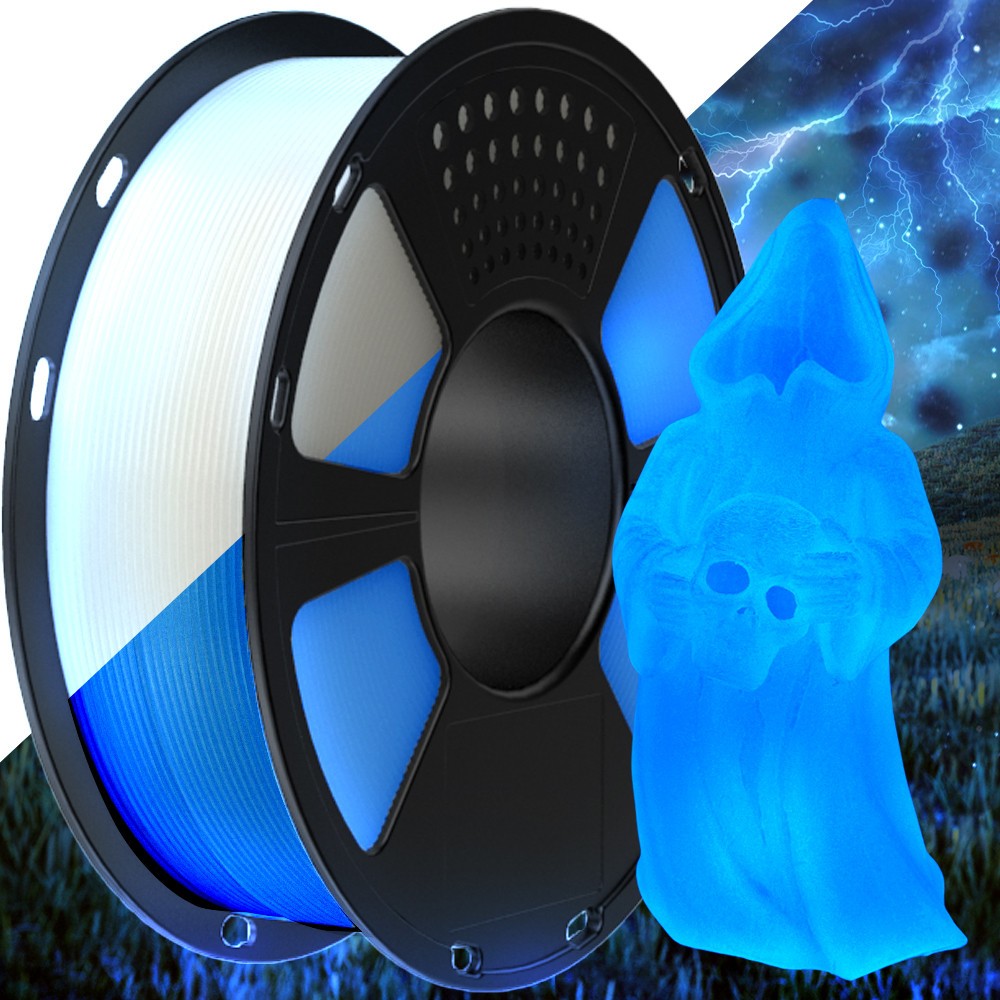 【Buy 5 Get 5 Free!Add 10】GEEETECH 1KG PLA ABS+ PETG TPU ASA 3D Printer Filament$27.99View on eBay
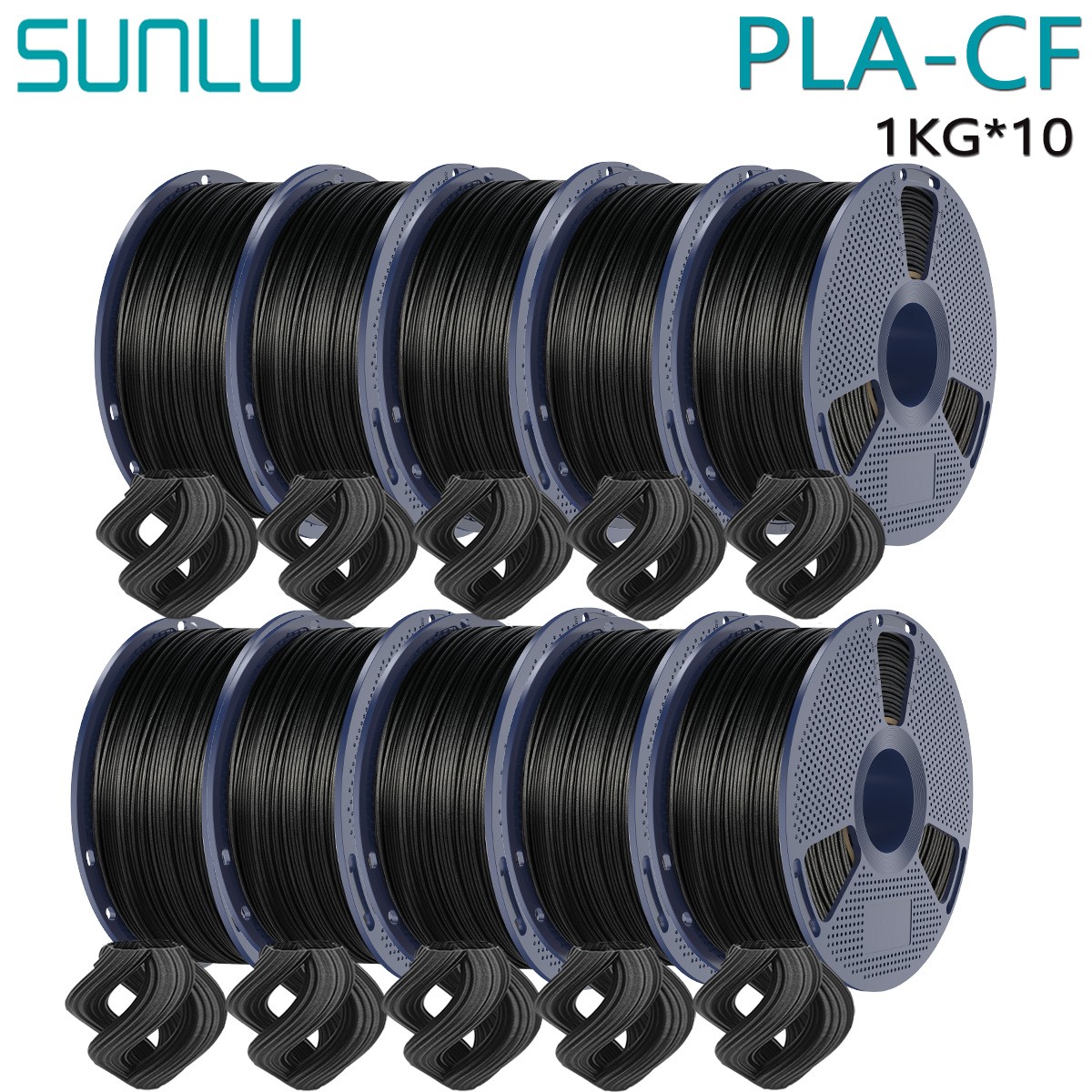 SUNLU 10KG PLA PLA+ ASA SILK PETG2.0 ABS 3D Printer Filament 1.75mm 1KG/Spool$232.69New · Last checked Nov 21, 2026View on eBay
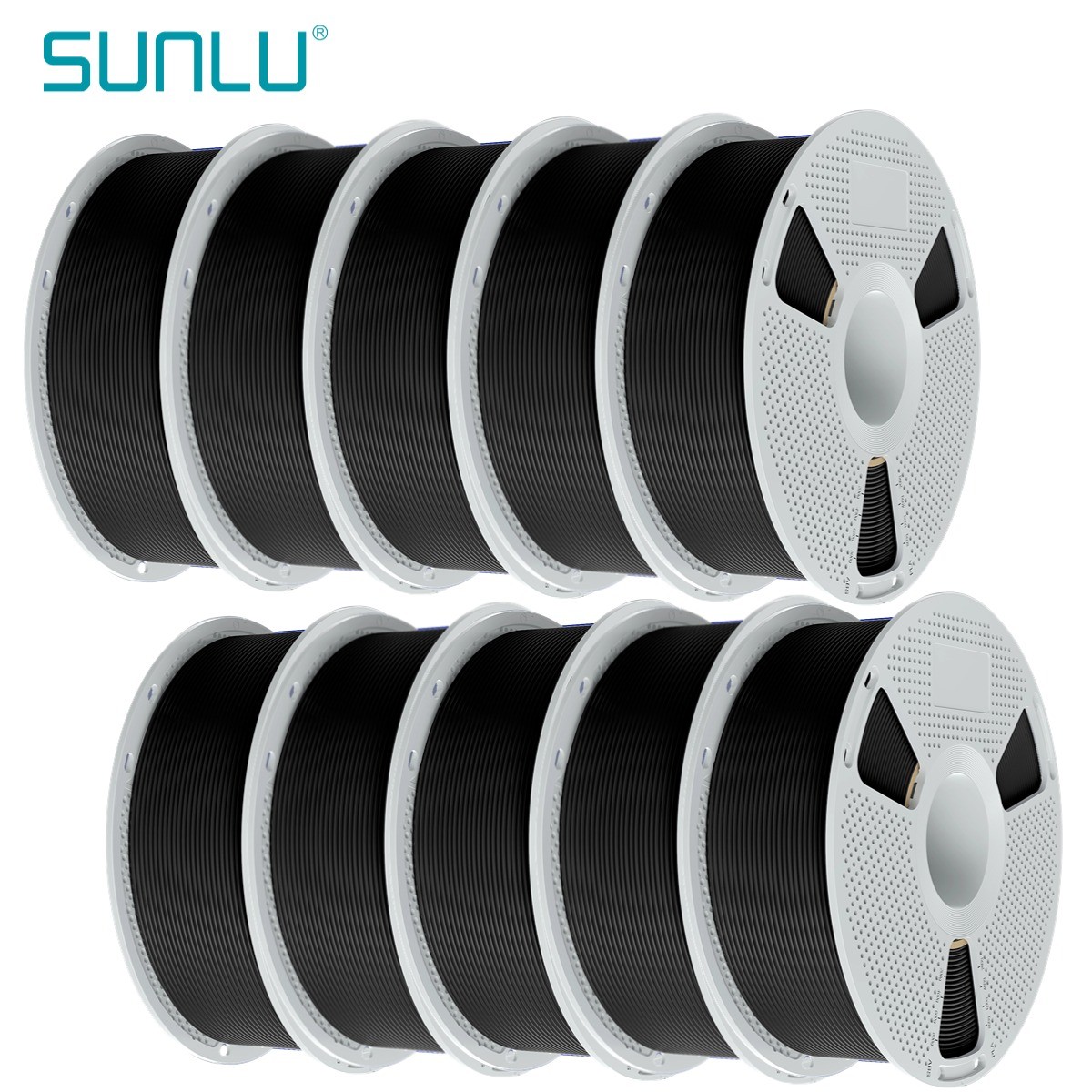 10×1KG SUNLU PLA Matte Meta PLA+ PETG SILK ABS TPU95A 1KG 3D Printer Filament$278.94New · Last checked Nov 21, 2026View on eBay
Highlights
- Standard ABS shrinks 0.6-0.8% during cooling; ABS+ grades use rubber additives to cut warp and improve first-layer adhesion at 230-245°C.
- ASA copolymer swaps the butadiene for acrylate, delivering 10x better UV stability for outdoor parts while keeping ABS-level heat deflection near 95-100°C.
- All ABS variants require heated beds at 90-110°C and enclosure temperatures of 40-60°C; open-frame printers will warp on parts wider than 60mm.
- Acetone vapor smoothing works only on true ABS/ASA; ABS+ blends with high polycarbonate or styrene content smooth unevenly and lose layer detail.
Best use cases
- Enclosed-printer owners printing brackets, enclosures, or automotive interior parts: pick standard ABS at 1.75mm for the best chemical-smoothing and heat resistance per kilogram.
- Open-frame printer users or anyone printing parts wider than 80mm: choose ABS+ or ASA instead, which warp far less and still hold 90°C+ heat deflection.
- Outdoor fixtures, garden mounts, or dashboard parts exposed to sunlight: specify ASA, never standard ABS, which yellows and embrittles under UV within months.
- Shoppers wanting a single all-purpose spool: skip ABS entirely and buy PLA+ or PETG; ABS only earns its place when heat and impact resistance are mandatory.
Buying tips
- Buy 1.75mm diameter for all modern printers; 2.85mm only fits Ultimaker-style bowden machines and clogs 1.75mm hotends.
- Demand a spool with a 60°C+ heat-deflection datasheet for functional parts; generic ABS without a datasheet often tests below 80°C HDT.
- Choose ABS+ if your enclosure cannot hold 40°C+ or your bed maxes at 90°C; standard ABS needs 100-110°C bed and stable chamber heat.
- Prefer vacuum-sealed spools with desiccant; ABS absorbs moisture fast and wet filament causes bubbling, poor layer bonding, and weak parts.
Specs
| Material Family | ABS / ABS+ / ASA copolymer |
|---|---|
| Filament Diameter | 1.75mm standard / 2.85mm legacy |
| Nozzle Temp Range | 230-250°C (ABS+ 230-245°C) |
| Bed & Chamber | 90-110°C bed / 40-60°C enclosure |
Related searches
What to check before buying
- Confirm your printer is enclosed or can be tented; open-frame ABS prints warp on any part wider than 60-80mm.
- Verify the heated bed reaches 100-110°C; beds capped at 80-90°C suit ABS+ or ASA, not standard ABS.
- Check your hotend and nozzle are all-metal if printing above 240°C; PTFE-lined hotends degrade and off-gas above that threshold.
- Plan for ventilation and an activated-carbon filter; ABS emits styrene VOCs and should not be printed in unventilated living spaces.
FAQ
Data sources: eBay / Amazon listings and product attribute feeds. Updated Nov 24, 2026.
Some links on this page are affiliate links. If you buy after clicking one, we may earn a commission at no extra cost to you. This does not change which products appear here or their order. Affiliate disclosure.