
Photos from current listings. Actual item, color, and included accessories may vary.
3D Filament Buying Guide
3D filament is the consumable feedstock for FDM printers, sold on 1 kg spools in 1.75 mm diameter, and the real trade-off is printability versus mechanical/thermal performance: easy PLA versus tougher PETG/ABS/ASA and engineering blends. The decision rule is simple: match polymer to service temperature and load, buy only from brands that publish extrusion temperature, bed temperature, and drying guidance, and skip generic spools with no material data sheet.
Median $219.95 · New listings
Key takeaways
- PLA prints at 190–220 °C with a 50–60 °C bed, is the most dimensionally stable for beginners, but softens near 55–60 °C and is brittle under impact.
- PETG runs 230–250 °C on a 70–85 °C bed, delivers higher impact strength and modest chemical resistance, but strings and bonds aggressively to bare glass and PEI.
- ABS/ASA require 240–260 °C with a 90–110 °C bed and an enclosure; ASA adds UV stability for outdoor parts where ABS yellows and cracks.
At a glance
- Category
- 3D Printing Filament & Resin
- Last updated
- Nov 24, 2026
Current offers
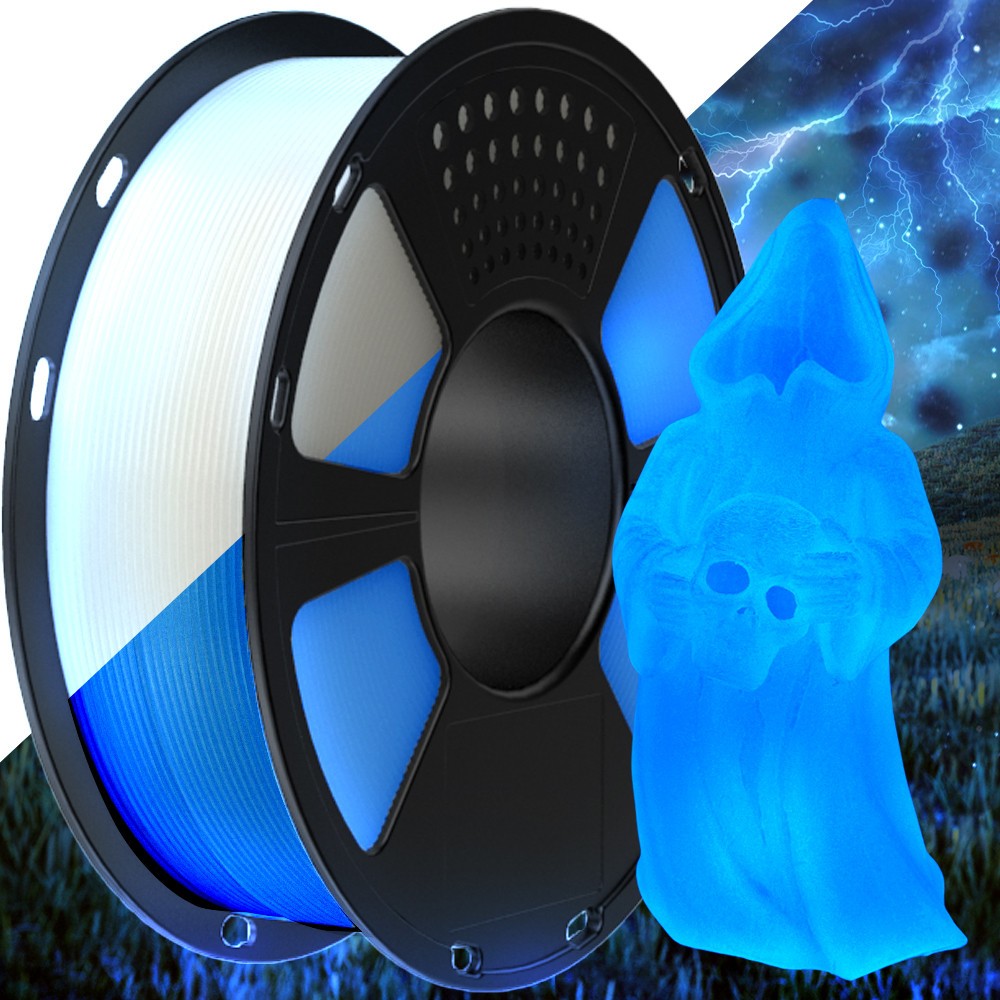 【Buy 5 Get 5 Free!Add 10】GEEETECH 1KG PLA ABS+ PETG TPU ASA 3D Printer Filament$27.99View on eBay
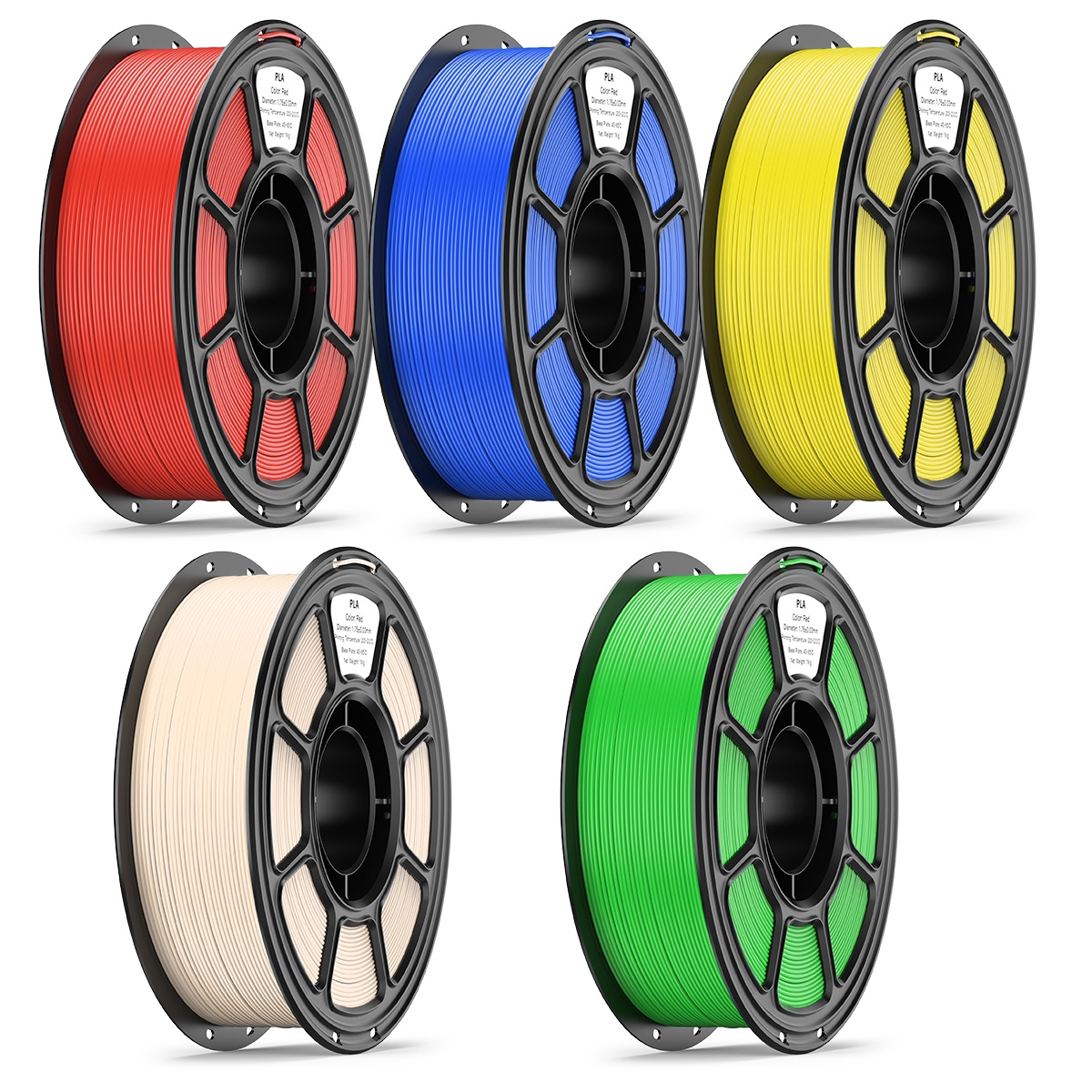 PLA 5 Pack 3D Printer Filament, 1.75mm PLA Bundle, 5 Rolls Set For FDM 3D Printers, Smooth Printing, Low Warping, Easy To Print, Multi Color For DIY, Prototyping, Model Making & Crea$78.99View on Mallflare
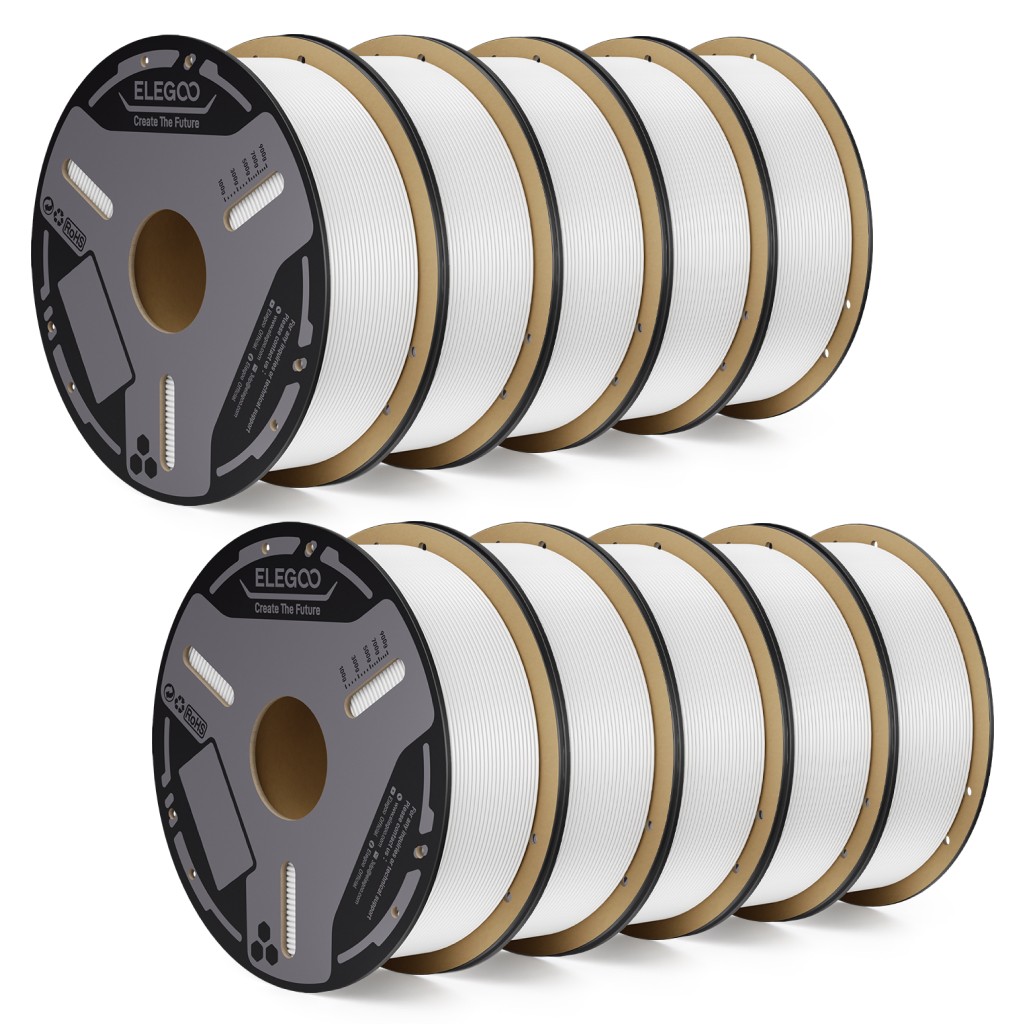 ELEGOO 10KG 3D Printer Filament PLA PETG Matte 1.75 mm FDM Bundle 1KG/Spool$209.00New · Last checked Nov 21, 2026View on eBay
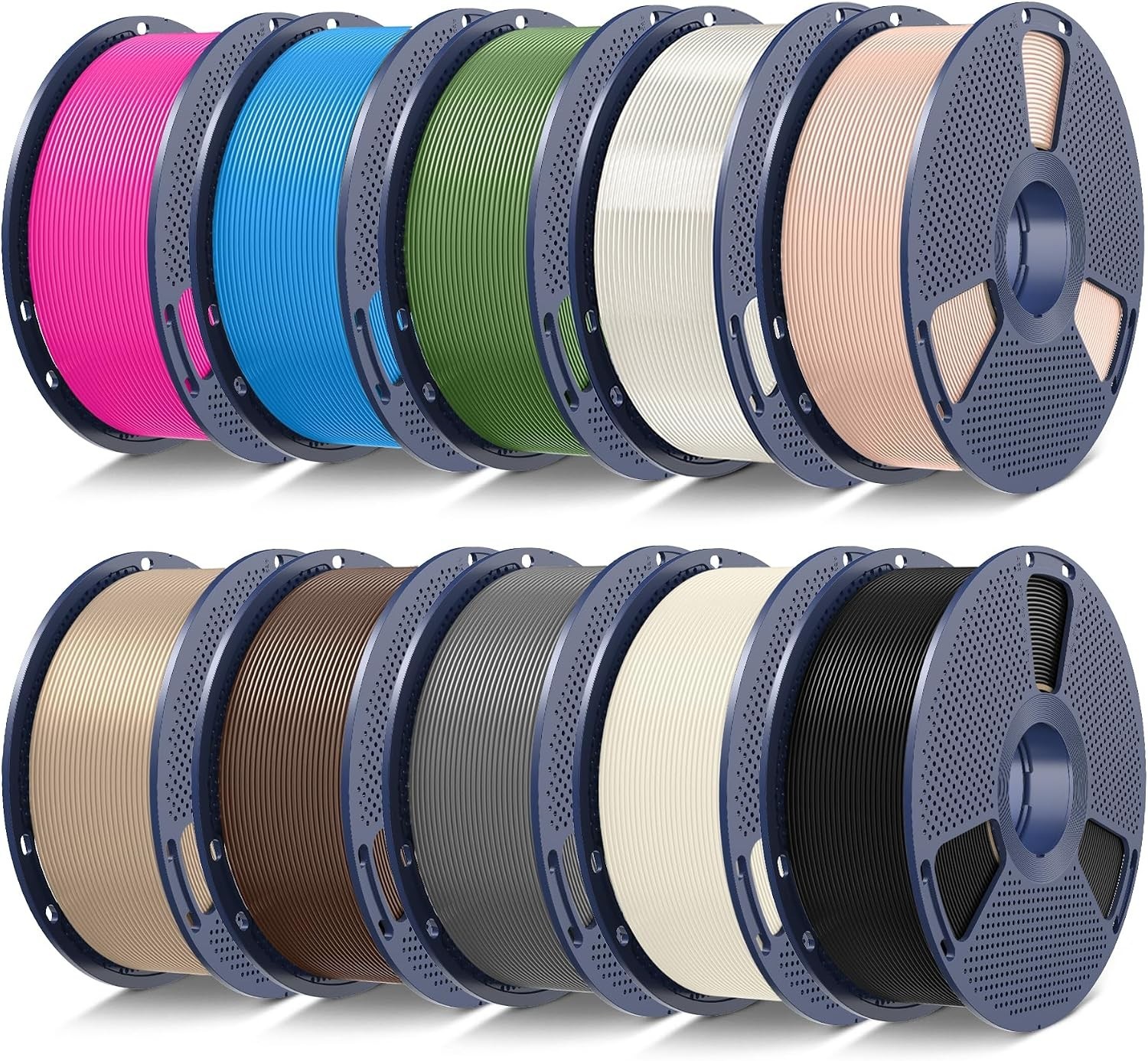 PLA 3D Printer Filament, Multicolor, 10-Pack, 10KG Total Black+Bone White+Grey+$219.95New · Last checked Nov 21, 2026View on eBay
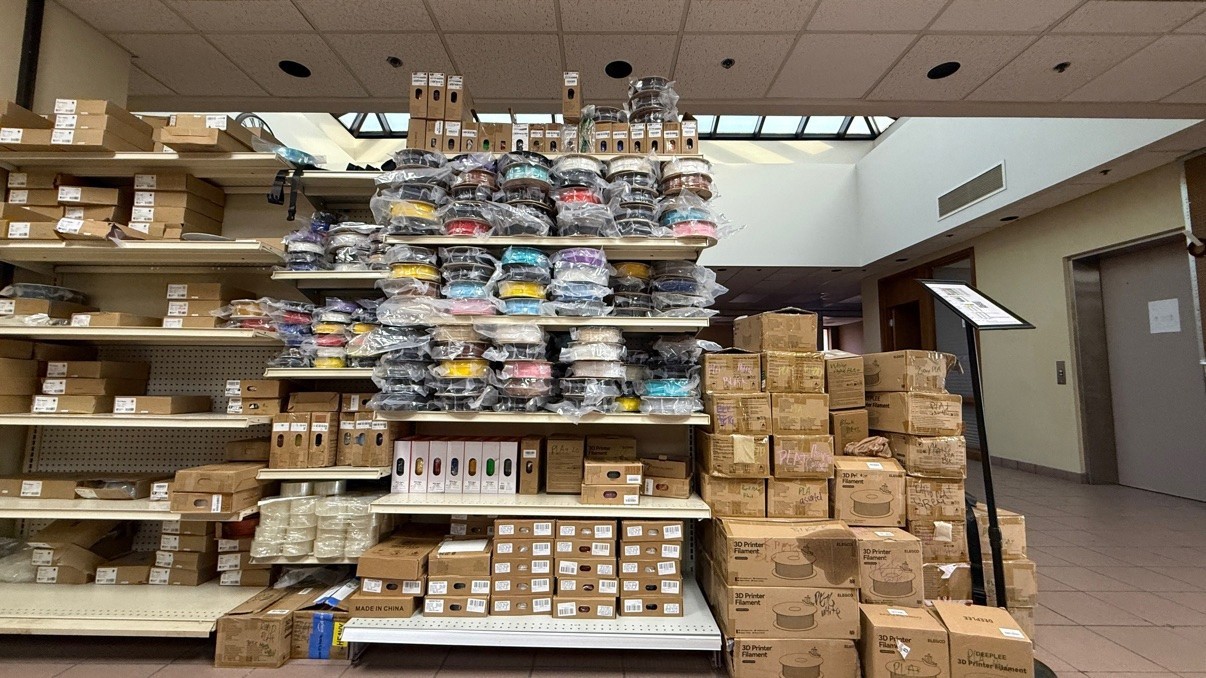 【Bulk Lot Deal】 Elegoo Filament 1.75mm 3D Printing PLA PETG ASA Filament Spools$231.84New · Last checked Nov 21, 2026View on eBay
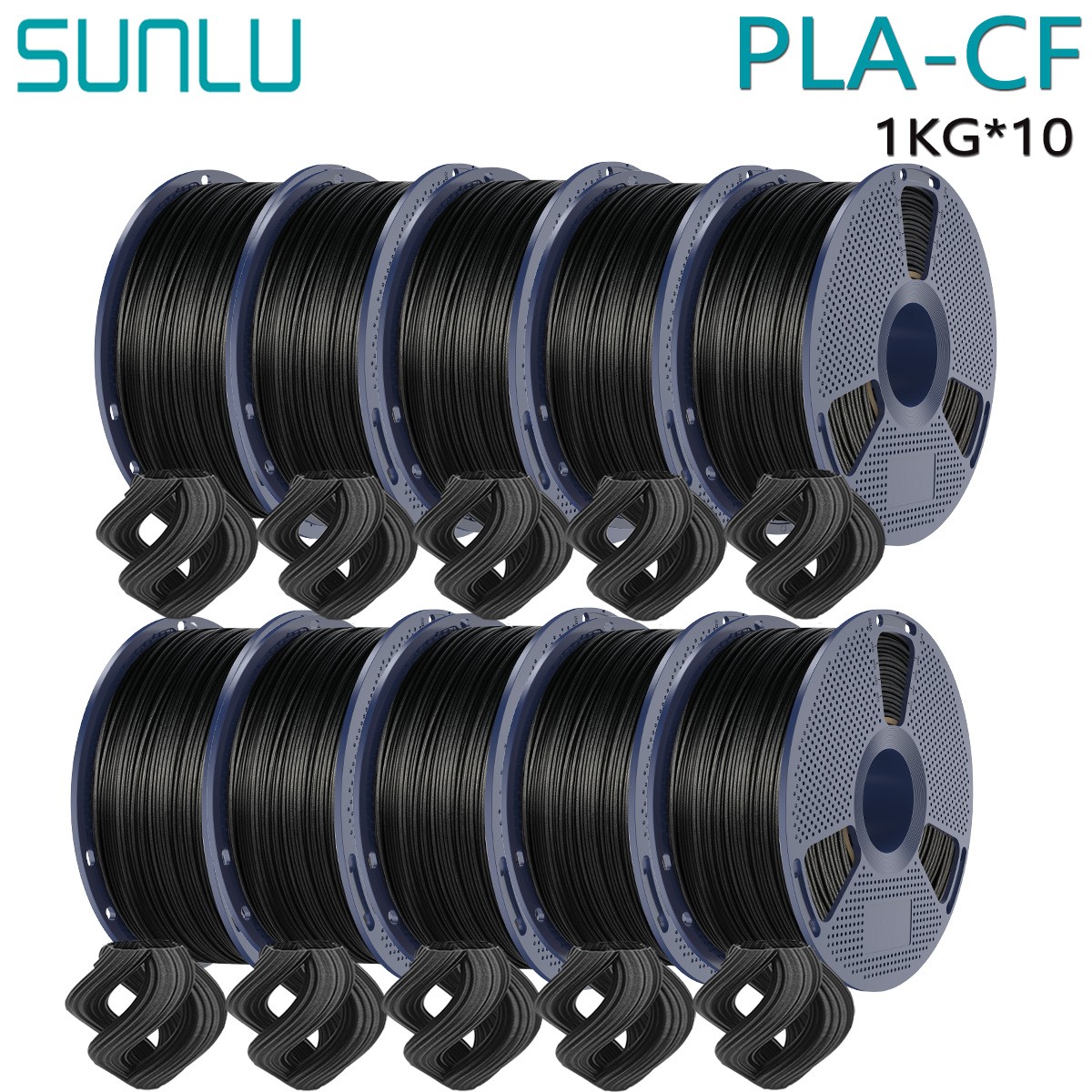 SUNLU 10KG PLA PLA+ ASA SILK PETG2.0 ABS 3D Printer Filament 1.75mm 1KG/Spool$232.69New · Last checked Nov 21, 2026View on eBay
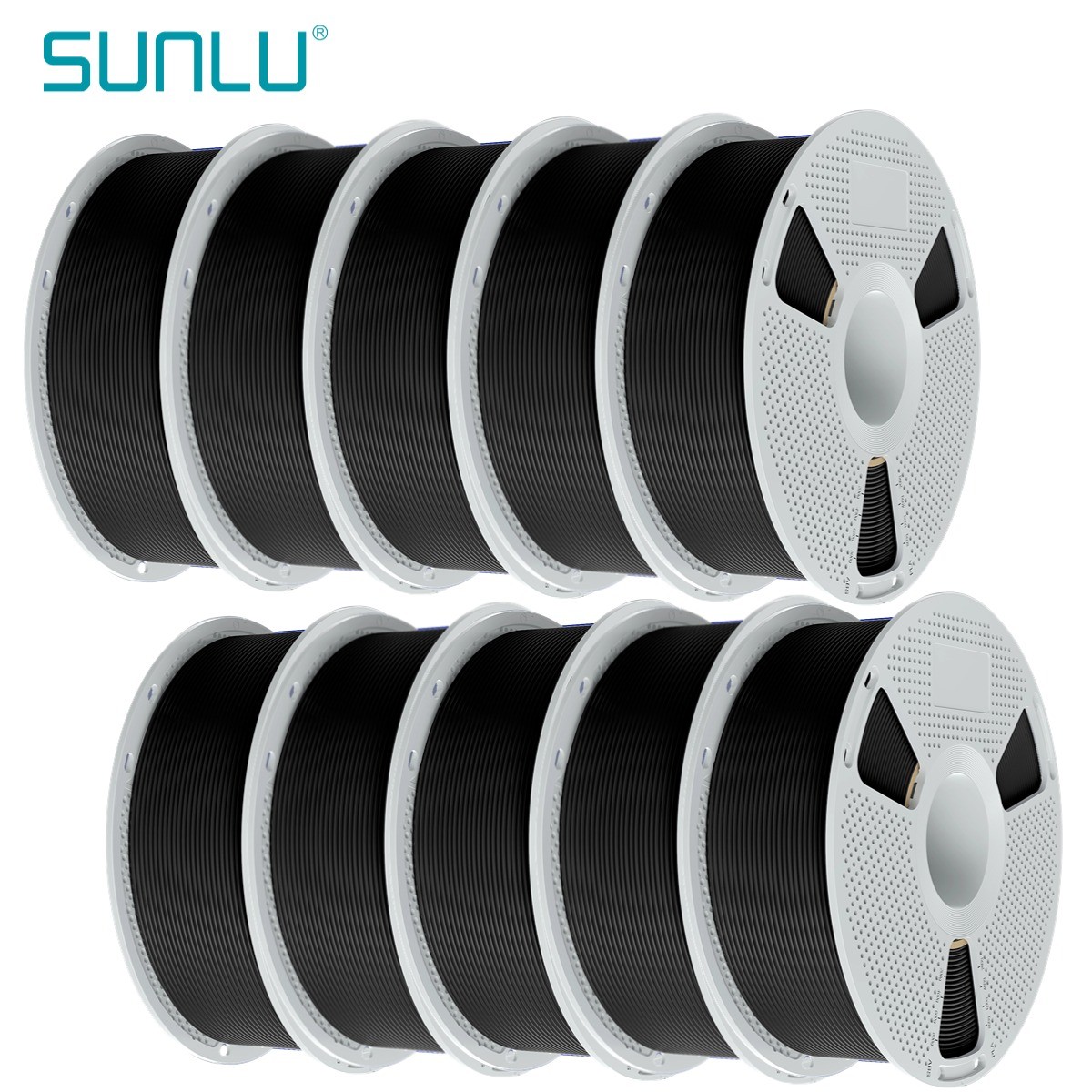 10×1KG SUNLU PLA Matte Meta PLA+ PETG SILK ABS TPU95A 1KG 3D Printer Filament$278.94New · Last checked Nov 21, 2026View on eBay
Highlights
- PLA prints at 190–220 °C with a 50–60 °C bed, is the most dimensionally stable for beginners, but softens near 55–60 °C and is brittle under impact.
- PETG runs 230–250 °C on a 70–85 °C bed, delivers higher impact strength and modest chemical resistance, but strings and bonds aggressively to bare glass and PEI.
- ABS/ASA require 240–260 °C with a 90–110 °C bed and an enclosure; ASA adds UV stability for outdoor parts where ABS yellows and cracks.
- Carbon-fiber and other filled blends (10–20% CF/GF) raise stiffness and heat deflection but need hardened steel nozzles (0.4–0.6 mm) because abrasive filler wears brass quickly.
Best use cases
- Pick PLA for display models, prototypes, and school projects where detail and low warp matter more than heat resistance; skip it for car interiors or direct sunlight.
- Pick PETG for brackets, enclosures, and water-exposed parts needing toughness and slight flex; skip it if the printer lacks a heated bed above 70 °C.
- Pick ABS/ASA only with an enclosed printer and ventilation for outdoor or automotive parts; skip if printing in an open bedroom or unventilated room.
- Pick CF/GF engineering blends for stiff functional parts on printers with hardened nozzles and all-metal hotends above 250 °C; skip on stock brass-nozzle machines.
Buying tips
- Buy 1.75 mm diameter (±0.02 mm tolerance) for all modern consumer FDM printers; 2.85 mm only fits Ultimaker-style and some older machines, and the two are not interchangeable.
- Standard spools hold 1 kg of filament (about 330 m of 1.75 mm PLA); silk and filled variants often ship at 0.8–1.1 kg, so compare net filament weight, not gross spool weight.
- Check the spool hub bore and outer diameter against your holder: common 200 mm outer diameter, 52–55 mm hub bore spools fit most printers, but some 250 mm spools need a side-mount adapter.
- For multicolor/gradient spools, expect visible color transitions over the length of the print; single-color spools give predictable results for functional parts and repeat orders.
Specs
| Filament Diameter | 1.75 mm (2.85 mm for older machines) |
|---|---|
| Spool Net Weight | 1 kg standard / 0.8–1.1 kg variants |
| Print Temp Range | PLA 190–220 °C / PETG 230–250 °C |
| Bed Temp Range | PLA 50–60 °C / PETG 70–85 °C |
Related searches
What to check before buying
- Confirm your printer's hotend can reach the polymer's range: PLA 190–220 °C, PETG 230–250 °C, ABS/ASA 240–260 °C, filled blends 250–270 °C.
- Verify the bed reaches 60 °C for PLA, 80 °C for PETG, and 100 °C for ABS/ASA; an unheated bed limits you to PLA or glue-stick workarounds.
- Measure spool holder clearance for 200 mm-diameter, 1 kg spools and confirm hub bore diameter (52–55 mm typical) before buying odd-size spools.
- Plan drying: hygroscopic filaments (PETG, TPU, nylon, CF blends) need a dry box or filament dryer at 40–70 °C; PLA tolerates ambient humidity better but still benefits from sealing.
FAQ
Data sources: eBay / Amazon listings and product attribute feeds. Updated Nov 24, 2026.
Some links on this page are affiliate links. If you buy after clicking one, we may earn a commission at no extra cost to you. This does not change which products appear here or their order. Affiliate disclosure.