
Photos from current listings. Actual item, color, and included accessories may vary.
3D Printer Filament Buying Guide
FDM filament is a spooled thermoplastic that determines print strength, surface finish, and warp risk. The primary trade-off is between easy-print low-temp plastics (PLA) and engineering polymers (PETG, ABS/ASA) that demand enclosure and higher nozzle temperatures, plus affordable ±0.05 mm diameter tolerance versus precision ±0.02 mm windings. The decision rule: buy PLA/PLA+ for visual models and prototypes, PETG for functional parts needing chemical resistance, ABS/ASA/TPU only if your printer has an enclosure or direct-drive extruder and you accept ventilation and tuning requirements.
Median $144.00 · New listings
Key takeaways
- PLA prints at 190–220 °C nozzle / 60 °C bed with minimal warp; PETG needs 230–250 °C / 80 °C and slower speeds for layer adhesion.
- ABS/ASA require 240–260 °C nozzle, 90–110 °C bed, and an enclosure to prevent warping and layer splitting on large parts.
- TPU is flexible and demands direct-drive extrusion at 220–235 °C; Bowden setups struggle with soft 95A and softer shore hardness.
At a glance
- Category
- 3D Printing Filament & Resin
- Last updated
- Nov 24, 2026
Current offers
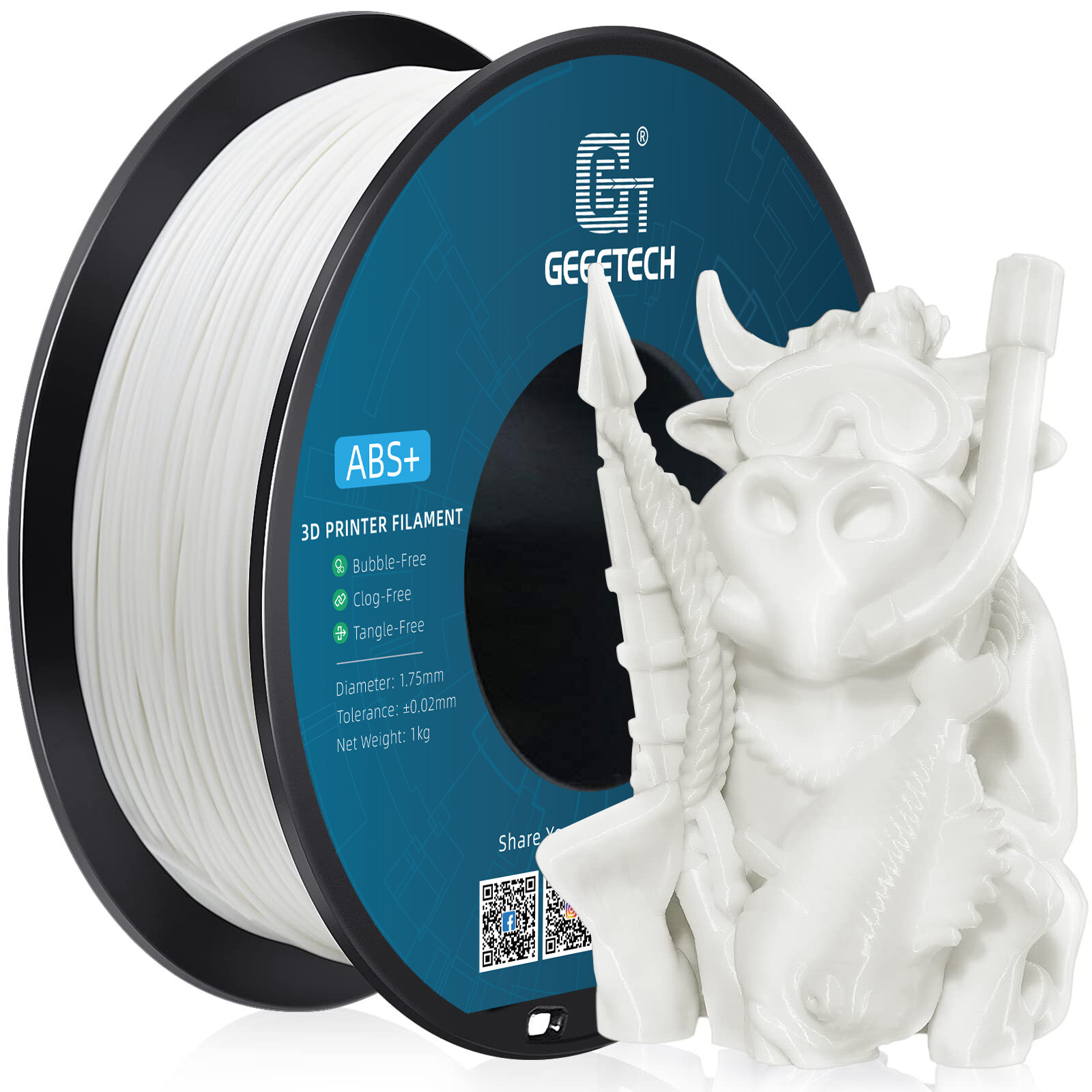 【Buy 5 Get 5 Free!Add 10】GEEETECH 1KG PLA PETG ABS+ TPU ASA 3D Printer Filament$23.74View on eBay
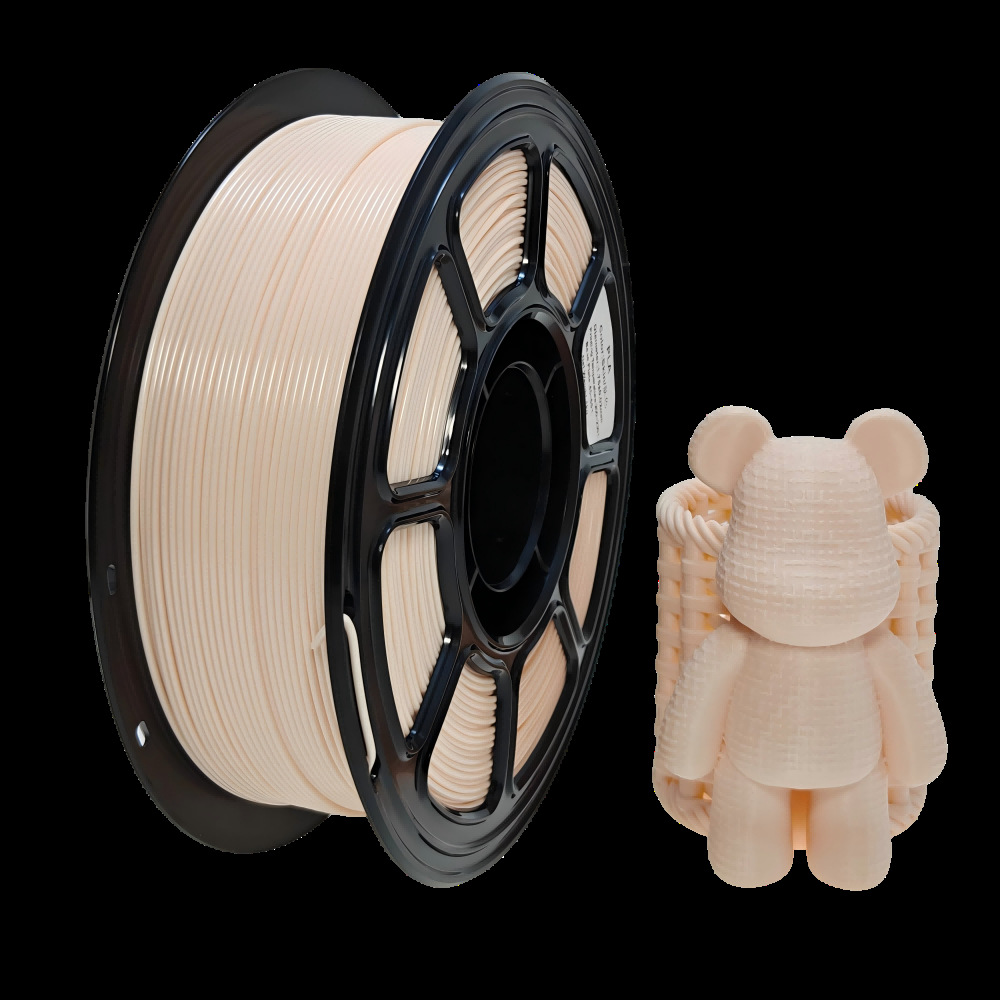 PLA Universal 3D Printer Filament, 1 Kg, High-Speed, High Toughness, 175 Mm, Multi-Color$18.99View on Mallflare
 【Buy 5 Get 5 Free!Add 10】GEEETECH 1KG PLA ABS+ PETG TPU ASA 3D Printer Filament$27.99View on eBay
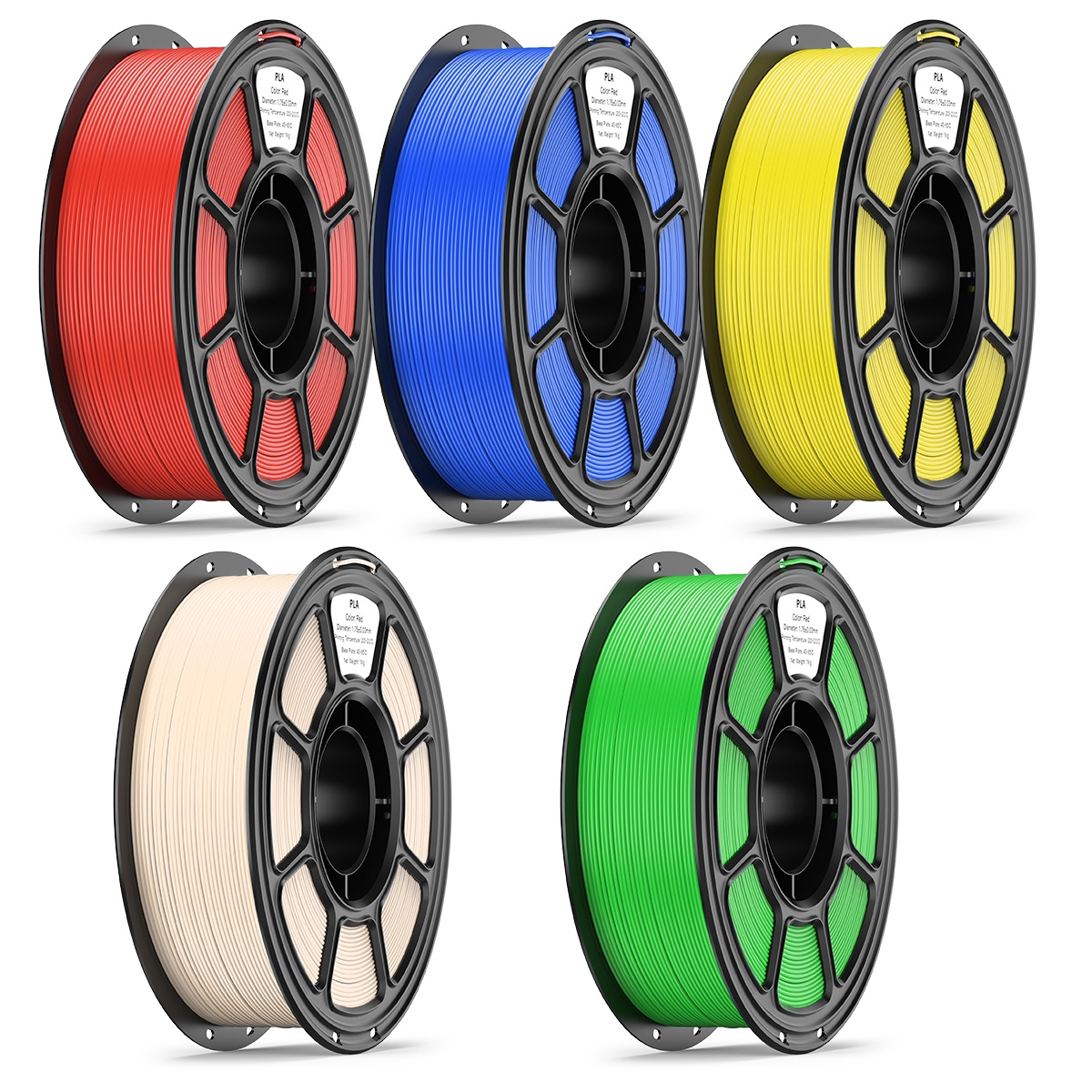 PLA 5 Pack 3D Printer Filament, 1.75mm PLA Bundle, 5 Rolls Set For FDM 3D Printers, Smooth Printing, Low Warping, Easy To Print, Multi Color For DIY, Prototyping, Model Making & Crea$78.99View on Mallflare
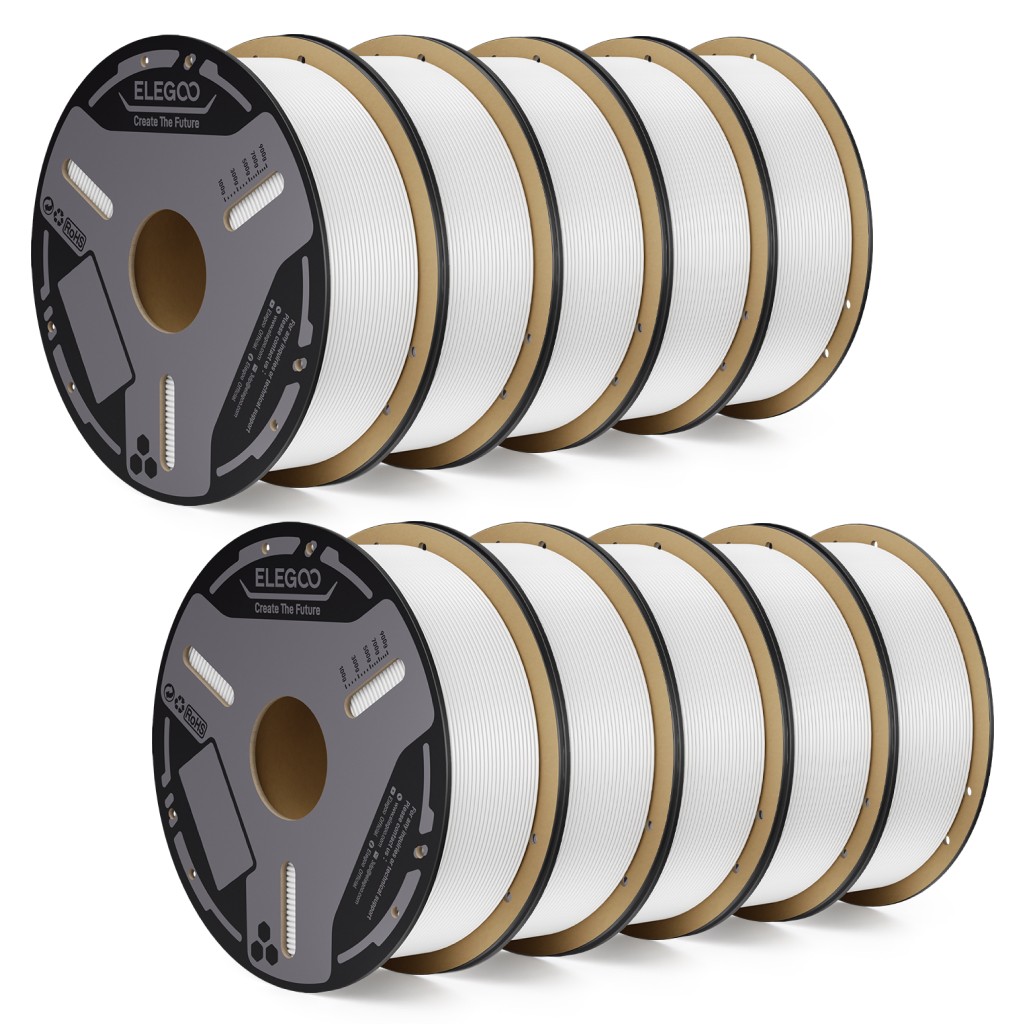 ELEGOO 10KG 3D Printer Filament PLA PETG Matte 1.75 mm FDM Bundle 1KG/Spool$209.00New · Last checked Nov 21, 2026View on eBay
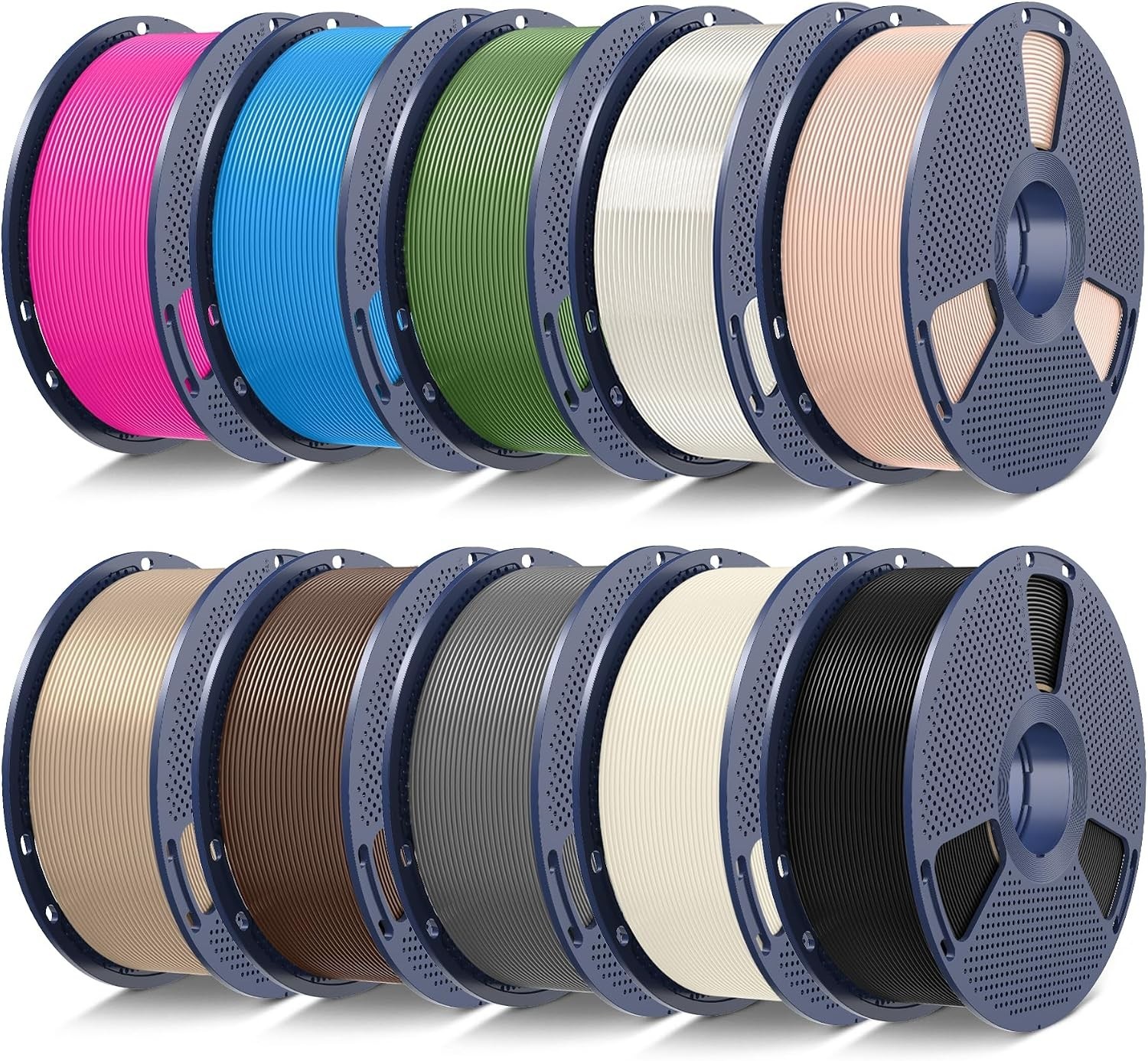 PLA 3D Printer Filament, Multicolor, 10-Pack, 10KG Total Black+Bone White+Grey+$219.95New · Last checked Nov 21, 2026View on eBay
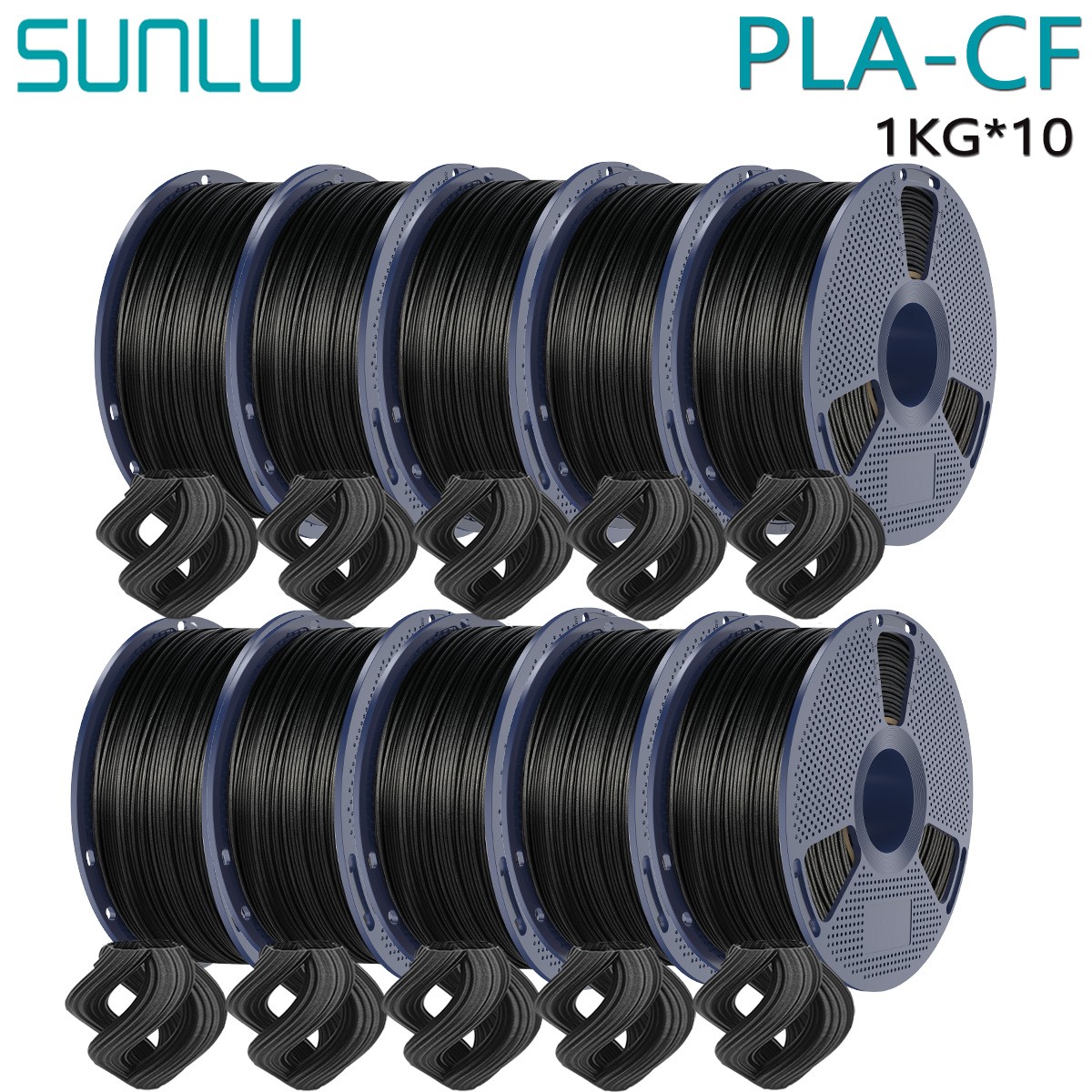 SUNLU 10KG PLA PLA+ ASA SILK PETG2.0 ABS 3D Printer Filament 1.75mm 1KG/Spool$232.69New · Last checked Nov 21, 2026View on eBay
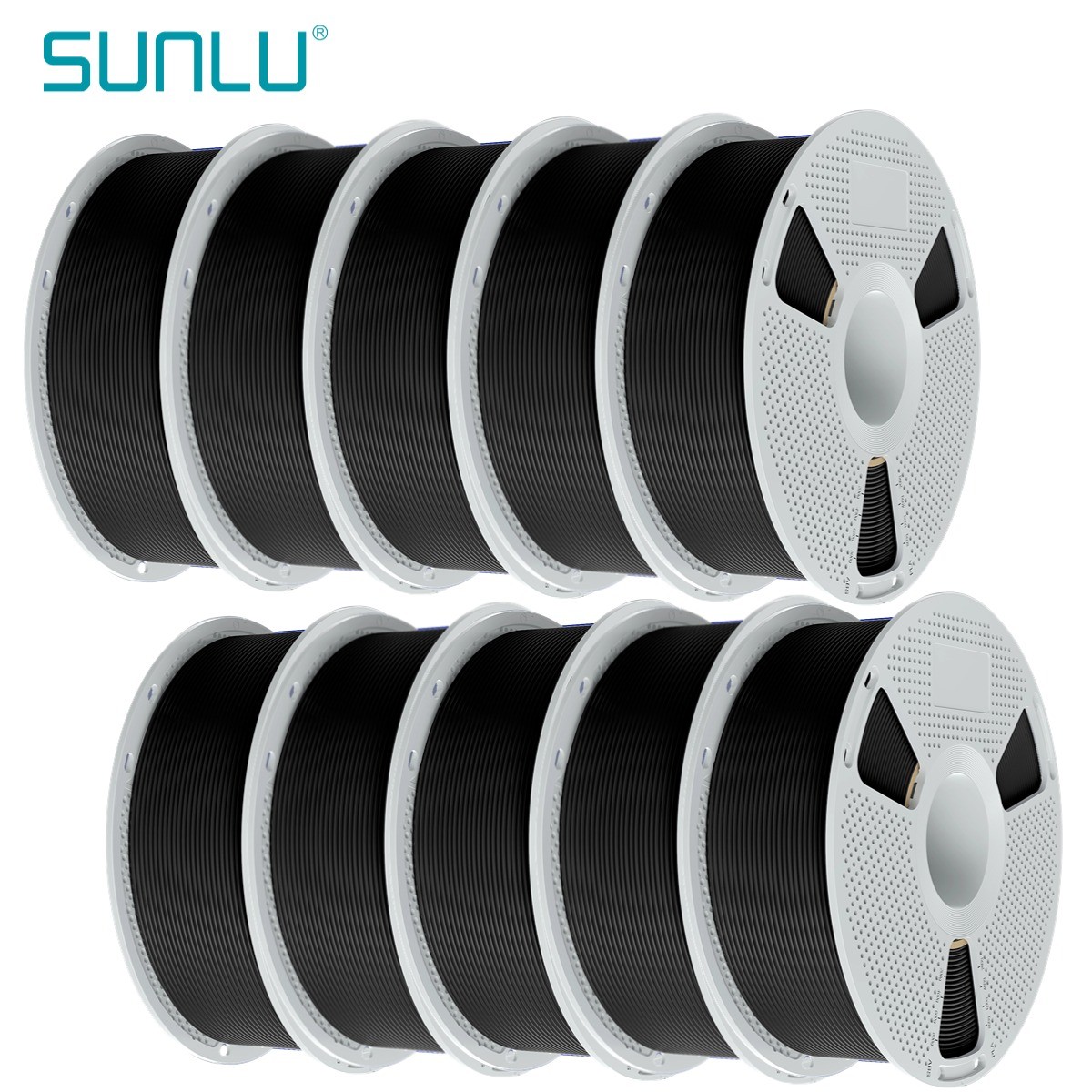 10×1KG SUNLU PLA Matte Meta PLA+ PETG SILK ABS TPU95A 1KG 3D Printer Filament$278.94New · Last checked Nov 21, 2026View on eBay
Highlights
- PLA prints at 190–220 °C nozzle / 60 °C bed with minimal warp; PETG needs 230–250 °C / 80 °C and slower speeds for layer adhesion.
- ABS/ASA require 240–260 °C nozzle, 90–110 °C bed, and an enclosure to prevent warping and layer splitting on large parts.
- TPU is flexible and demands direct-drive extrusion at 220–235 °C; Bowden setups struggle with soft 95A and softer shore hardness.
- Diameter tolerance decides extrusion consistency: ±0.02 mm wound filament is precision-grade; ±0.05 mm is commodity-grade and clogs thin 0.25 mm nozzles more often.
Best use cases
- Best fit for PLA/PLA+: display models, miniatures, prototypes, and classroom prints where detail and easy adhesion matter; skip ABS and TPU here because enclosed, slow prints waste time.
- Best fit for PETG: functional brackets, phone stands, outdoor-adjacent parts, and food-adjacent items needing toughness and mild chemical resistance; skip PLA where heat or UV exposure exceeds 60 °C service temperature.
- Best fit for ABS/ASA: automotive interior trim, outdoor enclosures, and parts needing 90–100 °C heat resistance; skip if your printer lacks an enclosure and active carbon/HEPA filtration.
- Best fit for TPU: gaskets, shoe soles, RC tires, and vibration dampers at 95A shore; skip flexible filament on Bowden-only printers and use PETG for semi-rigid living hinges instead.
Buying tips
- Match filament diameter to your printer's stated spec: 1.75 mm is consumer standard; 2.85 mm is reserved for specific Bowden extruders like Ultimaker and older LulzBot.
- For a 1 kg spool, expect approximately 330–340 m of 1.75 mm PLA at 1.24 g/cm³ density; PETG at 1.27 g/cm³ yields roughly 320 m, so per-gram cost is the fair comparison.
- Prefer filament wound on a rigid cardboard or ABS spool with clear desiccant packaging; vacuum-sealed bags with silica gel protect against moisture-induced popping and stringing.
- For multicolor work, choose a 5-pack or 12-pack of the same material and brand rather than mixing brands, because identical melt flow and colorant loading produce consistent extrusion and blending.
Specs
| Filament Diameter | 1.75 mm standard / 2.85 mm specialty |
|---|---|
| Material Family | PLA, PETG, ABS/ASA, TPU, Nylon |
| Nozzle Temp Range | PLA 190-220°C / PETG 230-250°C |
| Spool Net Weight | 1 kg (2.2 lb) typical / 5-12 kg bundles |
Related searches
What to check before buying
- Confirm your printer's nozzle diameter and hotend max temperature: 0.4 mm brass handles all standard materials, but abrasive filaments like glow-in-the-dark or carbon-fiber need hardened steel.
- Measure spool holder clearance: standard 1 kg spools are 200 mm diameter and 65–70 mm wide; verify the holder and enclosure accept 12-pack bundle spools without binding.
- Check bed surface compatibility: PEI sheets work for PLA and PETG but need a release agent for PETG; ABS/ASA require adhesion aids like ABS slurry or glue stick on glass.
- Plan storage: open filament absorbs moisture within days in humid climates; use a dry box or vacuum bag with desiccant and hygrometer to keep PLA below 20% RH.
FAQ
Data sources: eBay / Amazon listings and product attribute feeds. Updated Nov 24, 2026.
Some links on this page are affiliate links. If you buy after clicking one, we may earn a commission at no extra cost to you. This does not change which products appear here or their order. Affiliate disclosure.