TechShelf Guide

TechShelf Guide

Consumer Electronics Reviews & Buying Guides

Compare consumer electronics by use case, features, trade-offs, price, returns, and seller terms before you buy.

Buying guides

Buying guide image
VR Gaming Hardware & Accessories

Oculus Accessory

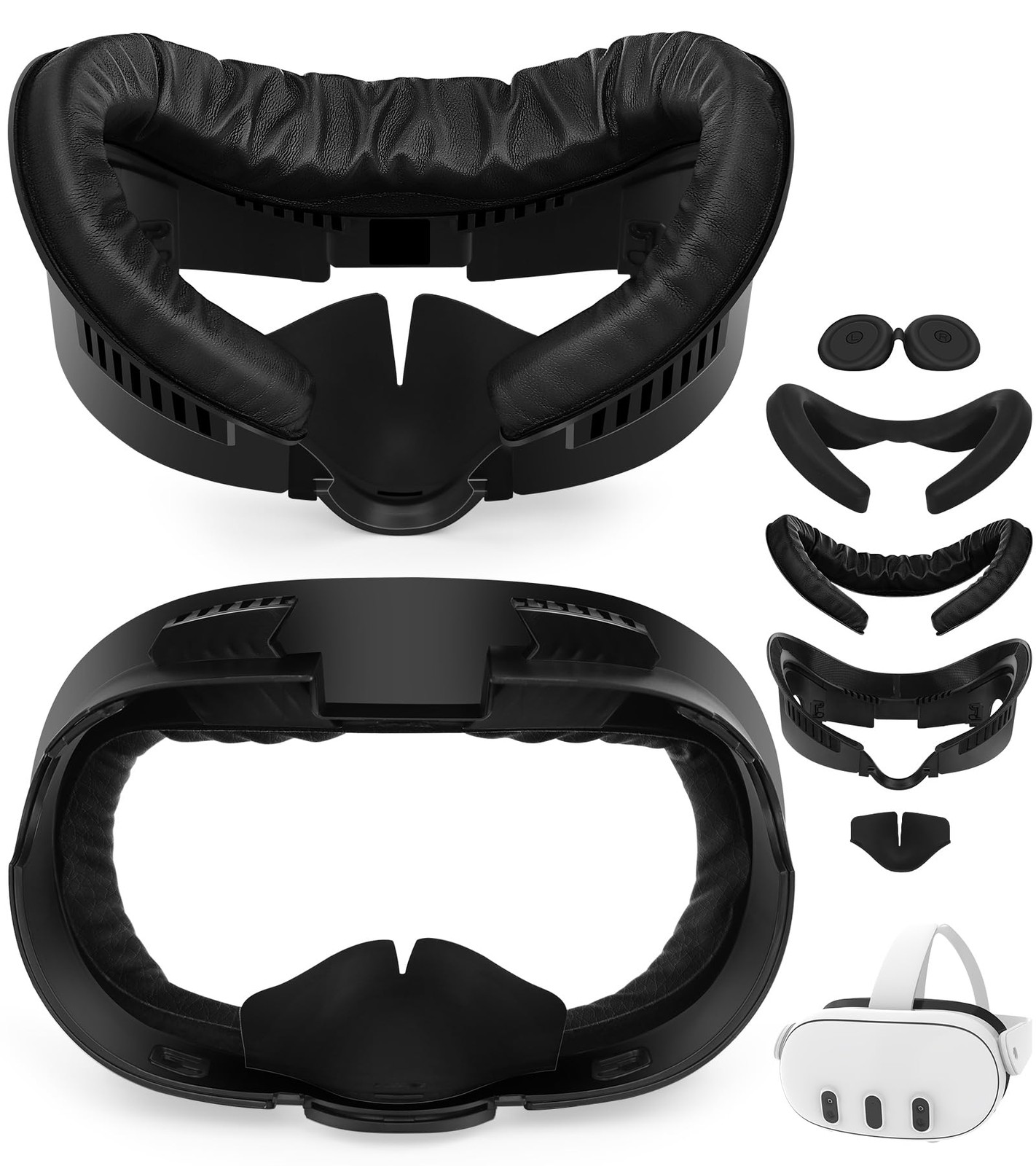
Oculus accessories are add-on hardware—straps, grips, stocks, and batteries—that adapt Meta Quest and legacy Rift headsets for comfort, longer sessions, and game-specific control. The core trade-off is between universal-fit accessories that add weight and proprietary-fit accessories that match exact headset generations, controller geometry, and charging standards; the decision rule is to buy only accessories explicitly keyed to your headset model, and skip generic 'VR accessory' bundles that claim cross-generation fit.

Buying guide image
DACs & Headphone Amplifiers

Desktop Headphone Amplifier

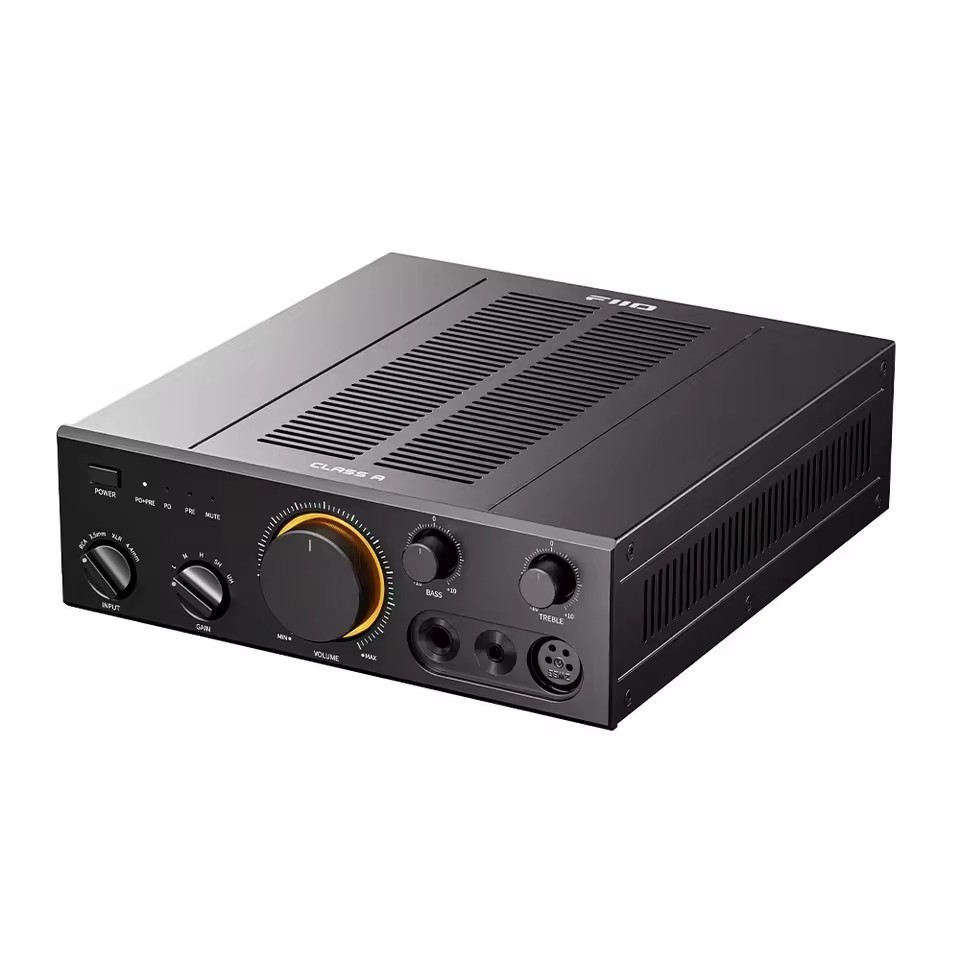
A desktop headphone amplifier is a dedicated outboard gain stage that bypasses a computer's weak integrated audio to drive high-impedance and low-sensitivity headphones with clean voltage and current. The primary trade-off is delivering enough voltage swing for 250–600Ω loads without raising noise on sensitive IEMs, which separates true desktop amps from portable dongles and bus-powered boxes. The decision rule: buy an amp with published output power at your headphone's exact impedance and a gain switch or low/high gain range, and skip any desktop unit that only quotes power into 32Ω.

Buying guide image
Smartphones

Budget Phone

A budget phone is an unlocked smartphone priced in the entry tier, where the defining trade-off is not camera megapixels but chipset class, RAM/storage floor, and update longevity. Durable picks use a modern 4nm/6nm SoC, at least 6GB RAM and 128GB UFS storage, and a committed OS-update policy; compromises cut RAM to 4GB, use eMMC storage, or ship older Android versions. The decision rule: buy on chipset generation and update years first, screen and battery second, and treat camera branding as the last differentiator.

Buying guide image
Sim Racing Steering Wheels & Bases

Racing Wheel

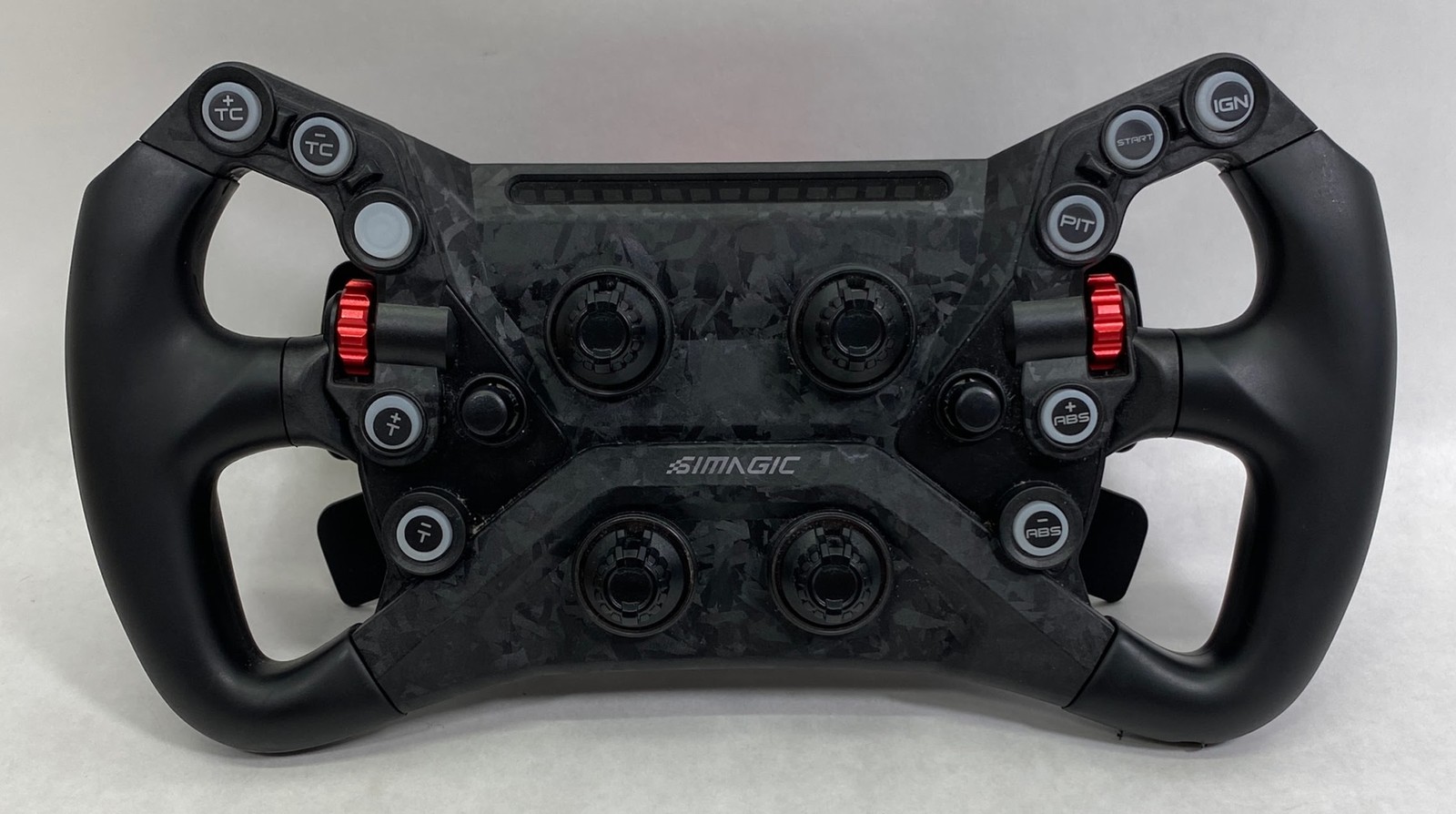
A racing wheel is a force-feedback steering controller paired with pedals, sold either as a complete bundle or as separate wheel-base and rim modules. The core trade-off is gear- or belt-driven feedback (cheaper, smoother but slower) versus direct-drive servo motors (faster, stronger, more detailed but heavier and pricier). Buy direct drive if you race competitively or want precise tire feedback; choose gear/belt bundles only for casual arcade play where budget and plug-and-play console support matter most.

Buying guide image
Servers & Mini PCs

Mini PC

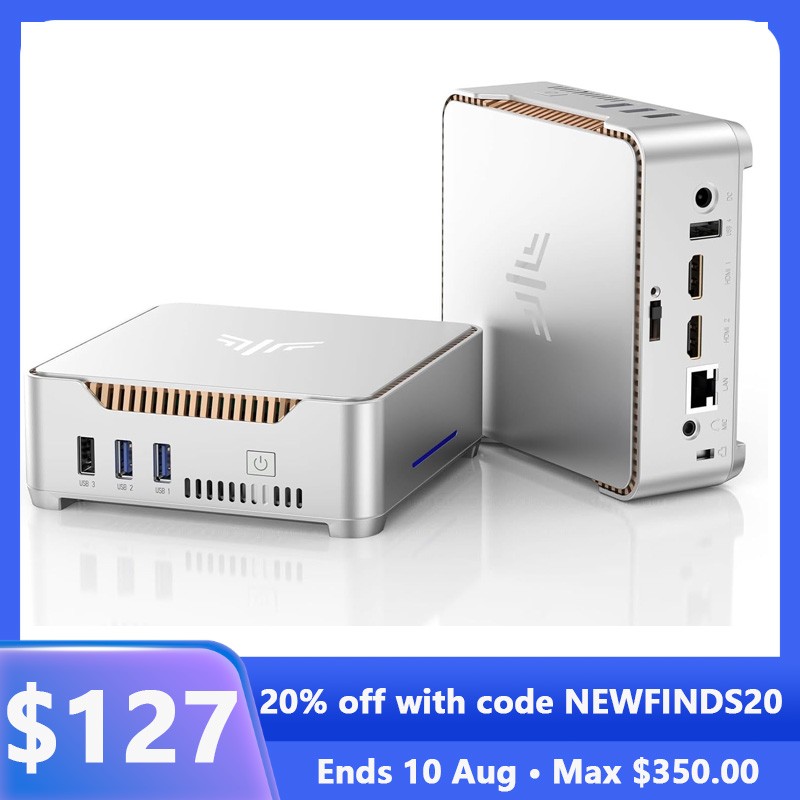
Mini PCs are compact desktop computers (roughly 0.3–2 liters) that trade internal expansion and upgradeability for low power draw, small footprint, and near-silent operation. The core trade-off is CPU class: low-power Intel N-series/Atom chips run fanless and sip 6–15W but throttle under sustained load, while 15–28W mobile-class or desktop-derived chips deliver real productivity speed with active cooling. Buy the N-series only for kiosk, HTPC, POS, or light office duty; step up to a 15W+ chip with NVMe storage for anything multitasking, and treat 2–4GB RAM eMMC units as single-purpose appliances, not general computers.

Buying guide image
Controllers & Gaming Accessories

Gaming Headset

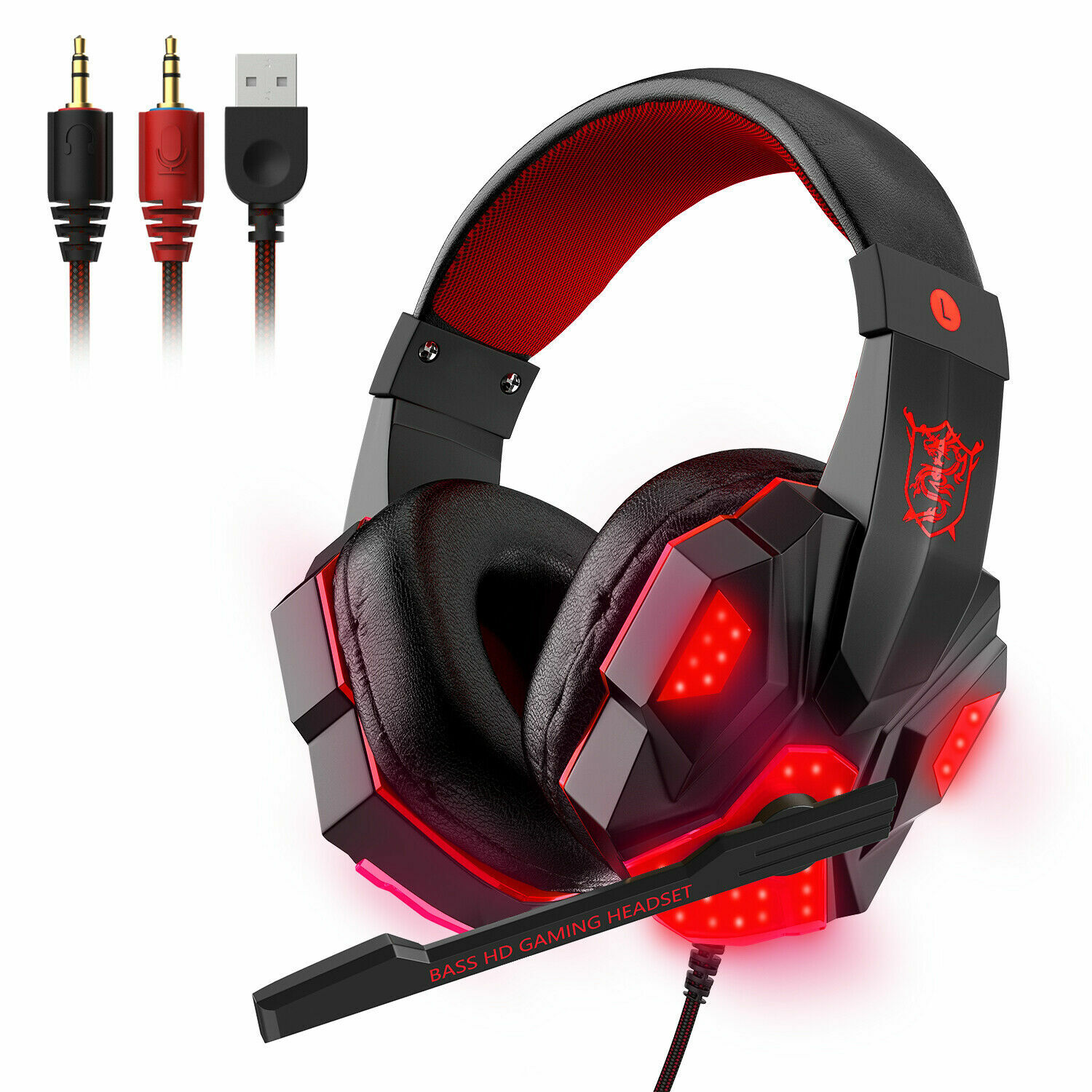
A gaming headset combines stereo or surround audio drivers with a boom mic for voice chat, and the core trade-off is connectivity and build quality: wired 3.5mm sets are cheap and lag-free but tether you, while wireless sets add latency, battery, and cost. The decision rule is simple: buy a wired 3.5mm set for zero-lag competitive play on a budget, and step to a 2.4GHz dongle or Bluetooth set only when cable-free movement is worth the charging and pairing hassle.

Buying guide image
Smartphones

Samsung Phone

Samsung phones span four distinct tiers—budget A-series, mid-range FE, flagship S-series, and foldable Z-series—each with a clear hardware trade-off between price and long-term update support, camera sensor size, and build materials. The decision rule is simple: buy the newest generation A-series if you need 4+ years of updates on a budget, the FE if you want flagship camera processing at mid-range cost, and the S or Z only if you need the best telephoto, display, or foldable form factor.

Buying guide image
PC Storage Upgrades

SSD Drive

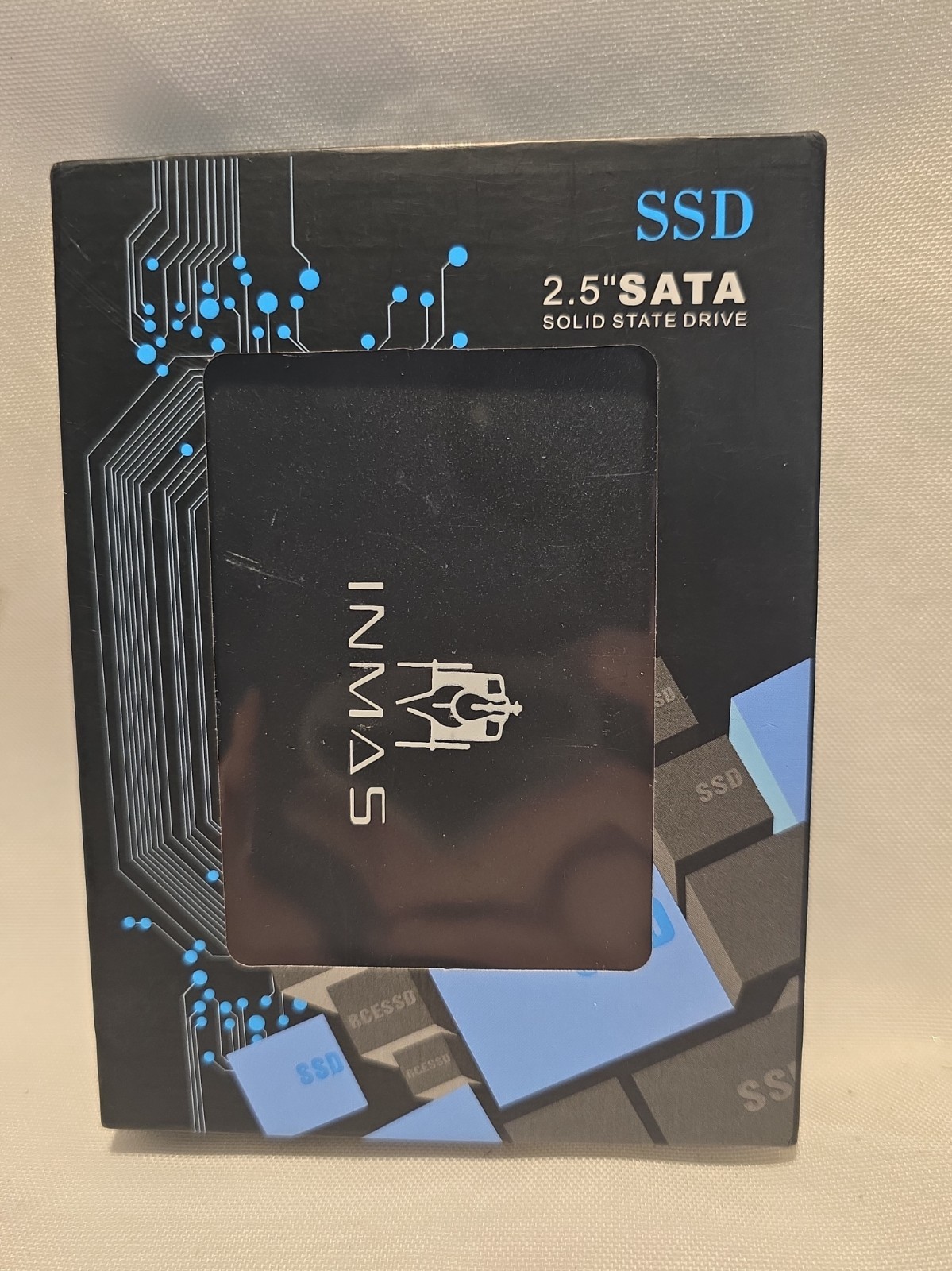
An SSD drive is a flash-based storage upgrade that replaces a slower hard drive or supplements existing storage, with the primary trade-off being interface speed (SATA vs NVMe) versus capacity and cost per gigabyte. The decision rule is simple: match the drive's physical form factor and protocol to your motherboard's available slot, then choose the highest write endurance and generation your budget allows rather than chasing peak sequential numbers.

Buying guide image
Smartphones

Phone

Budget smartphones split into two clear camps: refurbished tier-one models from major brands and new white-label Android phones with inflated spec sheets. The core trade-off is long-term software support and verified component quality versus raw advertised memory and battery capacity at the lowest entry point. Buy refurbished flagships when security updates and camera consistency matter; buy white-label only as a secondary device with realistic expectations.

Buying guide image
AV Cables & Interconnects

HDMI Adapter

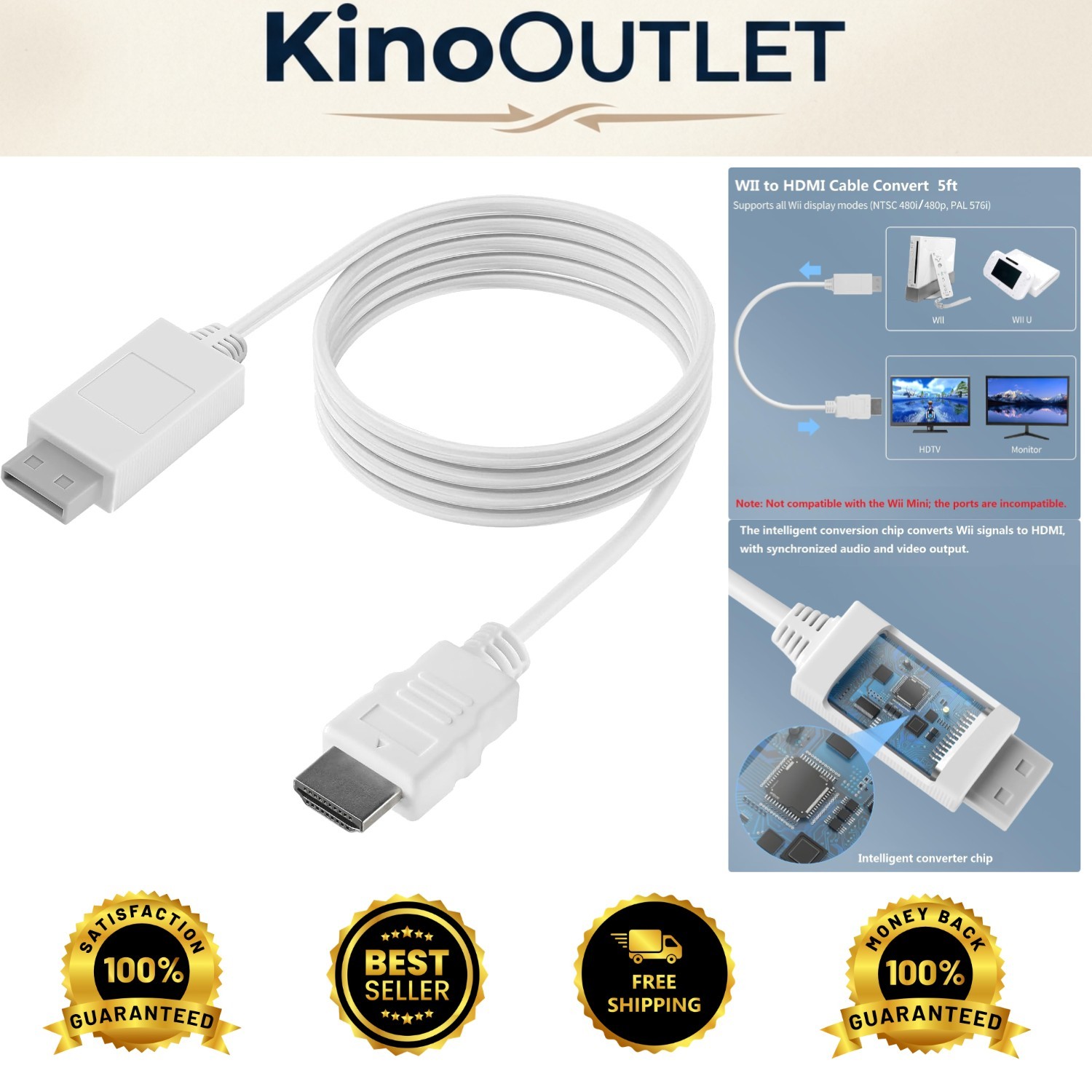
HDMI adapters convert legacy or mobile video outputs—Wii, PS2, VGA, Lightning, USB-C—into a standard HDMI signal for modern TVs, monitors, and projectors. The primary trade-off is active conversion quality and power delivery versus passive pin-adapter simplicity: passive adapters only reformat an already-digital HDMI signal, while active converters must digitize analog or alt-mode video without scaling artifacts. Buy a powered active converter with the correct source chipset for legacy consoles or VGA, and a certified passive adapter only for USB-C/ Lightning alt-mode devices that already output DisplayPort or HDMI.

Buying guide image
In-Ear Earphones

Waterproof Earbud

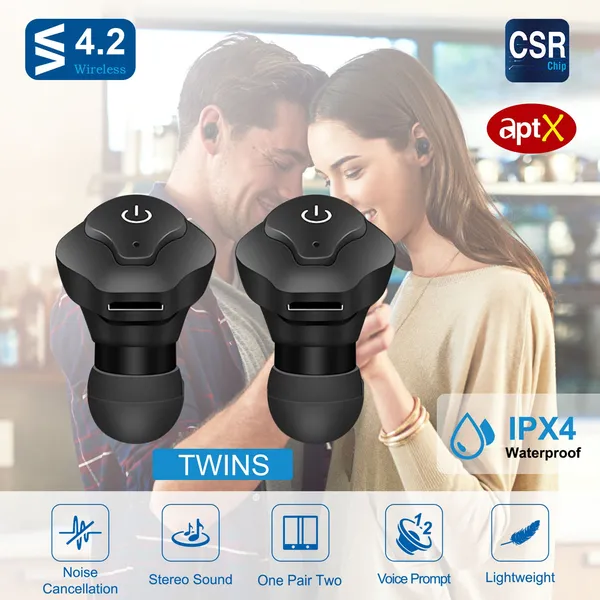
Waterproof earbuds range from splash-resistant IPX4 sport models to fully submersible IPX8 swim buds, and the primary trade-off is acoustic seal versus water ingress protection. The decision rule is simple: IPX4–IPX5 covers sweat and rain, IPX6 handles heavy spray, IPX7 survives accidental submersion, and only IPX8 with a local-storage MP3 mode is safe for lap swimming.

Buying guide image
Turntables & Record Players

Bluetooth Record Player

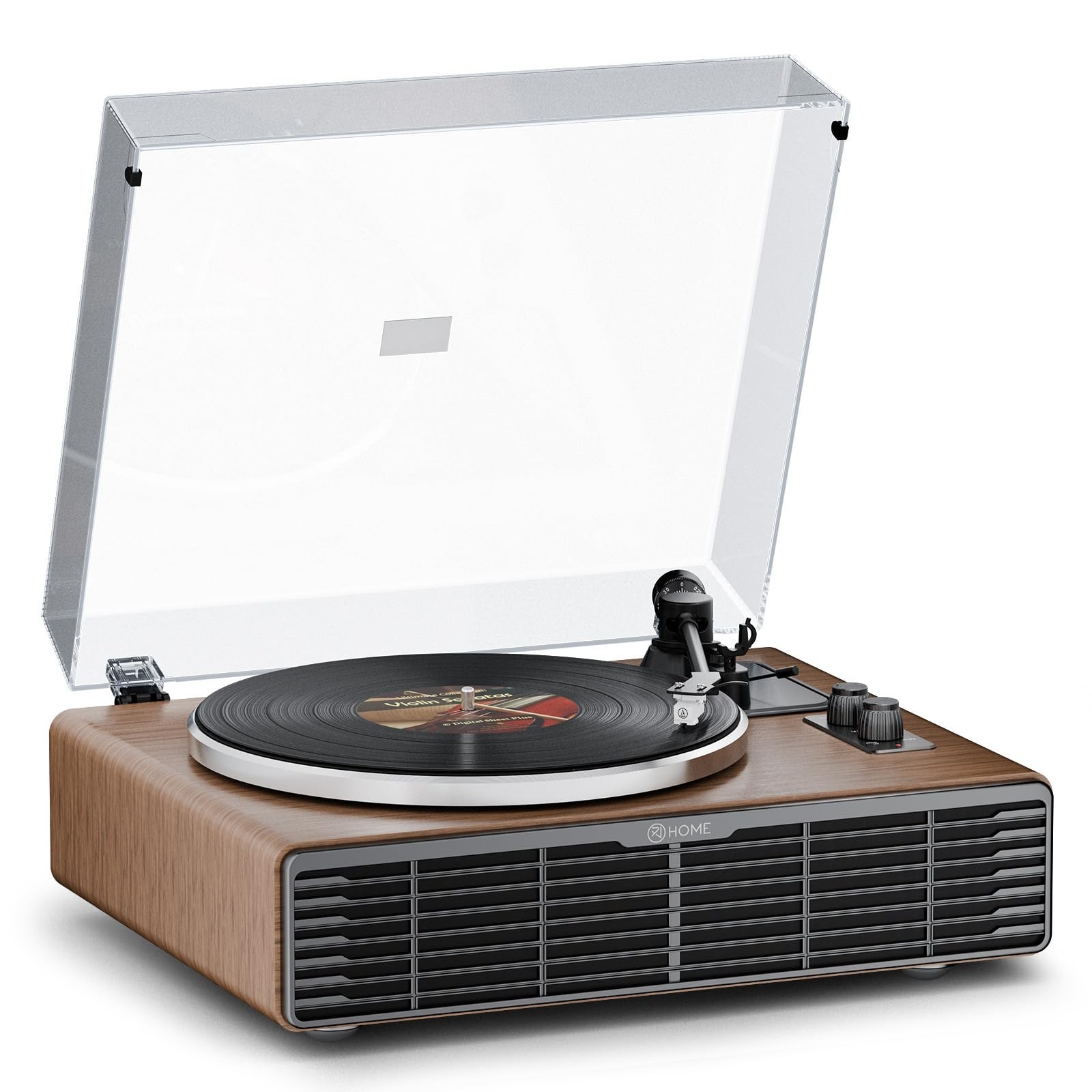
A Bluetooth record player combines a traditional vinyl playback mechanism with a wireless transmitter, letting you send audio to Bluetooth speakers or headphones without a wired connection. The core trade-off is between the convenience of wireless streaming and the analog purity of a wired signal—Bluetooth codecs compress audio, so serious listeners often prefer wired output. The decision rule: choose Bluetooth if you value room-filling wireless convenience and multi-room flexibility; skip it if you demand uncompressed analog fidelity and plan to use a dedicated wired hi-fi system.

Buying guide image
Mechanical Keyboards

Wireless Gaming Keyboard

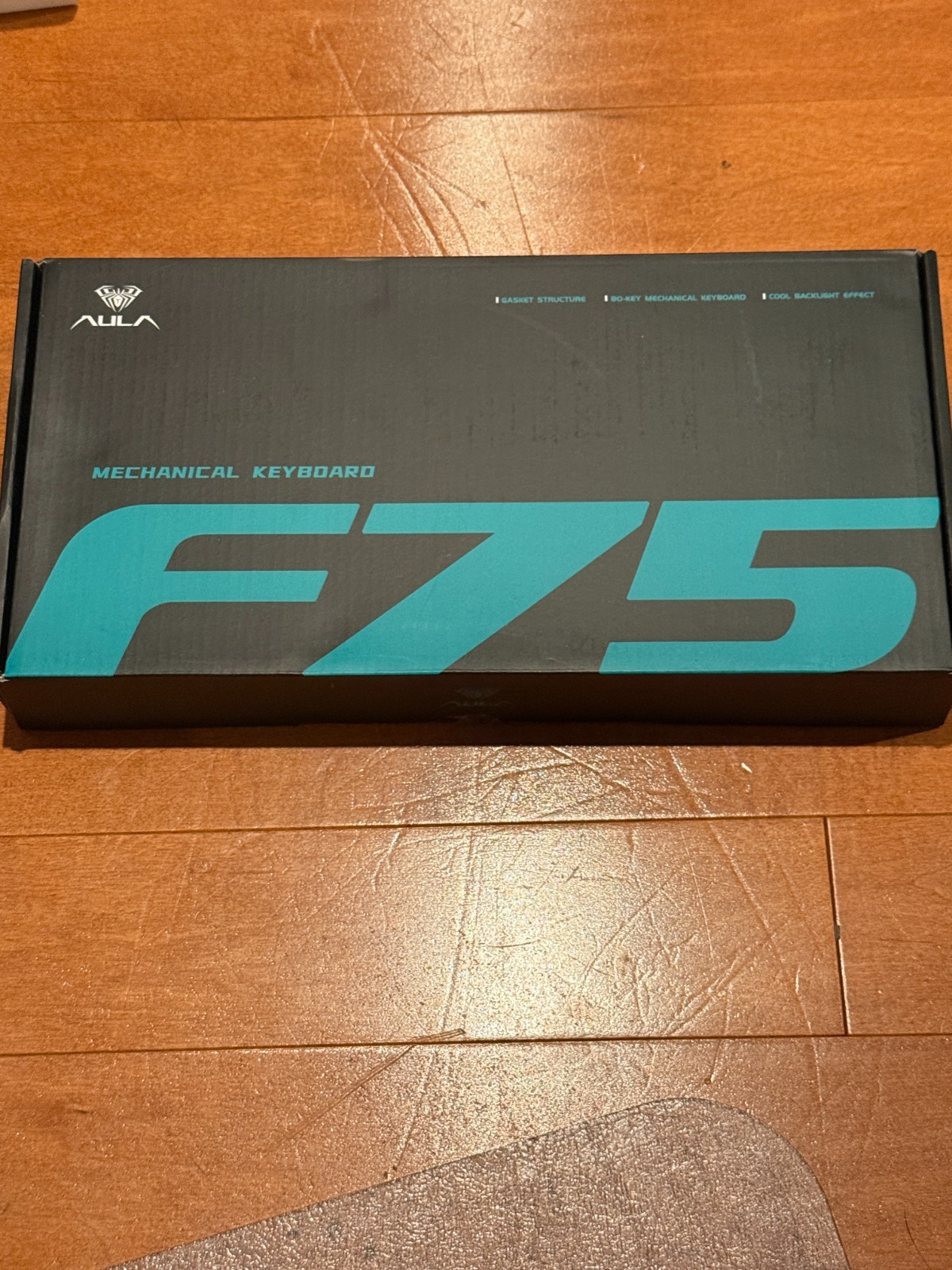
Wireless gaming keyboards pair mechanical switches with low-latency 2.4 GHz links, but the segment splits sharply between true esports-grade tri-mode boards and budget 2.4 GHz-only models with mushy stabilizers. The core trade-off is wireless latency and battery life versus switch feel and build rigidity. Buy tri-mode (2.4 GHz + Bluetooth + USB-C) with hot-swap sockets and a 1000 Hz polling rate if you need competitive response across devices; skip single-mode Bluetooth boards for gaming.

Buying guide image
Flight Sim Yokes & Throttles

Flight Simulator Yoke

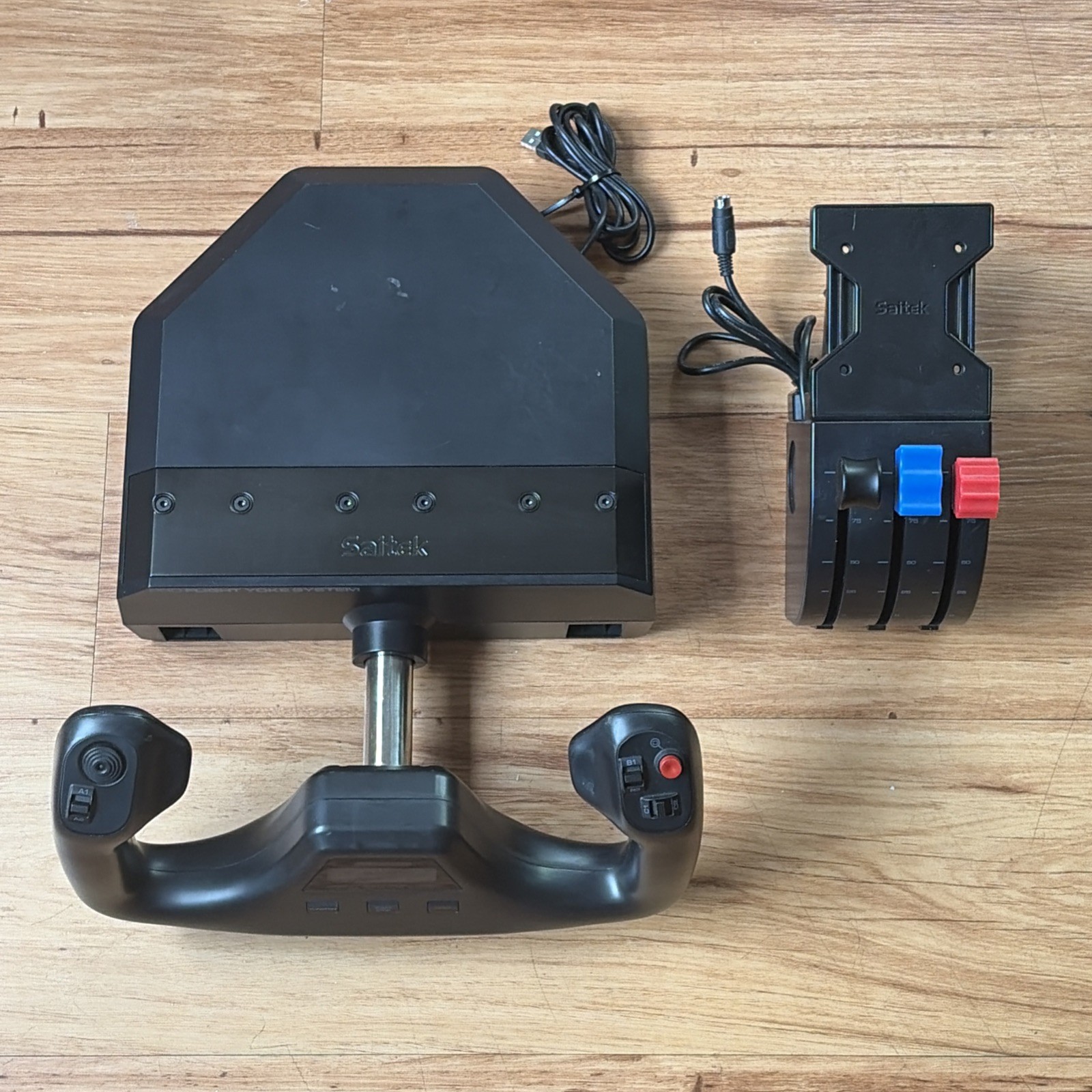
A flight simulator yoke is a USB HID controller that replaces the mouse/keyboard with a wheel-and-column assembly for pitch/roll, usually paired with a throttle quadrant. The core trade-off is plastic bushing/gear-driven internals versus metal bearings and Hall-effect sensors: entry yokes use potentiometers and plastic sliders that wear and spike, while durable units use contactless sensing and metal shafts. The decision rule: buy a Hall-effect or metal-shaft yoke with a clamp-compatible desk and separate pedals if you fly IFR procedures; skip plastic-potentiometer bundles only if you need long-term centering accuracy.

Buying guide image
Turntables & Record Players

Vinyl Record Player With Speakers

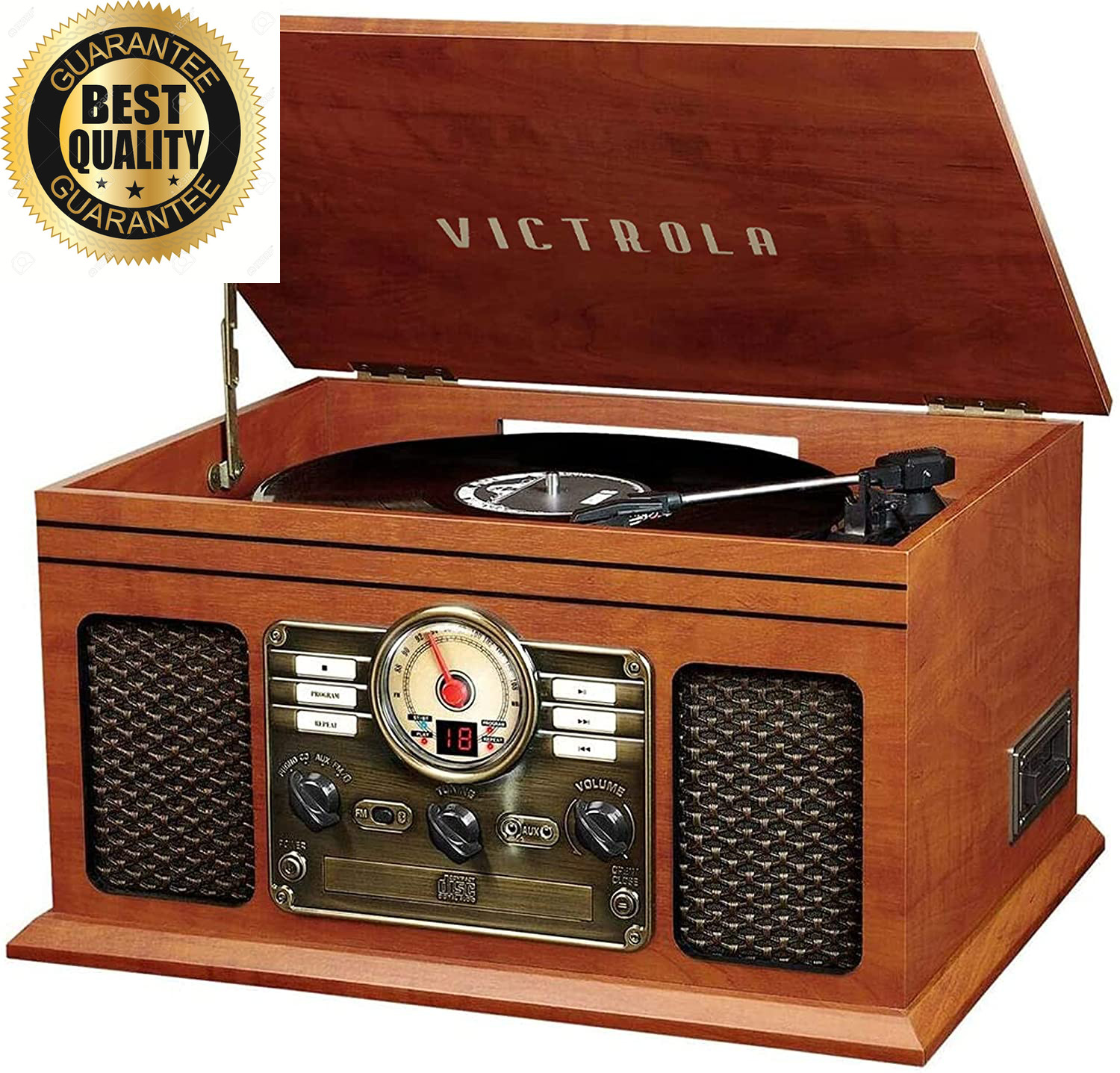
A vinyl record player with speaker is an all-in-one playback system where the turntable and amplification are integrated with built-in speakers or a bundled external pair. The core trade-off is acoustic physics versus convenience: built-in speakers force cartridge, platter, and amp compromises to hit a size and cost point, while bundled-speaker kits vary wildly in isolation and build. The decisive rule is simple: a properly isolated belt-drive deck with a counterweighted tonearm and user-replaceable cartridge is a durable purchase; a ceramic-cartridge suitcase with unshielded internals is a disposable novelty.

Buying guide image
AV Cables & Interconnects

HDMI Cable

HDMI cables are the deceptively simple link between a video source and a display, but the wrong cable grade silently caps resolution, refresh rate, and HDR. The core trade-off is bandwidth certification versus run length: full 48 Gbps HDMI 2.1 requires ultra-high-speed certified copper up to ~3 m, while longer runs need active copper or fiber-optic construction. The decision rule: match the cable's certified bandwidth to your source's maximum output and never exceed passive copper distance limits for that bandwidth.

Buying guide image
Console & Handheld Hardware

Handheld Game Console

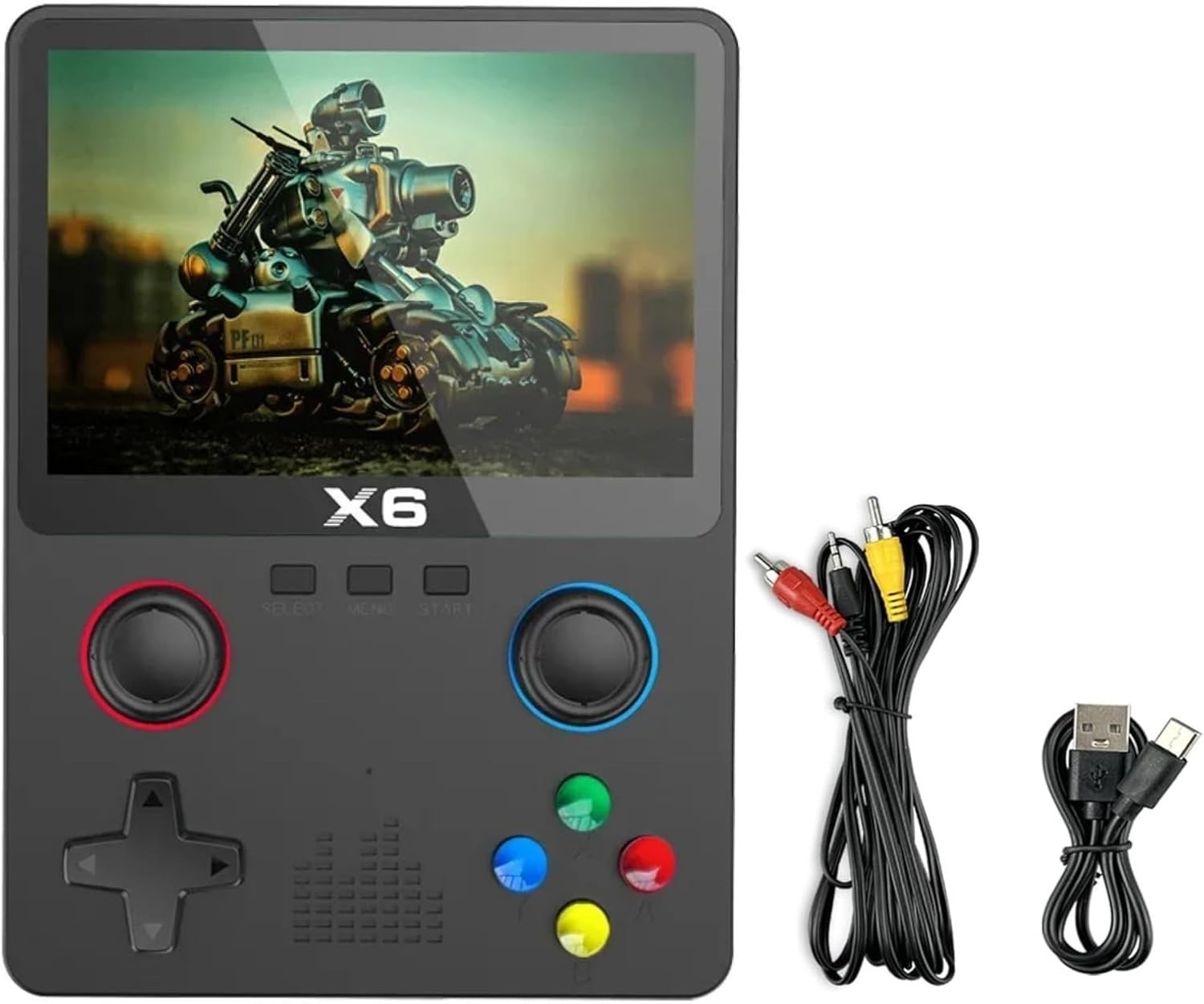
Handheld game consoles split into two distinct architectures: retro emulation handhelds (Linux/Android ARM chips running ROMs) and modern native handhelds (x86 or ARM running current PC/console titles). The core trade-off is emulation library breadth and price versus screen quality, chip performance, and build durability. Decide by library: if you want thousands of legacy titles at low cost, buy an ARM emulation handheld with a known chipset; if you want current-generation games, you need an x86 or ARM native handheld with active cooling and a higher-tier SoC.

Buying guide image
NAS Storage & Drives

NAS Drive

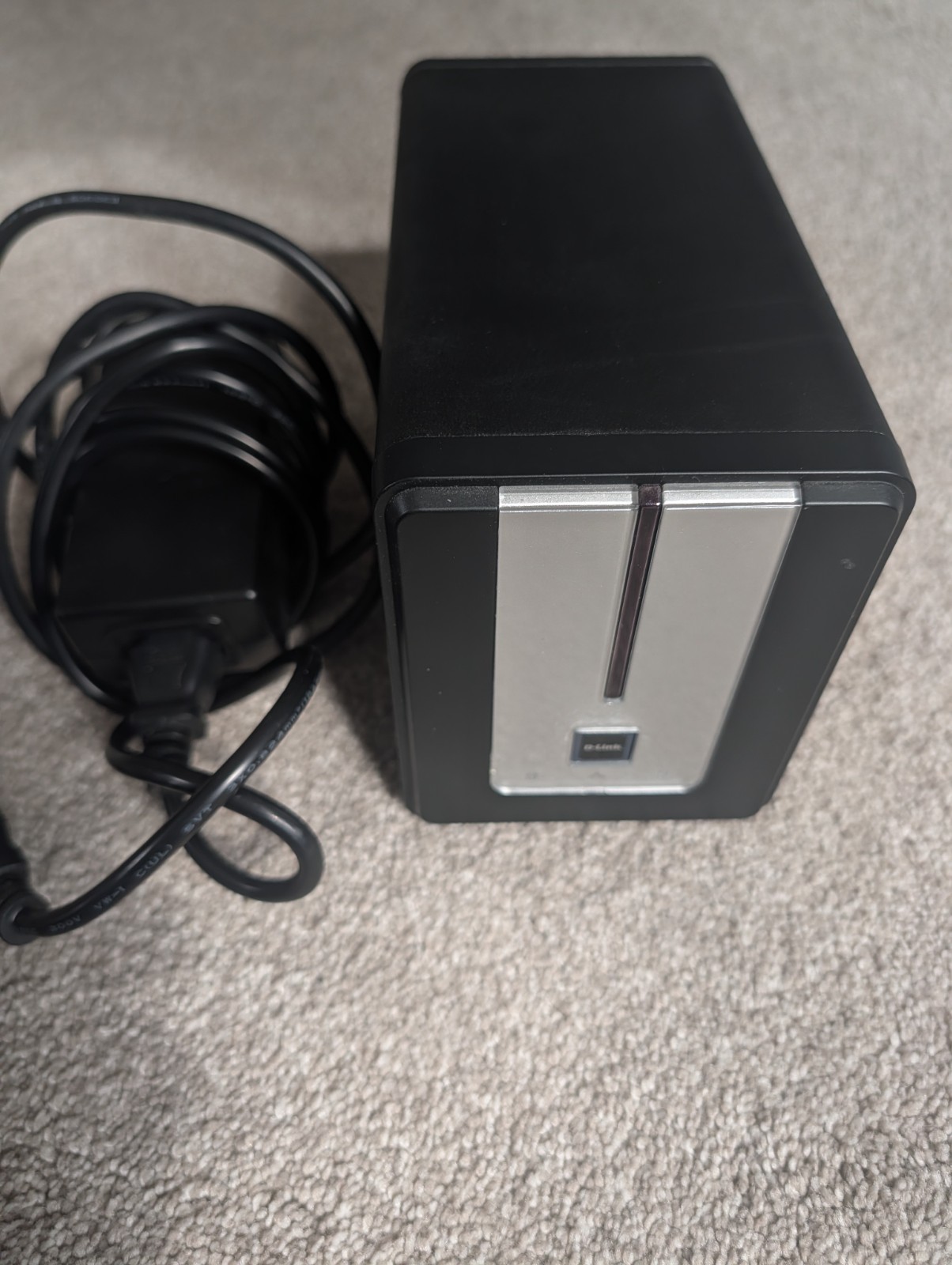
A NAS drive is a storage device engineered for continuous 24/7 operation in a network-attached enclosure, sharing data across multiple devices. The core trade-off is between desktop-grade drives with aggressive power management and NAS-grade drives with vibration tolerance, TLER/ERC firmware, and higher workload ratings. Choose NAS-rated CMR drives for any multi-bay array; reserve desktop or SMR drives for single-bay cold storage only.

Buying guide image
Smartphones

Samsung Galaxy Phone

The Samsung Galaxy line spans budget A-series, midrange FE models, and flagship S and Z series, each tier trading off processor speed, camera hardware, and build materials against price. The key decision is whether you need flagship-grade Snapdragon performance and telephoto optics or can accept Exynos chips and plastic frames for everyday use. Buy flagship S-series for 4+ years of updates and best cameras; choose A-series only if battery life and price outweigh camera quality and gaming performance.

Buying guide image
Computers & Peripherals

Wireless Keyboard

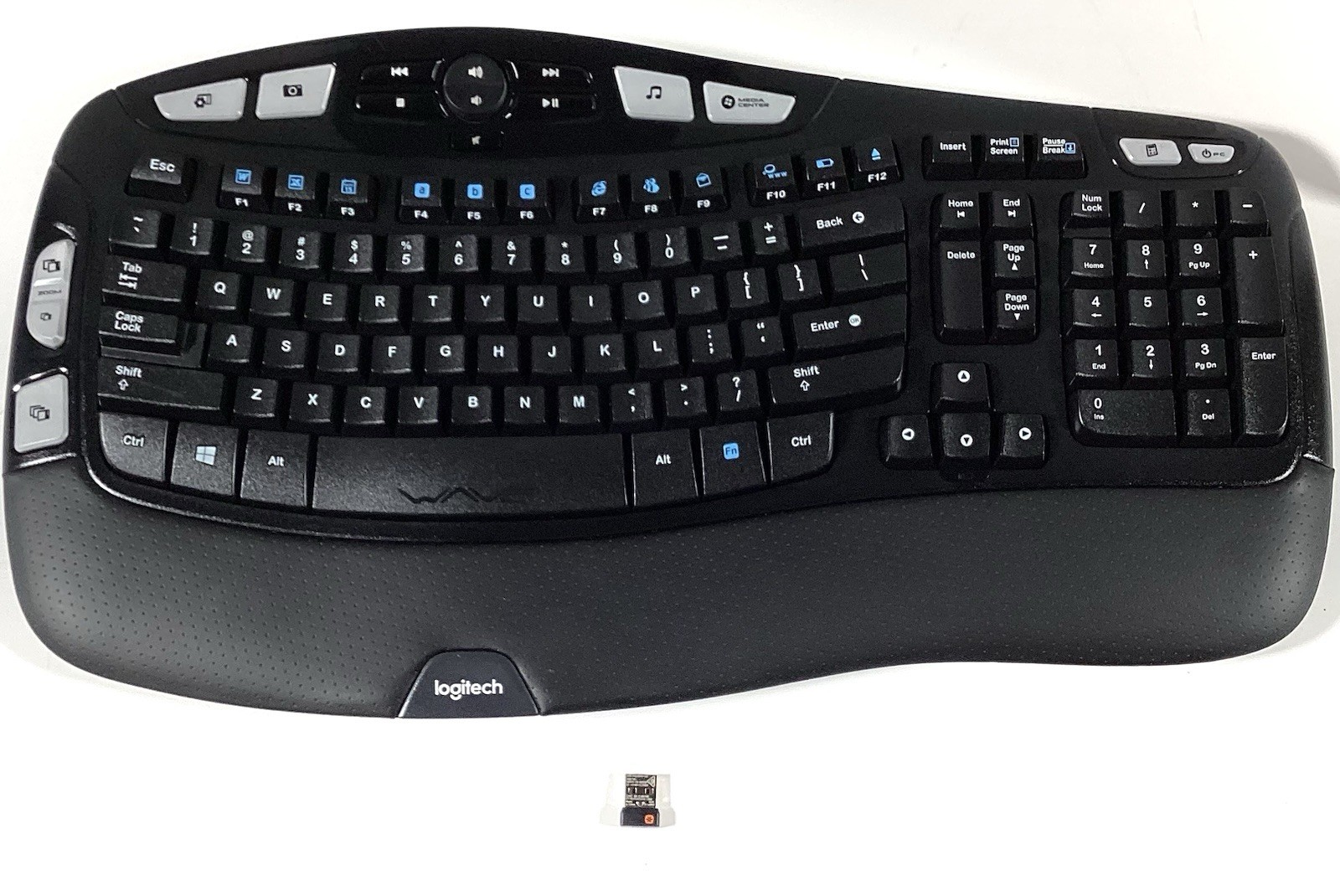
A wireless keyboard is a cordless input device that connects via 2.4 GHz USB receiver or Bluetooth, with the primary trade-off being wireless stability and battery life versus key feel and ergonomics. Durable options use scissor or mechanical switches, dedicated 2.4 GHz dongles or Bluetooth 5.0+, and full-size layouts with wrist rests, while compromises rely on rubber-dome mush, flaky Bluetooth, and glued-together plastic. The decision rule: buy for switch type and wireless protocol first, then layout and ergonomics; skip anything that forces you to choose between a dongle you'll lose and a pairing dance you'll repeat.

You may also like

Finding more guides for you…