TechShelf Guide

TechShelf Guide

Consumer Electronics Reviews & Buying Guides

Compare consumer electronics by use case, features, trade-offs, price, returns, and seller terms before you buy.

Buying guides

Buying guide image
Controllers & Gaming Accessories

Wireless Switch Controller

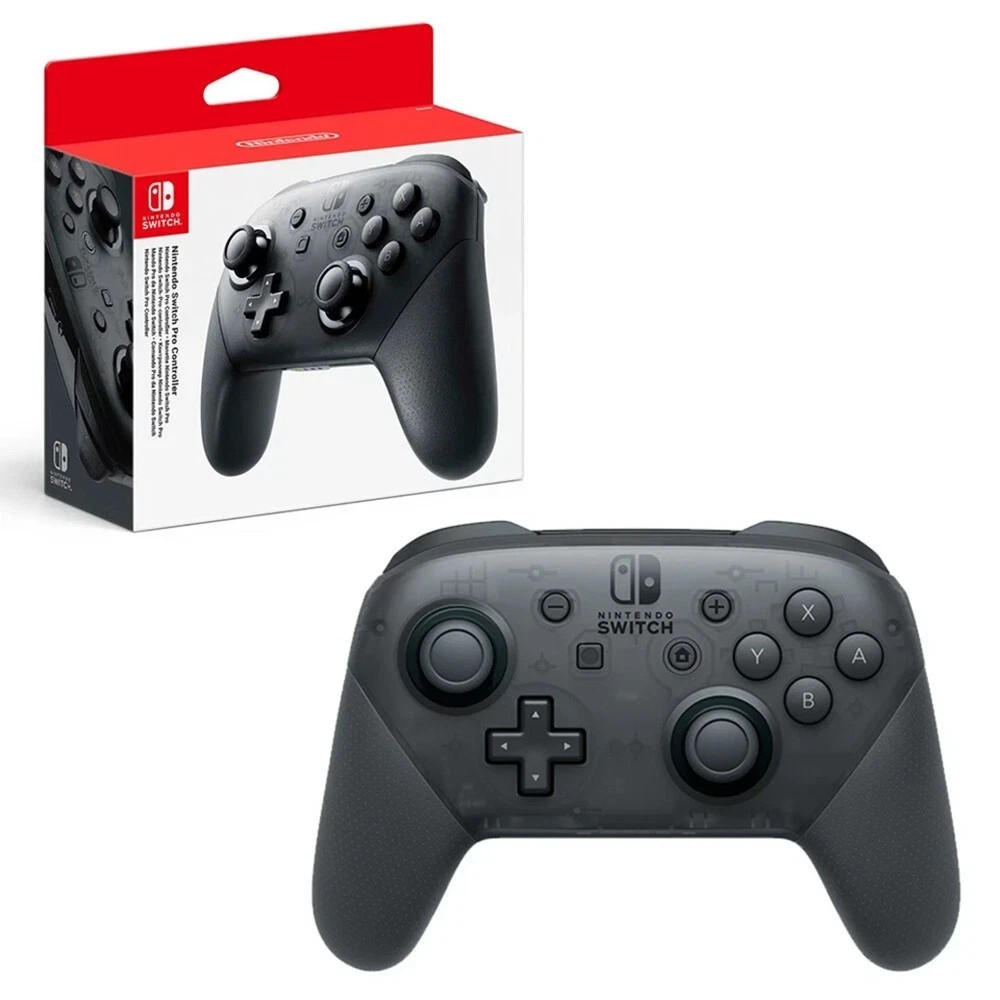
Wireless Switch controllers split into two distinct architectures: split Joy-Con-style pairs that enable handheld and motion play, and full-size Pro-style gamepads built for docked, long-session ergonomics. The core trade-off is between genuine first-party wireless protocols (stable latency, HD rumble, NFC) and budget third-party 2.4G/Bluetooth clones that cut motion fidelity or firmware compatibility. Buy first-party or licensed tiers for competitive and motion-heavy titles; choose budget Pro-style pads only for casual docked play where ergonomics matter more than haptics.
Buying guide image
VR Gaming Hardware & Accessories

Virtual Headset

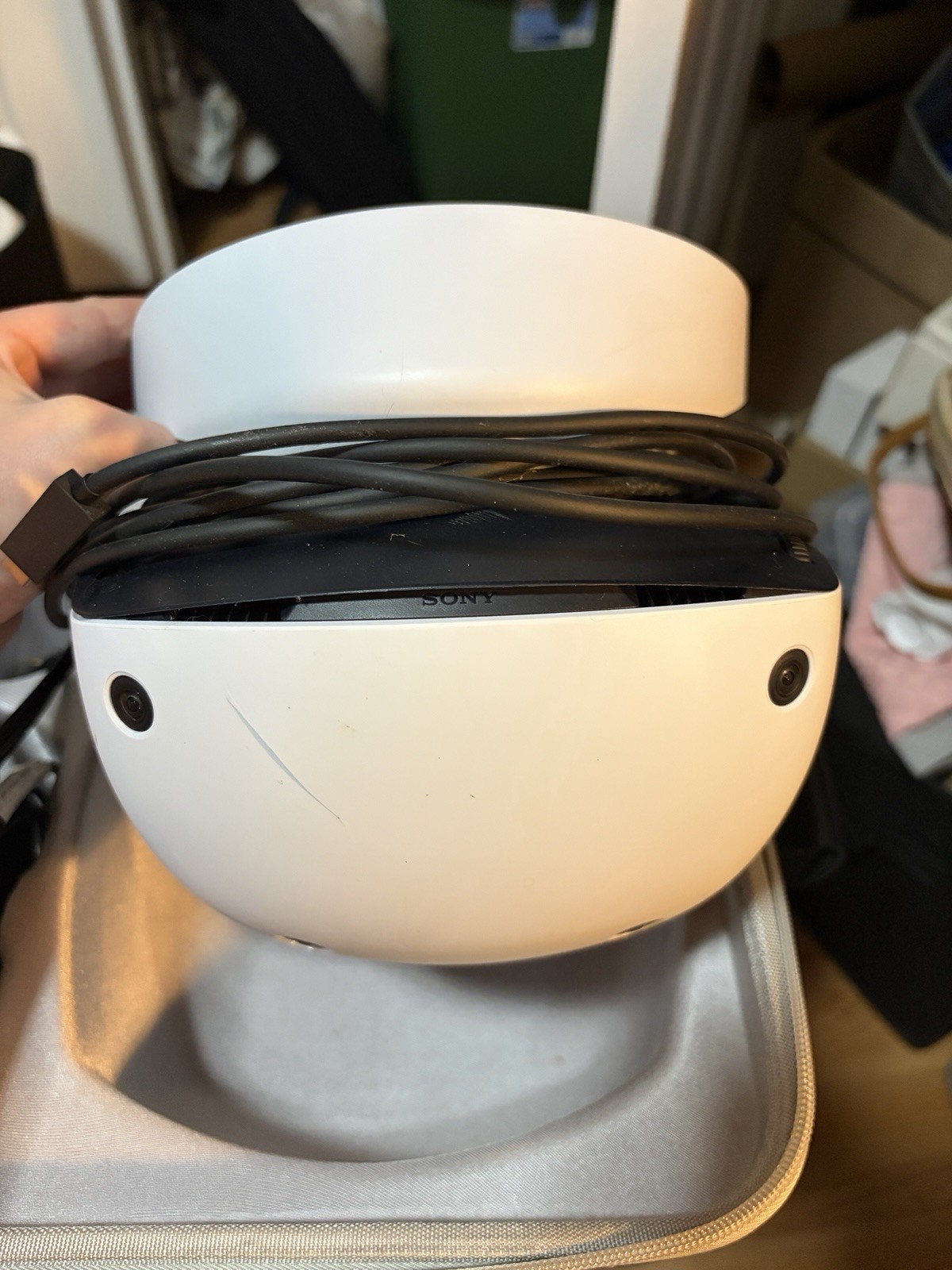
A virtual headset is a display-and-tracking system whose performance is defined by two independent decisions: the tracking architecture (outside-in camera rig vs inside-out SLAM) and whether rendering happens on a tethered console/PC or a standalone onboard chip. The durable rule is simple: buy the generation that matches your existing console or PC platform and has native inside-out tracking; skip first-generation outside-in kits unless they are a deliberate budget entry with known sensor-cable constraints.

Buying guide image
VR Gaming Hardware & Accessories

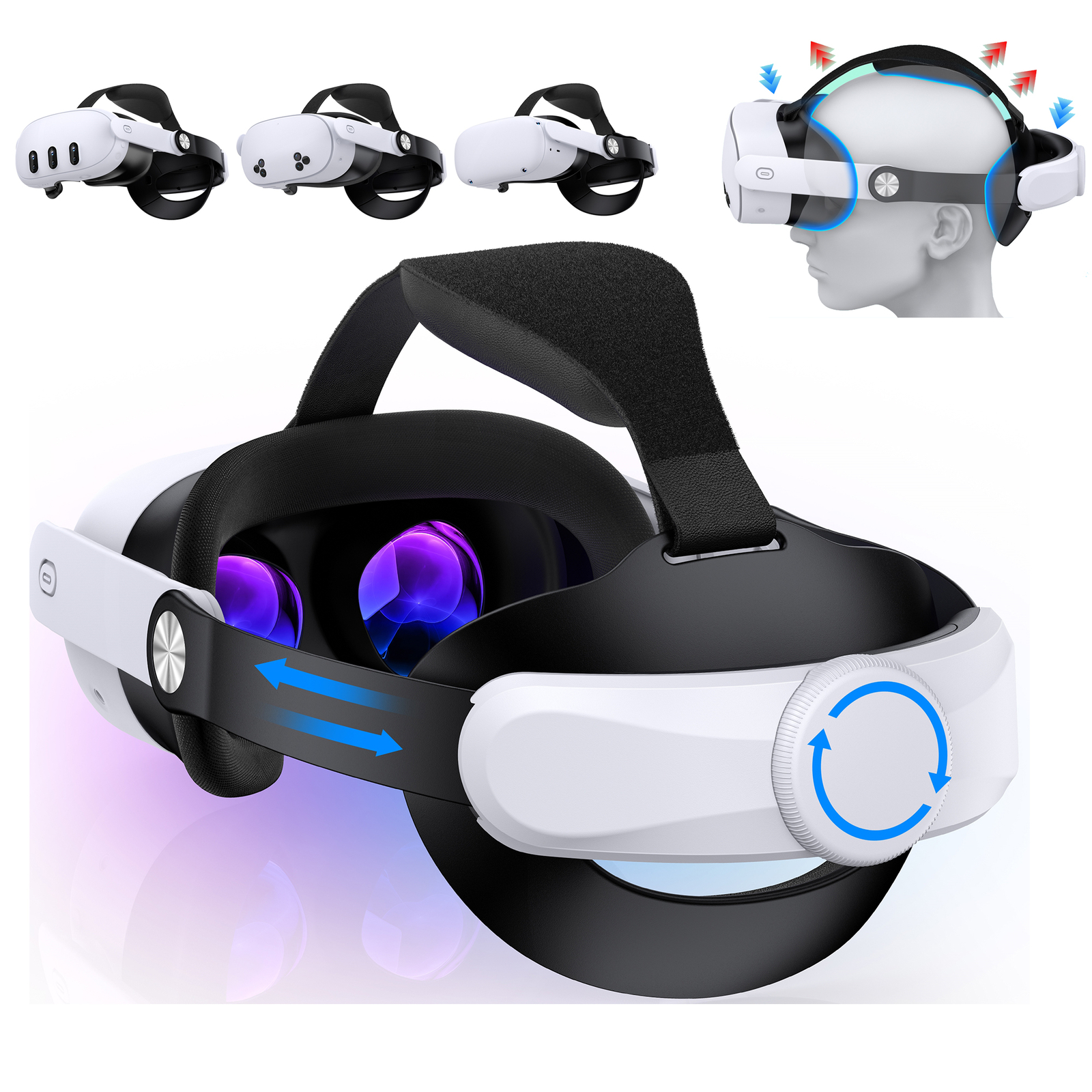
VR Accessory

VR accessories are the interface layer between the headset and your body, and they split into two durability classes: OEM-spec molded parts and white-label silicone. The core trade-off is material grade and fit tolerance—silicone face covers and TPU grips are consumables that degrade in 6–12 months, while halo straps and lens inserts are structural and should be bought once. Buy OEM-fit or measured third-party accessories for anything load-bearing; treat unbranded silicone as disposable.

Buying guide image
Chargers, Power Banks & Adapters

Portable Wireless Charger

Portable wireless chargers are battery-powered Qi pads or magnetic power banks that eliminate cables for on-the-go top-ups. The core trade-off is coil alignment and thermal headroom versus thinness: magnetic arrays lock alignment for full 15W MagSafe/Qi2 speeds, while slim metal bodies often cap at 5W–7.5W to avoid heat. Buy magnetic Qi2 or MagSafe-certified units for iPhone 12 and later; choose multi-coil Qi pads with 10,000mAh+ cells for Android and mixed-device households.

Buying guide image
Controllers & Gaming Accessories

Switch Wireless Controller

A Switch wireless controller is either a full-size Pro-style gamepad or a pair of Joy-Con-style detachable controllers that connect over Bluetooth. The core trade-off is between genuine Nintendo HD Rumble/amiibo/NFC integration and third-party multi-platform compatibility with lower build quality. Buy a licensed or first-party controller for reliable wireless latency and system-level features; choose a third-party multi-device pad only if PC/mobile use matters more than Switch-specific fidelity.

Buying guide image
Drones & Consumer Robotics

Professional Drone

A professional drone is a GPS-stabilized aerial imaging platform built for reliable, repeatable photo and video capture, not toy-grade flying. The core trade-off is between genuine GPS/GLONASS positioning, brushless gimbal motors, and real sensor resolution versus inflated interpolated '6K/8K' labels on brushed-motor toy quadcopters. The decision rule: if the spec sheet lacks GPS, a mechanical gimbal, and brushless propulsion, it is a beginner toy regardless of the 'Professional' name.

Buying guide image
Turntables & Record Players

Record Player With Built In Speaker

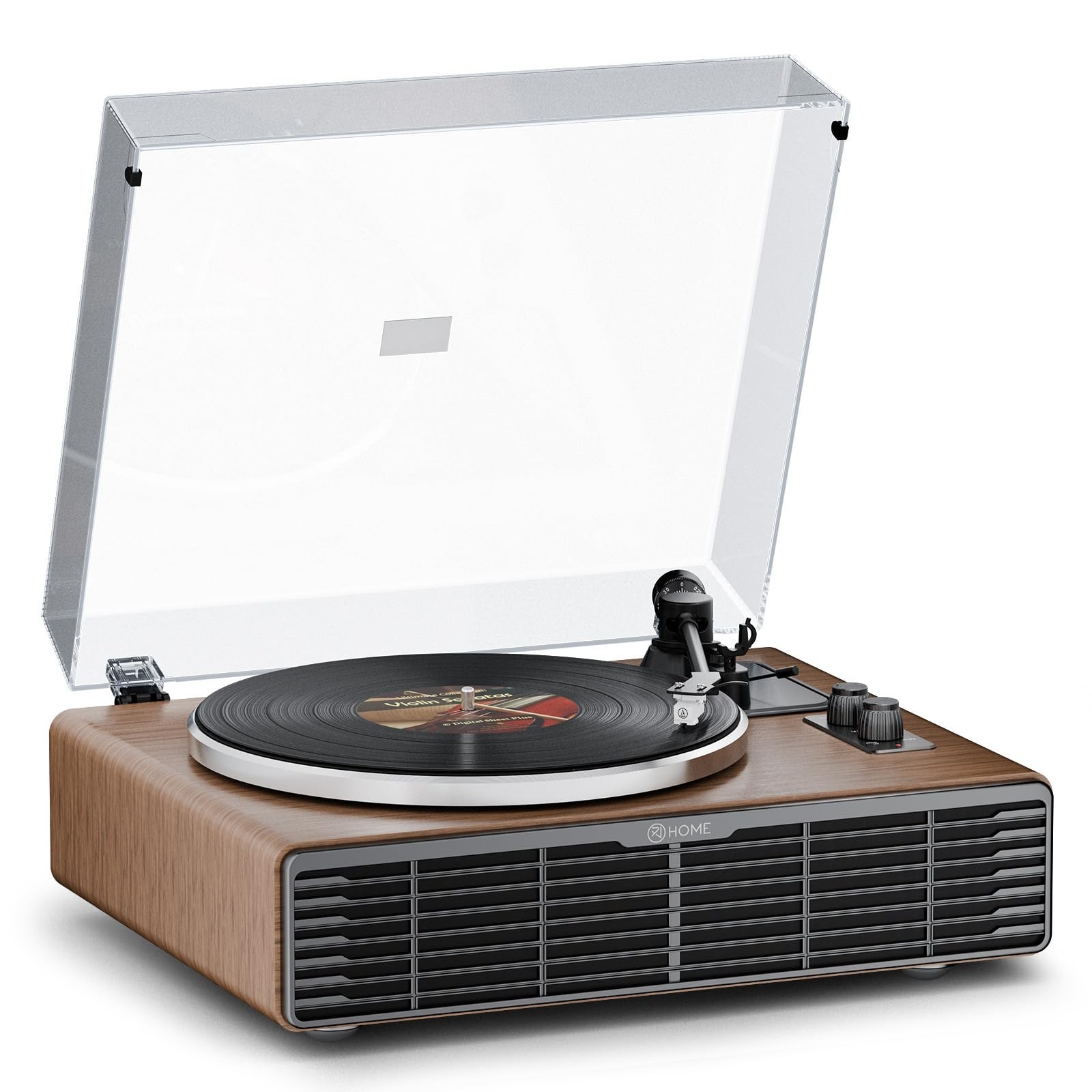
A record player with built-in speakers integrates a phono preamp, amplifier, and stereo speakers into one chassis, eliminating the need for a separate hi-fi system. The core trade-off is enclosure rigidity and speaker isolation versus convenience—all-in-one units vibrate more and typically offer lower output than component setups. The decision rule is simple: buy a built-in-speaker model only if it uses a counterweighted tonearm, a replaceable MM cartridge, and a rigid MDF or dense-plastic plinth; skip any unit with a ceramic cartridge, plastic tonearm, or non-replaceable stylus.

Buying guide image
Chargers, Power Banks & Adapters

Wireless Charger

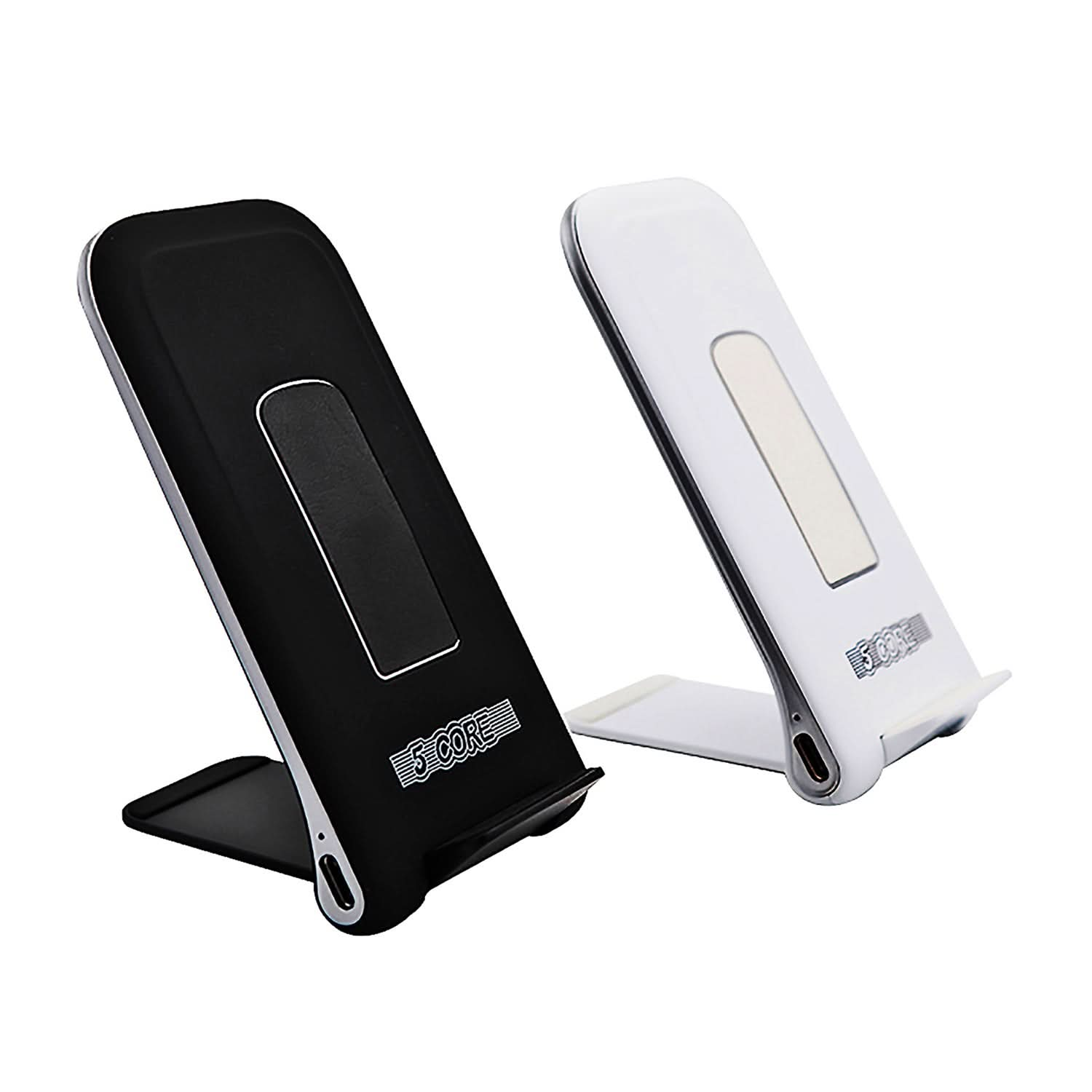
A wireless charger moves power through induction between a pad/stand coil and a receiver coil in your phone, trading the certainty of a cable for convenience. The core engineering trade-off is coil alignment and thermal headroom versus charging speed: 5W–7.5W pads run cool and cheap, while 10W–15W fast pads require Qi certification, foreign-object detection, and active thermal management to avoid throttling. The decision rule is simple: buy only Qi-certified pads with a matched wall adapter and a coil layout (single, dual, or magnetic array) that fits your phone's coil position and case thickness.

Buying guide image
Computers & Peripherals

10 Desktop Computer

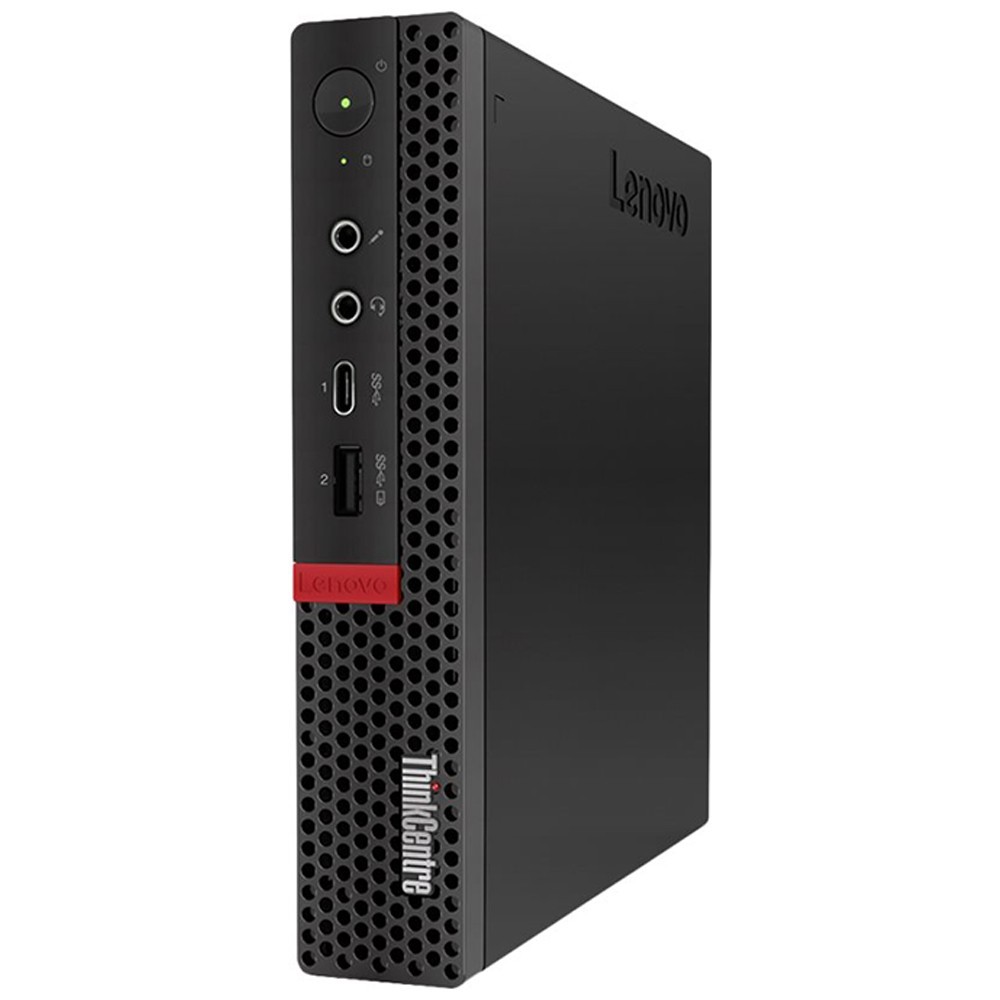
A desktop computer is a modular or all-in-one system defined by its CPU class, upgrade path, and chassis airflow—not by marketing 'tiers'. The core trade-off is between a tower with standard ATX parts (repairable, upgradable) and a mini-PC or all-in-one (compact, but sealed and often non-serviceable). Decide by CPU generation and socket longevity first: an older platform in a full tower outlasts a newer sealed unit with soldered RAM.

Buying guide image
In-Ear Earphones

Waterproof Earphone

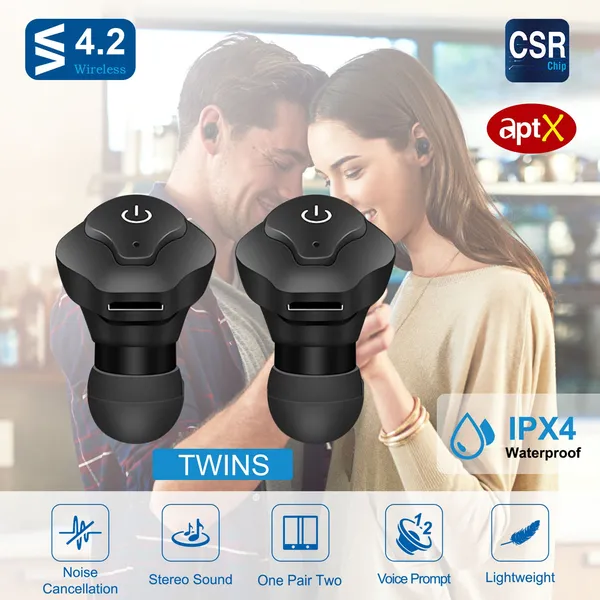
Waterproof earphones range from IPX4 sweat-resistant sport buds to IP68 swim-ready models with onboard memory, and the key trade-off is water ingress protection versus wireless freedom and audio fidelity. The decisive rule: IPX4–IPX5 is enough for running and gym sweat, IPX6–IPX7 survives rain and rinse-downs, and only IP68-rated or bone-conduction/MP3-memory designs are safe for lap swimming because Bluetooth does not transmit underwater.

Buying guide image
VR Gaming Hardware & Accessories

Virtual Reality Goggles

VR goggles split into two buyer paths: standalone headsets with onboard compute and tethered console/PC units that depend on a host system. Most returns stem from buying the wrong architecture for an existing console or PC, or from expecting full-body tracking from seated/controller-based systems. Get the platform and tracking generation right first, then size the fit and cable run.

Buying guide image
Over-Ear Headphones

Open Back Headphones

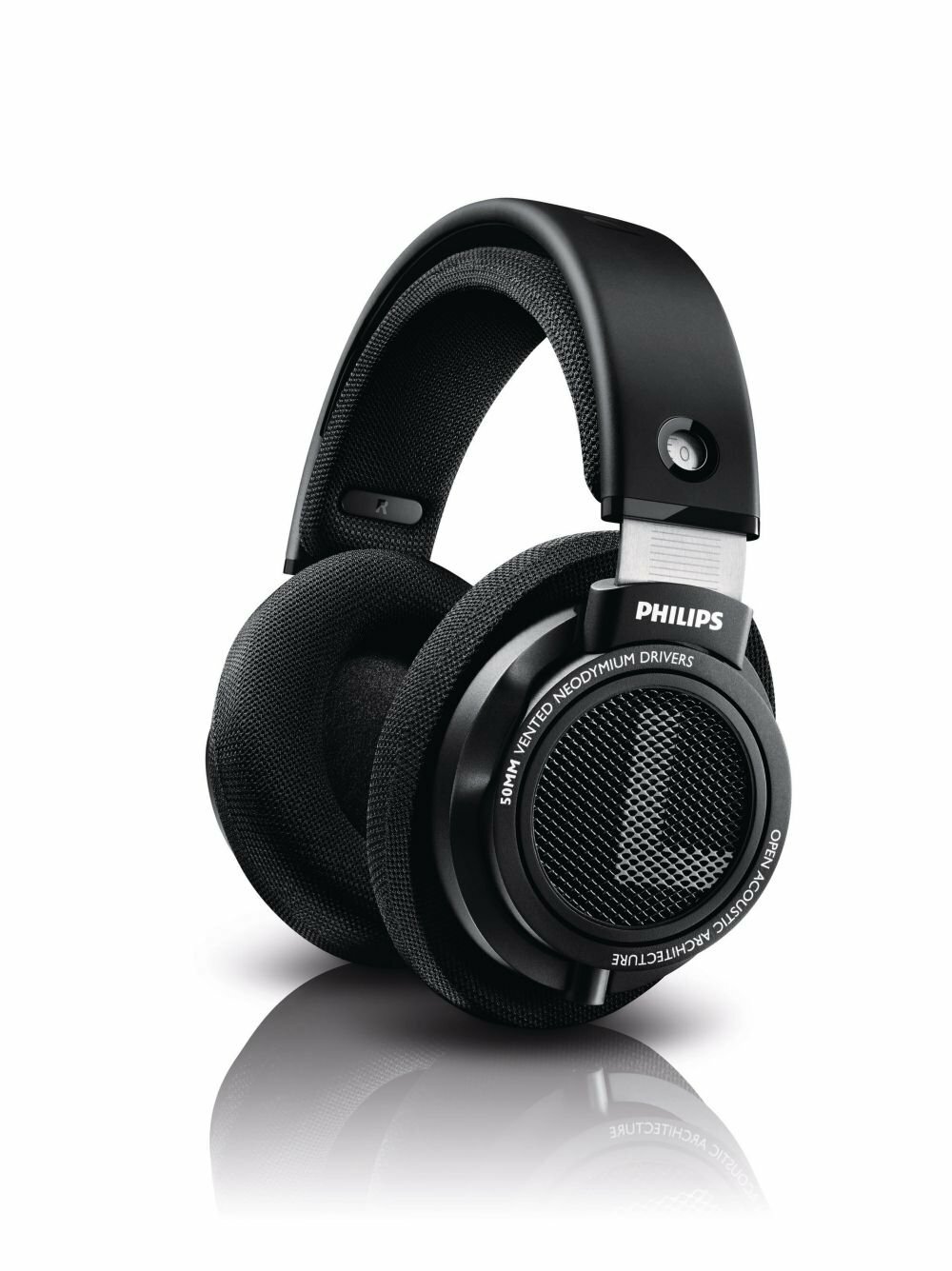
Open-back headphones trade isolation for soundstage: the grille lets air move freely, producing a wide, natural image but leaking audio both ways. The core decision is driver architecture—dynamic vs planar magnetic—and impedance, which dictates whether you need an amp. Buy dynamic for easy plug-and-play at 32–50 ohms, planar for speed and detail only if you have clean amplification.

Buying guide image
Computers & Peripherals

Desktop Computer With Monitor

A desktop computer with monitor is a bundled or self-assembled two-piece system where the tower/housing and display are chosen together to match GPU output, desk depth, and port standards. The primary trade-off is panel-to-rig balance: an oversized 4K screen wastes money on a weak GPU, while a budget 1080p TN panel caps a strong workstation. The decision rule: lock the monitor resolution and port tier to the GPU and CPU platform first, then buy the tower with matching video outputs and expansion slots.

Buying guide image
3D Printing Filament & Resin

3D Filament Spool

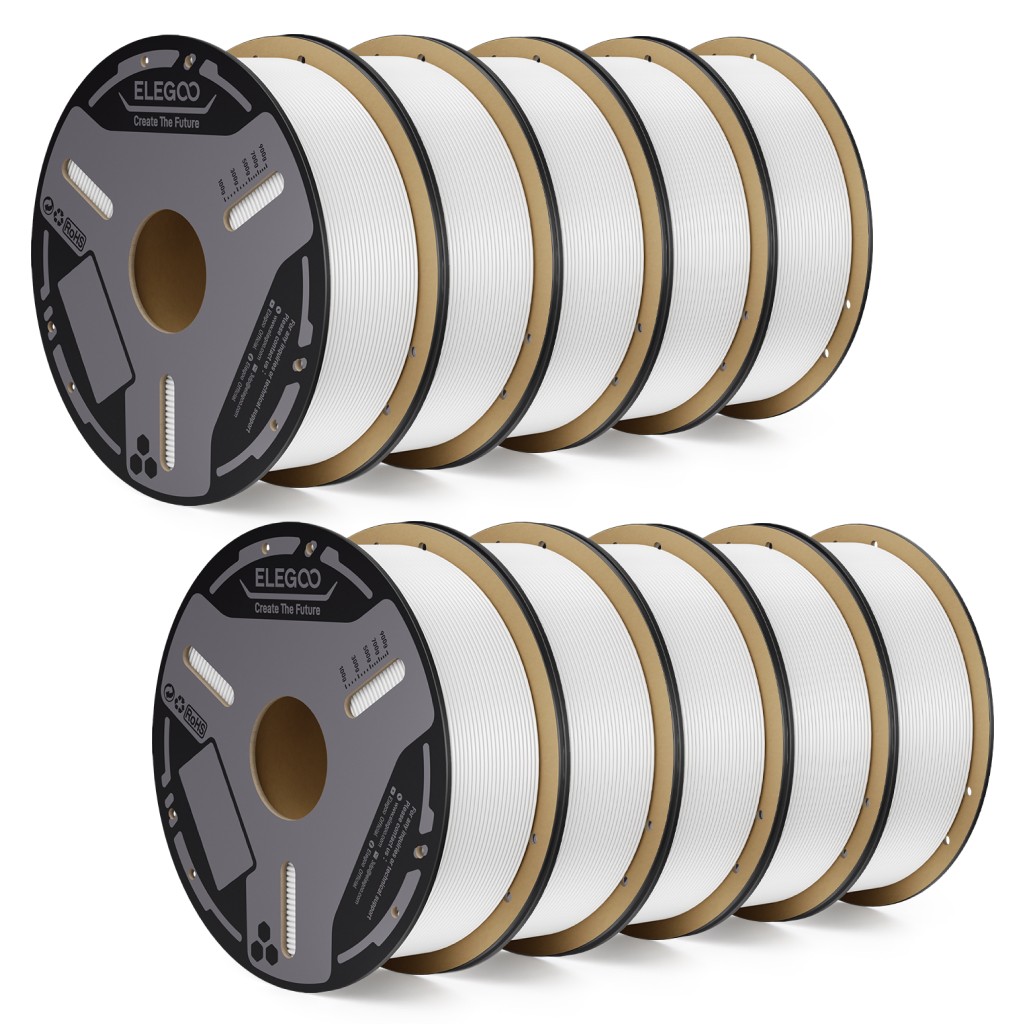
3D filament spools are the consumable feedstock for FDM printers, sold by polymer type, diameter tolerance, and net weight. The core trade-off is between easy-printing commodity polymers (PLA) and engineering-grade materials (PETG, ABS, ASA, TPU) that demand heated beds, enclosures, or slower speeds. The decision rule is simple: match polymer to your printer's thermal capability and your part's mechanical/UV needs, and reject any spool lacking a stated diameter tolerance and net-weight figure.

Buying guide image
Console & Handheld Hardware

Mini Retro Game Console

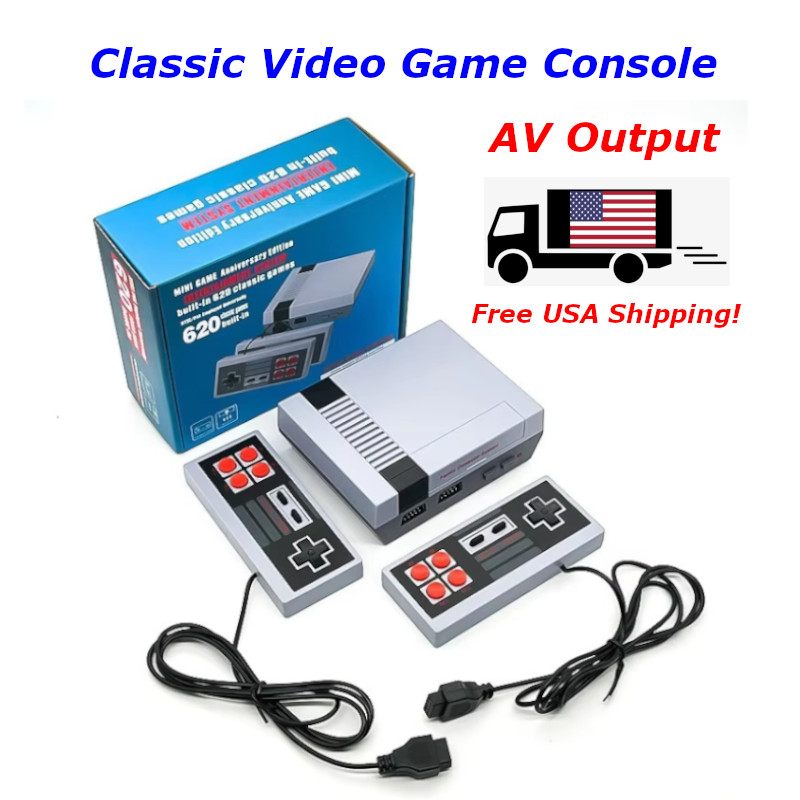
Mini retro game consoles are compact, preloaded systems that recreate 8-bit and 16-bit arcade and console libraries, ranging from plug-and-play TV boxes to handheld emulation devices. The core trade-off is between ultra-low-cost 8-bit chip-on-a-board (COB) units with composite AV output and higher-tier handhelds using ARM SoCs, HDMI, and microSD expansion. Choose a TV-box style only if you accept 8-bit fidelity and AV cabling; choose an ARM-based handheld or HDMI mini console if you need save states, SD-card libraries, or modern display compatibility.

Buying guide image
Controllers & Gaming Accessories

Switch Controller Wireless

Switch wireless controllers split into two distinct form factors: split Joy-Con-style pairs that attach to the console rails for handheld play, and full-size Pro-style gamepads for docked/TV sessions. The core trade-off is OEM-grade wireless latency, motion sensing, and NFC versus budget clones that drop Amiibo support and use lower-grade sticks and batteries. Buy OEM or licensed Pro controllers for competitive play and long sessions; choose reputable third-party Joy-Con pairs only for casual multiplayer on a budget.

Buying guide image
In-Ear Earphones

Earbud With Mic

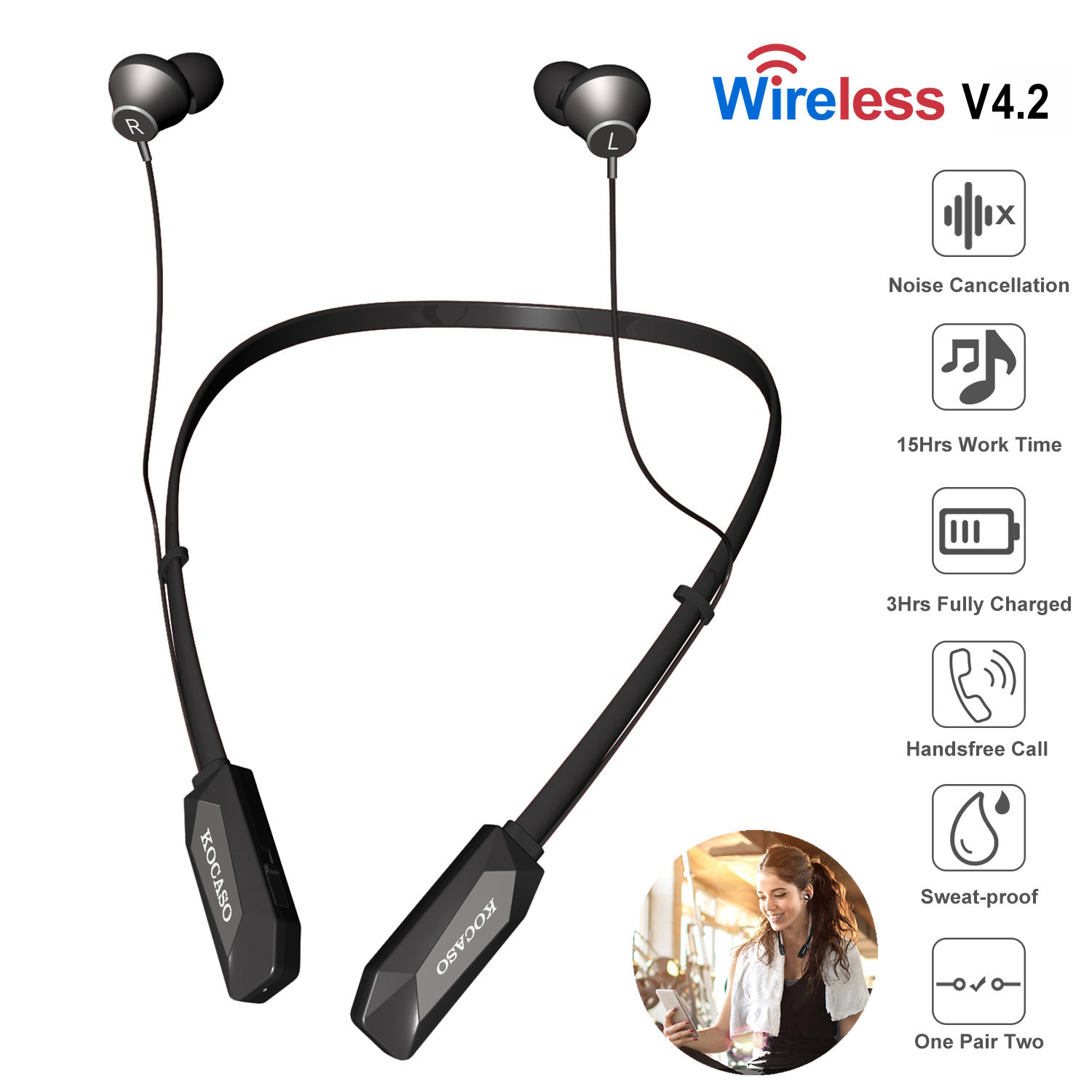
In-ear earphones with a mic span wired headsets, neckband models, and true wireless (TWS) earbuds, differentiated mainly by microphone voice-capture quality and wireless stability. The core trade-off is between older Bluetooth versions with bulky neckbands and modern TWS with multi-mic noise cancellation and longer battery. Choose TWS with Bluetooth 5.0+ and at least 4 microphones for calls; skip V4.1/V4.2 neckbands unless you need the 15-hour battery and don't mind weaker call clarity.

Buying guide image
In-Ear Earphones

Earphone With Mic

In-ear earphones with a microphone split into two engineering paths: wired IEMs where a detachable cable and inline mic module determine longevity, and true-wireless or neckband headsets where Bluetooth version and battery chemistry dictate call reliability. The core trade-off is mic clarity and cable/connection durability versus wireless convenience, and the decision rule is simple: buy a wired IEM with a replaceable cable for calls in quiet environments, and a Bluetooth 5.x headset only if you accept battery degradation as a wear item.

Buying guide image
Digital Audio Players

Digital Audio Player

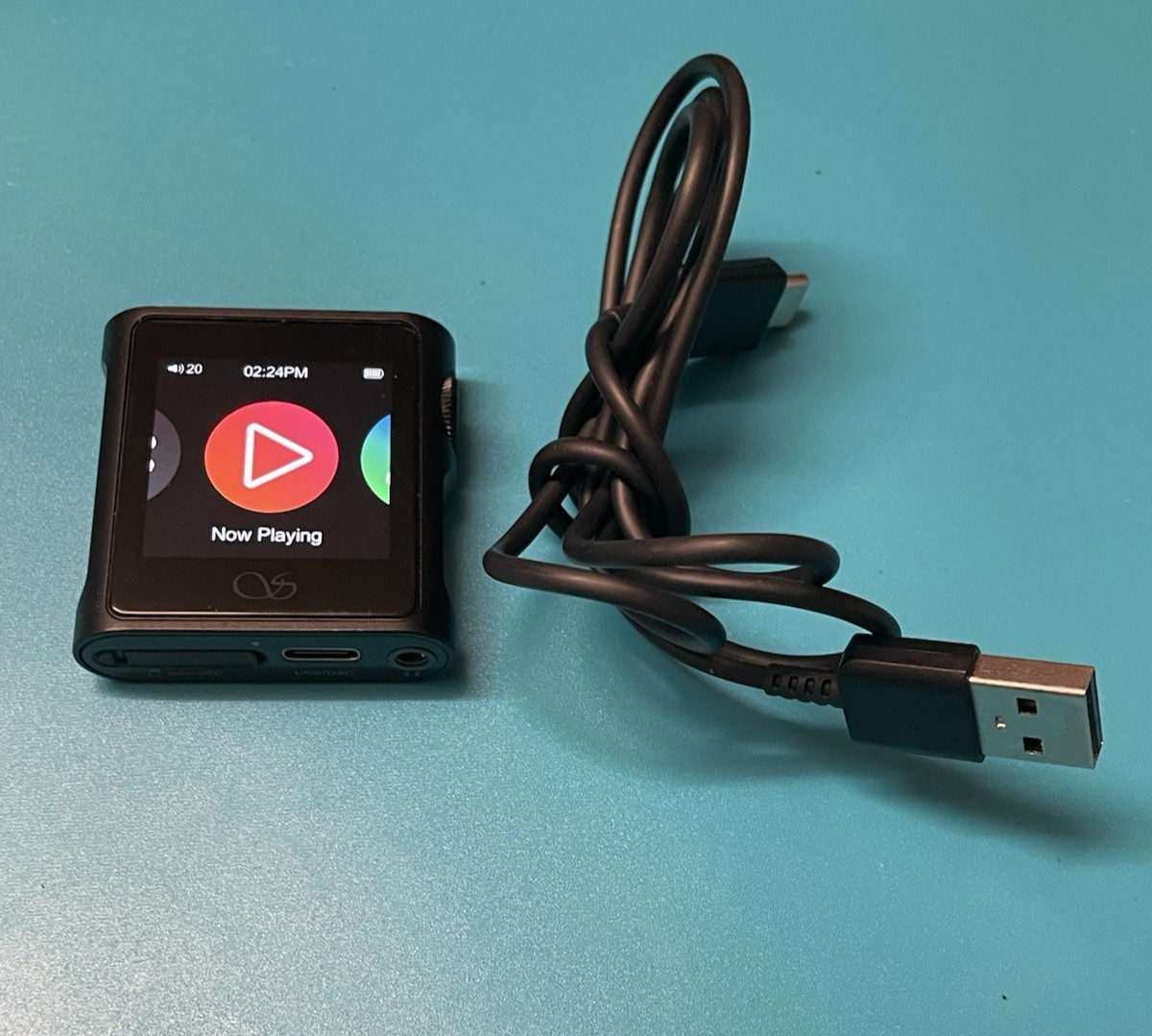
A digital audio player (DAP) is a dedicated portable device for high-resolution music playback, distinct from a phone or a voice recorder. The core trade-off is between a closed, battery-efficient proprietary OS with fixed features and an open Android-based player that supports streaming apps but drains power faster. Buy a DAP if you want bit-perfect output, a real headphone jack, and expandable storage; skip it if you only need casual MP3 playback or voice memo capture.

Buying guide image
Projectors & Screens

Foldable Projector Screen

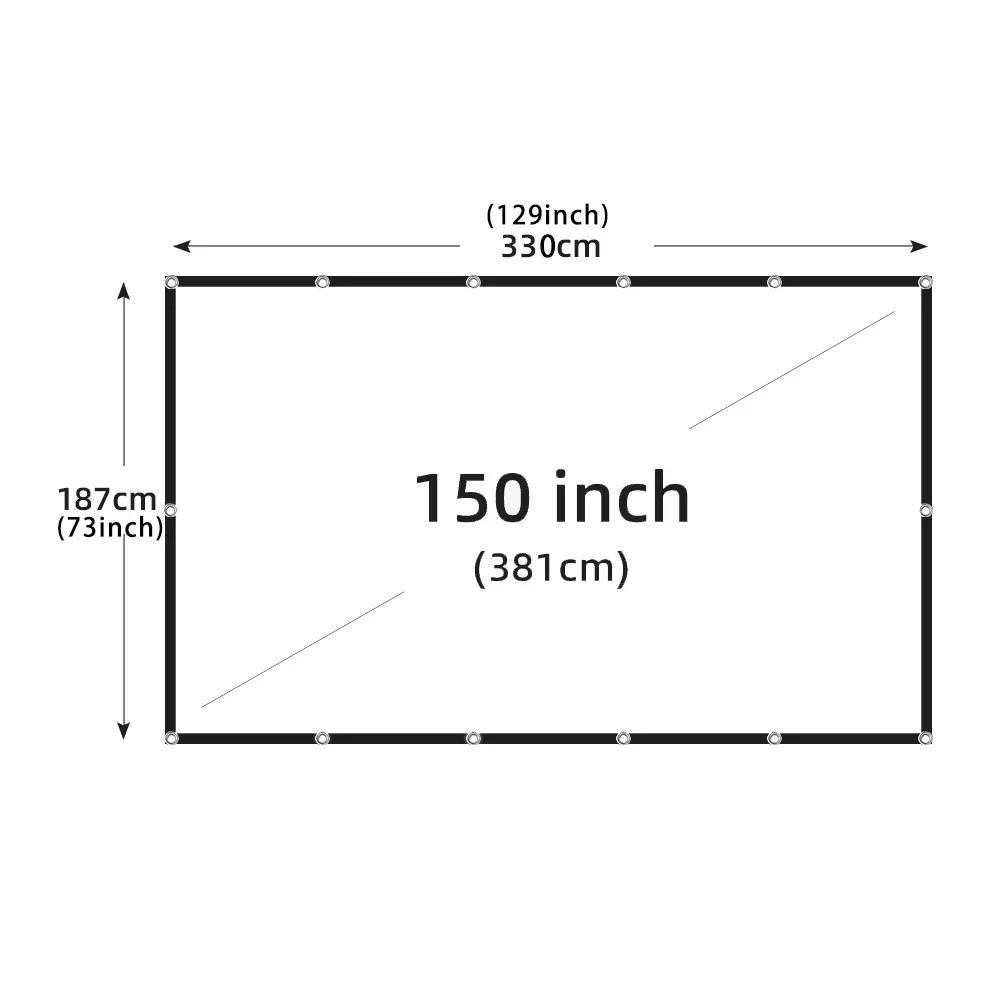
A foldable projector screen is a fabric viewing surface that collapses for transport, usually paired with a stand or frame. The primary trade-off is between a thin, crease-prone PVC sheet and a thicker, wrinkle-resistant multi-layer fabric with a rigid frame; the decision rule is simple: buy a tensioned or anti-crease fabric with a metal stand if you plan to reuse it, and avoid unstretched single-layer cloth unless it is for occasional light use.

You may also like

Finding more guides for you…