
Photos from current listings. Actual item, color, and included accessories may vary.
Virtual Headset Buying Guide
A virtual headset is a display-and-tracking system whose performance is defined by two independent decisions: the tracking architecture (outside-in camera rig vs inside-out SLAM) and whether rendering happens on a tethered console/PC or a standalone onboard chip. The durable rule is simple: buy the generation that matches your existing console or PC platform and has native inside-out tracking; skip first-generation outside-in kits unless they are a deliberate budget entry with known sensor-cable constraints.
Median $99.00 · New & pre-owned listings
Key takeaways
- Tracking architecture splits the market: PSVR1 and Rift CV1 use external cameras/sensors, while Quest 2/3, PSVR2, and Rift S use inside-out cameras with no external rig.
- PSVR1 (CUH-ZVR2) connects to PS4/PS5 via a processor unit and camera; PSVR2 (CFI-ZVR1) requires PS5 and a single USB-C cable with no breakout box.
- Quest 2 and Quest 3 are standalone Android-based headsets that also stream PC VR over Wi-Fi or Link cable; Rift CV1 is PC-only with a fixed sensor setup.
At a glance
- Category
- VR Gaming Hardware & Accessories
- Last updated
- Nov 28, 2026
Current offers
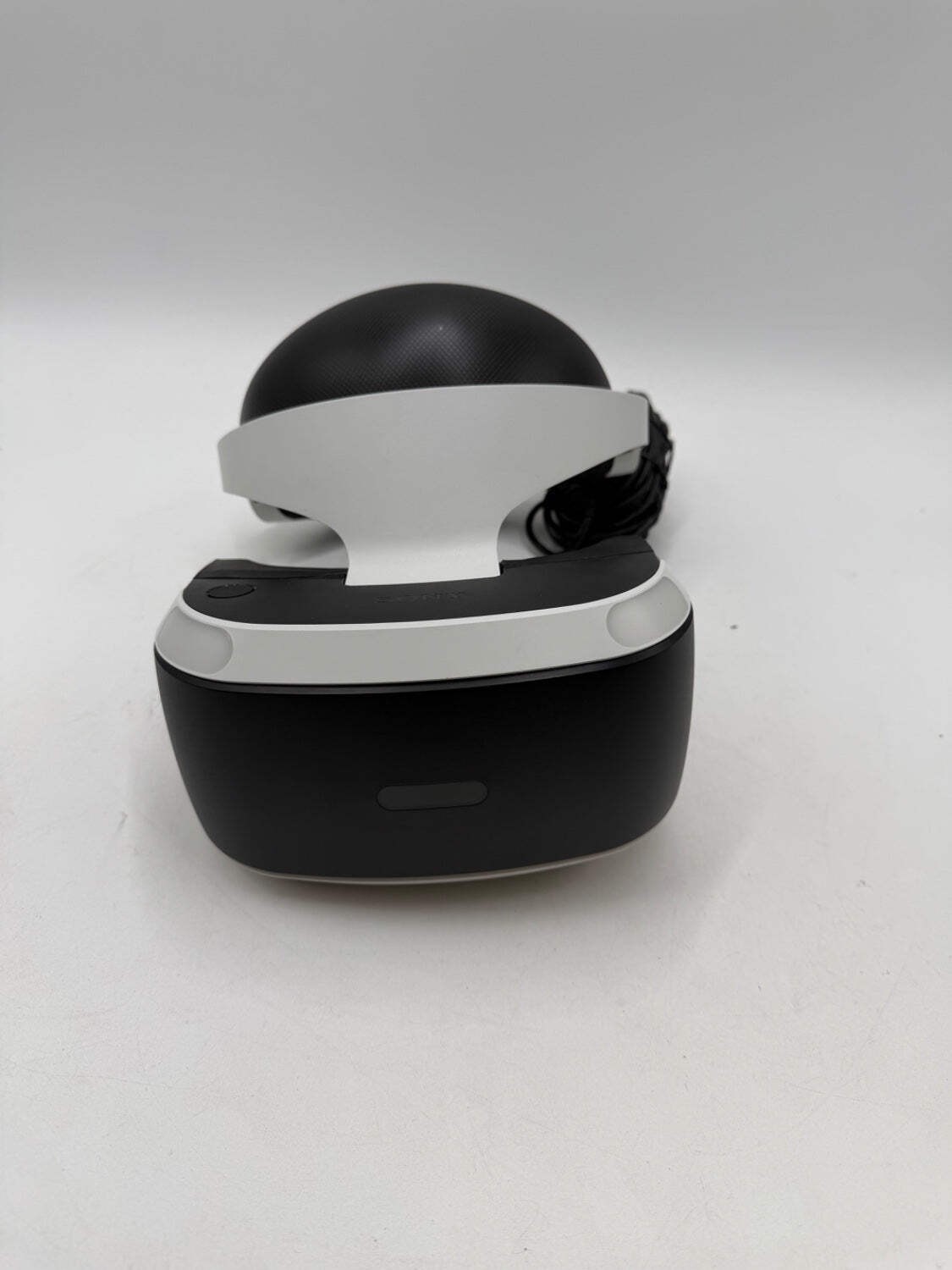 Sony PlayStation VR Virtual Reality VR Headset White CU H-ZVR2$37.99View on eBay
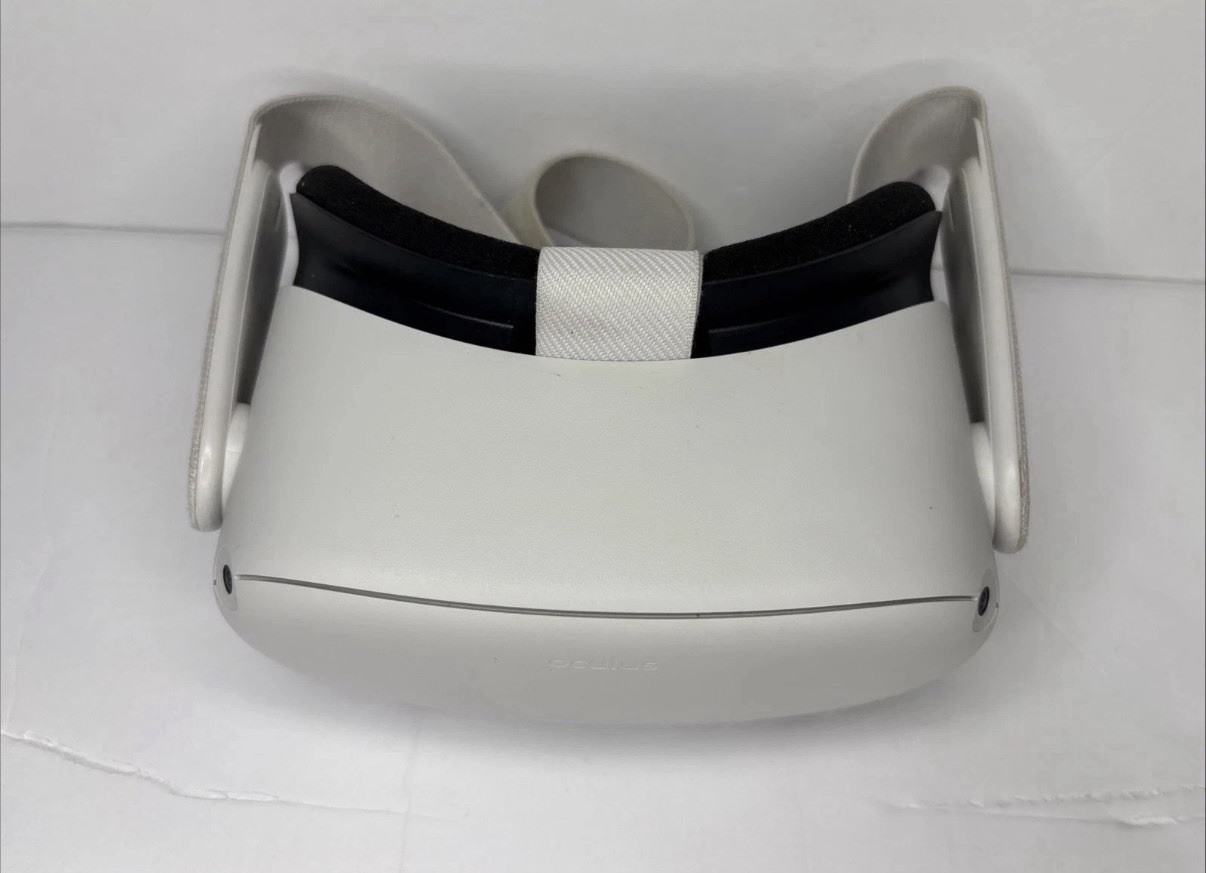 Meta Oculus Quest 2 128 GB Virtual Reality Headset Tested Works$45.99View on eBay
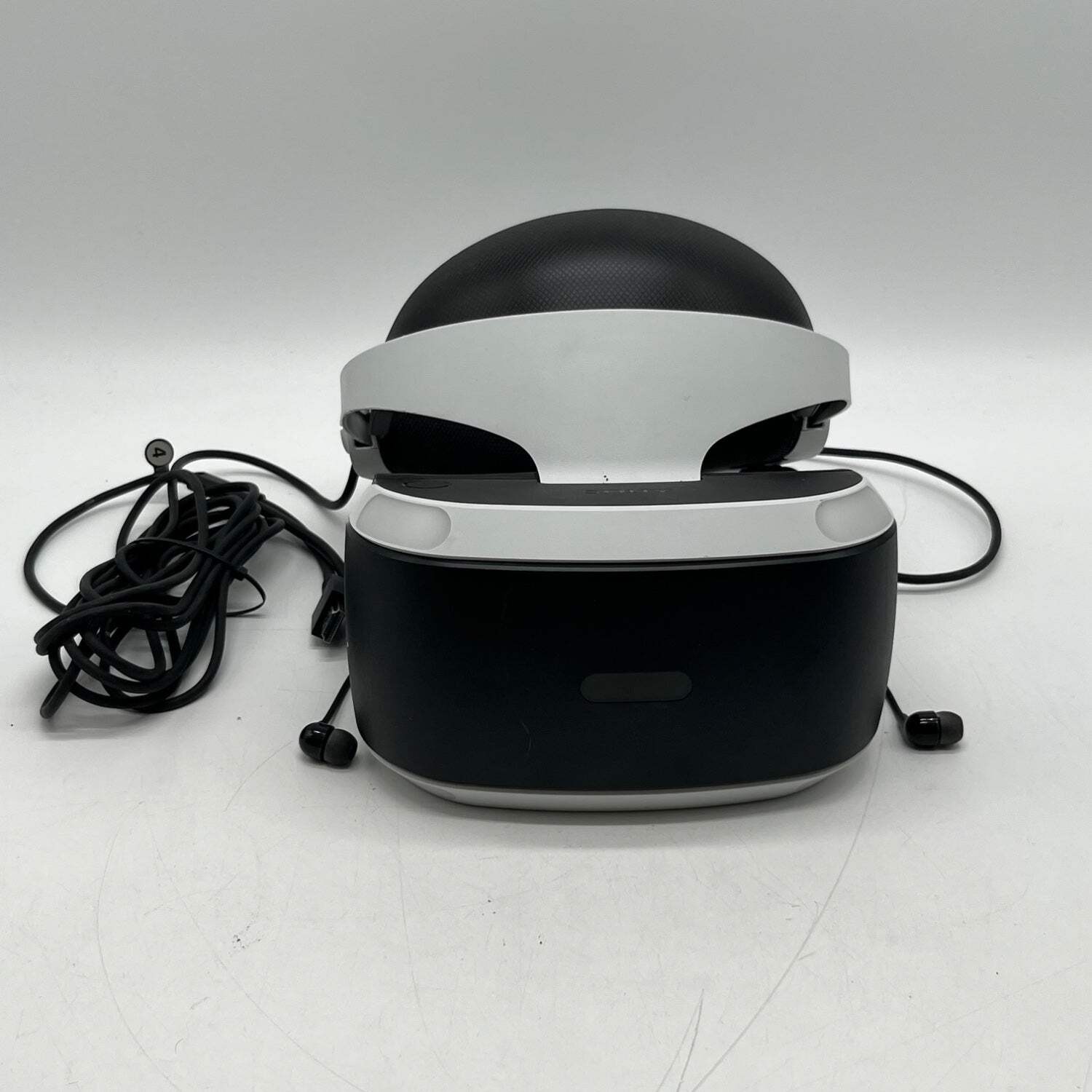 Sony PlayStation 4 PS4 Virtual Reality VR Headset Black CUH-ZVR2$49.99View on eBay
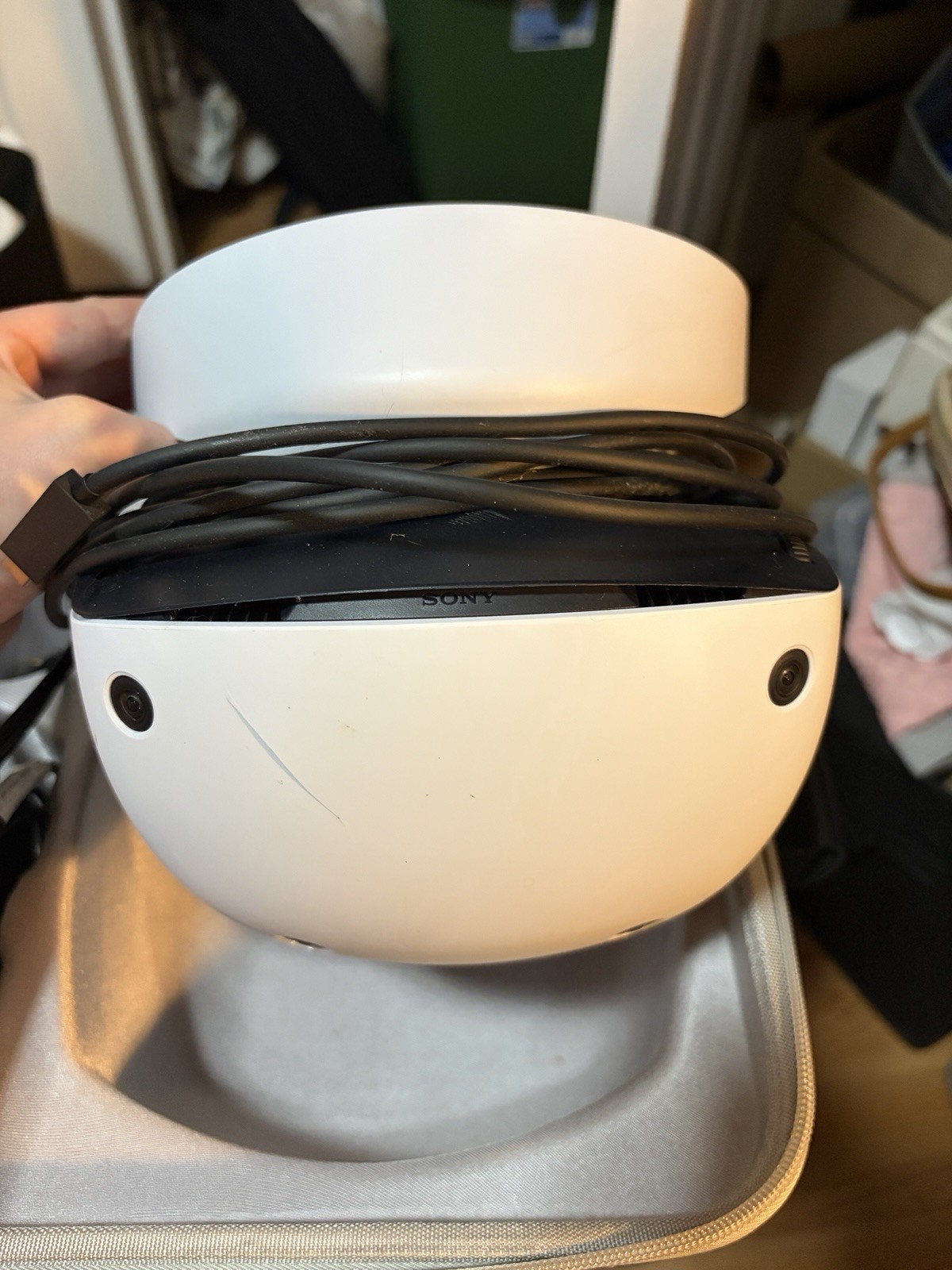 Sony PlayStation VR2 Virtual Reality Headset for PS5 And Wireless Charger$99.00View on eBay
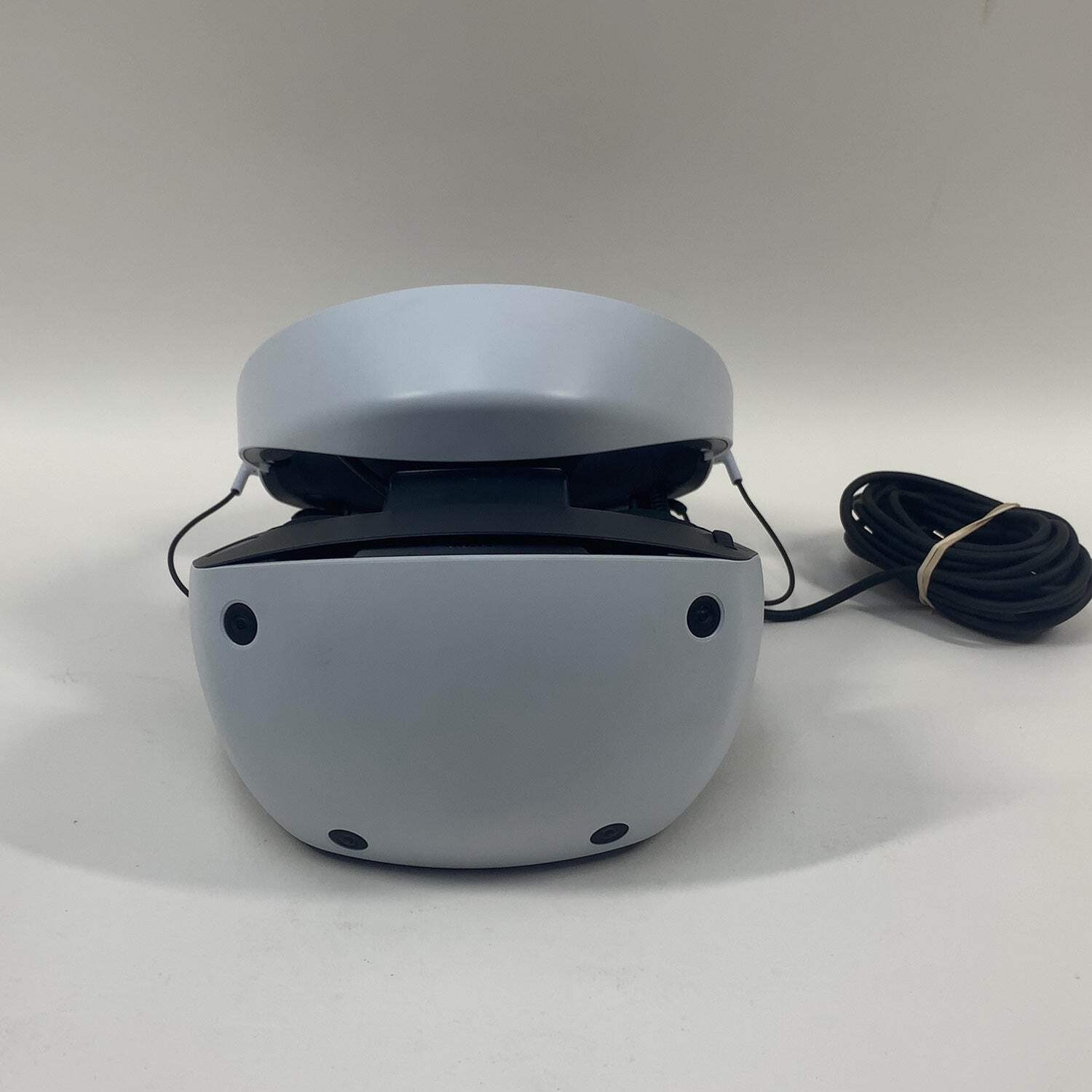 Sony PlayStation 5 PS5 Virtual Reality VR Headset White CFI-ZVR$149.99View on eBay
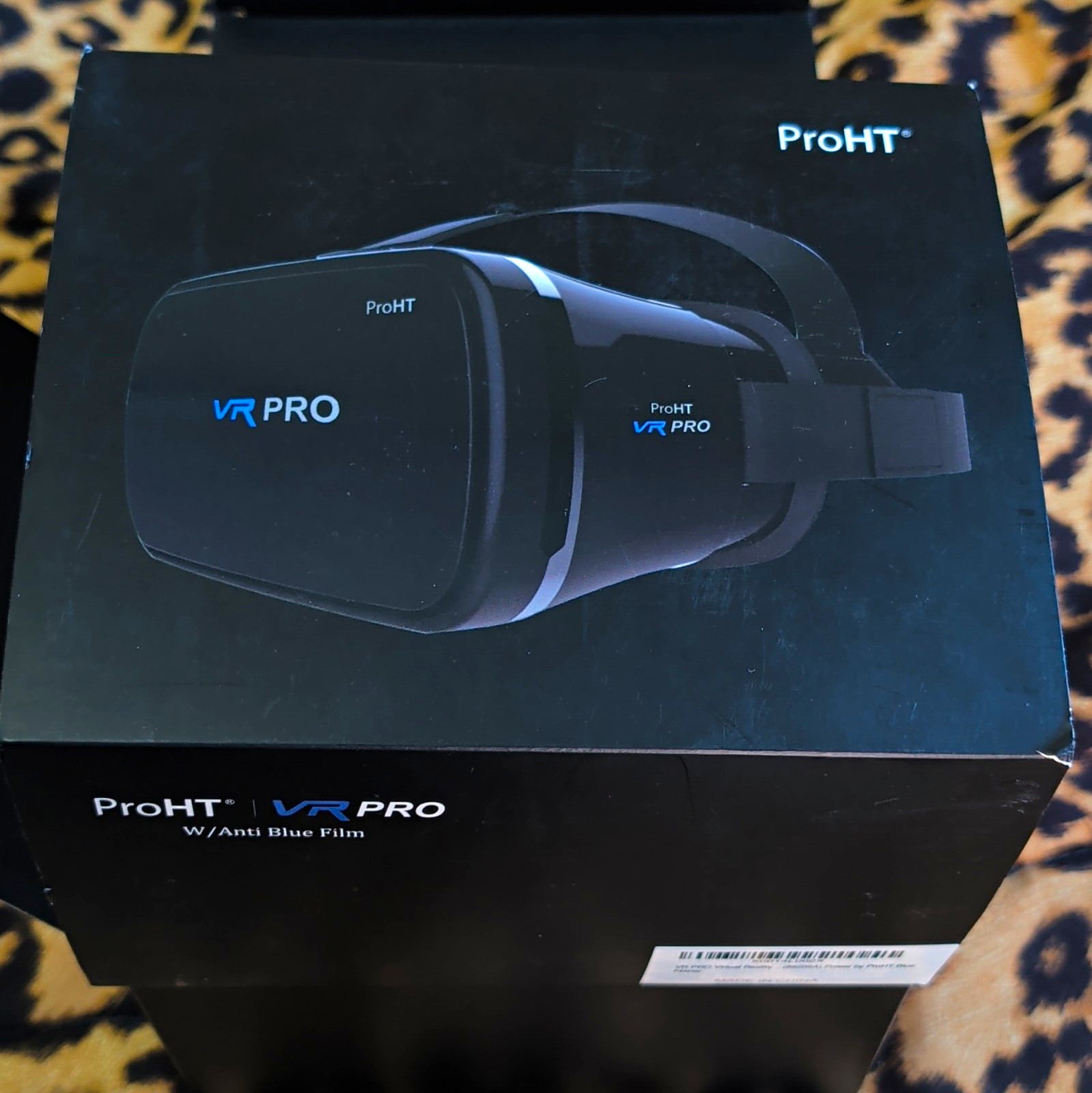 ProHT VR PRO Standalone Virtual Reality Headset, Black, MPN X0014L002X$250.00Open box · Last checked Nov 22, 2026View on eBay
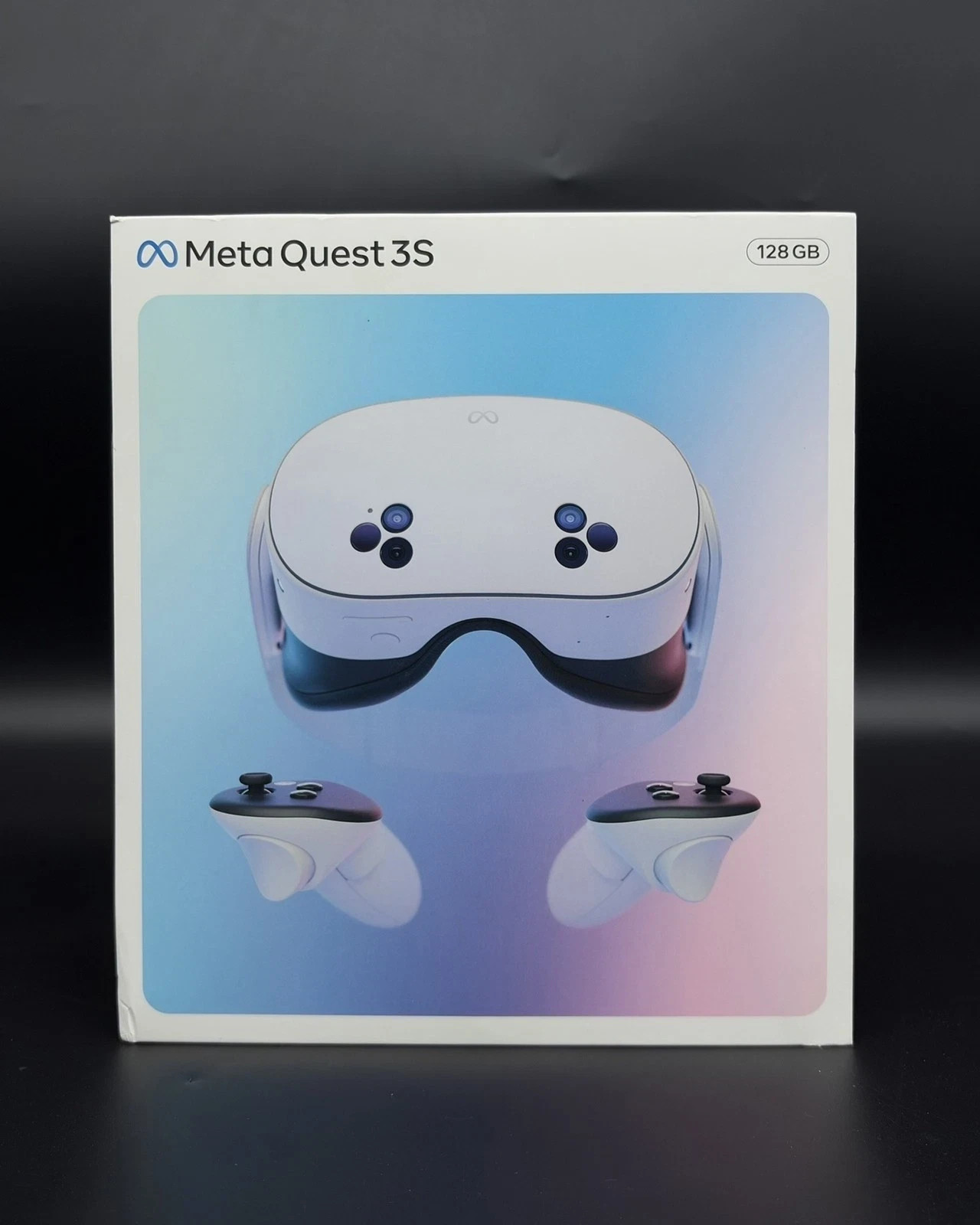 BRAND NEW Meta Quest 3S 128GB | Virtual Reality — VR Headset — Includes GOLF+$265.00New · Last checked Nov 22, 2026View on eBay
Highlights
- Tracking architecture splits the market: PSVR1 and Rift CV1 use external cameras/sensors, while Quest 2/3, PSVR2, and Rift S use inside-out cameras with no external rig.
- PSVR1 (CUH-ZVR2) connects to PS4/PS5 via a processor unit and camera; PSVR2 (CFI-ZVR1) requires PS5 and a single USB-C cable with no breakout box.
- Quest 2 and Quest 3 are standalone Android-based headsets that also stream PC VR over Wi-Fi or Link cable; Rift CV1 is PC-only with a fixed sensor setup.
- Panel and lens generation matters more than brand: PSVR2 adds OLED HDR and eye tracking, Quest 3 adds pancake lenses and mixed reality, while PSVR1 and CV1 use older fresnel/OLED panels with lower resolution.
Best use cases
- Own a PS4 and want the cheapest entry: pick a used PSVR1 CUH-ZVR2 bundle with camera and Move controllers; skip PSVR2, which will not run on PS4.
- Own a PS5 and want current-gen fidelity: buy PSVR2 with the Sense controllers and USB-C cable; skip PSVR1 unless you specifically need PS4 backward compatibility.
- Want untethered room-scale and PC streaming: choose Quest 3 for pancake lenses and mixed reality, or Quest 2 as the budget standalone; skip Rift CV1, which is PC-only with external sensors.
- Building a PC VR setup on a budget: a used Rift CV1 works only with adequate USB ports and sensor placement; for a simpler setup pick Quest 2/3 with Link or Air Link instead.
Buying tips
- Match the headset to the platform first: PSVR1 requires PS4 or PS5 plus camera; PSVR2 requires PS5; Quest 2/3 and Rift CV1 are PC-capable but Quest adds standalone mode.
- For PSVR1, confirm the CUH-ZVR2 model: it integrates the volume/headphone controls into the headset and supports HDR pass-through, unlike the earlier CUH-ZVR1.
- For Quest 2/3, check onboard storage tier (64/128/256 GB) because standalone games install locally; 128 GB is the practical floor for a mixed library.
- For Rift CV1, plan USB 3.0 ports and sensor placement; the kit needs at least two sensors for room-scale and a compatible HDMI port on the PC.
Specs
| Tracking Type | Inside-out SLAM vs external sensors |
|---|---|
| Platform | PS4/PS5, PC, or standalone |
| Display Panel | OLED vs LCD, fresnel vs pancake |
| Connection | USB-C tether, HDMI/USB, or Wi-Fi |
Related searches
What to check before buying
- Measure your play space: Quest 2/3 and PSVR2 need roughly 2 m x 2 m for room-scale; seated PSVR1 and Rift CV1 setups fit smaller spaces.
- Confirm console or PC output: PSVR2 needs a PS5 with USB-C; PSVR1 needs PS4/PS5 plus the processor unit and camera; PC VR needs a DisplayPort/HDMI and USB 3.0.
- Check included accessories before buying used: PSVR1 bundles need the camera and Move controllers; Quest kits need both Touch controllers and a charging cable.
- Verify voltage and plug standard for the region, and for used headsets confirm lens condition and that the facial interface is included.
FAQ
Data sources: eBay / Amazon listings and product attribute feeds. Updated Nov 28, 2026.
Some links on this page are affiliate links. If you buy after clicking one, we may earn a commission at no extra cost to you. This does not change which products appear here or their order. Affiliate disclosure.